shutterstock

Top 100 German Foods

Last updated on June 24, 2026

Best German foods

01
American Beef Cut

Rinderbrust

4.3 ·

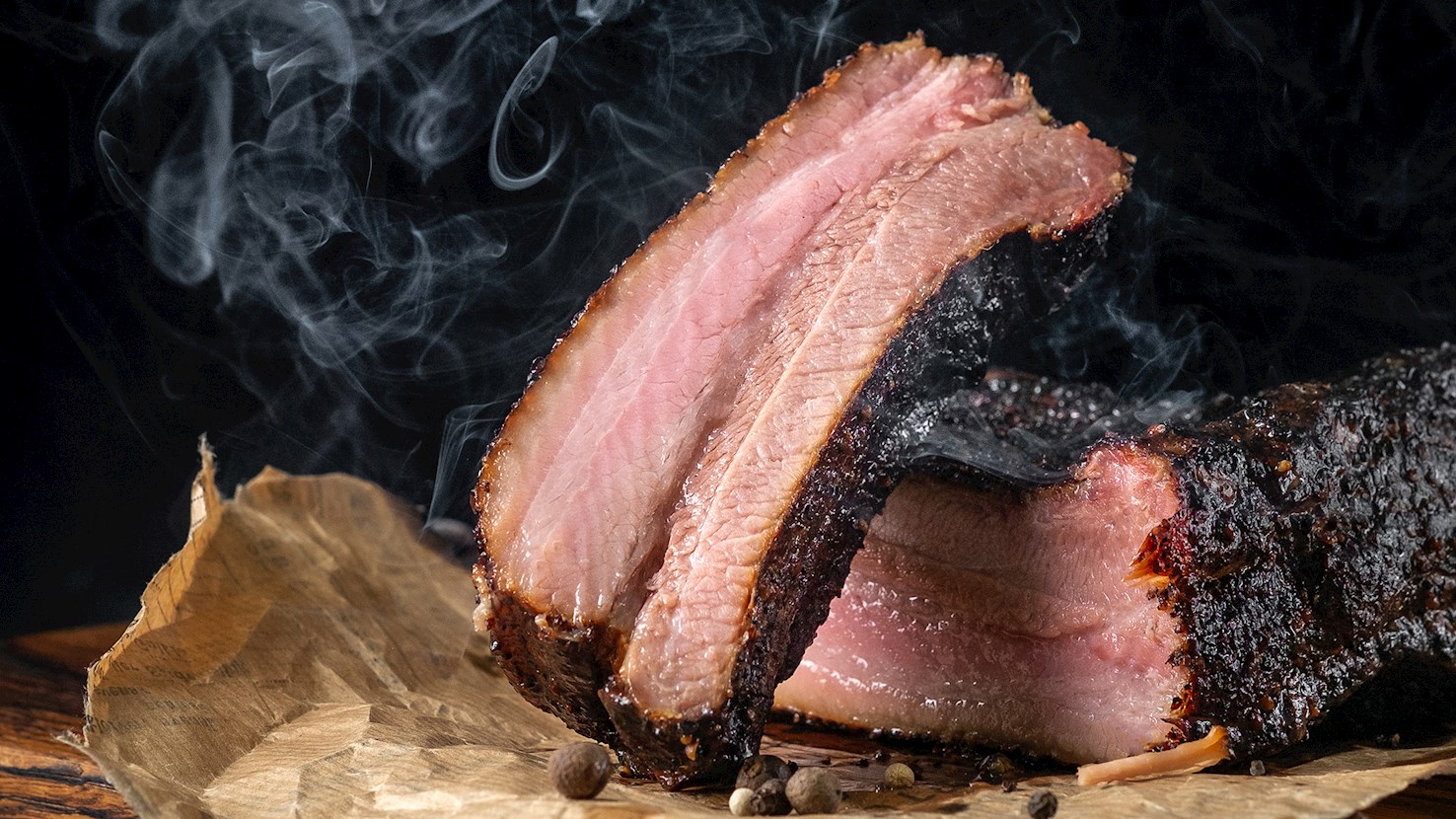
In the American, English and German systems of primal beef cuts, the brisket (or rinderbrust) is a cut that comes from the breast or lower chest of the cow. The brisket is one of the nine primal cuts of beef and is particularly known for its size and for having a significant amount of connective tissue. This cut consists of two different muscles: the pectoralis major, known as the "flat," and the pectoralis minor, or the "point." The flat is leaner, while the point has more fat and marbling. Because of the high amount of connective tissue, brisket needs to be cooked slowly, over low heat, to allow the collagen in the meat to break down and become tender. This makes it a popular choice for slow cooking methods like smoking, braising, or slow roasting. Brisket is notably used in a variety of regional American barbecue traditions, particularly Texas-style barbecue, where it's often smoked for many hours. It's also traditionally used for making corned beef and pastrami.

02
Sweet Pastry

Franzbrötchen

4.3 ·

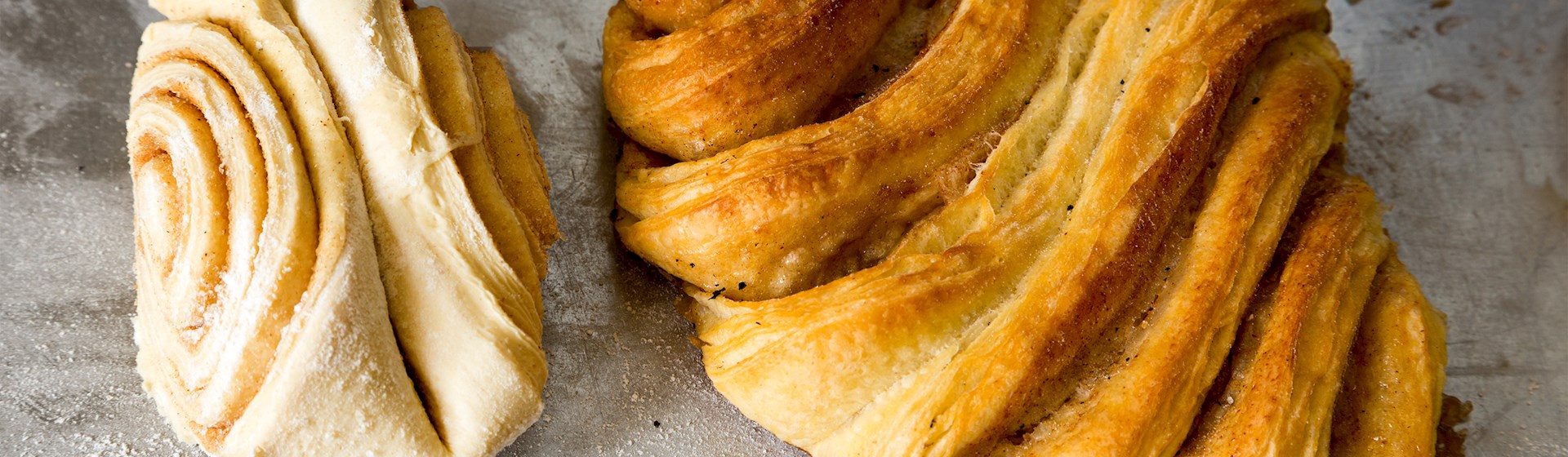
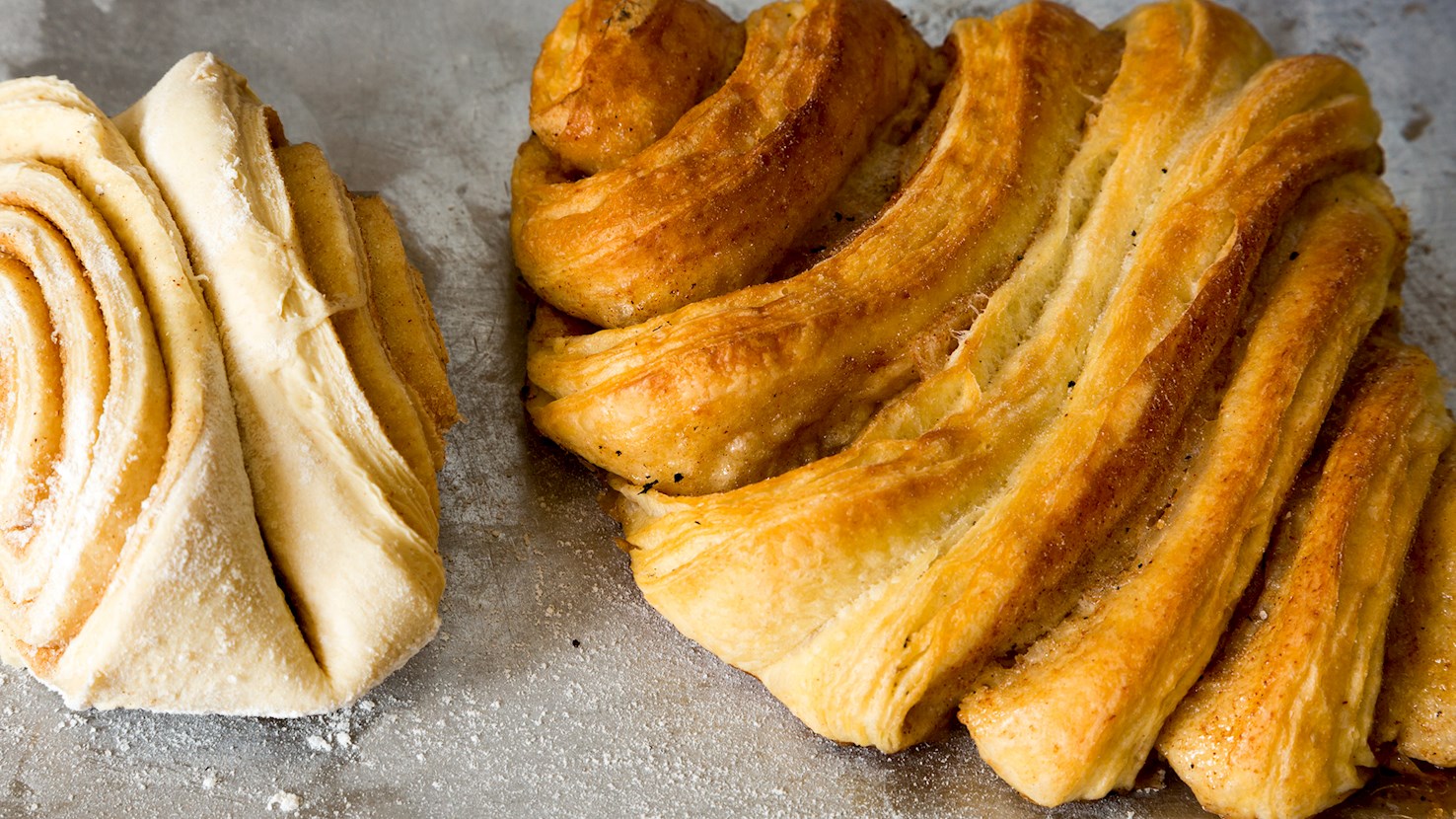
This delicious German sweet pastry is traditionally served with a cup of coffee on the side. Initially made only in the Hamburg area, it is now also available in other German cities. The original recipe for these little pastries includes flour, butter, milk, yeast, and sugar, with a filling consisting of sugar and cinnamon. However, raisins, chocolate, or pumpkin seeds may also be added. The dough is folded multiple times and glazed with butter, developing a sticky coating and rich flavor in the process. The name of this dish is possibly related to the French, who had occupied Hamburg during Napoleon's rule. Alternatively, it is said that a baker from Hamburg once cooked a Franzbrot (French bread) in butter, thus creating the Franzbrötchen.

03
American Beef Cut

Filet

4.3 ·

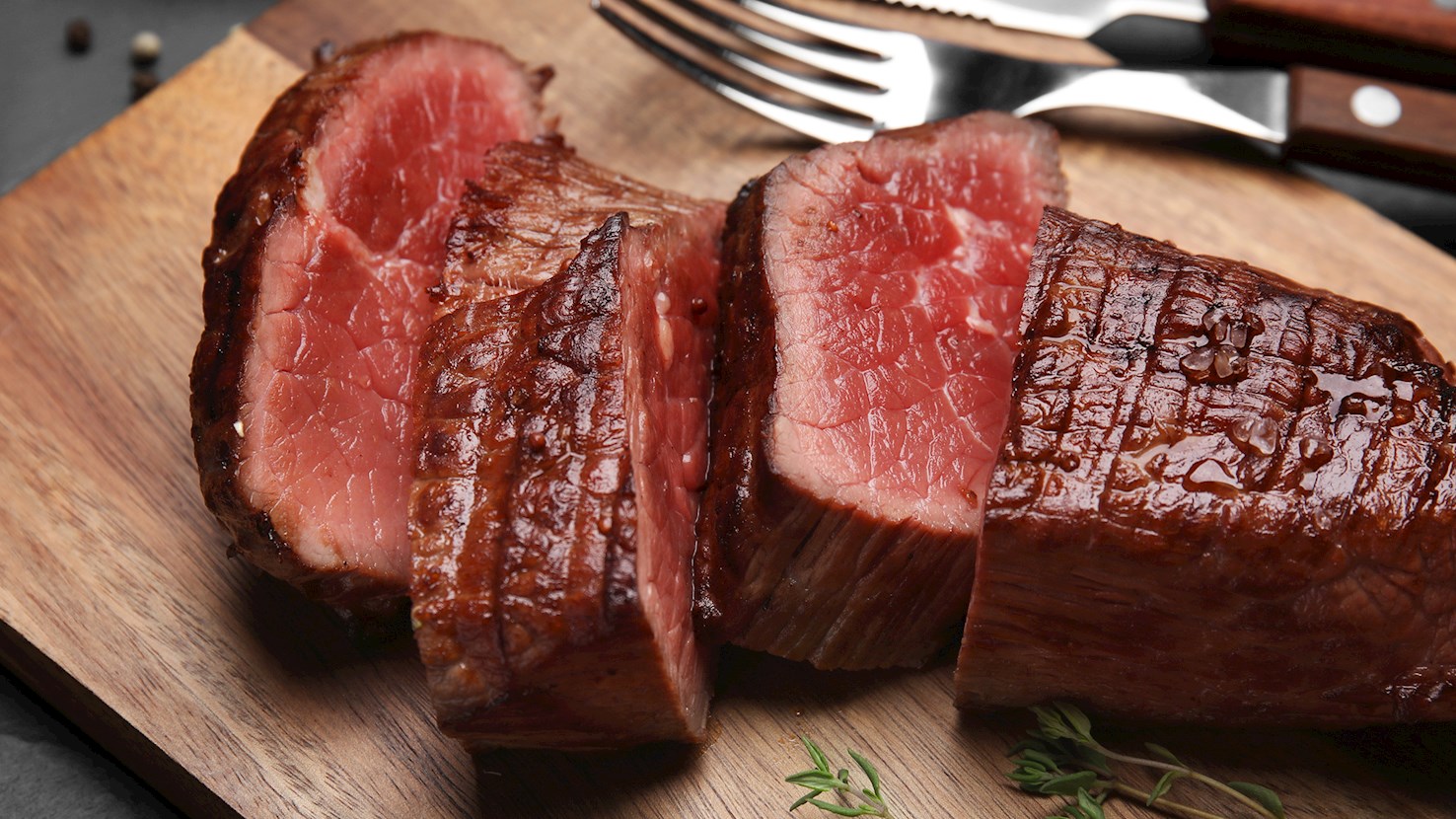
In the American, French, German, Brazilian, and Korean systems of primal beef cuts, the tenderloin is a cut from the loin, which is located towards the back of the cow, nestled under the ribs, next to the backbone. It spans two primal cuts: the short loin and the sirloin. The tenderloin is one of the most tender cuts of beef as it comes from a muscle that doesn't get much exercise. It is also one of the most highly prized and correspondingly expensive cuts of beef, due to its tenderness and flavor. Given the tenderness of this cut, the tenderloin is often cooked quickly over high heat, with methods such as grilling or broiling. It's often served slightly rare to maintain its tender texture.

04
Beef Dish

Zwiebelrostbraten

4.3 ·

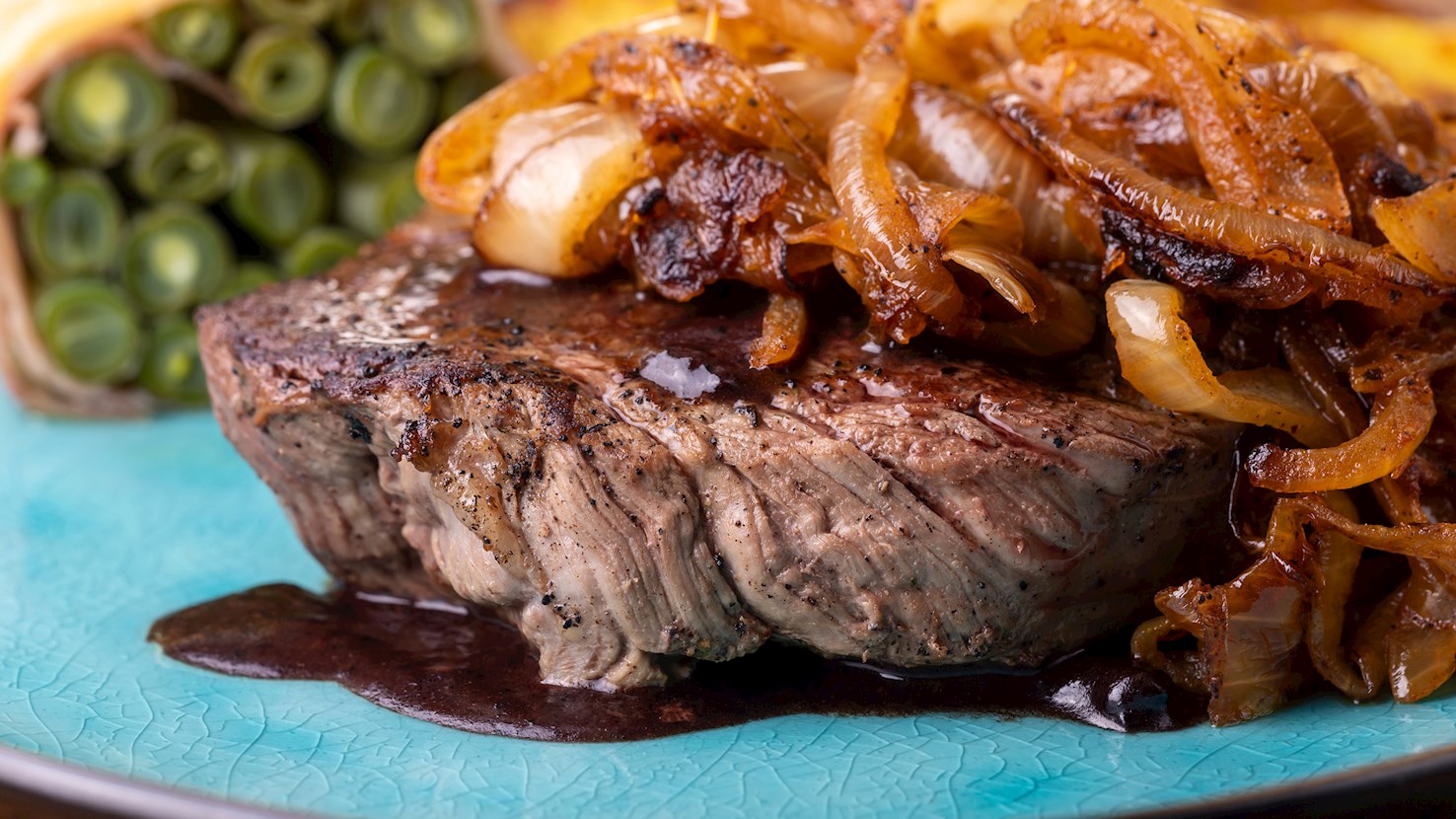
Zwiebelrostbraten is a traditional dish that's served in most German and Austrian restaurants in Bavaria and Vienna, respectively. The dish is usually made with a combination of beef (sirloin steak), onions, flour, oil, butter, paprika, Dijon mustard, cream, beef stock, salt, and pepper. The onions are sliced into rings, dipped in a mixture of flour and paprika, fried in oil, and set aside. The steaks are lightly pounded, seasoned with salt and pepper, coated with flour and paprika, fried in oil and butter on both sides, and removed from the pan. The fried onions are returned to the pan with mustard and beef stock, and the mixture is cooked until the juice are reduced. Cream is added to the pan and everything is simmered for a few minutes. The steaks are added to the sauce, and the dish is then served with spätzle or potatoes on the side. The meat is typically topped with the remaining onions before serving.

05
Snack

Quarkbällchen

4.2 ·

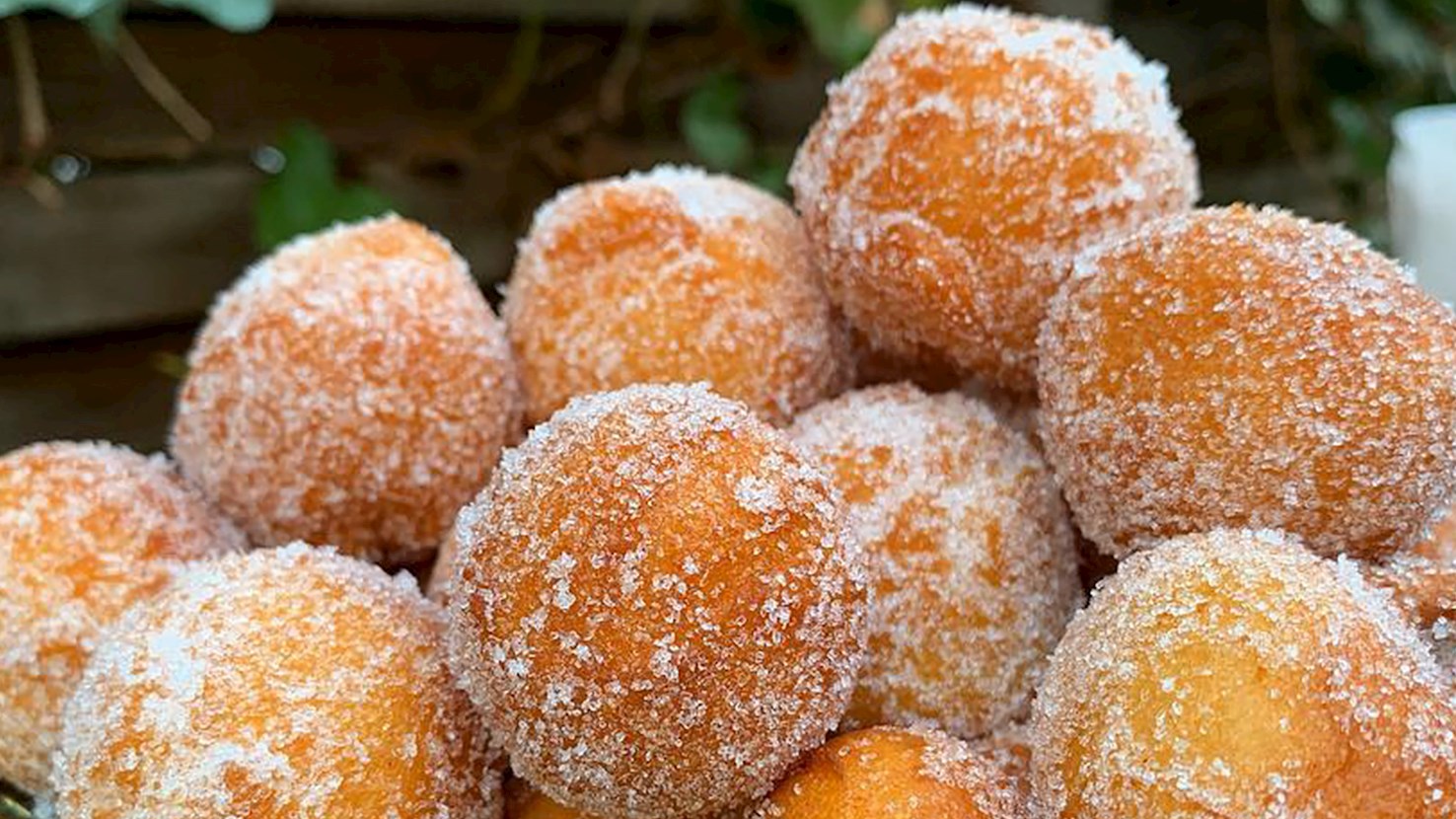
Quarkbällchen, meaning quark balls, is a traditional snack that is typically made by combining quark, flour, eggs, sugar, vanilla sugar, and baking powder. Milk, melted butter, cinnamon, lemon zest, and corn or potato starch are also sometimes added to the combination. The quark mixture is shaped into small balls which are deep-fried until golden brown on the outside and soft and fluffy on the inside. Once done, the fried balls are usually coated in powdered or granulated sugar or a cinnamon-sugar mixture. Thought to hail from Bavaria, this sweet treat is generally enjoyed as an afternoon snack alongside a cup of tea or coffee. Resembling donuts, quarkbällchen are available in bakeries throughout Germany, and they’re often prepared during the festive Christmas season, New Year’s Eve, Fasching (Germany’s carnival season), and Oktoberfest.

06
Dumplings

Thüringer Klöße

4.2 ·

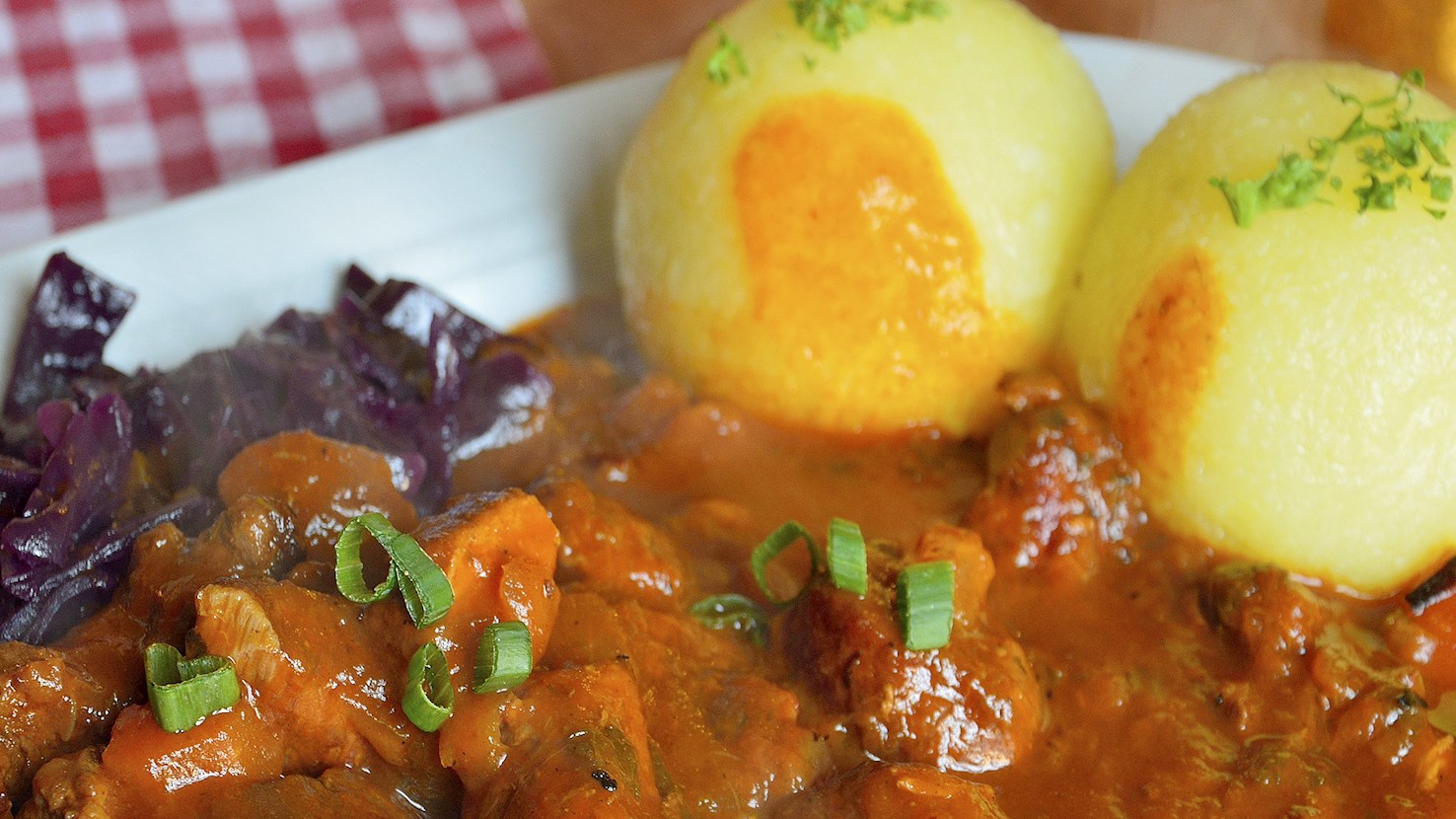
A quintessential specialty hailing from Thuringia, Thüringer klöße is a simple potato dumpling that consists of a mixture of grated raw potatoes and mashed cooked potatoes filled with crunchy cubes of bread. The dumplings are typically cooked in simmering water, but they can also be lightly browned in butter for extra flavor. These traditional Thuringian potato dumplings are a great accompaniment to a variety of German meat delicacies, and they are often served with dishes such as meat roulades, roasted meat, stuffed cabbage rolls, red cabbage, or sauerkraut. Large and perfectly rounded, these German potato dumplings used to be prepared on Sundays and were once considered to be food for the poor. In Heichelheim, there is a Thuringian Dumpling Museum (Thüringer Kloßmuseum) that honors these dumplings. Nowadays, Thüringer klöße are a staple of numerous traditional restaurants in the region.

07
Cooked Sausage

Nürnberger Bratwürste

4.2 ·

Nürnberger Bratwürste are small, thin sausages originating from the city of Nürnberg in the Franconia region of Bavaria, Germany. They are typically about 7 to 9 centimeters (2.75 to 3.5 inches) long and weigh around 20 to 25 grams each, making them much smaller and thinner compared to other types of German sausages. The sausages are made from finely ground pork, often mixed with a blend of spices that typically includes marjoram, salt, pepper, and sometimes a hint of ginger or nutmeg, with marjoram being a signature ingredient that gives them their distinctive flavor. Nürnberger Bratwürste are usually grilled over a beechwood fire, which imparts a unique, smoky flavor, but they can also be pan-fried or cooked in a skillet. Traditionally, they are served in sets of six, eight, or twelve, often accompanied by sauerkraut or potato salad, or in a bread roll with mustard, known as "Drei im Weckla" (three in a roll). These sausages are a traditional delicacy with a history that dates back centuries, and they are protected under European Union law with a Protected Geographical Indication (PGI), meaning they must be produced within the city of Nuremberg to be labeled as Nürnberger Bratwürste.

08
Bread

Bayerische Breze

4.2 ·

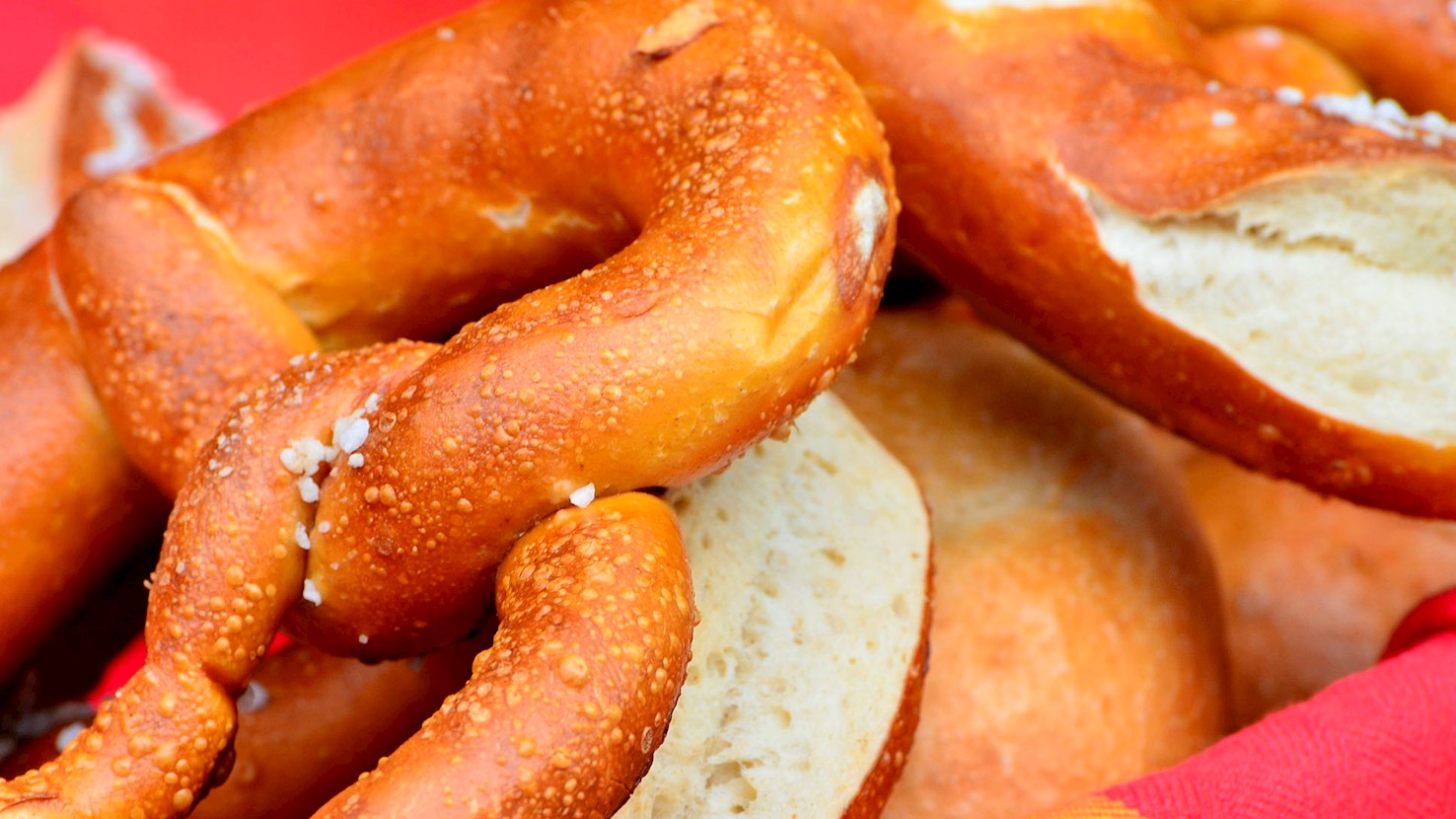
This traditional Bavarian pretzel is shaped to symbolize two arms folded for prayer, and they are available in different versions and sizes, usually topped with a sprinkling with coarse salt. Their crust is thin, dark brown, shiny, and has a cracked surface after baking. The dough, however, is juicy, tender, and light in color. As opposed to Swabian pretzels, Bavarian pretzels are thicker and not sliced lengthwise in the middle. Local differences can be recognized by their various forms. The Bavarian pretzel is a vital part of Bavarian snack culture, and it is especially delicious when buttered or paired with cheese. It is an indispensable accompaniment to Munich white sausage and Bavarian meatloaf.

09
Dessert

Bergische Waffles

4.2 ·

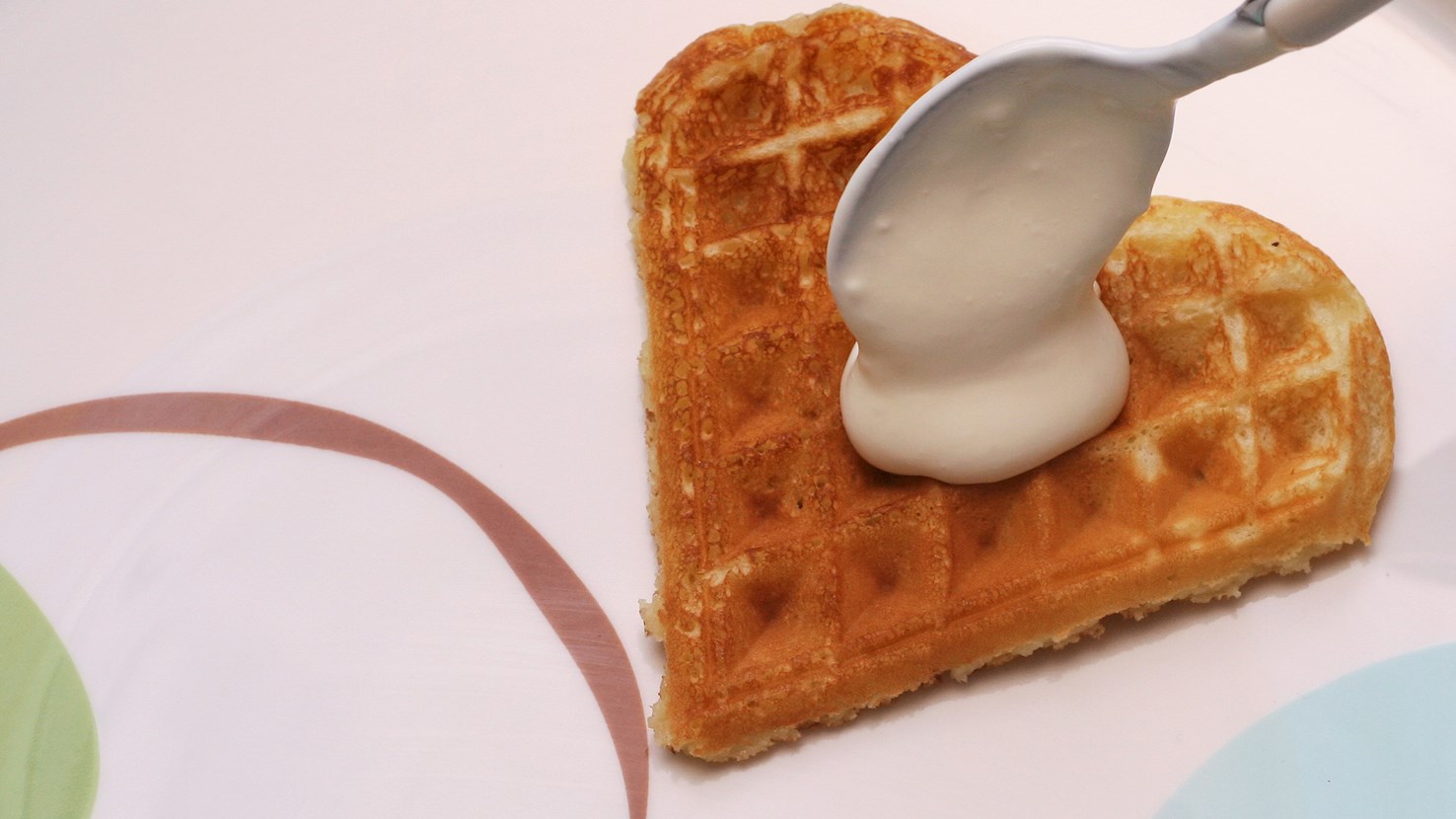
Bergische waffles are traditional German waffles originating from the Bergisches Land area. They’re usually made with a combination of flour, sugar, butter, vanilla, eggs, baking powder, and milk. What differentiates these waffles is that they are always heart-shaped but also more crisp and less dense than their Belgian cousins. Traditional accompaniments include whipped cream and pitted sour cherries. Bergische waffles are usually not served for breakfast but as an afternoon treat, especially on Sundays, when they’re occasionally served with rice pudding.

10
Sweet Pastry

Berliner Pfannkuchen

4.1 ·

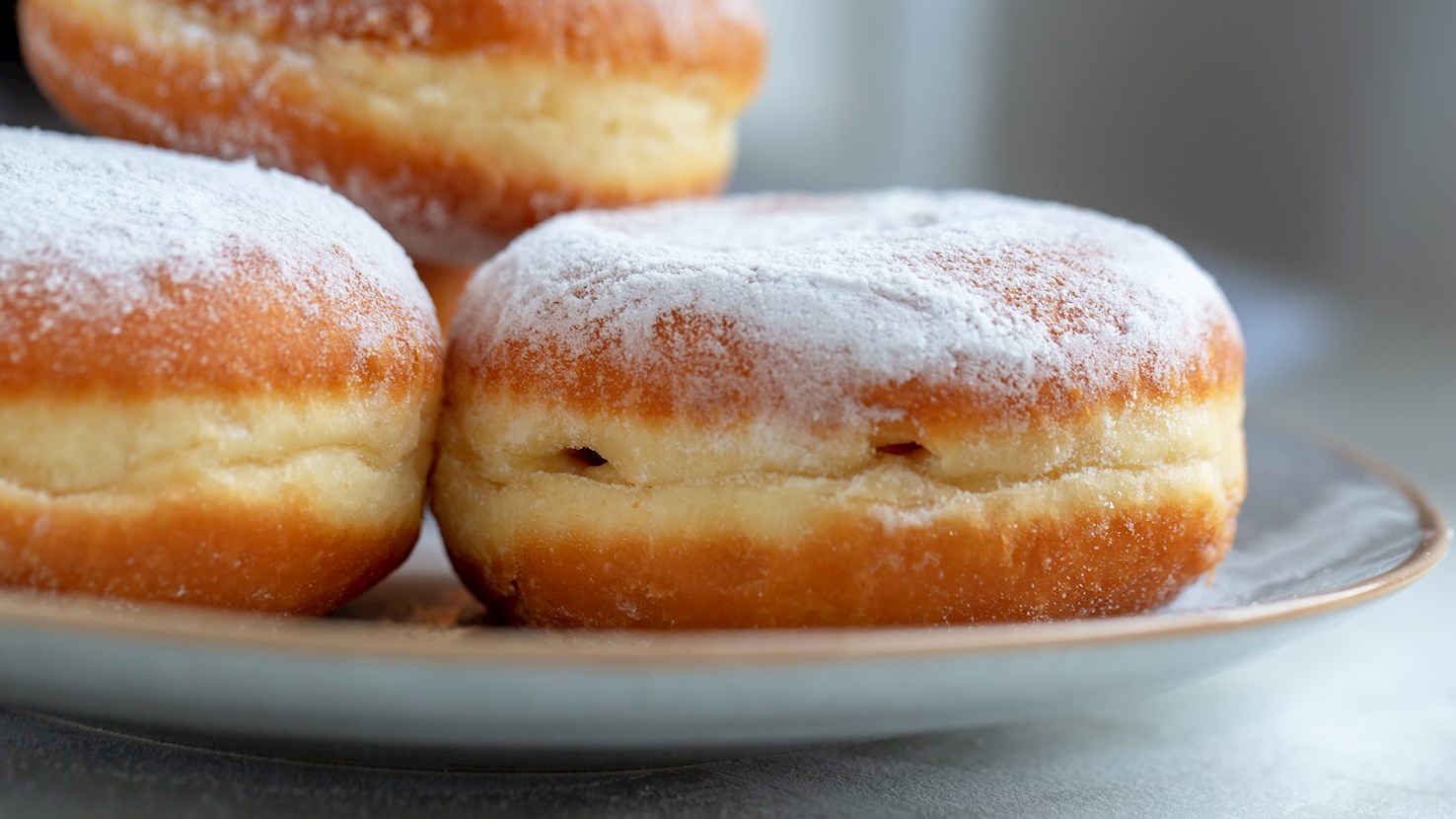
Krapfen was probably the first European-style doughnut to appear, followed by similar varieties in other countries. These pastries are traditionally prepared with leavened dough that is deep-fried until golden and crispy on the outside, while they remain soft, light, and airy on the inside. Though krapfen can be prepared plain, they are most often filled or topped with jams, and vanilla or chocolate custards, while the top is usually dusted with powdered sugar or drizzled with chocolate. The origin of the word krapfen dates back to 9th century, and the recipes in German can be found as early as the 14th century. The sweet versions of the pastry became predominant, and have remained closely associated with the Carnival, a festive period which precedes Christian Lent. Interestingly, during the Carnival, one krapfen in a batch filled with jam and fruit preserves might contain a filling of mustard as a prank. It is believed that doughnuts spread throughout many central European countries, which adopted the technique but used different regional names. Consequently, krapfen in Germany goes under Berliner, pfannkuchen, faschingskrapfen, krebbel, or kreppel. In Poland, they are known as pączki or krepel, Hungarians refer to them as fánk, Slovak as šišky, while the Czechs use the term koblihy. In Slovenia, they are better known as krofi, while the standard name throughout Croatia, Bosnia, and Serbia is krofne or krafne. In St. Petersburg, Russia, the doughnuts are known as pyshki (either ring-shaped or without a hole), and there is a local café that has been serving pyshki prepared from the original recipe since the 1960s.

Best restaurants

Best German food products

01
Wine

Weingut Dr. Loosen

5 ·
Weingut Dr. Loosen is a family-owned winery located in the Mosel wine region. The estate has been in the Loosen family for over 200 years, specializing in Riesling wines. Under the leadership of Ernst "Erni" Loosen since 1988, the winery has gained international acclaim for producing high-quality Rieslings that reflect the unique characteristics of their vineyards. The estate's vineyards are situated on the steep slopes of the Middle Mosel, featuring various soil types, including red slate, blue slate, and red volcanic conglomerate. Some of the vines are up to 140 years old and ungrafted, contributing to the distinctiveness of their wines. Dr. Loosen produces a full range of Riesling styles, following family traditions: dry wines inspired by the paternal Loosen side and Prädikat wines influenced by the maternal Prüm family branch.
Awards
James Suckling - 97 points (2023)
Decanter World Wine Awards - Best in Show (2024)
02
Wine

Weingut Horst Sauer

5 ·
Weingut Horst Sauer is famous in Franken and around the world for its exceptional dry, minerally wines, crafted by Horst Sauer alongside his daughter, Sandra. Horst is particularly devoted to his noble sweet wines, like his sublime, creamy Beerenauslese and Trockenbeerenauslese. Sandra Sauer joined the family business in 2004, bringing energy and momentum to the wine making process, as well as expertise in marketing. In 2006, their winemaking facilities were completely modernized in order to streamline their production. Today, they continue to produce internationally honored wines that are vastly enjoyable to drink.
Awards
Falstaff - 100
Falstaff - 99
03
Praline

Pralilinen

5 ·
Pralilinen is a German chocolatier specializing in hand-crafted pralines. Their creations emphasize premium ingredients, careful craftsmanship, and personalized touches for a refined chocolate experience. The founder, Liliane, combines traditional chocolate-making techniques with creative flavors, producing unique, high-quality pralines that appeal to chocolate connoisseurs.
Awards
Academy of Chocolate - Gold (2023, 2022)
Academy of Chocolate - Silver (2024, 2023)
04
Wine

Weingut Hans Wirsching

5 ·
The Hans Wirsching wine estate is one of the most traditional and renowned estates in Franconia. Our family has been growing grapes for several centuries. Currently, Andrea Wirsching manages the estate. On 90 hectares in and around Iphofen, we produce mainly dry white wines – that is our specialty. The most important grape varieties are Silvaner, Riesling, Scheurebe, and white Pinot varieties (Pinot Blanc, Chardonnay, and Pinot Gris).
Awards
Decanter World Wine Awards - Platinum (2023, 2022, 2021, 2020, 2016)
Falstaff - 100
05
Chocolate Confectionery

Clement Chococult

5 ·
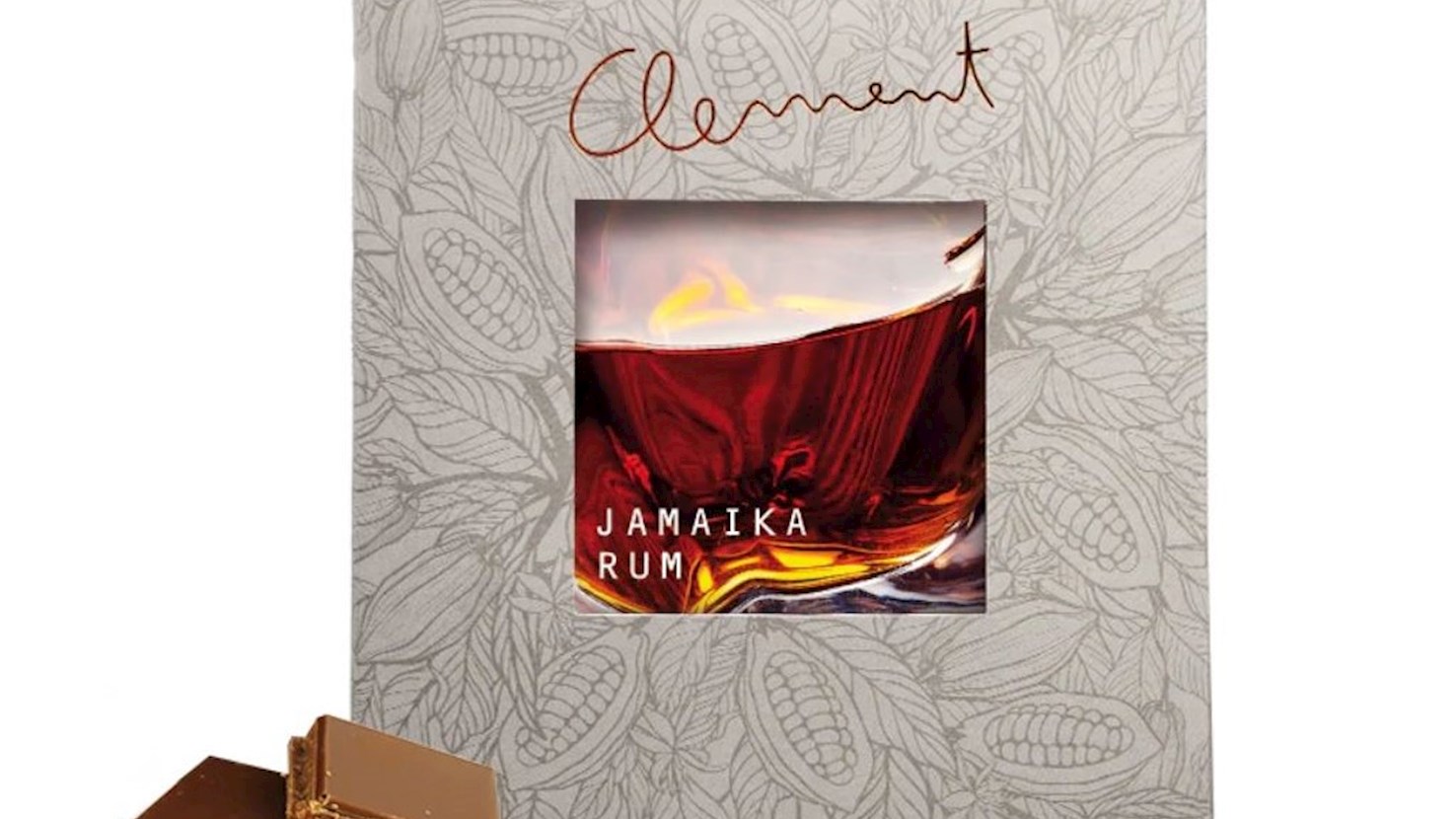
Clement Chococult, based in Munich, specializes in producing premium chocolates, sourcing high-quality cocoa beans for their confections. They offer a variety of products including truffles, pralines, and chocolate bars. Their unique selling point involves utilizing a blend of traditional techniques and innovative flavors.
Awards
International Chocolate Awards - Gold (2018, 2017, 2016, 2015, 2014, 2013)
International Chocolate Awards - Silver (2018, 2016, 2015, 2014)
06
Spirit

St. Kilian Distillers

5 ·
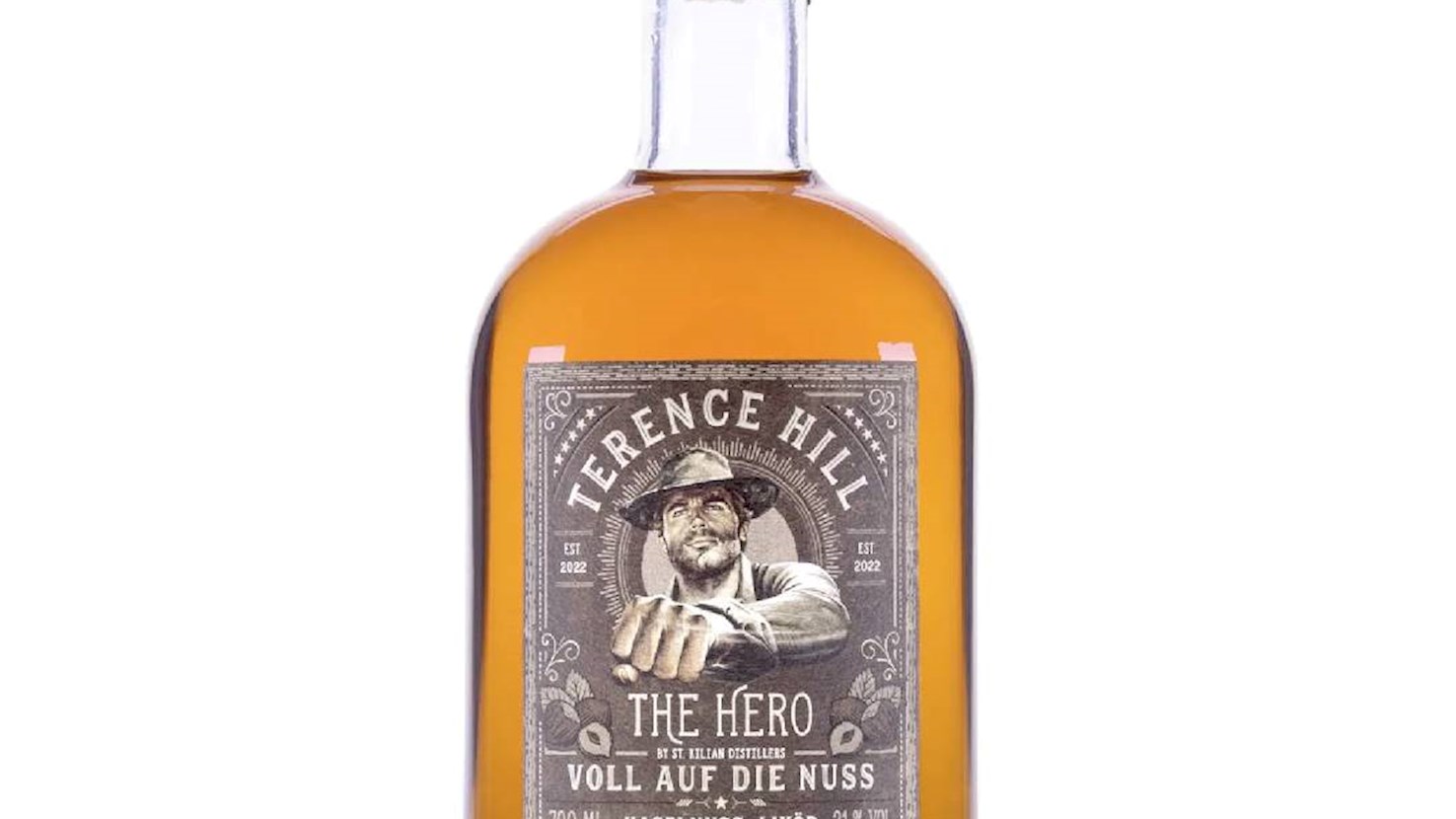
St. Kilian Distillers is a German single malt whisky distillery founded in 2012 in Rüdenau, Bavaria. Located in a former textile factory, the distillery is named after St. Kilian, an Irish-Scottish missionary who worked in Würzburg. St. Kilian Distillers is renowned for its innovation and diverse product range, including special editions created in collaboration with famous personalities and musical bands. Their "White Dog" won the award for the best in the world in 2018.
Awards
IWSC- International wine & spirit competition - Spirit Gold (2024, 2023, 2022)
European Spirits Challenge - Gold (2023)
07
Spirit

Slyrs Distillery

5 ·
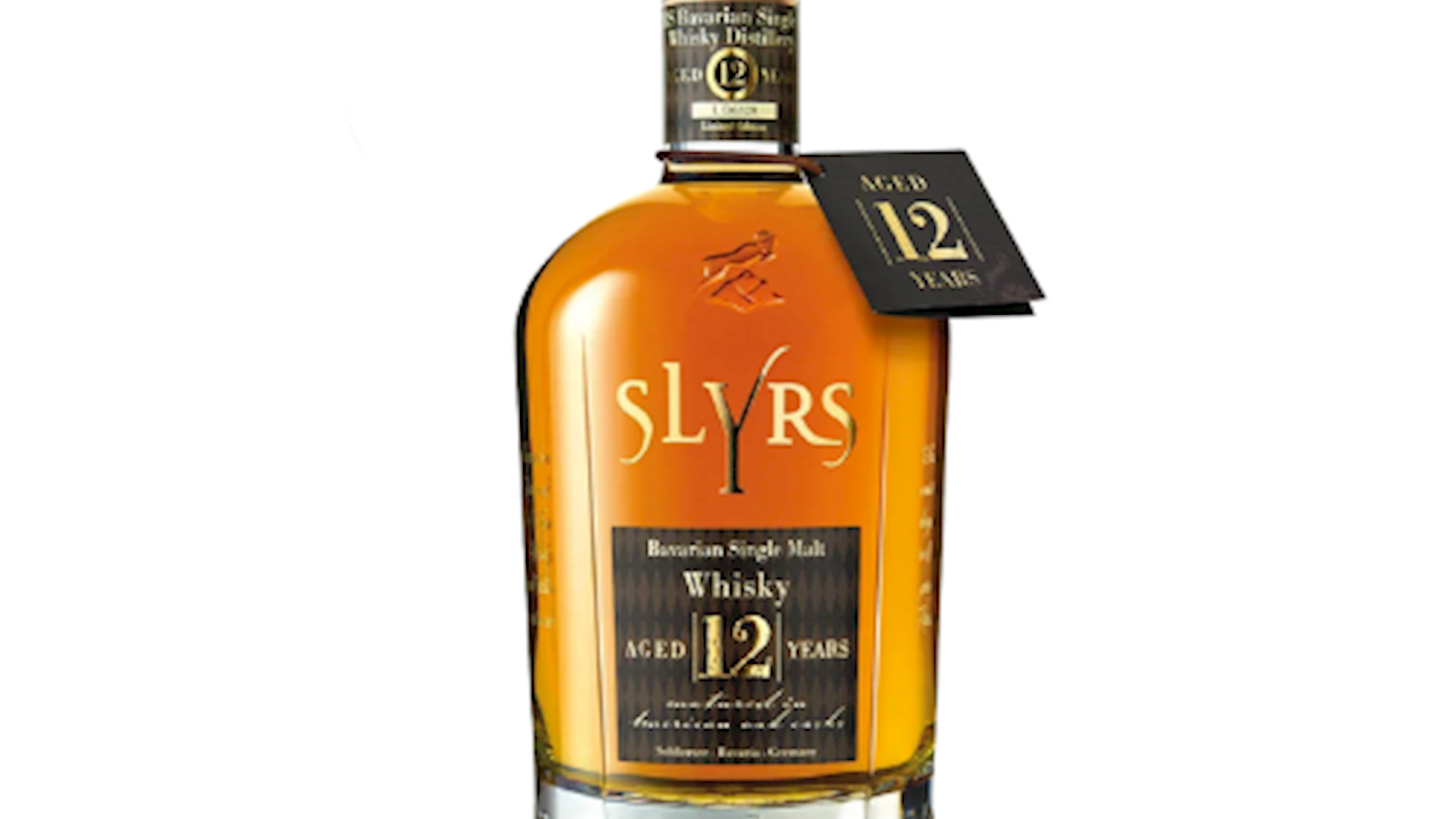
Slyrs Distillery is a pioneering German whisky distillery located in Schliersee, Bavaria, founded in 1999 and widely regarded as a benchmark for Bavarian single malt whisky. Inspired by Scottish whisky-making traditions but firmly rooted in its Alpine environment, Slyrs produces single malt whisky from Bavarian malted barley and pure Alpine spring water. Distillation takes place in traditional copper pot stills, followed by maturation primarily in new American white oak casks, with additional expressions finished in sherry, port, or other specialty barrels. The continental Alpine climate - marked by warm summers and cold winters - accelerates interaction between spirit and wood, resulting in whiskies that are typically rounded, expressive, and gently fruity, with notes of vanilla, malt, spice, and soft oak. Over the years, Slyrs has built a strong reputation both in Germany and internationally, combining regional identity, technical consistency, and a clear house style. The distillery is also positioned as a visitor destination, offering tours and tastings that emphasize transparency and craftsmanship, reinforcing its role as a leading figure in modern German whisky production.
Awards
IWSC- International wine & spirit competition - Spirit Gold (2019)
International Spirits Award - Gold (2025)
08
Chocolate Confectionery

FischerS

5 ·
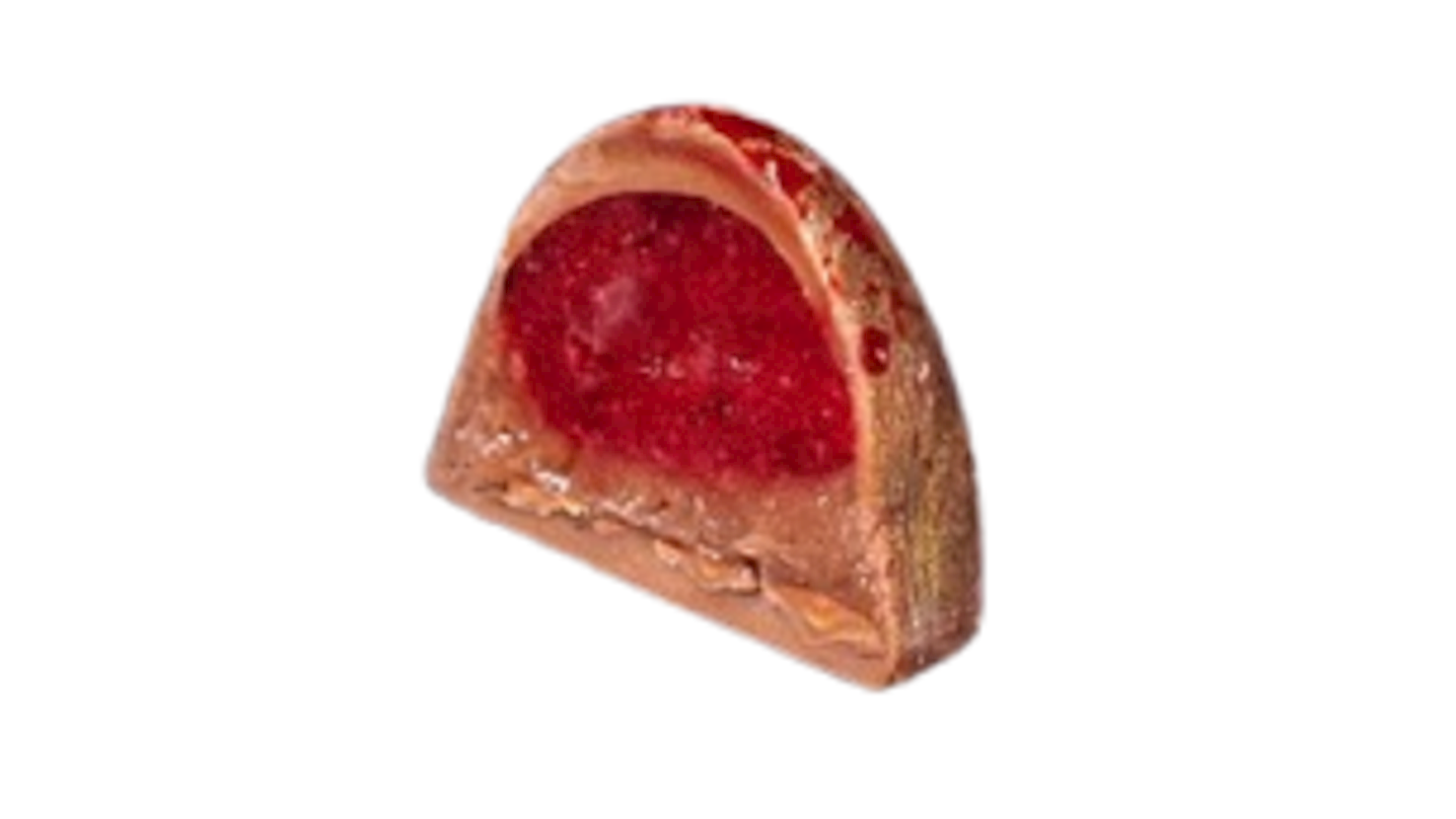
FischerS is a German artisan chocolate and praline producer, operating as part of a restaurant and hotel in the town of Kaser. Their praline Cherry C. Lady, created as a tribute to regional flavors, was awarded a gold medal in the milk chocolate ganache or truffles category at the International Chocolate Awards 2023, standing out as the only German winner in that category. The creation, developed by Amanda Dahl and Tessa Bingemann, features a refined blend of tonka bean ganache and sour cherry jelly, enrobed in milk chocolate made from Ecuadorian Arriba cocoa. The result is a sophisticated harmony of fruity, caramel, and herbal notes, offering a layered and well-balanced sensory experience. This recognition highlights the high level of craftsmanship and innovation behind FischerS’s small-batch chocolate creations.
Awards
International Chocolate Awards - Gold (2023)
09
Meat Product

Landfleischerei Neumeier

5 ·
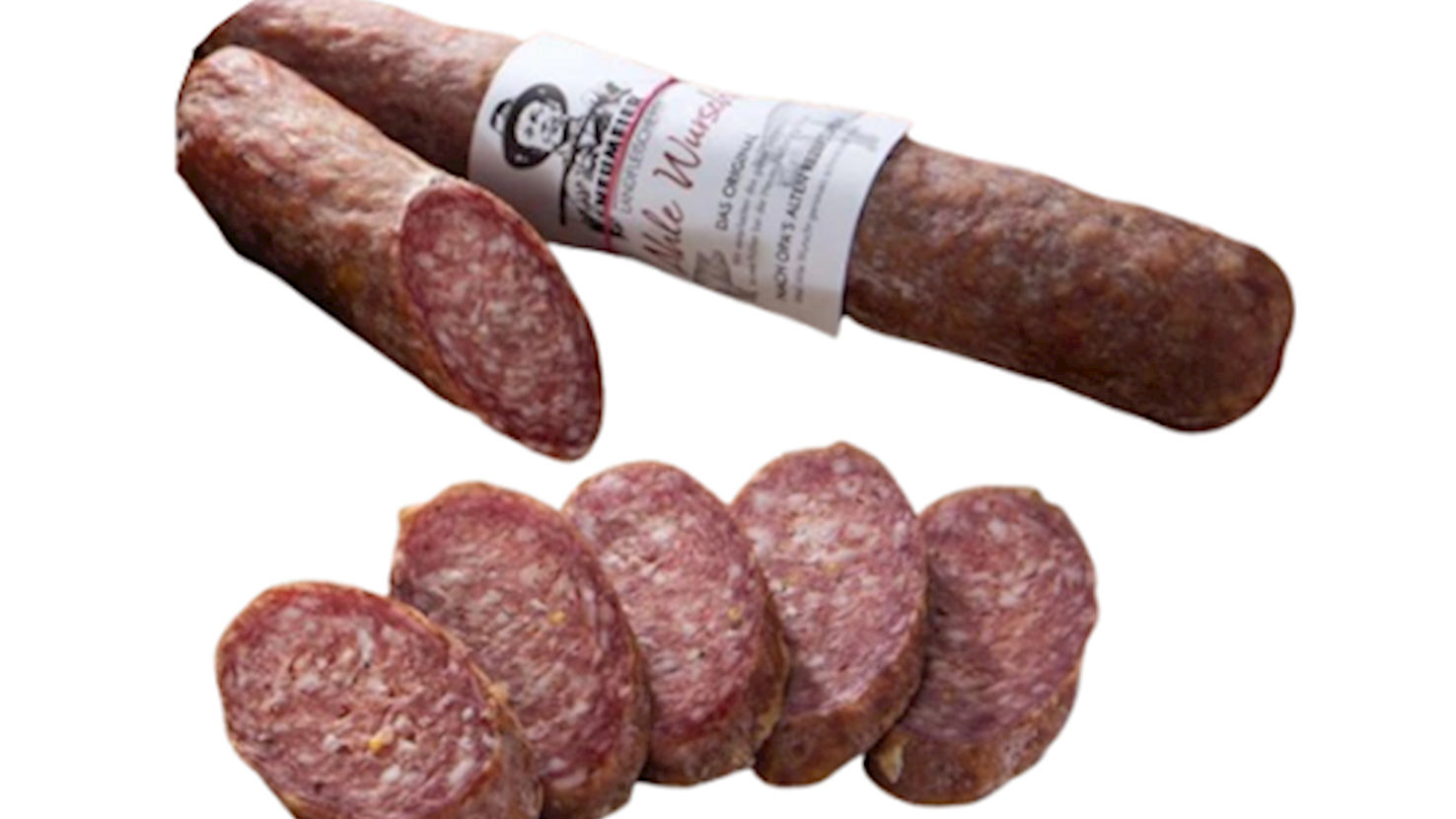
Landfleischerei Neumeier is a traditional family butcher shop located in Walburg, a district of Hessisch Lichtenau, in the northern German region of Hessen. With over nine decades of experience and dedication, this butcher shop has become a symbol of quality and trust when it comes to producing meat and charcuterie products in this part of Germany. The Neumeier family bases their work on craftsmanship, a deep respect for the raw materials, and a strong connection to local farmers. At the heart of their operation is handmade production, where fresh meat from local animals is used, without unnecessary additives, and with the use of natural spices. Special attention is given to the processing method – the meat is processed while still warm, preserving its authentic aroma and tenderness. All products are certified, with full traceability of the raw materials, which further underscores their commitment to quality and transparency. One of the most well-known and highly regarded products of this butcher shop is Ahle Wurscht – a classic dry sausage specific to the northern Hessen region. This sausage is made according to an old recipe, dried and aged for months, giving it a characteristic firm texture and rich, full flavor. Ahle Wurscht is produced in various versions – from pure beef, mixed with pork, or with special seasoning blends – but always with the same care and respect for tradition. Today, Landfleischerei Neumeier combines family values, craftsmanship, and modern logistics, offering their customers not only exceptional products but also a taste experience that has lasted for generations.
10
Spirit

Saltwater's

5 ·
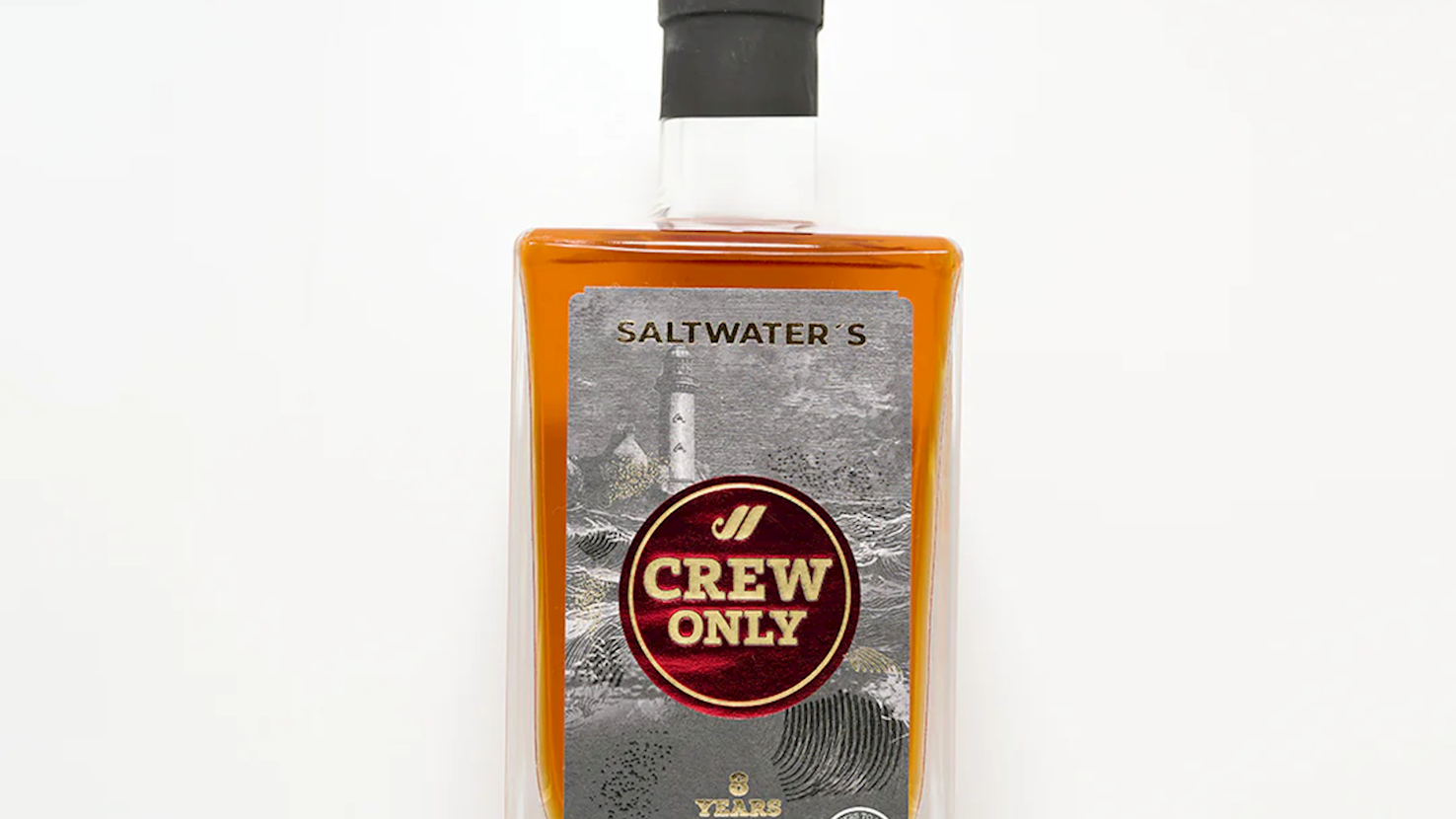
Saltwater’s is inspired by maritime adventures and offers premium gin and rum with a coastal essence. Each product is crafted to embody the adventurous spirit of the sea, often incorporating a hint of sea salt. With botanicals sourced from around the globe, Saltwater’s aims to evoke the flavors of distant travels and the longing for home.
Awards
SFWSC - San Francisco World Spirits Competition - Double Gold (2024)
Read more
View all
View map
About this ranking

TasteAtlas food rankings are based on the ratings of the TasteAtlas audience, with a series of mechanisms that recognize real users and that ignore bot, nationalist or local patriotic ratings, and give additional value to the ratings of users that the system recognizes as knowledgeable. For the “Top 100 German Foods” list until June 24, 2026, 18,053 ratings were recorded, of which 15,679 were recognized by the system as legitimate. TasteAtlas Rankings should not be seen as the final global conclusion about food. Their purpose is to promote excellent local foods, instill pride in traditional dishes, and arouse curiosity about dishes you haven’t tried.

The initial list of top producers was compiled based on available reviews, awards, local recommendations, media and blog coverage, and consumer reviews. The list will be updated with ratings from TasteAtlas local ambassadors and TasteAtlas users.

Similar lists