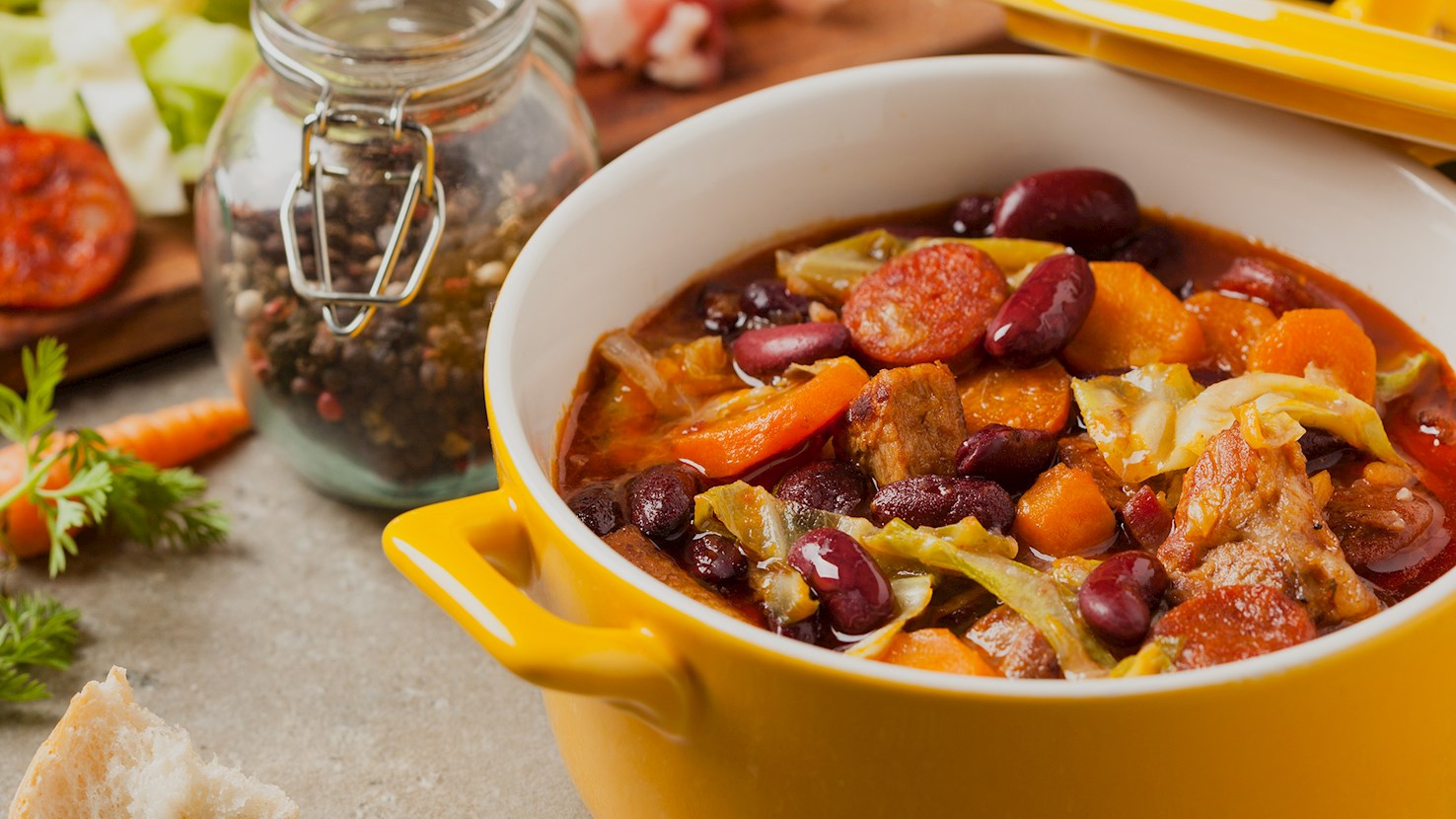
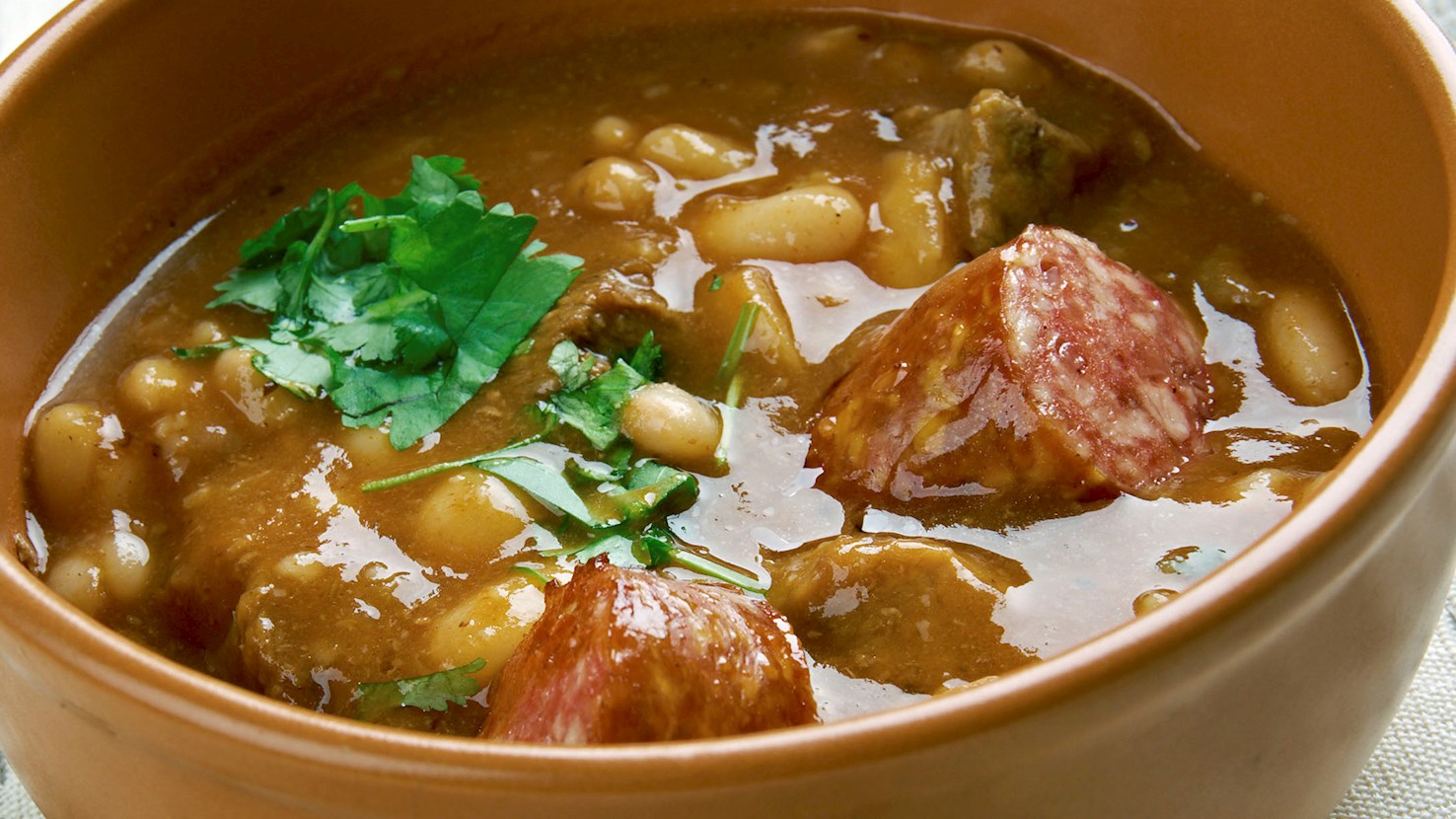
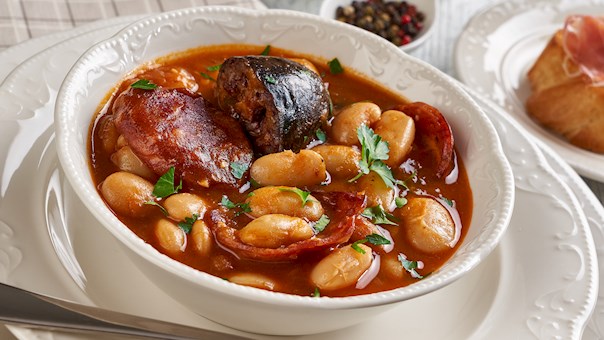
Although it translates as stone soup, this hearty Portuguese dish is actually a combination of beans and sausages such as chouriço and morcela (blood sausage), as well as pork belly, pig’s ear, and potatoes, while different regional varieties may also include pasta, carrots, and cabbage. There's a legend saying that a monk in need wanted to prepare soup by using merely stones and water. When he asked for additional ingredients to supposedly flavor the soup, the family who'd hosted him was more than willing to provide some pork cuts, beans, sausages, and vegetables, and the monk ended with a rich and nutritious dish without any stones inside. Similar stories exist in various European countries, but the moral of each always revolves around sharing and compassion. It is believed that sopa da pedra originated in Almeirim, which has been dubbed the capital of stone soup.
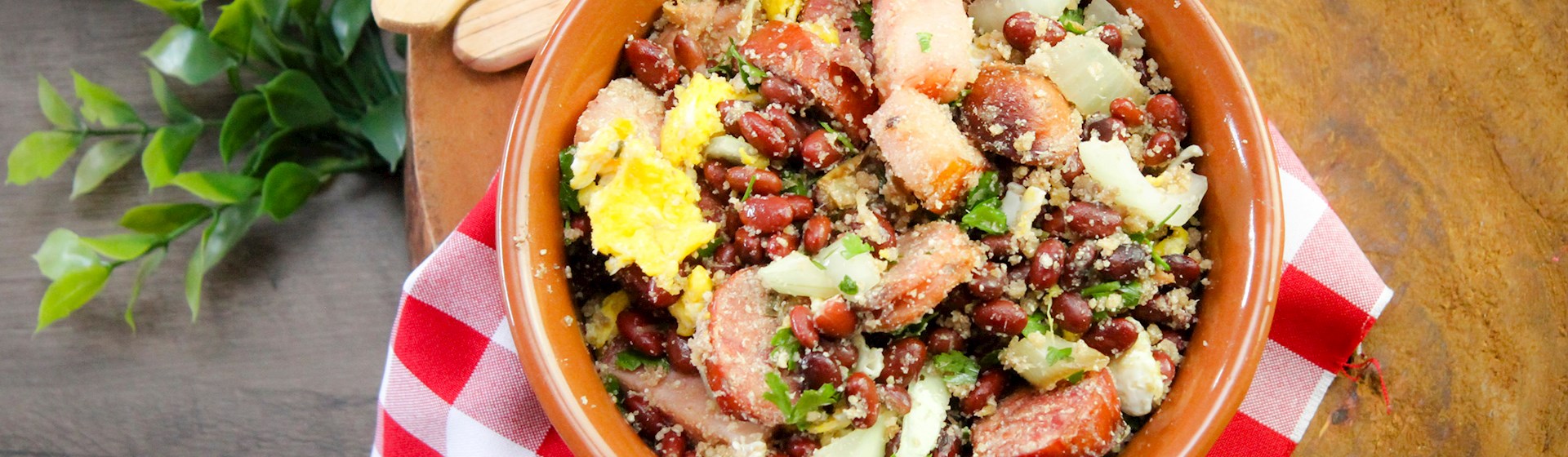
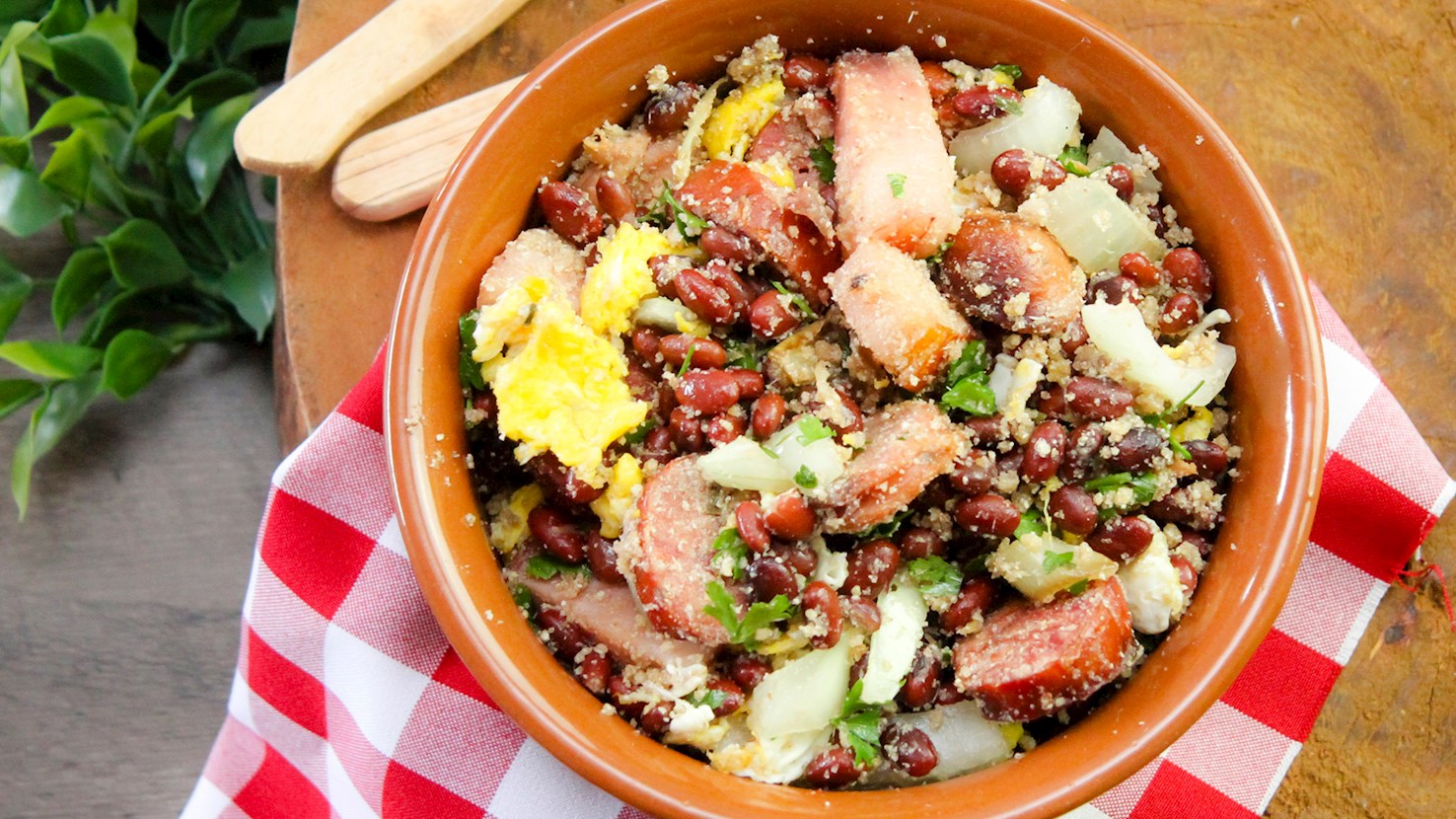
Feijão tropeiro is a traditional dish from the Brazilian state of Minas Gerais. A favorite dish of cattle rangers (tropeiros), it consists of beans that are cooked with salted or dried meat, manioc flour, and various flavorings, herbs, and vegetables. Today, there are numerous variations on the dish, so the type of beans and meat vary from one part of the country to the next. It is believed that the dish was invented during the Brazilian Colonial period, when tropeiros used to sell things while traveling on horses, bringing beans, manioc flour, and dried meat with them on long journeys.
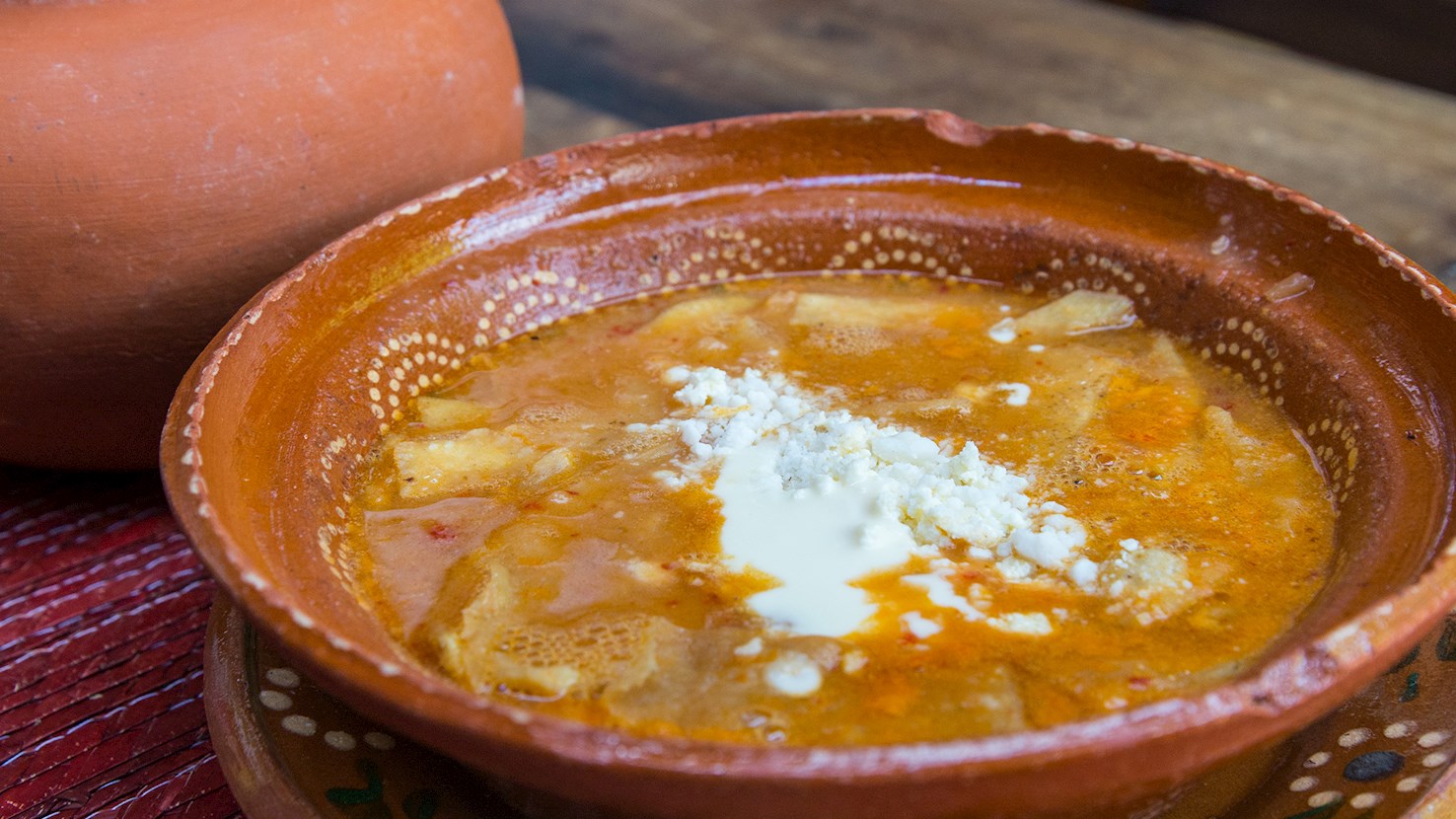
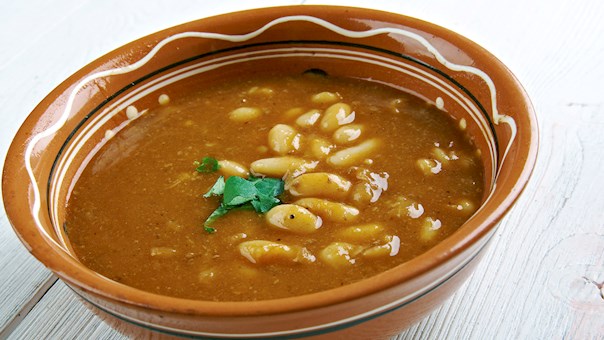
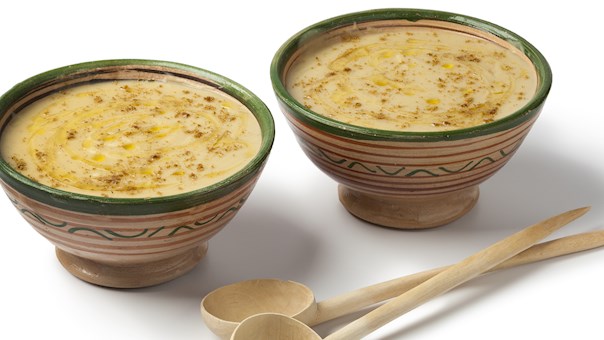
Tarascan puréed bean soup hails from the Mexican state of Michoacán, home of the Tarascan or Purépecha people — one of the major pre-Columbian civilizations of Mesoamerica. Their culture flourished from 1100s to the early 1500s, but by the 1530, Purépecha people had succumbed to the Spanish conquistadors who eventually named them Tarascos, hence the name sopa Tarasca. Apart from the beans — which are usually cooked together with tomatoes in a simple chicken broth — this dish is a great source of both fresh and dried chili peppers, most of which are native to the New World like the smoked pasilla de Oaxaca, which imparts not only a delicate heat but also adds a nice smoky flavor to this hearty soup.
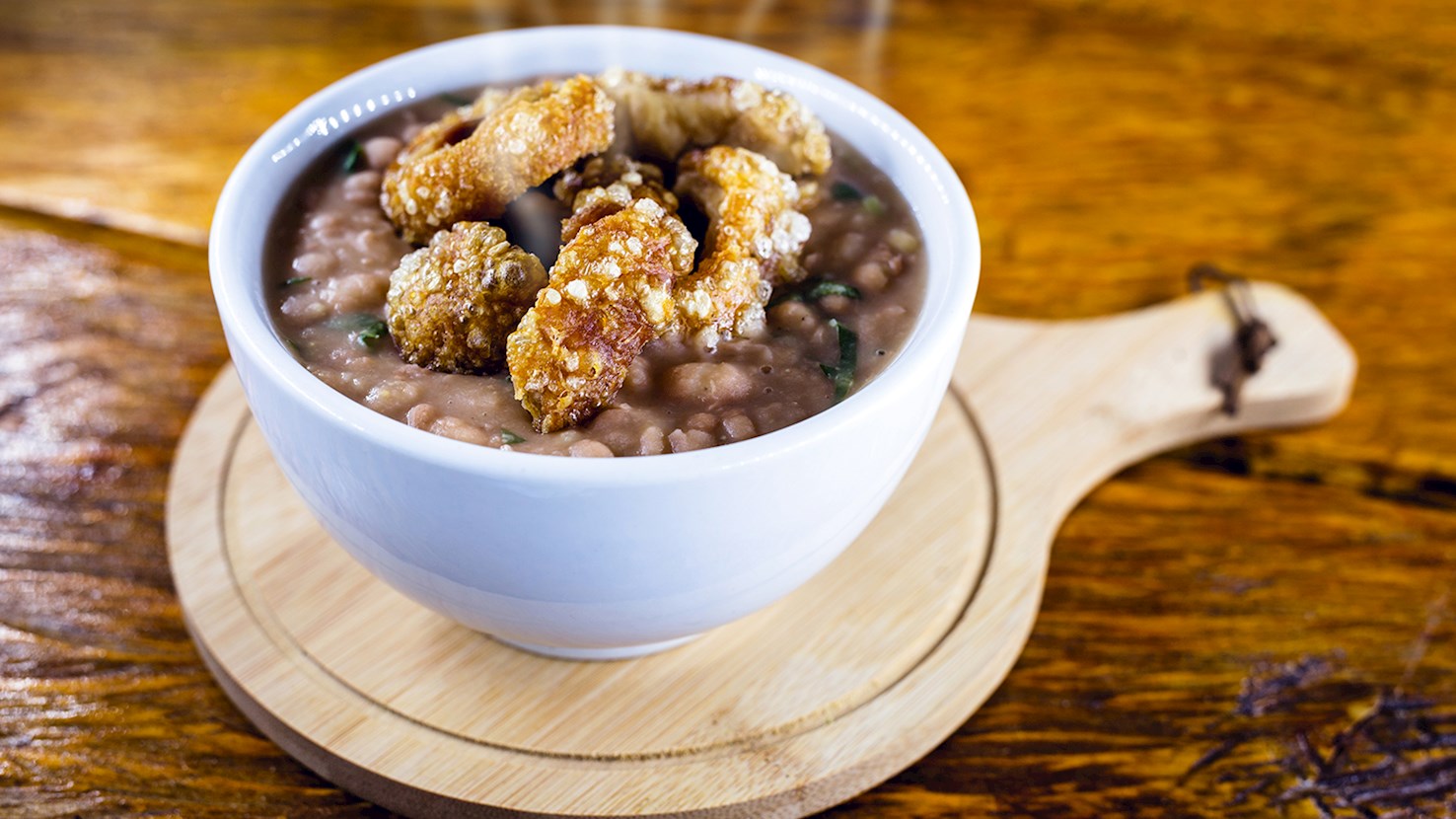
Tutu de feijão is a traditional dish originating from the region of Minas Gerais. The dish is made with a combination of puréed beans (traditionally black beans) and cassava flour that's used as a thickening agent. Other ingredients used in the dish include onions, garlic, olive oil, parsley, and bay leaves. Although there are many variations on the dish, it's usually served accompanied by pork sausages, rice, eggs, or sometimes kale.
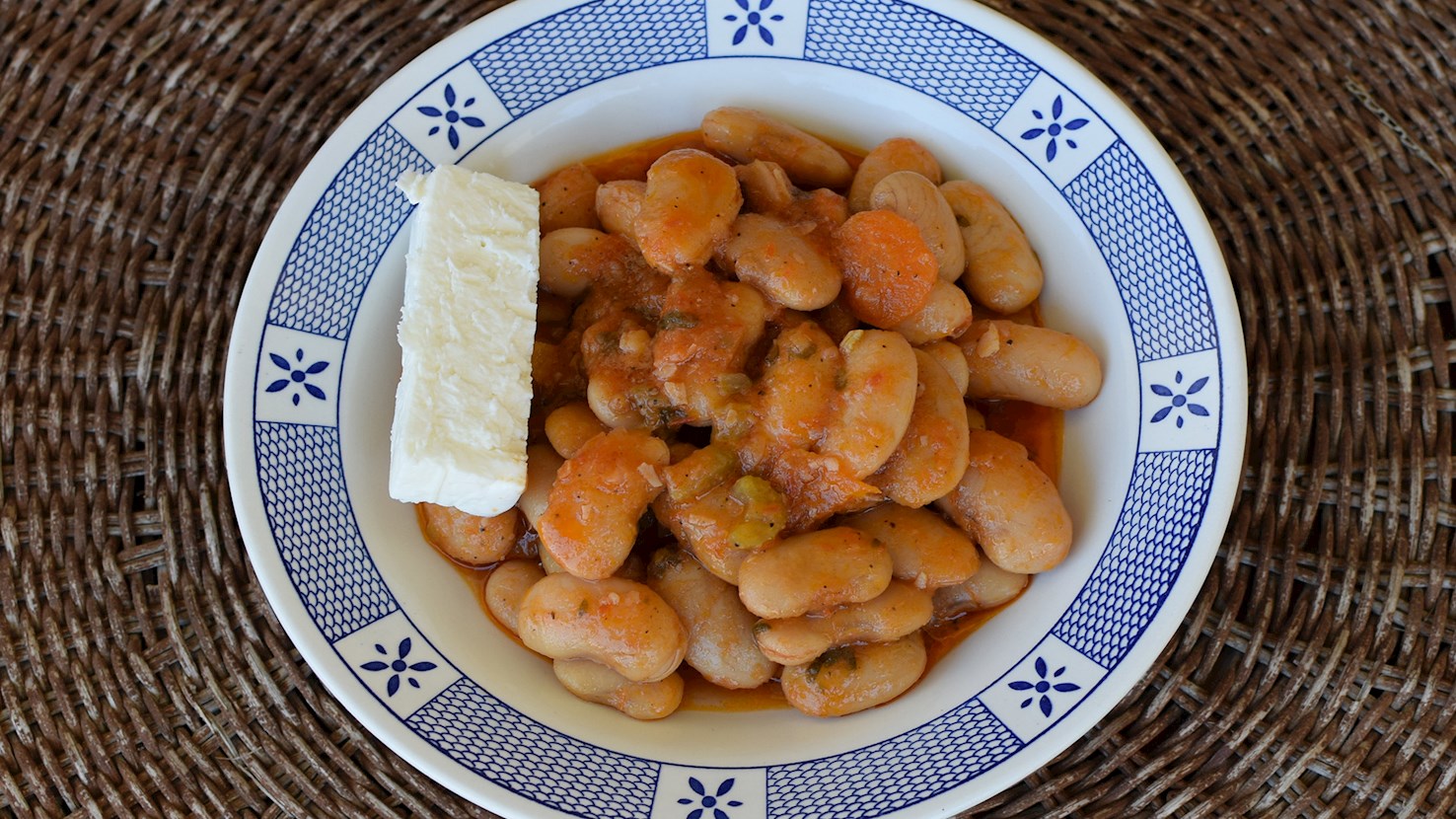
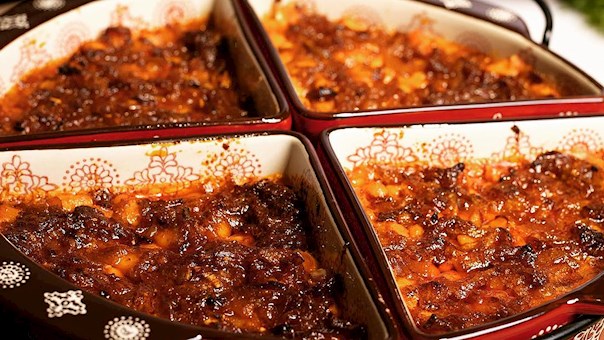
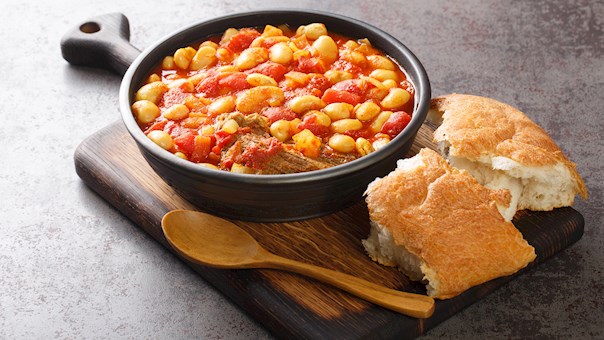
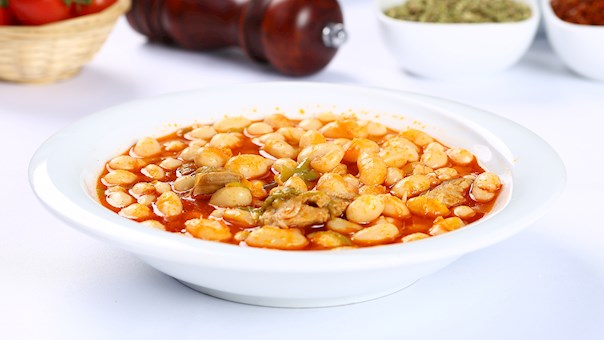
This Greek classic consists of large white beans that are cooked and then baked in a flavorful tomato sauce, which is usually seasoned with various herbs such as oregano, parsley, and mint. The dish calls for the use of fasolia gigantes, an authentic Greek variety of beans characterized by their large size, hence the name (gigantic). Gigantes plaki can be enjoyed as the main course, but it is also a common meze dish that is best served with bread on the side.
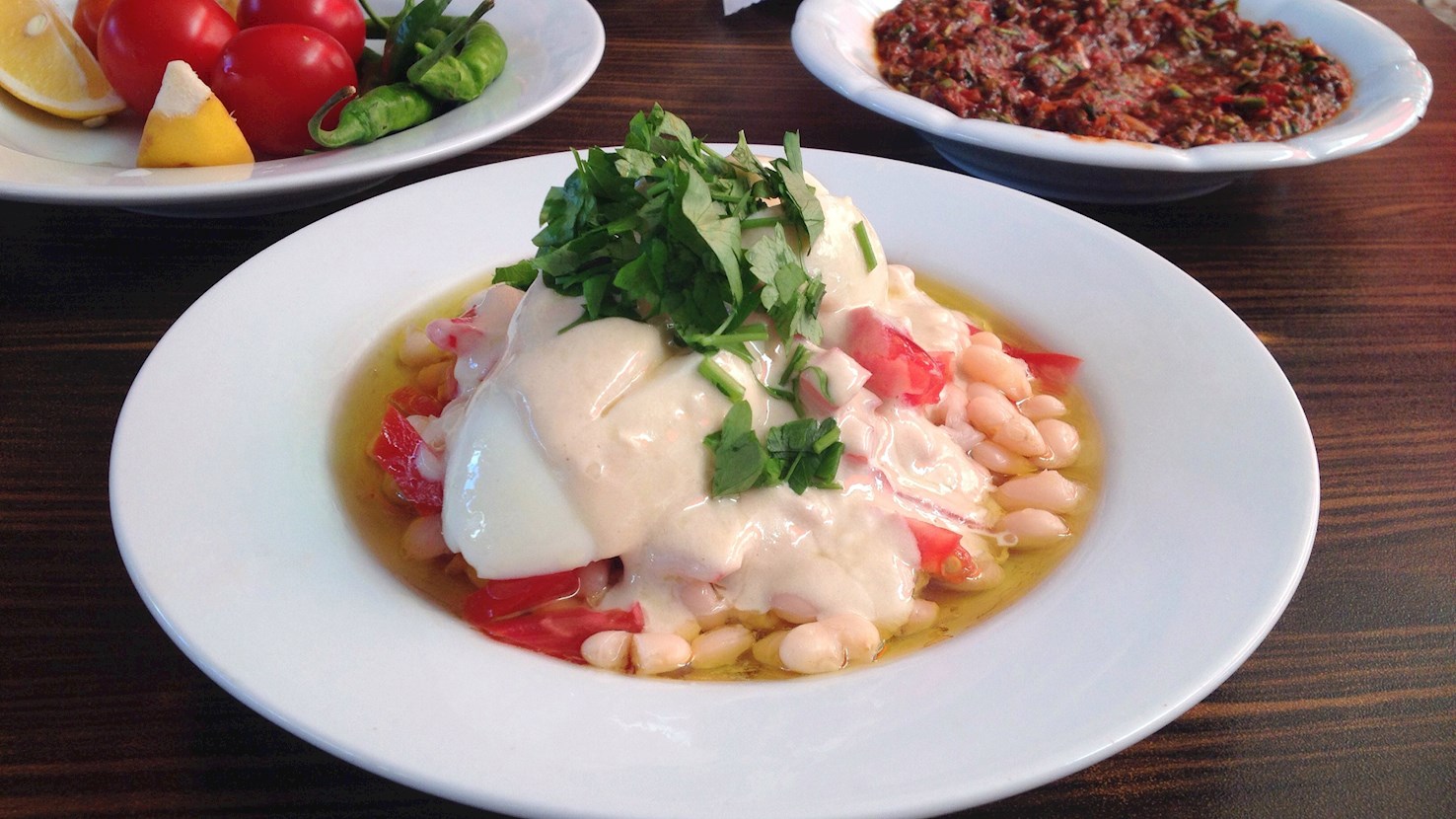
Piyaz is a traditional salad. In most of the country, it's a general term for a dish of dried beans, parsley, onions, and sumac. In Antalya, however, piyaz also contains a rich and smooth sauce consisting of tahini, lemon juice, and vinegar. The beans are topped with the sauce, and the dish is usually dressed with chopped tomatoes, sliced onions, hard-boiled eggs, olive oil, and parsley. Piyaz is often eaten as an accompaniment to köfte and similar grilled meats, but it can also be included in a meze selection.
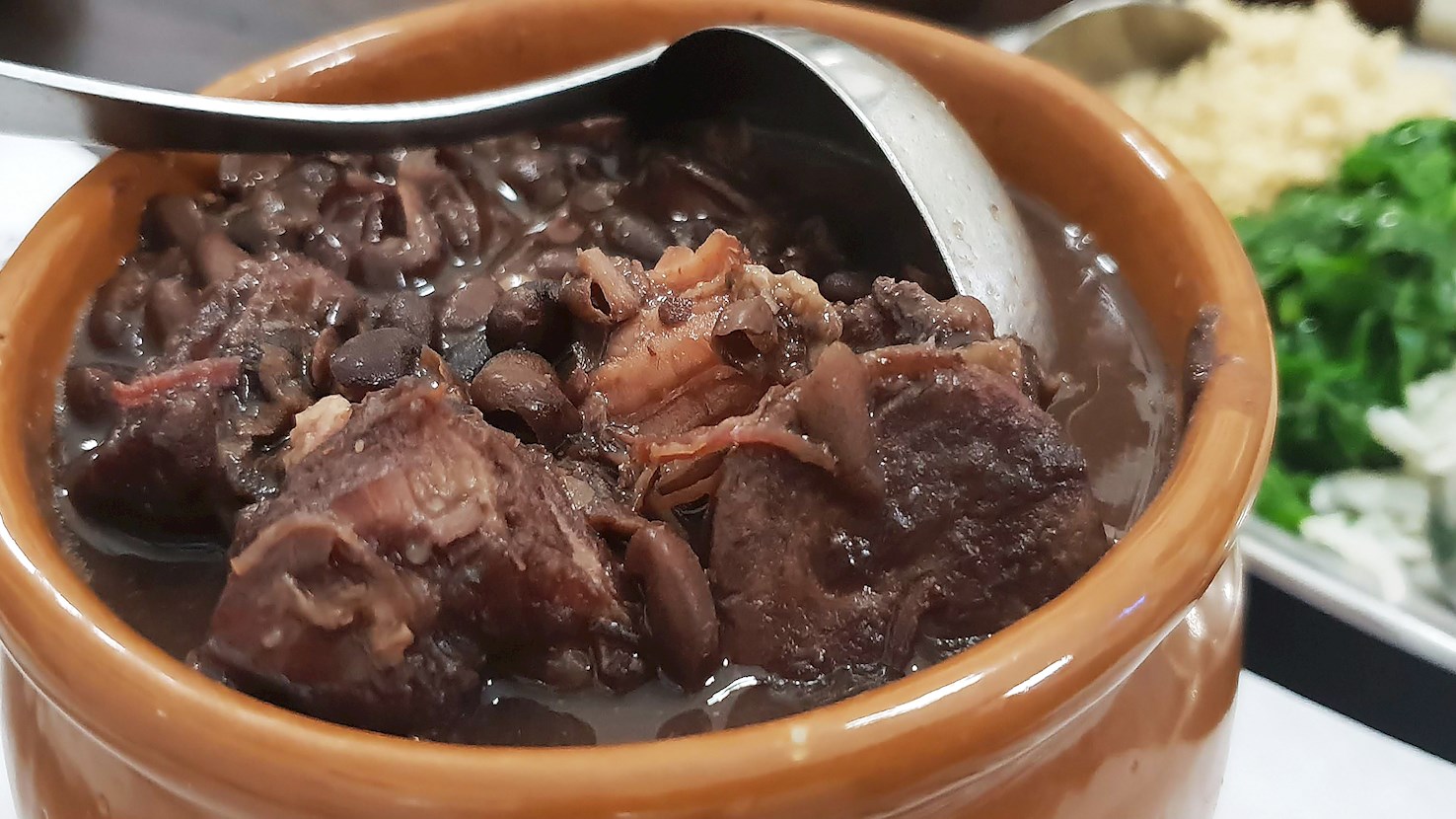
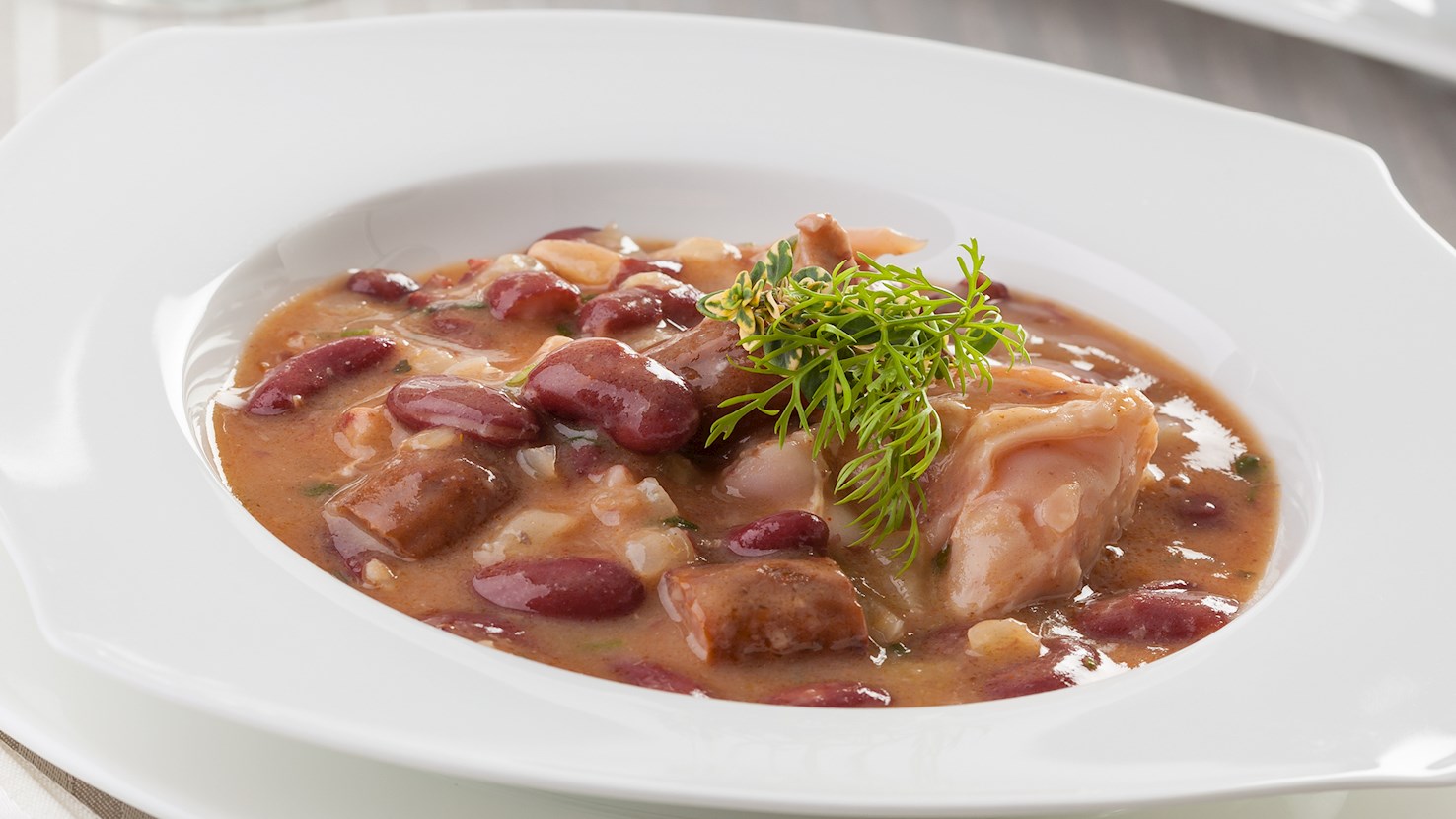
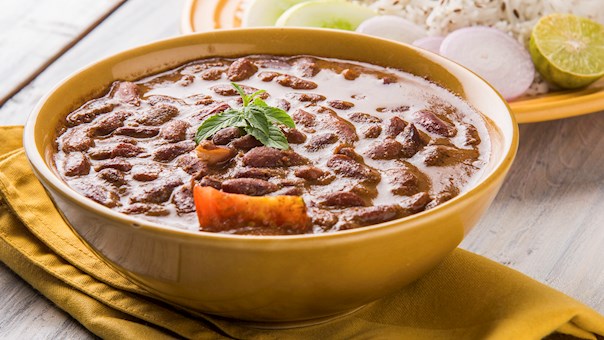
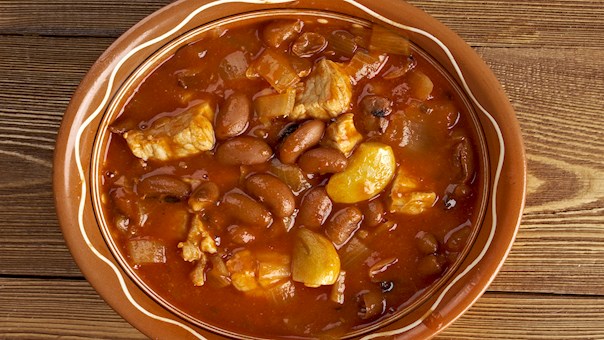
Feijoada or feijoada completa is Brazil's national dish, a hearty stew featuring pork and black beans. The dish is consumed throughout the country, and every family in Brazil has their own, special recipe. Sautéed greens, cheese rolls, rice, and fresh, sliced oranges are served as an accompaniment to the smoked pork and richly flavored black beans. Traditionally, it is prepared for Saturday lunch, so that the consumers may sleep it off. The beans are flavored with onions, tomatoes, coriander, and garlic, while pork meat can be additionally enriched with dried beef and smoked pork sausages. Before the main meal, consumers are offered caldinho de feijao, a bean broth served in shot glasses or small ceramic cups and garnished with pork rinds known as torresmos. The name feijoada is derived from the Portuguese word for beans, feijão, and it probably originated in the 1600s in Recife, on sugar plantations built by the Portuguese colonists, although some believe that it was created in Rio de Janeiro. The Brazilian version usually uses black beans, while the Portuguese one typically uses white or kidney beans. Feijoada is artfully displayed on platters full of ingredients, so that the consumers may choose their favorites and enjoy them at a leisurely pace. The meats are sliced and placed on platters; the beans served in large serving bowls, and the accompaniments include Brazilian rice, kale, cassava with butter or hard-boiled eggs, sliced oranges, and hot pepper-lime sauce. During the meal, cachaca, a sugarcane brandy and Brazil's most popular liquor, is served as a traditional accompaniment to feijoada.
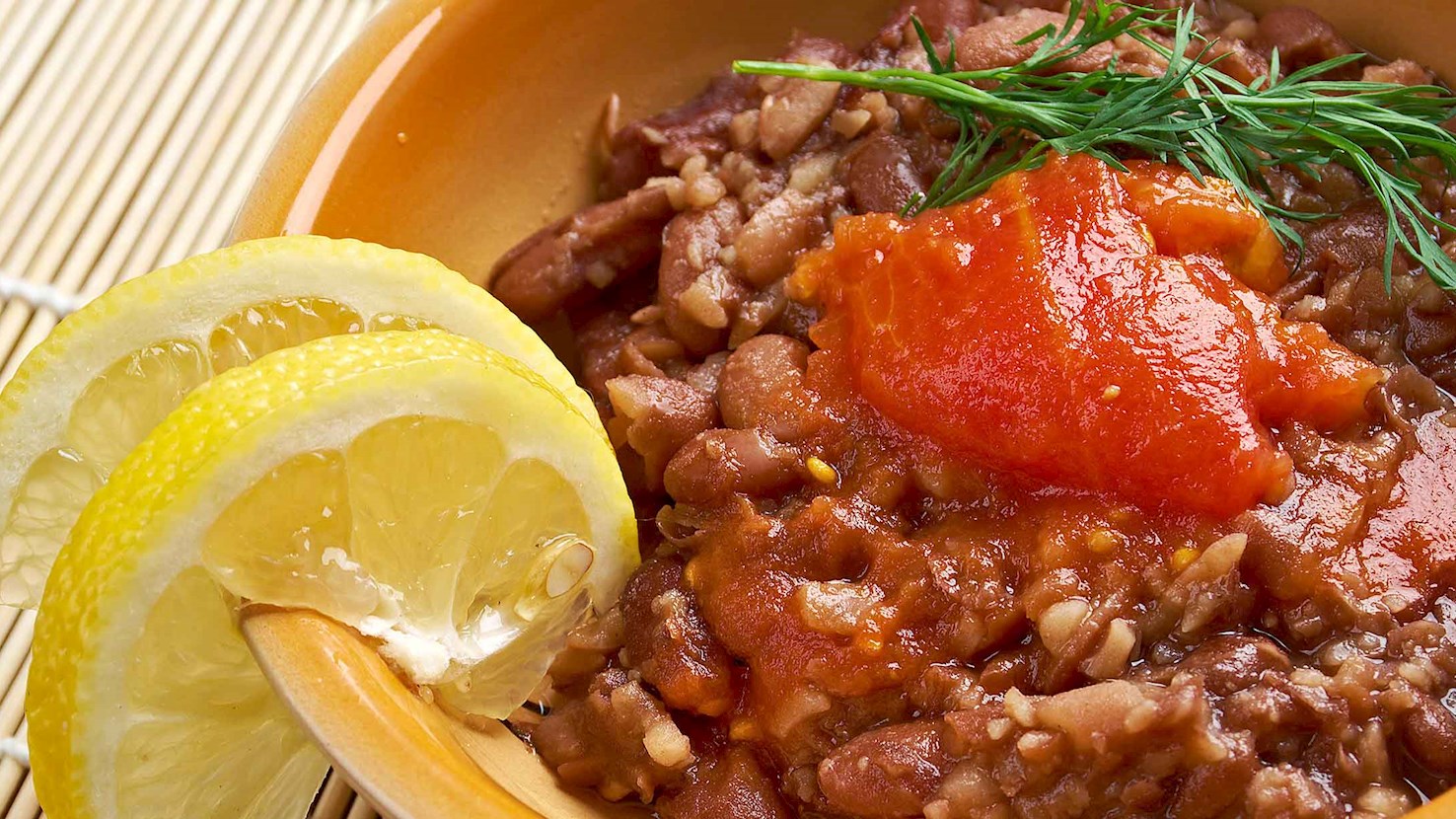
Ful medames is an ancient, pre-Ottoman and pre-Islamic national dish of Egypt, a traditional breakfast food consisting of slowly simmered fava beans seasoned with a squeeze of lemon juice, olive oil, garlic, and selected spices. Some remnants of the dish were found in the 12th Dynasty Pharaonic tombs in Egypt, and any food that has been found in an ancient tomb must have been a wildly popular culinary treat. Because it is a breakfast food that is also good for breaking the fasting, the dish is extremely popular during Ramadan. Although it's an Egyptian dish, it is also prepared throughout North Africa and the Middle East. Ful medames is a staple of the Egyptian diet, so much that the price of beans is regulated by the government in order to ensure that they are affordable to the poorest citizens. The creamy, earthy stew is usually spiced with the addition of chilis and cayenne pepper. It is recommended to prepare it a day in advance because the beans need to be soaked and cooked overnight. When eaten, the hearty stew is traditionally served out of big metal jugs, and once on the plate, it is often mopped up with pieces of fresh pita bread and topped with pickled beets, parsley, onions, tomatoes, and cumin. Filling, savory, nutritious, and easy to prepare, ful medames is a literal blast from the past.
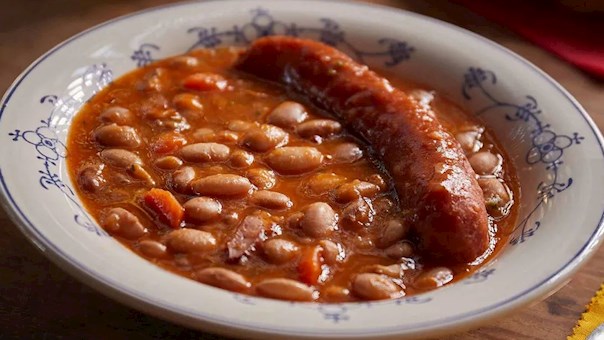
Jókai bableves is a flavorful Hungarian bean soup named after the famous writer Mór Jókai, who was a big fan of the dish. It is made with beans, smoked sausages, smoked meat, and vegetables such as onions, tomatoes, carrots, and celery. The soup is typically flavored with vinegar and sour cream. When the vegetables become tender and the soup develops a thick consistency, it is ready to be consumed. Jókai bableves is especially popular on cold winter days.
Fasole cu cârnați is a popular Romanian stew consisting of either pork and beans or sausage and beans. There is also a variation on the dish that replaces the sausages with smoked meat. It is a typical army dish that is traditionally prepared by army cooks and served free of charge during the National Day celebration on December 1 in Bucharest and Alba Iulia. A hearty, satisfying, and easy meal, it also makes for great leftovers, and it tastes even better when reheated the next day.
TasteAtlas food rankings are based on the ratings of the TasteAtlas audience, with a series of mechanisms that recognize real users and that ignore bot,
nationalist or local patriotic ratings, and give additional value to the ratings of users that the system recognizes as knowledgeable.
For the “Top 100 Bean Dishes in the World” list until July 15, 2026, 7,192 ratings were recorded, of which 4,062 were recognized by the system as legitimate.
TasteAtlas Rankings should not be seen as the final global conclusion about food. Their purpose is to promote excellent local foods,
instill pride in traditional dishes, and arouse curiosity about dishes you haven’t tried.








What People Say