

Top 37 Southeast Asian Alcoholic Beverages

Last updated on November 25, 2026

Best Southeast Asian Alcoholic Beverage Types
01

Singapore Sling

3.8 ·

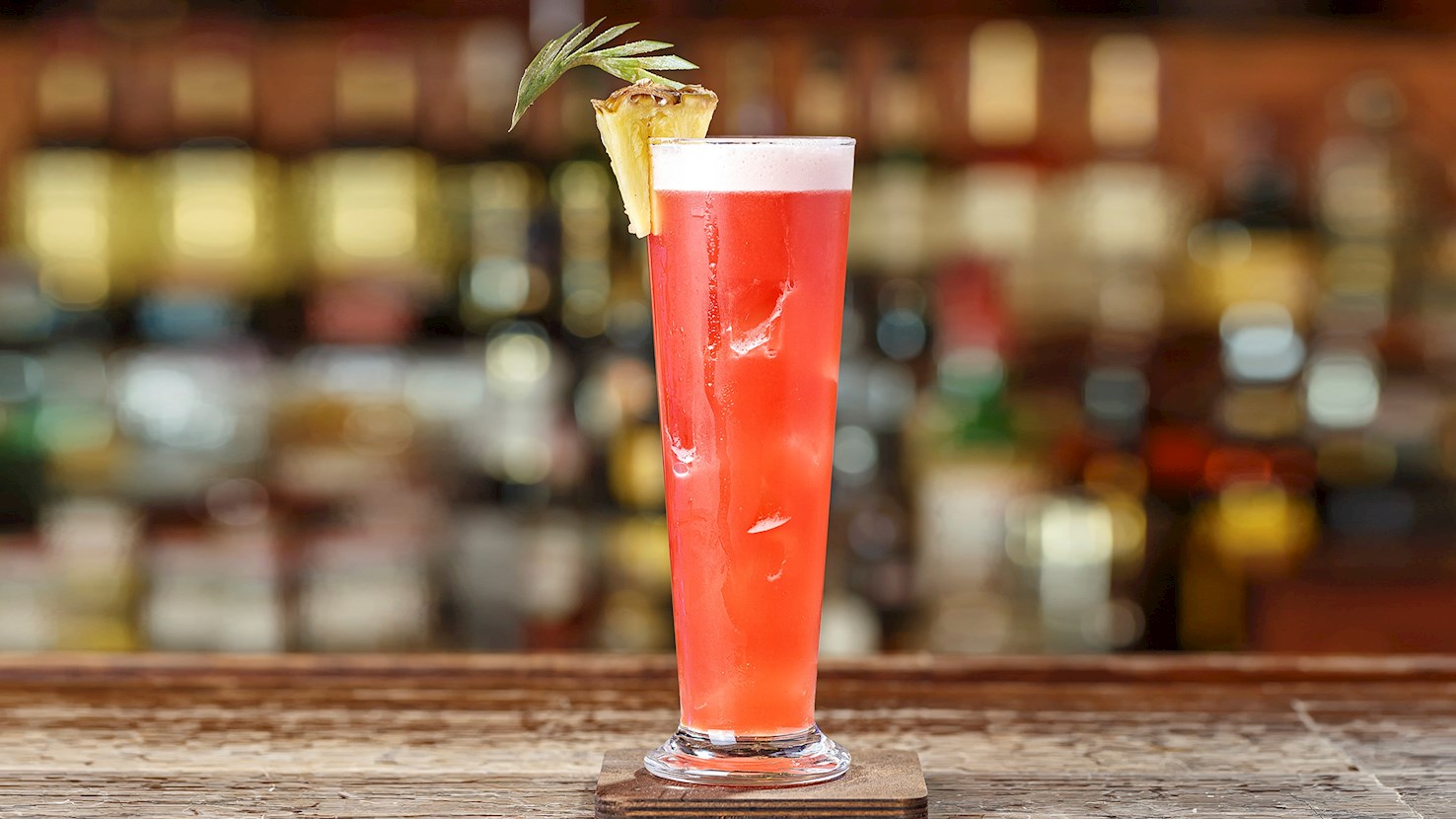
Originally known as Gin Sling, Singapore Sling is a gin-based cocktail that was invented around 1915 in Singapore by a bartender named Ngiam Tong Boon. While the original recipe calls for gin, cherry brandy, and orange, pineapple, and lime juice, the cocktail is nowadays prepared by shaking gin with cherry liqueur, Cointreau, grenadine, Bénédictine herbal liqueur, pineapple juice, freshly squeezed lime juice, and Angostura bitters. Singapore Sling is typically served straight up in a hurricane glass garnished with a Maraschino cherry and a pineapple wedge.

02

Lambanog

3.7 ·

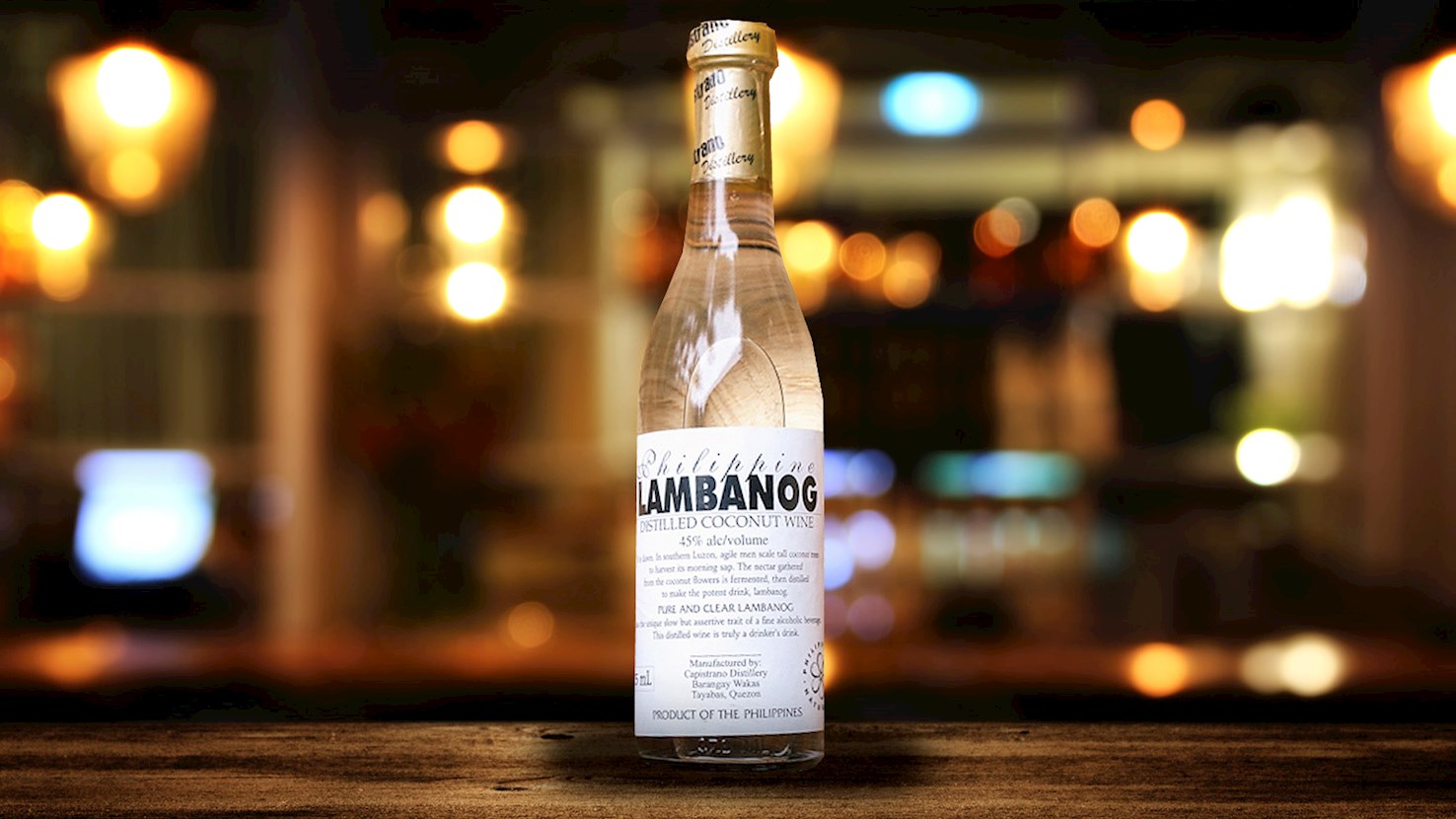
This potent Filipino drink is made from the fermented sap of the coconut palm. It is a clear, colorless spirit that is quite strong, with the usual alcohol content at around 40% ABV. Apart from the classic version, modern varieties are often tinted, sweetened, and flavored. Lambanog is traditionally enjoyed neat, usually as a shot, but it also blends well in cocktails and mixed drinks. In the past, it was frequently produced by farmers, similar to a local version of moonshine, but recently it has mostly shifted to factory production, and its quality has significantly improved. The drink is traditionally produced and enjoyed in the Quezon province.

03

Arrack

3.2 ·

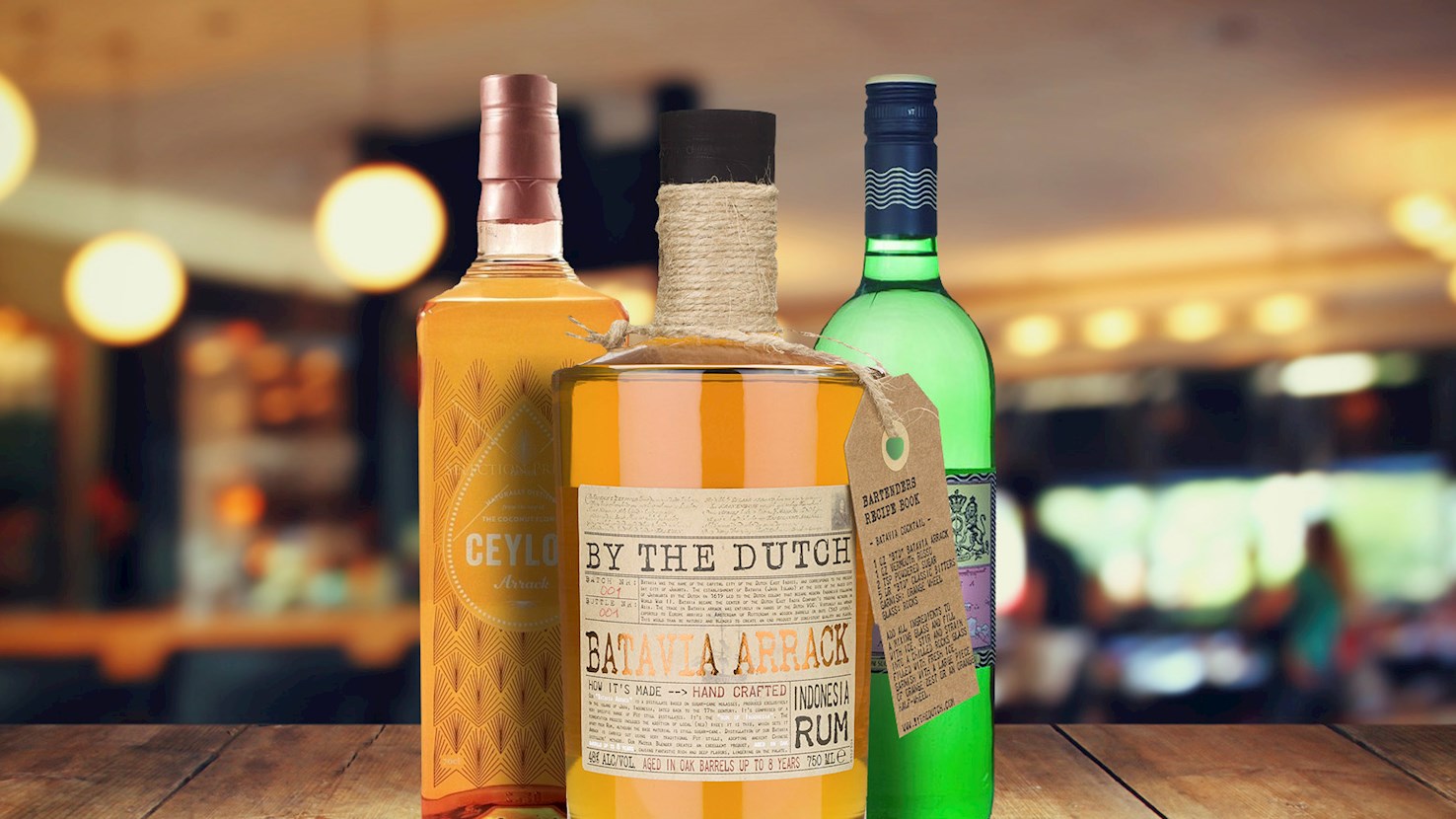
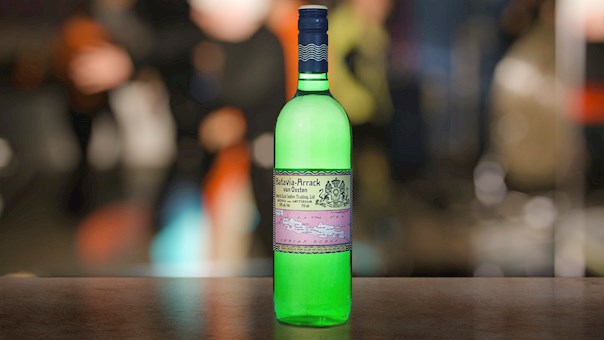
Arrack is a generic term used for a variety of distilled spirits that are often unrelated and can be made from different ingredients. They are found throughout East Indies—predominantly India, Sri Lanka, Indonesia, and the Philippines. The two dominant varieties include Ceylon arrack that is distilled from fermented juice of the coconut palm and Batavian arrack that is made from molasses. The origin of arrack is vague, and though it cannot be precisely stated when and where it was exactly invented, some of the oldest references date back to the 15th century. The reports mention various distillates which were collectively known as arrack. This makes arrack one of the oldest distillates in the world, and certainly a predecessor to all new world spirits such as gin, whisky, or brandy. The etymology of the word is believed to stem from the Arabic arak (perspiration) or areca, a nut from which arrack was produced in India. Although it is not clear, it is presumed that arrack originated in India, which was a result of contact with Arabic or Chinese distillation techniques. Depending on the main ingredients from which it is distilled, arrack can significantly differ in character and style. However, it should not be confused with arak—the anise-flavored distillate usually found in the Middle East.

04

Brem

n/a ·

Brem is a traditional Indonesian fermented rice wine originating from Bali and Java. It is made from glutinous rice that is fermented using a special yeast culture called ragi tape. The fermentation process converts the rice starches into sugar and then into alcohol, resulting in a sweet, slightly tangy alcoholic beverage. There are two main types of brem: liquid brem from Bali, which is a reddish or white rice wine with an alcohol content of around 5-14% ABV, and solid brem from Java, which is a fermented rice cake that is dried and eaten as a snack with a sweet and slightly sour taste. In Balinese culture, brem is considered a sacred offering in Hindu rituals, especially in temple ceremonies, and is believed to be a gift to the gods and spirits, playing an essential role in religious traditions. It has a unique sweet, fruity, and slightly sour flavor due to the fermentation process and is often enjoyed as a dessert wine, served chilled, or used as an ingredient in traditional Balinese cooking. Brem is similar to sake from Japan and tapuy from the Philippines but tends to be sweeter and less strong than distilled rice spirits like rượu đé from Vietnam or lao-lao from Laos.

05

Rượu Táo Mèo

n/a ·

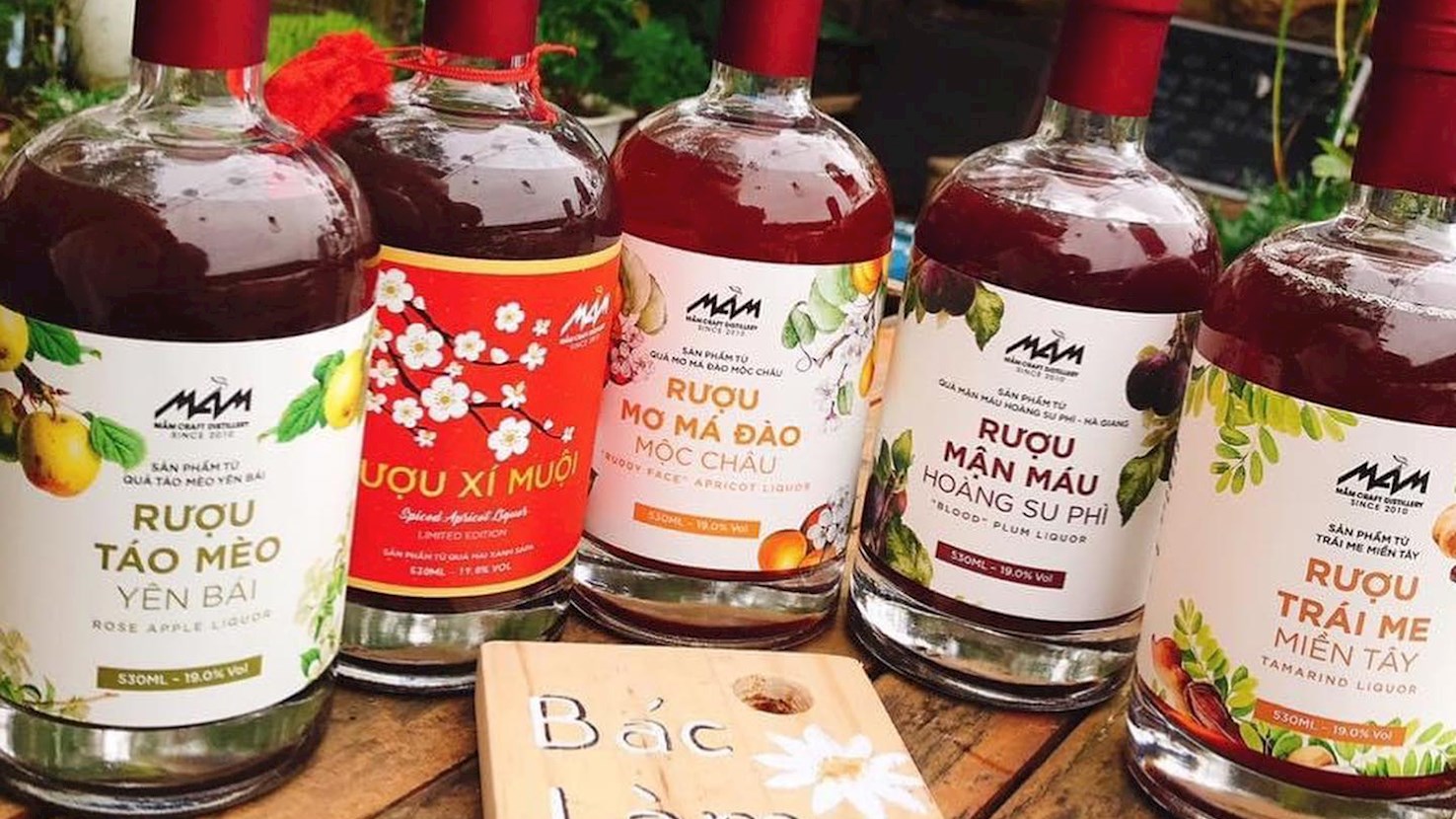
Táo mèo is a type of a liqueur that is traditionally associated with Sapa and the H'Mong ethnic group. It is made from the eponymous wild apples (Docynia indica) that are harvested and then soaked and fermented in water before they are macerated in rice wine (rượu), usually for several months. Optionally, it can also be made with sliced and dried apples. The beverage has an amber color and a subtly sweet flavor, while the aromas are reminiscent of apples and caramel. This traditional drink is often promoted for its numerous health benefits. It is still traditionally produced on a small scale in rural areas, though some bottled versions are available.

06

Jungle Bird

n/a ·

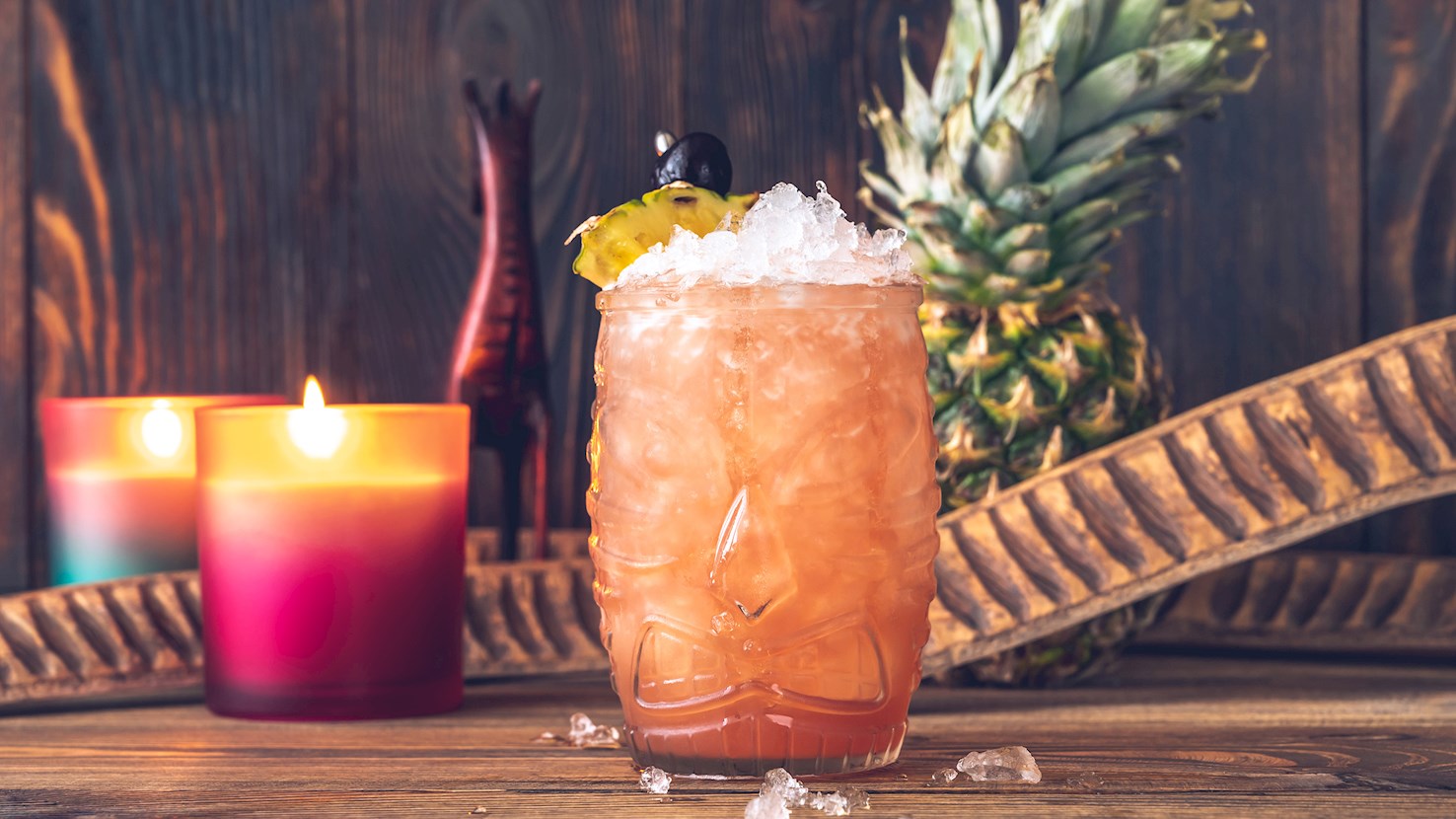
Jungle Bird is a tiki cocktail that combines rum, Campari, simple syrup, and pineapple and lime juice. The traditional version is usually made with dark rum, while some opt for Jamaican or blackstrap rum. The ingredients are shaken with ice and are then strained into an ice-filled glass. Jungle Bird is usually served in a tiki mug or a rocks glass, and it is usually garnished with a pineapple wedge and a maraschino cherry. The cocktail most likely originated at the Hilton in Kuala Lumpur, sometime in the 1970s, while the first written recipe is found in New American Bartender's Guide, written by John J. Poiste and published in 1989. The original cocktail was allegedly served in a bird-shaped porcelain bowl.

07

Sato

n/a ·

Sato is a type of Thai rice wine made from sticky (glutinous) rice. The drink originates from Northeast Thailand (Isan), and it was initially enjoyed as a ceremonial beverage that was traditionally enjoyed on special occasions. It is made with steamed rice and a starter locally known as lukpaeng, consisting of rice starch, yeast, and a mix of herbs and spices. The ingredients are fermented for several weeks before the drink is filtered and is then ready for consumption. This rice wine typically has a short shelf life, and though the best examples are traditionally home-brewed, some commercial varieties are also available. Sato is an easy-drinking beverage, with an alcohol content that typically falls below 15% ABV. Traditionally, it is served at room temperature in a large communal bowl, allowing people to take individual amounts with a glass or small drinking bowls. It can also be served chilled or over ice.

08

Rượu cần

n/a ·

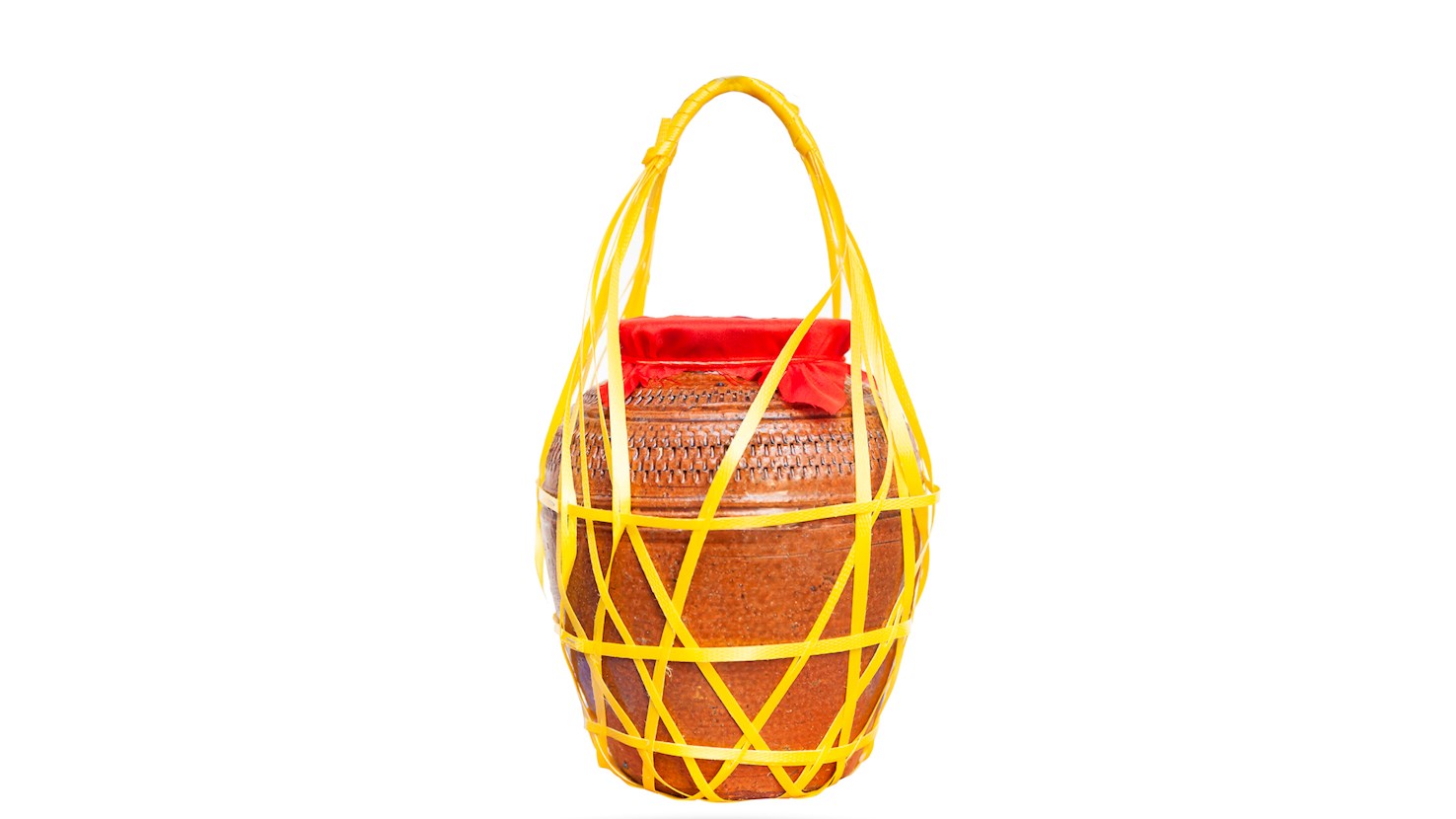
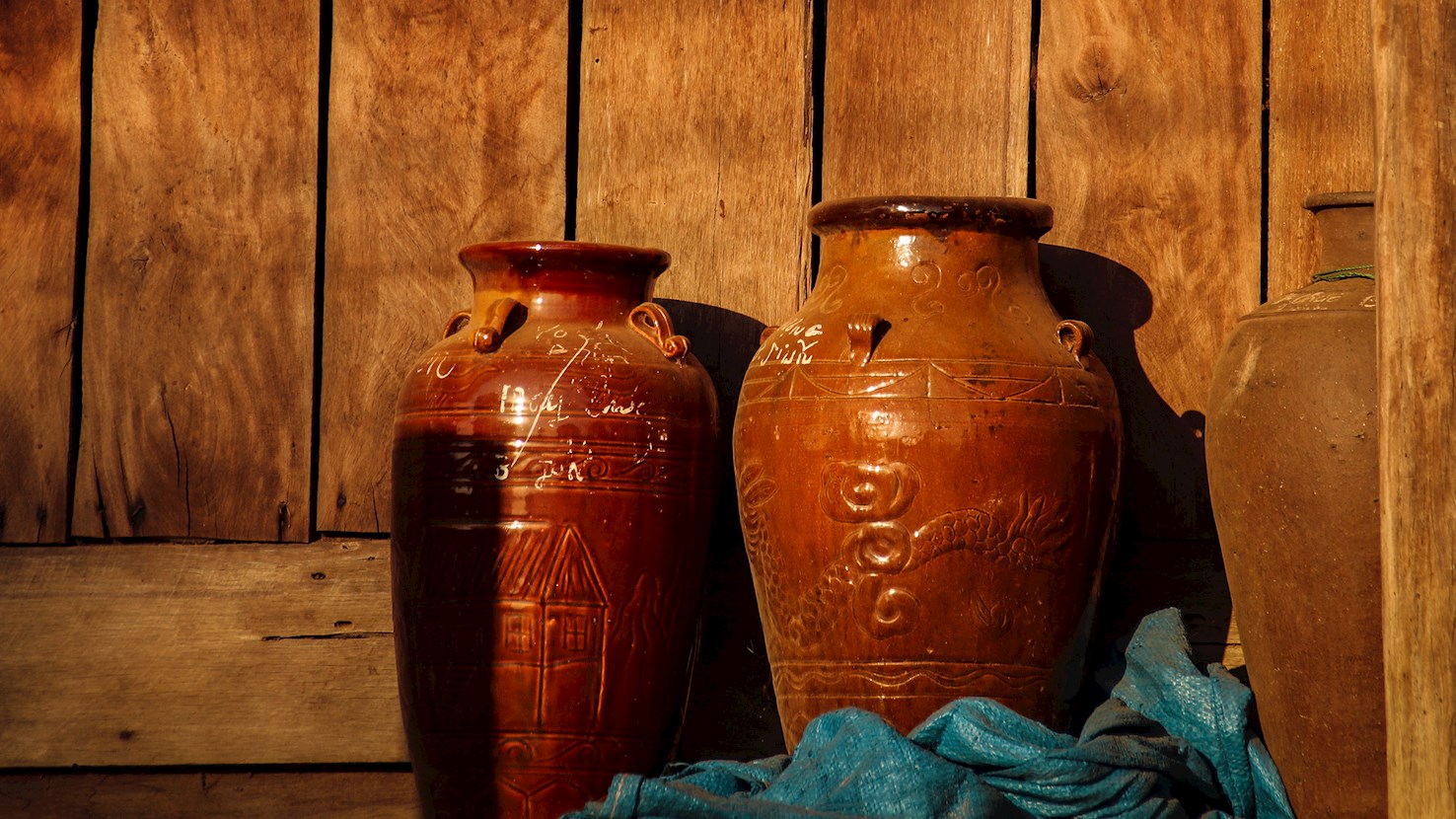
Rượu cần is a variety of Vietnamese rice wine that is usually made with glutinous (sticky) rice, though plain rice, millet, or cassava can also be used as a base. Unlike similar varieties, this type is not distilled, and the rice is usually combined with various herbs, spices, and roots before it is left to ferment for several weeks. The process is traditionally done in large earthenware pots, which are covered with banana leaves. Rượu cần holds ceremonial value in Vietnam, and it is mostly enjoyed during ceremonies and festivities. The pot is usually placed in the center, and the wine is slowly sipped with the help of long bamboo straws. Since this wine is usually associated with ethnic minorities, the final flavor can significantly vary, and it is heavily influenced by the choice of added botanicals and the exact technique of production. Rượu cần is usually found in rural areas of Vietnam.

09

Arak Attack

n/a ·

Arak Attack is a popular cocktail from Bali, known for its vibrant color and tropical flavor. It's based on arak, a traditional Balinese spirit distilled from fermented rice or palm sap, which has a potent flavor and high alcohol content. Arak Attack typically combines arak with orange juice and a splash of grenadine juice for sweetness and color. The result is a refreshing, fruity cocktail that captures the essence of Bali's tropical atmosphere. The grenadine adds a layer of sweetness and creates a striking layered effect in the drink, with its deep red color contrasting with the lighter hues of the mixed juices and arak. Due to the potency of arak, the Arak Attack can be quite strong, so it's often enjoyed slowly to savor the flavors and the ambiance it accompanies.

10

Nếp cẩm

n/a ·

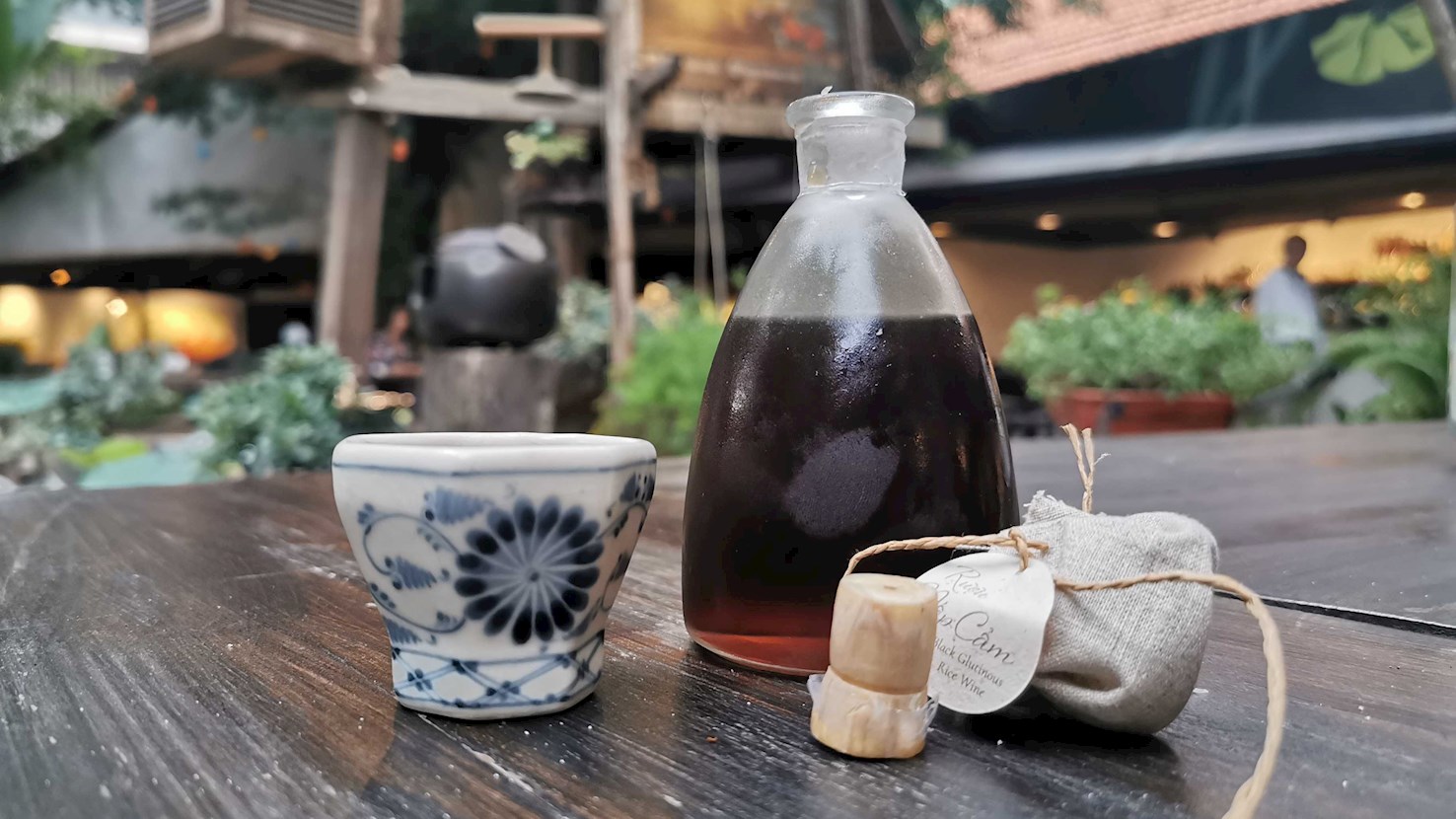
Rượu nếp cẩm is a variety of Vietnamese fermented rice wine. It is made with black rice (gạo nếp cẩm), which attains a distinctive deep purple hue. When the rice is cooked or soaked, it is combined with yeast, and it is then left to ferment. It is also sometimes fortified with the addition of clear rice wine. The resulting beverage is purple in color, and it can be slightly hazy. There are several bottled versions of the drink, but this unique rice wine is also commonly made at home.

11

Mekhong

n/a ·
12

Lao hai

n/a ·
13

Tubâ

n/a ·
15

Lao Lao

n/a ·
16

Rượu

n/a ·
17

Rượu thuốc

n/a ·
18

Bali arak

n/a ·
19

Pegu Club

n/a ·

Best Southeast Asian Alcoholic Beverages
01

Lady Trieu

5.0 ·
Awards
SFWSC - San Francisco World Spirits Competition - Double Gold (2024)
02

East Asia Whisky Company

5.0 ·
Awards
ISC-International Spirits Challenge - Double Gold (2023)
IWSC- International wine & spirit competition - Spirit Gold Outstanding (2024, 2023)
03

53 degrees enterprise

5.0 ·
Awards
SFWSC - San Francisco World Spirits Competition - Double Gold (2024)
ISC-International Spirits Challenge - Gold (2021)
04

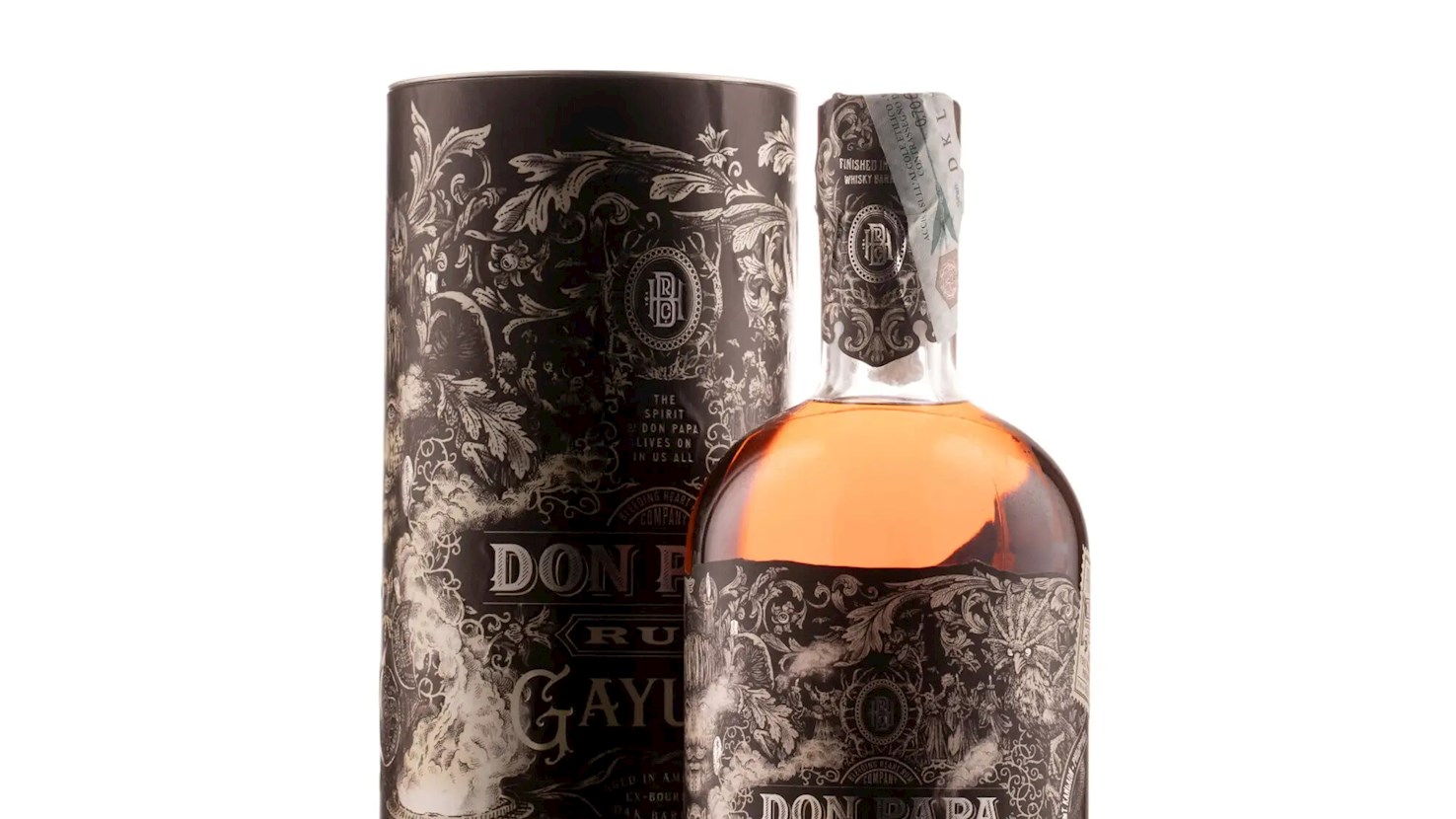
Bleeding Heart Rum Company

5.0 ·
Awards
The Rum & Cachaça Masters - Master (2023)
05

Botani

5.0 ·
Awards
SFWSC - San Francisco World Spirits Competition - Double Gold (2024, 2023)
SWSC - Singapore World Spirits Competition - Double Gold (2023)
06

Sangsom Distillery

4.8 ·
Awards
SFWSC - San Francisco World Spirits Competition - Double Gold (2024)
IWSC- International wine & spirit competition - Spirit Gold (2024)
07

Samai Distillery

4.8 ·

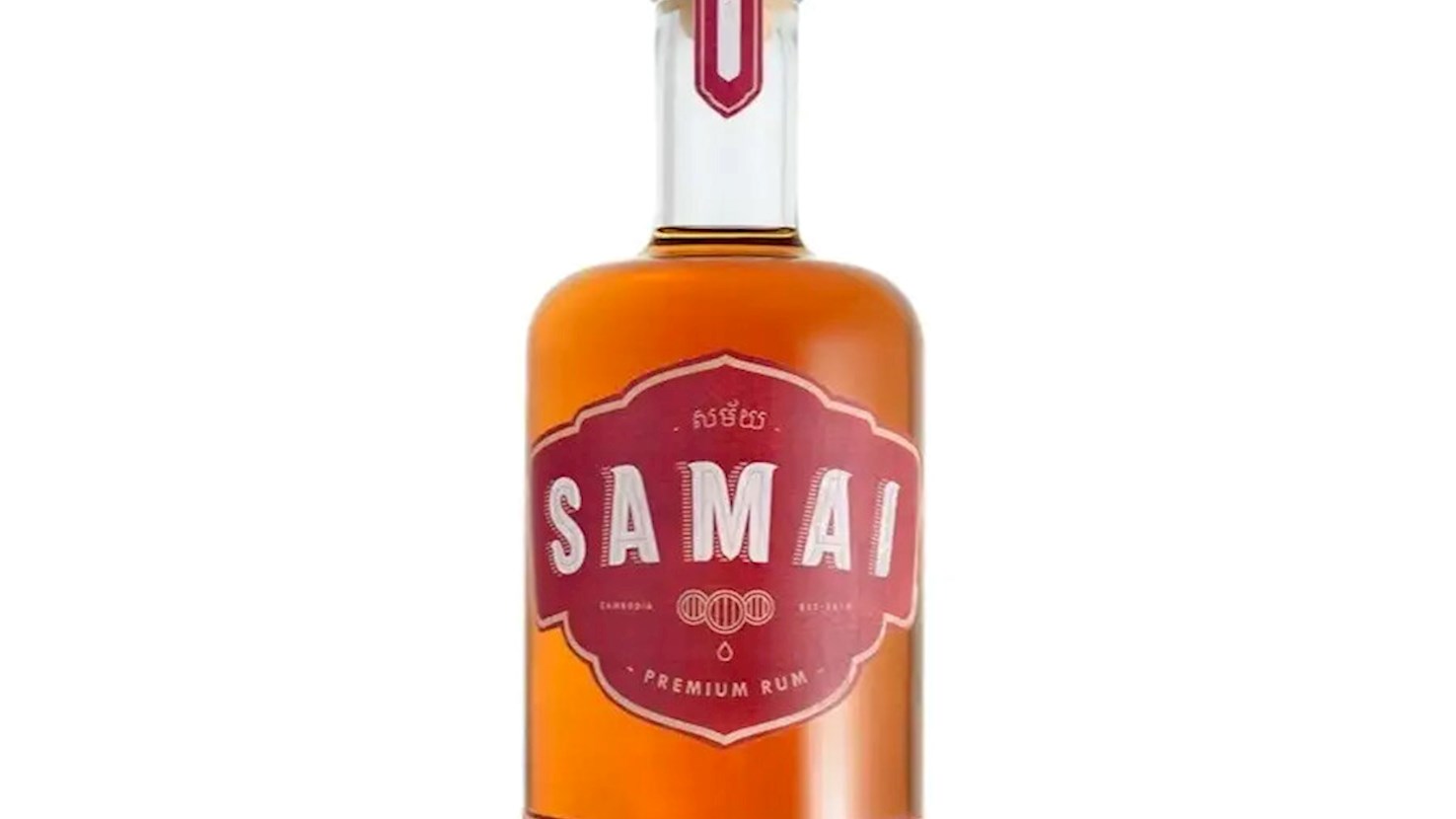
Samai Distillery, established in 2014, is Cambodia's first premium rum producer, located in the heart of Phnom Penh. Founded by a team of passionate individuals, including master distiller Ms. Moang Darachampich, the distillery combines Latin American rum-making traditions with Asian roots to create handcrafted rums that reflect the richness of Cambodian terroir.

Samai sources high-quality, locally grown sugarcane to produce rich molasses, the base for all their premium rums. The production process involves traditional copper pot stills and column stills, allowing for a balance between flavorful, intense rums and smoother, lighter spirits.

Aging takes place in a variety of barrels, including French and American oak, ex-bourbon, and sherry casks, imparting unique characteristics to each rum. Samai Distillery has gained international recognition, with its rums winning numerous awards from competitions such as the San Francisco World Spirits Competition and the London International Spirits Challenge.

Awards
IWSC- International wine & spirit competition - Spirit Gold (2024, 2023)
London Spirits Competition - Gold (2024)
08

Mawsim Distillery (Unwaspa Co.)

4.8 ·
Awards
World Gin Awards - World's Best Flavoured Gin (2023)
IWSC- International wine & spirit competition - Spirit Gold (2023)
09

P.H.Products

4.8 ·
Awards
IWSC- International wine & spirit competition - Spirit Gold (2023)
10

La Salvaje del Litoral

Gin

4.8 ·
Awards
IWSC- International wine & spirit competition - Spirit Gold (2022)
About this Ranking

TasteAtlas food rankings are based on the ratings of the TasteAtlas audience, with a series of mechanisms that recognize real users and that ignore bot, nationalist or local patriotic ratings, and give additional value to the ratings of users that the system recognizes as knowledgeable.

TasteAtlas Rankings should not be seen as the final global conclusion about food. Their purpose is to promote excellent local foods, instill pride in traditional dishes, and arouse curiosity about dishes you haven’t tried.

The initial list of top producers was compiled based on available reviews, awards, local recommendations, media and blog coverage, and consumer reviews. The list will be updated with ratings from TasteAtlas local ambassadors and TasteAtlas users.

What People Say

Similar Lists