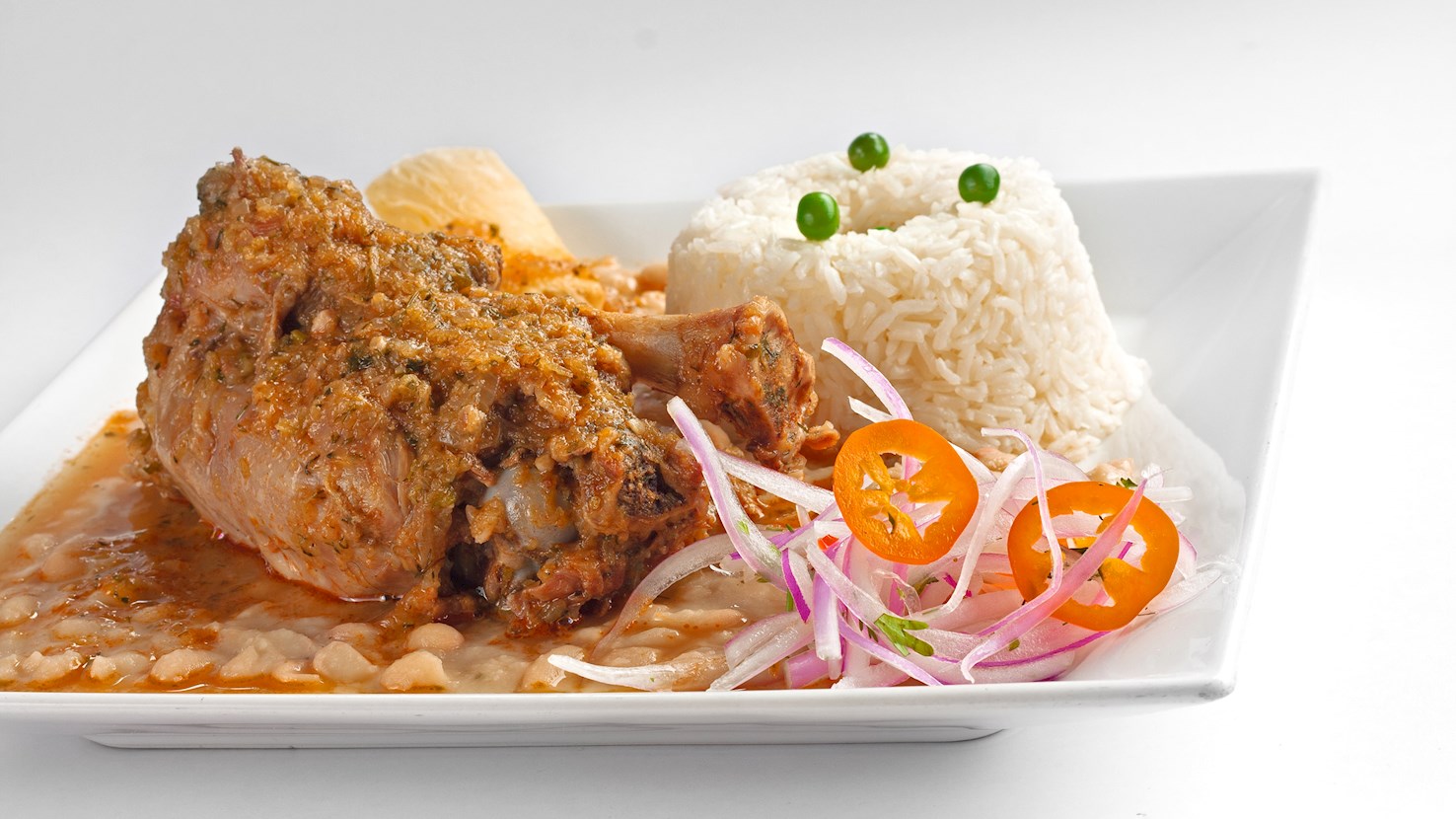
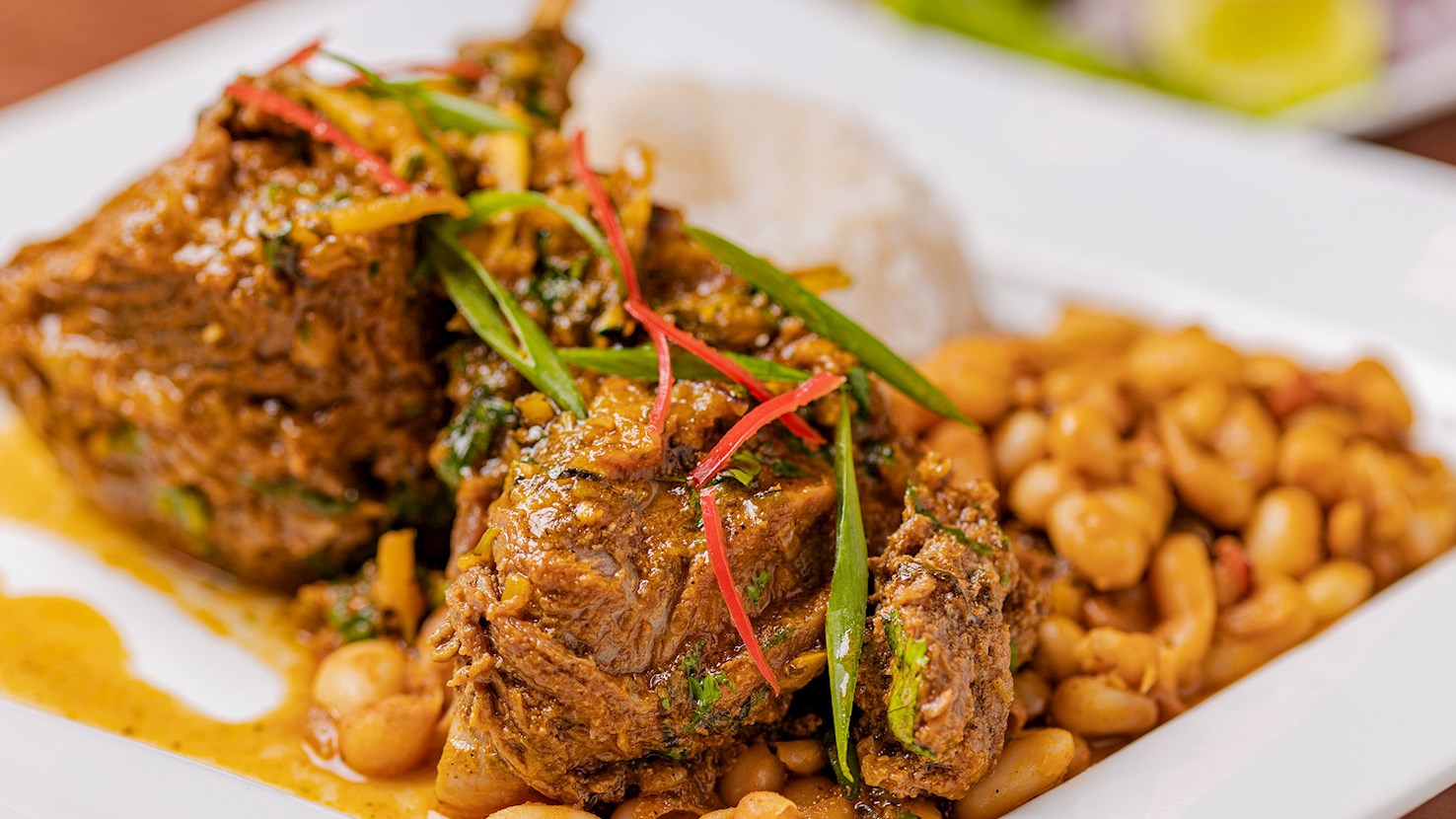
Seco de cabrito is a traditional dish that was originally prepared in the north of the country, but nowadays it's also popular in coastal areas. It consists of goat meat that's cooked with hot peppers, peas, carrots, and cilantro sauce. The list of ingredients also includes onions, cumin, garlic, oregano, oil, and seasonings. The meat is fried, then cooked with the other ingredients until the sauce becomes thick. Once done, seco de cabrito is traditionally served with rice, beans, and boiled cassava as a one-dish meal. This dish is often prepared for festive events such as family celebrations, and it can also be reheated and served the next day.
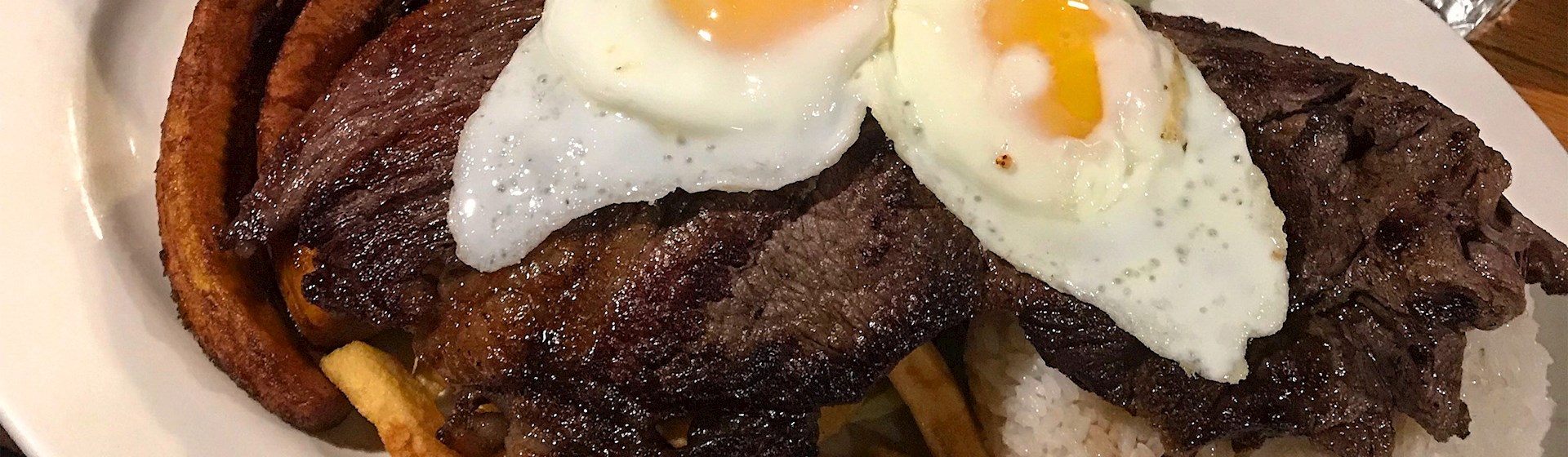
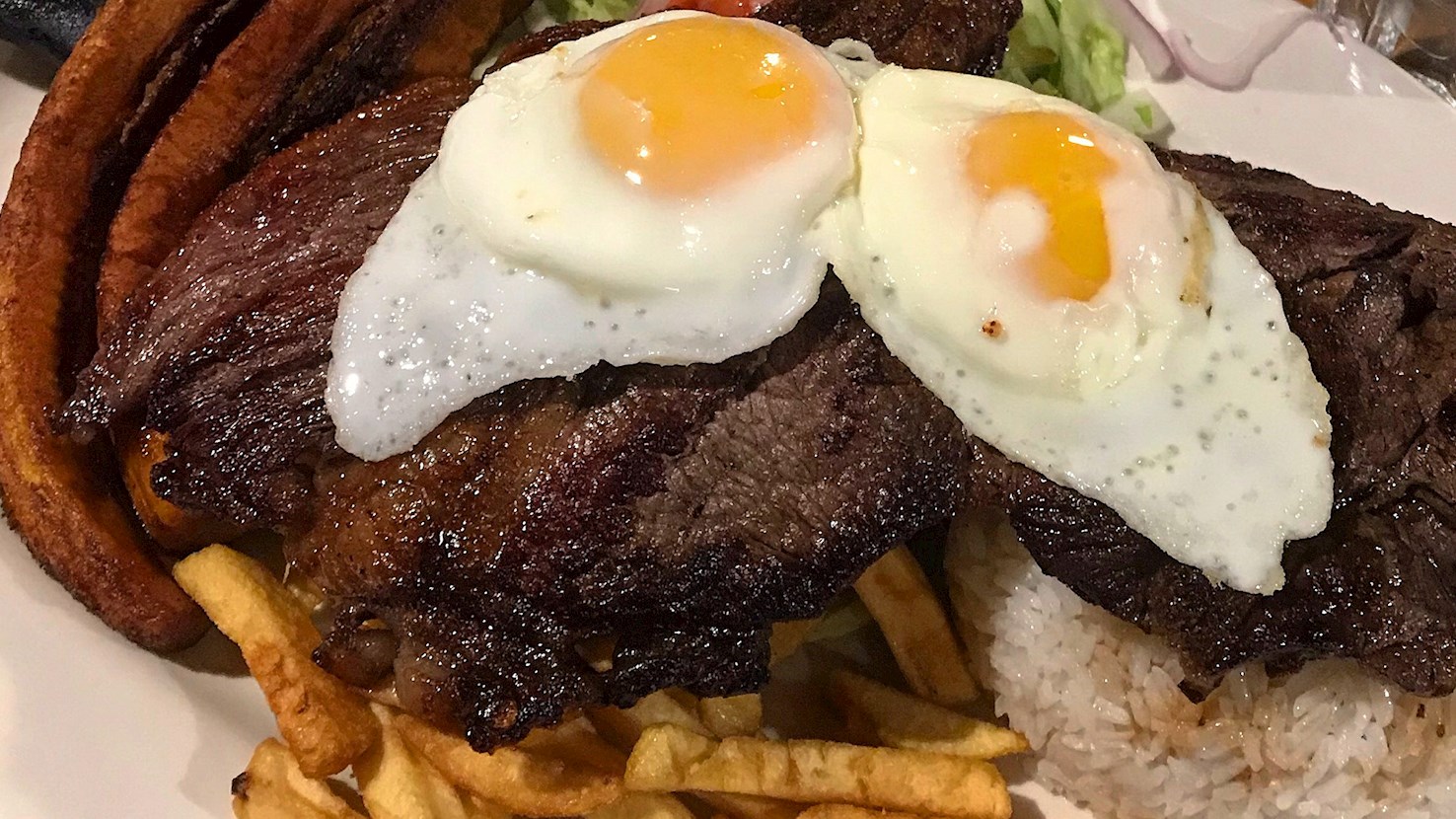
Lomo a la pobre or bistec a lo pobre is a large meal similar to Chorrillana that is popular in Chile and Peru. In its basic form, the meal consists of steak, fried onions, fried potatoes, fried eggs, and rice. A large beef steak (usually rubbed with garlic) is fried, then topped with fried eggs with runny yolks, while onions and potatoes are served on the side. The name of this meal translates to poor man's steak, despite the fact that this dish is hearty and very nutritious. In Chile and Peru, it is almost always served for lunch.
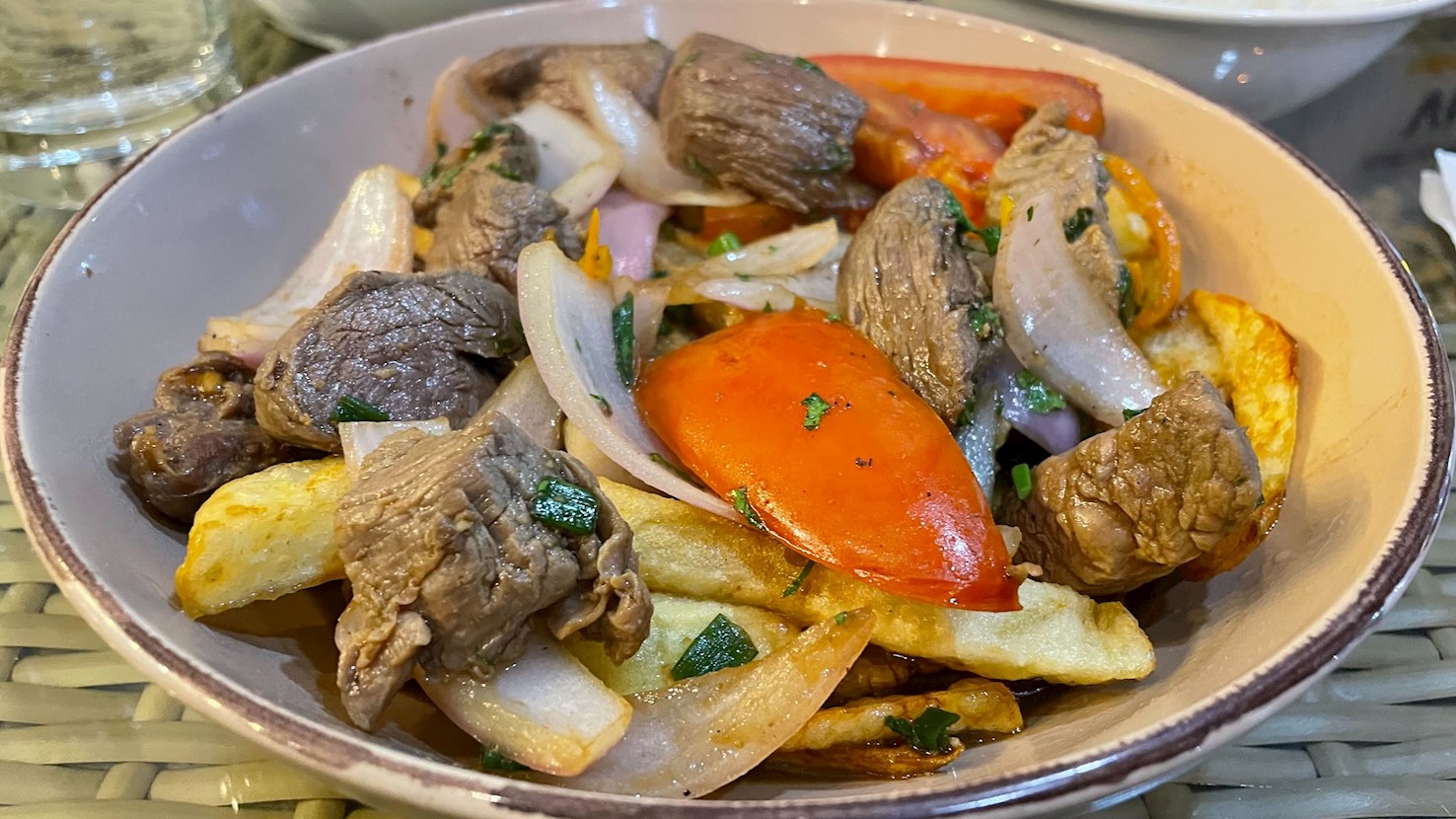
Lomo saltado is a traditional dish consisting of stir-fried marinated slices of sirloin or beef tenderloin, onions, yellow Peruvian chilis, and tomatoes. The dish is typically served with French fries and rice on the side, and can be found on the menus of almost all Peruvian restaurants, whether simple or upscale. The dish has had a big Asian influence due to the influx of Chinese immigrants during the 19th century. Over the years, some Chinese cooking techniques were combined with the Peruvian, and new dishes were invented, such as lomo saltado. Today, there are many variations on the dish, so beef can be replaced by chicken, when it is called pollo saltado. If the potatoes are replaced with noodles and vegetables, it is then called tallarin saltado. With its fusion of old and new worlds, lomo saltado still holds its status as one of Peru's most loved dishes.
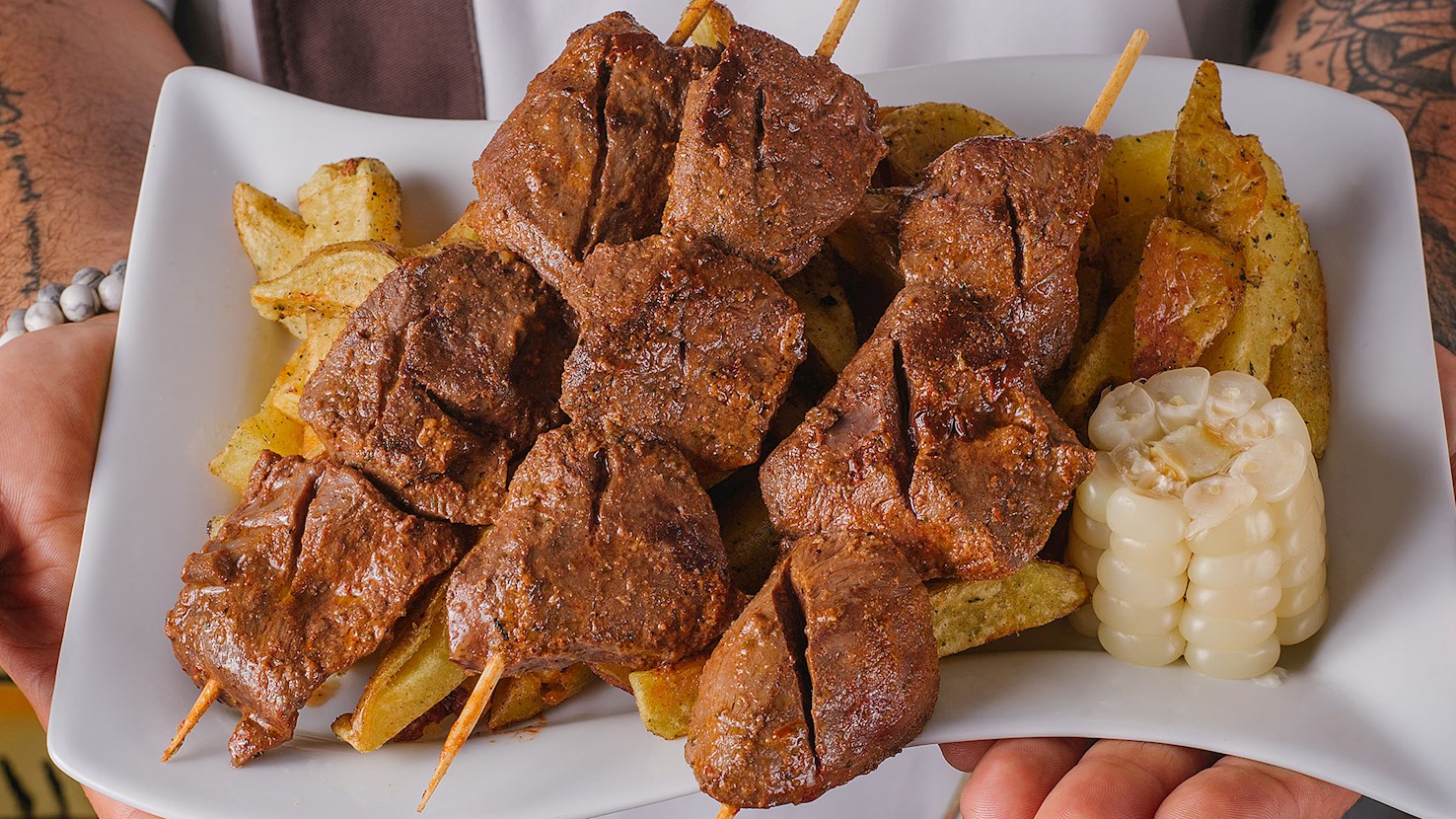
Anticucho is a meat dish consisting of small pieces of skewered and grilled meat, the most popular of them made with beef heart, called anticuchos de corazón. Incan in origin, the dish quickly gained popularity throughout South and Central America. The first written recipe dates back to the 16th century, referring to a meal of marinated llama meat cooked directly over a fire. When the conquistadors encountered the dish, they modified it to make it their own, replacing the llama meat with beef, which was skewered on sugar cane stalks. Today, the meat is typically marinated in red wine vinegar and spices such as garlic, cumin, and aji pepper - developing a fruity flavor when roasted. Anticucho can be found throughout Peru and has spread to other South American countris (especially popular in Bolivia) on numerous street carts and street food stalls, called anticucheras. Typical accompaniments to the dish include corn or boiled potatoes.
Cabrito a la norteña is a dish of northern Peru, consisting of tender, young goat meat that is marinated in a blend of flavorful ingredients such as garlic, Peruvian chili peppers, and chicha de jora—a traditional fermented corn beverage. After marinating, the goat meat is slowly cooked in a sauce made with chicha de jora, cilantro, cumin, pumpkin, and other spices until it becomes tender and infused with the rich flavors of the marinade, resulting in a deep and aromatic profile. Cabrito a la norteña is commonly accompanied by sides such as yucca (cassava), rice, or beans. The dish is a cherished staple during festivities and family gatherings in northern Peru, capturing the essence of the region's culinary heritage and traditions.
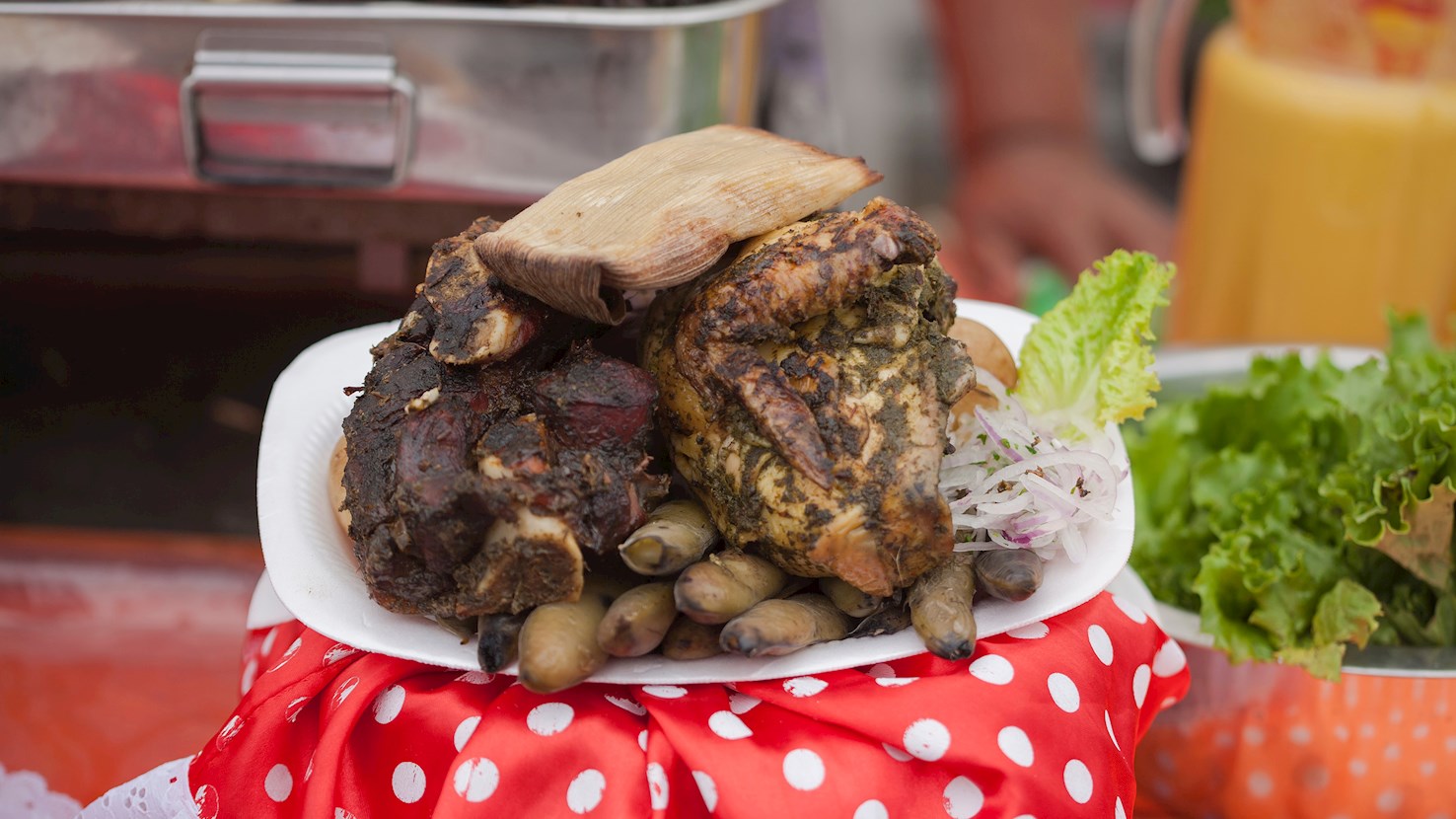
Pachamanca is an ancient Peruvian dish made by cooking marinated pieces of meat (usually lamb), herbs, chilis, beans, and a variety of Peruvian potatoes in a hole in the ground (huatia). The ingredients are placed on hot stones and covered with leaves in order to create a natural pot in the ground. The name of the dish means earth pot, referring to the preparation process. The dish is traditionally cooked for about three hours, and nowadays it can be found in numerous rustic restaurants throughout Peru.
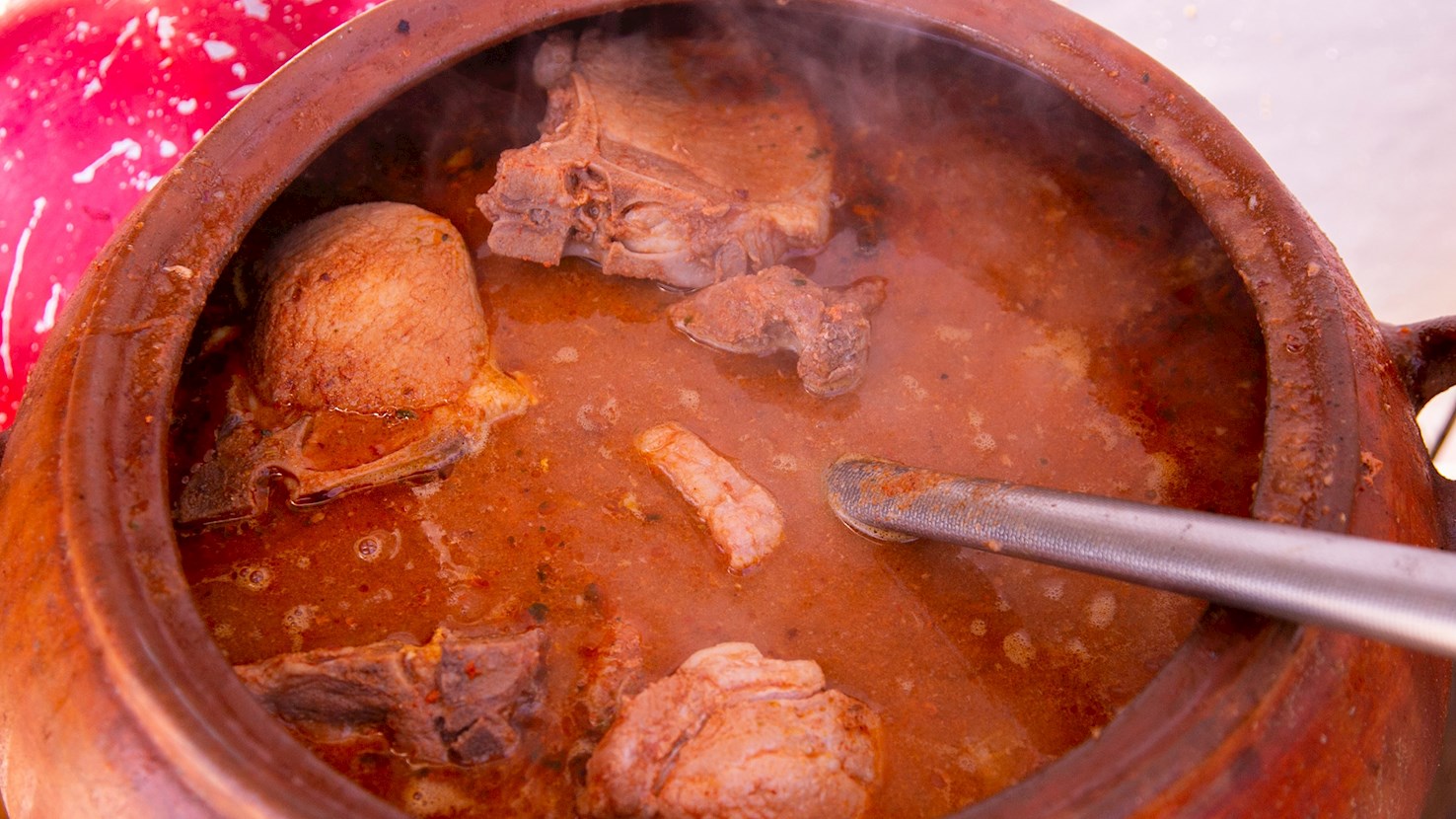
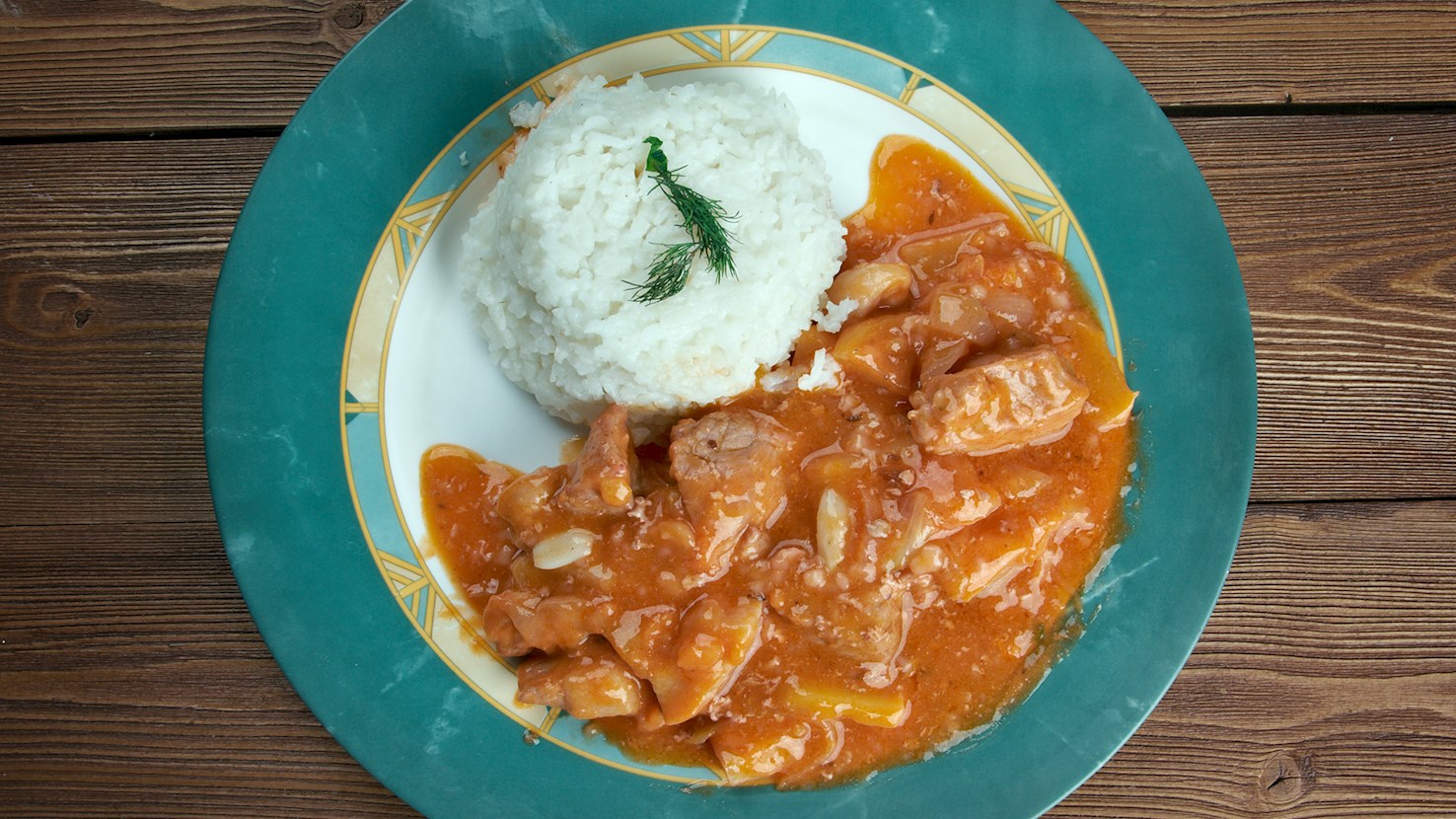
Adobo arequipeño is a traditional stew from the region of Arequipa, made with pork marinated in a blend of chicha de jora (a type of fermented corn beverage), vinegar, ají peppers, garlic, onions, and spices. The mixture is typically left to marinate overnight and then slowly simmered until the pork is tender. It's a popular dish often eaten during Sunday breakfasts or family gatherings.
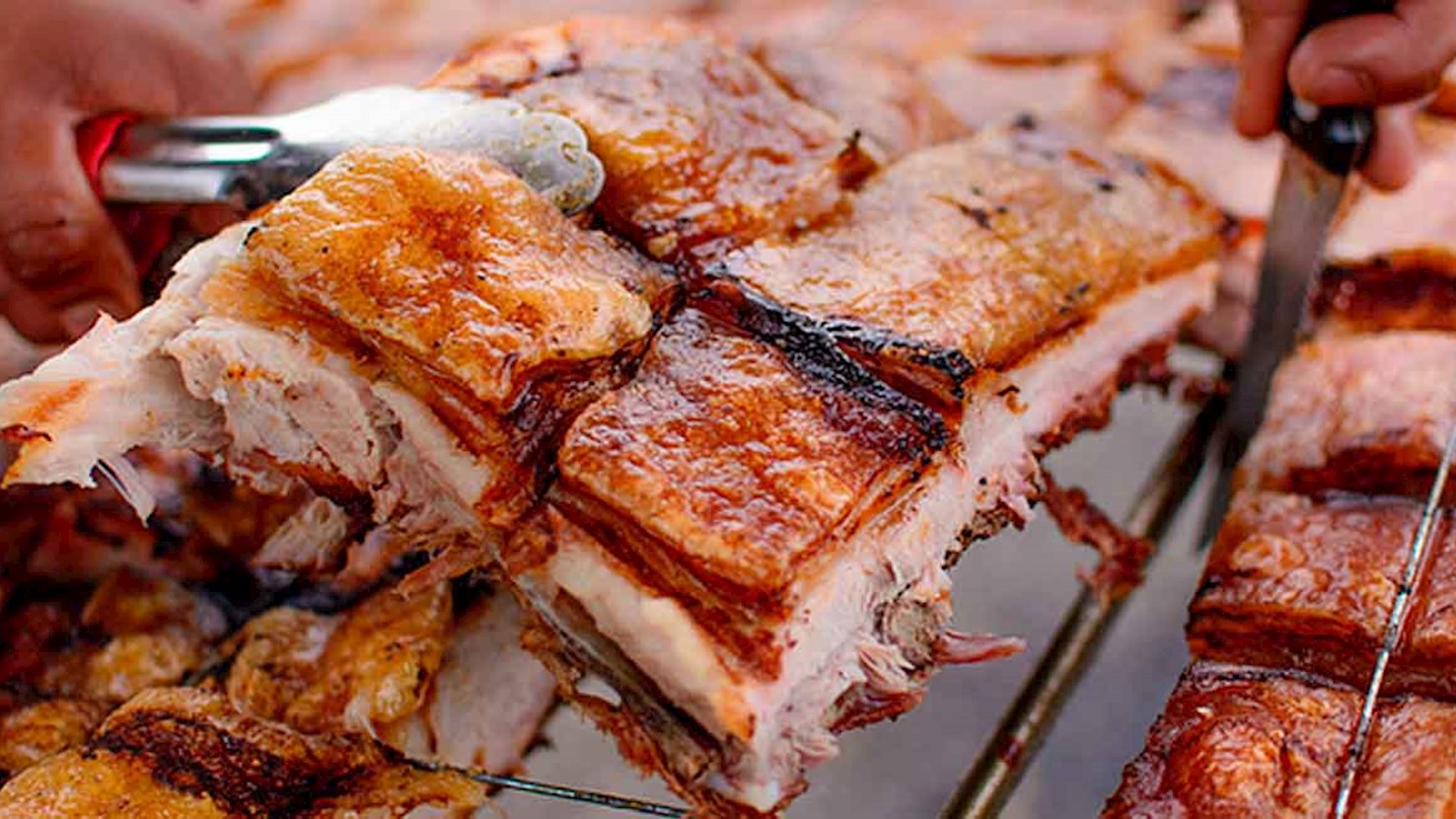
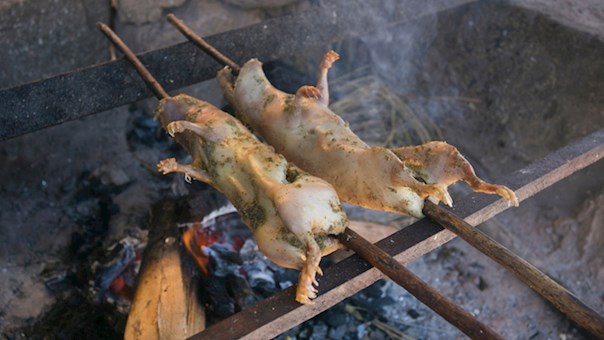
Chancho al palo is a traditional dish from Huaral that translates to "pork on the pole." The main characteristic of chancho al palo is the cooking method. A whole pig or large cuts of pork are marinated with spices and then skewered on large vertical or diagonal stakes. The stakes with the pork are then set around a wood fire, allowing the meat to roast slowly and evenly. The pork is typically marinated with a mix of Peruvian spices and ingredients, including garlic, cumin, aji panca, and other seasonings meant to infuse flavor into the meat. Once the pork is roasted to a crispy exterior and tender interior, it's sliced off and typically served with traditional Peruvian sides like boiled yucca (cassava), potatoes, salads, and various sauces. This method of preparation is often reserved for special occasions, festivities, or large gatherings due to the size of the meat and the communal nature of the cooking process.
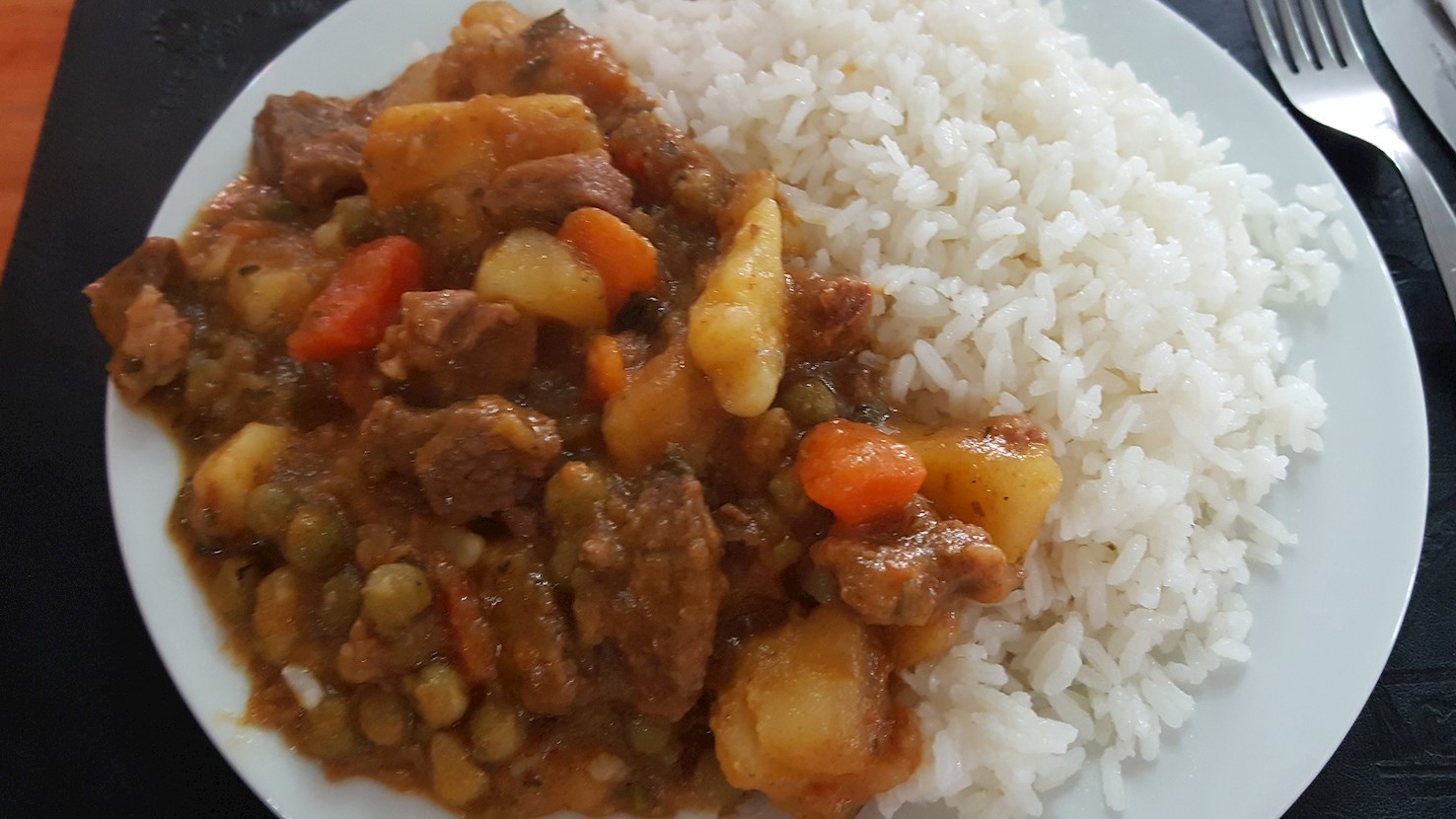
Picante de carne is a traditional stew originating from Peru. Although there are many variations, it's usually made with a combination of beef (flank steak, beef shank, skirt steak, brisket, or neck), onions, garlic, cumin, hot peppers, oil, vegetable stock, fava beans, potatoes, parsley, salt, and pepper. The meat is seasoned with salt and pepper and browned in oil. The onions and garlic are sautéed until soft and mixed with cumin, hot peppers, stock, and browned beef. The mixture is simmered until the meat is tender, and the fava beans and potatoes are then added to the pot and cooked until tender. Chopped parsley is stirred into the stew and it's served white rice on the side.
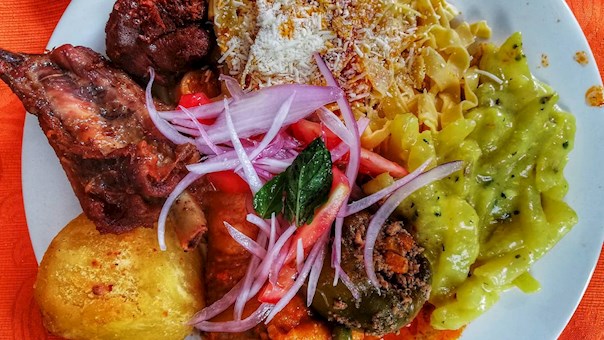
Carapulcra is a stew made with dried potatoes, pork, ají peppers, peanuts, garlic, and spices. It is thick, deeply flavored, and slightly smoky, with the rehydrated potatoes absorbing the pork broth and chile-based seasoning as they cook. The defining ingredient in the most familiar version is papa seca, potatoes that have been cooked, dried, and broken into small irregular pieces. Drying potatoes is an old Andean preservation technique that allowed the crop to be stored for long periods. Papa seca is different from chuño, which is traditionally freeze-dried through repeated exposure to cold nights and strong daytime sun in the high Andes. Before cooking, the papa seca is often lightly toasted in a dry pan. This brings out a more pronounced roasted flavor. It is then washed and soaked in water for several hours or overnight until partially rehydrated. Pork is the most characteristic meat in modern carapulcra. Pork shoulder, leg, ribs, or belly can be cut into pieces and browned before the stew is assembled. The rendered fat becomes part of the base of the dish. The seasoning begins with an aderezo of finely chopped onion, garlic, and ají. Ají panca is particularly important, giving carapulcra its dark reddish color and mild, slightly smoky chile flavor. Ají mirasol, the dried form of ají amarillo, is also commonly included. Cumin, black pepper, cinnamon, and cloves provide the warm spice notes traditionally associated with the stew. The browned pork and soaked papa seca are added to the aderezo along with enough pork or chicken broth to cook the potatoes. The mixture simmers slowly until the potato pieces become tender and the liquid reduces into a thick sauce. Unlike fresh potato, papa seca retains a distinct, slightly chewy texture even after prolonged cooking. Roasted ground peanuts are stirred in toward the end. They add richness, a mild sweetness, and additional body to the sauce without turning the dish into a peanut-based stew. A small amount of sweet wine or port is also included in some established preparations, but it is not essential to the identity of the dish. Carapulcra has very old roots, although the modern recipe cannot be traced unchanged to the Inca period. Its name is generally connected with the Aymara expression qala phurk'a, referring to cooking with heated stones. Hot-stone cooking was practiced in the Andes long before the Spanish conquest, and dried potatoes were already an important preserved food. The dish changed considerably during the colonial period. Pork, onions, garlic, and several of the spices now associated with carapulcra arrived with the Spanish, while Indigenous ingredients such as potatoes, peanuts, and ají remained central. Afro-Peruvian communities on the central and southern coast also played an important role in developing the dish as it became part of Peru's Creole cooking. Peanuts themselves were already native to South America, so they were not introduced to Peru from Africa. By the colonial period, carapulcra had become closely associated with popular cooking and large communal meals. It later became a familiar dish at family celebrations, religious festivities, weddings, and other gatherings, particularly along Peru's central and southern coast. The best-known regional distinction is found in Chincha, in the Ica region. Carapulcra chinchana is traditionally made with fresh potatoes rather than papa seca. It is commonly served together with sopa seca, a highly seasoned noodle dish cooked with ingredients such as achiote, basil, and other herbs. The combination of carapulcra and sopa seca is known as manchapecho and is one of Chincha's signature dishes. Outside this regional version, the classic papa-seca carapulcra is commonly served with steamed white rice or boiled yuca. These mild accompaniments balance the concentrated flavor of the pork, ají, peanuts, and spices.
TasteAtlas food rankings are based on the ratings of the TasteAtlas audience, with a series of mechanisms that recognize real users and that ignore bot,
nationalist or local patriotic ratings, and give additional value to the ratings of users that the system recognizes as knowledgeable.
For the “Top 21 Peruvian Meat Dishes” list until October 15, 2026, 4,354 ratings were recorded, of which 1,201 were recognized by the system as legitimate.
TasteAtlas Rankings should not be seen as the final global conclusion about food. Their purpose is to promote excellent local foods,
instill pride in traditional dishes, and arouse curiosity about dishes you haven’t tried.






What People Say