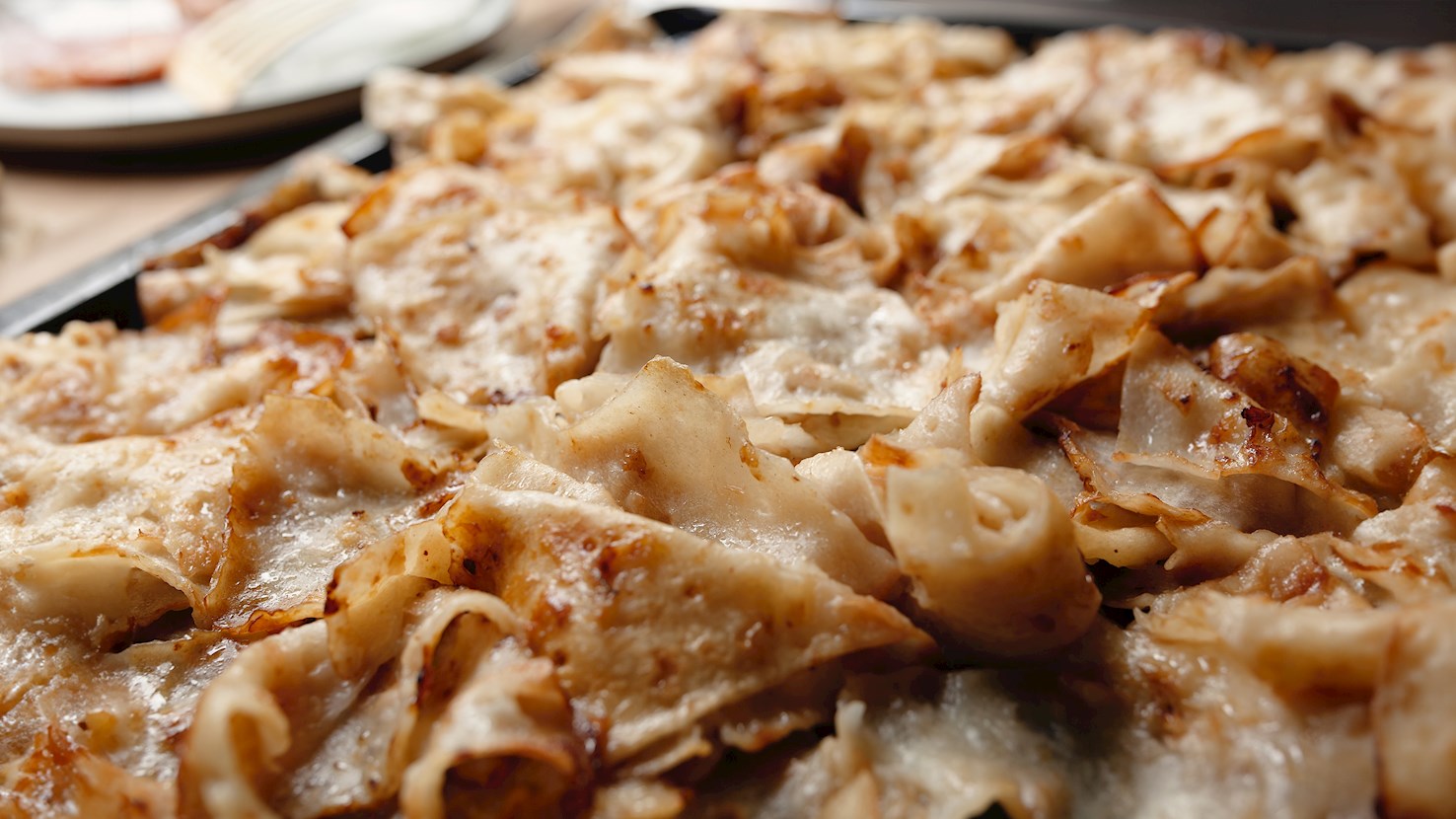
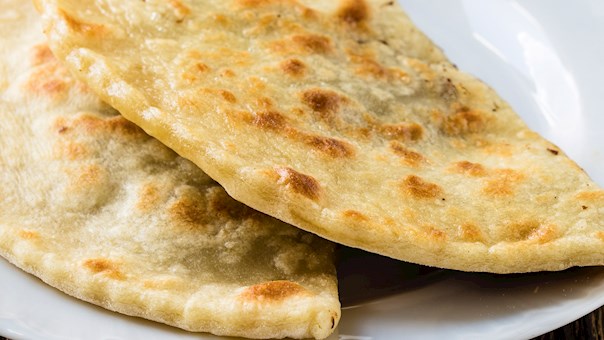
This traditional Croatian cross between pasta and flatbread is made with wheat flour (type 550) and water, with the occasional addition of lard and eggs (in which case it does not meet the standards necessary for its PGI status). To make mlinci, the dough is rolled by hand into thin sheets (not thicker than 2,5 mm) which are then baked twice and dried until crispy. All the pieces must be shaped into squares. Before serving, they are torn into smaller pieces, submerged in water or broth, drained, and finally doused in meat drippings. Mlinci are typically enjoyed alongside stuffed roast turkey—a traditional Croatian Christmas lunch—but they also pair well with other roasted meat dishes.
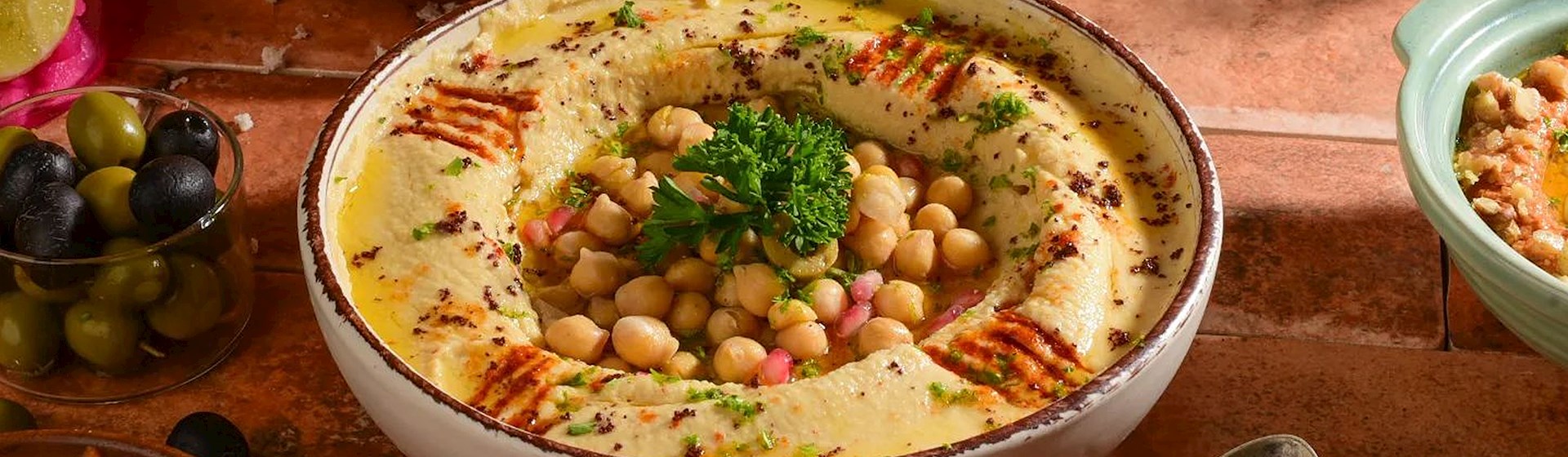
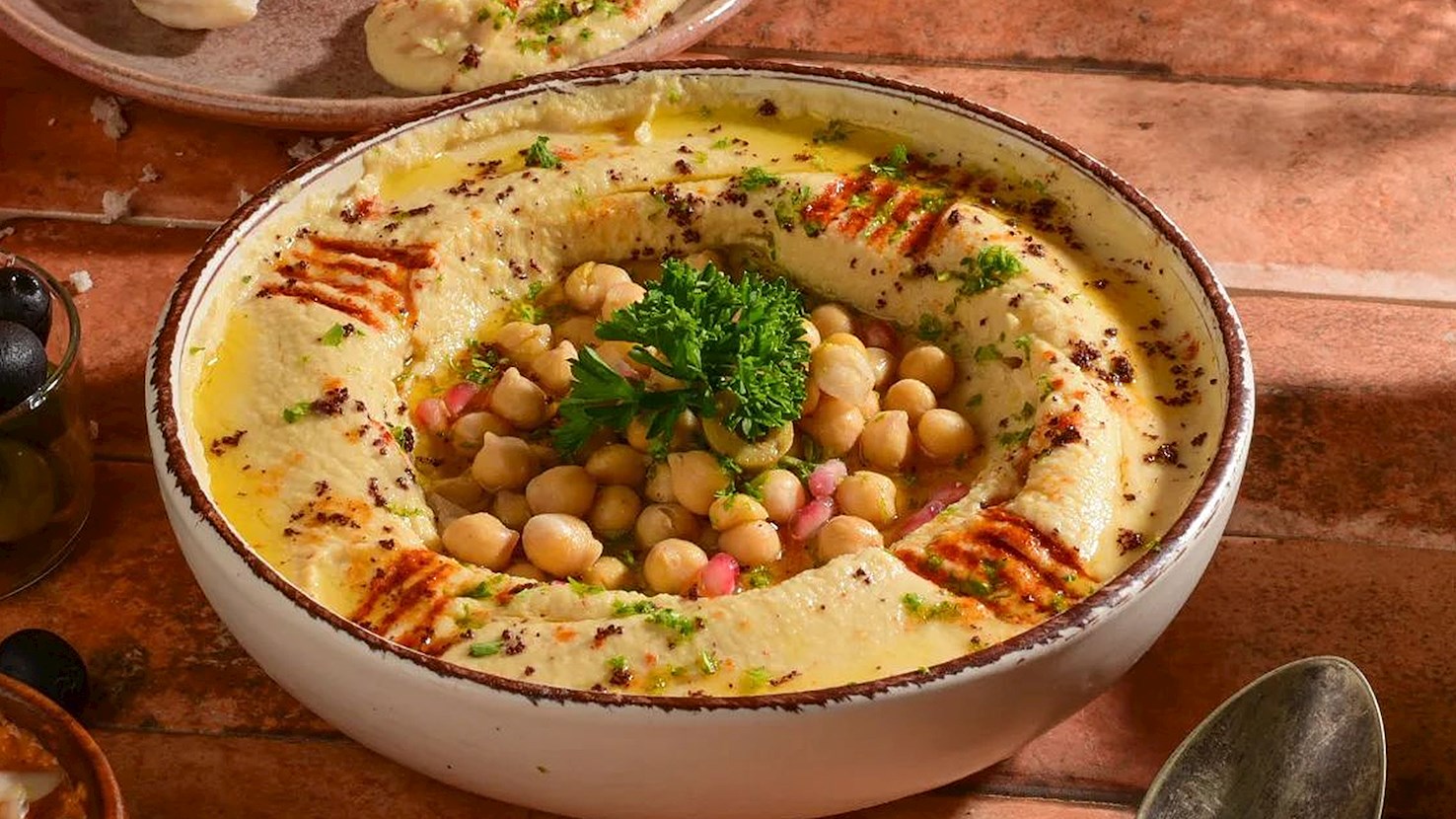
Hummus Beiruti is a Lebanese version of hummus, the famous chickpea-based dip. This version adds a large amount of garlic and spices to it. It’s usually made with a combination of chickpeas, olive oil, garlic, yogurt, tahini, cold water, cumin, lemon juice, chili peppers, chopped parsley, and paprika. Once prepared, this hummus version is plated and garnished with a drizzle of olive oil, chopped parsley, and mint leaves. Hummus Beiruti is served with freshly baked pita or lavash flatbread.
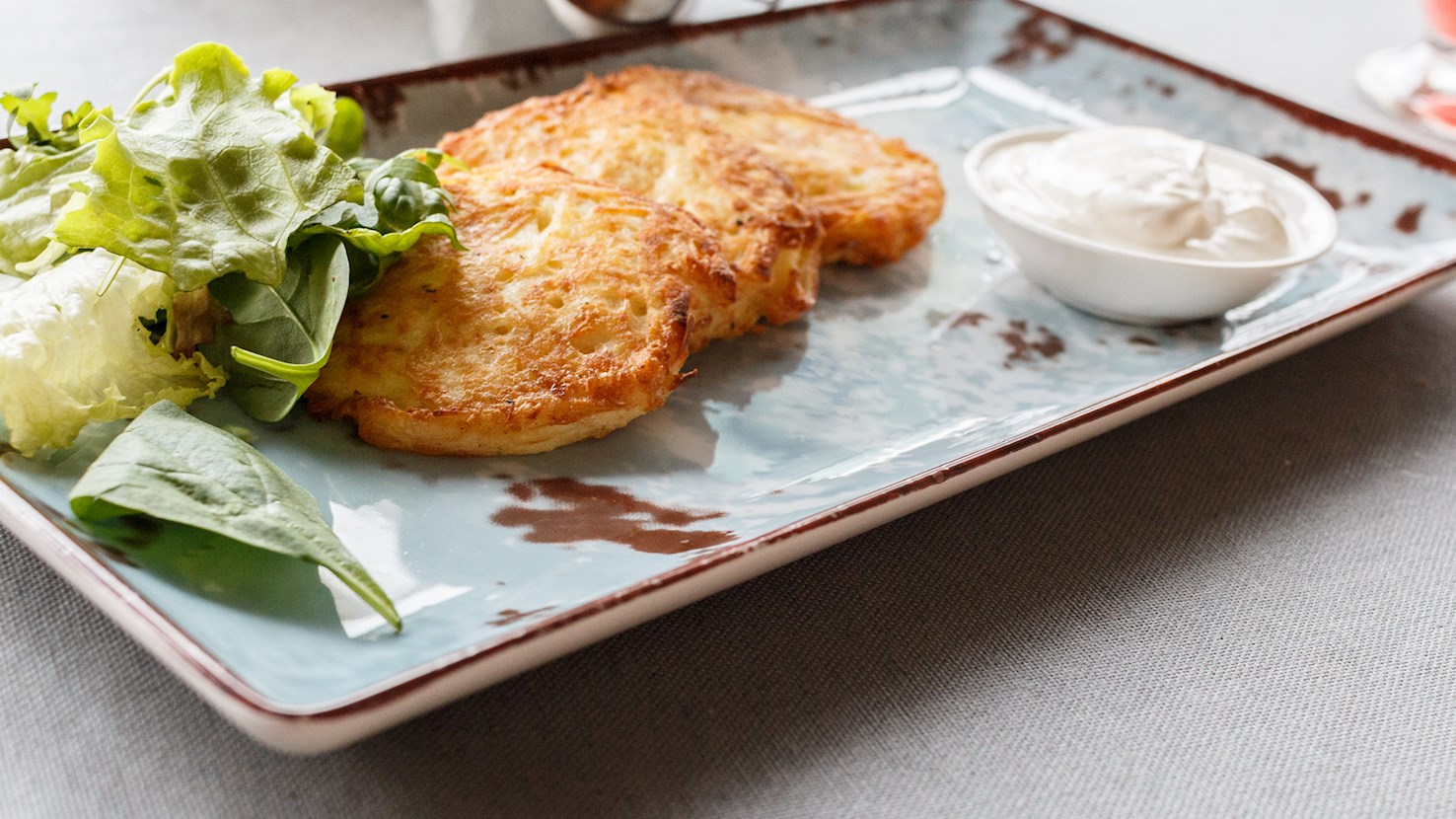
Kartupeļu pankūkas are Latvian potato pancakes, a quick mid-week meal that almost everyone knows how to prepare. They are made with a combination of grated potatoes, eggs, and flour, seasoned only with salt and pepper. Fried until golden brown, kartupeļu pankūkas are traditionally served with sour cream and lingonberry sauce. Although these pancakes were considered a cheap meal, they have recently started to appear on many coffee shop menus in the country.
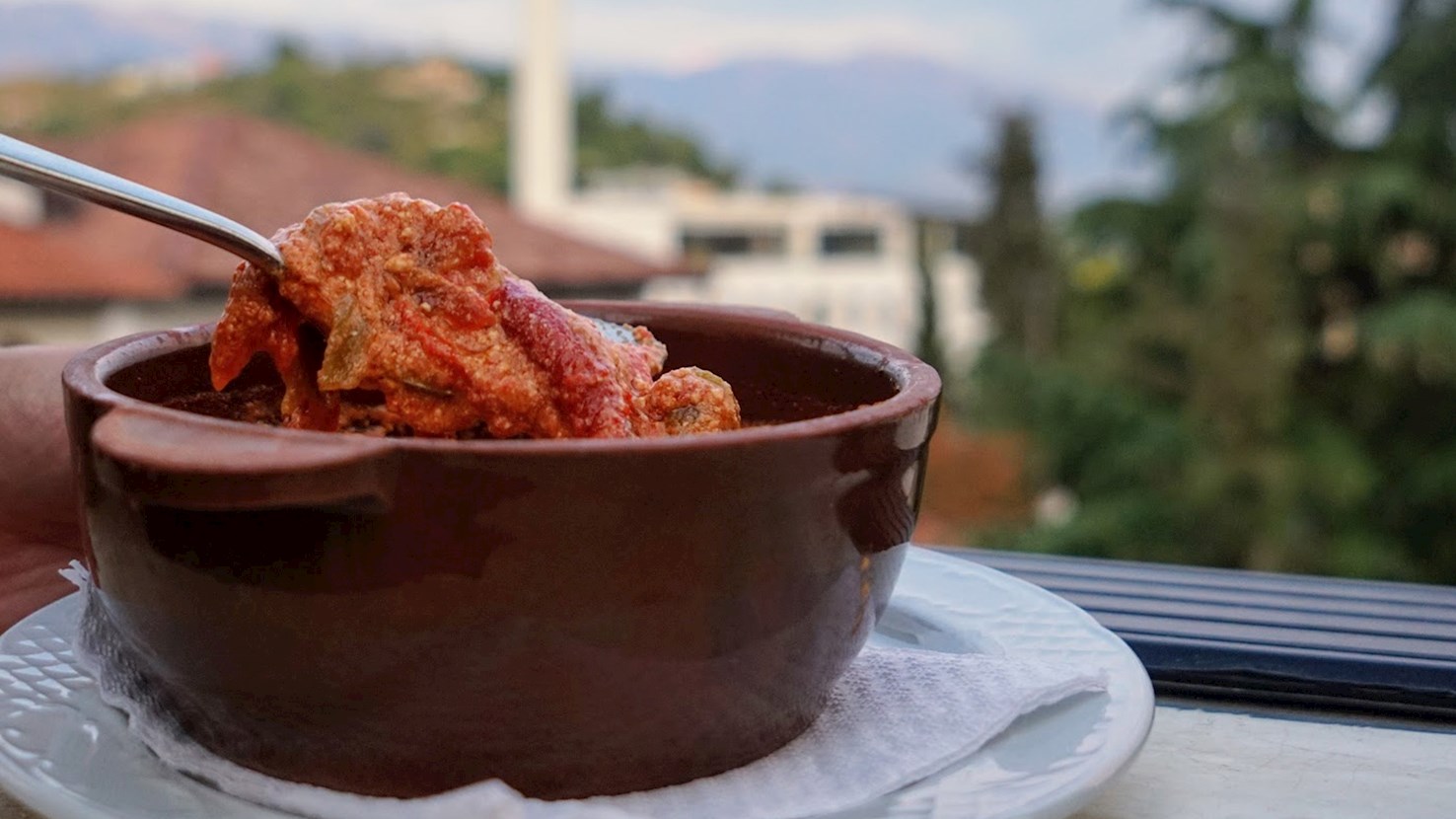
One of Albania's national dishes, fërgesë tirane is a baked vegetable and cheese specialty originating from the capital of Tirana. Traditionally, this recipe uses bell peppers, onions, tomatoes, locally made salted cottage cheese (or feta cheese as a substitute), basil, butter, flour, and olive oil. The vegetables are sautéed, while the butter and flour make a roux in a separate pan, and the cheese is set to melt over it. All the ingredients are mixed in small clay pots, seasoned, and baked in the oven. After the dish has slightly cooled down, it is served with crusty bread on the side. The vegetable version of this specialty is referred to as fergesë e tiranës me speca or fergesë e tiranës me piperka in Albanian. Another version of this dish, named fërgesë me melçi or tavë dheu me mëlçi, is created by adding chopped liver and garlic to the mixture, and the veal version is known as fergesë e tiranës me mish viçi. While the vegetarian version is mostly served as a side dish, the version prepared with meat is often served as the main course.
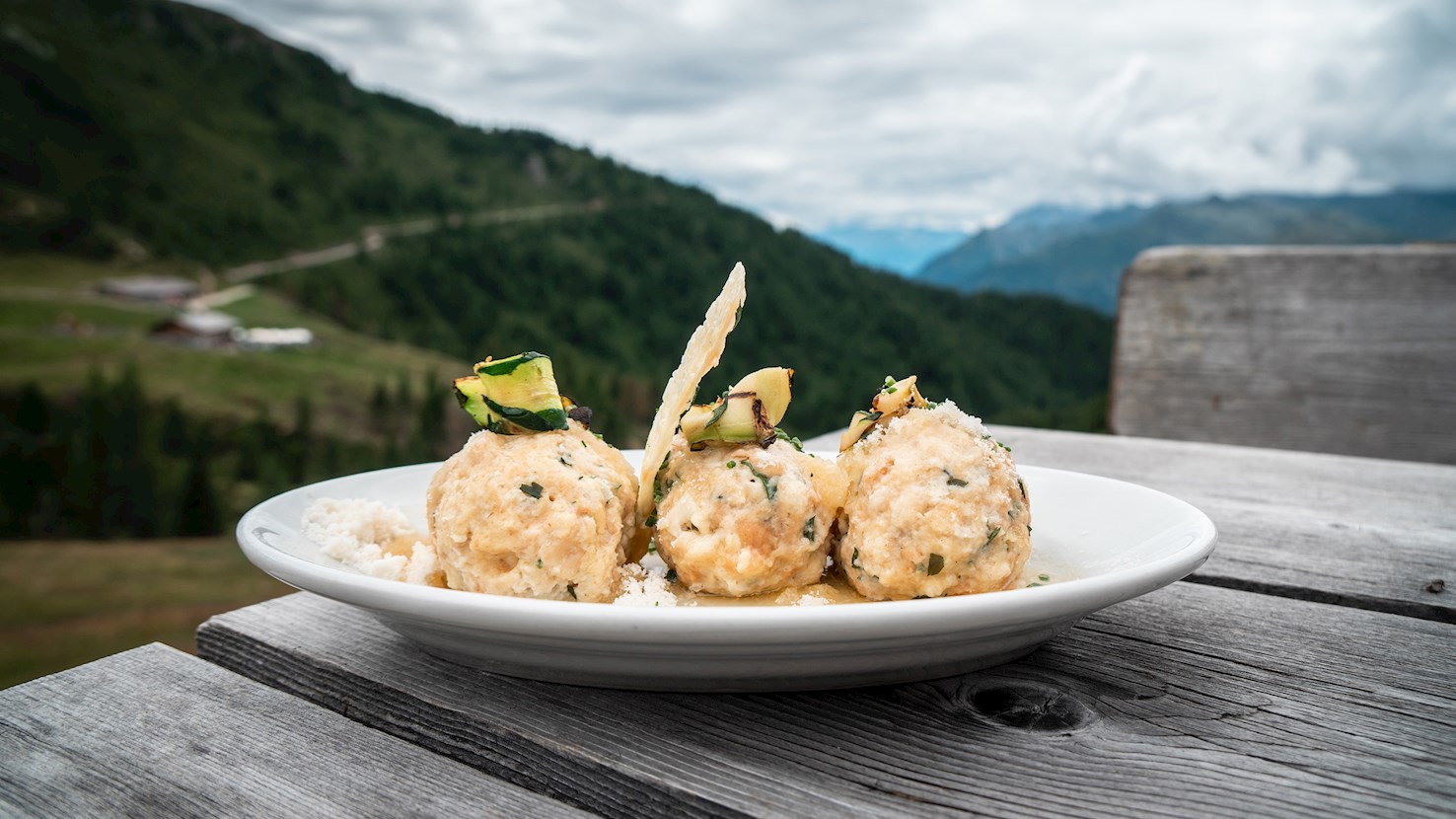
Käseknödel is a traditional dumpling enriched with cheese originating from Tyrol and South Tyrol. These cheese dumplings are typically served as a side dish that shows an inventive way of using leftover stale bread. The stale bread is mixed with cheese, eggs, butter, milk, onions, parsley, salt, and pepper. Käseknödeln are usually boiled in water or fried in butter on both sides until golden brown and then served in a broth or with various salads and stews.
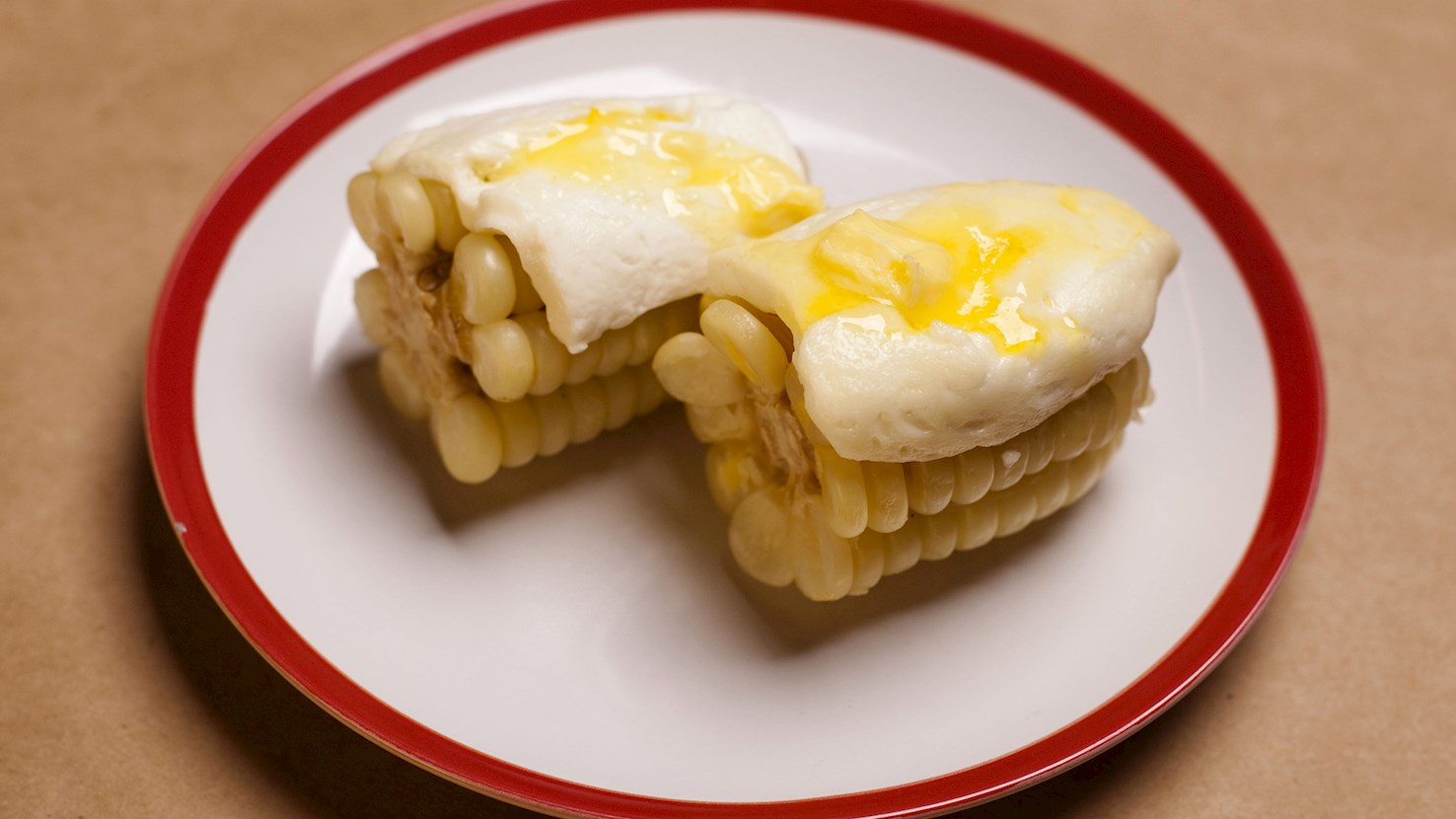
Choclo con queso is a Peruvian meal that is often consumed as a snack, an appetizer, or a side dish. Peruvian choclo is a type of corn with large kernels, nutty flavor, and chewy texture. When paired with creamy and salty cheese and a dab of butter on top, it results in choclo con queso (lit. corn with cheese). Although it can be found in restaurants, this delicious snack is most commonly bought from street vendors. In some modern interpretations, the dish can also be made into a baked casserole with added onions, cumin, flour, and milk.
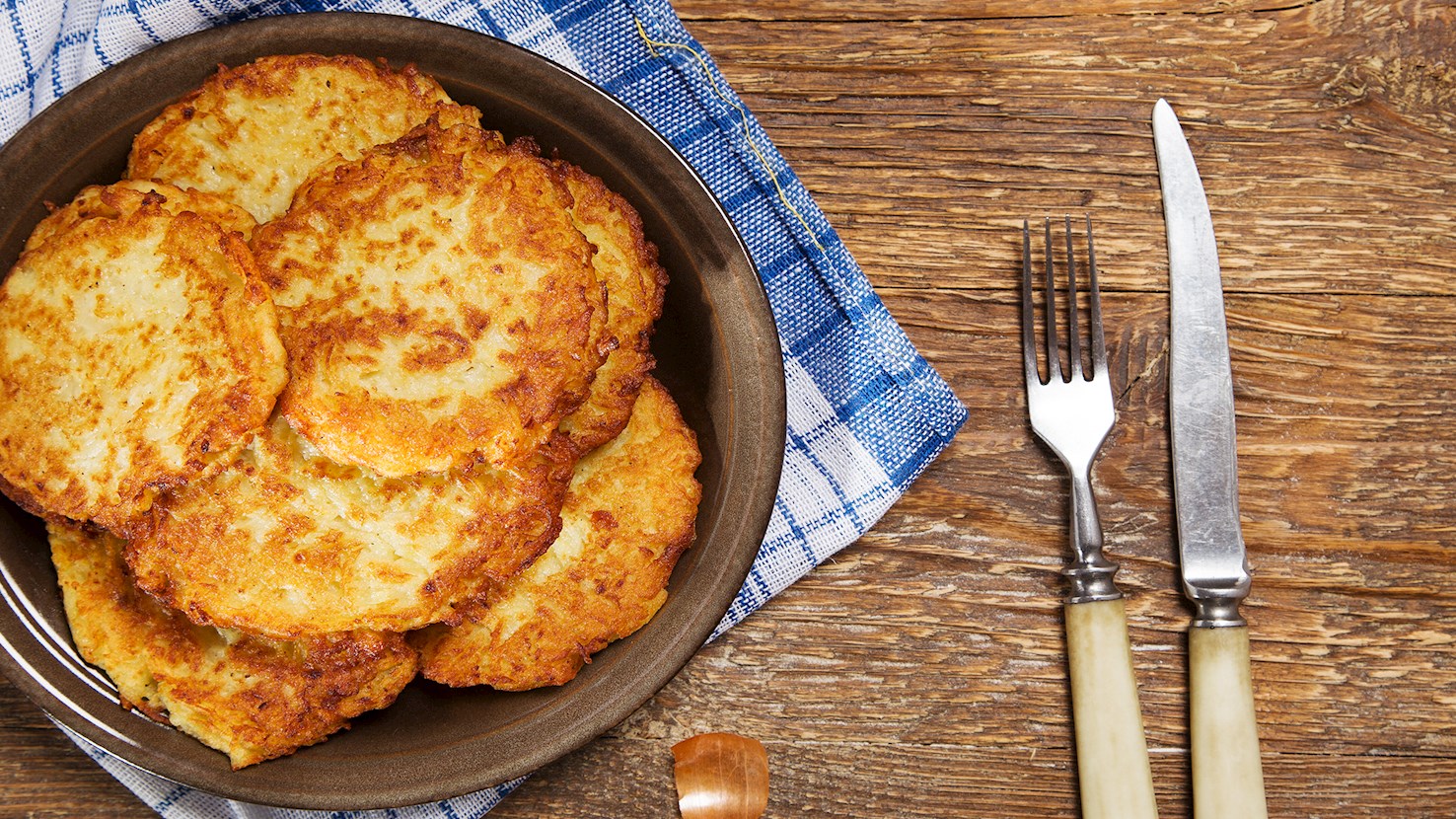
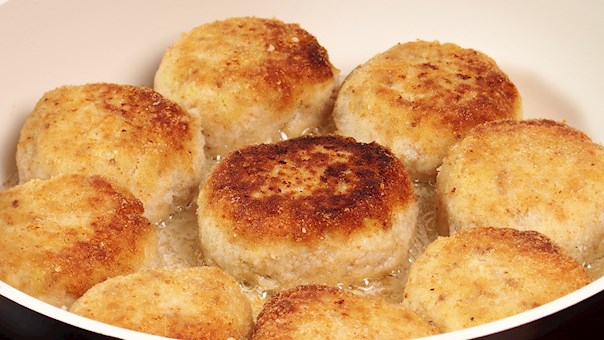
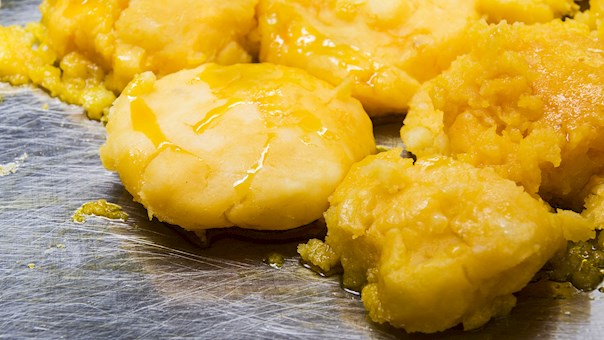
These rustic, crispy potato pancakes belong to the traditional Slovak cuisine. They consist of a thick batter made with grated potatoes, eggs, flour, and a variety of spices. Pan-fried for a short period of time until golden-brown in color, these filling snacks are usually enjoyed as the main course accompanied by various milk products, or as a side dish that is typically served alongside hearty Slovak stews.
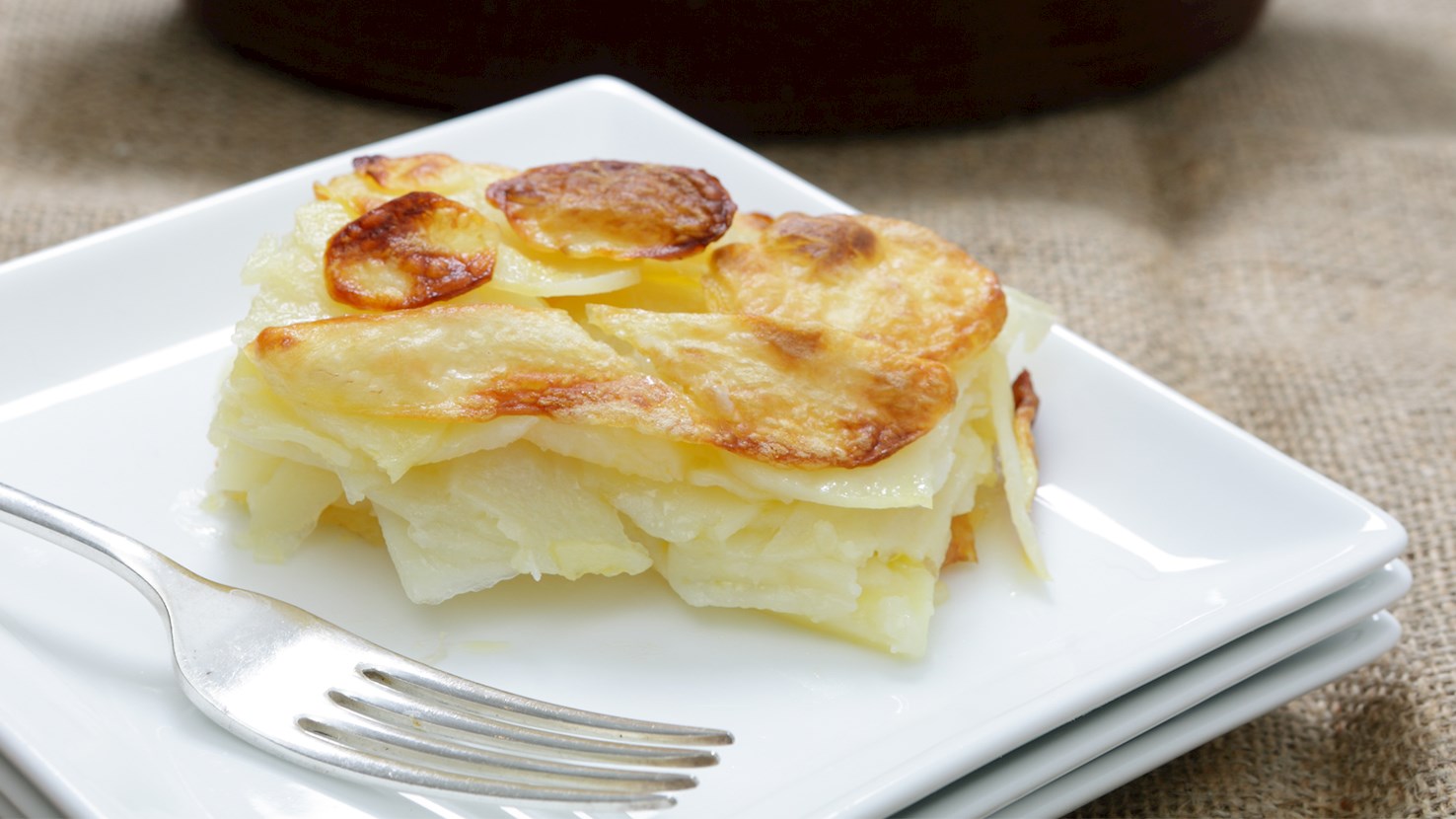
Pommes Anna is a minimalist, yet challenging French potato dish consisting of peeled, thinly sliced potatoes and butter. The dish is typically seasoned only with salt and pepper. The potato slices are arranged in overlapping layers, drizzled with butter, cooked on top of the stove, then baked in the oven. When served, the baking dish is inverted, so the bottom of the casserole ends up on top. The dish was invented by a chef named Adolf Dugléré in the 19th century, who named it after one of these two actresses – either Anna Deslions or Anna Judic. Pommes Anna are typically served as a side dish accompanying roasted meat dishes.
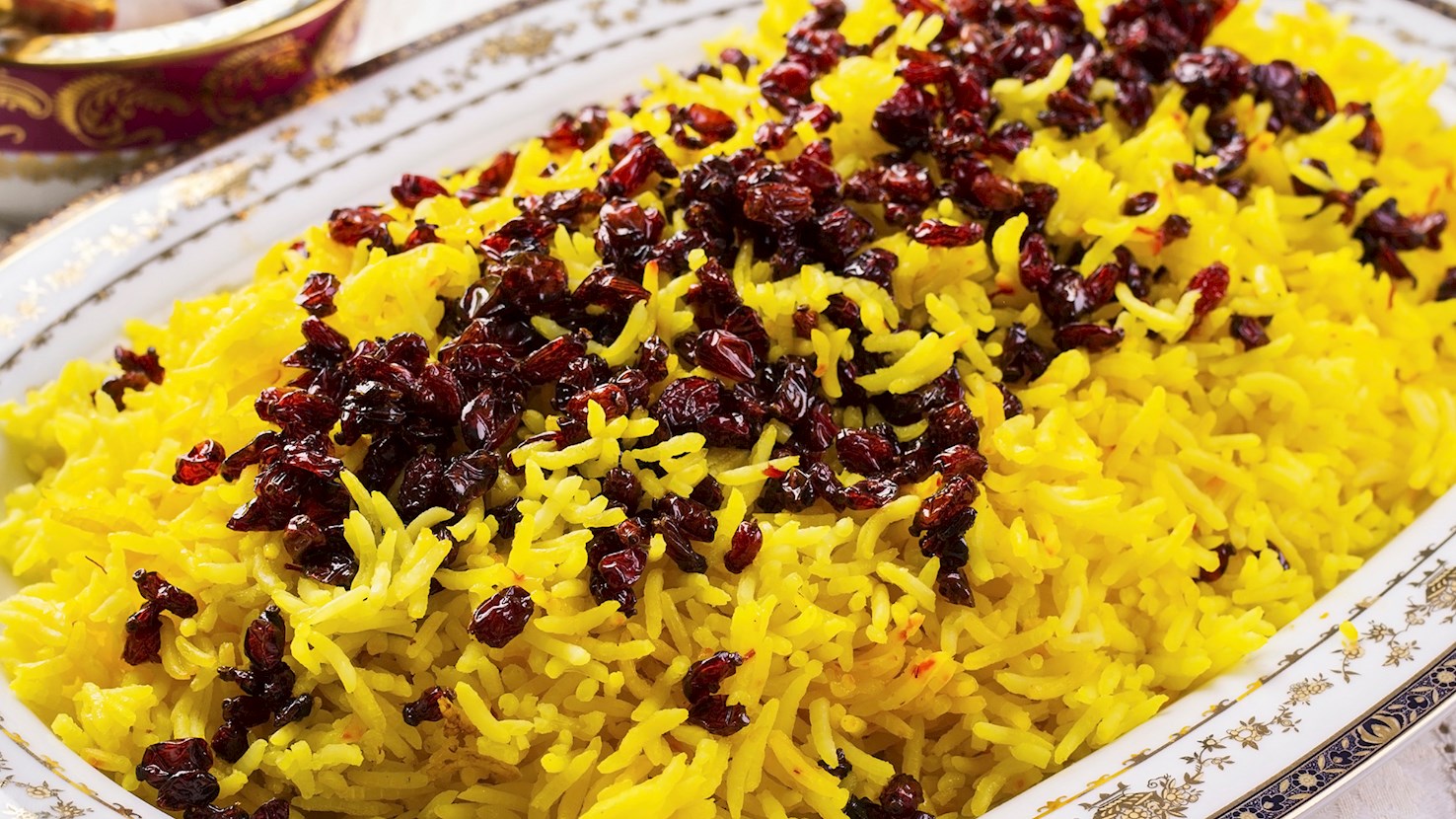
Kateh is an Iranian style of rice preparation that is simpler and faster than the elaborate steamed chelo, known for yielding a soft, cohesive texture with a slightly sticky consistency. This method is particularly associated with the Caspian provinces of northern Iran, such as Gilan and Mazandaran, where it remains the most common everyday rice dish. Unlike chelo, kateh does not require parboiling or draining, making it more convenient for quick meals. The dish is often paired with stews, grilled meats, pickles, and fresh herbs. To prepare kateh, rice is rinsed briefly and then combined in a pot with water, salt, and a generous spoonful of oil or butter. The mixture is brought to a boil over medium heat and then covered and simmered until the water is absorbed. At this stage, the rice forms a soft crust on the bottom known as tahdig, but unlike the crisp tahdig of chelo, kateh’s crust is moist and golden rather than crunchy. Once cooked, the rice is gently fluffed and served directly from the pot, requiring no additional steaming or layering. Kateh’s appeal lies in its simplicity and the mild, comforting flavor of the grains infused with butter or oil. Because the grains are cooked in exactly the amount of water they absorb, the final texture is cohesive and tender, with no need to worry about overcooking or undercooking. This straightforward method makes kateh especially popular in home kitchens, where it is often the first style of rice children learn to prepare. Though less ceremonious than chelo, kateh holds a respected place in Iranian cuisine and is valued for practicality and everyday use. In the northern provinces, it is served with dishes such as mirza ghasemi (smoky eggplant and tomato), fried fish from the Caspian Sea, or simple braised greens. Because kateh is prepared in a single pot without the need for draining, it is also well suited to rural households where cooking fuel and water are used sparingly.
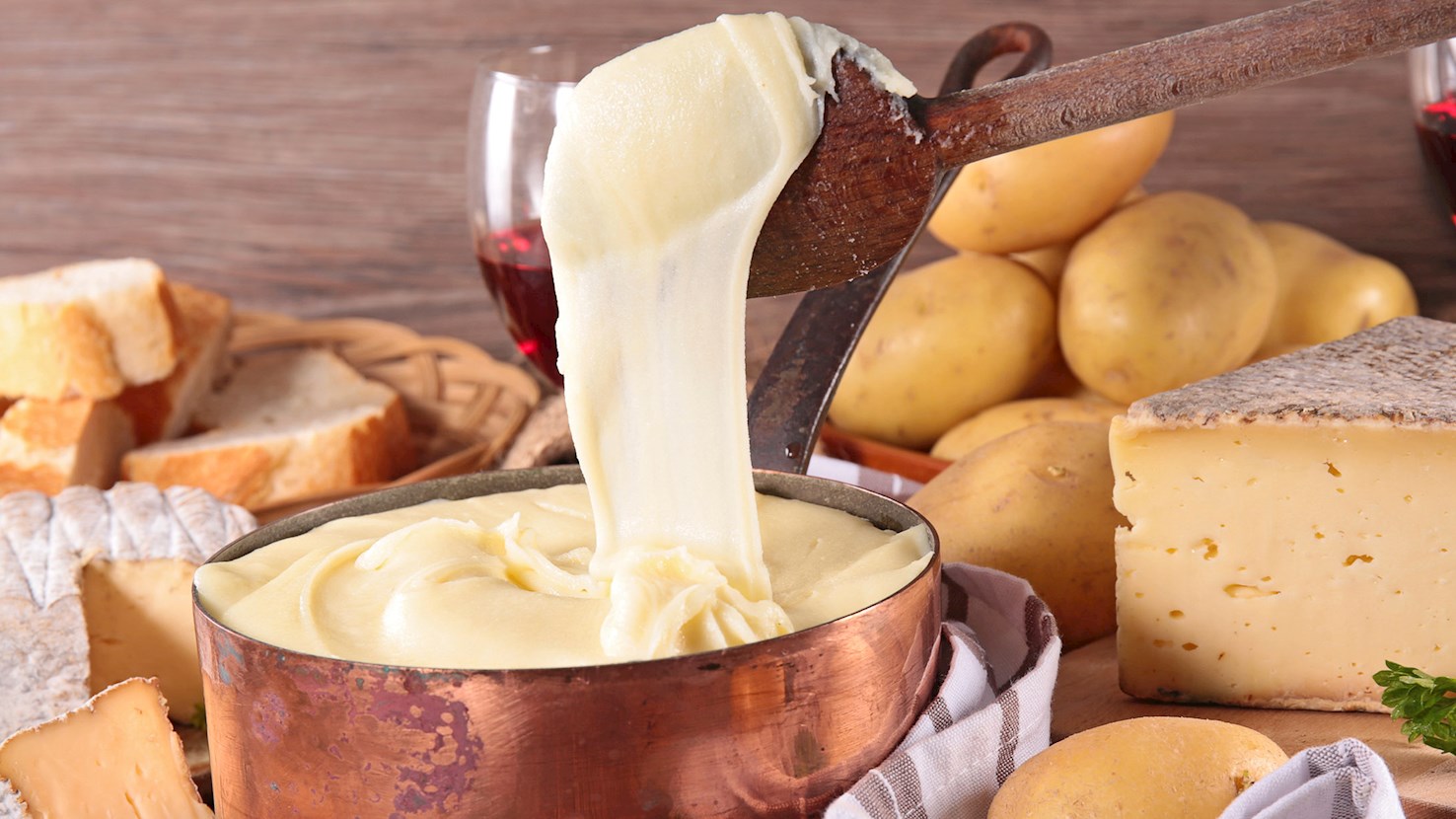
Aligot is a French dish which incorporates mashed potatoes, melted cheese, cream, and crushed garlic. This combination results in a creamy, elastic, and velvety mixture that is similar to fondue. The dish is a specialty of L'Aubrac, a region located in the south of France. It is believed that aligot was invented by monks who lived in the regional monasteries and were often visited by pilgrims on their way to Santiago de Compostela, a pilgrimage site in the north of Spain. The original version included a combination of bread and cheese, but the dish got its final form in the 16th century, after the introduction of potatoes. Aligot is often served alongside sausages, roasted veal, lamb, and pork. Traditionally, it is prepared with the local Tomme cheese, but modern varieties often incorporate mozzarella or Cantal.
TasteAtlas food rankings are based on the ratings of the TasteAtlas audience, with a series of mechanisms that recognize real users and that ignore bot,
nationalist or local patriotic ratings, and give additional value to the ratings of users that the system recognizes as knowledgeable.
For the “Top 100 Side Dishes in the World” list until April 15, 2026, 37,797 ratings were recorded, of which 24,310 were recognized by the system as legitimate.
TasteAtlas Rankings should not be seen as the final global conclusion about food. Their purpose is to promote excellent local foods,
instill pride in traditional dishes, and arouse curiosity about dishes you haven’t tried.