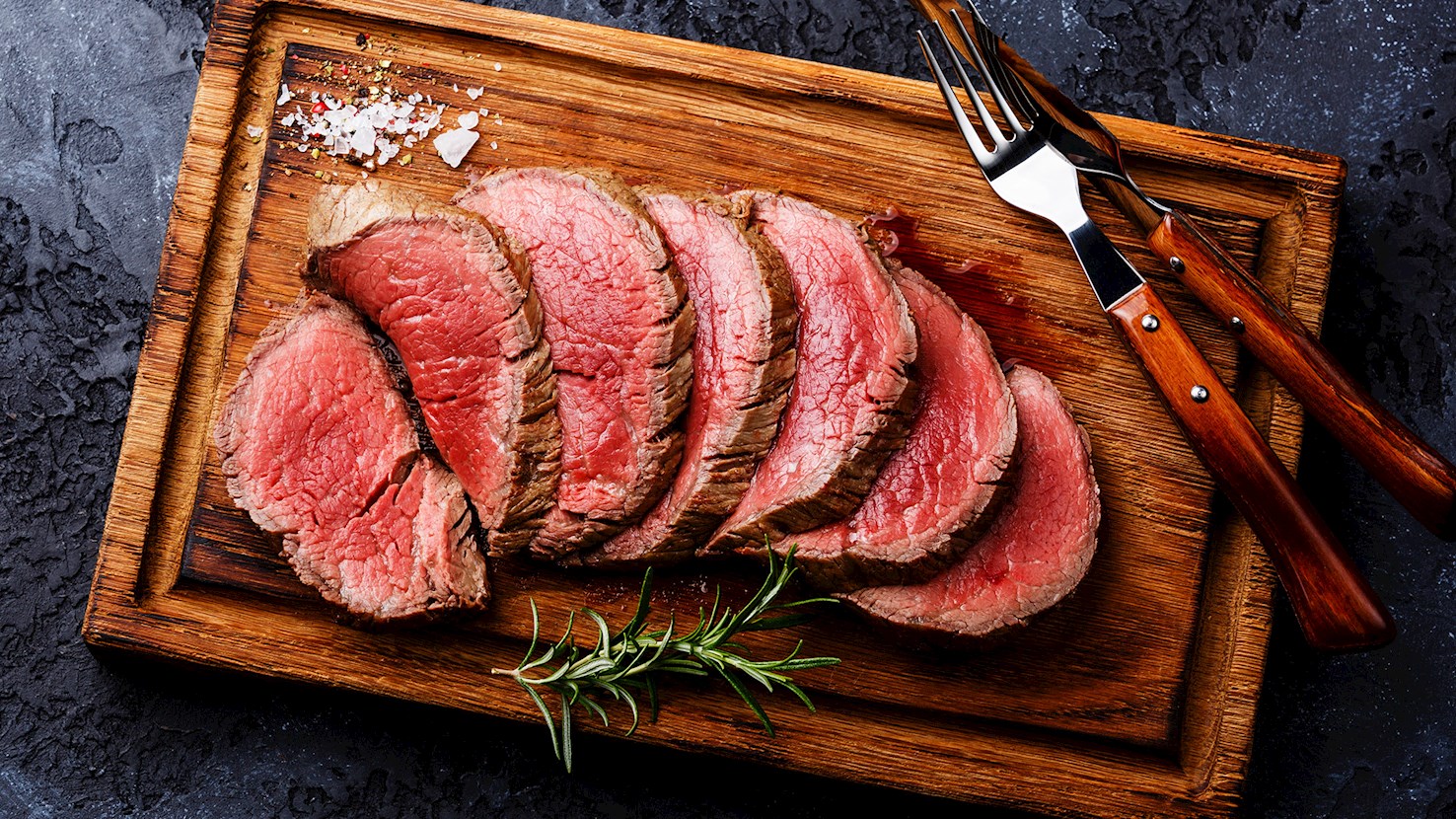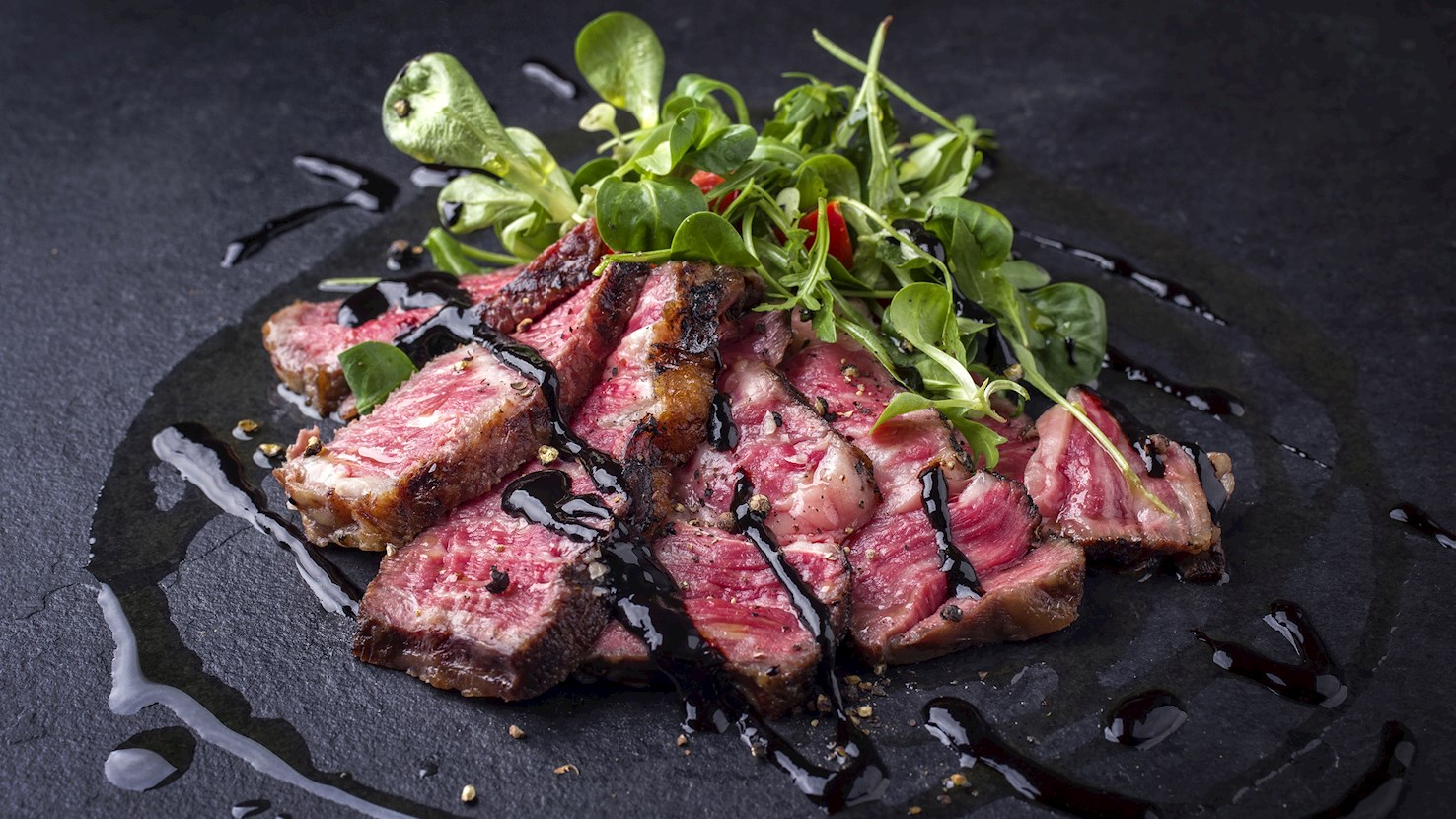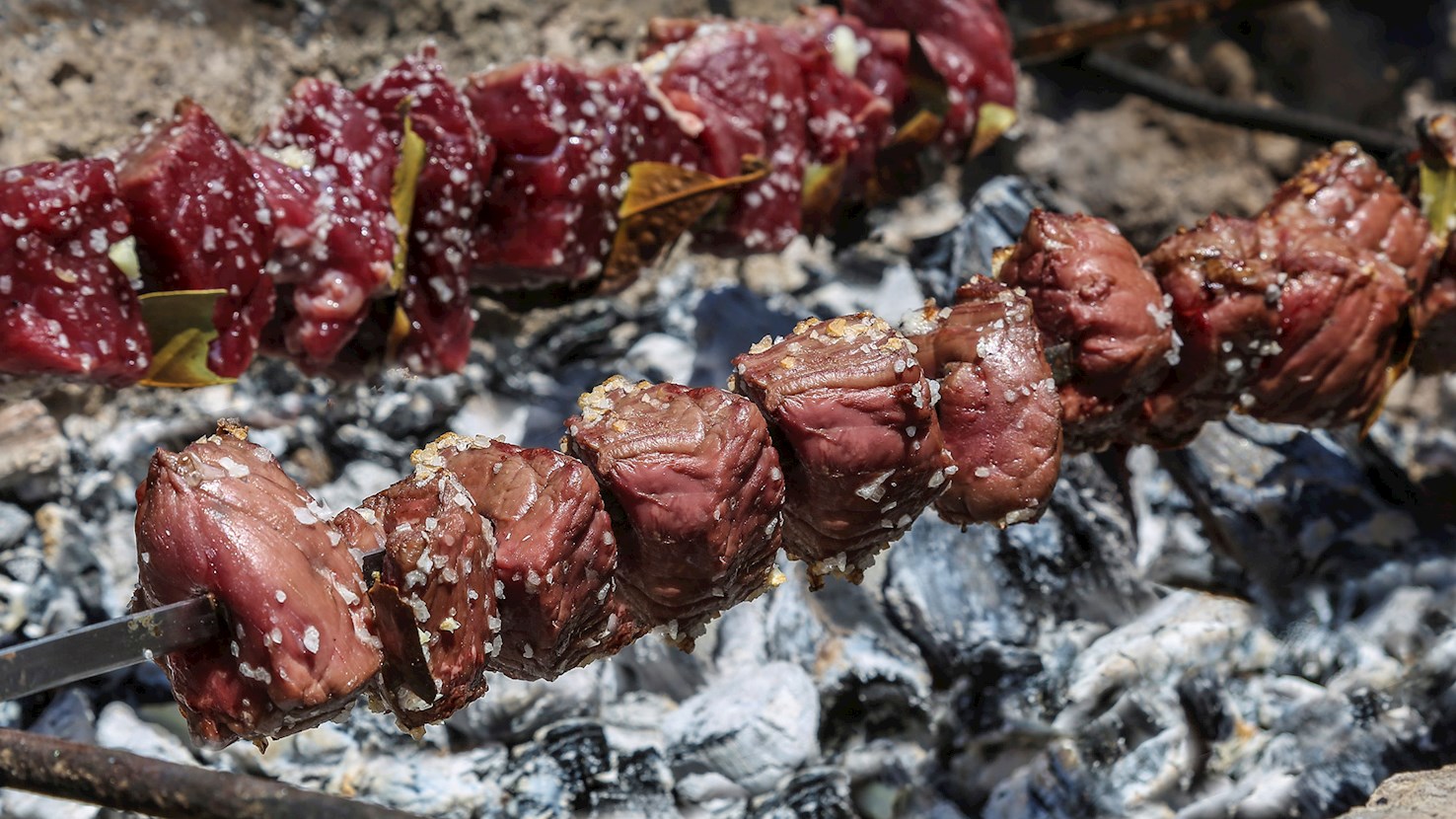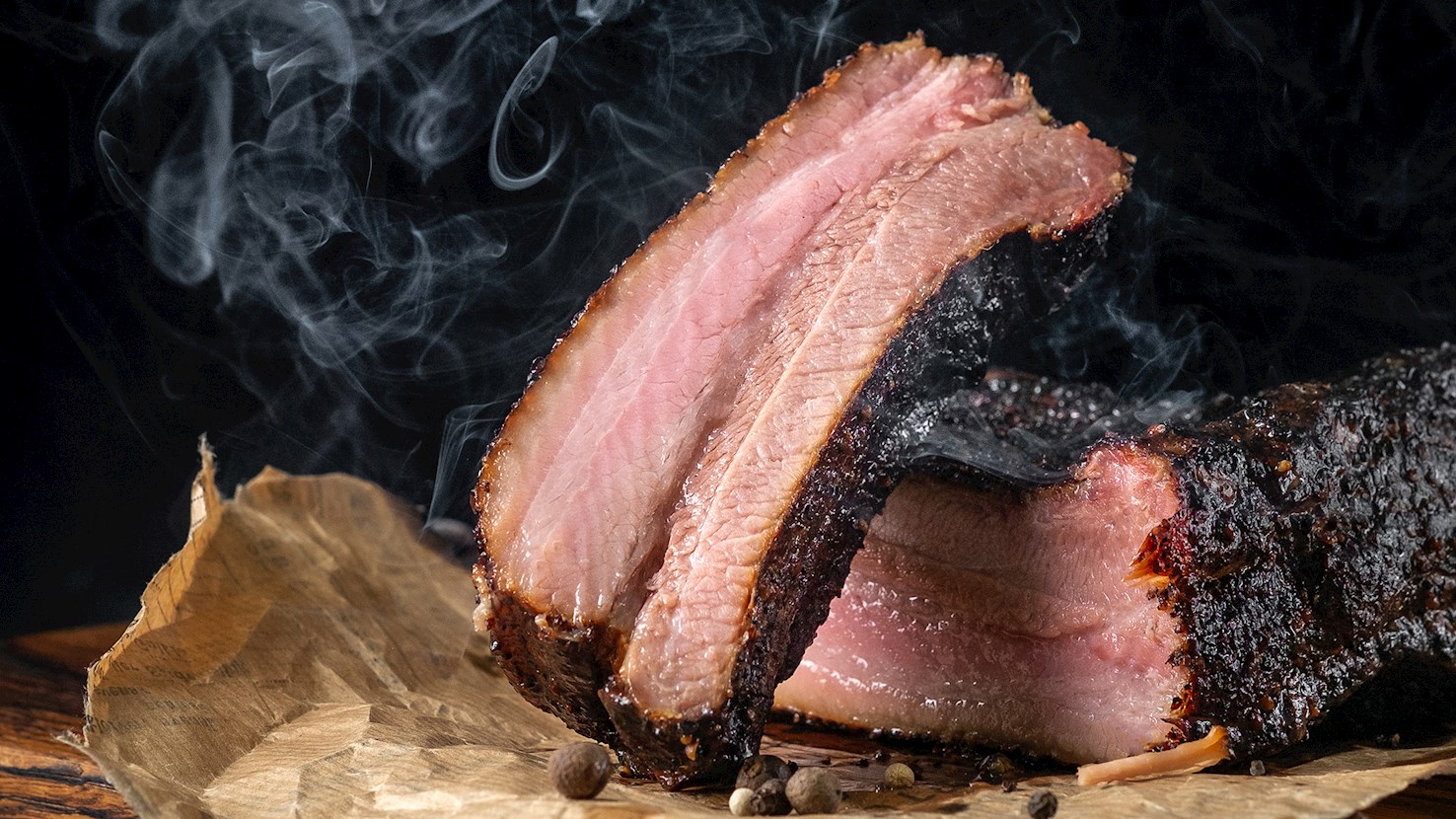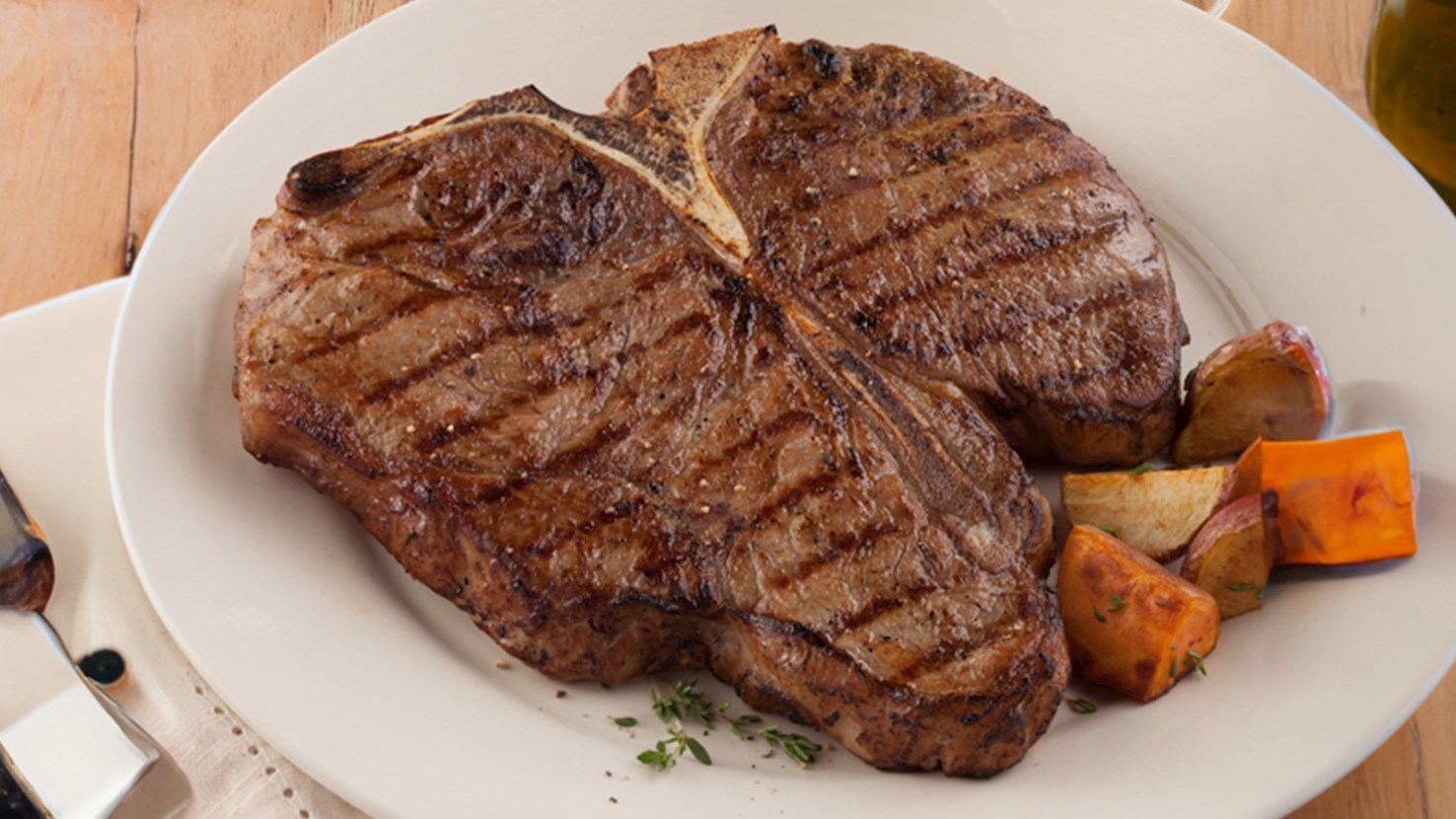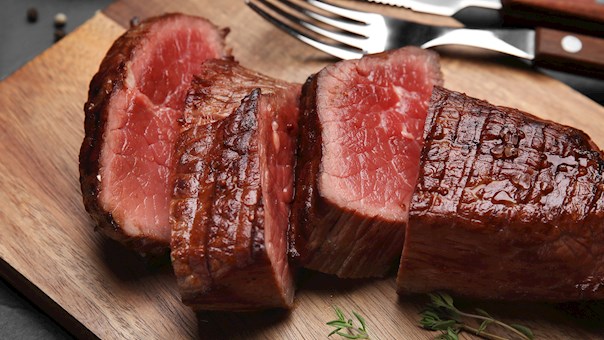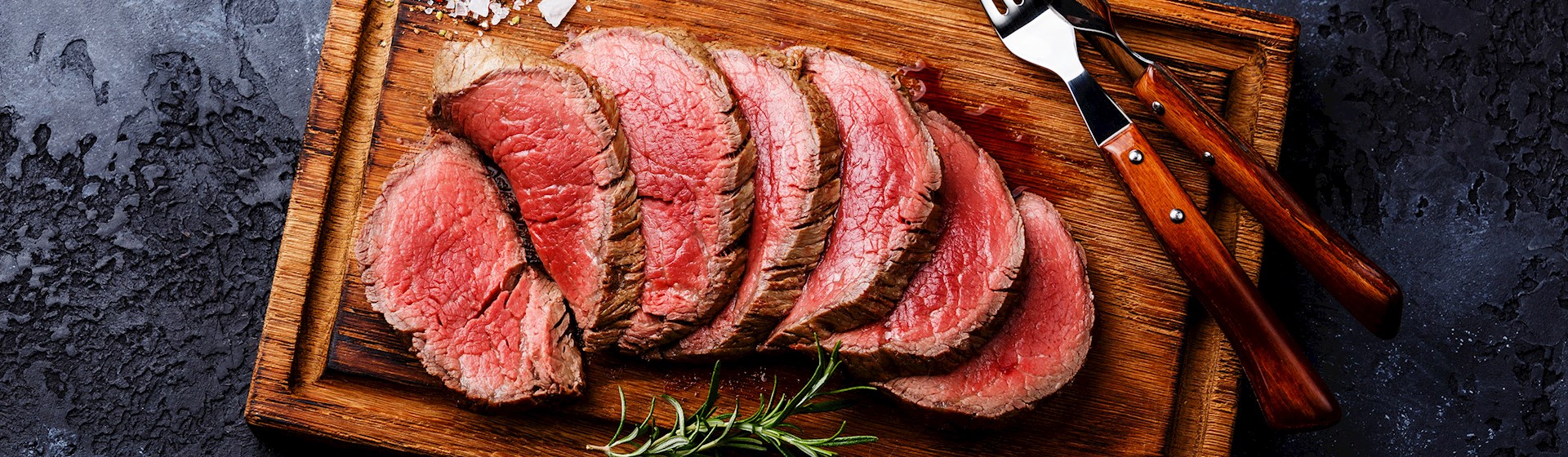
Known as the holiest of holies of Italian cuisine, the Florentine-style beef steak is prepared exclusively with dry-aged beef from the Chianina cattle, which is particularly prized for its tenderness. Even though bistecca alla Fiorentina is often described as a T-bone steak, it is much closer to a porterhouse - since it's cut closer to the center, the tenderloin is much larger than the one on a regular T-bone. Also, bistecca alla Fiorentina must be thick; the cut needs to be at least three fingers wide so that when the meat is grilled over a very hot flame, a nice, slightly charred crust forms on the outside of the steak while the inside remains succulent. In fact, bistecca alla Fiorentina is never, ever served medium or well-done, as any true Tuscan will insist that this dream of a steak should only be eaten sanguinoso, meaning rare. To enjoy your Florentine-style steak the Italian way, simplicity is the way to go - highlight the rich flavor of grilled beef with nothing more than a drizzle of extra virgin olive oil, rosemary, and salt.
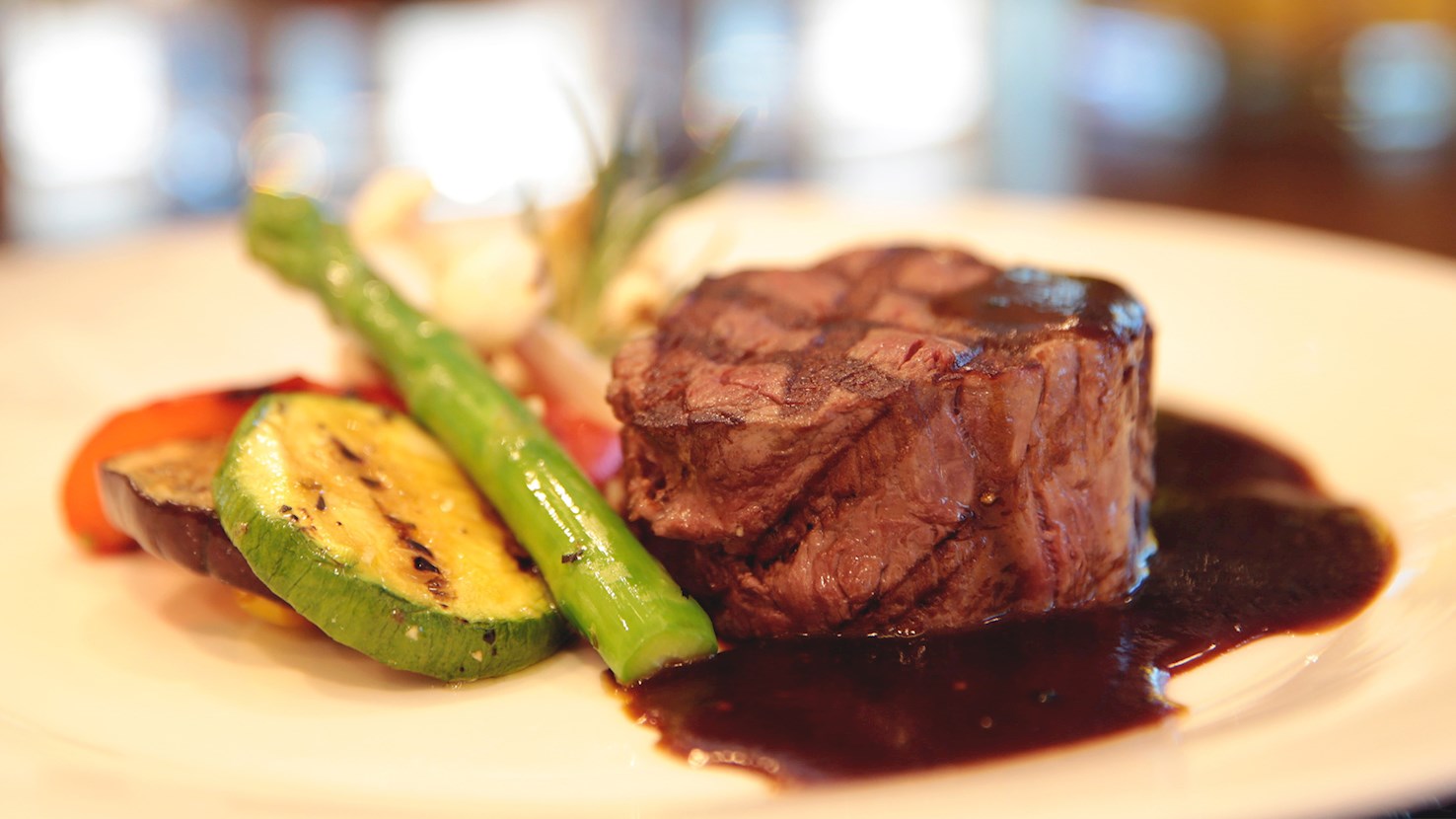
Contrary to popular belief, the word Châteaubriand does not refer only to a cut of beef, but to a method used to grill or roast a thick cut of beef tenderloin. The steak was originally prepared by a chef named Montmireil in 1822 for a French author, diplomat, and statesman Francois René Vicomte de Chateaubriand. When served in France, Châteaubriand will always be accompanied by a sauce – most often either a traditional red wine sauce or Béarnaise sauce. The steak is usually served with a side of roasted new potatoes or tiny chateau potatoes.
Tagliata is a traditional meat dish that's most commonly made with beef. The dish is usually made with a combination of sirloin steak, rocket (arugula), extra-virgin olive oil, salt, black pepper, and cherry tomatoes, if desired. The meat should be about 1'' (2.5cm) thick and seared on both sides on a hot griddle pan or on a barbecue. The inside of the meat is usually medium-rare and juicy, while the outside is nicely seared. Once done, it's sprinkled with salt and pepper and cut into thin slices. The slices are most commonly served over a mound of rocket, and each serving is drizzled with olive oil. If desired, add some cherry tomatoes, a drizzle of balsamic vinegar, or Parmigiano-Reggiano shavings as well. Tagliata di manzo is served immediately.
Espetada is a traditional dish and a specialty of the island of Madeira. It consists of big pieces of beef that are marinated in salt and garlic, then skewered on a bay leaf stick. The stick is placed over hot coals until the meat is properly cooked. It is the most popular dish to serve at picnics or parties in Madeira. Espetada is often served with the skewer hung vertically from a hook, so that the flavorful juices can drip down onto a plate filled with thick-sliced, crusty bread. Pork, sausages, and squid can all act as a substitute for beef in espetada, but then it is not a typical Madeira dish anymore. Since it is a great summer dish, it is recommended to pair espetada with a glass of cold sangria.
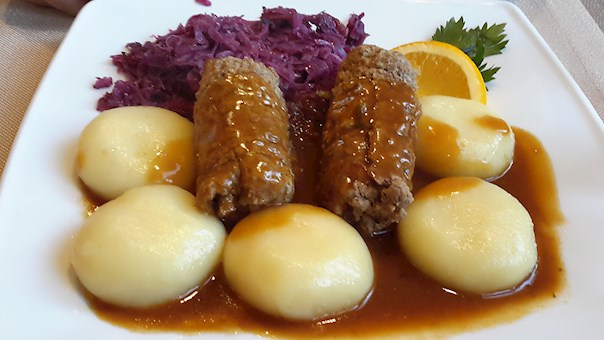
In the American, English and German systems of primal beef cuts, the brisket (or rinderbrust) is a cut that comes from the breast or lower chest of the cow. The brisket is one of the nine primal cuts of beef and is particularly known for its size and for having a significant amount of connective tissue. This cut consists of two different muscles: the pectoralis major, known as the "flat," and the pectoralis minor, or the "point." The flat is leaner, while the point has more fat and marbling. Because of the high amount of connective tissue, brisket needs to be cooked slowly, over low heat, to allow the collagen in the meat to break down and become tender. This makes it a popular choice for slow cooking methods like smoking, braising, or slow roasting. Brisket is notably used in a variety of regional American barbecue traditions, particularly Texas-style barbecue, where it's often smoked for many hours. It's also traditionally used for making corned beef and pastrami.
A porterhouse steak is a large, thick cut of beef taken from the rear end of the short loin. Although it is not linked to a specific country of origin, it is most commonly associated with British and American cuisines. It is named "porterhouse" because it was traditionally served in 18th-century porterhouses, which were inns or restaurants that served porter beer. The porterhouse steak is closely related to bistecca alla Fiorentina and is similar to a T-bone steak. The difference between a T-bone and a porterhouse is that the latter is cut from further back on the short loin, resulting in a larger portion of tenderloin and a larger overall size. The defining characteristic of a porterhouse steak is the T-shaped bone that runs through the center, separating two different cuts of meat: the strip steak (commonly known as the New York strip - marbled, flavorful cut known for its beefy taste) and the tenderloin (also known as filet mignon - tender and lean cut, prized for its mild flavor). A properly cooked porterhouse steak will have a juicy and tender texture with a combination of flavors from both the strip steak and the tenderloin. Due to its large size, it is often considered a steak for sharing or for those with hearty appetites. Porterhouse steaks are commonly grilled or pan-seared to enhance their natural flavors, and they are often served with accompaniments like vegetables, potatoes, or sauces.
Filet mignon is a premium steak cut from the tenderloin of a cow, a muscle that runs along the spine. The name "filet mignon" is French, meaning "dainty fillet" or "delicate steak," which reflects its reputation as one of the most tender and luxurious cuts of beef. Known for its exceptional tenderness, filet mignon has a smooth, fine-grained texture and almost buttery consistency. However, it has a relatively mild flavor compared to other cuts like ribeye or strip steak, which are more marbled with fat. This makes filet mignon an ideal candidate for pairing with rich sauces, marinades, or other flavor-enhancing techniques. Typically cut into small, round portions weighing between 4 to 8 ounces each, filet mignon steaks are often thick-cut to help maintain their juiciness when cooked. They are usually prepared using high-heat methods such as grilling, broiling, or pan-searing and are best served medium-rare to medium to preserve their tenderness. Because filet mignon is so lean, it can dry out if overcooked, requiring careful attention during preparation. A favorite in fine dining, filet mignon is often the centerpiece of gourmet dishes, sometimes wrapped in bacon to add flavor and moisture. It is also commonly served with rich sauces like Béarnaise, peppercorn, or red wine reductions. Due to its tenderness and the skill required to prepare it properly, filet mignon is one of the more expensive cuts of beef, often reserved for special occasions and fine dining experiences.
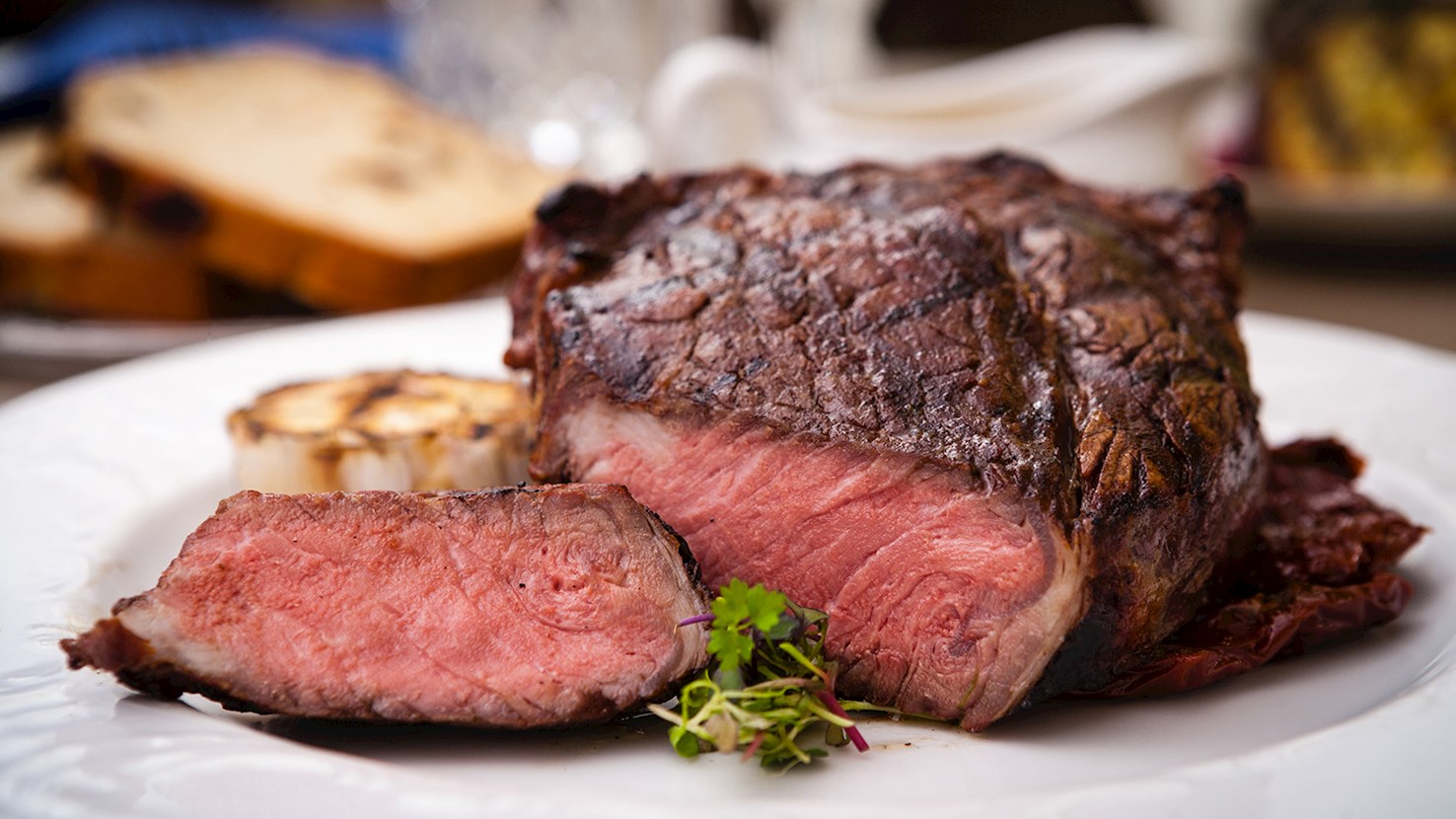
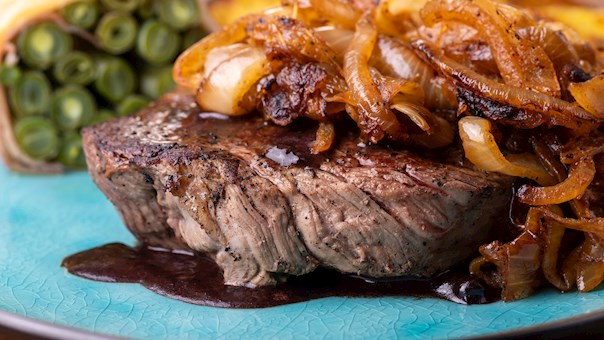
Entrecôte is a type of beef steak that's cut from between the ribs, but it's more commonly known as a thin and boneless rib-eye steak. The butchers cut bone-in rib-eyes with the bone on each side, but there are also six leftover boneless steaks from the meat between each bone-in rib-eye, and they're known as the entrecôtes. Due to the fact that these cuts are thin, it makes them great for quick cooking on the grill or in a pan (high heat), but it's important not to overcook them. The steaks are juicy, tender, and generously marbled. This type of meat cut is popular in France and Europe, and the word entrecôte means between the ribs.
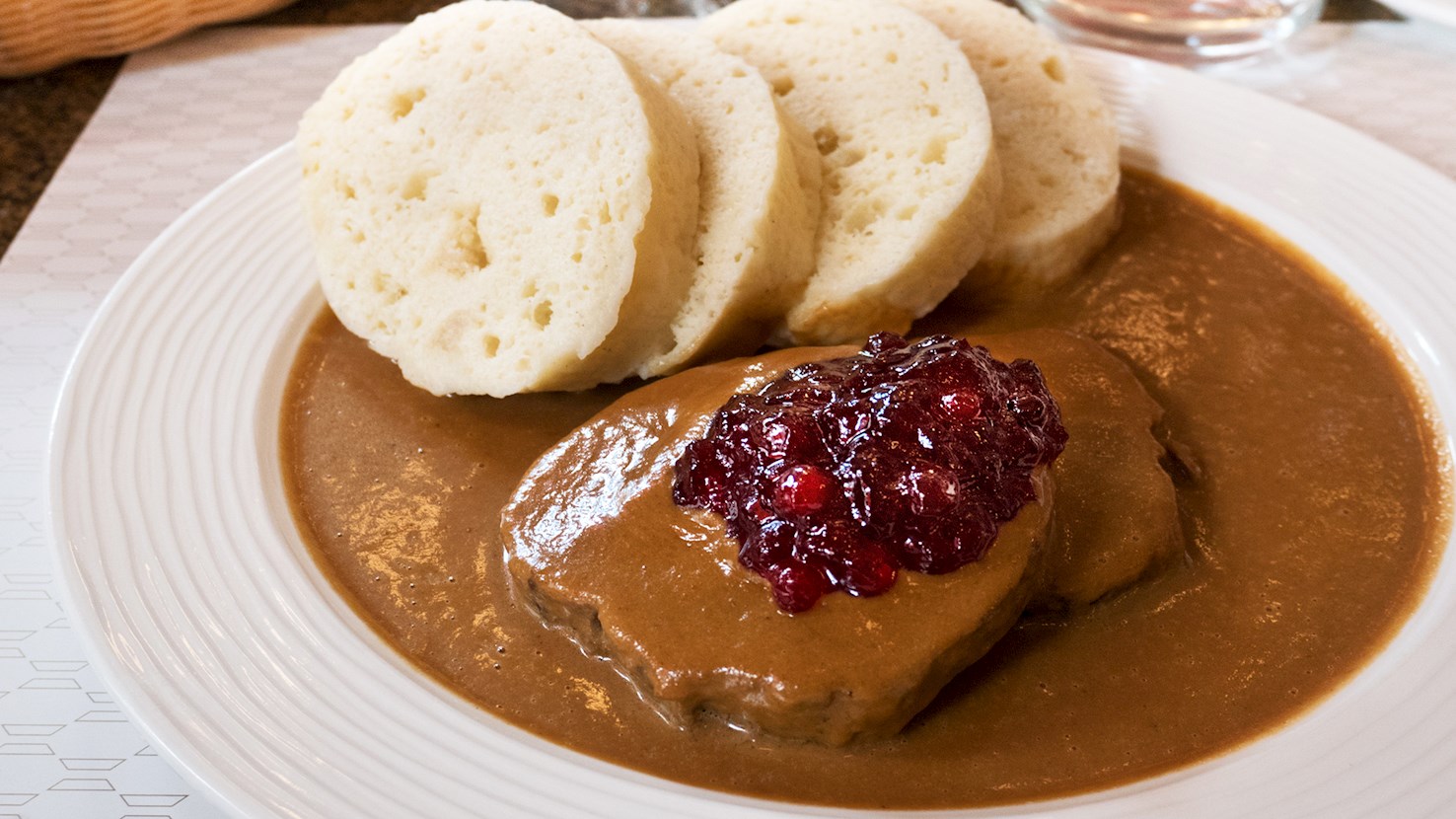
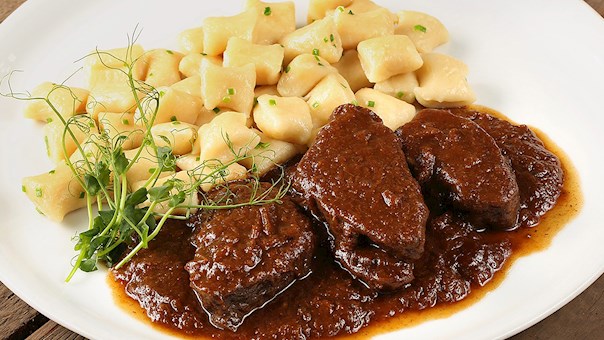
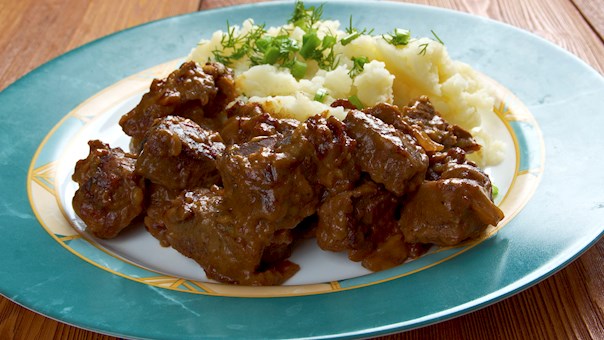
This delicious beef dish is one of the best-known creations of Czech cuisine. It is made with marinated braised beef, usually tenderloin, served in a creamy vegetable sauce made with carrots, celeriac, and parsley root. The dish is usually spiced with thyme, bay leaves, and allspice, which lend the dish bold flavors. The trademark of this dish, however, is its creamy gravy made with puréed or mashed root vegetables and sour cream. The recipe for this traditional dish first appeared in 1805. It was heavily influenced by Bavarian cuisine and traditional French cooking techniques, both of which incorporate generous amounts of butter and cream into their recipes. Svíčková is traditionally served with the famous soft Czech bread dumplings, a slightly tart cranberry sauce, a dollop of whipped cream, and a slice of lemon.
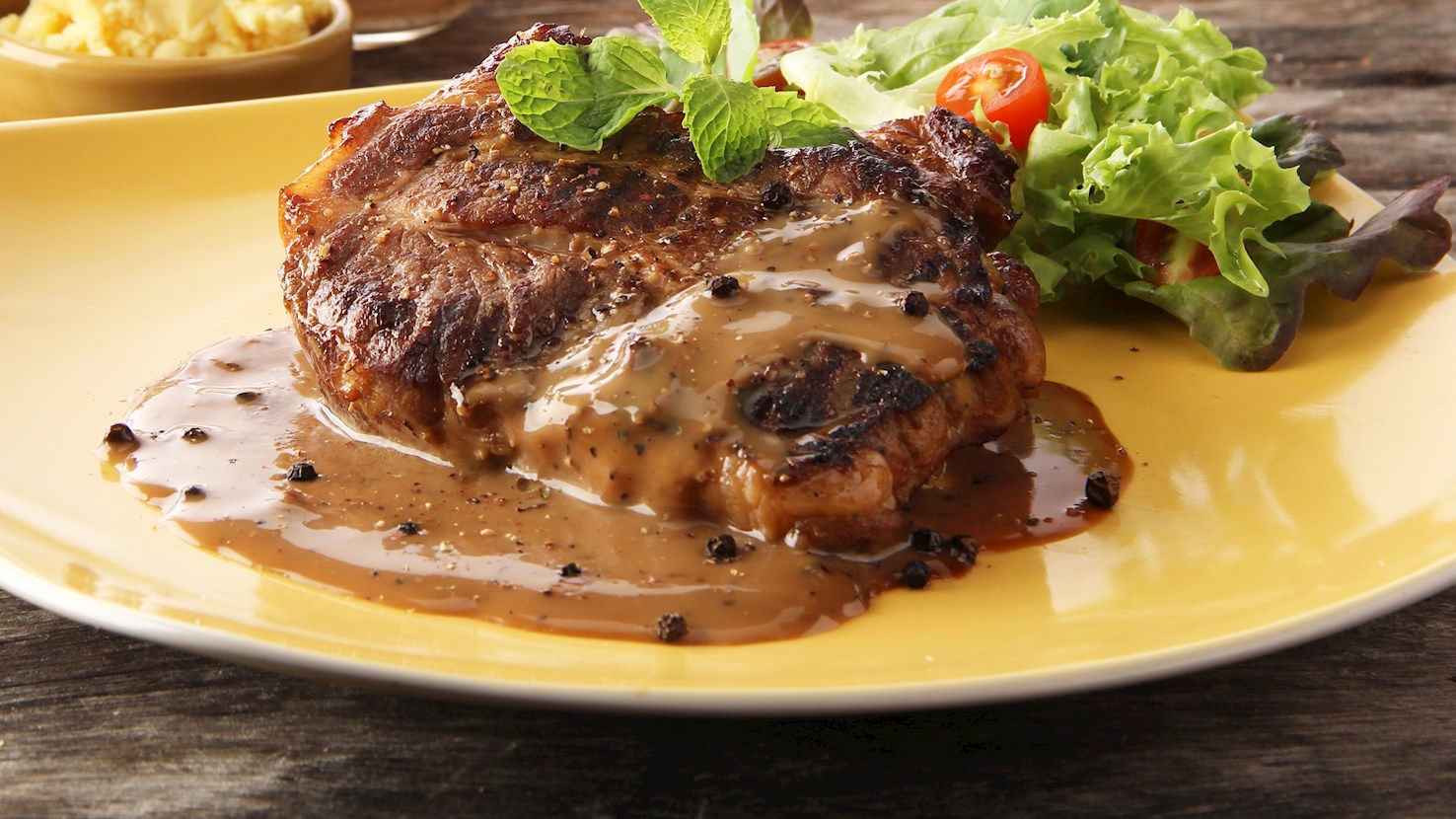
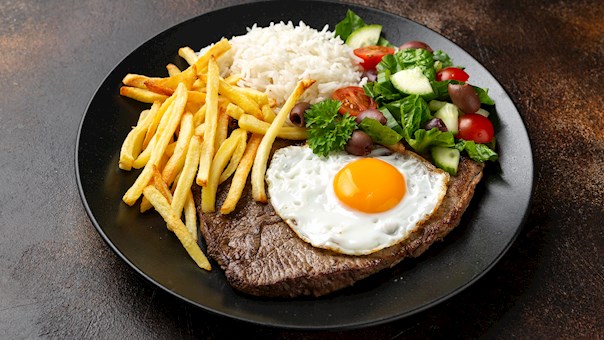
Steak au poivre is a classic bistro dish consisting of a tender cut of beef—traditionally a filet mignon or sirloin—that is thickly encrusted with coarsely cracked peppercorns, pan-seared to form a savory crust, and served with a luxurious, cognac-infused cream sauce made from the pan drippings. According to Francis Marie, a famous steak specialist, the dish originated in the 19th century in Normandy's bistros, where men took women for late dinners of steak au poivre, due to the pepper's purported aphrodisiac properties. Numerous chefs claimed to have invented the dish, the most famous of them being Émile Lerch, the owner of Restaurant Albert on the Champs-Élysées, who stated that he first made it in 1930. The making of steak au poivre is a masterclass in contrasting textures and perfectly balanced flavors, beginning with the selection of high-quality peppercorns—most commonly black, though sometimes a blend of brined green and white peppercorns—which must be cracked roughly rather than finely ground to provide a satisfying, fragrant crunch without a dominating, powdery heat. These crushed peppercorns are firmly pressed into the surface of the meat before it is seared in a scorching-hot mixture of butter and oil, cooking the steak rapidly to maintain a juicy, rare or medium-rare interior while developing a deeply caramelized, spicy exterior. Once the steak is removed to rest, the true magic occurs in the same skillet as the intensely flavorful browned bits, or fond, left behind by the meat are deglazed with a generous splash of Cognac or brandy, which is traditionally flambéed to burn off the harsh alcohol and concentrate the spirit's complex, oaky notes. Heavy cream and sometimes a touch of deeply reduced beef stock are then swirled into the bubbling liquid, transforming the sharp, peppery drippings into a velvety, mahogany-colored nappe that mellows the bite of the spices while amplifying the beef's natural richness. The steak and the sauce are served immediately alongside a mound of crisp pommes frites designed to soak up every last drop of the decadent sauce.
Yorkshire Handmade Pies specializes in producing artisanal savory pies. They focus on high-quality ingredients and traditional baking methods. The company offers a variety of pie flavors, including classic meat-filled options and vegetarian choices. Each pie is crafted by hand to ensure consistency and quality.
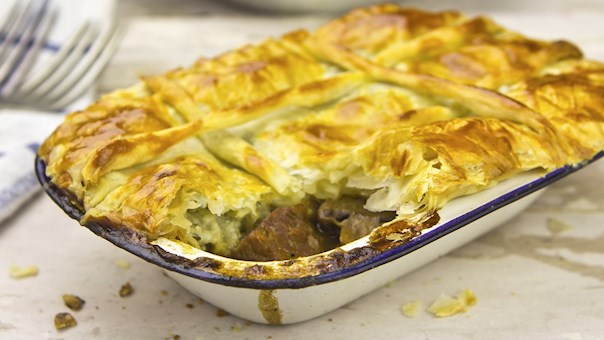
Di'sPies is a producer based in Halifax, specializing in traditional British pies, including steak and kidney pie. The company prides itself on using locally sourced ingredients. Di'sPies is known for its dedication to quality and authentic recipes. The business operates a local shop and also provides catering services.
TasteAtlas food rankings are based on the ratings of the TasteAtlas audience, with a series of mechanisms that recognize real users and that ignore bot,
nationalist or local patriotic ratings, and give additional value to the ratings of users that the system recognizes as knowledgeable.
For the “Top 100 European Beef Cuts and Dishes” list until June 15, 2026, 8,237 ratings were recorded, of which 6,595 were recognized by the system as legitimate.
TasteAtlas Rankings should not be seen as the final global conclusion about food. Their purpose is to promote excellent local foods,
instill pride in traditional dishes, and arouse curiosity about dishes you haven’t tried.
The initial list of top producers was compiled based on available reviews, awards, local recommendations, media and blog coverage, and consumer reviews.
The list will be updated with ratings from TasteAtlas local ambassadors and TasteAtlas users.