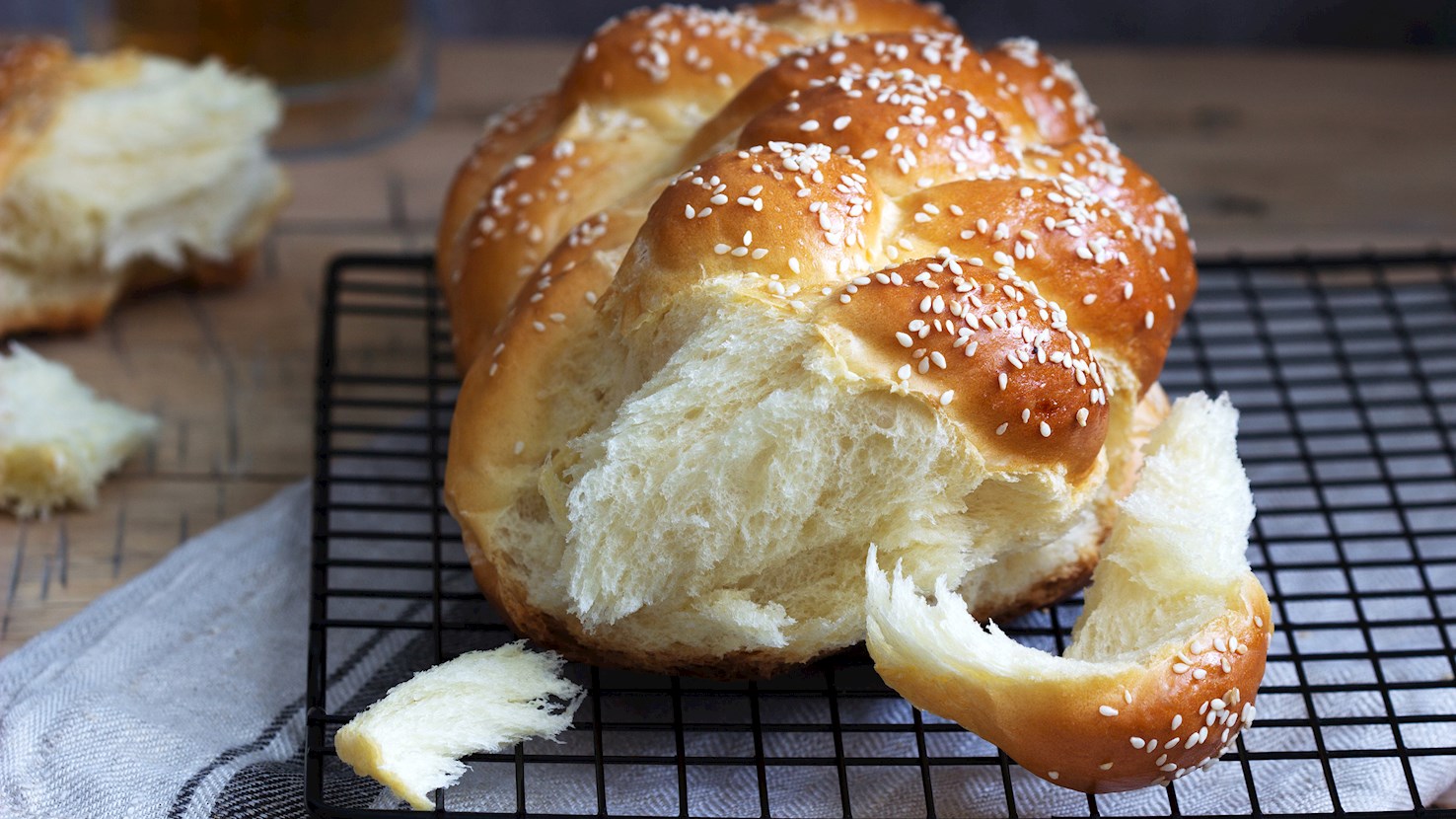
Challah is a type of enriched bread originating from Jewish cuisine, most commonly associated with Ashkenazi communities of Eastern and Central Europe. It is a slightly sweet, egg-based loaf made from wheat flour, water, eggs, sugar, yeast, and oil, characterized by its glossy surface and braided form. The bread is prepared for the Sabbath and Jewish holidays, where it is served as part of ceremonial and family meals. Its name comes from the Hebrew word for a portion of dough that was once set aside as an offering, though the loaf itself has become a central feature of Jewish culinary culture across the world. Challah developed among Jewish communities in Europe who adapted local baking techniques and ingredients to fit dietary laws and religious customs. In regions such as Poland, Ukraine, and Germany, bakers incorporated eggs and oil to create a soft, rich crumb, differing from the denser rye loaves common in local cuisine. The distinctive braid appeared later, symbolizing unity and continuity, and variations in the number of strands or shapes often reflected the specific occasion. With migration and diaspora, challah spread to North America and beyond, where it became an emblem of Jewish home cooking and holiday observance. Preparation begins by combining warm water, yeast, and sugar to activate fermentation, then mixing in flour, eggs, oil, and salt to form a soft, elastic dough. The dough is kneaded thoroughly and left to rise until doubled in volume. It is then divided into strands, which are braided and placed on a baking tray for a second rise. Before baking, the loaf is brushed with egg wash to create its characteristic golden sheen and sometimes sprinkled with poppy or sesame seeds. The bread is baked until the crust turns deep amber while remaining tender inside. When sliced, the crumb is fine and slightly sweet, ideal for both eating plain or accompanying savory dishes. Challah is served at the beginning of Sabbath meals and Jewish holiday dinners, often in pairs to represent abundance. It is typically eaten with wine during the blessing ritual, then served alongside main courses such as roasted meats, fish, or vegetable dishes. Leftover challah is often repurposed into French toast, bread pudding, or sandwiches due to its soft texture and mild sweetness. Its taste pairs well with both sweet and savory spreads, such as honey, jam, or butter, as well as with beverages like tea, coffee, or red wine during festive meals. The bread’s enduring presence in Jewish kitchens is due to its versatility and symbolic significance, combining practical baking techniques with religious and cultural meaning. Its distinctive braided shape, rich flavor, and ceremonial use distinguish it from other loaves, making challah both a staple of weekly observance and a centerpiece of communal and family gatherings.
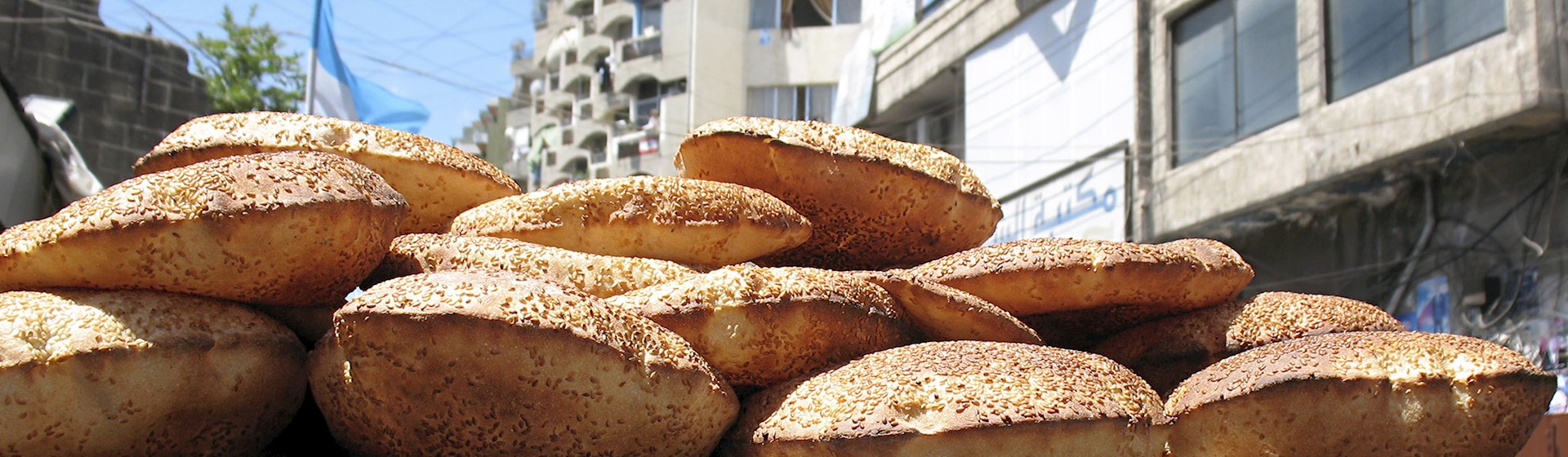
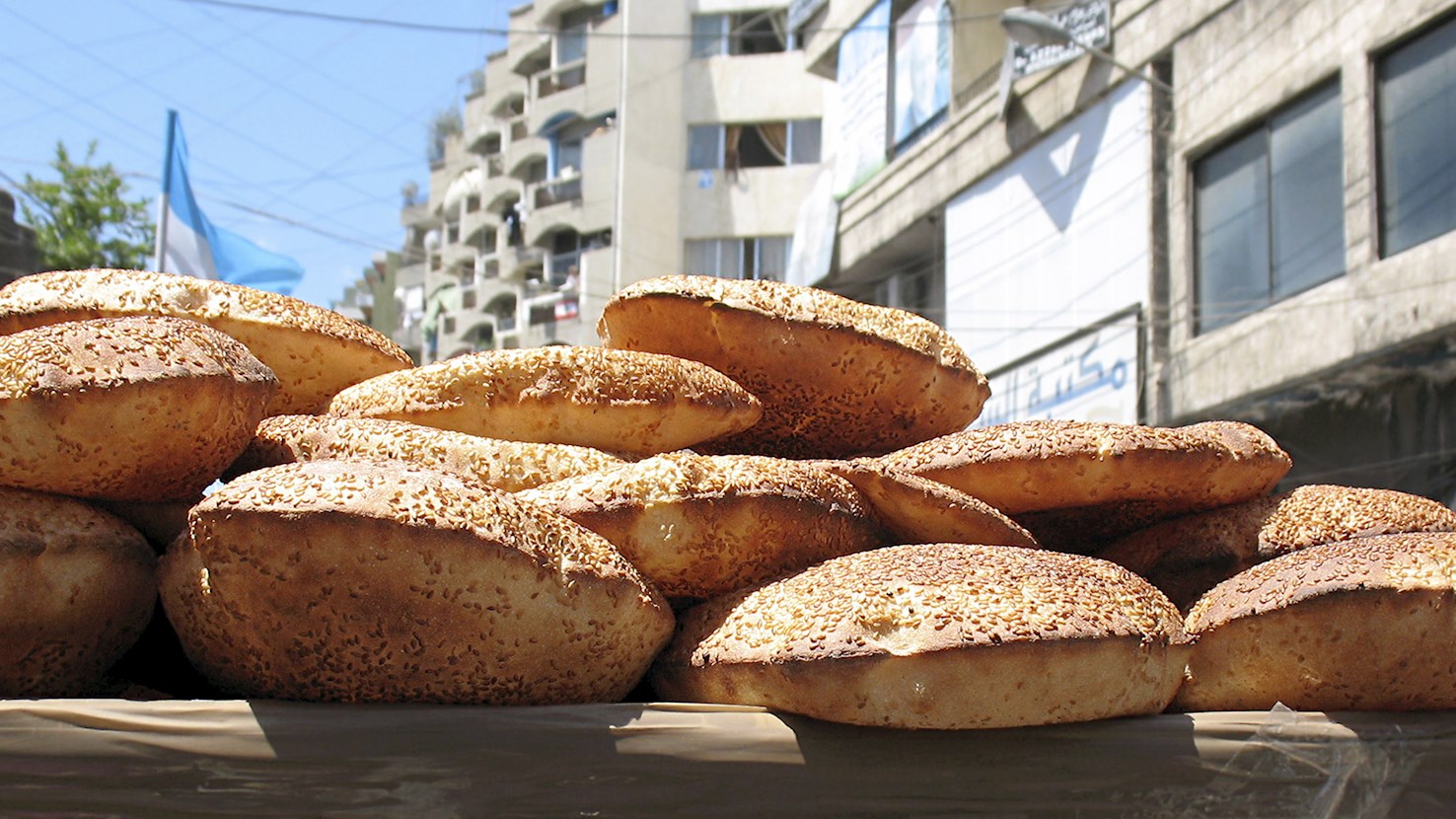
Ka'ak is Lebanese street bread that is usually consumed as a snack, characterized by its circular appearance with a hollow part near its outer edge. The bread is traditionally sprinkled with sesame seeds on top. It is typically sold from tiny chariots, where numerous stacked ka'aks dangle from the rails. The bread can be filled with zaatar or picon cheese, but some stores that specialize in ka'ak fill it with many different ingredients. Its texture is chewy, while the flavors are intense and aromatic due to the usage of sesame, sumac, and thyme. It is recommended to pair ka'ak with yogurt or more cheese.
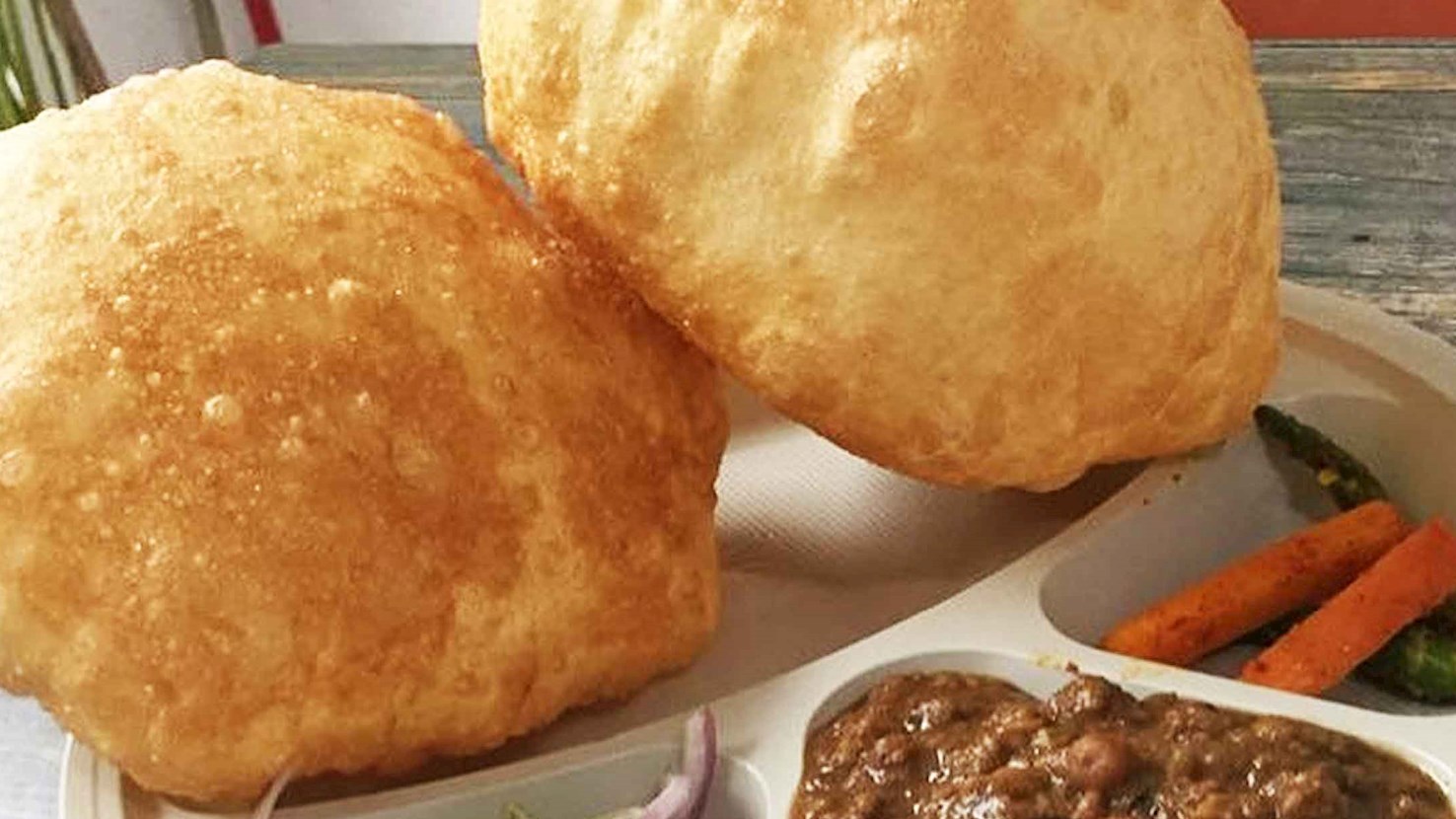
Bhatura is a deep-fried, leavened bread with North Indian origins and a light, fluffy texture. Its unique texture is achieved by letting the dough ferment for almost one hour. The dough consists of flour, oil, baking powder, and yogurt. After the bread is fried, it is usually sprinkled with Indian masalas or stuffed with paneer. If it's stuffed with chickpea curry, it becomes another popular dish, known as chole bhatura, found at almost every street corner in North India. Bhatura's versatility is seen in kulcha, which is made with the same dough, but it is baked or cooked on a pan instead of being deep-fried.
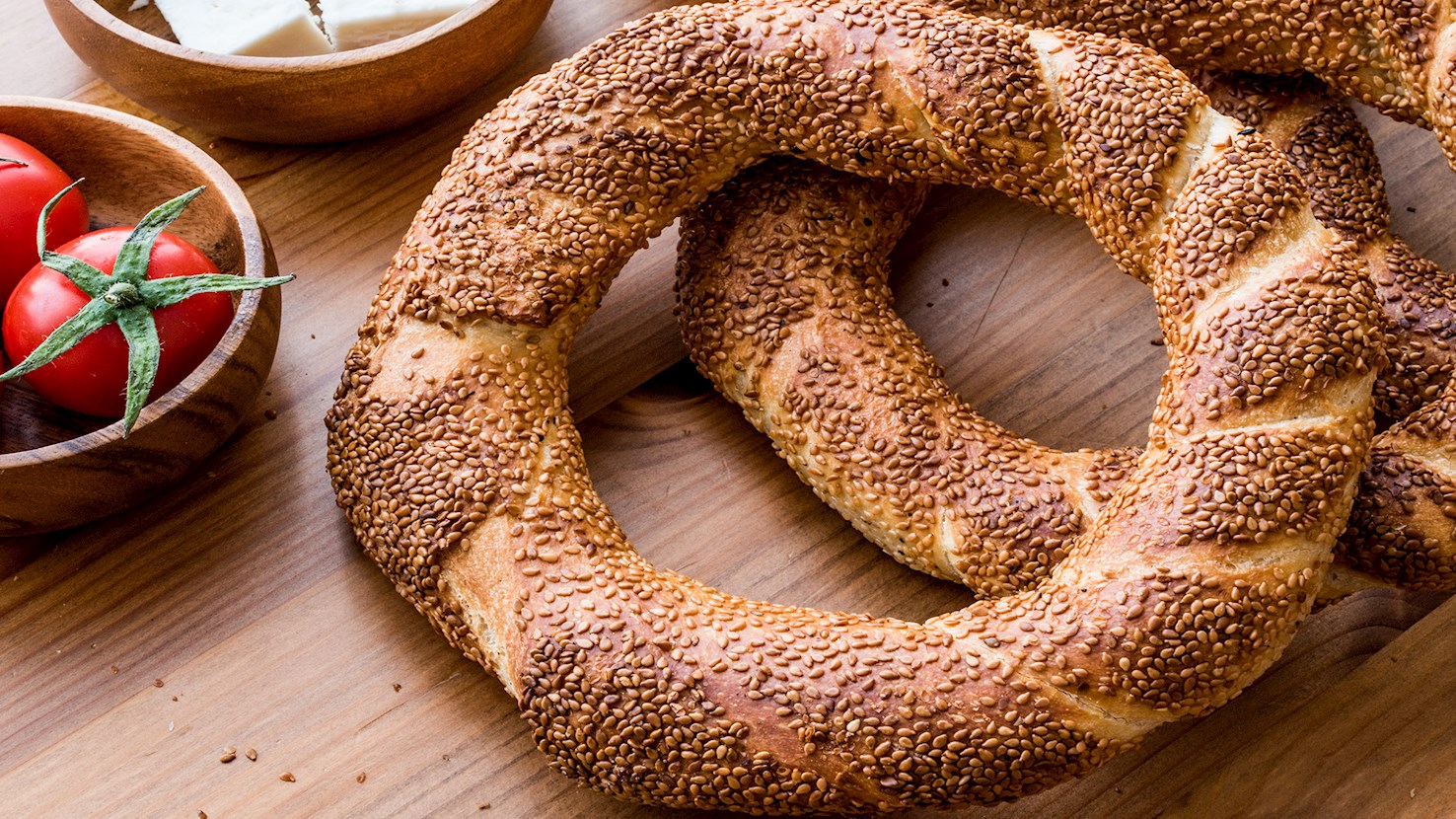
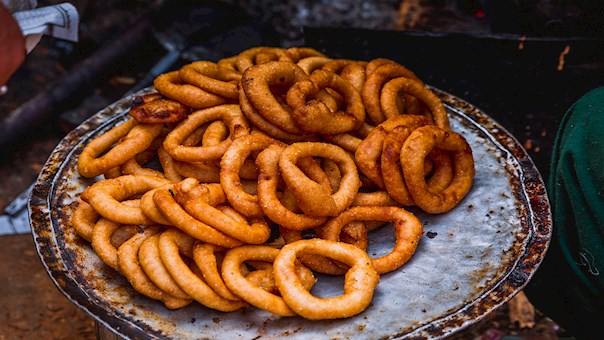
Turkish simit is a circular bread that's commonly accompanied by either tea or ayran (salted yogurt drink) and consumed for breakfast with fruit preserves or in savory combinations with cheese, pastırma (salt cured beef), and fresh vegetables. It is believed that simit has been baked in Istanbul since the 1500s, while the name hails from the Arabic word samīd, meaning white bread or fine flour. The dough itself is very similar to that of a bagel, except instead of boiling, the proofed dough is shaped and dipped into fruit molasses with water before being baked with a coating of toasted sesame seeds on top. In Türkiye, simits are sold by street vendors who walk around either pushing trolleys or carrying trays piled with these delicious, crunchy crusted bagels on their heads.
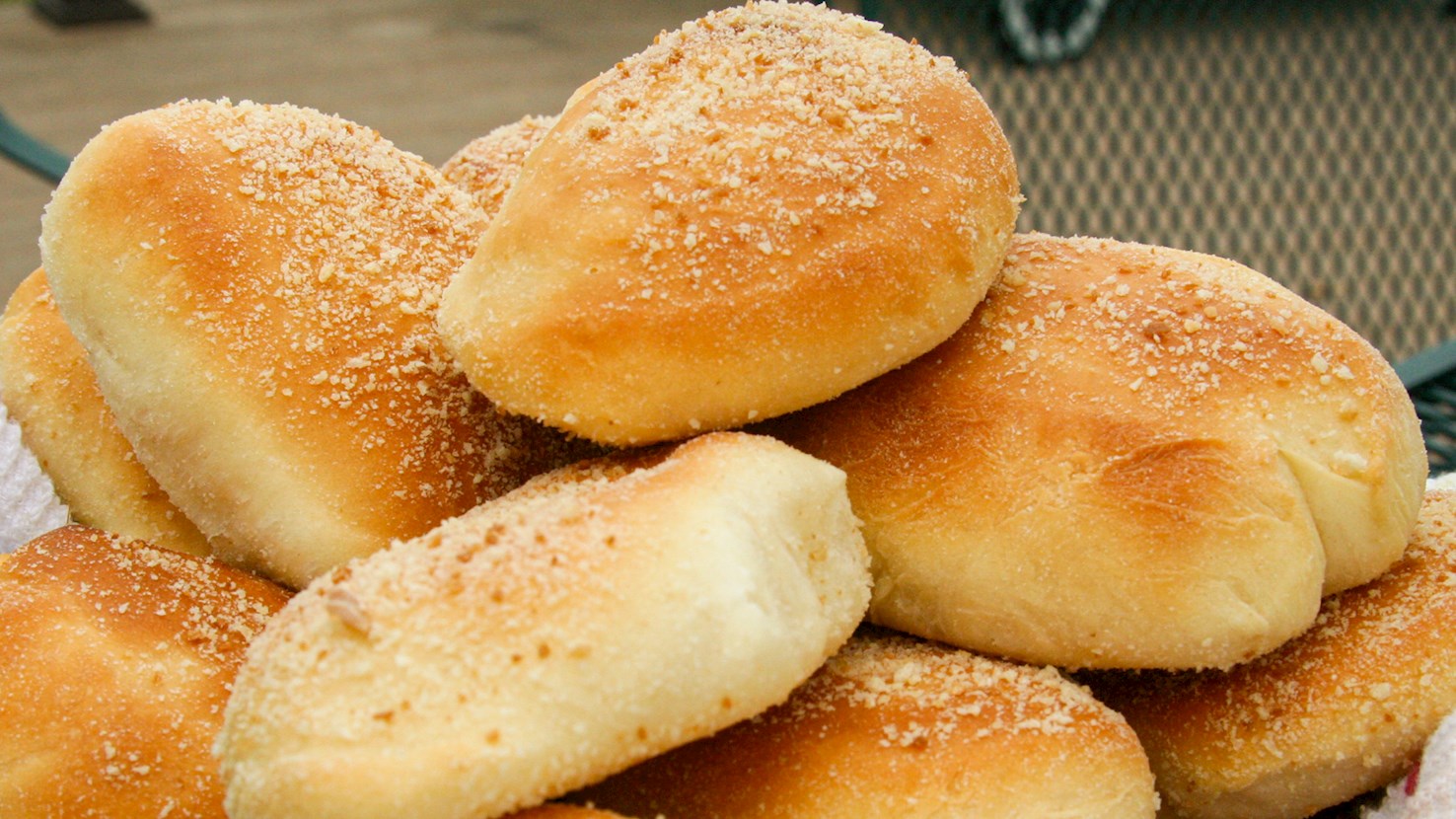
Pandesal is a popular bread roll from the Philippines. Its name is derived from the Spanish words "pan de sal," which translates to "bread of salt." However, despite its name, pandesal is characteristically slightly sweet rather than salty. The outside is usually coated in fine breadcrumbs, which give it a unique texture. This bread is a staple at many Filipinos' breakfast tables and is often enjoyed dipped in hot coffee or filled with various fillings like cheese, corned beef, or coconut jam. Over the years, its simple ingredients of flour, yeast, sugar, and salt have provided comfort and sustenance to generations of Filipinos.
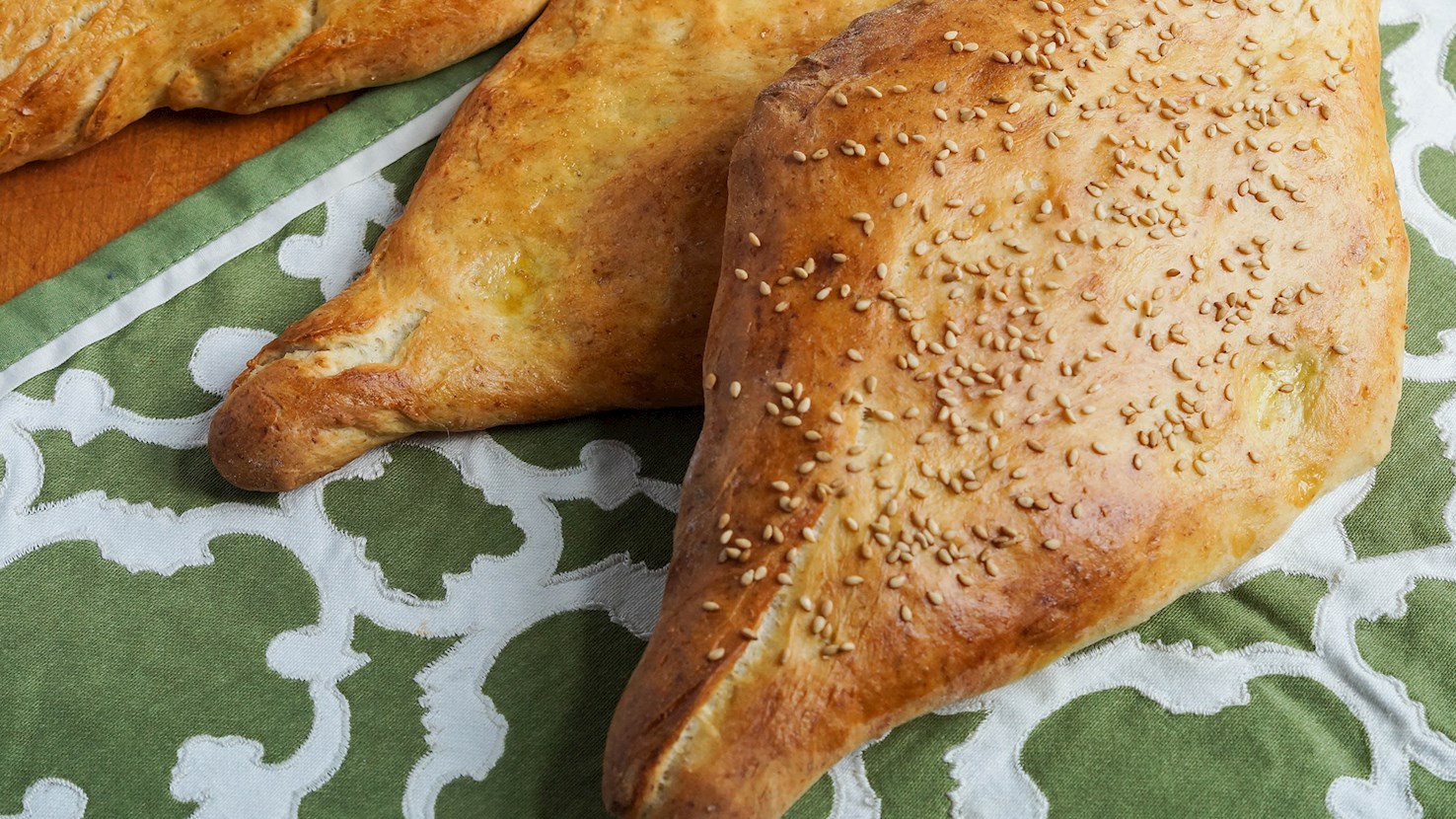
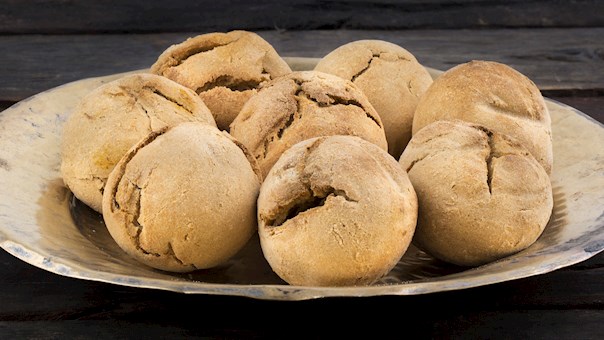
Samoon is a type of bread that comes from Iraq and is considered one of the staples of the country’s cuisine. It is distinct for its diamond or oval shape, slightly pointed at both ends, and for its airy yet chewy interior. The crust is usually golden and lightly crisp, making it versatile for both simple meals and elaborate feasts. Over time, samoon has become emblematic of Iraqi bakeries and is now also baked and enjoyed across other Middle Eastern communities. Its roots can be traced back to the Ottoman era when influences from Turkish and Levantine bread-making spread into Mesopotamia. The unique shaping technique and preference for slightly firmer dough gave samoon its characteristic structure, which set it apart from flatter breads like khubz or pita. For decades, Iraqi bakeries perfected the balance of texture and baking temperature, often using stone ovens that imparted both flavor and resilience to the crust. Samoon became associated not only with daily meals but also with the sense of neighborhood life, as bakeries were central gathering points in towns and cities. Preparation involves flour, yeast, water, salt, and sometimes a touch of sugar or oil to enrich the dough. After kneading and rising, the dough is divided into portions, each carefully shaped by hand into the signature elongated diamond. The loaves are baked in very hot ovens, often directly on stones or special trays, which give them both volume and a slightly blistered surface. They are served warm, usually fresh from the oven, as this highlights both the crust and the pillowy inside. It pairs beautifully with grilled meats, kebabs, and stews such as quzi or masgouf, but it is just as often split and filled like a sandwich with falafel, eggs, or cheese. It is also common at breakfast tables, served with spreads like labneh, honey, or jams.
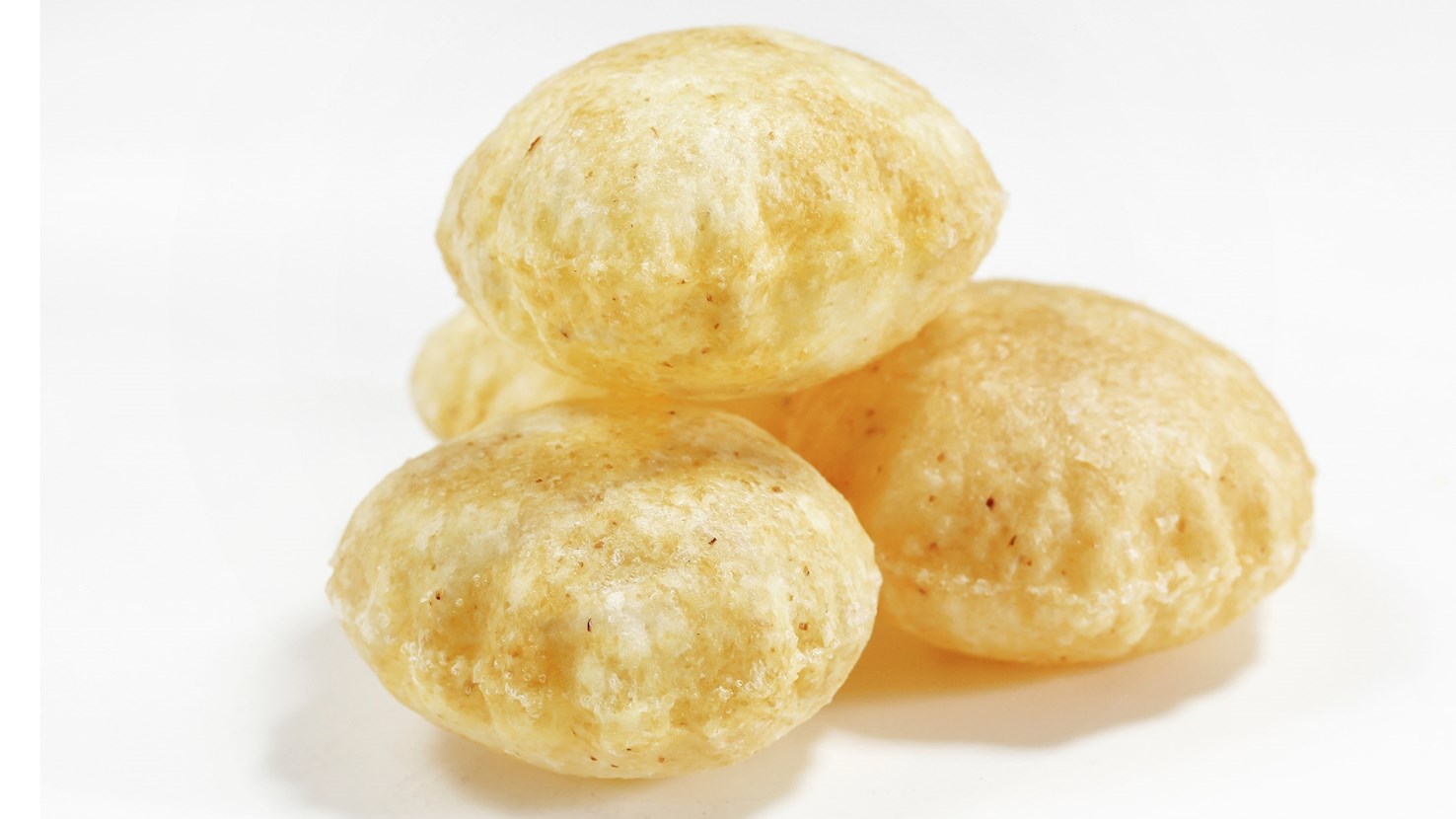
Puri is an unleavened, fried Indian bread made with water, finer or coarser wheat flour, and occasionally cumin seeds. The dough is rolled into flat round shapes and fried in copious amounts of vegetable oil or ghee. During frying, the dough absorbs oil and puri acquires the typical puffy appearance, crispy texture, and an appealing golden color. Occasionally, uncooked puri is punctured to produce a flat variety of the bread. It is consumed across the Indian subcontinent, but its origin is probably in the northern regions, where wheat flour was more usually employed. Most commonly, puri is consumed as a side dish, alongside creamy and spicy curries or a variety of vegetable dishes. It also represents an important breakfast staple and is commonly served during festivities and on special occasions. In some Indian states, it is also served as an accompaniment to sweet dishes, such as the creamy mango pulp or semolina halwa. Typical varieties include the spicy puri variety, a stuffed version filled with mashed potatoes, and the ones incorporating mashed or grated vegetables.
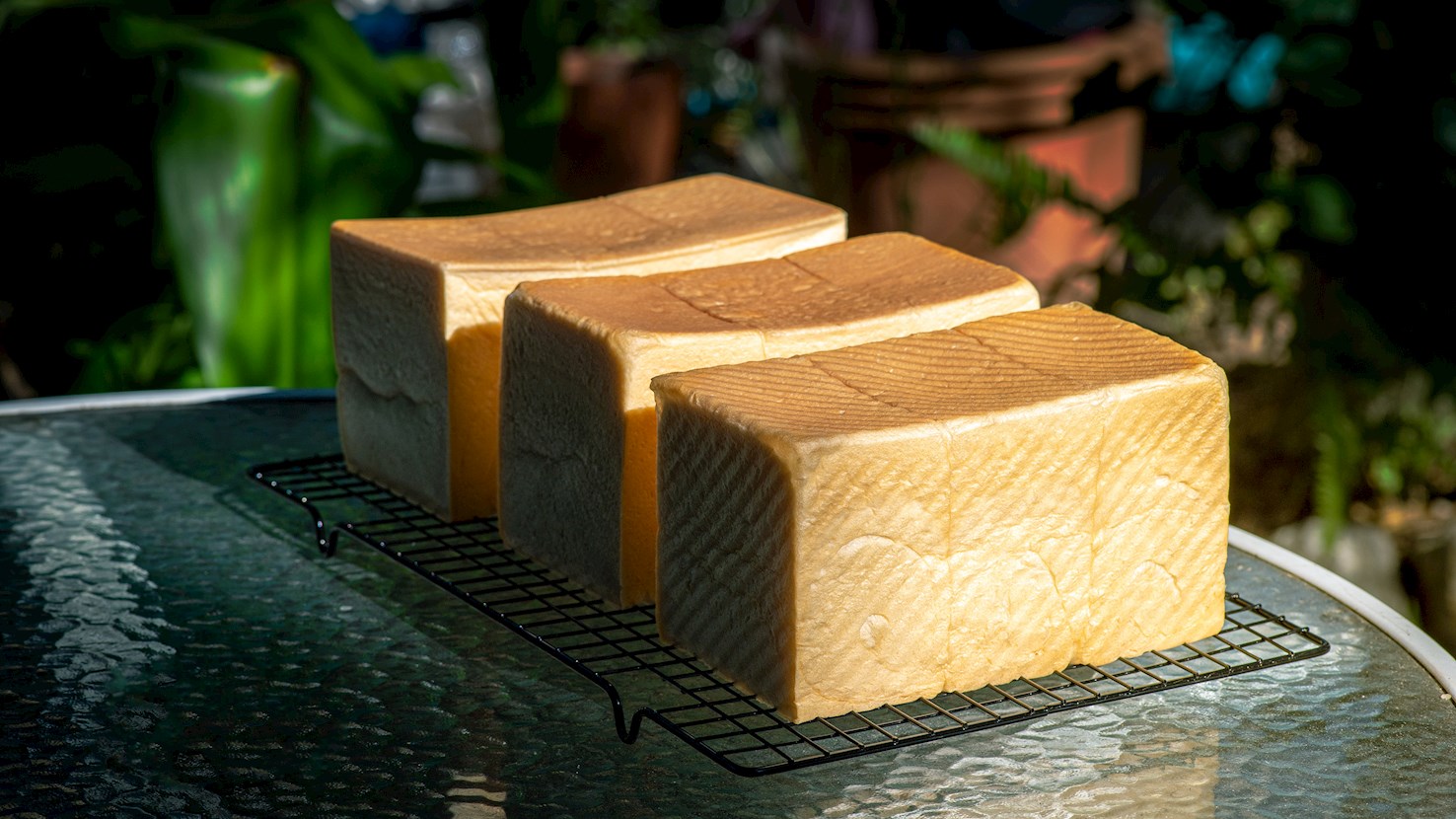
Shokupan is a traditional milk bread. This soft, fluffy, slightly sweet bread is a breakfast staple in the country and it's usually enjoyed sliced thick, toasted, and served with butter or jam. It's made with a combination of flour, milk, sugar, yeast, butter, and salt. The reason why this bread is so soft and fluffy is because it's made with the yudane method – bread flour and hot boiling water are mixed together, and the water gelatinizes the starch in the process. The starch can take in more water and it also increases the sweetness of the bread. Once formed, the bread is usually placed into square-shaped baking molds and it's then baked in the oven.
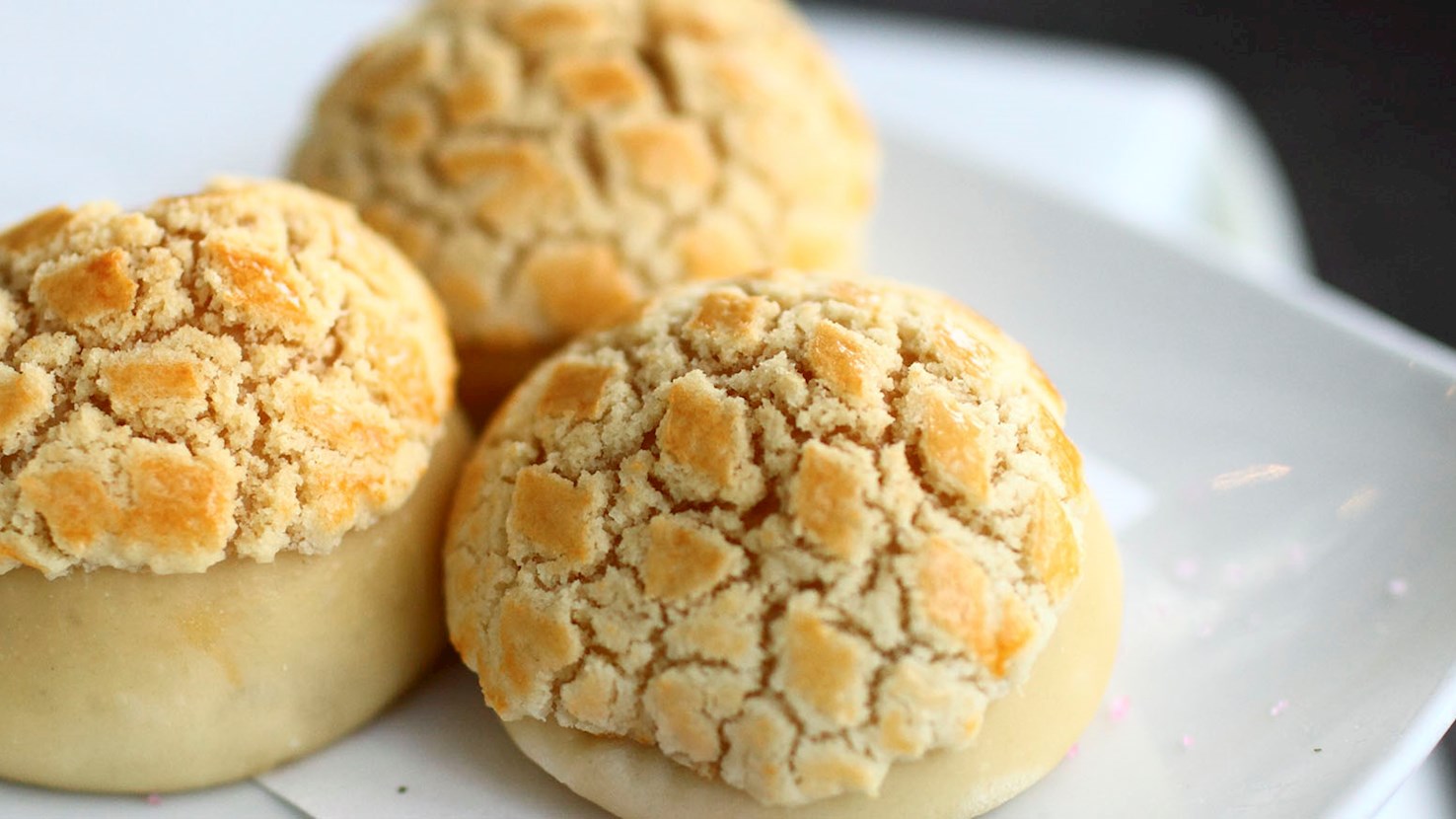
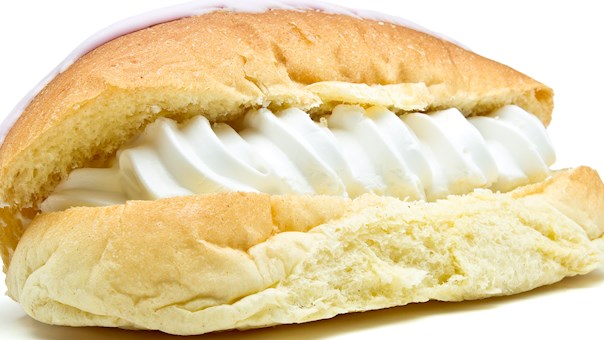
Pineapple buns are golden, crispy-crusted, sweet pastries originating from Hong Kong. Despite their name, they don't contain pineapple, but are named after the chequerboard pattern of the crust that visually resembles the skin of a pineapple. An important part of Hong Kong's cultural heritage, they are made with only four ingredients - flour, lard, sugar, and eggs. Crispy and sugary on the exterior and soft on the inside, it is a favorite food of many locals due to its inexpensive price. The buns are usually eaten for breakfast or in the afternoon with tea. One popular variation known as boh loh yaau is commonly consumed with milk tea and served with butter inside the bun. It is known as one of the unhealthiest snacks in the country due to high amounts of cholesterol and fat. As the buns spread all over the world and became more popular, several other varieties were created, stuffed with coconut, pork, cream, or red bean paste.
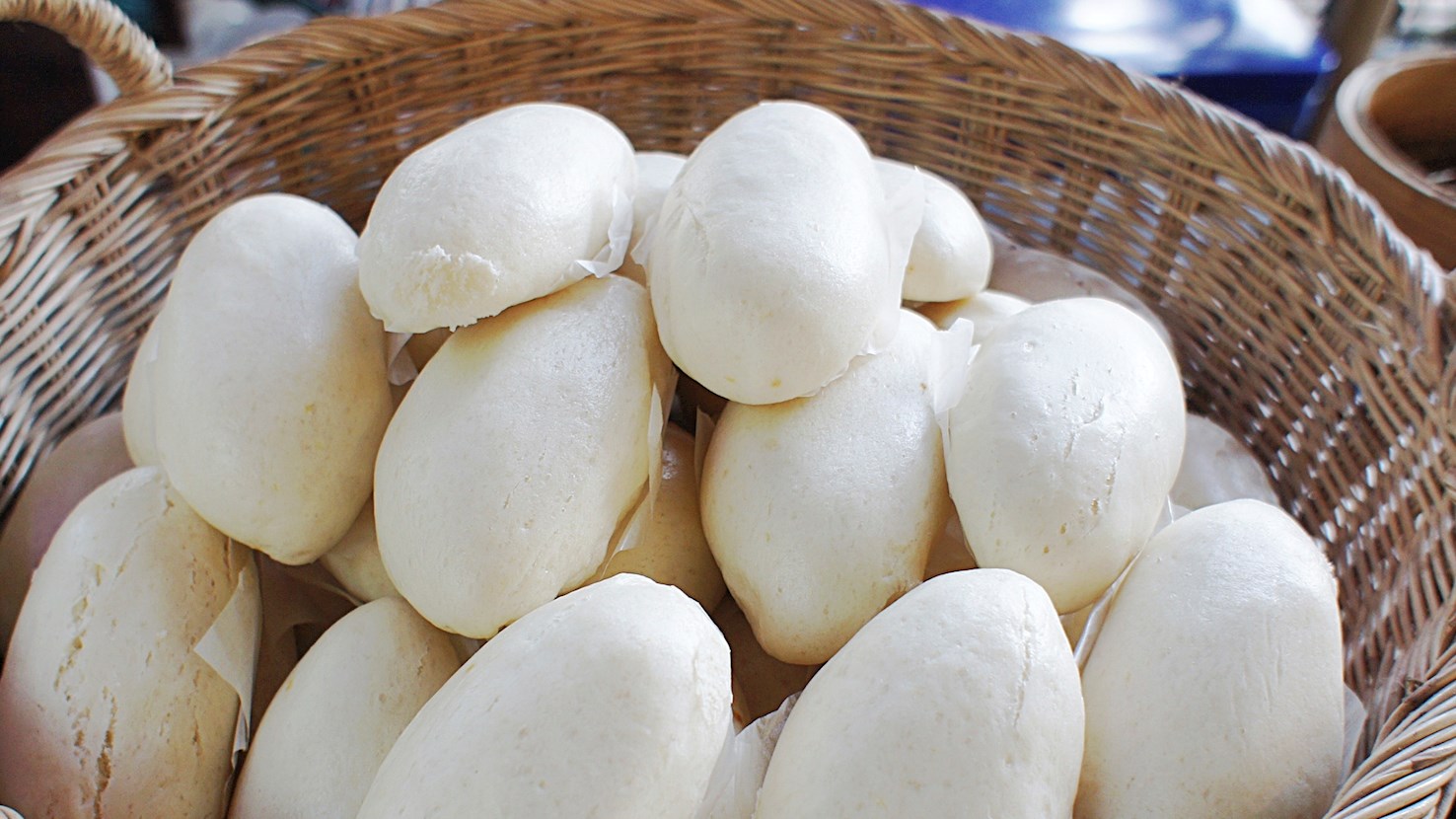
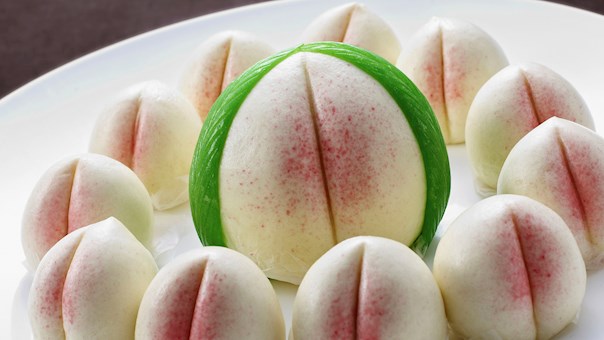
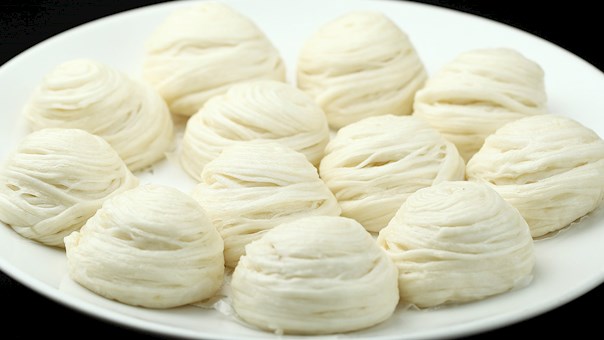
Mantou are Chinese steamed buns that are usually prepared plain, without any filling on the inside. It is sometimes served as a side dish, although it is more commonly consumed as it is. Mantou has a round, flattened shape, and it is a staple food of the Northern part of China. Traditionally, the buns are tasteless and they have no crust, while the crumb is somewhat dense. They are made from wheat flour and yeast, which is used as a leavening agent. For Chinese people, mantou is as important as bread is to the westerners. According to a popular legend, the word mantou literally means barbarian's head. During the period of the Three Kingdoms, chancellor Zhuge Liang attempted to capture a barbarian named Meng Huo. He was told that the barbarians used witchcraft, so only the gods could help him. Since the barbarians used to throw human heads in the river, Liang filled the buns, representing barbarian's heads, with pork and mutton, and sacrificed them to the River God. Modern buns with no filling did not appear until the mid-17th century. Nowadays, mantou is regularly consumed as a daily snack or as fast food for busy people, while in Singapore and Malaysia, it is traditionally eaten by dipping it into a gravy of chili crab dishes.
TasteAtlas food rankings are based on the ratings of the TasteAtlas audience, with a series of mechanisms that recognize real users and that ignore bot,
nationalist or local patriotic ratings, and give additional value to the ratings of users that the system recognizes as knowledgeable.
For the “Top 32 Asian Breads” list until August 15, 2026, 1,728 ratings were recorded, of which 1,192 were recognized by the system as legitimate.
TasteAtlas Rankings should not be seen as the final global conclusion about food. Their purpose is to promote excellent local foods,
instill pride in traditional dishes, and arouse curiosity about dishes you haven’t tried.





What People Say