

shutterstock

Top 100 Western European Breads

Last updated on May 15, 2026
01

Focaccia alla Genovese

4.5 ·

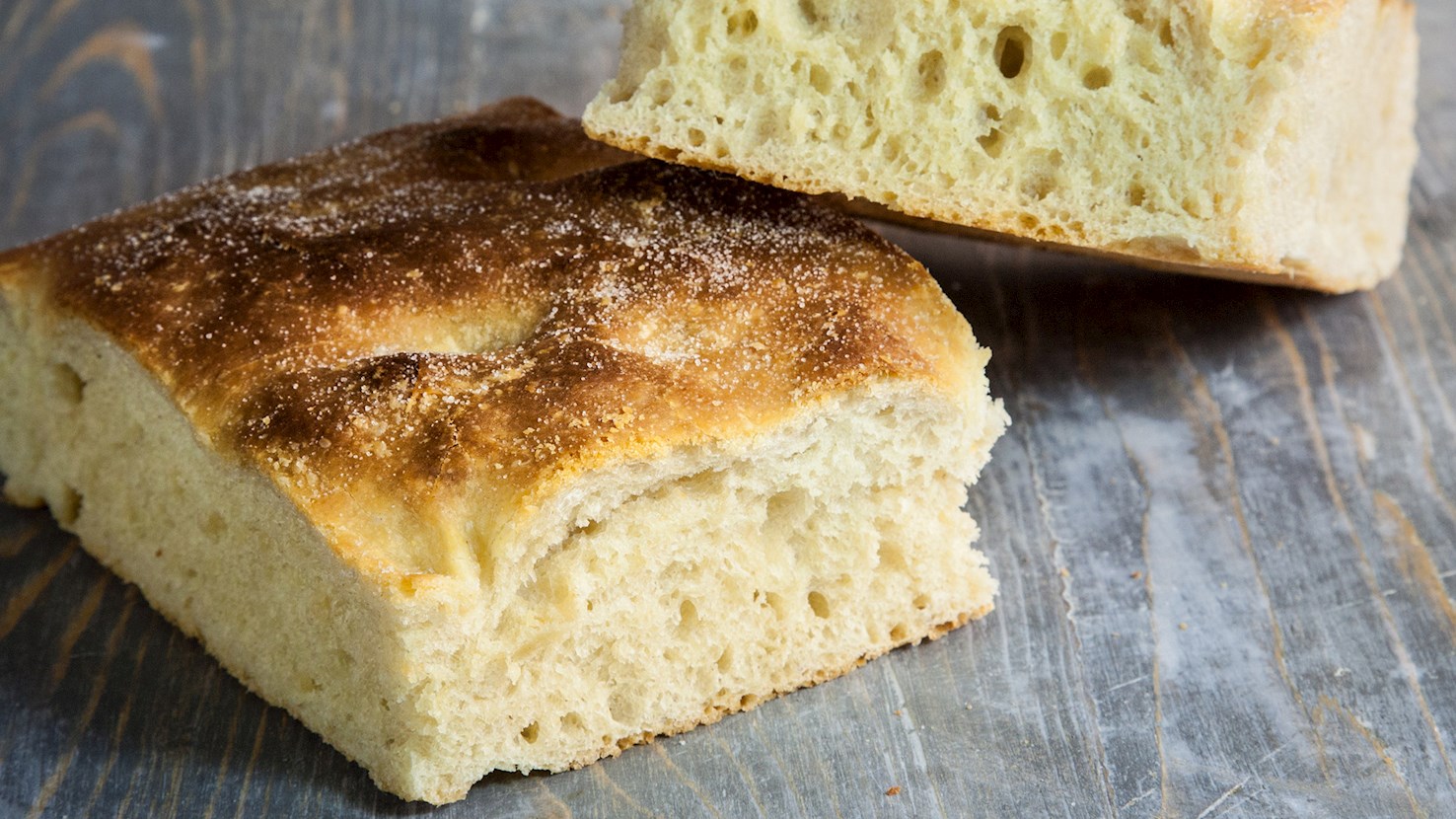
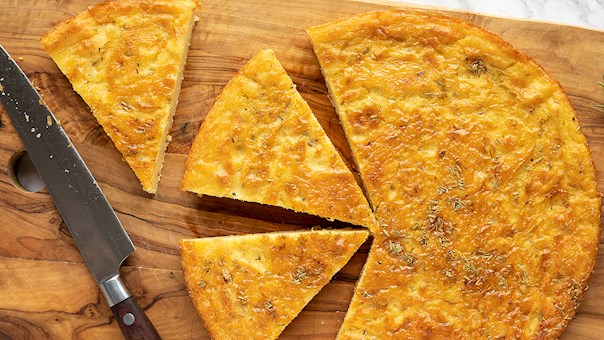
Focaccia alla Genovese is believed to be the original focaccia. Hailing from Genova, this classic focaccia is coated in olive oil and sprinkled with coarse sea salt. Unlike other focaccias, this one is traditionally shaped into a flat rectangle. It consists of flour, yeast, salt, sugar, water, and olive oil. The dough is simply baked in the oven until the focaccia becomes golden brown, crispy, and shiny. The flatbread is locally known as fugassa.

02

Focaccia Barese

4.4 ·

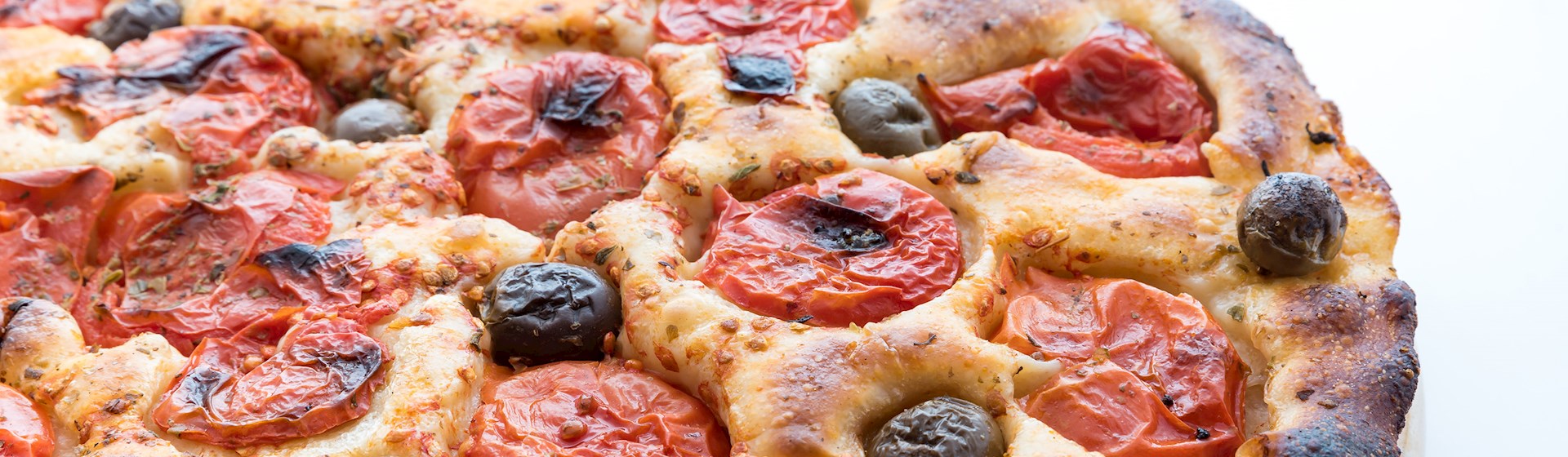
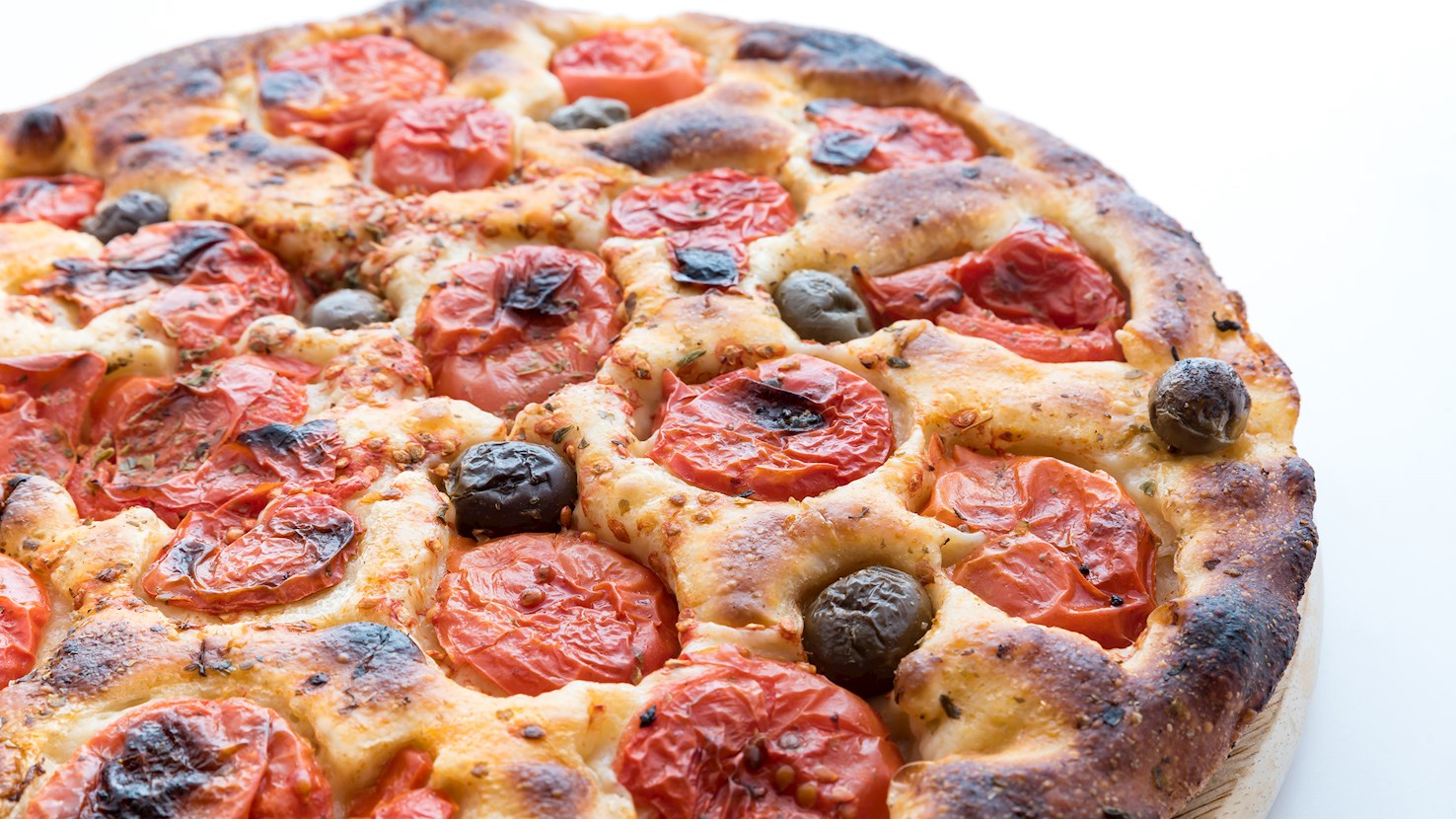
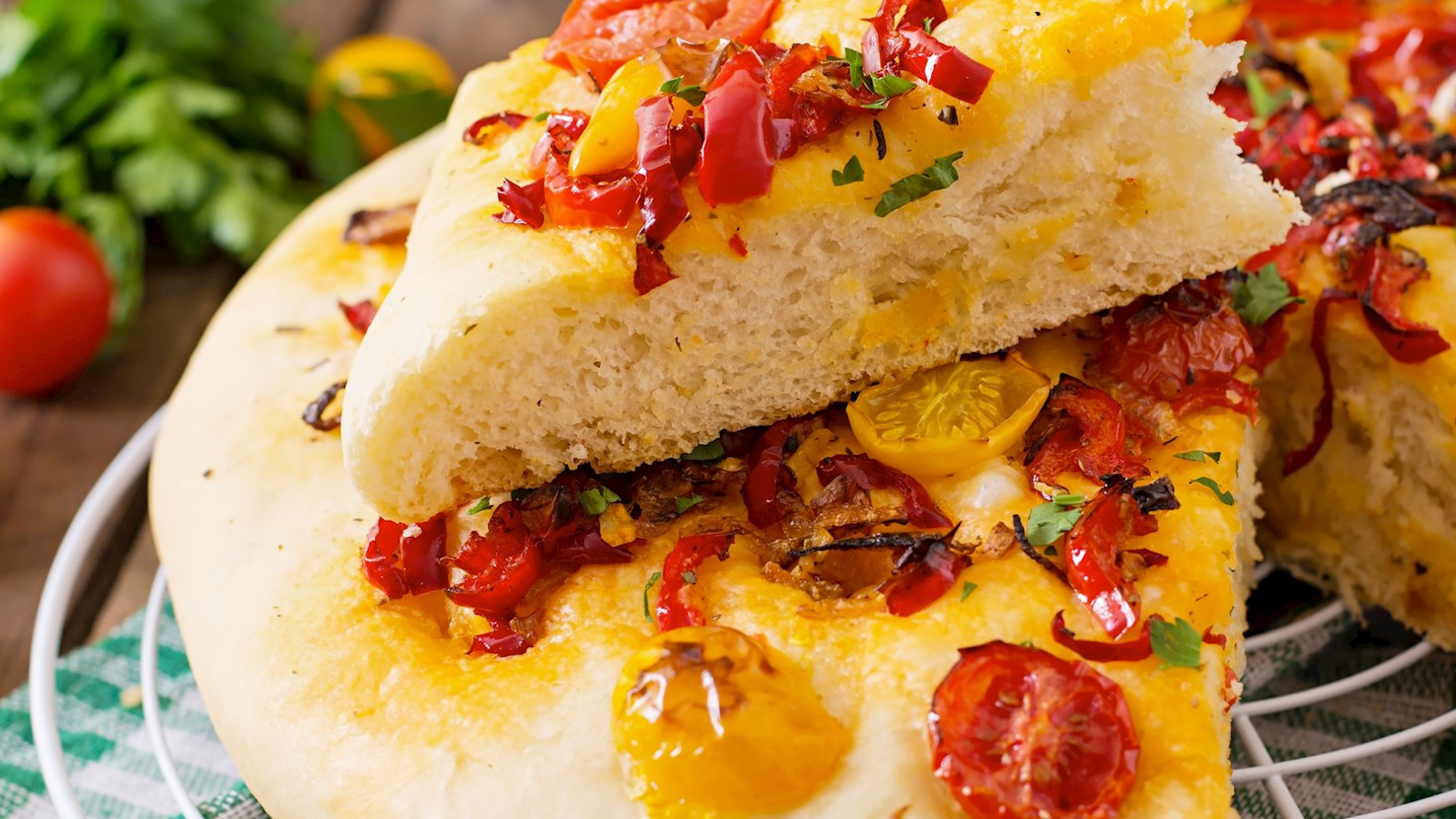
This Apulian delicacy is traditionally prepared with a soft, yeasted dough that combines semolina, wheat flour, and mashed potatoes. It is usually topped with cherry tomatoes and olives, but some varieties occasionally employ other combination of ingredients, such as different vegetables, coarse salt, or rosemary. Always baked in round tins, focaccia is usually doused in olive oil and is best served lukewarm.

03

Bolo do caco

4.4 ·

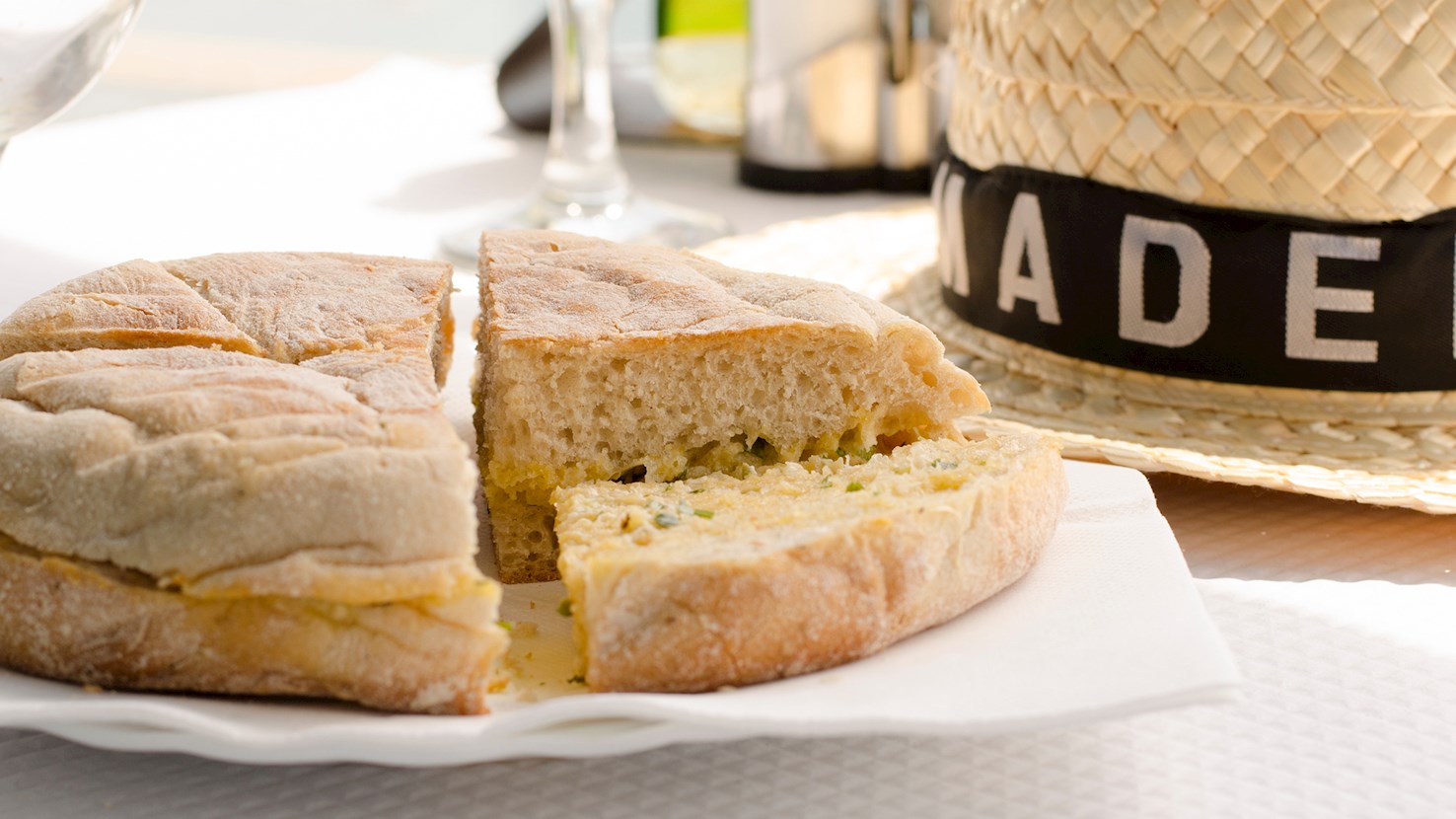
Hailing from Madeira, this rustic, leavened bread is prepared with wheat flour, mashed sweet potatoes, water, and salt. Traditionally baked on large basalt stone slabs, bolo do caco is typically flat and round, though it can vary in size. It is the most common bread variety on Madeira that is usually served as a warm appetizer with garlic butter spread, but it can also be enjoyed as a sandwich or an accompaniment to various traditional Portuguese dishes.

Best restaurants
04

Pão alentejano

4.4 ·

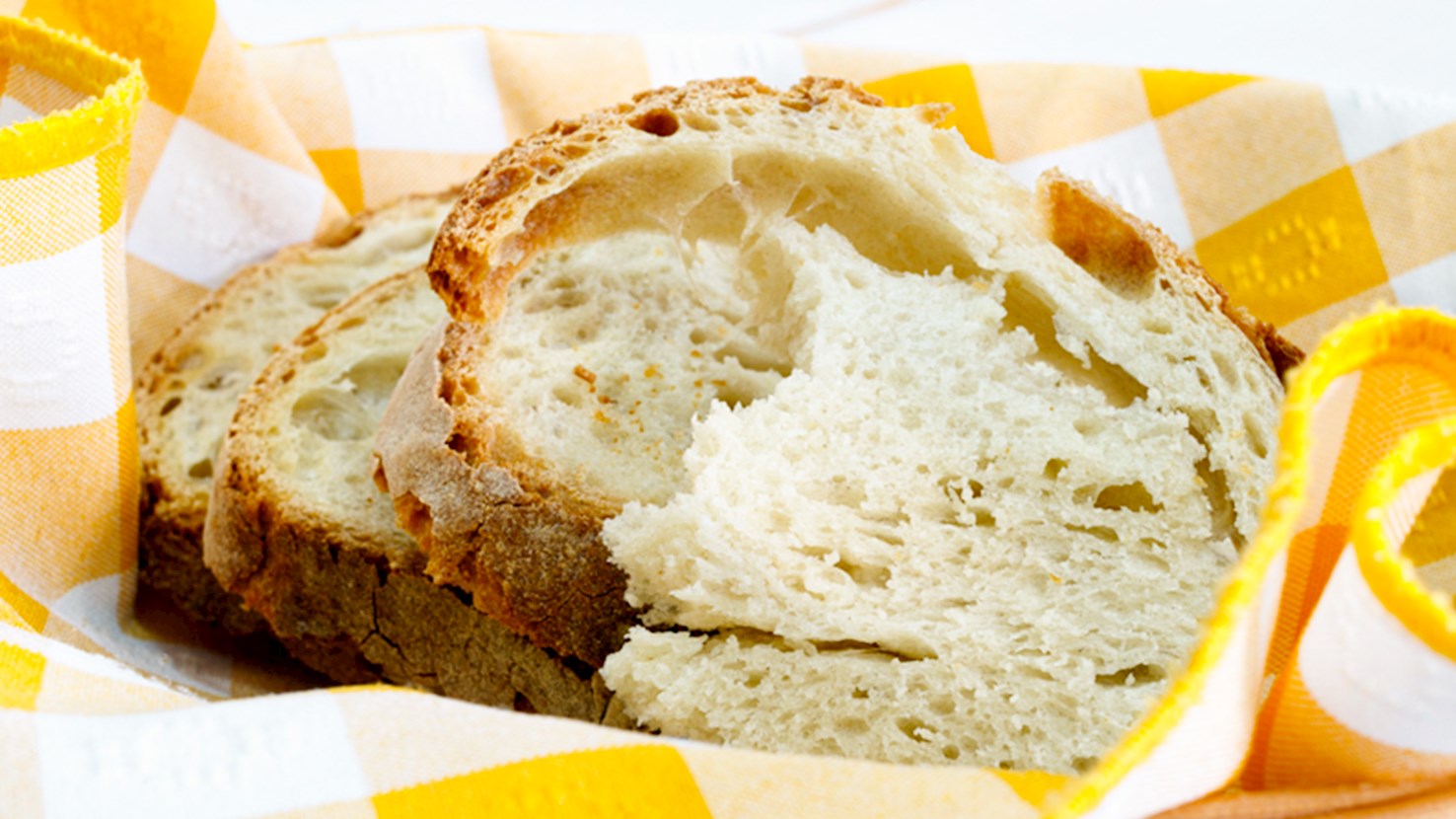
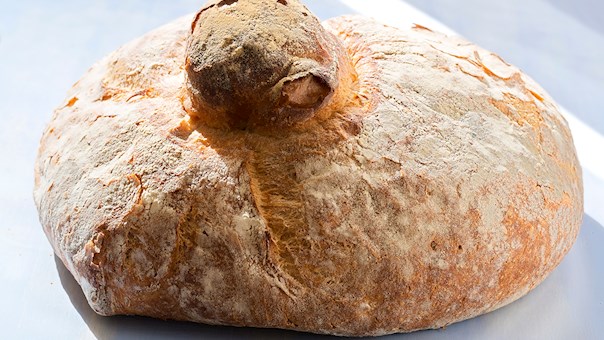
Pão alentejano refers to a traditional Portuguese bread originating from the Alentejo region of Portugal. Recognized for its round shape and distinctive crust, this bread is made with a mix of different types of wheat flour and sometimes incorporates a sourdough starter, which lends it a slightly tangy flavor. Its thick, rustic crust contrasts beautifully with the soft, airy crumb inside. The bread's unique taste and texture make it a perfect accompaniment to Portuguese meals, particularly when paired with cheeses, olives, or the region's famed cured meats.

05

Piadina Romagnola

4.3 ·

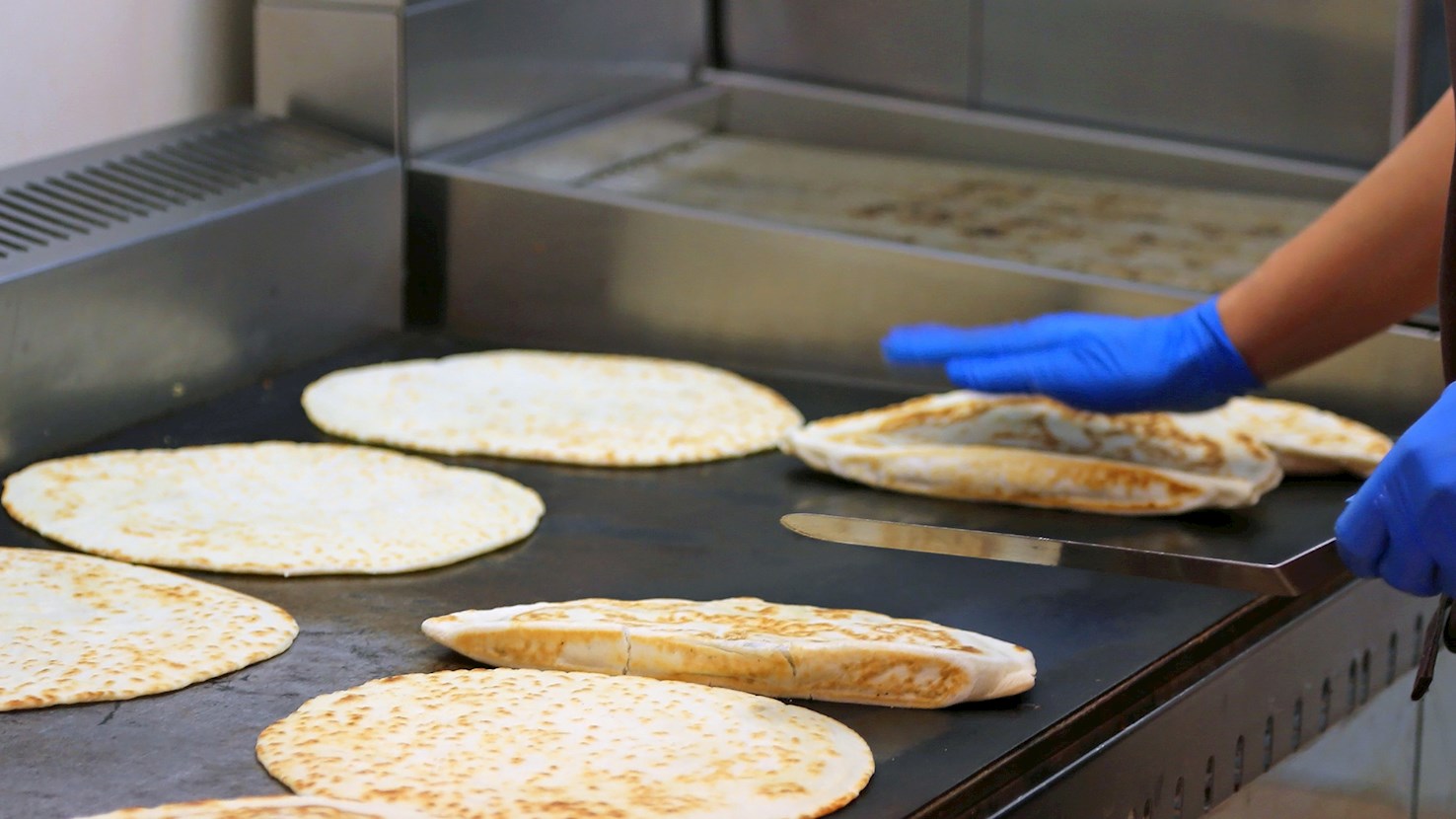
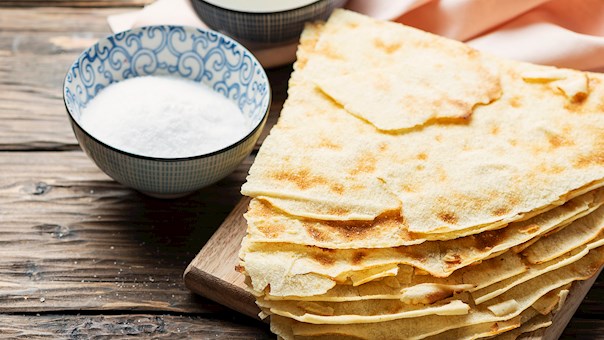
Even though today this griddled Italian flatbread is typically enjoyed as a sandwich (one of the most popular fillings includes prosciutto, creamy soft cheeses like squacquerone, tomatoes, and a handful of peppery wild arugula), Piada or piadina Romagnola was once merely a staple of the poor, often made with maize flour and called la pjida ad furmantoun in Romagnolan dialect. In his poem entitled La Piada, which is sort of an ode to the beloved Romagnolan piadina, a 19th century Italian poet Giovanni Pascoli calls it "the bread of poverty, humanity, and freedom", describing it as "smooth as a leaf and as big as the moon." Since then, the humble, rustic piadina has come a long way and even today takes a special place in the regional cuisine, having been awarded the Protected Geographical Indication status. Le piadine, in plural, can take virtually any ingredients as their filling, and they can be easily found freshly prepared at numerous street kiosks called piadinerie, as it is best to eat a piadina only minutes after it comes off the cast-iron griddle while it's still pliable and warm - the perfect frame for the almost-melting soft cheese and delectable, thinly sliced charcuterie.

06

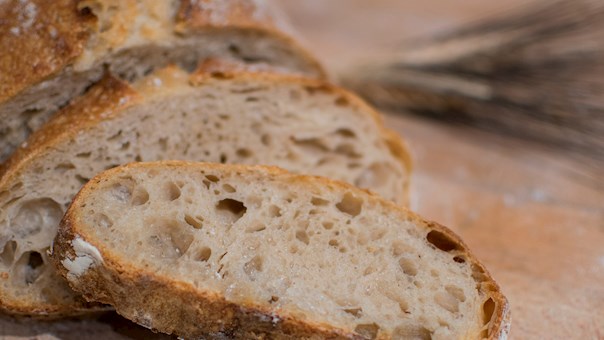
Pain de campagne

4.3 ·

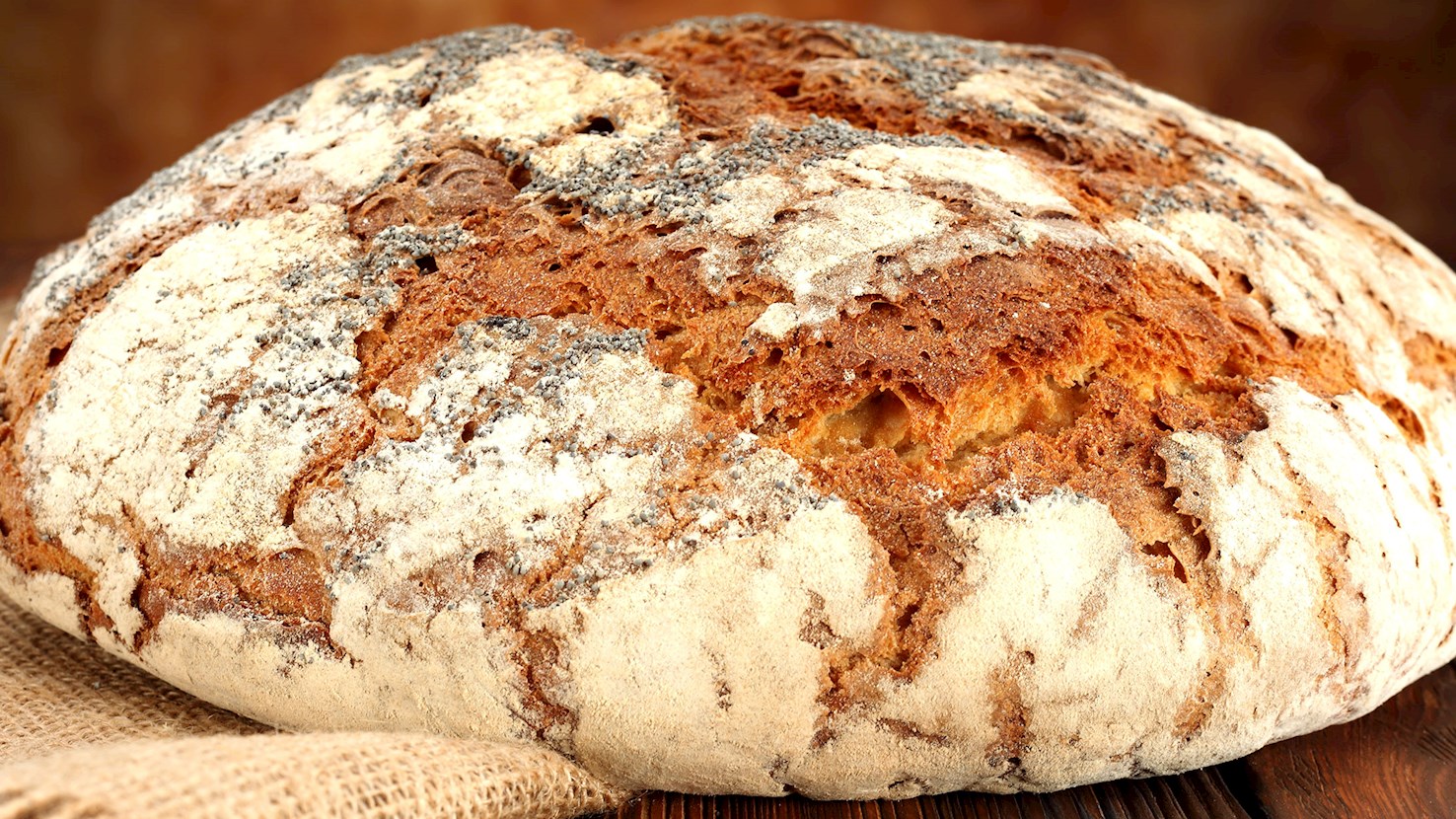
Pain de campagne or country bread is a traditional, rustic bread that is prepared throughout France. It can be found in numerous boulangeries. Most versions of pain de campagne are made with a mixture of white, whole wheat, and rye flour, water, salt, and sourdough starter. In the past, people would bake huge loaves of country bread in the communal ovens, feeding their families for days or weeks. In the early 20th century, baguette replaced pain de campagne in terms of popularity, but with the rise of artisan breads in the 1970s, pain de campagne grew in popularity once again.

07

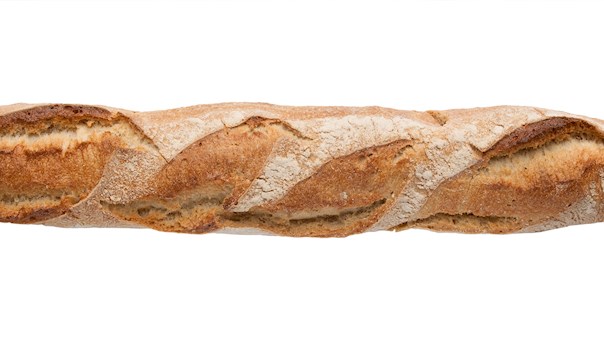
Baguette

4.2 ·

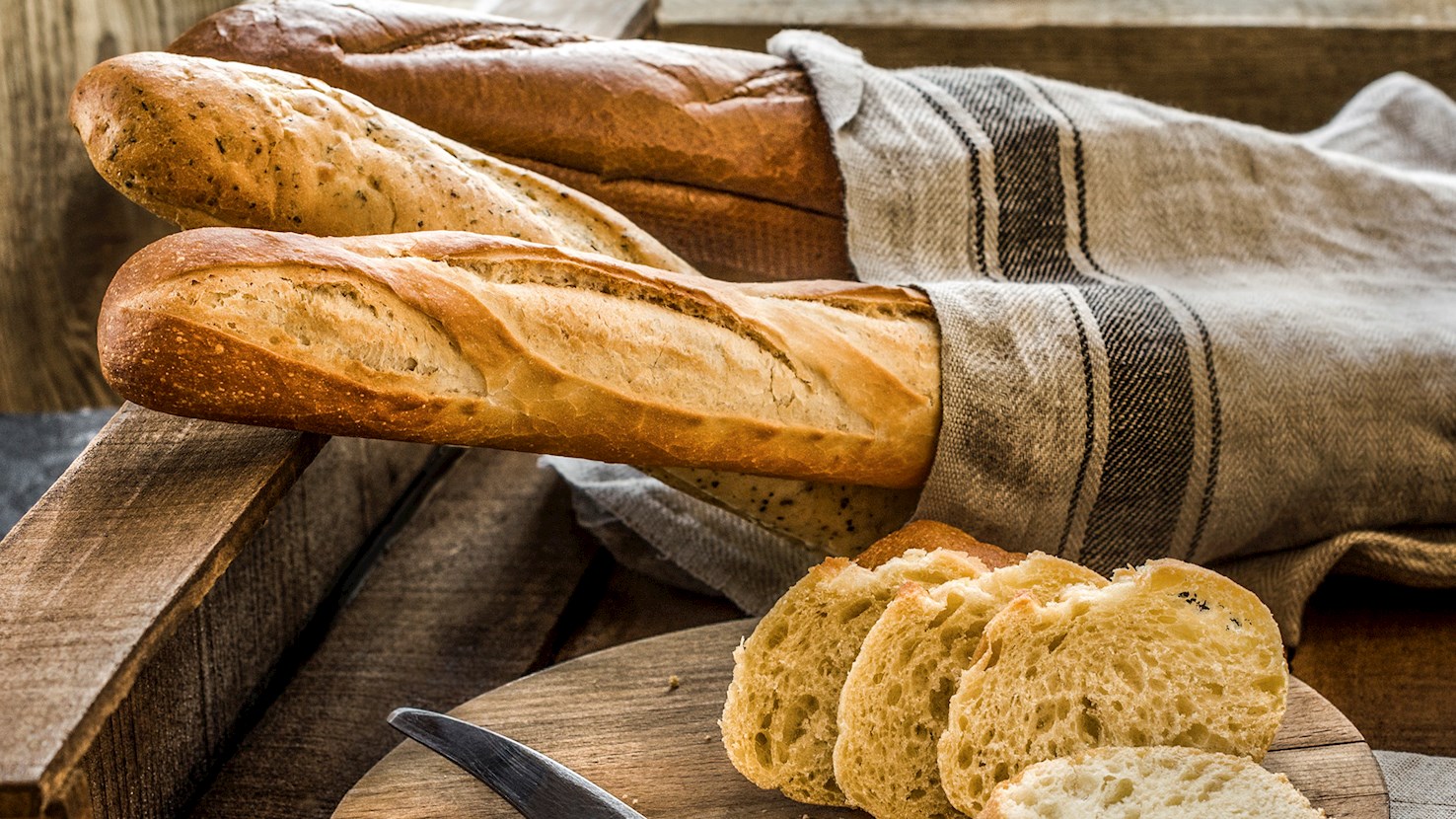
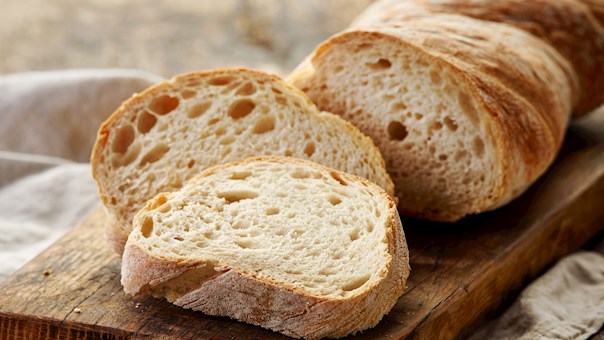
Probably the most iconic image of France, this long, light, airy bread with its characteristically crispy crust dates back to the 19th century, when wheat and white breads were no longer a privilege of the rich. Baguettes were made even before the invention of their name. The word baguette first entered use in 1920, derived from the Latin root baculum, meaning stick or staff, which became baccheto in Italian. Baguettes were first baked as long, wide loaves of bread, but a 1920 law prevented workers from beginning work before 4AM, making it impossible for bakers to finish baking the bread in time for breakfast. They then gave baguettes their typical long, thin shape in order to speed up the baking process. The bread was baked in steam ovens, which were first brought to Paris by an Austrian named August Zang, whom some French sources credit with the invention of the baguette. Another characteristic of the baguette is its typical flower-petal design on the top of the crust, made by making diagonal slashes with a curved knife on top of the loaves before they are put to bake. Today, baguettes can be found throughout France, and they are available for sale in nearly every boulangerie, as well as baked at home. The texture and flavor of a good baguette can transform any sandwich into a gourmet meal. Baguettes are also flexible – they can be made into bruschettas, turned into croutons or garlic bread, used for mopping up sauces, or simply dipped in olive oil as a snack.

08

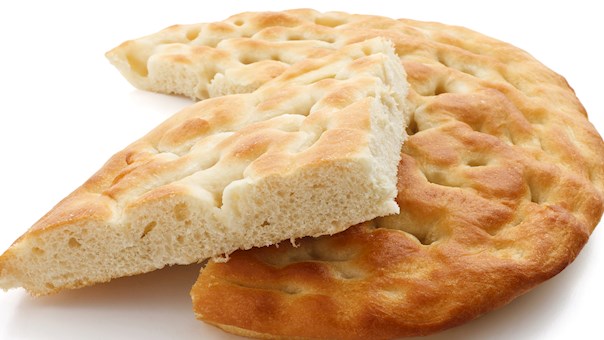
Focaccia

4.2 ·

This chewy, oily flatbread is quite versatile, and can be topped with a range of ingredients such as coarse sea salt, olive oil, herbs, tomatoes, or olives. Historians tend to believe it was invented either by the Etruscans or in ancient Greece, although unleavened flatbreads have long been made throughout the Middle East. The name focaccia is derived from the Roman panis focacius, meaning “hearth bread”, referring to the fact that focaccia was traditionally baked in coals in Roman times. The basic recipe spread to France and Spain over time, where the bread is known as fouaisse and hogaza, respectively. Foccacia’s pockmarked appearance results from indentations made in the dough to prevent large bubbles from appearing on its surface during baking. Today, savory versions of focaccia are topped with rosemary, sage, garlic, cheese, and onions, while sweet varieties can be topped with honey, raisins, sugar, and lemon peel, among others.

09

Bolo lêvedo

4.2 ·

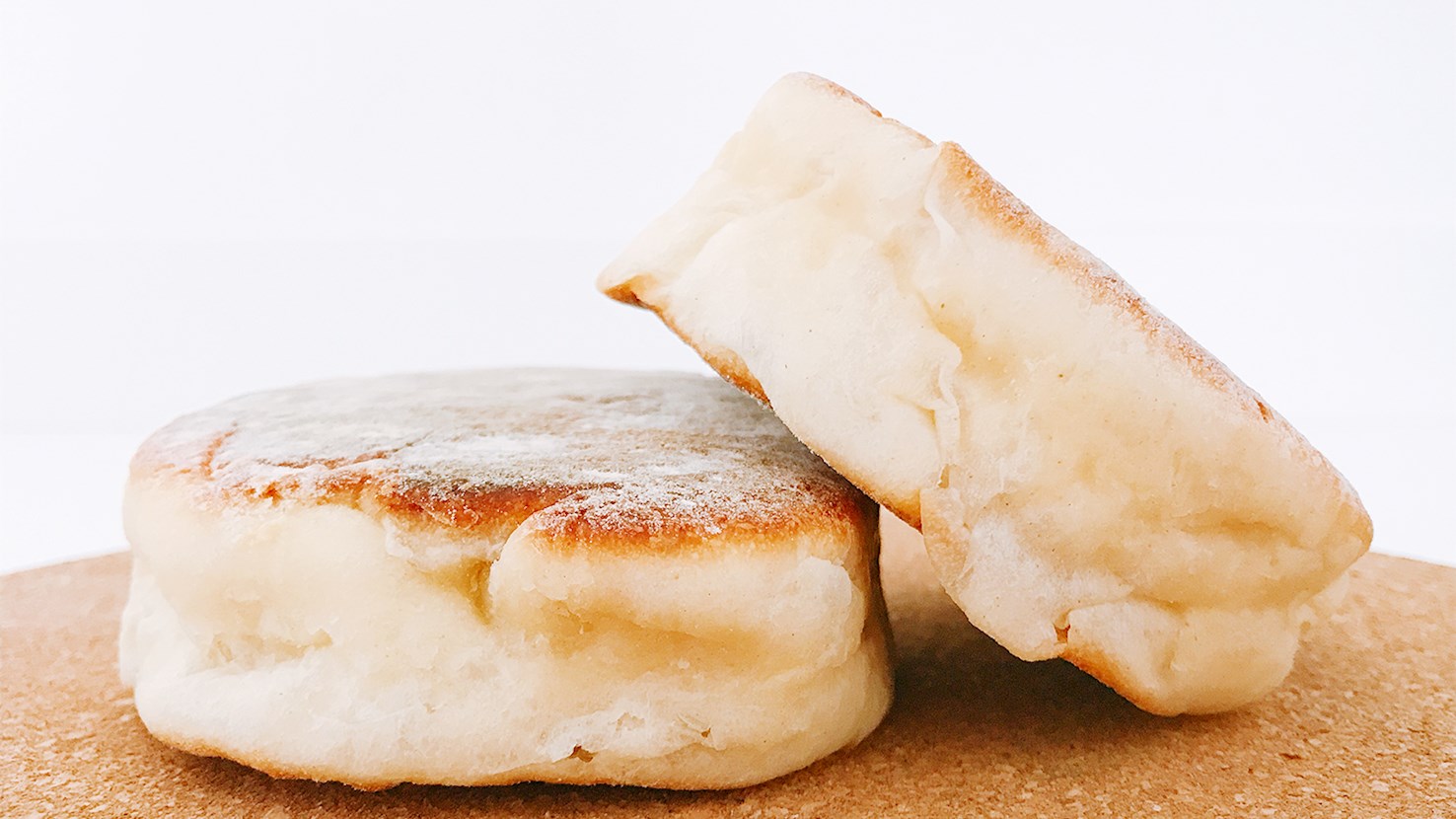
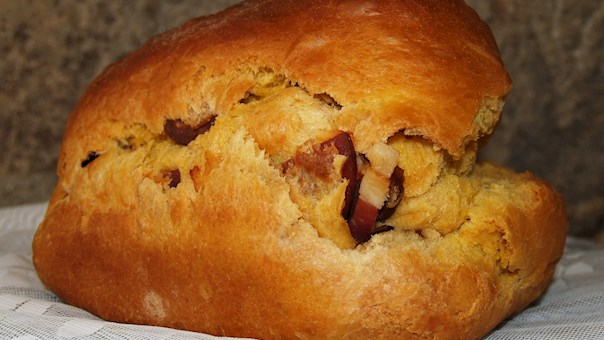
Bolo lêvedo is a traditional bread originating from the Azores. These sweet muffins are made with a combination of water, flour, sugar, eggs, butter, salt, milk, and yeast. The dough is shaped into small balls that are dusted with flour, then cooked over low heat. As soon as one side turns golden brown, bolo lêvedo is turned over and cooked on the other side. They're best served hot, then slathered with butter or fruit jams. It's recommended to pair them with a cup of coffee on the side.

10

Broa de milho

4.2 ·

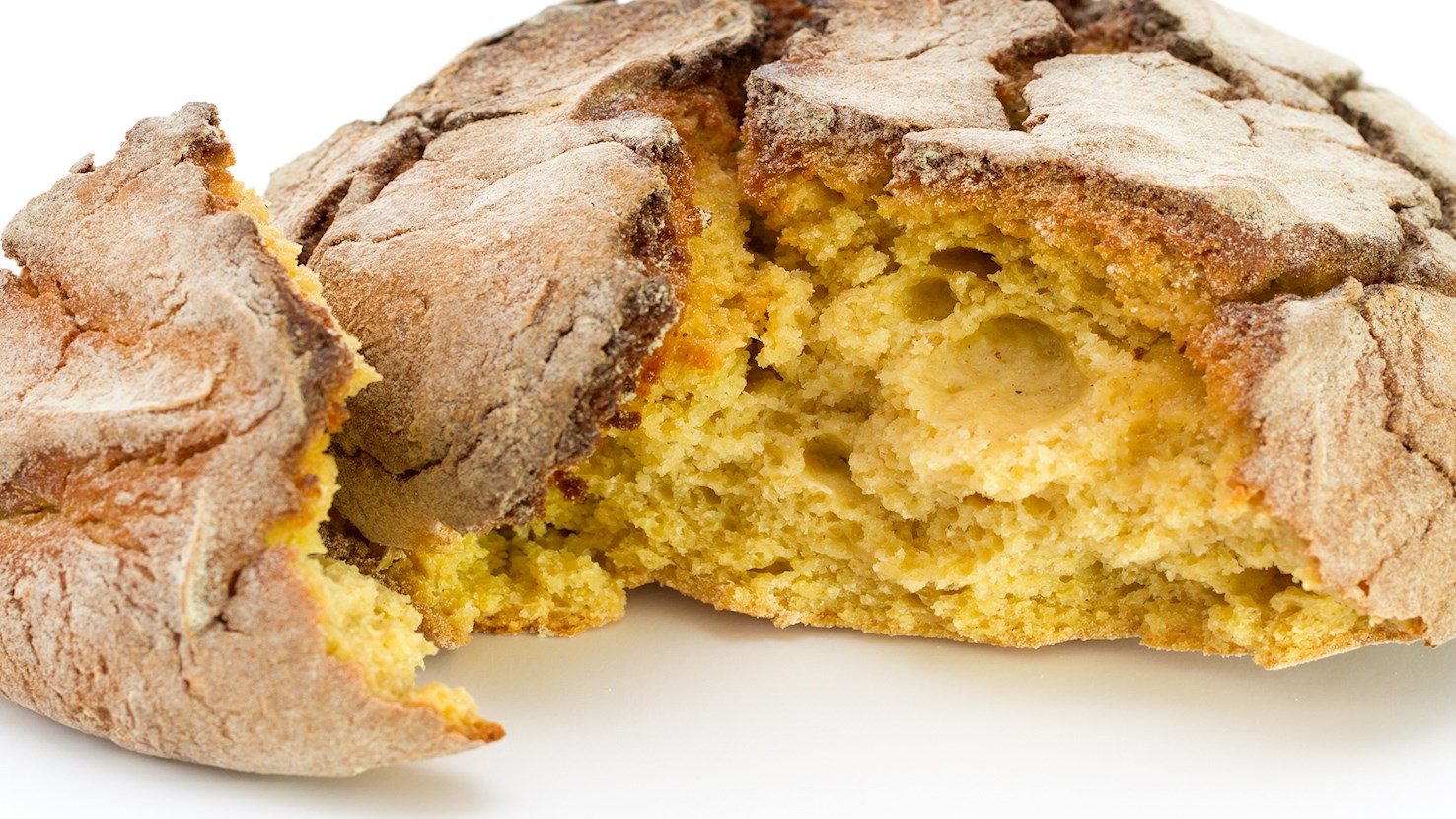
Broa de milho is a Portuguese corn bread consisting of plain flour, cornmeal, yeast, water, milk, sugar, salt, and butter. It is characterized by its fine, moist texture, making it an ideal pair for soups and stews, when it is often used for dipping. The bread is especially popular in Northern Portugal and the Azores. In the past, broa de milho was considered a poor man's food, but today it is enjoyed by all tiers of society.

Read more
View all
View map
About this ranking

TasteAtlas food rankings are based on the ratings of the TasteAtlas audience, with a series of mechanisms that recognize real users and that ignore bot, nationalist or local patriotic ratings, and give additional value to the ratings of users that the system recognizes as knowledgeable. For the “Top 100 Western European Breads” list until May 15, 2026, 6,488 ratings were recorded, of which 5,331 were recognized by the system as legitimate. TasteAtlas Rankings should not be seen as the final global conclusion about food. Their purpose is to promote excellent local foods, instill pride in traditional dishes, and arouse curiosity about dishes you haven’t tried.

Similar lists