



shutterstock

Top 100 European Stews

Last updated on May 15, 2026
01

Rojões à moda do Minho

4.3 ·

This version of rojões is made with chunks of pork that were previously marinated in garlic and white wine. However, traditional Minho recipes often include roasted chestnuts, blood and flour cakes called belouras or bolachos, tripe, pork’s liver, and boiled blood. Rojões Minho-style is typically enjoyed with potatoes, though it is not uncommon to serve it with a side of arroz de sarrabulho - rice with pork blood and bits of meat.

02

Chicken Tikka Masala

4.3 ·

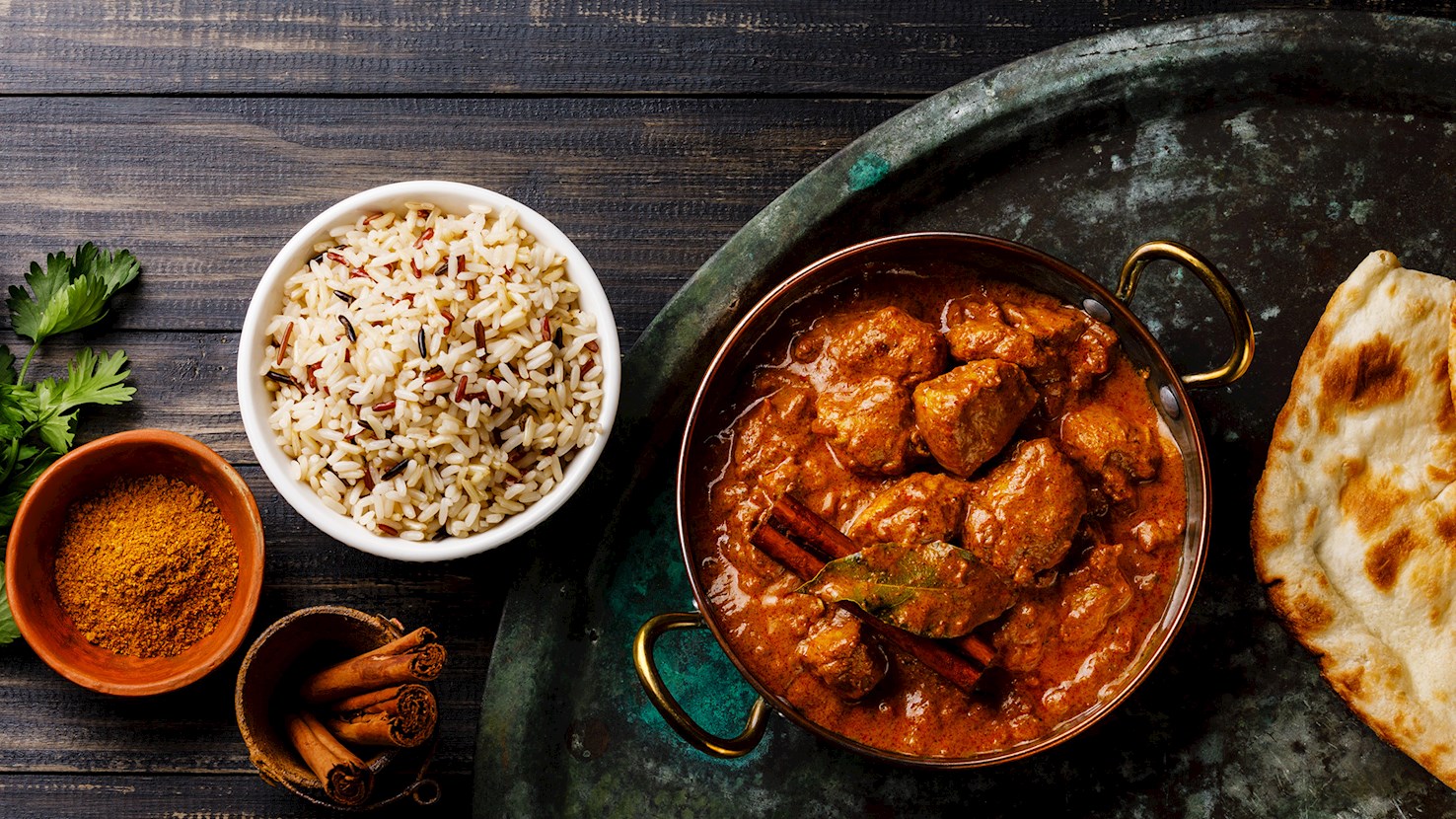
Chicken tikka masala is a British dish influeneced by Indian cuisine, consisting of marinated, tandoor-cooked chicken pieces that are served in a spiced tomato-cream sauce. The origins are still debated – some claim that it was invented in Glasgow in the 1970s by a Pakistani chef Ali Ahmed Aslam who added his tomato-cream soup into chicken tikka in order to please a customer, and others claim that the dish is simply a variation on Indian butter chicken or chicken tikka that's adapted to suit the British tastes. Nowadays, chicken tikka masala is even considered the country's national dish, and Foreign Secretary Robin Cook proclaimed chicken tikka masala a symbol of modern multicultural Britain in 2001.

03

Rabo de toro

4.3 ·

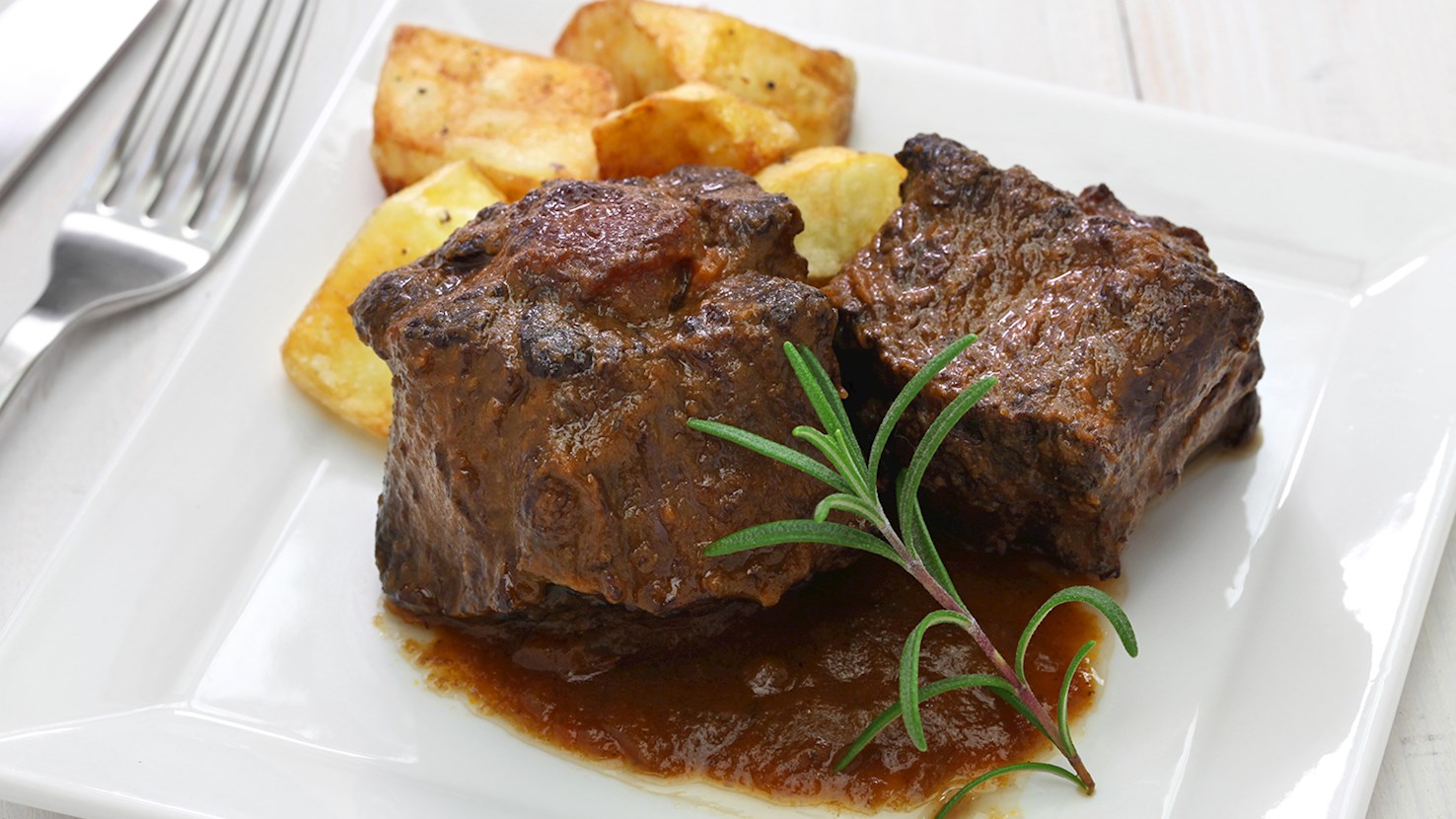
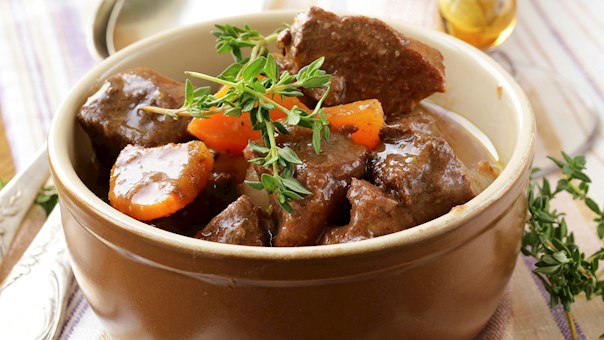
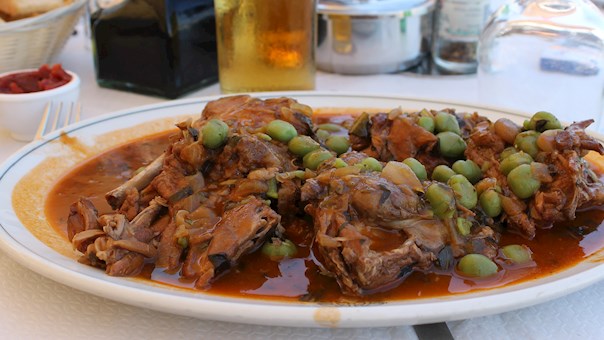
Rabo de toro is a traditional dish originating from the region of Andalusia, although it's eaten throughout the country. Each restaurant and region has their own recipe, but it's usually made with a combination of oxtail, olive oil, onions, garlic, carrots, celery, paprika, tomatoes, red wine, dry sherry, bay leaves, and parsley. Once cooked, this slow-braised stew is typically served with fried potatoes on the side. It is believed that rabo de toro dates back to Roman times, when the bull would be killed at a bullfight, and its tail would be braised and enjoyed in celebration. Nowadays, the dish is especially popular during the colder months of the year.

04

Tochitură Moldovenească

4.3 ·

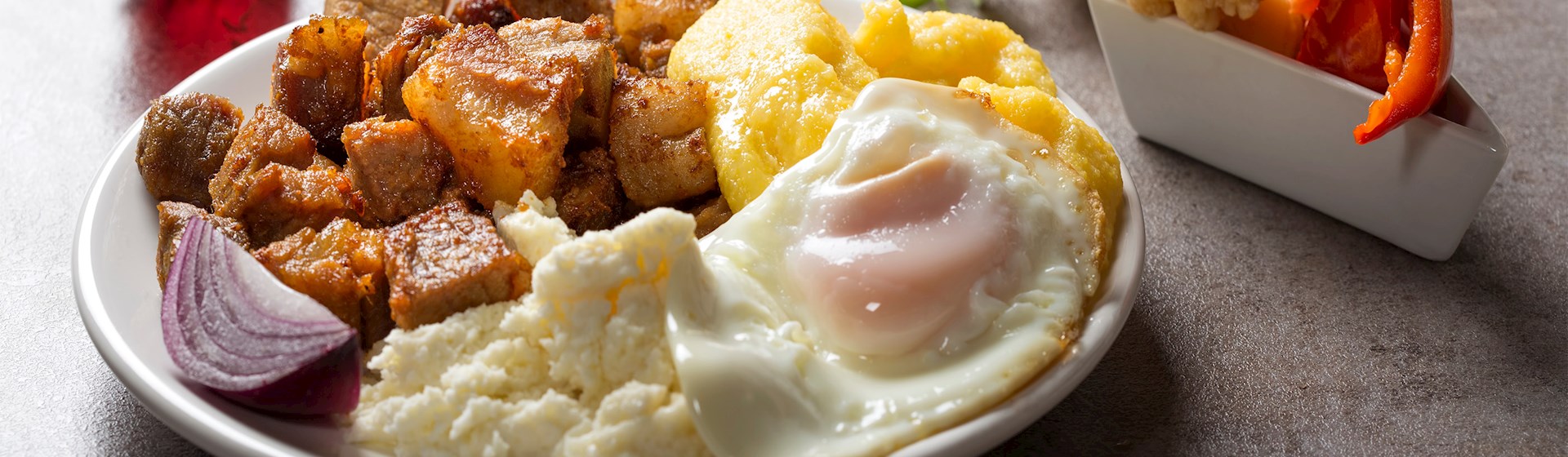
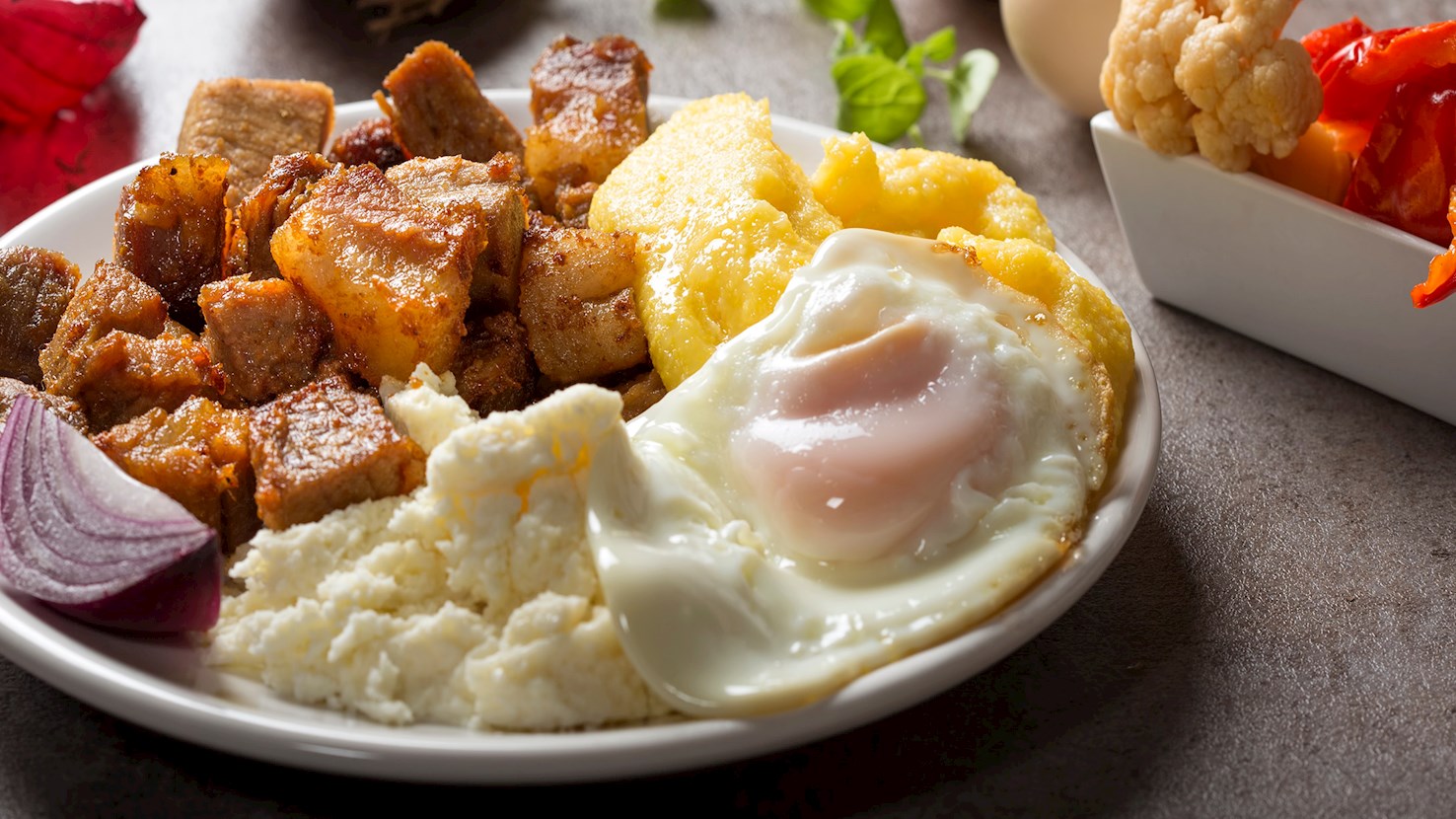
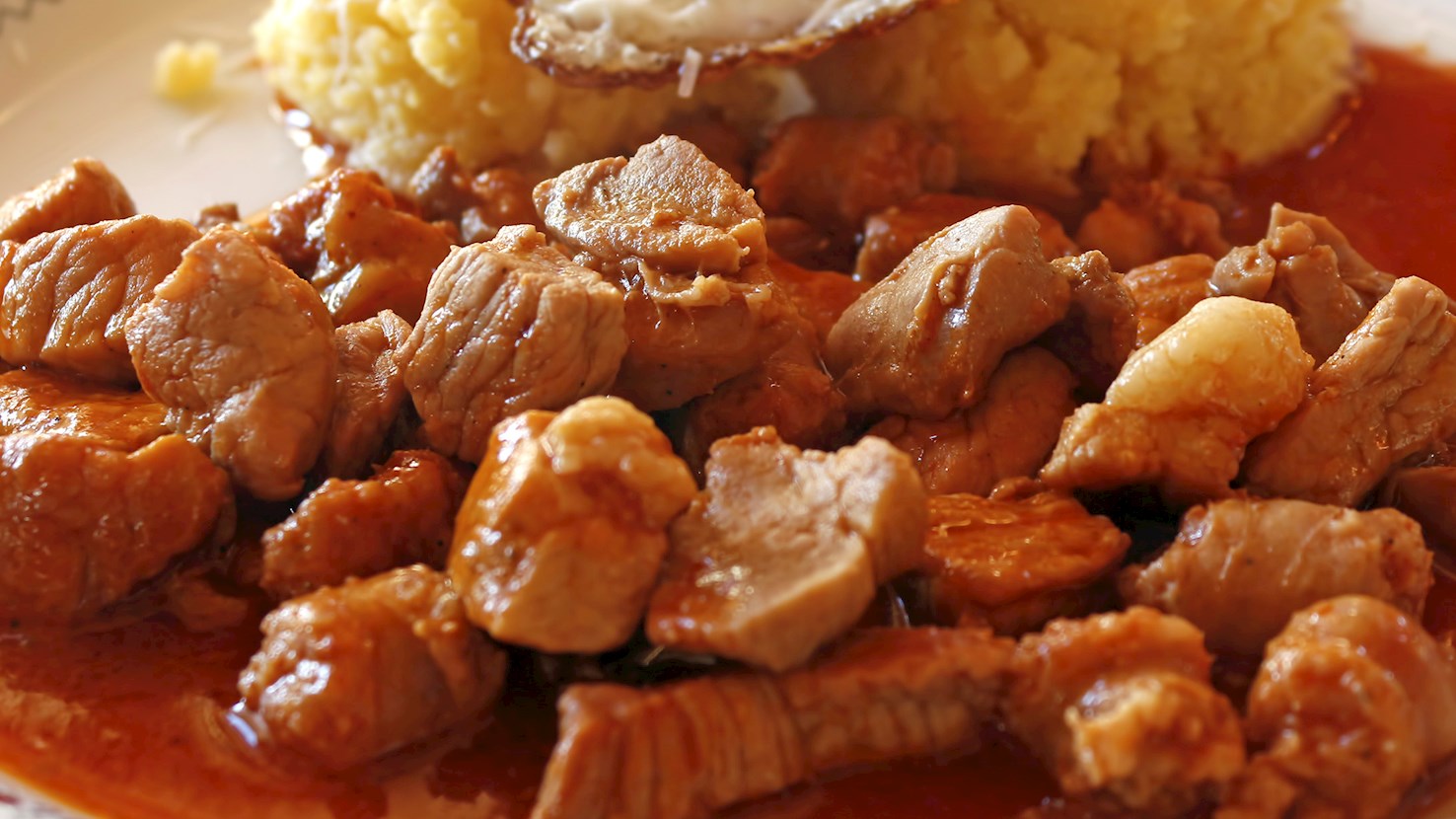
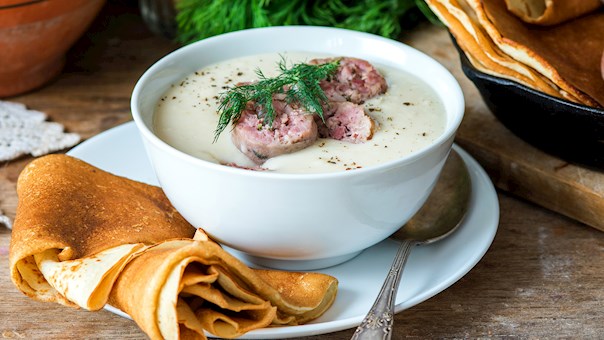
Tochitură Moldovenească is a traditional and Moldovan stew that has its origin in the historical region of Moldavia—an area which is now shared between Romania and the Republic of Moldova. The stew is made by simmering pork, sausages, and bacon together with onions, garlic, spices, white wine, and occasionally tomato sauce and pork offal. The dish is usually accompanied by creamy polenta, grated cheese, and fried eggs. Peppers and pickled vegetables are occasionally served on the side. There are numerous variations on the dish, so it is not uncommon to see tochitură cooked with sausages and mushroom sauce instead of meat chunks.

Best restaurants
05

Kokoras krasatos

4.3 ·

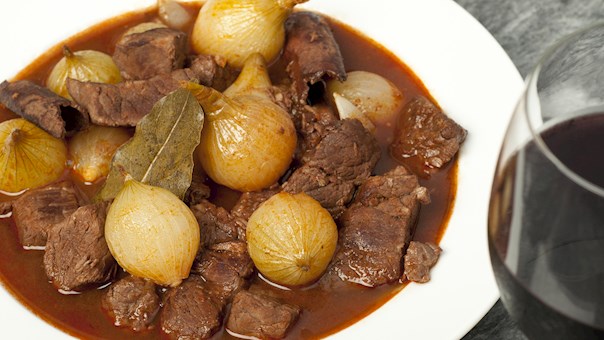
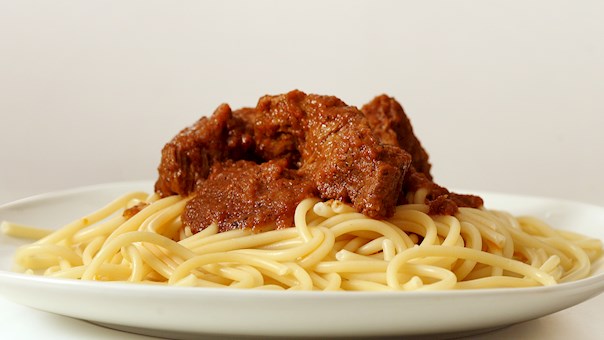
Kόkoras krasάtos is a Greek variation on the famous French coq au vin. This Greek dish is made with rooster, Greek red wine, onions, garlic, Greek olive oil, cinnamon stick, nutmeg, cloves, allspice, bay leaves, tomatoes, and Florina peppers or Florina pepper paste. The rooster is boiled in a delicious red wine sauce until the meat becomes extremely tender and aromatic. In the summer, the sauce is light, while in the winter it's usually much thicker. Traditionally, the dish is served with hollow, spaghetti-like pasta and grated Kefalotyri cheese. It's typically prepared for Sunday lunch or special occasions such as Christmas. It's recommended to pair kόkoras krasάtos with a glass of the same wine in which the rooster was cooked.

Best restaurants
06

Wiener Saftgulasch

4.3 ·

Regarded as the Austrian answer to Hungarian-style goulash, Wiener saftgulasch is a hearty stew that consists of diced lean beef drenched in a thick, flavorful gravy. Although it has evolved from the Hungarian version of the dish, Austrian beef goulash is believed to be a gourmet delicacy of its own kind. It is usually prepared with beef (traditionally lean beef shank), onions, tomato paste, and lard, while the combination is typically flavored with vinegar, Hungarian paprika, bay leaves, marjoram, caraway, lemon zest, juniper berries, sugar, salt, and black pepper. What makes this variety of goulash stand out from the rest is the thick and smooth consistency of the sauce that is achieved through the cooking process, without the addition of any thickeners such as roux, sour cream, or flour, as well as the stew's rich, savory, and spicy flavor. It is recommended to prepare this Austrian specialty at least a day ahead of consumption since the flavor is said to improve significantly with time. Traditionally, Wiener saftgulasch is enjoyed with accompaniments such as nockerl (a type of dumplings), spätzle (noodles), potatoes, or kaiser rolls (crusty round bread rolls). The beef stew's popularity has given rise to numerous variations throughout the country, including the one that is known as fiakergulasch (coachman's goulash).

Best restaurants
07

Chashushuli

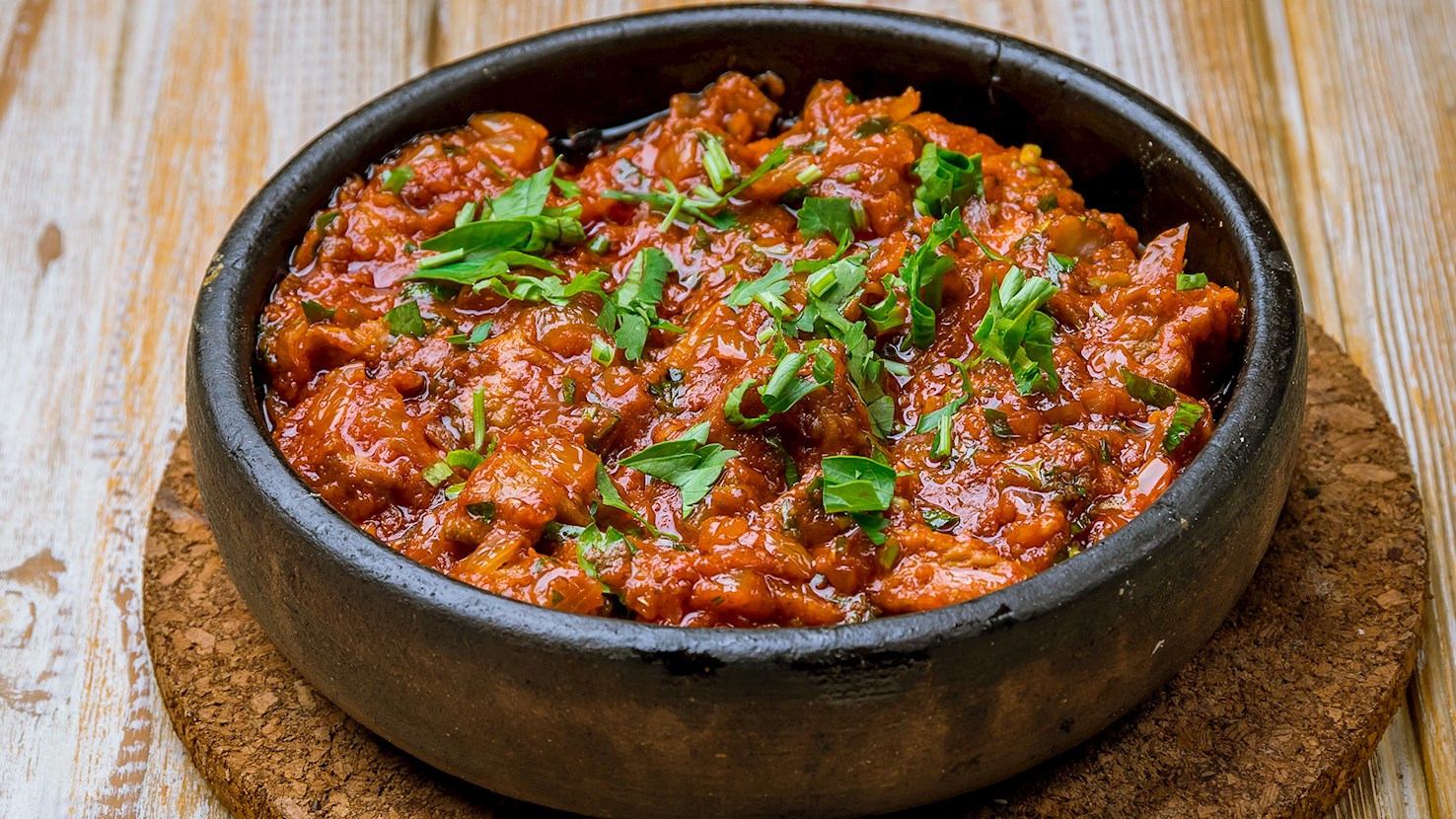
4.3 ·

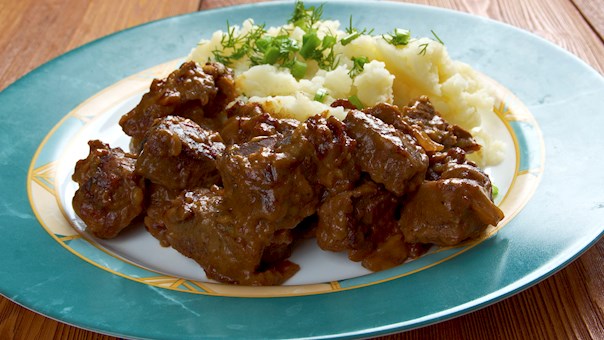
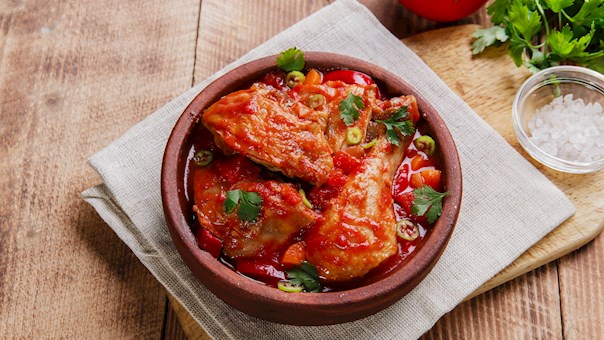
Similar to a goulash, chashushuli is a hearty beef and tomato stew hailing from Georgia. The stew is typically made with a combination of beef (sometimes veal or pork), tomatoes, onions, water or meat broth, garlic, and a generous amount of spices and herbs such as basil, chili pepper, parsley, fenugreek, summer savory, and bay leaves, yielding a highly aromatic and flavor-packed dish. Chashushuli is considered a version of another traditional Georgian beef stew called ostri, which uses almost all of the same ingredients as chashushuli, but it also contains coriander seeds and involves a different method of preparation. When preparing chashushuli, the meat needs to be fried before it is mixed with the rest of the ingredients and stewed, whereas the preparation of ostri requires no pre-cooking of the meat and everything is cooked in one pot from the beginning. Spicy and filling, the stew is typically served hot with Georgian bread such as shoti and a glass of fine Saperavi wine.

08

Pörkölt

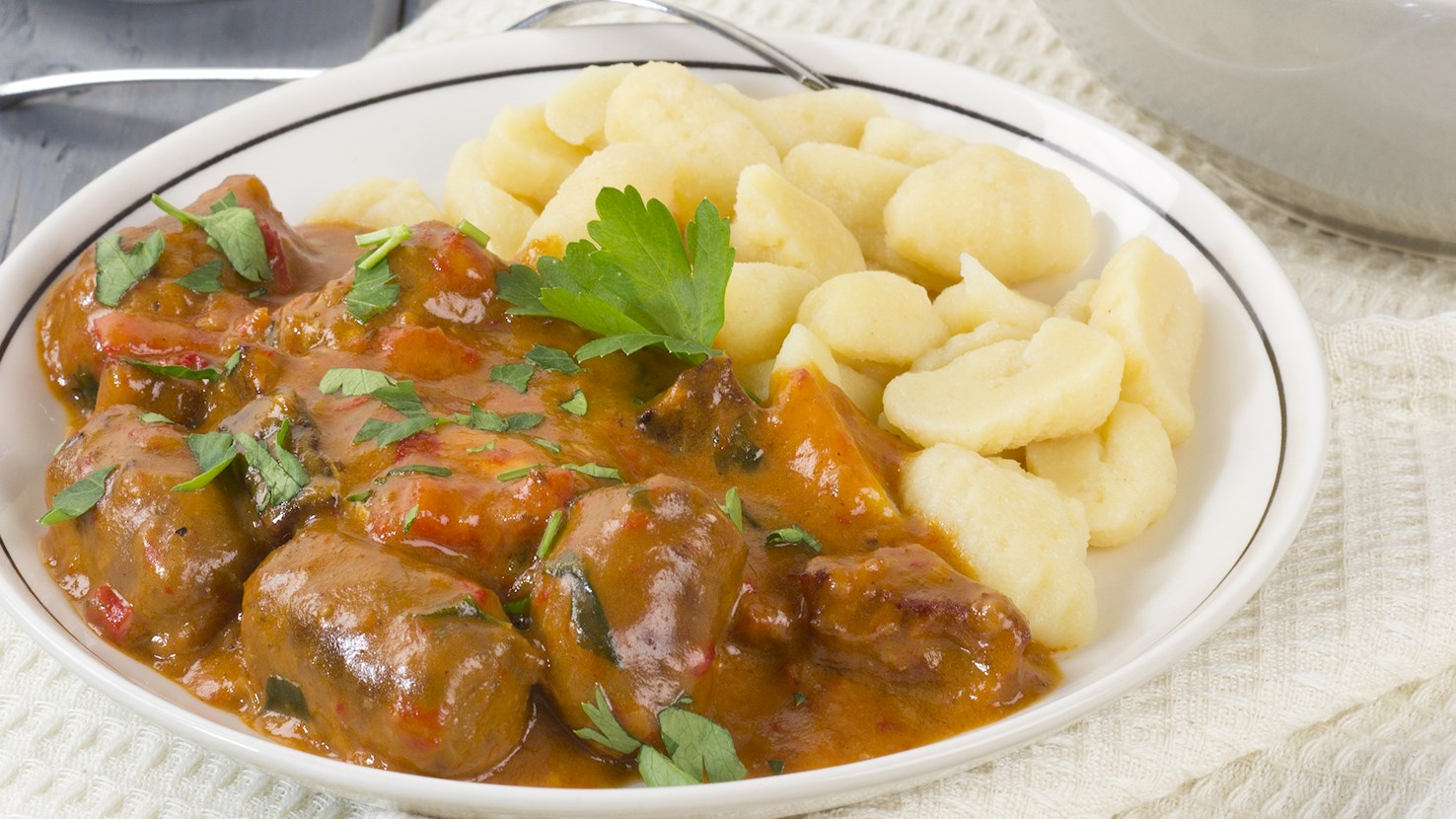
4.2 ·

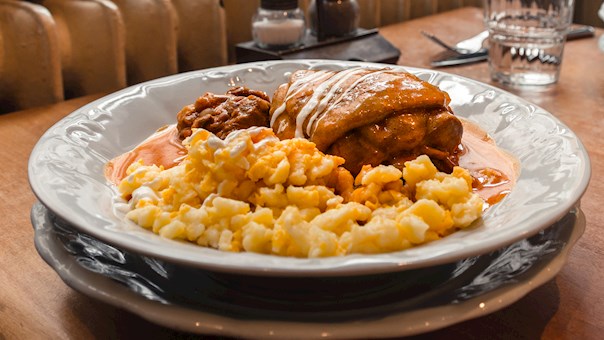
Pörkölt is Hungary's national stew, its name derived from the word pörkölni, meaning to roast or singe. The stew is made from meat such as beef, lamb, pork, or chicken, simmered in a red sauce with lots of onions, garlic, and paprika powder. It is traditionally served with dumplings, boiled potatoes, or pasta, and it is recommended to pair it with a Hungarian fruit brandy. Pörkölt's history is closely linked to the traditional Hungarian goulash, as both dishes were originally prepared as peasant meals that made hefty use of powdered paprika. Today, there are many varieties of pörkölt, with the names accordingly matching the key ingredient used in the dish, such as pacalpörkölt (tripe), marhapölkört (beef), and borjupörkölt (veal). In the Czech Republic, pörkölt is traditionally made with pork, dark bread, caraway seeds, and dark beer.

09

Dalmatinska pašticada

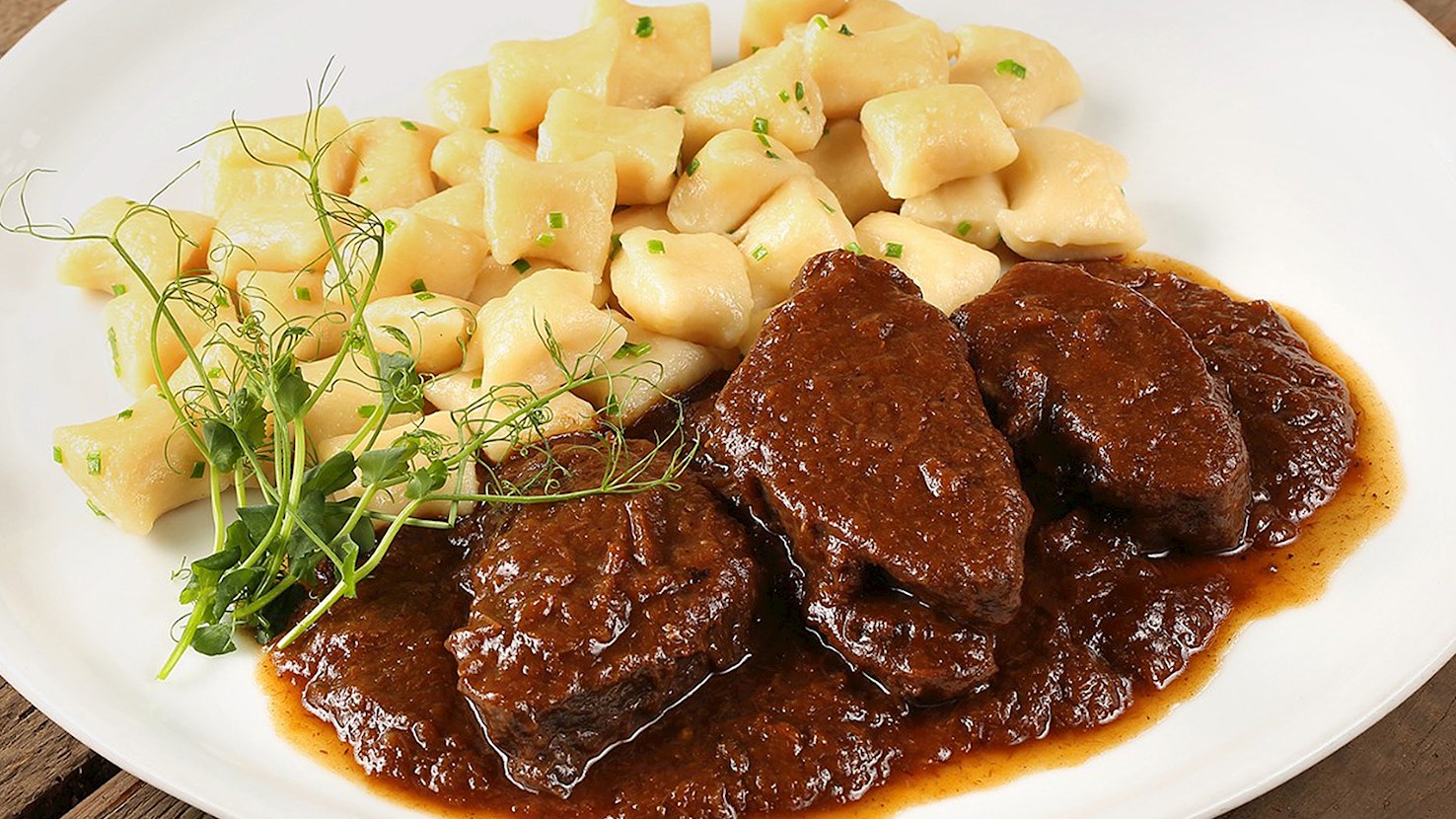
4.2 ·

Dalmatinska pašticada is a traditional Dalmatian dish consisting of beef (the traditional cut used being frikando, the toughest part of beef round) that is marinated in vinegar and spices for up to a couple of days, after which it’s stewed in red wine or prošek with bacon, tomatoes, a few dried prunes or figs, and root vegetables. Once cooked, the sauce is puréed and additionally seasoned with a selection of various spices. Traditionally, the dish is served at weddings with a side of gnocchi or homemade pasta. It is recommended to serve pašticada with some grated cheese on top. Experts believe that the dish had traveled a long way from ancient Greece and Rome to the Republic of Venice and the tables of noblemen until it was finally brought over to Dalmatia, where it became an ingrained part of local cuisine.

10

Tochitură

4.2 ·

Tochitură is a traditional stew made with various types of meat such as pork, beef or poultry, while the variations may also include sausages, offal, and fresh or smoked bacon. Most varieties include the addition of onions, garlic, and wine, but the choice of spices and the use of tomato sauce usually depends on the region. The stew should be enjoyed hot, traditionally over Romanian polenta, with a fried sunny-side-up egg and some grated cheese on top. Usually consumed as a main dish, it is often garnished with freshly chopped parsley and accompanied by pickled vegetables. The most popular variety is tochitură Moldovenească - made with pork and sausages.

Best restaurants
13

Stifado

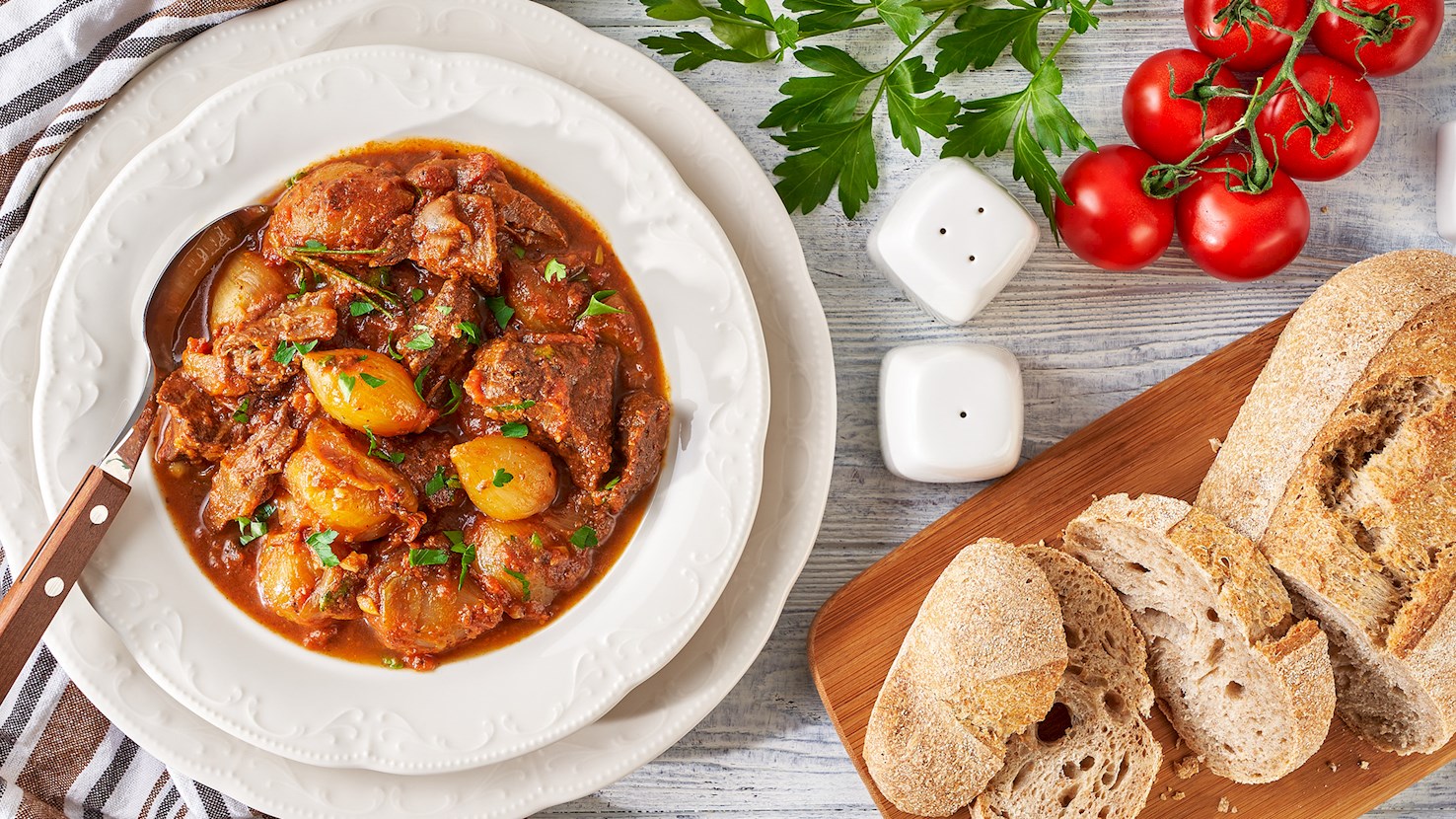
4.2 ·
15

Machanka

4.2 ·
18

Kokkinisto

4.2 ·
19

Chakhokhbili

4.1 ·
20

Chanakhi

4.1 ·
Read more
View all
View map
About this ranking

TasteAtlas food rankings are based on the ratings of the TasteAtlas audience, with a series of mechanisms that recognize real users and that ignore bot, nationalist or local patriotic ratings, and give additional value to the ratings of users that the system recognizes as knowledgeable. For the “Top 100 European Stews” list until May 15, 2026, 14,760 ratings were recorded, of which 9,376 were recognized by the system as legitimate. TasteAtlas Rankings should not be seen as the final global conclusion about food. Their purpose is to promote excellent local foods, instill pride in traditional dishes, and arouse curiosity about dishes you haven’t tried.

Similar lists