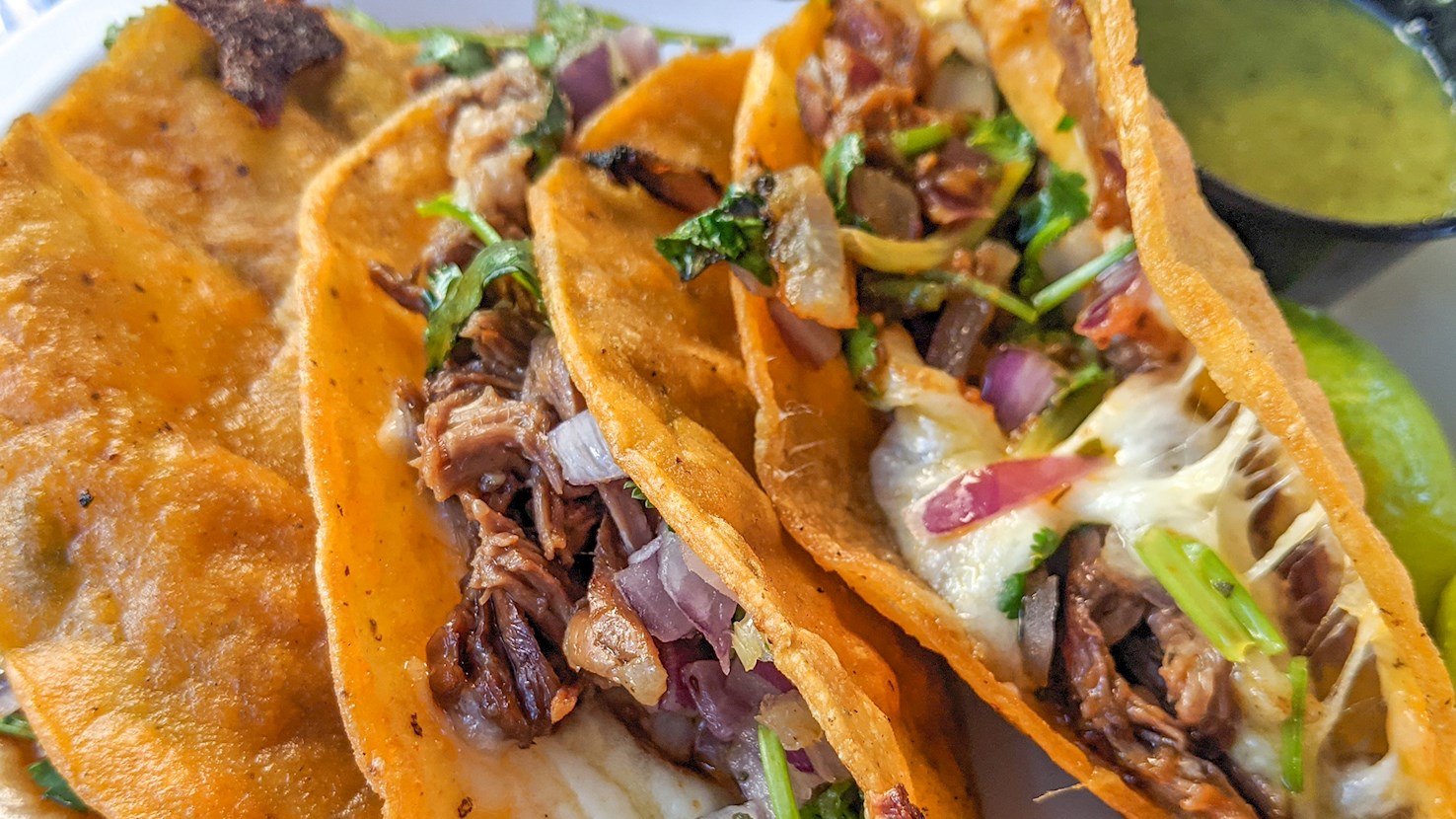
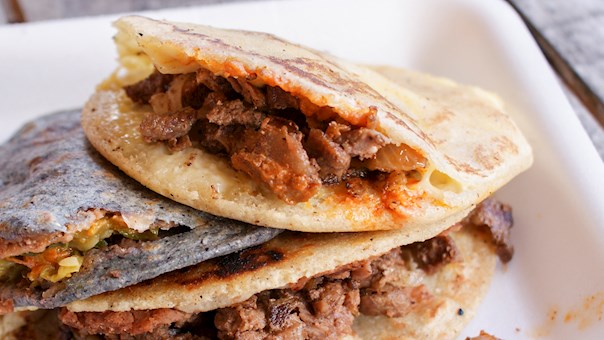
Quesabirria is a popular Mexican street food dish, a fusion between birria (a traditional Mexican meat stew) and quesadillas. The dish originates from Tijuana and typically consists of large tortillas filled with birria-style cooked meat (usually beef) and a generous amount of melted cheese. The tortillas are cooked on the stove until the cheese melts and the outside of the tortilla becomes crispy. Quesabirria is often accompanied by a side of broth, or consomé, for dipping, adding another layer of flavor to the dish.
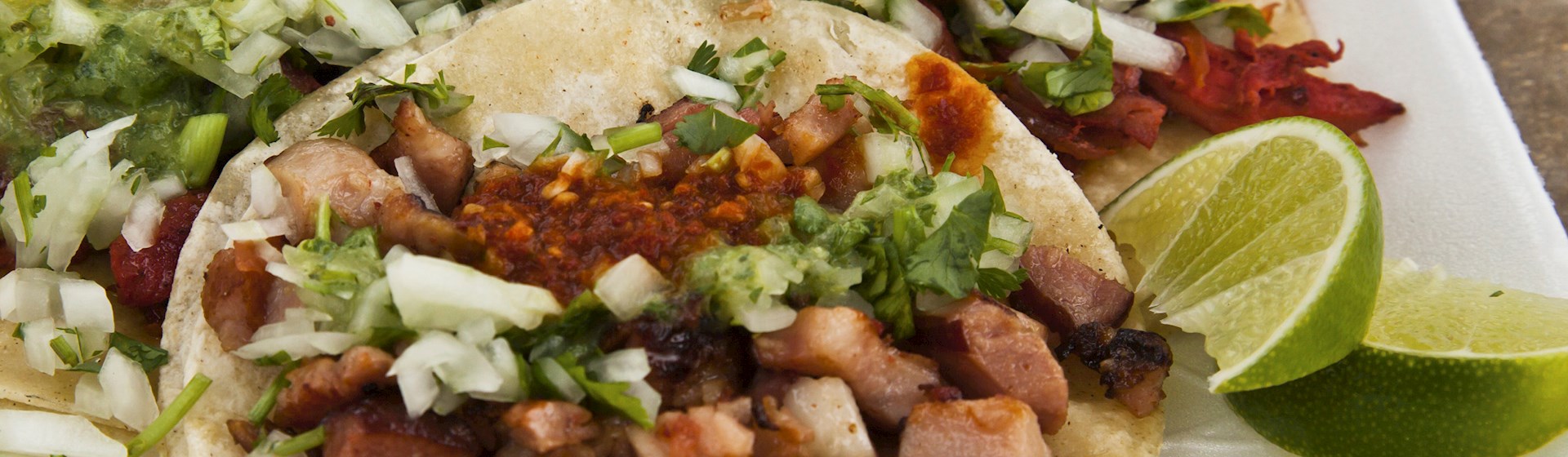
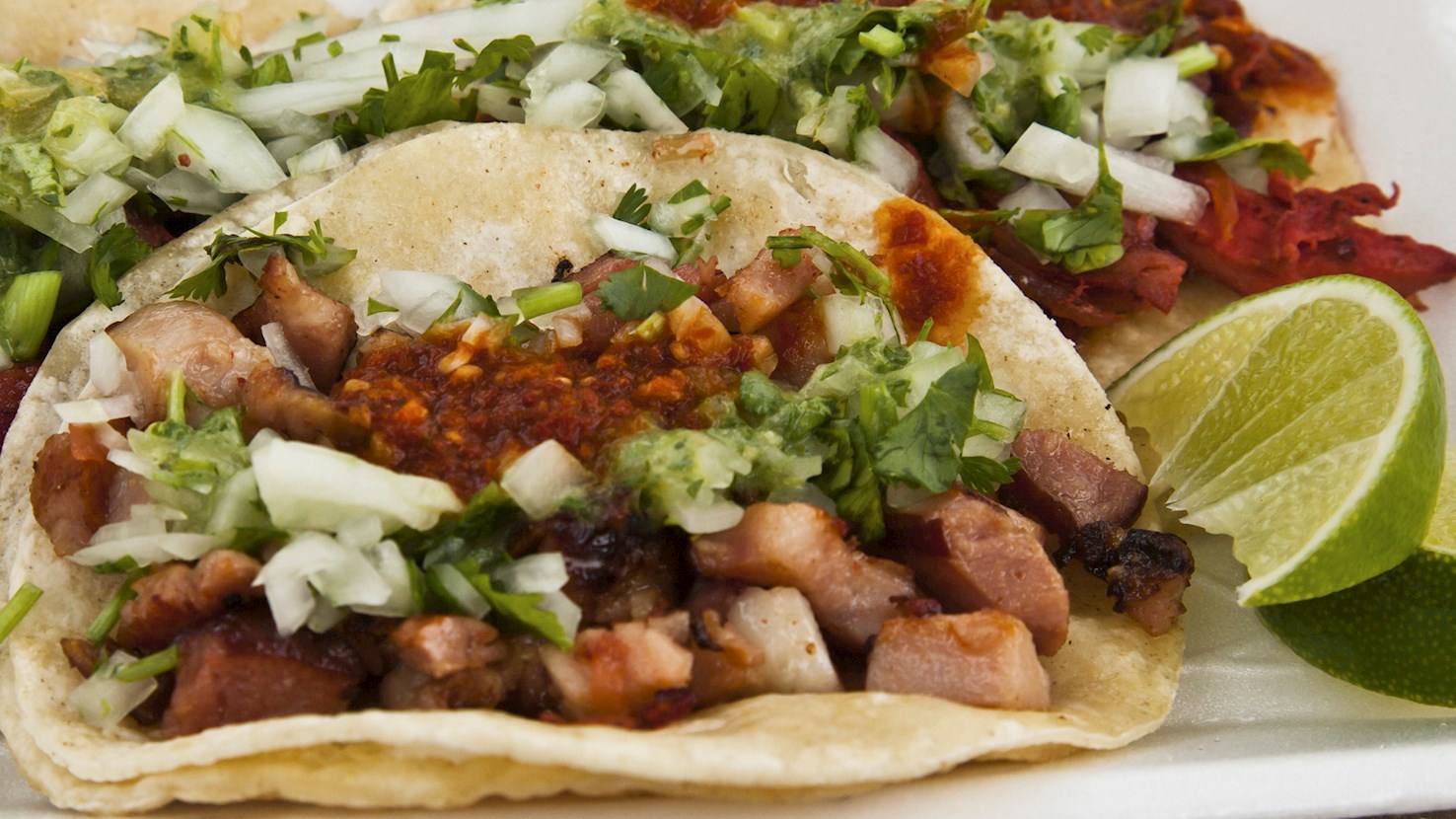
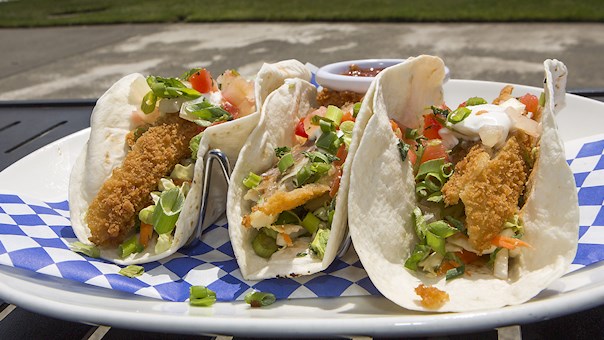
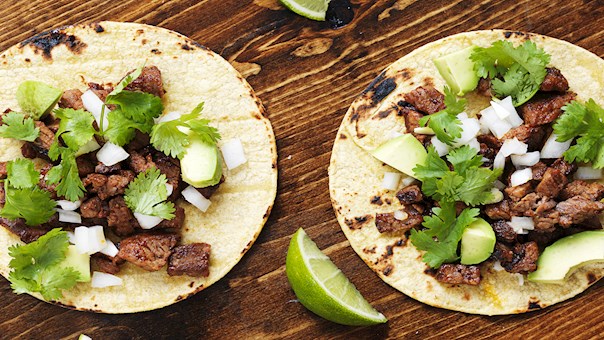
Tacos are the national dish of Mexico, dating back to the Mexican silver mines of the 18th century, when the word taco referred to gunpowder that was wrapped in a piece of paper and inserted into rocks. It was used to excavate the precious ore from mines and was called tacos de minero or miner's tacos. Today, the word is widely known to signify the leading street food and fast food item in Mexico – thin, flat griddle-baked tortillas topped with numerous fillings, folded and eaten without any utensils. A taco is basically anything eaten on a soft tortilla, and there is an infinite variety of them. In Sonora, in the north of Mexico, they eat the classic carne asada - thinly sliced meat grilled over coals and topped with salsa, onions, guacamole, and a lime wedge. In Baja, the topping consists of fried fish with cabbage and an acidic mayonnaise sauce. In Mexico City, sudados (sweated tacos) are the most popular option, filled with cooked and steamed meat. In Jalisco and Michoacan, they prepare carnitas, eaten in the morning or in the early afternoon, filled with deep fried pieces of pork that are sliced according to preference. Similar is the taco de cabeza, filled with pieces of cow's head that was steamed for a long time, and the customers can choose from slices of eyes, brains, tongue, lips, cheek, or ears. Tacos are mainly made of corn, except in the north, where wheat flour is used more often. They also differ in size, from the tiniest white tacos (blancas) to bigger ones, often made with blue corn. Most tacos come in pairs of two, in order to be able to hold all the flavorful and slightly wet ingredients. Some of them are fried until they become crispy and crunchy, in which case they're called tostadas. As anything can be a filling, there is a version made with fried veins from dried chiles, usually accompanied by salt, a tasty treat called tacos de venas. However, the standard is ground or shredded meat, cheese, potatoes, or vegetables and a topping of onions and coriander. Eaten at all times of day and night, one can find them on every corner in Mexico, in restaurants known as taquerias. Alternatively, they can be bought from numerous street vendors.
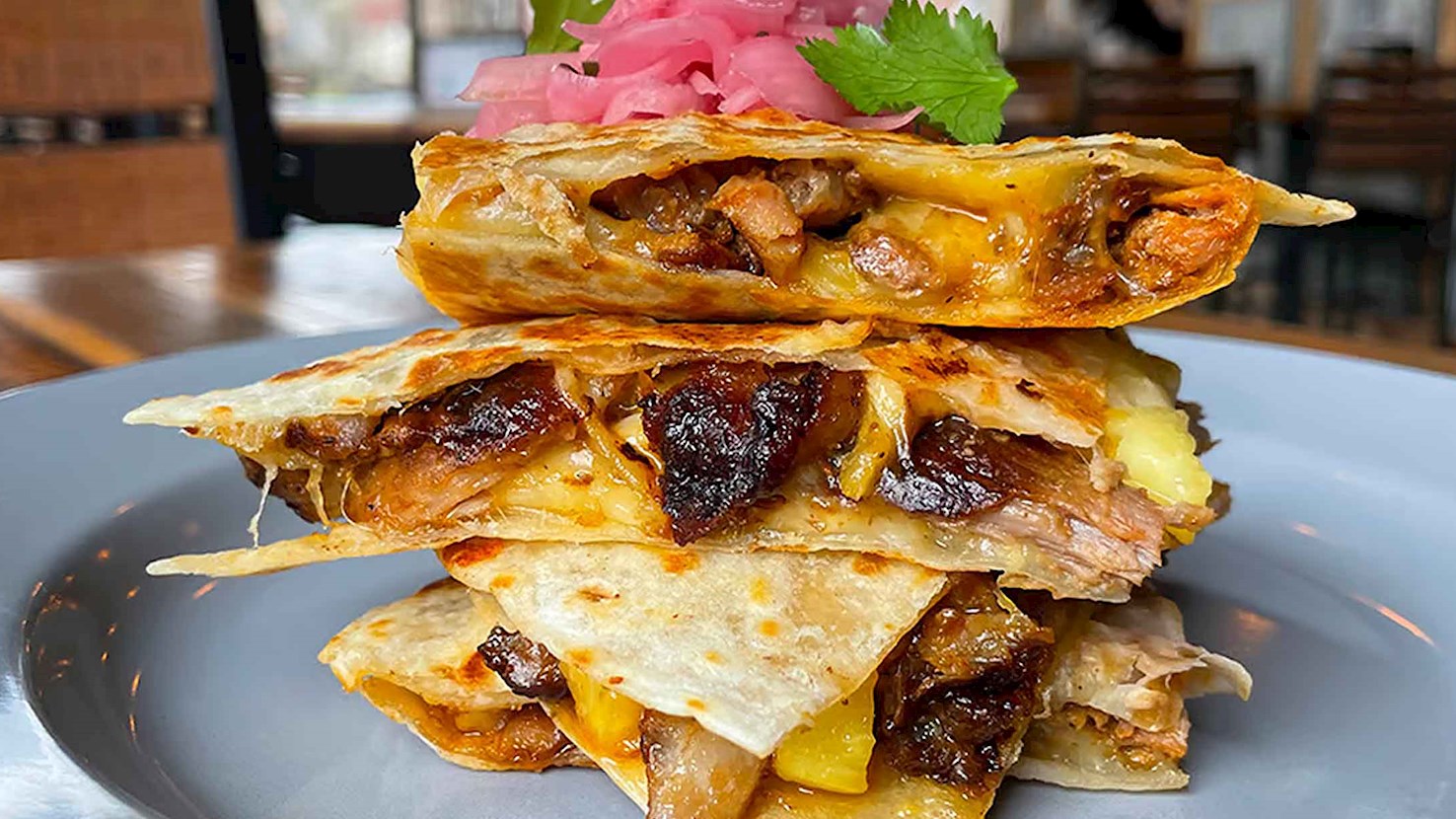
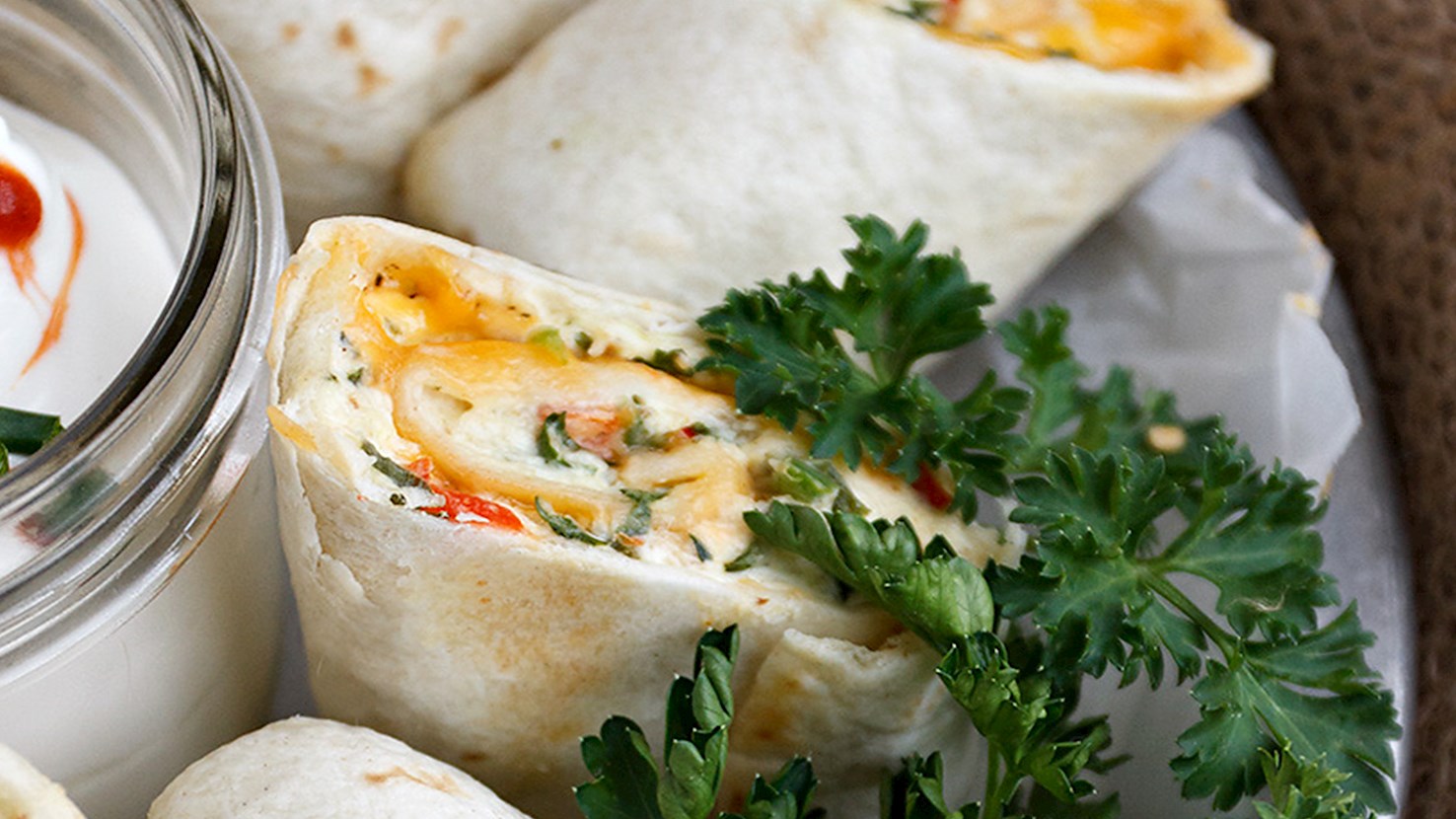
Gringas is a typical Mexican dish made with flour tortillas filled with al pastor marinated pork meat, cheese, and, most commonly, pineapple slices, although onions, chili sauce, and coriander can all be added to the dish according to the customer's preference. The combination of these ingredients is then grilled in the same manner as a quesadilla. The tortillas are usually folded in half and consumed like a taco. The name of the dish, a feminine form of gringo, is believed to have come from the idea that flour tortillas are more popular than corn tortillas north of the Mexican border.
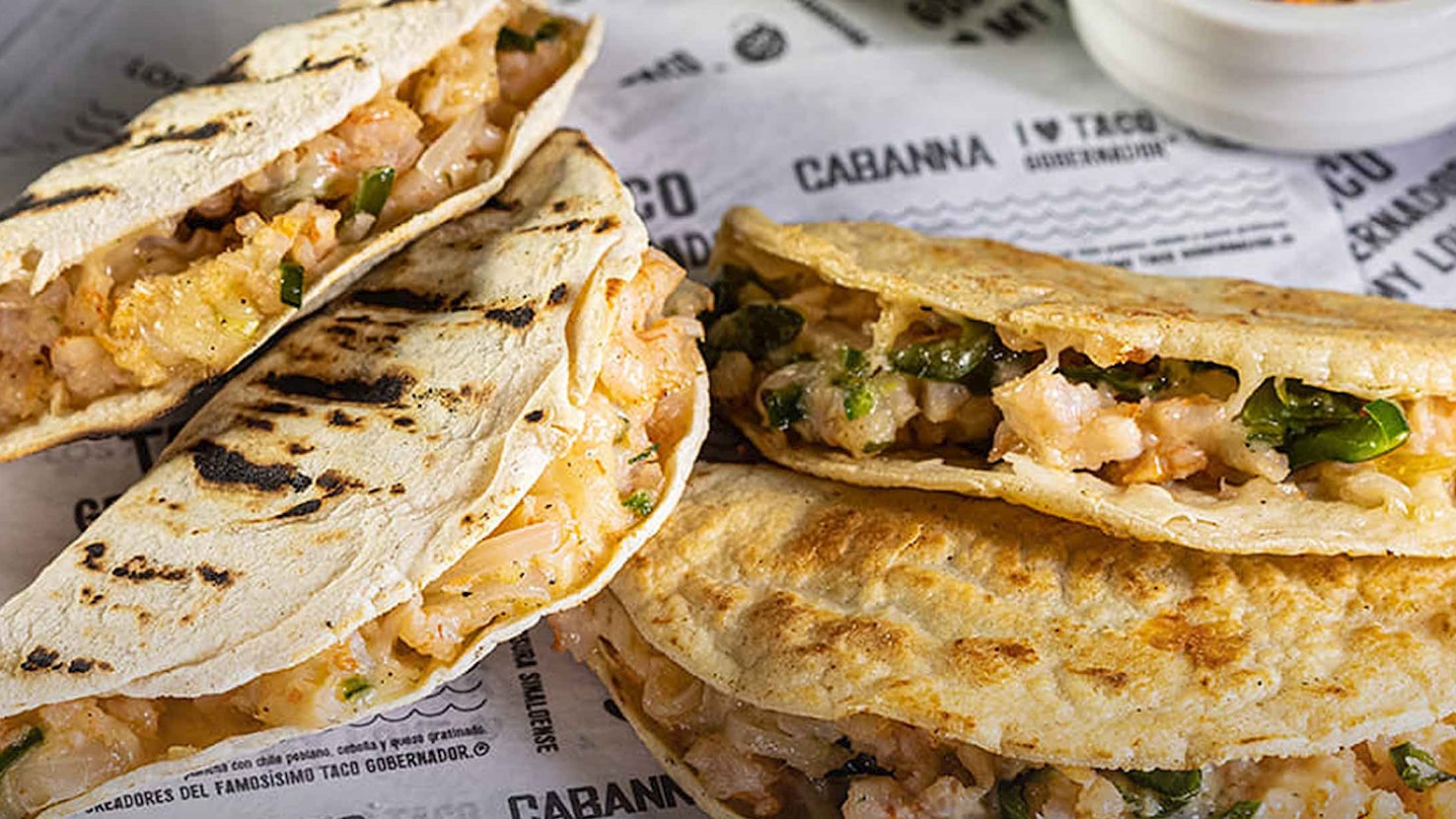
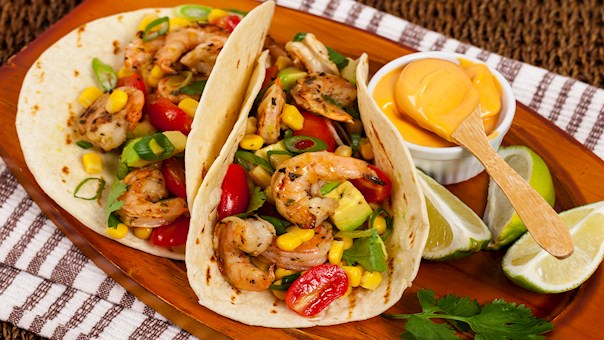
Tacos gobernador (lit. governor's tacos) are Mexican tacos named after a Sinaloan governor. In order to prepare the dish, warm tortillas are filled with a combination of shrimps, grated cheese, coriander, onions, and tomatoes. The tortillas are then folded in half, brushed with butter, and cooked on a griddle over medium heat. When served, tacos gobernador are often accompanied by lime wedges and hot chili sauce. Apart from Sinaloa, these tacos are also quite popular in Baja California.
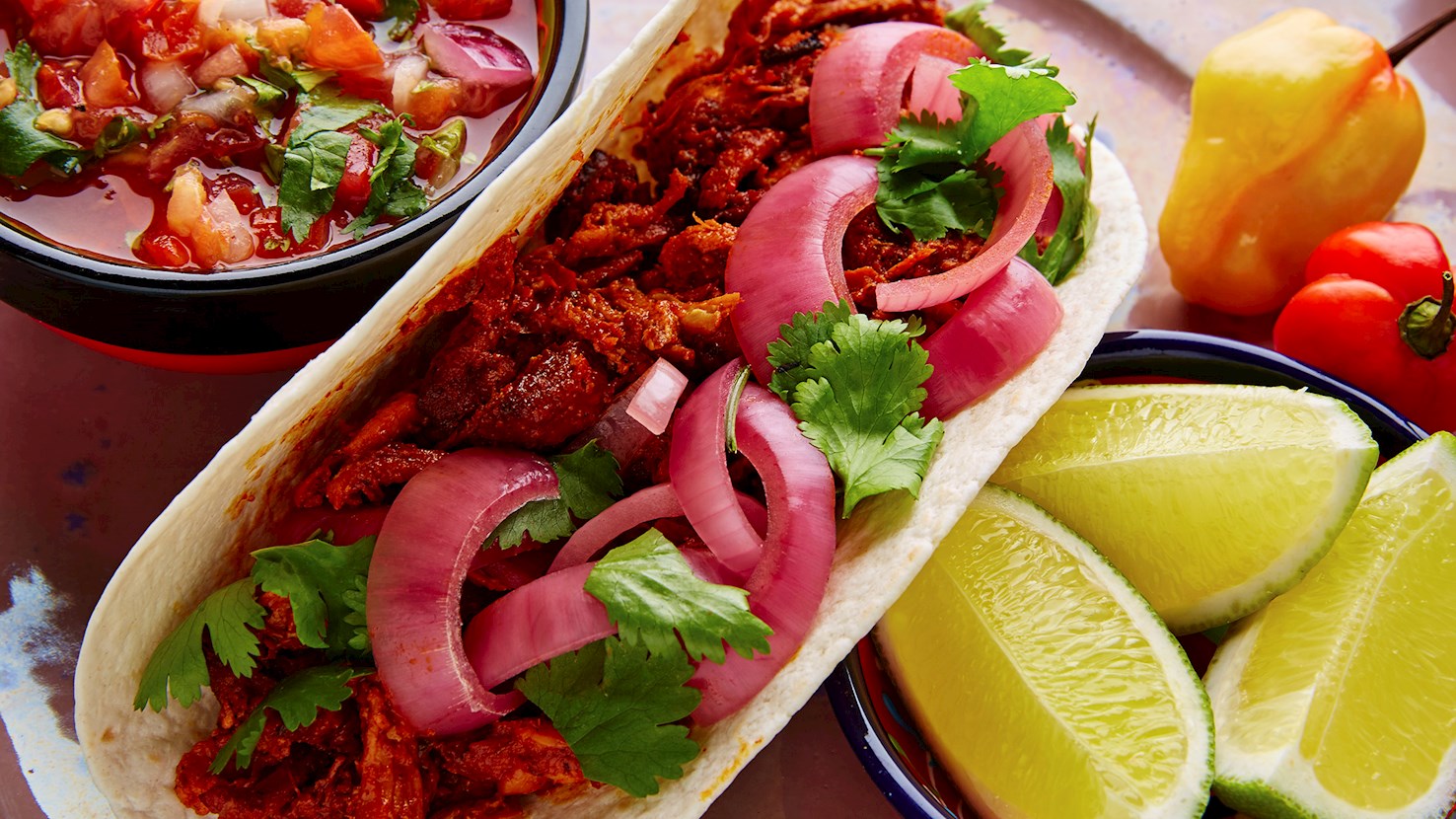
Cochinita pibil is a Mexican pork dish originating from Yucatan. Pork is marinated in a combination of annatto paste, bitter orange juice, and garlic. It is slowly baked and then shredded and served on tortillas, tacos, or on its own with shallots, pickled onions, salsa, and various roasted vegetables. Cochinita pibil is characterized by the red color of the meat, imparted by the annatto seeds from the marinade. Originally, pork was wrapped in banana leaves prior to baking, but today a foil or any other suitable wrapping can be used instead. Since cochinita means baby pig, and pibil means buried or underground, it acts as a proof that the original recipe used a whole suckling pig that was buried in a pit for roasting. This Mayan-influenced dish is most often served on weekends in many Mexican homes, usually as a Sunday family ritual.
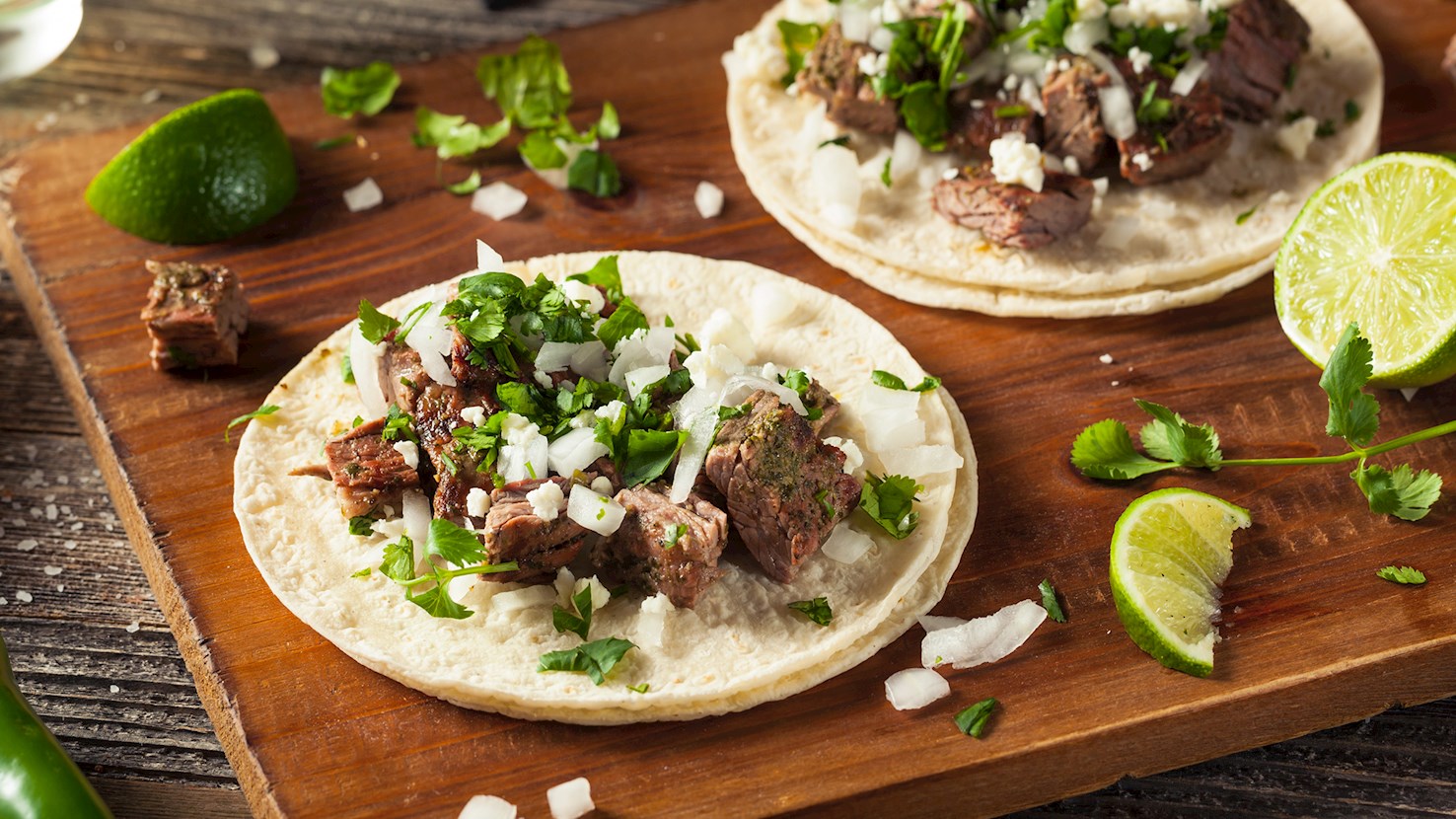
Carne asada tacos are the first tacos in history. It is believed that the first tacos appeared in the 1500s, made with thin slices of meat cooked over hot coals. The meat was placed in a corn tortilla and topped with guacamole, onions, chili peppers, and lime – also known as the carne asada taco. Over time, people started to make other versions in different regions, and nowadays we are witnessing a true taco-mania, and it all began with the simple carne asada tacos.
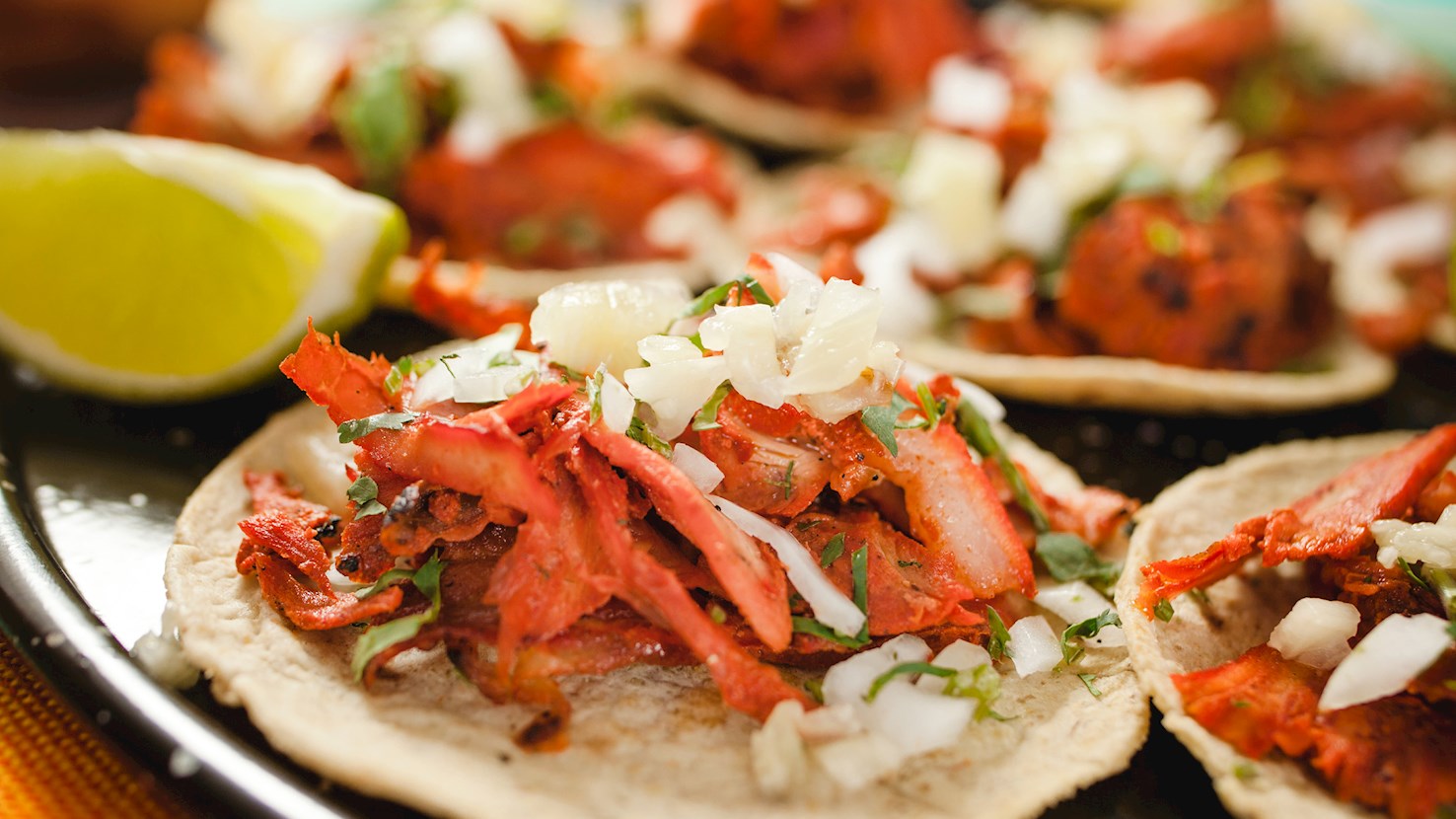
Tacos al pastor are thinly sliced pork marinated in a complex blend of dried chilies, spices, and achiote, stacked onto a vertical spit, and served on small corn tortillas with pineapple, onions, and cilantro. The origins of this vibrant street food trace back to the 1920s and 1930s when Lebanese immigrants arrived in Puebla, bringing with them the method of roasting lamb on a vertical, spinning spit known as a shawarma. Over the decades, local palates adapted this Middle Eastern technique, substituting the original lamb with thinly sliced pork shoulder and replacing Mediterranean spices with indigenous ingredients. Handling the meat involves a meticulous multi-day process. The pork is bathed in a thick, vibrant red adobo. This marinade relies heavily on rehydrated guajillo and ancho chilies, acidic vinegar, earthy cumin, fragrant oregano, and a dense paste made from crushed annatto seeds called achiote, which imparts the signature crimson hue. The marinated pork slices are tightly layered onto a long metal rod, forming a large, bell-shaped mound called a trompo. An onion and a peeled pineapple are typically placed at the very top of the spit. As the metal rod slowly rotates next to a vertical gas-powered heat source, the outer layer of the pork develops a charred, crispy crust while the interior remains succulent, constantly basted by the dripping juices of the roasting fruit above. While pork remains the standard base, multiple variations exist to accommodate different tastes. Chicken al pastor has emerged as a lighter alternative, utilizing the exact same red adobo but applied to stacked poultry. Plant-based iterations frequently utilize sliced king oyster mushrooms or textured soy protein bathed in the chile paste and griddled rather than spit-roasted. Another highly popular adaptation is the gringa, which takes the carved al pastor meat and places it inside a flour tortilla with melted cheese, then heats the entire package on a flat-top grill until the cheese bubbles. The serving style is fast-paced and visually theatrical. An individual wielding a long, sharp knife shaves the deeply caramelized exterior of the spinning meat directly into a pair of small, warm corn tortillas held in the opposite hand. A flick of the wrist slices a thin wedge of roasted pineapple from the top of the spit, letting it fall perfectly onto the waiting meat. The assembled meal is immediately dressed with finely diced white onions, chopped fresh cilantro, a generous squeeze of lime juice, and a spoonful of spicy salsa—most often a smoky chipotle or a bright, fiery salsa verde made from tomatillos.
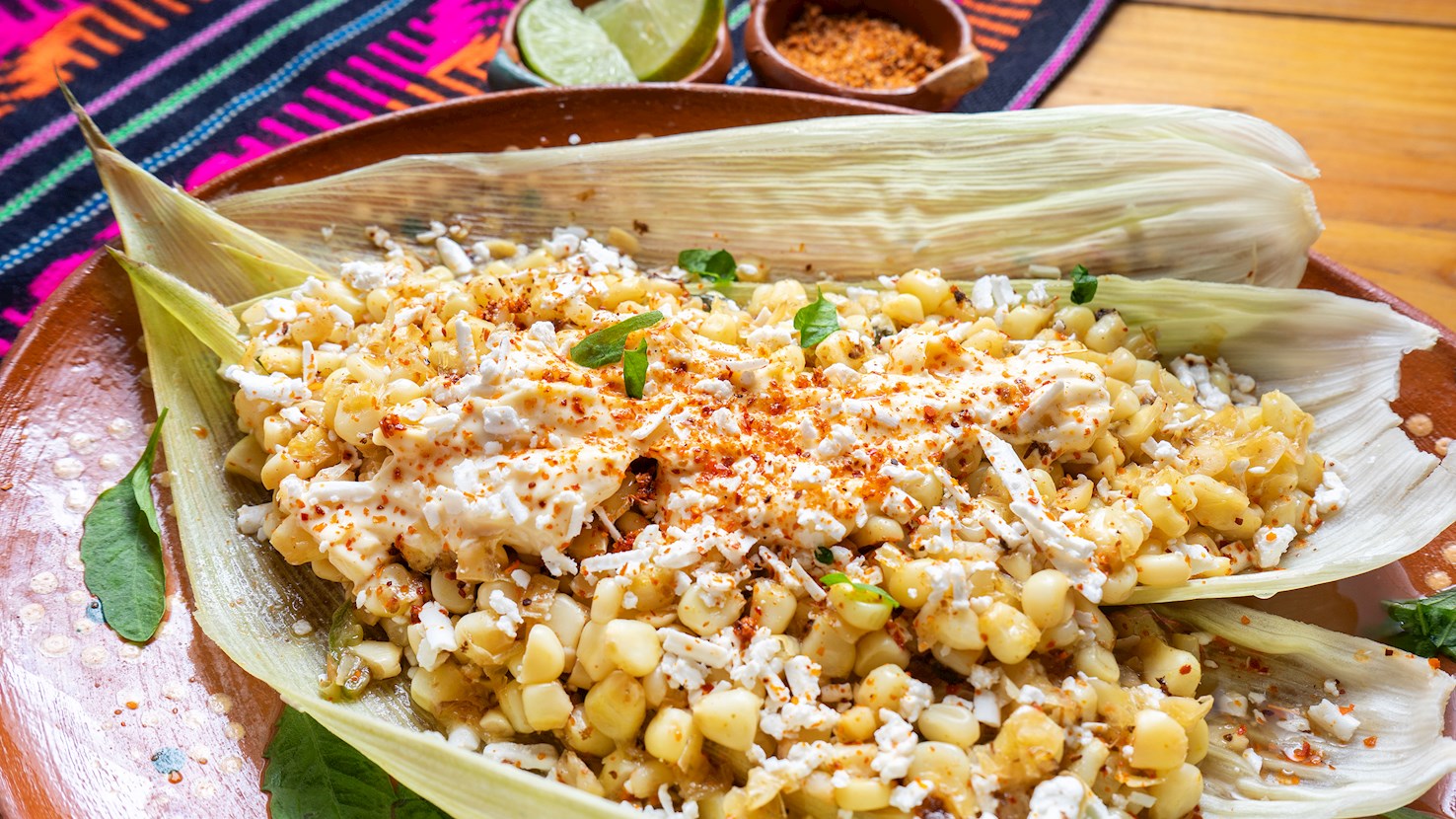
Esquites is the name for popular Mexican street food that is usually consumed as a snack on the go. It is made with mature corn kernels, epazote, and salt. Corn is either grilled and shaved, or cooked with epazote, and it is then typically served in small cups, topped with chili peppers, lime juice, or cotija cheese. Sour cream, mayonnaise, and pequin chili powder are sometimes served on the side so everyone can add the ingredients according to personal preferences. The name esquites is derived from the Nahuatl word izquitl, meaning toasted corn.
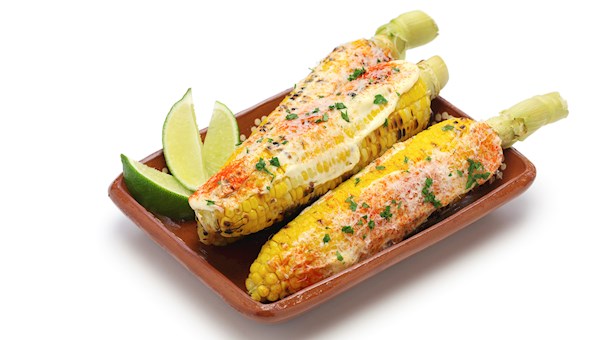
Antojitos (lit. little cravings) refers to a variety of Mexican foods that are prepared in market stalls and on the streets. Due to the fact that formal, substantial meals are consumed in the mid-afternoon, most antojitos are eaten either in the morning or the evening. Typical antojitos include fajitas, tortas, tamales, tacos, tostadas, tlayudas, elote, chalupas, gorditas, empalmes, quesadillas, cemitas, empanadas, pambazo, chilaquiles, and nachos. However, vegetables, fruits, and soups such as pozole and menuda are also classified as antojitos. And let's not forget about the popular Mexican beverages known as aguas frescas, which are traditionally found on the streets. The famous American author and chef Rick Bayless grouped antojitos according to the one element present in all antojitos – corn masa, and in the end, he was left with 8 types of antojitos: tamales, tostadas, tacos, sopes, gorditas, quesadillas, enchiladas, and chilaquiles. Regardless of the classifications, antojitos are one of the staples of Mexican food, and can be consumed as an appetizer, a snack, or as a full meal when eating more than a couple of these delicious "little cravings."
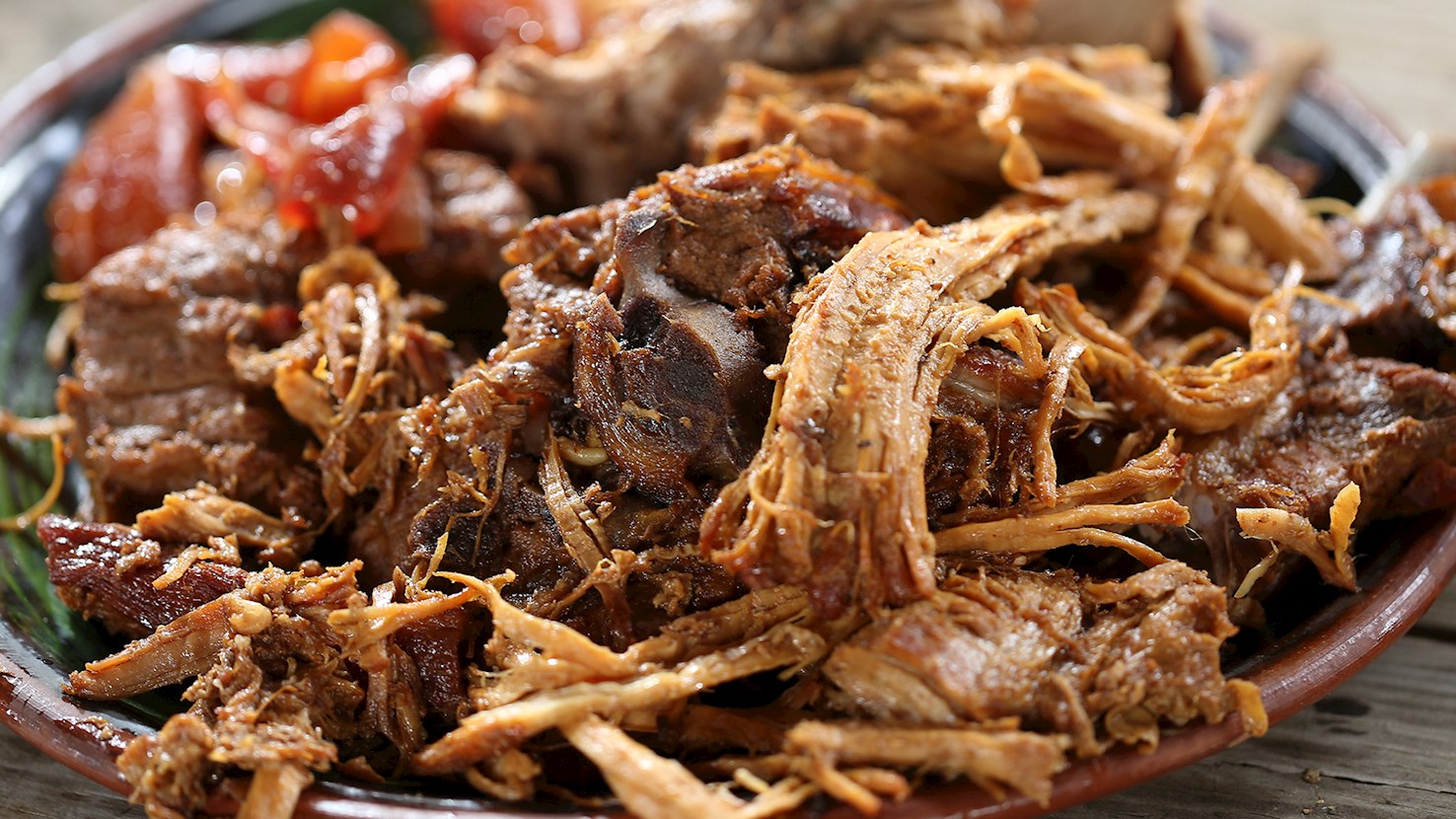
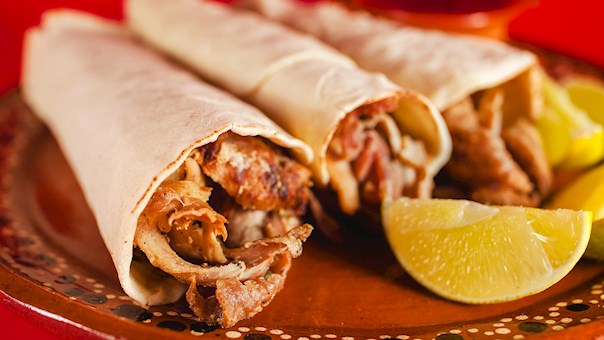
Originating from the Mexican state of Michoacán, carnitas is a flavorful dish made from pork (usually front sections or pork shoulder) that is braised, roasted, or slow-cooked in its own fat for a long time until fully tender and succulent. The heat is then turned up until the meat is crispy on the exterior and can be shredded. Carnitas, which translates to little meats, is often served with tortillas, accompanied by salsas, beans, guacamole, lime, or fresh vegetables. In Michoacán, carnitas are found everywhere from street stalls to upscale restaurants, although the dish is more often made for special occasions such as Christmas, anniversaries, or birthdays. Tender, fresh, and tasty, carnitas are a special treat for meat lovers worldwide.
TasteAtlas food rankings are based on the ratings of the TasteAtlas audience, with a series of mechanisms that recognize real users and that ignore bot,
nationalist or local patriotic ratings, and give additional value to the ratings of users that the system recognizes as knowledgeable.
For the “Top 100 North American Street Food” list until October 15, 2026, 26,025 ratings were recorded, of which 16,139 were recognized by the system as legitimate.
TasteAtlas Rankings should not be seen as the final global conclusion about food. Their purpose is to promote excellent local foods,
instill pride in traditional dishes, and arouse curiosity about dishes you haven’t tried.




What People Say