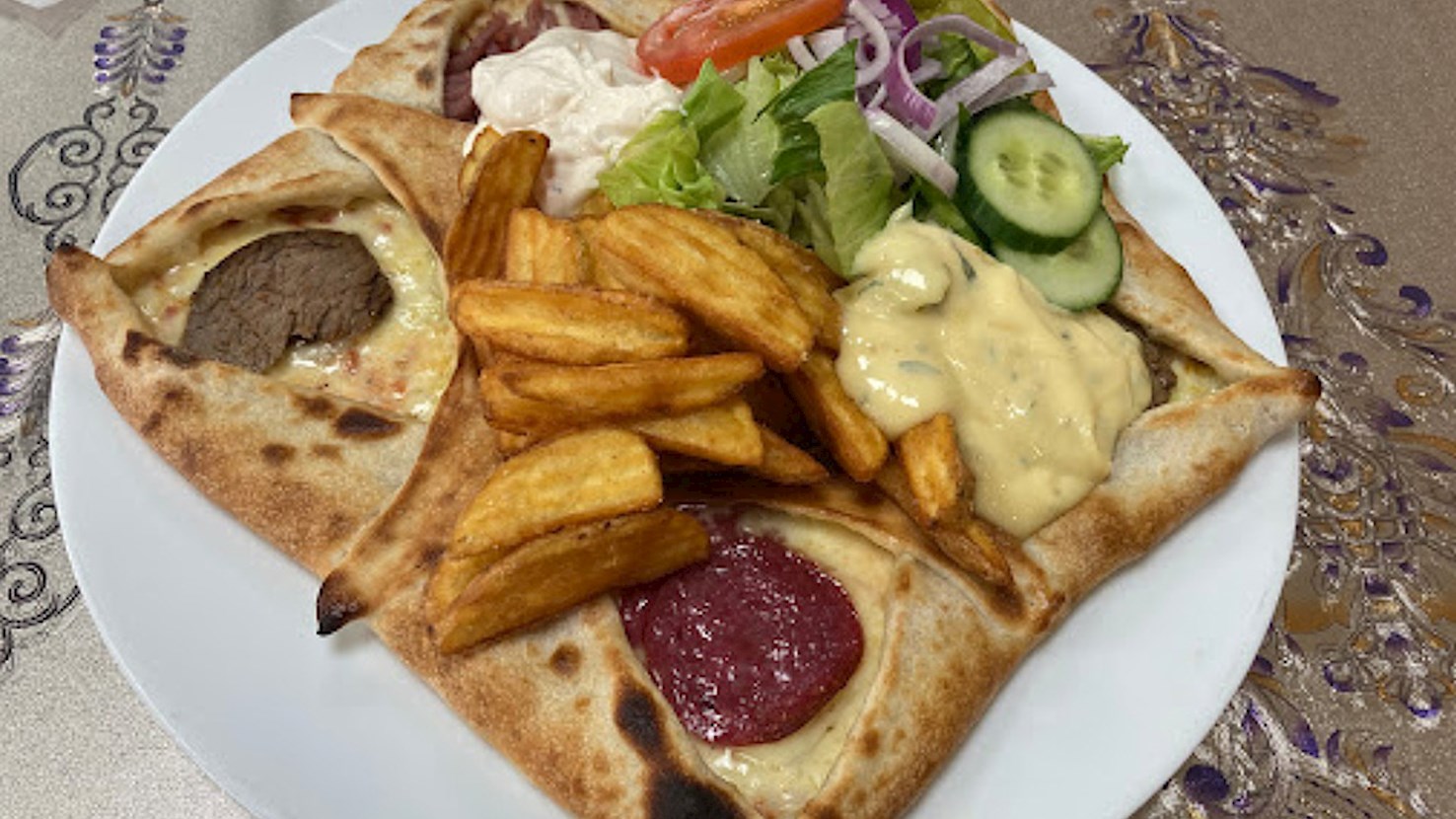
Invented by chef Halmat Givra of Nya Gul & Blå restaurant in Piteå, volcano pizza is a visually impressive dish with extra everything – there are pockets of cheese and ham, salami, bacon, and beef tenderloin in a wide ring. Erupting from the center are french fries and a salad with Béarnaise sauce. This recent Swedish invention is ideal for large parties – with a great number of flavors, there is something for everyone involved.
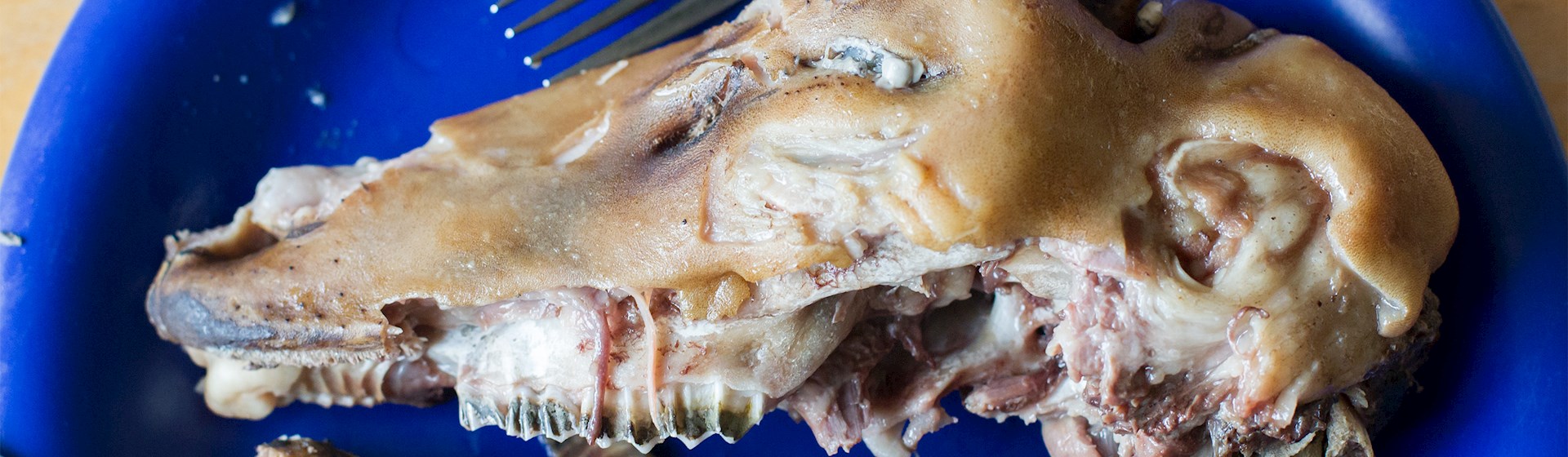
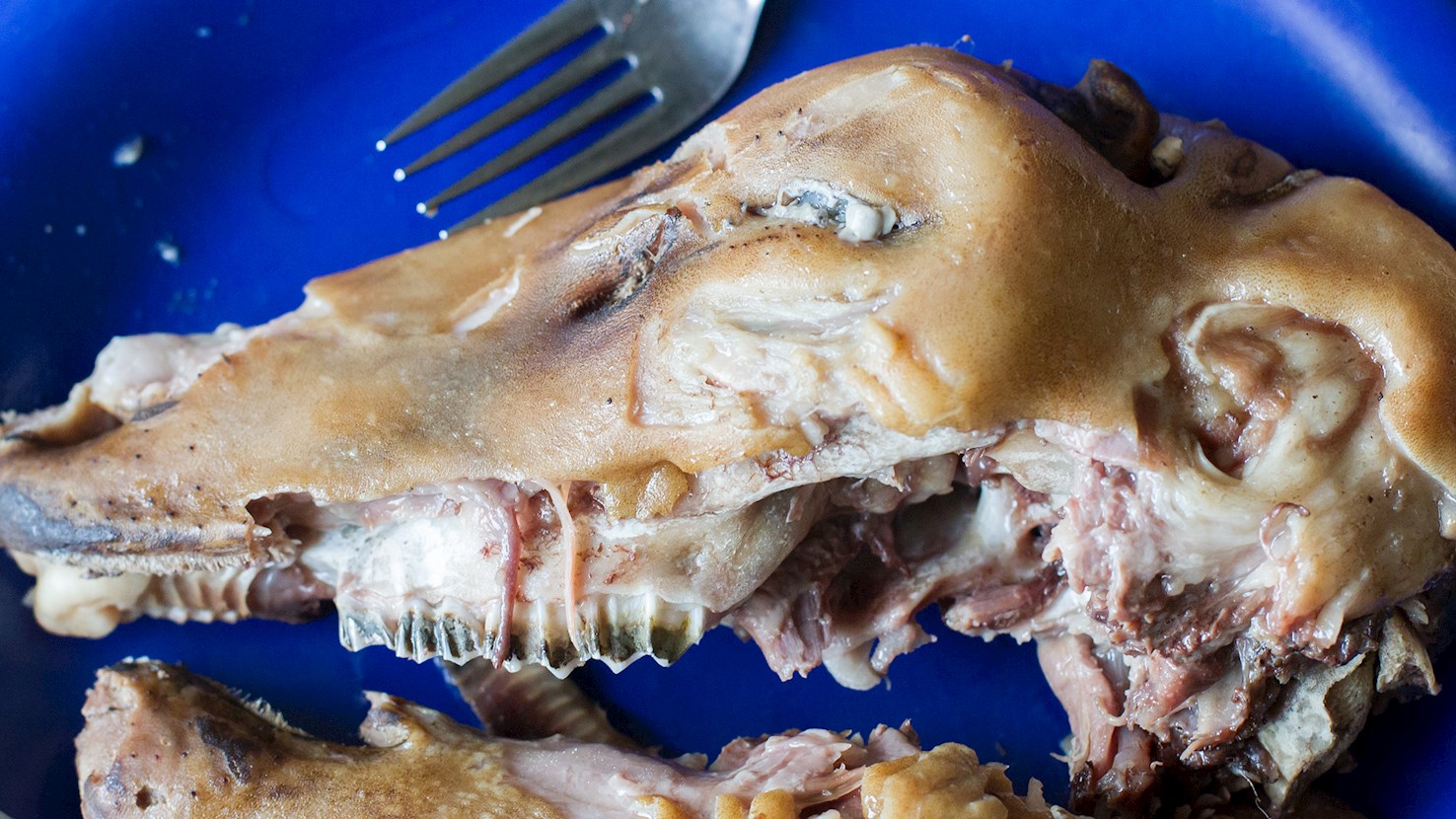
Svið is an unusual and unique dish from Iceland consisting of singed, halved, and cooked sheep's head. The head is then cooked in an open fire (in order to remove the fur) and consumed. The dish is traditionally served with a side of mashed turnips, rhubarb jelly, and mashed potatoes, especially during the traditional Icelandic mid-winter festival known as Þorrablót. Originally, the dish was invented at a time when people could not let any part of meat go to waste. Although svið has a reputation of being really tasty, some may find it strange to literally look their food in the eye.
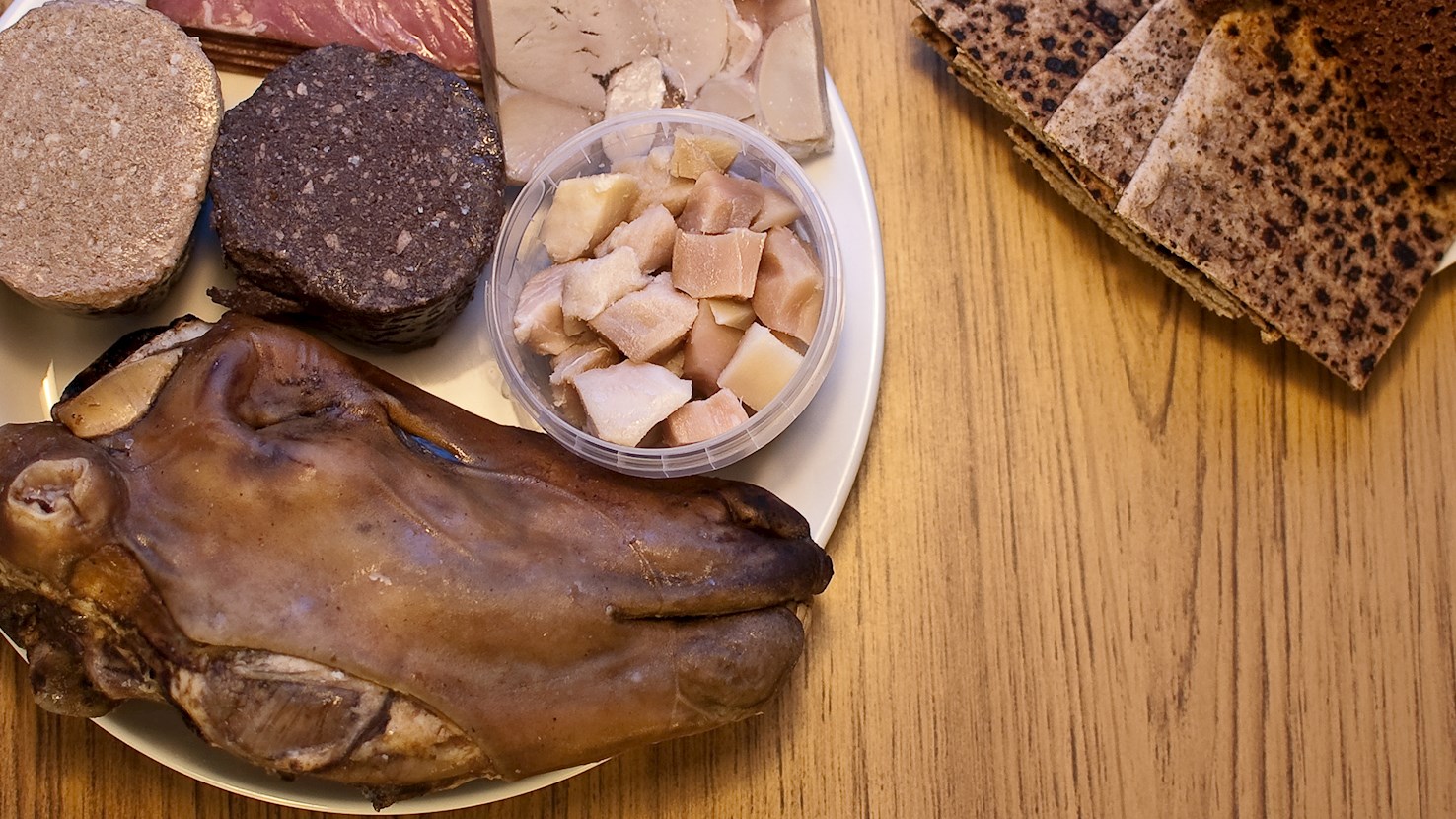
Thorramatur is a selection of traditional Icelandic foods consumed predominantly during the Nordic month of Þorri, taking place from mid-January to mid-February each year. Cured fish and meat products are cut into slices or bite-sized pieces and served alongside rúgbrauð and butter on numerous buffet tables. The standard choice includes specialties like fermented shark meat, smoked lamb, seared lamb head, blood sausages, and much more, all of which can be additionally soured according to personal preferences. Typical accompaniments include brennivín, Iceland's flavored spirit drink, and seasonal Þorri beer that is traditionally produced by local breweries specifically for the occasion.
Blood pancakes are enjoyed throughout Sweden, Finland, and Norway. They are prepared with a regular pancake batter that is elevated with the addition of animal blood. Whether they are formed as thinner, crêpe-like pancakes or as smaller, chewier types, the pancakes will always develop a typical dark-brown hue. They are often enriched with onions and spices, and come topped with fresh lingonberries or lingonberry jam. Blood pancakes are sold as a ready-made product across Finland and Sweden.
Truchas a la Navarra is a traditional fish dish originating from Navarre. The dish is made with a combination of trout, jamón serrano, flour, lemon, parsley, olive oil, and salt. The trout is seasoned with salt, dredged in flour, and fried in olive oil until golden and just cooked through. It is then stuffed with sautéed jamón serrano pieces and lemon juice is squeezed over the fish. Before serving, this Navarra-style trout is typically dusted with chopped jamón and parsley.
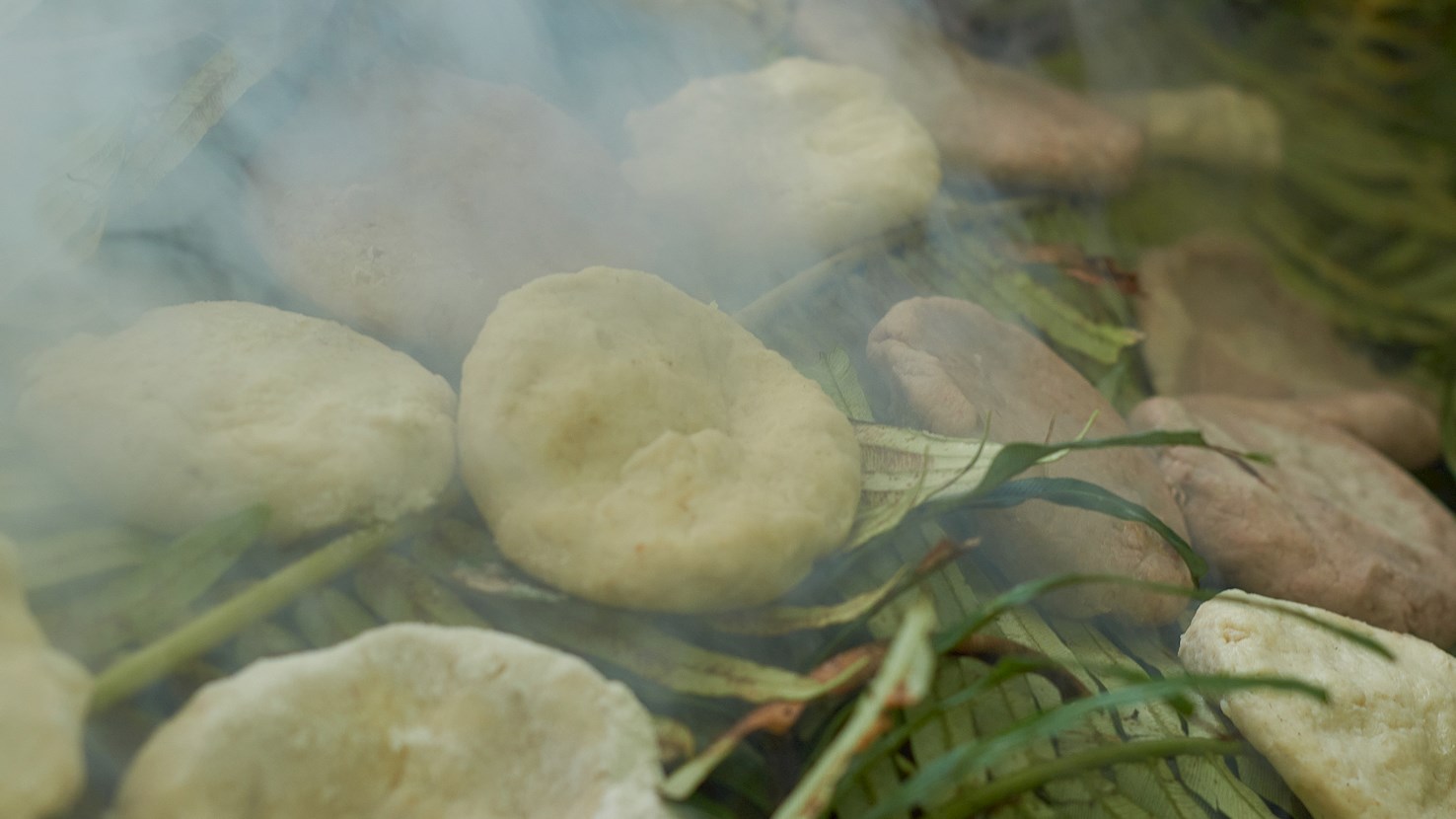
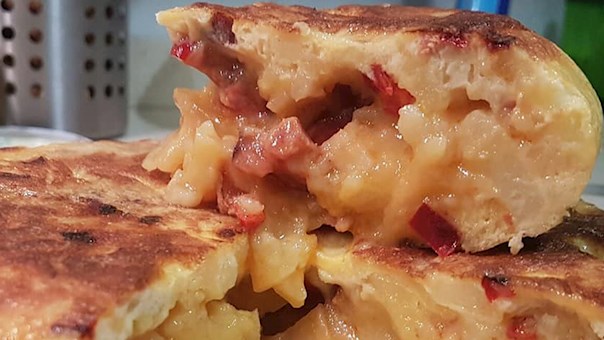
Milcao is a traditional dish originating from the Chiloé Archipelago. It consists of grated potatoes, mashed potatoes, and usually lard and seasonings, resulting in a type of potato pancake. Traditionally, only Chilotan potatoes should be used in the preparation of milcao. These potato pancakes are used as an important part of dishes reitimiento and curanto. Nowadays, there are many variations of milcaos – fried, oven-baked, steamed, boiled, sweetened, or enriched with chicharrones.
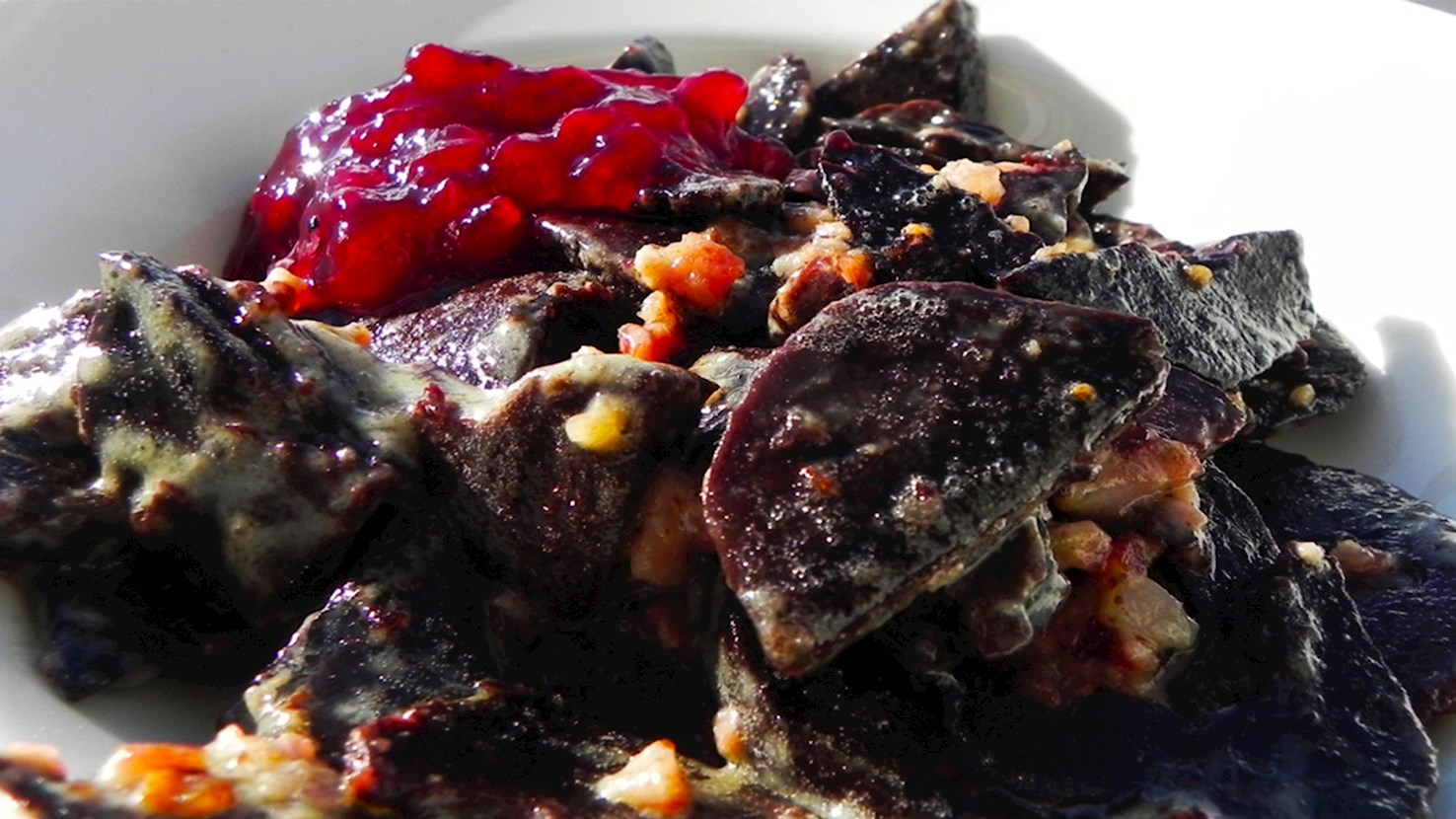
Traditionally associated with the northern parts of Sweden and the Finnish Lapland, blodpalt are the nutritious, dark-brown dumplings prepared with rye or barley flour and animal’s blood. Although they were traditionally made with reindeer’s blood, today they appear in numerous regional varieties which employ blood of various animals, different spices, and occasionally mashed potatoes. They are sometimes filled with a mixture of sautéed onions and diced bacon, and are commonly cooked in flavorful meat broths. Blodpalt dumplings are usually enjoyed as a side dish accompanied by fried bacon or pork, butter, and lingonberry jam.
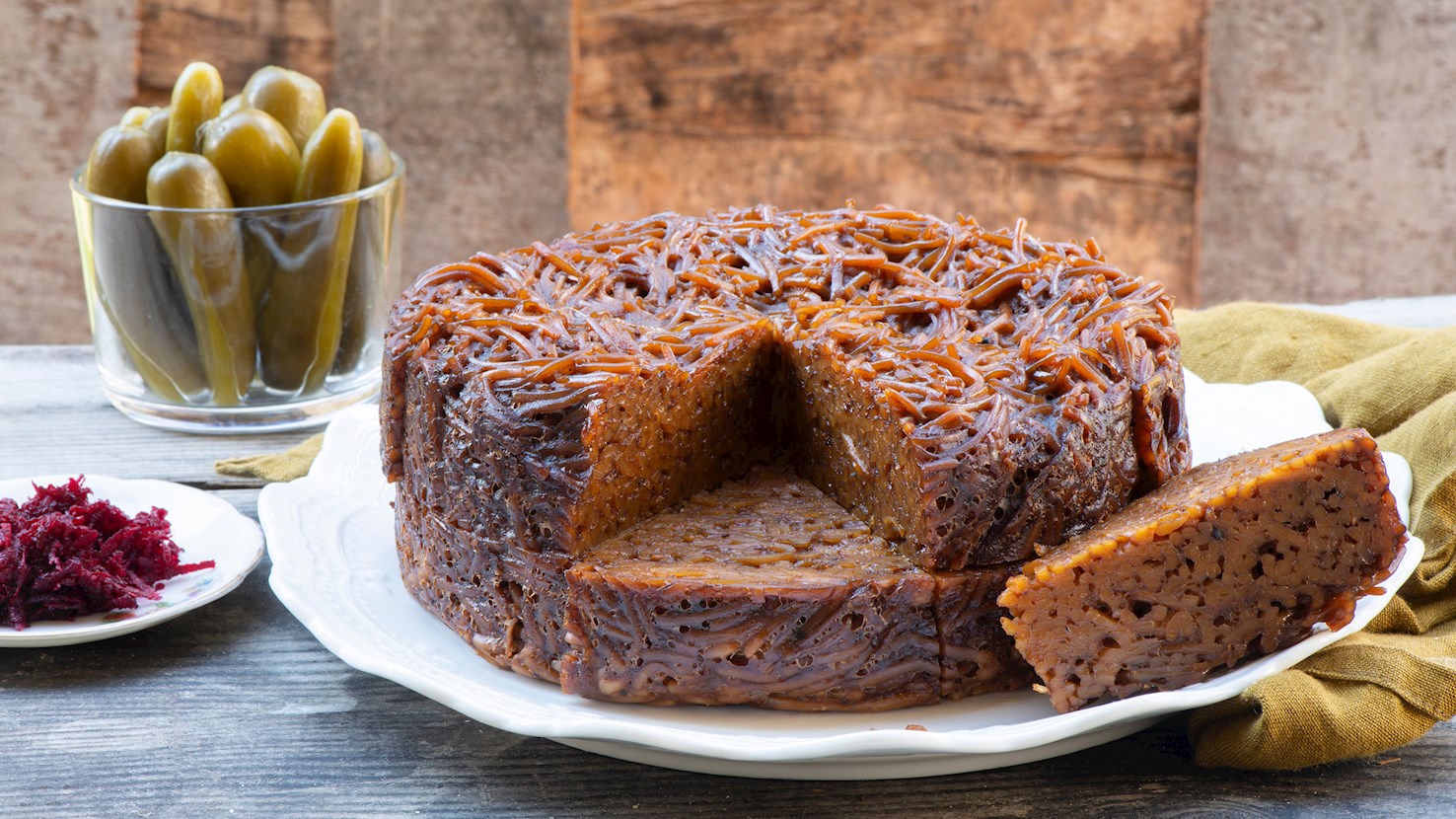
Yerushalmi kugel is a noodle-based casserole associated with Jerusalem’s Ashkenazi Haredi communities, known for its dark color, dense texture, and a flavor that combines pronounced sweetness with noticeable pepper. It emerged in the nineteenth century among Jews living in Jerusalem’s Old Yishuv, where cooks adapted European noodle kugel to local ingredients and tastes while preparing dishes suitable for serving after synagogue services on Shabbat. The reliance on caramelized sugar and black pepper became characteristic of this kugel, setting it apart from other noodle casseroles that featured dairy components or lighter flavor profiles. The dish was shaped by the need for foods that could be prepared before Shabbat and kept warm for extended periods, which influenced its firm structure and the use of ingredients that remain stable in low heat over time. Preparation begins with cooking thin egg noodles until just tender and then coating them in a syrup made by melting sugar in a pot until it reaches a deep amber color. Water or oil is added carefully to dissolve the caramel, and the noodles are stirred into this mixture along with eggs, oil, salt, and a generous amount of black pepper. The mixture is poured into a pot or baking pan and cooked slowly, often for several hours, until it sets into a cohesive mass with a firm outer crust and a dense interior. Its flavor depends heavily on the balance between caramelization and pepper, and many cooks adjust the level of sweetness or spiciness to match family preference. Yerushalmi kugel is eaten in Jerusalem and in communities around the world with roots in the Old Yishuv, often served in small squares after synagogue services or as part of Shabbat day meals. It is commonly paired with pickles and cholent, which provide contrasting textures and flavors, and it is also eaten with kugel-style accompaniments such as salads or egg-based dishes. Beverages served alongside it include tea, soda water, and in some settings grape juice or light wines that balance the sweetness and pepper of the kugel.
Jellied eels is a traditional Cockney street food item, dating back to the 18th century. Originally, it was a cheap and easy way to make a good dish, with plenty of native eels readily available in the Thames River. The eels would get chopped, boiled for approximately half an hour in herbs, then cooled - that is when the fish would produce their own gelatin, and a soft, transparent jelly would form on the cut pieces. The texture of jellied eels is delicate and soft, and while some may say it's unpleasant, their flavor is unique - mild, slightly salty, like pickled herring, but without the unusual "fishy" scent. They are commonly accompanied by white pepper and vinegar in order to further accentuate the flavors. The dish can be served either hot or cold, and according to jellied eels experts, it tastes perfect when paired with chili vinegar.
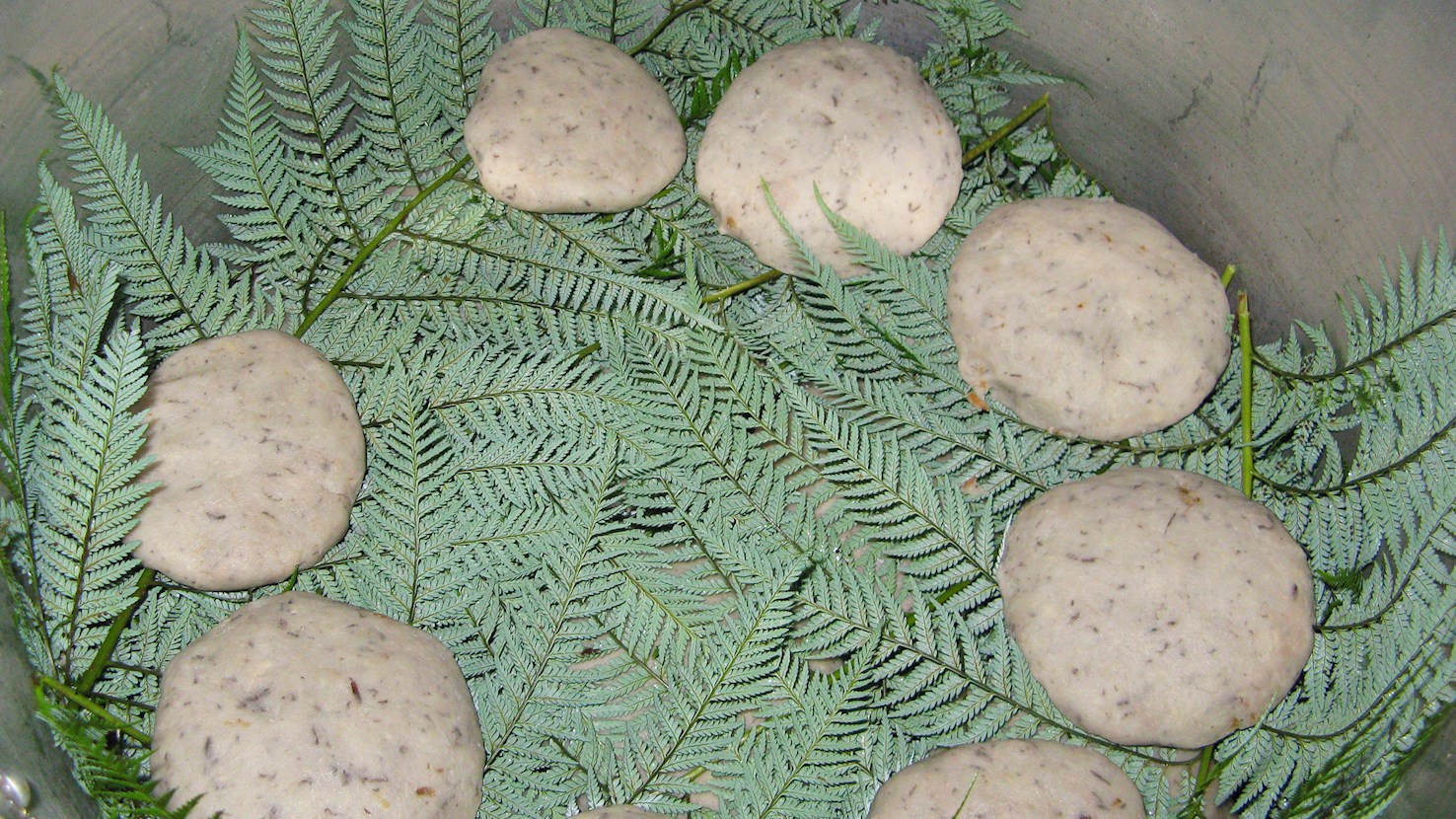
Chapalele is a Chilean bread made with only two main ingredients – potatoes and flour. It originates from the Chiloé Island, where it is traditionally steamed and cooked in curanto – a hole in the ground used for preparing food. However, it can also be fried, pan-fried, or baked. When it's done, chapalele can be consumed on its own as a snack or it can be used as an accompaniment to stews and meat dishes.
TasteAtlas food rankings are based on the ratings of the TasteAtlas audience, with a series of mechanisms that recognize real users and that ignore bot,
nationalist or local patriotic ratings, and give additional value to the ratings of users that the system recognizes as knowledgeable.
For the “100 Worst Rated Foods in the World” list until August 17, 2026, 796,138 ratings were recorded, of which 519,862 were recognized by the system as legitimate.
TasteAtlas Rankings should not be seen as the final global conclusion about food. Their purpose is to promote excellent local foods,
instill pride in traditional dishes, and arouse curiosity about dishes you haven’t tried.
















What People Say