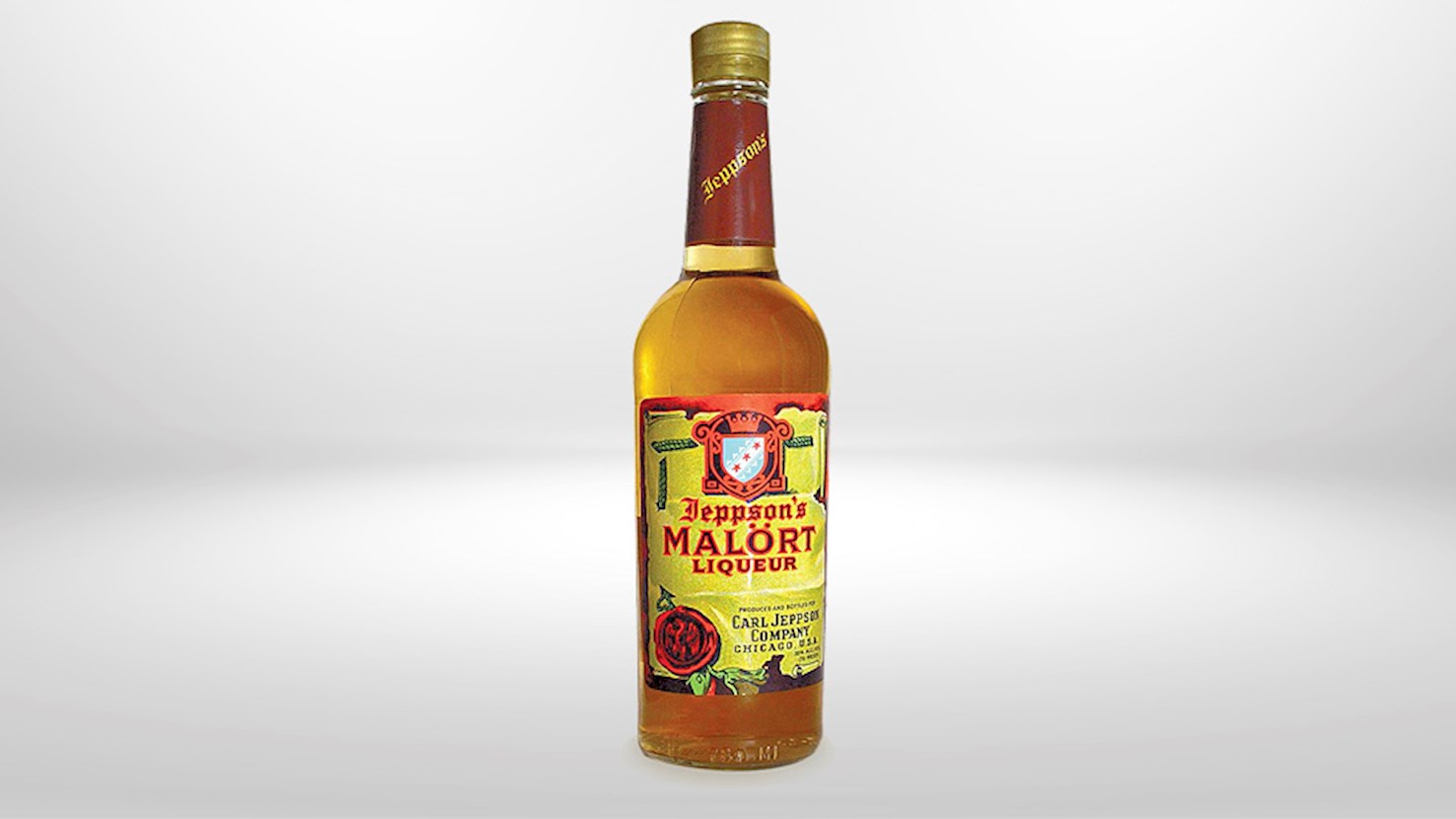
Malört is a bitter, wormwood-based liqueur that was created in the 1930s by a Swedish immigrant Carl Jeppson. The drink was first introduced in Chicago, and although it is now produced in Florida, it is still mainly associated with its place of origin, and it can rarely be found elsewhere in the United States. Malört, which is a Swedish word for wormwood, was modeled on Swedish beskbrännvin – a liquor distilled from potatoes or grains that was often infused with wormwood. The drink is characterized by its sharp flavor and a long, bitter aftertaste. Although it is recommended to drink it with a sugar cube, it is mainly served neat, and it is intended to be enjoyed as a shot.
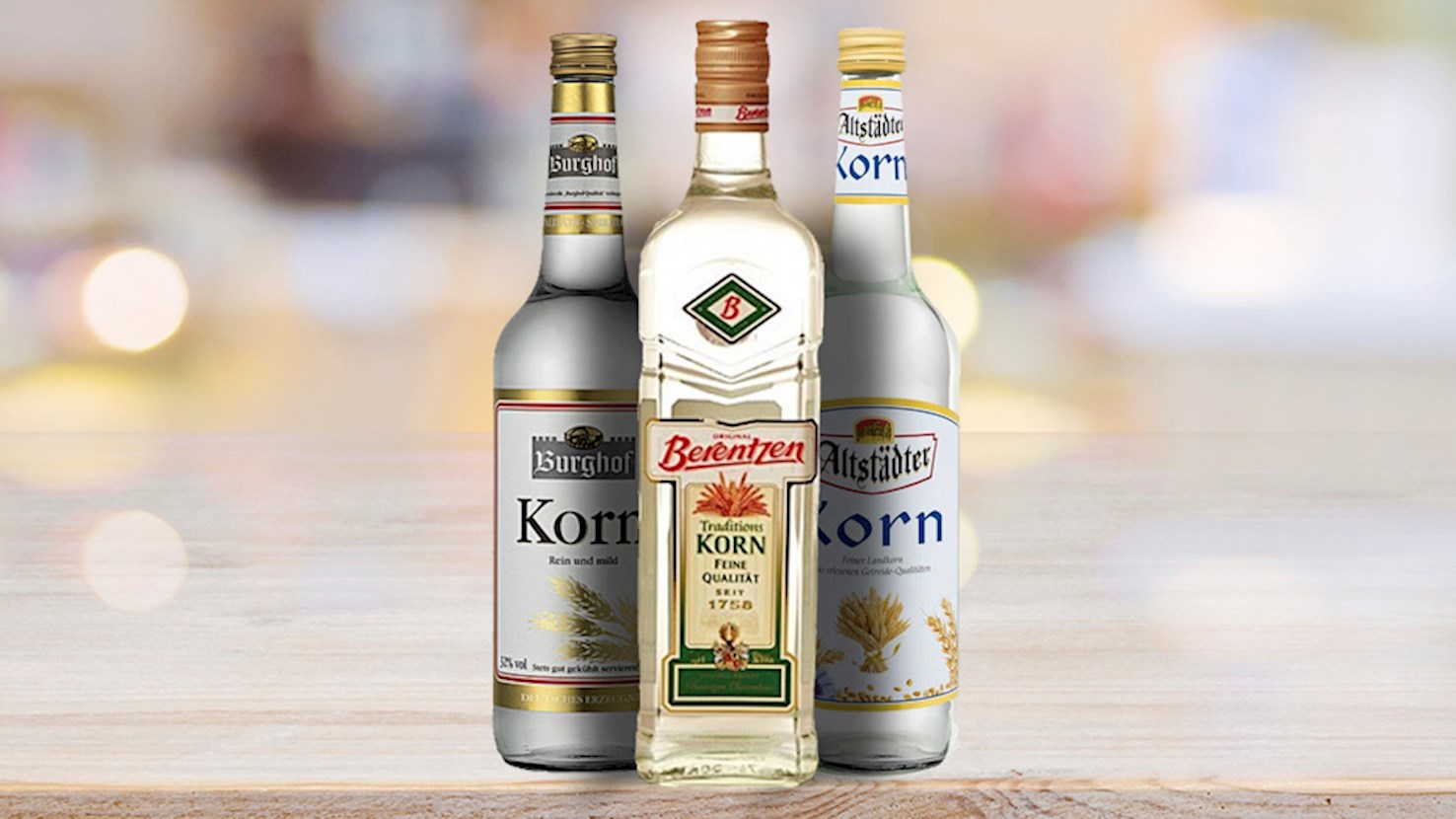
Korn is a German grain spirit that is traditionally distilled from fermented mash of wheat, rye, buckwheat, barley or oats. This strong colorless drink is never sweetened or flavored, and it has to have a minimum of 32% ABV, but if the alcohol content is higher than 37.5% the drink is named Kornbrand. It is believed that the production of Korn started in the 15th century, and although it is enjoyed throughout the country, it is especially popular in the northern parts of Germany. The drink is usually low-priced, but oak-aging may provide for more complex and better-quality expressions. Korn is mainly enjoyed straight from shot glasses, but it is also commonly combined with carbonated soft drinks, while a popular combination known as Herrengedeck (gentlemen’s menu) includes beer with a shot of Korn.
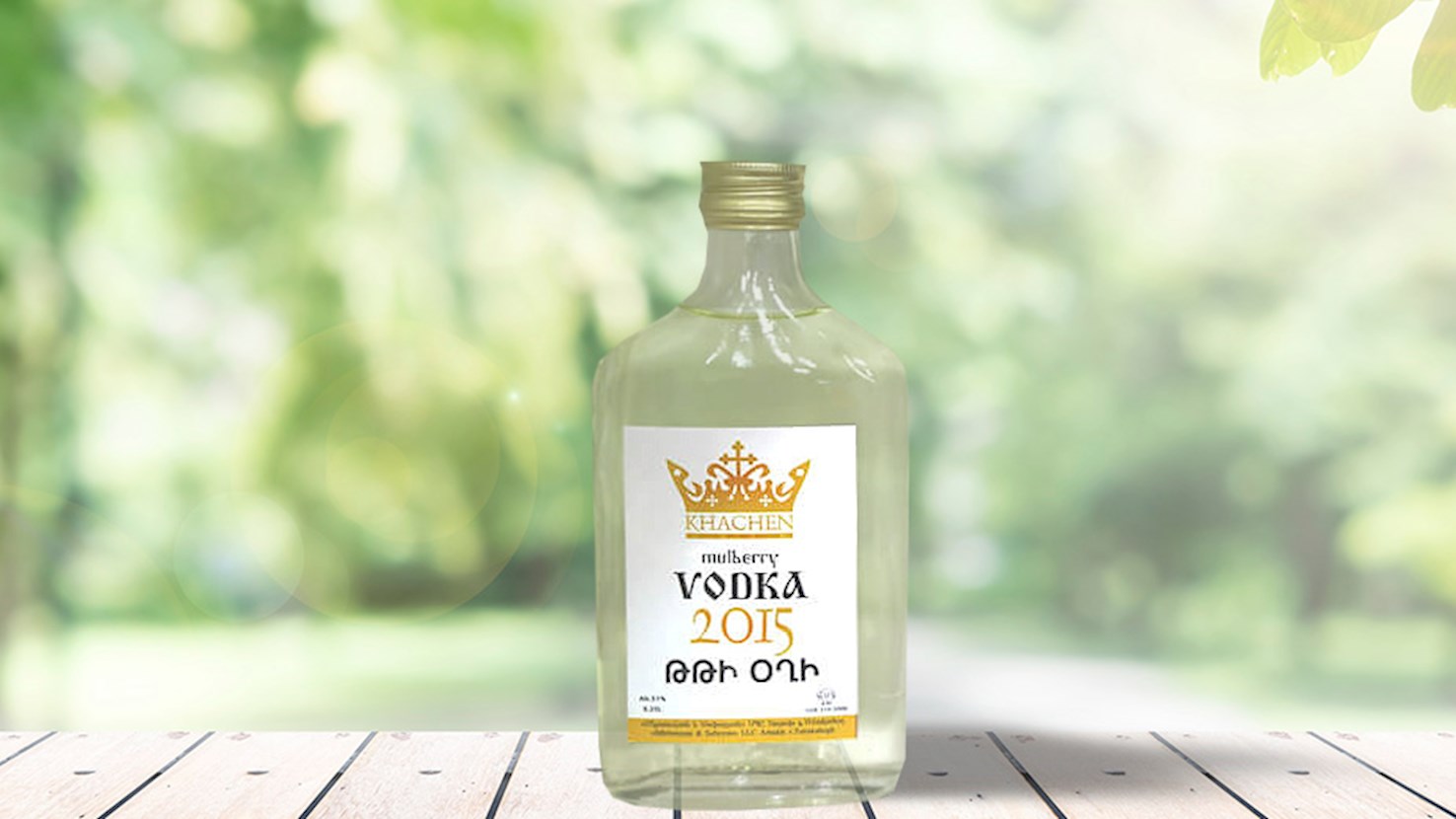
Often dubbed as Armenian vodka, oghi is a strong Armenian spirit that is distilled from various fruit and berries. The drink is traditionally produced as a local moonshine variety, with many households distilling their versions from various available fruit. Mulberries, apricots, pears, cherries, grapes, or plums can all be used in the production of oghi. The fruit is distilled to produce a clear spirit whose flavor reflects in the use of base material. Oghi is usually served in small shot glasses, and it is often enjoyed for breakfast or to accompany hearty Armenian dishes.
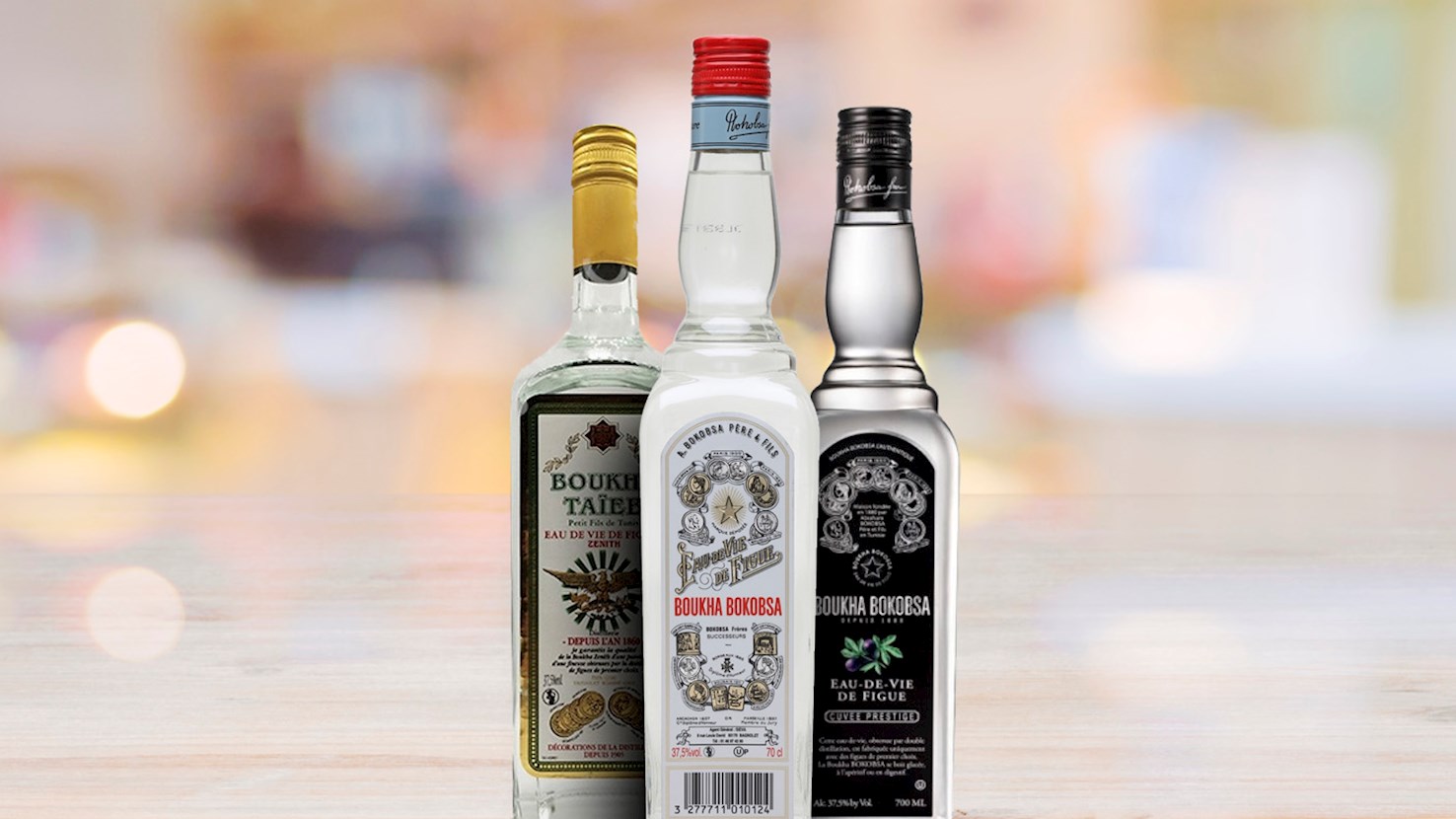
Boukha is a clear, colorless Tunisian spirit that is distilled from fermented figs. The drink was first produced in 1820 by Yaakov Bokobsa. Together with his sons, he perfected the recipe in 1870, and the drink is still produced following traditional procedures and the old, secret recipe. Boukha is a smooth and warming spirit with complex notes of raisins and spices. It can be enjoyed neat, preferably well-chilled, or as a cocktail ingredient. Boukha has an alcohol content of 37,5% ABV.
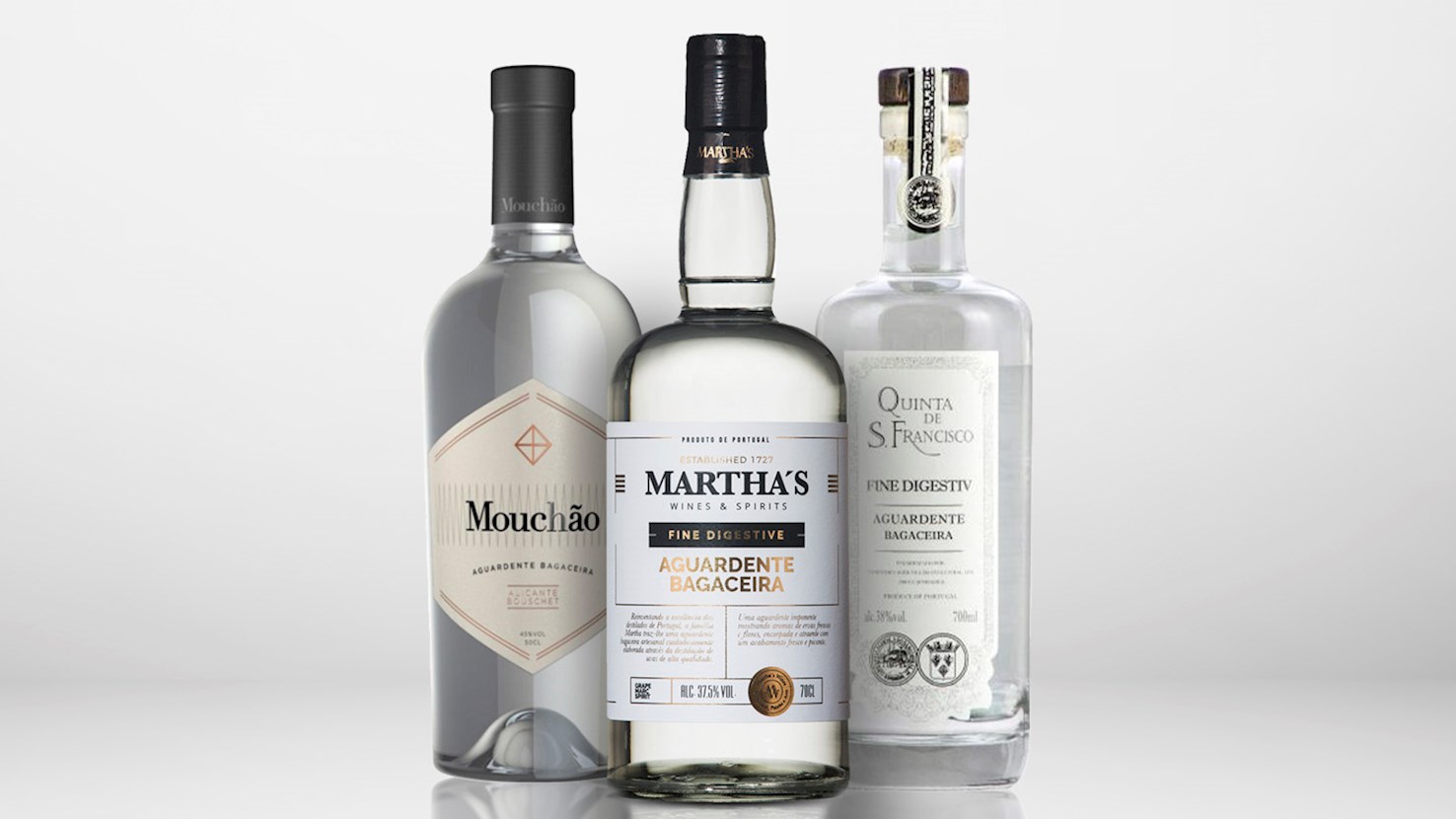
Aguardente bagaceira is a clear and colorless Portuguese spirit distilled from grape pomace—the skins and pulps left as a by-product of winemaking. It is made by winemakers, but it is mostly produced in rural areas as a type of rustic drink that is not intended for commercial production. Aguardente bagaceira can vary in quality, depending on the distillation and the base ingredient. The best examples should be powerful but with a smooth, warming finish and a fruity grape aroma. The distillate is sometimes aged to produce a softer, mellower style known as bagaceira velha. Aguardente bagaçeira is usually enjoyed neat, preferably as a digestif. The local tradition is to add a splash of aguardente to espresso, making the popular café com cheirinho. It can also be used as a cooking ingredient. The alcohol content is typically around 40% ABV.
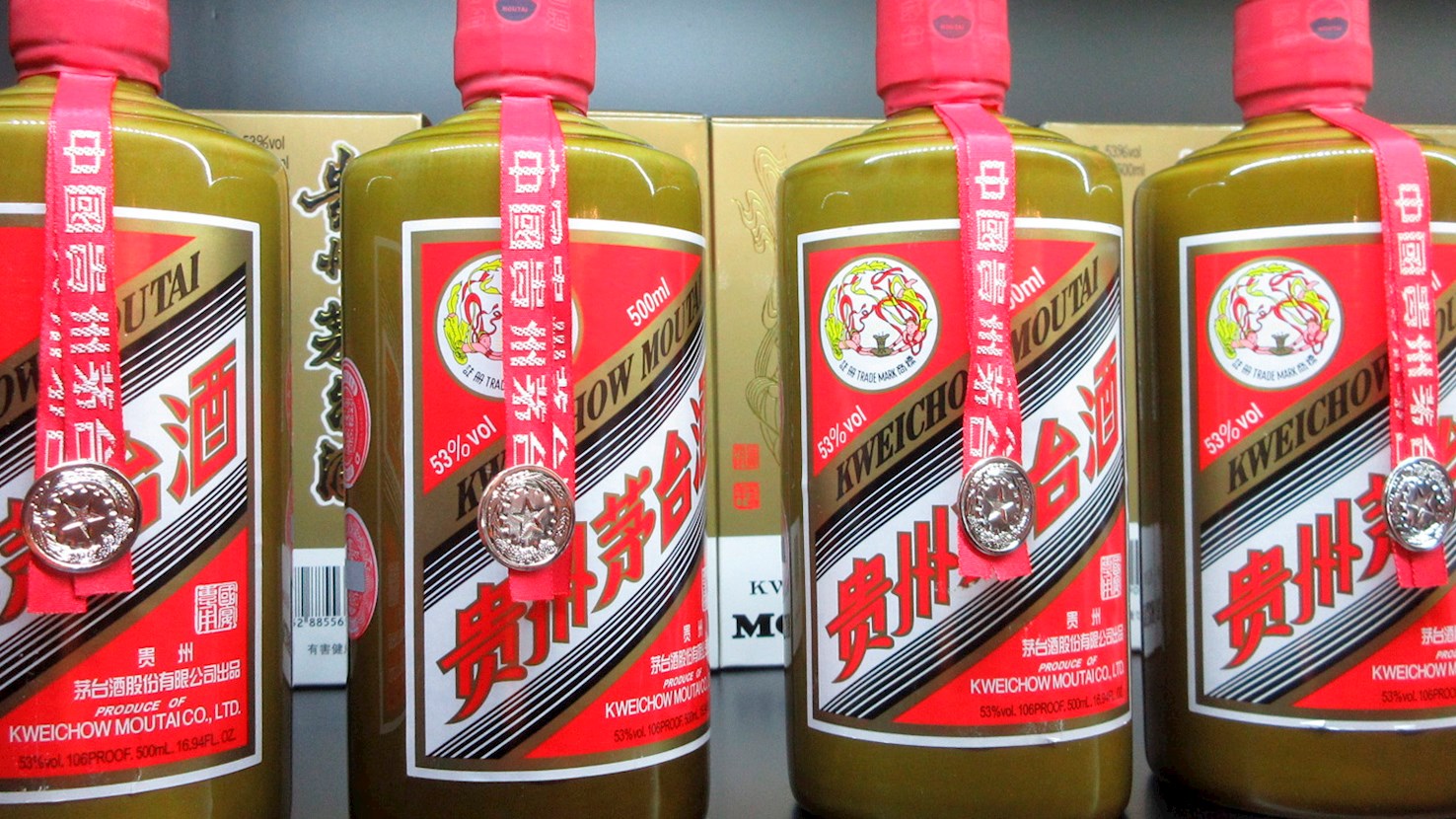
Maotai is the most popular variety of baijiu—Chinese grain alcohol. It is produced from sorghum that is fermented with a yeast starter (qu). The mixture is distilled seven times throughout the year and is then placed in earthenware vessels where it is aged before it is blended. Maotai is praised for its crisp, complex flavor and purity. It is also culturally significant, often enjoyed on special occasions and given as a present. Traditionally, it is served at room temperature in special tulip-shaped glasses. The drink gained international fame after it was awarded at the San Francisco Panama-Pacific Exposition in 1915.
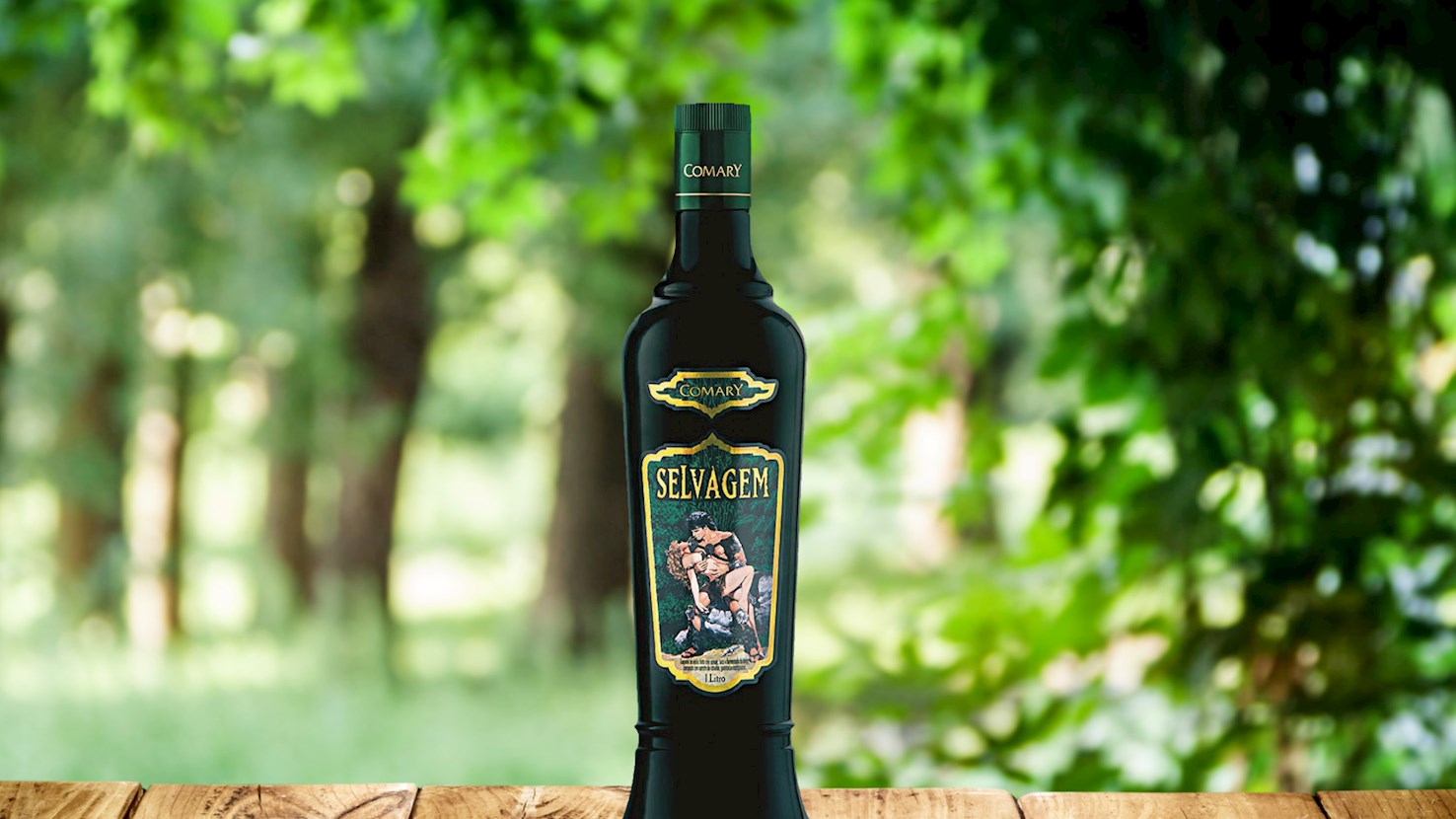
Catuaba is a Brazilian alcoholic drink made with red wine. It is infused with guaraná, the caffeine-rich Brazilian plant, and catuaba—another native Brazilian plant that is often lauded as an aphrodisiac, and which gave the drink its name. As a plant, catuaba has been used for centuries, primarily by the Tupi people who were the first to use it due to its alleged health benefits. Catuaba drink is a dark-colored, sweet beverage that is cheap and hence quite popular in Brazil. It can be enjoyed over ice, or it can be used in mixed drinks.
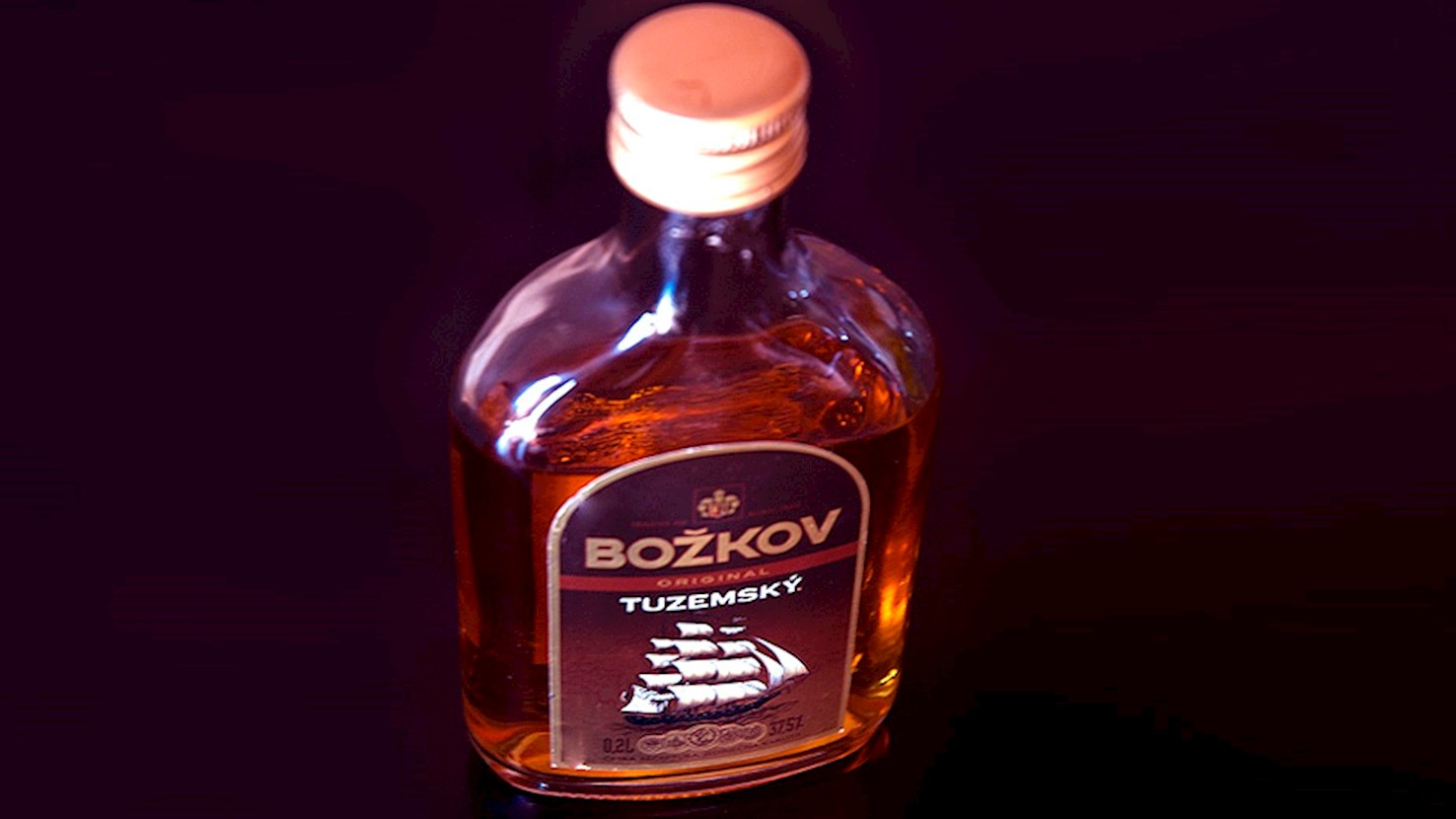
This traditional Czech drink was invented in the 19th century as a substitute for the original Caribbean rum. It is usually distilled from potatoes or sugar beets to create a base that is then enriched with rum essence. The drink was initially classified as rum and carried the name tuzemský rum (domestic rum), but since it is not distilled from sugarcane, European regulations prohibited its original name and classification. Tuzemák is still produced in the same way, and it is a staple drink across the country. It can be enjoyed neat or in cocktails, but it is also used in the preparation of desserts, especially traditional Czech Christmas cookies (vánoční cukroví).
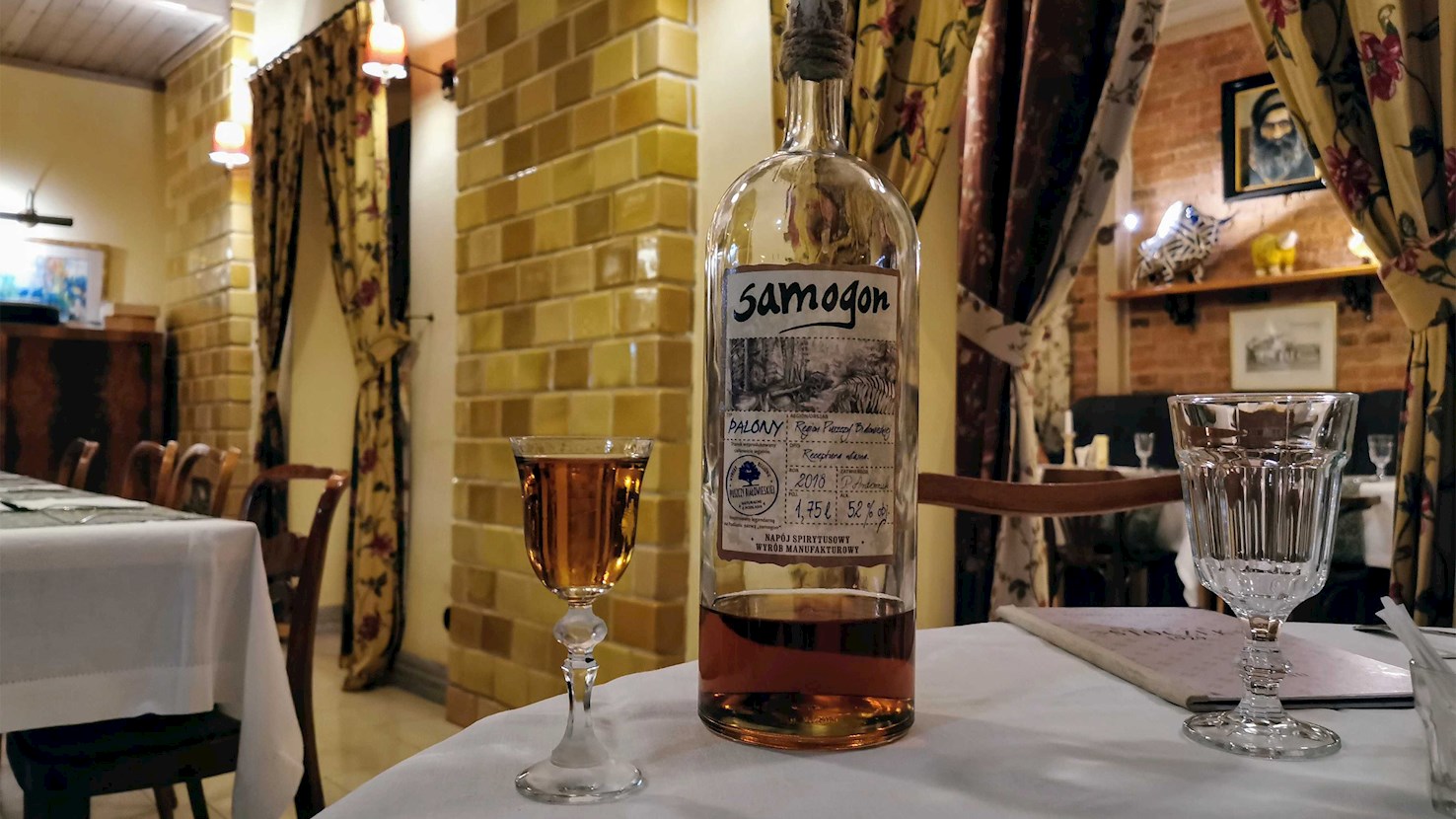
Often dubbed as Russian moonshine, samogon is a potent drink that can be distilled from virtually anything, but the most common base ingredients include grains, corn, beets, sugar, potatoes, bread, or various fruits. The name of this centuries-old drink roughly translates as self-distilled. The exact time when samogon first appeared is not known, but it is suggested that it even might precede the all-time-favorite Russian vodka. Through history, samogon was a drink of choice among lower social classes and in rural areas in Russia. Starting with the reign of Ivan the Terrible, any liquor that was not state-produced was outlawed, and vodka and wine were mainly promoted as suitable options. This practice continued in the Soviet era, but throughout this period, samogon was still produced, mostly in rural areas by the so-called samogonschiki. Following the fall of USSR, the regulations have changed, and from 1997 home distilling has been made legal, but home-distilled beverages cannot be promoted or sold. However, the change of regulations has also influenced the appearance of several brands which make artisanal and commercially produced versions that are sometimes even distilled from grapes, wines, or pomace. The final taste profile of samogon can significantly vary due to the use of different raw materials and the choice of various flavorings. The alcohol content of samogon is usually about 40 percent, but homemade versions can often reach higher numbers.
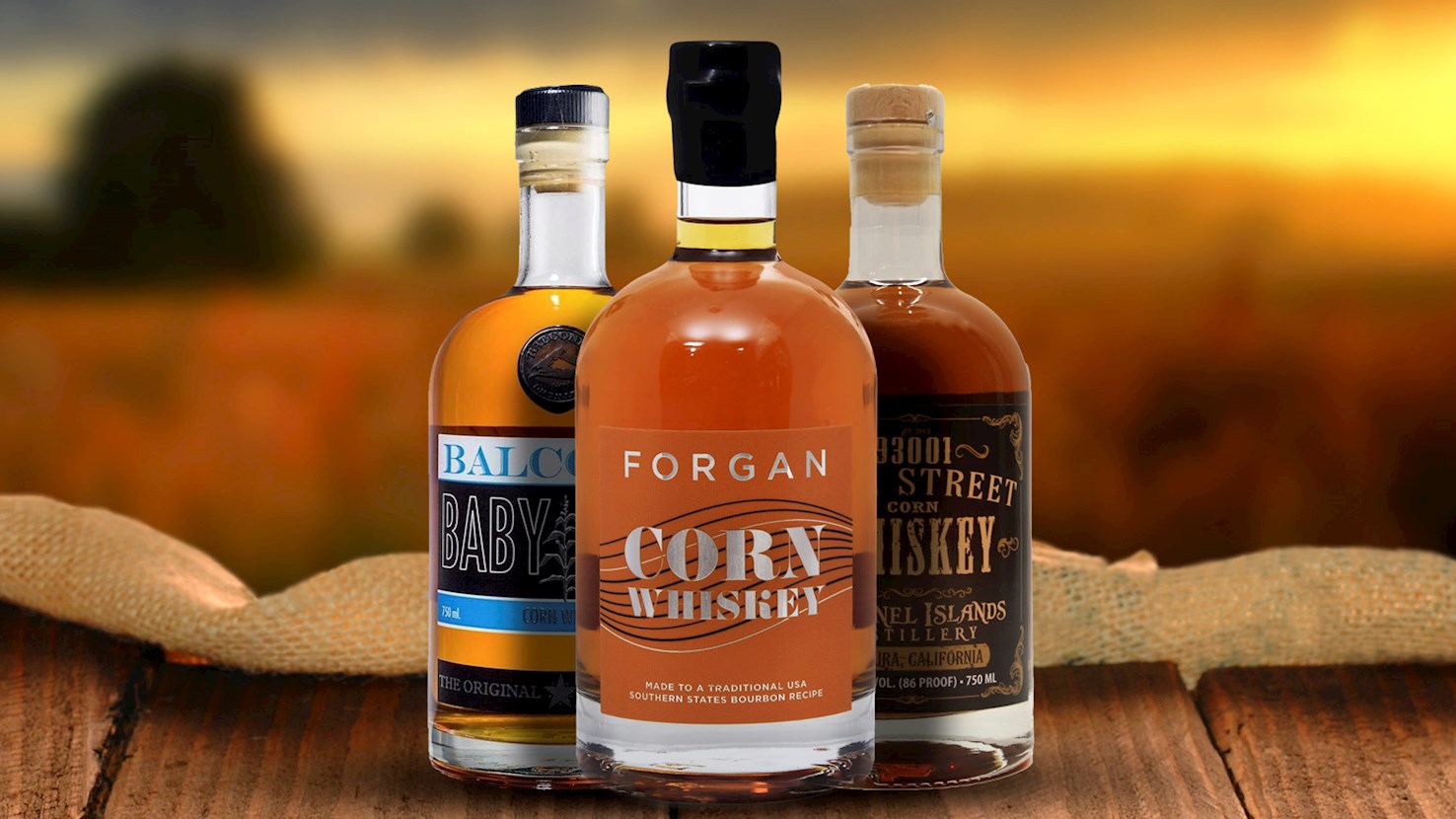
Corn whiskey is one of the oldest whiskey styles in the United States. It is legally defined as a spirit with a fermented mash of at least 80% corn. Corn whiskey can be bottled without oak maturation, and if aged, the process has to take place in used or uncharred oak barrels—unlike bourbon that has to be matured in new charred oak. Corn whiskey appeared sometime in the mid-1700s, first among Scottish and Irish settlers who were familiar with the whiskey-making technique. It was a rustic spirit that was not aged and mostly intended for immediate consumption. Following the Civil War and federal and state taxation, most of the production went underground, and corn whiskey became American moonshine. Even nowadays, some modern corn whiskey producers additionally label their corn whiskey as moonshine. Throughout history, corn whiskey was mostly regarded as a low-quality spirit, but following the craft revolution and with an effort of several producers, the spirit enjoys a revival and improvement in quality. It is especially favored as a cocktail ingredient that provides depth and character. Although it is somewhat difficult to pinpoint the exact flavors in corn whiskey, it usually has a rich corn flavor with a long, somewhat sweet finish. Unaged styles are fresher, while matured varieties tend to develop delicate spicy notes. Corn whiskey can be enjoyed neat, on the rocks, mixed with water, or as a cocktail ingredient. Apart from traditional white corn, some producers have experimented with different corn varieties, including purple or blue corn.
TasteAtlas food rankings are based on the ratings of the TasteAtlas audience, with a series of mechanisms that recognize real users and that ignore bot,
nationalist or local patriotic ratings, and give additional value to the ratings of users that the system recognizes as knowledgeable.
For the “100 Worst Rated Spirits and Liqueurs in the World” list until September 16, 2026, 15,615 ratings were recorded, of which 11,261 were recognized by the system as legitimate.
TasteAtlas Rankings should not be seen as the final global conclusion about food. Their purpose is to promote excellent local foods,
instill pride in traditional dishes, and arouse curiosity about dishes you haven’t tried.











What People Say