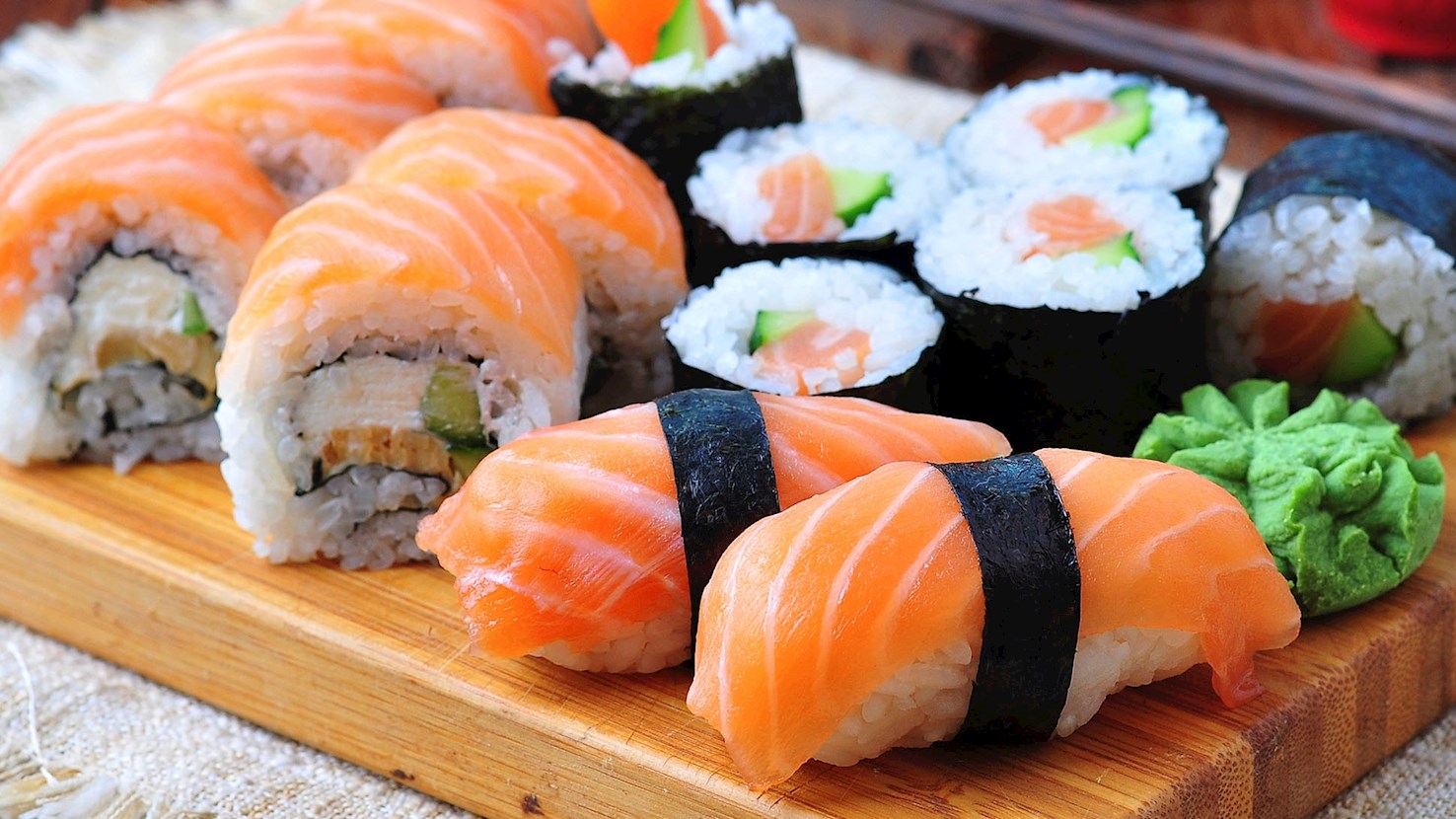
Sushi is Japan's most famous culinary representative, typically made with rice and fillings which have been rolled inside a sheet of dry seaweed. However, the term sushi is actually an umbrella term covering a wide range of subvarieties which can be made with a myriad of different ingredients and in as many forms and presentations. Although the dish has become wrongly synonymous with raw fish, the primary ingredient of every type of sushi is only vinegared rice. Originally, sushi was only a method of preserving fish - first developed in Southeast Asia, but it reached Japan in the 8th century. Over time, the dish slowly transformed. Rice was no longer fermented but vinegared and eaten together with fish, and by the 19th century, sushi as we know it today was invented. Besides rice, which can be white or brown, other ingredients include seafood, meat, and vegetables that can be either raw or cooked. Termed as the original type of sushi, nigirizushi is prepared by draping a mound of rice with a sliced topping, frequently with some wasabi in between or on the side, while probably the most popular type of sushi known worldwide is makizushi; small, usually bite-sized cylindrical pieces most commonly wrapped in nori — a sheet of dry seaweed. Other best-known types of sushi include chirashizushi, served as a bowl of rice topped with a selection of raw ingredients; the pressed variety called oshizushi; inarizushi - deep-fried tofu sacs containing a filling; the traditional narezushi made with fermented rice; and temaki, cone-shaped pieces of seaweed filled with ingredients. Sushi can be eaten with chopsticks or fingers, and it is typically served on a platter or in a bento box with a compartment for dips (usually soy sauce). Due to the worldwide popularity of sushi, many variations of the dish developed outside of Japan.
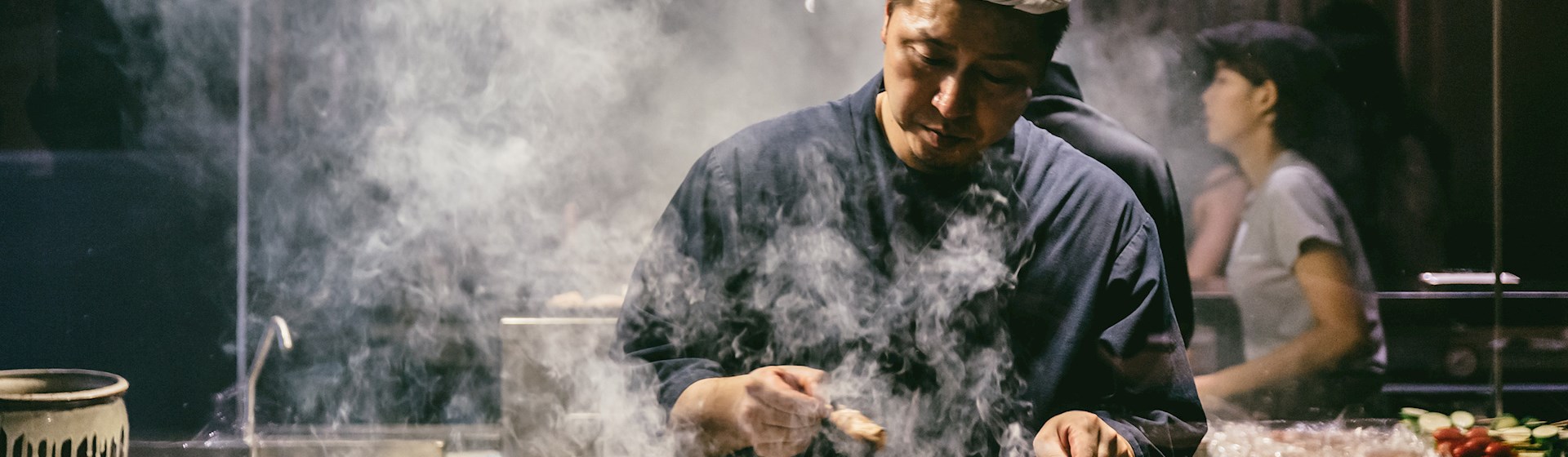
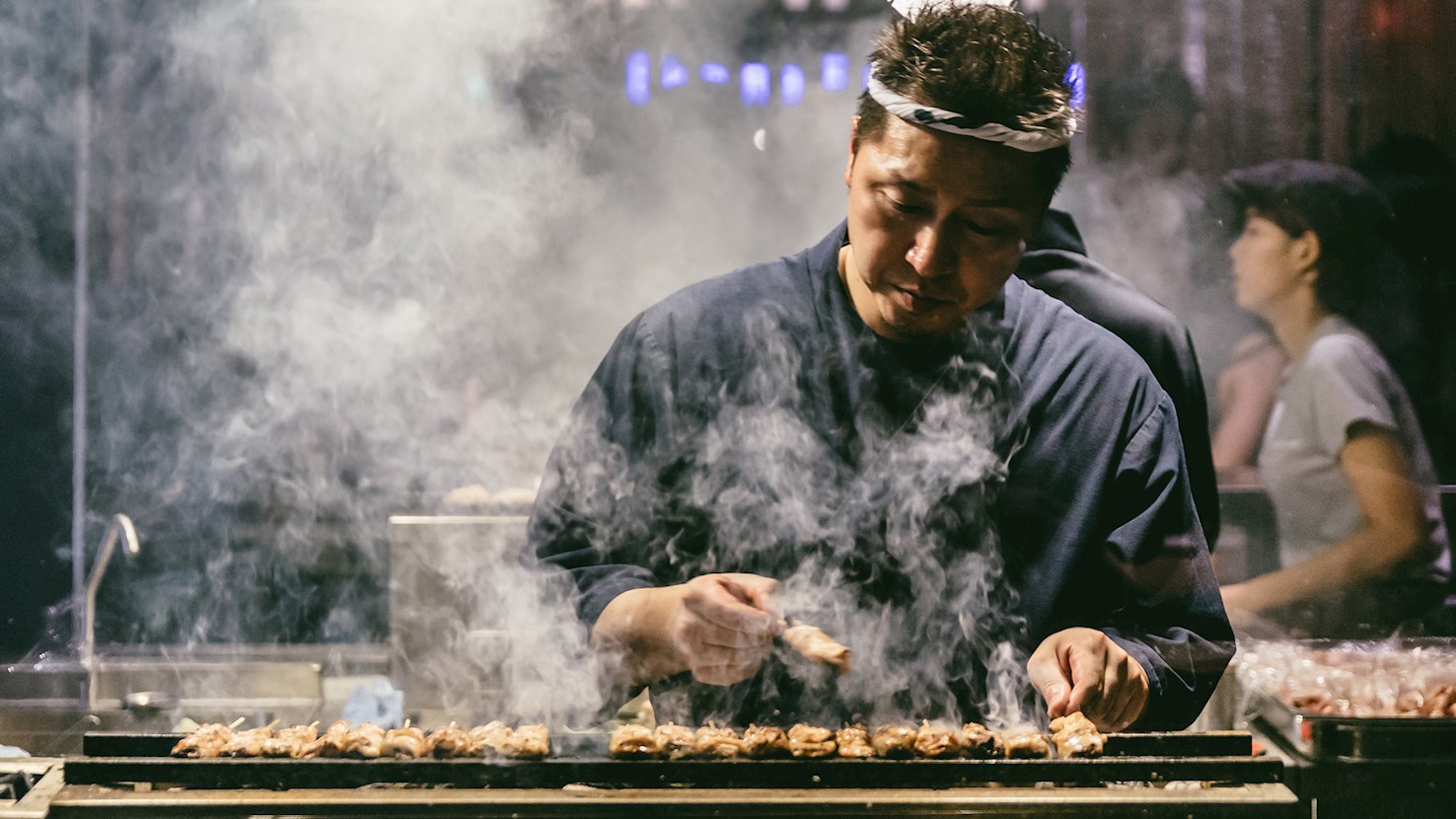
Yakitori refers to Japanese grilled chicken where pieces of chicken meat are skewered with a particular type of skewer called kushi (which can be made from either steel or bamboo) and are then traditionally grilled over a charcoal fire. Depending on the cut of chicken and the method of preparation, there are various types of this dish. An important step in the making of yakitori is the seasoning, either salty or salty-sweet, which can be done during or after grilling. Salty seasoning is just salt that can sometimes be combined with pepper, while salty-sweet seasoning is actually tare sauce made from mirin, soy sauce, sake, and sugar. Present-day versions of yakitori first appeared during the Meiji Era in the 19th century, but once chicken became abundantly available in the 1950s, the popularity of skewered chicken skyrocketed and the dish became popular among the masses. In Japan, yakitori can be purchased in specialized yakitori shops called yakitori-ya, but it is also often served in Japanese gastropubs known as izakaya. Since skewered chicken is so easy to prepare, plus it's portable, it is also a popular street food sold at yatai, the small Japanese food stalls. The dish is meant to be eaten with hands only, often directly off the skewer, and can be paired with a side of roasted vegetables, while each bite should ideally be washed down with ice-cold beer.
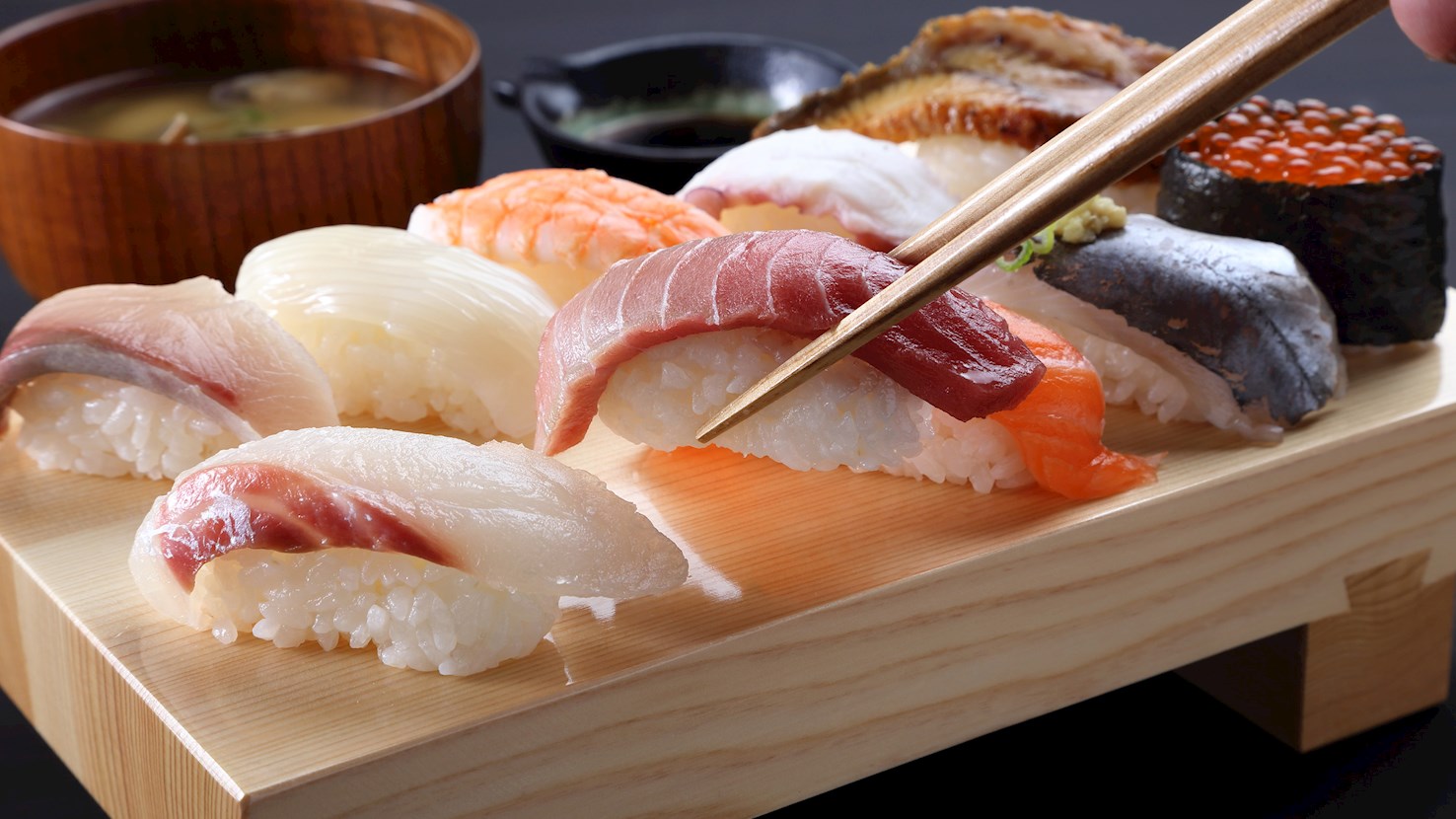
Nigiri or nigirizushi is a special kind of hand-pressed sushi where the meat is sliced and pressed on top of sushi rice. It was developed in Tokyo (then called Edo) during the 1800s. Sometimes, nori seaweed is used to wrap the whole concoction and keep it together. The topping is usually seafood such as shrimp, tuna, haddock, or eel, and it should always be fresh and of the highest quality. Traditionally, nigirizushi is paired with shiso leaves, wasabi, soy sauce, or pickled ginger. It is sometimes garnished with daikon and salted seaweed. The dish is traditionally eaten by hand, in a single bite.
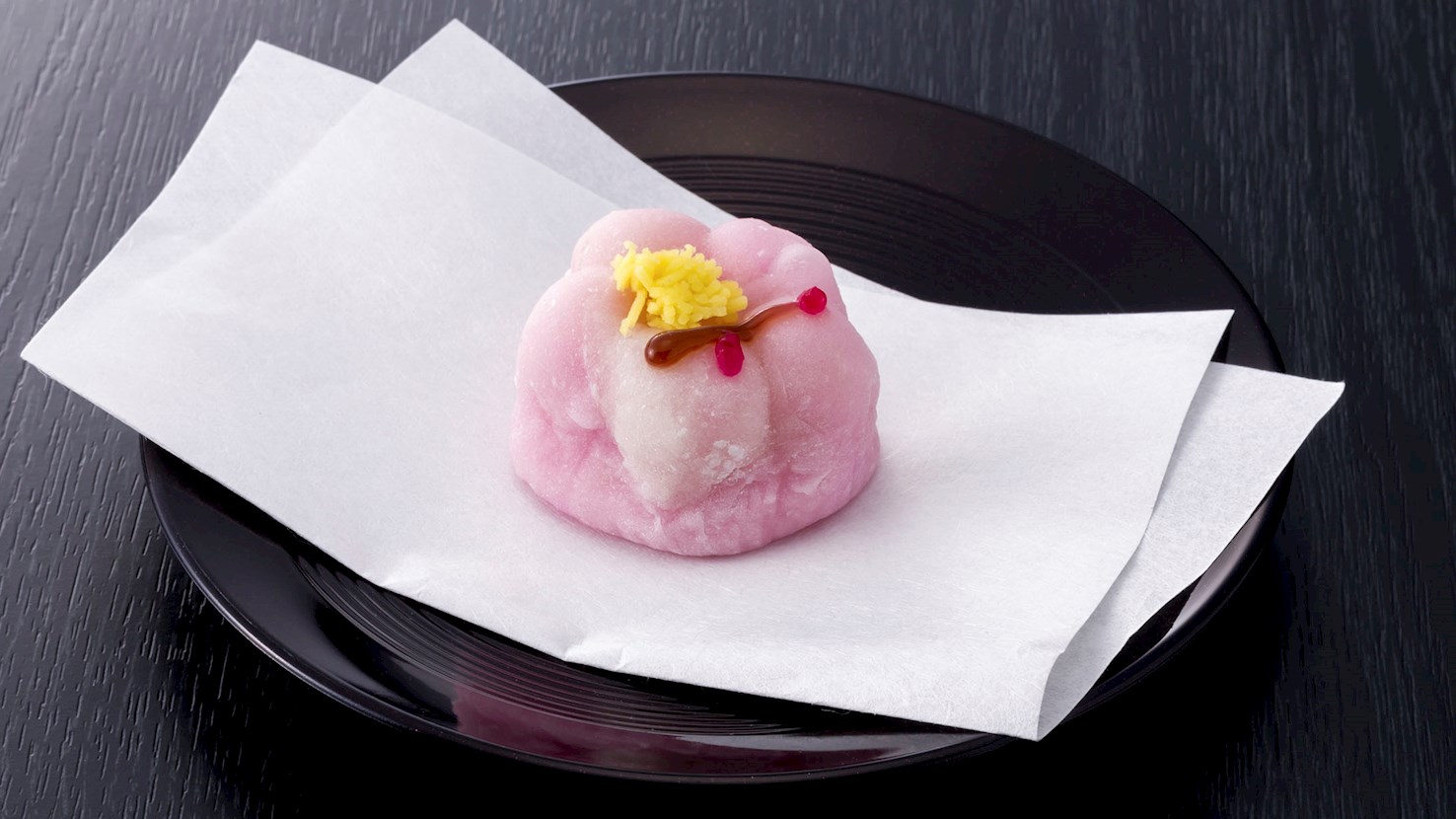
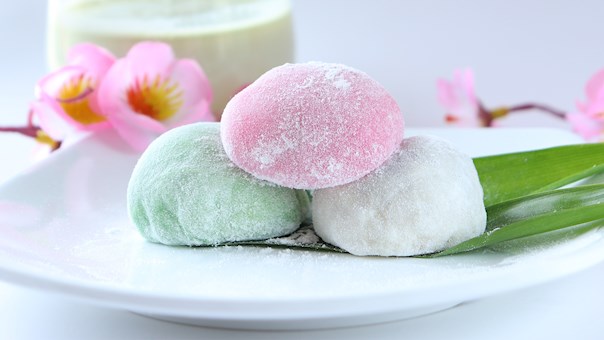
Wagashi are traditional Japanese sweets that are usually made from natural, plant-based ingredients such as grains and azuki beans. The sweet treats are typically served with tea and are classified into three categories: namagashi (fresh confectionery), han namagashi (half-dry confectionery), and higashi (dry confectionery). Wagashi is characterized by its design, so in spring, when cherry blossom is in full bloom, the producers make wagashi in cherry blossom shapes, using cherry petals or leaves. The origins of these sweets date back to the Yayoi Era when there was nothing more than natural nuts, fruits, and berries, so wagashi was influenced by the grain processing skills introduced from China. Most of the basic forms of wagashi seen today are derived from that era. The introduction of sugar helped in further development of wagashi, and during the early Edo Period, the sweets developed into numerous varieties and started to be used at tea ceremonies, given as gifts, or consumed as afternoon snacks. After that, wagashi was perfected into the style that we know and love today.
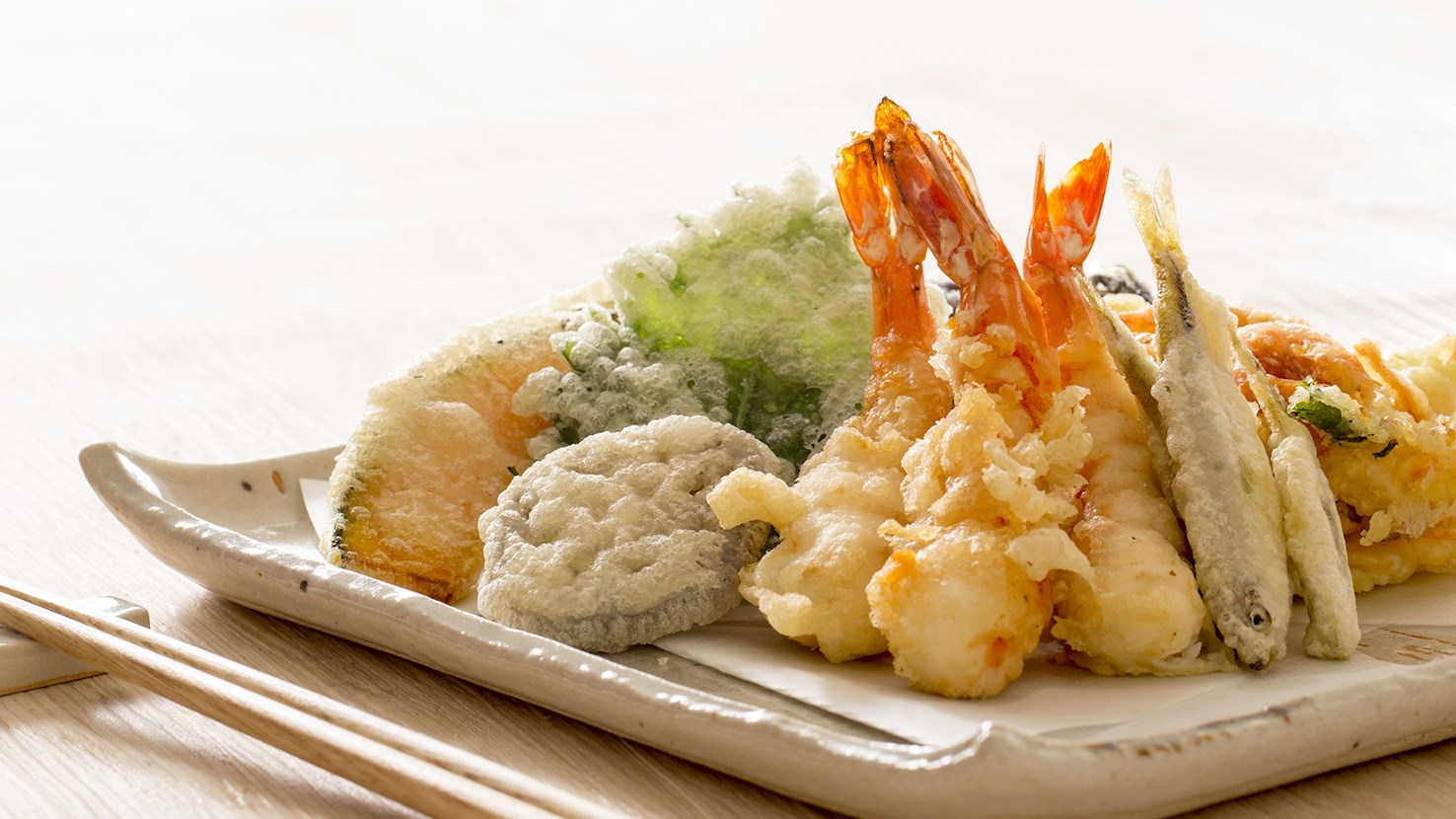
Although tempura is battered and deep-fried, the Japanese approach to food, characterized by clean flavors, simplicity, and minimalistic approach to ingredients remains intact. The most favorable ingredients for the dish include shrimp, scallops, squid, and small crabs, or vegetables such as shiitake mushrooms, asparagus, Japanese eggplant, and snow peas. The batter is the most crucial part of tempura, consisting of flour, eggs, and water, keeping the ingredients moist and flavorful. Even though the dish is very simple, it has quite murky origins. The most popular theory says that the Jesuit missionaries who came to Japan from Portugal in the 16th century were the most probable inspiration for the dish, consuming vegetable and seafood fritters on ember days (days on which no meat was allowed to be consumed). Another theory says that battered and deep-fried food was introduced to Japan by the Chinese, initially embraced by Zen priests who wanted to make their vegetarian diet more flavorful. Regardless of the origins of tempura, it remains an iconic dish that is served in a wide variety of ways: on its own, over rice, accompanied by tentsuyu or soy sauce, or even as a filling in sushi rolls.
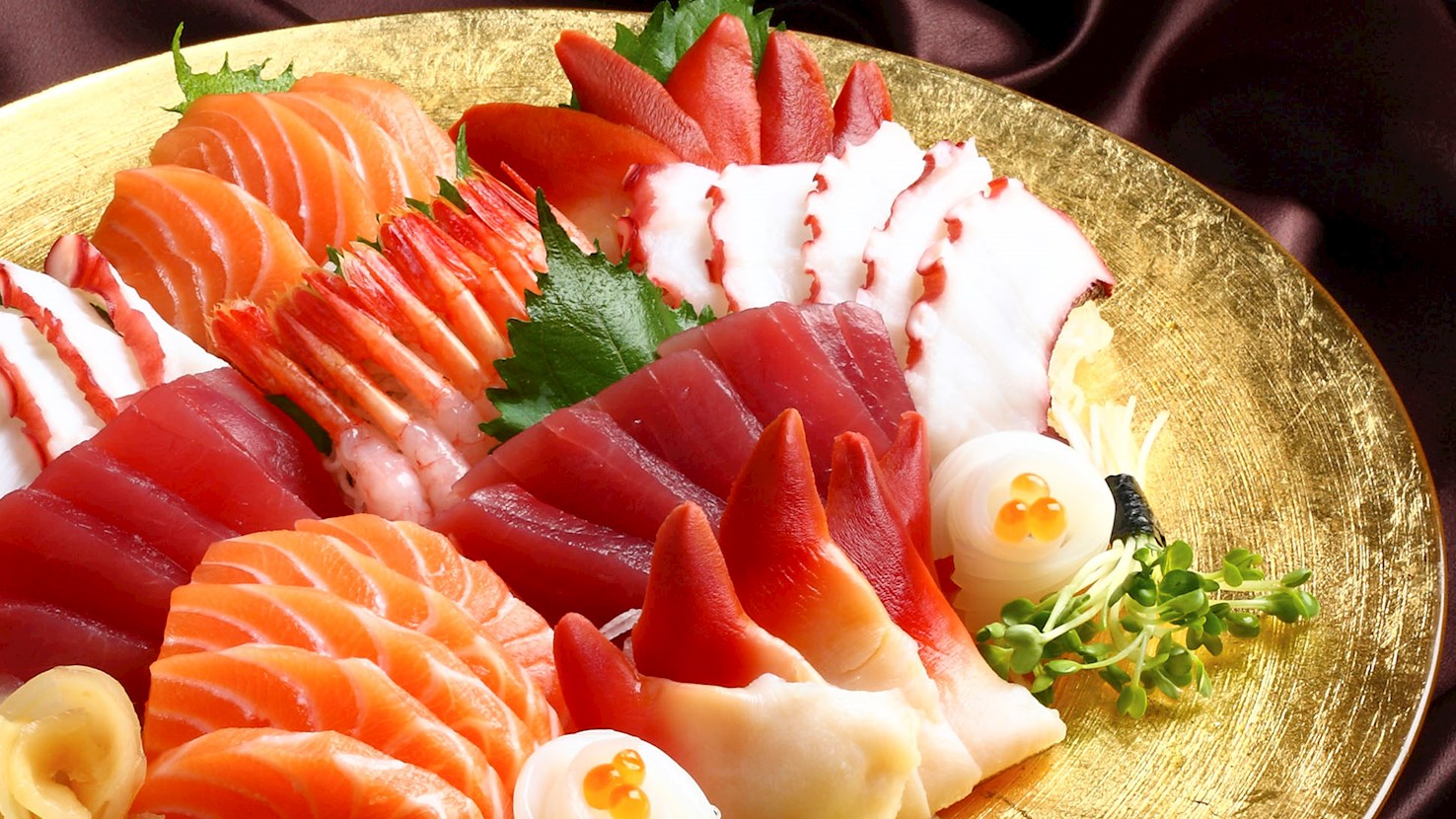
Sashimi is a culinary preparation consisting of fresh, raw seafood or meat sliced into precise, bite-sized pieces and served without heat. Historical records trace the origins of eating raw sliced fish to the Muromachi period, between 1336 and 1573, when people began consuming it with a mixture of vinegar and salt. The term itself translates to "pierced body" and originates from the words "sashi," meaning "pierced,," and "mi," meaning "body." Historians attribute this specific terminology to two distinct practices of the era. Fishmongers often pierced the severed head and tail of the fish, then attached them to the fillets to help buyers identify the species. Additionally, the samurai class dominated the social hierarchy at the time, and the word "kiru," meaning to cut, carried strict associations with swords and combat. People adopted the word "sashi" to politely avoid referencing violence at the dining table. A chef slicing the seafood uses a long, single-edged knife called a yanagiba to execute continuous, fluid strokes. Pulling the blade through the flesh in one motion cleanly severs the muscle fibers. A clean cut prevents the cellular structure from being crushed, which helps maintain a firm texture and traps natural moisture inside the meat. Different fish species require different geometric cuts. Hira-zukuri is a thick, rectangular cut used for firm fish such as bluefin tuna or salmon. Usu-zukuri is a paper-thin, diagonal slice used for white fish like flounder, making the flesh translucent enough to see the plate beneath. Ito-zukuri turns softer ingredients like squid into fine, thread-like strips. Bluefin tuna, known as maguro, offers a deep ruby color and a graduated fat content depending on the cut. Yellowtail, or hamachi, provides a buttery, rich bite, while sea bream offers a leaner, snappier texture. A serving arrives with a shallow dish of soy sauce for dipping. A small portion of grated green wasabi root frequently accompanies the slices, adding a sharp, volatile heat that clears the palate. Grated ginger typically replaces wasabi when serving oily, strong-tasting fish like mackerel or sardines. Shredded white daikon radish and serrated green shiso leaves rest beneath the slices, providing an herbaceous contrast and an edible palate cleanser between different types of seafood. The entire process relies entirely on the pristine quality of the raw catch and the absolute precision of the knife work.
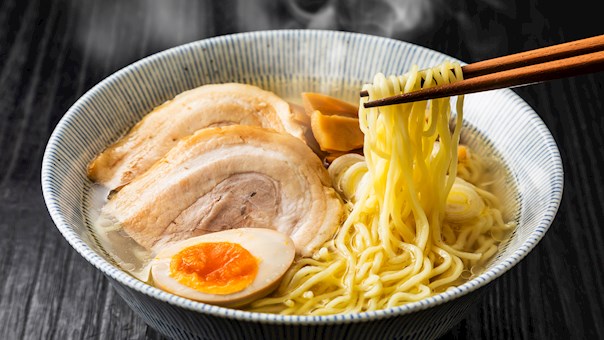
Tonkotsu is a unique style of ramen consisting of an extremely rich, fatty pork broth, fresh noodles, soft-yolk eggs, and tender pork belly that melts in the mouth. It is so popular and special that it could be a dish of its own, not just a ramen style. The ramen is usually topped with scallions for brightness and vibrancy, bamboo shoots for a crunchy, nutty flavor, nori seaweed for crispness, and sweet corn for an even better flavor. The rich broth is developed by cooking the pork bones for a very long time, until the collagen and fat dissolve, resulting in a unique, creamy texture of the dish. In recent years, it has been quite trendy to add some mayu (burnt sesame or garlic oil) to the dish, giving it an even richer, bolder flavor.
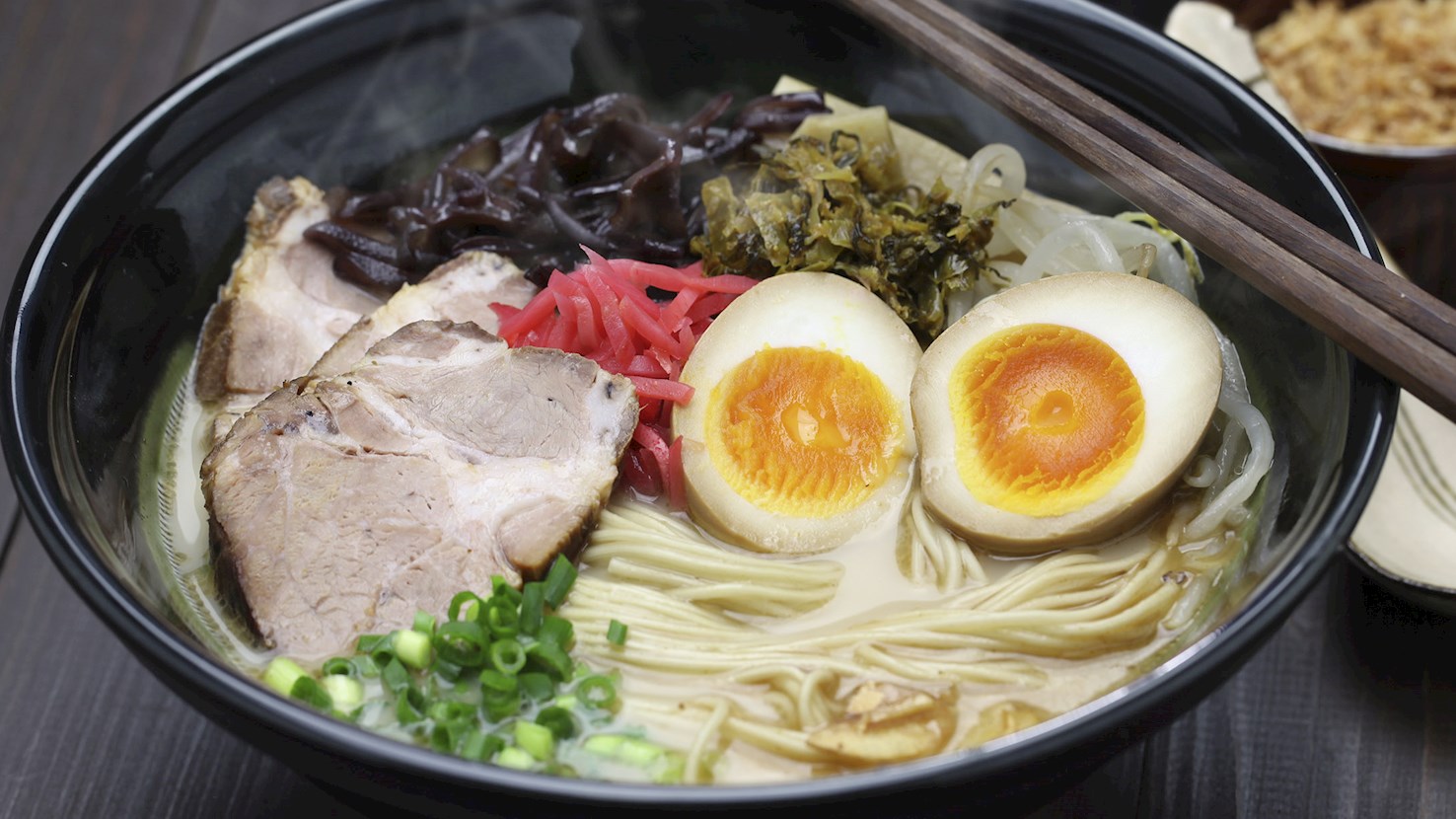
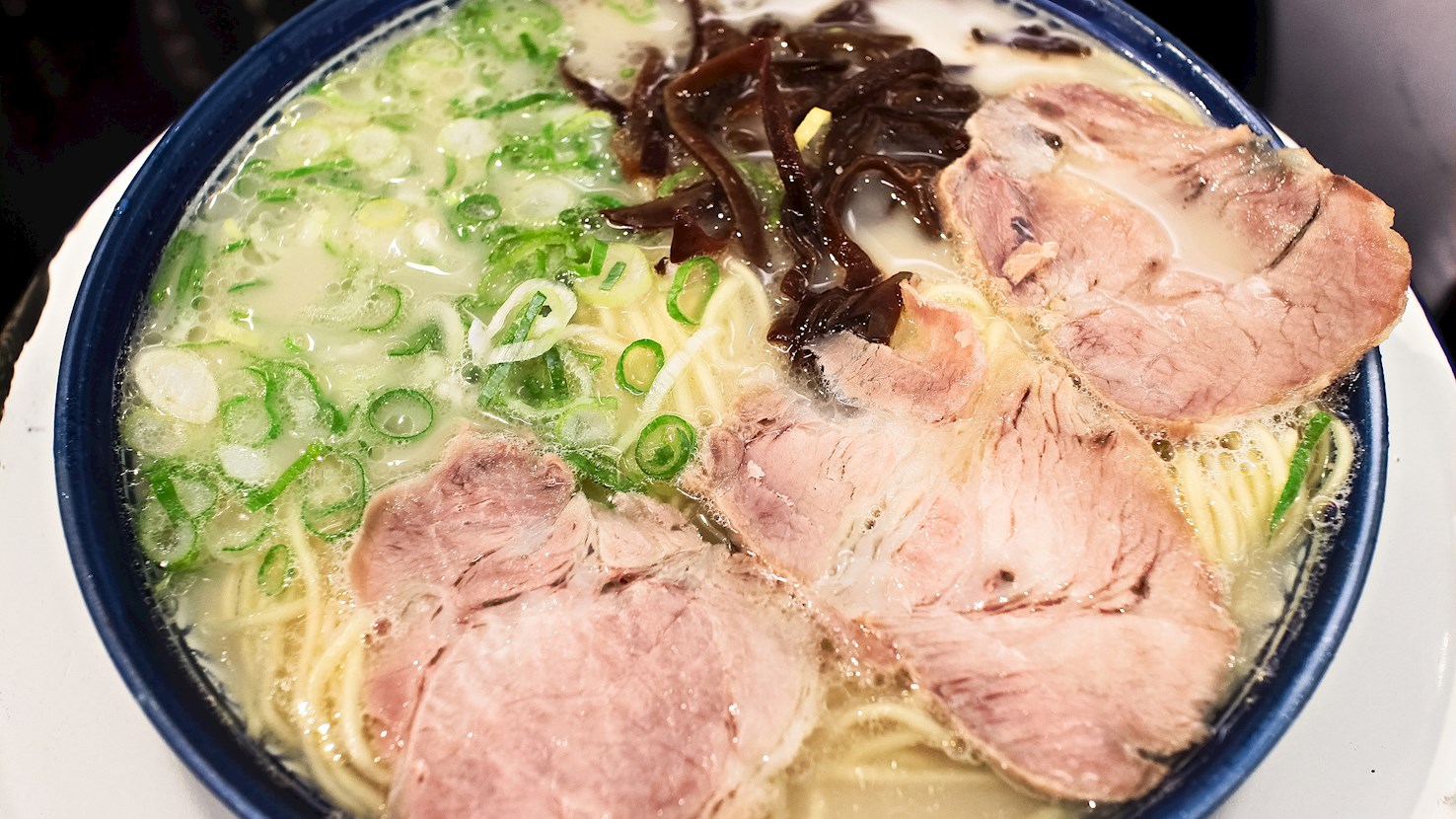
Hailing from Fukuoka, hakata is one of the most famous ramen variety in Japan. The base of the ramen is tonkotsu (which is why it is sometimes, especially in Fukoaka, refered to as tonkotsu ramen, although there are various other regional varieties of tonkotsu ramen), the creamy pork bone broth which gives the dish its incredibly rich and layered taste. It is often only seasoned with shio (salt), and occasionally with shoyu (soy sauce) and miso (fermented soybean) paste. Hakata ramen is typically served with ultra-thin, straight, and firm wheat noodles, though it’s possible to choose the firmness of the noodles according to individual preferences. Although thin slices of chashu pork and chopped green onions are the most common, other typical additions to the broth include spicy mustard greens, ramen eggs, wood ear mushrooms, beni shōga (pickled ginger root), garlic, bean sprouts, mayu, and crushed sesame seeds. This ramen variety derives its name from the former port city and merchant quarter of Hakata, which, in 1889, was merged with the castle town of Fukuoka into one city that came to be known as Fukuoka city.
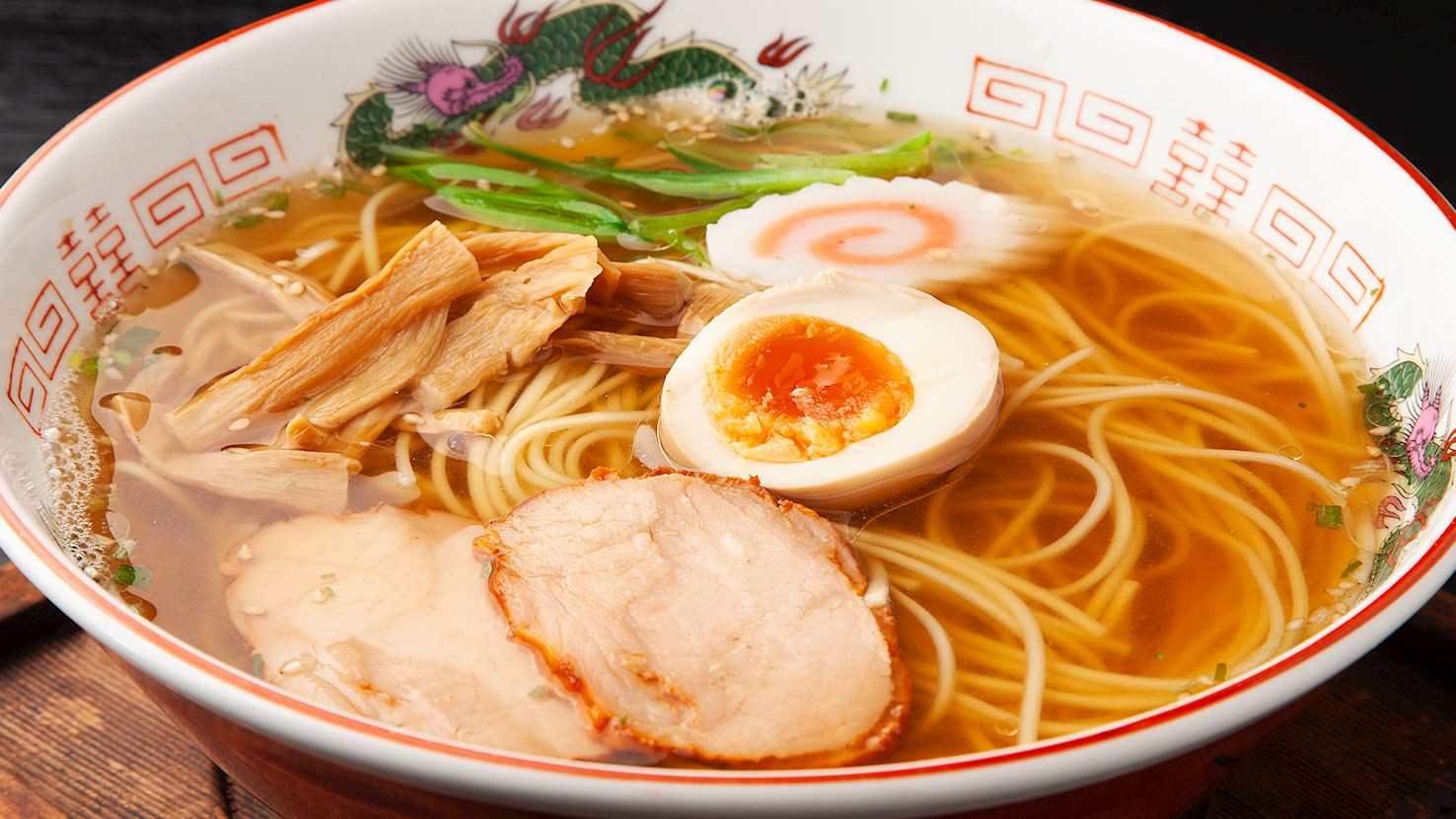
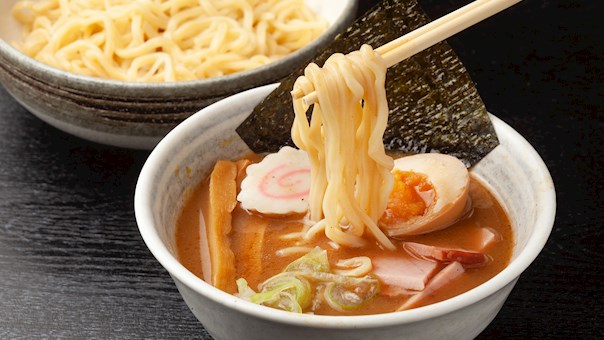
The soy sauce based shoyu ramen is one of the four major groups of ramen - noodle dishes praised for their exquisite flavors. Noodles, broth, and various toppings are the three essential elements in every bowl of ramen. The dark and salty soup is what distinguishes shoyu from other varieties. It usually employs meat or seafood broth, which is mixed with a fragrant combination of kombu stock and soy sauce. Fresh curly wheat noodles are typically used in shoyu ramen. Cooked separately, they are served in a bowl and doused in the rich broth. Standard condiments served on top of ramen are most commonly slices of braised pork, bamboo shoots, fish cakes, onions, and quartered boiled eggs. The beauty of ramen dishes is that they are easily adaptable, and many different toppings can be added according to personal preferences. It is still not clear whether ramen was invented in Japan or China, but due to the usage of wheat noodles and soy sauce, it has certainly been influenced by the Chinese culinary traditions. Shoyu ramen is usually associated with Tokyo, and it is believed that it was one of the first ramen varieties. The best way to consume shoyu ramen is immediately after it has been prepared.
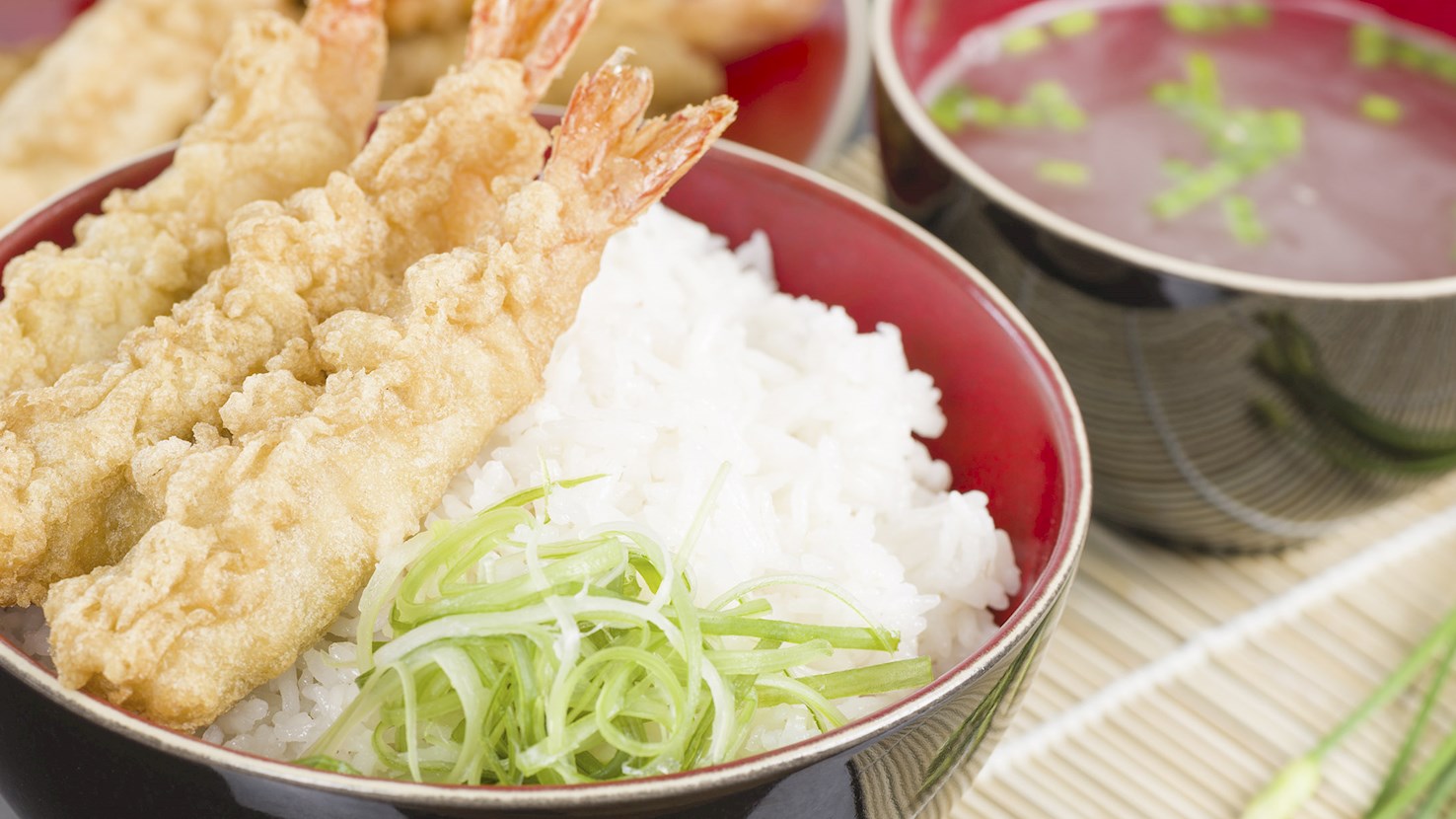
A delicious combination of tempura and donburi - hence the name tendon - this classic Japanese one-bowl meal consists of battered and deep-fried seafood or vegetables laid over freshly steamed rice. The most popular ingredients for tendon include ebi or shrimps, which can be found in virtually all tempura dishes, and Japanese eggplant called nasu, but also other vegetables such as daikon radish and kabocha squash. Tendon is usually drizzled with the umami-imparting tentsuyu, a savory tempura sauce made with dashi soup stock and a mixture of soy sauce, mirin, and sugar called kaeshi. Alternatively, to make your tendon bowl look even more appetizing, the tempura pieces can be separately dipped in any dashi or soy-based sauce before being neatly arranged on top of a steamy bed of rice. In Japan, tendon dishes are most often enjoyed for lunch or as a light evening meal.
TasteAtlas food rankings are based on the ratings of the TasteAtlas audience, with a series of mechanisms that recognize real users and that ignore bot,
nationalist or local patriotic ratings, and give additional value to the ratings of users that the system recognizes as knowledgeable.
For the “100 Traditional Foods You Have To Try in Tokyo” list until August 17, 2026, 2,133 ratings were recorded, of which 1,913 were recognized by the system as legitimate.
TasteAtlas Rankings should not be seen as the final global conclusion about food. Their purpose is to promote excellent local foods,
instill pride in traditional dishes, and arouse curiosity about dishes you haven’t tried.



What People Say