

shutterstock

Top 100 Stir-fry Dishes
in the World

Last updated on November 28, 2026
01

Tibs

4.4 ·

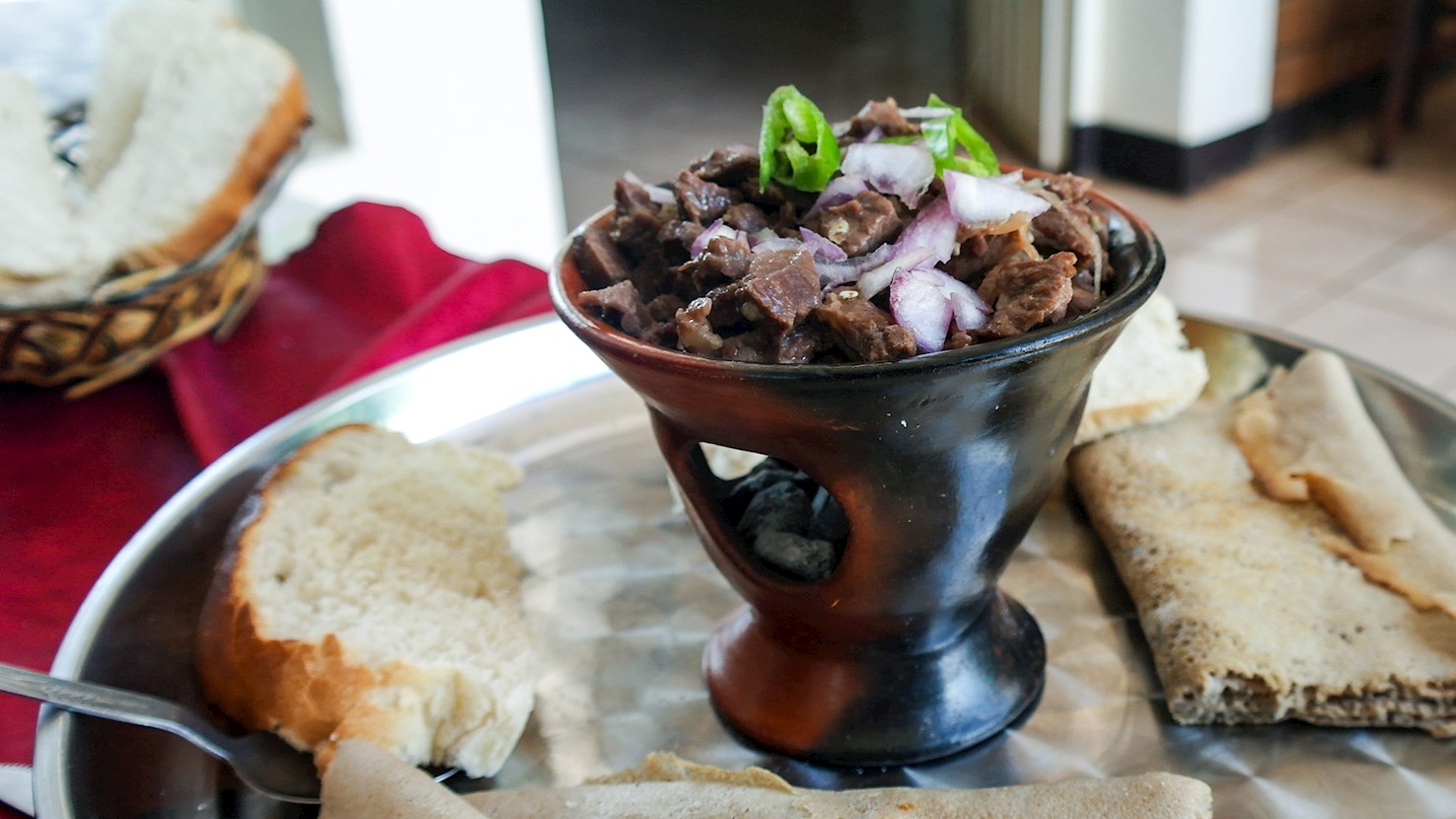
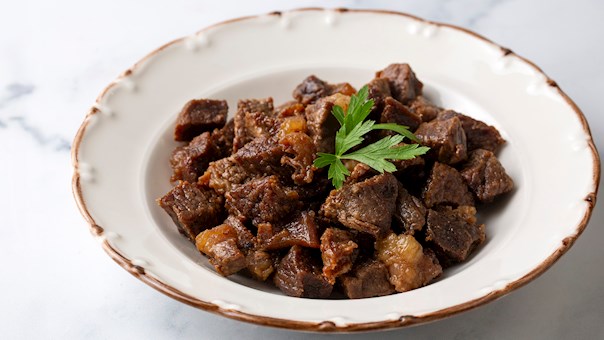
Tibs is a quick stir-fried meat dish made with cubes of beef, lamb, or goat seared over high heat with onions, jalapeños, and spiced clarified butter. Historical accounts from the Royal Chronicles of the Solomonic dynasty in the fourteenth century describe royal banquets where large platters of seared meat were served as a sign of wealth and to honor important guests. The high-heat cooking style is also closely connected with the fasting calendar of the Orthodox Church in the Horn of Africa. After the fifty-five-day vegan fast leading up to Fasika, freshly slaughtered livestock could be cooked quickly without the long simmering required for stews. The meat is first cut into even, bite-sized cubes. A wide metal pan is heated until very hot. A generous spoonful of niter kibbeh, clarified butter flavored with fenugreek, cardamom, and garlic, is melted in the pan. Sliced red onions and the raw meat are added to the hot fat and seared quickly so the outside browns while the inside stays juicy. Minced garlic, fresh ginger, and thick slices of green jalapeño are added shortly before the meat finishes cooking. Fresh rosemary sprigs are often added at the end so their aroma infuses the hot butter and meat. Changing the cooking time and seasonings creates several different styles. Awaze tibs adds a thick, spicy mixture of berbere chili and honey mead, turning the dry stir-fry into a richer, dark red, saucier version. Derek tibs takes the opposite approach. No extra liquid is added, and the meat stays in the hot pan until the outside becomes dry, crisp, and deeply browned. Lamb can replace beef, producing a fattier and gamier flavor and usually requiring less butter in the pan. The hot meat is served directly over injera, the large, spongy sourdough flatbread that absorbs the spiced butter and meat juices. The meal is eaten by tearing off pieces of injera by hand and using them to pick up the meat. A small clay brazier filled with hot charcoal is sometimes placed at the table beneath a special pan called a shekla, keeping the tibs hot and sizzling while it is served. Small portions of bright orange mitmita spice powder or sharp yellow mustard paste are often placed around the edges of the injera for dipping.

02

Phat kaphrao

4.4 ·

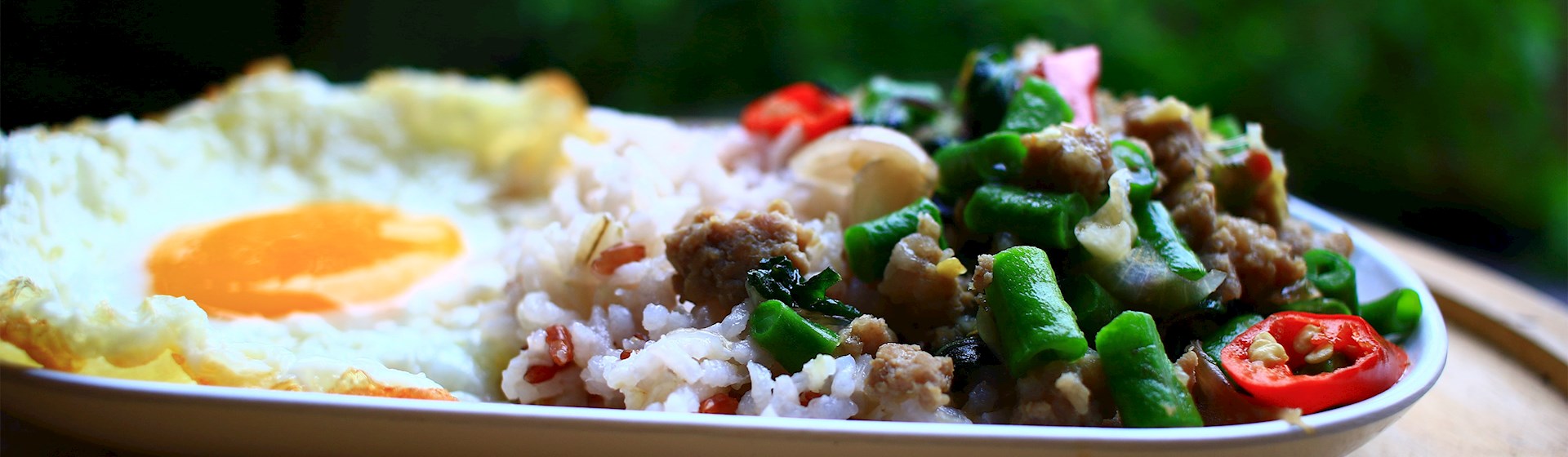
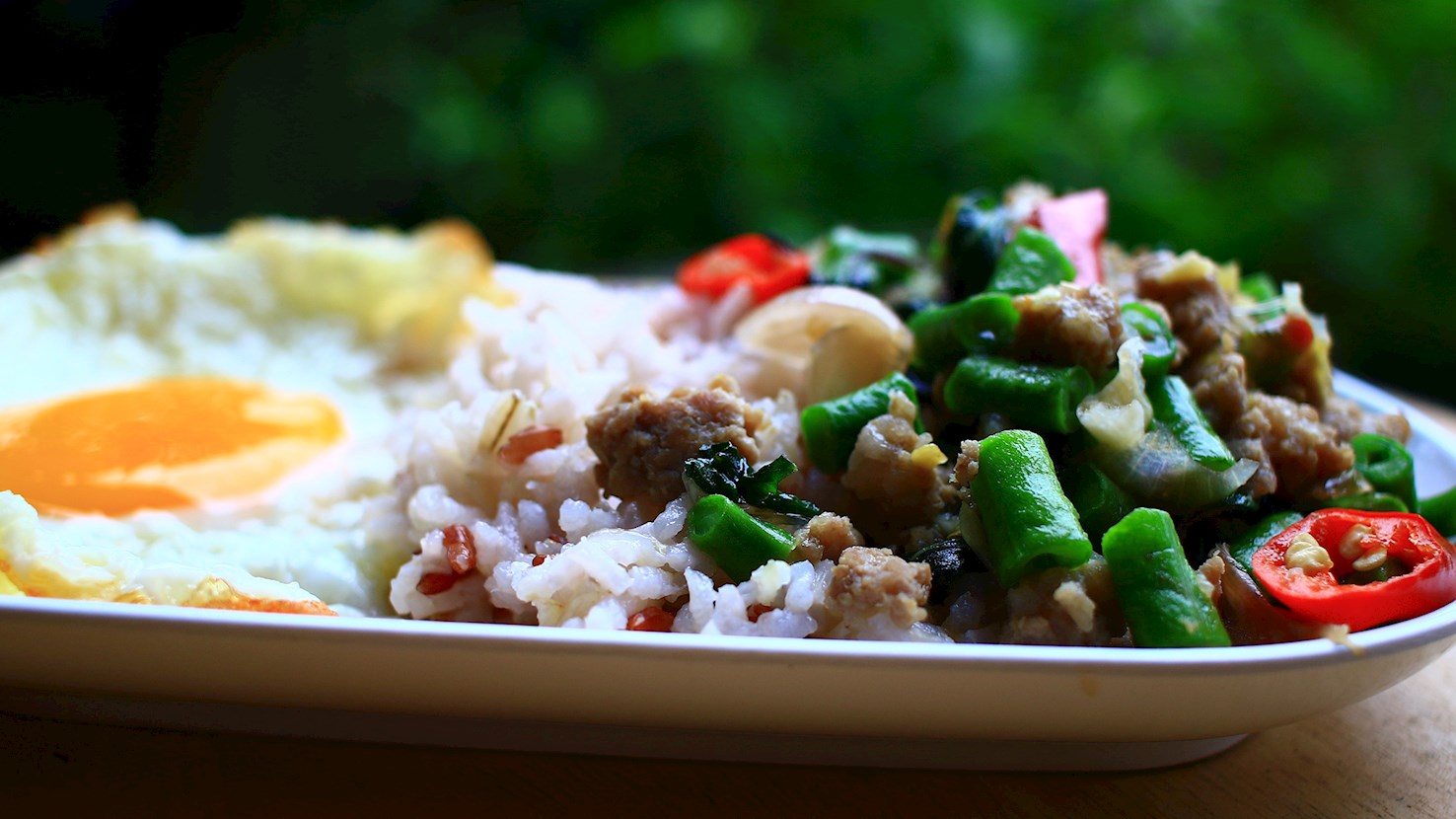
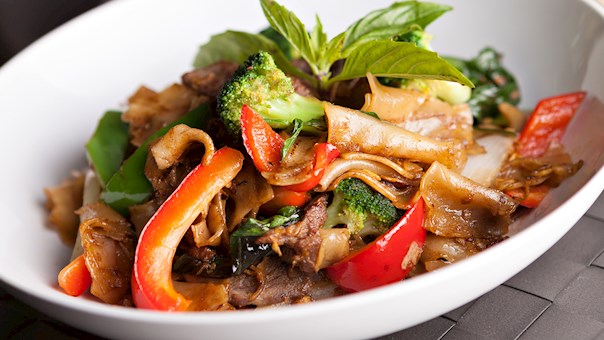
This traditional Thai stir-fry combines minced meat or seafood with holy basil and various other ingredients such as shallots, garlic, and chili peppers. The dish is flavored with soy sauce, sugar, and fish sauce, and typically comes served with rice, fried eggs, and fish sauce on the side. Interestingly, phat kaphrao is ranked as the fourth most common dish ordered by foreigners in Thailand.

03

Jiao yan you yu (Salt-and-pepper squid)

4.3 ·

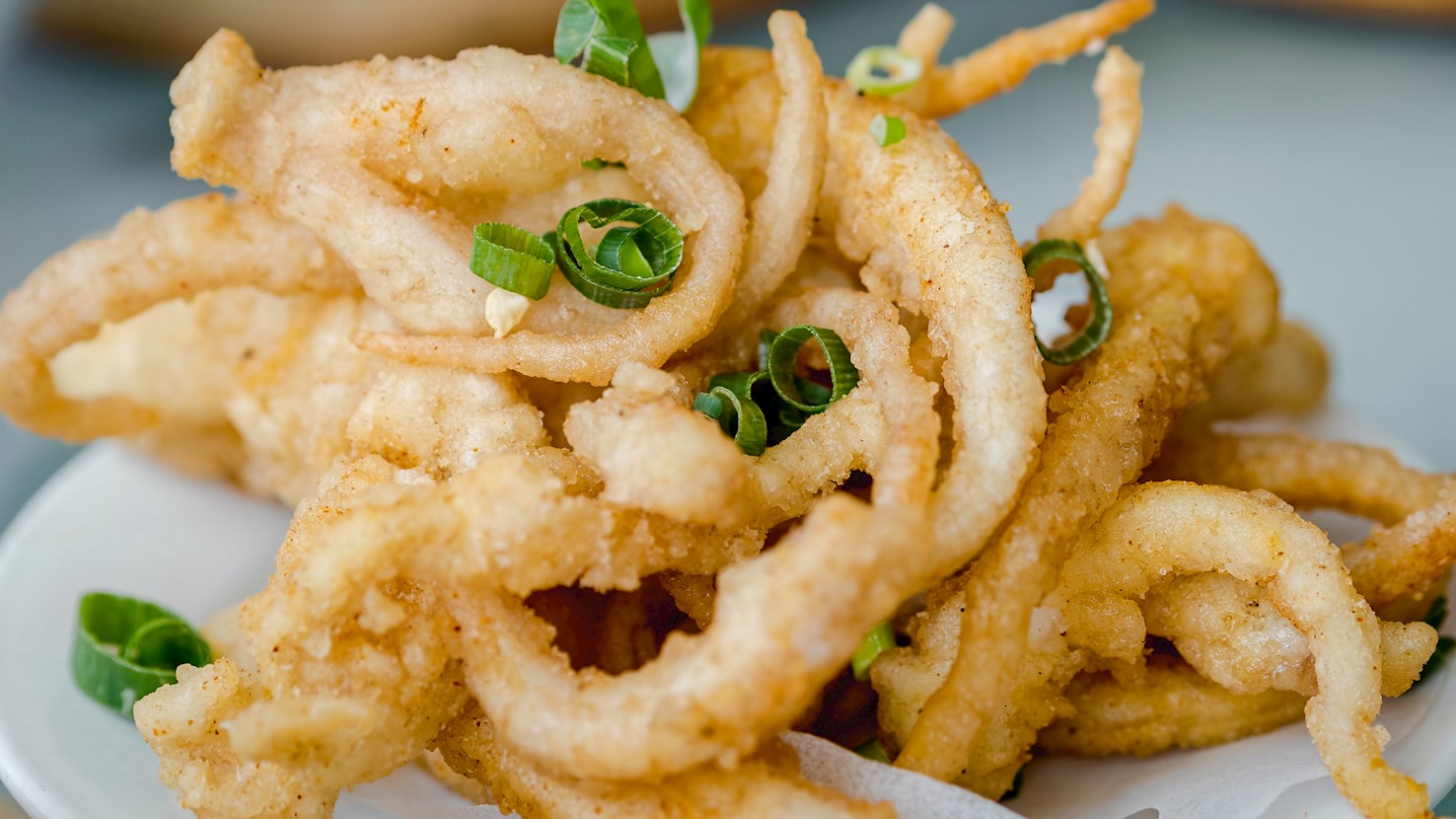
Jiao yan you yu or salt-and-pepper squid is a traditional dish originating from Guangzhou. This Cantonese dish is usually made with a combination of squid, potato flour, scallions, Shaoxing wine, garlic, oil, hot peppers, Sichuan pepper or white pepper, and salt. The surface of the squid is cross-hatched and the body is cut into bite-sized pieces. It's mixed with Shaoxing wine, drained, dredged in flour, and deep-fried in hot oil until lightly golden. The squid is removed from the pan. The garlic, scallions, and hot peppers are stir-fried in the same oil, and the squid is placed back into the pan with a mixture of Sichuan pepper and salt. The dish is stir-fried a bit more, tossed, and served hot as an appetizer or a main course.

04

Nasi goreng ayam

4.3 ·

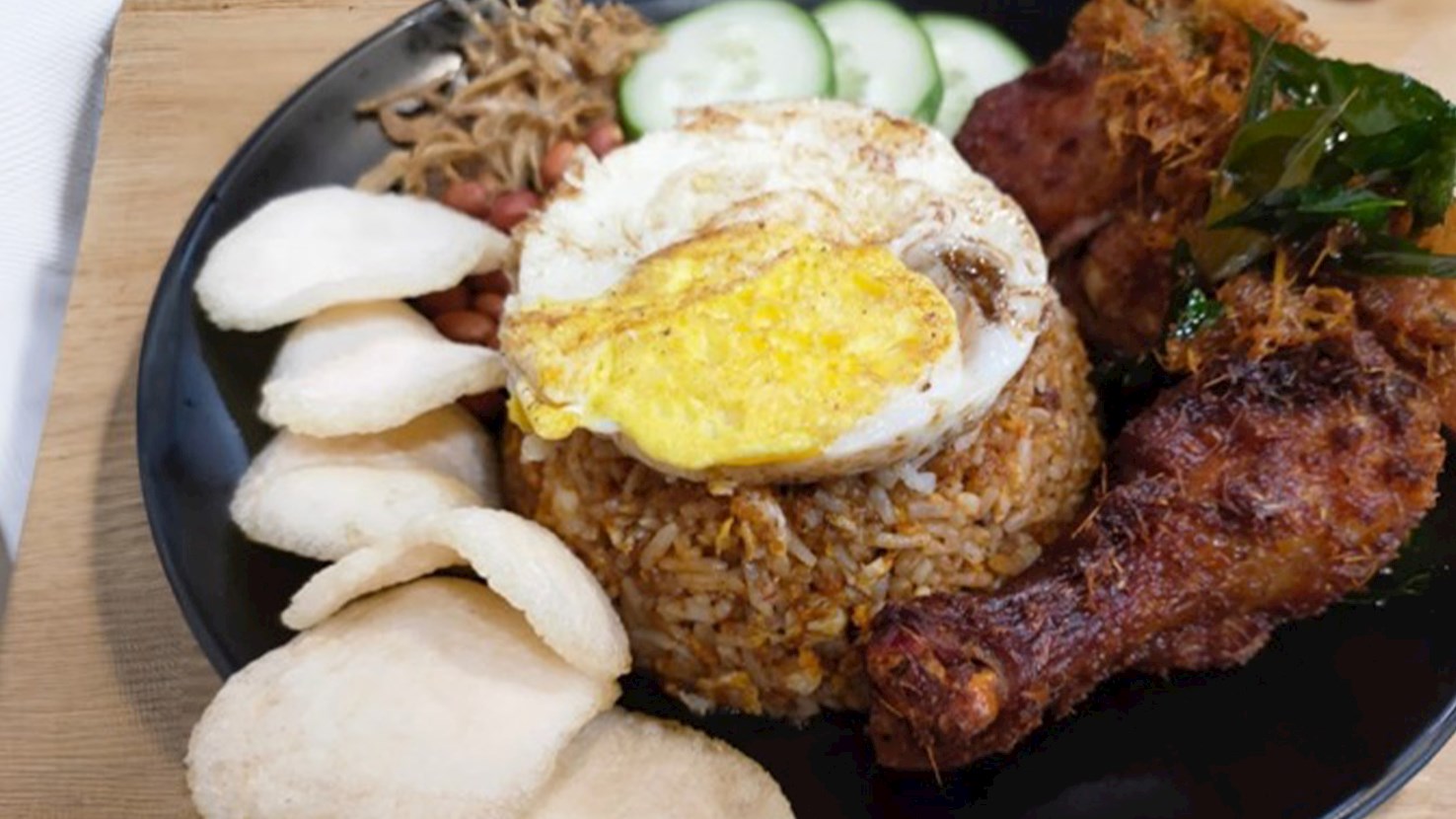
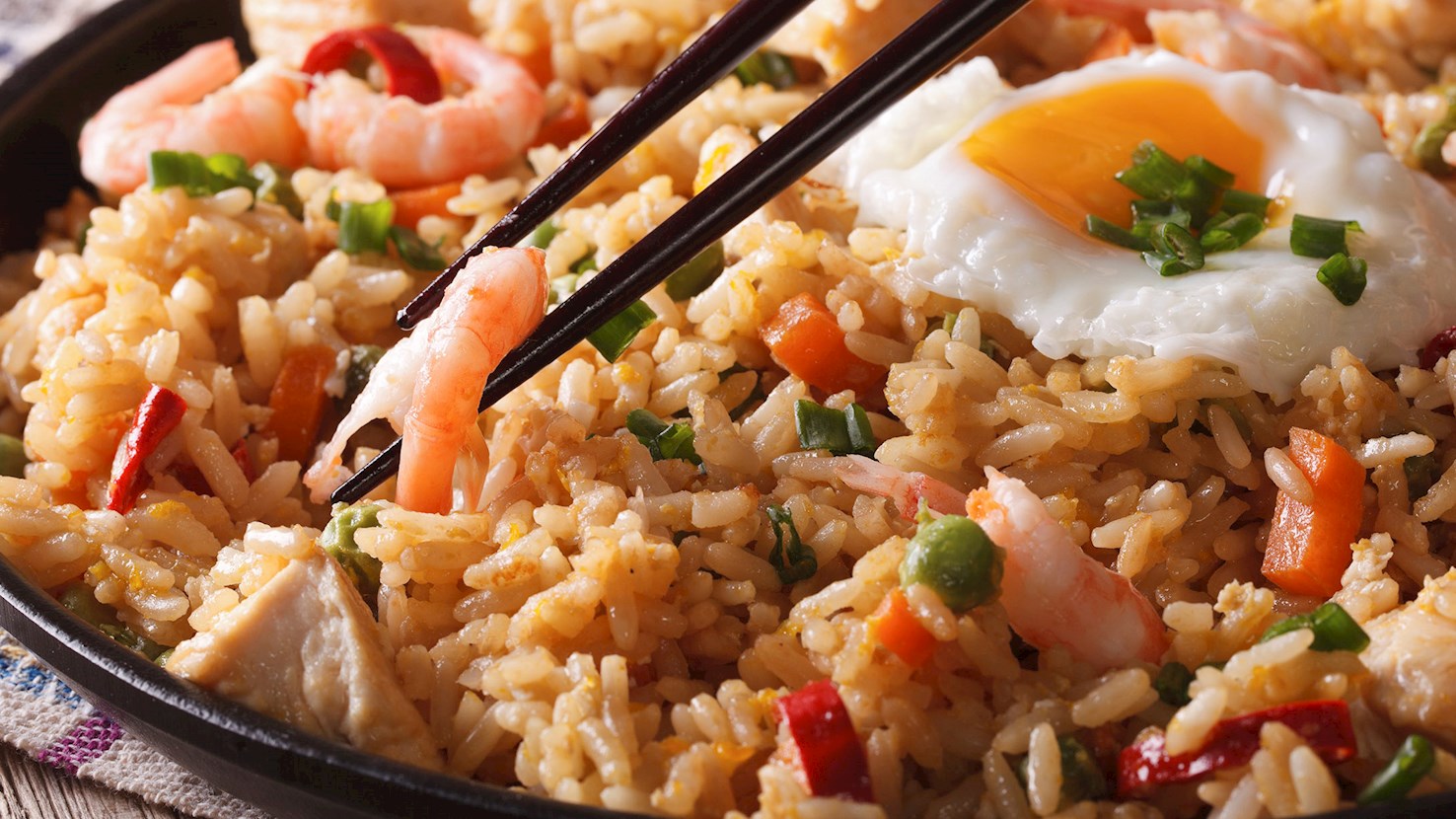
Nasi goreng ayam is a traditional fried rice dish that's also popular in Singapore, Brunei, and Malaysia. Although there are many versions of this nasi goreng variety, it is usually made with a combination of chicken thighs, oil, salt, white pepper, shallots, rice, turmeric, soy sauce, fish sauce, galangal, ginger, garlic, scallions, kecap manis, and hot peppers. Most of the ingredients are fried with rice, and the dish is then topped with fried eggs, fried shallots, and sliced chili peppers. It's recommended to serve nasi goreng ayam with prawn crackers on the side.

05

Lomo saltado

4.3 ·

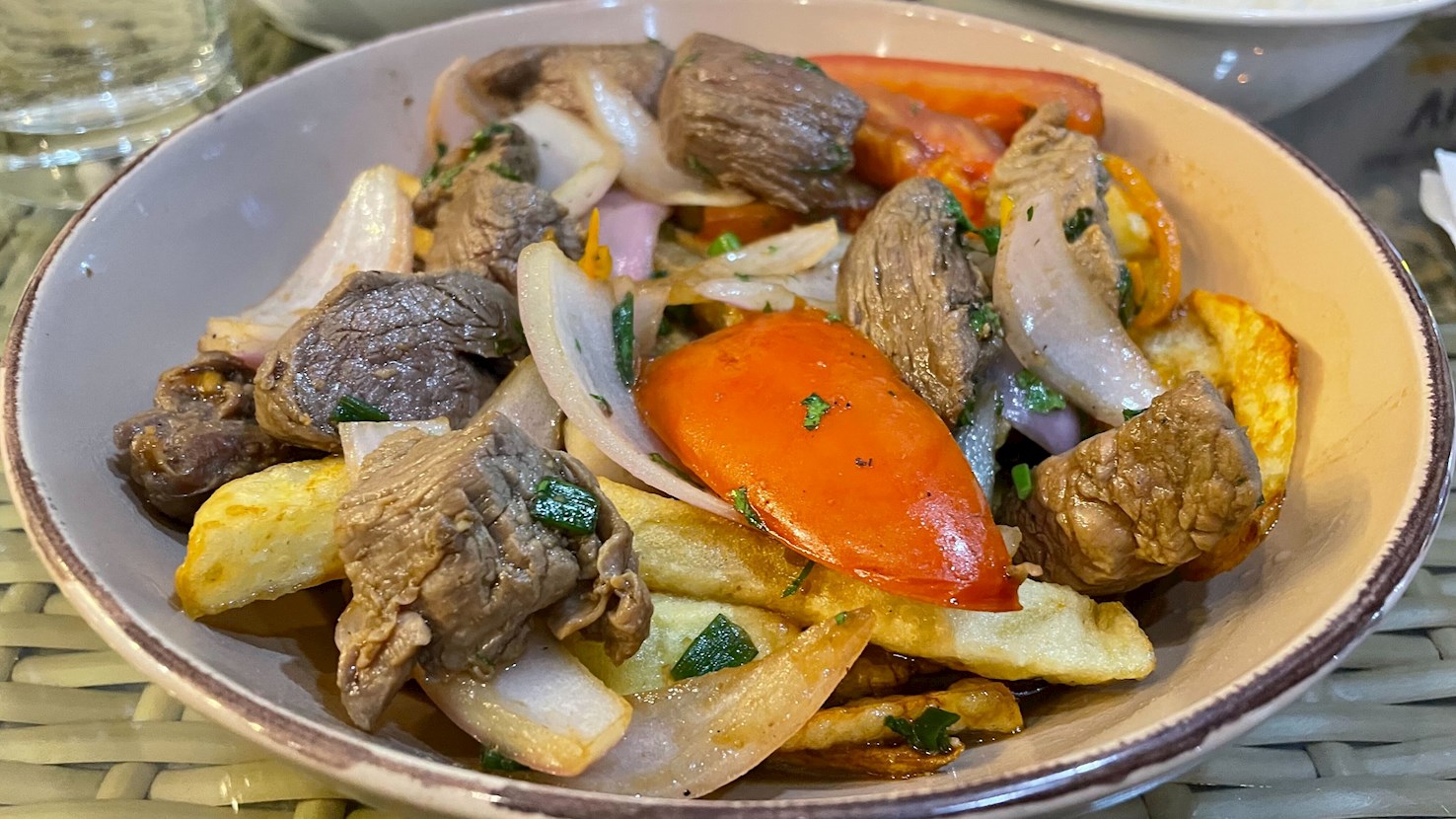
Lomo saltado is a traditional dish consisting of stir-fried marinated slices of sirloin or beef tenderloin, onions, yellow Peruvian chilis, and tomatoes. The dish is typically served with French fries and rice on the side, and can be found on the menus of almost all Peruvian restaurants, whether simple or upscale. The dish has had a big Asian influence due to the influx of Chinese immigrants during the 19th century. Over the years, some Chinese cooking techniques were combined with the Peruvian, and new dishes were invented, such as lomo saltado. Today, there are many variations on the dish, so beef can be replaced by chicken, when it is called pollo saltado. If the potatoes are replaced with noodles and vegetables, it is then called tallarin saltado. With its fusion of old and new worlds, lomo saltado still holds its status as one of Peru's most loved dishes.

06

Lok lak

4.2 ·

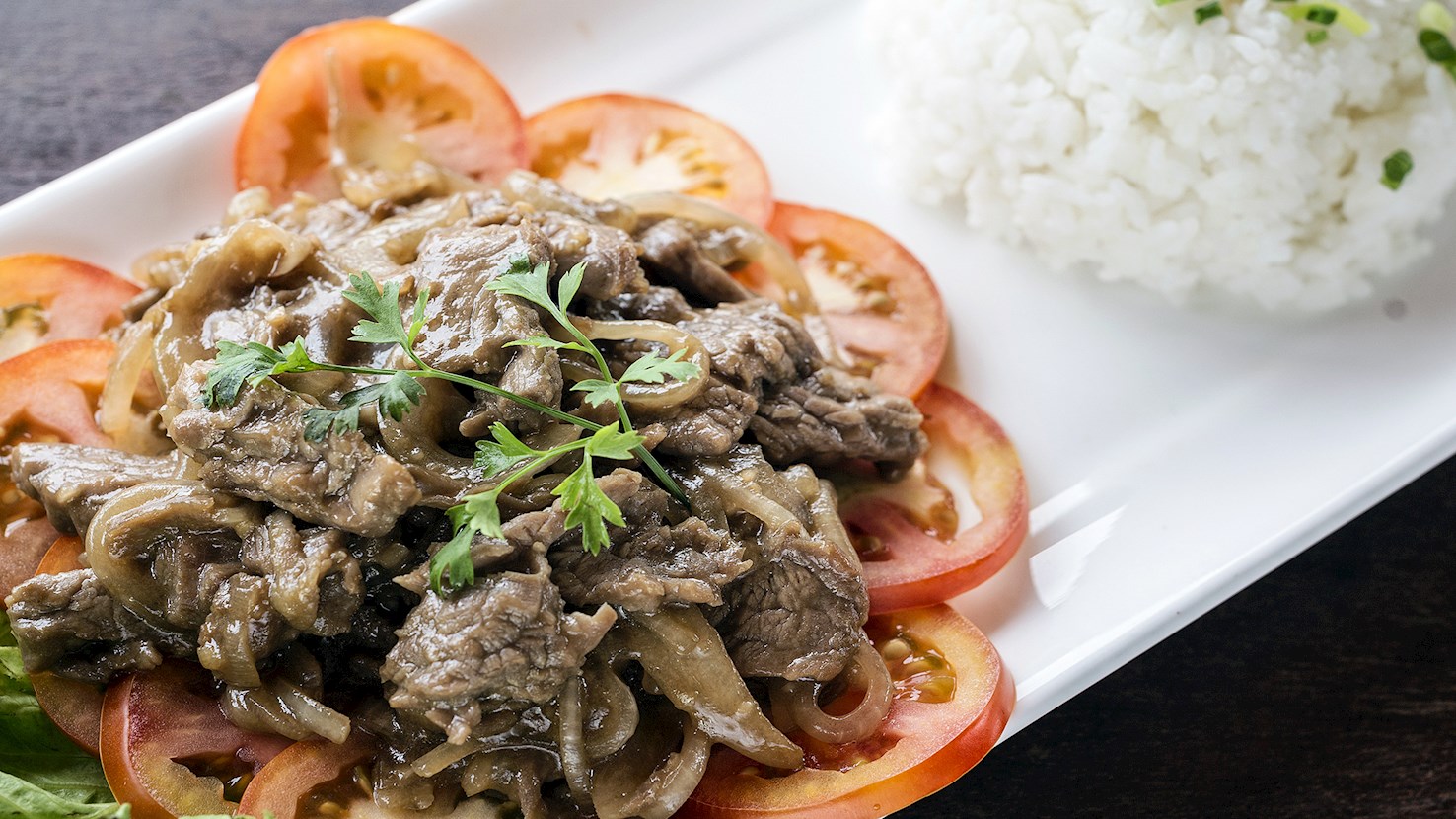
Lok lak is a Cambodian stir-fry utilizing beef, chicken, or shrimp as the key ingredients, although beef is typically the most popular option. For the beef version, a bed of lettuce leaves is traditionally topped with cucumbers, tomatoes, raw onions, and stir-fried beef along with its juices. The dish is typically consumed by pulling lettuce leaves from the bottom and adding other ingredients into it, so it is consumed similar to a wrap. Lok lak is often paired with rice on the side, and it was supposedly brought to the country by the French people from Vietnam.

07

Fan qie chao dan (Tomato and egg stir-fry)

4.2 ·

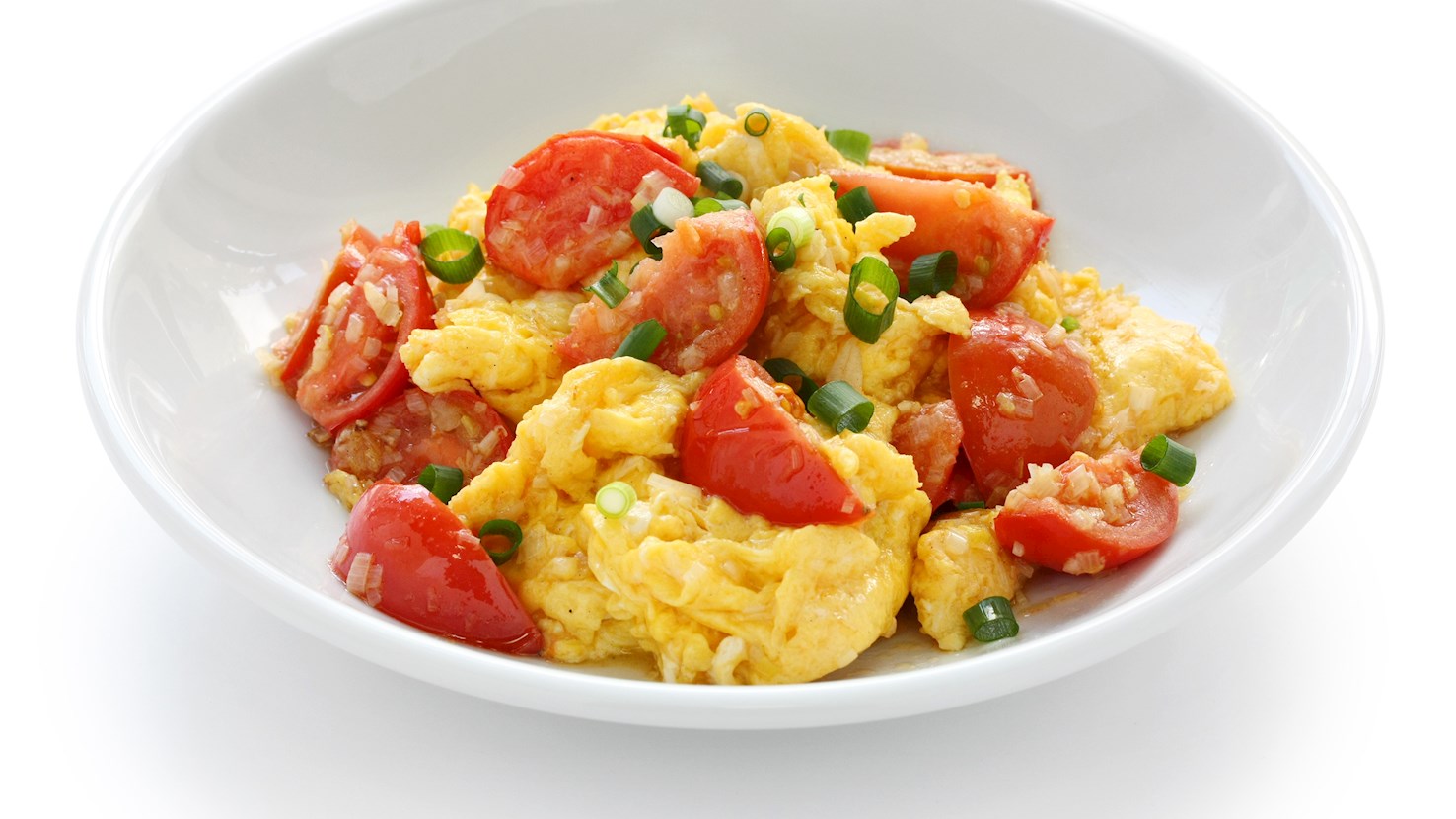
Fan qie chao dan is a traditional dish based on eggs on tomatoes. Other ingredients usually include oil, salt, sugar, and potato flour or cornstarch. The eggs are scrambled into large curds and then stir-fried with sliced tomatoes in oil. Sugar and salt are added to taste and everything is then mixed with the potato flour (or cornstarch) and a bit of water, if desired. This dish is served hot and it's enjoyed at home and in restaurants. Fan qie chao dan is especially popular in school canteens. There are many variations on the dish, including ingredients such as Shaoxing wine, garlic, ginger, or white pepper.

08

Pad Thai

4.2 ·

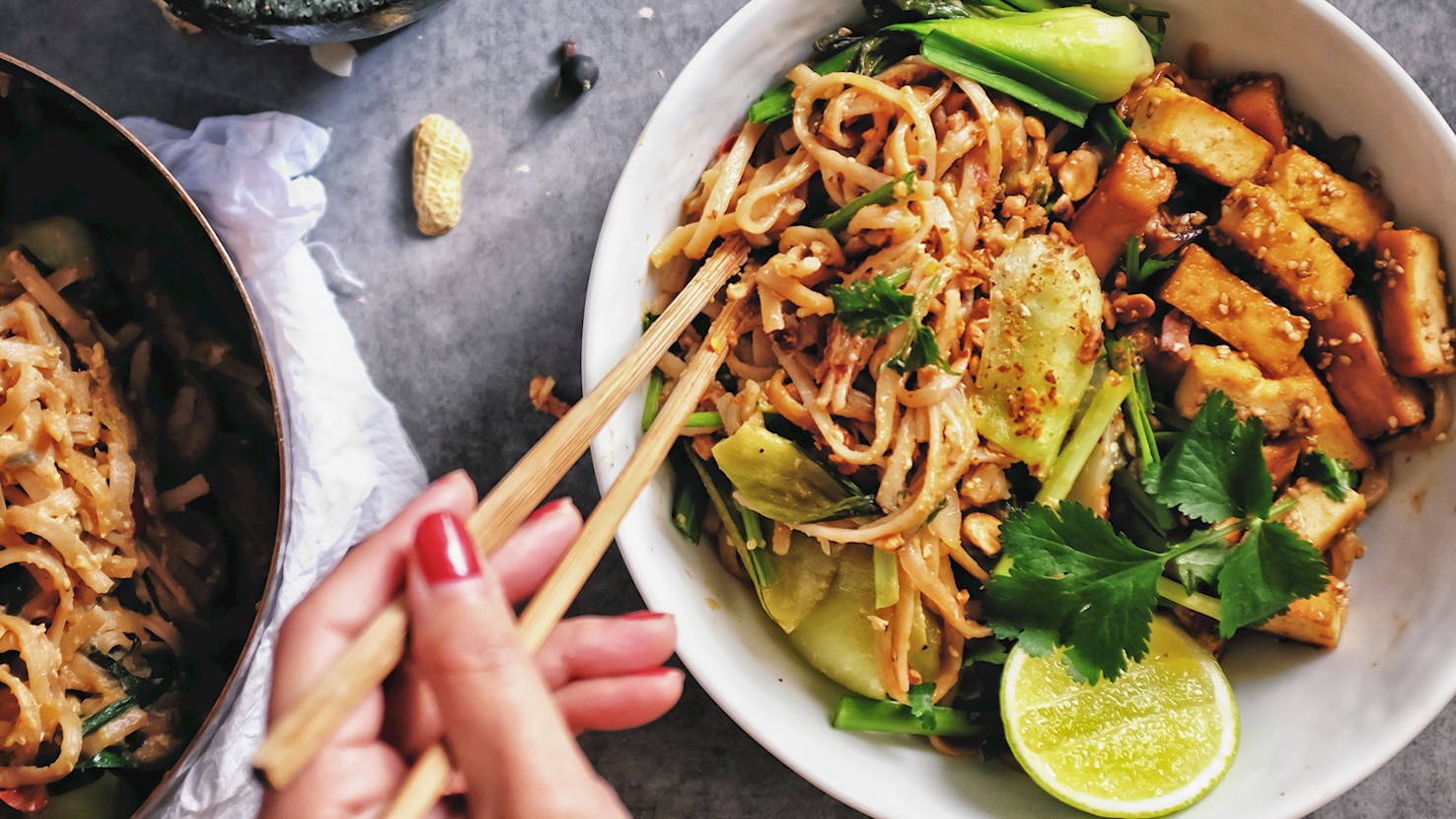
Pad Thai is Thailand's national dish, a flavorful stir-fry (pad in Thai) dish consisting of rice noodles, tofu, dried shrimp, bean sprouts, and eggs. If it's made with meat, chicken and pork are some of the most popular choices. The flavors are an intricate combination of sweet, sour, and salty, with a well-balanced contrast of textures. Pad Thai is probably one of the most popular Thai dishes abroad. Its origins can be traced to a period of nationalism in the country, after the 1932 revolution that ended the absolute monarchy. There was a public contest to find a new national noodle dish, and the winner was a Pad Thai consisting of noodles, radish, sprouts, peanuts, and eggs. Tender rice noodles are additionally flavored with sugar, tamarind, lime juice, vinegar, and fish sauce, and the dish is traditionally served with ground red chilis, white vinegar, sugar, fresh lime wedges, and fish sauce on the side, so each consumer can garnish the meal to their preference.

09

Nasi goreng

4.2 ·

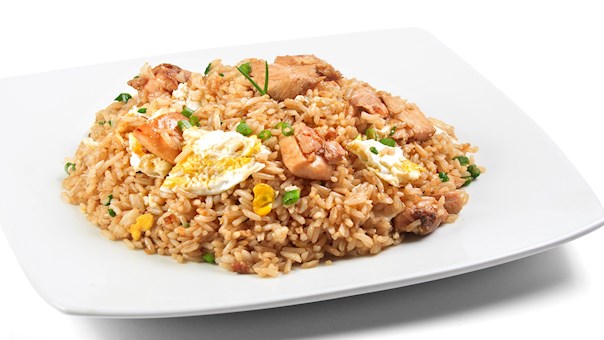
Nasi goreng is often referred to as the Indonesian version of fried rice. Although it is considered to be the national dish of Indonesia, it is also commonly eaten in Malaysia and Singapore. It is believed that the tradition of frying rice in Indonesia came from the Chinese culture, when the trade between the two countries started to develop. Indonesians adopted the Chinese tradition based on the belief that it is sinful to waste food, and soon, like many other versions of fried rice, nasi goreng was created. Since it was developed out of a practical need, it is usually eaten for breakfast and made with leftover rice from the previous day. Precooked rice is usually fried in a small amount of oil, then spiced up with shallots, garlic, chili, or ginger. Indonesian fried rice is distinguished by the generous use of sweet soy sauce, and because of that, it has a deeper and spicier flavor than other varieties of fried rice. Nasi goreng is commonly served with eggs. Usually, they are mixed in the rice or fried and served on the side.

10

Rau muống xào tỏi (Morning Glory Stir-Fry)

4.2 ·

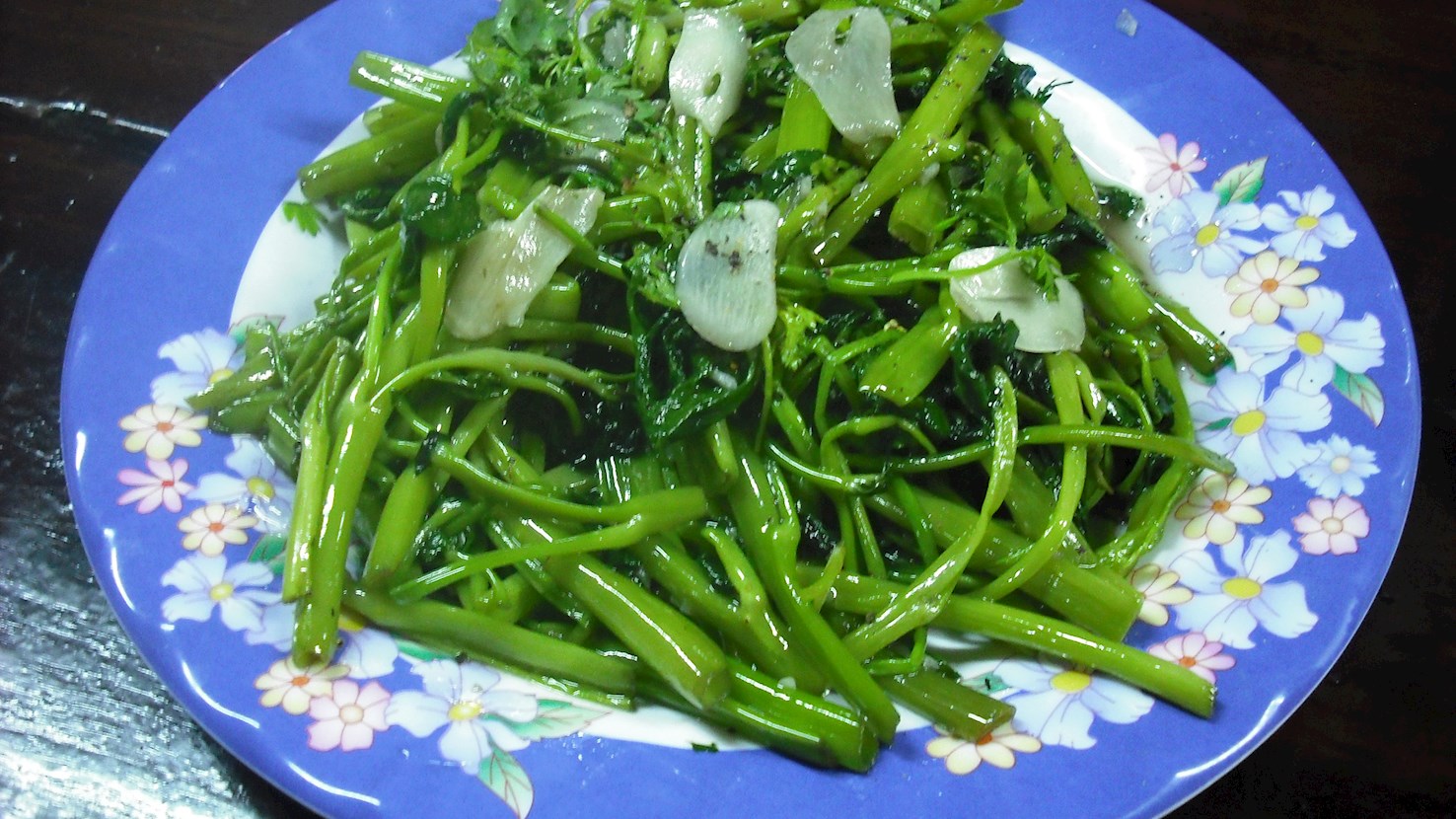
Rau muống xào tỏi is a traditional dish that's suitable for vegetarians. It's made with a combination of morning glory (water spinach), garlic, fish sauce, salt, sugar, and oyster sauce. The water spinach is blanched, then stir-fried with garlic, salt, and sugar, while the fish sauce is added near the end of cooking. This vegetable dish is served hot, usually as a part of a three-course meal, the first is a stir-fry, the second course is a boiled or steamed dish, and the third course is a soup. Rau muống xào tỏi also makes for a great accompaniment to white rice.

About this Ranking

TasteAtlas food rankings are based on the ratings of the TasteAtlas audience, with a series of mechanisms that recognize real users and that ignore bot, nationalist or local patriotic ratings, and give additional value to the ratings of users that the system recognizes as knowledgeable. For the “Top 100 Stir-fry Dishes in the World” list until November 28, 2026, 8,678 ratings were recorded, of which 6,395 were recognized by the system as legitimate.

TasteAtlas Rankings should not be seen as the final global conclusion about food. Their purpose is to promote excellent local foods, instill pride in traditional dishes, and arouse curiosity about dishes you haven’t tried.

What People Say

Similar Lists