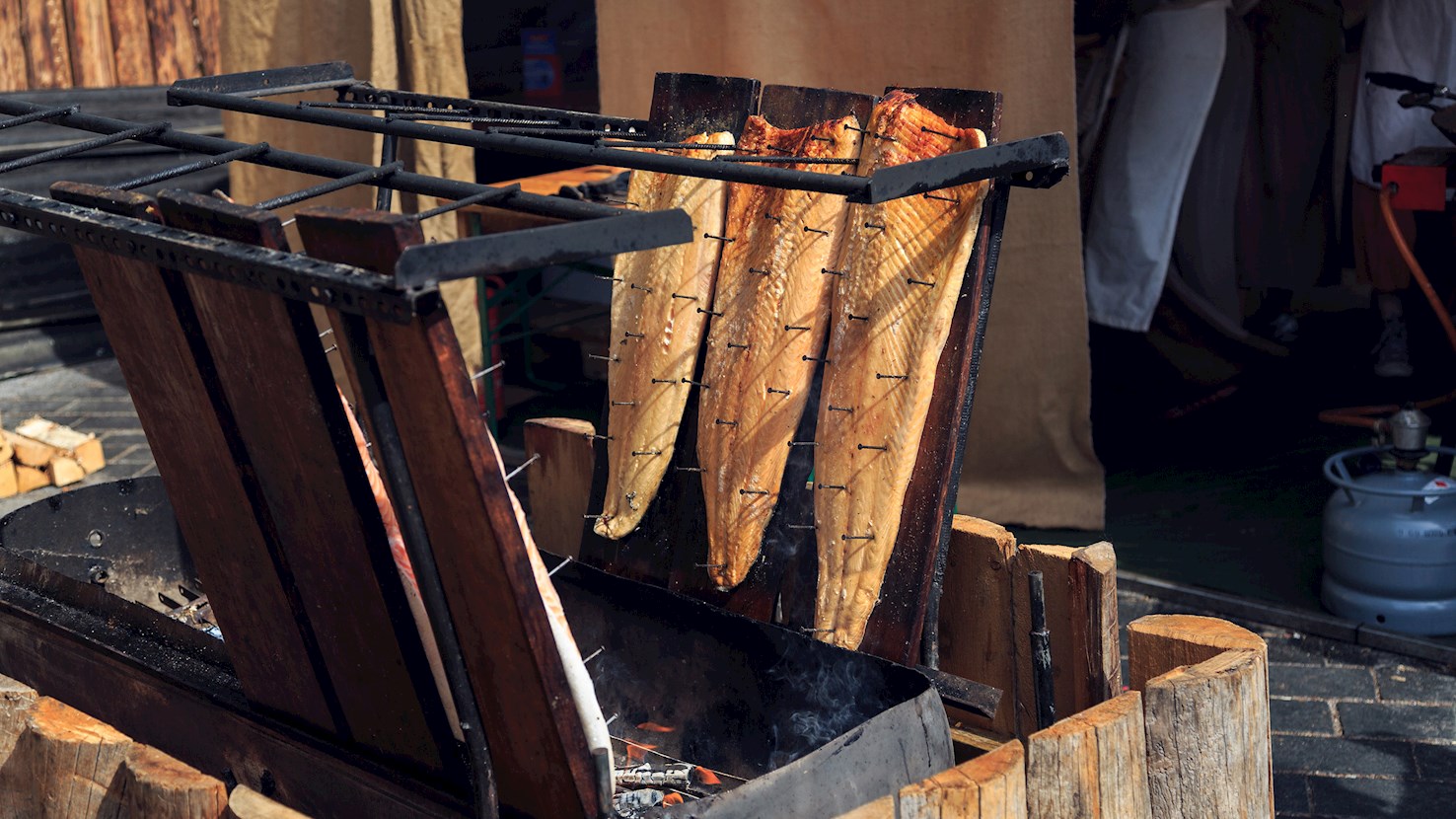
Loimulohi is a traditional method of preparing salmon or rainbow trout. The fish is smoked on a wooden plank that's placed vertically over an open fire. Before the process, the salmon is usually seasoned with sea salt and drizzled or brushed with lemon juice, honey, or juniper berries. The cooking time depends on the distance from the coals. Once done, the smoky fish can be eaten straight off the plank.
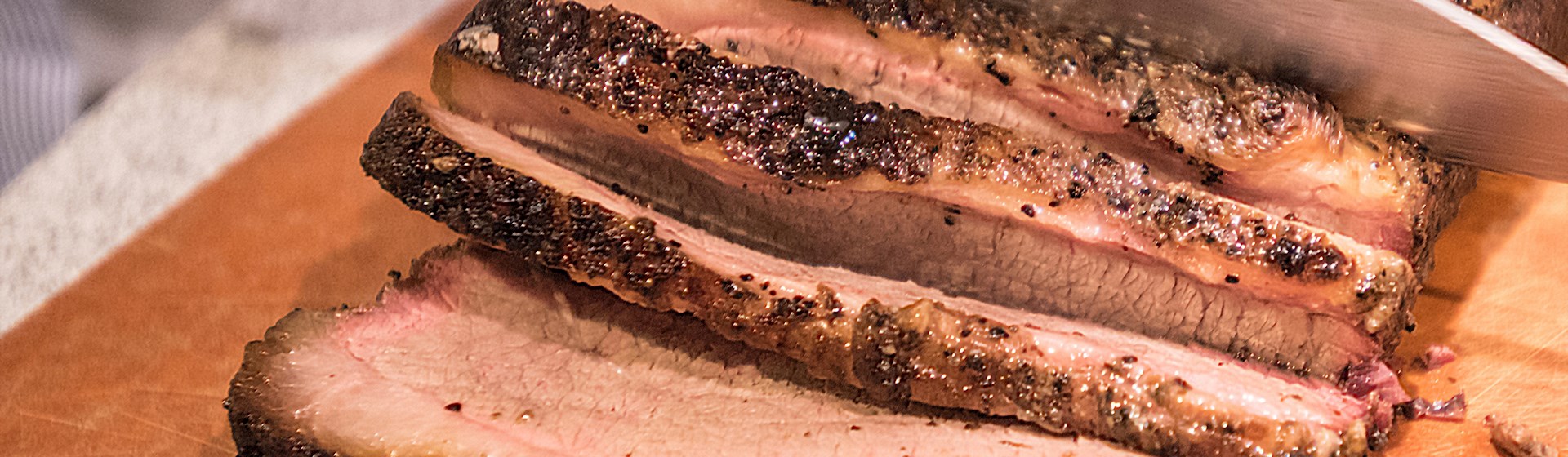
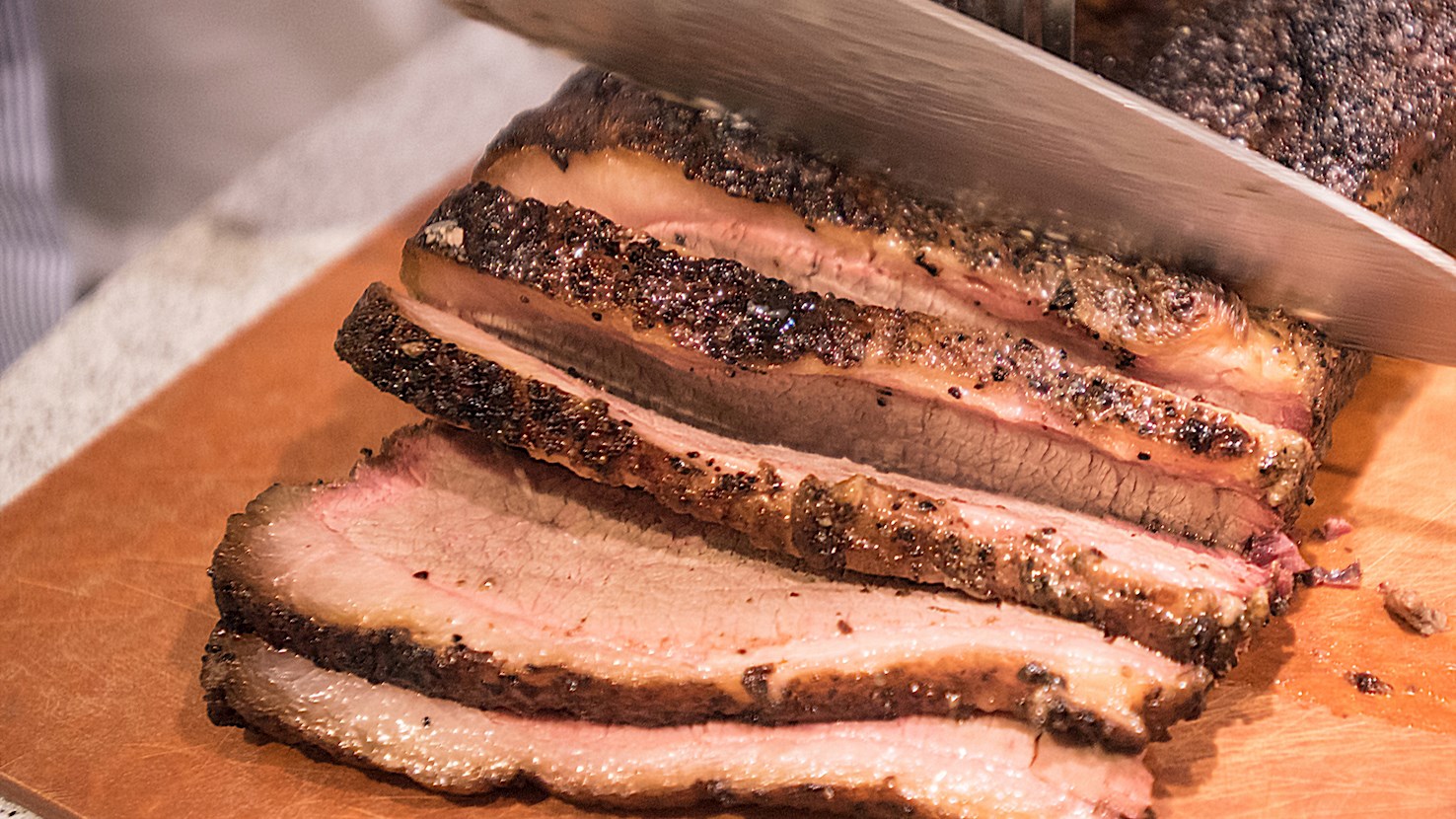
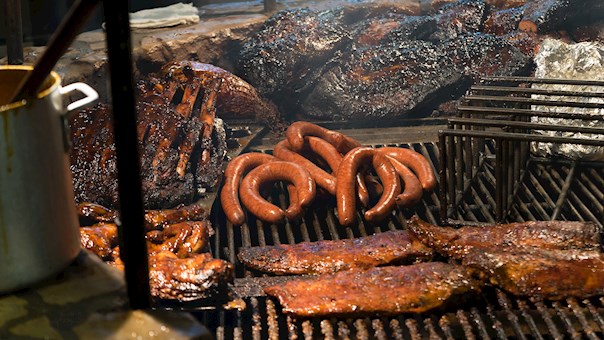
Central Texas-style barbecue originated in the Czech and German meat markets in the late 19th century. This barbecue style is typically associated with cooking brisket (the fattier portion is called point, while the leaner portion is called flat) low and slow, usually over post oak fire. The meat is seasoned with salt, pepper, and maybe a bit of cayenne or garlic powder. It is then cooked in offset smokers, while the heat and smoke from the fire go across the meat, adding an irresistible smoky flavor to the brisket (although shoulder clod, chuck short ribs, and larger short ribs are also popular). The meat is carved in front of the customer, and it is traditionally served on butcher paper (as an homage to the meat markets of yore), most often without any type of barbecue sauce on the side.
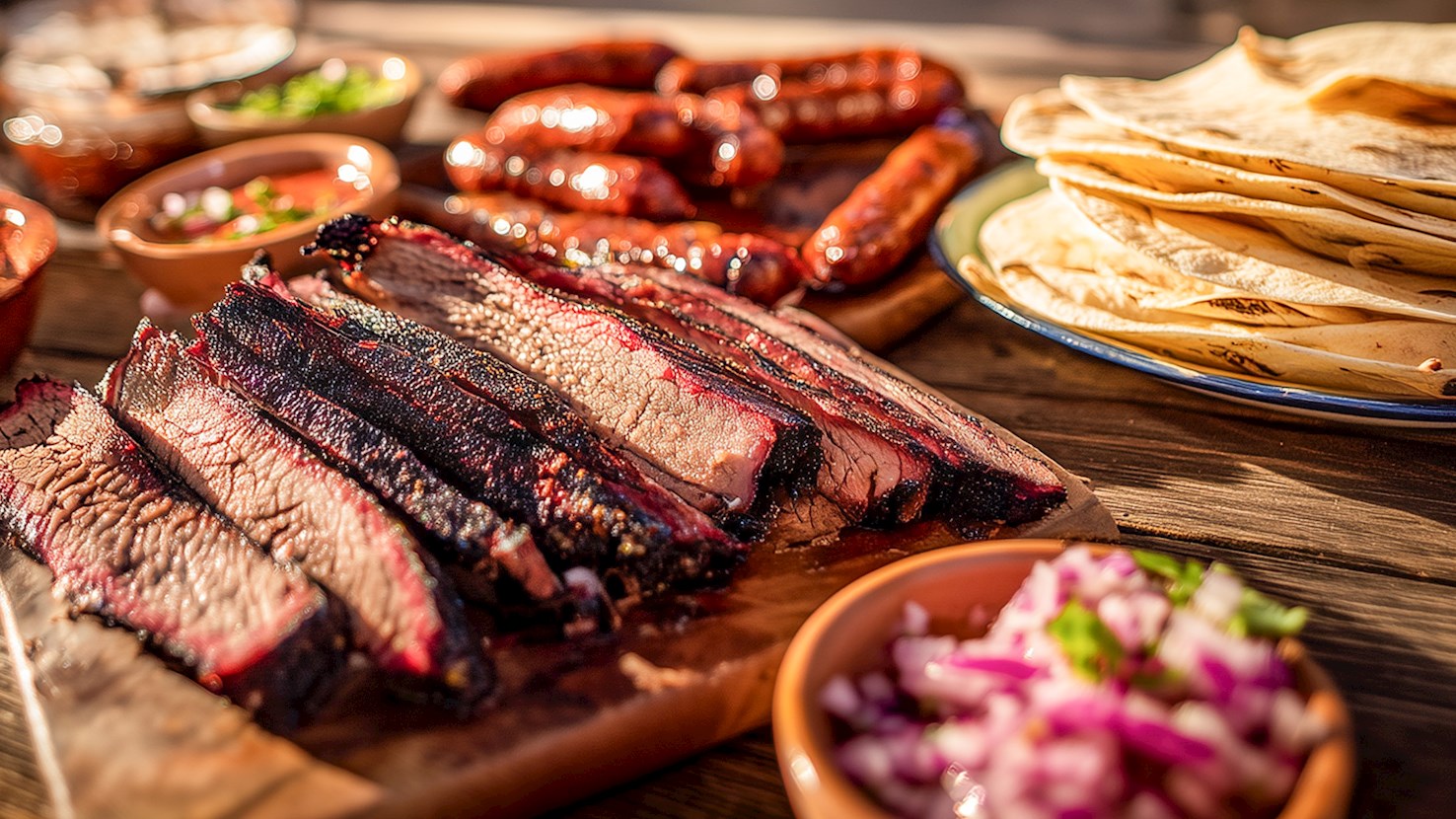
South Texas-style barbecue is an American regional barbecue style in which it's all about barbacoa and cow heads – they are cooked in a pit lined with stones or bricks, and then a mesquite fire is started in the bottom of the pit. Agave leaves are placed on top of the coals, and the heads (or other meat) are placed on top of it, while the leaves are folded over before the lid is placed over the pit. The resulting meat is so tender that it falls off the bone (or off the skull), and it is then served by the pound with sided such as onions, tortillas, cilantro, and various salsas. This barbecue style also uses cabrito – young goats that are spit-roasted or cooked over coals.
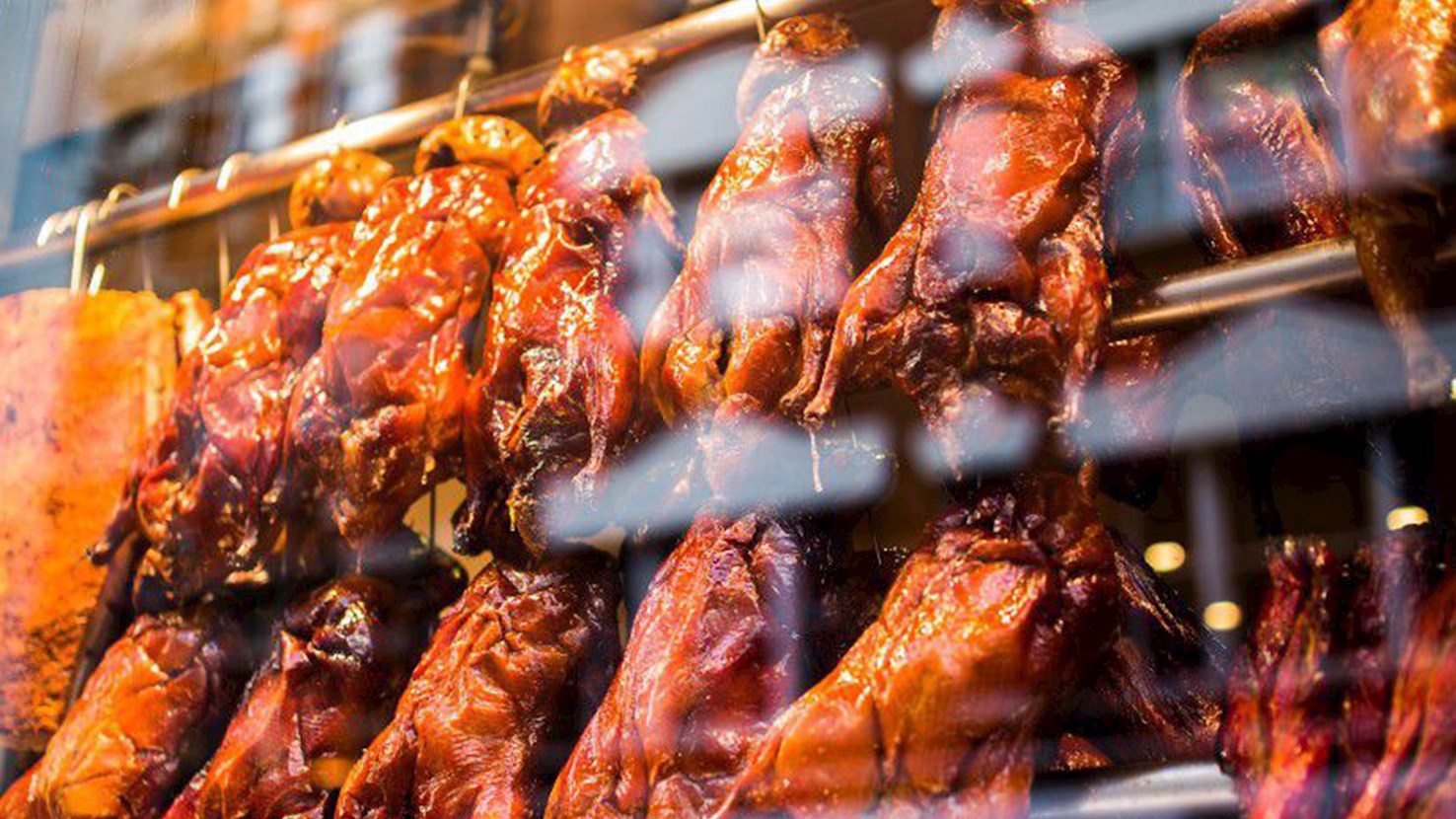
Siu mei refers to a style of Chinese cuisine that is primarily characterized by roasting meat on spits over an open fire or in a rotisserie oven. Originating from Guangdong province, this culinary tradition is particularly prevalent in Hong Kong. The term siu mei translates to "roast flavor" in Cantonese. Some of the most prominent and beloved examples of siu mei include char siu, siu yuk, soy sauce chicken, and white cut chicken. These dishes are typically served with rice and vegetables and sometimes with noodles. Siu mei meats are often displayed hanging in restaurant windows, a characteristic sight in Chinese eateries that specialize in this style of cooking. The visual display is not only appetizing but also allows customers to select their preferred cuts of meat. Siu mei is enjoyed by people all over the world, wherever there are Chinese communities, and it is celebrated for its rich flavors, varied textures, and the mastery required for its preparation.
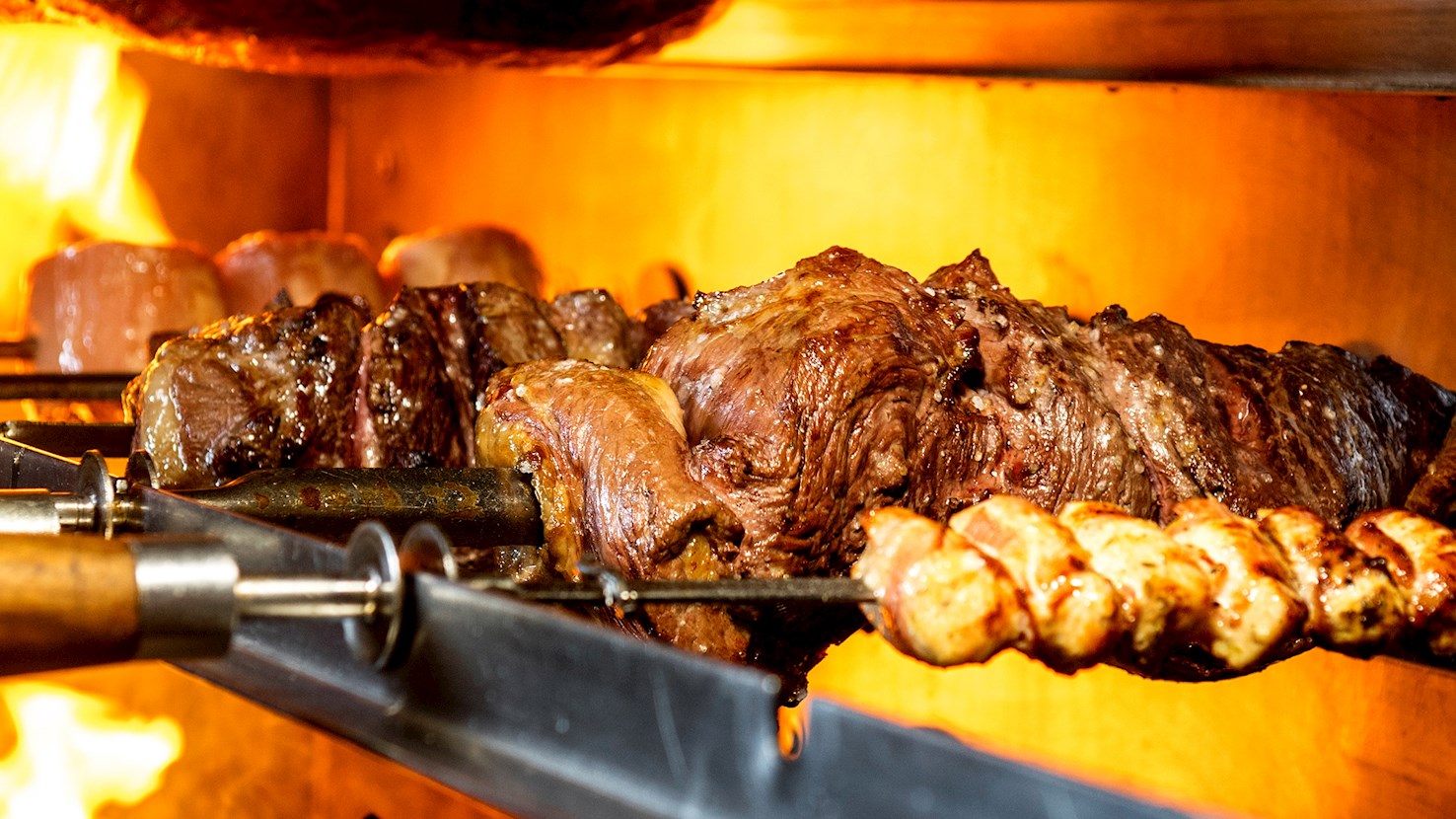
Churrasco is a Brazilian barbecue method where juicy pieces, slices, steaks, and chops of beef, veal, lamb, pork, and chicken are placed on big skewers and grilled over wood fire. It started in the early 1800s when the Gauchos (European immigrants that settled in the Rio Grade do Sul area) would get together and start a fire, adding large portions of meat on skewers and slowly grilling the meat. In the restaurants, known as churrascarias, the skewers are paraded across the restaurant in a flashy manner, and the waiters circulate among the tables in order to show off the succulent meat to hungry diners. After the customers have chosen their preferred type of meat, it is sliced off the skewers to the dining plates. Also known as rodízio, the theme of this barbecue experience is all you can eat, so the customers should know to come with an empty stomach. Beef is the most popular option, although livers and hearts are especially rich and chewy. In Brazil, the meat will often be from the zebu, a succulent, lean breed of cattle with a hump that's especially popular in churrasco as a cut of meat called cupim. Churrasco starts with appetizers and a variety of salads offered from a big buffet, as a preview of things to come. The usual accompaniments for the meat include farofa grains, rice, fried potatoes, potato salad, steamed greens, black beans, onions, fried bananas, and numerous chili-based sauces. After the big meal, it is typical to consume grilled pineapple slices, serving as a palate cleanser as well as a tasty dessert. Churrasco (lit. barbecue) is also popular as a cooking method in countries such as Nicaragua, Puerto Rico, Argentina, Uruguay, Ecuador, Guatemala, and Chile, and each country has their own favorite cuts of meat and accompaniments for this popular barbecue style.
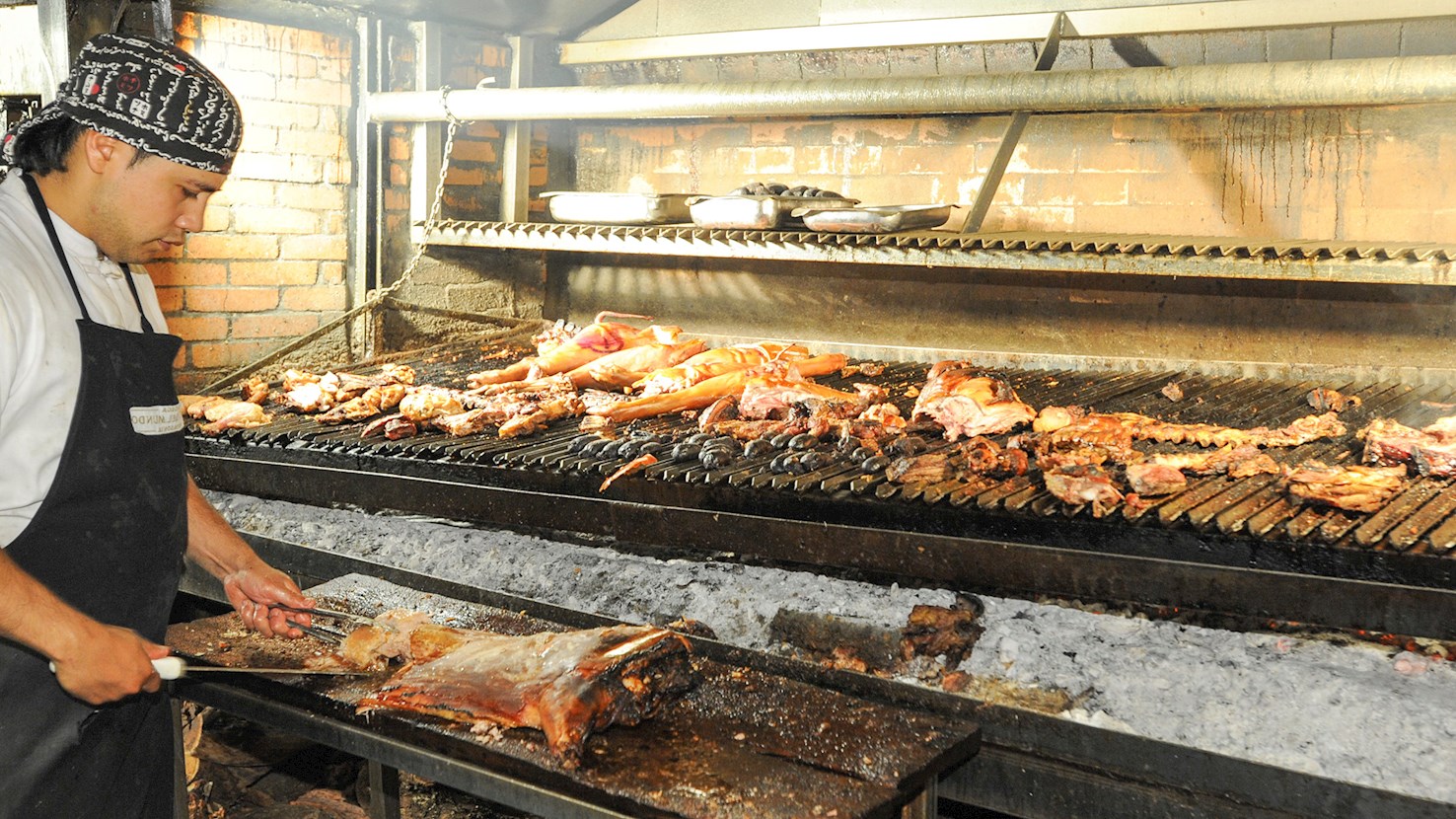
Parrilla is an Argentine word with two meanings – it can be used to describe a typical Argentine steakhouse restaurant, or it can denote a metal grill used for preparing the meat and fish. The metal grill is a part of traditional asado barbecues. It comes in many shapes and sizes, but it typically consists of a main grill with a firebox (called brasero) on the side. Firewood or charcoal are loaded into the firebox, and once the embers drop to the bottom, the coals are placed under the main grill. The plate is often tilted on a decline so that the excess juices can drip downward in order not to cause any flare-ups. Parrillas can be found in numerous homes and restaurants in Argentina, and the meat grilled on it typically includes chitterlings, morcilla blood sausages, chorizo sausages, salchichas parrilleras, ribs, sirloin, skirt steaks, and tenderloin.
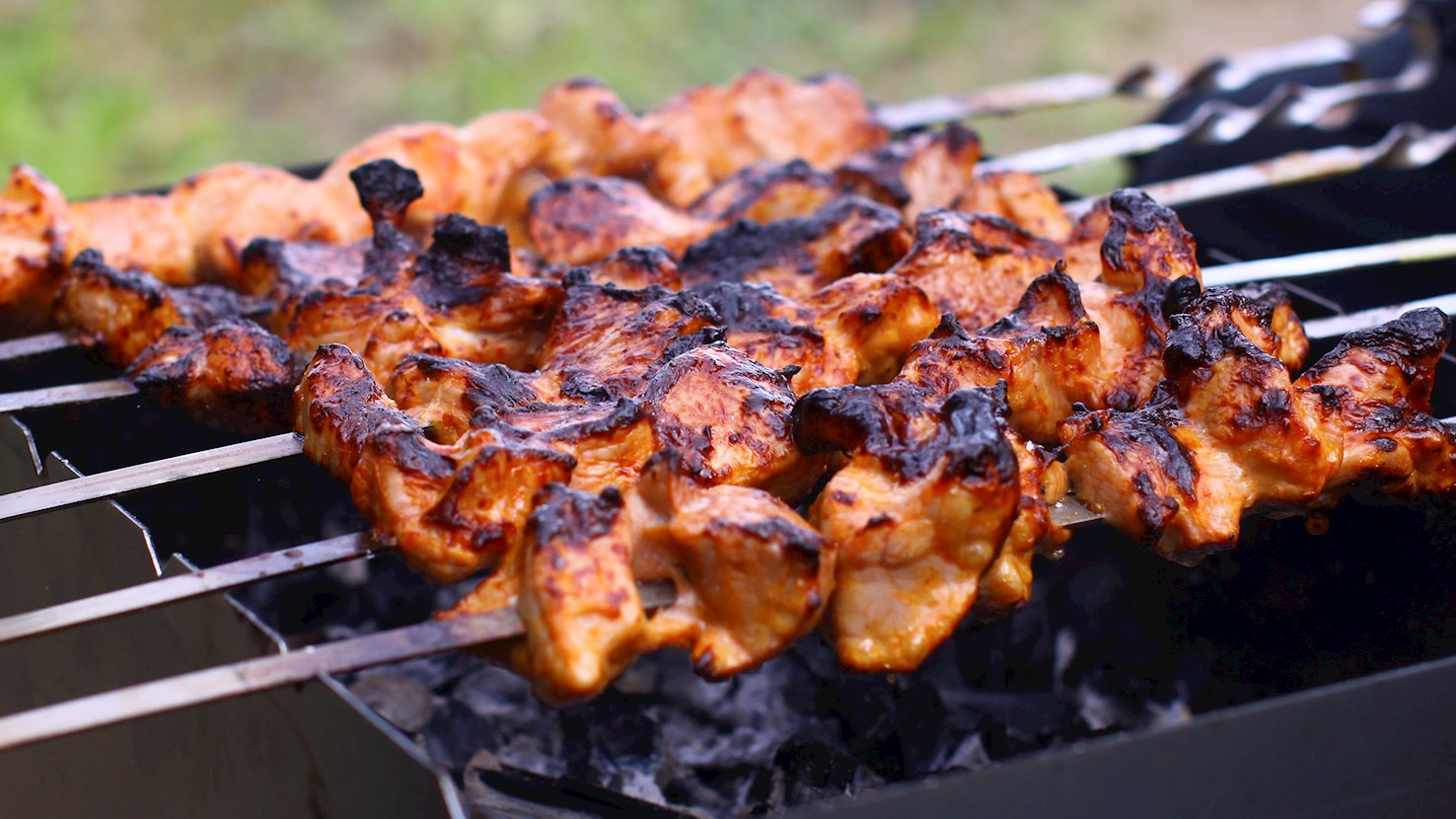
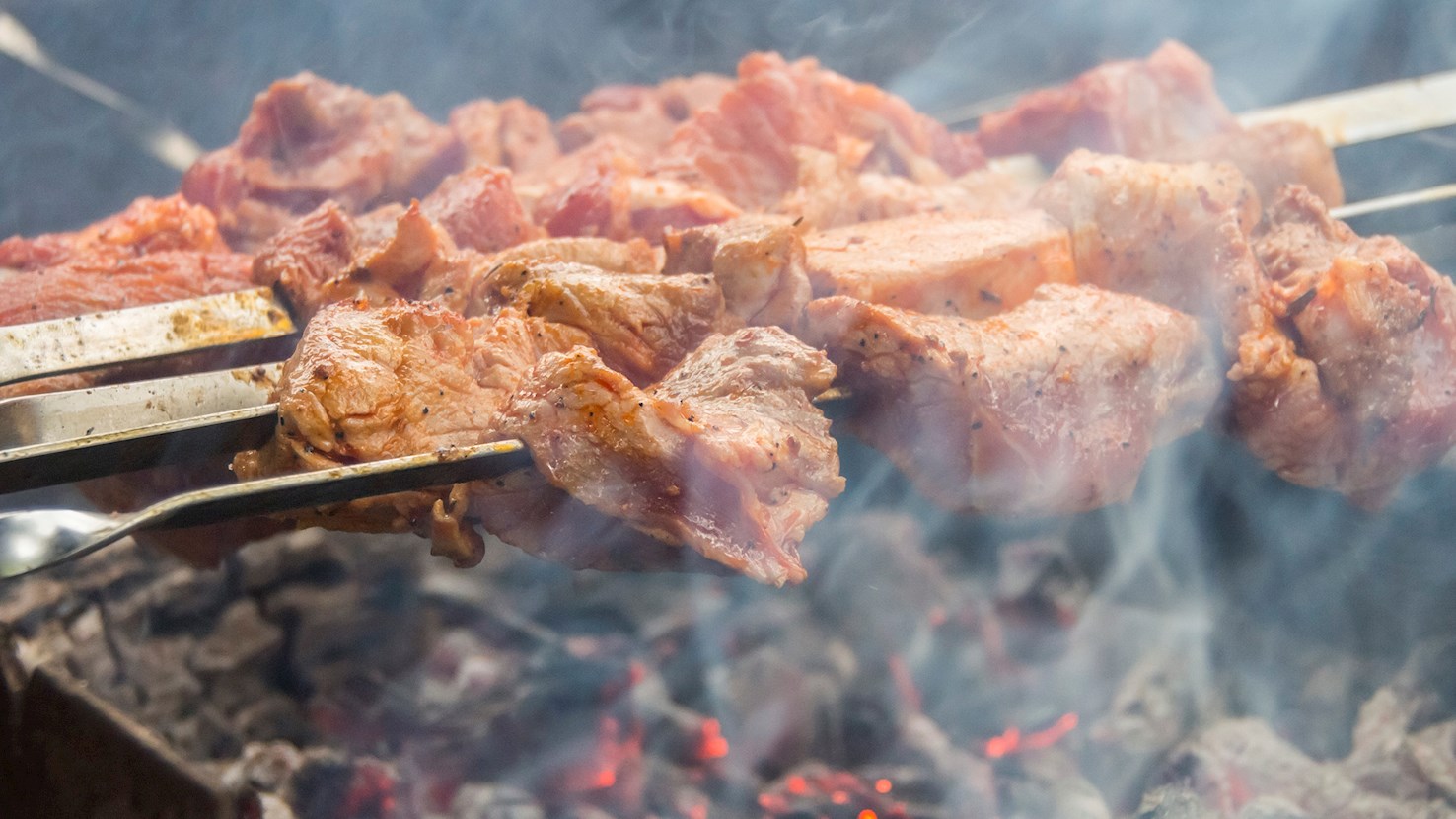
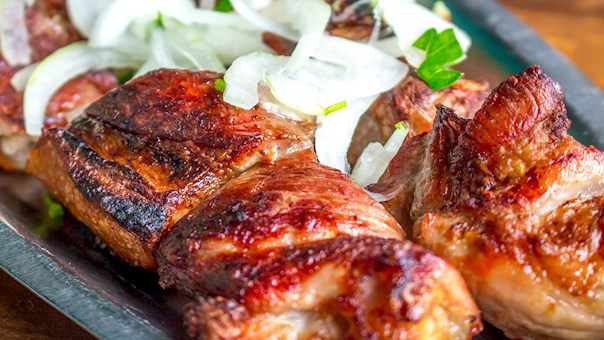
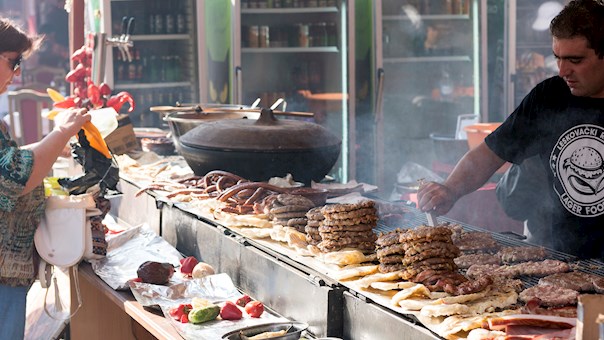
Shashlik is the name for a traditional Central and West Asian barbecue consisting of marinated, skewered, and grilled chunks of meat such as lamb, beef, or pork, depending on regional and religious preferences. Lamb, beef, or pork is usually combined with chunks of vegetables such as bell peppers, onions, mushrooms, or tomatoes. The meat is typically marinated overnight in vinegar, herbs, spices, and dry wine. In Russia, barbecue is traditionally reserved for men, who are in charge of the whole grilling process, while the women are usually busy slicing vegetables and setting the tables. Shashlik is traditionally prepared for events with a large number of people gathered around the fire, cooperating and socializing in the process, making the dish a communal affair. Because the origins of the dish lie between Turkey and Russia, many believe that the name is derived from the Turkish word shish, meaning skewer. In Georgia, shashlik is known as mtsvadi.
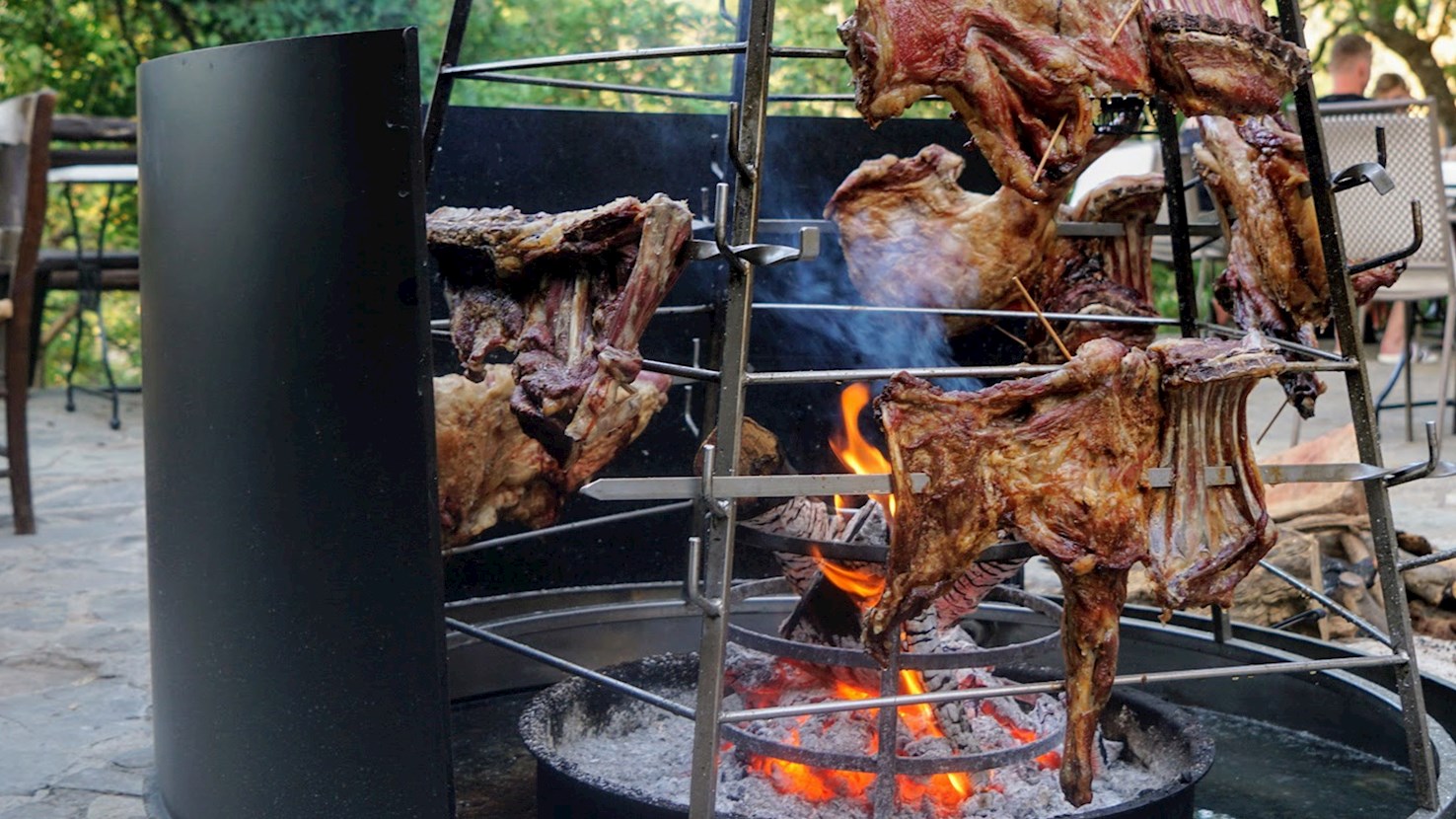
Antikristo is a traditional technique of cooking meat on Crete. A young lamb (or a goat, on rare occasions) is cut into four pieces (called goulidia), salted, then placed on big wooden skewers that are arranged around the fire in a circular formation, taking into consideration the direction of the wind, the intensity of the fire, and the distance between the fire and the meat. This process lets the meat cook in its own fat and salt with the heat coming from the flames instead of coals. The name antikristo means across the fire, describing this unique technique. The meat is slowly cooked, sometimes up to 6 hours, and it develops different flavors in the process. In the past, antikristo was common in the villages of Psiloritis mountain, but nowadays it can be found anywhere in Crete. Traditionally, it's prepared and cooked exclusively by men, most often shepherds.
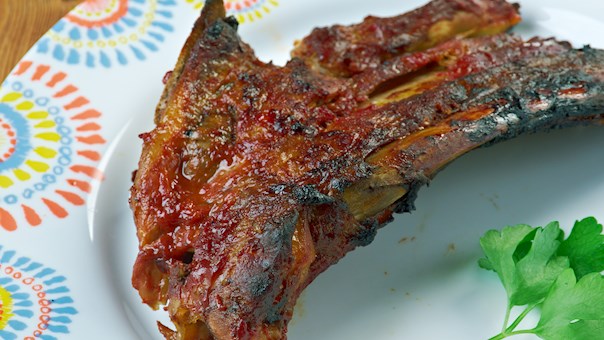
Khorovats is a unique Armenian barbecue method where the meat is first placed on a set of high-quality skewers called shish and shampoors, then grilled on mangal, a grill often shared among neighbors, or less commonly, baking it in tonir, a built-in clay oven. Although any quality meat is suitable for khorovats, most often it is prepared with pork chops and pork ribs that are typically only seasoned with salt and pepper, and marinated for a short time in a marinade that should not contain any vinegar, as it affects the meat's flavors. One popular version of Armenian barbecue is Gharsi khorovats, named after the city of Kars, where meat is cooked on a revolving vertical spit, then served wrapped in lavash flatbread. Typical side dishes include roasted vegetables, onions, flatbreads, cheese, tomato-cucumber salad, and pickled green chili peppers.
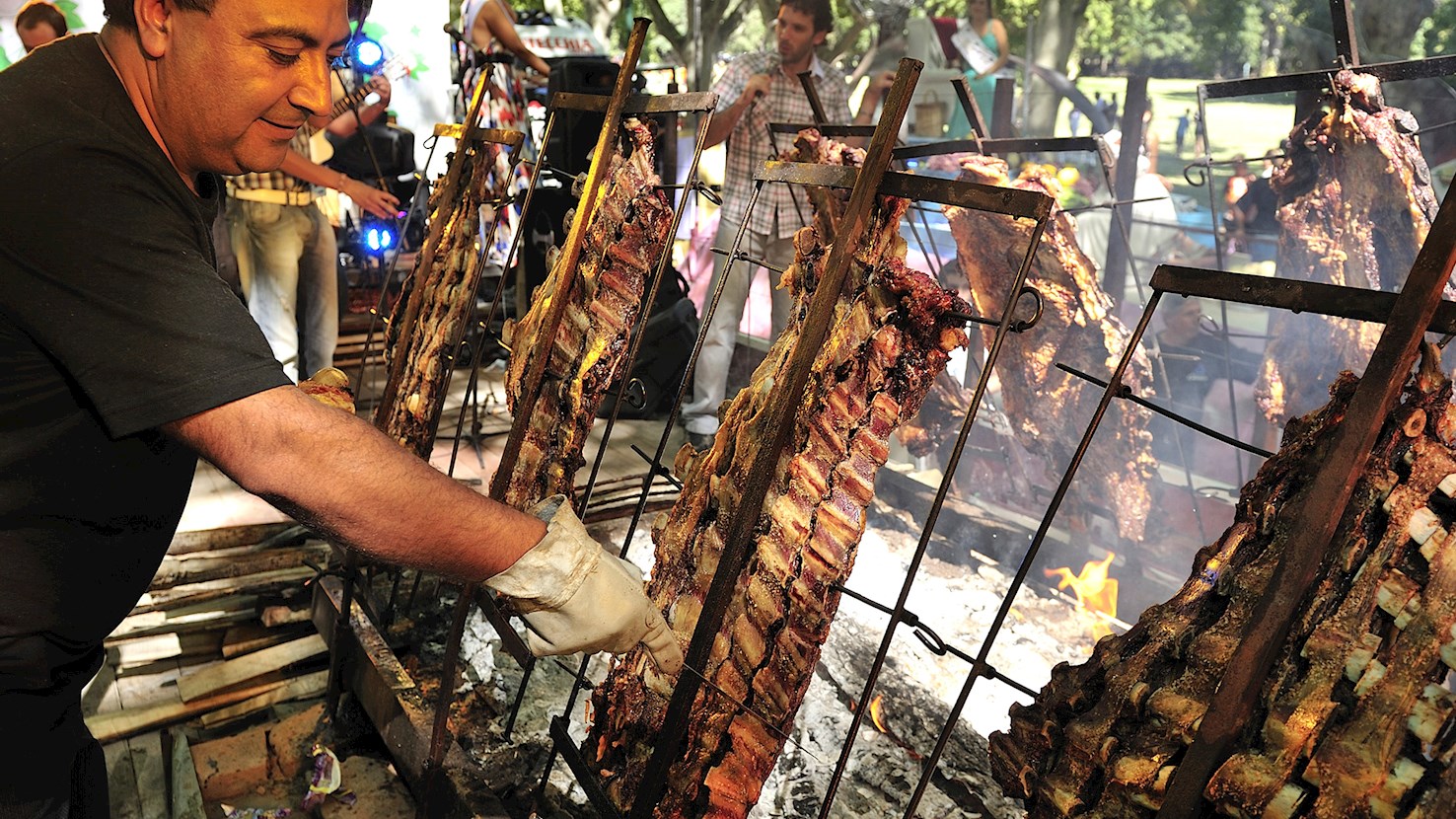
Considered an epitome of Argentinean gastronomy and culture, asado (lit. roast; roasted) is much more than merely a meal. In Argentina, Chile, Uruguay, Paraguay, and in a number of other South American countries, it is both a culinary and social event attended by friends and family to share the joy of outdoor cooking. Asado traditionally features a wide selection of grilled meats, mainly beef, which Argentina is most known for. The meat is cooked on a special brick-built grill called la parrilla, and the fire can either be made with charcoal (parrilla al carbón) or wood (parrilla a leña) which is more typical for the countryside and known as asado criollo, a term that indicates a more rustic, traditional style of grilling. First to go on the grill are chorizos (pork sausages), morcillas (blood sausages), and achuras (offal), followed by thinner beef cuts such as matambre (rose) and entraña (skirt steak), which are to be grilled hot and fast, as they would otherwise dry out. As for all the other juicy asado meats, they are grilled to perfection over fuego lento or slow fire. Some of the most popular cuts include bife de chorizo (sirloin), tira de asado (beef chuck ribs, flanken-style), bife ancho (Argentine ribeye), bife angosto (striploin), bife de costilla (T-bone or porterhouse), lomo (tenderloin), cuadril (rump), and vacio (flank steak). Lastly, apart from various side dishes and salads, the delicious asado meats are traditionally accompanied and doused with two sauces: chimichurri and salsa criolla.
TasteAtlas food rankings are based on the ratings of the TasteAtlas audience, with a series of mechanisms that recognize real users and that ignore bot,
nationalist or local patriotic ratings, and give additional value to the ratings of users that the system recognizes as knowledgeable.
For the “Top 100 Techniques in the World” list until June 15, 2026, 12,610 ratings were recorded, of which 9,131 were recognized by the system as legitimate.
TasteAtlas Rankings should not be seen as the final global conclusion about food. Their purpose is to promote excellent local foods,
instill pride in traditional dishes, and arouse curiosity about dishes you haven’t tried.