

shutterstock

Top 100 Apple Varieties
in the World

Last updated on June 06, 2026
01

Mila Zagoras Piliou

4.4 ·

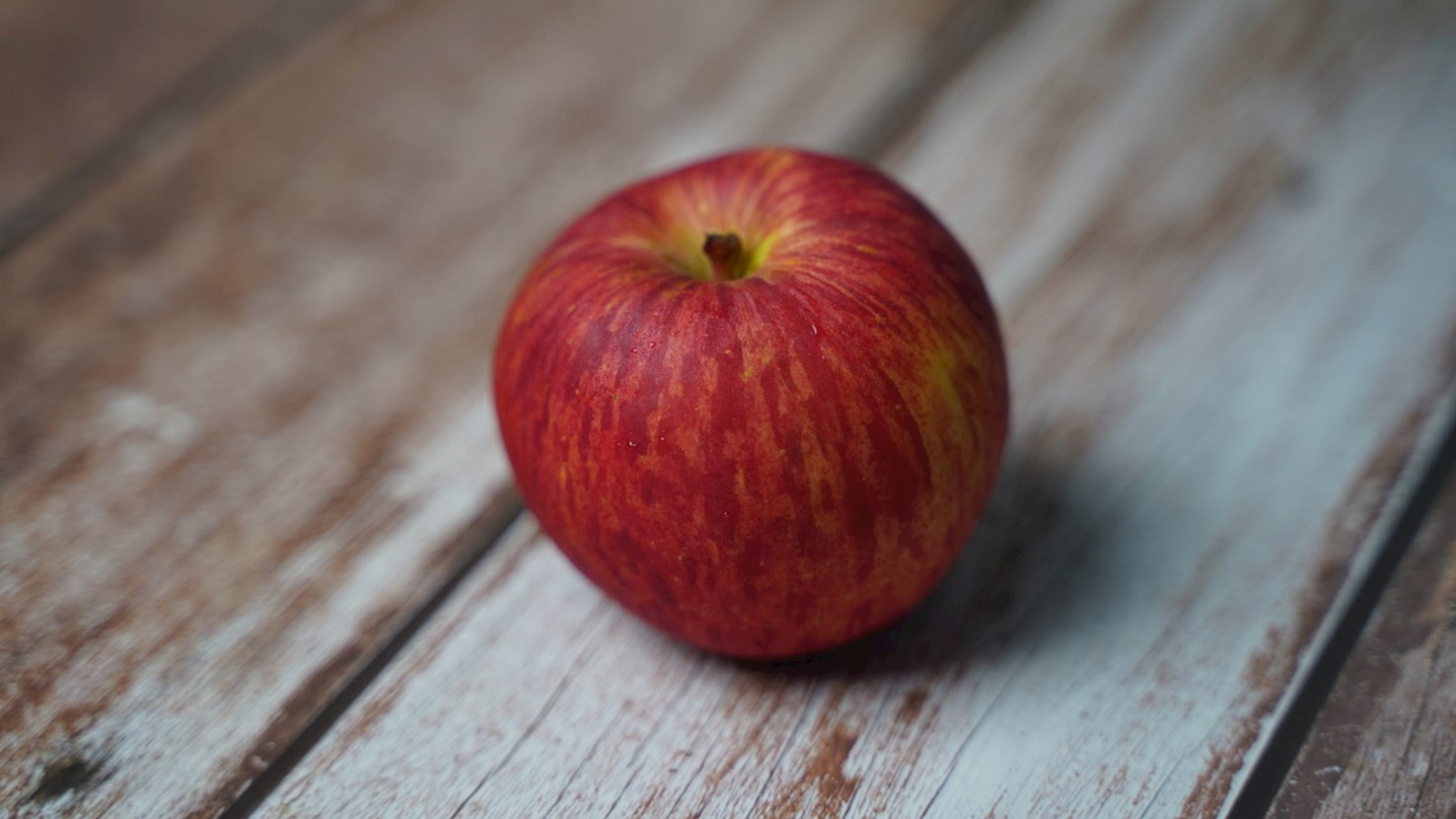
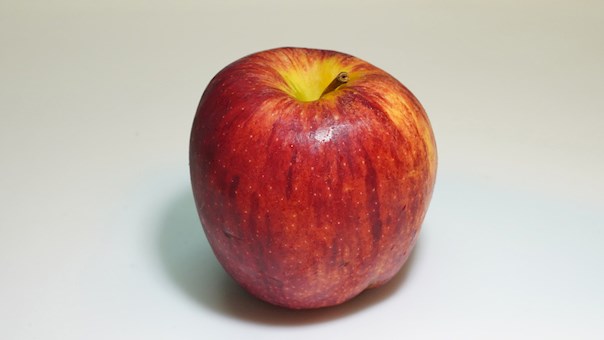
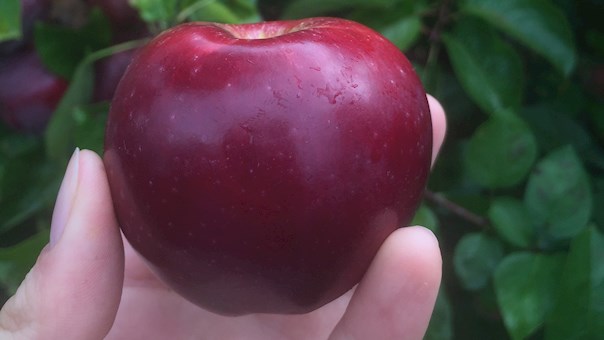
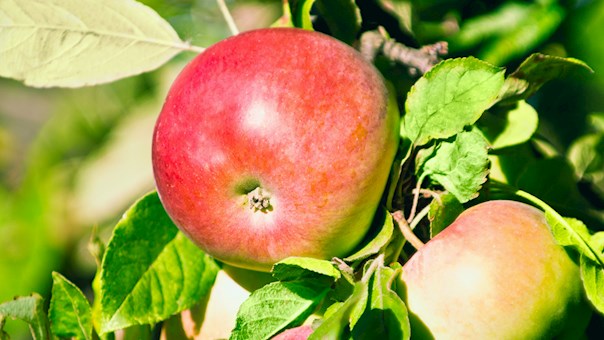
Mila Zagoras Piliou are apples obtained from the Starking Delicious variety in Zagora, Makrirahi and Pouriou on the eastern side of Pilios. The systematic cultivation of these apples started in the 1960s under the supervision of the Zagora Agricultural Cooperative. They owe their distinctive characteristics to high altitudes where they are grown, special weather conditions and the use of traditional cultivation techniques. Mila Zagoras Piliou are harvested by hand after their ripeness is checked. Following the quality assessment, they are packed and stored in the cooperative's modern installations. They can be recognized by their vivid red color and a smooth, waxy skin. Their flesh is white to yellow, very juicy and full of flavor.

02

Honeycrisp apples

4.1 ·

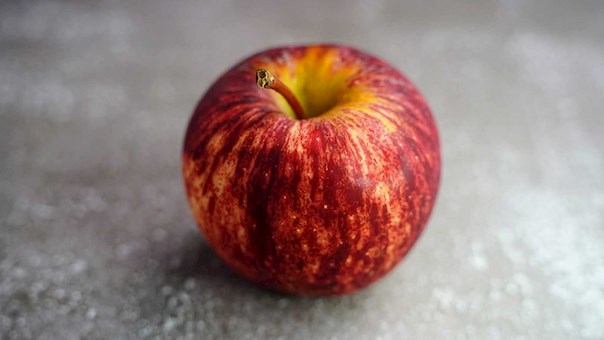
Honeycrisp are American native apples originating from the University of Minnesota. They're also the state's official fruit. The apples were bred solely for their flavor, not for easy storing, shipping, or growing. They have a balanced sweet-tart flavor, and a crisp and juicy texture. When you bite into one, the refreshing sweetness shatters in your mouth because these apples have large cells that fracture cleanly and release the juice when bitten, which is a unique trait of Honeycrisp. It's recommended to consume the apples raw as a snack, pair them with cheese, or use them in fresh salads, just don't bake them because Honeycrisp apples are not intended for the oven.

03

Cripps Pink apples

4 ·

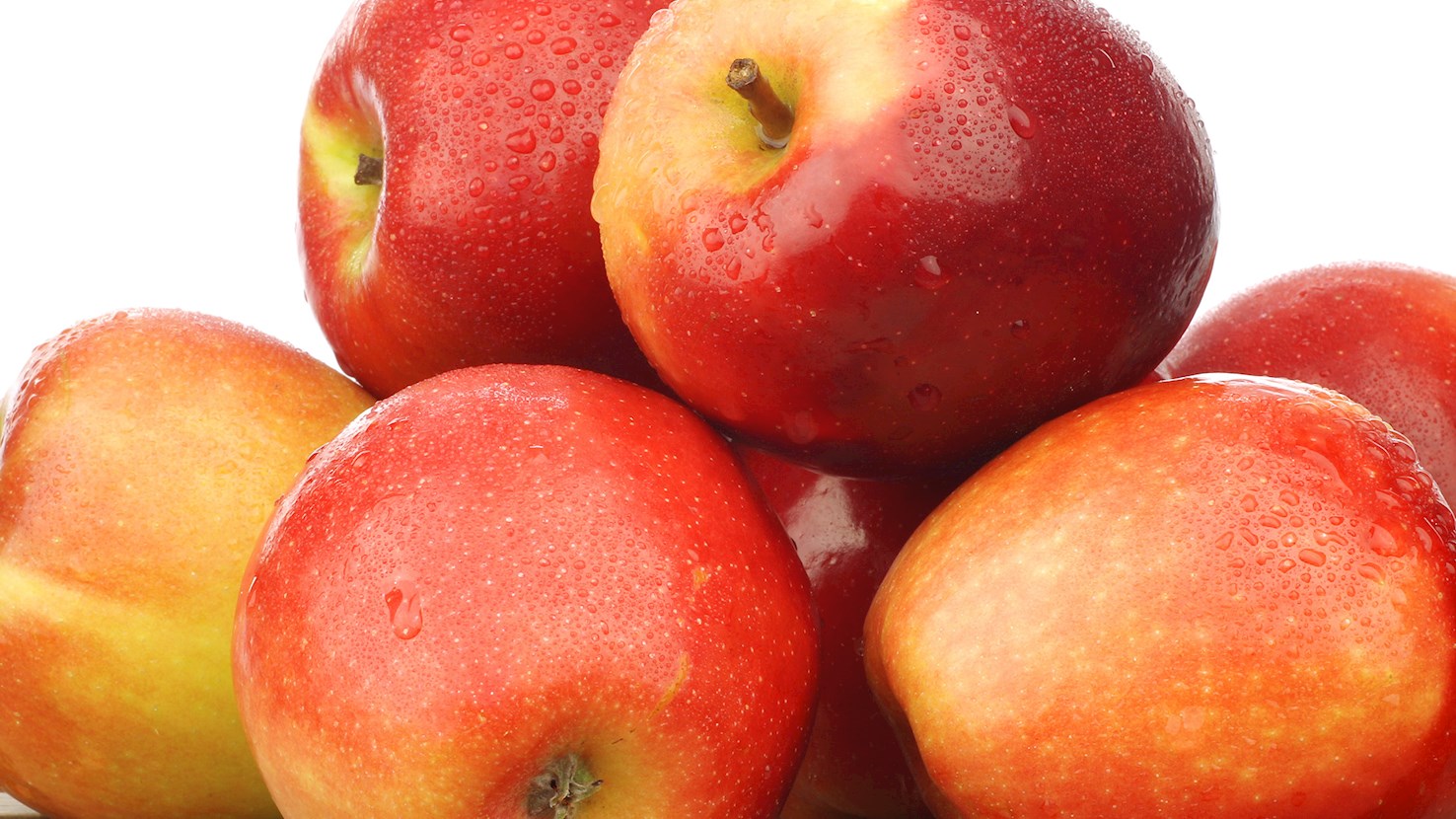
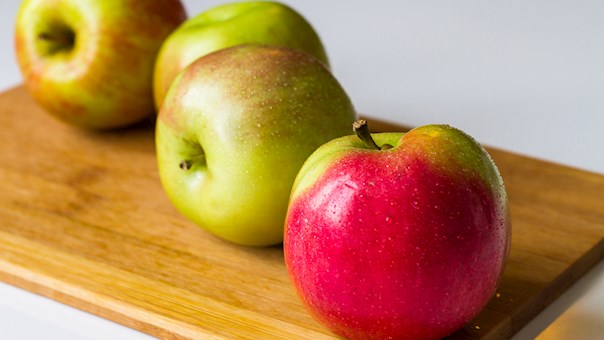
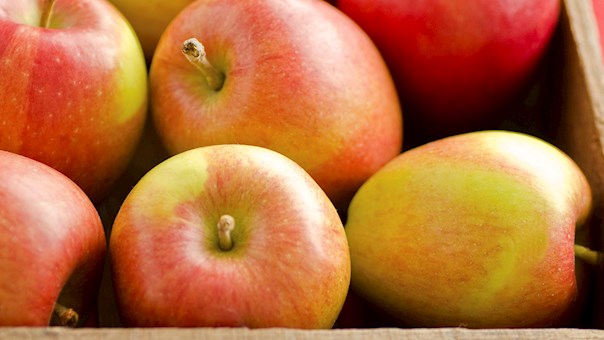
Cripps pink is an Australian variety of apples which were developed by John Cripps in the late 20th century. The apples are characterized by their red color and flesh that is white to cream or pale yellow in color. These flavorful fruits are best consumed fresh, when the flavors are sweet and slightly sharp. Although Cripps pink apples are usually grown in Australia, they can also be found in other countries such as Canada, Chile, Brazil, and the United States.

04

Maçã Bravo de Esmolfe

4 ·

This variety of apples is characterized by its long shelf life and intense, unique fragrance. They are grown and harvested in the districts of Coimbra, Viseu, Guarda, and Castelo Branco in Portugal. The trees of this varietal bear fruit only when they are three or four years old, but the unique qualities of the fruit make it worth the wait. They have a white peel with some reddish spots dispersed throughout, and a soft, sweet, juicy flesh. These apples are usually eaten raw after a meal, but their intense fragrance can also be put to excellent use when dried to perfume small spaces, such as drawers or cabinets.

05

Ambrosia apples

4 ·

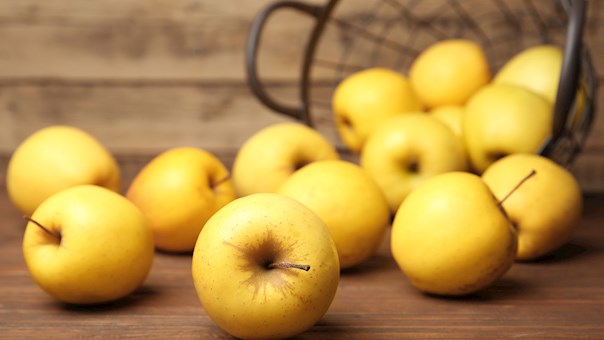
Ambrosia is an apple variety originating from British Columbia, Canada, when it was discovered in the early 1990s. It's believed to be a cross between Golden Delicious and Jonagold. The apples are medium to large in size, while the skin is golden-yellow with pink and red blushes. The flesh is light yellow in color and its texture is crisp, tender, and juicy. The flavors are sweet with low acidity and notes of honey. Available in the fall, Ambrosia apples are usually used in the preparation of cakes, muffins, pies, and tarts, but they're also often used raw, sliced thinly and added to salads or burgers.

06

Fuji apples

3.9 ·

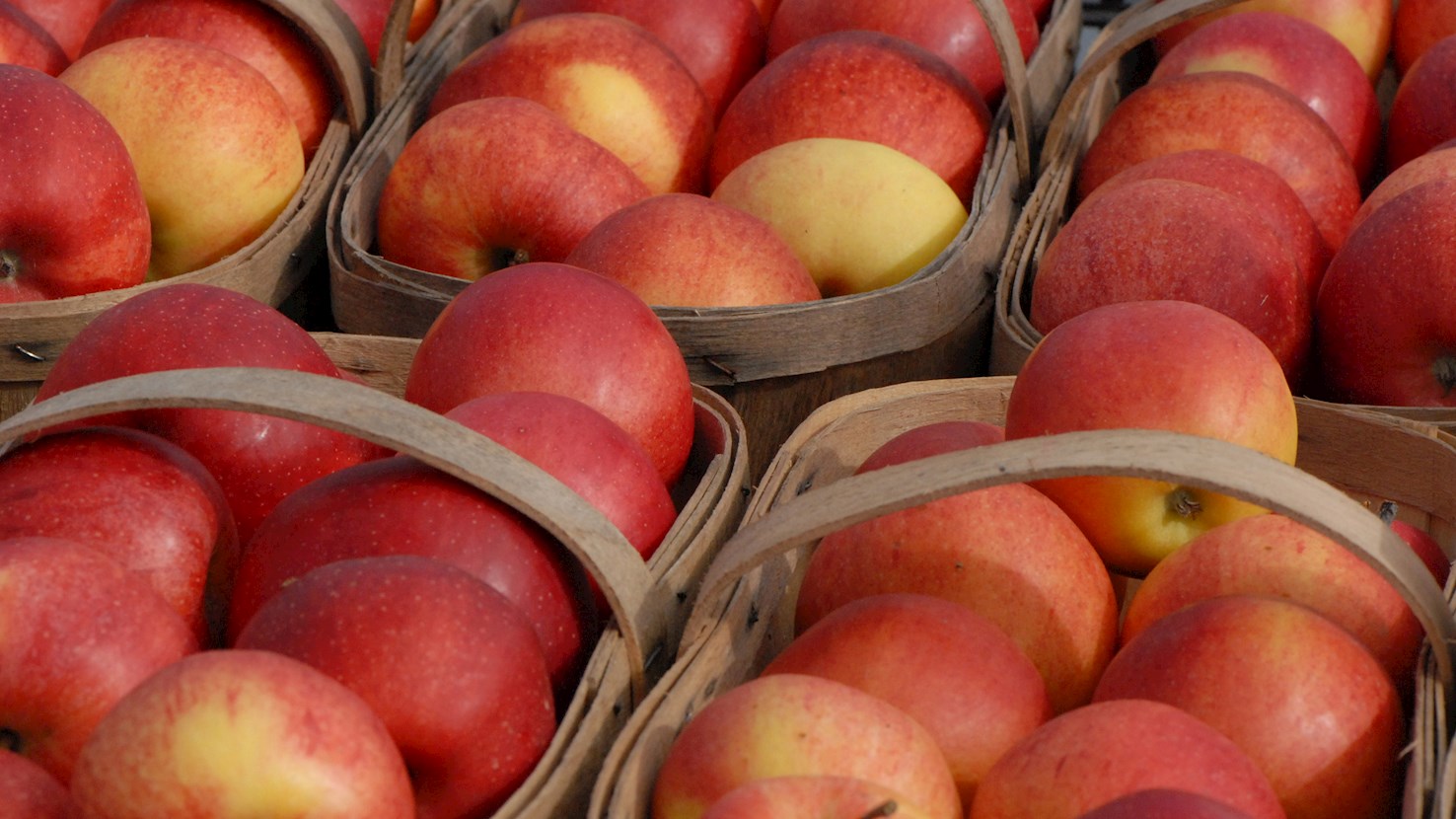
Fuji is a Japanese variety of apple that was produced by cross-pollination of the Red Delicious and Virginia Ralls Janet varieties back in the late 1930s. This apple is distinguished by a red-yellow skin that surrounds its creamy white flesh that's renowned for its exceptional sweetness, low acidity, juiciness, firmness, and crispiness. Owing to their excellent characteristics and their long shelf-life, these refreshing and fragrant apples are nowadays among the most commonly grown apple varieties around the world. They're expensive because the climate in Japan is not suitable for growing apples, so each one needs to be wrapped in cellophane while it's still growing on trees. The apples’ name is believed to have been derived from the town of Fujisaki, which is the home of the Tohoku Research Station where Fuji apples were first cultivated. Apart from consuming them raw as a sweet, juicy snack, the apples can also be enjoyed with sharp cheeses, and they are suitable for cooking in various ways including baking, roasting, or boiling. Fuji apples are incredibly versatile and can be used in both sweet and savory dishes such as pies, strudels, pizza toppings, quiches, sauces, soups, salads, or curries, but they can also be made into a variety of apple products such as candied apples, apple wine or juice, and delicious apple jams.

07

Firiki Piliou

3.9 ·

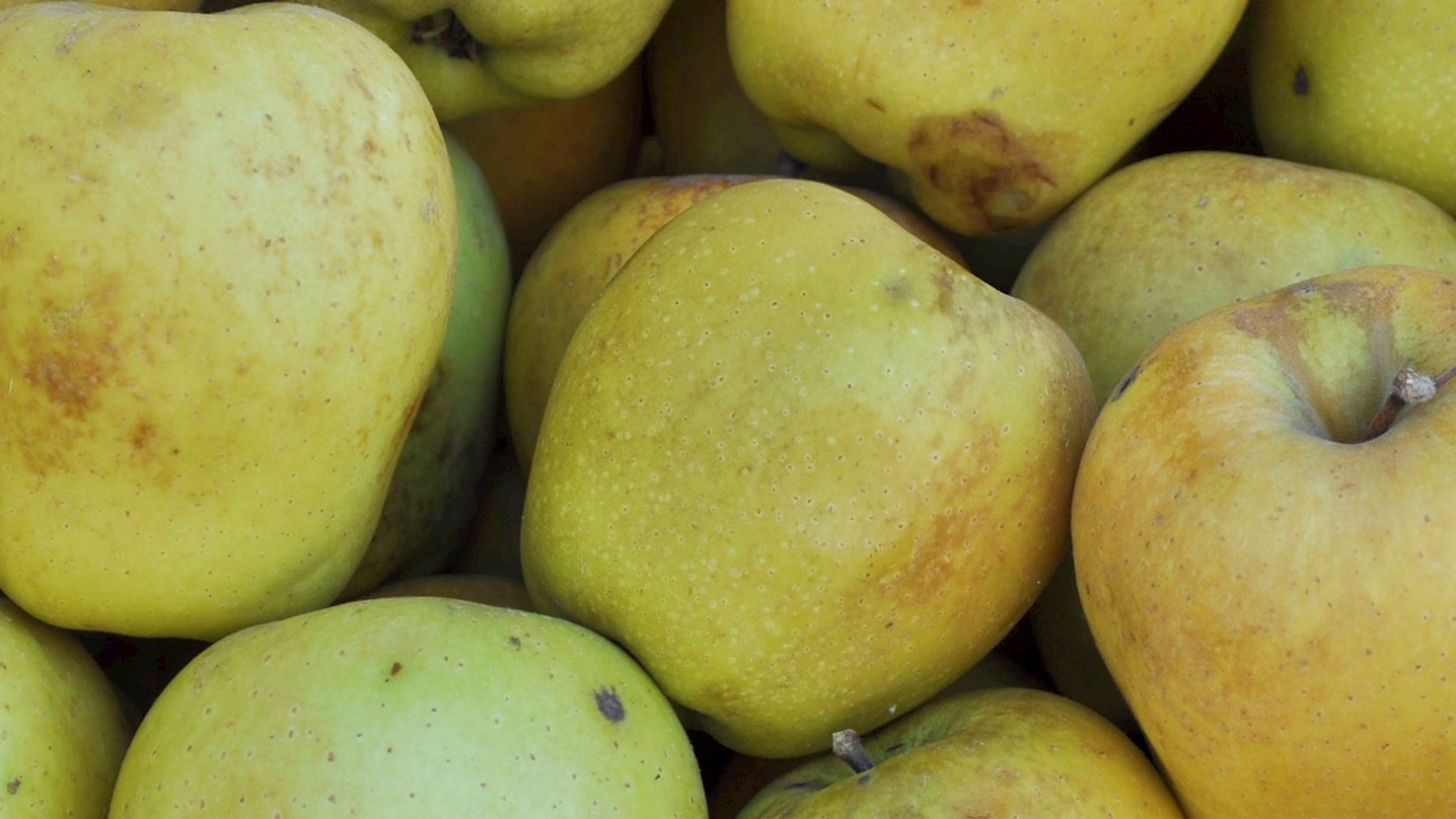
These apples come from trees of the Malus domestica Borkh species that grow within the borders of Portaria, Makrinitsa, Zagora, Agria, Artemida, Mouresi, Milies, and Afetes. It is a famous small- to medium-sized apple with an elongated shape. Due to its small size, Firiki is not easily damaged by the sun. It can be recognized by its yellowish-green color, with some reddish patches which are visible on the apple’s sun-exposed side. These fragrant apples originated from the Black Sea area and were brought to the region in the 19th century. They are gently harvested by hand to ensure they do not get bruised or lose their stalks. These firm-fleshed, intensely fragrant, crisp apples can be stored for a long time with no need for refrigeration, as they will keep their organoleptic properties. Interestingly, a famous local dessert called Glyko Koutaliou me Mila Firikio is made from these apples.

08

McIntosh apples

3.8 ·

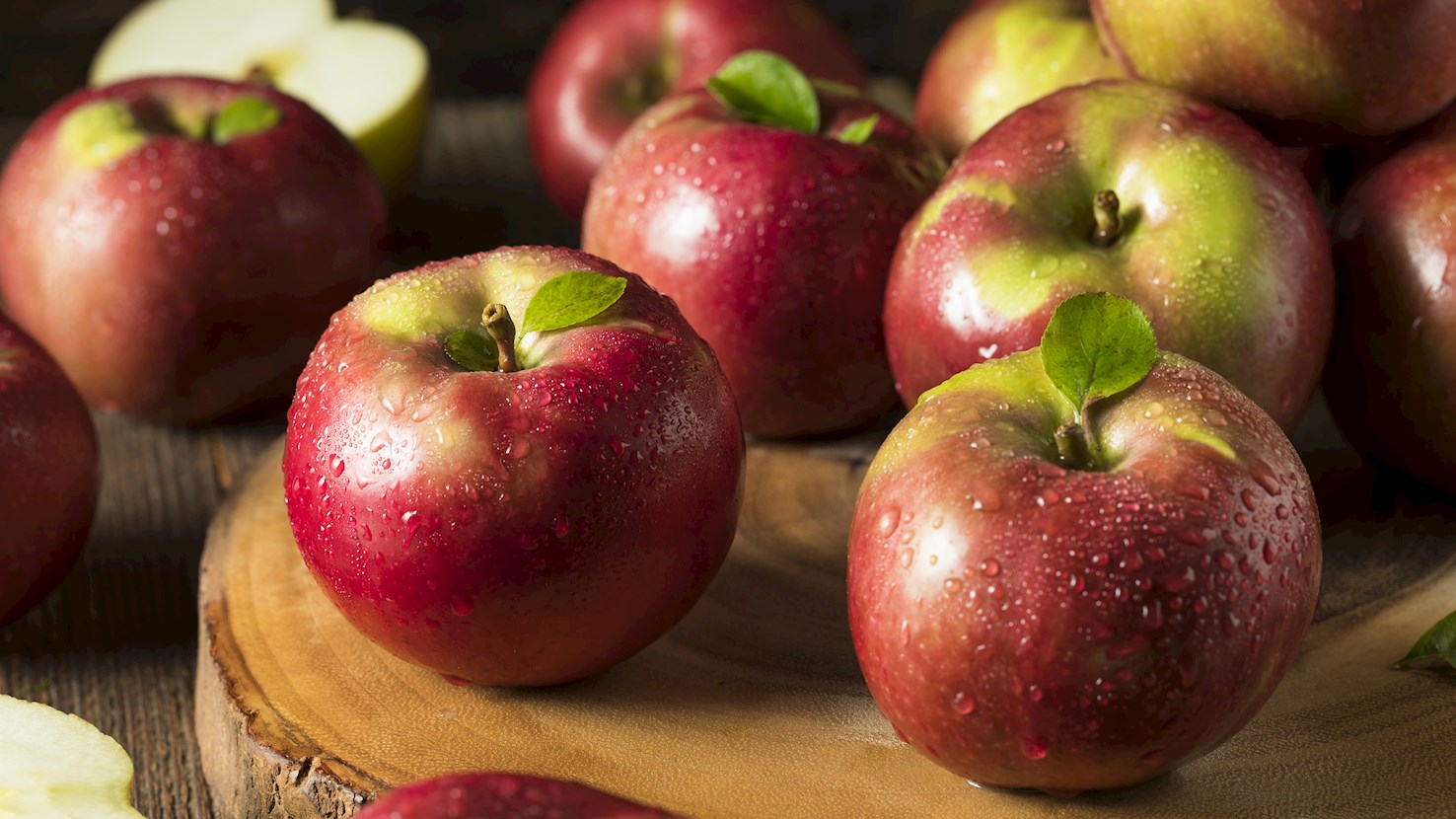
McIntosh is an apple variety with origins in Dundela, Upper Canada in 1811, when it was discovered by John McIntosh, hence the name. Commercial production started in 1870. These apples have a vivid red color brushed with bright green blushes and often white spots. The flavor varies depending on when the apples have been picked – those picked in early winter will be slightly sweeter than those picked in fall, which have a strong sweet and tart flavor with hints of spice. The texture of the flesh is crisp and juicy. When cooked, the flesh will break down, so it's recommended to use slices of McIntosh apples on tarts, pizzas, in soups, or purées. They can also be made into juice or cider. It's recommended to pair the apples with celery, cherries, nutmeg, cinnamon, pork, pecans, and cheeses such as feta and gorgonzola. Interestingly, this is the national apple of Canada, and Apple's Macintosh line of computers was named after this sweet fruit.

09

Jazz apples

3.8 ·

Although these crisp-fleshed apples with a rosy red skin have New Zealander origins, they are nowadays also grown in numerous other countries such as the United States, the United Kingdom, and Chile. Their sweet and tangy flavor is often compared to peaches and melons. The apples are a cross between Royala Gala and Braeburn varieties, and it is recommended to use them in pies, tarts, salads, and even with some savory dishes. The flavor of Jazz apples pairs well with cheeses such as Cheddar and Gouda and spices such as ginger and cinnamon. Due to the fact that the apples were developed by ENZA, only those growers that are affiliated with ENZA can grow Jazz apples.

10

Granny Smith apples

3.8 ·

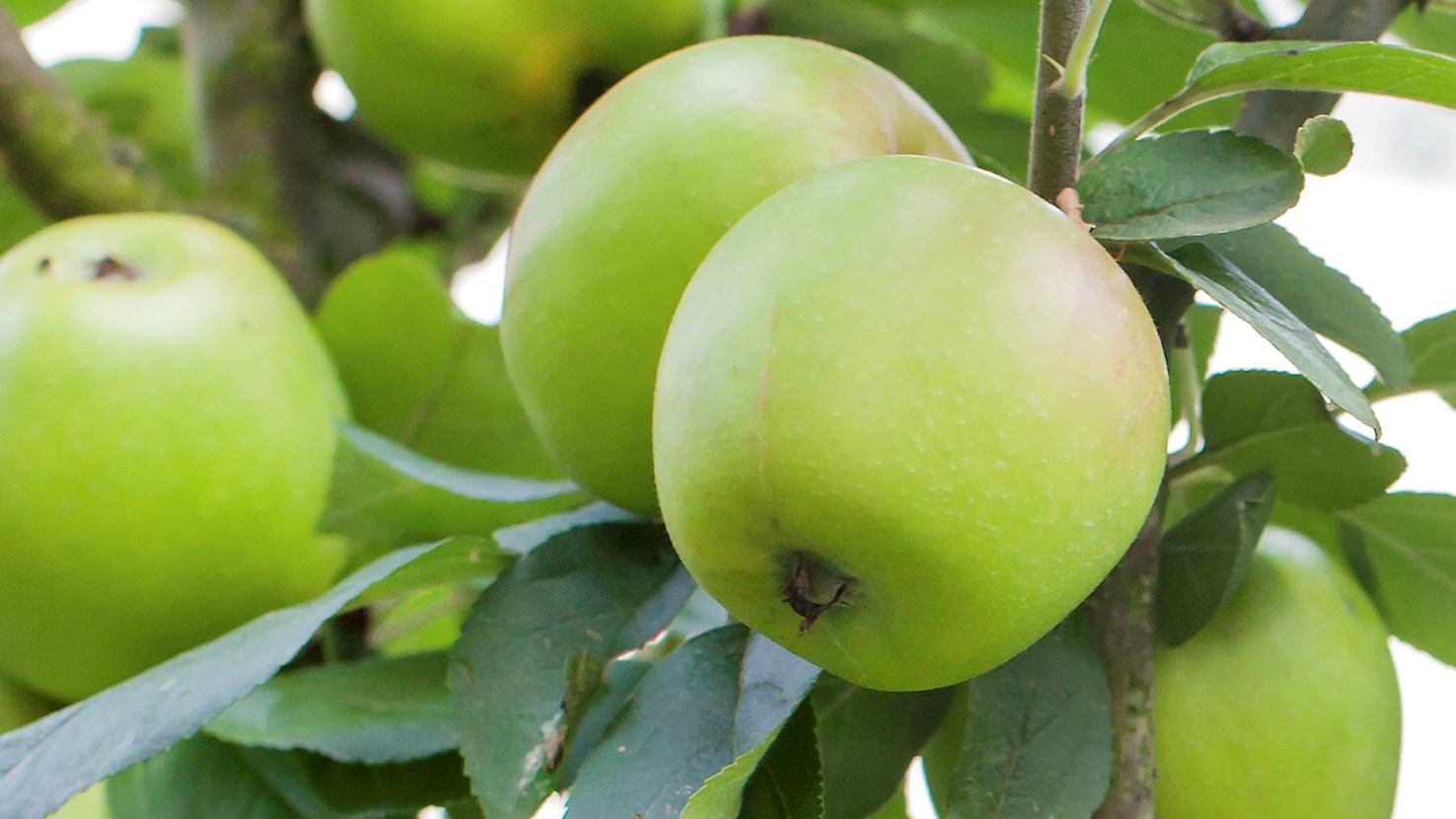
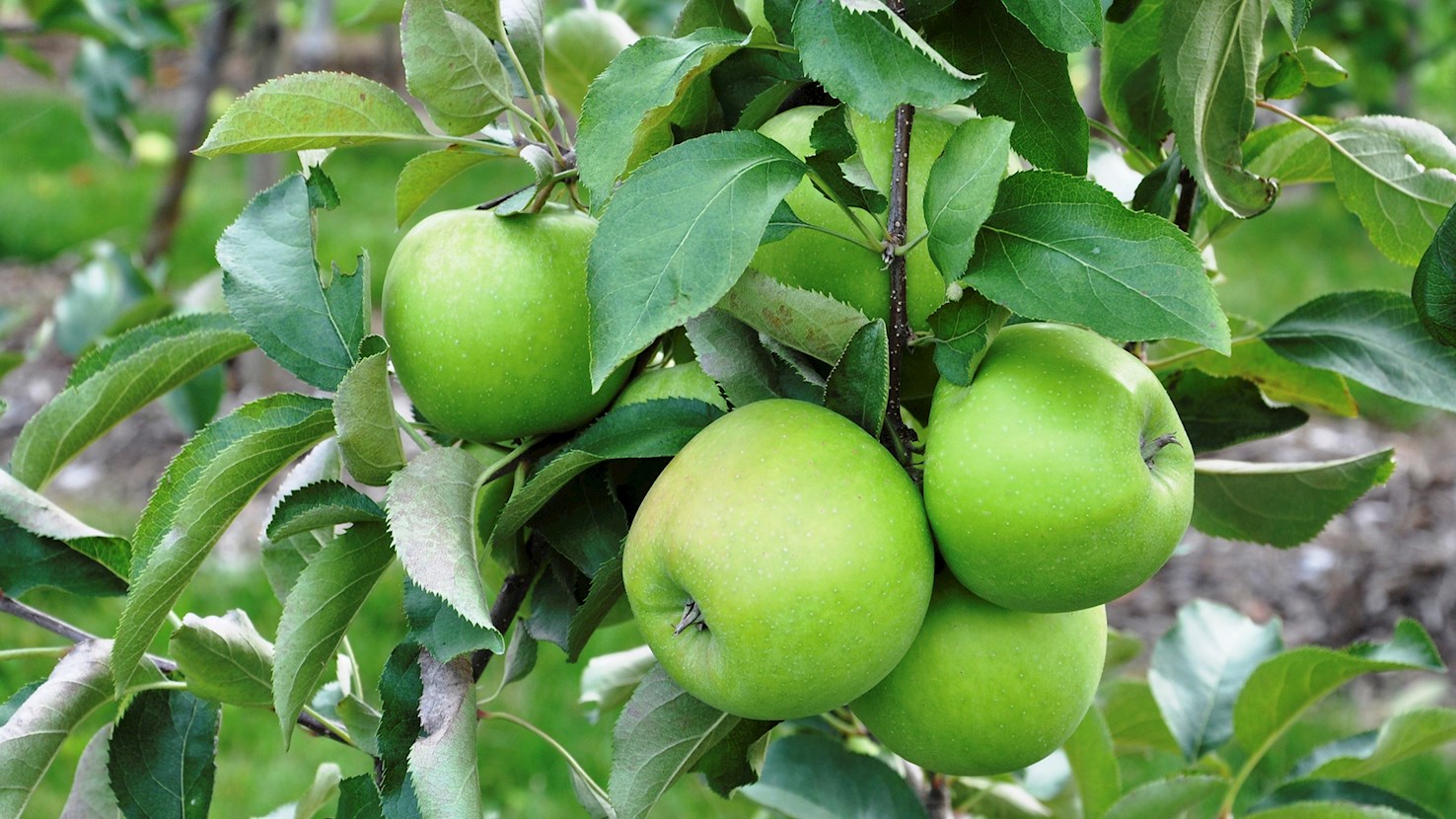
These world-famous green apples actually have Australian origins. According to legend, Maria Ann Smith found an apple seedling near her house in 1868. Shortly thereafter, it began to bear light green colored apples which proved to be perfect for both eating and cooking. Granny Smith apples were first commercially grown in New South Wales in 1895, and today, they are one of the most popular apple varieties in the world, characterized by their green exterior with a slight pink blush, bright white flesh, and firm texture. The flavor can best be described as crisp with a strong tartness that’s reminiscent of lemons. When used raw, these apples pair well with sharp cheeses. Granny Smiths also hold their shape extremely well during baking, so they are mostly used in pies, cobblers, cakes, muffins, and tarts.

About this ranking

TasteAtlas food rankings are based on the ratings of the TasteAtlas audience, with a series of mechanisms that recognize real users and that ignore bot, nationalist or local patriotic ratings, and give additional value to the ratings of users that the system recognizes as knowledgeable. For the “Top 100 Apple Varieties in the World” list until June 06, 2026, 1,751 ratings were recorded, of which 1,466 were recognized by the system as legitimate. TasteAtlas Rankings should not be seen as the final global conclusion about food. Their purpose is to promote excellent local foods, instill pride in traditional dishes, and arouse curiosity about dishes you haven’t tried.

Similar lists