




shutterstock

Top 42 Italian Breads

Last updated on July 15, 2026
01

Ciabatta

4.1 ·

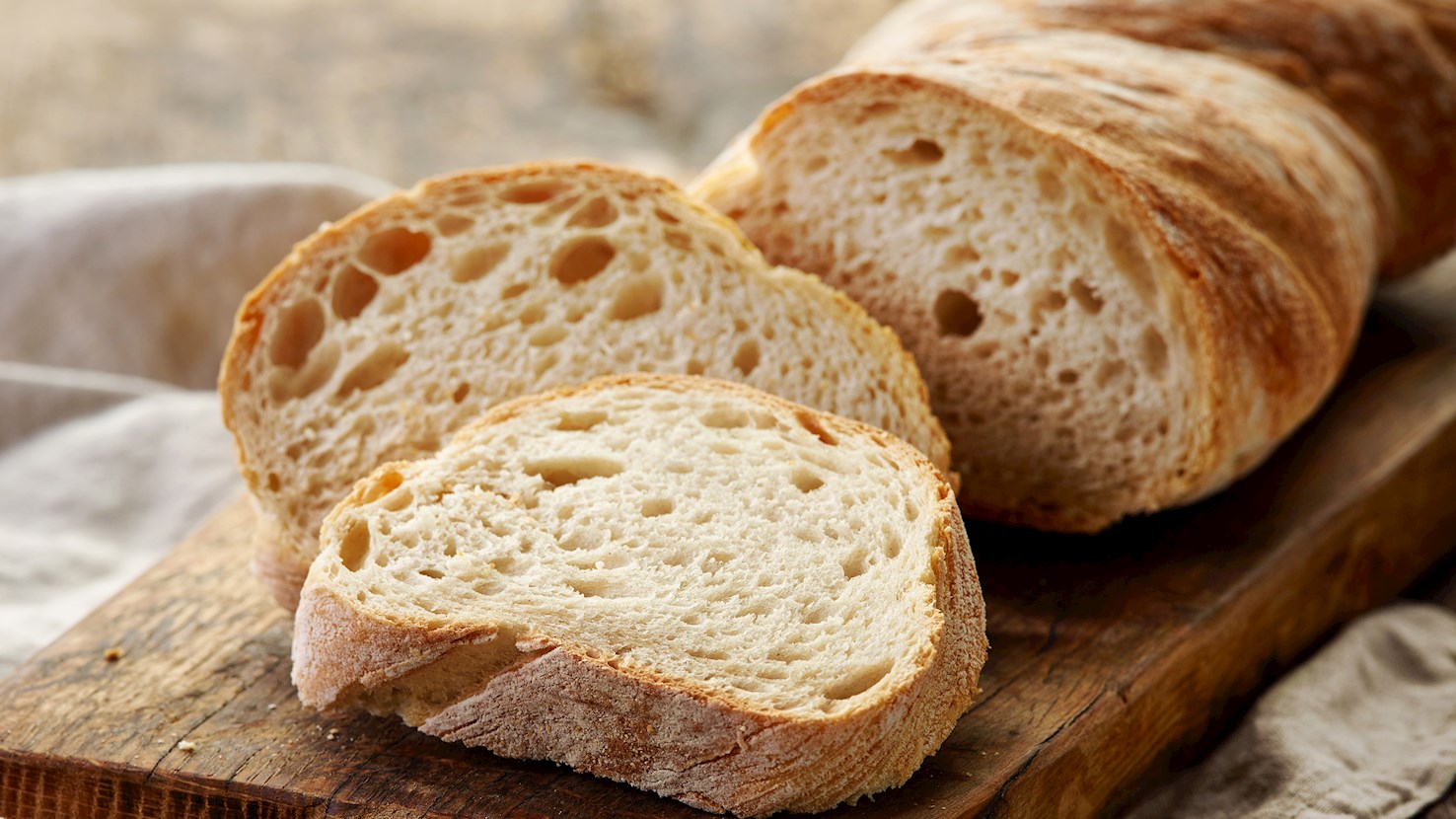
Literally translated to a slipper, as a reference to its shape, ciabatta is an Italian type of white bread made with yeast and wheat flour. It is characterized by numerous air pockets on the interior and a crispy crust. The first ciabatta was made in 1982 by a Veronese miller and baker named Arnaldo Cavallari. The bread was invented as a response to the rising popularity of French baguette, as the bakers were worried that it might endanger their business. Ciabatta is considered an ideal choice for sandwiches because the crumb absorbs liquids very well. Today, many regions in Italy have their own variations of the original recipe, producing ciabattas with olive oil, whole wheat flour, marjoram, and milk.

02

Pane rustico

4.0 ·

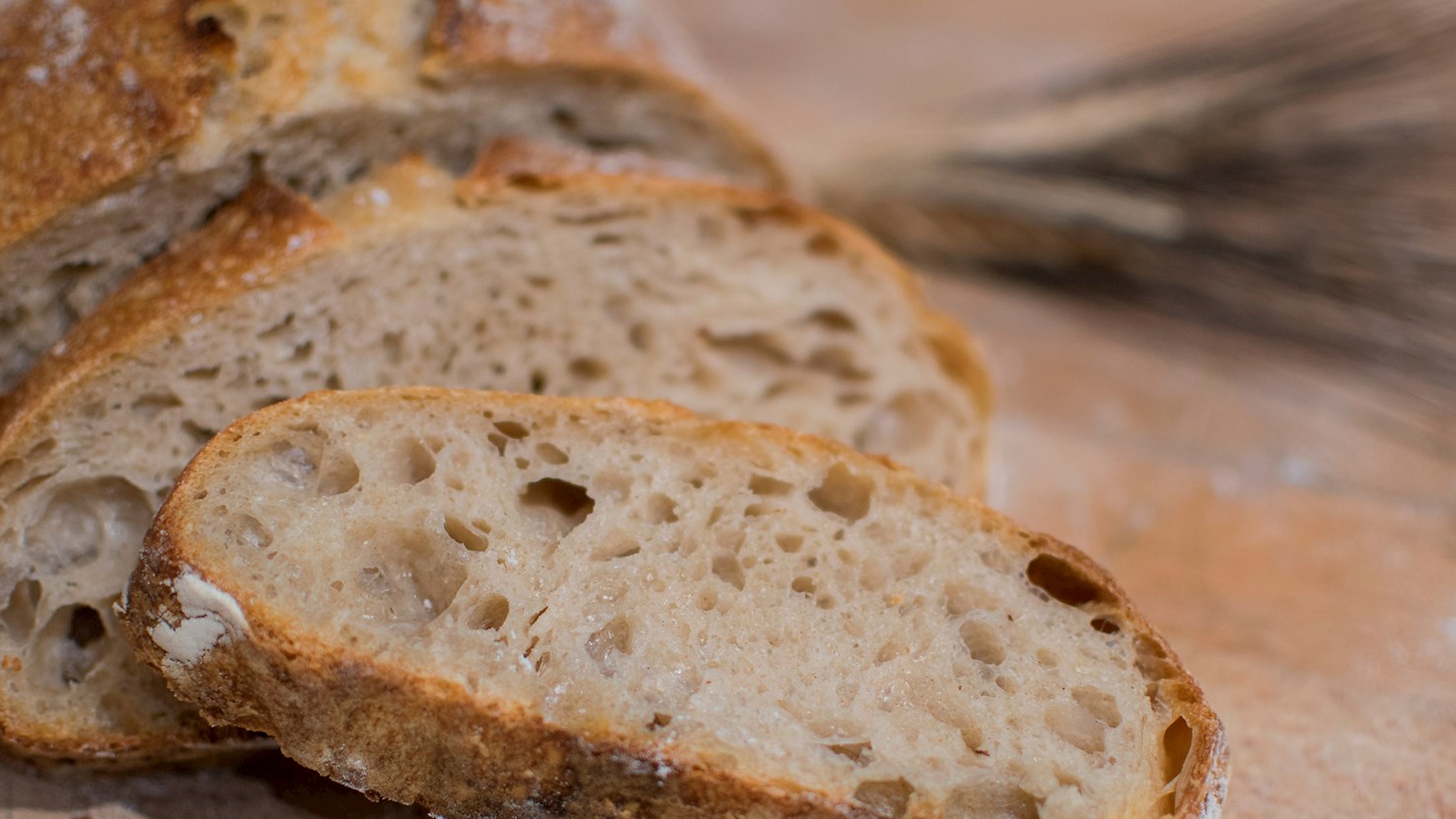
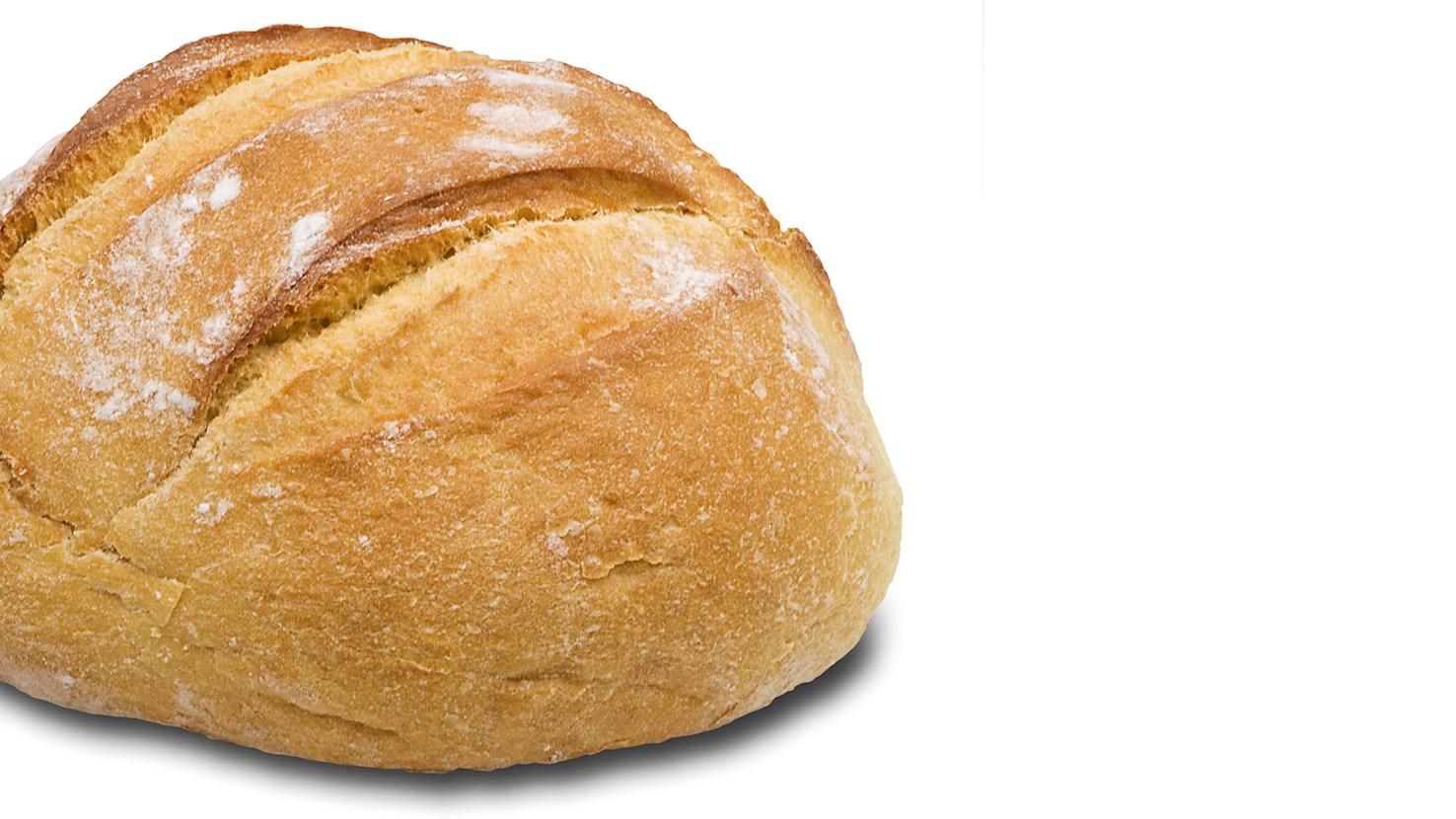
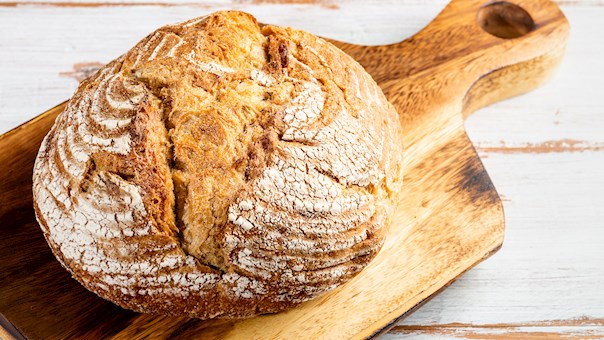
Prepared in the same traditional way for hundreds of years, the Sicilian pane a l'antico rustico or simply pane rustico is a type of homemade sourdough bread. The slightly flattened pane rustico is typically baked in a wood-fired oven, and pairs perfectly with many dishes of Sicilian cuisine, particularly soups and stews. Crusty on the outside and wonderfully tender on the inside, it is also great as an accompaniment to cold cuts and cheese. In Sicily, pane rustico is often enjoyed fresh from the oven, generously drizzled with extra virgin olive oil and simply seasoned with salt and coarsely ground black pepper.

03

Schiacciata

4.0 ·

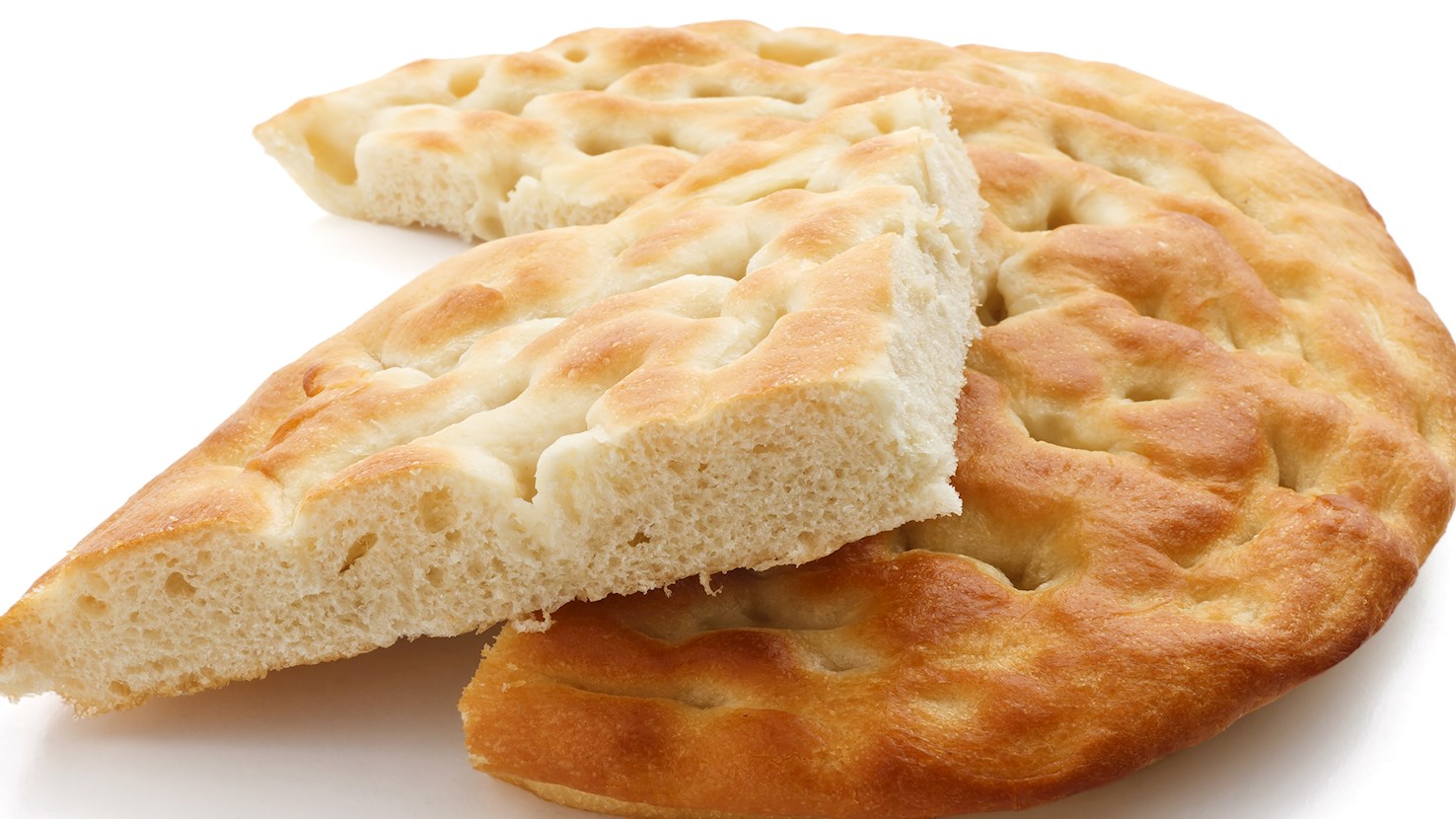
Schiacciata is a traditional variety of bread made in Tuscany and Umbria, consisting of flour, olive oil, yeast, water, and sugar. It is quite similar to focaccia, although it takes much less effort to prepare schiacciata than focaccia. The name schiacciata means pressed, referring to the process of pressing the dough with fingers when it gets placed in baking tins or pans. The texture of this bread is crunchy, yet soft and moist, and it can be topped with anything from tomatoes and cheese to garlic and oregano.

04

Crescentina

4.0 ·

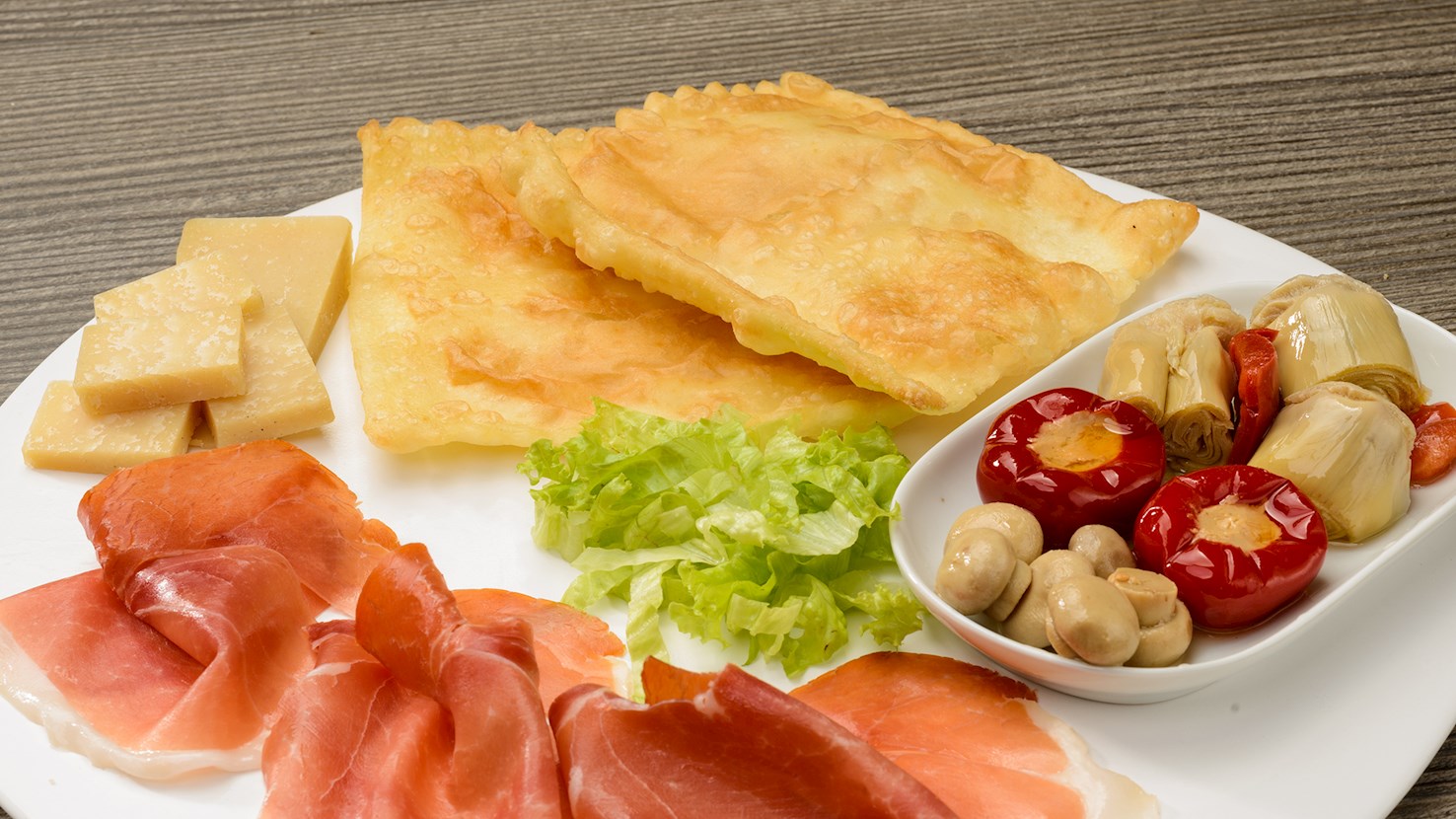
Crescentina is a type of puffed bread made with flour, lard, salt, milk and a leavening agent (sometimes with the addition of cracklings). The dough is fried in lard and served hot. Although very delicious on its own, crescentina is usually served with fresh soft cheeses and cold cuts typical for the region, or with jam and chocolate-hazelnut spreads in the sweet version. It is typical for Bologna, but similar dishes can be found throughout the Emilia Romagna region, and the name varies depending on the city: gnocco fritto in Modena, pinzino in Ferrara, torta fritta in Parma, chisulen in Piacenza. The name might vary, but these crunchy little pockets of fried dough remain a local favorite.

05

Casatiello

3.9 ·

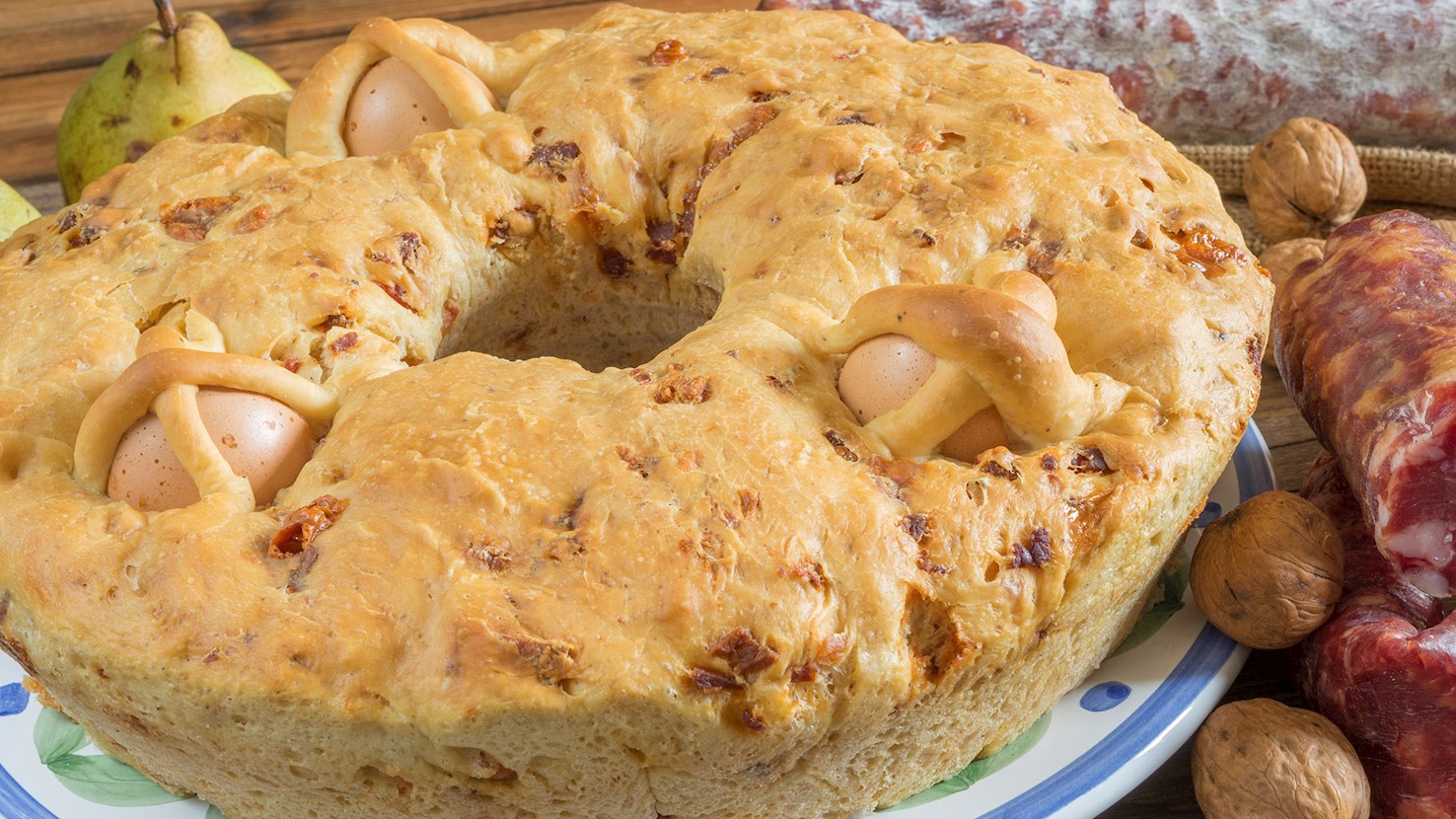
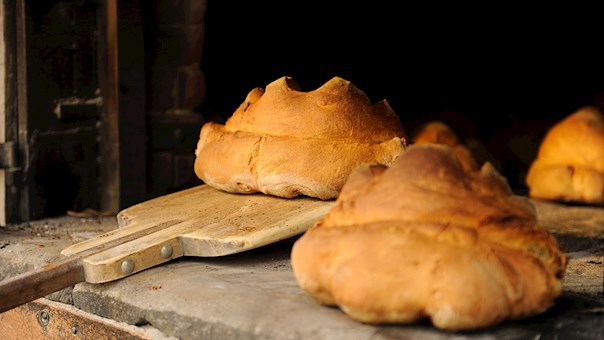
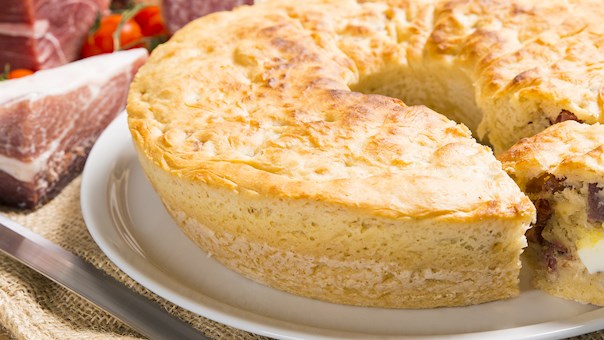
Decorative casatiello is a traditional Easter bread. It is prepared with leavened dough, made with lard or olive oil, which is then filled with meat and cheese, rolled, and baked in a large ring mold. The stuffing is made with pork salumi, Italian-style cured meat, and diced semi-hard cheese. Although the choice of meat is variable, Neapolitan salami, ham, prosciutto, and pancetta are the most common varieties. Before baking, casatiello is decorated with hard-boiled eggs which are put on top of the bread, then adorned with cross-shaped strips of dough. This rustic bread is usually prepared for Easter and has a strong symbolic and religious importance for the Italians. The use of leavened bread symbolizes new life, the shape of the bread is a symbol of the crown of thorns, while the eggs illustrate the act of rebirth. The tradition of preparing casatiello comes from Naples, but today, this authentic Italian creation is usually sold during Easter in bakeries across Italy. It is usually served warm or at room temperature, most commonly as an appetizer during Easter dinner.

06

Pane di Altamura

3.8 ·

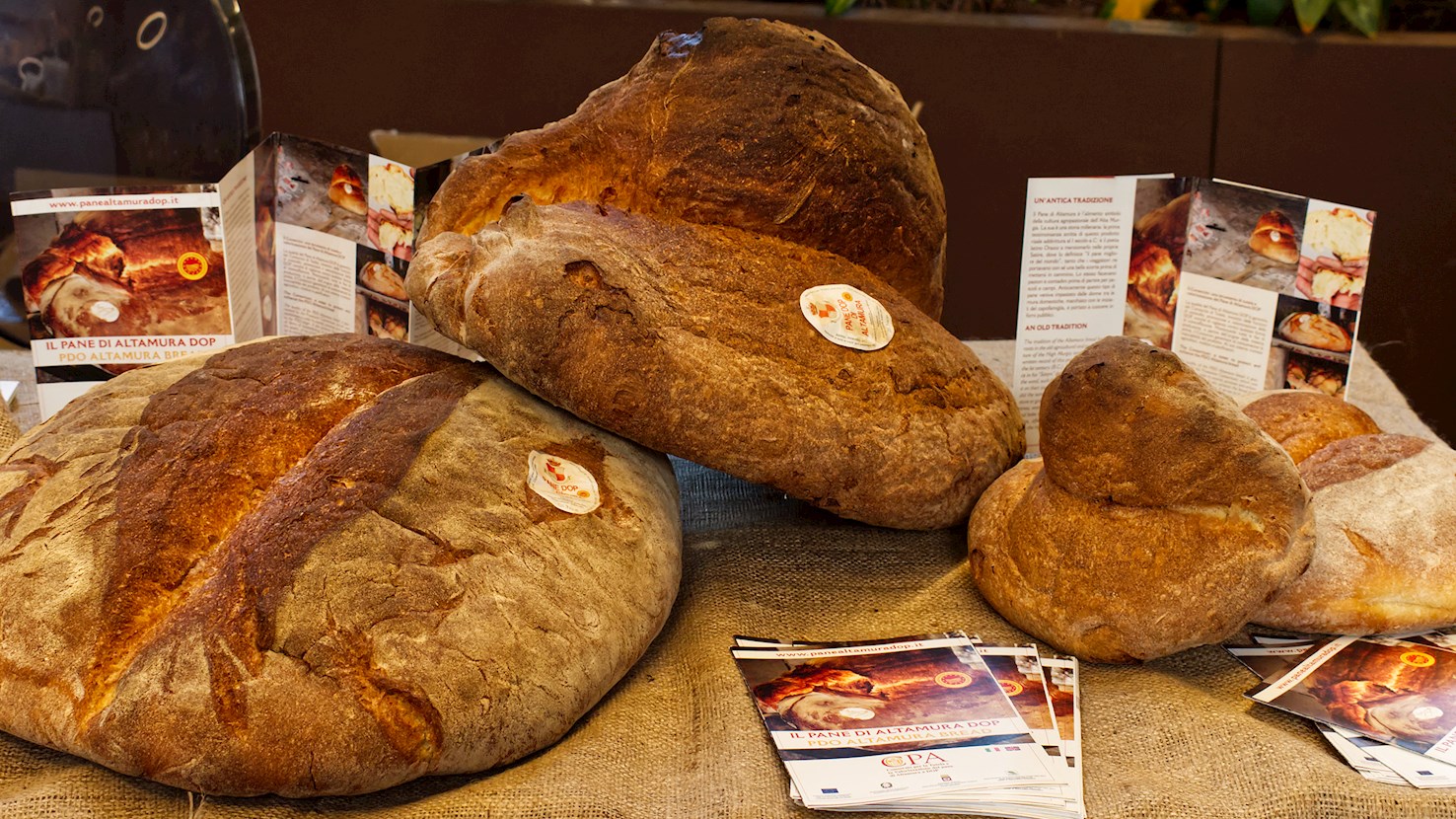
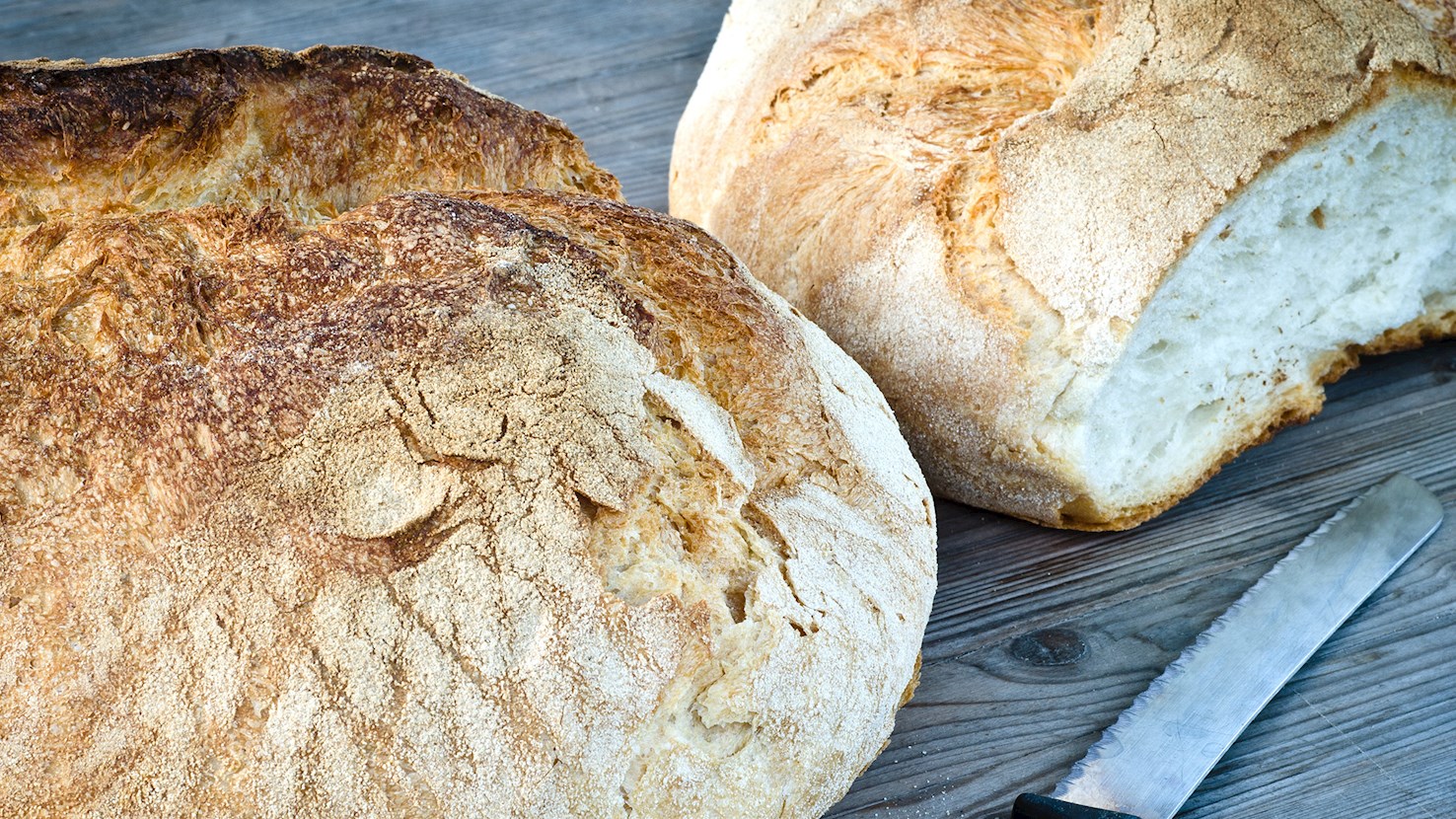
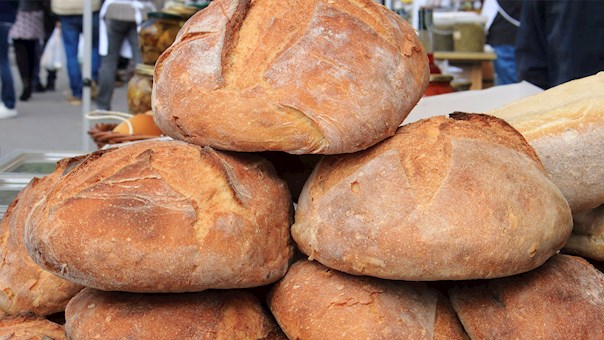
Named after a town settled on one of the Murge plateau hills, pane di Altamura is a country-style sourdough bread that has been traditionally produced in the provinces of Bari and Barletta-Andria-Trani for centuries. It is made only with durum wheat dough, natural yeast, salt, and water. Once the staple food of Murge people, these large loaves of bread were kneaded in Altamura's households, branded with the family name, then baked in community ovens. Since the loaves were supposed to feed whole families for one or even two weeks, the bread of Altamura had to be very durable, which is, even today, one of its most prized features. For a simple snack, pane di Altamura is simply drizzled with extra virgin olive oil and sprinkled with salt or smeared with tomato or olive tapenade. It is also an essential ingredient in many traditional recipes such as the zuppa povera, an aromatic tomato soup with toasted cubes of Altamura bread.

07

Friselle

3.8 ·

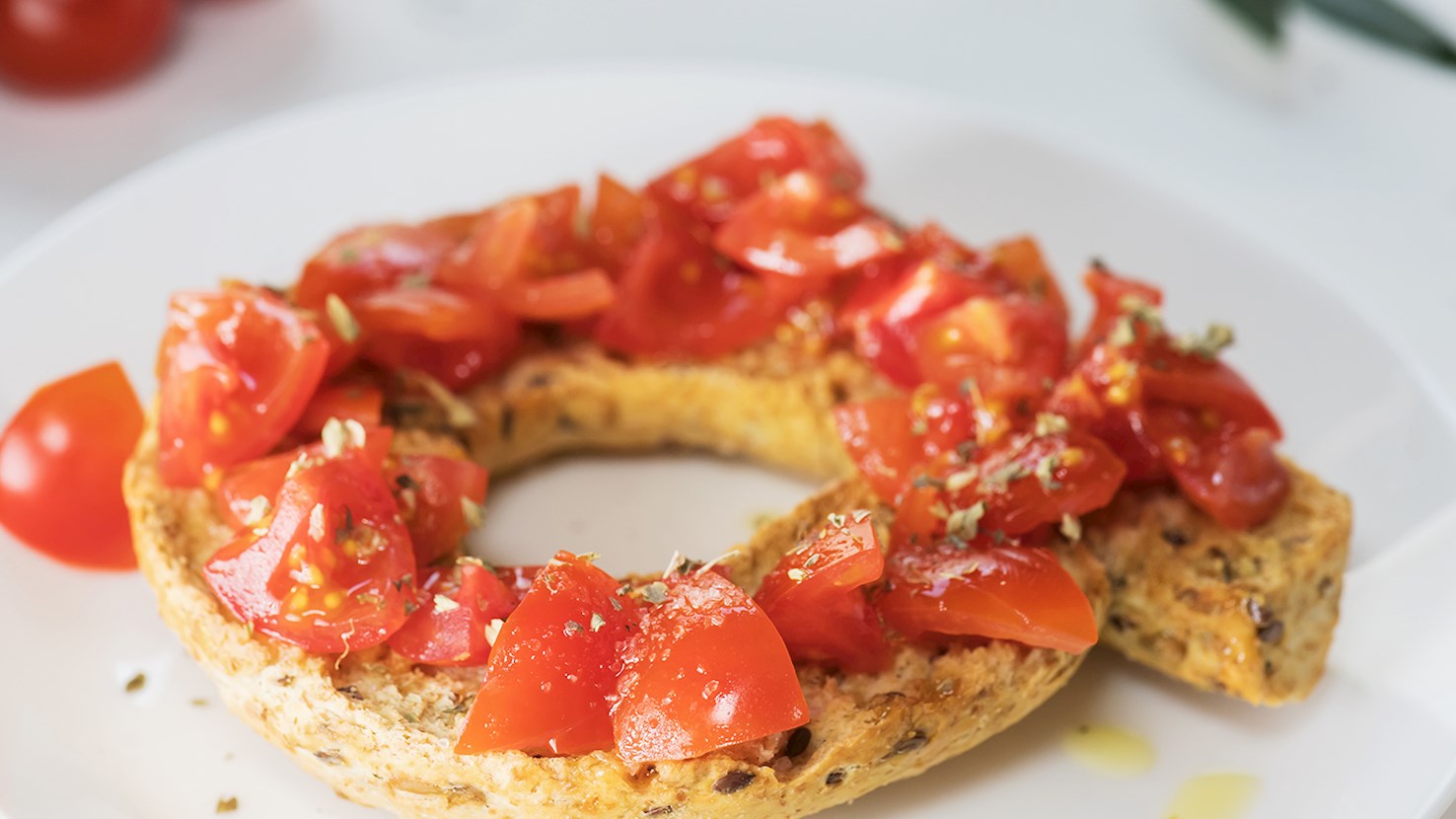
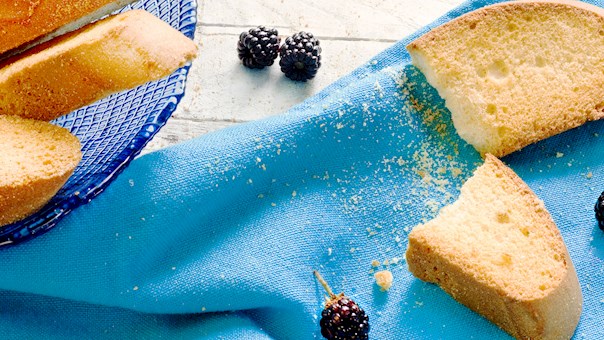
Frisele or frise is a traditional rusk originating from Puglia. It's made with a combination of plain flour, semolina flour, sea salt, yeast, and water. The rusks are double-baked, which greatly improves their shelf life. In the past, they were ideal for field workers or fishermen going out to sea. When served, friselle are usually soaked in seawater or springwater. If the rusks are topped with fresh tomatoes, they are then known as friselle Salentina, a specialty of Salento.

08

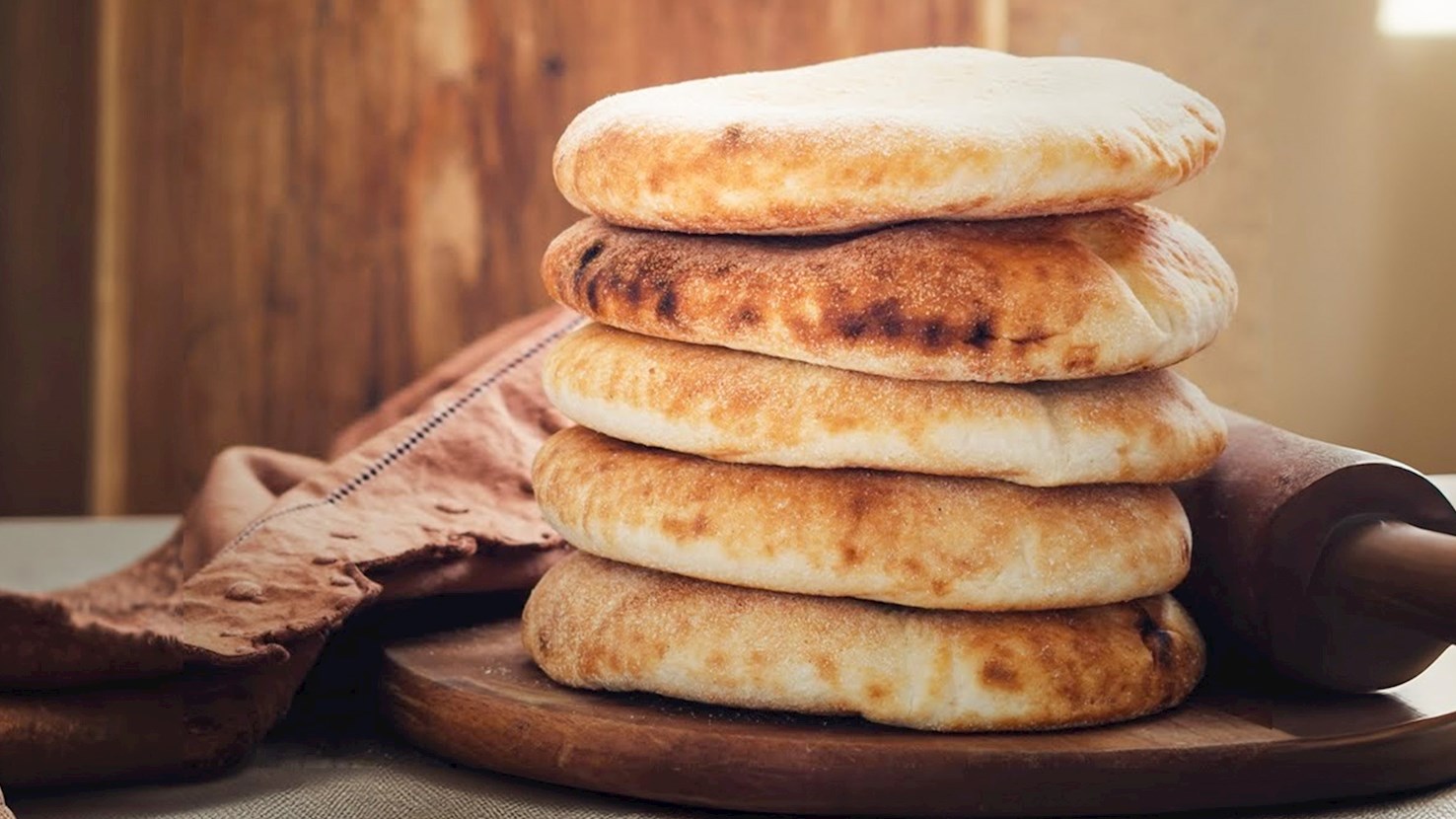
Puccia

3.8 ·

Puccia (pucce) bread is a traditional bread from the Puglia region, known for its soft, chewy texture and round shape reaching up to 20 cm (8") in diameter. It is typically made from durum wheat flour, baked in a wood-fired oven, very hollow with very little crumb. Puccia can be eaten plain or stuffed with a variety of fillings, including cured meats, cheeses, and vegetables, making it a versatile sandwich bread. The bread is especially popular during festivals in Puglia and is similar to pita in that it can be split and filled with ingredients. Salento and Taranto are the regions where this bread can be most often seen.

09

Pane Pugliese

3.7 ·

The crunchy-crusted pane Pugliese, a porous rustic bread whose origins can be traced to the 15th century, is said to be a legacy of the brown country bread which was brought to Apulia by the Turks who ruled the south of Italy at the time. This delicious peasant-style sourdough bread is made with only flour, water, and yeast, but the secret to making a perfect, slightly domed Pugliese loaf is in the kneading technique, namely the wet dough folding method. Even though the slack dough is very hard to work with, it produces a wonderful, airy texture, while long fermentation enhances the rich flavors of this bread. Pane Pugliese makes for an excellent bruschetta, but it is also enjoyed as an accompaniment to various soups and stews.

10

Civraxiu

3.7 ·

This round bread comes from Sardinia. It is usually made with a combination of regular flour and semolina flour, water, salt, and yeast. The crust is crispy, while the interior is slightly yellow and tender. In the past, it used to be made once a week in the early morning, and it was then kept in cellars, where it was wrapped in cloths. Civraxiu is best enjoyed warm as an appetizer, dipped in olive oil or the drippings of roasted meat, but it is also often used in the preparation of bruschettas.

Read more
View all
View map
About this ranking

TasteAtlas food rankings are based on the ratings of the TasteAtlas audience, with a series of mechanisms that recognize real users and that ignore bot, nationalist or local patriotic ratings, and give additional value to the ratings of users that the system recognizes as knowledgeable. For the “Top 42 Italian Breads” list until July 15, 2026, 1,076 ratings were recorded, of which 884 were recognized by the system as legitimate. TasteAtlas Rankings should not be seen as the final global conclusion about food. Their purpose is to promote excellent local foods, instill pride in traditional dishes, and arouse curiosity about dishes you haven’t tried.

Similar lists