shutterstock

Top 39 Guangdong Foods

Last updated on June 10, 2026

Best Guangdong foods

01
Stir-fry

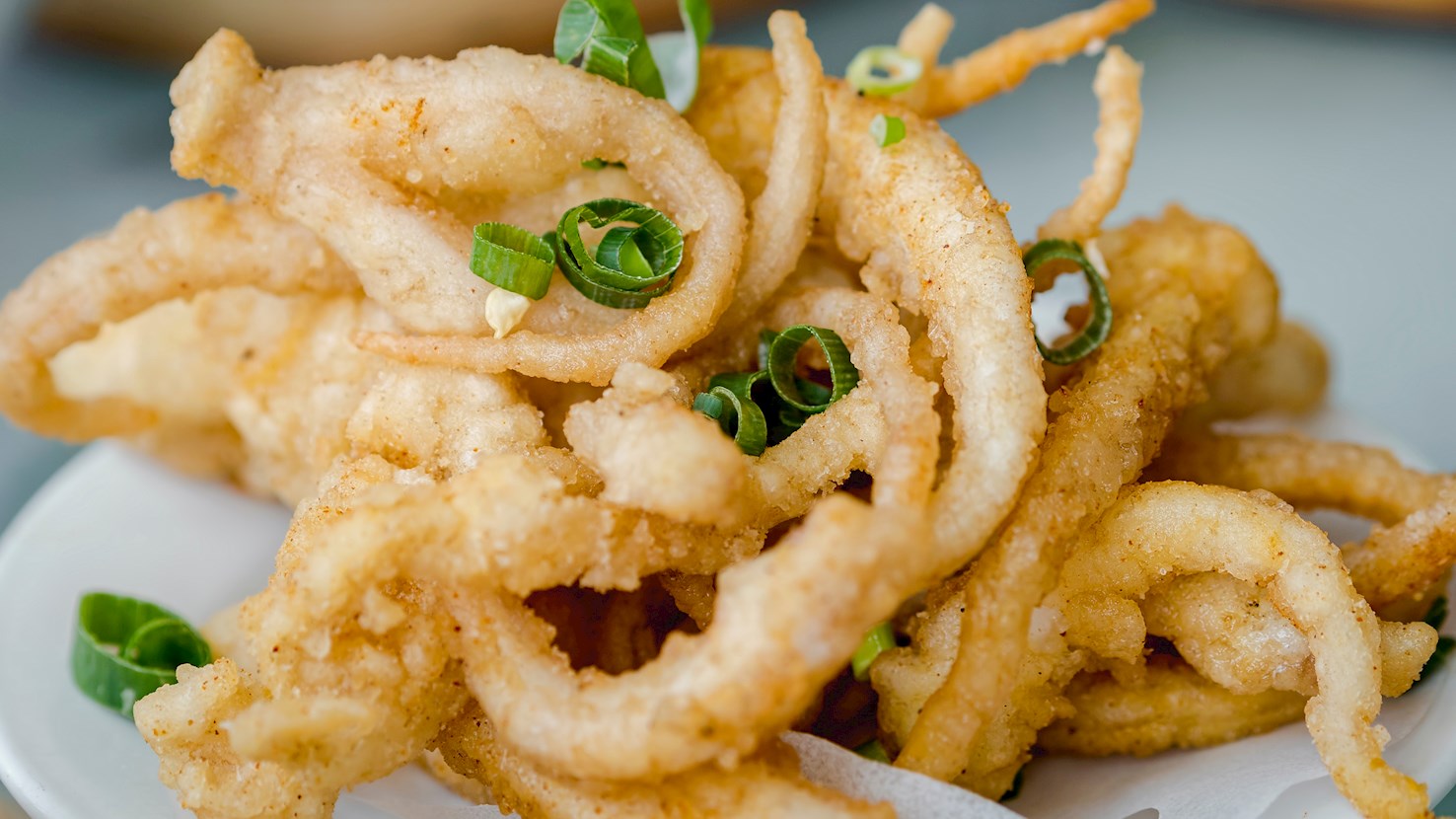
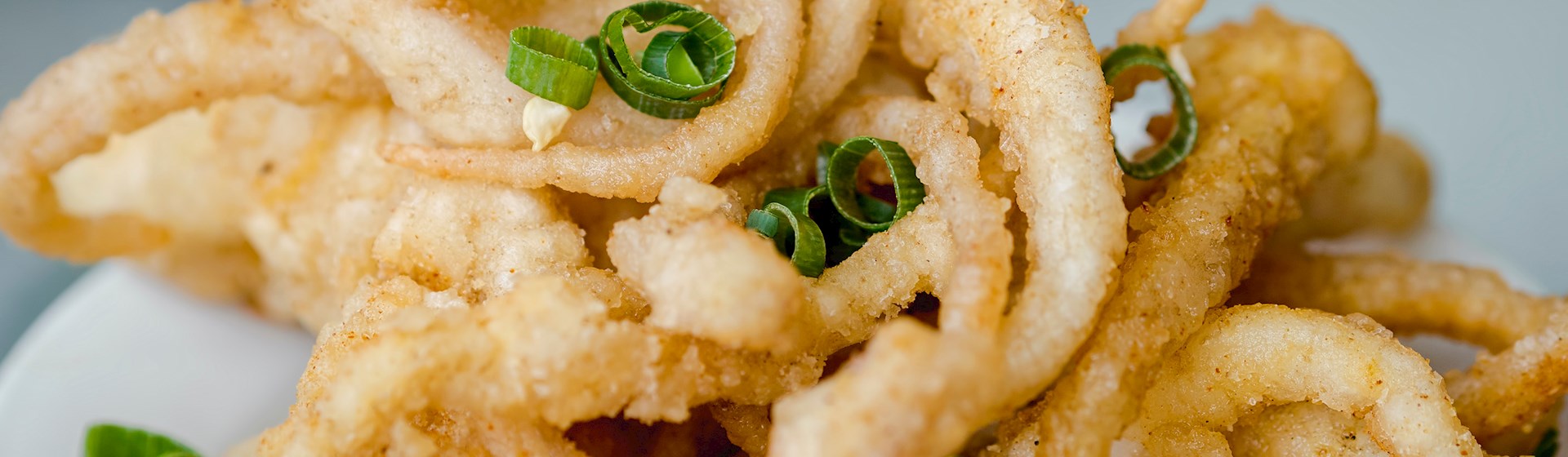
Jiao yan you yu (Salt-and-pepper squid)

4.3 ·

Jiao yan you yu or salt-and-pepper squid is a traditional dish originating from Guangzhou. This Cantonese dish is usually made with a combination of squid, potato flour, scallions, Shaoxing wine, garlic, oil, hot peppers, Sichuan pepper or white pepper, and salt. The surface of the squid is cross-hatched and the body is cut into bite-sized pieces. It's mixed with Shaoxing wine, drained, dredged in flour, and deep-fried in hot oil until lightly golden. The squid is removed from the pan. The garlic, scallions, and hot peppers are stir-fried in the same oil, and the squid is placed back into the pan with a mixture of Sichuan pepper and salt. The dish is stir-fried a bit more, tossed, and served hot as an appetizer or a main course.

02
Pork Dish

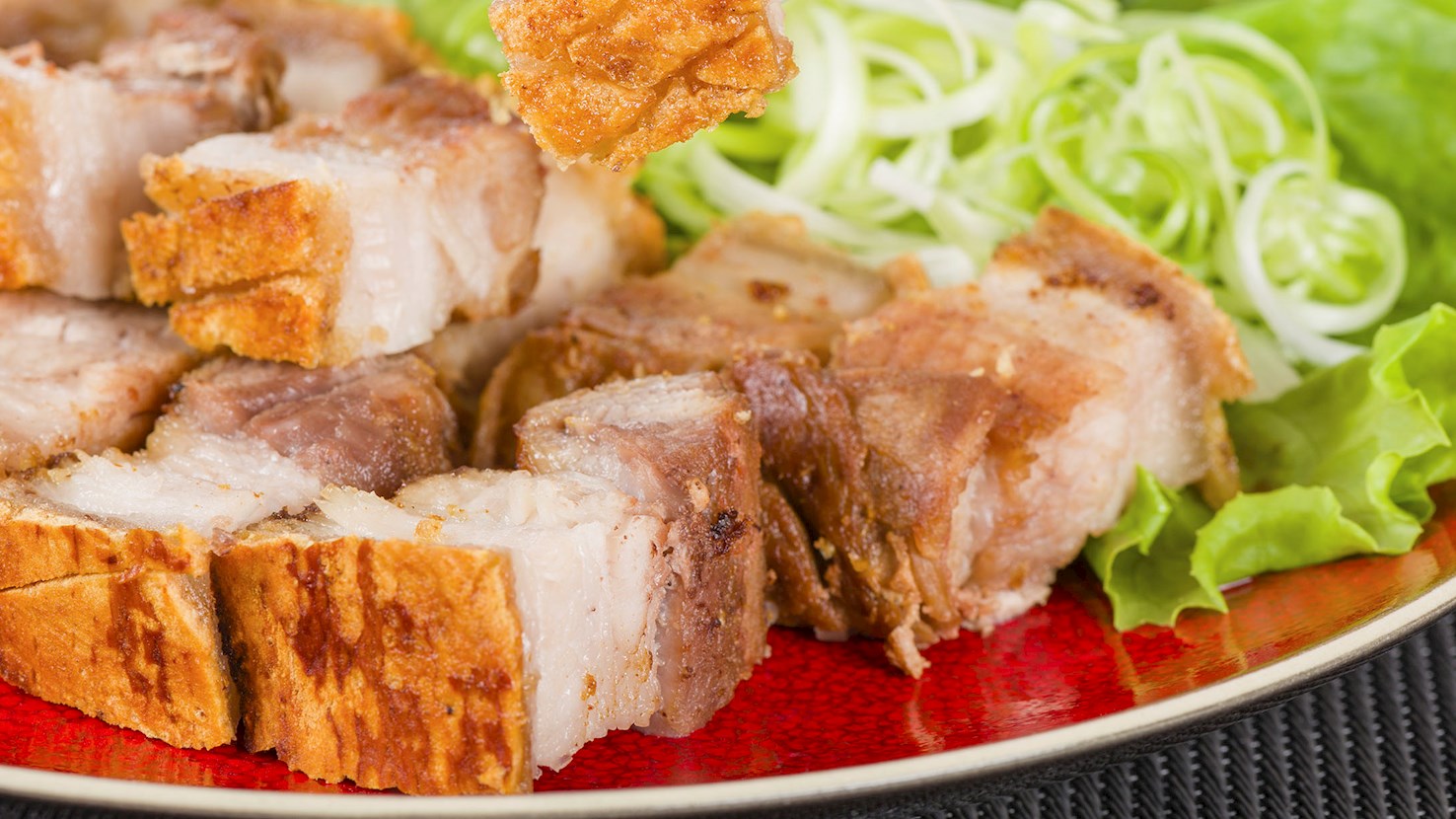
Shāo ròu (Roast suckling pig)

4.3 ·

A version of typical Cantonese siu mei (roasted meat dishes), siu yuk is a hefty meal that is mostly consumed in small quantities, made by roasting a whole, seasoned pig in charcoal furnaces at very high temperatures, resulting in succulent, tender meat and crispy skin. Traditionally, the meat is served as it is, but it is sometimes accompanied by either hoisin sauce or soy sauce. Since it is a known fact that the Chinese have many beliefs, in Hong Kong siu yuk is often oferred to the Jade Emperor (the first god in Chinese culture) in order to celebrate a movie's opening, hoping that the movie achieves great success in the cinemas. The dish is often garnished with pineapple or cucumber slices, placed in a red box and wrapped with red wrapping paper, for additional luck.

03
Stir-fry

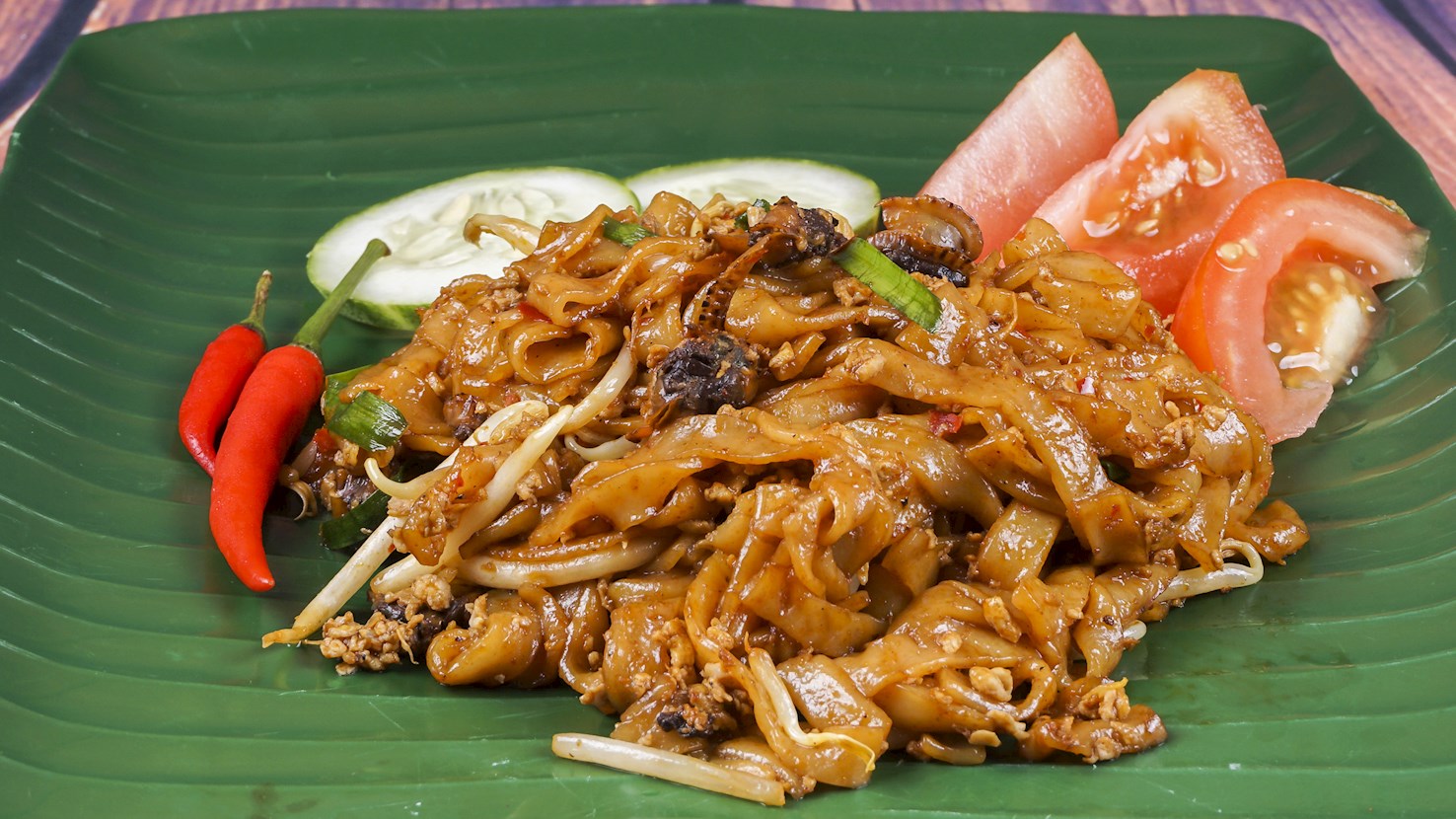
Gānchǎo niúhé (Beef chow fun)

4.2 ·

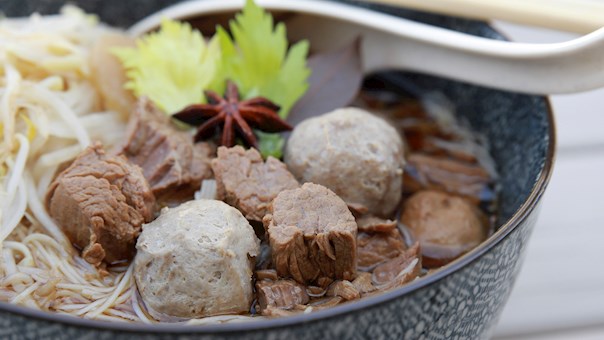
Beef chow fun is a Cantonese dish prepared by stir-frying previously marinated beef slices together with flat, wide rice noodles (hor fun), and bean sprouts. Because of the preparation method, beef chow fun is a true measure of any accomplished Cantonese chef. Specifically, it is necessary to get two things right: wok hei — the cooking technique of stir-frying the ingredients at high heat which imparts them with a special umami flavor; and pow wok — a way of quickly tossing the ingredients without the use of a spatula, which prevents sticking and does not break the delicate rice noodles. The origins of the dish are still unclear, but according to a folk tale, it was invented during World War II in Guangzhou. Today, this Cantonese stir-fry is typically served in yum cha restaurants and cha chaan teng - tea restaurants known for serving diverse and affordable meals.

04
Dumplings

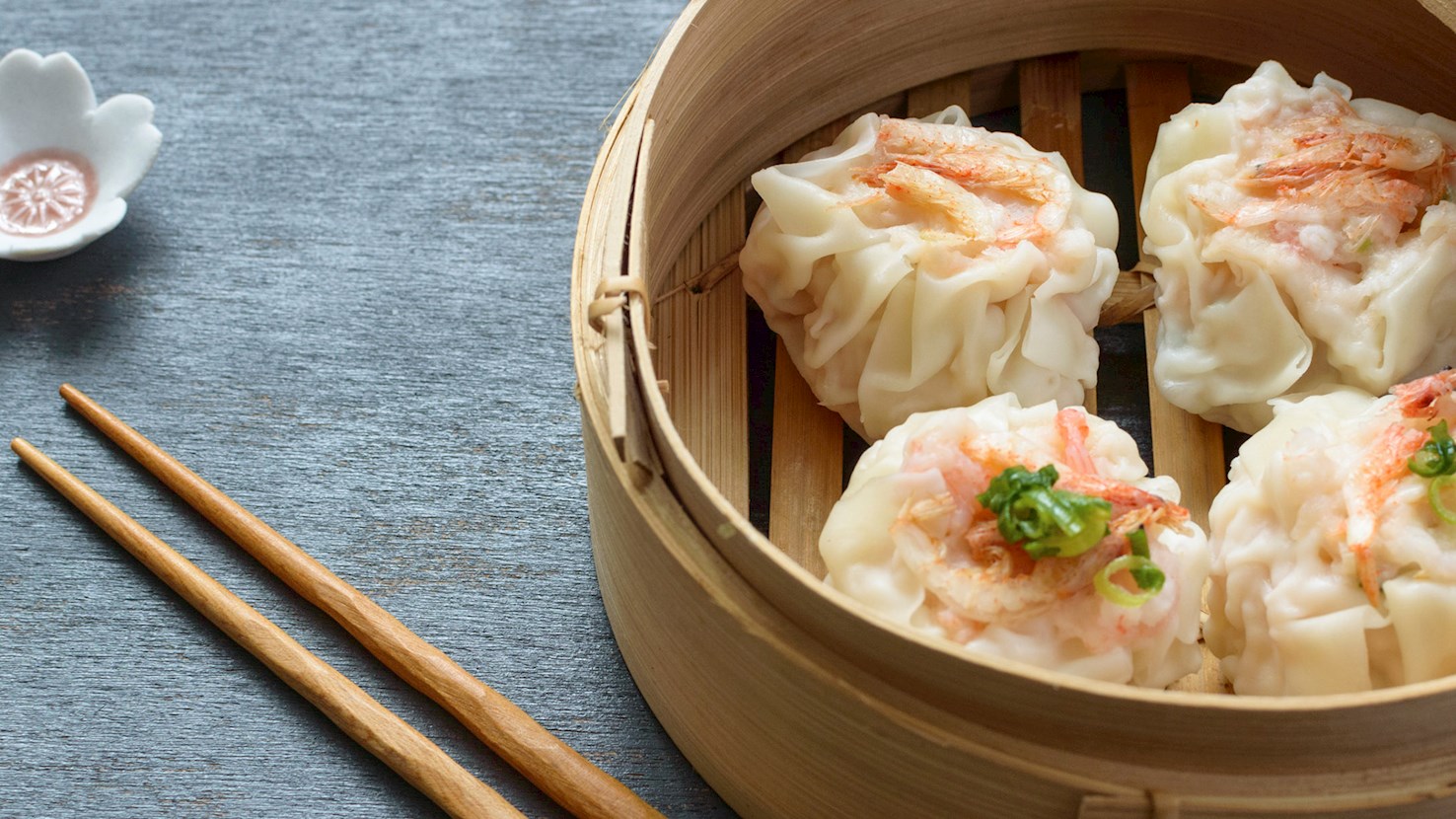
Shāomài (Shumai)

4.2 ·

Shumai, literally translated as to cook and sell, is a staple of dim sum cuisine consisting of an open-topped dumpling filled with steamed ground pork, and sometimes finely chopped shrimp or Chinese black mushrooms. When it's cooked, shumai is often garnished with a single pea, a fish egg, or a small piece of carrot on top. It originated in tea houses along the Silk Road in Cantonese China, and since then, the dish has spread throughout the world. In China, there are numerous regional variations of this flavorful delicacy, but it is also extremely popular in Indonesia, Japan, and the Philippines. In Indonesia, the dish is usually accompanied by tofu, vegetables, and peanut sauce; in the Philippines it is accompanied by rice or various dips; and in China, shumai is often served with har gow, another type of dumpling filled with shrimp, scallions, and bamboo shots.

05
Fried Chicken Dish

Zhaziji (Crispy fried chicken)

4.2 ·

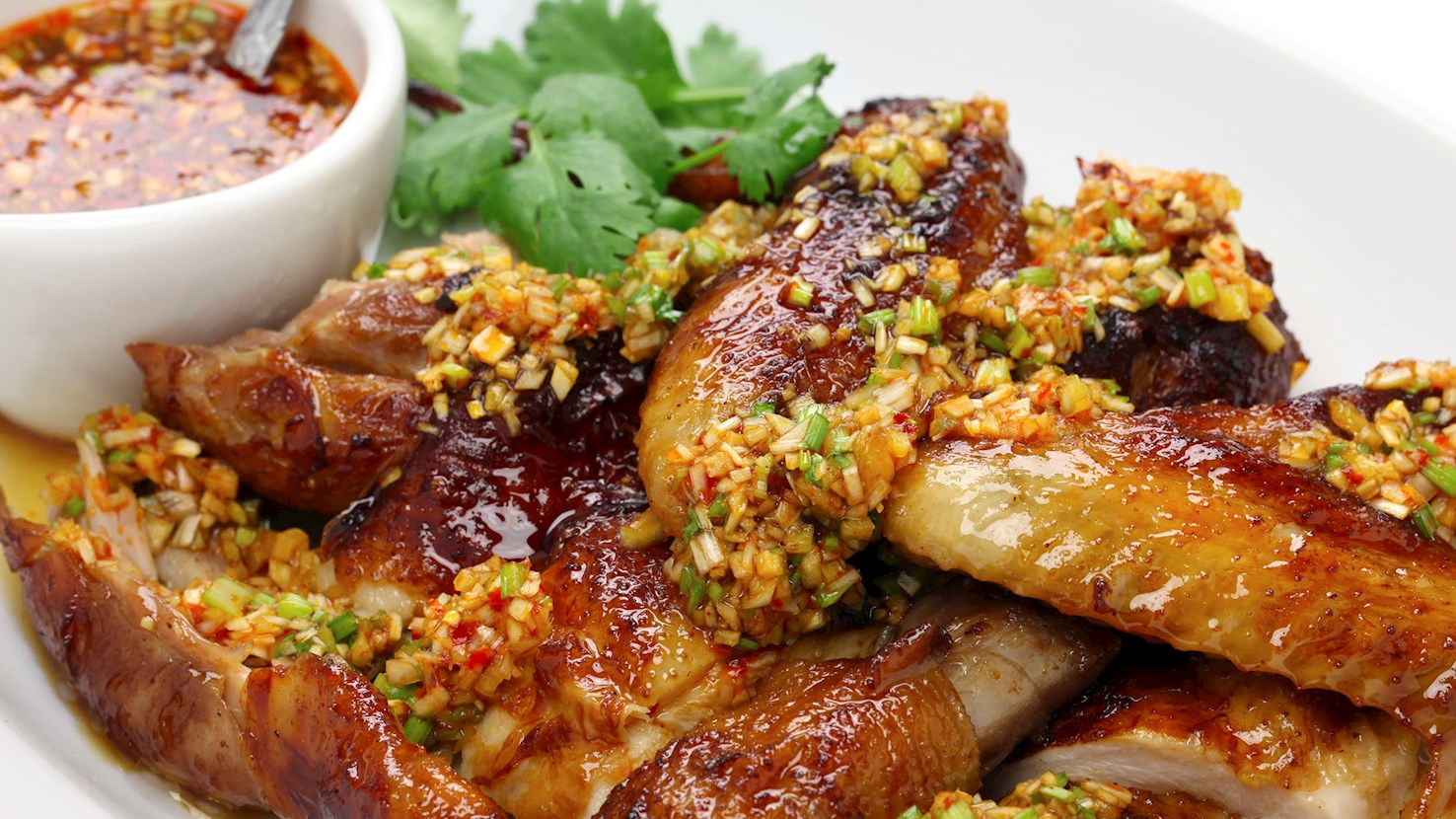
A traditional dish of the Cantonese cuisine, crispy fried chicken consists of chicken that is first steamed and dried, then deep-fried in a special way so that the skin remains extremely crunchy, and the meat underneath gets tender. The chicken is steamed with spices such as cinnamon, Sichuan pepper, ginger, anise, and nutmeg. Later, it usually gets drizzled over with a combination of sugar and vinegar, helping the skin achieve its typical crispiness in the process. According to tradition, crispy fried chicken is a dish that should be eaten at night, while it is also regularly consumed at most Chinese wedding feasts. It is usually accompanied by two side dishes: prawn crackers and pepper salt.

06
Pork Dish

Tang cu pai gu (Sweet and sour spare ribs)

4.2 ·

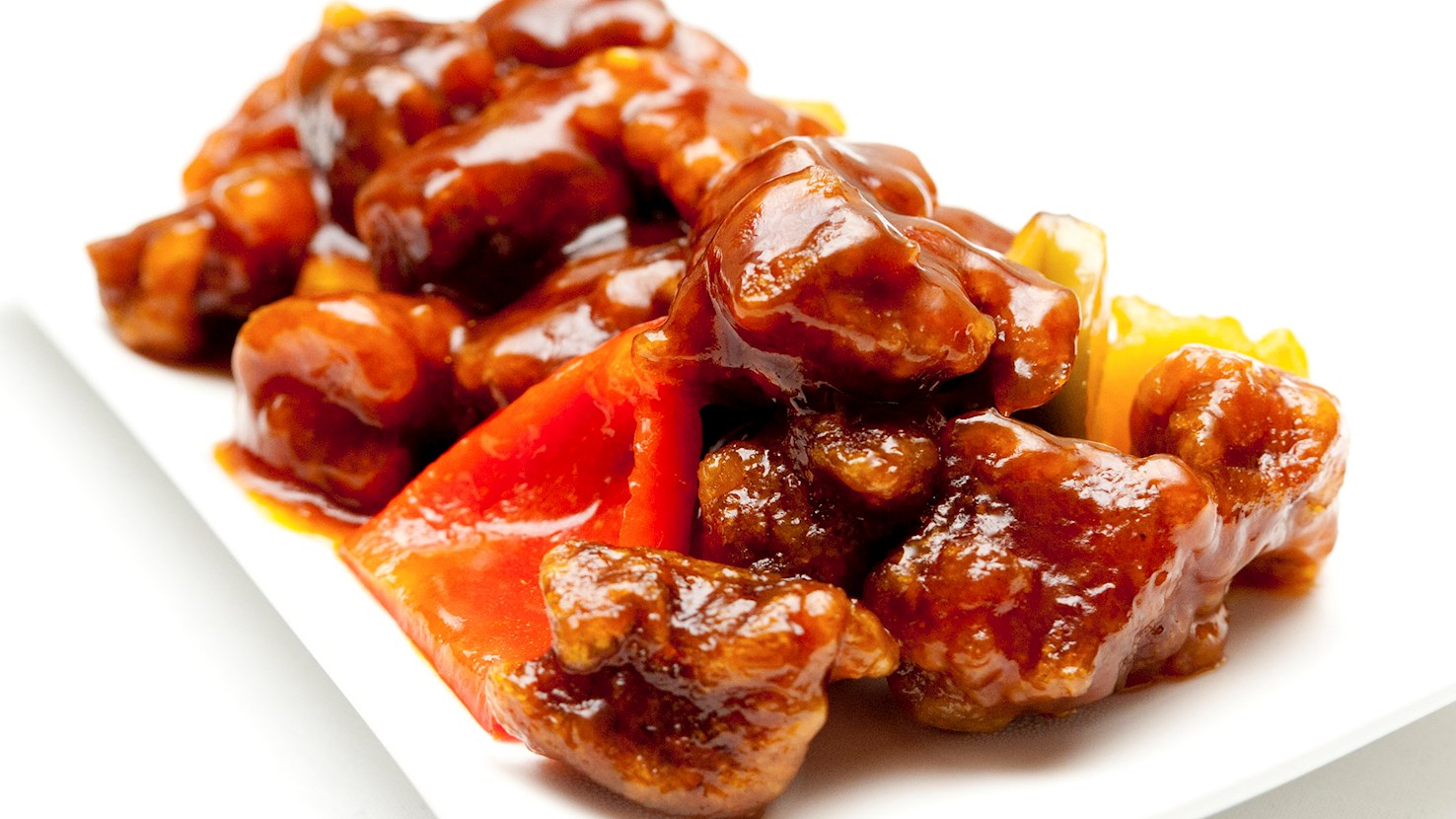
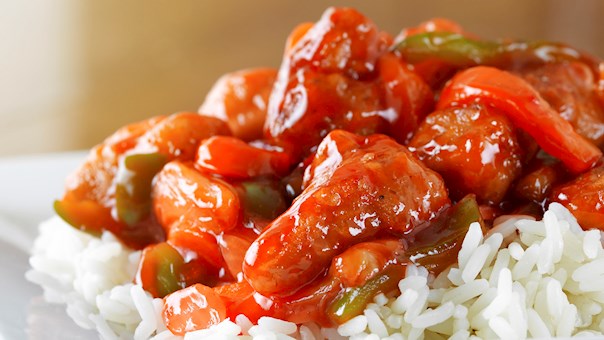
Sweet and sour spare ribs is a popular Chinese dish that is mostly consumed in restaurants since it is somewhat hard to prepare it at home. Spare ribs are first marinated, deep-fried, then dipped in Chinese sweet and sour sauce. Traditionally, the dish is served as an appetizer and is extremely popular in the southern parts of China. In Chinese culture, pork symbolizes prosperity, so the dish is often prepared and served for Chinese New Year. The Chinese people love to serve sweet and sour dishes during the festive time because the word sour (syun in Cantonese) sounds like the word grandchild when pronounced, giving hope for a new offspring. It is recommended to pair this decadent appetizer with a glass of ice-cold beer.

07
Rice Dish

Bāozǎifàn (Claypot rice)

4 ·

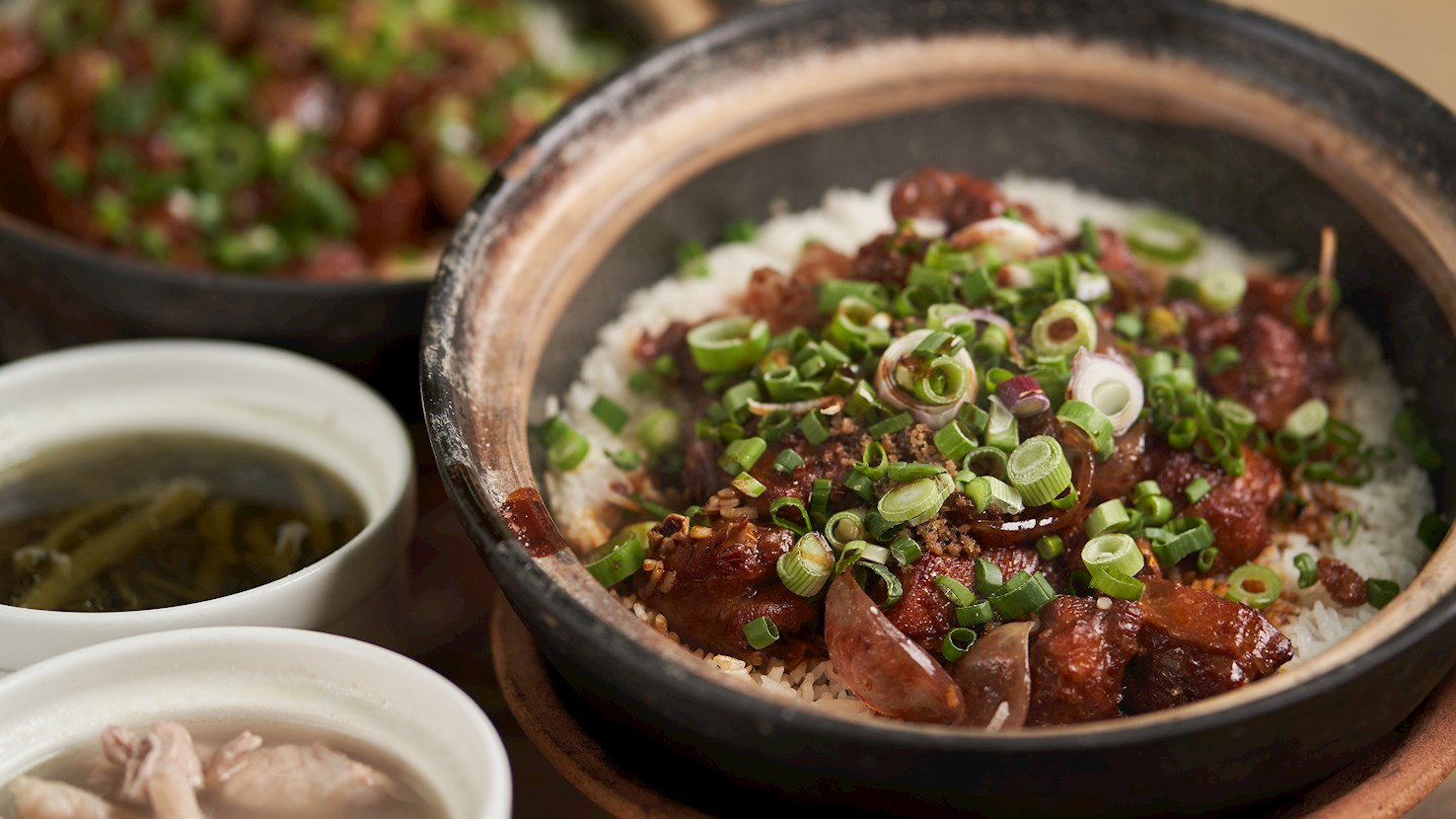
Bāozǎifàn, often translated as claypot rice, is a classic Cantonese rice dish, known for being cooked and served directly in an earthenware pot, which gives it a distinctive texture and depth of flavor. Its development is closely tied to southern China's rice-based cuisine and the use of clay cooking vessels, which were historically common in home kitchens and street stalls alike. The method of slow cooking over charcoal or an open flame not only ensured even heat distribution but also created the dish’s signature crispy rice crust, known as “guōbā,” at the bottom of the pot, a feature that became highly valued by diners. Preparation of bāozǎifàn begins with soaking rice, which is then cooked directly in a clay pot over a controlled flame, allowing the grains to absorb water gradually and cook evenly. Toppings are added partway through the process and vary widely but often include preserved sausage, cured pork belly, chicken, or salted fish. A key part of the dish is the timing—ingredients are layered so that the rice continues cooking while releasing aromatic oils and juices, which infuse every grain. Just before serving, a soy-based sauce is usually poured over the steaming contents, sizzling against the hot clay and enhancing the flavor with a savory glaze. Bāozǎifàn is widely enjoyed in southern China, Hong Kong, and overseas Cantonese communities, often served in small clay pots in specialized restaurants or cooked at home for family meals. It is particularly popular during cooler months when its warmth and richness are most comforting. The dish is usually eaten on its own as a complete meal, though it pairs well with light soups, stir-fried greens, or pickled vegetables, which balance its rich, savory flavors.

08
Noodle Dish

Wàhn tān mihn (Wonton noodles)

4 ·

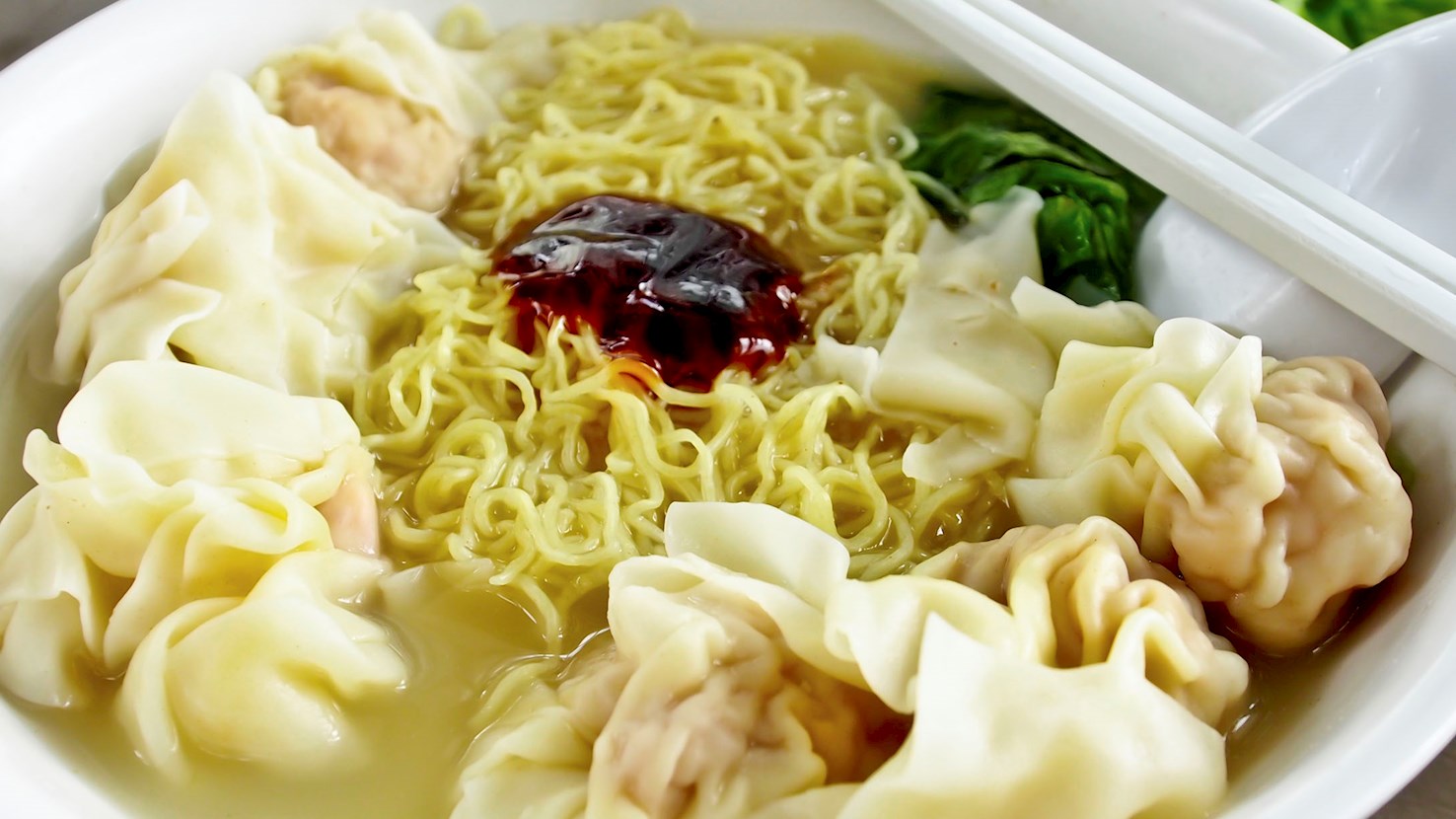
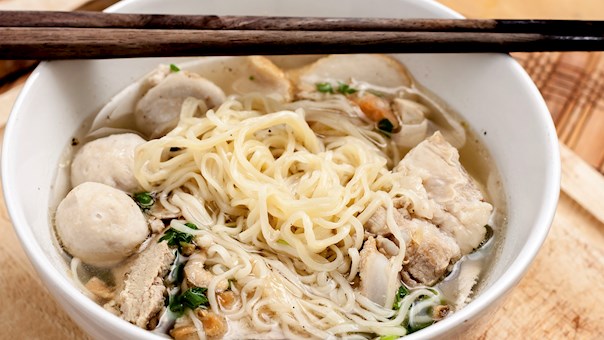
Wonton noodles is a popular Cantonese noodle dish with many regional varieties found throughout Southeast Asia. Traditionally, it consists of chewy egg noodles and wonton dumplings, combined and served in a flavorful chicken, pork, or seafood broth. The dumplings are usually filled with a combination of minced pork and shrimps, lightly flavored with sesame oil, soy sauce, and grated ginger. The stringy thin egg noodles are the most common variety found in many versions of the dish. The choice of garnishes is region-specific and is influenced by common culinary traditions of the particular area where wonton noodles are found. The traditional Cantonese version is typically served with sliced chives and scallions sprinkled on top of the assembled soup. In Malaysia, Singapore, and Thailand, slices of barbecued pork are the most common addition, usually placed on top of the soup. Malaysian versions are often adapted with the addition of green leafy vegetables and use pickled green chilis as a standard condiment. The dish is also widely popular in dry form, in which the noodles are drained and served alongside dumplings, meat, and vegetables, while the fragrant broth is served on the side. Whether it is favored as a clean and original Cantonese variety or the more nutritious version found in other Asian countries, wonton noodles is one of the classic dishes that is considered a staple of Chinese and Asian cuisine.

09
Egg Dish

Háo jiān (Oyster omelette)

4 ·

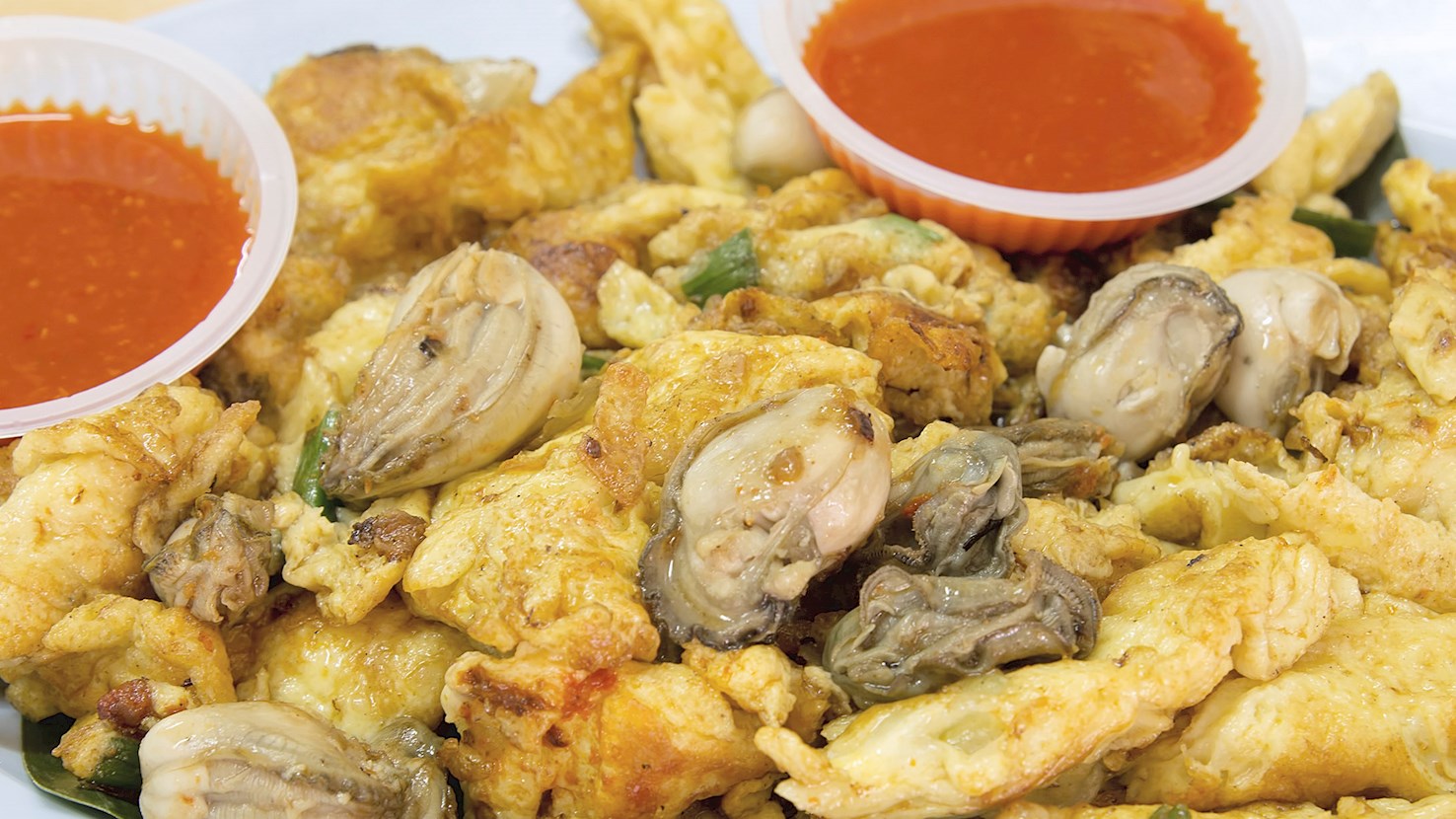
Oyster omelette is a savory egg-based dish originating in the coastal regions of southern China, particularly in Fujian and Guangdong, and it later spread across Southeast Asia, where it became a beloved staple of street food culture in places like Taiwan, Thailand, Malaysia, Singapore, and the Philippines. It combines small, fresh oysters with eggs and a starch batter, resulting in a dish that is crisp on the outside and soft within, often finished with herbs, sauces, or spicy condiments. Its roots lie in the coastal abundance of oysters and the ingenuity of cooks who sought to make use of seasonal shellfish in a satisfying and economical way. In port cities and fishing towns, oysters were plentiful but perishable, and incorporating them into quick, hot dishes allowed them to be eaten fresh while also providing nourishment and flavor to working families and laborers. The dish evolved over time, with each region adapting it to local tastes. In Fujian and Chaoshan areas, the emphasis is often on the delicate interplay of soft oysters and lightly set eggs, while in Taiwan the starch component became more prominent, forming a chewy, slightly gooey texture that contrasts with the crisp edges from the hot griddle. Thai and Malaysian versions tend to be spicier and sometimes include additional aromatics or bean sprouts for freshness and crunch. Preparation begins with a batter made of sweet potato, tapioca, or potato starch mixed with water, poured onto a hot, greased griddle or wok, and spread into a thin layer. Oysters are added on top, followed by beaten eggs, which cook quickly and bind the ingredients together. The omelette is flipped and browned until parts become crisp while the interior remains tender and moist. It is usually served hot, garnished with cilantro or scallions, and accompanied by a sweet, sour, or spicy dipping sauce, depending on the region. Today, oyster omelette is eaten both as a street snack and a restaurant dish, often associated with night markets, coastal seafood stalls, and festive occasions. It pairs well with light soups or rice porridge and is sometimes enjoyed alongside beer or tea, especially in settings where it is served as part of a shared meal.

10
Stir-fry

Lo mein

3.8 ·

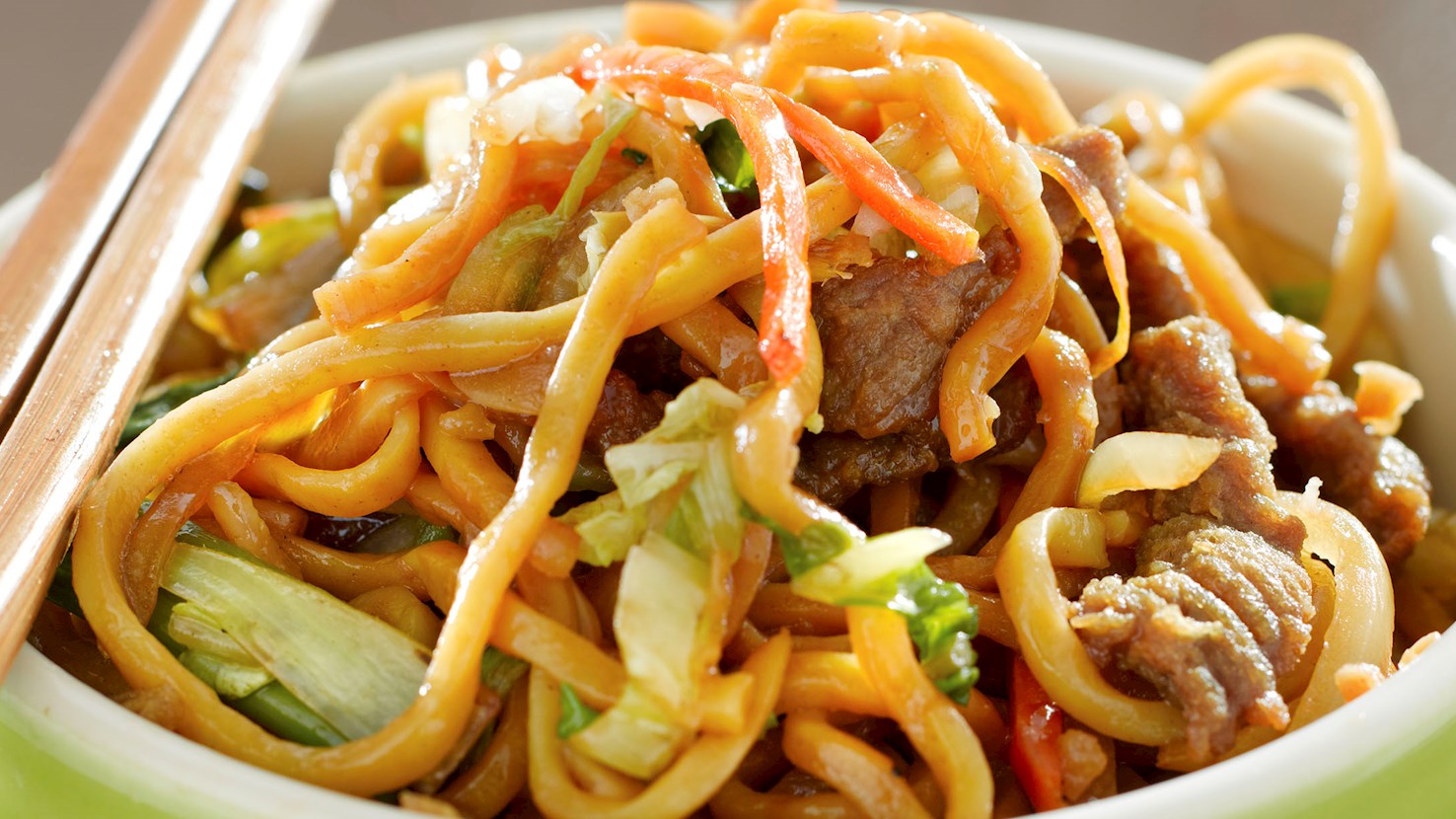
Another classic of Chinese cuisine, Guangdongese lo mein or laomian (lit. stirred noodles) refers to any kind of dish made with separately boiled wheat and egg noodles which are then tossed in a savory sauce and mixed with various stir-fried vegetables or meats. When cooked properly, lo mein should be springy and have a firm bite to them, just like Italian pasta or Japanese ramen. For that strong kick of umami, the Chinese typically flavor their lo mein dishes with sesame oil, green onions, ginger, and oyster or soy sauce. Depending on the recipe, these noodles are often found served with cabbage hearts, carrots, snow peas, shiitake mushrooms, and different meats such as beef, chicken, pork, or even seafood.

Best Guangdong food products

01
Spirit

LU AN

5 ·
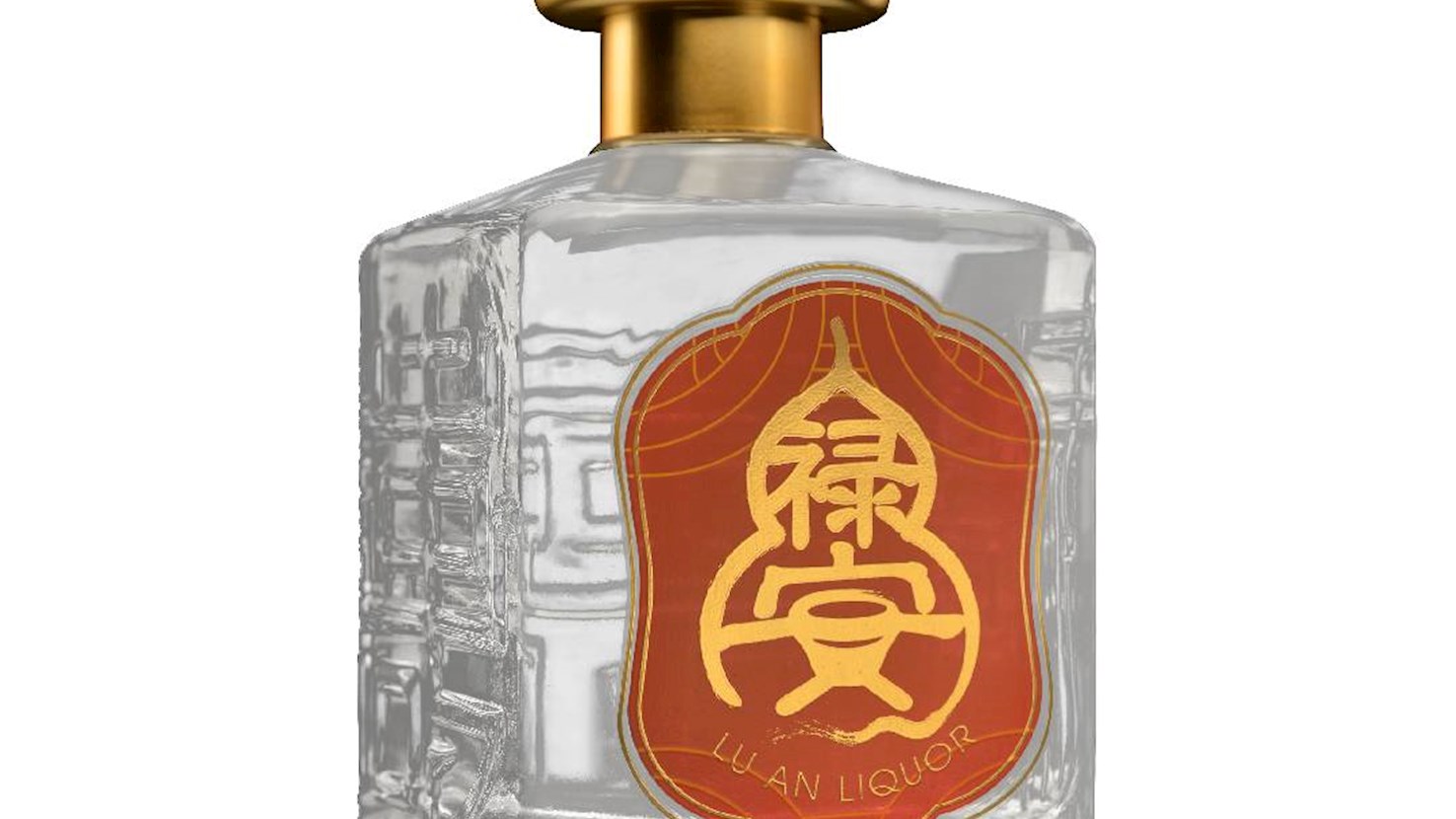
LU AN is a producer of traditional Chinese liquor that builds its identity on the combination of cultural heritage, symbolism, and classical distillation methods. The brand draws on China’s long history of strong spirits production, where fermentation and distillation are seen as crafts passed down through generations. LU AN uses carefully selected grains and natural water as the foundation of its products, with controlled aging processes that contribute to depth of flavor and aromatic complexity. Its visual identity, marked by a distinctive emblem and traditional motifs, reflects a strong connection to Chinese culture and symbols of longevity, prosperity, and stability. The brand does not position itself as a mass-market producer, but rather as one aimed at consumers who value authenticity and cultural context in what they drink. LU AN presents its spirits in a contemporary premium framework while remaining rooted in classical values. The focus is not on aggressive marketing, but on reputation built through consistency and quality. In the market, LU AN is recognized for offering more than just a beverage - it offers a story of origin, tradition, and meaning. In this way, the brand connects gastronomy with cultural heritage, presenting its liquors as part of a broader narrative of Chinese distilling tradition adapted for today’s audience.
Awards
SFWSC - San Francisco World Spirits Competition - Double Gold (2025, 2024)
SFWSC - San Francisco World Spirits Competition - Best of Class (2025)
02
Condiment

Haitian

5 ·
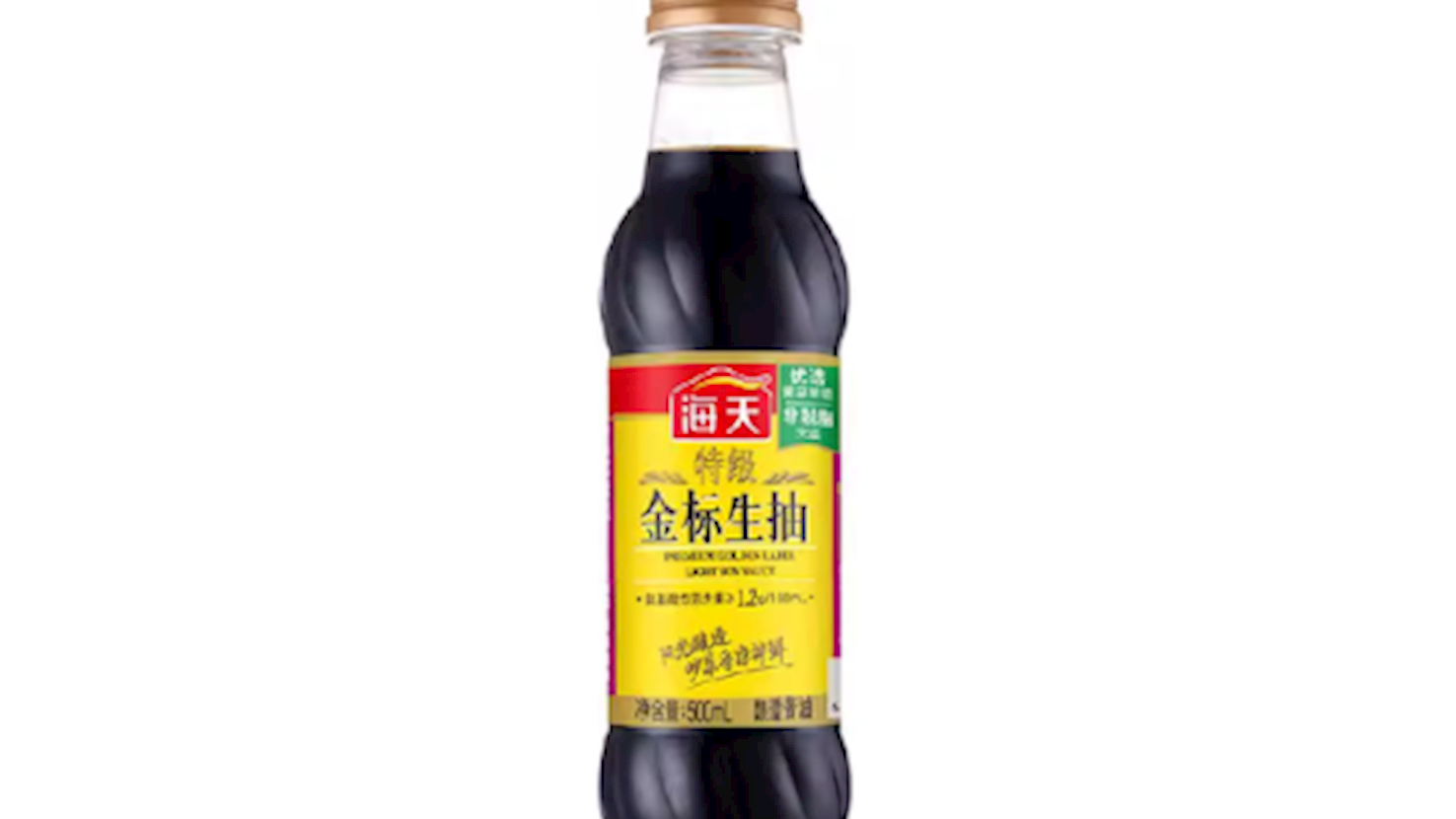
Haitian is China’s largest producer of soy sauce, oyster sauce, and other fermented seasonings, with roots that trace back to traditional workshops of the 16th century in Foshan, Guangdong Province. Its product range covers a broad selection of seasonings - from various types of light and dark soy sauce to oyster sauce, marinades, and modern ready-to-cook sauces designed for global markets. Haitian is regarded as a benchmark brand in its category due to its consistent quality, adaptability to both domestic and international consumers, and continuous technological innovation in production. The brand has a strong export presence and serves as one of the key gateways for introducing authentic Chinese flavors to international gastronomy.
03
Spirit

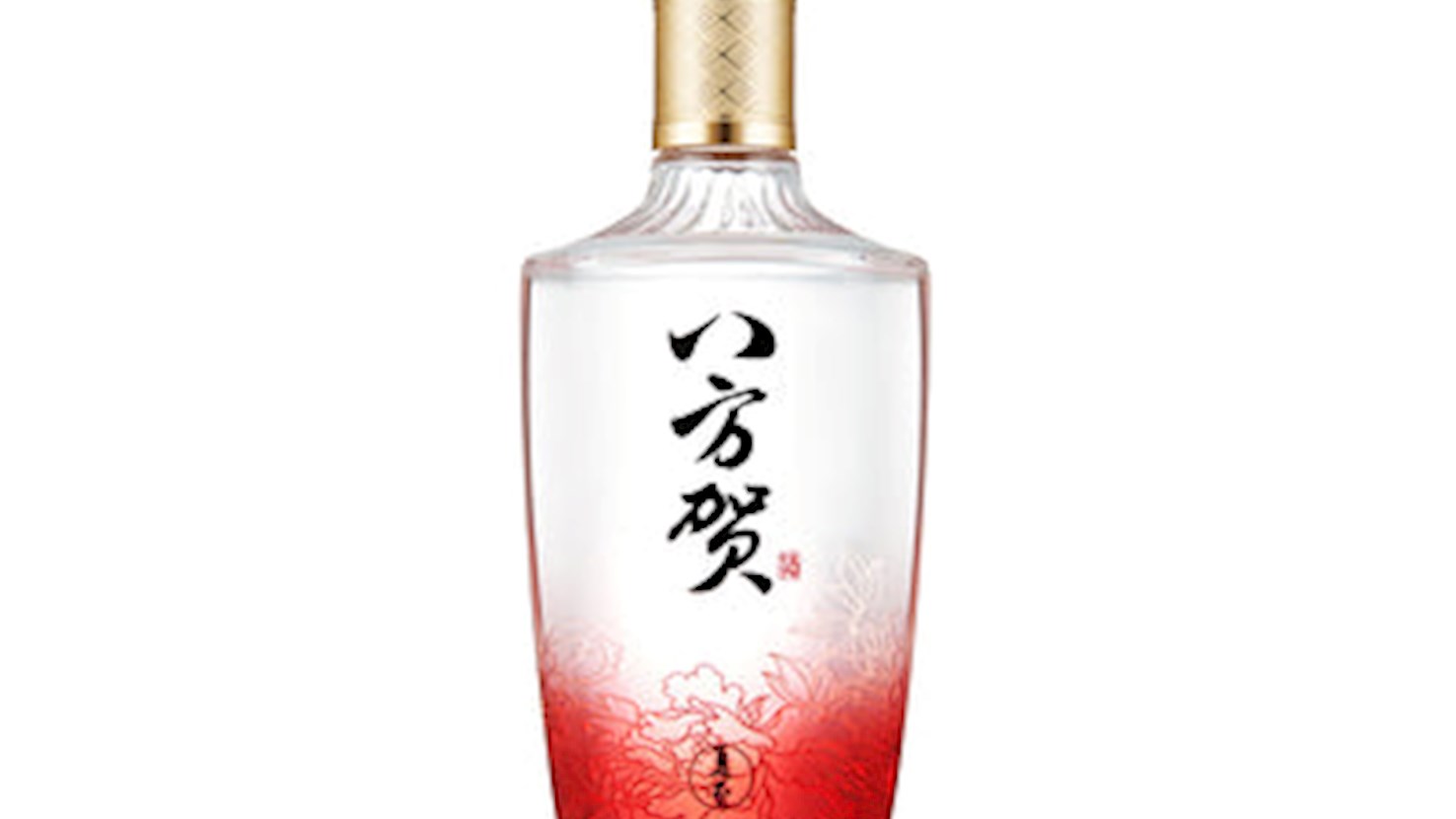
Huawang Co., Ltd.

5 ·
Awards
ISC-International Spirits Challenge - Double Gold (2023)
04
Spirit

Guangzhou Canglongtai Health Industry Co.

5 ·
Awards
IWSC- International wine & spirit competition - Spirit Gold Outstanding (2022)
05
Tea / Infusion

Bama Tea

5 ·
Bama Tea is one of China’s leading modern tea brands, combining the deep-rooted traditions of the Fujian region with contemporary processing, packaging, and distribution practices. Founded in 1997, the company builds on generations of family expertise in cultivating and crafting tea, particularly oolong varieties such as Tieguanyin, which is recognized as part of China’s national cultural heritage. Today, Bama Tea operates an extensive network of retail stores across the country and offers a broad selection of teas - from oolongs and rock teas to green, white, and black varieties - along with complementary tea sets and accessories. The brand is known for its balance of tradition and innovation, maintaining strict quality standards and modern production methods while preserving authentic craftsmanship. With a strong reputation and active international presence, Bama Tea is considered one of the most influential ambassadors of Chinese tea culture on the global stage.
06
Chocolate

AllYouWant

4.7 ·
AllYouWant Cacao & Coffee specializes in the production of high-quality cacao and coffee products, focusing on the artisanal craft of chocolate and coffee blending. They offer a wide range of premium products, from cacao beans to chocolate-based goods and specialty coffees. The company prides itself on its commitment to sustainability and quality, sourcing their ingredients directly from local farmers and ensuring an exceptional taste profile for each product.
Awards
Academy of Chocolate - Gold (2024)
Academy of Chocolate - Silver (2024)
07
Spirit

Guangdong Canlong Holdings Co

4.7 ·
Awards
IWSC- International wine & spirit competition - Spirit Gold Outstanding (2022)
08
Confectionery

Amos Sweets

4.5 ·
Amos Foods Group, founded in 2004, is one of China's leading confectionery manufacturers and a globally recognized company in the sweets industry. It is ranked among the top 100 confectionery producers worldwide and is a leading exporter of sweets in China. Driven by its corporate mission to be the "World’s Sweet Ambassador," the company is dedicated to using confectionery as a medium to bring joy and well-being to consumers worldwide while spreading sweetness, love, and philanthropy within the global community. In addition to producing high-quality sweets, Amos Foods Group actively participates in humanitarian initiatives, focusing on supporting children with special needs and combating malnutrition, further fulfilling its mission as a true ambassador of sweetness.
Awards
Crystal Taste Award - 3 stars (2025)
09
Condiment

Desly Foods

4.3 ·
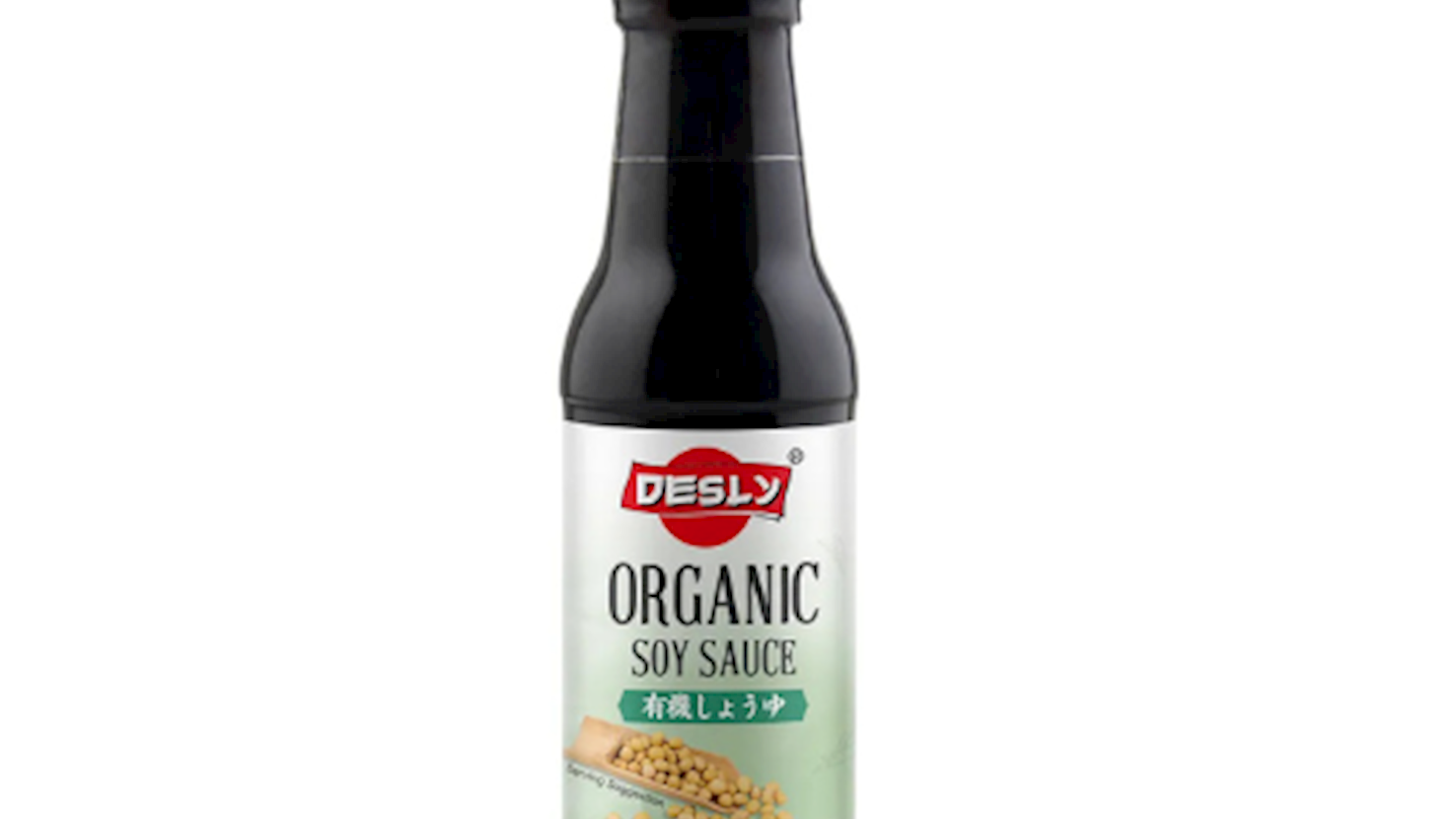
Desly Foods is a well-established manufacturer specializing in the production of high-quality canned food products. Founded in 1996, the company has grown into one of China's leading producers, exporting to international markets. Desly offers a wide range of products, including canned vegetables, fruits, and ready-to-eat meals. With a focus on food safety and quality, they adhere to rigorous standards, ensuring their products meet both local and global requirements. The company operates advanced processing facilities, utilizing state-of-the-art technology to maintain consistency and efficiency. Desly is committed to sustainable practices, including using eco-friendly packaging and reducing environmental impact. With a strong reputation, they aim to provide nutritious and convenient food options for consumers worldwide.
10
Condiment

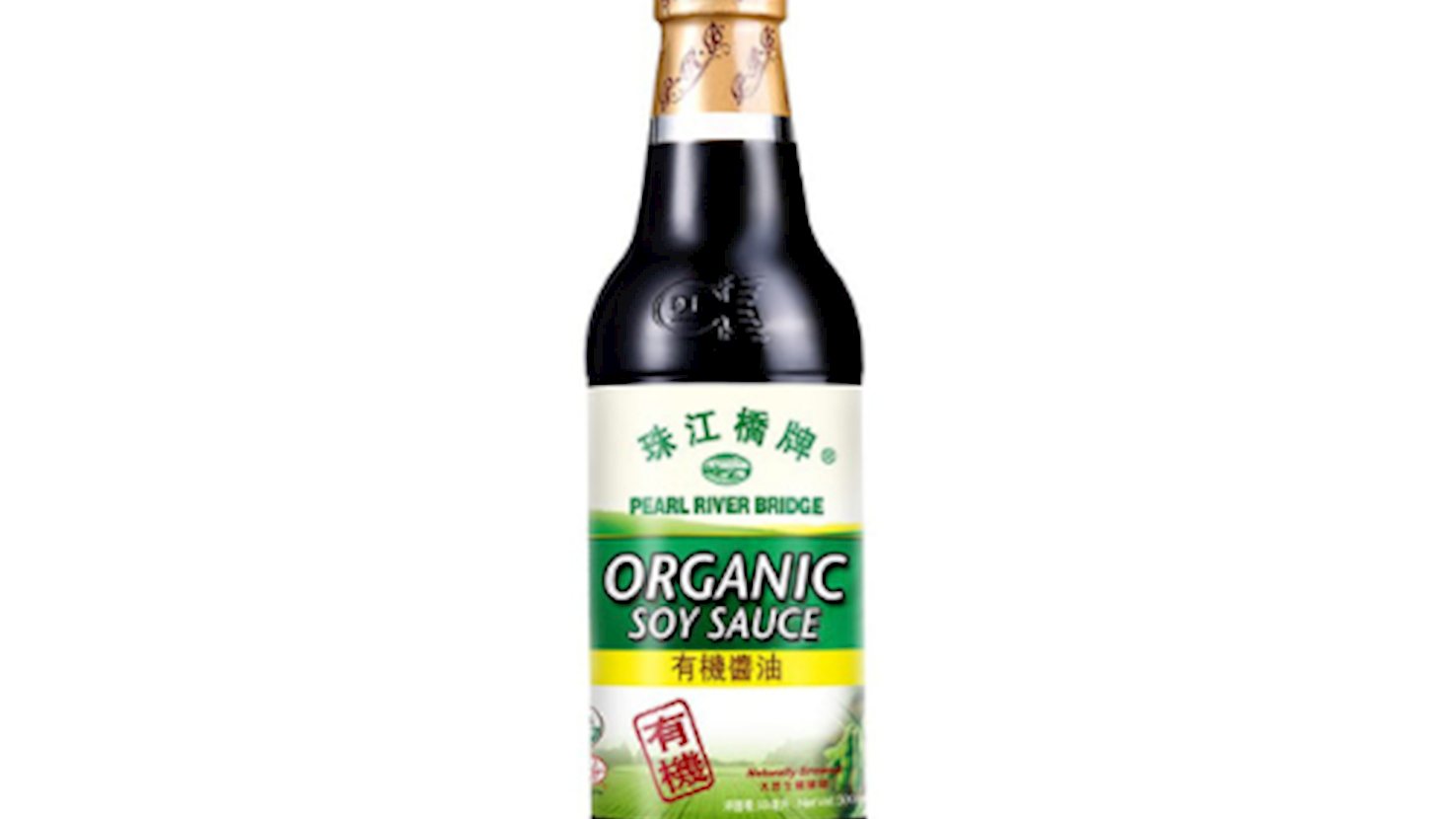
Pearl River Bridge

4.3 ·
Pearl River Bridge is a renowned Chinese food manufacturer, best known for producing high-quality soy sauces, vinegars, and other condiments. Established in 1958, the company has become a leading brand in both domestic and international markets. With a commitment to using traditional brewing techniques and premium ingredients, Pearl River Bridge is recognized for its rich, authentic flavors that enhance the taste of a wide variety of dishes. The company’s product range includes soy sauces, oyster sauces, vinegars, and other seasonings that cater to both professional chefs and home cooks alike. Pearl River Bridge has gained a reputation for consistency, quality, and innovation in the culinary industry.
Read more
View all
View map
About this ranking

TasteAtlas food rankings are based on the ratings of the TasteAtlas audience, with a series of mechanisms that recognize real users and that ignore bot, nationalist or local patriotic ratings, and give additional value to the ratings of users that the system recognizes as knowledgeable. For the “Top 39 Guangdong Foods” list until June 10, 2026, 4,574 ratings were recorded, of which 3,944 were recognized by the system as legitimate. TasteAtlas Rankings should not be seen as the final global conclusion about food. Their purpose is to promote excellent local foods, instill pride in traditional dishes, and arouse curiosity about dishes you haven’t tried.

The initial list of top producers was compiled based on available reviews, awards, local recommendations, media and blog coverage, and consumer reviews. The list will be updated with ratings from TasteAtlas local ambassadors and TasteAtlas users.

Similar lists