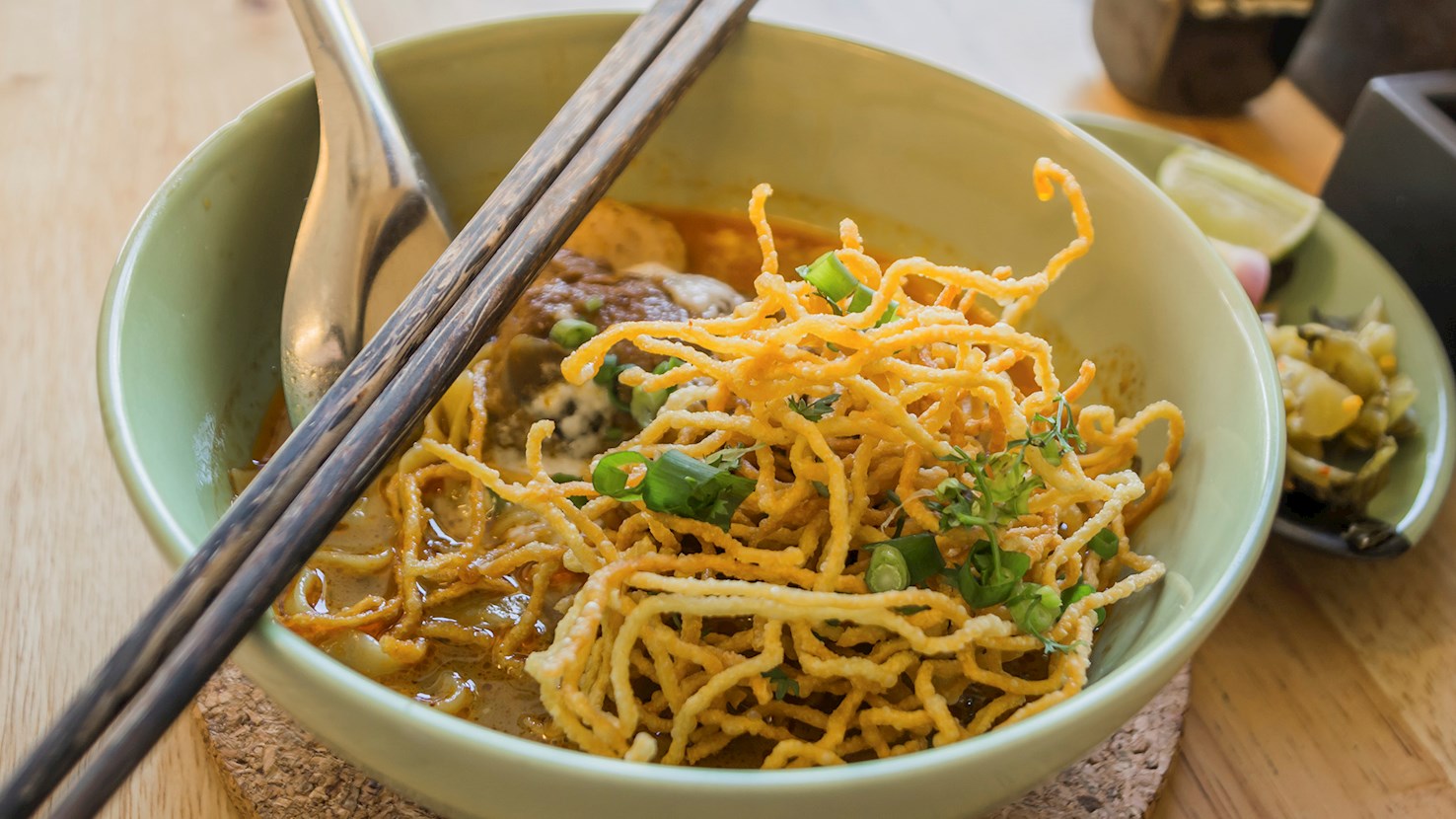
A signature dish of Northern Thailand, khao soi is a delicious coconut soup in which numerous regional influences were combined to create a truly spectacular dish. The base of the soup is a slightly spicy broth which combines coconut milk and red curry paste. The broth is served with flat egg noodles and a choice of meat, which usually includes chicken, beef, and pork. It is topped with a handful of crisp fried noodles and chopped cilantro. The dish is commonly served alongside a variety of condiments such as fresh lime, pickled cabbage, shallots, and chilis. Even though the dish originated in the north of the country, it is still not totally clear how and when this famous noodle soup was created. The most probable theory claims that khao soi is a fusion dish which originated under the influence of Chinese Muslims, traveling from the Yunnan region through Myanmar, Thailand, and Laos. It is also believed that the soup is a variety of an old Myanmarese coconut soup made with rice noodles, which were also primarily used in khao soi and were later replaced with the more traditional egg noodles. Regardless of its confusing origin, today this flavorful soup is a genuine product of Northern Thailand, found in numerous eateries and restaurants across the region, representing an irreplaceable dish among the locals and a favorite among the tourists. Khao soi is also popular in the neighboring Laos. However, the Lao version employs other ingredients and is somewhat different than the Thai counterpart.
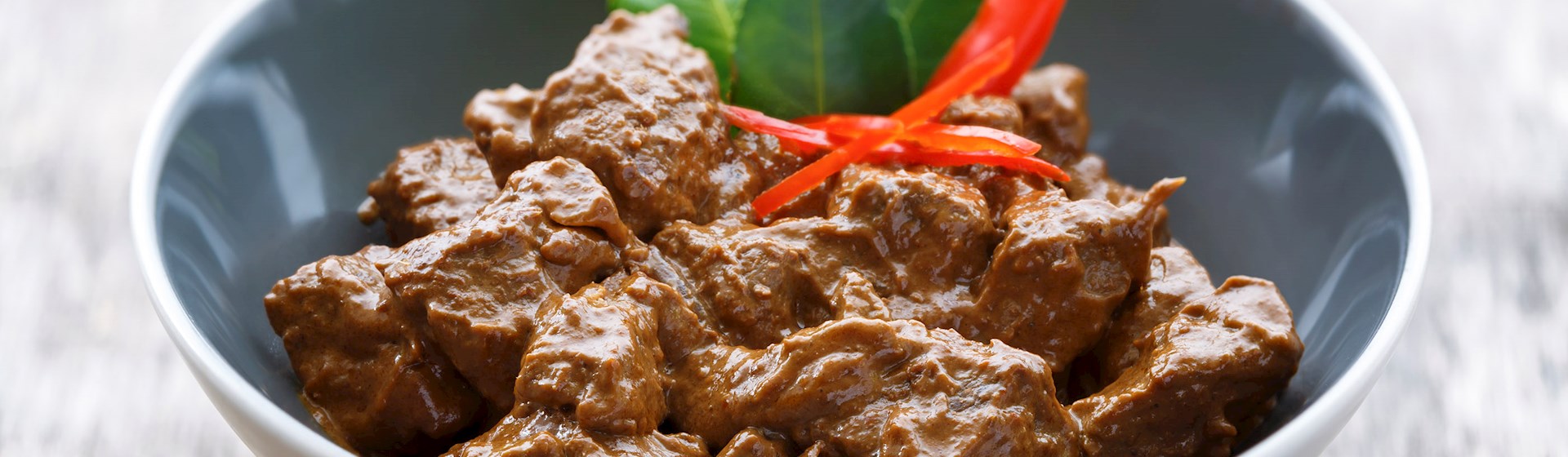
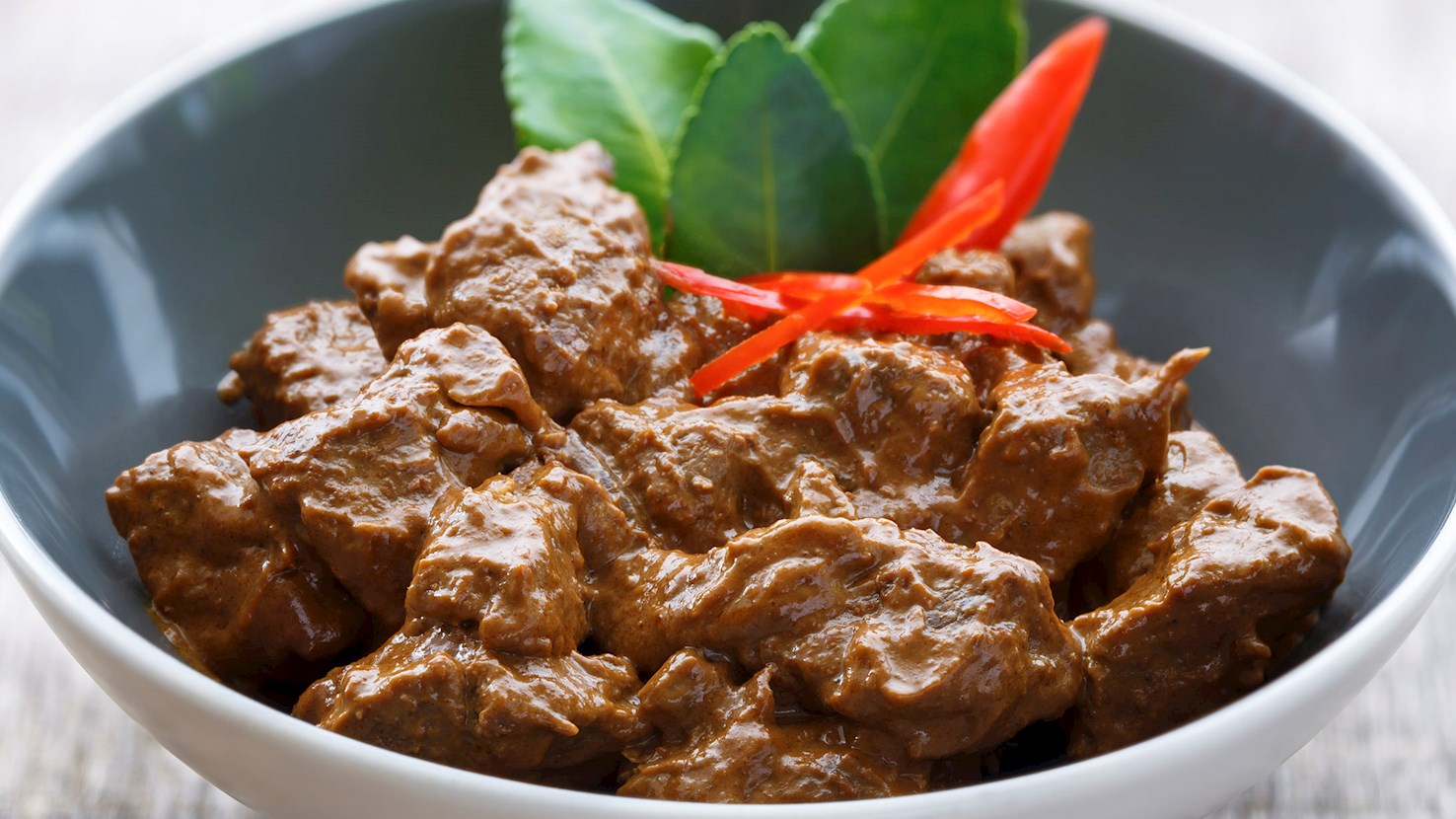
Rendang is an Indonesian meat dish which originated among the Minangkabau people in West Sumatra. The dish is famous for its spiciness and a long cooking procedure. It is often compared to Indian curry because of its consistency and unique flavors. The theory about how rendang was invented claims that the generous use of spices and long cooking hours were employed to preserve the meat in hot and tropical climates, such as Indonesian, so unsurprisingly, the need to preserve meat for a longer period appeared among the Minangkabau people. They were mainly traders who underwent long journeys and needed food which could stay fresh for weeks. However, the dish has a more symbolic meaning to them, because the main four ingredients used in rendang represent the Minangkabau society: the meat symbolizes leaders, coconut is a symbol of intellectuals, chili represents religious leadership, and other spices signify the rest of society. Today, rendang has surpassed Indonesian borders and has a reputation as one of the most delicious dishes in the world.
Bombocado is a Brazilian dessert made with shredded parmesan, grated coconut, flour, milk, butter, eggs, and sugar. The concoction is baked, chilled, then cut into wedges. This dessert is often prepared for the Independence Day, and it is recommended to serve it with a dollop of whipped cream, and a mug of Brazilian coffee on the side. The name bombocado can be translated as a good bite.
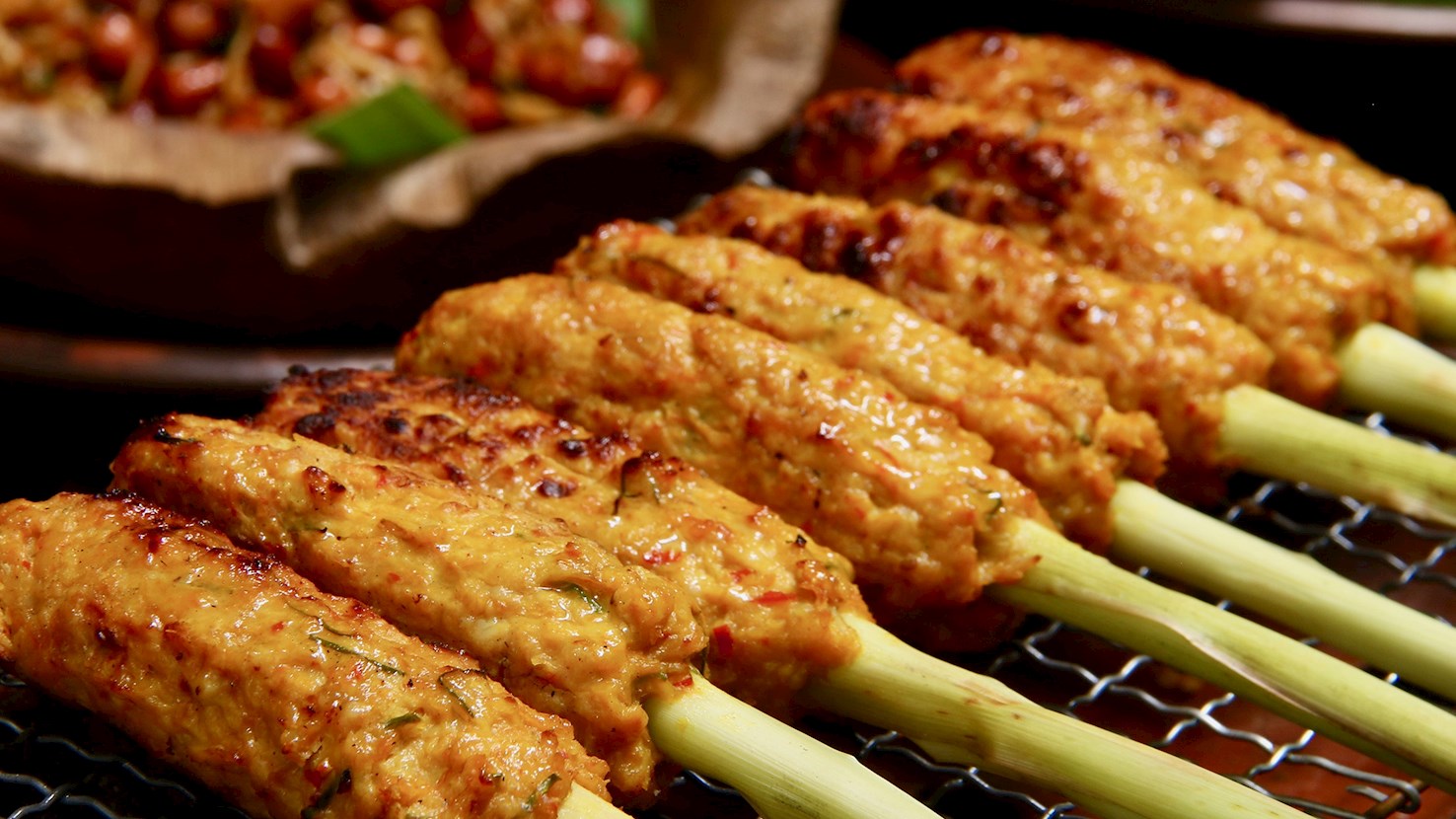
Sate lilit is the favorite street food on Bali. This traditional delicacy is usually made with minced meat which is wrapped around a flat skewer. All meat varieties (including fish and other seafood) are used to prepare sate lilit. However, the most common variety is prepared with pork. The skewers are usually spiced with traditional Indonesian spices such as lemongrass, galangal, chili, and lime leaves. It is believed that Indonesia is the birthplace of sate, and its numerous varieties can be found everywhere in Indonesia. Since sate lilit originated on Bali, it is often referred to as sate lilit Bali, and next to babi guling, it is one of the most popular dishes on the island. This traditional Balinese delicacy can be eaten for breakfast, lunch, or dinner, and it can be served as a light main course or a nutritious snack. The skewers are usually served with rice or rice cakes, and occasionally with spicy sauces on the side.
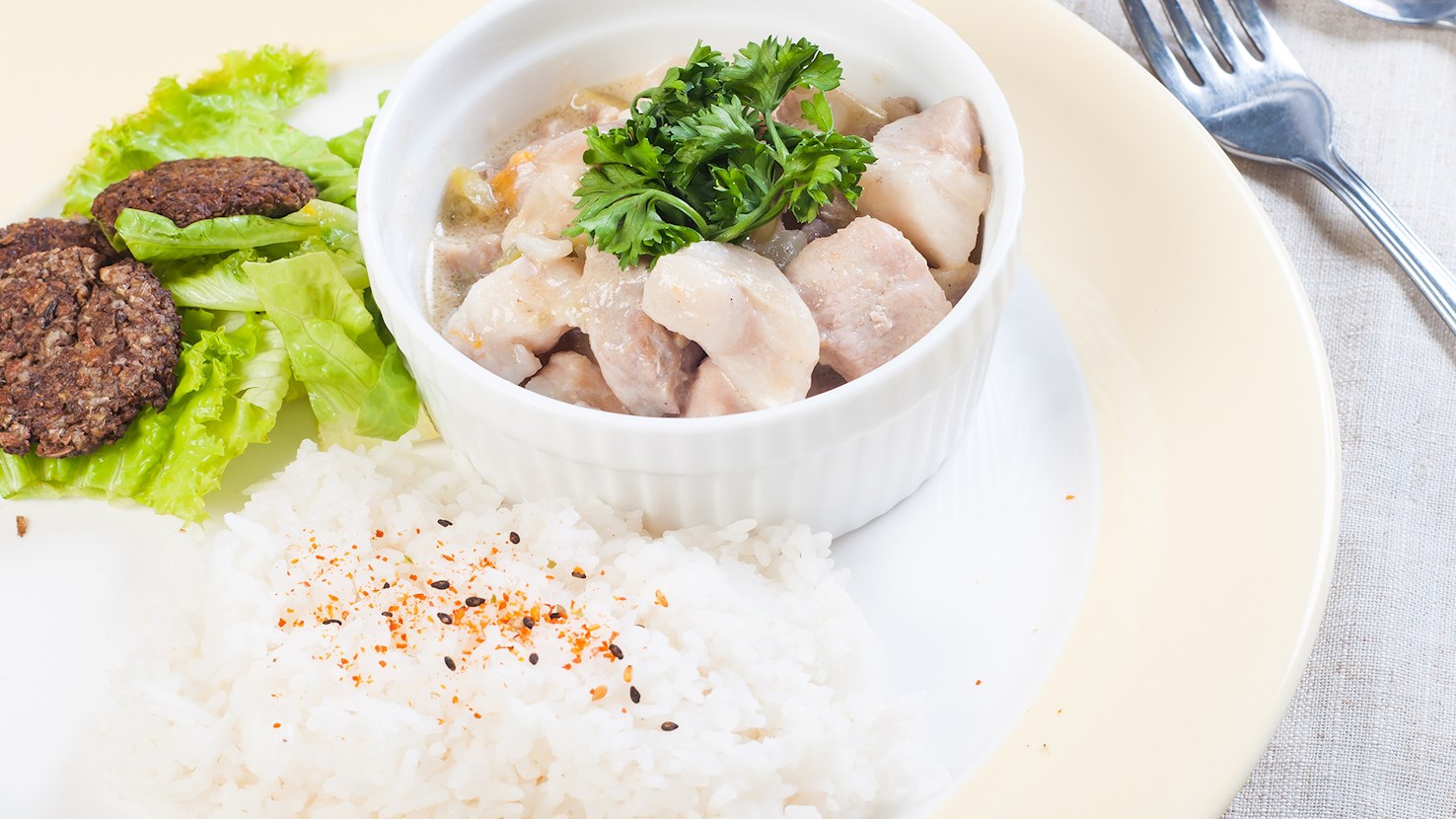
Bicol express is a popular Filipino dish consisting of sliced pork that is doused in a creamy coconut-based sauce and seasoned with shrimp paste and spicy chili peppers. According to popular belief, Cely Kalaw invented the dish in her Manila restaurant. She was inspired by the traditional Bicolano coconut-infused dishes and named the new invention after a Filipino train service operating from Manila to the Bicol region. Creamy and spicy Bicol express is usually served with plain steamed rice on the side.
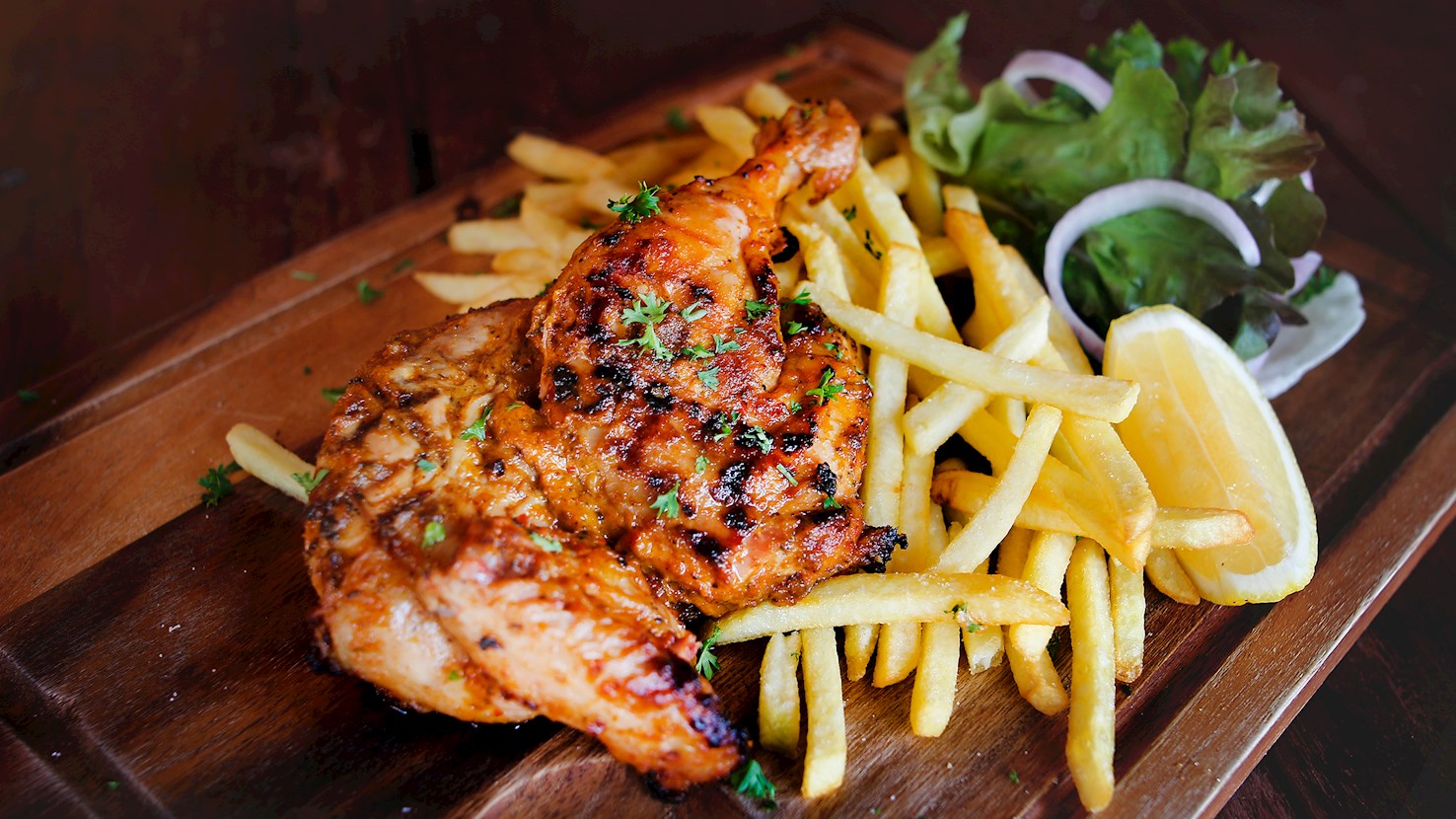
Peri peri chicken is a butterflied, charcoal-grilled poultry main course coated in a fierce, acidic marinade built around crushed African bird’s eye chilies. The history of peri peri chicken is best understood in several stages. The chili itself belongs to the Capsicum genus, which originated in the Americas and spread across the world through early modern trade. By the late 15th and early 16th centuries, Portuguese maritime explorers traveling to India were active along the southeastern coast of Africa, especially in the coastal territories of present-day Mozambique and Angola. In these regions, small, extremely hot bird’s eye chilies became established in local cultivation and cooking. The name piri-piri, peri-peri, or pili-pili comes from Bantu-language words for pepper. The sauce developed from this contact zone between local chilies and Portuguese pantry ingredients. Fiery bird’s-eye chilies were combined with garlic, olive oil, vinegar, salt, and citrus to create a sharp, hot, acidic sauce that could be used as both a marinade and a table condiment. Over time, this sauce became especially associated with grilled meats, including chicken cooked over open flames. The globally recognizable grilled chicken version became commercially prominent much later. In 1987, Robbie Brozin and Fernando Duarte bought a small takeout restaurant called Chickenland in Rosettenville, Johannesburg, after tasting its peri-peri-marinated chicken. They built that charcoal-grilled formula into Nando’s, turning the sauce-and-grilled-chicken combination into a major international restaurant format. Preparation begins by flattening a whole chicken through a technique called spatchcocking. The backbone is removed with heavy shears, and the breastbone is pressed flat. This allows the bird to cook evenly over direct heat. The defining wet paste is made by aggressively blending handfuls of small red chilies with fresh lemon juice, white or red wine vinegar, large amounts of raw garlic, smoked paprika, coarse salt, and olive oil. The flattened chicken is fully submerged in this acidic marinade for at least 24 hours, allowing the sharp liquids to penetrate the meat and break down the muscle fibers. The raw bird is then transferred directly from the marinade onto blistering hot charcoal grates. During grilling, the skin is brushed repeatedly with extra marinade, causing the sugars and acids to caramelize over the intense flames and form a dark, blistered crust. However, there are many different versions of peri peri chicken. A coastal version of peri peri chicken blends thick coconut milk directly into the crushed chilies, creating a rich, opaque sauce that softens the initial burn. Herb-heavy adaptations add fresh oregano, parsley, and dried bay leaves to the blender, giving the marinade a sharper, earthier background note. To control the heat more strictly, the chilies may be stripped of their seeds and inner membranes before blending. Another common adjustment is to add generous spoonfuls of dark brown sugar to the acidic liquid, creating a sticky, sweet glaze that strongly masks the underlying burn. Piri piri chicken is usually served split cleanly down the middle or chopped into bone-in quarters, arriving hot, smoky, and intensely spicy. A large pile of thick-cut, salt-dusted potato fries almost always accompanies the meat, acting as a starchy buffer against the sharp heat. A small glass cruet filled with extra chili-infused oil is typically placed nearby, allowing more drops of fiery sauce to be added directly onto the white meat. Because the chicken is sticky, smoky, and served on the bone, it is commonly eaten by hand, with the joints pulled apart and the meat torn straight from the bone.
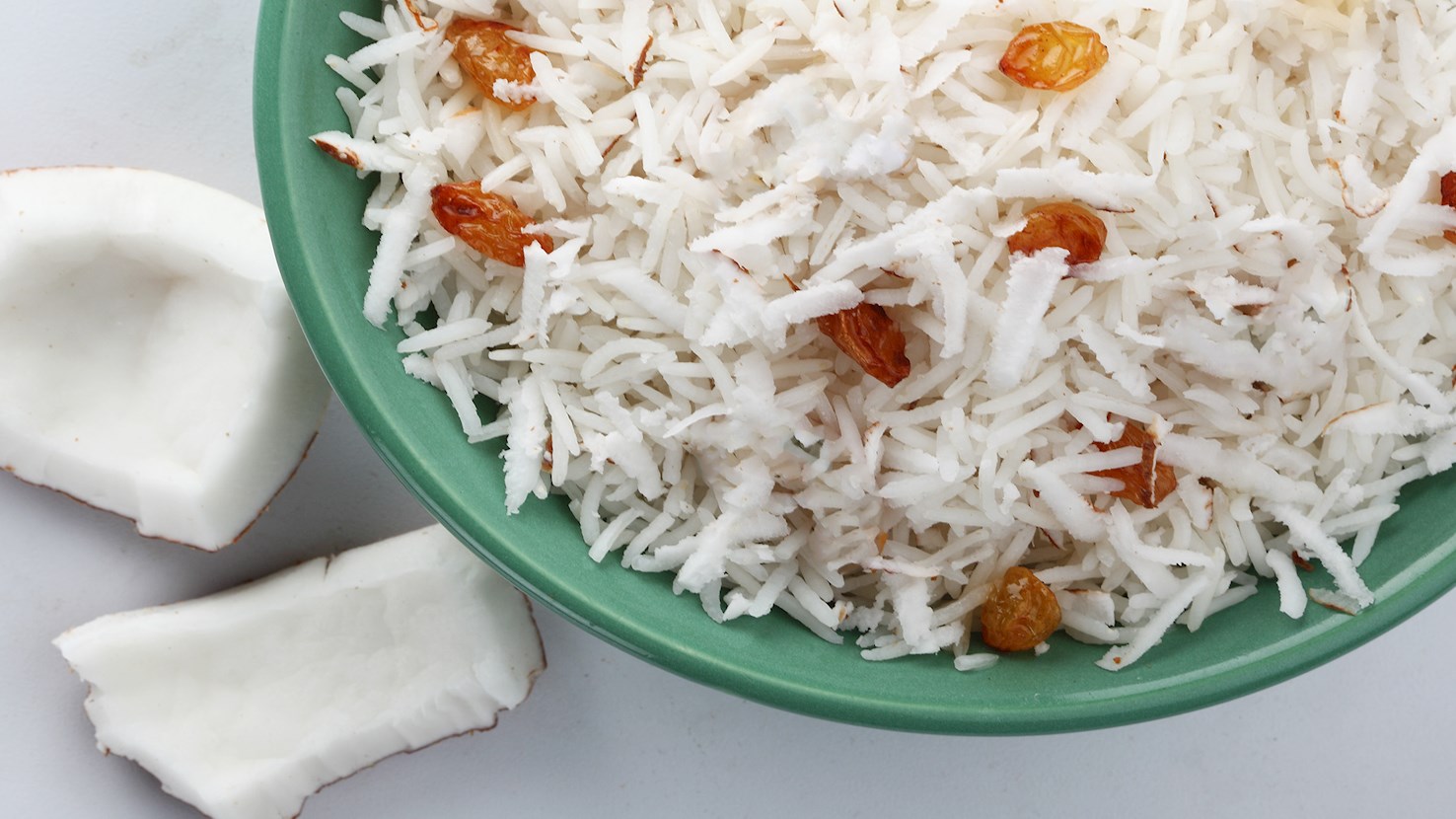
Both savory and sweet in flavor, arroz con coco is a flavorful Colombian side dish consisting of white rice, coconut milk, sugar, salt, and water. When mixed with raisins, arroz con coco becomes slightly sweeter, while the version without raisins is more savory and traditionally served with fish dishes. It is recommended to use coconut milk without stabilizers so that it can separate into fat and solids.
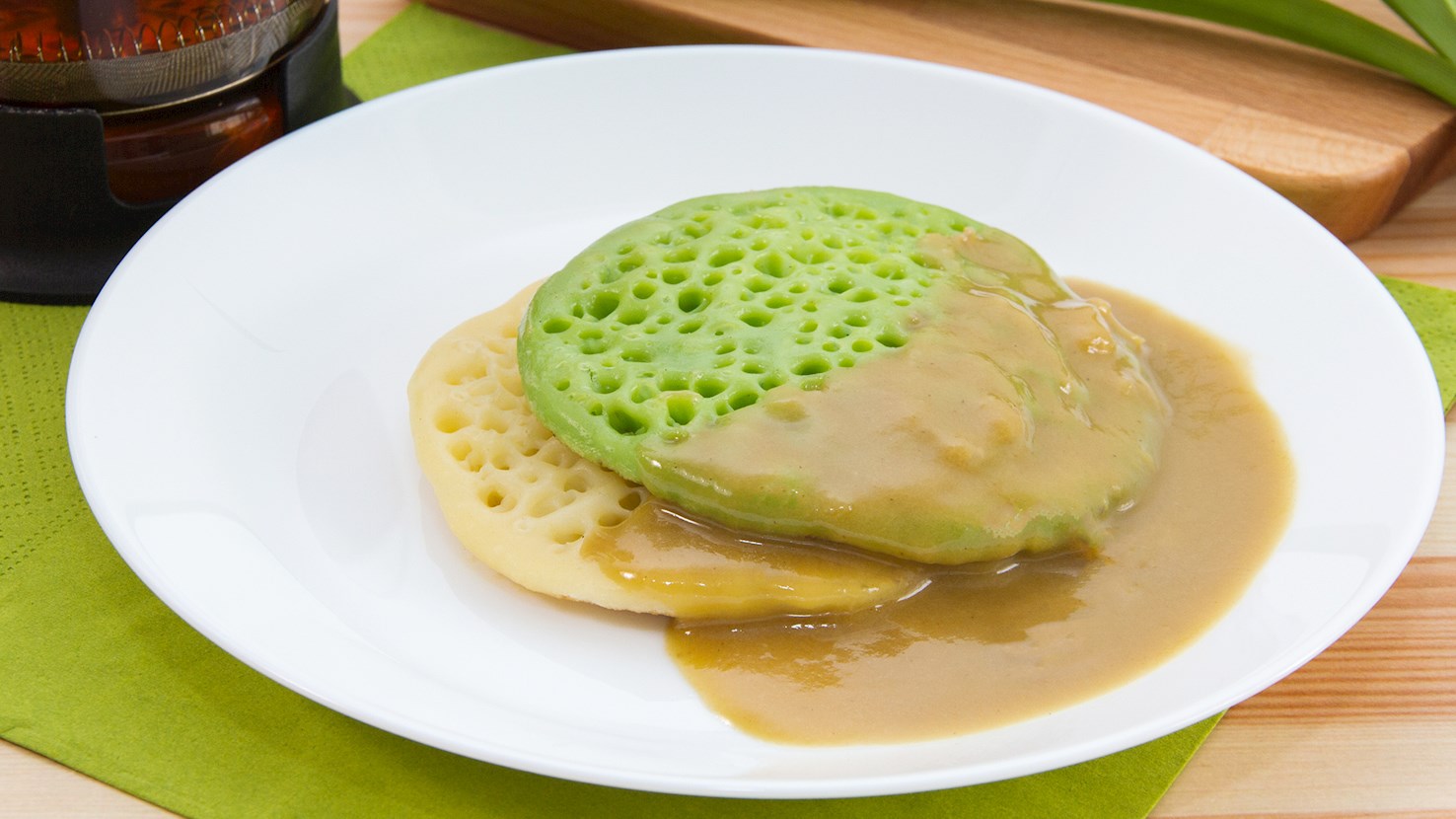
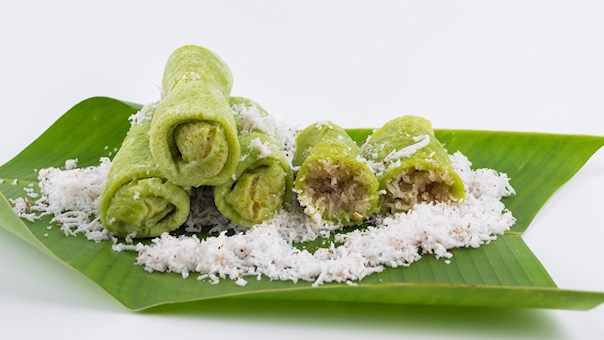
These traditional, small-sized Indonesian pancakes are usually prepared with rice flour and coconut milk. The pancakes are incredibly versatile, they come in sweet and savory versions, and can be adapted with wheat flour and various toppings such as sugar, bananas, crushed peanuts, jackfruit, chocolate sprinkles, or fermented oncom, while modern-day additions also include meat, sausages, or ice cream. Serabi pancakes are found throughout Java, but they are usually associated with the cities of Bandung and Solo. They are typically accompanied by strawberry, durian, or coconut-based kinca syrup, and are mainly sold as a quick and convenient street food. A similar dish can be found in Thailand, where it goes under the name khanom khrok.
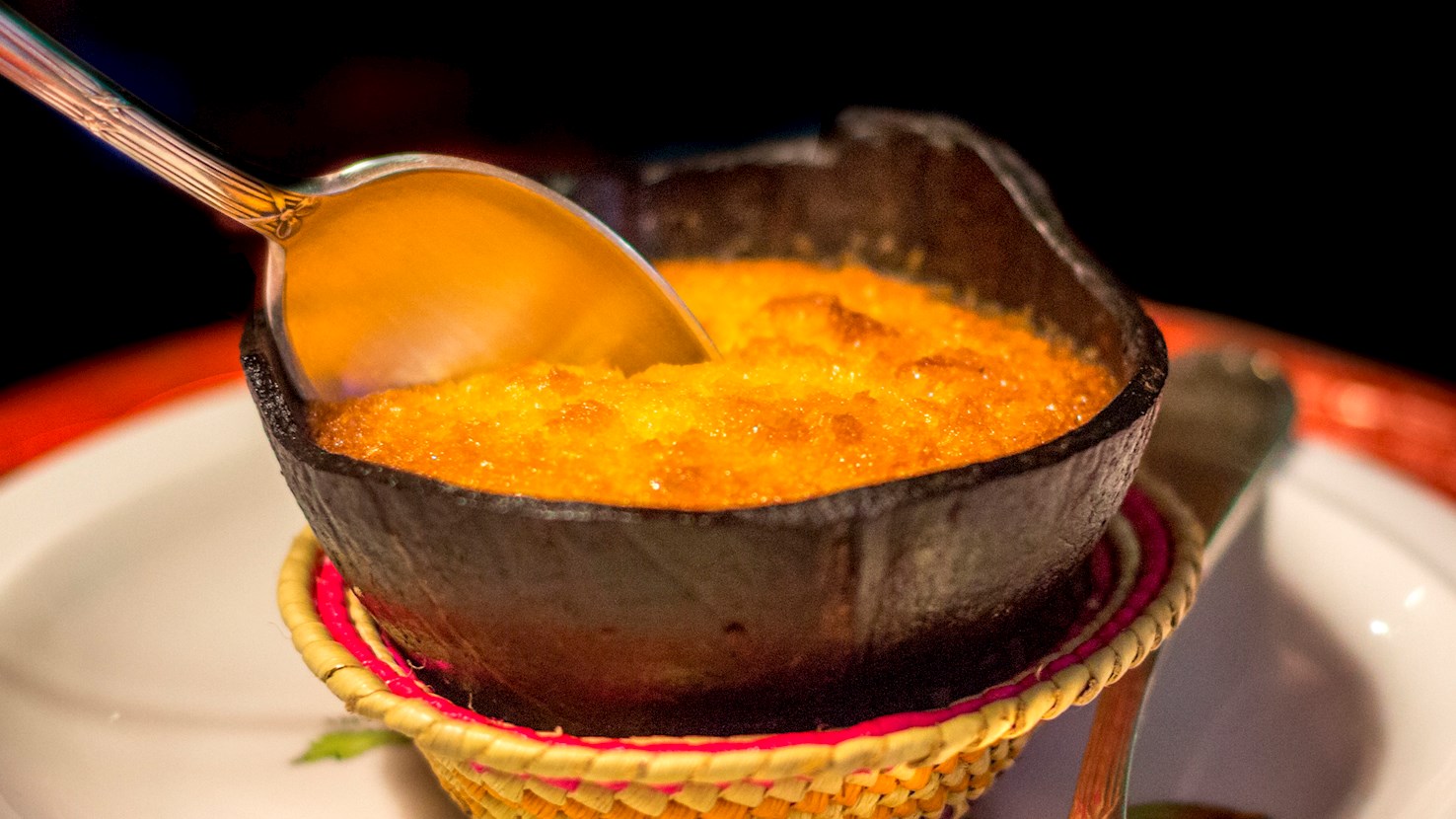
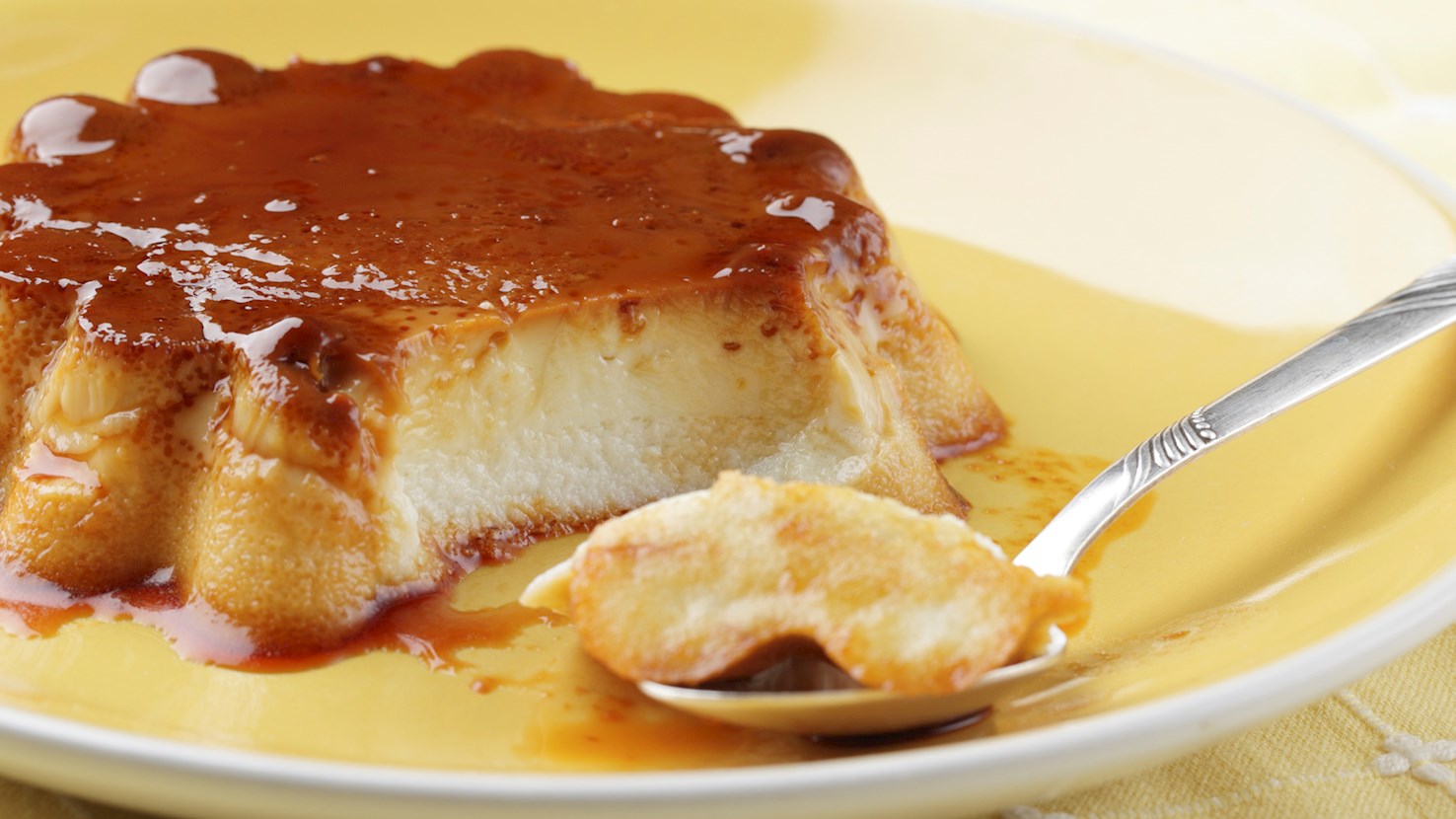
Flan de coco or coconut flan is a delicate dessert that is popular in Colombia, Costa Rica, and parts of the Caribbean. It is typically made with eggs, coconut milk, condensed milk, cream, vanilla extract, and flaked coconut. The dessert is usually baked in small ramekins with caramel on the inside, so when flan de coco is inverted, it has a nice caramel layer on top and on the sides. Before serving, the dessert is often topped with flaked coconut.
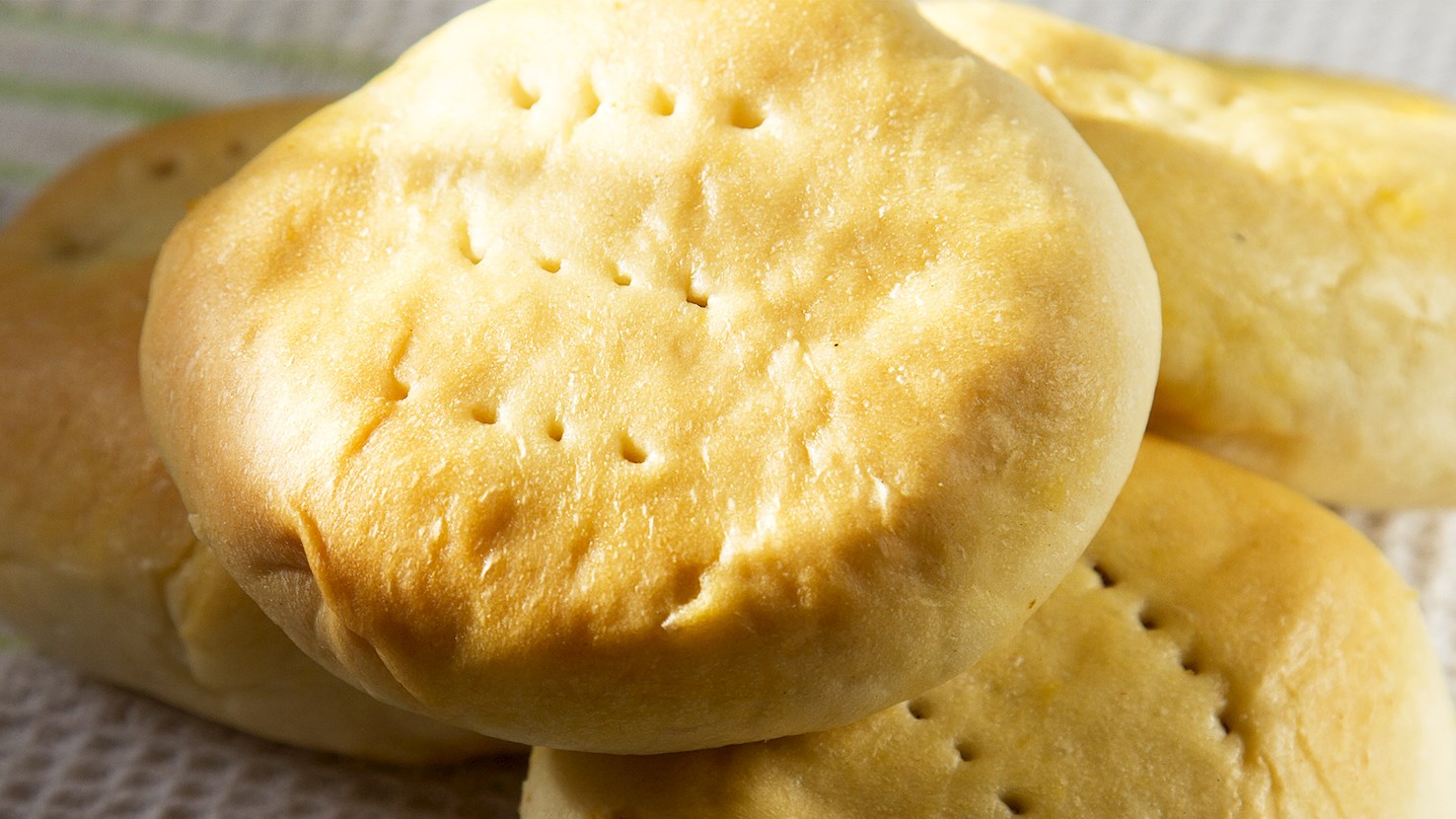
Pan de coco is a sweet bread roll filled with desiccated coconut and sugar. Its name can be translated to coconut bread, and it is a very popular snack bread throughout Honduras and the Philippines. The Honduran version uses coconut milk in the preparation of the dough and is usually served with stews, its density making it ideal for soaking up the juices, while the Filipino version is commonly served as a dessert, preferably accompanied by a cup of tea. Although the origins of this flavorful treat are quite murky, it is believed that the recipe was taken from Central America to Southeast Asia by Spanish settlers in the 17th century.
TasteAtlas food rankings are based on the ratings of the TasteAtlas audience, with a series of mechanisms that recognize real users and that ignore bot,
nationalist or local patriotic ratings, and give additional value to the ratings of users that the system recognizes as knowledgeable.
For the “100 Best Rated Dishes with Coconut” list until September 17, 2026, 1,037,815 ratings were recorded, of which 688,105 were recognized by the system as legitimate.
TasteAtlas Rankings should not be seen as the final global conclusion about food. Their purpose is to promote excellent local foods,
instill pride in traditional dishes, and arouse curiosity about dishes you haven’t tried.











What People Say