shutterstock

Top 100 Taiwanese Foods

Last updated on June 24, 2026

Best Taiwanese foods

01
Soup

Taiwanese Hot Pot

4.4 ·

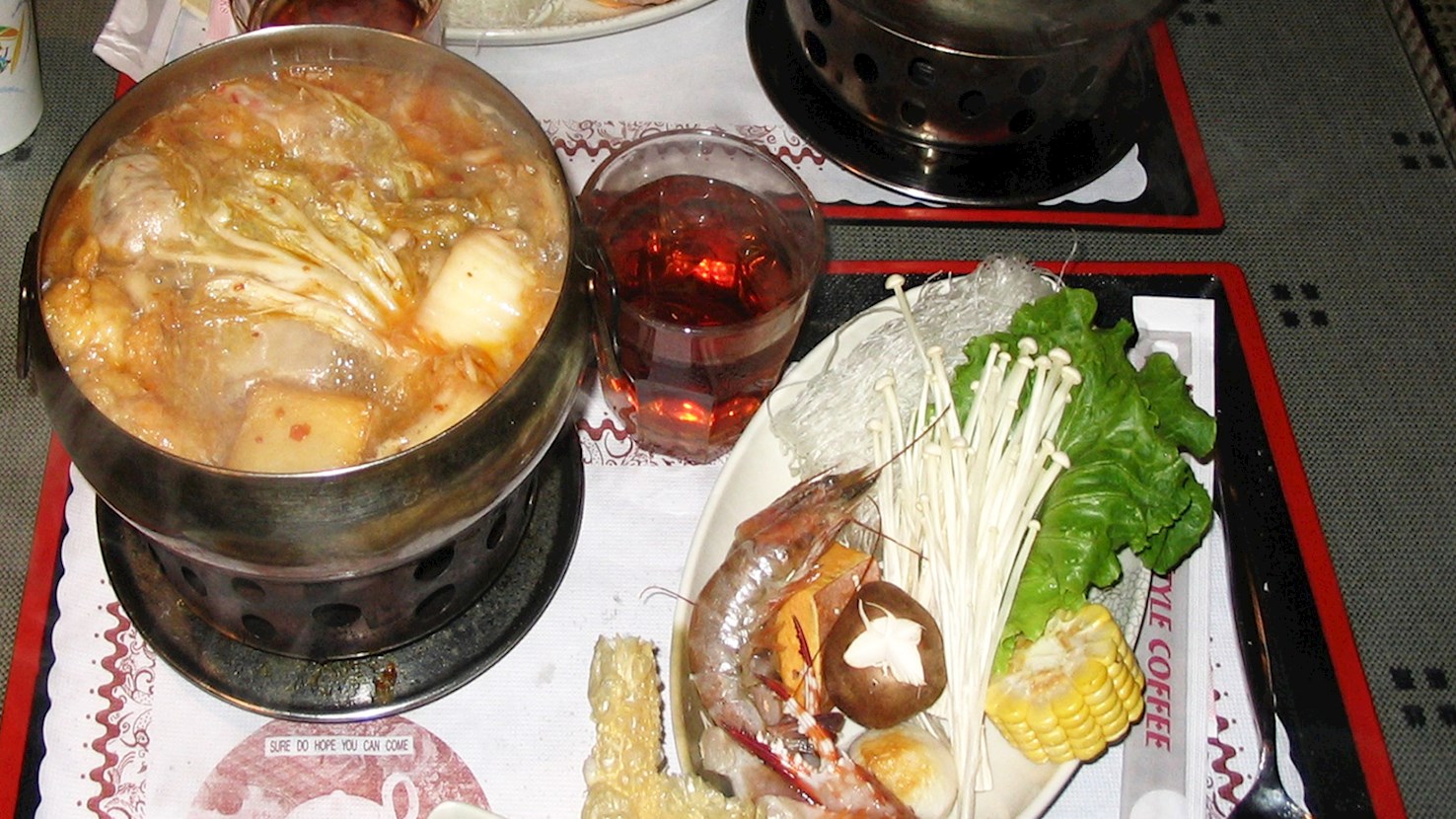
Taiwanese version of hot pot is eaten during the winter, and especially on cold and rainy days. It doesn't have a set recipe, but consists of a pot of broth and a variety of ingredients which are cooked in it, then dipped in the accompanying sauce before consumption. The broth can be made from bonito and kombu, Chinese herbs, pickled cabbage, pork bones, milk, miso, or kimchi. The ingredients cooked in it often include root vegetables, tofu, dumplings, fish cakes, fried taro, or thinly sliced meat. Most hot pot restaurants have a condiment bar with sauces and garnishes such as sha cha sauce (barbecue sauce derived from satay), soy sauce, white vinegar, black vinegar, sesame paste, garlic, cilantro, chili peppers, daikon, and sesame seeds. Taiwanese hot pot is a communal affair, with patrons sitting around the pot and each one cooking their own ingredients.

02
Snack

Taiwanese Scallion Pancake

4.3 ·

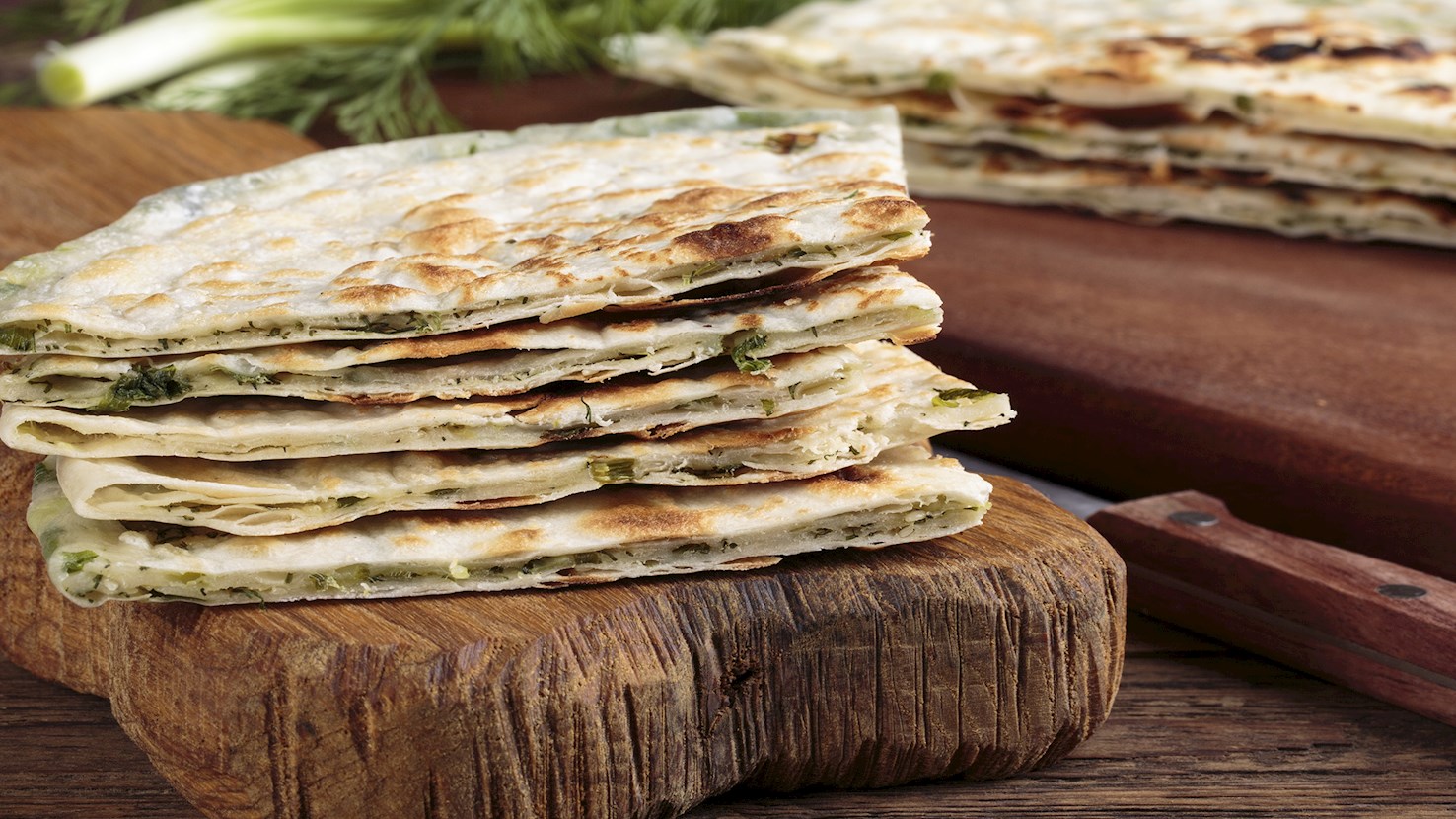
Though similar varieties of scallion pancakes can be found in other Asian countries, in Taiwan they are a common and sought-after treat that is usually enjoyed as a snack or an accompaniment to other dishes. The pancakes are prepared with an unleavened dough that is flattened, sprinkled with sliced scallions, and then rolled and pressed to form a flat pancake that is pan-fried until crispy. Apart from the traditional version, these tasty snacks are occasionally prepared with the same type of dough that is rolled and deep-fried, before it is smeared with a flavorful combination of scallions. Regardless of the varieties, scallion pancakes are a staple street food in Taiwan, especially popular at traditional night markets. The pancakes can be paired with other dishes, but they are usually merely accompanied by various dipping sauces.

03
Street Food

Gua bao

4.2 ·

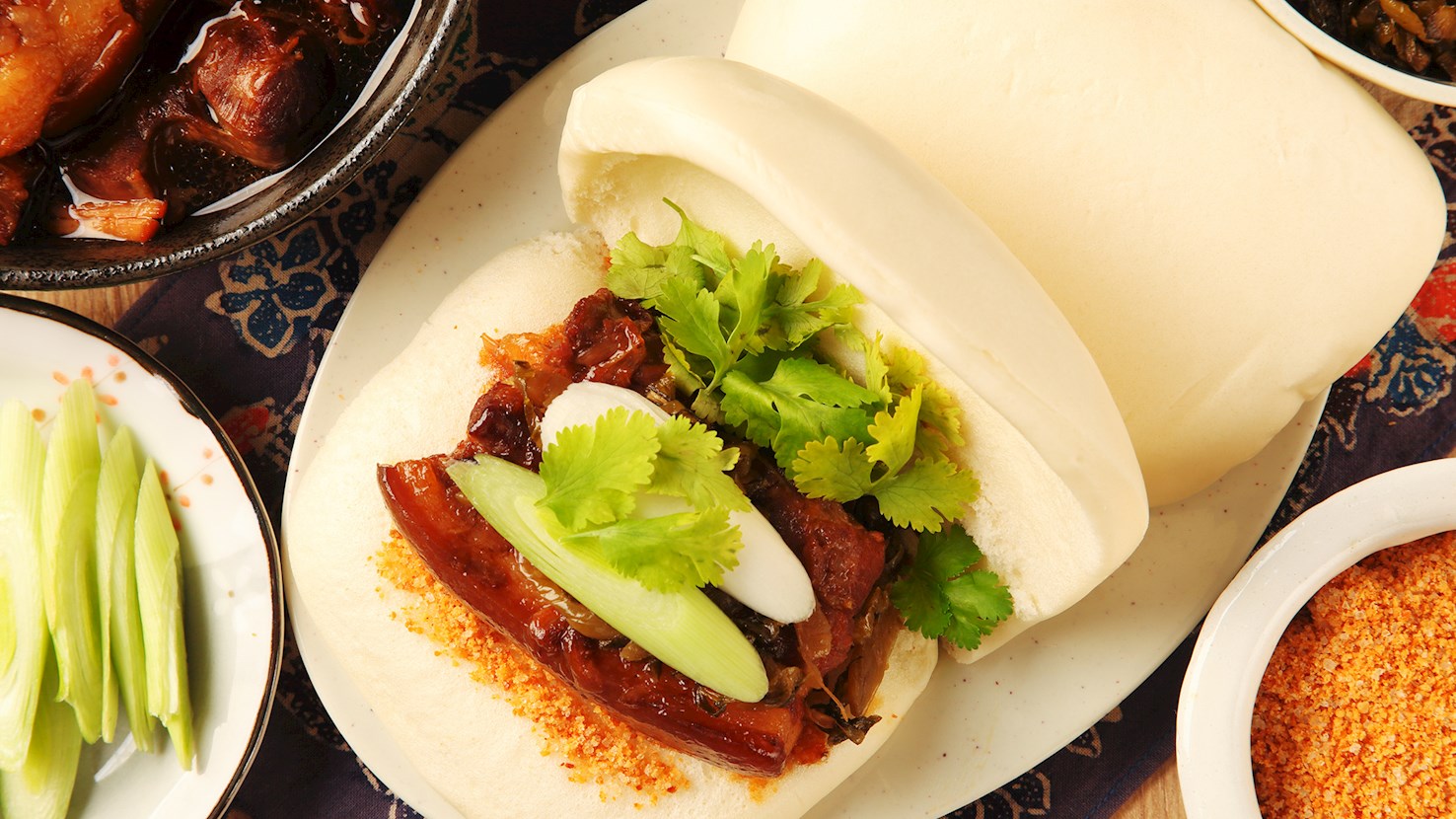
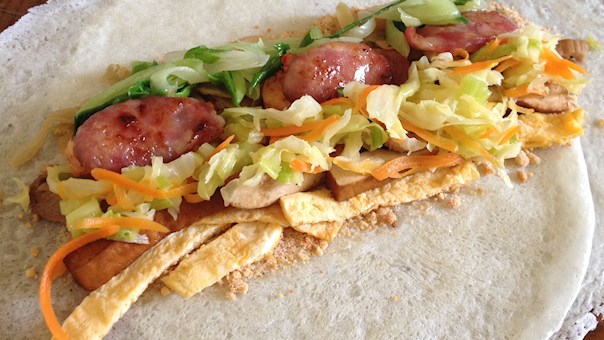
Gua bao is the famous Taiwanese braised pork belly bun. It consists of soft steamed buns filled with tender pieces of pork belly, braised in a mixture of soy sauce and red wine, generously seasoned with five-spice powder. Other essential complements include sour pickled mustard greens, chopped cilantro, and a sprinkle of lightly sweetened peanut powder. Gua bao is one of the favorite Taiwanese snacks, usually sold by street vendors at popular Taiwanese night markets.

04
Fried Chicken Dish

Taiwanese Popcorn Chicken

4.2 ·

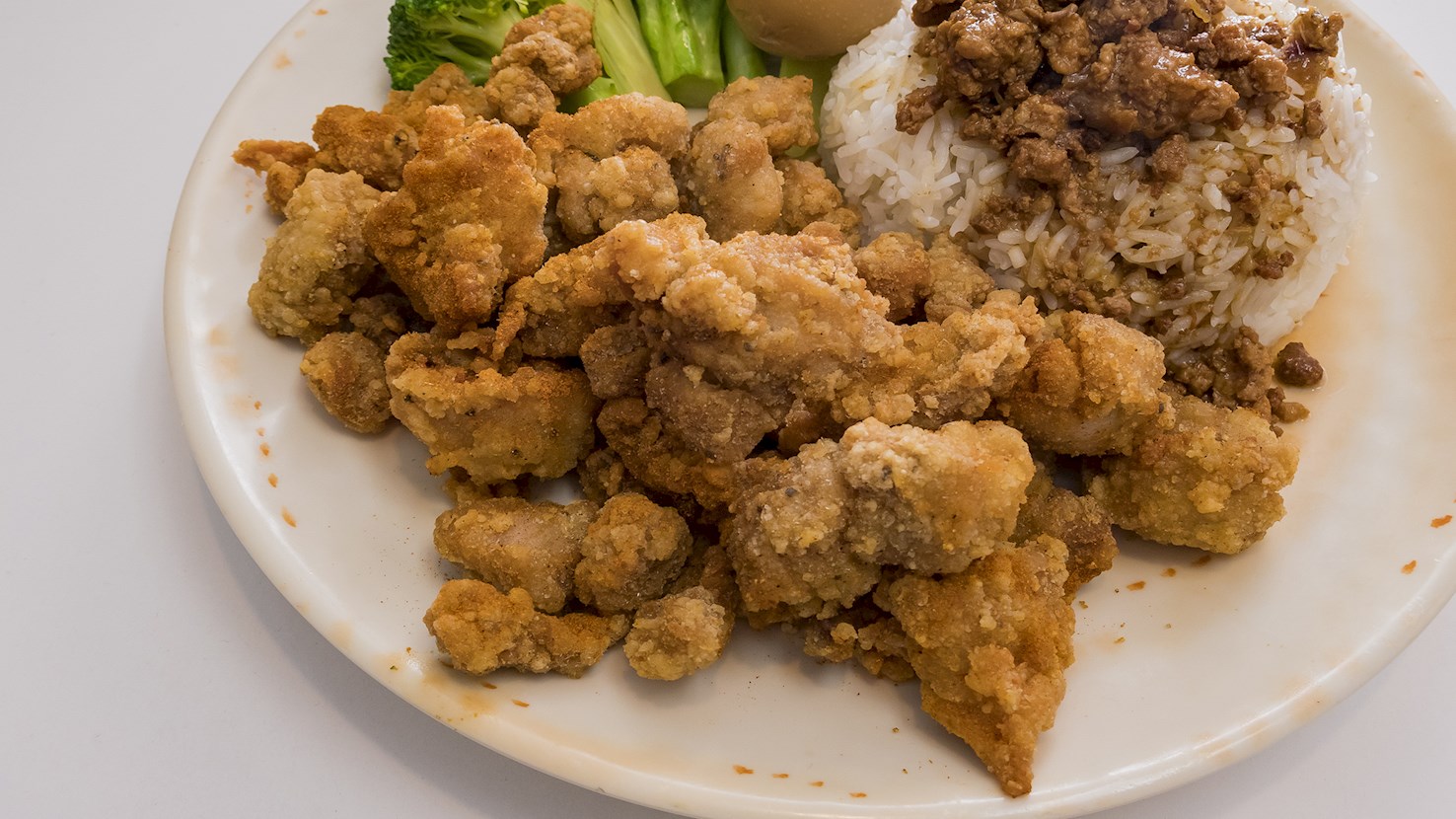
This Taiwanese classic consists of bite-sized pieces of chicken that are primarily marinated in a flavorful combination of soy sauce, garlic, ginger, rice wine, and various spices. The pieces are then coated in potato or corn starch and deep-fried until crispy. The dish is usually prepared with boneless chicken thighs, and while traditional seasonings include salt, pepper, and five-spice, modern variations may employ a variety of spices such as seaweed powder, mustard powder, or allspice. Taiwanese popcorn chicken is known by many names and it is one of the iconic street food items, enjoyed throughout the country. The dish is usually served without an accompanying sauce, but it frequently comes garnished with deep-fried basil leaves.

Best restaurants
05
Pork Dish

Lu rou fan (Braised Pork Rice)

4.2 ·

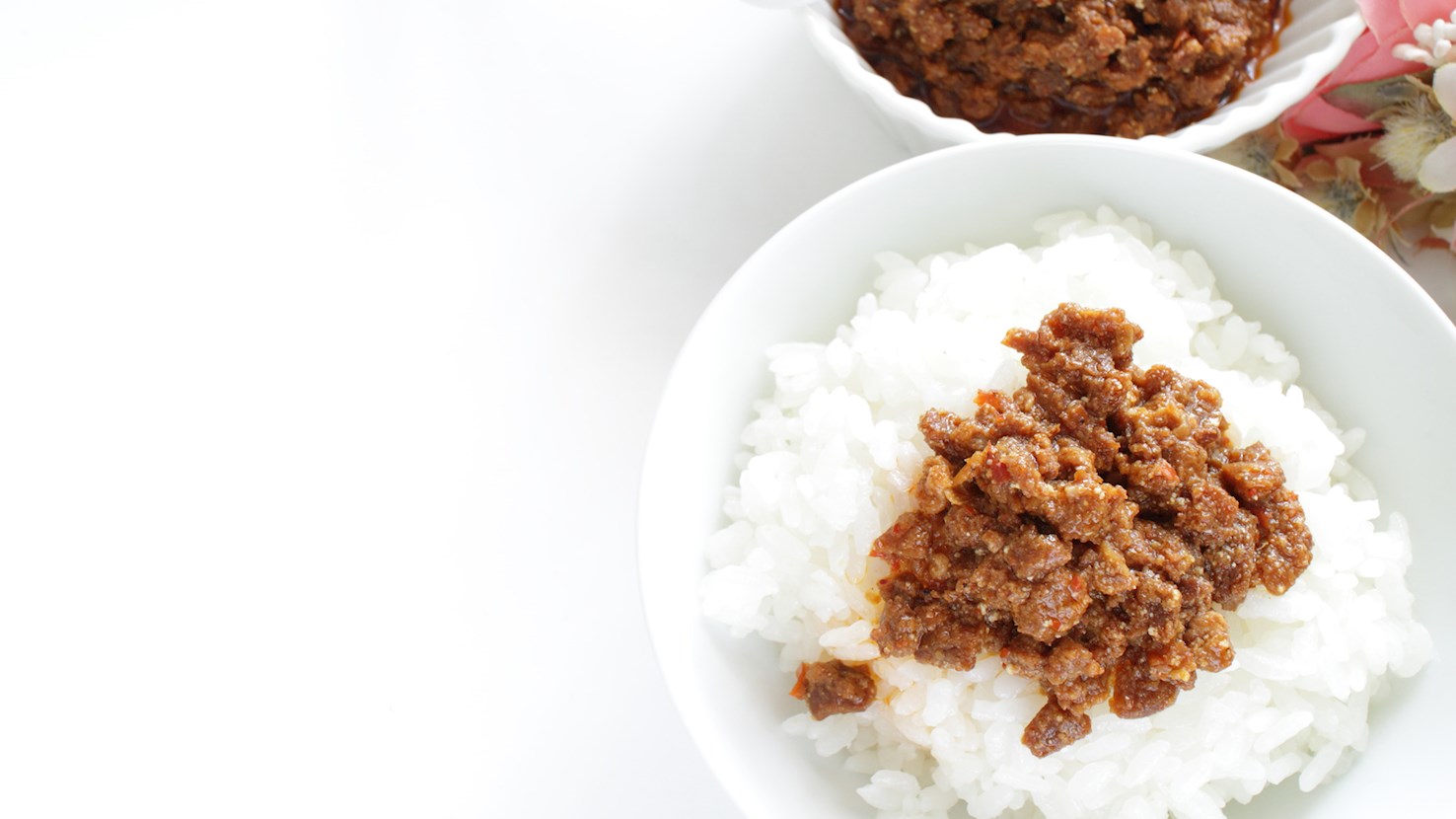
Simple, juicy, and savory lu rou fan is a popular Taiwanese dish consisting of ground pork braised in soy sauce, five-spice powder, and rice wine until it becomes tender and flavorful. It is traditionally served over rice, although some cooks like to replace the rice with noodles. Sometimes, pickled cucumbers or shiitake mushrooms are served alongside the dish. Literally translated, lu rou fan means stewed meat rice, and the dish is sometimes referred to as Taiwanese ragú. In Taiwan, lu rou fan was originally consumed as a nutritious and healthy meal for farming families, but today it can be found almost everywhere, from home kitchens to restaurants and street stalls.

06
Egg Dish

Kēzǎi jiān (Oyster omelette)

4 ·

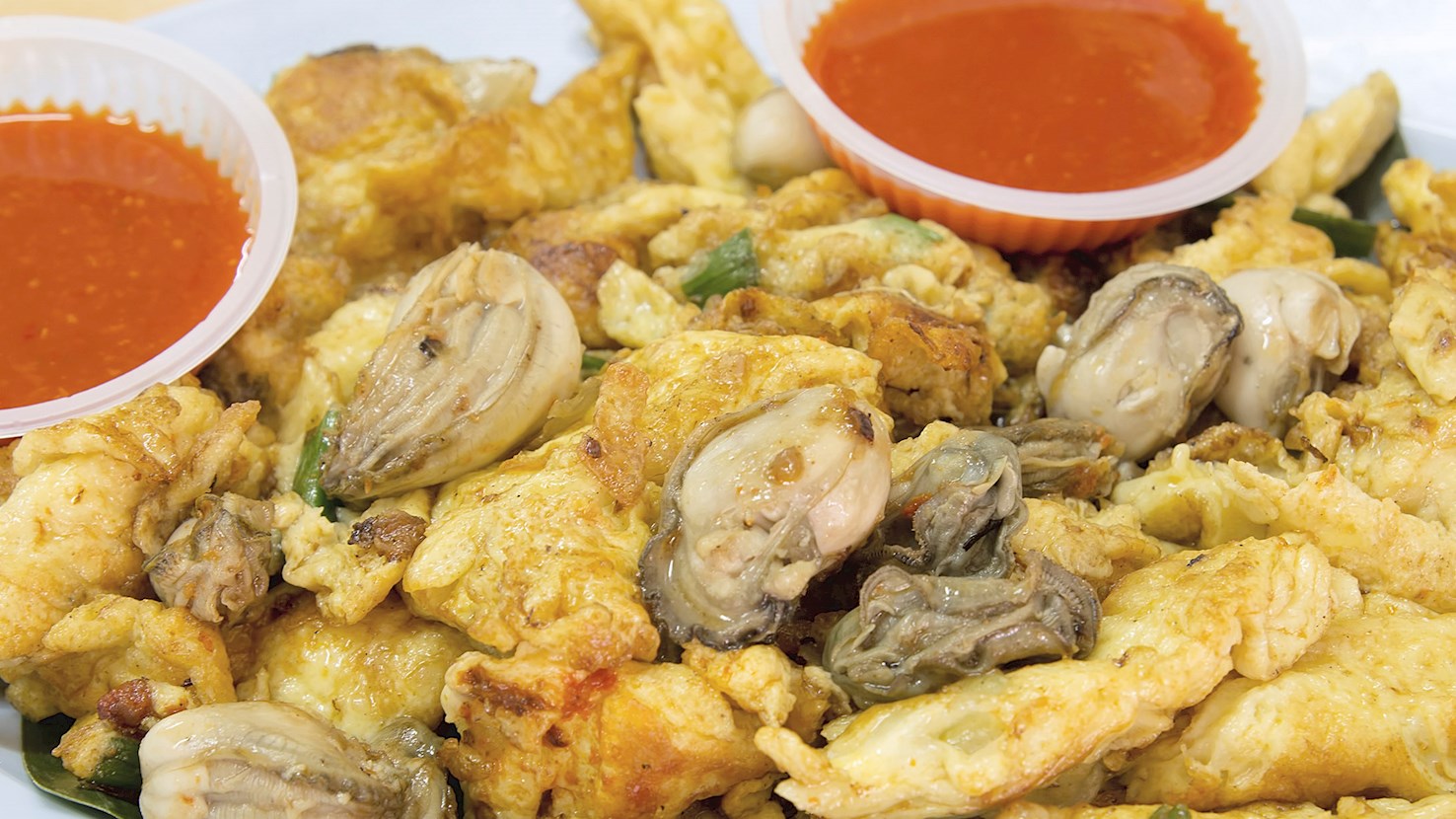
Oyster omelette is a savory egg-based dish originating in the coastal regions of southern China, particularly in Fujian and Guangdong, and it later spread across Southeast Asia, where it became a beloved staple of street food culture in places like Taiwan, Thailand, Malaysia, Singapore, and the Philippines. It combines small, fresh oysters with eggs and a starch batter, resulting in a dish that is crisp on the outside and soft within, often finished with herbs, sauces, or spicy condiments. Its roots lie in the coastal abundance of oysters and the ingenuity of cooks who sought to make use of seasonal shellfish in a satisfying and economical way. In port cities and fishing towns, oysters were plentiful but perishable, and incorporating them into quick, hot dishes allowed them to be eaten fresh while also providing nourishment and flavor to working families and laborers. The dish evolved over time, with each region adapting it to local tastes. In Fujian and Chaoshan areas, the emphasis is often on the delicate interplay of soft oysters and lightly set eggs, while in Taiwan the starch component became more prominent, forming a chewy, slightly gooey texture that contrasts with the crisp edges from the hot griddle. Thai and Malaysian versions tend to be spicier and sometimes include additional aromatics or bean sprouts for freshness and crunch. Preparation begins with a batter made of sweet potato, tapioca, or potato starch mixed with water, poured onto a hot, greased griddle or wok, and spread into a thin layer. Oysters are added on top, followed by beaten eggs, which cook quickly and bind the ingredients together. The omelette is flipped and browned until parts become crisp while the interior remains tender and moist. It is usually served hot, garnished with cilantro or scallions, and accompanied by a sweet, sour, or spicy dipping sauce, depending on the region. Today, oyster omelette is eaten both as a street snack and a restaurant dish, often associated with night markets, coastal seafood stalls, and festive occasions. It pairs well with light soups or rice porridge and is sometimes enjoyed alongside beer or tea, especially in settings where it is served as part of a shared meal.

07
Snack

Hujiao bing (Pepper bun)

4 ·

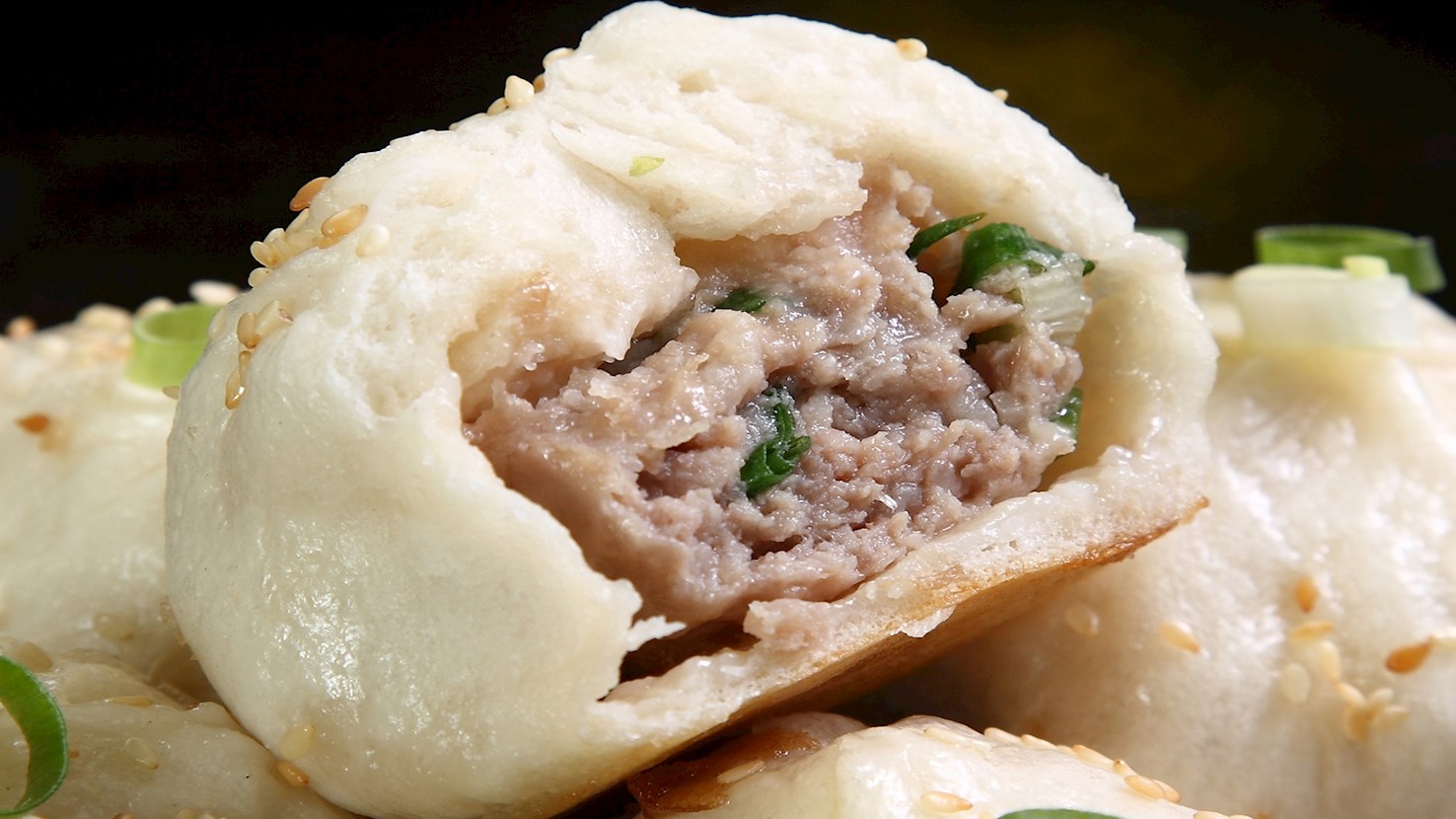
Hújiāo bǐng is a street food delicacy that is believed to have originated in Fuzhou, Fujian. This filling snack consists of a bun that is stuffed with sliced scallions and minced or finely chopped meat, preferably marinated fatty pork cuts. The buns are usually sprinkled with sesame seeds before they are baked in clay ovens. Apart from China, pepper buns are also popular in Taiwan where they are traditionally sold by street vendors of Fujian descent.

08
Dumplings

Ba wan

3.9 ·

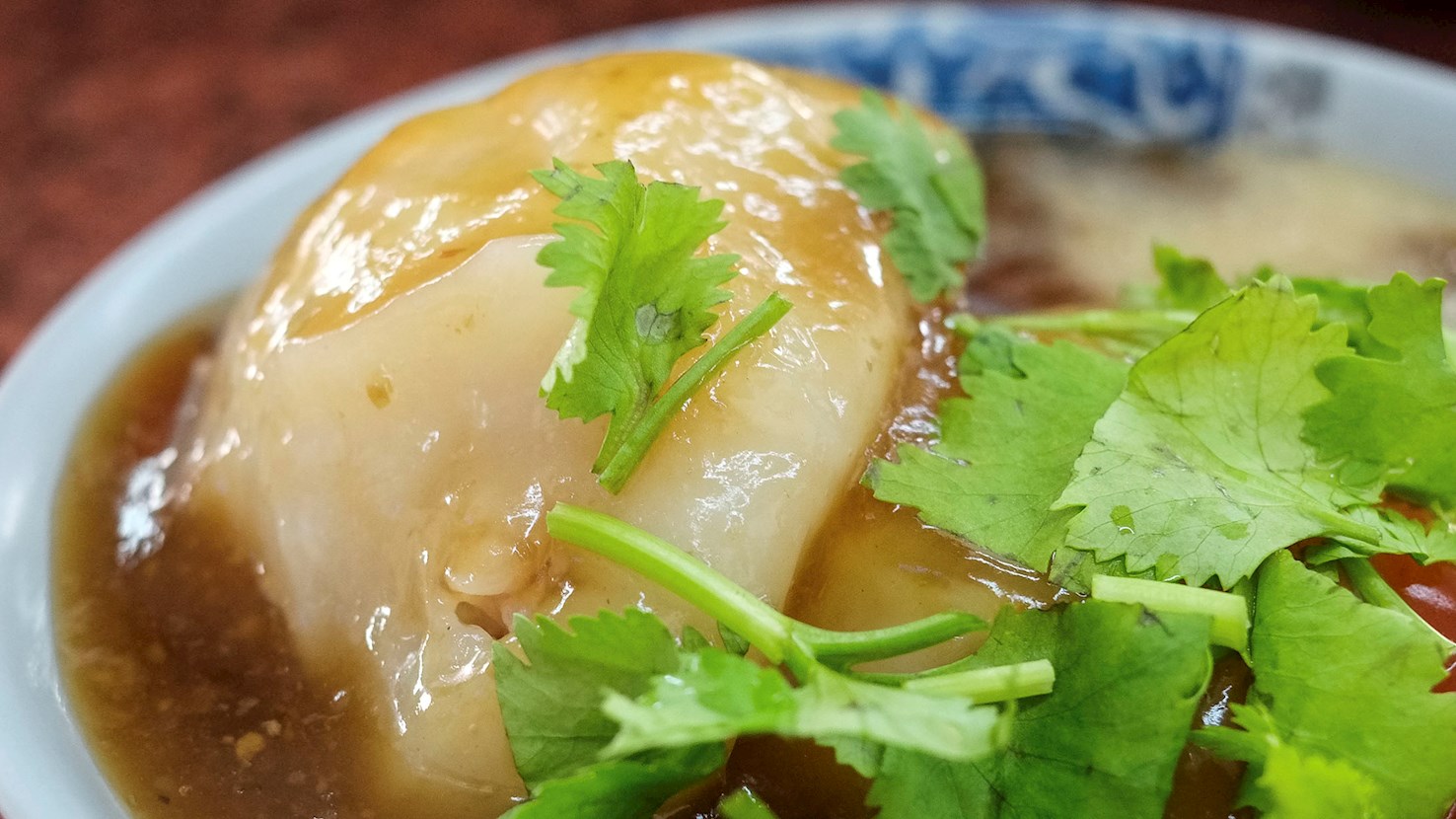
Ba wan is the most common street food in Taiwan. This traditional Taiwanese dumpling has become so popular that it is considered to be the national dish of the country. It is made with rice flour and potato starch dough that is usually filled with pork, bamboo, and mushrooms. Ba wan can be steamed or fried and is commonly served with a sweet and spicy sauce or a flavorful broth. It is not considered to be the most prestigious food in Taiwan, but it is the favorite among all social classes. The varieties of ba wan depend on the region, but the traditional type is thoroughly steamed and then dipped in hot oil to make the skin almost translucent. Regional differences also exist in the way ba wan is served - in the north, it is usually cut open before serving, while the southern version is often left untouched. Nowadays, this chewy and sticky dumpling is sold on almost every corner in Taiwan.

09
Dessert

Peanut Powdered Mochi

3.9 ·

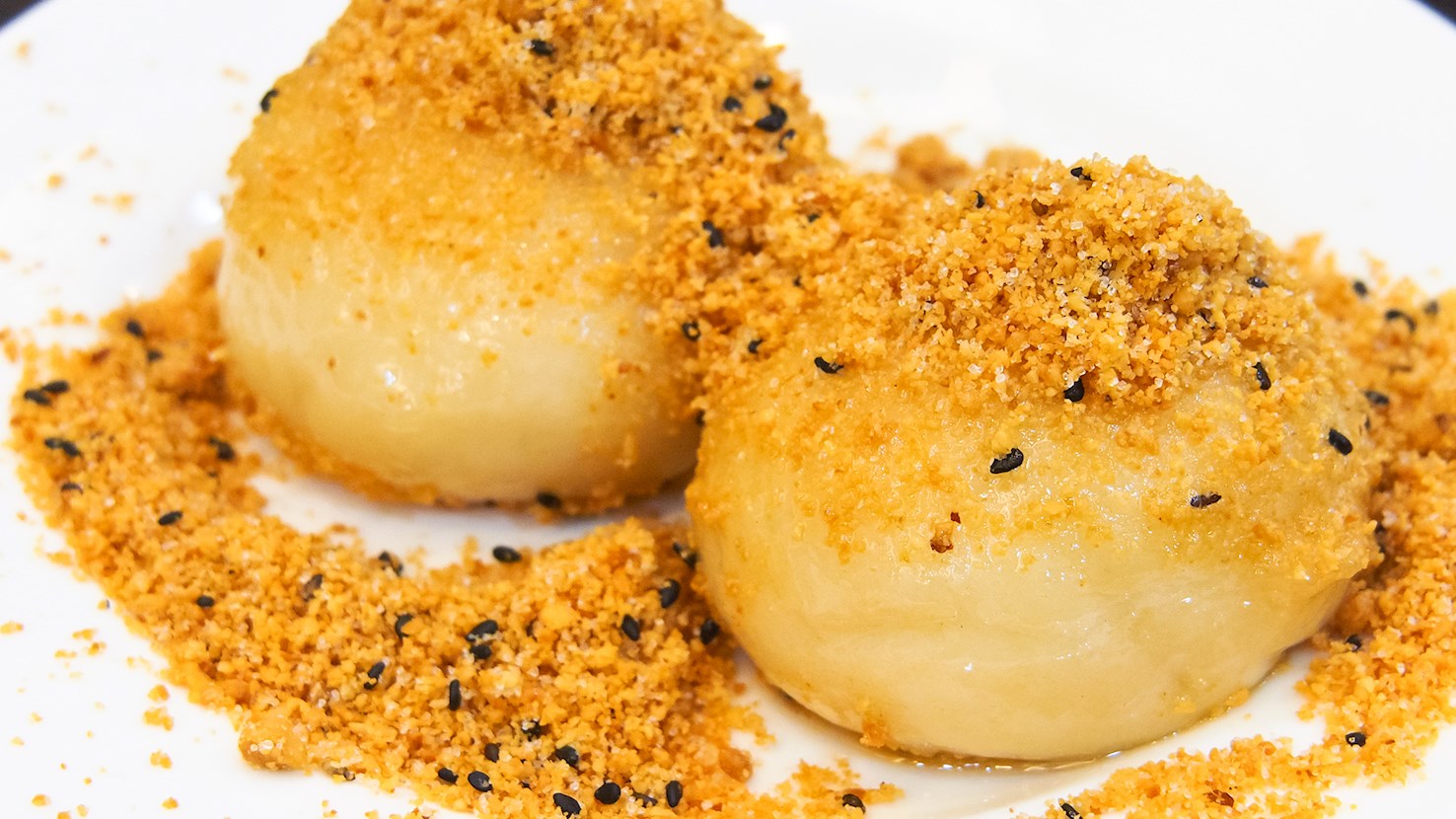
Peanut powdered mochi is a sweet and sticky rice ball with a peanut powder coating. This Taiwanese sweet treat consists of a steamed mixture of glutinous rice flour, sugar, and water. Small bite sizes of the sticky dough are pinched off with chopsticks and then dipped into powdered peanuts. Sometimes filled with the peanut powder mixture, the soft rice balls make for a simple dessert or a sweet snack. They are best consumed while still warm, accompanied by a cup of tea. Peanut powdered mochi is sold by numerous Taiwanese street vendors.

10
Dessert

Aiyùbīng

3.8 ·

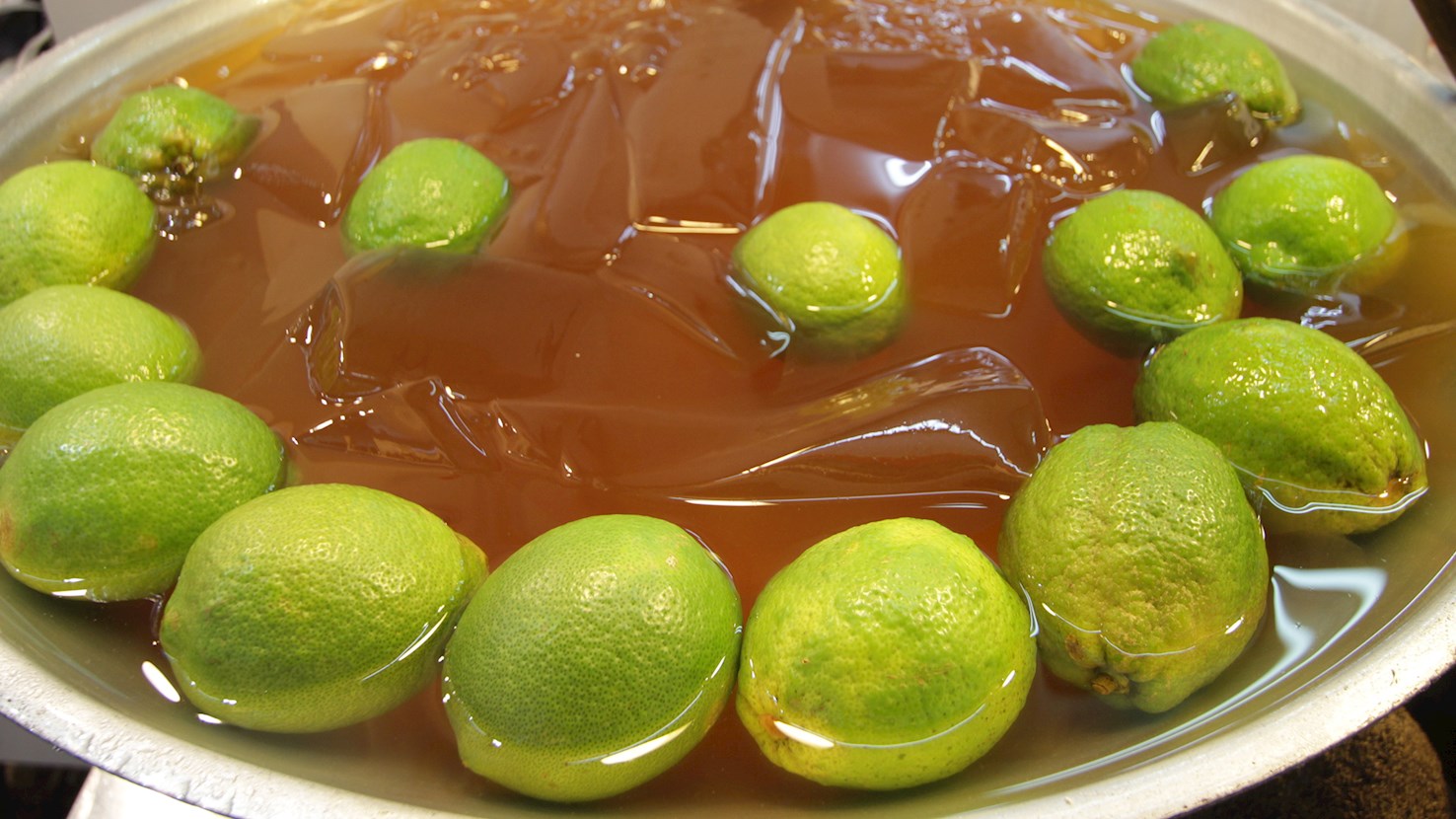
Aiyùbīng is a Taiwanese dessert drink comprised of a unique fig seed jelly. The process of obtaining the jelly involves placing the seeds of a special type of Taiwanese fig in a strainer bag, submerging the bag in cold water, and then rubbing the seeds continuously until they start releasing pectin, thereby producing a gelatinous substance. The fig seed jelly is consumed chilled, usually combined with lime or lemon juice and ice shavings, all sweetened with honey, sugar, or agave. With a perfect combination of sweet, mildly tangy, and sour flavors, this treat is a common dessert drink available at night markets, local stores, and numerous bubble tea shops. Light and refreshing, chilled aiyu jelly is a staple throughout the summer season in Taiwan, due to its cooling effect on the body.

Best Taiwanese food products

01
Spirit

Kavalan

5 ·
Kavalan is a renowned Taiwanese whisky brand, celebrated for its single malts produced in Yilan County. Established by King Car Group, Kavalan leverages Taiwan’s subtropical climate to mature its whisky faster, creating rich and complex flavors. The brand has earned global acclaim, winning numerous awards for its innovation and craftsmanship, especially for expressions aged in various casks like sherry, port, and wine. Kavalan’s unique process and commitment to quality make it a standout in the world of whisky.
Awards
SFWSC - San Francisco World Spirits Competition - Double Gold (2024, 2023)
ISC-International Spirits Challenge - Double Gold (2024)
02
Chocolate

Fu Wan

5 ·
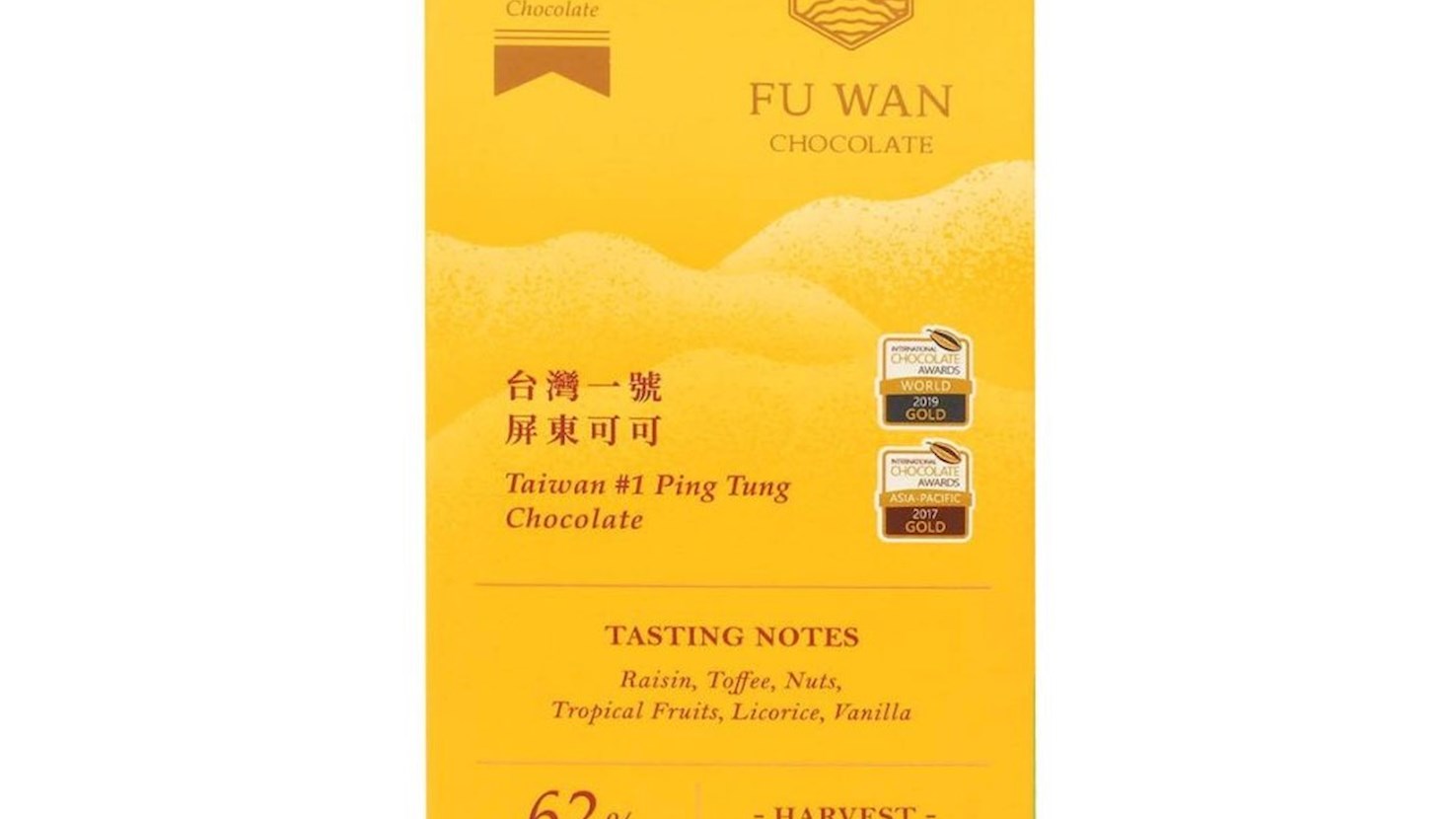
Fu Wan Chocolate is a chocolate producer located in Pingtung County, Taiwan. The company is known for its focus on producing single-origin and tree-to-bar chocolates, using locally sourced cocoa beans. Fu Wan Chocolate has gained recognition for its innovative approach, incorporating native Taiwanese ingredients into its products. The brand has won multiple international awards, highlighting its commitment to quality and craftsmanship in chocolate making.
Awards
International Chocolate Awards - Best in competition' overall winners (2019)
Academy of Chocolate - Gold (2022, 2018)
03
Chocolate

Cona's

5 ·
Cona's Chocolate is a producer based in Taiwan known for its artisanal chocolate products. Cona’s emphasizes using high-quality cacao beans sourced from various regions around the world. The company offers a range of chocolate products including bars, truffles, and other confections. Cona's also integrates local Taiwanese ingredients into some of its products to create unique flavor profiles. The company maintains a commitment to craftsmanship and quality in its production processes.
Awards
International Chocolate Awards - Gold (2023, 2020, 2019)
International Chocolate Awards - Silver (2023, 2020, 2019)
04
Chocolate Confectionery

Q Sweet Chocolate

5 ·
Q sweet Chocolate is a chocolate producer based in Taipei City. They specialize in creating high-quality artisan chocolates that emphasize unique flavors and exquisite craftsmanship. The company sources premium cocoa beans and combines them with local Taiwanese ingredients to produce distinctive chocolate products. Their offerings include a variety of chocolate bars, bonbons, and other confections.
Awards
International Chocolate Awards - Gold (2024, 2023, 2022, 2020)
International Chocolate Awards - Silver (2024, 2023, 2022, 2020)
05
Spirit

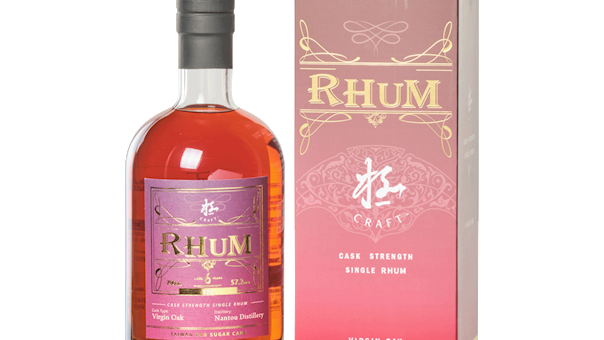
OMAR

5 ·
Awards
SFWSC - San Francisco World Spirits Competition - Double Gold (2024)
06
Spirit

Top Collectors Inc.

5 ·
Awards
IWSC- International wine & spirit competition - Spirit Gold Outstanding (2019)
07
Spirit

Bunnyville Distillery

5 ·
Bunnyville Distillery was founded in 2005 in the village of Rabbit Hole in Taoyuan, Taiwan, as one of the first private distilleries following the liberalization of the country's alcohol market. Located on Taiwan's western coast, near the Taiwan Strait, the distillery benefits from a humid subtropical climate ideal for the rapid aging of whiskey in oak barrels. The abundance of pure and rich water sources in Taiwan contributes to the sweet flavor of their whiskeys. The distillery is renowned for its innovative methods, such as using Mozart’s sound waves during the aging process, which adds a unique character to their products.
Awards
SFWSC - San Francisco World Spirits Competition - Double Gold (2024, 2023)
IWSC- International wine & spirit competition - Spirit Gold (2024)
08
Chocolate

Cacao Farm Formosa

5 ·
Cacao Farm Formosa is a chocolate producer based in Taiwan. The company focuses on growing cacao beans and producing chocolate within Taiwan's unique climate. They employ sustainable farming practices and emphasize quality control throughout the production process.
Awards
International Chocolate Awards - Gold (2020)
International Chocolate Awards - Silver (2020)
09
Tea / Infusion

FormoCha

5 ·
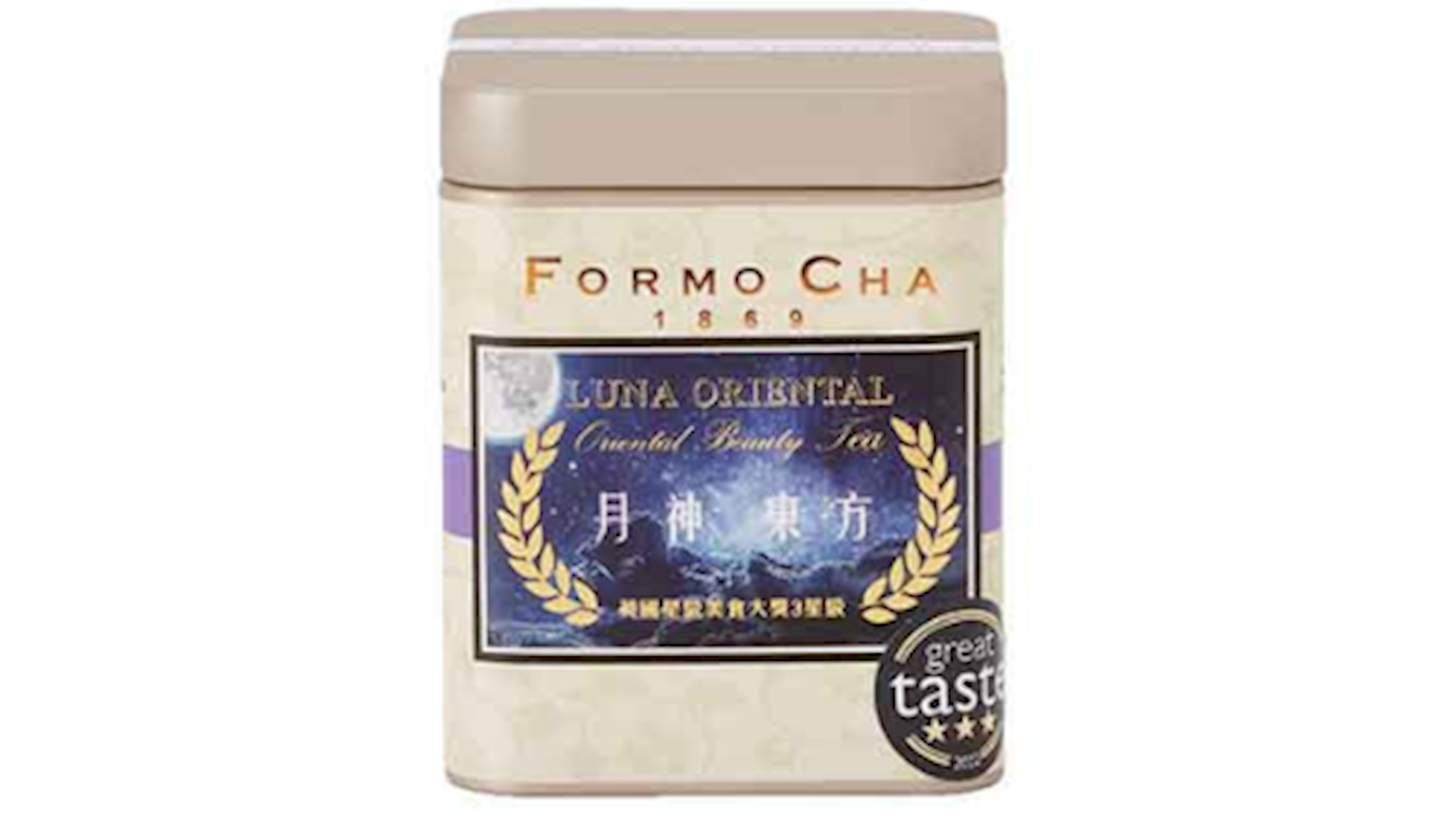
FormoCha is a brand specializing in the production and distribution of high-quality Taiwanese teas. The brand name "FormoCha" is derived from the old name of Taiwan, Formosa, which means "beautiful" or "the beautiful island," reflecting Taiwan's rich tea tradition and natural resources. The brand offers products from various regions of Taiwan, such as Alishan, Sun Moon Lake, Ruby tea, Dong Ding, and others, each known for its unique characteristics and different processing techniques. FormoCha focuses on promoting authentic Taiwanese teas, including Oolong, green tea, black tea, and white tea. The goal of the FormoCha brand is to preserve traditional tea processing methods and enhance the tea experience, allowing tea enthusiasts worldwide to enjoy authentic Taiwanese tea, regardless of their location.
Awards
Great Taste Awards - 3 Stars (2022, 2021)
Great Taste Awards - 2 Stars (2021)
10
Spirit

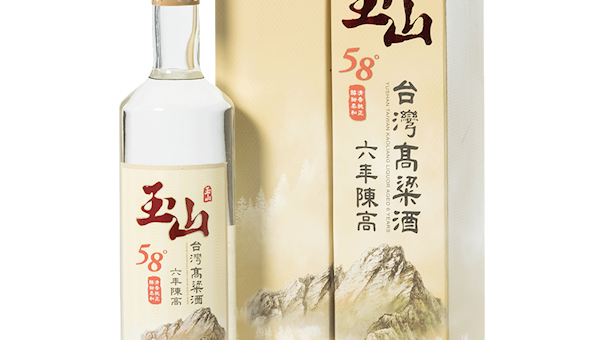
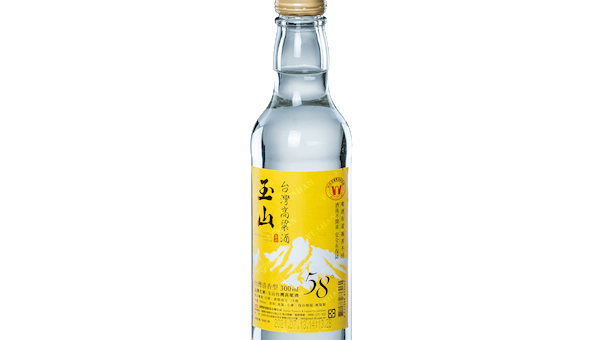
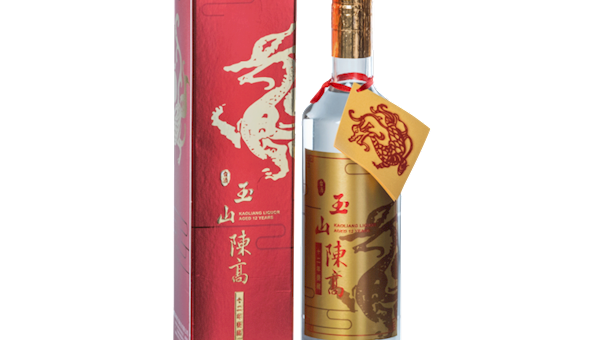
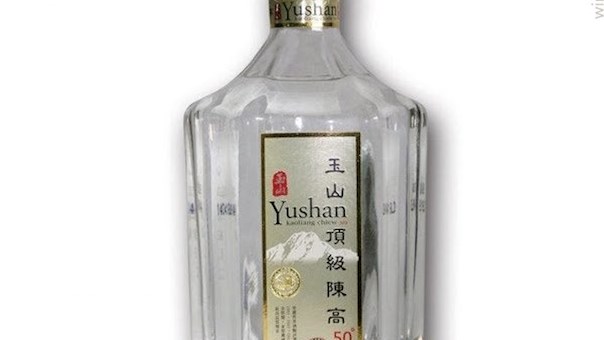
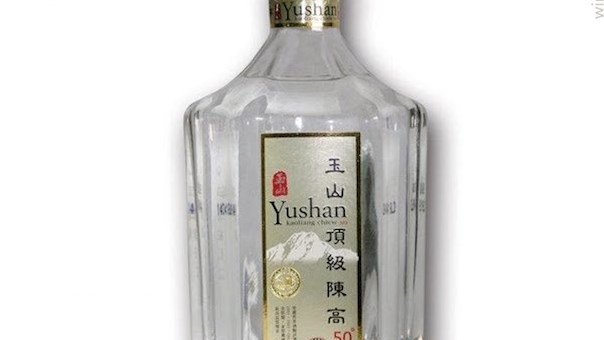
Yushan

5 ·
Awards
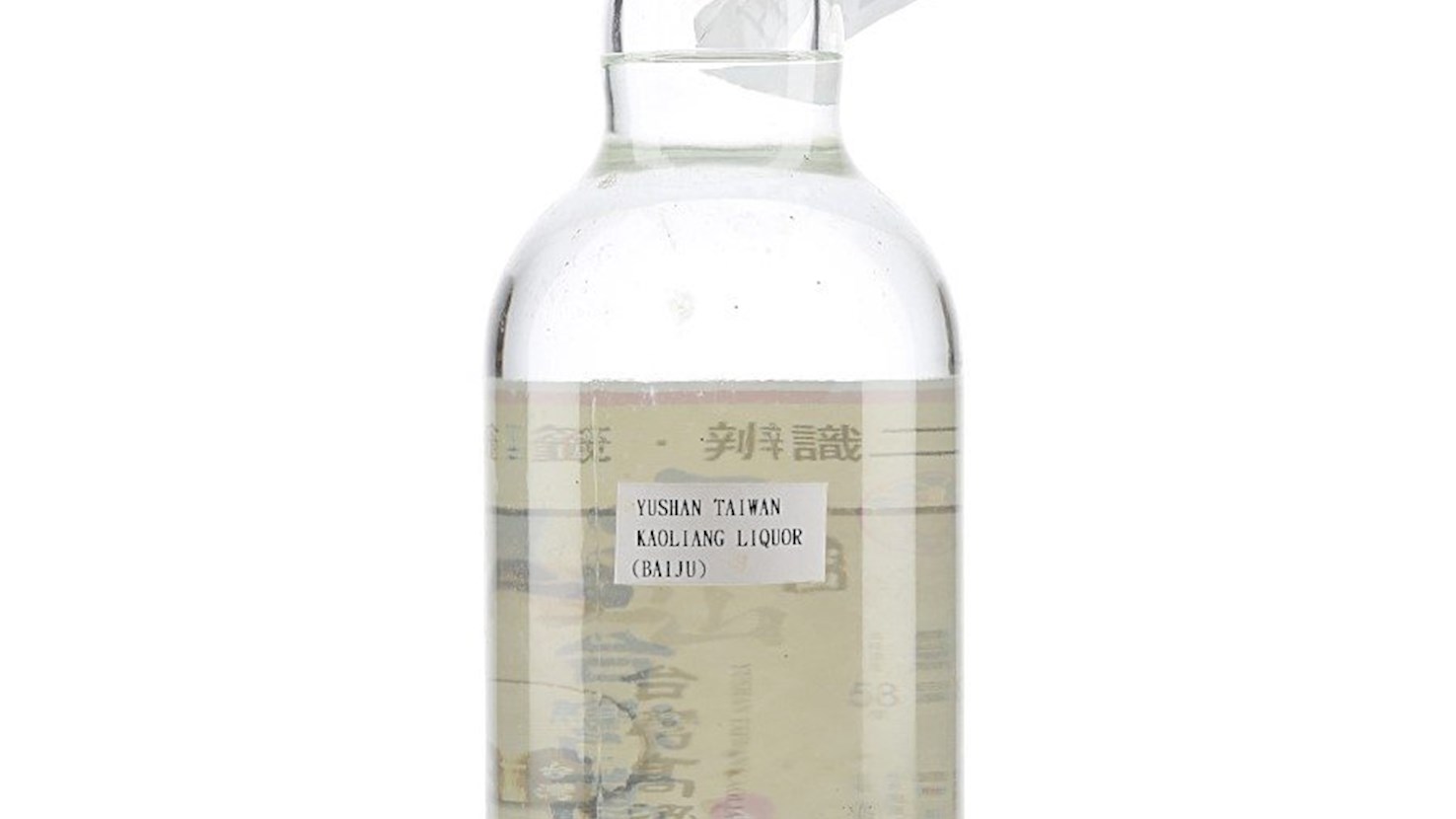
SFWSC - San Francisco World Spirits Competition - Double Gold (2024)
USC- Ultimate Spirits Challenge - Chairman's Trophy (2023, 2022, 2020)
Read more
View all
View map
About this ranking

TasteAtlas food rankings are based on the ratings of the TasteAtlas audience, with a series of mechanisms that recognize real users and that ignore bot, nationalist or local patriotic ratings, and give additional value to the ratings of users that the system recognizes as knowledgeable. For the “Top 100 Taiwanese Foods” list until June 24, 2026, 1,691 ratings were recorded, of which 1,348 were recognized by the system as legitimate. TasteAtlas Rankings should not be seen as the final global conclusion about food. Their purpose is to promote excellent local foods, instill pride in traditional dishes, and arouse curiosity about dishes you haven’t tried.

The initial list of top producers was compiled based on available reviews, awards, local recommendations, media and blog coverage, and consumer reviews. The list will be updated with ratings from TasteAtlas local ambassadors and TasteAtlas users.

Similar lists