

shutterstock

Top 100 Italian Meat Dishes

Last updated on June 15, 2026
01

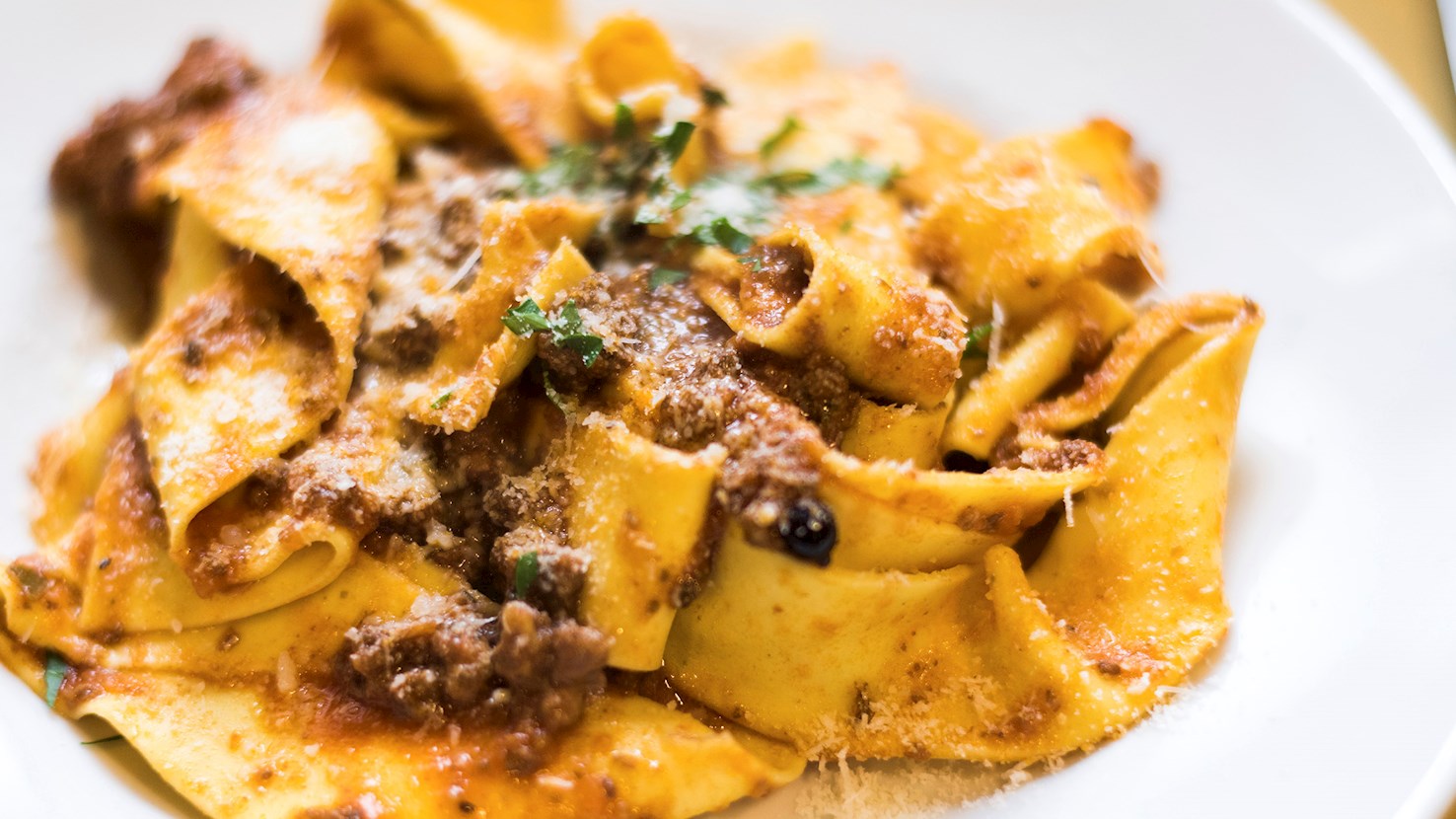
Pappardelle al cinghiale

4.5 ·

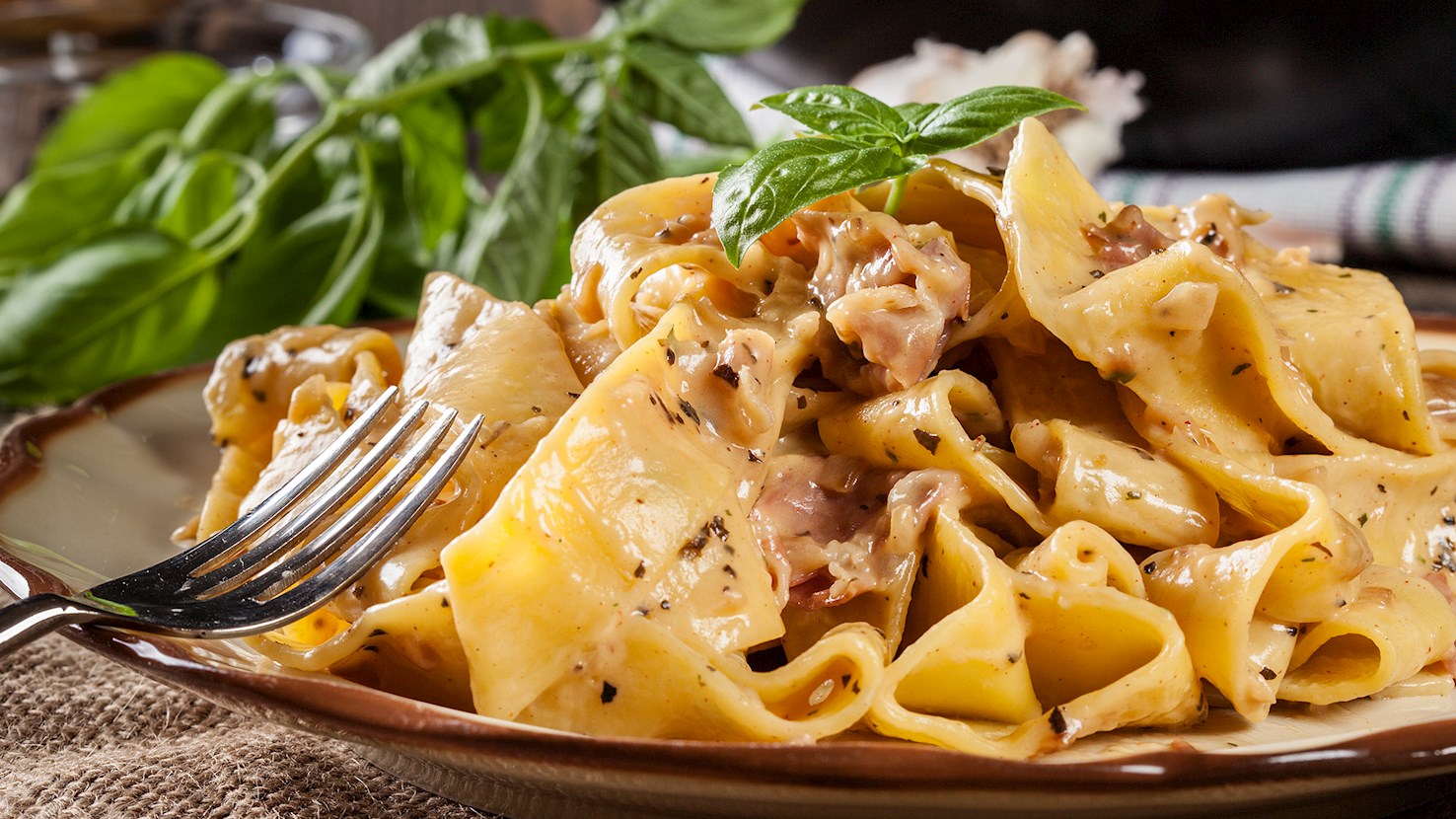
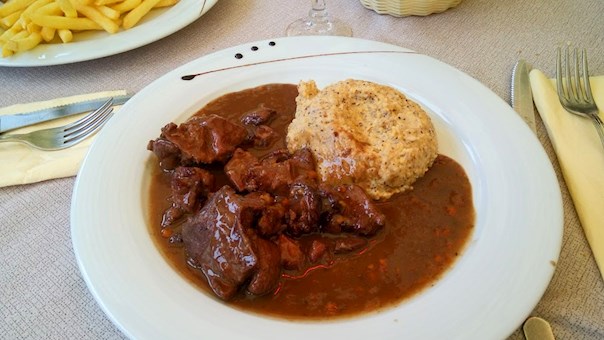
Pappardelle is a famous Tuscan pasta variety. When paired with ragù di cinghiale (made with wild boar), they become one of the region's best gastronomic experiences. Unlike classic ragù, the one prepared with wild boar has an intense, much stronger flavor achieved by long, slow simmering in a rich sauce of tomatoes and red wine. The tender meat paired with fresh egg pasta is a combination full of flavors and tradition in every single bite - rich and delicious, topped with a generous amount of chopped fresh parsley and a sprinkle of Parmigiano, pappardelle al ragù di cinghiale make a perfect, comforting winter dish, especially when paired with a glass of Tuscan red wine.

02

Bistecca alla Fiorentina

4.4 ·

Known as the holiest of holies of Italian cuisine, the Florentine-style beef steak is prepared exclusively with dry-aged beef from the Chianina cattle, which is particularly prized for its tenderness. Even though bistecca alla Fiorentina is often described as a T-bone steak, it is much closer to a porterhouse - since it's cut closer to the center, the tenderloin is much larger than the one on a regular T-bone. Also, bistecca alla Fiorentina must be thick; the cut needs to be at least three fingers wide so that when the meat is grilled over a very hot flame, a nice, slightly charred crust forms on the outside of the steak while the inside remains succulent. In fact, bistecca alla Fiorentina is never, ever served medium or well-done, as any true Tuscan will insist that this dream of a steak should only be eaten sanguinoso, meaning rare. To enjoy your Florentine-style steak the Italian way, simplicity is the way to go - highlight the rich flavor of grilled beef with nothing more than a drizzle of extra virgin olive oil, rosemary, and salt.

03

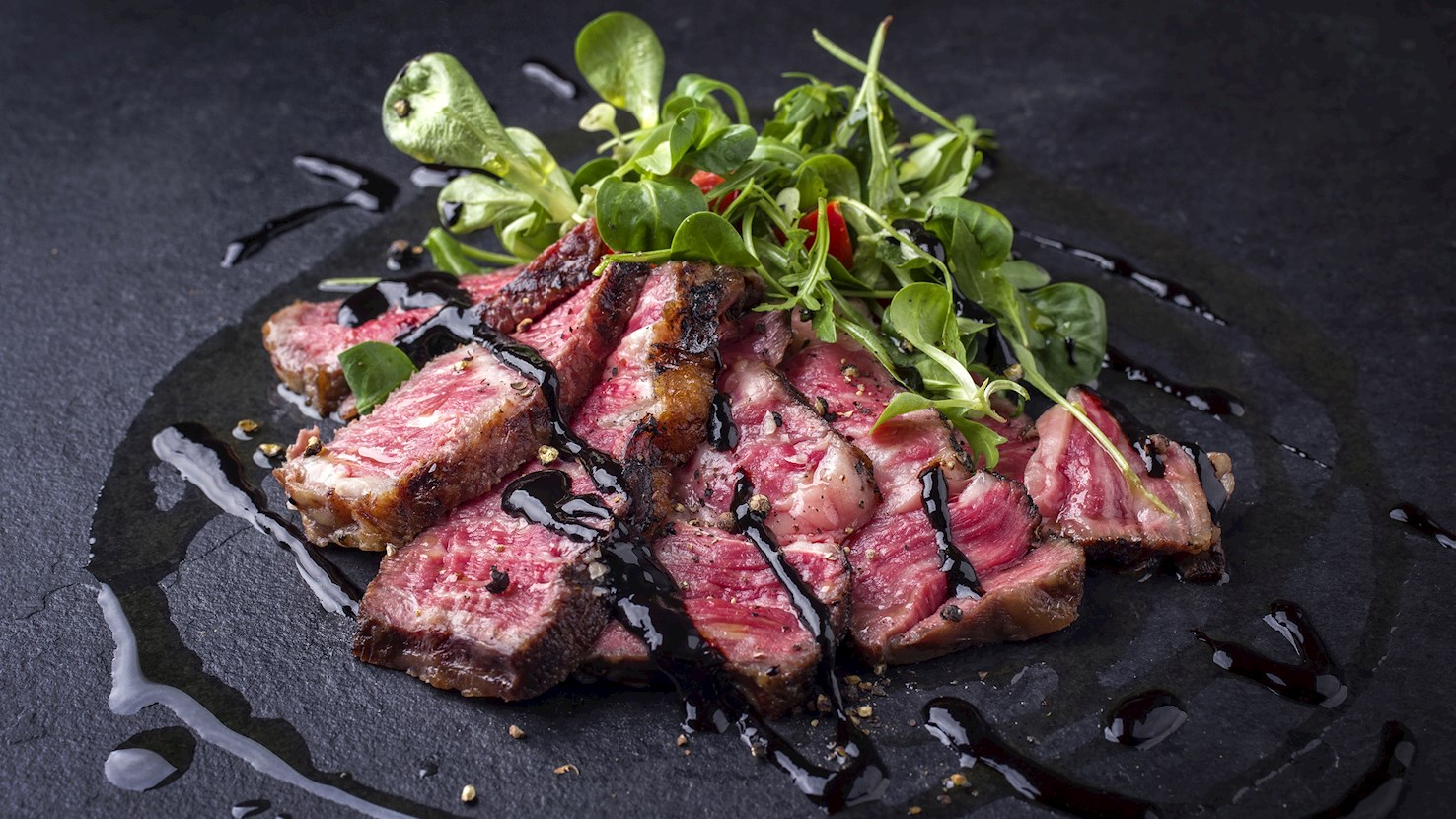
Tagliata di manzo

4.4 ·

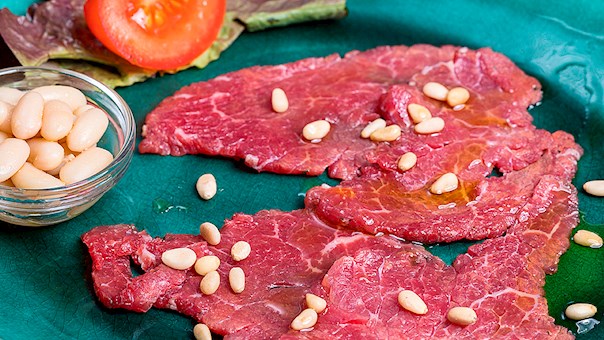
Tagliata is a traditional meat dish that's most commonly made with beef. The dish is usually made with a combination of sirloin steak, rocket (arugula), extra-virgin olive oil, salt, black pepper, and cherry tomatoes, if desired. The meat should be about 1'' (2.5cm) thick and seared on both sides on a hot griddle pan or on a barbecue. The inside of the meat is usually medium-rare and juicy, while the outside is nicely seared. Once done, it's sprinkled with salt and pepper and cut into thin slices. The slices are most commonly served over a mound of rocket, and each serving is drizzled with olive oil. If desired, add some cherry tomatoes, a drizzle of balsamic vinegar, or Parmigiano-Reggiano shavings as well. Tagliata di manzo is served immediately.

04

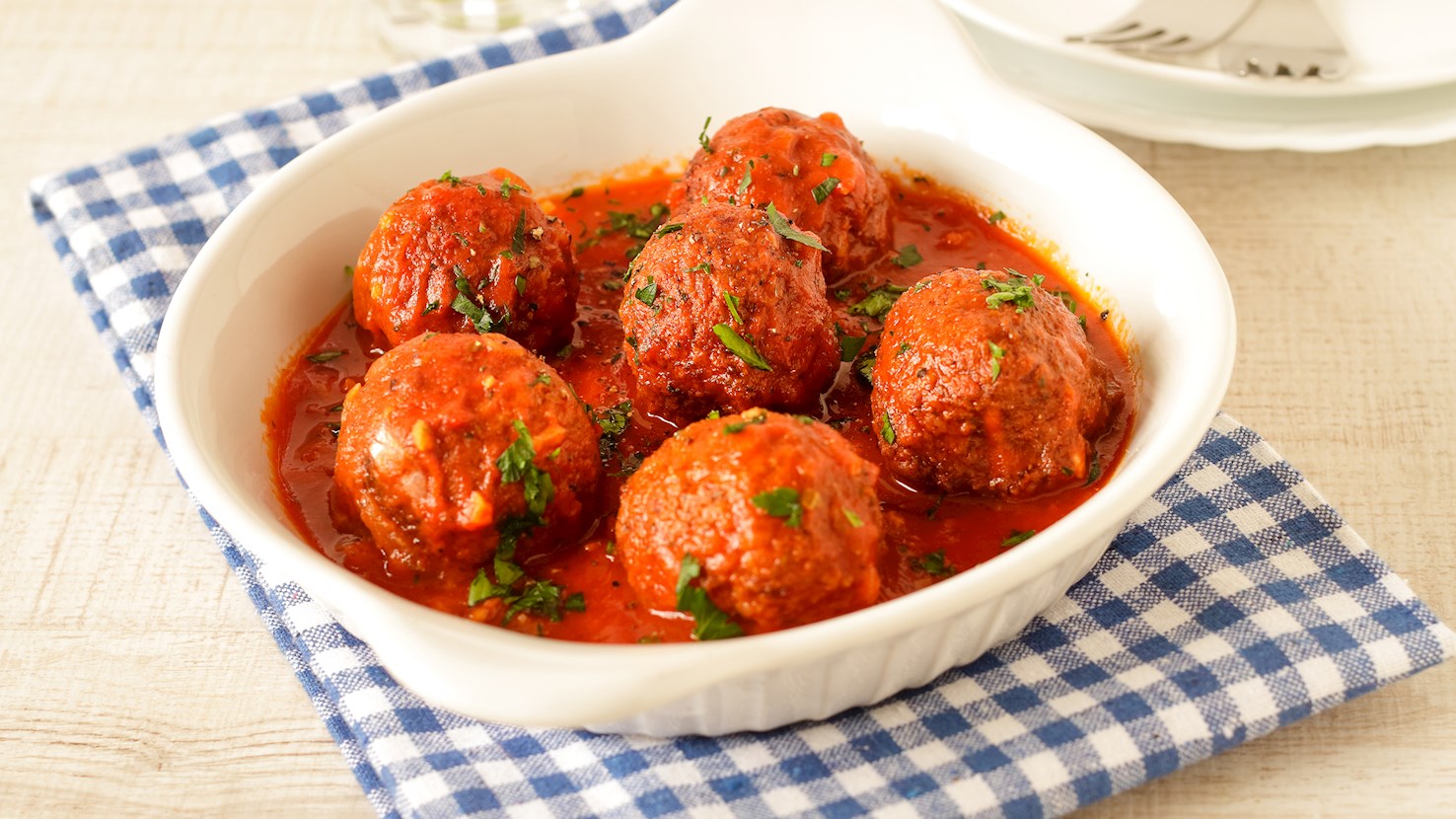
Polpette al sugo (Meatballs in Tomato Sauce)

4.3 ·

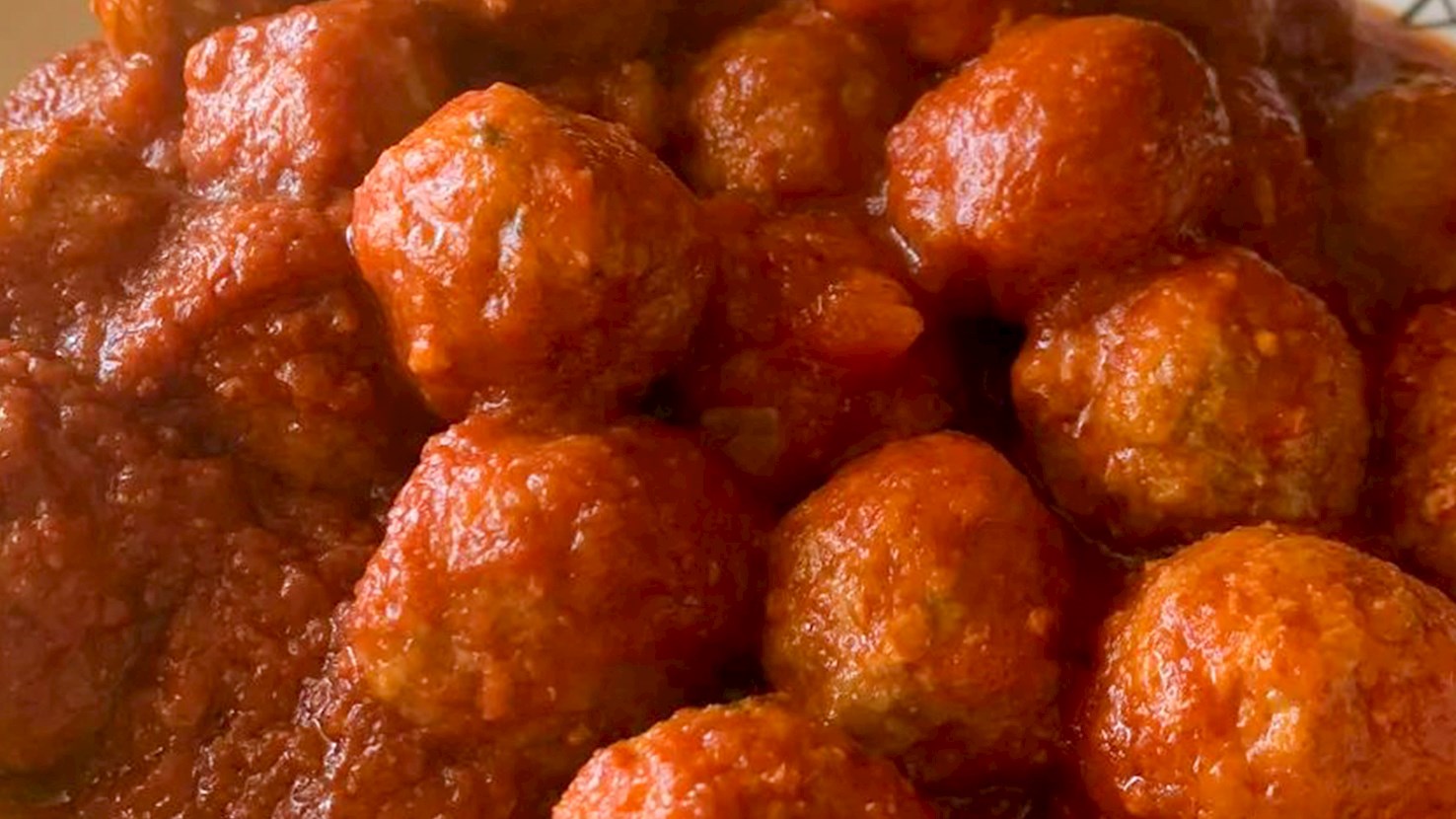
Polpette al sugo is a traditional dish consisting of meatballs in sauce. Although there are numerous recipes, the meatballs are usually made with a combination of ground meat (beef or veal), eggs, bread soaked in milk, Parmigiano-Reggiano cheese, parsley, salt, and pepper. Once shaped, the meatballs are browned in a pan and then cooked in a sauce consisting of onions, olive oil, tomatoes, and seasonings. The dish is covered with a lid and cooked over low heat until the sauce thickens and the meatballs are fully cooked. Polpette al sugo are often sprinkled with chopped parsley before serving. In Italy, it is considered unaccaptable to pair them with pasta or potatoes, but it's recommended to accompany the dish with polenta on the side.

05

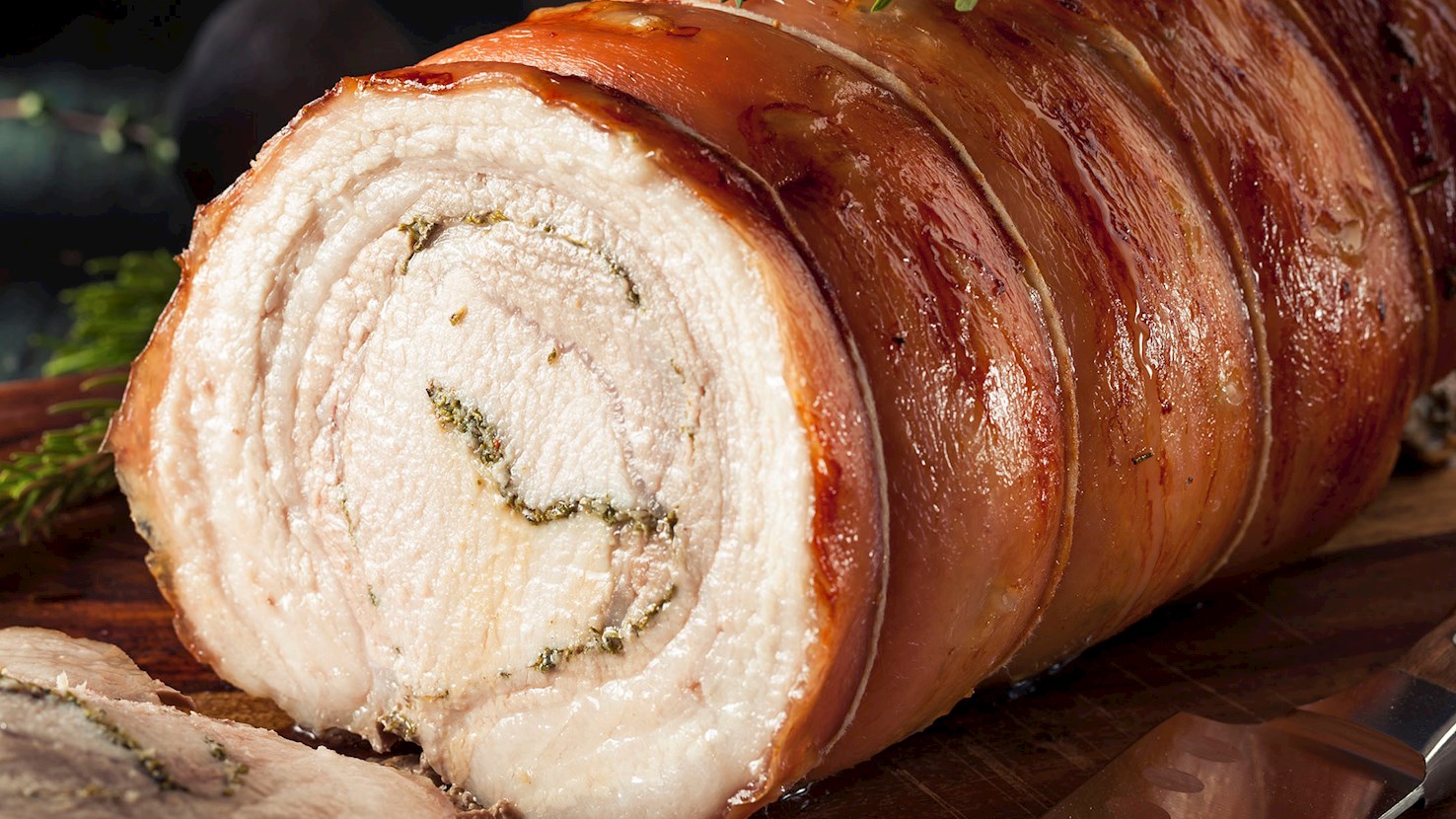
Porchetta di Ariccia

4.3 ·

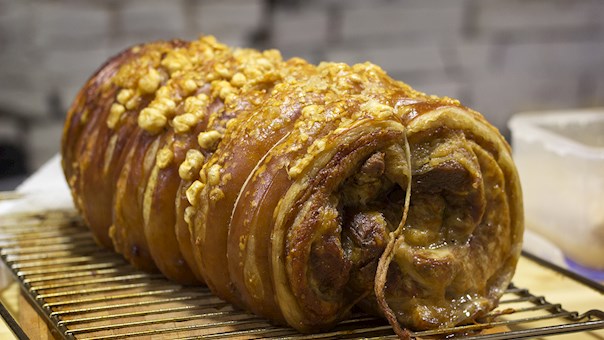
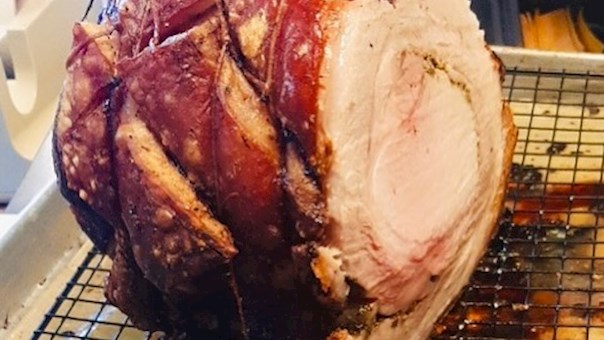
Porchetta di Ariccia is a savory, moist, boneless pork roast with origins in the province of Rome, along with being a culinary icon of the Lazio region. Mature pigs are deboned and stuffed with numerous seasonings such as fennel, rosemary, and garlic. The pigs are then slowly roasted on a spit over a wood fire, resulting in succulent meat and crispy skin. The name of the dish stems from the word porco, meaning pork. It is a staple of numerous village festivals, fairs, markets, and concerts, when the street of Rome are packed with food trucks selling this flavorful dish. In Rome, it is street food that is usually served on its own or as a filling for sandwiches. Although it is one of the country's earliest specialties, dating back to the Roman Empire, a small town in Rome's Castelli called Ariccia claims its invention, and the huge popularity of the dish dates back to the 1950s when the producers of this delicacy (called porchettari) celebrated the Sagra della Porchetta di Ariccia, a popular festival in the city that serves to promote this unique dish. Italian immigrants brought the dish to the United States in the early 20th century, where it is often referred to as Italian pulled pork, usually served with spinach and cheese on sandwiches.

06

Arrosticini

4.2 ·

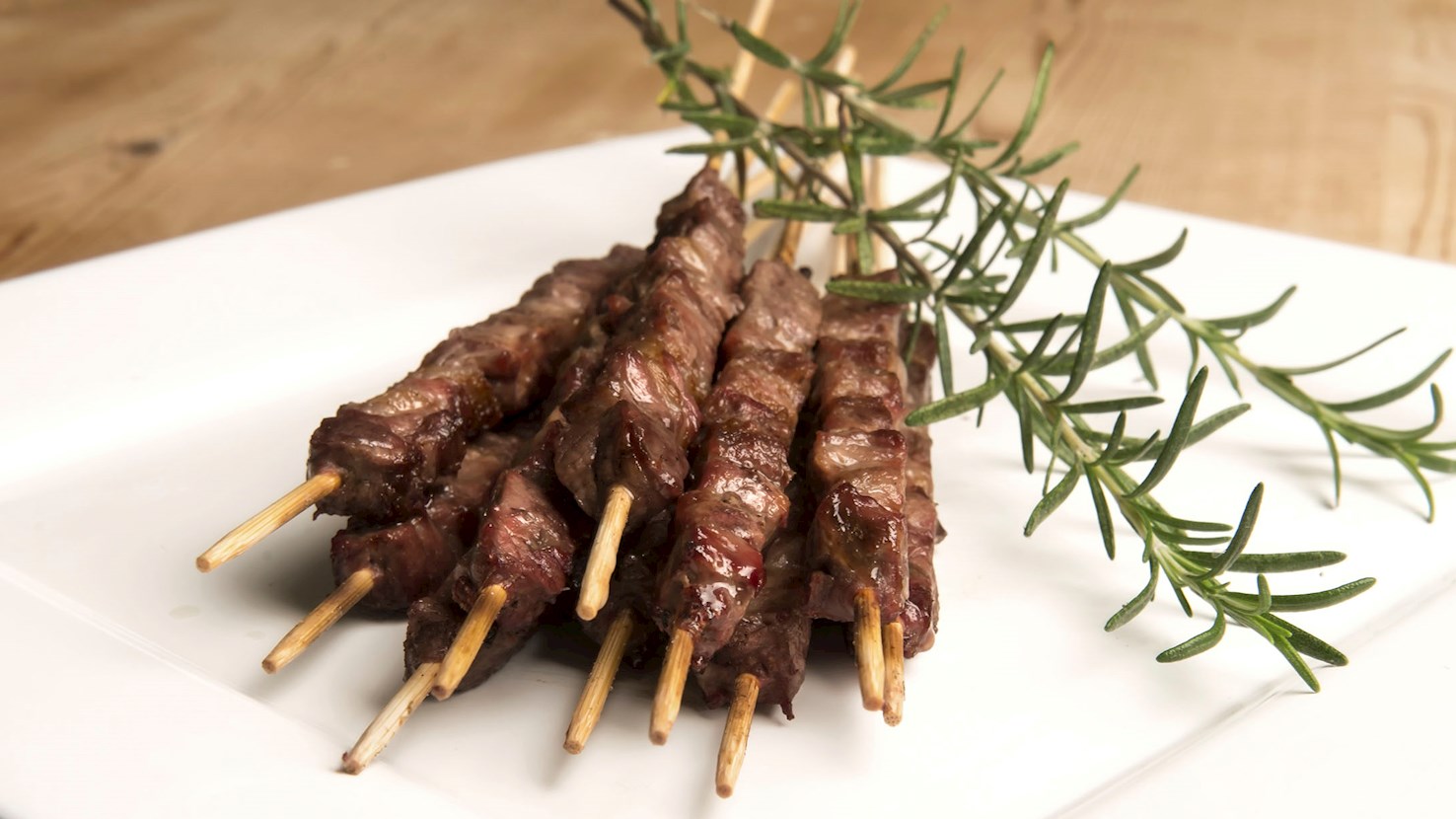
Also known as arrustelle or rustelle in local dialect, arrosticini are skewers made with castrato, the meat of castrated sheep, mutton, or sometimes even lamb, traditionally grilled on an elongated, charcoal-fired brazier called fornacella. One of the most popular meat dishes of modern Italian cuisine, these skewers were once a staple of shepherds who lived in the mountainous areas of Abruzzo, prepared merely with leftover sheep meat of lesser quality. Today, arrosticini are made with well-marbled, more tender cuts mixed with hefty chunks of ovine fat, which makes them particularly succulent. The skewers are sometimes seasoned with Mediterranean herbs, although they are more often simply generously salted to taste and then seared until almost charred. Arrosticini can be found in almost any village and town throughout the region, especially near the Gran Sasso mountain, but they are also available ready-made in numerous supermarkets. In traditional Abruzzo style, to fully enjoy the tenderness and rich flavor of grilled meat, arrosticini are served sizzling hot and are often accompanied by slices of pane unto - a crusty, homebaked sourdough bread that is grilled and drizzled with extra virgin olive oil. As for the wine pairing, arrosticini go hand in hand with a glass of Montepulciano d'Abruzzo.

07

Polpette

4.2 ·

Polpette is a word denoting Italian meatballs, traditionally consisting of ground beef or veal (and sometimes pork) that is shaped into small balls. These meatballs are usually enriched with a wide variety of ingredients such as parsley, eggs, garlic, and sometimes even mortadella or Parmigiano Reggiano. Although some might think that polpette are served with pasta, that is mostly an American thing, and Italian polpette are typically consumed on their own as a snack, appetizer, or finger food that is especially beloved by children of all ages.

08

Pappardelle alla lepre

4.2 ·

Pappardelle alla lepre is an ancient Tuscan dish – allegedly, Boccaccio himself was impressed with these pasta ribbons which are cooked in broth and flavored with hare meat. The preparation of this rich dish is time-consuming – the hare must be marinated in wine, vinegar, and aromatic herbs in order to develop the flavor and eliminate the strong gamey smell, and it is then slowly simmered with chopped onions, carrots, celery, wine, tomatoes, bay leaves, salt, pepper, and stock. Interestingly, the original name of this dish was pappardelle sulla lepre, meaning pappardelle on top of the hare, allegedly due to the fact that it was once much easier to find the hare than eggs or flour – so the typical plate used to contain lots of meat and only a few ribbons of pasta. Even though the times have changed, that just may be the reason why (in Tuscany) papardelle are traditionally placed on top of the sauce and not the other way around. Due to their complex flavor, pappardelle alla lepre pair especially well with full-bodied red wines.

09

Porchetta

4.2 ·

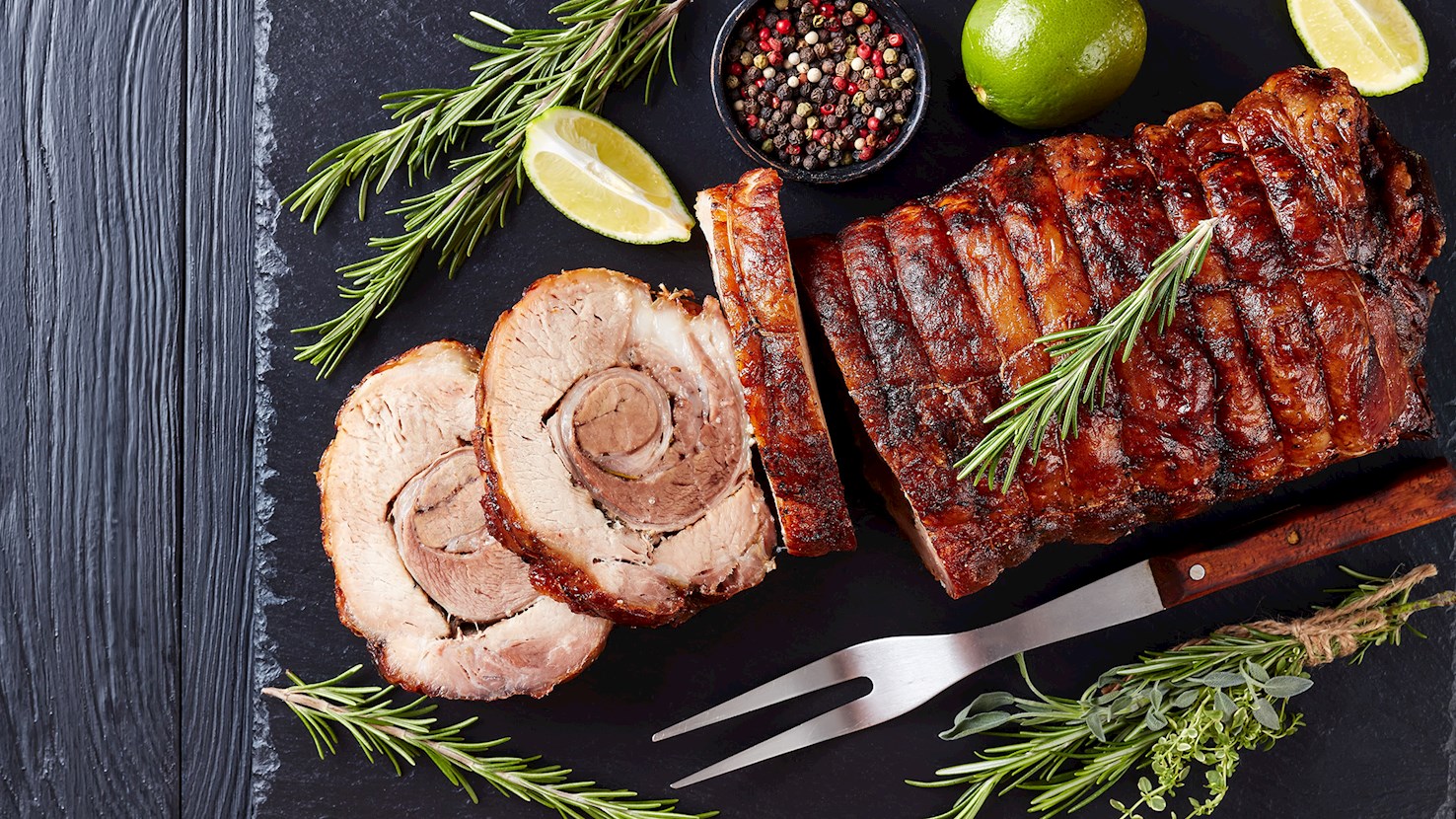
Porchetta is a traditional, moist, boneless pork roast prepared all over Italy. This rustic dish is made by carefully deboning a piglet or a fully grown pig, flavoring it generously with salt, garlic, rosemary, fennel seeds or some other aromatic herbs and filling it with the stuffing, which changes depending on the region - it can be the liver, fat or pieces of skin and meat, also flavored with salt and spices. The meat is then rolled up, spitted and slowly roasted over a wood fire. When finished, it is sliced very thinly and served warm or cold with some bread. Although popular in the whole country, with many regions offering their spin on the recipe, porchetta originated in central Italy, with Ariccia, in the Province of Rome, being the town most closely associated with it. Porchetta is considered to be a festive dish, but due to its deliciousness and popularity, nowadays it is also a favorite street food, usually served on its own or as a filling for sandwiches.

10

Cotoletta alla Milanese

4.2 ·

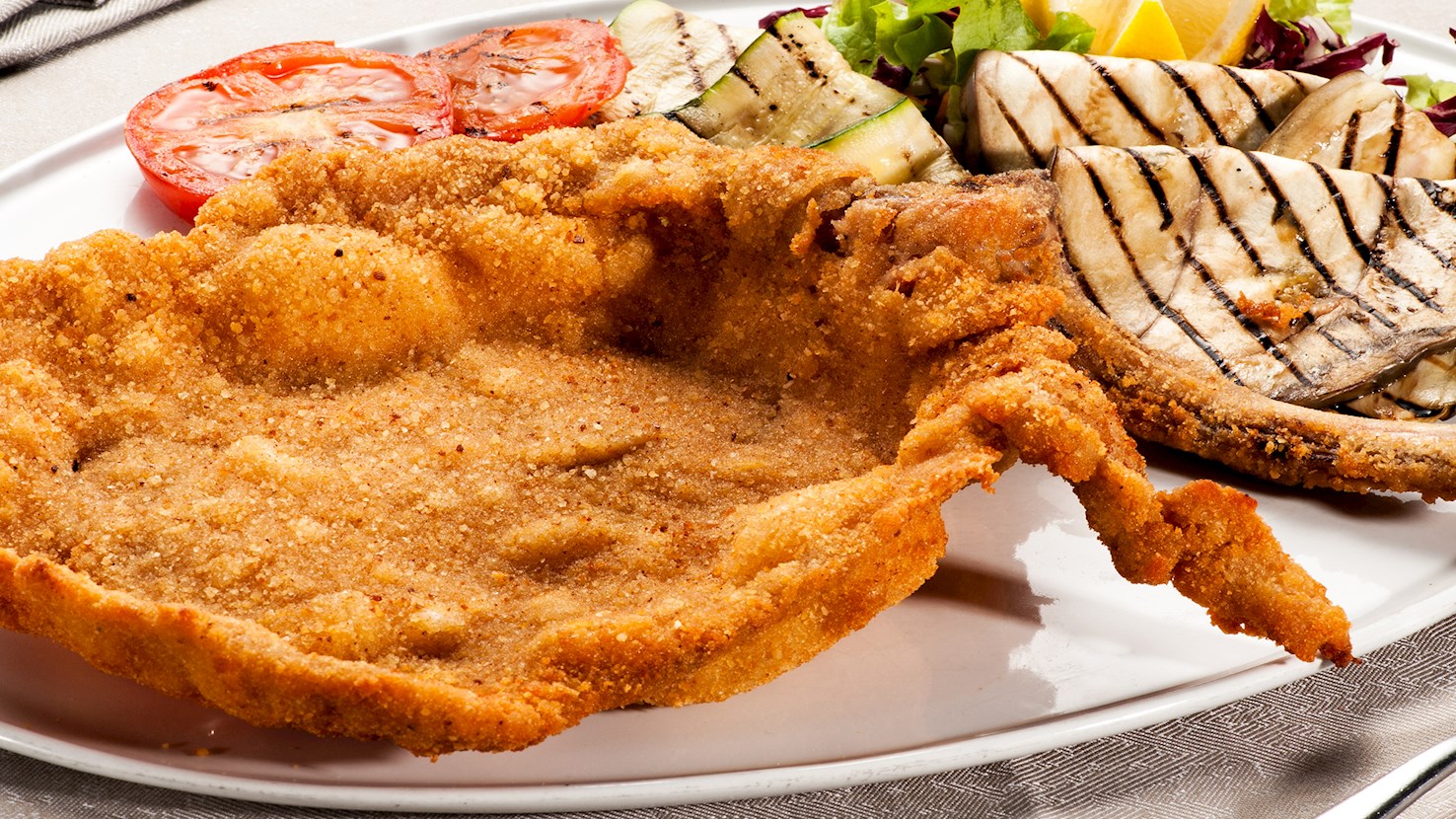
Just like its distant Viennese cousin, cotoletta alla Milanese is a thinly pounded, breaded, pan-fried veal cutlet. Although similar, the two dishes do differ slightly: the Viennese version is traditionally dipped in both flour and bread crumbs before being fried in oil, butter, or a combination of both, while the Milanese version is cooked bone-in and uses only bread crumbs and butter. It is often suggested that the similarities between these two culinary classics are not purely coincidental, as Milan was a part of the Austro-Hungarian Empire in the 17th and 18th century. However, when responding to any superficial comparison between the cotoletta and Wiener schnitzel, the Milanese will proudly point out that their dish has been a specialty of Milan and Lombardy since the 12th century. A recent Milanese invention is a version of the cotoletta called l’orecchia di elefante (lit. elephant's ear) in reference to its size and shape, while the original version gets its name from la costoletta - the cut of meat traditionally used to make it, a nearly inch-thick bone-in veal chop.

Read more
View all
View map
About this ranking

TasteAtlas food rankings are based on the ratings of the TasteAtlas audience, with a series of mechanisms that recognize real users and that ignore bot, nationalist or local patriotic ratings, and give additional value to the ratings of users that the system recognizes as knowledgeable. For the “Top 100 Italian Meat Dishes” list until June 15, 2026, 3,560 ratings were recorded, of which 2,769 were recognized by the system as legitimate. TasteAtlas Rankings should not be seen as the final global conclusion about food. Their purpose is to promote excellent local foods, instill pride in traditional dishes, and arouse curiosity about dishes you haven’t tried.

Similar lists