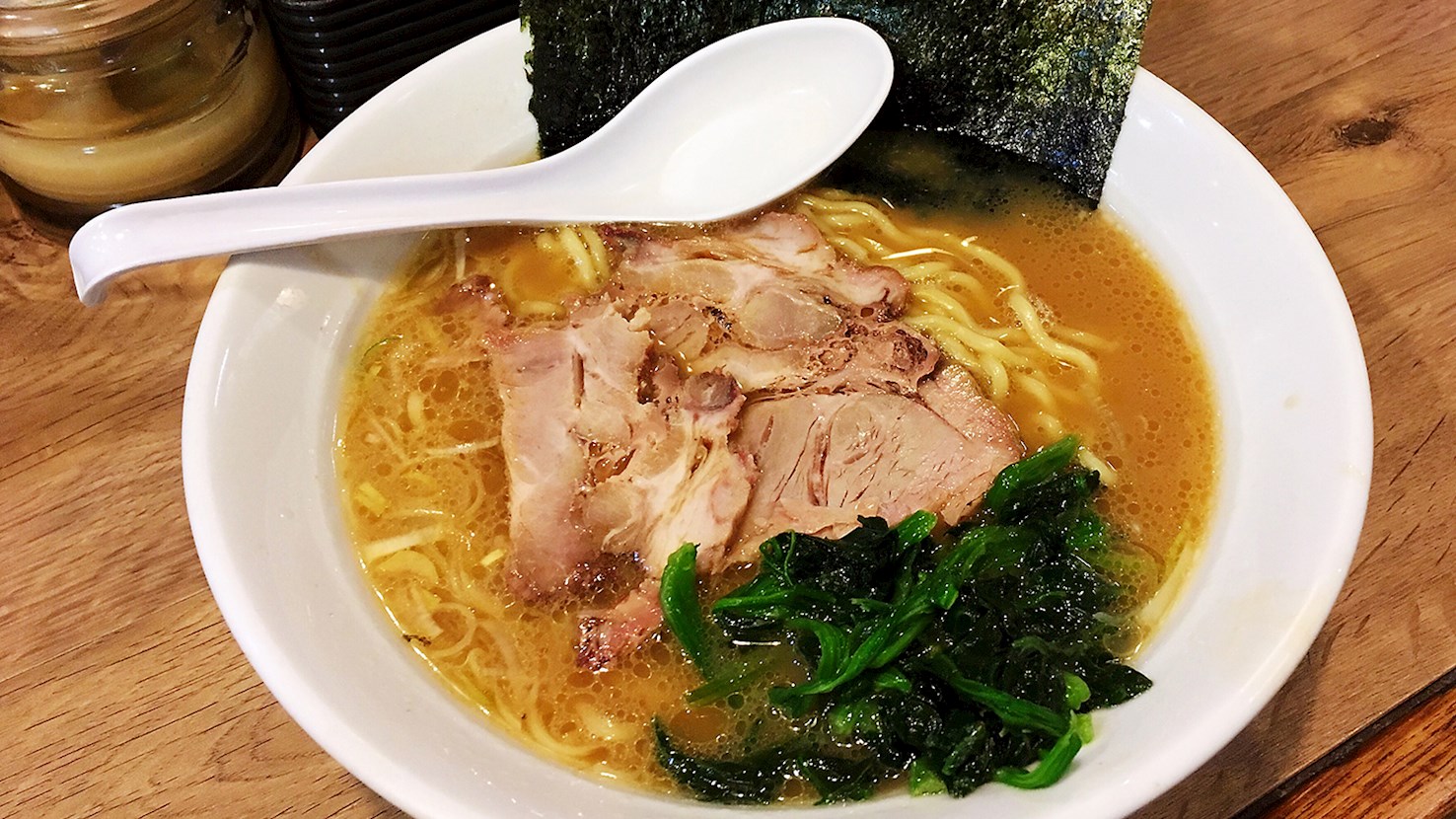
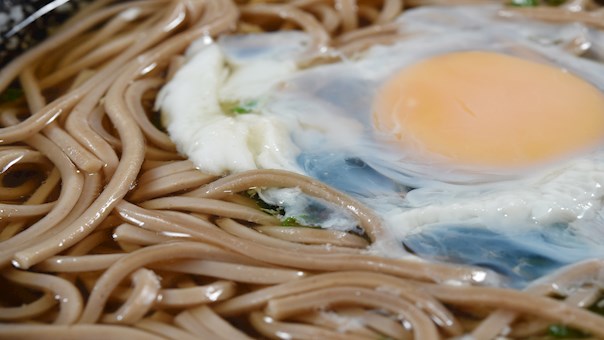
Yokohama-style ramen or iekei ramen is a Japanese type of ramen originating from the Yokohama area and dating back to 1974. The dish consists of thick noodles and a stock that's a mix of creamy tonkotsu (pork broth) and soy sauce. The toppings include chashu pork, chopped seaweed, leeks, and spinach. There are also optional toppings and condiments such as minced garlic, sesame, preserved vegetables, and black pepper. The name of the dish means home-style ramen, and it was created by a former truck driver called Mr. Yoshimura, who'd opened his own ramen shop in 1974.
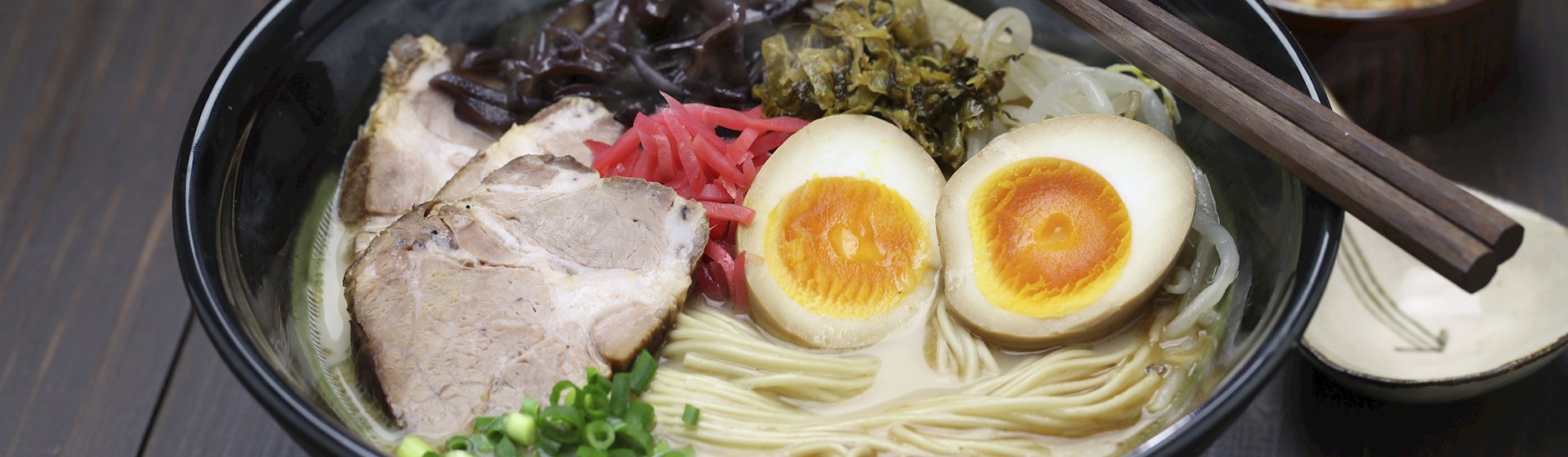
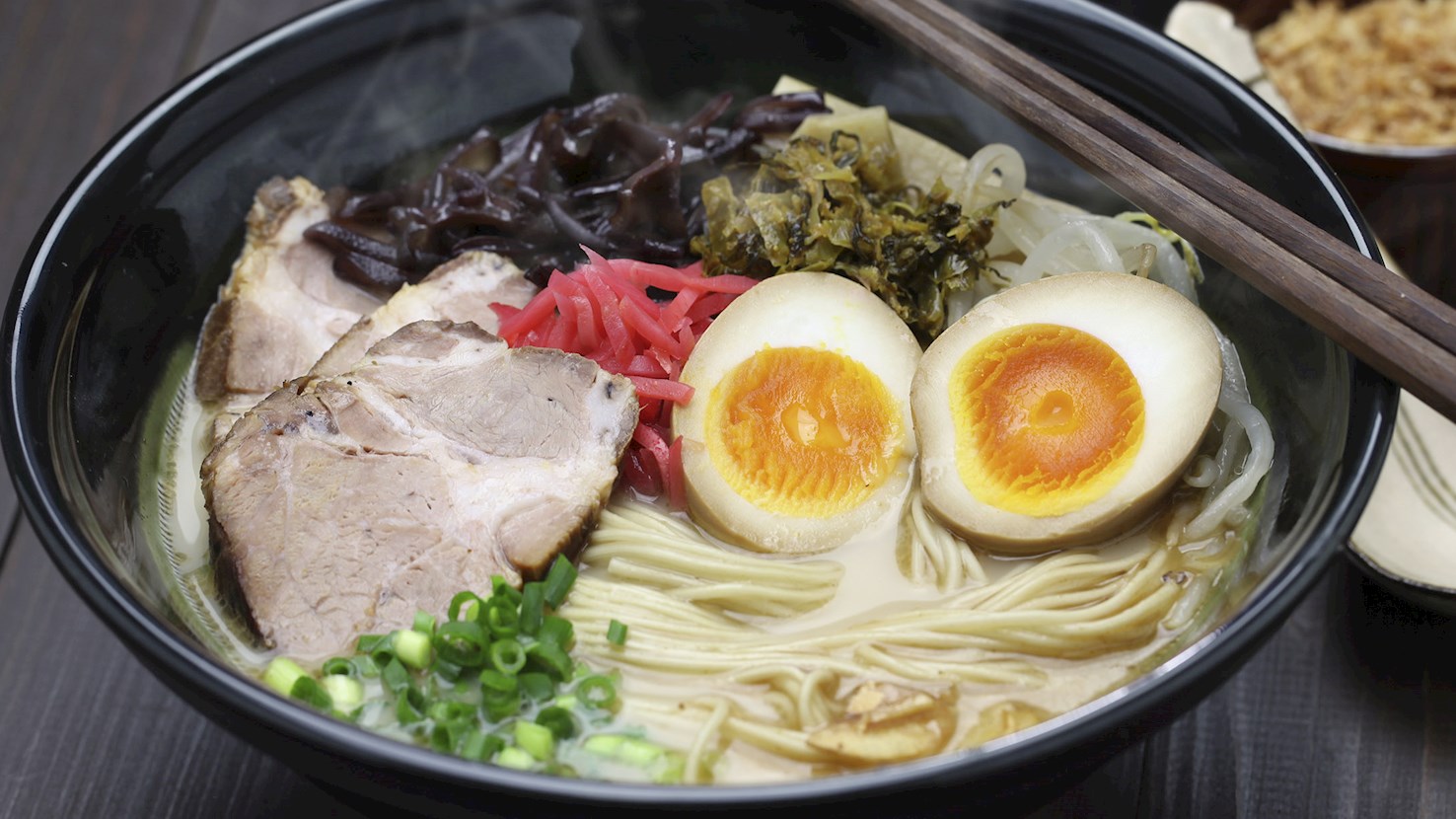
Tonkotsu is a unique style of ramen consisting of an extremely rich, fatty pork broth, fresh noodles, soft-yolk eggs, and tender pork belly that melts in the mouth. It is so popular and special that it could be a dish of its own, not just a ramen style. The ramen is usually topped with scallions for brightness and vibrancy, bamboo shoots for a crunchy, nutty flavor, nori seaweed for crispness, and sweet corn for an even better flavor. The rich broth is developed by cooking the pork bones for a very long time, until the collagen and fat dissolve, resulting in a unique, creamy texture of the dish. In recent years, it has been quite trendy to add some mayu (burnt sesame or garlic oil) to the dish, giving it an even richer, bolder flavor.
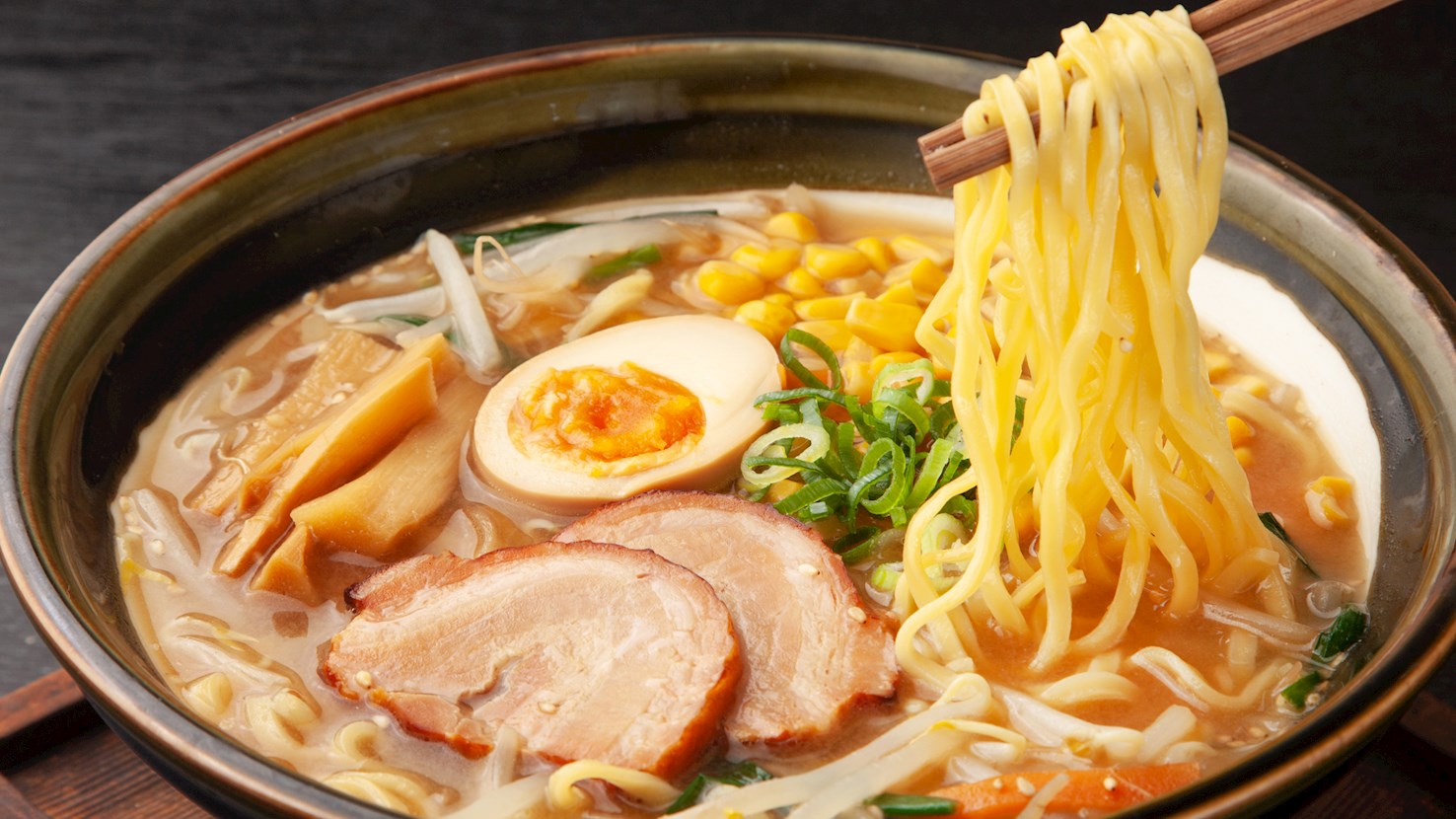
Miso ramen is a flavorful dish made by cooking the miso base, broth, and vegetables in a wok. The concoction is then topped with bean sprouts, chopped pork, garlic, sweet corn, and (sometimes) local seafood such as crabs, scallops, and squids. The dish was invented in 1955 in Sapporo, when a customer in Aji no Sanpei noodle house asked the chef to put noodles in his pork and miso soup. In the 1960s, miso ramen's popularity had skyrocketed, and Sapporo still remains a paradise for ramen lovers, taking pride in its Ramen Alley, with over a dozen ramen shops scattered through the street.
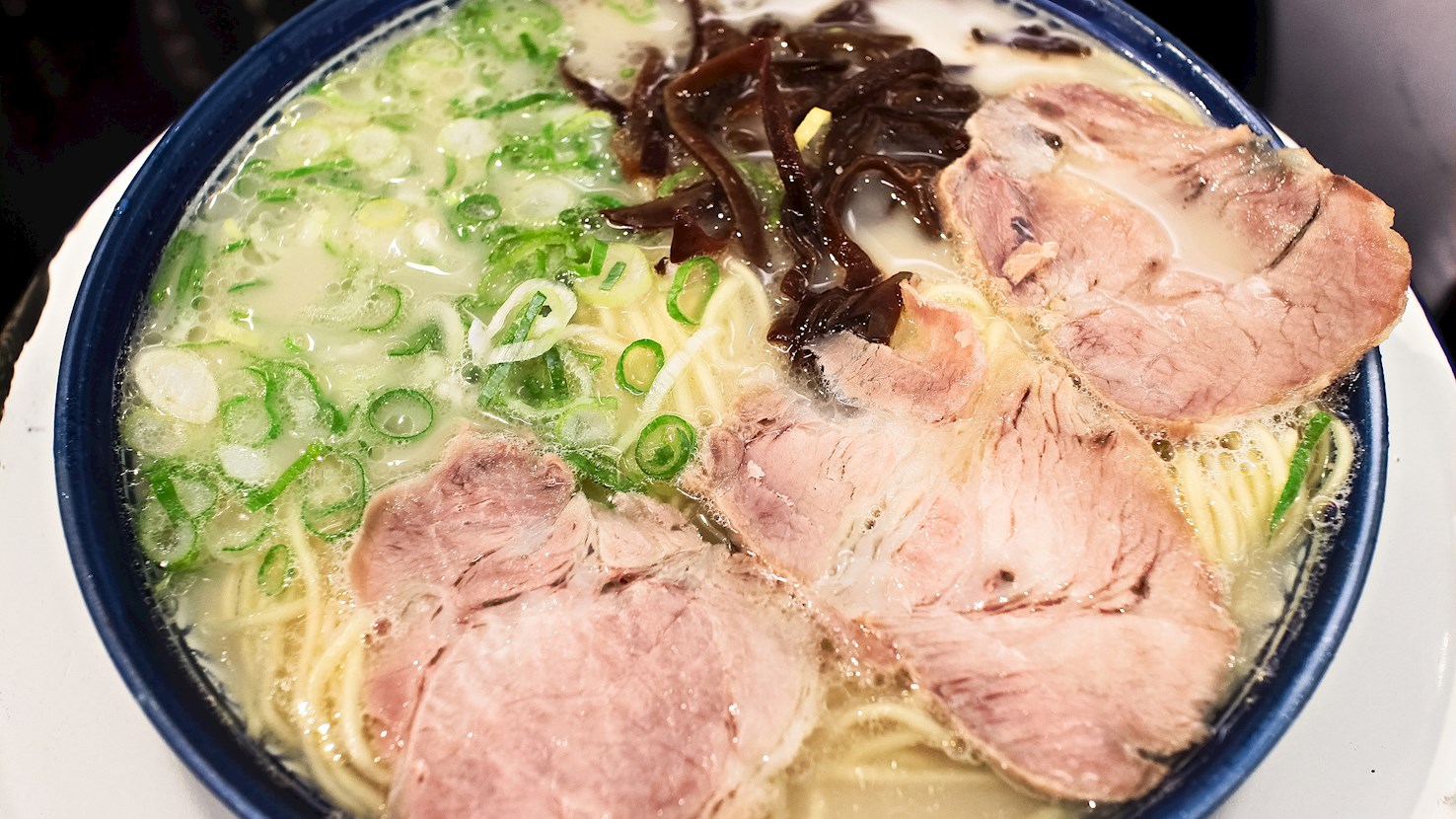
Hailing from Fukuoka, hakata is one of the most famous ramen variety in Japan. The base of the ramen is tonkotsu (which is why it is sometimes, especially in Fukoaka, refered to as tonkotsu ramen, although there are various other regional varieties of tonkotsu ramen), the creamy pork bone broth which gives the dish its incredibly rich and layered taste. It is often only seasoned with shio (salt), and occasionally with shoyu (soy sauce) and miso (fermented soybean) paste. Hakata ramen is typically served with ultra-thin, straight, and firm wheat noodles, though it’s possible to choose the firmness of the noodles according to individual preferences. Although thin slices of chashu pork and chopped green onions are the most common, other typical additions to the broth include spicy mustard greens, ramen eggs, wood ear mushrooms, beni shōga (pickled ginger root), garlic, bean sprouts, mayu, and crushed sesame seeds. This ramen variety derives its name from the former port city and merchant quarter of Hakata, which, in 1889, was merged with the castle town of Fukuoka into one city that came to be known as Fukuoka city.
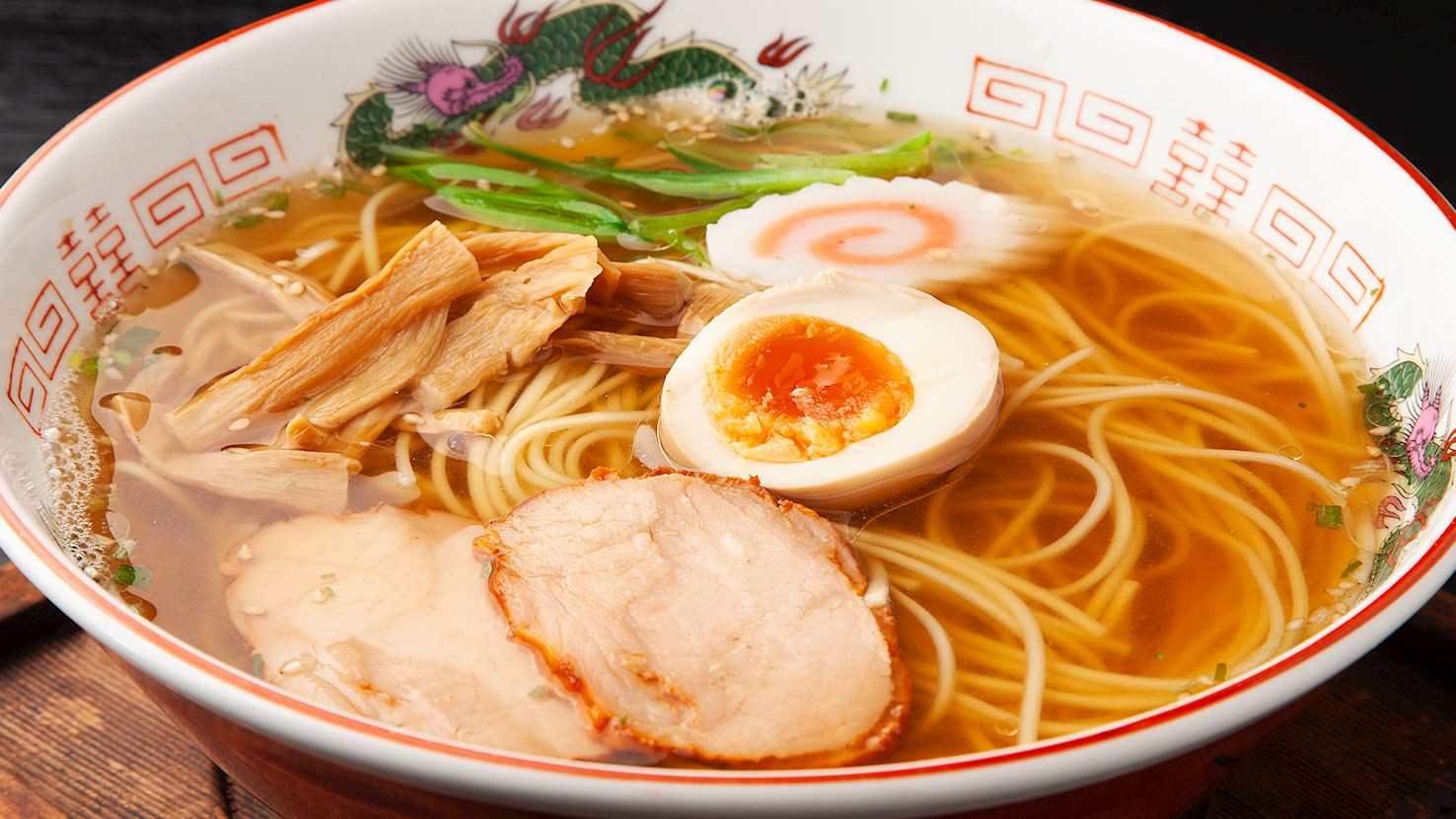
The soy sauce based shoyu ramen is one of the four major groups of ramen - noodle dishes praised for their exquisite flavors. Noodles, broth, and various toppings are the three essential elements in every bowl of ramen. The dark and salty soup is what distinguishes shoyu from other varieties. It usually employs meat or seafood broth, which is mixed with a fragrant combination of kombu stock and soy sauce. Fresh curly wheat noodles are typically used in shoyu ramen. Cooked separately, they are served in a bowl and doused in the rich broth. Standard condiments served on top of ramen are most commonly slices of braised pork, bamboo shoots, fish cakes, onions, and quartered boiled eggs. The beauty of ramen dishes is that they are easily adaptable, and many different toppings can be added according to personal preferences. It is still not clear whether ramen was invented in Japan or China, but due to the usage of wheat noodles and soy sauce, it has certainly been influenced by the Chinese culinary traditions. Shoyu ramen is usually associated with Tokyo, and it is believed that it was one of the first ramen varieties. The best way to consume shoyu ramen is immediately after it has been prepared.
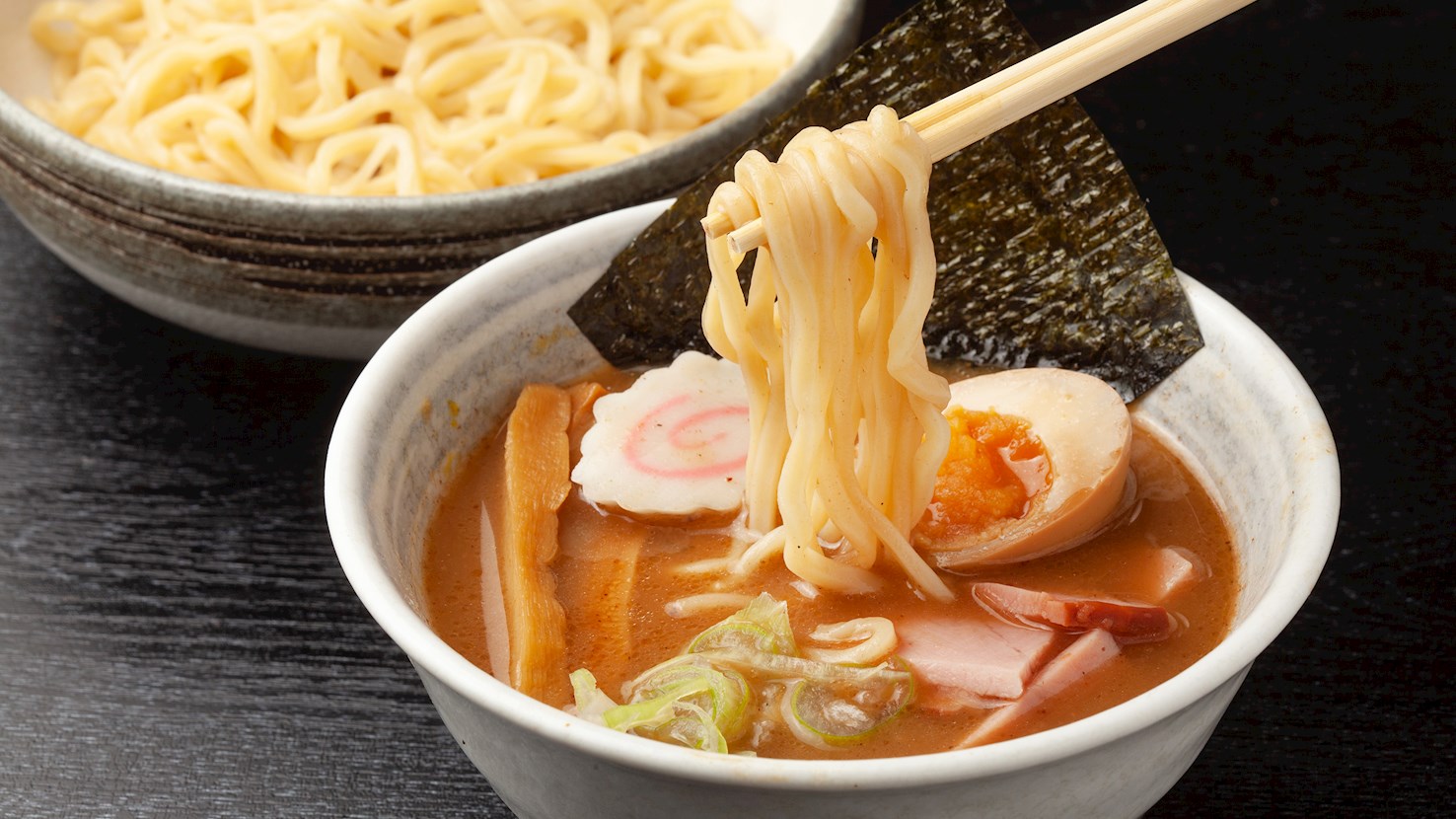
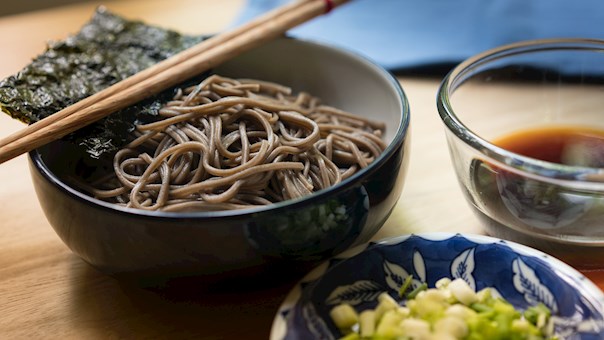
Tsukemen is a noodle dish from Japan that is eaten in a unique way. Cold noodles are dipped in the accompanying soup, broth, or sauce, which are served hot in a separate bowl. The noodles can also be dipped in vinegar or spiced up with chili sauce before consumption. Unlike ramen, where the boiled noodles are placed in the soup bowl, tsukemen is characterized by first washing the noodles with water, which stops them from expanding. It is said that tsukemen is ideal for summer because it provides the wonderful flavors of ramen without the extra heat. The dish was invented in 1955 by Yamagishi Kazuo, a chef at Taishoken Ramen Restaurant, who discovered it when he ate the noodles with the leftover broth and soy sauce. With a few tweaks, he placed the dish on the menu and called it Tokusei Morisoba, and ever since then, the dish gained popularity. Today, it is a standard menu item in most ramen restaurants with a wide variety of broth bases, such as tomato or miso.
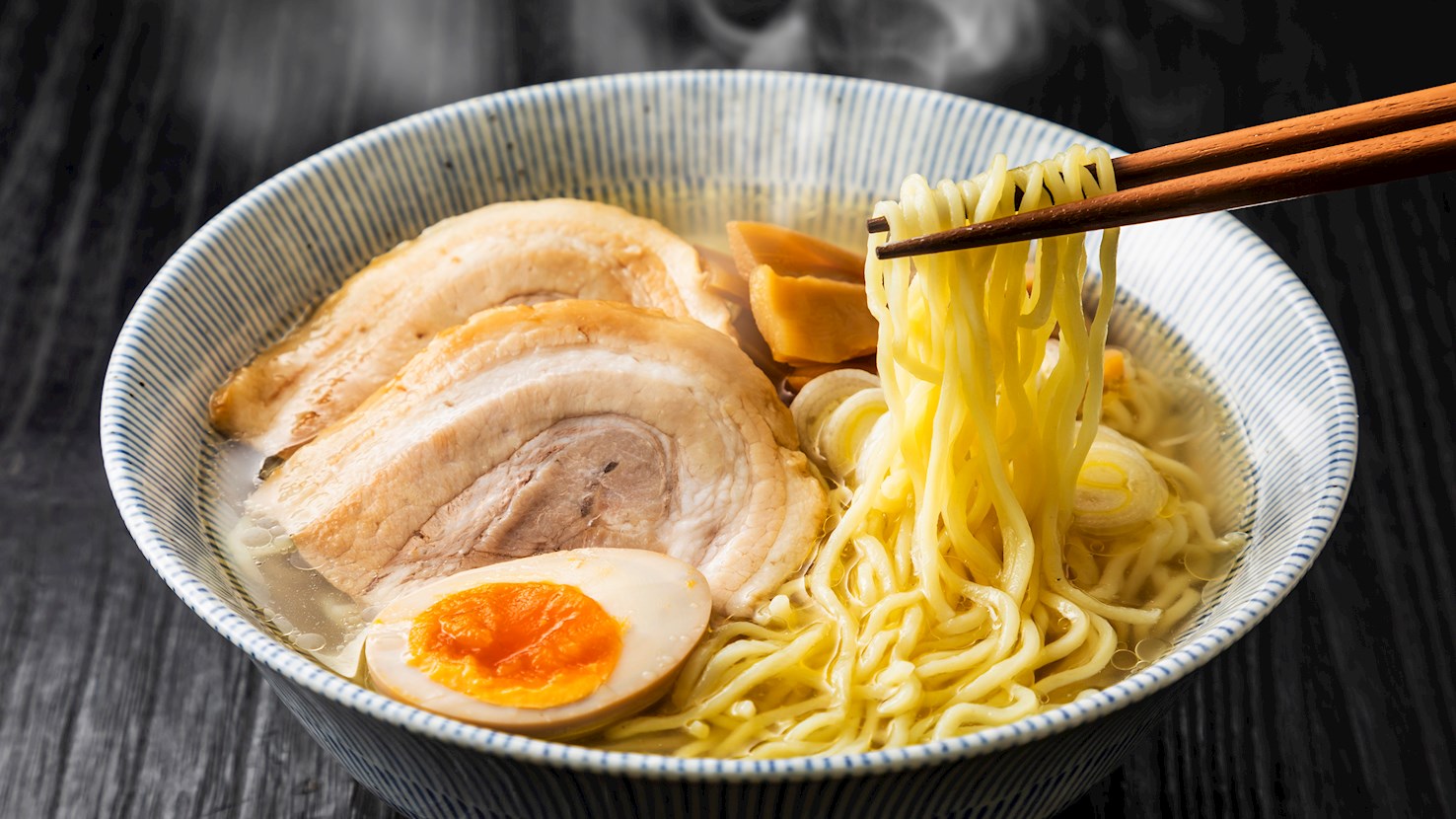
Shio ramen is a Japanese noodle soup defined not by its foundational broth, but by its exceptionally light, salt-based seasoning (tare). Originating in the northern coastal city of Hakodate, the most traditional and historically significant version of this dish features a brilliantly clear, golden chintan stock carefully simmered from chicken carcasses, kelp, and dried seafood. Because this pristine liquid remains free of emulsified fats and heavy soy or miso pastes, it demands high-quality, harmonious accompaniments—typically thin, straight wheat noodles, lean roasted pork (chashu), bamboo shoots (menma), and a signature cured fish cake (narutomaki). However, because the simple salt seasoning acts as a transparent culinary canvas, shio ramen has evolved far beyond its Hakodate roots, allowing chefs across the country to highlight distinct regional ingredients. In Tokyo, a modern, high-end evolution known as tanrei (refined) dominates the contemporary scene, utilizing pedigree local chickens, premium shellfish like clams, and complex blends of artisanal sea salts to create an ultra-elegant, crystal-clear soup. Further south in the coastal areas of Kyushu, artisans build their shio broths using ago dashi (roasted flying fish) or sardines, producing a sharp, mineral, and highly oceanic flavor profile. Even the beloved Okinawa soba—while technically utilizing a different alkaline dough—operates much like a classic regional shio, relying on a comforting, transparent blend of slow-cooked pork bones, bonito flakes, and local island sea salt.
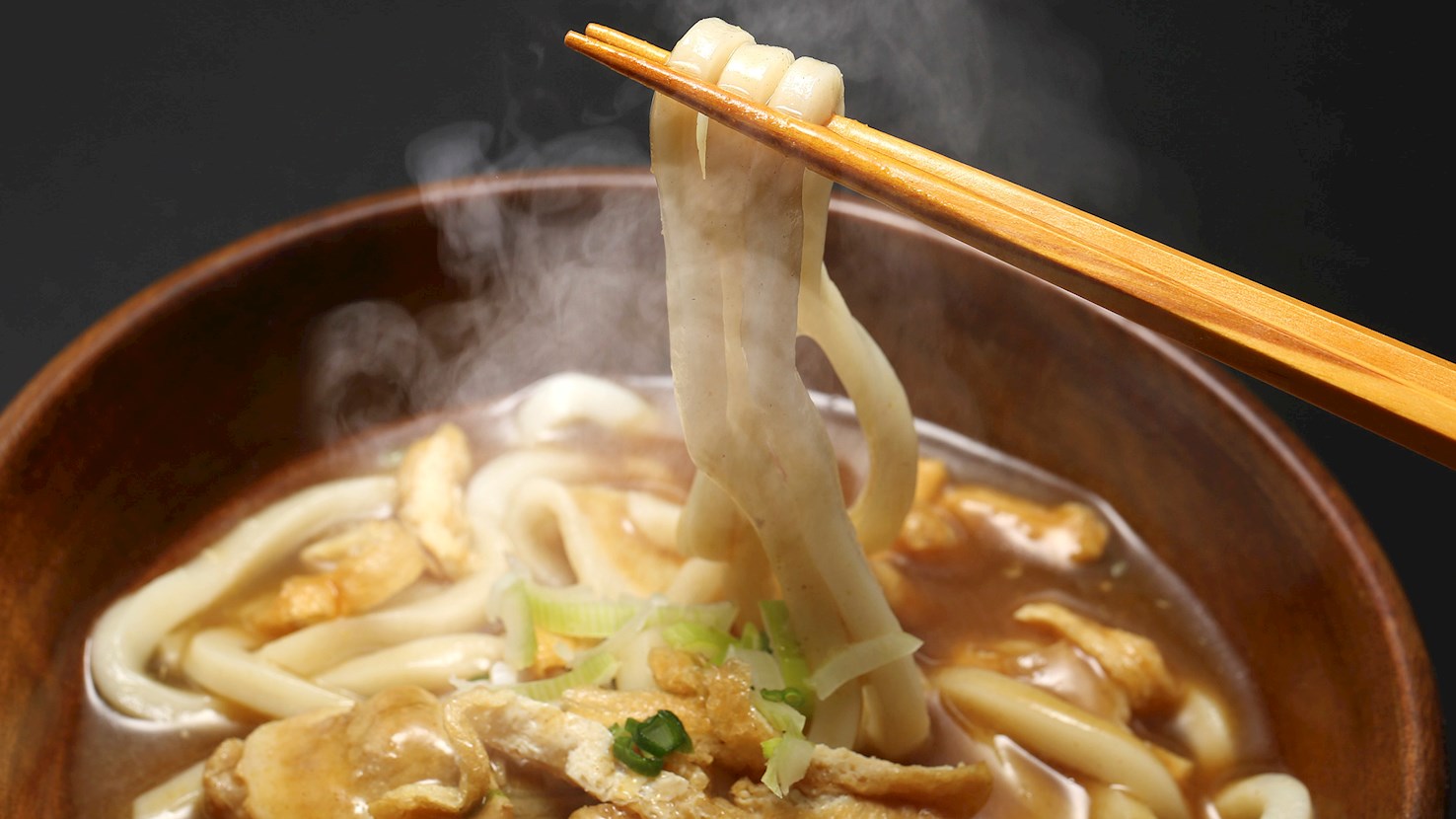
Curry udon consists of thick Japanese noodles made from wheat flour, served in a bowl of Japanese curry. Since it is a warming dish, curry udon is extremely popular during winter, and because things can get quite messy while consuming it, some curry udon restaurants offer disposable dibs to customers. The dish can vary in levels of spiciness - from mild to hot, depending on the curry. One of the most popular toppings for the dish is Shabu Shabu meat, thinly sliced so that it combines extremely well with the thick and chewy udon noodles.
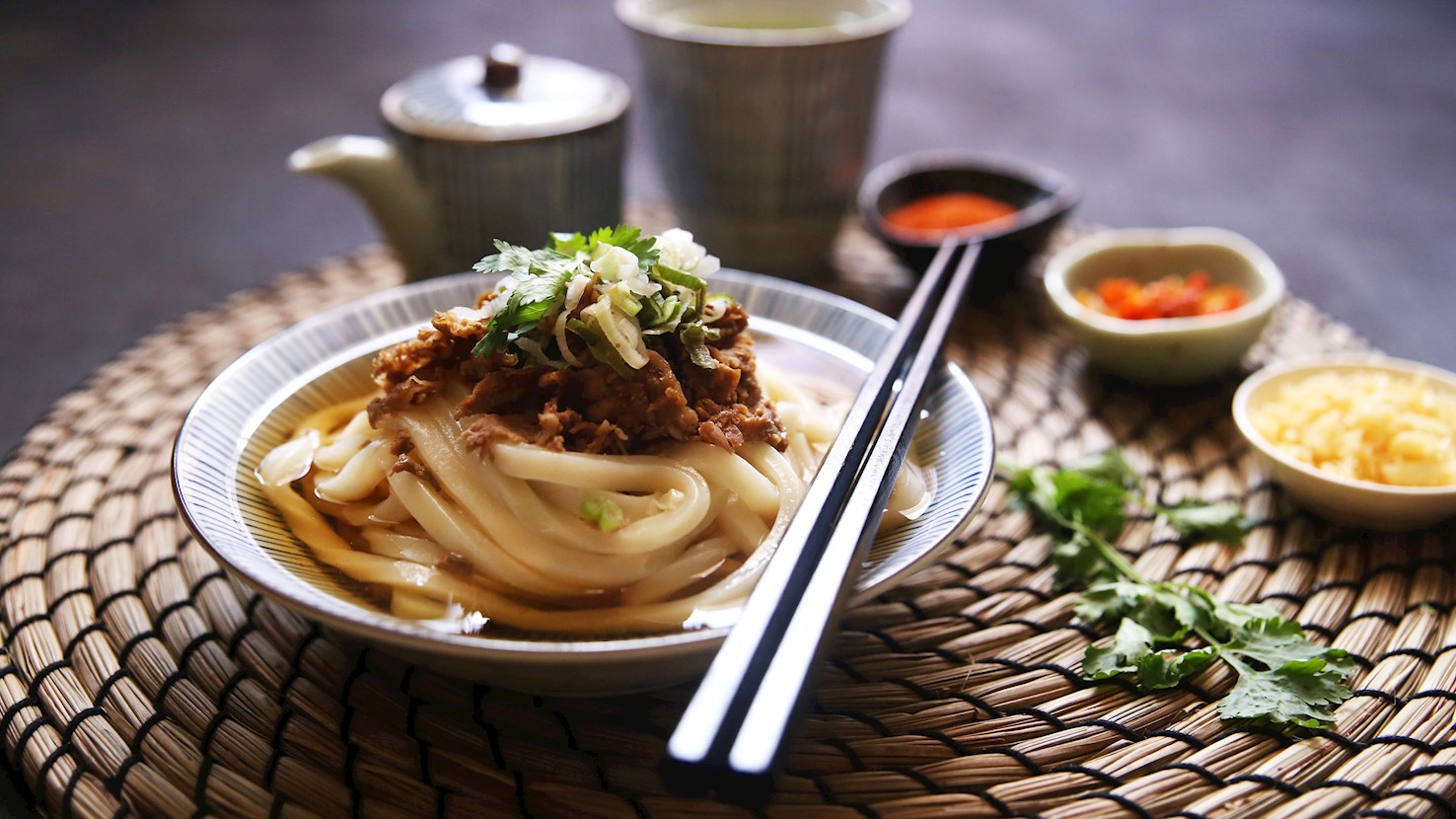
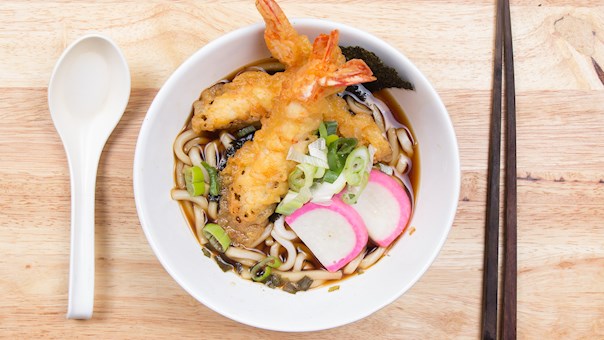
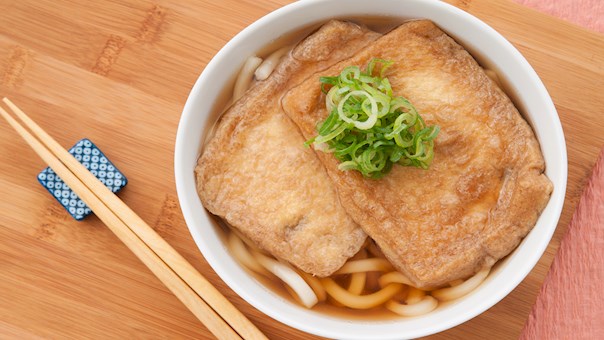
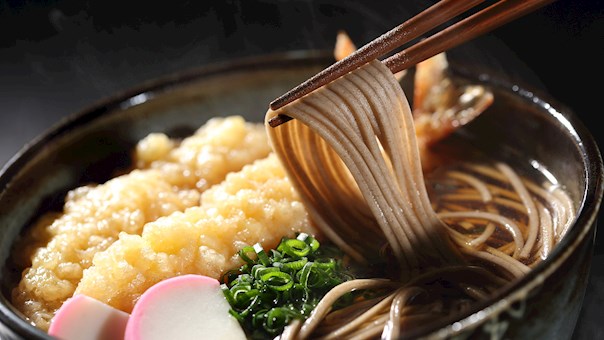
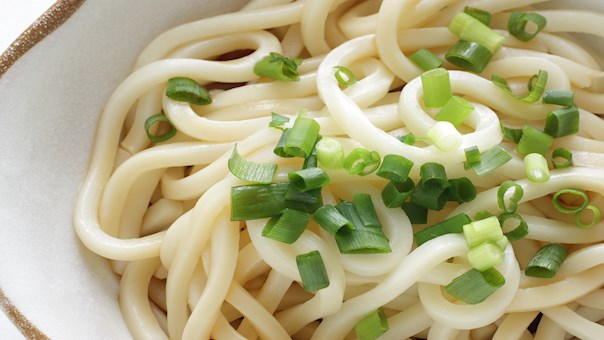
Udon are thick and chewy Japanese noodles made from wheat flour. The noodles are round in shape and they have a firm and chewy texture. In their simplest form, udon noodles are served in kake udon, a noodle soup with a broth made with soy sauce, dashi, and mirin. Although kake udon is served hot, the noodles can also be served in a cold broth, usually during the warmer seasons. The toppings for udon are also seasonal, and they include tempura-battered vegetables, shrimps, sliced spring onions, fried tofu, or rice cakes. When served, udon noodles are picked up with chopsticks, then slurped down loudly. Udon dishes can be found in specialized udon-ya restaurants, buffet-style restaurants, and local eateries. There are numerous regional varieties of these noodles, which differ in size and thickness.
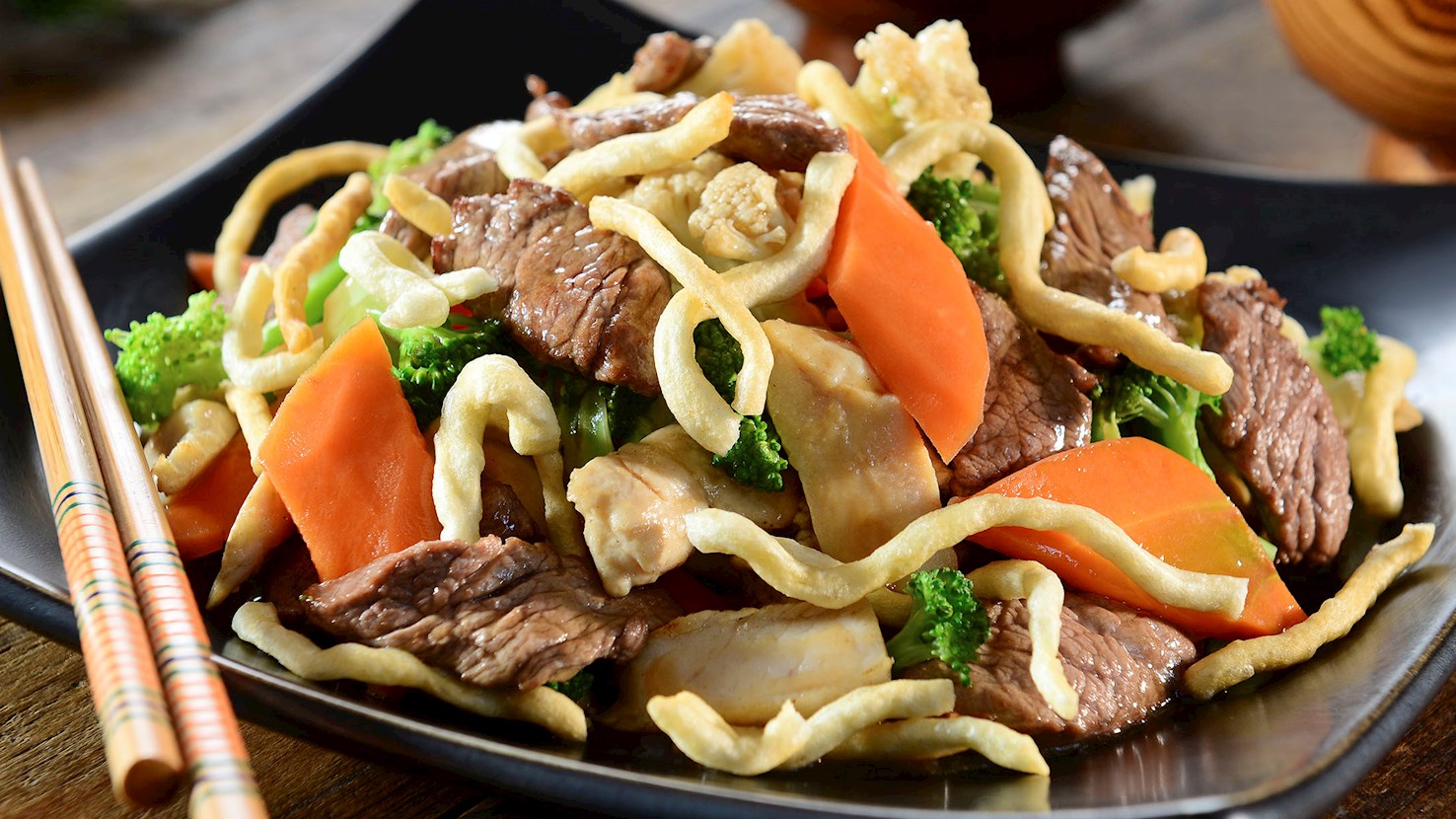
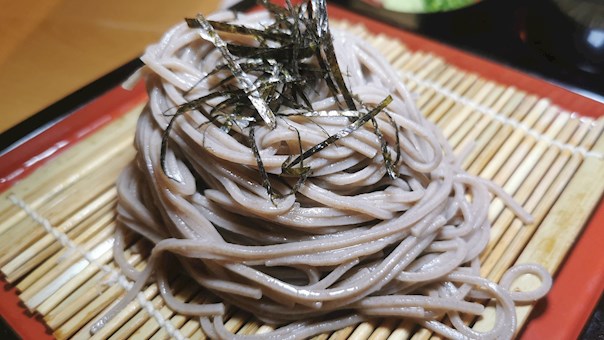
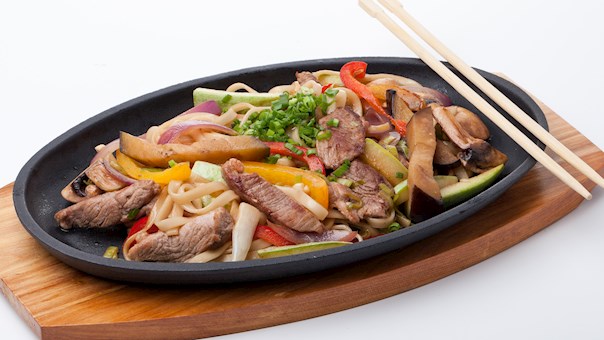
Yakisoba is the Japanese variety of fried noodles. Originating from the Chinese chow main, these noodles are usually mixed with a variety of meat and vegetables. Japanese favorites are usually pork, cabbage, onions, and carrots. The most common noodle varieties used in the dish are ramen noodles (made with wheat flour) or soba noodles (made with buckwheat). Although soba noodles did give the name to the dish, the ramen variety is still the most common type used in yakisoba. When the meat and vegetables are stir-fried, and the noodles are fully cooked, a special yakisoba sauce, similar to the thick Worcestershire sauce, is added to complete the dish. Yakisoba noodles are eaten everywhere in Japan, they can be found in restaurants or at traditional food stands, but they are also commonly prepared at home. There are numerous varieties of yakisoba noodles in Japan, and every restaurant, seller, or family has their signature yakisoba recipe. Typically, the noodles are served on a plate alongside different condiments such as fish flakes, mayonnaise, pickled ginger, and ground seaweed. Occasionally, they come in sandwich form, when they are served in a special bun and garnished with pickled ginger and special Japanese mayonnaise.
TasteAtlas food rankings are based on the ratings of the TasteAtlas audience, with a series of mechanisms that recognize real users and that ignore bot,
nationalist or local patriotic ratings, and give additional value to the ratings of users that the system recognizes as knowledgeable.
For the “Top 83 Japanese Noodle Dishes” list until May 15, 2026, 5,657 ratings were recorded, of which 4,836 were recognized by the system as legitimate.
TasteAtlas Rankings should not be seen as the final global conclusion about food. Their purpose is to promote excellent local foods,
instill pride in traditional dishes, and arouse curiosity about dishes you haven’t tried.