Top 100 French Red Wines

Last updated on June 10, 2026

Best French Red Wine Types
01

Burgundy

4.2 ·

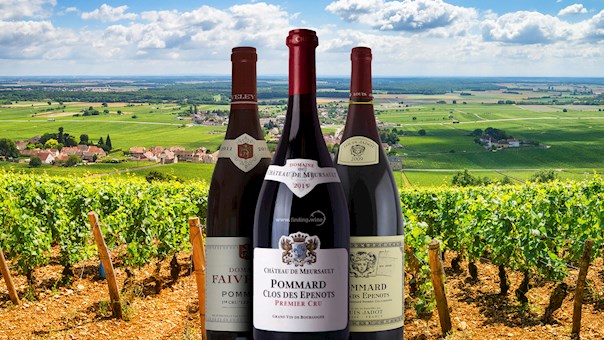
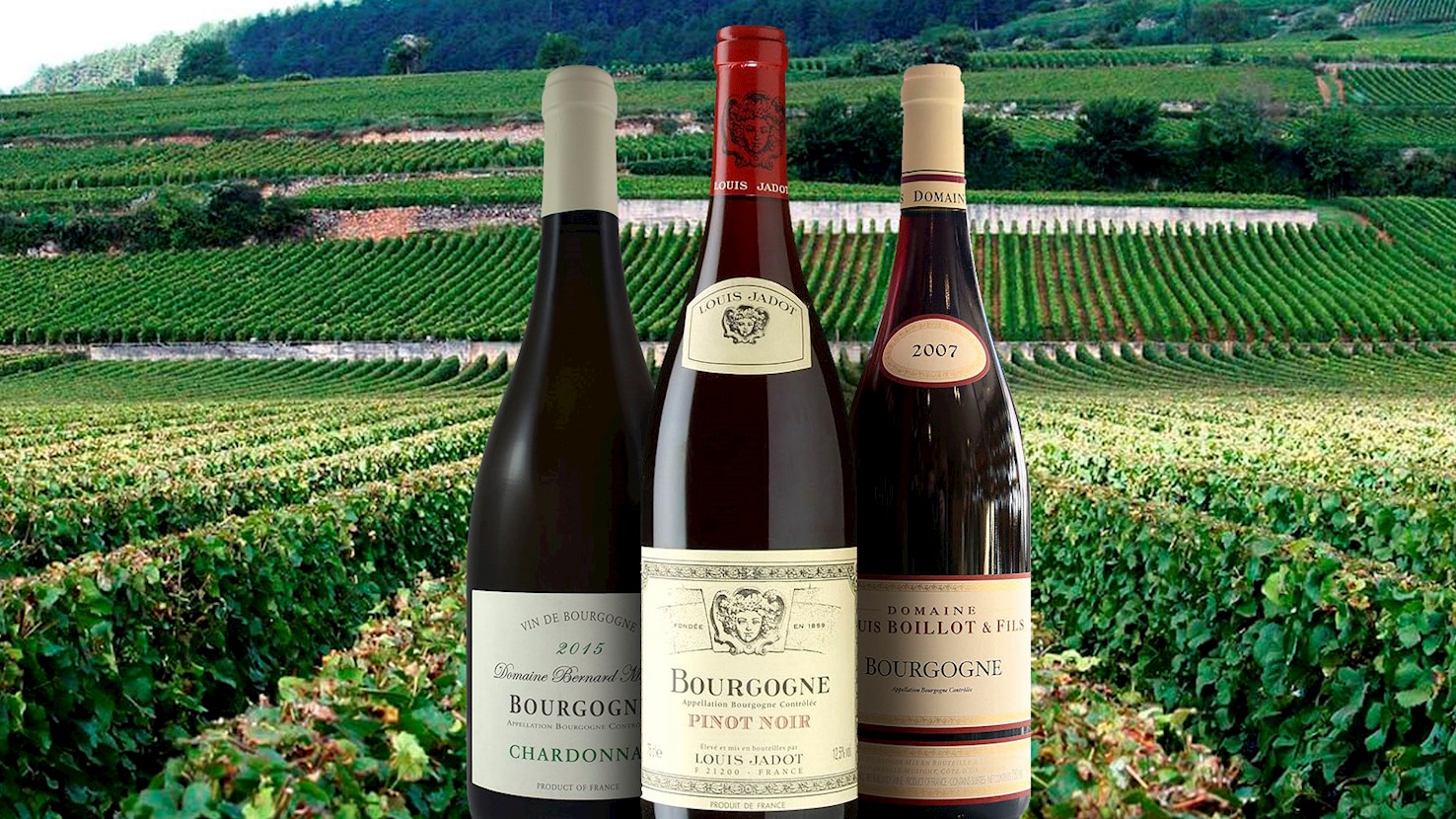
Burgundy is a world-famous French wine region that produces some of the best and most expensive wines in the world. Located in the east-central part of France, the area is dominated by Pinot Noir and Chardonnay. Other red and white grapes such as Aligoté, Pinot Gris, or Gamay are also used, but on a much lower scale. Burgundy has more than 100 approved wine-growing areas, all regulated by a complex quality system that divides the region into grand cru, premier cru, village wines, and regional appellations. The wines are greatly influenced by terroir and show great diversity in flavors and aromas. Most Burgundy reds display complex and layered aromas of fresh fruit and spices, along with earthy notes of leather, truffle, or mushrooms. Older examples tend to develop juicier expressions of cooked fruit or jam. White wines are characterized by floral, fruity, and buttery aromas, which are often complemented by citrus or honey-like notes. Because of their diversity, white and red Burgundy wines can pair with a wide variety of dishes, including appetizers, charcuterie, meat or fish-based main courses, desserts, and regional cheese varieties.

02

Saint-Émilion

4.1 ·

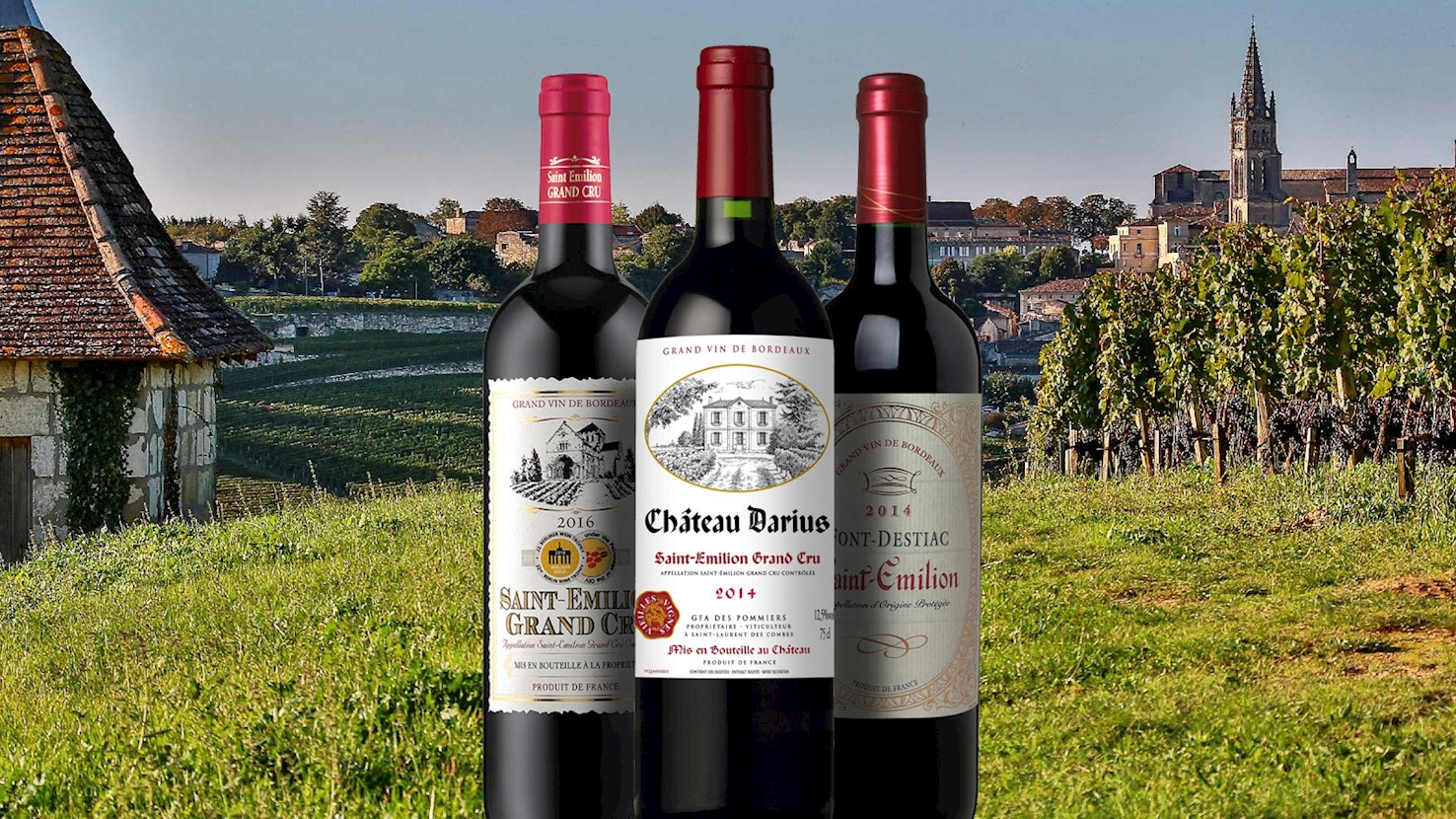
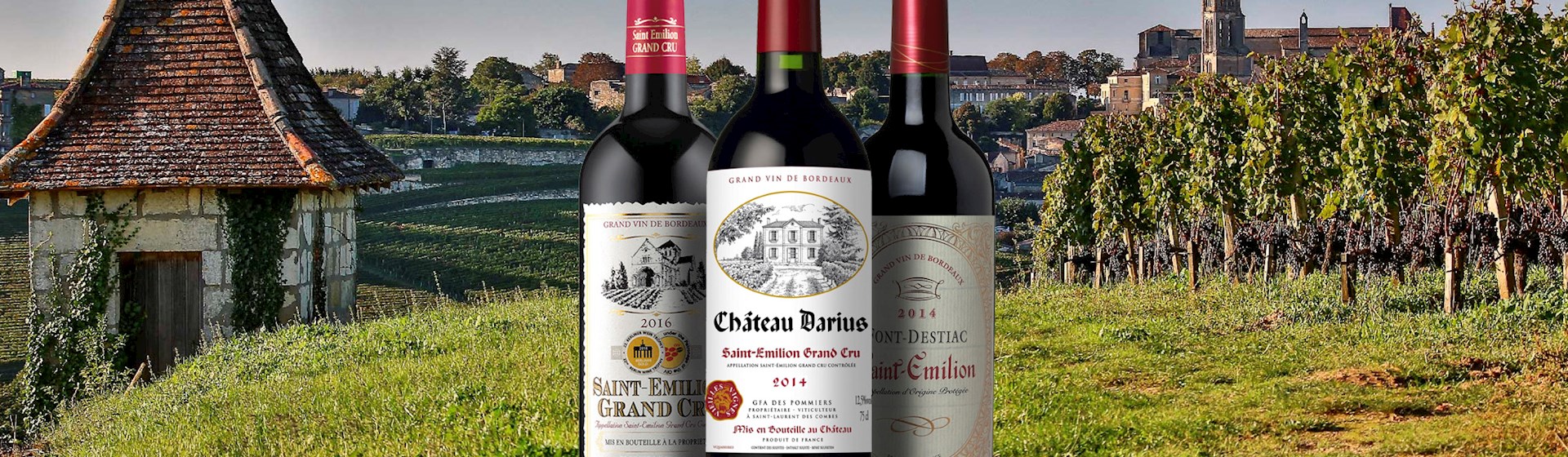
Saint-Émilion is one of the most exceptional appellations in Boudreaux. It is located on the right bank in the Libourne wine region of Bordeaux. Although classic Bordeaux varieties such as Cabernet Sauvignon, Carménère, Petit Verdot and Malbec can be used in their production, Saint-Émilion wines are mostly made from Merlot and Cabernet Franc. Often described as approachable and soft, these wines are characterized by powerful aromas of fresh fruit, primarily red berries, which are often accompanied by nuances of spices, cedar, pine, and cocoa. With age, the tannins soften, and the wines tend to evolve aromas of truffles and undergrowth. Saint-Émilion wines are age-worthy and are usually aged for at least ten years, while the best examples can be kept for over thirty years. The style of these wines is best paired with charcuterie, beef, game, and flavorful cheese varieties.

03

Bordeaux

4.1 ·

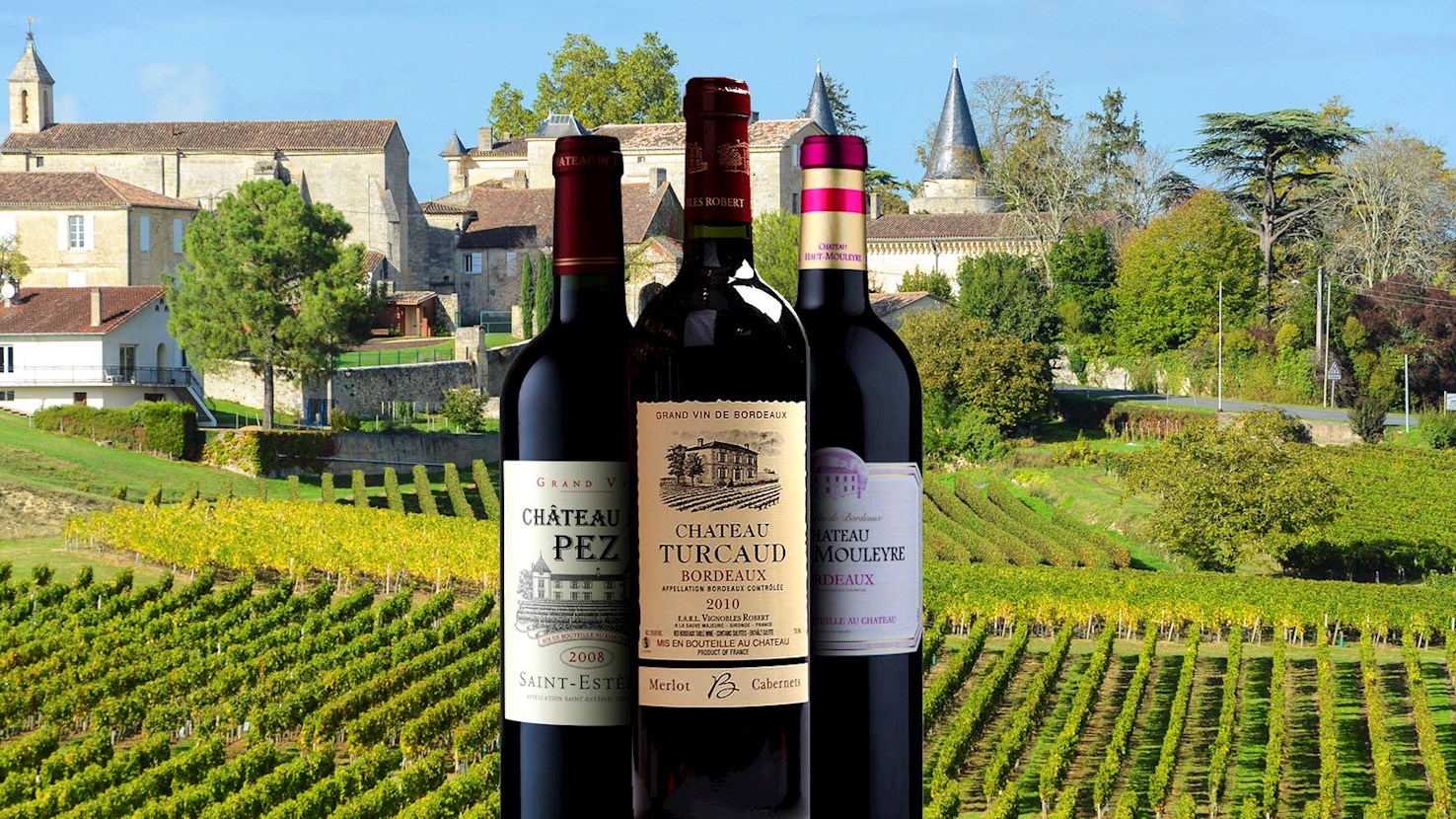
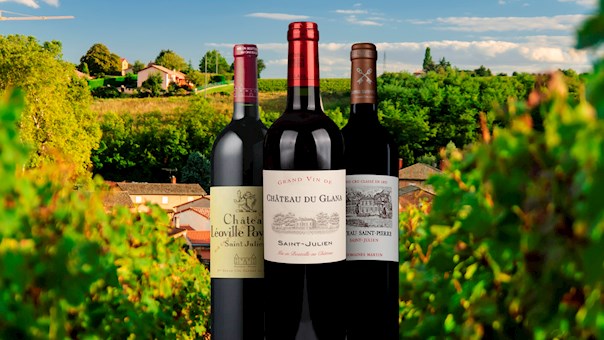
Bordeaux region is the largest wine growing area in France that comprises of more than fifty different appellations. Bordeaux wines can range from massively produced everyday table wines to prestigious and expensive vintages. The predominant style is red, but the region also produces sweet and dry whites, rosés and sparkling wines. Red Bordeaux wines are mostly produced from Cabernet Sauvignon, Cabernet Franc, Petit Verdot, Merlot, Malbec, or occasionally Carménère. They are soft, elegant and silky, with aromas of dark fruit, truffles, spices, smoke, tar, and leather. Because they are typically medium to full-bodied, they perfectly pair with patés and terrines, grilled meat, roast beef, game pies, and goat and sheep cheese. Older vintages of the wine pair well with dishes that include mushrooms, truffles, hard cheese, or game. White Bordeaux styles are mostly produced from Sémillon, Sauvignon Blanc, and Muscadelle. They are predominantly light, with floral, fruit, and citrus aromas, and pair well with seafood, vegetables, pasta, and risottos.

04

Syrah

4 ·

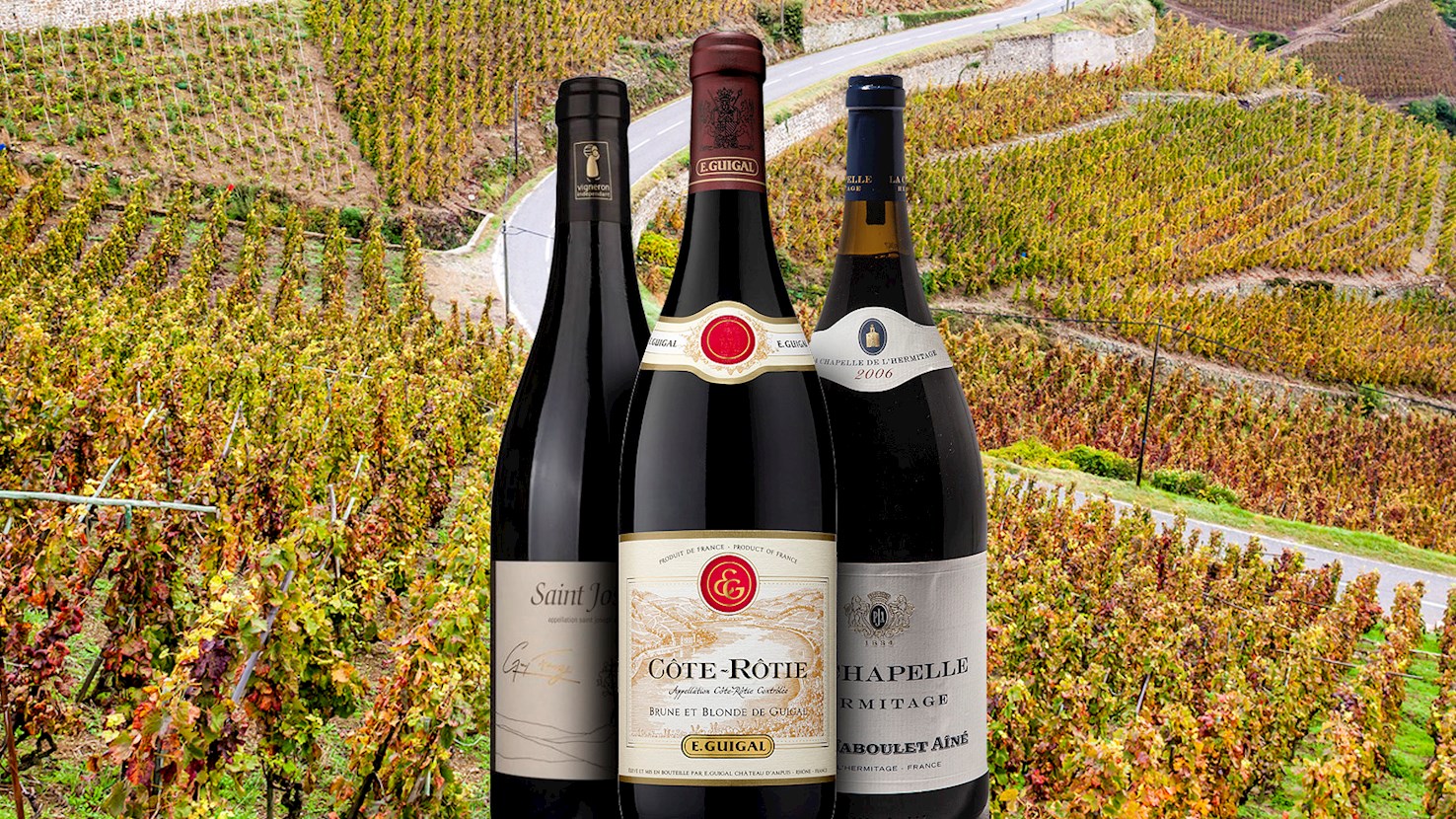
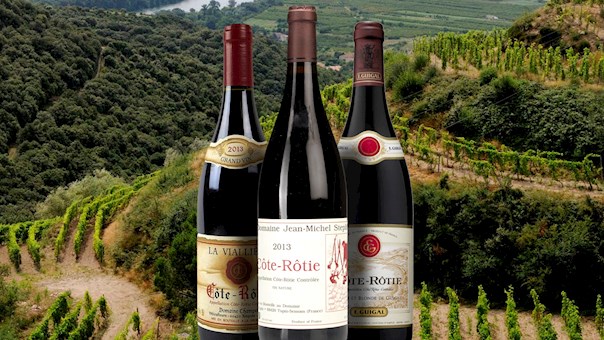
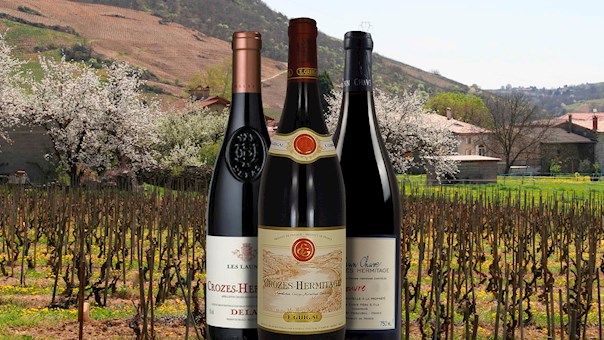
Although Syrah is an internationally known grape that is planted worldwide, it attains distinctive character in northern Rhône—which is often dubbed as Mecca for Syrah. There are several theories about the origin of the grape, but it has been widely accepted that Syrah is native to France and that it probably originated somewhere in the Rhône valley. Syrah-based wines from northern Rhône often differ in style, but they are powerful, full-bodied reds that can age exceptionally well. They usually display aromas of dark fruit that evolve into peppery, earthy, and herbaceous nuances. Northern Rhône is also home to the premier Syrah-based appellations such as Côte Rôtie, Hermitage, Saint-Joseph, Crozes-Hermitage, and Cornas. In the southern Rhône, Syrah is mostly used as an addition to the dominant Grenache. Syrah-based wines generally pair well with grilled or braised meat, stews, and game. Traditionally, French appellations do not include the name of the grape on the label.

05

Cahors

4 ·

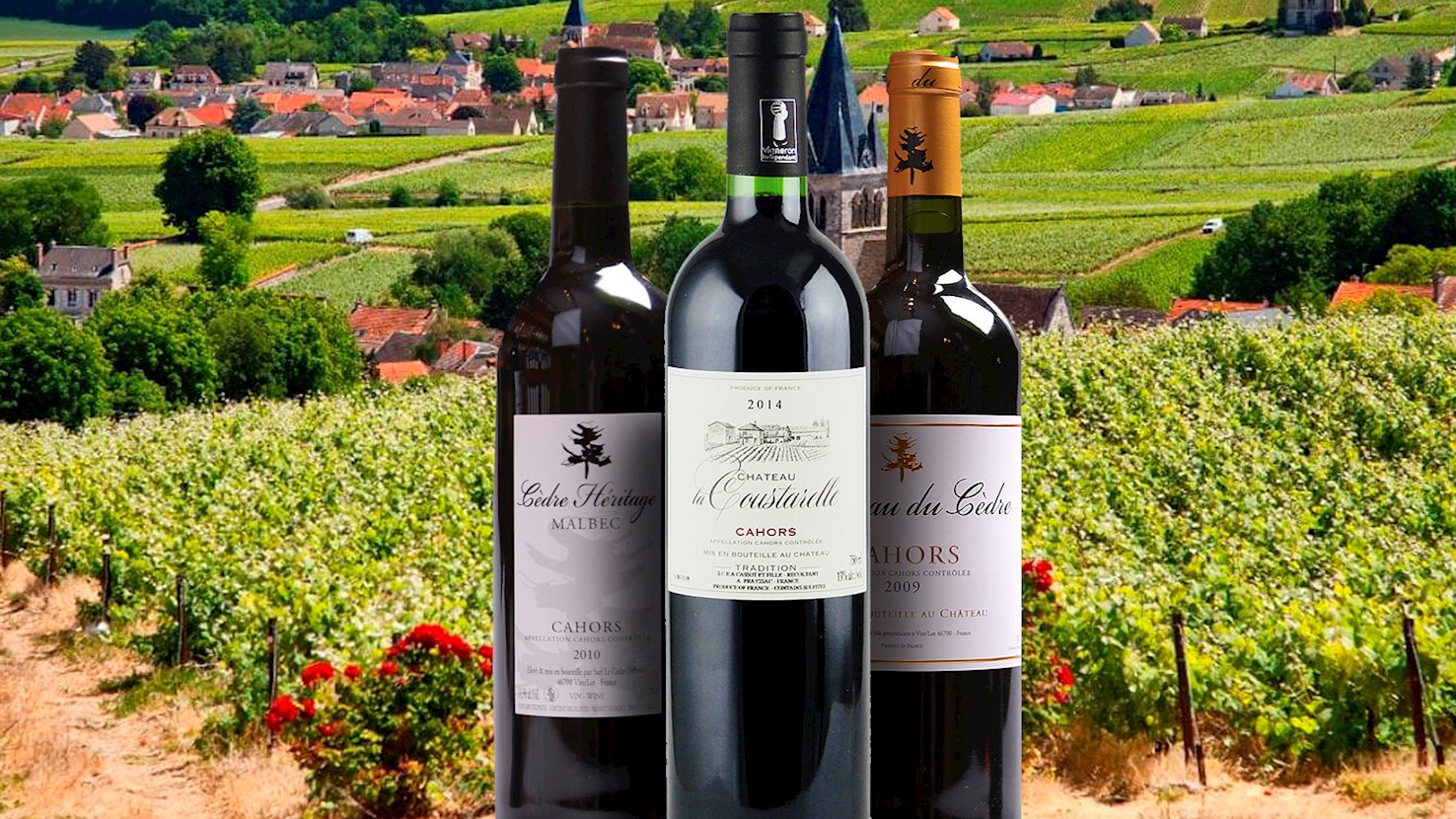
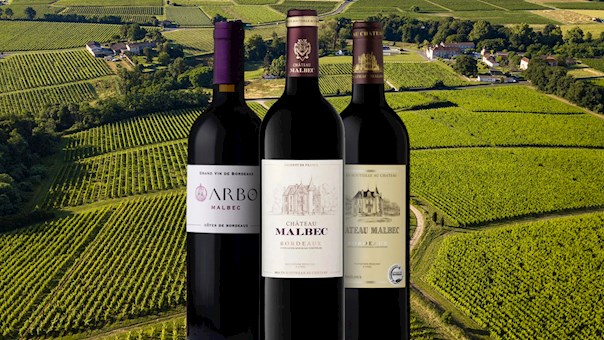
Cahors is a French wine region where the principal grape is Malbec, with small percentages of Tannat and Merlot. Although Malbec is nowadays primarily associated with Argentinian Mendoza region, the grape originated in France, but in the 1950s, it was almost entirely wiped out by frost. Cahors now remains as the only French region that produces Malbec-based wines. Often dubbed as black due to their dark purple color, young wines from Cahors are powerful and rich in tannins, and they typically display aromas of dark fruit and spices. They have excellent aging potential, resulting in styles that usually have softer tannins and aromas of truffle and undergrowth. Cahors wines are a perfect match to red meat, rich stews, or duck.

06

Chambertin

4 ·

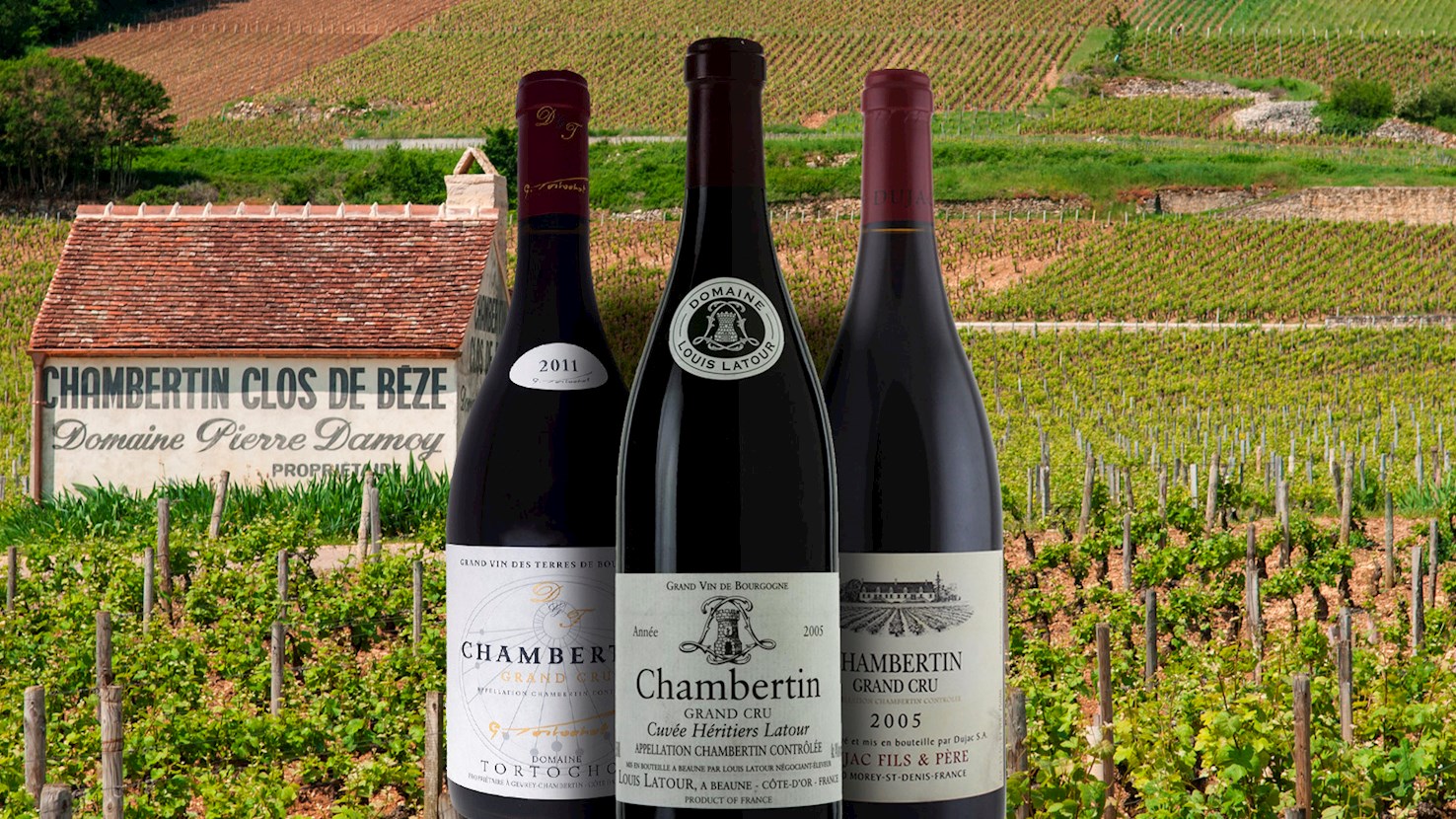
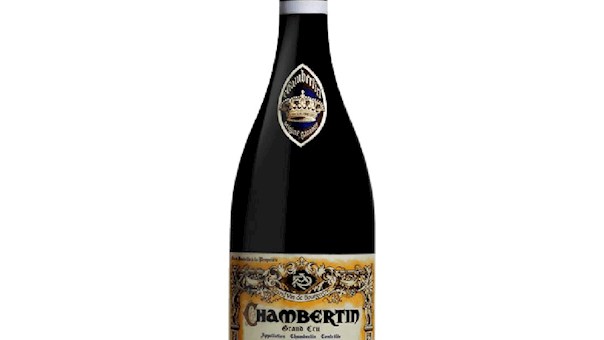
Chambertin is a French appellation and a Grand Cru vineyard located in Burgundy, more precisely in the Côte de Nuits (Côte d'Or) wine region. The designation produces red wines that are mostly varietal and based on Pinot Noir. They typically display complex aromas of red and dark fruit that are often complemented by smoky notes of spices and licorice, as well as subtle herbal and floral nuances. Often praised as one of the best expressions of Burgundy region, these full-bodied and powerful red wines are a perfect match to game, but they can also work well with lamb, poultry, or beef, preferably served in rich wine-infused sauces. The regulations also allow some wines from the neighboring Chambertin-Clos de Bèze to be labeled as Chambertin.

07

Pinot Noir

4 ·

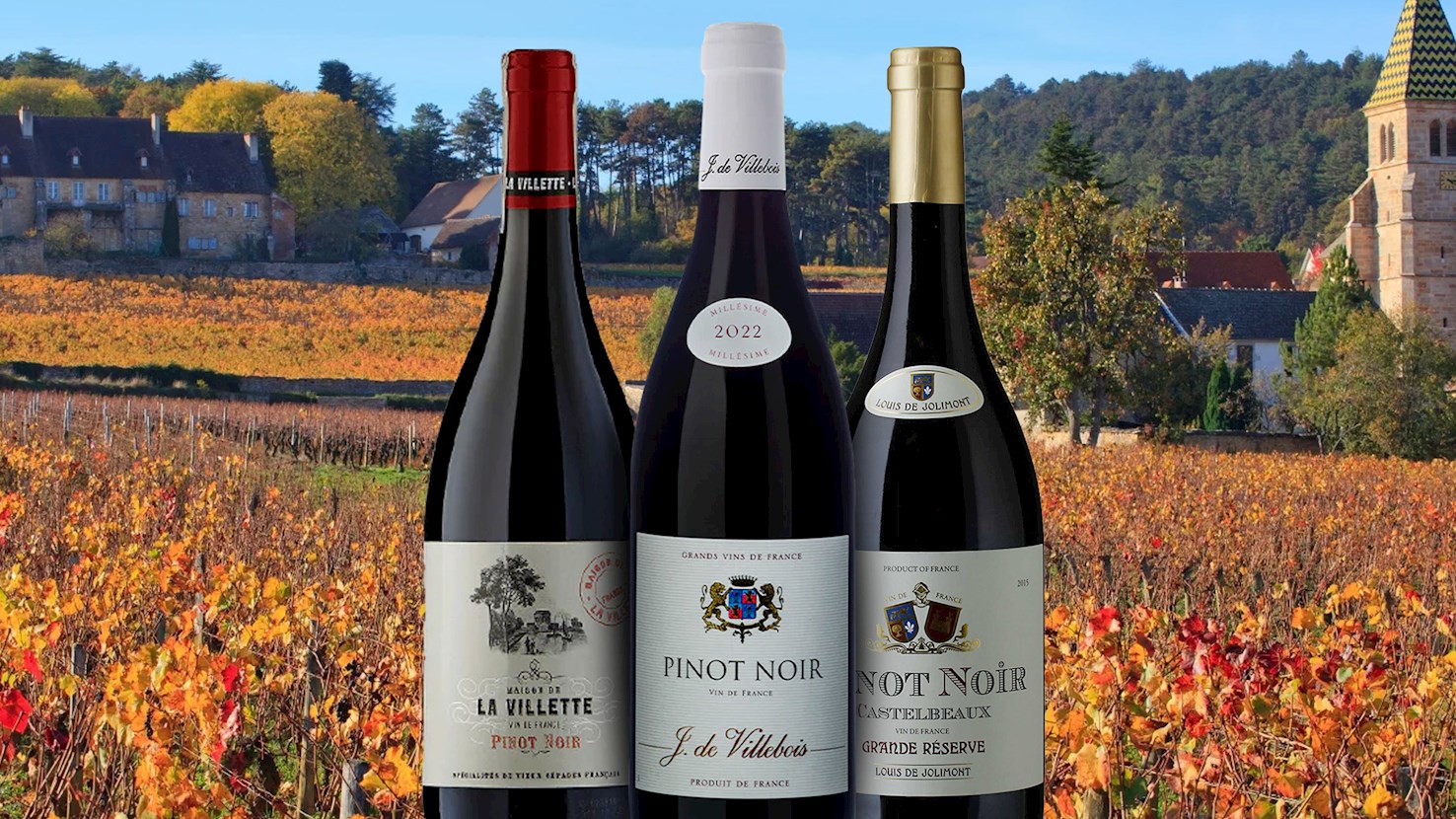
Pinot Noir is a highly esteemed red wine grape variety known for producing some of the world's finest and most elegant wines. Originating from the Burgundy region of France, Pinot Noir is revered for its complex flavors, silky texture, and ability to express the nuances of its terroir. Pinot Noir grapes are thin-skinned, making them more susceptible to disease and challenging to grow. They thrive best in cool to moderate climates, where they can develop their full range of flavors without overripening. The wines are typically light to medium-bodied with a pale to medium ruby color. The flavor profile of Pinot Noir wines often includes red fruit notes such as cherry, raspberry, and strawberry, along with floral aromas like rose and violet. As the wine ages, it can develop more complex flavors, including earthiness, mushroom, forest floor, and spice, often described as having a "barnyard" character in older, more mature wines. Burgundy, France, remains the benchmark for Pinot Noir, producing some of the most sought-after and expensive wines in the world, particularly from the Côte de Nuits region. Notable appellations include Gevrey-Chambertin, Vosne-Romanée, and Nuits-Saint-Georges. Burgundy Pinot Noirs are known for their elegance, finesse, and ability to age gracefully. Pinot Noir is also widely grown in other regions around the world, including California (notably in Sonoma County and the Central Coast), Oregon (particularly in the Willamette Valley), New Zealand (especially in Central Otago and Martinborough), and Germany (where it is known as Spätburgunder). Each region imparts its unique characteristics to the wine, with New World Pinot Noirs often exhibiting more pronounced fruit flavors and less earthiness compared to their Old World counterparts. Pinot Noir's versatility extends to food pairings, making it a popular choice for a wide range of dishes. Its bright acidity and moderate tannins make it an excellent match for poultry, pork, lamb, and game birds, as well as dishes featuring earthy ingredients like mushrooms and truffles. It also pairs well with soft cheeses and can complement a variety of vegetarian dishes.

08

Côtes du Ventoux Rouge

4 ·

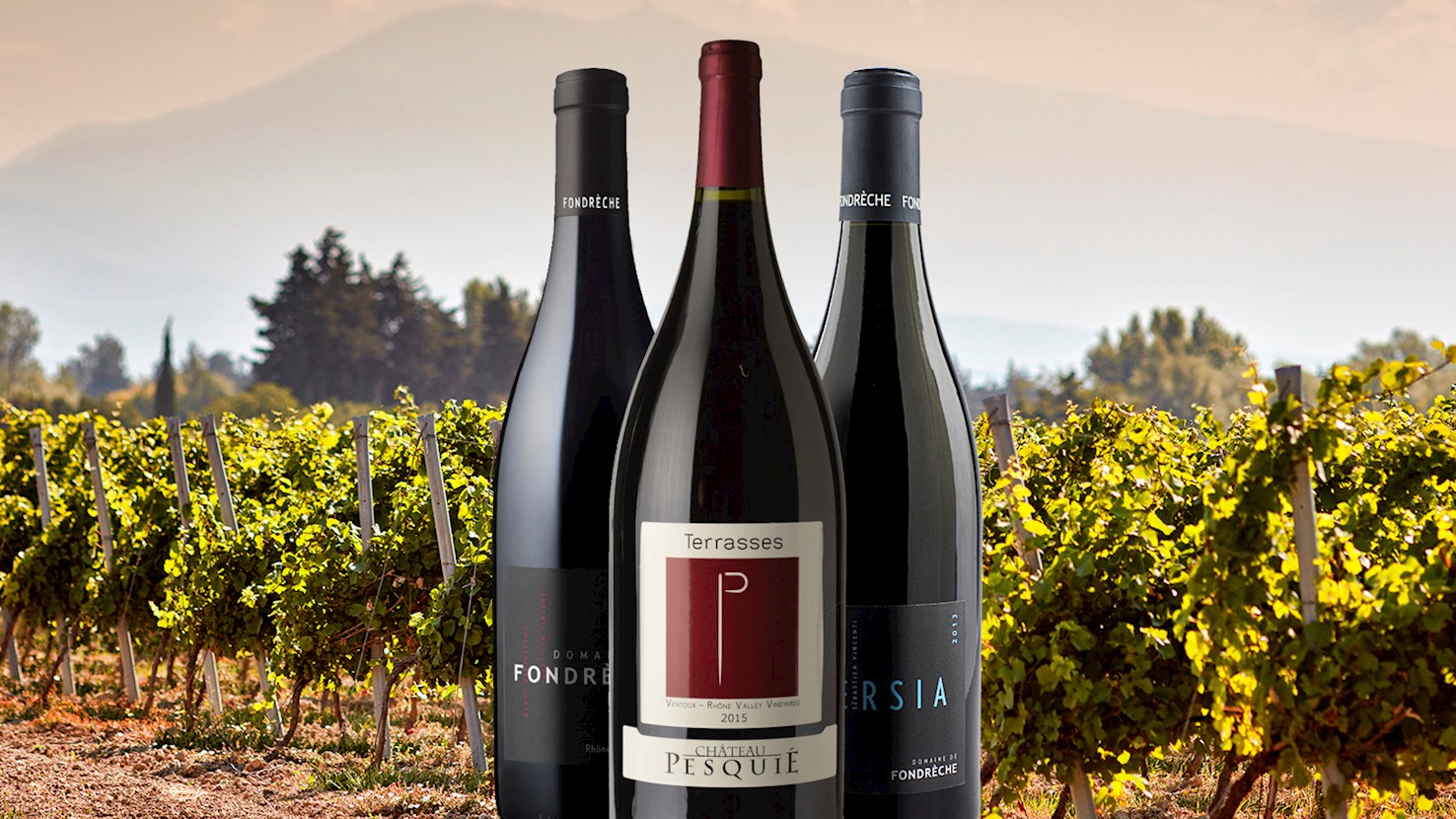
Red wines from the Ventoux appellation are primarily based on Grenache, Carignan, Cinsault, Syrah, and Mourvèdre grapes. These ruby red, fruit-forward wines typically display aromas of ripe red fruit that are occasionally complemented by subtle notes of spices, licorice, or oak. Due to their smooth texture and not-overpowering tannins, they can match a variety of dishes, but they perfectly pair with sausages, stews, and grilled red or white meat.

09

Lalande-de-Pomerol

3.9 ·

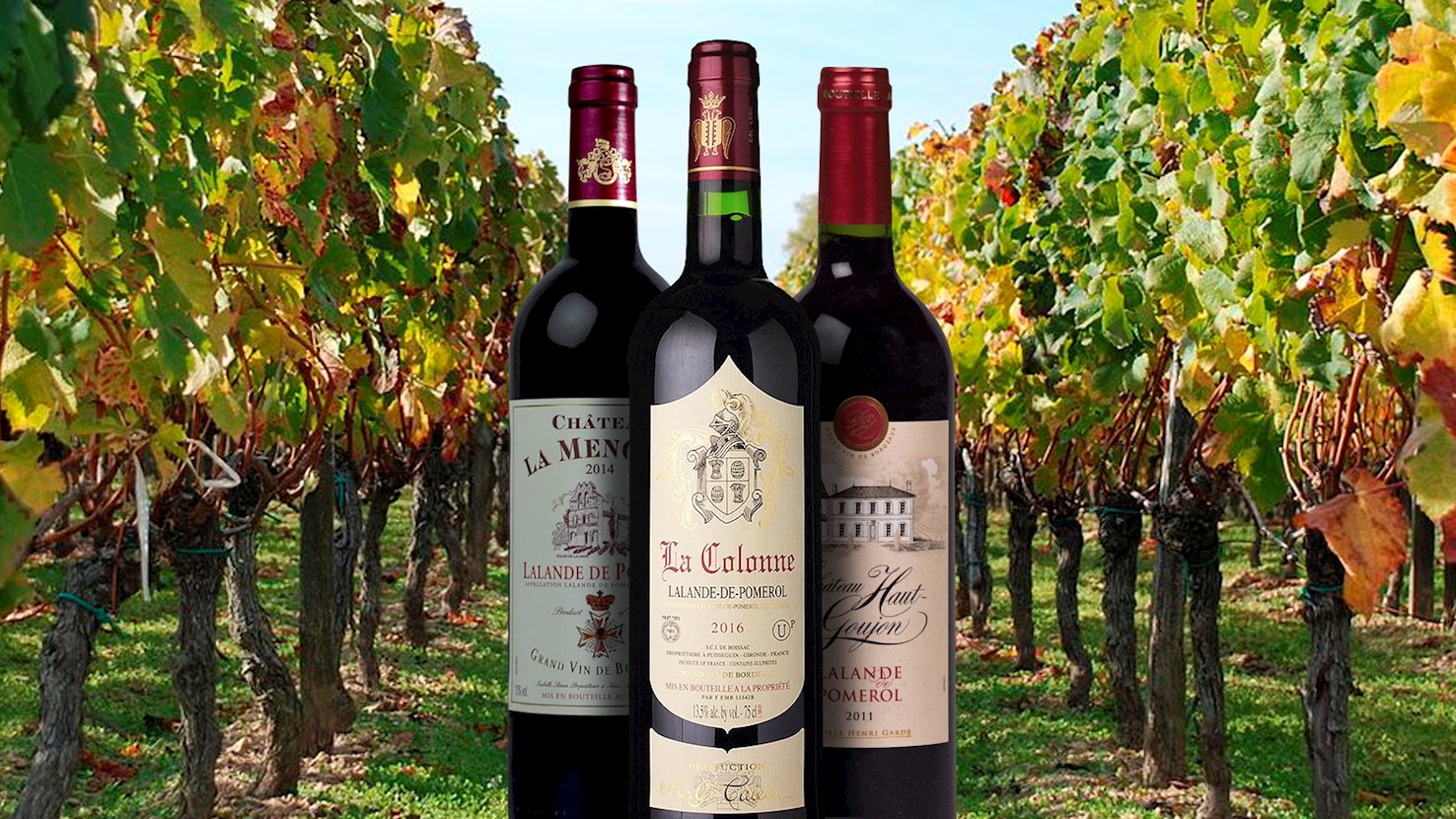
Lalande-de-Pomerol is a small French appellation located in Libourne wine region of Bordeaux. The wines produced in the area are primarily based on Merlot, but the addition of Cabernet Franc, Cabernet Sauvignon, and Malbec is also permitted. Lalande-de-Pomerol wines are typically well-structured, full-bodied, and smooth, with a good ability to age. Their primary aromas include red and black fruits, spices, and violets that may develop into more robust expressions of plums, leather, or truffles. These wines are an excellent match to classic meat dishes made with beef, pork, or game.

10

Cabernet Sauvignon

3.9 ·

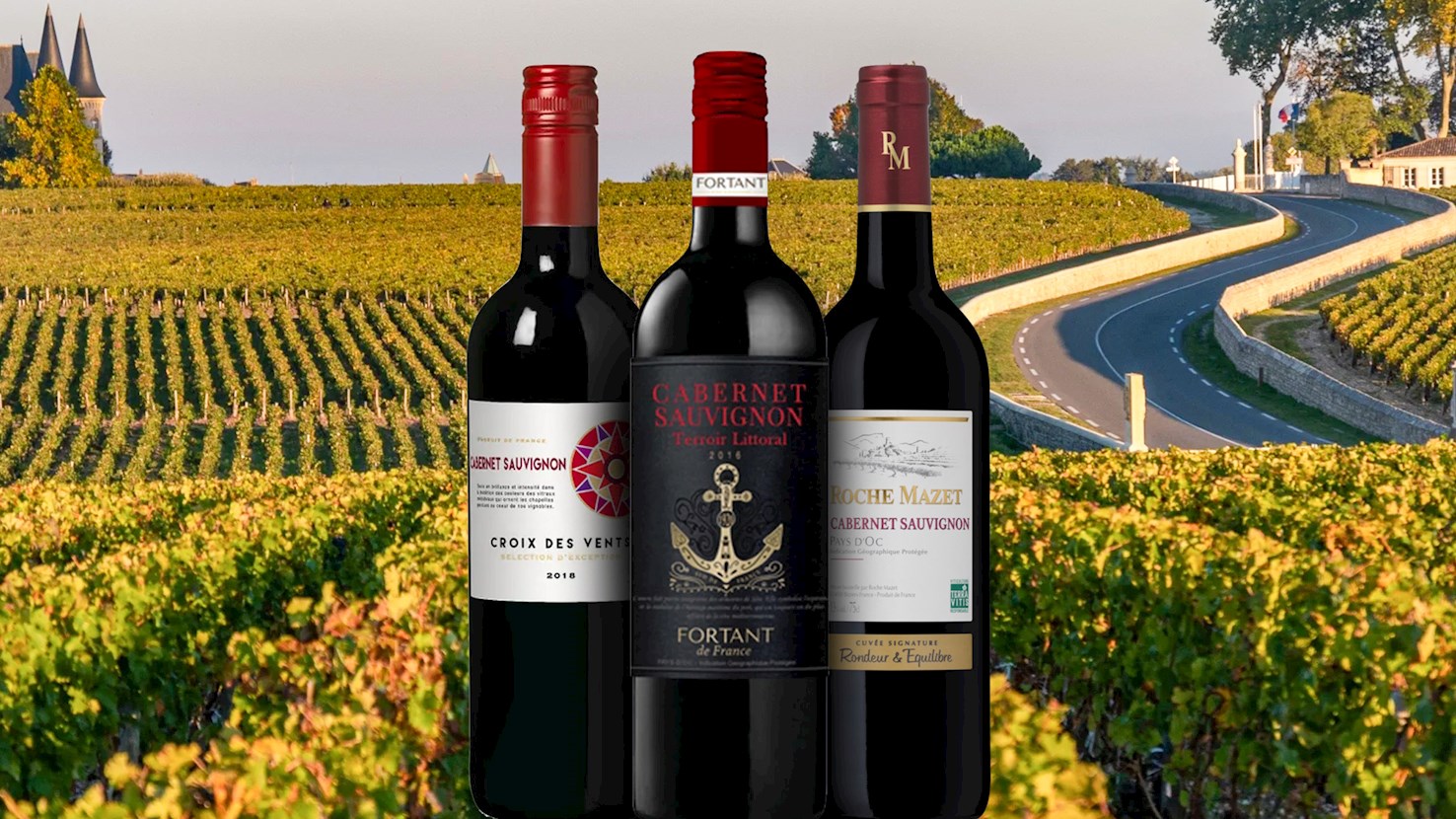
Cabernet Sauvignon is one of the world's most widely recognized and celebrated red wine grape varieties. Originating from the Bordeaux region of France, it has spread to virtually every major wine-producing country, becoming a key component of many of the world's finest wines. Cabernet Sauvignon is renowned for its ability to produce full-bodied, robust red wines with a high level of tannins and significant aging potential. The grape itself is small and thick-skinned, which contributes to its deep color and rich tannic structure. Wines made from Cabernet Sauvignon typically exhibit a range of flavors, including blackcurrant (cassis), black cherry, and blackberry, often accompanied by notes of green bell pepper, mint, tobacco, and cedar, especially when aged in oak barrels. In Bordeaux, Cabernet Sauvignon is a crucial part of the region's famous blends, particularly in the Médoc and Graves appellations on the Left Bank, where it is often blended with Merlot, Cabernet Franc, Petit Verdot, and Malbec. These blends produce some of the most prestigious wines in the world, known for their complexity, balance, and ability to age gracefully for decades. Outside of France, Cabernet Sauvignon has thrived in regions such as Napa Valley in California, where it produces powerful, fruit-forward wines that have garnered international acclaim. It is also widely grown in Chile, Australia, South Africa, Italy, and Spain, each region imparting its unique characteristics to the wine. For example, Chilean Cabernet Sauvignon often has a distinct herbal quality, while Australian versions, particularly from Coonawarra and Margaret River, are known for their intense fruit flavors and eucalyptus notes. Cabernet Sauvignon's versatility in the vineyard and winery, combined with its bold flavors and structure, makes it a favorite among winemakers and wine lovers. It pairs exceptionally well with a variety of foods, particularly rich and hearty dishes such as grilled or roasted meats, steak, lamb, and dishes with robust sauces. The tannins in the wine help cut through the fat and protein of these dishes, creating a harmonious balance on the palate.

Best French Red Wines
01

Château de Meursault

5 ·
With over 1000 years of history, Château de Meursault follows an approach of excellence in respect of nature, the environment and the climates. With the 2022 vintage, the entire vineyard of Château de Meursault is conducted in organic farming.
Awards
Decanter World Wine Awards - Best in Show (2023, 2021, 2019)
Decanter World Wine Awards - Platinum (2020, 2019)
02

Maison Albert Bichot
5 ·
Maison Albert Bichot is a historic Burgundy wine house founded in 1831 and based in Beaune, at the heart of the region. Still family-owned, it has evolved from a traditional négociant into a major vineyard owner, managing over 100 hectares across six estates in key areas such as Chablis, Côte de Nuits, Côte de Beaune, and Beaujolais. The house combines estate-grown fruit with grapes sourced from long-term partner growers, all vinified under strict quality control to ensure consistency and authenticity. Its philosophy centers on expressing Burgundy’s “climats,” emphasizing the unique identity of each vineyard through minimal intervention and precise winemaking. The portfolio focuses mainly on Pinot Noir and Chardonnay, ranging from regional appellations to Premier Cru and Grand Cru wines. Sustainability is a core principle, with most estates farmed organically and a strong commitment to environmentally responsible practices. The wines are known for their balance, purity, and clear sense of origin. Over time, Maison Albert Bichot has built a strong international reputation, supported by numerous awards and consistent critical recognition.
Awards
Decanter World Wine Awards - Platinum (2024, 2023, 2022, 2021, 2020)
Decanter World Wine Awards - Best in Show (2021, 2020)
03

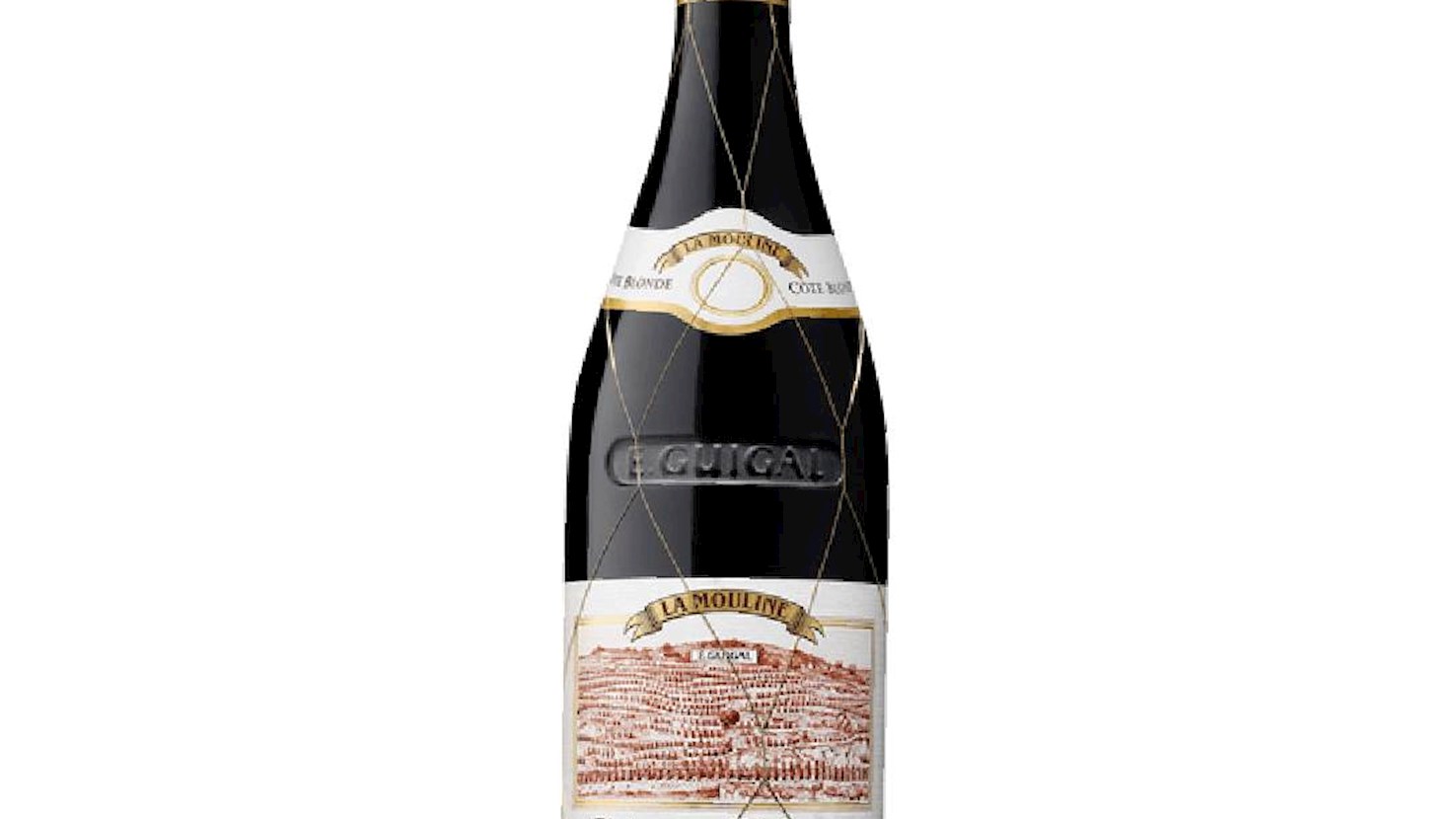
E. Guigal

5 ·
E. Guigal, established in 1946 by Étienne Guigal in Ampuis, France, is a renowned winery in the Rhône Valley. The estate is particularly celebrated for its Côte-Rôtie wines, notably the single-vineyard "La La's": La Mouline, La Landonne, and La Turque. Under the leadership of Marcel Guigal since 1961, and now his son Philippe, the family has expanded their holdings to include prestigious vineyards across the Rhône, including Hermitage, Saint-Joseph, and Crozes-Hermitage. Their commitment to quality and traditional winemaking techniques has solidified E. Guigal's reputation as a producer of some of the world's finest wines.
Awards
James Suckling - 99 points (2024)
Falstaff - 100
04

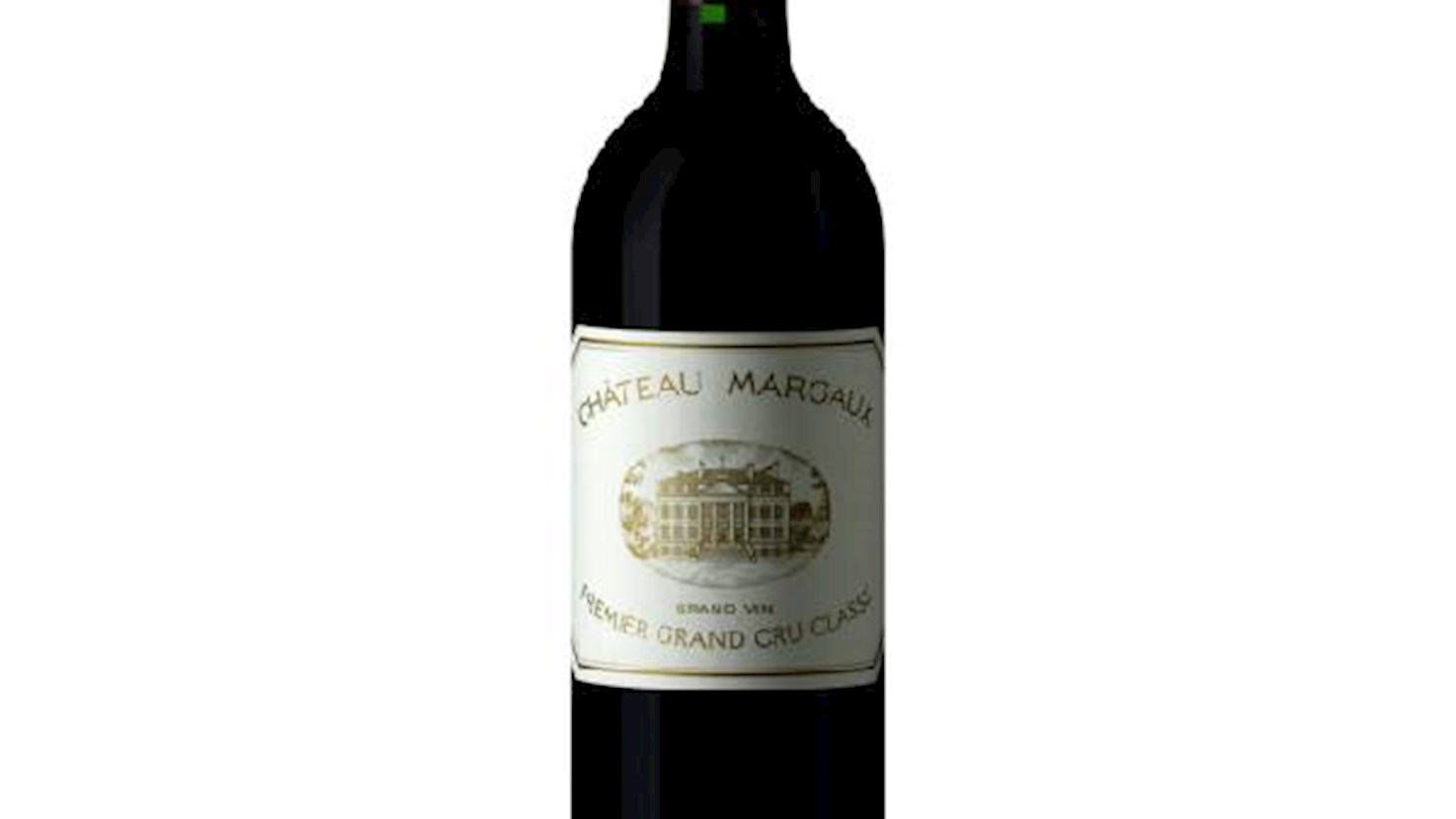
Château Margaux

5 ·
Château Margaux is one of the most respected and renowned names in the world of wine. With a long-standing tradition, the estate has become a symbol of elegance, dedication, and exceptional craftsmanship. Located in the heart of the Margaux appellation, the property includes over 80 hectares of vineyards planted on gravel and clay-rich soils. Carefully cultivated vines yield grapes that allow for the production of wines known for their complexity, depth, and aging potential. Under the leadership of the Mentzelopoulos family, the estate has been revitalized and elevated in every aspect. A thoughtful balance of modern winemaking and traditional methods defines a signature style recognized around the globe. The estate’s flagship wine, Château Margaux, is celebrated for its finesse, structure, and longevity. In addition to the Grand Vin, the estate also produces Pavillon Rouge, Pavillon Blanc, and Margaux de Château Margaux, each reflecting the same philosophy of purity and precision. Château Margaux is more than a winery. It is a cultural landmark, where land, heritage, and human skill come together in every bottle.
Awards
Falstaff - 100
Falstaff - 99
05

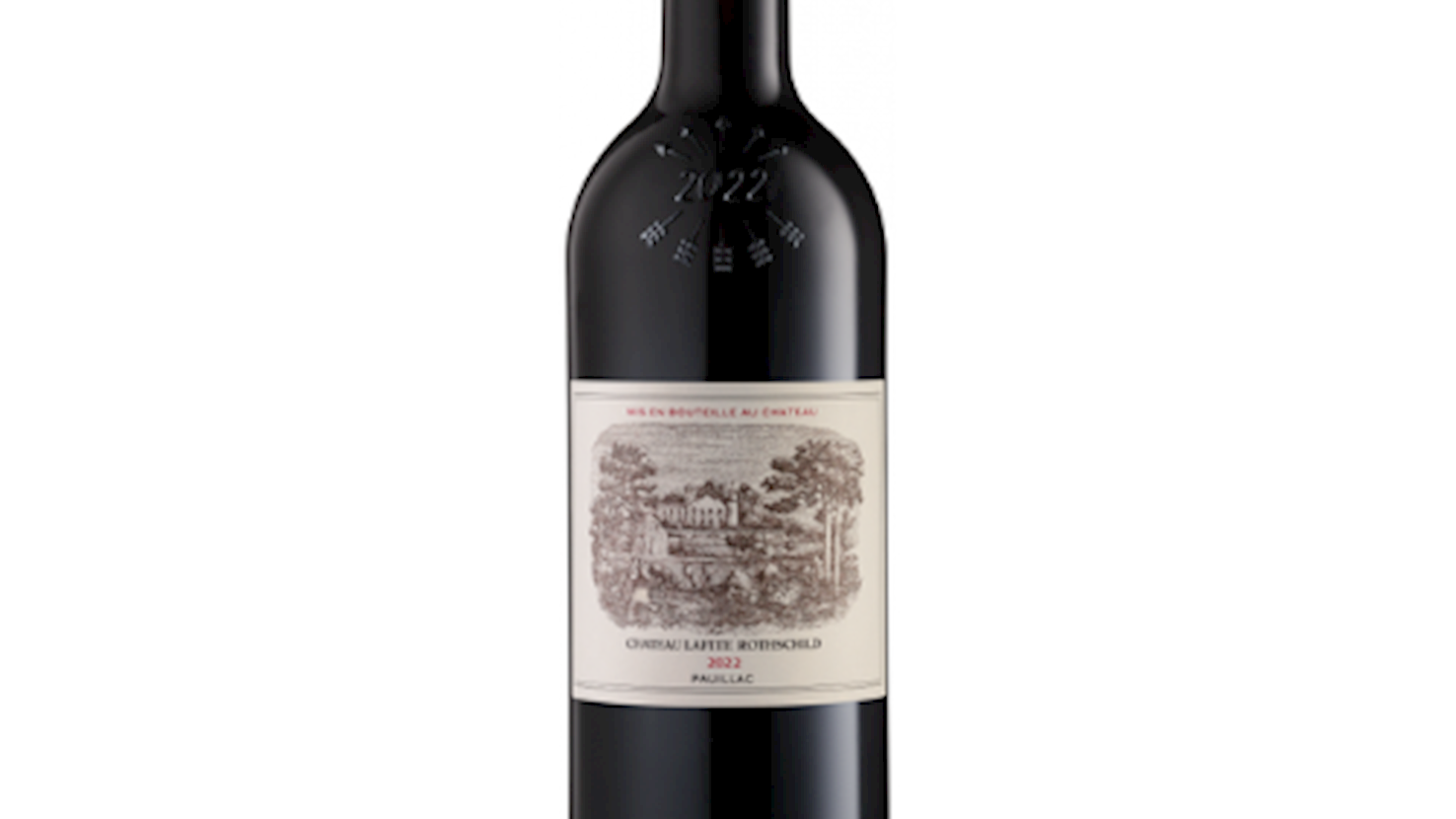
Château Lafite Rothschild

5 ·
Château Lafite Rothschild is a name that represents the highest expression of elegance, precision, and consistency in the world of fine wine. The estate follows a distinctive philosophy rooted in deep respect for the land, the vine, and every detail of the winemaking process. The vineyards are cultivated with thoughtful care, aiming to reveal the purest expression of their origin. Every decision - from grape selection to aging - is guided by a pursuit of balance, clarity, and refinement. Whether it is the Grand Vin, Carruades de Lafite, or Anseillan, the house style remains unmistakable: understated, harmonious, and enduring. Château Lafite Rothschild does not seek to impress - it seeks to achieve quiet excellence that is felt and remembered.
Awards
Falstaff - 100
Falstaff - 99
06

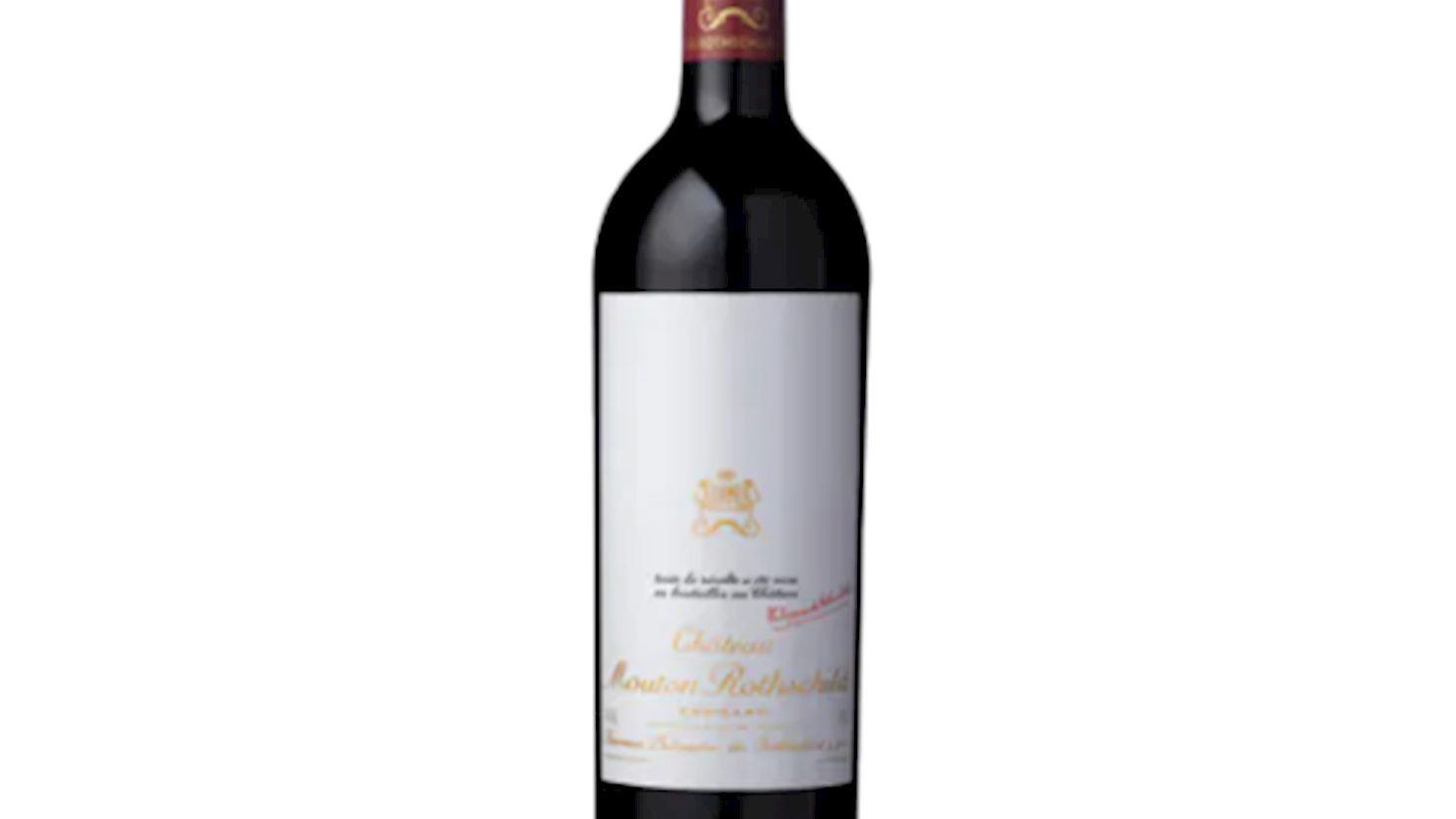
Château Mouton Rothschild

5 ·
Château Mouton Rothschild stands as a symbol of heritage, artistry, and excellence in winemaking. Nestled in the heart of Pauillac, this legendary estate has been under the stewardship of the Rothschild family since 1853, when it was acquired by Baron Nathaniel de Rothschild. Over the decades, Mouton has become a beacon of innovation and prestige within Bordeaux. In 1924, Baron Philippe de Rothschild made a bold move by deciding to bottle the entire vintage at the château - an unprecedented decision at the time that redefined estate bottling in Bordeaux. After decades of consistent excellence, Château Mouton Rothschild was elevated in 1973 to the highly coveted status of First Growth, becoming the only estate in history to rise within the official 1855 classification. The wines, anchored in Cabernet Sauvignon, are known for their depth, power, and remarkable aging potential. But beyond the wine itself, Mouton is renowned for its intimate connection with the world of art. Since 1945, each vintage has featured a bespoke label created by a prominent artist - names such as Picasso, Miró, Chagall, Warhol, and Hockney - transforming each bottle into a unique piece of collectible art. Still family-owned and passionately led, Château Mouton Rothschild continues to honor its legacy while embracing modernity, uniting the worlds of fine wine and fine art in one extraordinary expression of culture and craftsmanship.
Awards
Falstaff - 100
Falstaff - 99
07

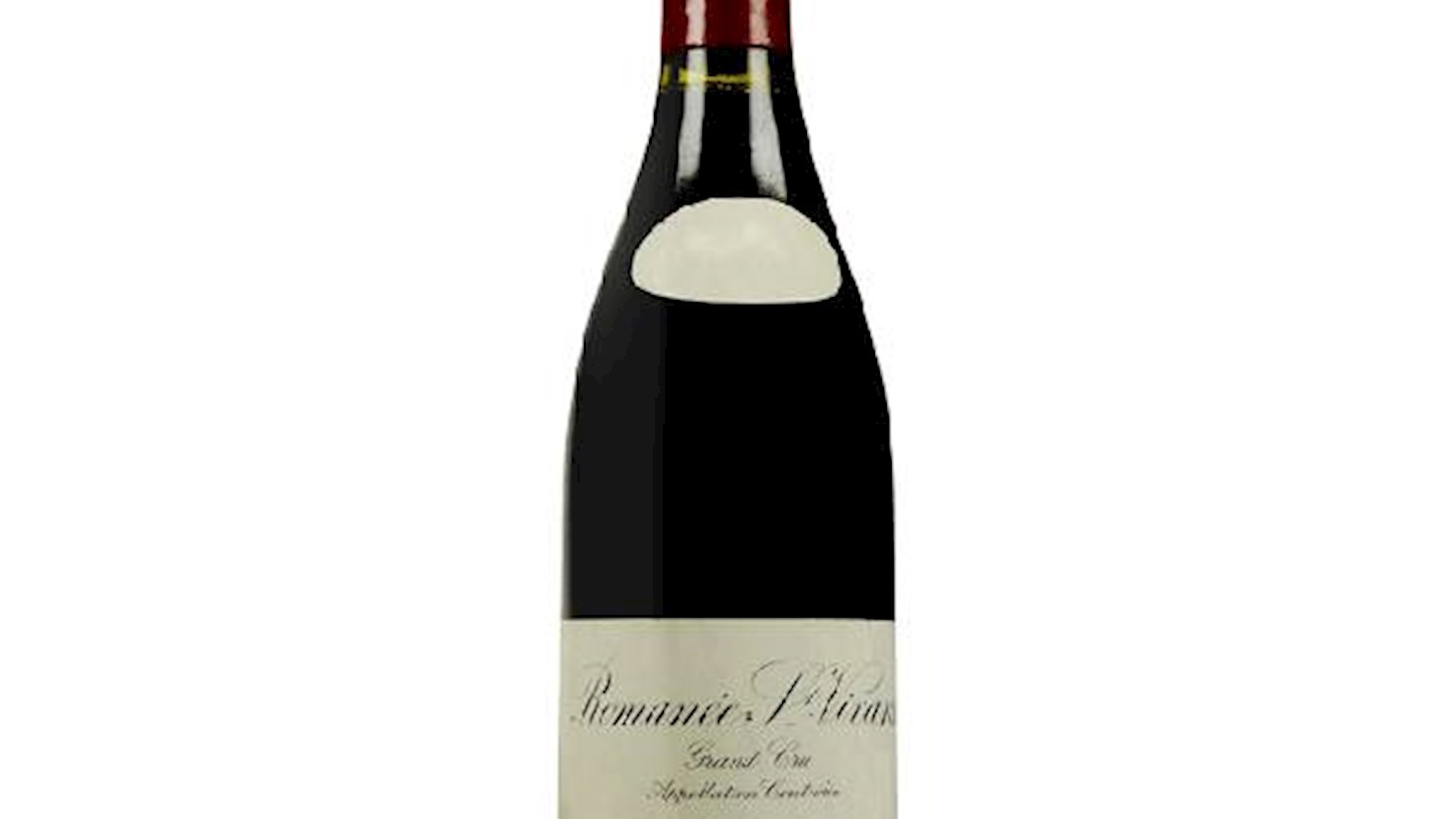
Domaine Leroy

5 ·
Domaine Leroy stands as one of the most revered and iconic wine producers in the world - a name synonymous with purity, precision, and quiet excellence. Guided by the visionary Lalou Bize-Leroy, the domaine has become a benchmark for uncompromising quality and philosophical winemaking, where nature leads and intervention is kept to a thoughtful minimum. At the heart of Domaine Leroy’s philosophy is the belief that great wine is not created, but revealed. Every decision - from harvest to bottling - is made with patience and reverence, allowing each wine to express its full identity with grace and authenticity. The winery’s methods embrace a biodynamic approach, not as a trend, but as a conviction rooted in respect for life, balance, and energy.
Awards
Vivino - 4.6
Vivino - 4.7
08

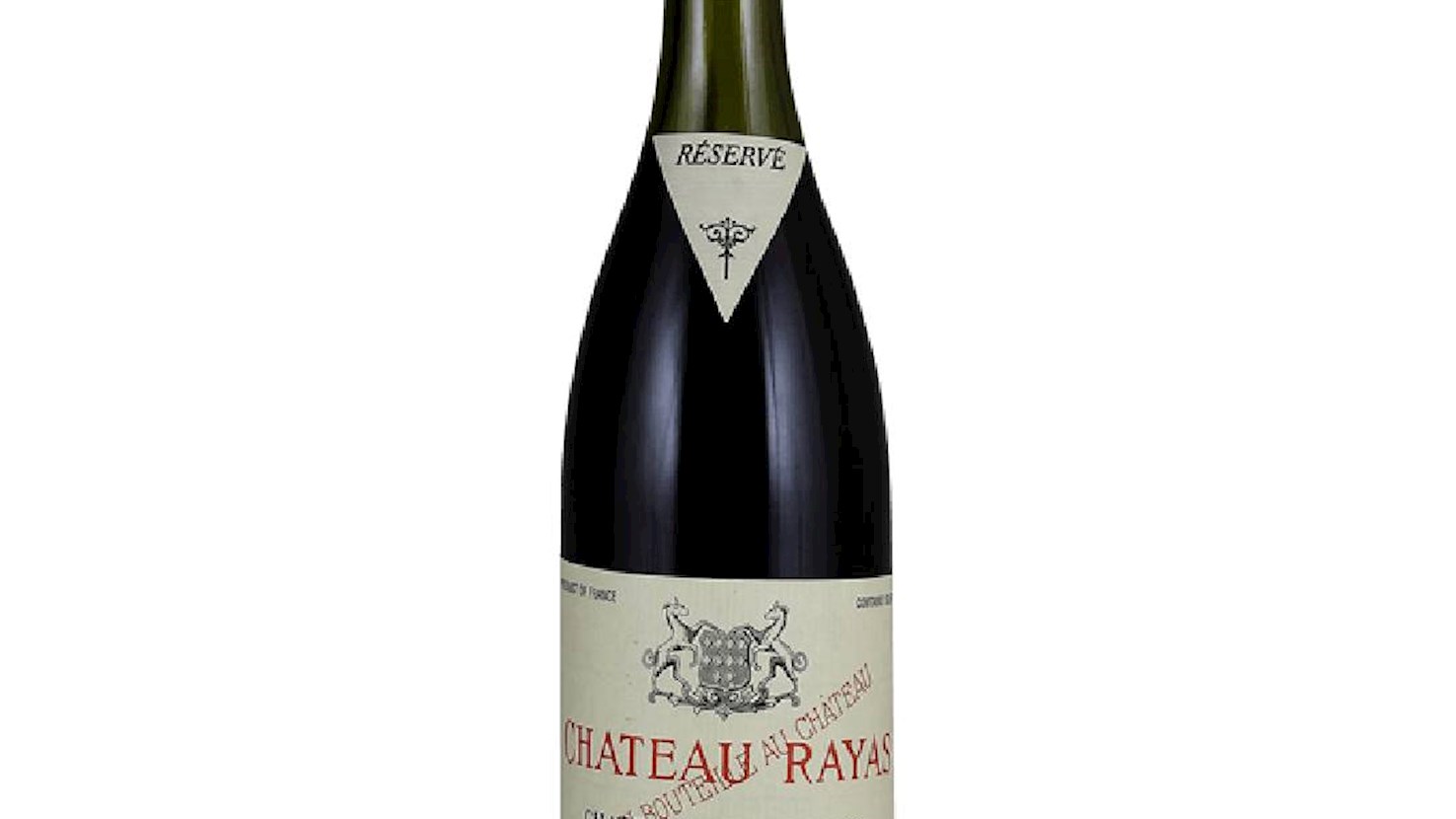
Château Rayas

5 ·
Château Rayas is a legendary estate in the heart of the Châteauneuf-du-Pape appellation, renowned for its unique style and unwavering commitment to tradition. Owned by the Reynaud family since the late 19th century, the estate has remained devoted to meticulous vineyard work and minimal intervention in the cellar. Surrounded by forest and planted on rare, sandy soils, its vineyards give the grapes an elegance and freshness that set them apart from the typical weight of southern Rhône wines. Red wines are crafted almost exclusively from Grenache, while the whites are made from Grenache Blanc and Clairette. The result is wines of remarkable finesse, silky tannins, and aromatic depth, often compared to the finest Burgundian expressions. Today, Château Rayas stands as a symbol of rarity, authenticity, and timeless elegance.
Awards
Vivino - 4.6
Vivino - 4.4
09

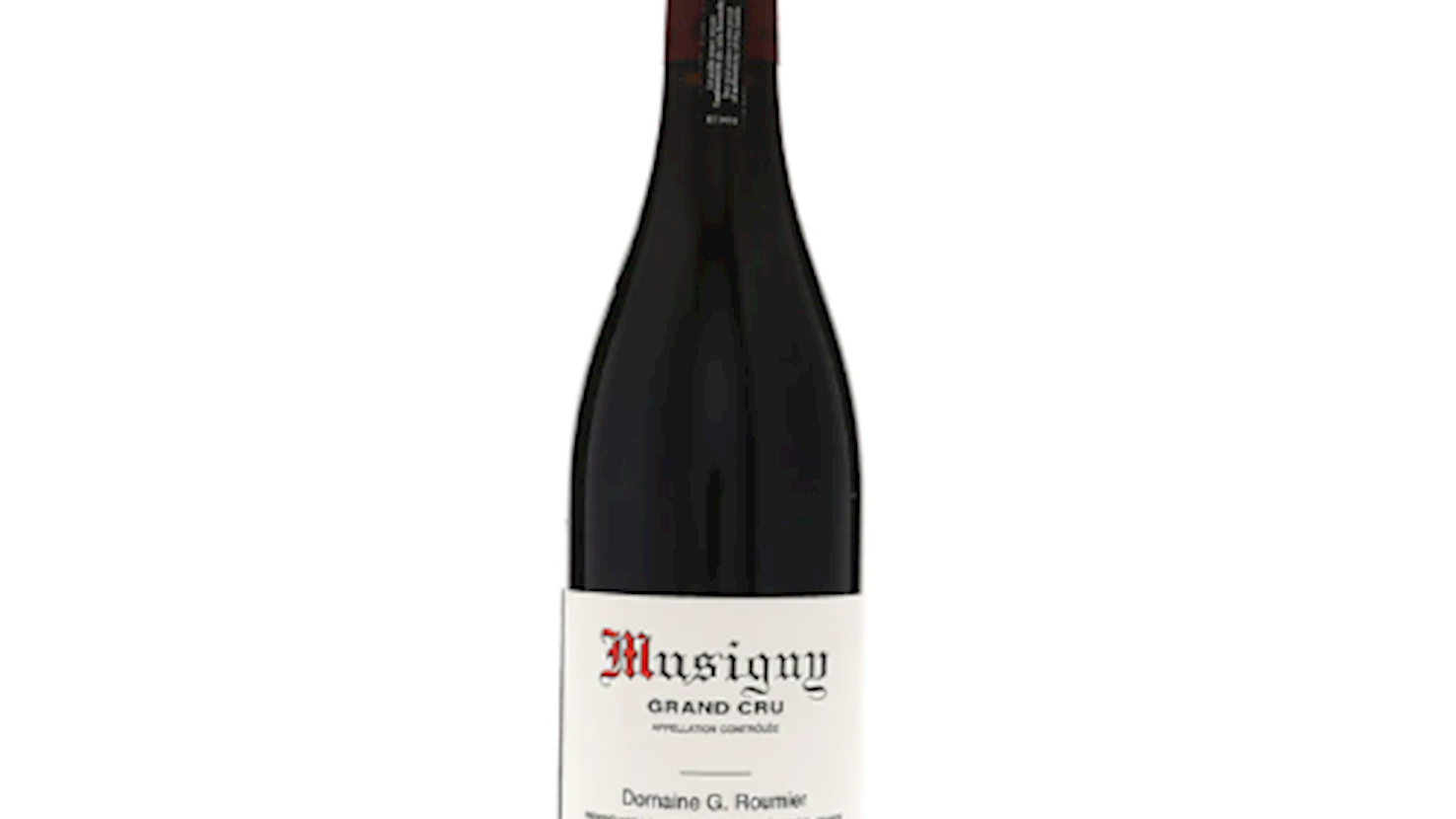
Domaine Georges Roumier

5 ·
Domaine Georges Roumier is one of the most esteemed estates in Burgundy, located in the village of Chambolle-Musigny, where the Roumier family has been producing wine since 1924. The domaine’s style is built on meticulous vineyard work, minimal intervention, and a strong dedication to expressing the purity of the terroir. Fermentation often includes a moderate proportion of whole clusters and carefully measured use of new oak, resulting in wines that balance depth and structure with exceptional elegance and finesse. In their youth, the wines display vibrant aromas of red fruit, floral notes, and subtle mineral nuances, while aging brings layers of earth, spice, forest floor, and refined textural complexity. Roumier is particularly admired for its ability to combine the delicacy characteristic of Chambolle-Musigny with remarkable concentration. Annual production is very limited, making the wines extremely rare and highly sought after by collectors. Today, the domaine is run by Christophe Roumier, who continues the family tradition and crafts wines regarded as some of the purest and most authentic expressions of Burgundian Pinot Noir.
Awards
Vivino - 4.6
Vivino - 4.7
10

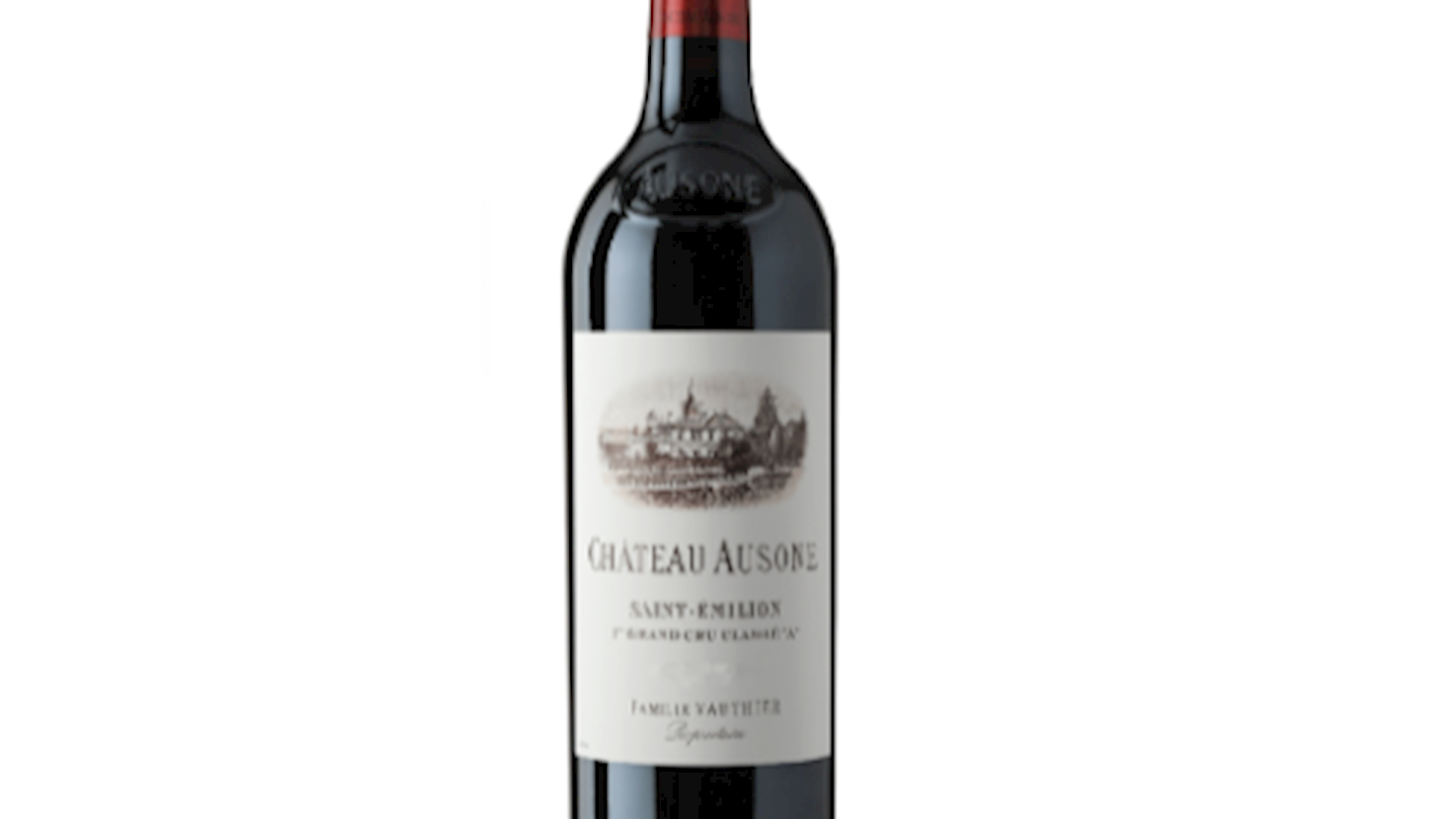
Château Ausone

5 ·
Château Ausone is one of the most renowned and rare estates in Saint-Émilion, situated on a steep limestone plateau overlooking the medieval town and offering ideal conditions for growing vines. The vineyard spans only about seven hectares, yet this small surface contains an exceptional mix of old-vine Cabernet Franc and Merlot planted on soils rich in limestone, clay, and gravel. This terroir gives the wines pronounced minerality, precise structure, and a fine, elegant tannic texture. The style of Château Ausone is known for its concentration and depth, while always maintaining subtlety and balance, with aromas of red and black fruit, graphite, licorice, and the distinctive freshness of limestone. During aging, the wines develop layers of leather, tobacco, spice, and earthy nuances, further enhancing their complexity. Vinification takes place in small batches, with strict grape selection and minimal intervention to highlight the pure expression of the terroir. Annual production is very limited, making the wines highly sought after by collectors and rarely available on the market. Château Ausone’s wines are among the most long-lived on Bordeaux’s Right Bank, capable of maturing for several decades. Despite modern equipment, the approach remains deeply traditional, prioritizing precision and purity of expression. For this reason, Ausone is synonymous with refinement, authenticity, and one of the clearest interpretations of the Saint-Émilion terroir.
Awards
Falstaff - 100
Falstaff - 99
Read more
View all
View map
About this ranking

TasteAtlas food rankings are based on the ratings of the TasteAtlas audience, with a series of mechanisms that recognize real users and that ignore bot, nationalist or local patriotic ratings, and give additional value to the ratings of users that the system recognizes as knowledgeable. For the “Top 100 French Red Wines” list until June 10, 2026, 1,202 ratings were recorded, of which 1,035 were recognized by the system as legitimate. TasteAtlas Rankings should not be seen as the final global conclusion about food. Their purpose is to promote excellent local foods, instill pride in traditional dishes, and arouse curiosity about dishes you haven’t tried.

The initial list of top producers was compiled based on available reviews, awards, local recommendations, media and blog coverage, and consumer reviews. The list will be updated with ratings from TasteAtlas local ambassadors and TasteAtlas users.

Similar lists