


shutterstock

Top 85 Shrimp and Prawn Dishes
in the World

Last updated on April 15, 2026
01

Tacos gobernador

4.4 ·

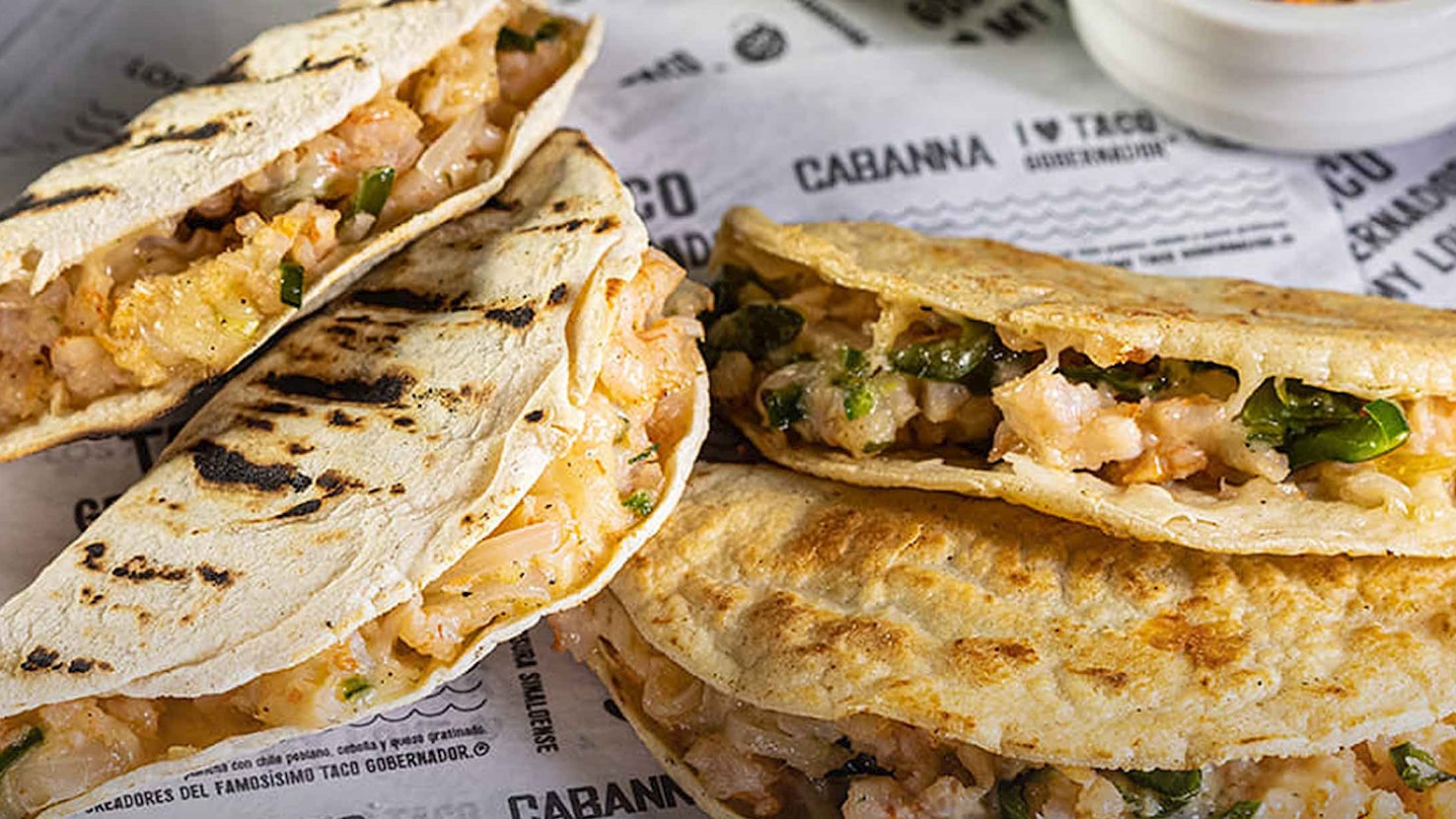
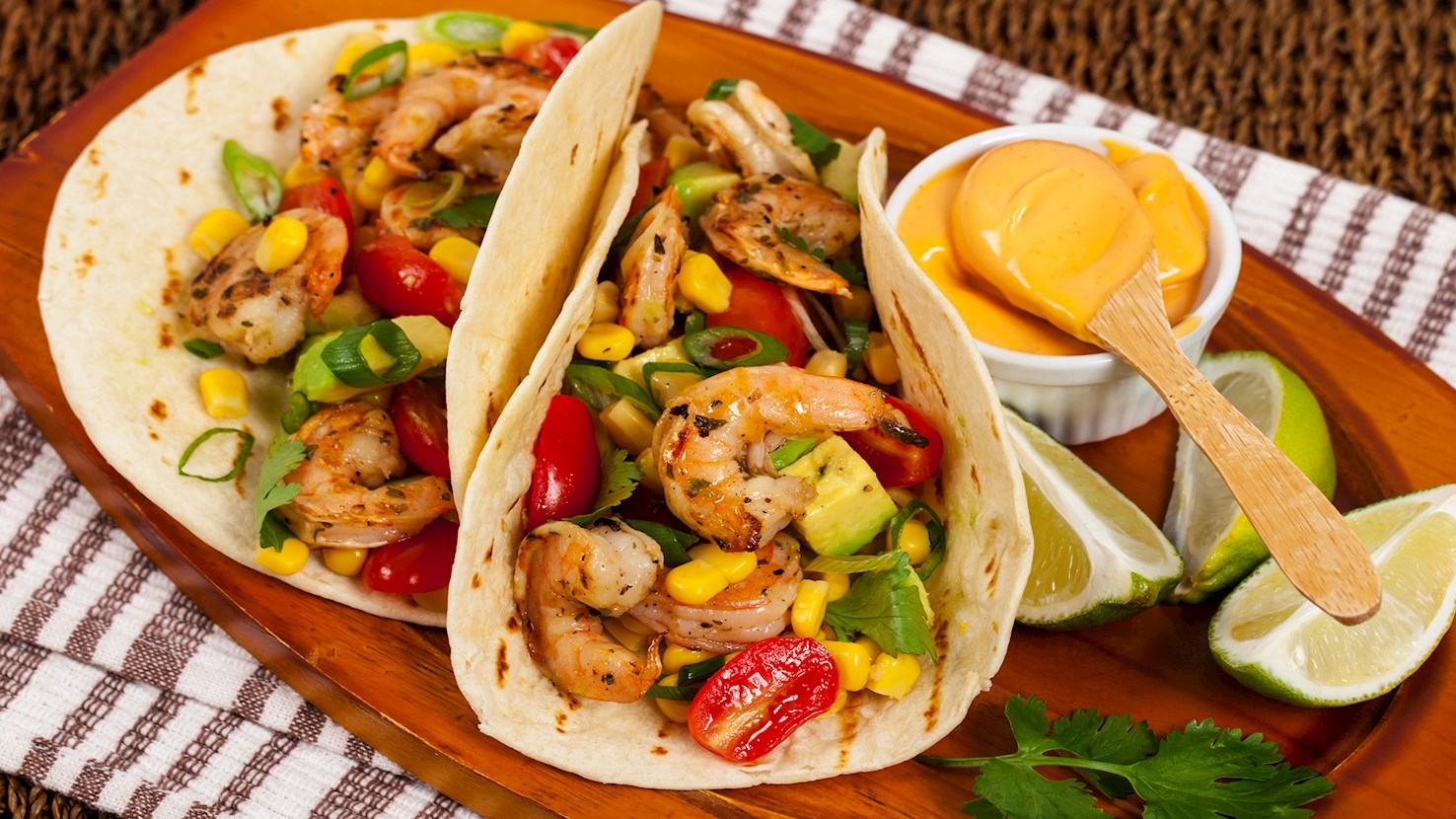
Tacos gobernador (lit. governor's tacos) are Mexican tacos named after a Sinaloan governor. In order to prepare the dish, warm tortillas are filled with a combination of shrimps, grated cheese, coriander, onions, and tomatoes. The tortillas are then folded in half, brushed with butter, and cooked on a griddle over medium heat. When served, tacos gobernador are often accompanied by lime wedges and hot chili sauce. Apart from Sinaloa, these tacos are also quite popular in Baja California.

02

Camarones el mojo de ajo

4.4 ·

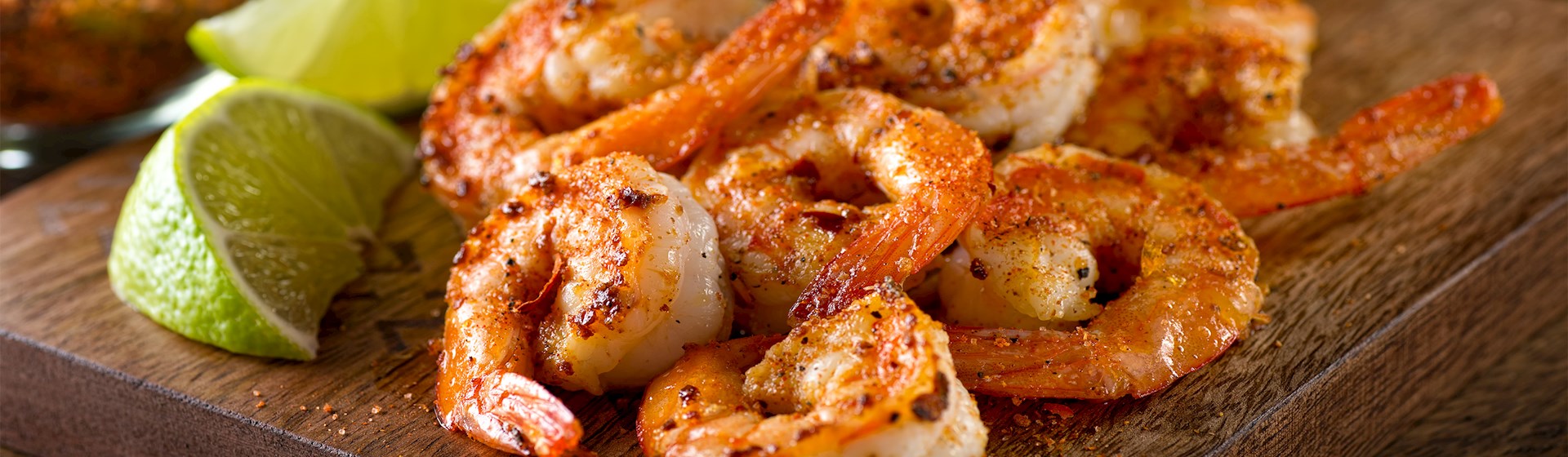
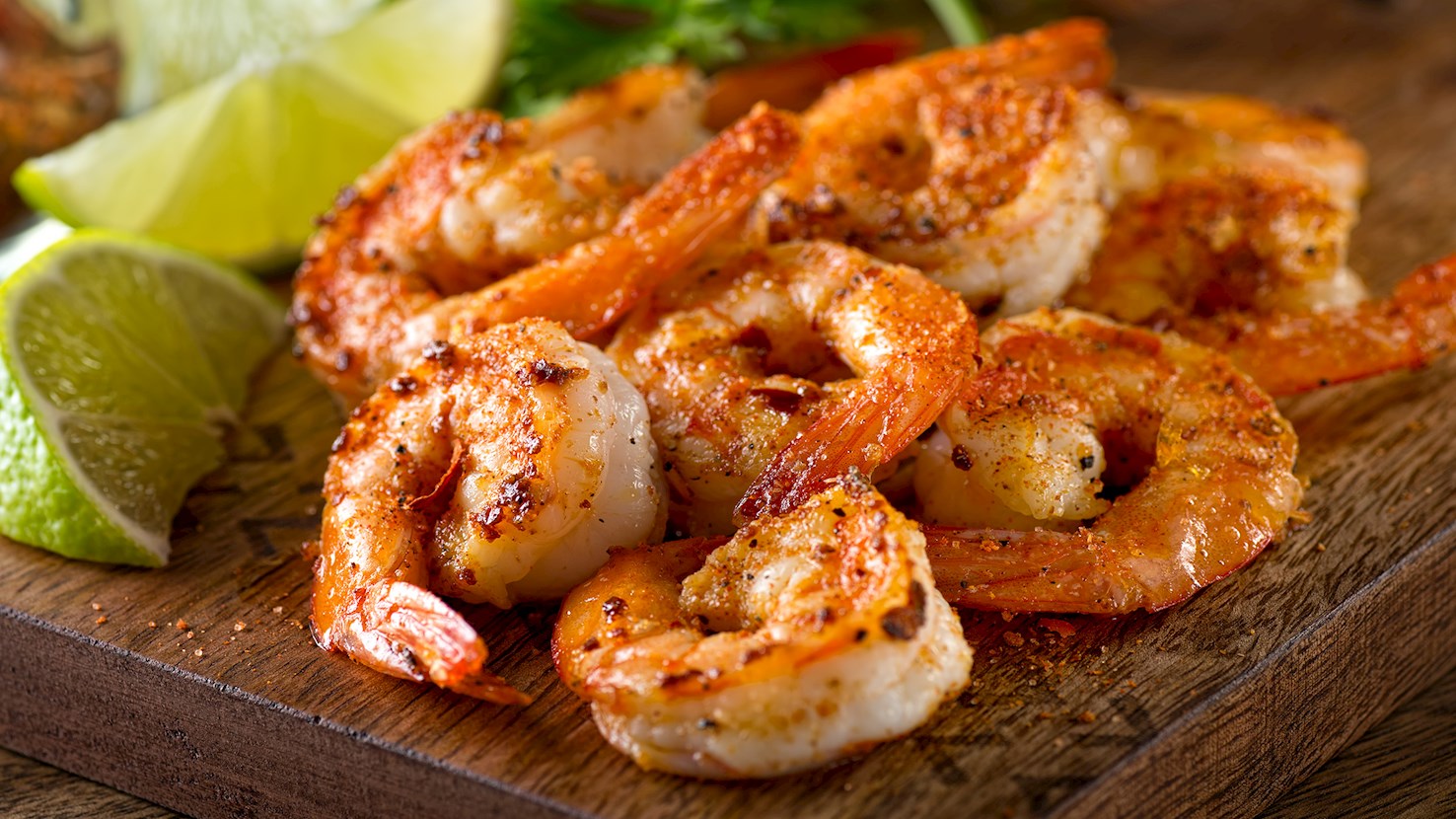
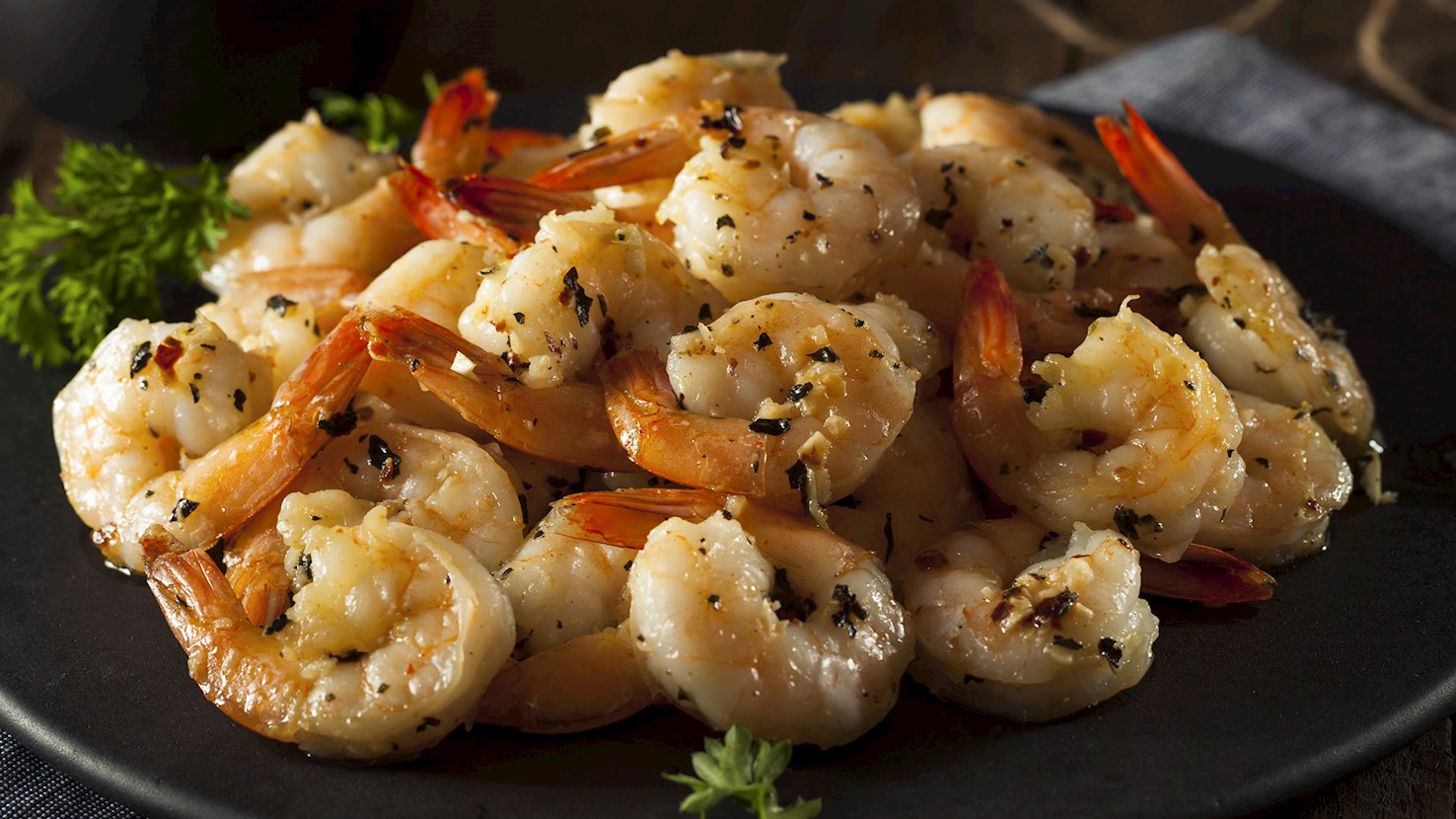
Camarones el mojo de ajo is a Mexican dish consisting of shrimps fried in butter with lots of garlic, chili, and chopped coriander. Traditionally, the dish is served accompanied by white rice on the side, and it is a custom to squeeze some lime juice over the shrimps. Garlic shrimps are also a great party food, especially for Cinco de Mayo, when it is recommended to pair the dish with some Margaritas.

03

Gambas al ajillo

4.4 ·

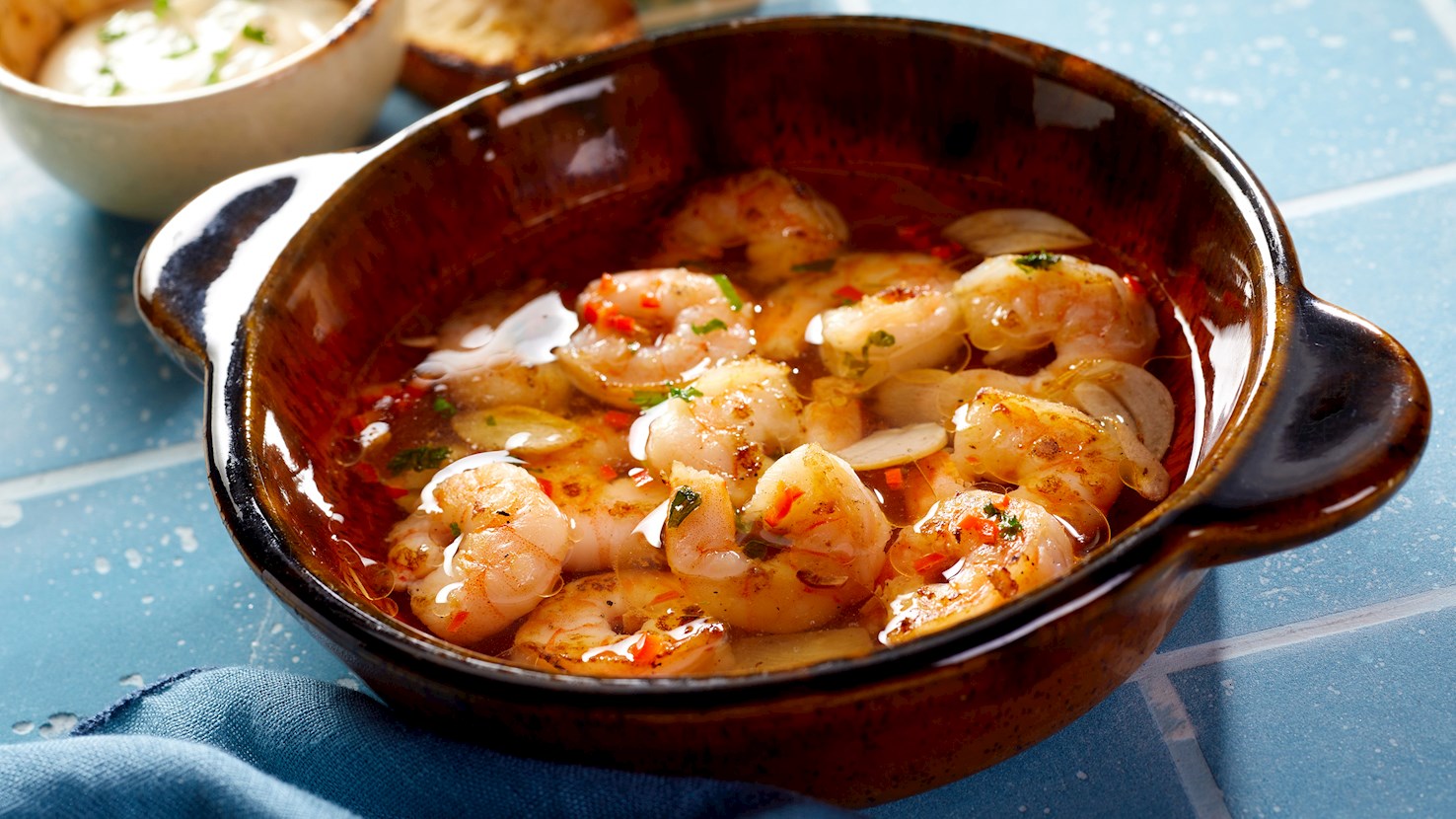
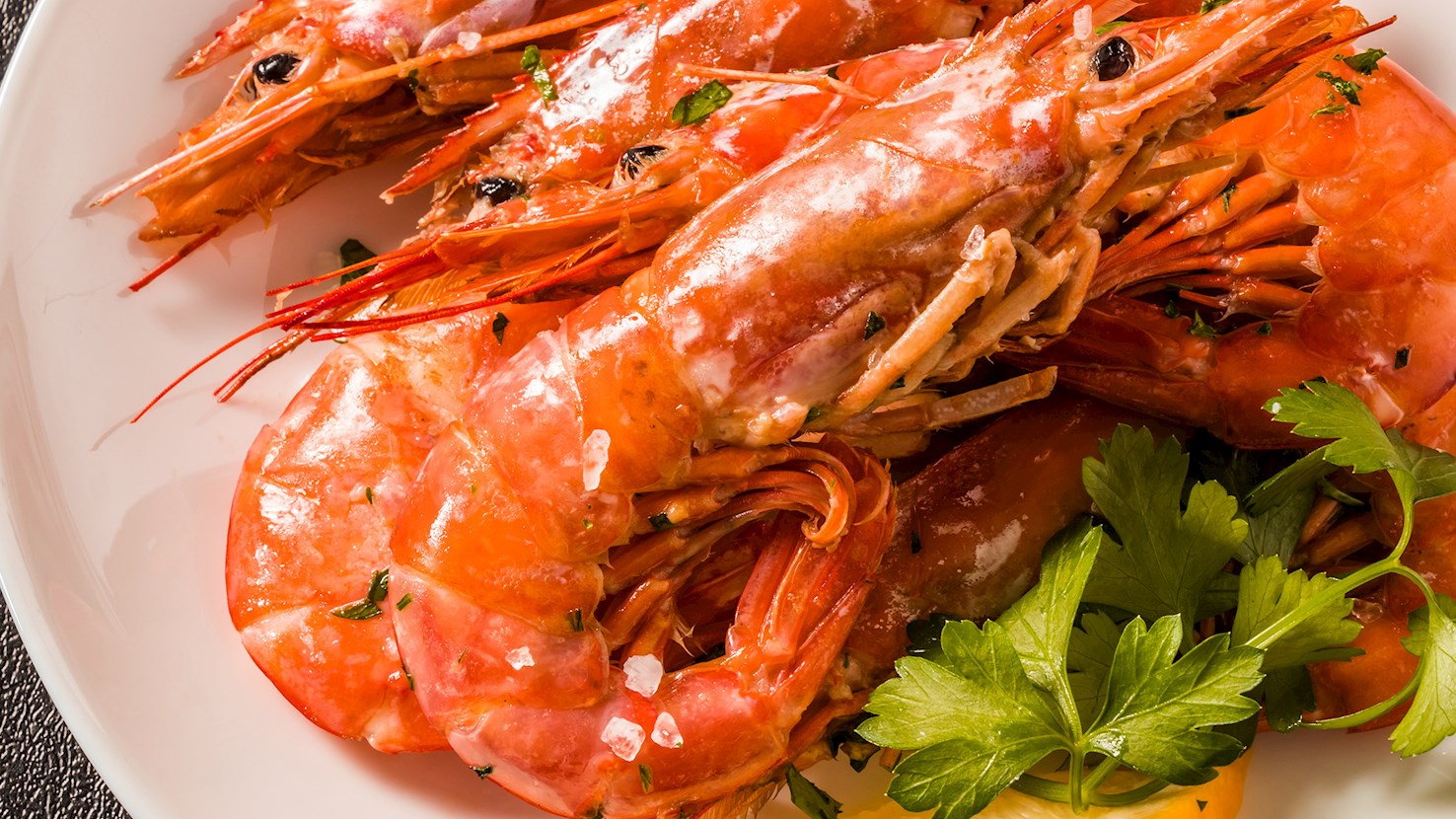
Gambas al ajillo is a popular Spanish appetizer consisting of shrimps that are sautéed in a pan with minced garlic, lemon juice, paprika, and olive oil. The dish is usually consumed as a tapa. It is recommended to garnish gambas al ajillo with chopped parsley and pair it with some crusty bread on the side, which is useful for mopping up the flavorful sauce.

04

Gambas à la plancha

4.3 ·

This is a traditional tapa dish where whole shrimps are seasoned with salt, then quickly grilled on an iron skillet over high heat. It is recommended to enjoy them simply with a few squeezes of lemon or lime juice on top, while black pepper is optional, according to personal preferences. Pair the shrimps with a cold beer or a glass of wine on the side.

05

Bobó de camarão

4.3 ·

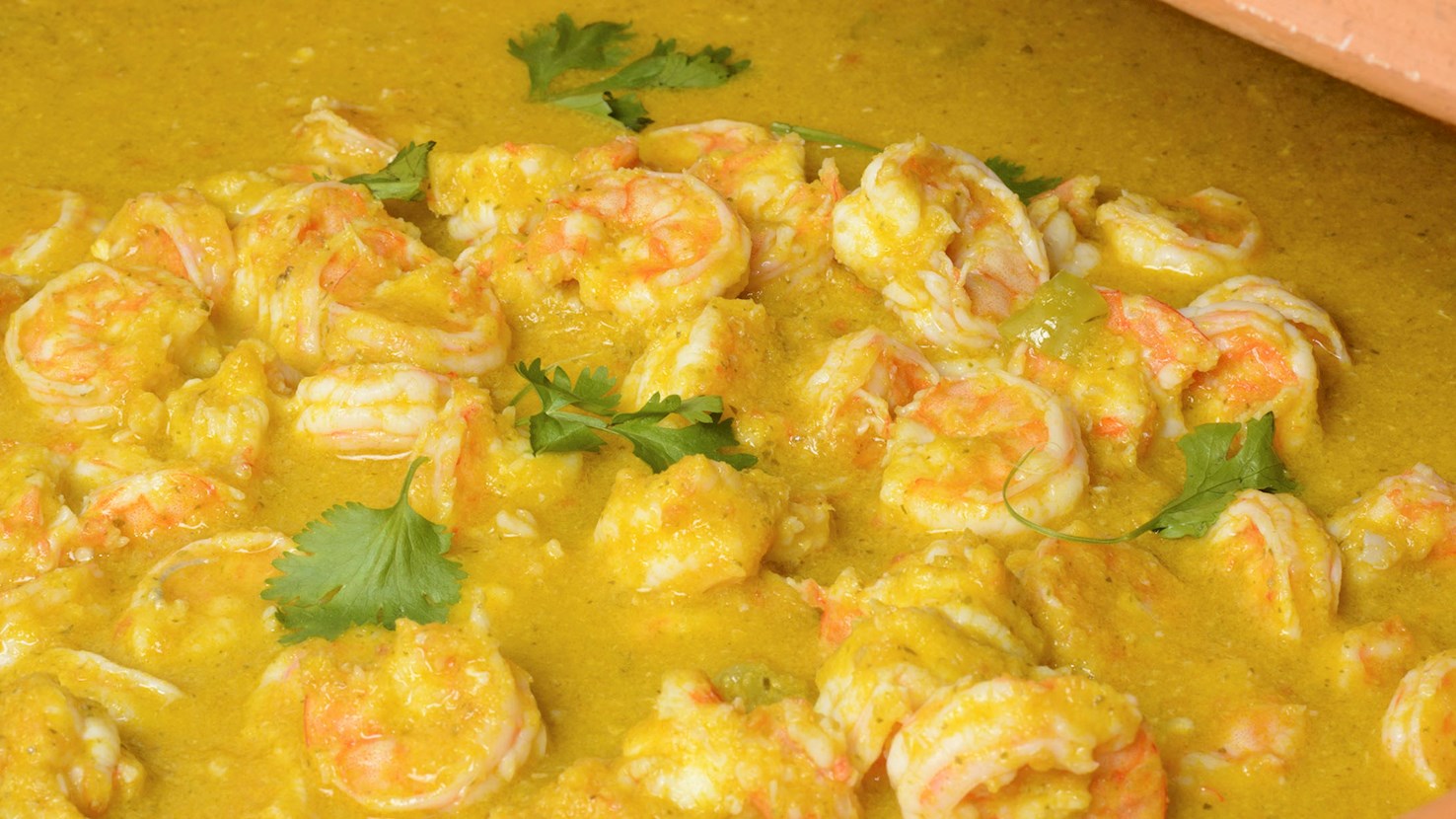
A classic dish of the Brazilian Bahia region, bobó de camarão is a stew made with puréed cassava (bobó), fresh shrimps, coconut milk, and dendê palm oil. The word bobó comes from the Ewe people who were brought to Brazil as slaves, denoting a dish made with beans, although there are no beans in bobó de camarão as we know it today, due to the fact that the Afro-Brazilians enthusiastically took to cassava when they were first introduced to it. The dish is traditionally accompanied by rice on the side, and is a staple of most traditional Brazilian eateries and Bahian self-service restaurants.

06

Simiako garidaki

4.3 ·

A quintessential seafood delicacy of the Greek island of Symi, simiako garidaki or Symi shrimp is a unique variety of tiny shrimps that inhabit the sea around the island. Bright red, delicate, and sweet, the small crustaceans are packed with flavor, which has made them famous throughout the whole country and beyond. The most common way to enjoy these tiny crustaceans is crispy-fried in olive oil and garlic, typically seasoned with nothing else than salt and pepper. Due to their delicate nature, the fried shrimps are usually eaten whole, including tails, shells, and heads. Sometimes they can be coated in flour and cornstarch before frying, and they’re commonly not enhanced with any other flavorings or sauces, except for an optional squeeze of lemon. Fried Symi shrimps make for an excellent meze dish alongside a glass of Greek ouzo or local raki. On Symi Island, a festival day has been dedicated to these special shrimps, celebrated every year in August.

07

Tacos de camarones

4.3 ·

Taco de camaron is a variety of taco filled with shrimps and various other ingredients such as tomatoes, onions, coriander, mayonnaise, or pico de gallo. Shrimp tacos originate from Baja California, and are often served with lime or lemon wedges on the side. It is recommended to pair the dish with a cold beer on the side.

08

Chupe de camarones (Peruvian shrimp chowder)

4.3 ·

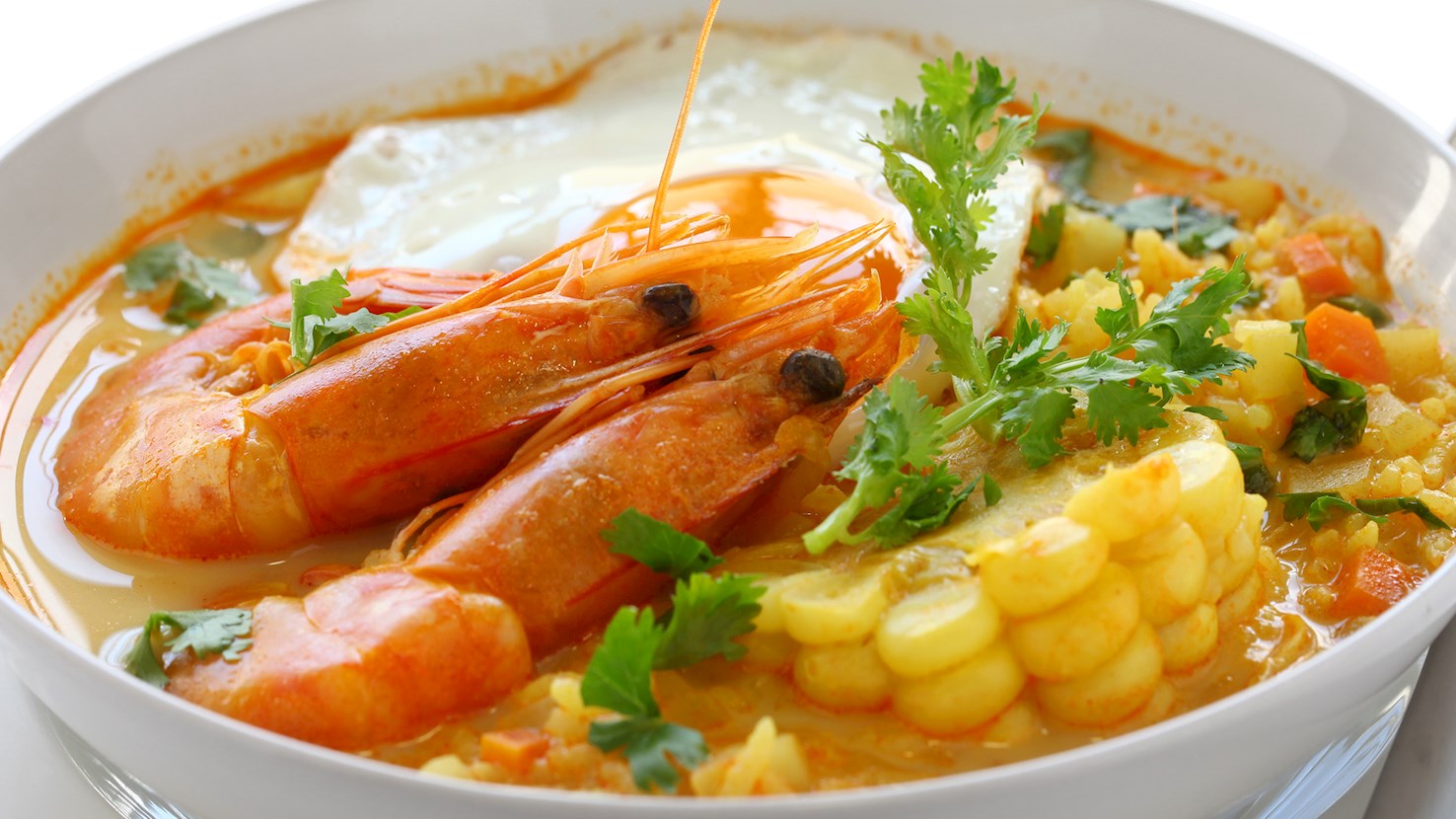
Chupe de camarones is a popular Peruvian shrimp (or prawn) chowder with a long and unusual history. The chowder is typically made with fish stock, fresh shrimps, onions, garlic, and yellow potatoes, while rice, beans, carrots, and peas are used often, but not always. The dish is traditionally served in deep bowls and garnished with parsley. In recent years, food historians have revealed that chupe de camarones actually evolved from a thick Arequipeño stew made with potatoes, llama meat, and herbs. The dish was called chuwa misa (lit. deep bowl) and was prepared before the 16th century. After the Spanish conquest, locals started to catch shrimps, preparing shrimp ceviche and shrimp sauteé in the process. The Spaniards brought some new ingredients to the region, such as milk and cheese, and added them to the shrimp sautée, resulting in the creation of chupe de camarones.

09

You bao xia (Stir-fry shrimps)

4.3 ·

Stir-fry shrimps or you bao xia is a Chinese dish where whole shrimps are stir-fried in a wok until crispy. They are then soaked in a savory sauce that typically consists of chicken broth, black vinegar, sesame oil, sugar, and Shaoxing wine. Scallions and ginger slices are often used during the cooking process, but they might also be used as garnishes before the dish is served. Stir-fry shrimps are especially popular at Chinese New Year celebrations.

10

Arroz con camarones (Rice with shrimps)

4.2 ·

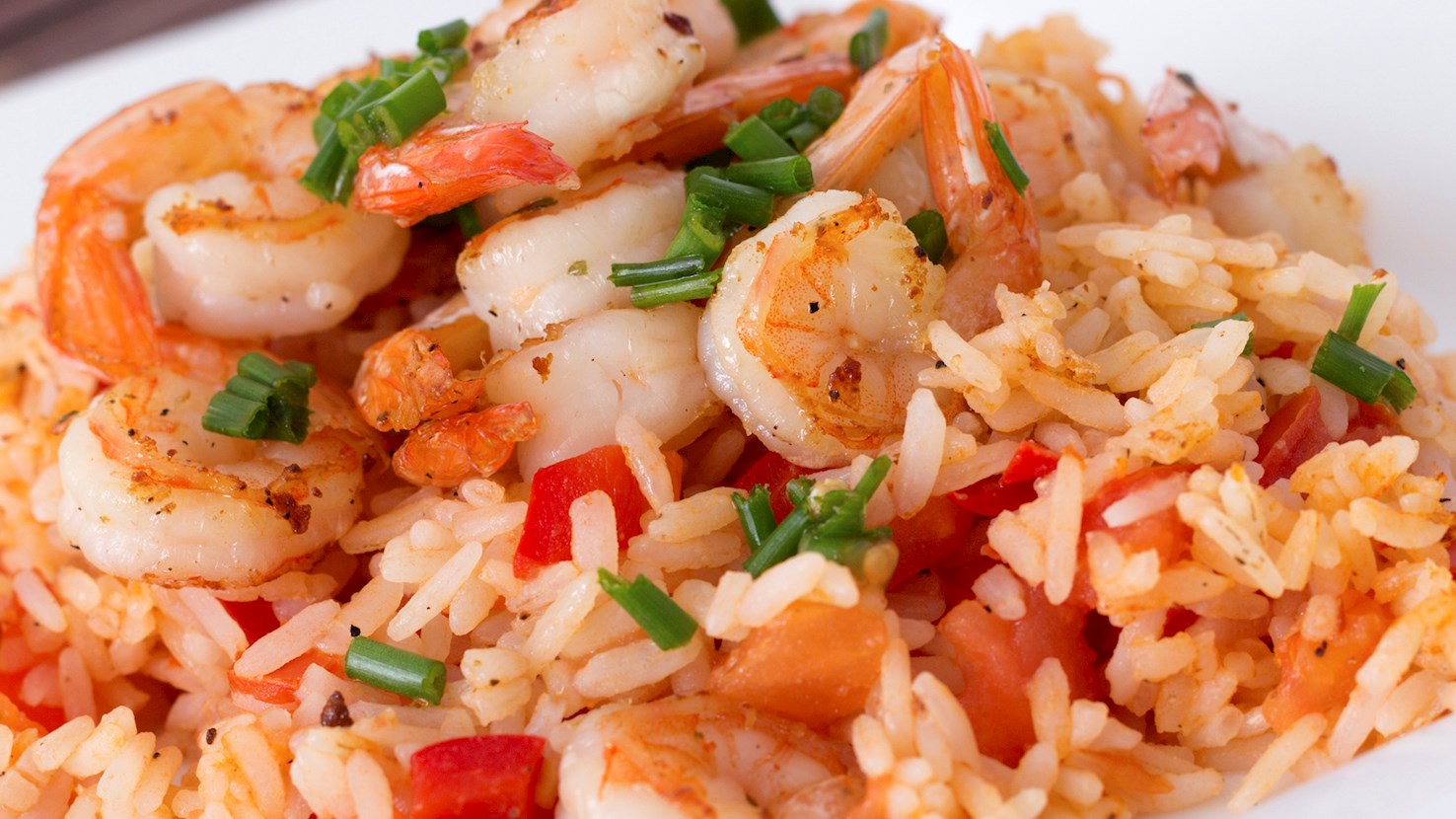
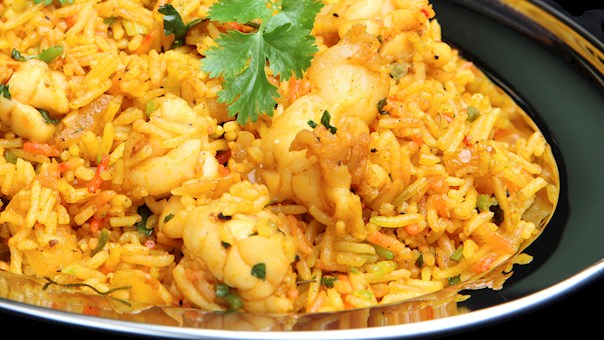
Arroz con camarones is a dish that is popular throughout Latin America, especially in Peru, Ecuador and Mexico. It consists of rice that is cooked in a flavorful shrimp broth, combined with shrimp, peppers, tomatoes, and onions. The dish is usually seasoned with cumin, garlic, and achiote, with the addition of finely chopped parsley used for garnishing. Arroz con camarones can be served with numerous accompaniments such as lime wedges, hot sauce, avocado slices, or fried plantains.

About this ranking

TasteAtlas food rankings are based on the ratings of the TasteAtlas audience, with a series of mechanisms that recognize real users and that ignore bot, nationalist or local patriotic ratings, and give additional value to the ratings of users that the system recognizes as knowledgeable. For the “Top 85 Shrimp and Prawn Dishes in the World” list until April 15, 2026, 4,847 ratings were recorded, of which 2,780 were recognized by the system as legitimate. TasteAtlas Rankings should not be seen as the final global conclusion about food. Their purpose is to promote excellent local foods, instill pride in traditional dishes, and arouse curiosity about dishes you haven’t tried.

Similar lists