Top 100 North American Snacks

Last updated on May 15, 2026

Best North American Snacks
01

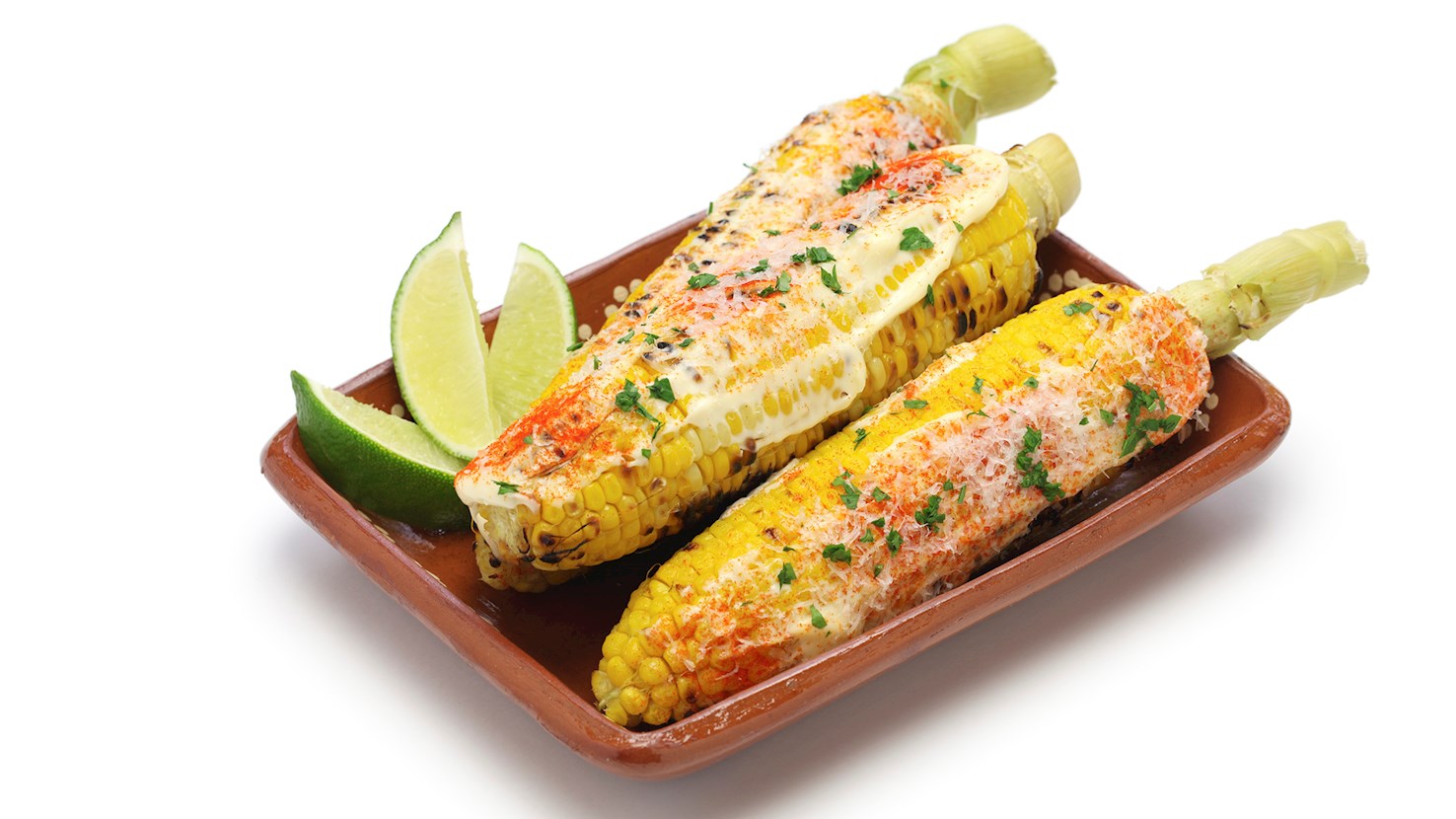
Esquites

4.4 ·

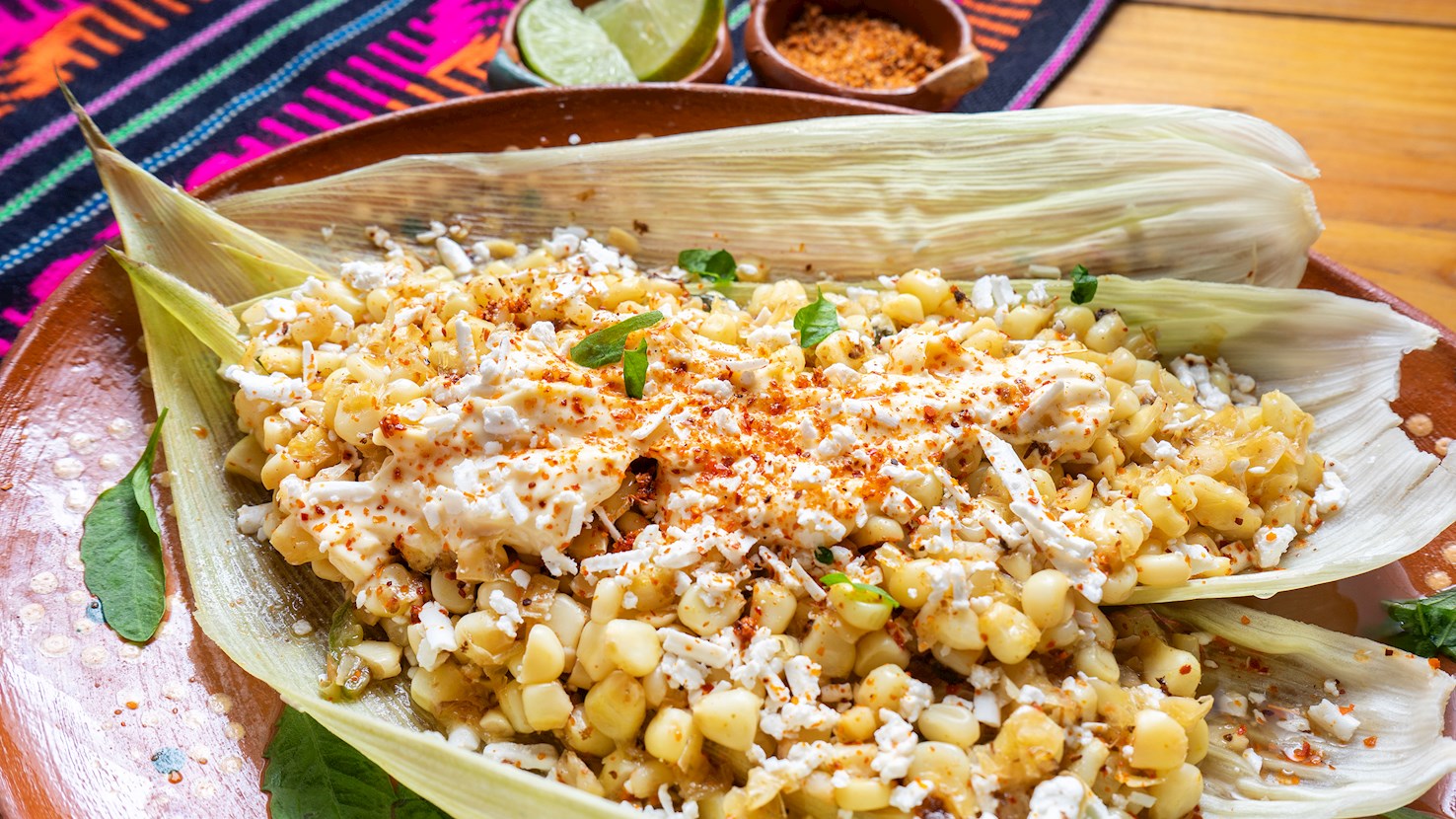
Esquites is the name for popular Mexican street food that is usually consumed as a snack on the go. It is made with mature corn kernels, epazote, and salt. Corn is either grilled and shaved, or cooked with epazote, and it is then typically served in small cups, topped with chili peppers, lime juice, or cotija cheese. Sour cream, mayonnaise, and pequin chili powder are sometimes served on the side so everyone can add the ingredients according to personal preferences. The name esquites is derived from the Nahuatl word izquitl, meaning toasted corn.

02

Antojitos

4.4 ·

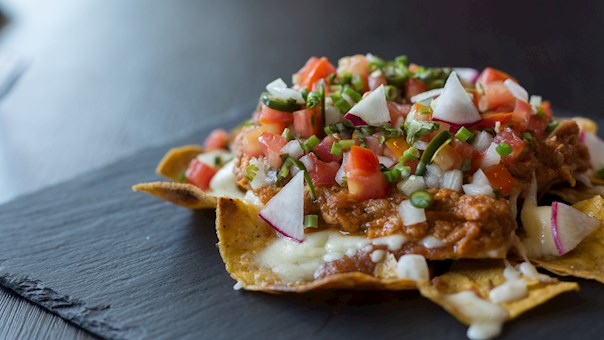
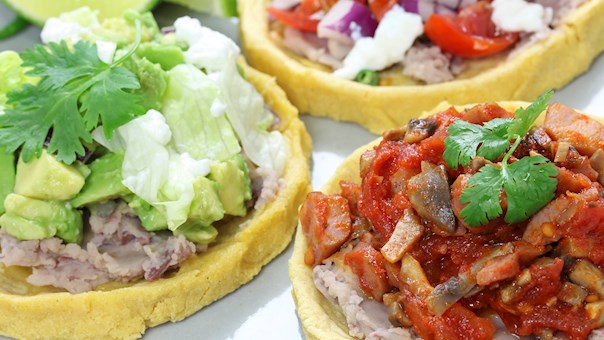
Antojitos (lit. little cravings) refers to a variety of Mexican foods that are prepared in market stalls and on the streets. Due to the fact that formal, substantial meals are consumed in the mid-afternoon, most antojitos are eaten either in the morning or the evening. Typical antojitos include fajitas, tortas, tamales, tacos, tostadas, tlayudas, elote, chalupas, gorditas, empalmes, quesadillas, cemitas, empanadas, pambazo, chilaquiles, and nachos. However, vegetables, fruits, and soups such as pozole and menuda are also classified as antojitos. And let's not forget about the popular Mexican beverages known as aguas frescas, which are traditionally found on the streets. The famous American author and chef Rick Bayless grouped antojitos according to the one element present in all antojitos – corn masa, and in the end, he was left with 8 types of antojitos: tamales, tostadas, tacos, sopes, gorditas, quesadillas, enchiladas, and chilaquiles. Regardless of the classifications, antojitos are one of the staples of Mexican food, and can be consumed as an appetizer, a snack, or as a full meal when eating more than a couple of these delicious "little cravings."

03

Quesadilla

4.2 ·

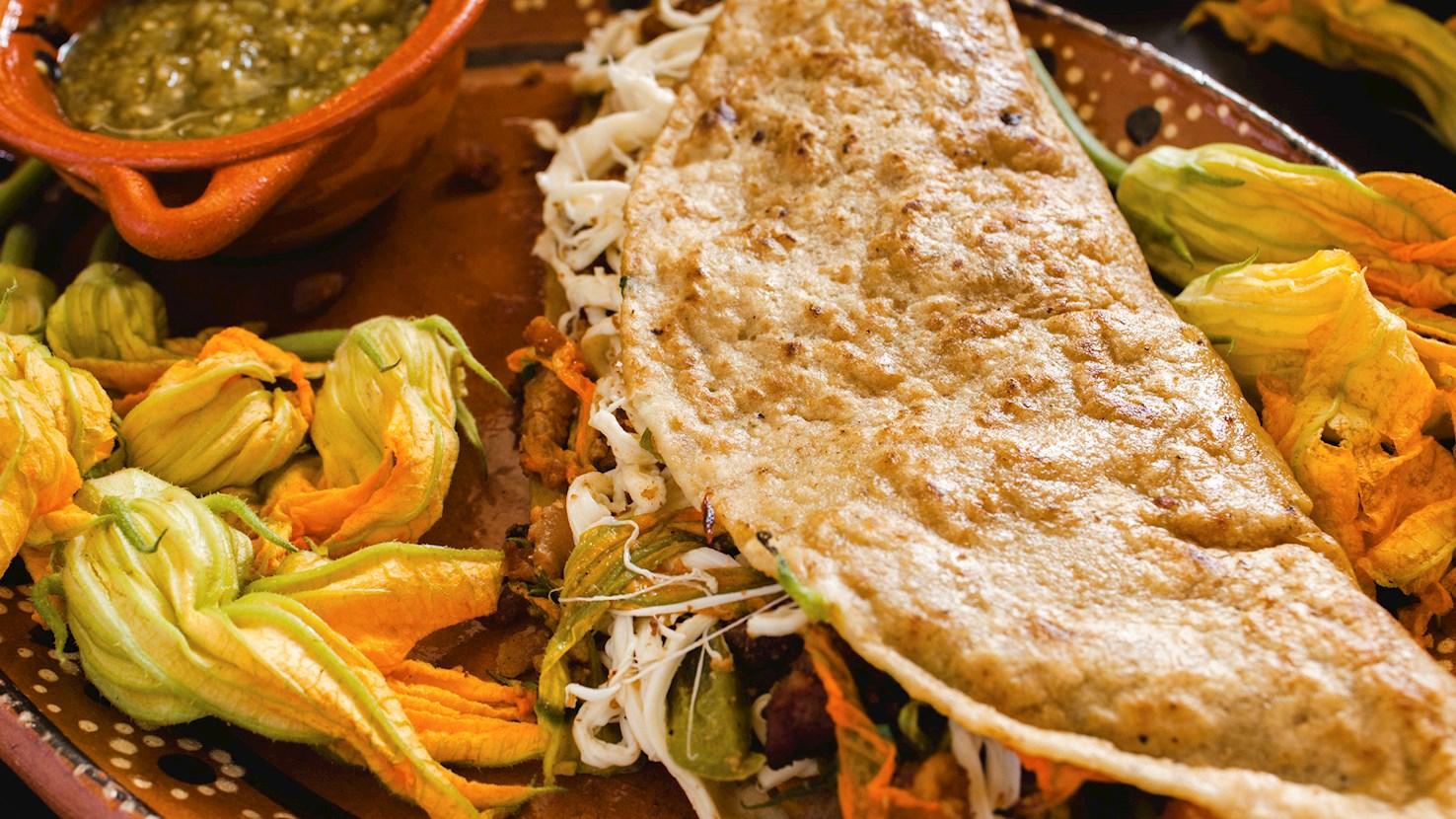
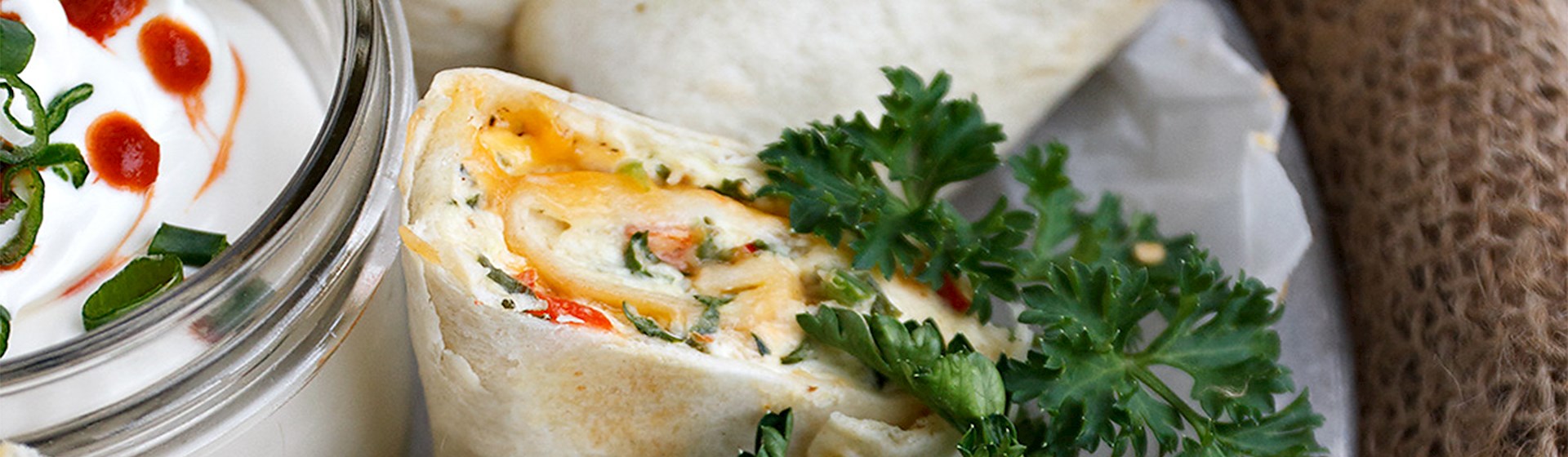
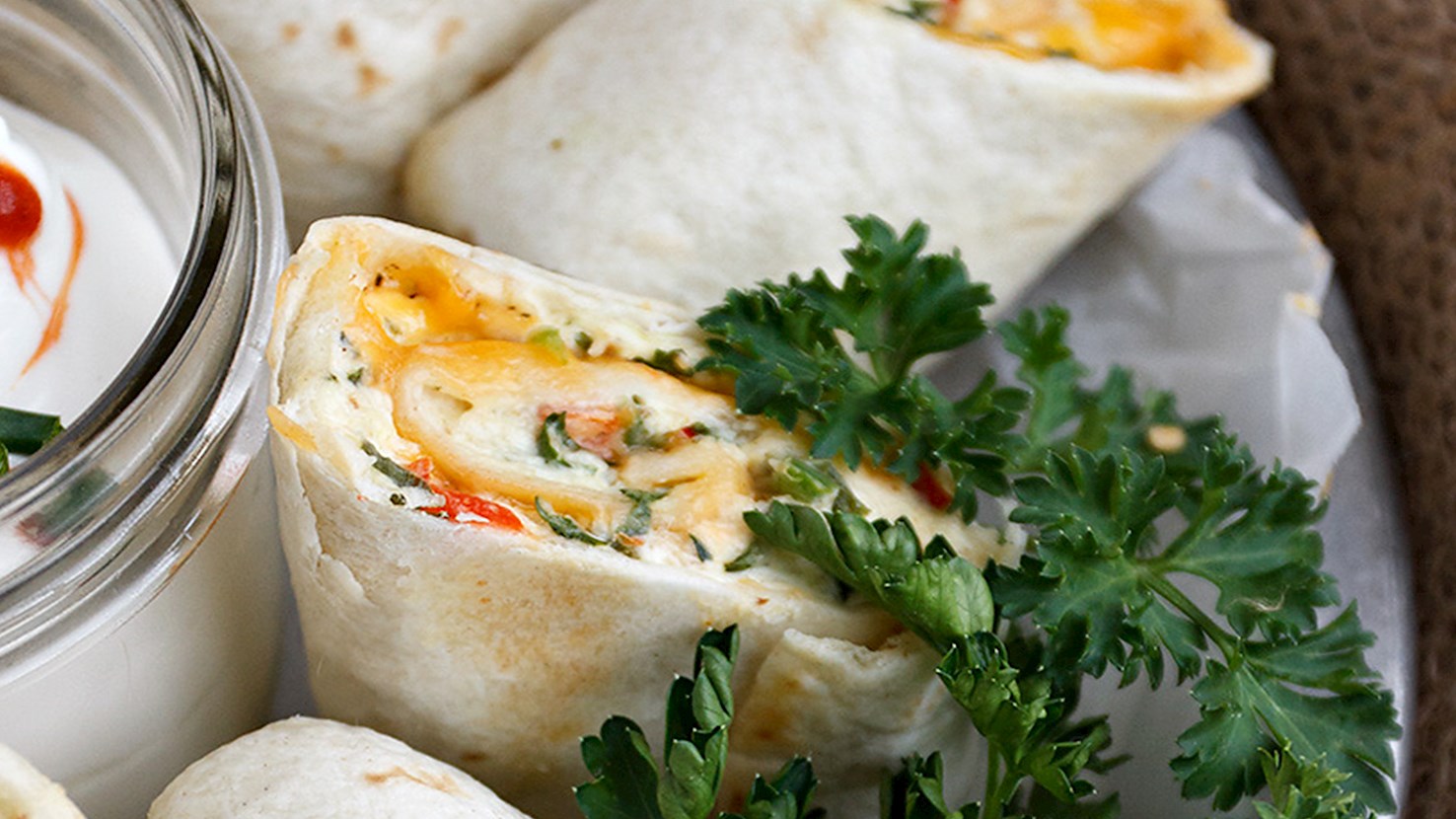
Quesadilla is a simple Mexican snack consisting of a flour or corn tortilla filled with cheese that melts well. It is commonly folded in half and consumed. A quesadilla can also have some other ingredients on the inside such as meats, beans, or potatoes, but cheese is always mandatory (with the exception of Mexico City, where cheese in a quesadilla is often an afterthought). Sometimes, it is cut into wedges and served with salsa or guacamole on the side, and it can be topped with vegetables such as diced tomatoes, onions, lettuce, or hot chiles. The origins of quesadilla are somewhat murky, but it is known that the cheese was brought to Mexico by the Spaniards along with other dairy products in colonial times, and the thin flatbreads were already a staple of the Mesoamerican people. The Spaniards named the dish quesadilla (little cheesy thing). In northern Mexico, and parts of the southwestern United States, flour tortillas are more common than corn tortillas, so quesadillas with flour tortillas started to gain popularity throughout the United States as well. Today, there are numerous varieties and fillings for quesadillas such as chorizo, Oaxaca cheese, epazote, and squash blossoms.

04

Gordita

4.2 ·

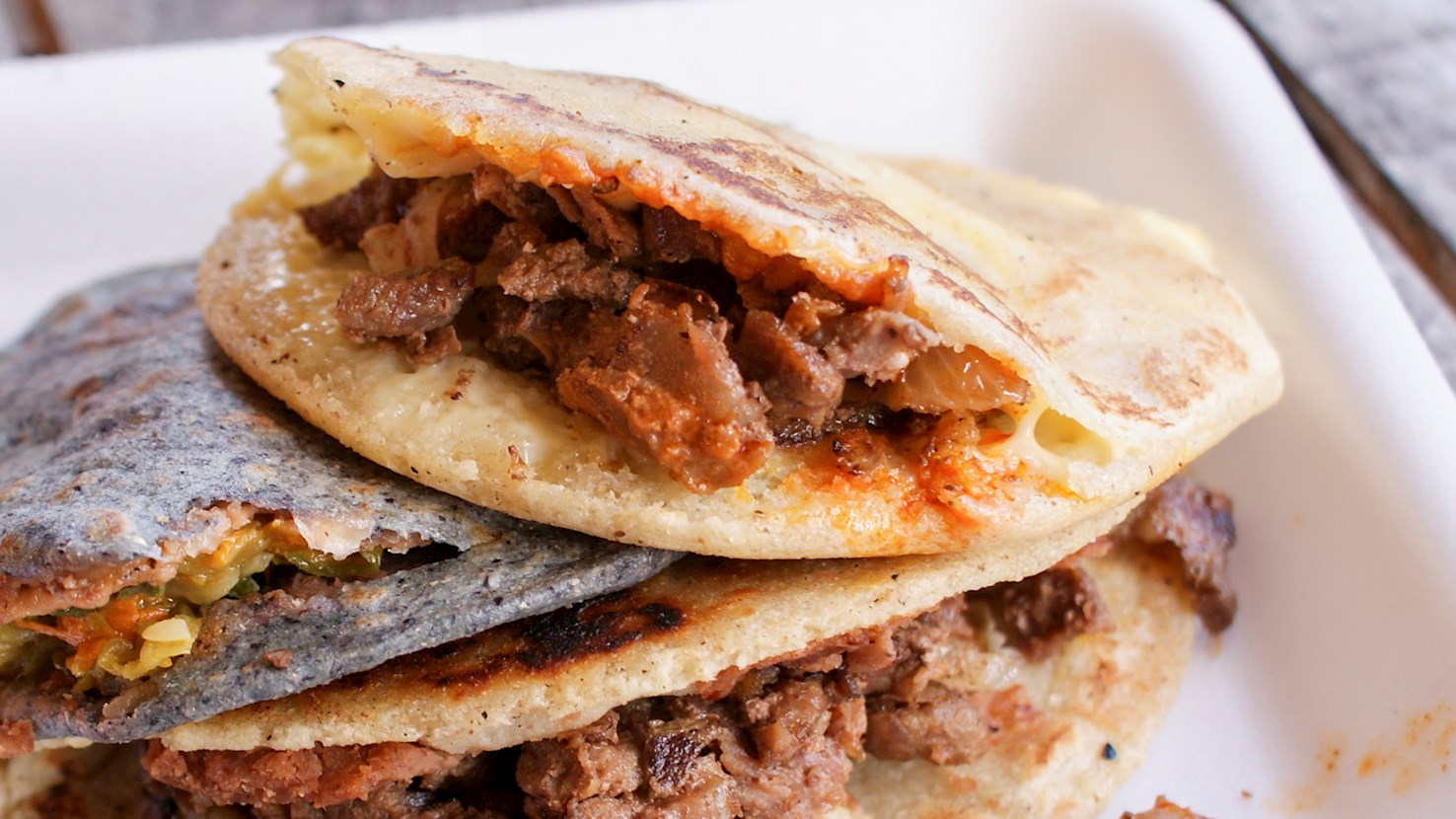
Gorditas are thick tortillas from Mexico, made from masa corn flour and stuffed with a variety of ingredients such as meat, cheese, beans, nopal cactus, and salsa or guacamole. Due to their thickness, they can withstand some ingredients that a regular tortilla can't, such as thick stews. Even their name, gordita, means little fat one in Spanish, referring to their thickness, a word that is commonly used as a term of endearment. Gorditas are typically served as street food in Mexico, but their popularity has spread all over the world. The dish is also ideal for a light lunch or supper, or to serve before a rustic main course such as lamb birria. Although most gorditas are prepared in a savory version, there is also a dessert version called gorditas de azucar, with sugar and spices added to the dough, and a filling of chopped fruits and whipped cream.

05

Montreal-style bagel

4.2 ·

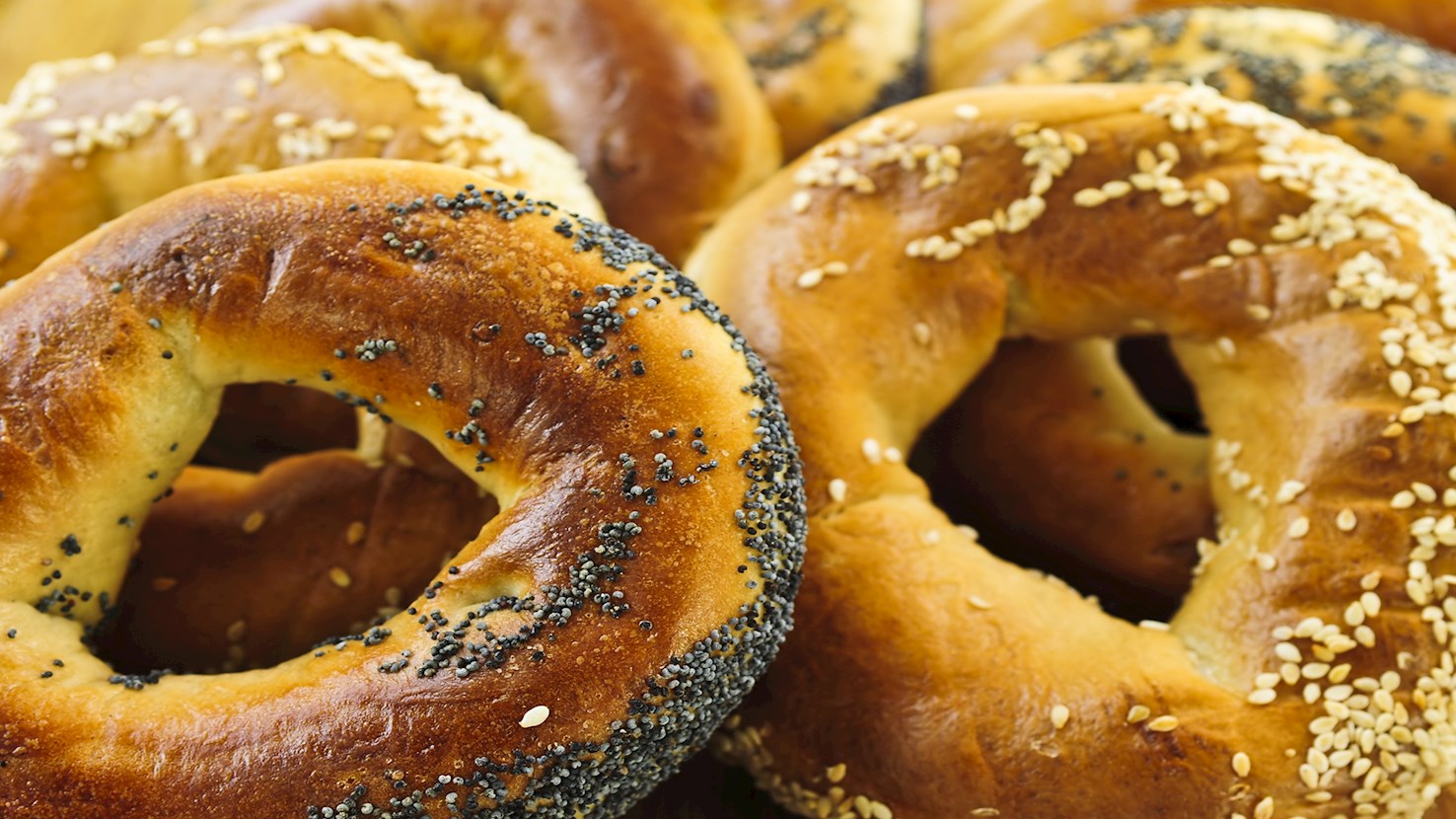
This bagel variety came to Montreal with the wave of Eastern European Jewish immigrants during the early 1900s. There are varying theories about the creator of the first Montreal-style bagel – some claim it was a baker named Isadore Schlafman, while others say it was Hyman Seligman from Dvinsk, who sold them from a horse-drawn carriage. Before baking, these bagels are boiled in kettles of honey water. Unlike New York-style bagels, these contain no salt and are less dense, with a slightly sweeter flavor. They are rolled and cut by hand and have a large hole in the center. Because Montreal bagels are wood-fired, it results in a crispy exterior and a chewy interior of the dough. Traditionally, they are available in two varieties – sesame seed bagels and poppy seed bagels.

06

Cinnamon Rolls

4.2 ·

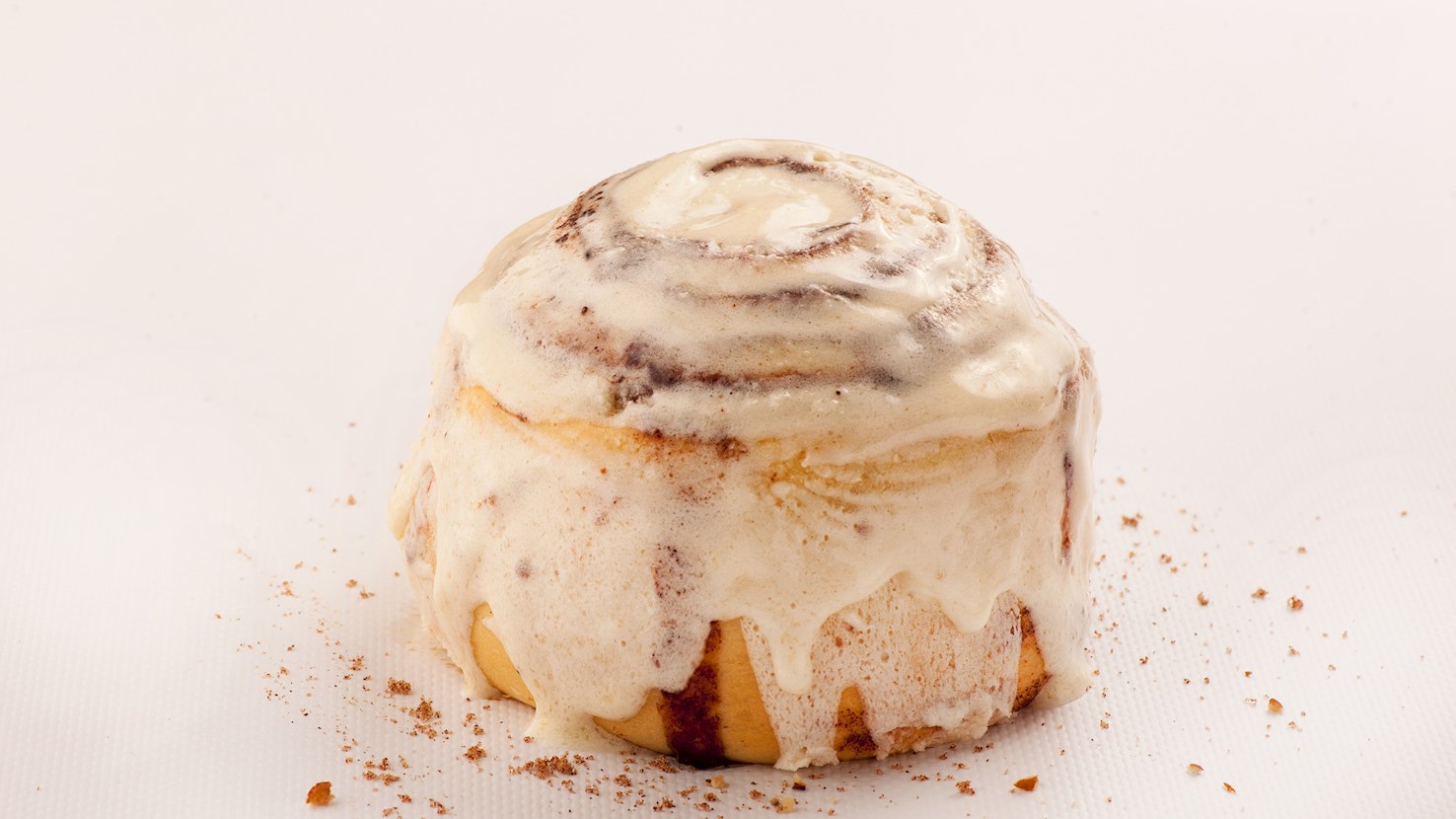
American-style cinnamon rolls are characterized by the pillowy, soft dough and their much larger size and softer texture when compared to their European cousins. They are made with yeasted dough that is rolled into a rectangle, spread with butter, then sprinkled heavily with a mix of sugar and cinnamon and rolled into a log that is cut into slices. The slices are arranged on a baking tray very tightly and baked. While still hot from the oven, the cinnamon rolls are usually topped with icing or a glaze, most notably powdered sugar icing or cream cheese frosting. There are many variations, either when it comes to the topping or the filling, which can include nuts like macadamia or raisins. Cinnamon rolls are usually eaten for breakfast or as a snack.

07

Elote

4.2 ·

Although elote is a Spanish word for corn, it also signifies a popular Mexican street food consisting of corn on the cob that is coated with lime and mayonnaise, then rolled in crumbled cotija cheese and chile powder. The dish is usually held by the stalk and consumed with hands. Over the years, elote has achieved such popularity that it is no longer reserved as a street food, sold by numerous Mexican street vendors. In recent years, it is sometimes featured even in upscale restaurants across the world, where it is treated as an international delicacy. Apart from Mexico, elote can also be found in the United States, in cities such as Boston, Los Angeles, and New York, where its contrasts of hot and cold, crunchy and creamy, and salty and spicy are regularly satisfying numerous hungry consumers.

08

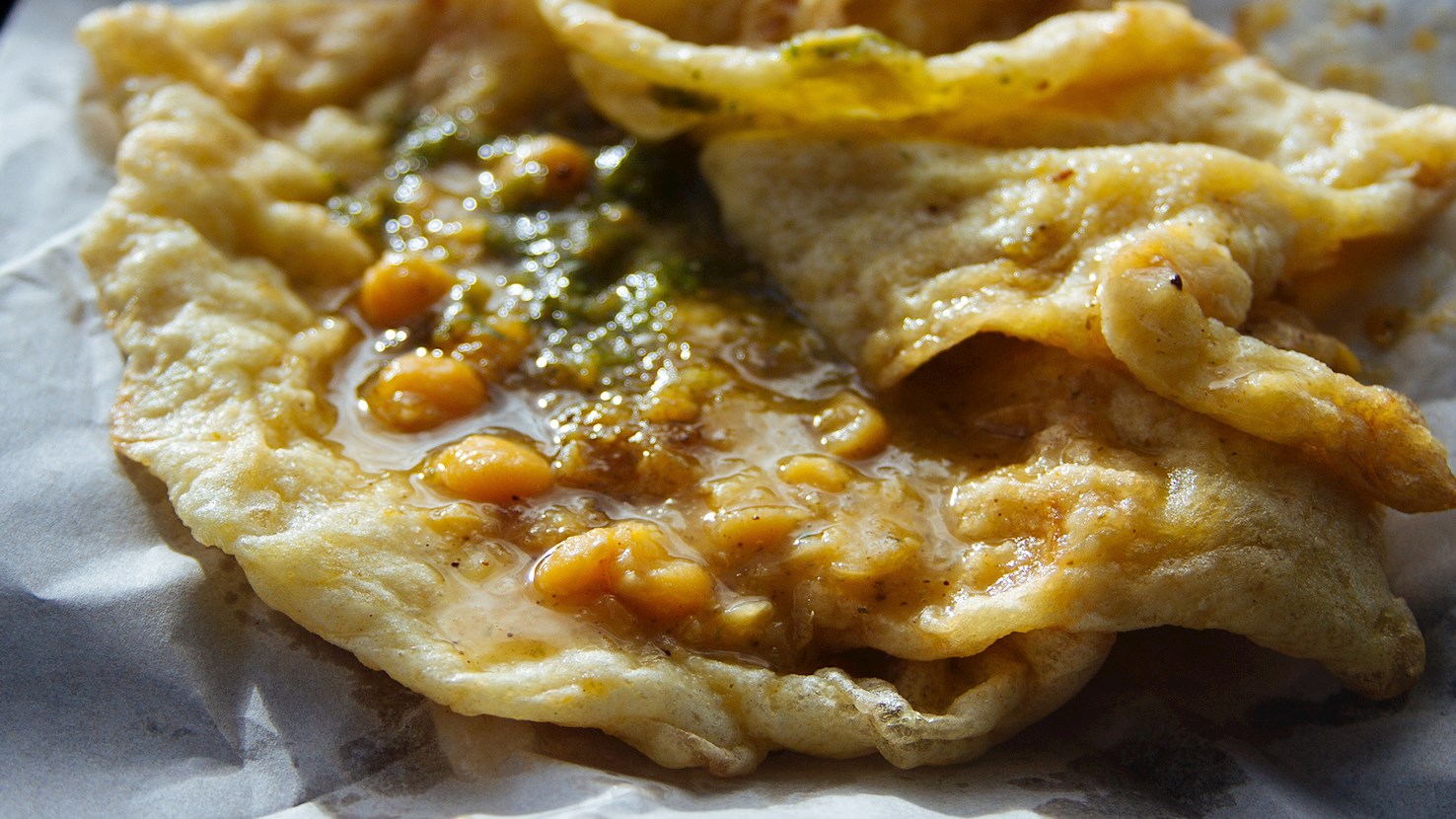
Doubles

4.2 ·

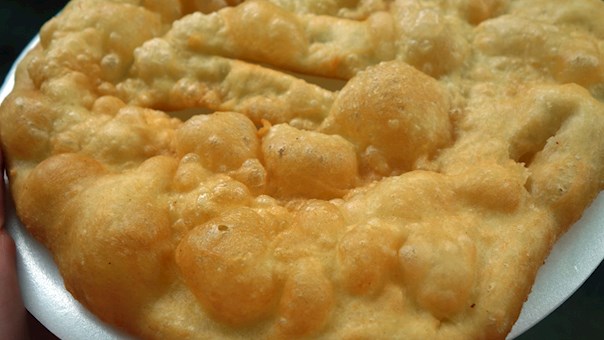
Doubles is a staple of Trini street food, a sandwich that consists of two fried flatbreads (bara) filled with curried chickpeas (curry channa). It is believed that doubles were invented in 1936 in Princes Town, and nowadays they are consumed for breakfast or as a late-night snack. The dish can be additionally enriched with ingredients such as pepper sauce, tamarind sauce, or green mango pickle with amchar masala, known as kuchela. In Trinidad and Tobago, doubles are typically sold wrapped in paper.

09

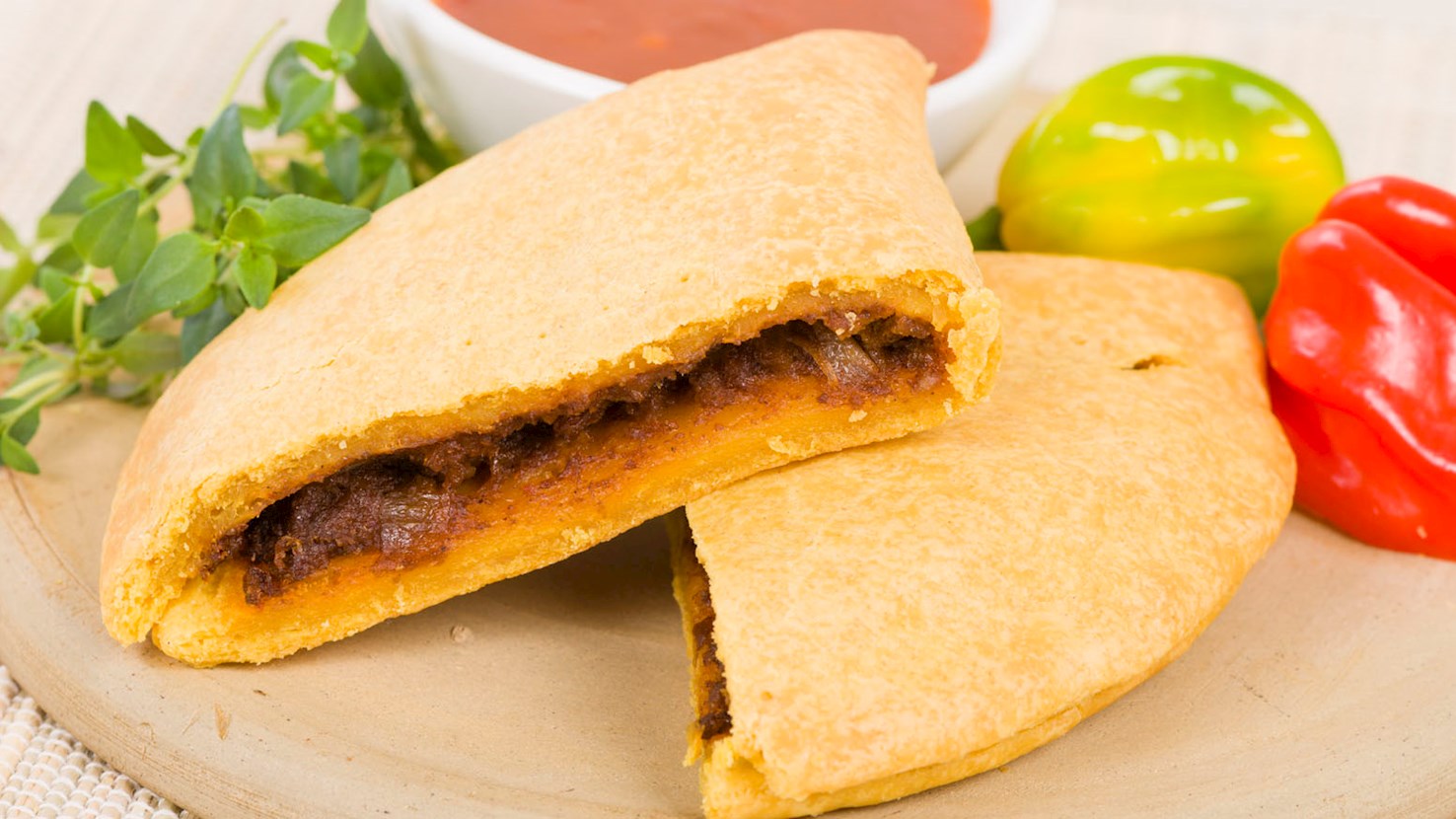
Jamaican patty

4.1 ·

A Jamaican patty is a baked, handheld pastry filled with seasoned meat, vegetables, or seafood and enclosed in a flaky, yellow-tinted crust. It is one of the most recognizable foods of Jamaica and is widely eaten across the Caribbean and in Jamaican communities abroad. The distinct yellow color of the crust comes from turmeric or curry powder, and the filling is defined by a blend of Jamaican spices, including allspice, thyme, Scotch bonnet pepper, and scallion. Patties are commonly sold by bakeries, street vendors, and small shops, where they serve as an everyday meal or snack. The development of the Jamaican patty reflects several culinary influences that converged on the island. British settlers introduced meat pies, which inspired the concept of a seasoned filling wrapped in pastry. African cooking practices contributed techniques for seasoning and slow-cooking meat with spices and herbs. Indian indentured laborers brought curry powder and turmeric, which influenced both the color and flavor profile of the crust and fillings. Ingredients such as Scotch bonnet pepper, thyme, and allspice reflect local Jamaican agriculture and spice preferences. These elements gradually blended over the nineteenth and early twentieth centuries, and the patty emerged as a standardized street food item in urban areas such as Kingston, where bakeries refined the crust and expanded the variety of fillings. Preparation begins with making the dough, which combines flour, cold fat such as butter or shortening, turmeric or curry powder for color, salt, and water. The fat is cut into the flour to create a flaky texture similar to puff or shortcrust pastry. The dough is chilled, rolled out, and cut into circles or half-moon shapes. The filling typically consists of ground beef cooked with onion, garlic, thyme, Scotch bonnet, allspice, and breadcrumbs or flour to bind the mixture. Other fillings may include chicken, saltfish, shrimp, callaloo, vegetable mixes, or cheese. The filling is placed onto a piece of rolled dough, folded over, and sealed by crimping or pressing the edges. The patties are then baked until the exterior becomes crisp and golden. Jamaican patties are eaten throughout Jamaica in homes, schools, bakeries, and street stalls. They are widely consumed as a quick lunch or snack and are often served inside coco bread to make a more filling sandwich. Outside Jamaica, they are popular in Trinidad, Barbados, Guyana, Canada, the United Kingdom, and the United States, where Jamaican bakeries and restaurants prepare them with both traditional and expanded fillings. Common beverage pairings include ting, ginger beer, kola champagne soda, sorrel drink, fruit punches, and cold beer. The patty remains one of Jamaica’s most accessible and widely exported foods, valued for its portability, distinct flavor, and consistent preparation style.

10

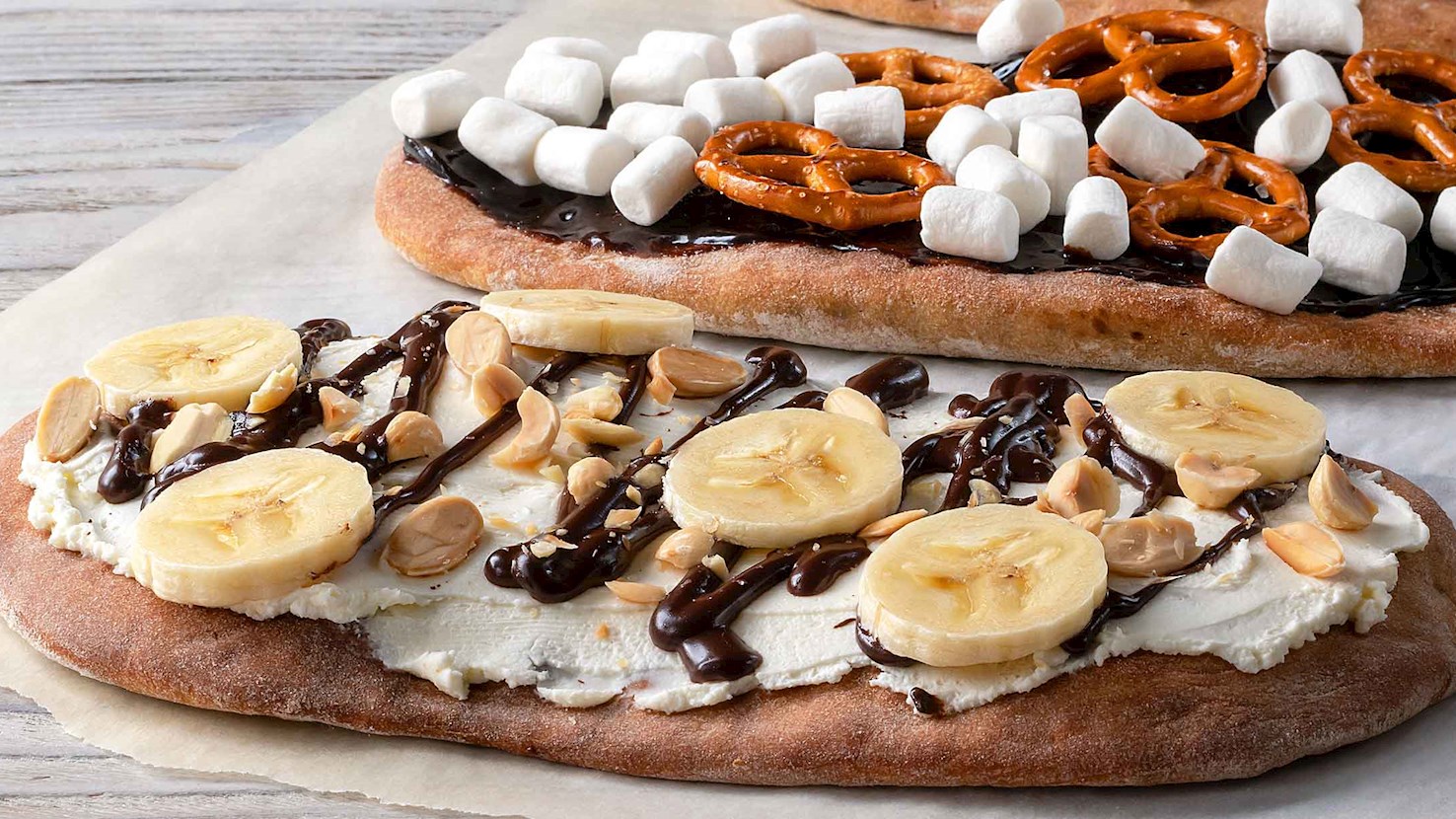
Beaver tails

4.1 ·

Beaver tails are sweet, flat, and thin Canadian pastries made from whole wheat flour. The dough is hand-stretched and shaped to look like a beaver's tail - unsurprisingly, one of Canada's national symbols. The shaped dough is fried (a technique referred to as float-cooking) on canola oil and smothered with butter and a variety of different toppings. Beaver Tails originated from a recipe created by Grant Hooker's family and have been served commercially since 1978. It is believed that the pastry evolved from a yeasty, wheaty dessert made from excess dough that was first made on early Canadian and American farms. Beaver Tails are always served hot and topped with cinnamon, sugar, and some lemon juice, which is the most popular option. Other toppings may include chocolate and hazelnut, maple syrup and butter, apple and cinnamon, whipped cream, chocolate sauce, jelly beans, bananas... The list goes on, as the possibilities are virtually infinite for this Canadian icon.

Best North American Snacks
01

Face Rock Creamery

4.8 ·
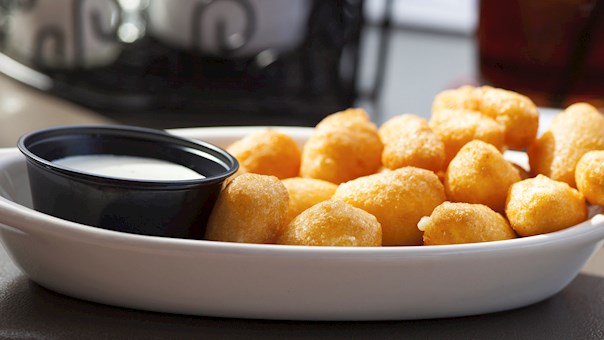
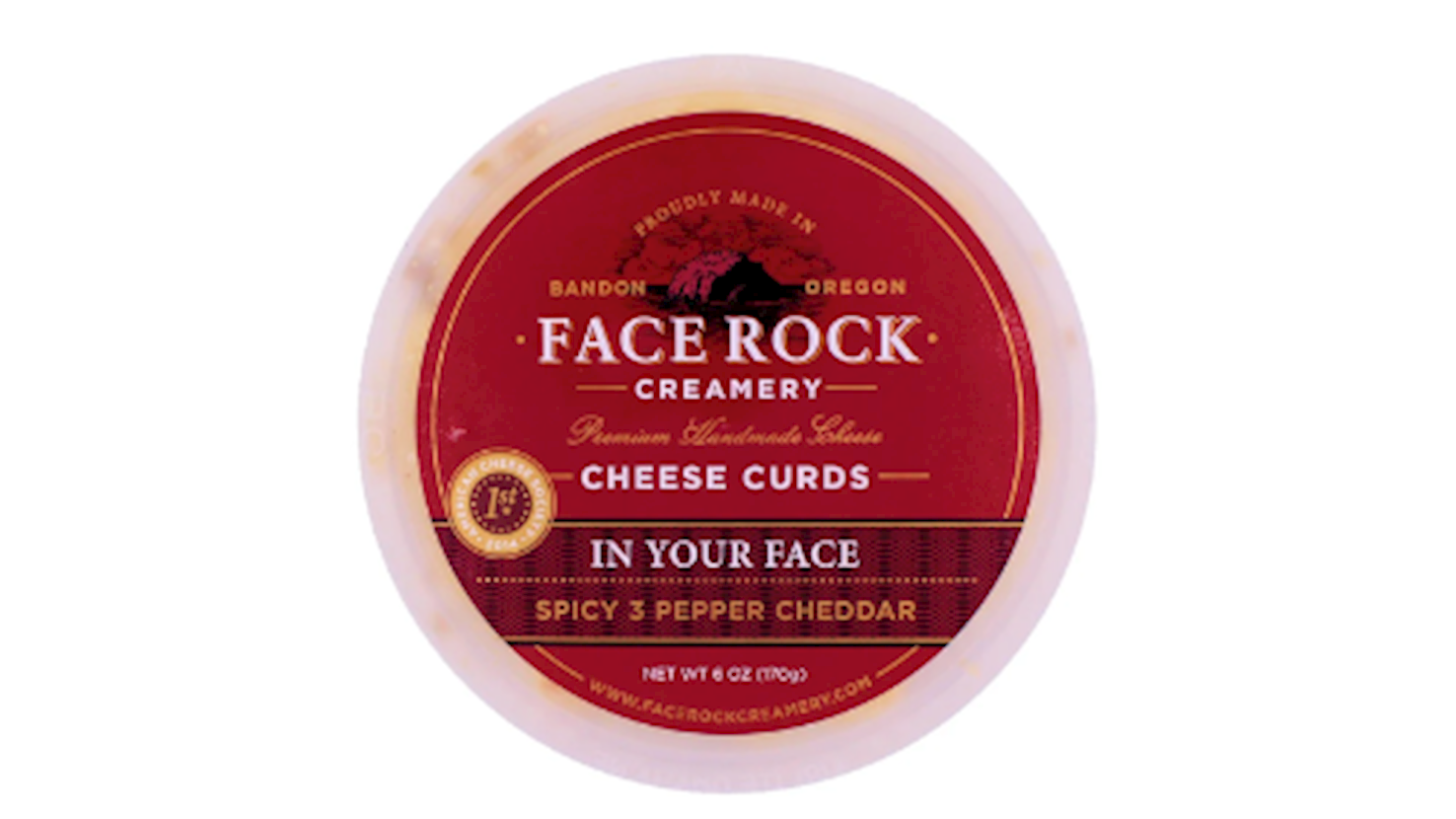
Face Rock Creamery, located in Bandon, Oregon, began operations in May 2013. The creamery specializes in producing a variety of cheeses, including cheddar, Monterey Jack, and curds. It also features a viewing room where visitors can watch the cheese-making process, emphasizing transparency and consumer education. Face Rock Creamery has won several awards for its cheeses at national competitions.
Awards
Culture Cheese Magazine Best Cheeses issue - Best (2023)
American Cheese Society Judging & Competition Awards - 1st Place (2024, 2023, 2022, 2019, 2018, 2015, 2014, 2013)
02

Beecher's Handmade Cheese

4.8 ·
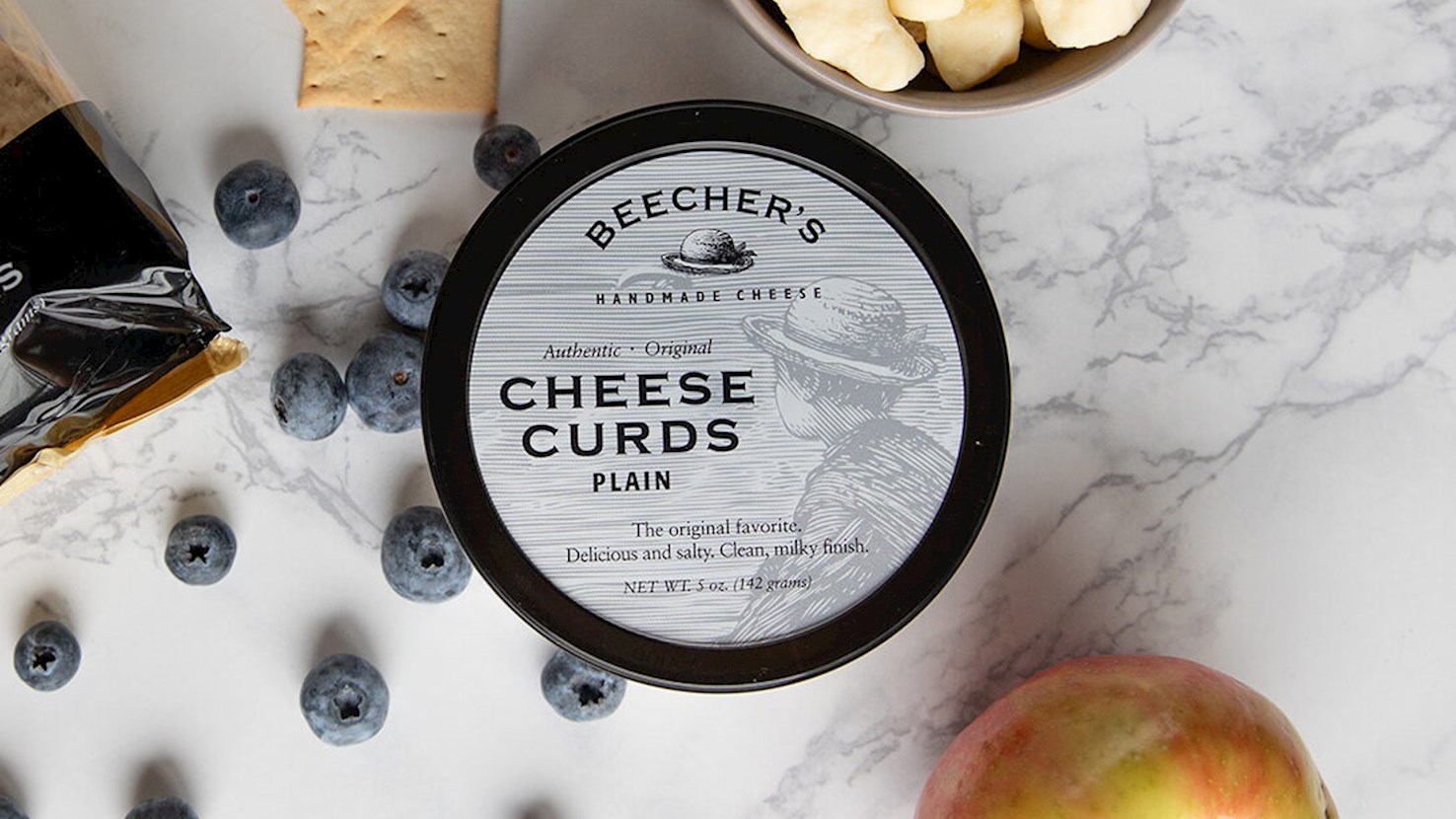
Beecher's Handmade Cheese, established in 2003, is renowned for its artisanal cheesemaking in the heart of Seattle's Pike Place Market. The company was founded by Kurt Beecher Dammeier and quickly became known for its commitment to quality and natural ingredients, producing cheese free from artificial preservatives and flavor enhancers. Beecher's is particularly famous for its Flagship cheese, a semi-hard cow's milk cheese noted for its robust, nutty flavor that is carefully aged for 15 months to develop its complex character. Beecher's operates transparently with a glass-walled facility that allows visitors to watch the cheesemaking process, emphasizing educational outreach and community engagement. They also contribute significantly to charitable causes, with a portion of their sales going to the Beecher's Pure Food Kids Foundation, which teaches children about healthy eating and the importance of natural foods.
Awards
World Championship Cheese Contest - Best of Class (2024, 2022)
World Cheese Awards - Gold (2024, 2023, 2021)
03

V&v Supremo Foods

4.6 ·
V&V Supremo Foods is a cheese producer based in Chicago, Illinois, established in 1964. The company specializes in Mexican-style dairy products, including a variety of cheeses, sour creams, and chorizo. V&V Supremo Foods services both retail and foodservice customers.
Awards
World Championship Cheese Contest - Best of Class (2024, 2022, 2020, 2018, 2016, 2014)
International Cheese & Dairy Awards - Gold (2019)
04

Lesley Stowe

4.5 ·
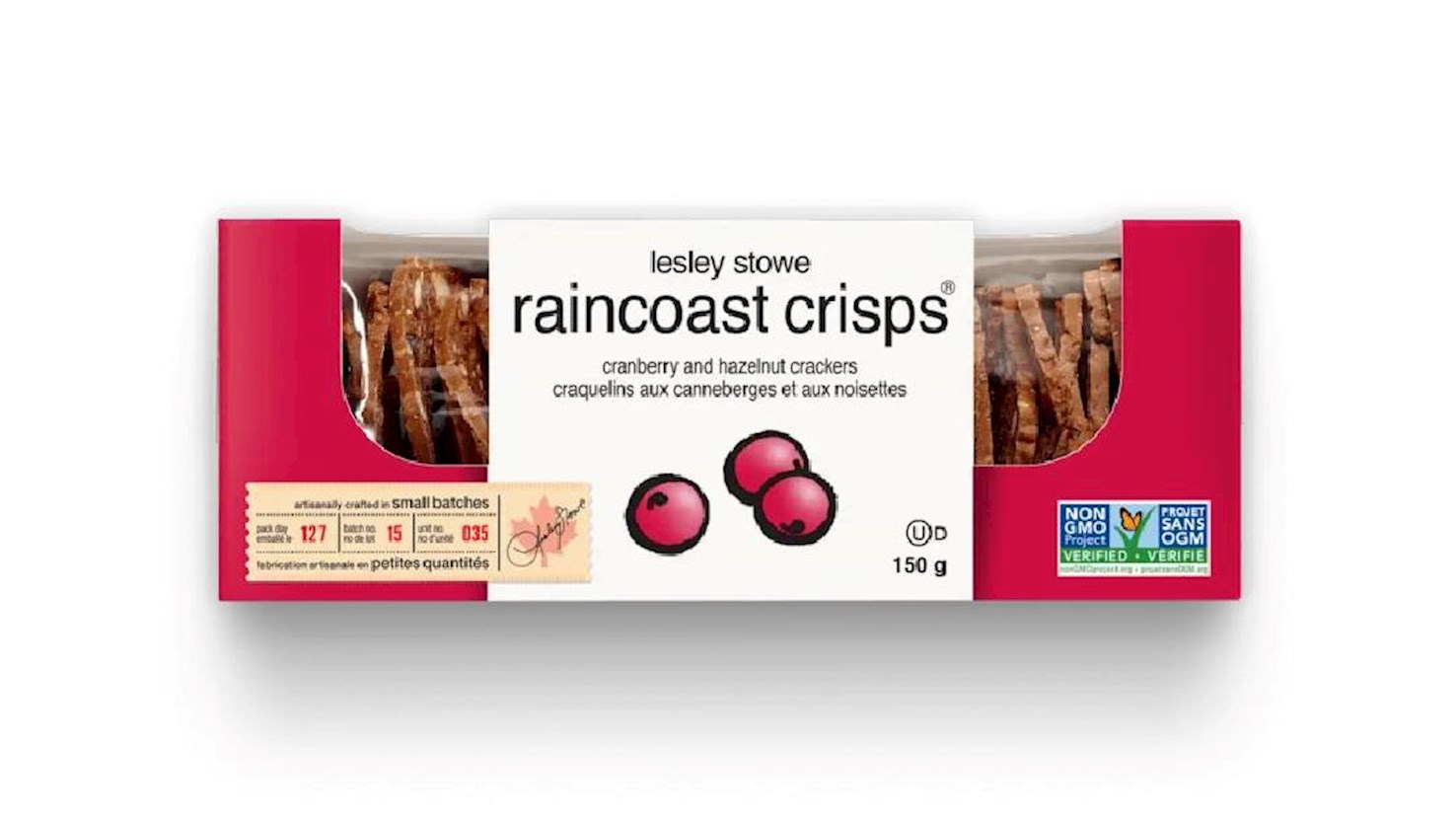
Lesley Stowe is a renowned brand specializing in high-quality snacks, particularly in the cracker category, which are made with meticulous attention to detail and ingredients. This Canadian brand has become synonymous with luxurious snacks that perfectly combine rich flavors and innovation. Founded by the acclaimed Canadian chef Lesley Stowe, the company prides itself on using the finest ingredients, with no compromises in taste or nutritional value. Lesley Stowe products, such as the famous Raincoast Crisps range, have become favorites among food lovers and gourmets worldwide due to their delicate texture, crispness, and unique flavors. Each product is a result of Lesley Stowe’s passion for premium food and her commitment to creating products that elevate every meal or snack to a higher level. Whether served with cheese, fruit, or on their own, Lesley Stowe products are the perfect choice for refined tastes.
Read more
View all
View map
About this ranking

TasteAtlas food rankings are based on the ratings of the TasteAtlas audience, with a series of mechanisms that recognize real users and that ignore bot, nationalist or local patriotic ratings, and give additional value to the ratings of users that the system recognizes as knowledgeable. For the “Top 100 North American Snacks” list until May 15, 2026, 11,173 ratings were recorded, of which 8,151 were recognized by the system as legitimate. TasteAtlas Rankings should not be seen as the final global conclusion about food. Their purpose is to promote excellent local foods, instill pride in traditional dishes, and arouse curiosity about dishes you haven’t tried.

The initial list of top producers was compiled based on available reviews, awards, local recommendations, media and blog coverage, and consumer reviews. The list will be updated with ratings from TasteAtlas local ambassadors and TasteAtlas users.

Similar lists