

shutterstock

Top 100 Asian Vegetable Dishes

Last updated on June 15, 2026
01

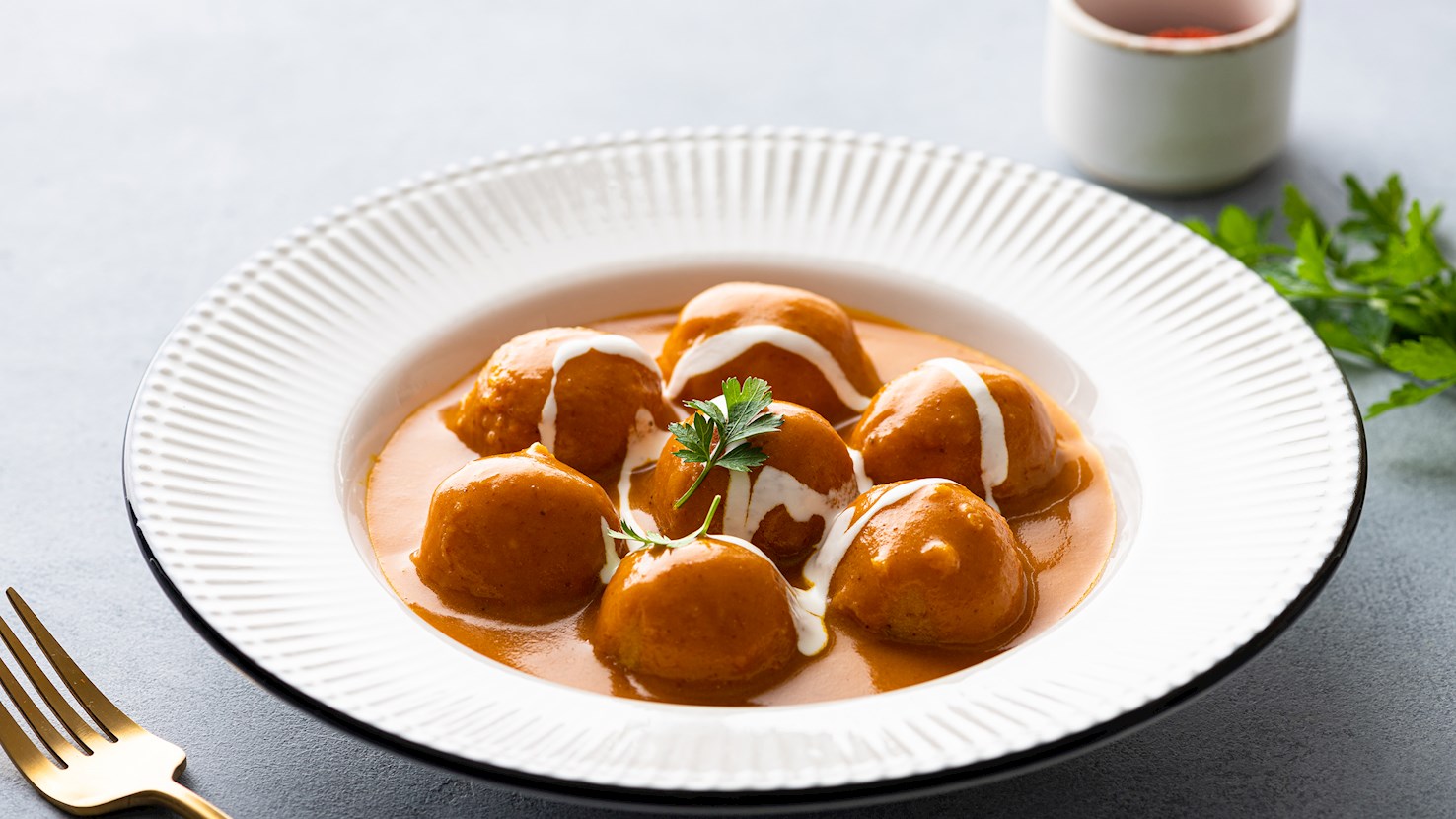
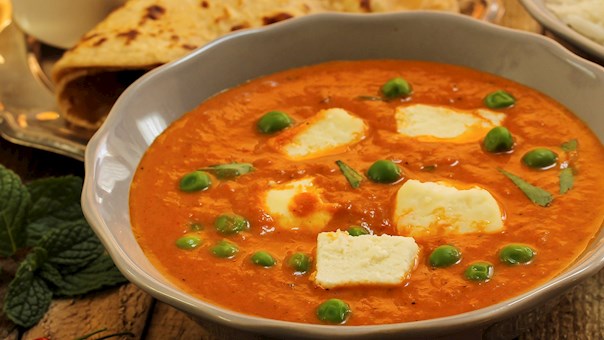
Malai kofta

4.3 ·

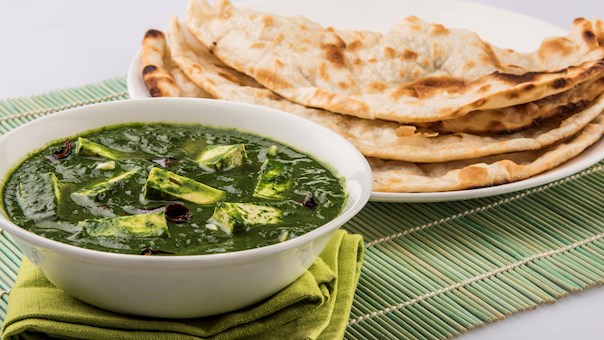
Malai kofta is a traditional North Indian dish consisting of fried potato and paneer balls in a creamy sauce. The dish is commonly served at festivals, celebrations, and weddings due to its rich texture and flavors. A typical dish of Mughal cuisine, developed in Medieval India by the cooks of the Mughal Empire, it is essentially a vegetarian substitute for a meatball curry, malai meaning cream, and kofta meaning dumplings. The dish is often prepared in a unique wok called a kadai, hence the other name of the dish, kadai kofta. Some food historians believe that these deep-fried dumplings have incorporated the influences of Turkish and Persian food cultures within them. The best and most usual accompaniments to malai kofta include naan bread and rice, and the dish is commonly garnished with shredded paneer and chopped coriander.

02

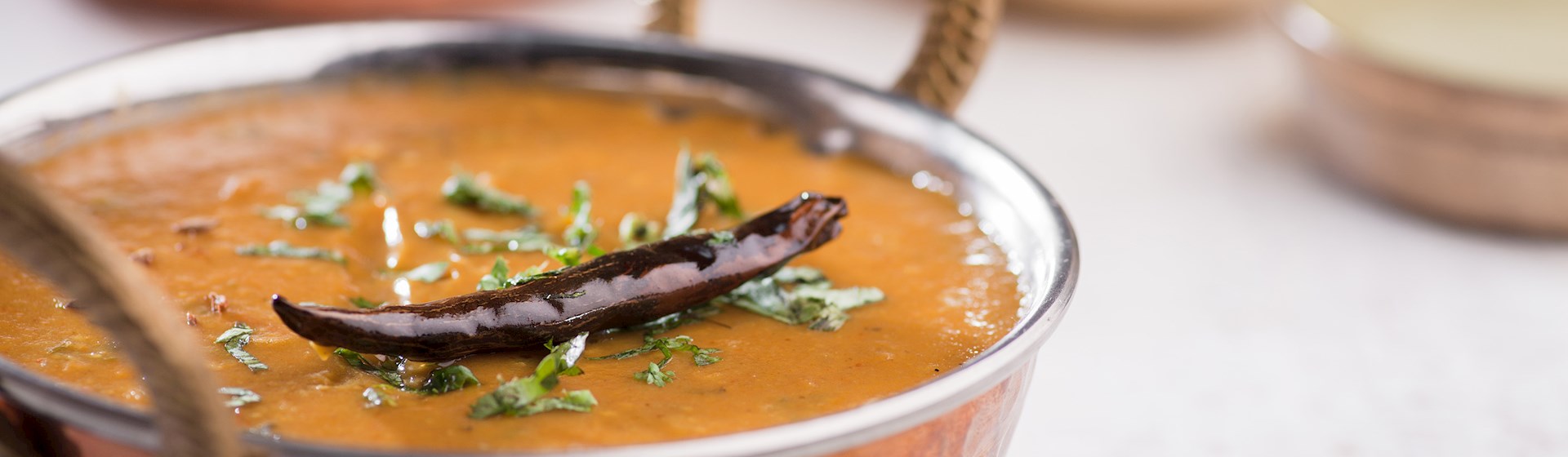
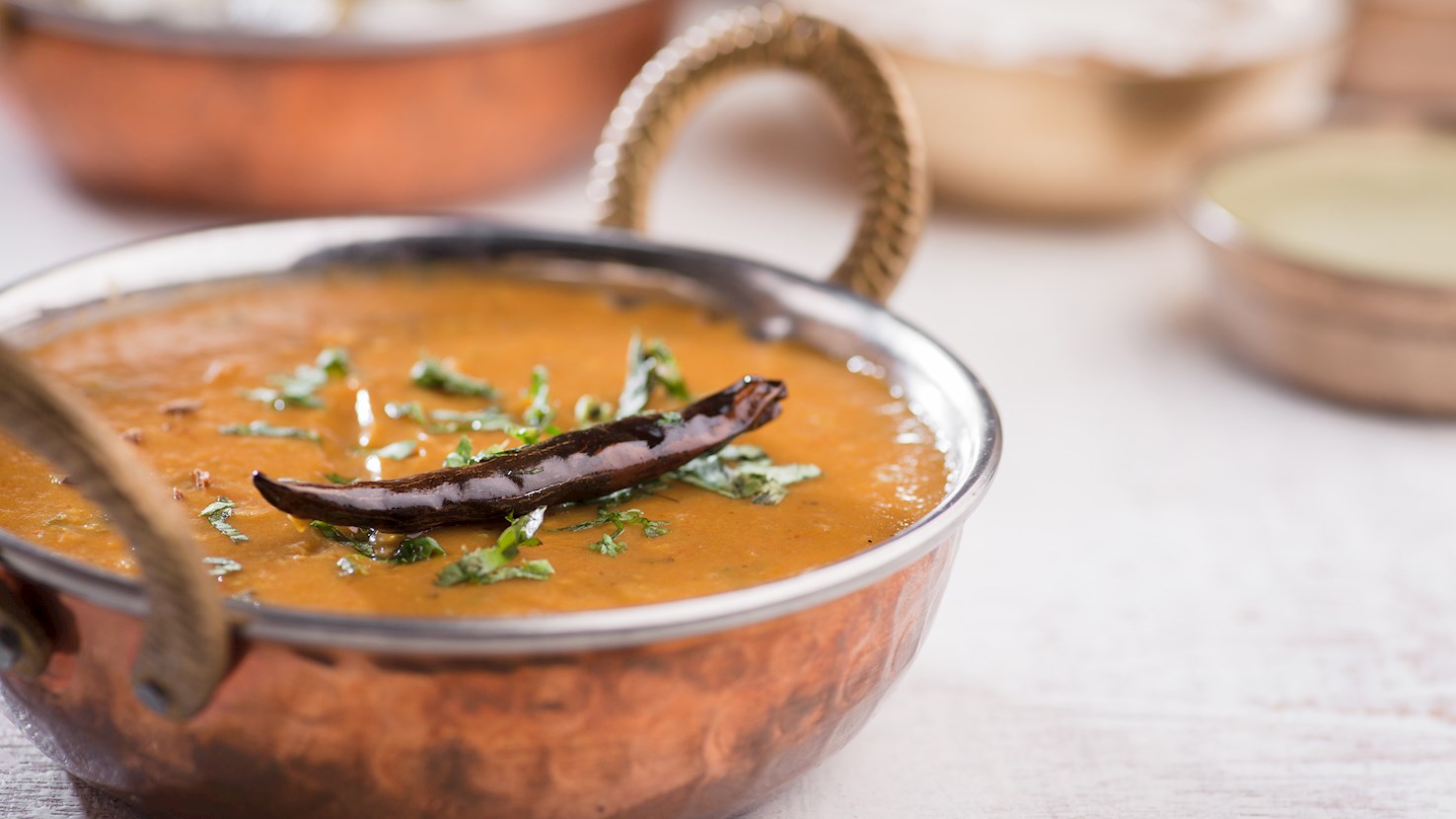
Dal tadka

4.2 ·

Dal tadka or tadkewali dal is a traditional legume-based dish originating from the northern parts of India. Although there are variations, the dish is usually prepared with toor dal (split yellow pigeon peas), garlic, ginger, onions, tomatoes, garam masala, chili peppers, ghee, cumin, coriander, turmeric, red chili powder, and fenugreek leaves. These ingredients are cooked and mixed with tadka (tempering), consisting of spices such as asafoetida, chili peppers, and garlic that are cooked in ghee. Once prepared, dal tadka is usually garnished with coriander leaves and served hot with jeera rice and roti on the side.

03

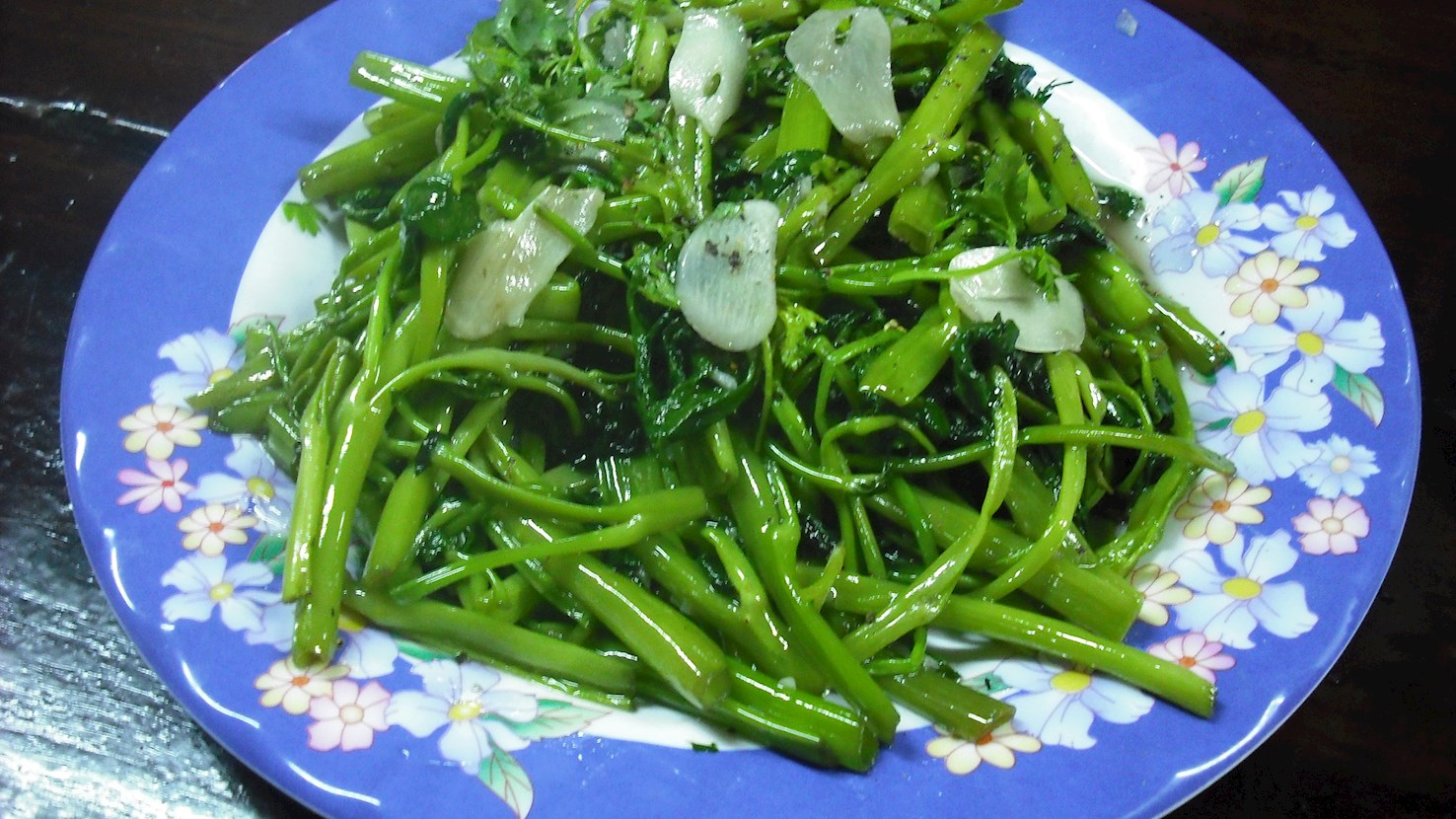
Rau muống xào tỏi (Morning Glory Stir-Fry)

4.2 ·

Rau muống xào tỏi is a traditional dish that's suitable for vegetarians. It's made with a combination of morning glory (water spinach), garlic, fish sauce, salt, sugar, and oyster sauce. The water spinach is blanched, then stir-fried with garlic, salt, and sugar, while the fish sauce is added near the end of cooking. This vegetable dish is served hot, usually as a part of a three-course meal, the first is a stir-fry, the second course is a boiled or steamed dish, and the third course is a soup. Rau muống xào tỏi also makes for a great accompaniment to white rice.

04

Pav bhaji

4.2 ·

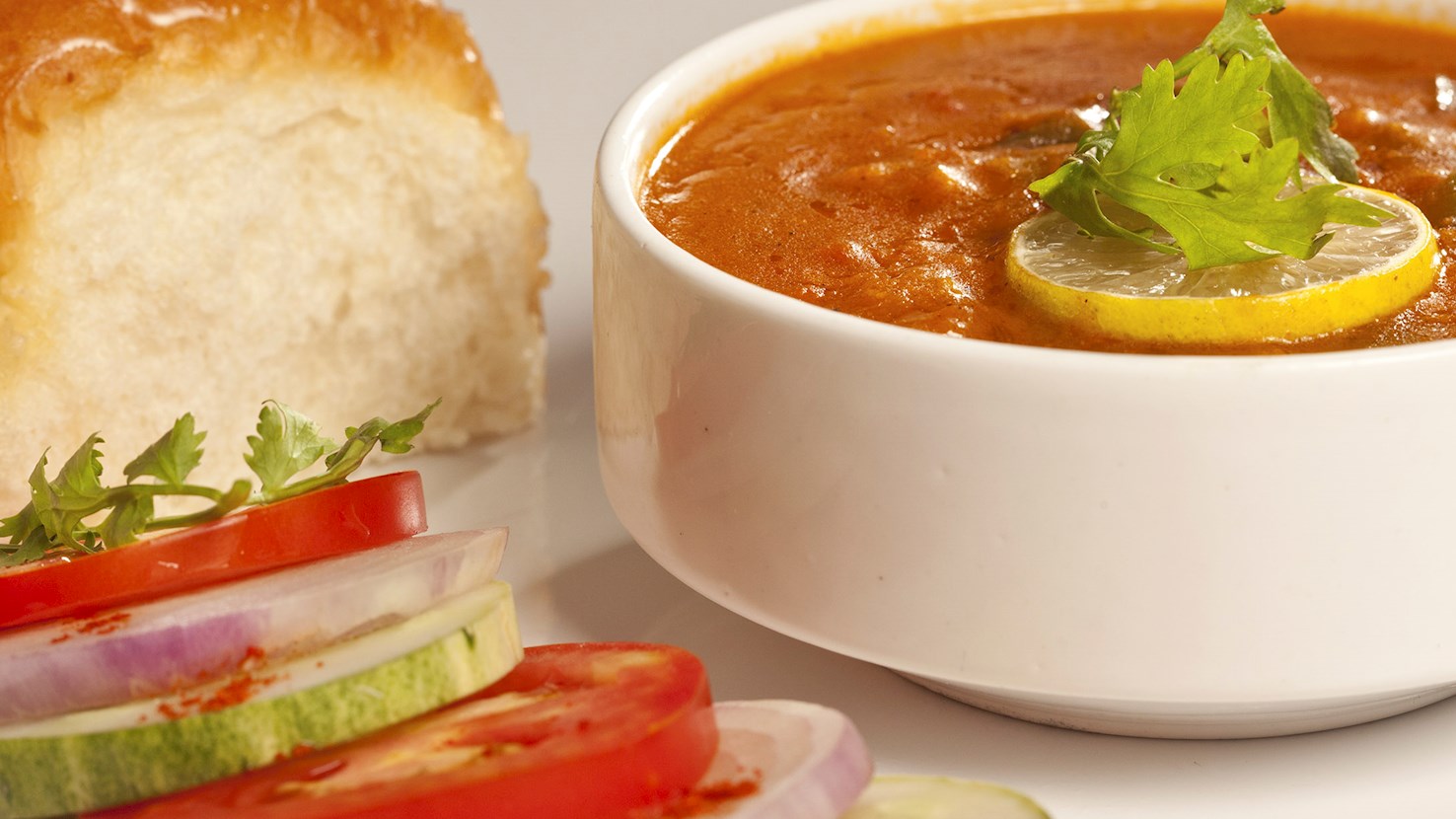
Pav bhaji is a popular street snack originating from the Indian state of Maharashtra. It consists of a vegetable curry that is typically served with a soft bread roll known as pav. The dish was invented in the 1850s as a midnight meal by street vendors who prepared it with all the leftover vegetables from the day, which were then mashed and combined with spices and ghee butter. Originally, it was a quick and easy meal for Mumbai's textile mill workers, but today it is a favorite street snack that is also served in some restaurants in Mumbai. There are a lot of varieties of the basic pav bhaji, with added cheese, paneer, mushrooms, plantains, and even dried fruits thrown in the flavorful curry mix.

05

Piyaz

4.2 ·

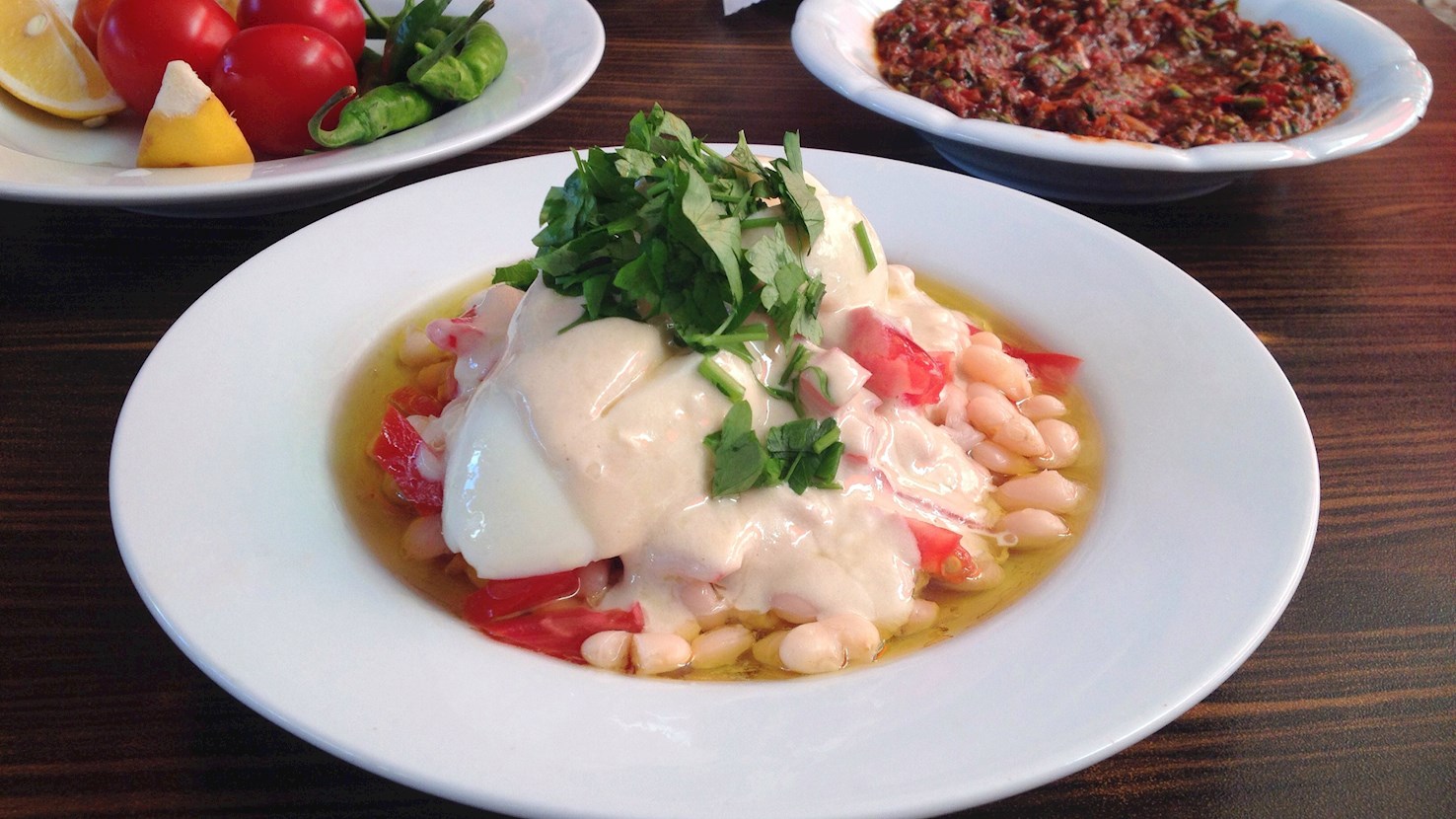
Piyaz is a traditional salad. In most of the country, it's a general term for a dish of dried beans, parsley, onions, and sumac. In Antalya, however, piyaz also contains a rich and smooth sauce consisting of tahini, lemon juice, and vinegar. The beans are topped with the sauce, and the dish is usually dressed with chopped tomatoes, sliced onions, hard-boiled eggs, olive oil, and parsley. Piyaz is often eaten as an accompaniment to köfte and similar grilled meats, but it can also be included in a meze selection.

06

Misal

4.2 ·

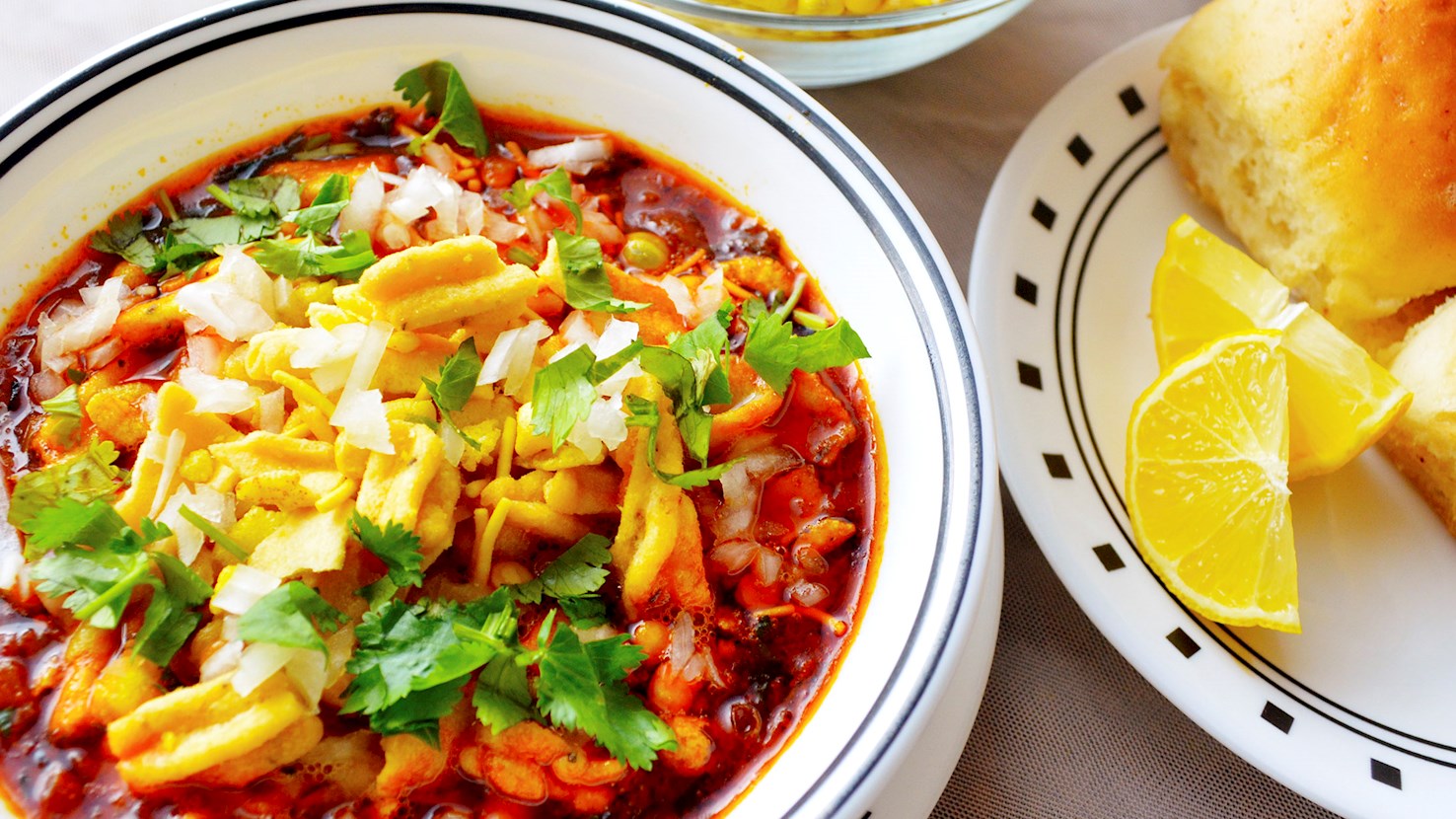
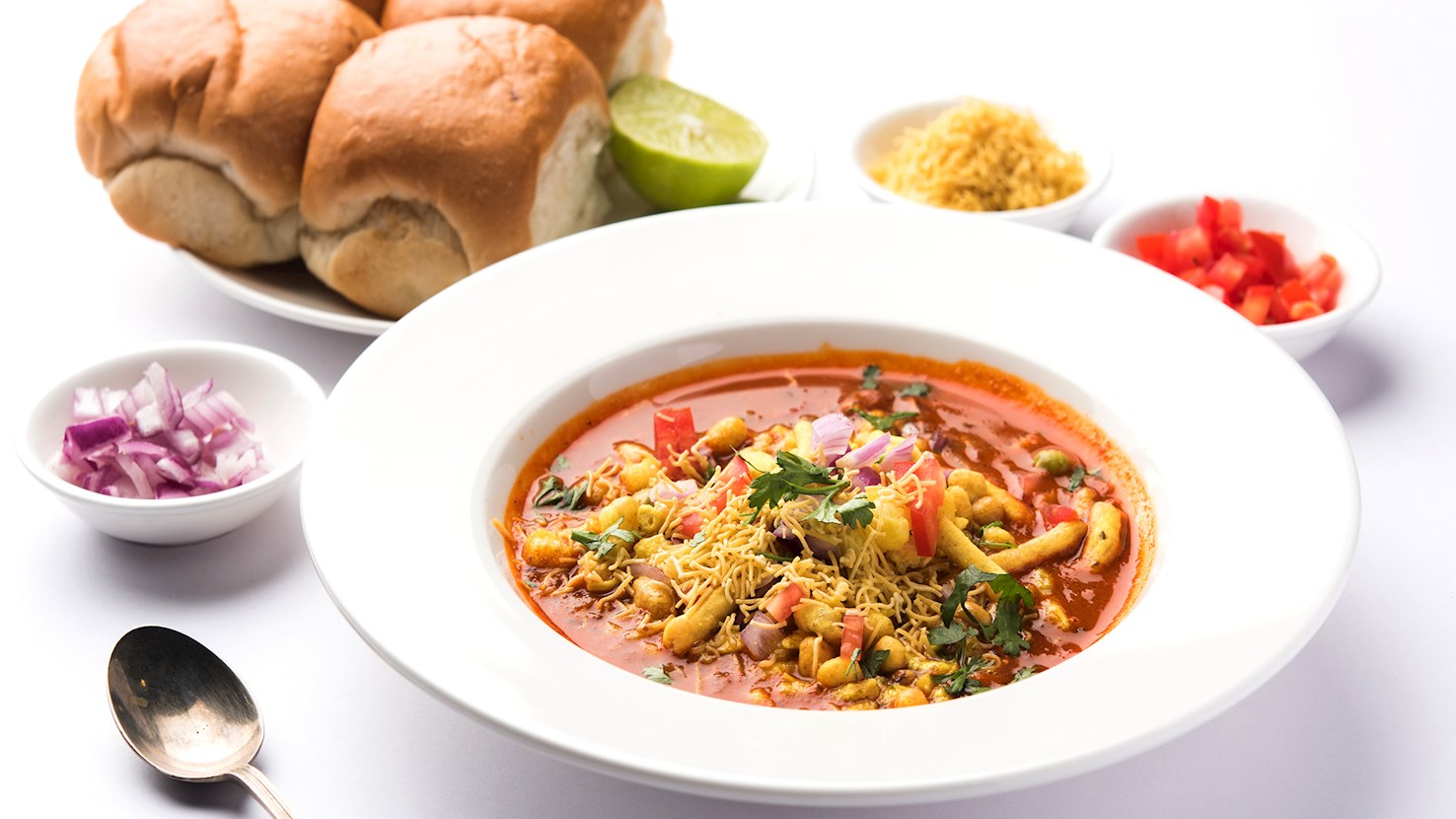
Misal is a specialty dish of the Indian state of Maharashtra, its name literally translated to a mixture of everything, so the ingredients vary from cook to cook. However, a combination of these ingredients is the most common in a typical misal: curd, moth bean or pea curry, gravy, spiced potatoes, and garnishings such as onions, coriander, and tomatoes. It is mandatory for a true misal to be spicy, while the base needs to be crunchy. Visually, it should look like a work of art, with lots of colors - typically red, brown, orange, and green. The earliest mention of the dish appeared around the early 20th century. Since it is highly nutritious, easy to prepare, and relatively inexpensive, it remains one of the most popular meals in Maharashtra.

07

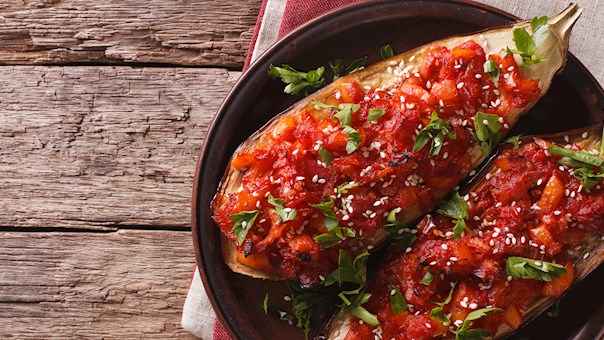
Karnıyarık

4.1 ·

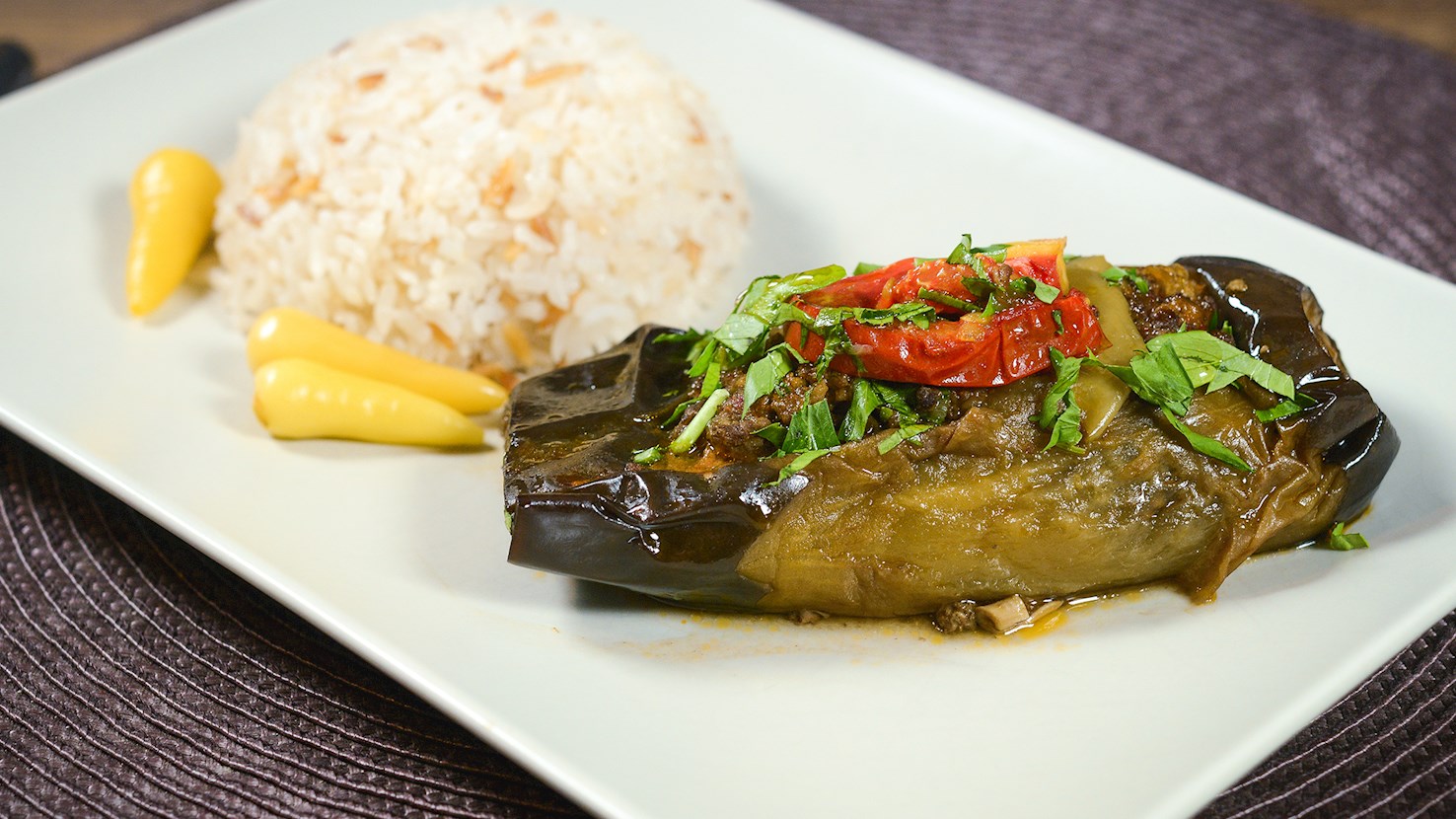
Karnıyarık is a classic Turkish dish consisting of eggplants that are stuffed with a combination of ground meat (usually beef), tomatoes, and onions. The filling is typically seasoned only with salt and pepper, but garlic and parsley can also be added for extra flavor. The stuffed eggplants are then baked in the oven, and the dish is traditionally served either warm or at room temperature. It is recommended to serve it with rice and yogurt on the side.

08

Kimchi bokkeumbap

4.1 ·

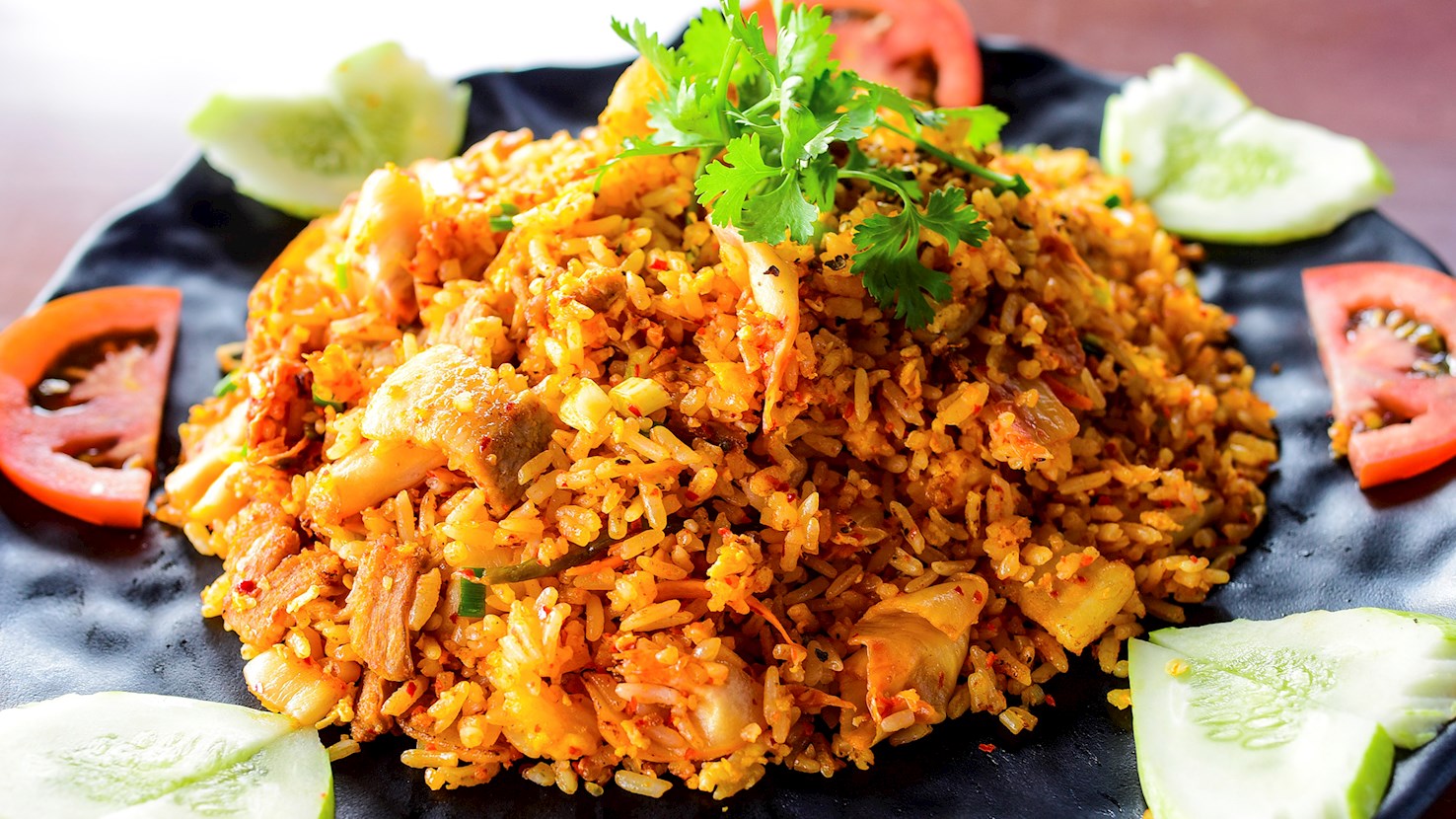
Kimchi bokkeumbap is a simple South Korean dish made with a combination of fried rice and kimchi. It is considered to be a great way to use leftover kimchi. The dish can also be enriched with additional ingredients such as meat, vegetables, and soy sauce. In most cases, kimchi bokkeumbap is topped with a fried egg before serving, although it can also be garnished with sesame seeds, finely chopped green onions, or gim. Because it is very easy to prepare, inexpensive, and comforting, the dish is a favorite amongst South Korean students.

09

Ful medames

4.1 ·

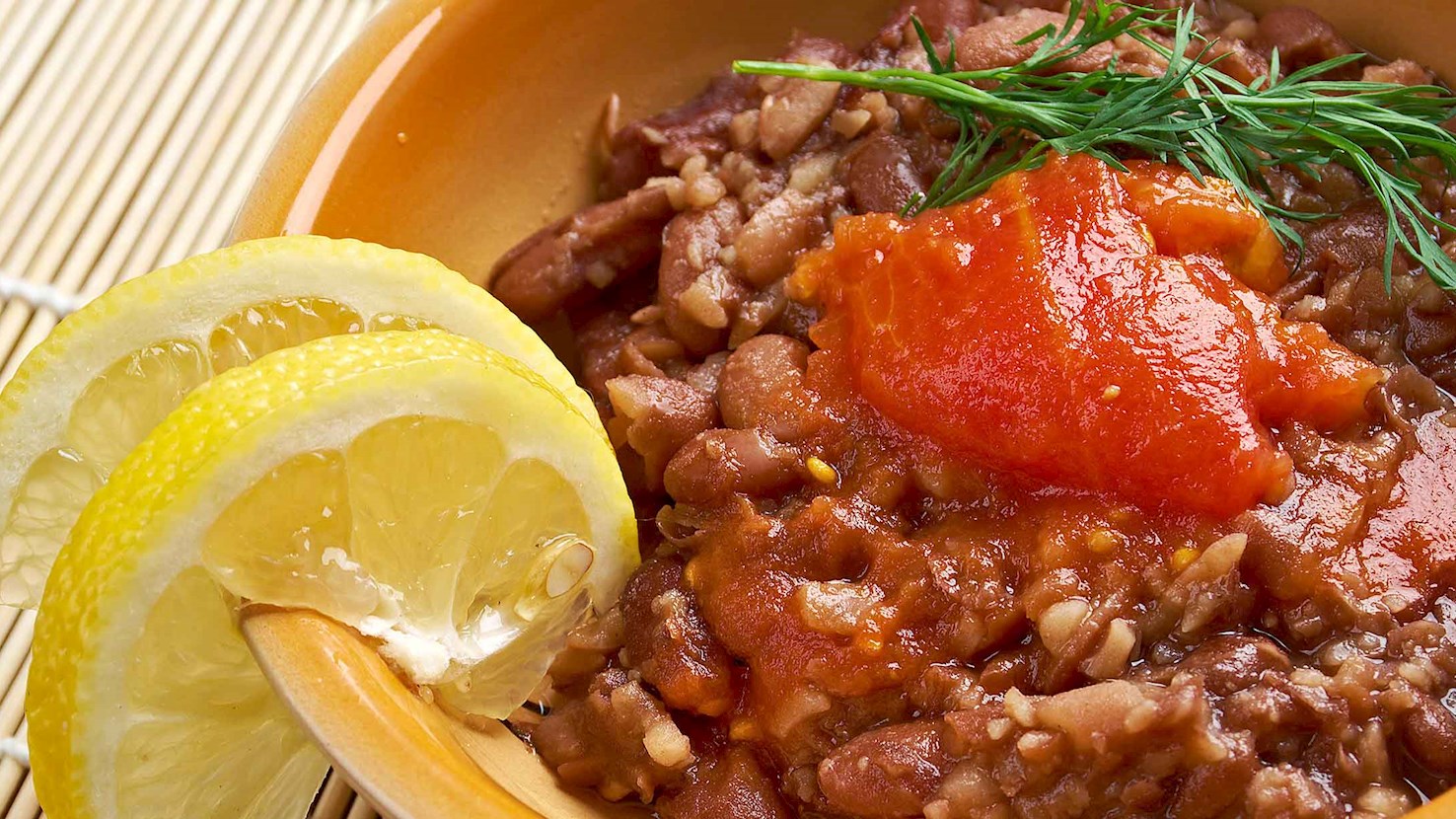
Ful medames is an ancient, pre-Ottoman and pre-Islamic national dish of Egypt, a traditional breakfast food consisting of slowly simmered fava beans seasoned with a squeeze of lemon juice, olive oil, garlic, and selected spices. Some remnants of the dish were found in the 12th Dynasty Pharaonic tombs in Egypt, and any food that has been found in an ancient tomb must have been a wildly popular culinary treat. Because it is a breakfast food that is also good for breaking the fasting, the dish is extremely popular during Ramadan. Although it's an Egyptian dish, it is also prepared throughout North Africa and the Middle East. Ful medames is a staple of the Egyptian diet, so much that the price of beans is regulated by the government in order to ensure that they are affordable to the poorest citizens. The creamy, earthy stew is usually spiced with the addition of chilis and cayenne pepper. It is recommended to prepare it a day in advance because the beans need to be soaked and cooked overnight. When eaten, the hearty stew is traditionally served out of big metal jugs, and once on the plate, it is often mopped up with pieces of fresh pita bread and topped with pickled beets, parsley, onions, tomatoes, and cumin. Filling, savory, nutritious, and easy to prepare, ful medames is a literal blast from the past.

10

Misal pav

4.1 ·

Misal pav is a traditional dish originating from Maharashtra. Its two main components are misal – a curry made with sprouted moth beans, usually topped with chivda, onions, chilis, and potatoes – and pav, bread rolls used to mop up the flavorful curry. Misal pav can be served for breakfast, as a snack or a main dish. It is commonly found in roadside stalls, breakfast joints, and office canteens.

12

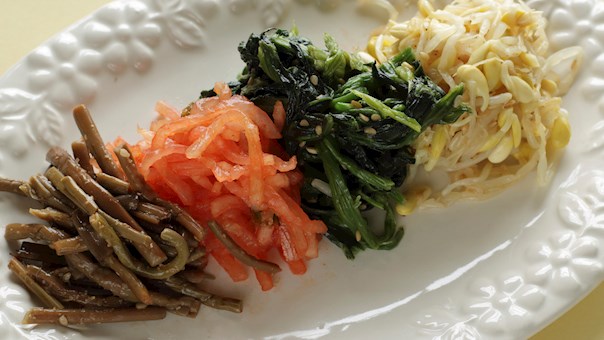
Namul

4.1 ·
14

Imam bayildi

4.0 ·
15

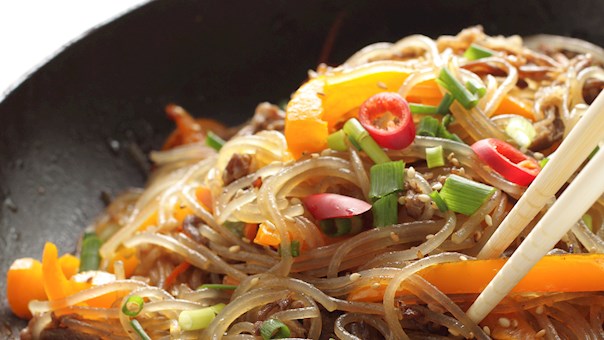
Japchae

4.0 ·
17

Kuru fasulye

4.0 ·
18

Dal makhani

4.0 ·
20

Kızartma

4.0 ·
Read more
View all
View map
About this ranking

TasteAtlas food rankings are based on the ratings of the TasteAtlas audience, with a series of mechanisms that recognize real users and that ignore bot, nationalist or local patriotic ratings, and give additional value to the ratings of users that the system recognizes as knowledgeable. For the “Top 100 Asian Vegetable Dishes” list until June 15, 2026, 6,895 ratings were recorded, of which 3,239 were recognized by the system as legitimate. TasteAtlas Rankings should not be seen as the final global conclusion about food. Their purpose is to promote excellent local foods, instill pride in traditional dishes, and arouse curiosity about dishes you haven’t tried.

Similar lists