


100 Worst Rated Cheeses
in the World

Last updated on June 16, 2026
01

Gamalost

1.5 ·

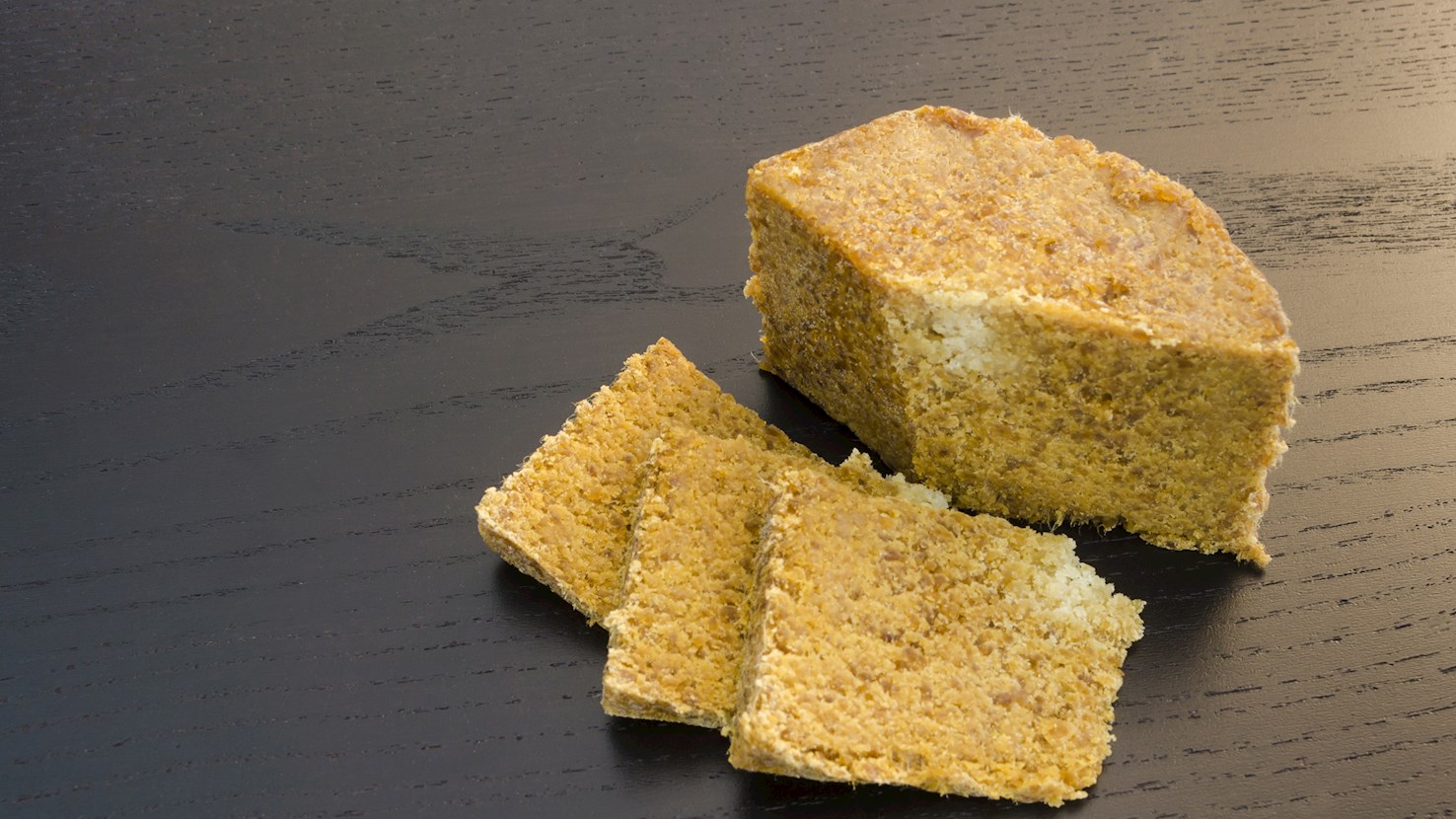
Gamalost is a traditional cheese made from skimmed cow's milk. The cheese has a mold-ripened rind; its texture is dense, granular, and chewy, the aromas pungent, while the flavor is sharp. It's also rich in protein and has a fat content of only 0.5 to 1.0%. The cheese is traditionally aged from 1 to 6 months. In order to make it, an acid is added to skim milk, causing it to sour. The fermented solids are then pressed into molds to create the circular shape. Later on, the cheese is hand-rubbed with mold and left to age. It can be stored for a prolonged period of time without refrigeration, which is why it's been produced in the past when there were no methods of refrigeration. Gamalost should be cut with a hollow blade cheese knife due to its dense and granular texture. It's recommended to pair it with gin or a robust beer. Serve it with dark bread with butter, sour cream, cranberries, fresh fruit, or fruit jams.

02

Cup Cheese

2.1 ·

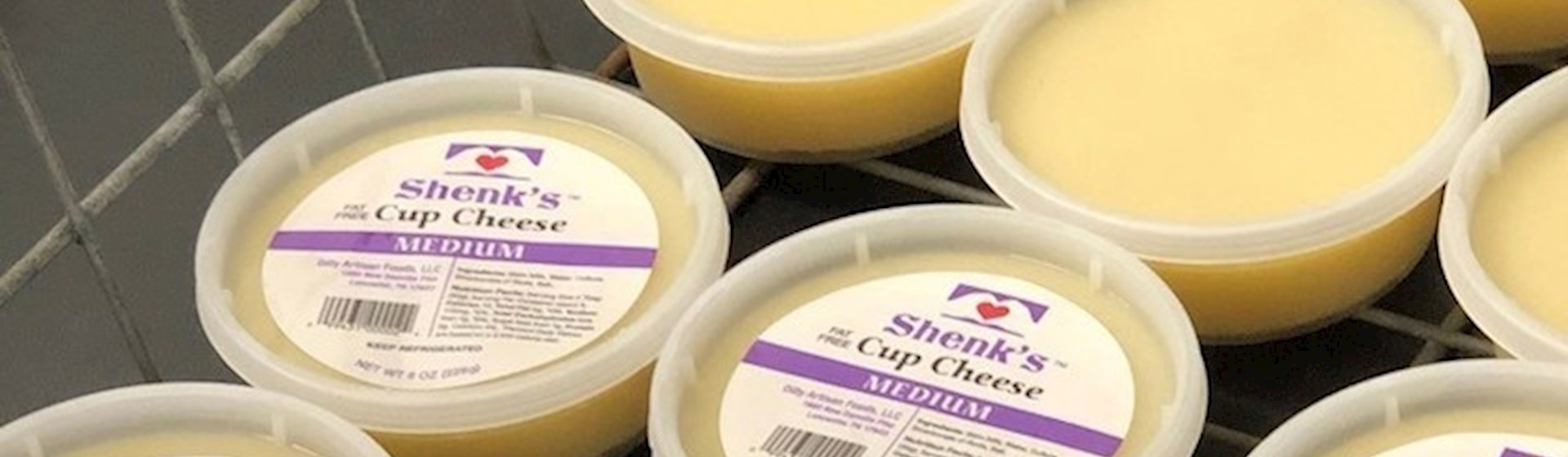
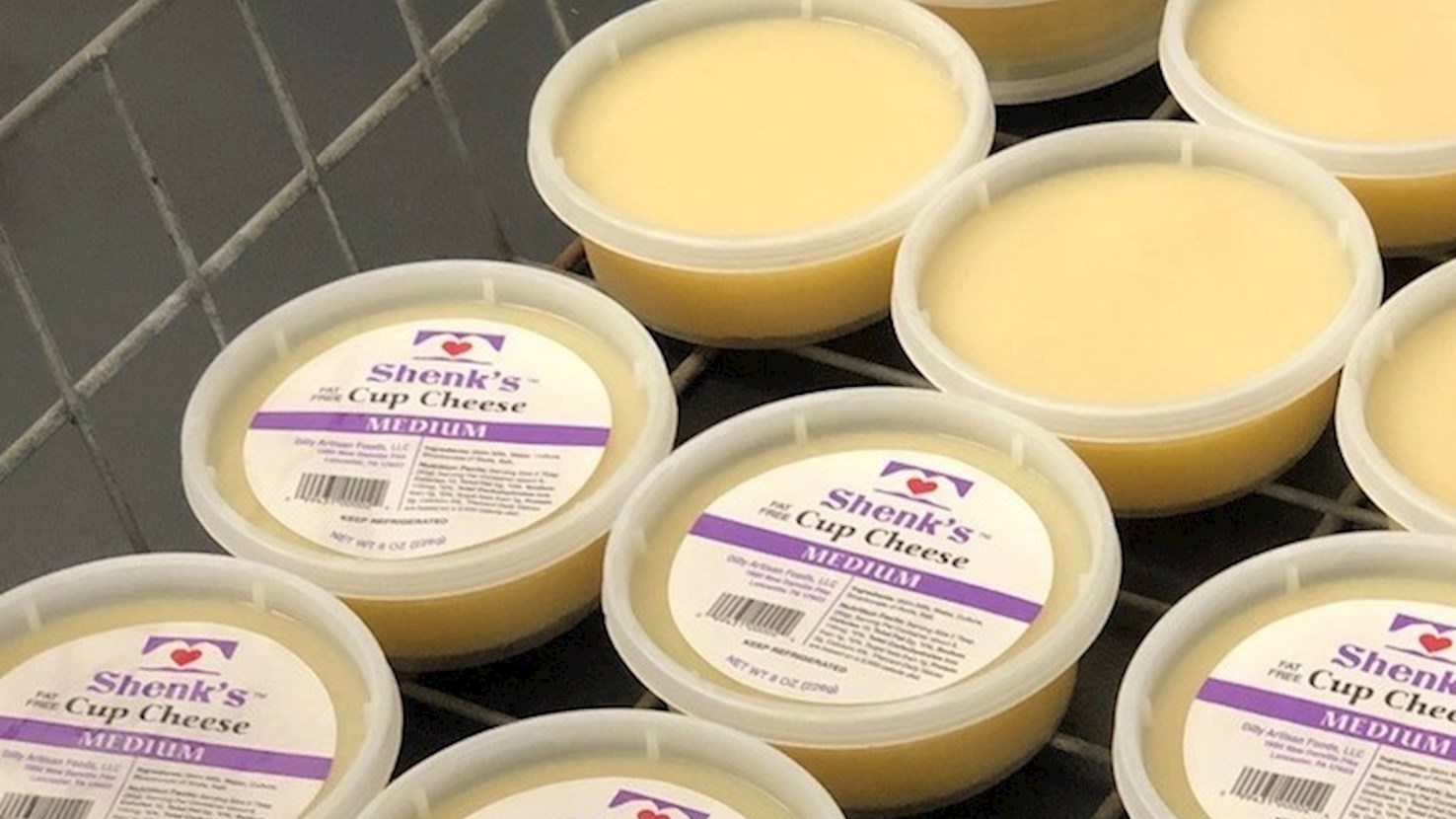
Cup cheese is an American cheese made with raw cow's milk. It originates from Pennsylvania, where it has been made by the Amish and Mennonites for centuries. The texture of cup cheese is soft and similar to molasses, and its flavors are strong and sour. The cheese is quite fatty, but there are some fat-free versions available in supermarkets. The name cup cheese refers to the method of storage – it is traditionally stored or sold in a cup or a pot.

03

Cheez Whiz

2.1 ·

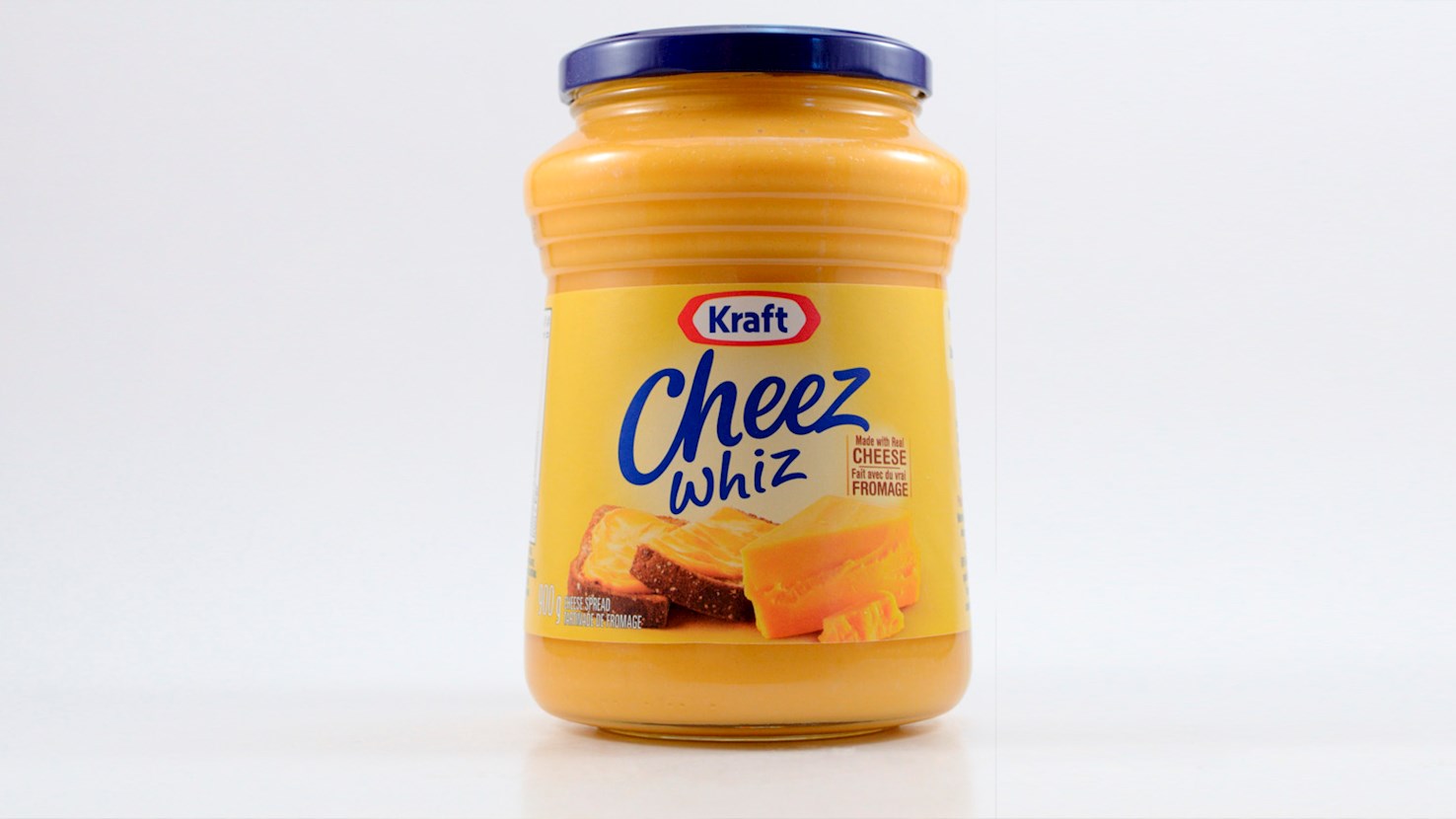
Cheez Whiz is a processed cheese spread, dip, or sauce, and it's also a brand of Kraft Foods. This product started its life in 1952, and nowadays it's marketed in the United States, but also in Canada, the Philippines, and Venezuela. It is orange-yellow in color and usually comes in a glass jar. The product contains whey, milk, salt, mustard flour, Worcestershire sauce, cheese cultures, enzymes, natural flavorings, and many other emulsifiers and stabilizing agents. It is often used as a topping for hot dogs, french fries, and nachos, as well as being one of the key ingredients in Philly-style cheesesteak. Nowadays, there are versiosn such as Cheez Whiz Light, Cheez Whiz Bacon, and Cheez Whiz Pimento, among others.

04

Travia da Beira Baixa

2.4 ·

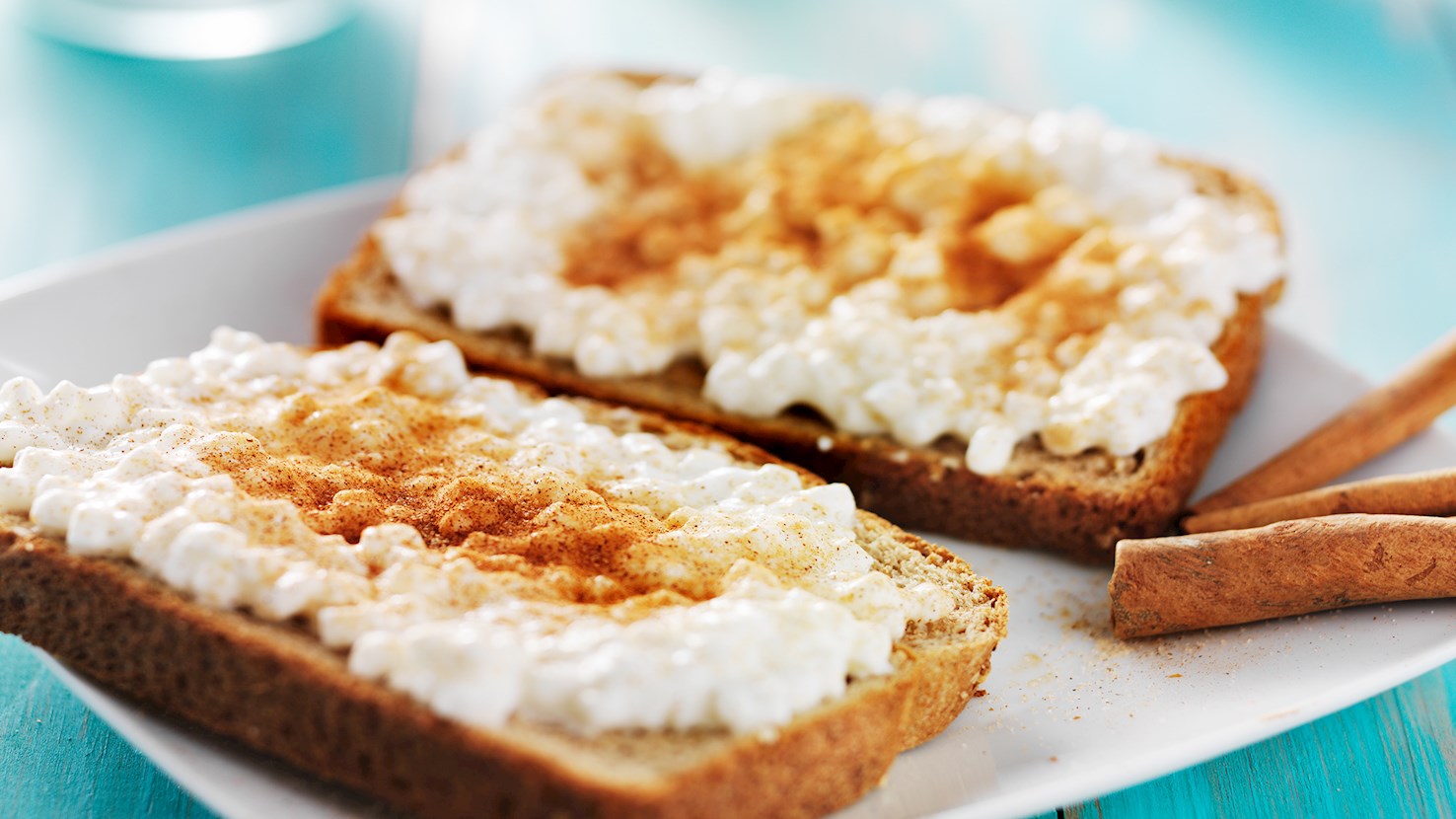
This Portuguese whey cheese is made from either sheep or goat milk whey left over from the cheesemaking operations in the Beira Baixa historical region, now Castelo Branco. The delicate, unfermented travia has a grainy but spreadable texture, and a pleasant, sweet lactic flavor. In Portugal, travia is one of the breakfast favorites, and it is usually enjoyed fresh, spread over toasted sourdough bread, sprinkled with sugar and ground cinnamon.

05

Casu Marzu

2.4 ·

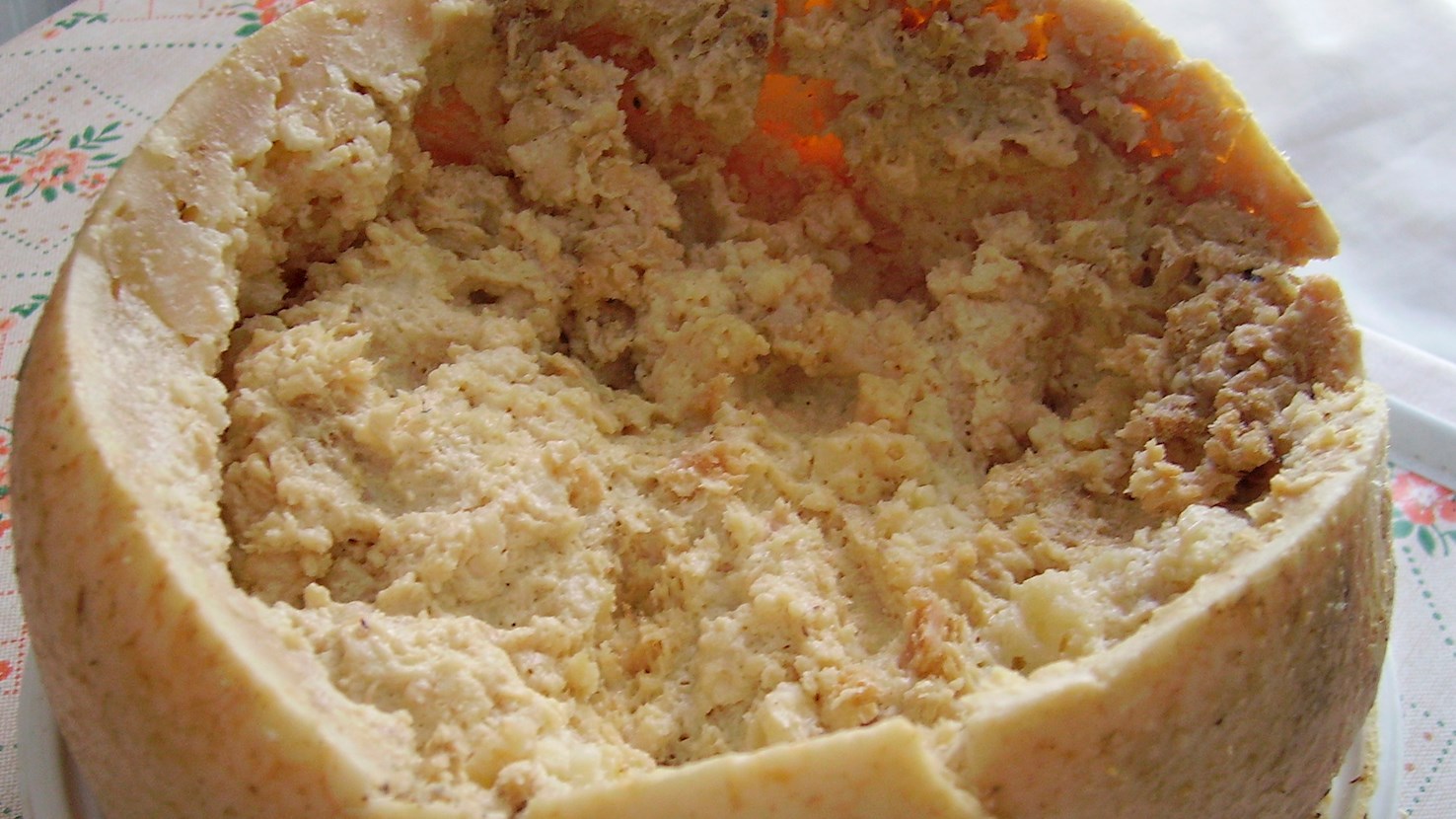
IT IS ILLEGAL TO SELL AND CONSUME THIS CHEESE DUE TO HEALTH RISKS. Casu marzu is a controversial Italian sheep’s milk cheese originating from Sardinia. The cheese is derived from the Pecorino family of cheeses and has a soft-ripened texture with a natural rind. In English, casu marzu means rotten cheese, referring to live insect larvae (maggots) which can be found in it. After the fermentation process, larvae are introduced to the cheese, promoting decomposition and breaking down the cheese’s fats. As a result, the texture of this notorious cheese becomes very soft. Casu marzu is typically cut into thin strips and spread on pane carasau, and it is recommended to pair it with a glass of strong red wine, but only if you find the cheese on the black market as it is illegal in the EU. Just make sure to cover your eyes while eating casu marzu, because the maggots can leap up to 6 inches off the cheese.

06

Bleu du Vercors-Sassenage

2.4 ·

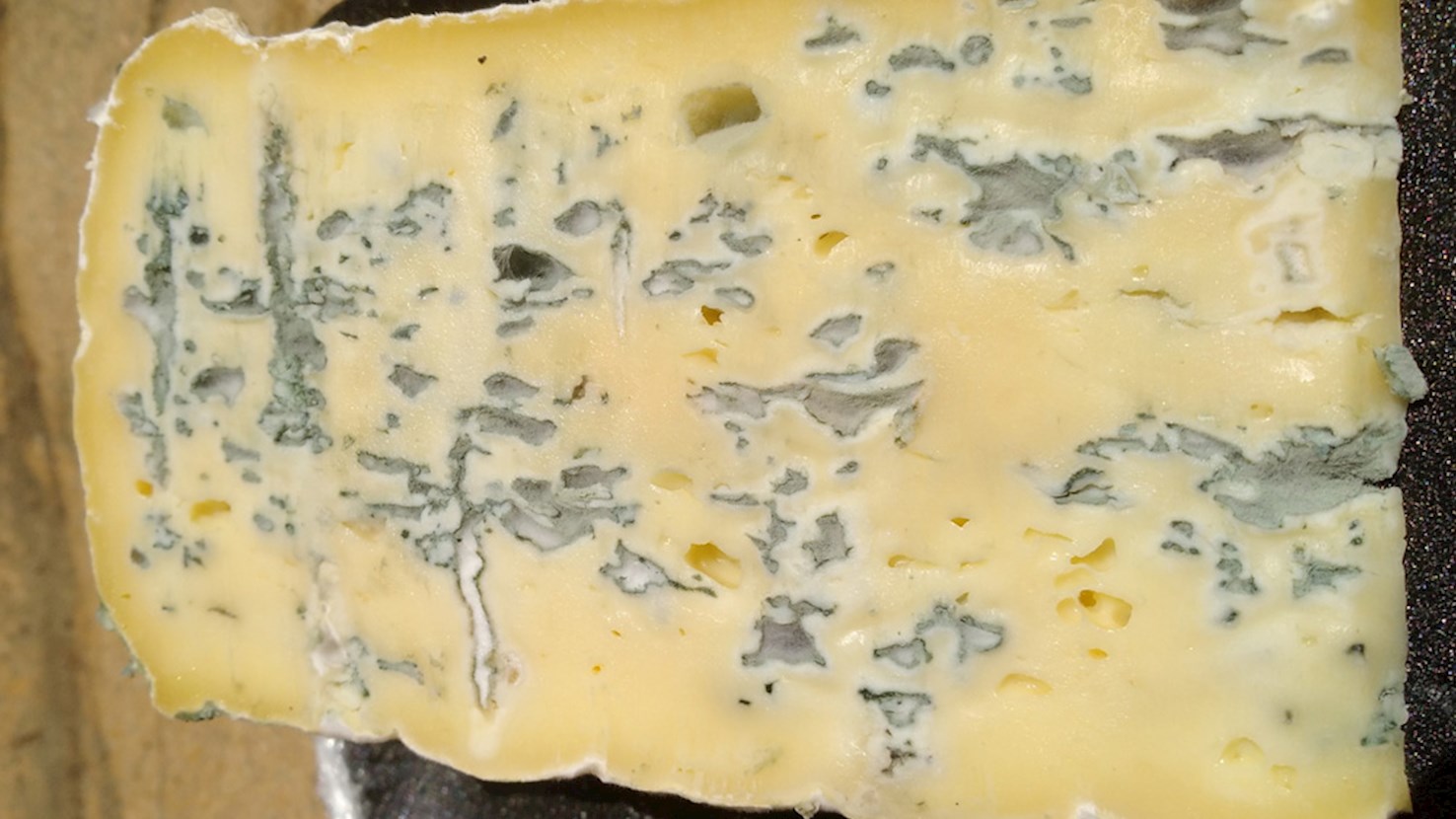
Bleu du Vercors-Sassenage is a blue cheese made from a mix of warm, raw fresh milk and last evening's cow's milk, with a white moldy rind that may become orange due to yeast and bacteria. It has been produced in the French regions of Drôme and Isére since the 14th century. Its name comes from the baron who authorized the sale of Bleu on his lands. The cheese must go through a maturation process for at least 30 days, when its buttery and creamy texture and sweet, mellow, subtle flavors, uncharacteristic for blue cheeses develop. Bleu du Vercors-Sassenage is excellent paired with sweet dessert wines.

07

Hessischer Handkäse

2.5 ·

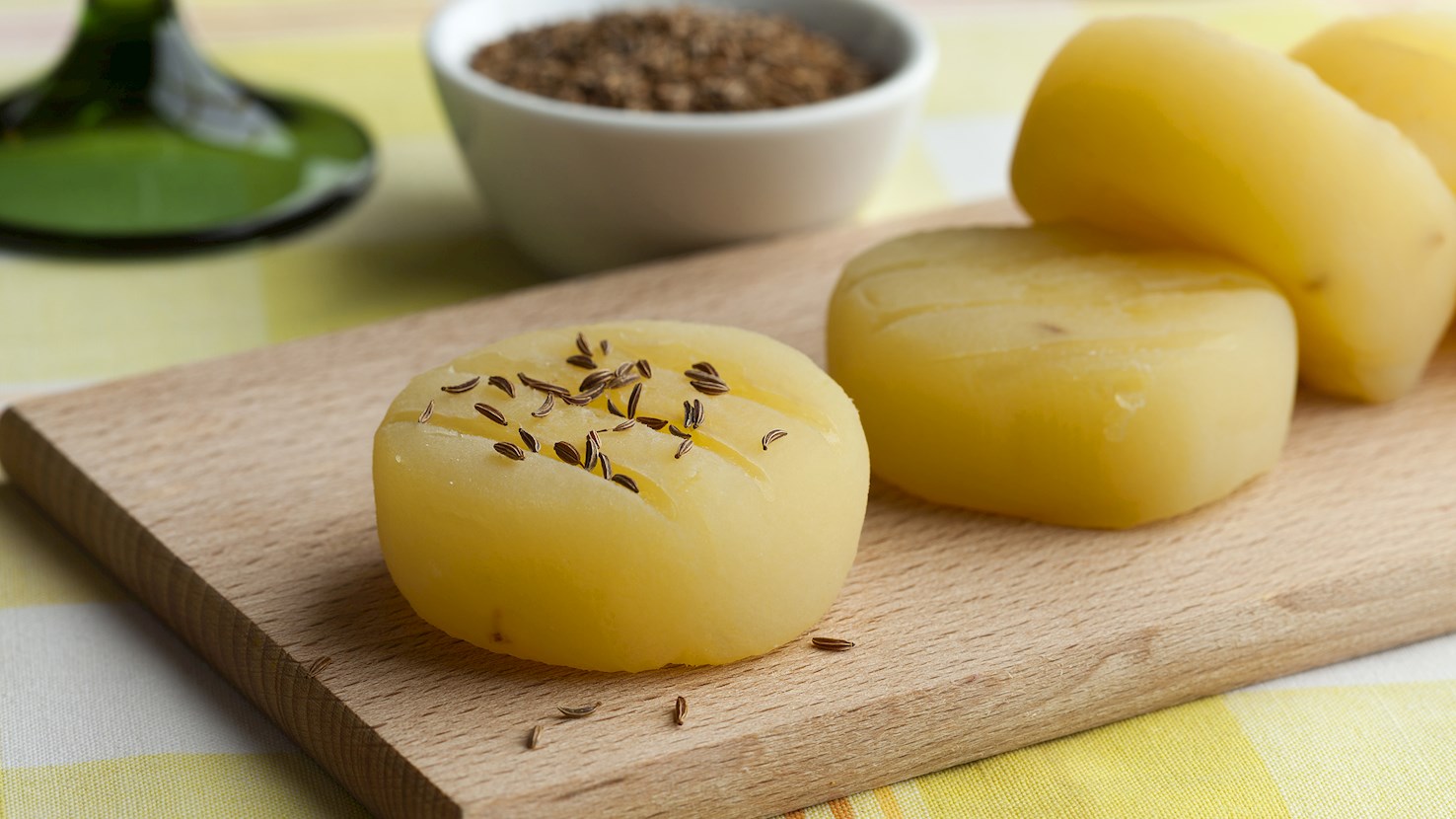
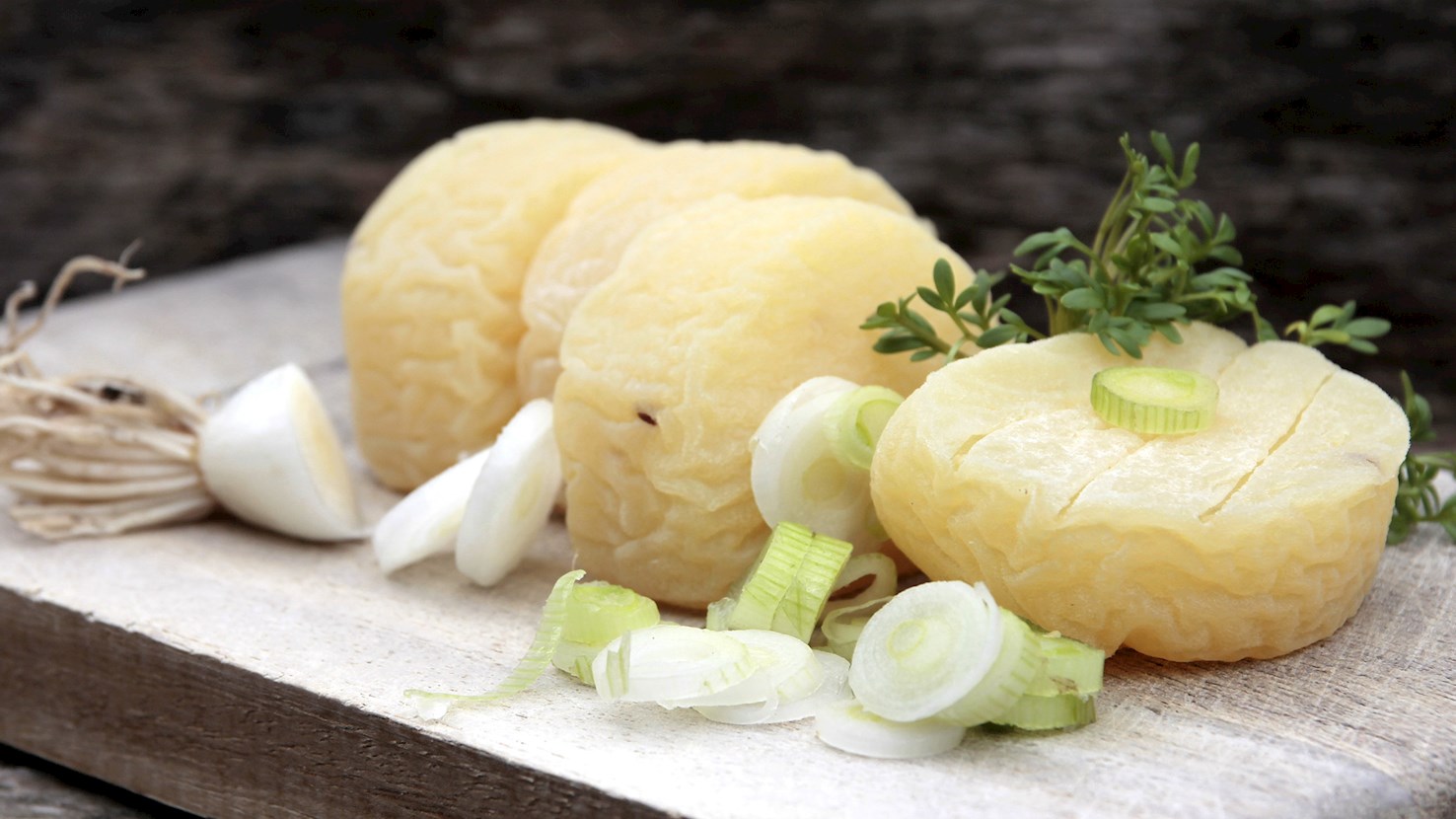
The name and the size of Hessen Handkäse are both derived from its traditional manufacturing method, in which the cheese was molded by hand. Handkäse is a German regional sour milk cheese produced in Frankfurt Rhine-Main and Rheinhessen. It has a fat content of less than 1% and an impressive protein content of 25%. Hessen Handkäse is a delicious cheese with quite a pungent aroma, and it is usually served sprinkled with caraway seeds and topped with sliced onions. Traditionally, this cheese is served either plain or as 'Hessen Handkäse mit Musik', seasoned with salt and pepper and marinated with onions in oil and vinegar, occasionally with some water or a dash of cider or wine added to the marinade.

08

Piacentinu Ennese

2.5 ·

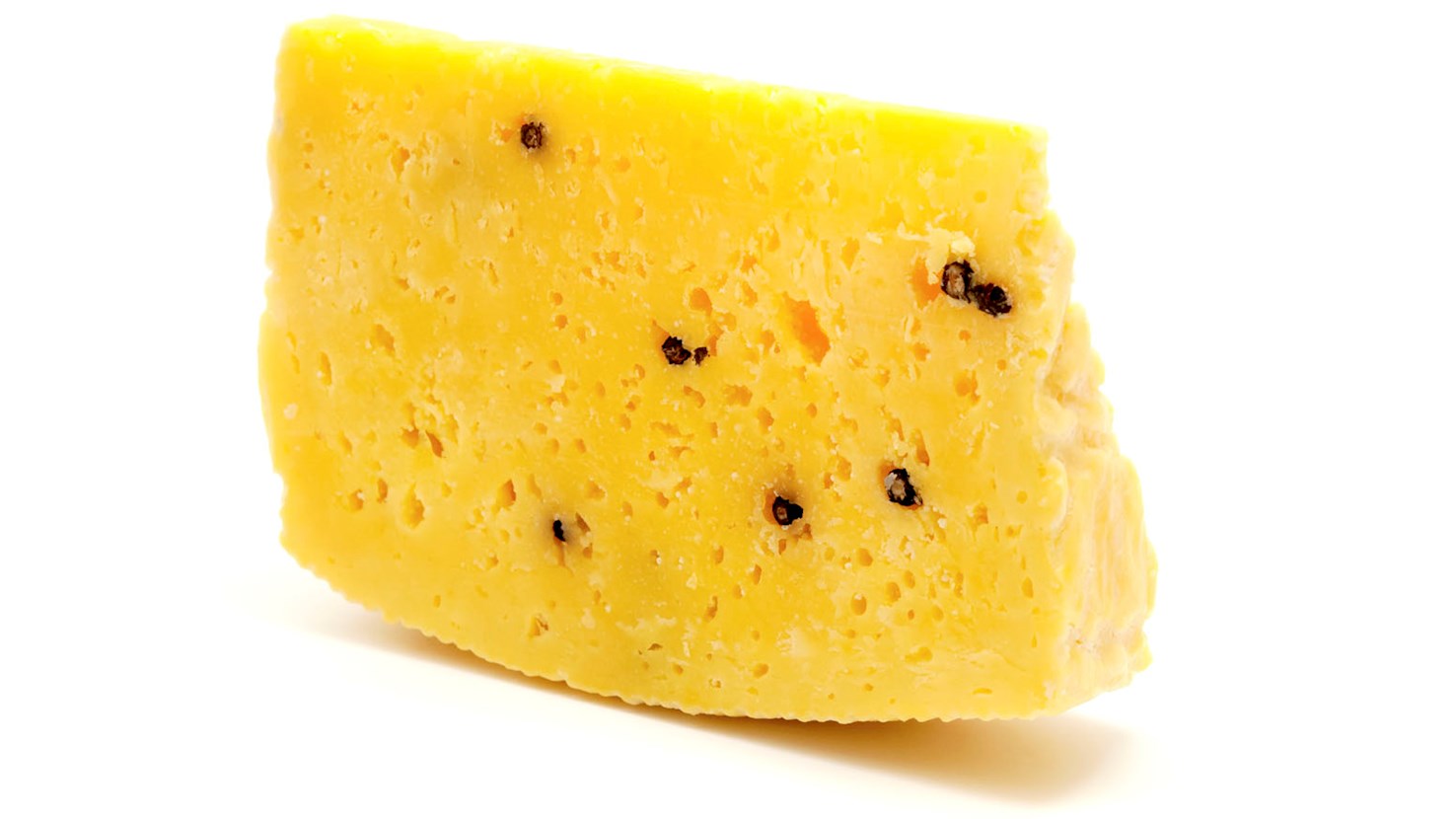
Traditionally produced in the Sicilian province of Enna which is nestled in the lush Dittaino Valley, Piacentinu Ennese is a pressed, hard cheese made with raw, whole sheep’s milk, with the addition of saffron and black peppercorns. The flavor of this cheese ranges from mild and slightly sweet to medium piquant and slightly pungent, depending on its age, and it has a pronounced aroma of saffron. Piacentinu Ennese is enjoyed either as a table cheese or used as an ingredient in preparing various recipes such as herb-stuffed lamb meat called Ciarbiduzzo Abbuttunàtu, a typical dish from Enna. It's also fantastic for grilling and often used with bucatini pasta.

09

Provel

2.5 ·

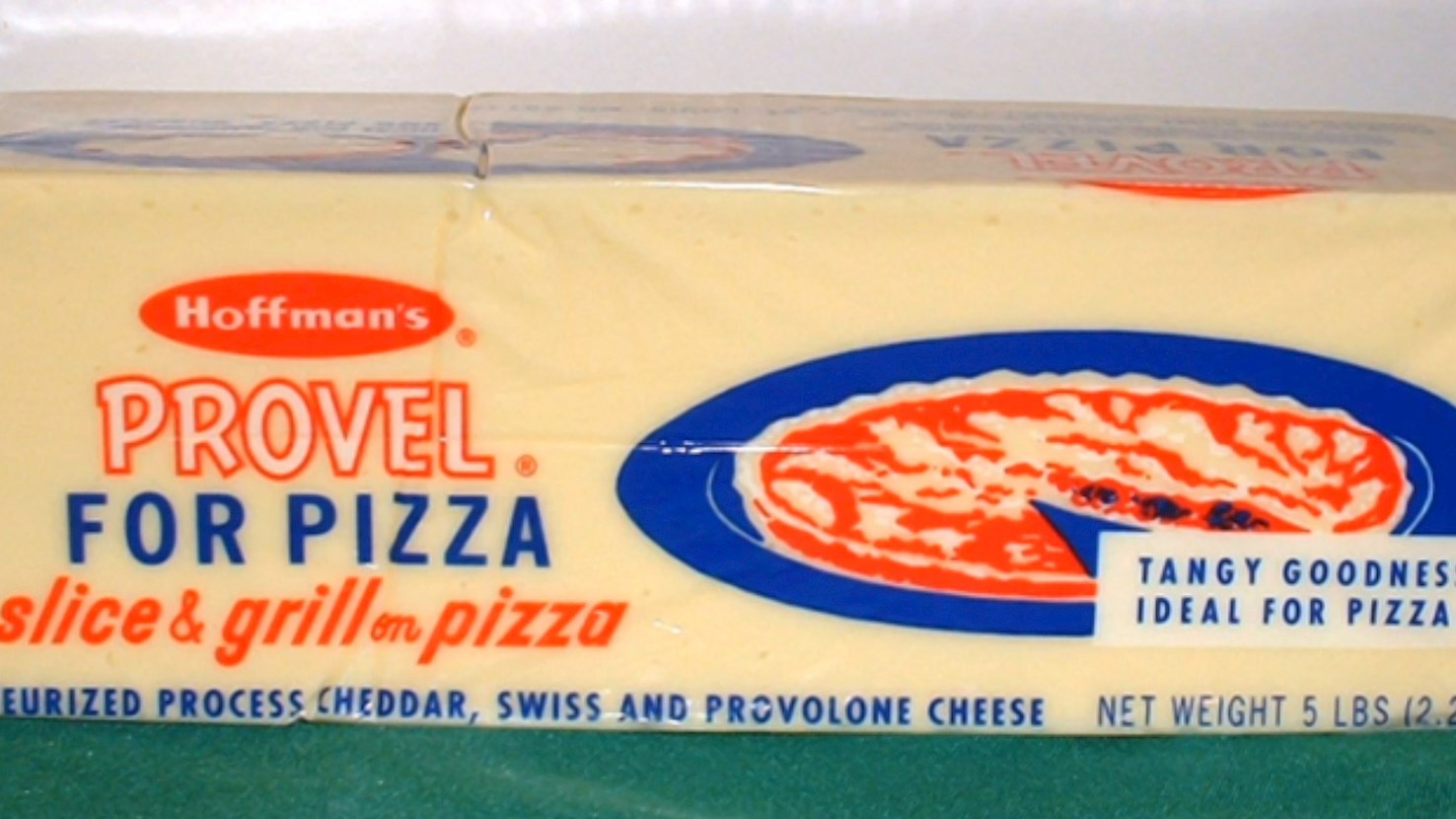
Provel is an American cheese made from pasteurized cow's milk. It is produced by combining different cheeses such as Cheddar, Provolone, and Swiss cheese. Its texture is supple, creamy, and gooey, while the flavors are buttery and slightly spicy. Provel is often used in cheese soups and St. Louis-style pizza due to its low melting point.

10

Harzer

2.6 ·

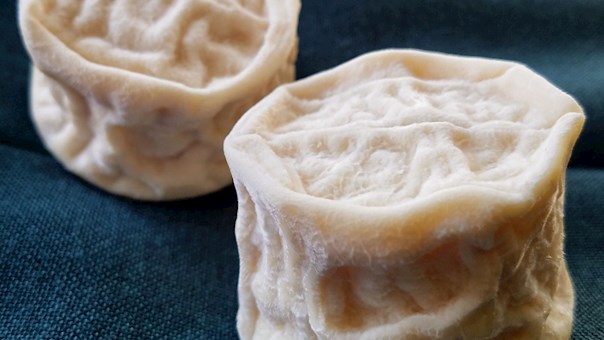
Harzer is a German cheese made from cow's milk. It hails from the Harz mountain region, hence the name. The cheese ripens for a few days up to a week before it's ready for consumption. It contains only 1% fat, which is why it's often used in the world of sport and fitness. Harzer has a strong and pungent aroma, it is often flavored with caraway, and it is usually shaped into small or long logs which are typically wrapped in cellophane before being sold. There are two types of Harzer – one is smeared with yellow bacteria, and the other one with red bacteria, in a version that is spicier than the yellow variety.

About this ranking

TasteAtlas food rankings are based on the ratings of the TasteAtlas audience, with a series of mechanisms that recognize real users and that ignore bot, nationalist or local patriotic ratings, and give additional value to the ratings of users that the system recognizes as knowledgeable. For the “100 Worst Rated Cheeses in the World” list until June 16, 2026, 56,539 ratings were recorded, of which 37,179 were recognized by the system as legitimate. TasteAtlas Rankings should not be seen as the final global conclusion about food. Their purpose is to promote excellent local foods, instill pride in traditional dishes, and arouse curiosity about dishes you haven’t tried.

Similar lists