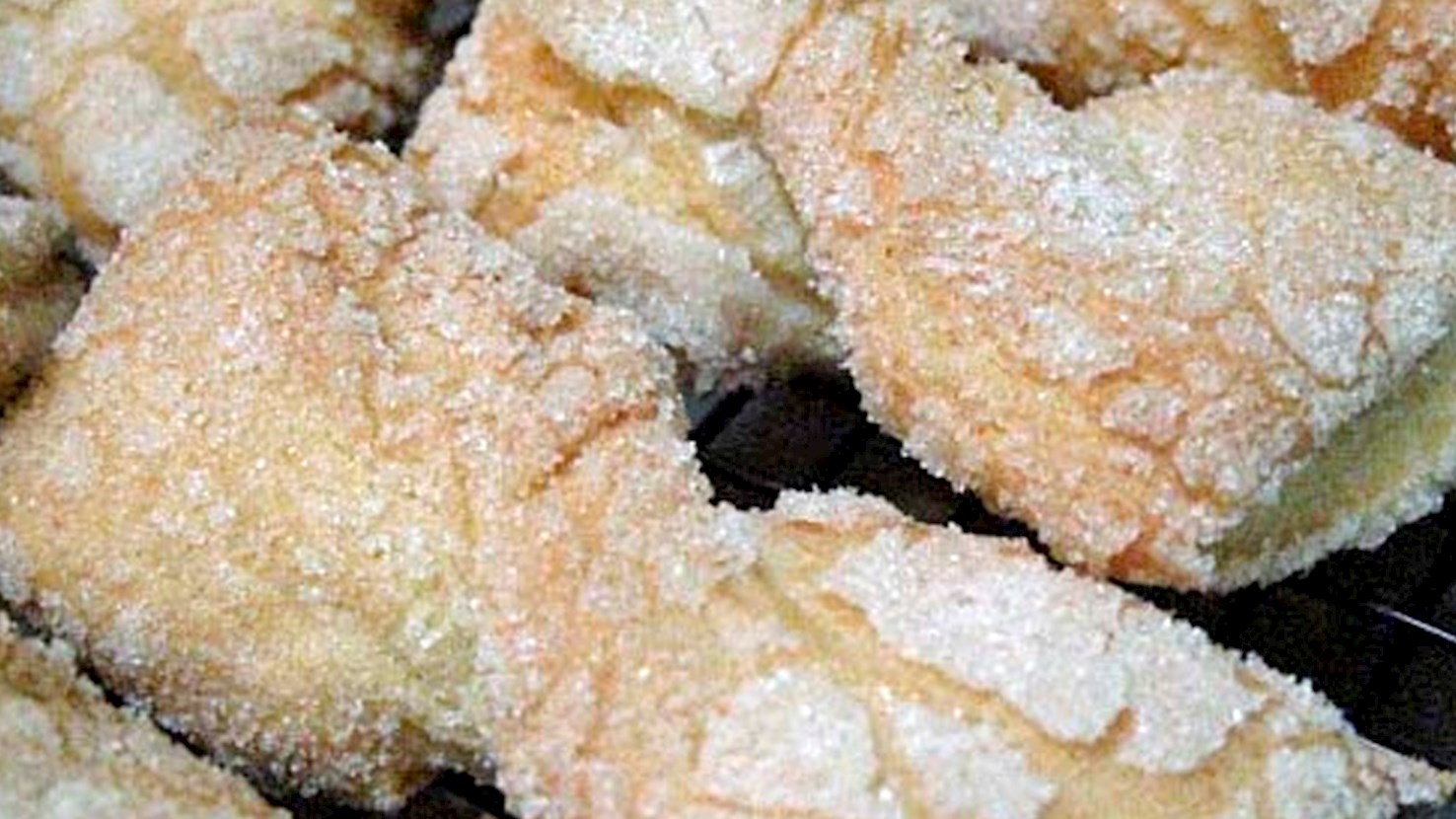
Kichel is a lightly sweetened egg-based cookie or cracker found in Ashkenazi Jewish cuisine, recognized for its crisp, airy texture and bow-tie or diamond shape. It is associated with Jewish communities in Central and Eastern Europe, where egg-rich doughs were common in home baking, and where cooks used available ingredients such as flour, eggs, sugar, and sometimes schmaltz or oil to create pastries suitable for festive meals and synagogue gatherings. Its development was tied to the need for a baked item that could keep well without refrigeration and suit both sweet and savory accompaniments, which made it a reliable option for communal events and holiday meals, particularly those where dairy or meat meals influenced which fats could be used. Preparation begins with a dough made from eggs, flour, sugar, and a small amount of fat, beaten until smooth and soft. The dough is rolled very thin, cut into strips or diamonds, and often twisted into a slight bow shape before being baked at a high temperature until puffed and crisp. The characteristic lightness comes from the high egg content and the very thin rolling, which allows steam to expand the dough in the oven. Kichel is served at many Jewish events, including post-services gatherings, holiday meals, and family celebrations, where it is often paired with chopped herring, a combination that contrasts the cookie’s mild sweetness with the herring’s salty and tangy flavors. It is also eaten on its own or with tea or coffee, and in some homes it is used as a lightly sweet snack alongside fruit spreads or soft cheeses.
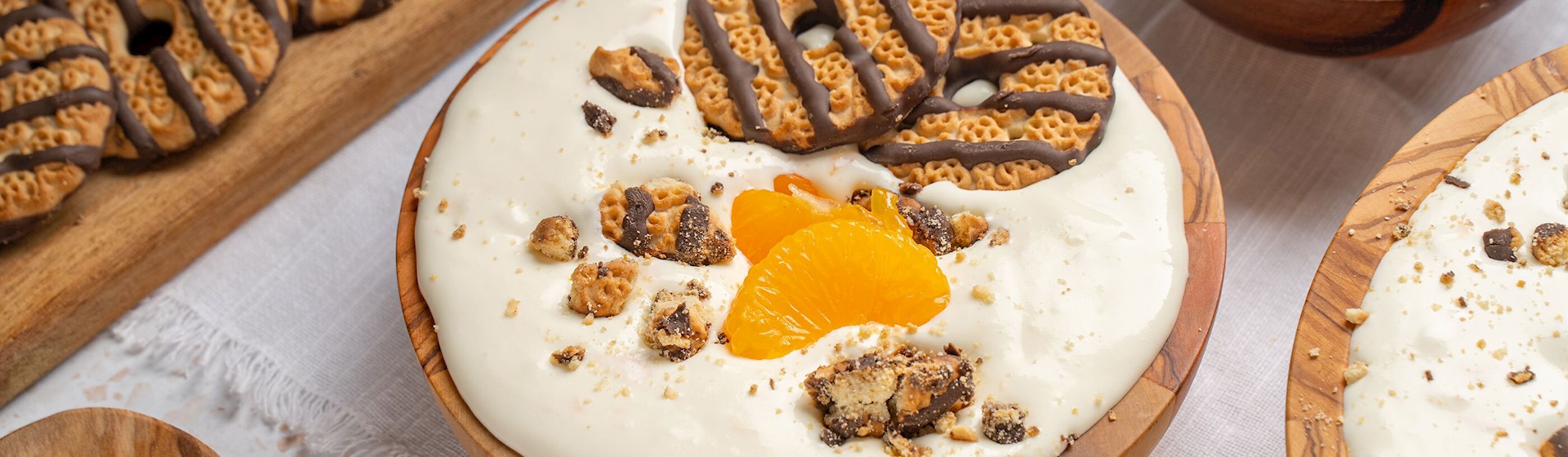
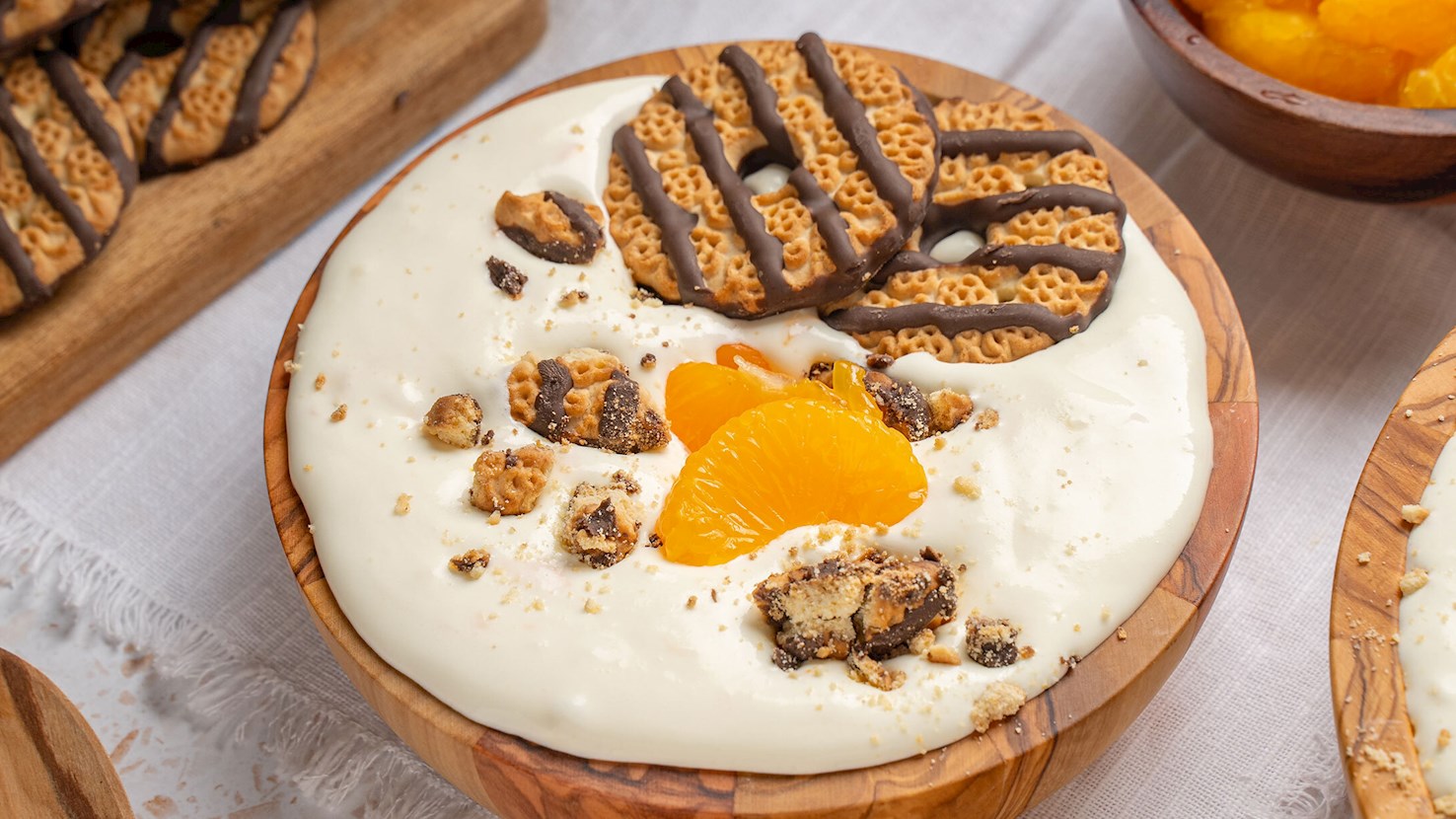
Originating from Minnesota, cookie salad is a simple dessert beloved by children made by combining fudge stripe shortbread cookies, buttermilk, vanilla pudding, whipped cream, and mandarin oranges. Additional ingredients may include berries, but Oreo cookies are strictly prohibited.
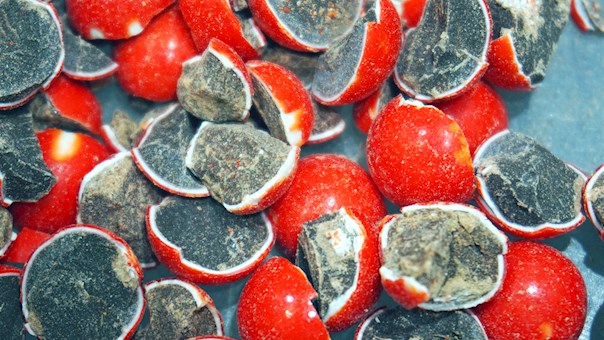
Gelato alla liquirizia is a licorice-flavored gelato. It is made with a creamy base of milk, cream, and sugar, while the flavoring is attained from soft or powdered licorice. This ice cream typically has a light brown color, and it is usually garnished with soft licorice or licorice roots. Licorice gelato is mainly associated with Calabria, the biggest licorice producer in Italy, but it is also available in other Italian regions.
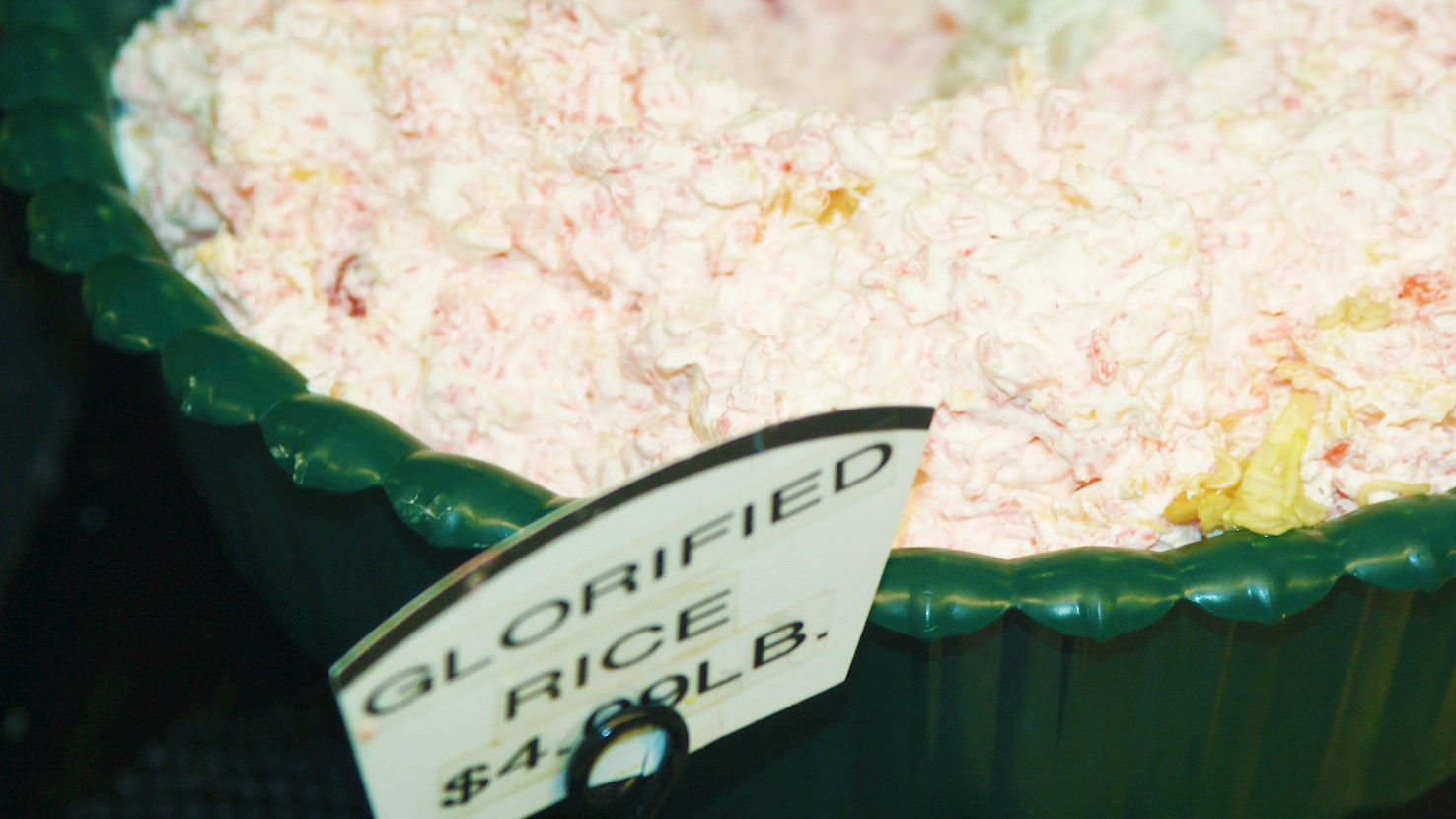
Glorified rice is an American Midwestern dessert consisting of rice, canned pineapple chunks, and whipped cream. The dish is traditionally garnished with a few maraschino cherries on top. Purists claim that the rice should always be cooked in cream in order to develop a tender, melting texture. The dessert was at its most popular from the 1930s to the 1950s, with numerous variations and additions such as bananas, apples, nuts, and gelatin. Today, glorified rice is mostly popular in rural Midwestern areas, and can often be found at church gatherings and potluck dinners.
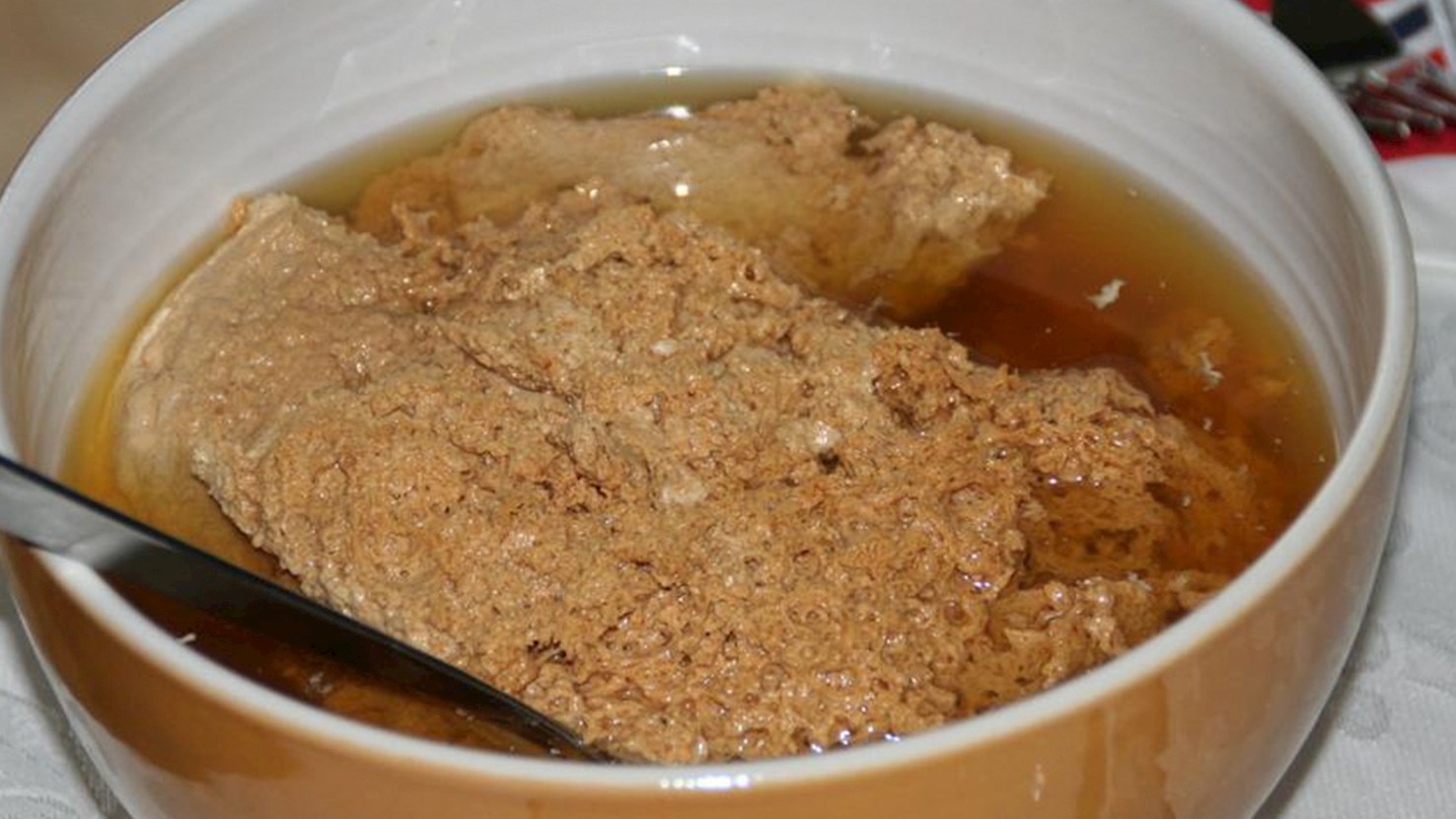
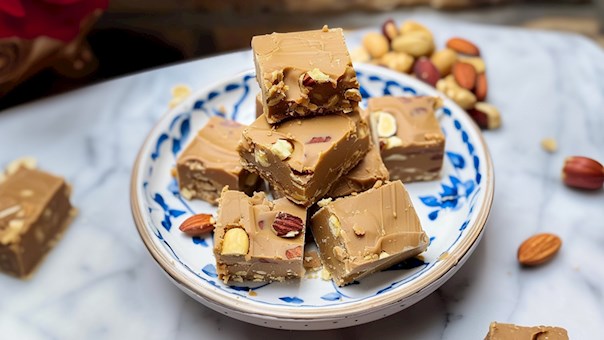
This traditional Norwegian spread is either a type of sweet, brownish-colored cheese or a type of porridge made with milk and oats or rice. The consistency of the dish can be thin or thick. Additionally, raisins and cinnamon can be added. It is commonly enjoyed as a dessert, spread on bread, milk cakes, waffles, or lefse - a type of Norwegian flatbread made with potatoes, flour, butter, and cream.
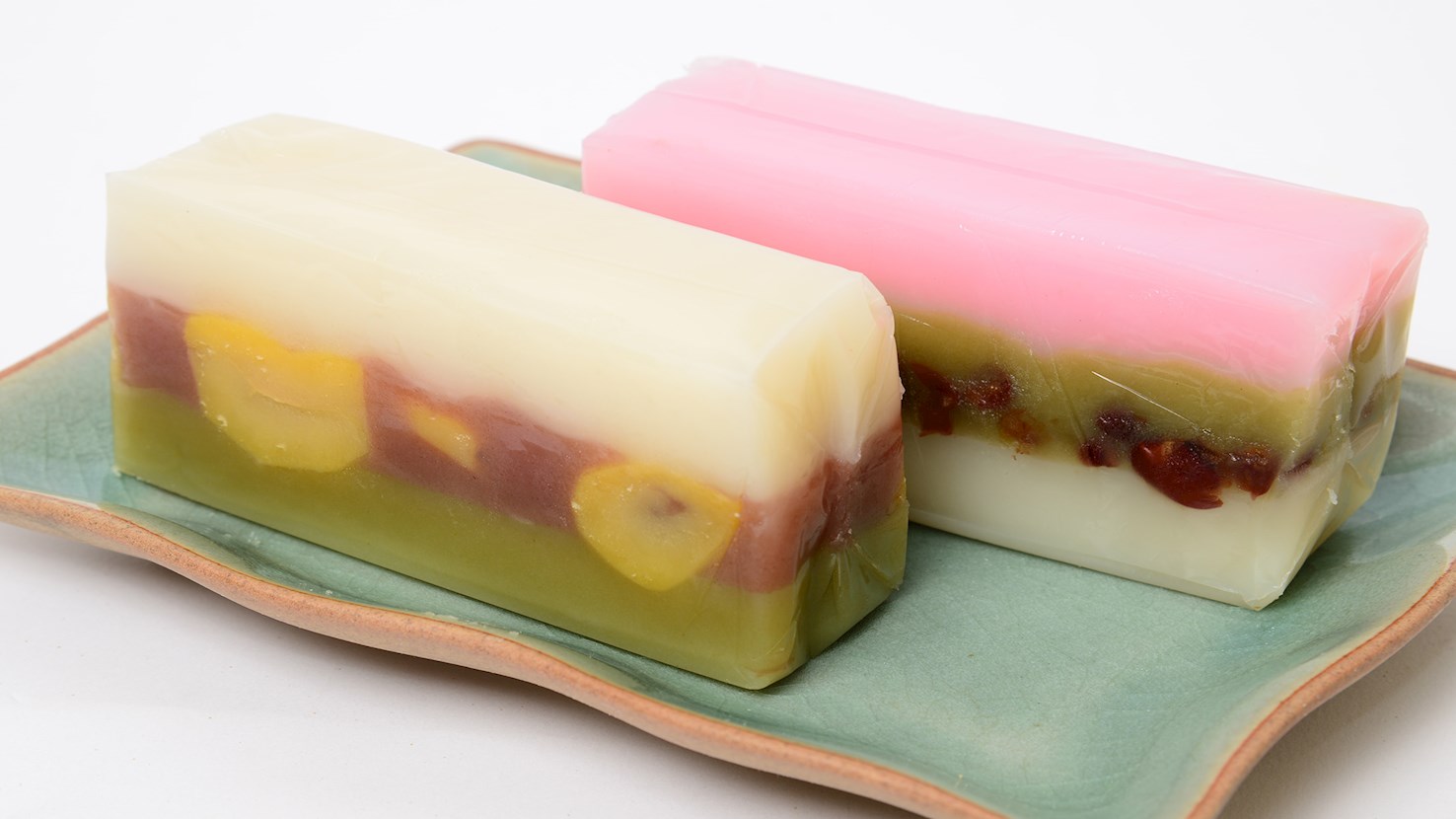
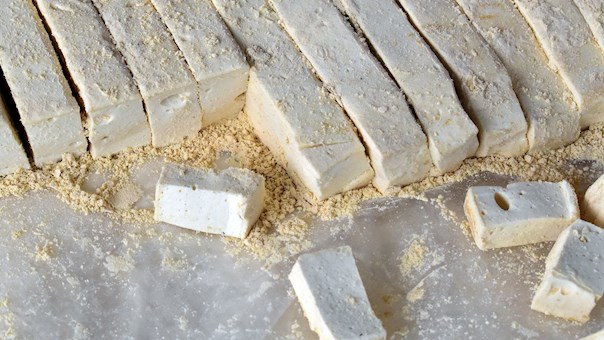
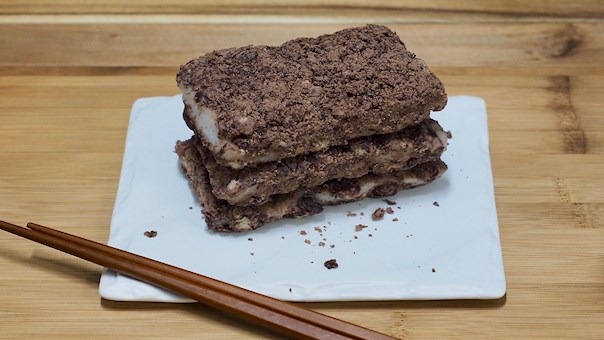
Uirō is a sweet Japanese cake consisting of sugar, rice flour, and water. The cake is traditionally steamed until it develops a chewy texture. It dates back to the 16th century, when it was used as a part of Japanese tea ceremonies, a tradition that is also practiced today. There are a number of variations on the cake, so it can be flavored with ingredients such as matcha, chestnuts, strawberries, or azuki bean paste. Although it's made from the same ingredients as mochi, the method of preparation is different - uirō is poured into a mold and steamed, while mochi is pounded in order to become sticky.
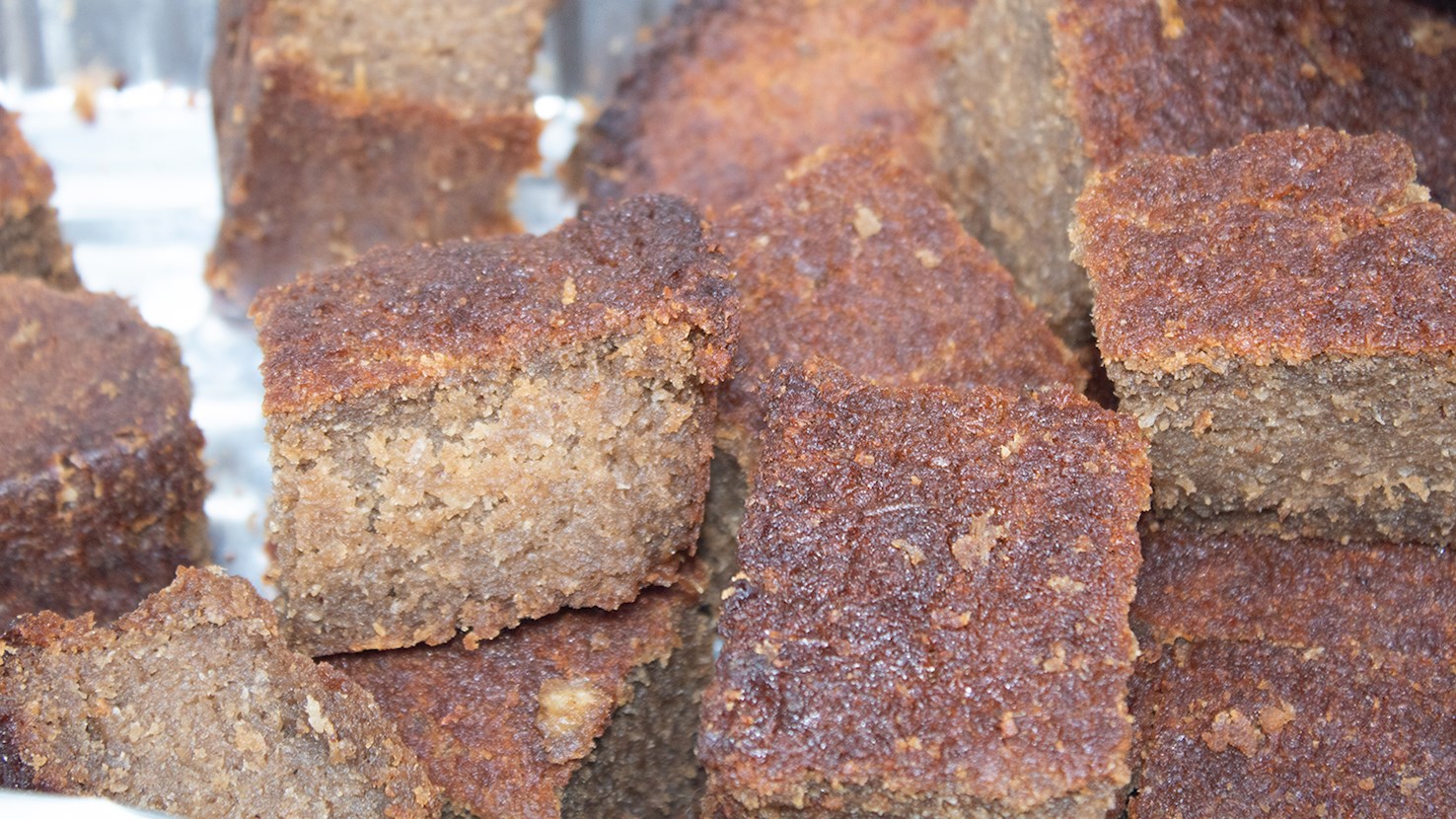
Ducana is a dessert dish that is popular on the Caribbean islands of Antigua, Montserrat and St. Vincent and the Grenadines. The dish is a type of dumpling made with coconut and sweet potatoes, often cooked in banana leaves. It is usually served with stewed or salted fish, and is a common staple food for many locals that enjoy the contrast of sweet and savory flavors. Some say that the sweet potato is best used in the preparation of ducana, as the islands are brimming with sweet potatoes that were cultivated by the Arawak Indians a long time ago. Ducana can also be consumed cold, or thinly sliced and lightly fried as a snack. A must-have for both the tourists and the locals, the dish is often made on Good Friday, when the islanders traditionally avoid meat.
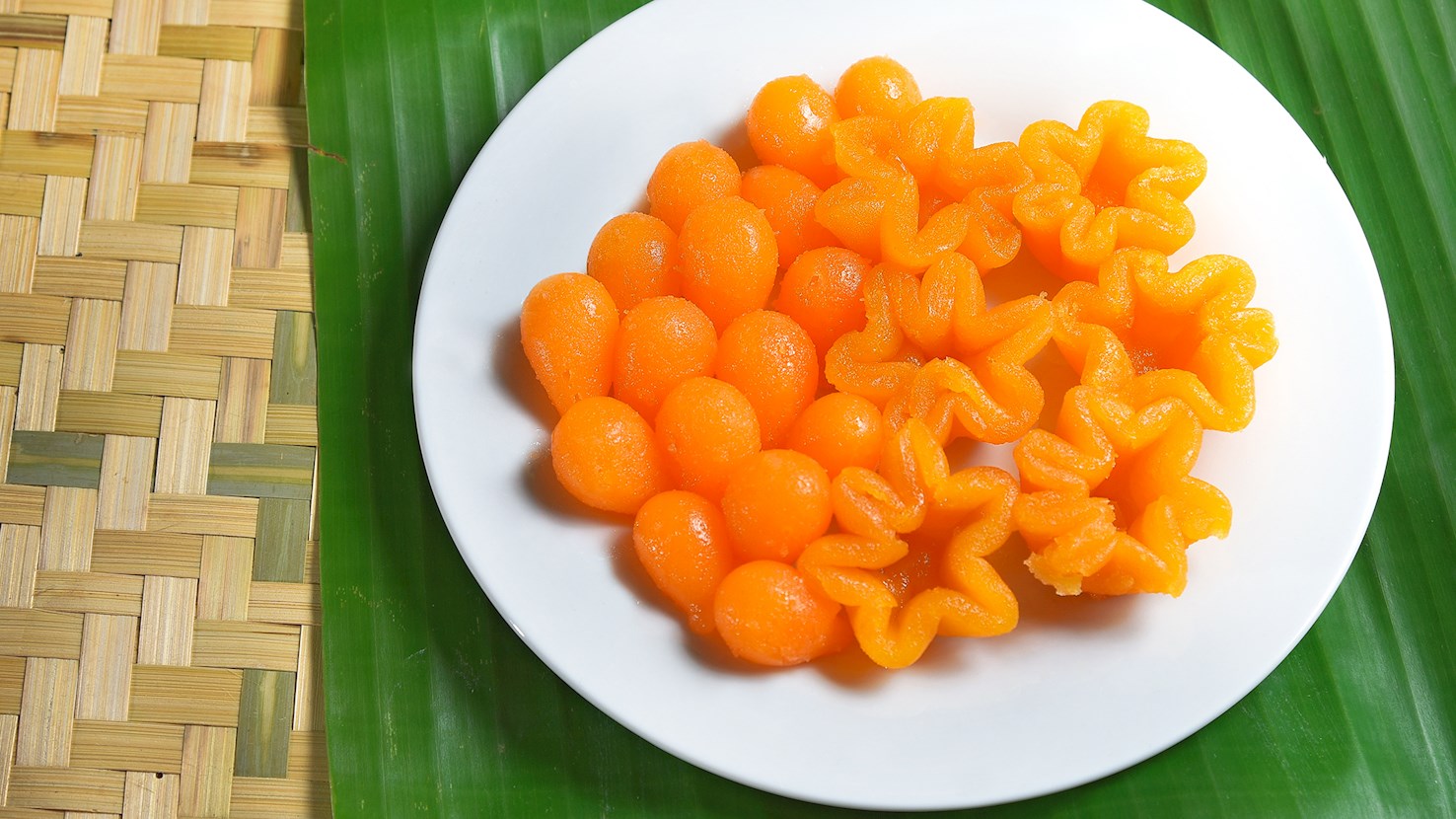
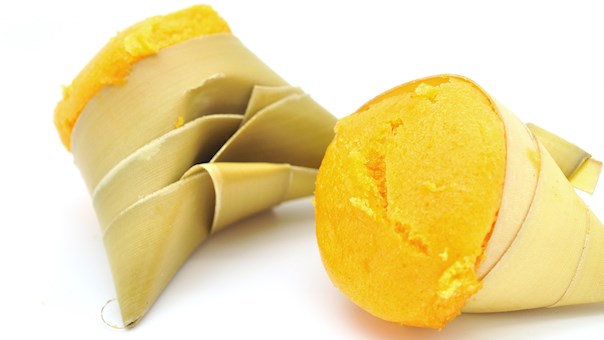
Thong yip is one of the traditional egg yolk-based Thai desserts that have the word thong in their name, which means gold, symbolizing prosperity, increased wealth, and success. This golden-colored dessert is typically made with duck and chicken egg yolks, sugar, and jasmine-flavored water, and it is usually shaped into a flower or a five-point star. The delicately shaped dessert is then transferred to a small porcelain cup to chill and become firm before serving. Sometimes referred to as sweet egg yolk cups, these desserts are commonly prepared for weddings and other celebrations with the intent to bring good luck, prosperity, and wealth. They are available in Thai supermarkets and at street food stalls.
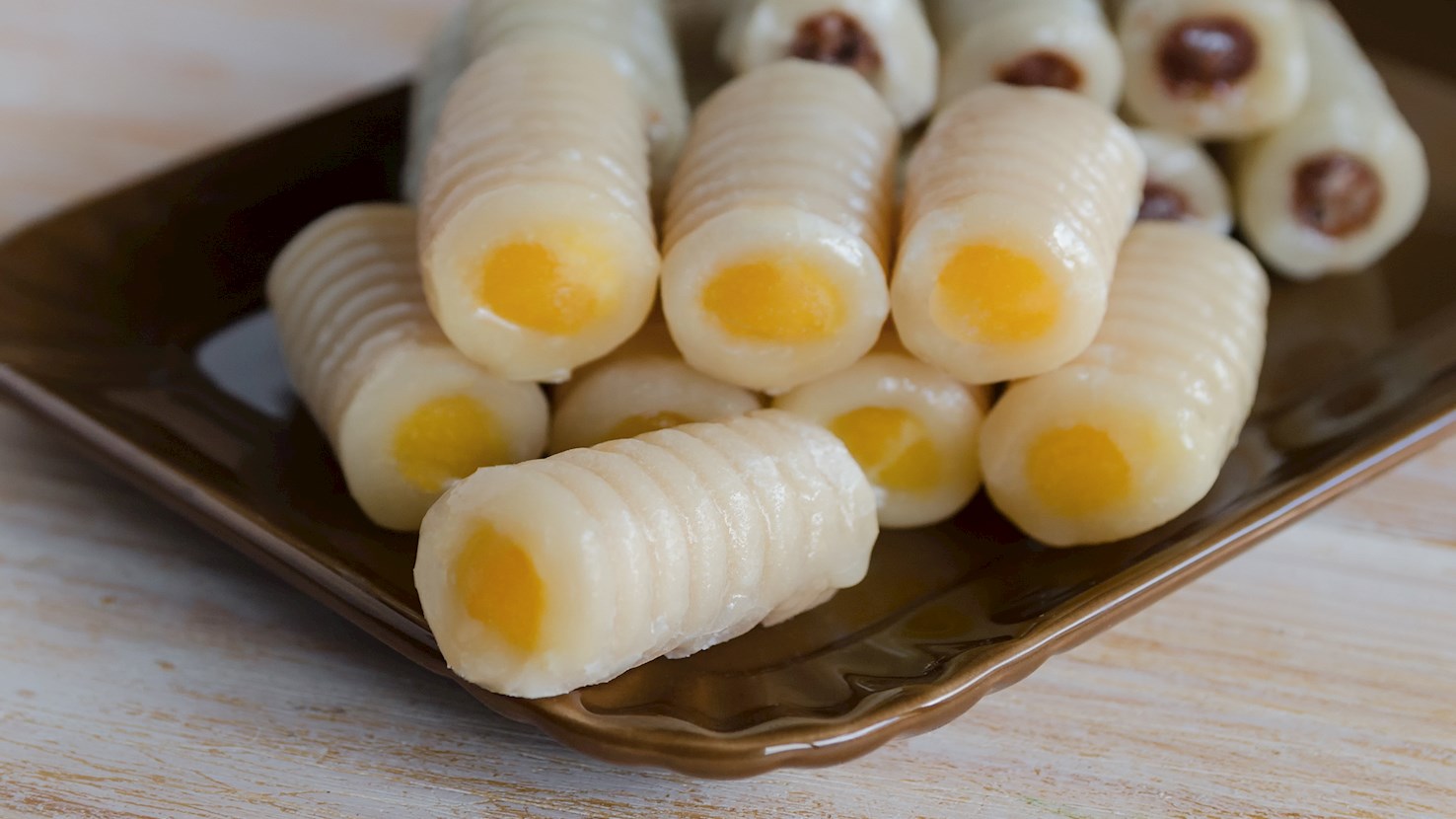
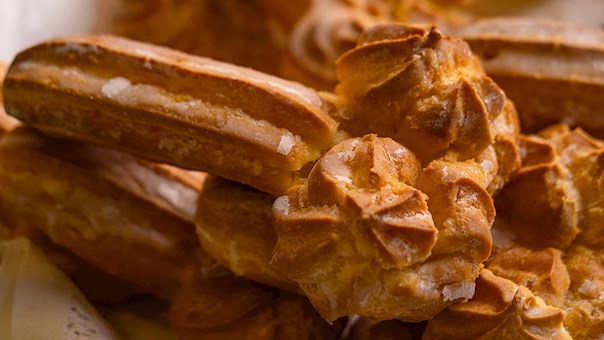
Huesos de santo or saint’s bones is a Spanish finger-shaped treat that is traditionally prepared for All Saints’ Day. The name comes from the visual appearance – this sweet treat looks like a white bone on the outside, which is actually marzipan paste, while the interior hides a sticky yellow filling made with beaten egg yolks and sugar. Although the combination of egg yolks and sugar is the traditional filling, huesos de santo can also be filled with chocolate, coconut, cream, and similar sweet ingredients.
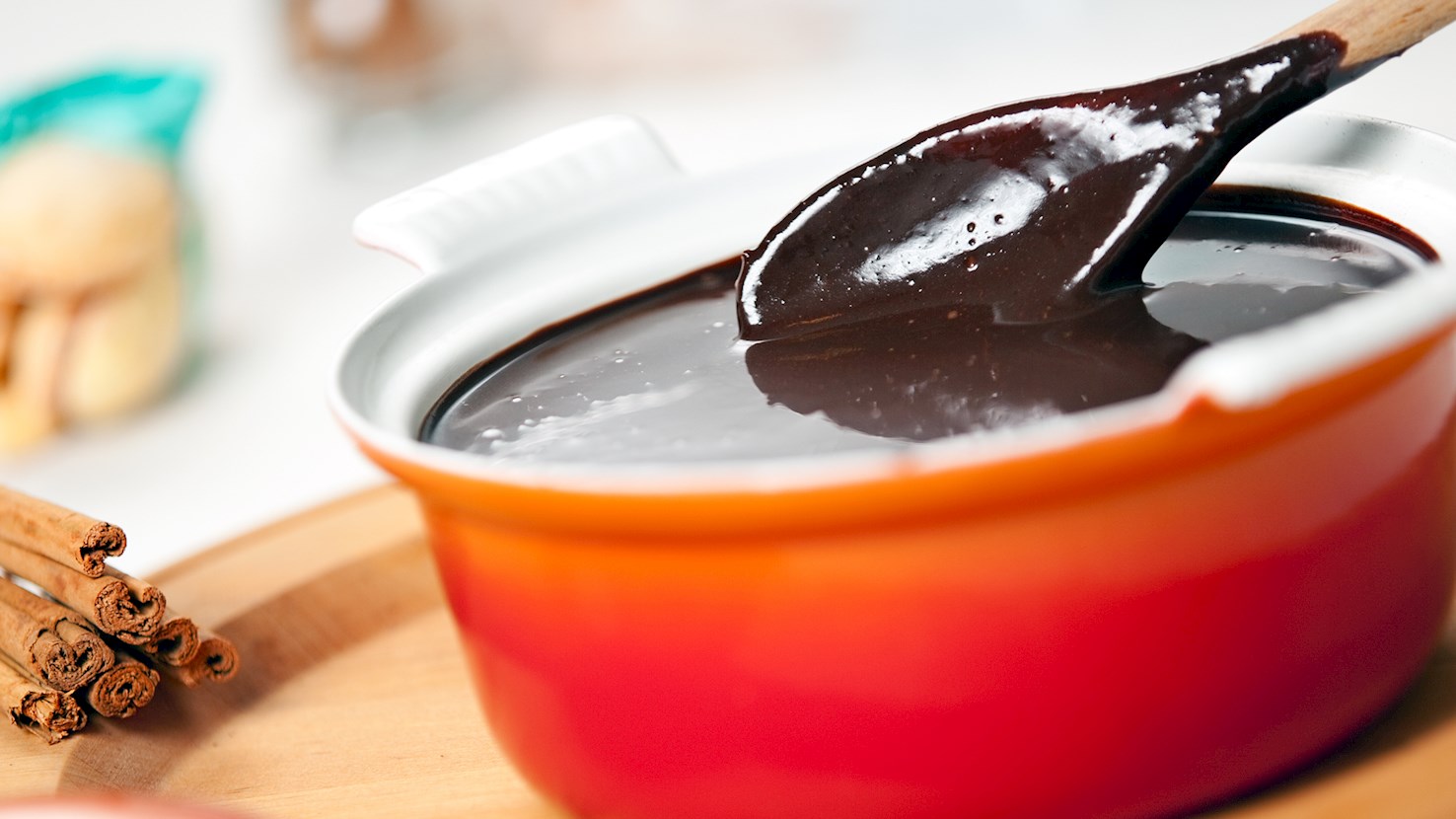
Hailing from the time when animals were butchered in a true snout-to-tail culinary fashion without a morsel going to waste, sanguinaccio emerged as a special dessert making use of those nasty but tasty bits: this Italian sweet pudding is made from fresh pork blood, milk custard, and melted bittersweet dark chocolate. For a richer version, the pudding is often flavored with cinnamon and cloves or lemon zest, and sometimes studded with raisins, toasted almonds, pine nuts, and candied fruit, whereas in some regions it is cooked with the addition of rice. In Naples and the rest of southern Italy, sanguinaccio is traditionally prepared during the Carnival season, and enjoyed with crispy fried ribbons of pastry called chiacchiere, an Italian version of angel wings, but it can also be served with cookies to dip, either the hard, crunchy biscotti or the tender Italian ladyfingers.
TasteAtlas food rankings are based on the ratings of the TasteAtlas audience, with a series of mechanisms that recognize real users and that ignore bot,
nationalist or local patriotic ratings, and give additional value to the ratings of users that the system recognizes as knowledgeable.
For the “100 Worst Rated Desserts in the World” list until October 15, 2026, 167,480 ratings were recorded, of which 113,628 were recognized by the system as legitimate.
TasteAtlas Rankings should not be seen as the final global conclusion about food. Their purpose is to promote excellent local foods,
instill pride in traditional dishes, and arouse curiosity about dishes you haven’t tried.

















What People Say