Trentino

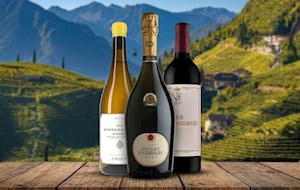
Trentino wine refers to wines produced in the province of Trentino in northern Italy, made primarily under the Trentino DOC and covering white, red, and sparkling styles from grape varieties such as Pinot Grigio, Chardonnay, Müller-Thurgau, Teroldego, Marzemino, and Lagrein. Viticulture in Trentino developed within an Alpine valley system shaped by the Adige River, where Roman settlement introduced organized grape growing and later monastic and civic land management refined vineyard placement along valley floors and terraced slopes, gradually establishing a wine culture influenced by both Italian and Central European practices due to the area’s position along north–south trade routes. Wine production in Trentino emphasizes site-specific viticulture, with vineyards ranging from low valley elevations to high-altitude slopes that preserve acidity and aromatic clarity, and winemaking typically involves controlled fermentation in stainless steel for whites and selected reds, alongside neutral oak use for structured wines, with sparkling wines produced mainly by the metodo classico using Chardonnay and Pinot Noir. Wines are served according to style, with whites and sparkling wines chilled, lighter reds slightly cool, and fuller reds at cellar temperature, and decanting used sparingly. A defining feature of Trentino wine is the coexistence of alpine freshness and reliable ripeness within a relatively compact geographic area, allowing both aromatic whites and structured reds to develop balanced profiles without excessive alcohol. Trentino wines are consumed primarily with meals in northern Italy and export markets, paired with foods such as freshwater fish, cured meats, poultry, risotto, mushroom dishes, alpine cheeses, and vegetable-based preparations, and they are also commonly enjoyed as everyday table wines due to their clarity, moderate weight, and adaptability to a wide range of cuisines.
Hokkaido uni

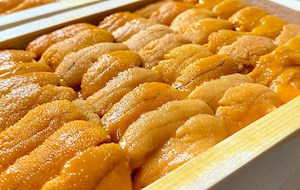
Hokkaido uni is a premium Japanese seafood product consisting of the edible reproductive organs of sea urchins harvested from the cold coastal waters surrounding Hokkaido, Japan's northernmost main island. It is valued for its creamy texture, natural sweetness, rich umami flavor, and delicate marine aroma. Although commonly called sea urchin roe, the edible portions are technically gonads, found in both male and female sea urchins. Hokkaido uni is not a single species but a regional product that includes several varieties, particularly Ezo Bafun Uni and Kita Murasaki Uni. Ezo Bafun Uni (Strongylocentrotus intermedius) produces relatively small, deep orange gonads with an intensely sweet flavor and creamy consistency. Kita Murasaki Uni (Mesocentrotus nudus) is a larger, long-spined species with pale yellow to golden gonads, milder sweetness, and a firmer texture. Both are highly regarded, although Ezo Bafun Uni is especially prized for its concentrated flavor. The quality of Hokkaido uni is closely connected with the region's extensive kelp beds, which provide an important food source for sea urchins. Areas such as Rishiri and Rebun Islands, the Shakotan Peninsula, Otaru, and Rausu are particularly known for their sea urchin fisheries. Around Rishiri and Rebun, the animals feed on kelp, including Rishiri kombu, which is also valued for Japanese soup stock. Their diet influences the flavor, color, and texture of the gonads, contributing to differences between harvesting areas. Sea urchins have been consumed in Japan for thousands of years, with remains found in archaeological shell middens dating back approximately 5,000 years. In Hokkaido, commercial harvesting expanded during the late nineteenth century, particularly along the Sea of Japan coast. Improvements in refrigeration, processing, and transportation during the twentieth century helped establish uni as a widely distributed delicacy, while growing demand from sushi restaurants increased its commercial importance. Today, Hokkaido is one of Japan's major sea urchin-producing regions, supplying seafood markets and restaurants throughout the country. Harvesting seasons vary according to location, water temperature, and the reproductive cycles of different species. Along the western coast, particularly around Shakotan, Otaru, Rishiri, and Rebun, the main season generally falls between late spring and summer, with Shakotan especially associated with June through August. Eastern areas such as Rausu and Nemuro have different harvesting periods, sometimes extending through winter and spring. Sea urchins are collected by divers or from small boats using long-handled nets and specialized tools. Once landed, they are processed quickly to preserve freshness. Their hard, spiny shells are opened, revealing five sections of edible gonads, which are carefully removed and cleaned of shell fragments and membranes. Because the gonads are extremely delicate, proper handling and refrigeration are essential. Fresh uni may be arranged in wooden trays or packed in containers of prepared saltwater. Some commercially distributed uni is treated with food-grade alum to maintain firmness during transportation, although excessive treatment can introduce bitterness. Products labeled mutenka, meaning without additives, are valued for their natural flavor. Another premium presentation is ensui uni, in which the cleaned gonads are packed in a controlled saltwater solution rather than treated with alum. High-quality uni should retain its shape while remaining soft and creamy, without excessive liquid, unpleasant bitterness, or a strong fishy odor. Its color naturally varies from pale yellow to deep orange depending on species, diet, maturity, and harvesting location, so darker color does not necessarily indicate higher quality. Hokkaido's sea urchin fisheries are managed through seasonal restrictions, catch regulations, and efforts to protect marine habitats. Excessive sea urchin grazing can damage kelp beds, and some areas use habitat restoration or controlled raising and fattening to improve the quality and availability of uni. Hokkaido uni is most commonly eaten raw, allowing its sweetness and creamy texture to remain prominent. One of its best-known preparations is uni don, a rice bowl generously topped with fresh sea urchin, sometimes accompanied by nori, wasabi, or a little soy sauce. In sushi restaurants, it is served as uni nigiri or uni gunkan, with the gonads placed over vinegared rice, sometimes held in place by a strip of nori. It is also served as sashimi, occasionally directly in the cleaned shell, while some preparations involve lightly grilling or steaming uni or incorporating it into rice dishes and seafood sauces. Hokkaido uni is eaten in seafood restaurants, sushi establishments, fishing villages, and morning markets throughout the island, with Shakotan, Rishiri, and Rebun particularly associated with freshly harvested sea urchin. It is also highly valued in sushi restaurants across Japan and exported internationally. Its delicate flavor pairs well with lightly seasoned rice, nori, scallops, sweet shrimp, tofu, and other mild seafood, while strong sauces and excessive chili can overwhelm its natural sweetness. Dry Japanese sake, particularly Junmai Ginjo, and crisp white wines with fresh acidity are suitable beverage pairings.
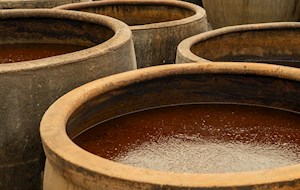
Kioke shoyu
Kioke shoyu is a soy sauce fermented and matured in large wooden barrels, usually made from Japanese cedar, using a brewing method that has become increasingly rare in modern Japan. Known locally as kioke-jikomi shoyu, it is distinguished by its complex aroma, deep umami flavor, and the microorganisms living in the wooden barrels and surrounding brewery environment. The sauce is generally made from soybeans, wheat, salt, and water, although ingredients vary according to the type of shoyu. Unlike most modern Japanese soy sauces, which are fermented in industrial tanks, kioke shoyu develops in wooden vessels that may remain in use for a century or longer. The wood provides a habitat for yeasts and lactic acid bacteria that contribute to fermentation, giving individual breweries distinctive flavor characteristics. Kioke shoyu is not an additional official variety of soy sauce but a production method applicable to several established types, including koikuchi, usukuchi, tamari, and saishikomi. Its color, sweetness, saltiness, and intensity therefore vary, although many examples have a rich savory character and lingering aroma. Soy sauce developed in Japan from fermented soybean seasonings introduced and adapted over several centuries. By the Muromachi period (1336–1573), preparations resembling modern shoyu were becoming established, while commercial production expanded during the Edo period (1603–1868). Wooden barrels were widely used for fermenting soy sauce, miso, vinegar, and other products because they were durable and repairable. Important brewing centers developed in Yuasa in Wakayama Prefecture, Tatsuno in Hyogo Prefecture, and the Kanto region, while Shodoshima Island in Kagawa Prefecture became particularly associated with wooden-barrel production. Brewing expanded on Shodoshima during the late eighteenth century, supported by salt production, maritime transport, and access to major markets. During the twentieth century, larger manufacturers increasingly replaced wooden barrels with industrial tanks, which were easier to maintain and operate on a large scale. Wooden-barrel fermentation declined because of its labor requirements, lengthy maturation, limited production capacity, and the shortage of skilled barrel makers. Today, less than one percent of Japanese soy sauce is produced in wooden barrels, although a small number of breweries continue using the method. Shodoshima remains an important center, with a substantial proportion of Japan's surviving soy sauce fermentation barrels located on the island. The barrels, known as kioke, are constructed from thick cedar planks secured with bamboo hoops rather than nails or glue. Some are made using mature Yoshino cedar, valued for its strength and durability. The vessels can hold thousands of liters of fermenting mash and may remain in service for more than a hundred years. Over time, their surfaces develop microbial communities associated with the individual brewery, contributing to differences between producers using similar ingredients. Brewing begins with soybeans that are soaked and steamed, while wheat is roasted and crushed. The ingredients are combined and inoculated with Aspergillus oryzae or related koji molds, which produce enzymes that break down proteins and starches. After approximately two or three days, the resulting koji is mixed with saltwater and transferred into the wooden barrels, forming a fermenting mash called moromi. During maturation, enzymes continue breaking down the ingredients, while yeasts and lactic acid bacteria produce organic acids, alcohols, and aromatic compounds. The mash is periodically stirred, while temperature and seasonal changes influence microbial activity. Fermentation commonly lasts one to two years, although some producers age their soy sauce considerably longer. Yamaroku Shoyu on Shodoshima is a recognized producer of long-aged wooden-barrel soy sauces, including Kikubishio and Tsurubishio. Once fermentation is complete, the moromi is pressed to separate the liquid soy sauce from the remaining solids. The extracted sauce may then be filtered and pasteurized before bottling, although unpasteurized versions are also produced. Finished kioke shoyu ranges from reddish brown to very dark brown, with aromas that may include roasted grain, caramel, dried fruit, fermented soybeans, mild acidity, and earthy notes. Its umami flavor comes largely from amino acids, including glutamate, released during fermentation. The balance of saltiness, sweetness, acidity, bitterness, and aroma depends on the ingredients, brewing method, and type of shoyu. Wooden barrels do not automatically produce darker or stronger soy sauce, nor does longer aging guarantee higher quality. Their importance lies in providing a distinctive fermentation environment. Efforts to preserve Japanese barrel-making craftsmanship have also developed on Shodoshima, where producers and craftspeople construct new cedar barrels and teach the specialized techniques required to maintain them. Kioke shoyu is used like other high-quality Japanese soy sauces, both as a condiment and in cooked dishes. Its flavor is particularly suited to sashimi, sushi, chilled tofu, grilled fish, steamed vegetables, and freshly cooked rice. It is also used in dipping sauces, noodle broths, simmered dishes, marinades, and glazes, often combined with dashi, mirin, sake, sugar, or vinegar. Darker examples complement grilled beef, yakitori, braised pork, and mushrooms, while lighter styles work well with delicate seafood and vegetables. Kioke shoyu is produced by small and medium-sized breweries across Japan, with notable examples from Shodoshima, Wakayama, Shimane, and Gunma. It is sold through specialty food shops, brewery stores, restaurants, and international retailers. Dishes seasoned with kioke shoyu can be accompanied by dry sake, Japanese lager, or green tea, depending on the main ingredients. Its defining characteristic remains wooden-barrel fermentation, which allows individual breweries to develop soy sauces shaped by their ingredients, microorganisms, and brewing practices.
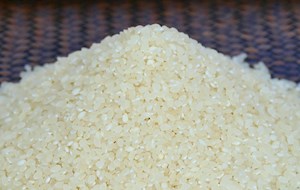
Uonuma-san Koshihikari
Uonuma Koshihikari rice is a premium Japanese short-grain rice grown in the Uonuma region of Niigata Prefecture, and is widely regarded as one of the country's most prestigious regional rice products. Known locally as Uonuma-san Koshihikari, it is valued for its glossy appearance, natural sweetness, soft yet chewy texture, and characteristic stickiness after cooking. It belongs to the Koshihikari variety of japonica rice, one of Japan's most widely cultivated rice varieties, but its geographical origin distinguishes it from Koshihikari grown elsewhere. The recognized production area extends beyond Uonuma City to include Minamiuonuma, Tokamachi, Ojiya, Tsunan, Yuzawa, and the former Kawaguchi area of Nagaoka. Minamiuonuma, particularly the Shiozawa area, has an especially strong reputation for high-quality rice. The region is surrounded by mountains and experiences heavy winter snowfall, warm summers, and relatively cool nights. Snowmelt supplies water to the rice paddies, while differences between daytime and nighttime temperatures help support grain development. These conditions, combined with local soils, irrigation systems, and cultivation methods, have contributed to the rice's reputation for excellent eating quality. Rice cultivation has been central to Niigata's agricultural economy for centuries, supported by its rivers, fertile valleys, and favorable climate. Koshihikari itself is a relatively recent variety, originating from a cross between Norin No. 1 and Norin No. 22 made in Niigata Prefecture in 1944. Subsequent breeding and selection took place in Fukui Prefecture, and the variety was officially named and released in 1956, when Niigata also adopted it as a recommended cultivar. The name combines Koshi, referring to an old geographical name associated with the Hokuriku region, and hikari, meaning light or radiance. Although developed for its desirable eating quality, Koshihikari's relatively tall stems and susceptibility to lodging made cultivation demanding. Farmers in Uonuma refined their growing methods by adjusting planting density, fertilizer application, irrigation, and harvesting practices. Its reputation expanded during the second half of the twentieth century as Japanese consumers increasingly distinguished rice by variety and geographical origin. Agricultural cooperatives, regional branding, and national rice-quality evaluations helped establish Uonuma Koshihikari as a premium product that often commands higher prices than rice from other regions. Production begins in spring, when farmers prepare flooded paddies and raise seedlings, generally transplanting them in May after the winter snow has melted. Throughout summer, they manage water levels and fertilizer to support healthy plant growth. Water from surrounding mountains and river systems, including the Uono and Shinano river basins, is particularly important. Warm days encourage photosynthesis, while cooler nights help limit excessive respiration, supporting carbohydrate accumulation and grain development. Farmers must also control fertilizer carefully because excessive growth can increase the risk of lodging. Harvesting generally takes place from September into early October, depending on weather and elevation. The rice is cut mechanically, dried to a suitable moisture level, and cleaned before the outer husks are removed to produce brown rice, known as genmai. Further milling removes the bran and germ to produce white rice, or hakumai. Some producers store the rice as brown rice and polish it shortly before sale to preserve freshness. Quality control involves examining moisture, grain uniformity, appearance, and the presence of damaged or immature grains. Because Uonuma Koshihikari is a valuable regional product, accurate geographical labeling is particularly important. The grains are generally short, plump, and slightly translucent, becoming glossy and cohesive after cooking. Unlike long-grain varieties that remain separate, Koshihikari has a starch composition that produces considerable stickiness and a soft, moist texture. Its mild sweetness becomes more noticeable during chewing, while its relatively full flavor makes it suitable for eating without strong seasoning. It also retains a pleasant texture after cooling, making it particularly suitable for rice balls and packed lunches. However, eating quality varies between harvests, farms, storage conditions, and milling practices, so the geographical designation does not guarantee identical characteristics in every batch. Before cooking, Uonuma Koshihikari is usually rinsed several times in cold water to remove excess surface starch and bran particles, then soaked briefly to allow even water absorption. It is commonly cooked in a Japanese rice cooker or covered pot, using a measured amount of water adjusted to the rice's moisture content. After cooking, it is left to rest before being gently loosened with a rice paddle. The finished grains should be tender, moist, glossy, and slightly sticky while retaining their shape. Because of its natural sweetness and texture, Uonuma Koshihikari is most commonly served as freshly steamed white rice, or gohan, without additional seasoning. It is also popular for onigiri, rice balls filled with ingredients such as salted salmon or pickled plum, and shio musubi, a simpler version seasoned only with salt. Although it can be used for sushi, it is particularly associated with everyday steamed rice and rice balls. Uonuma Koshihikari is eaten throughout Japan in homes, restaurants, inns, and establishments specializing in regional rice. In Niigata, it commonly accompanies grilled fish, mountain vegetables, mushrooms, pickles, and miso-based dishes. Its sweetness complements salty ingredients such as salmon, umeboshi, and tsukemono, while its soft texture works well with tofu, eggs, soups, and lightly seasoned meat. Green teas such as sencha and hojicha are common beverage accompaniments, while Niigata sake can also be served with meals featuring the rice.
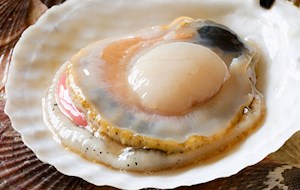
Hokkaido hotate
Hokkaido hotate is a premium scallop harvested and cultivated in the cold coastal waters surrounding Hokkaido, Japan's northernmost main island. It belongs primarily to the species Mizuhopecten yessoensis, also called the Japanese scallop or Yesso scallop, and is valued for its large, thick adductor muscle, natural sweetness, firm yet tender texture, and delicate marine flavor. The scallop has a broad, fan-shaped shell that can reach approximately 12–20 centimeters in diameter, with a large central muscle known as kaibashira, its most prized edible portion. Unlike many other bivalves, Japanese scallops possess one particularly large adductor muscle that gives them their characteristic meaty texture. Hokkaido is Japan's leading scallop-producing region, with major fishing and aquaculture areas along the Sea of Okhotsk, the Nemuro Strait, Funka Bay, Lake Saroma, and parts of the Sea of Japan coast. Its cold, nutrient-rich waters support abundant plankton, the scallops' primary food source, contributing to their growth and flavor. Scallops have been consumed in northern Japan for centuries, with archaeological evidence showing that shellfish were important in coastal diets long before modern commercial fishing. In Hokkaido, organized scallop harvesting expanded during the late nineteenth century, particularly along the Okhotsk coast, where natural populations supported local fisheries. Dried scallop adductor muscles became an important export commodity for Chinese markets, where they were prized for their concentrated umami flavor. During the Edo and Meiji periods, dried scallops were transported through Japanese trading networks to Chinese ports, helping establish Hokkaido's reputation for preserved seafood. Modern scallop cultivation developed during the twentieth century, with experimental seed collection in Lake Saroma during the 1930s and organized aquaculture expanding during the 1960s and 1970s. These advances transformed scallop production from an industry dependent largely on wild populations into one supported by managed cultivation and harvesting. Today, Hokkaido uses two principal production methods: seabed cultivation, known as jimaki, and suspended aquaculture, known as suika. Seabed cultivation is especially important along the Sea of Okhotsk and the Nemuro Strait, where young scallops are initially raised in protected conditions before being released onto designated seabed areas. They grow for another two to four years, feeding on plankton carried by ocean currents, before being harvested using specialized dredging equipment. Fishing grounds are managed through rotational harvesting, with different areas stocked and collected in successive years. Suspended aquaculture is common in Funka Bay, Lake Saroma, and parts of Hokkaido's western coast. Juvenile scallops are attached to ropes or placed in suspended baskets, allowing them to grow above the seabed. They are generally harvested after one to two years, depending on local conditions. Suspended scallops are less likely to accumulate sand, while seabed-raised specimens often develop large, firm muscles after several years of growth. Neither method produces a separate variety, and differences in quality depend on age, location, water conditions, and handling. Harvesting occurs throughout much of the year, although seasons vary by area. Scallops from the Okhotsk coast are commonly harvested from early summer through autumn, while suspended scallops from Funka Bay are often collected during winter and spring. Once harvested, they are quickly transported to processing facilities, where they are cleaned and separated from their shells. The large white adductor muscle is carefully removed, while other edible parts, including the mantle and reproductive organs, may be processed separately. The dark digestive gland is generally discarded because it can accumulate undesirable substances. The adductor muscle contains naturally occurring amino acids and glycogen, which contribute to its sweetness and savory flavor. High-quality Hokkaido hotate should have a clean marine aroma, firm yet moist flesh, and a creamy-white appearance. Fresh scallops may be sold whole in their shells, as cleaned adductor muscles, or frozen using rapid-freezing methods that help preserve texture. An important processed product is hoshi kaibashira, dried scallop adductor muscle, prepared through cooking and careful drying to concentrate its flavor. Dried scallops are valued in Japanese and Chinese cooking, particularly in soups, broths, rice dishes, and sauces. Hokkaido hotate is most commonly eaten raw or lightly cooked to preserve its natural sweetness and delicate texture. In sushi restaurants, the adductor muscle is served as hotate nigiri, placed over vinegared rice, or sliced for sashimi with a little soy sauce and wasabi. Another popular preparation is hotate butter-yaki, in which scallops are quickly grilled or pan-fried with butter, sometimes finished with soy sauce, sake, or garlic. Whole scallops may also be grilled in their shells, allowing the juices to collect around the meat. In Hokkaido, grilled scallops are common at seafood markets, coastal restaurants, and outdoor food stalls. They are also used in rice dishes, soups, hot pots, tempura, and seafood stews, while larger muscles may be briefly seared to brown the exterior while keeping the center tender. Excessive cooking can make the meat tough, so preparation is generally brief. Hokkaido hotate is eaten throughout Japan in sushi restaurants, seafood establishments, homes, and regional markets, with coastal producing areas offering particularly fresh examples. Its mild sweetness pairs well with sushi rice, nori, butter, soy sauce, mushrooms, asparagus, citrus, and other seafood, while stronger sauces are generally used sparingly. Dry Japanese sake, particularly Junmai Ginjo, complements its delicate flavor, while crisp white wines such as Chablis, Muscadet, and unoaked Chardonnay provide suitable alternatives.
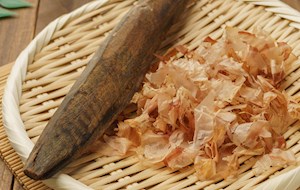
Honkarebushi
Honkarebushi is a premium Japanese dried, smoked, and mold-matured fish product made from skipjack tuna (lat. Katsuwonus pelamis), primarily produced in Kagoshima Prefecture, particularly in Makurazaki and Yamakawa, with other production areas including Kochi and Shizuoka. It is considered one of the highest-quality forms of katsuobushi, distinguished by its extremely hard texture, concentrated umami flavor, refined smoky aroma, and lengthy maturation involving repeated applications of beneficial mold. Unlike ordinary katsuobushi, which may be sold after smoking and drying, honkarebushi undergoes additional cycles of mold growth and drying that reduce moisture, break down fats, and mellow its flavor. The finished product resembles a dense, dark brown piece of wood, sometimes with a pale, dusty surface from the final mold treatment, and must be shaved into thin flakes before use. Its flavor is deeply savory and slightly smoky, with delicate fermented and dried-fish notes. Dried bonito has been used in Japan for centuries, with references to preserved fish products appearing in records from the Nara period (710–794). The name katsuobushi appears in a written record from 1513, while smoked bonito became increasingly important during the Edo period (1603–1868), when improved processing methods supported distribution to major cities. Producers in Tosa, present-day Kochi Prefecture, refined techniques involving boiling, smoking, and mold maturation, which gradually spread to other coastal regions. Repeated mold treatment developed further during the late Edo period and nineteenth century, establishing the method associated with modern honkarebushi. The growing importance of dashi in Japanese cooking encouraged demand for high-quality dried bonito, particularly in Kyoto and Osaka. Kagoshima subsequently became a major production center, with Makurazaki and Yamakawa developing specialized industries based on access to skipjack tuna and experienced processors. Production begins with fresh or frozen skipjack tuna, which is cleaned, beheaded, and gutted before being divided into large fillets. Larger fish are usually separated into four pieces, with two portions from the back and two from the belly. These are gently simmered until the flesh firms, then cooled, deboned, trimmed, and shaped. The fish is smoked and dried repeatedly over hardwood fires, commonly using oak, until much of its moisture has evaporated. This stage, known as baikan, can continue for several weeks, with alternating periods of heating and resting that gradually dry the interior. The resulting product is called arabushi, a strongly smoked and partially dried form of katsuobushi. To produce honkarebushi, the dark exterior is scraped away to create a smooth surface, producing hadakabushi. The pieces are then placed in maturation rooms and inoculated with selected beneficial molds, commonly belonging to the genus Aspergillus. As the mold grows, it contributes to further drying and changes in the fish's composition. The pieces are subsequently dried, often in sunlight, before being returned for another cycle of mold growth. This process is usually repeated at least three or four times, sometimes more. The mold helps reduce residual moisture and break down fats, limiting rancidity while producing a cleaner aroma. Production commonly takes four to six months, although some producers mature honkarebushi longer. By the end, the fish has lost much of its original weight and become exceptionally hard, with a dense, dark reddish-brown interior. The distinction between honkarebushi and other katsuobushi types lies mainly in the extent of processing. Arabushi is smoked and dried without mold maturation, karebushi undergoes mold treatment, and honkarebushi receives repeated maturation cycles that produce a particularly dry and refined product. Terminology and the number of mold applications can vary between producers. Its savory flavor comes largely from naturally occurring compounds in the fish, particularly inosinate, a nucleotide responsible for much of bonito's umami. When combined with kombu, which contains glutamate, the two ingredients produce a stronger umami sensation than either alone. This makes honkarebushi particularly valuable for preparing dashi, the clear stock used throughout Japanese cooking. Before use, the hard fillet is shaved with a specialized tool called a kezuriki, producing thin flakes known as kezuribushi. Freshly shaved flakes are particularly prized because their aroma diminishes after exposure to air. For dashi, the flakes are added to hot water, often after kombu has been removed, and briefly steeped before straining. Excessive boiling is avoided when preparing delicate first-extraction dashi, or ichiban dashi, because it can produce a rougher flavor. The resulting stock is clear, lightly golden, and deeply savory, with restrained smoky notes. Honkarebushi is also used in second-extraction dashi, noodle broths, dipping sauces, and simmered dishes, while freshly shaved flakes can be sprinkled over tofu, vegetables, rice, and other foods. In Japan, it is particularly associated with restaurants serving refined Japanese cooking, including kaiseki meals and carefully prepared clear soups, although it is also used in homes by cooks who prefer freshly shaved bonito. Its flavor pairs well with kombu, shiitake mushrooms, tofu, daikon, leafy vegetables, fish, eggs, soy sauce, and miso. Dishes prepared with honkarebushi-based dashi are commonly accompanied by green tea or sake, particularly dry, lightly aromatic styles that complement the stock's delicate flavor.
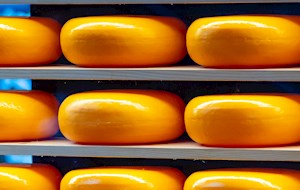
Boeren-Goudse Oplegkaas

Boeren-Goudse Oplegkaas is a premium Dutch farmhouse cheese made from raw cow's milk in the Groene Hart region of South Holland. It is a long-aged variety of Gouda, distinguished by its large golden-yellow wheels, firm yet remarkably smooth texture, and concentrated flavor with notes of caramel, butter, nuts, and mild acidity. Unlike most commercially produced Gouda, Boeren-Goudse Oplegkaas is made on farms using fresh, unpasteurized summer milk from cows grazing on pasture. Its name reflects its defining characteristics: boeren refers to farmhouse production, Goudse identifies the Gouda style, and oplegkaas describes cheese intended for extended maturation. The wheels generally weigh around 20 kilograms (44 pounds) and are aged for at least 18 months, often for two to four years. Despite this lengthy aging, the cheese retains a relatively smooth, sliceable consistency rather than becoming excessively dry or brittle. Its production is closely connected with the dairy farming culture of the Groene Hart, a landscape of grasslands, peat meadows, waterways, and agricultural villages between Amsterdam, Rotterdam, and Utrecht. Farmers in this region have made durable cheeses for centuries, converting fresh milk into large wheels that could be stored and transported to markets. During the seventeenth century, Dutch cheese production and international commerce expanded, and Gouda became an important market center for cheeses produced in the surrounding countryside. The city's weighing house, established in 1668, became closely associated with this trade. Large, aged farmhouse cheeses were particularly valuable because they could withstand storage while developing stronger flavors. As industrial dairy production expanded during the nineteenth and twentieth centuries, smaller farmhouse producers faced increasing competition from factories making standardized cheese throughout the year. Pasteurized milk, modern equipment, and shorter maturation periods became widespread, while the production of large raw-milk Gouda wheels using wooden molds and linen cloths declined. By the early twenty-first century, only a few producers continued making this particular type of aged farmhouse Gouda. In 2003, Boeren-Goudse Oplegkaas was included in the Slow Food Ark of Taste, and a dedicated Slow Food Presidium was established in 2005 to support its production. The cheese is associated with two producing families: the Captein family in Zoeterwoude and the Van der Poel family in Rijpwetering, both in South Holland. Production begins during summer, when dairy cows graze on fresh grass in the meadows of the Groene Hart. Raw milk from the farm's own herd is gently warmed and combined with starter cultures and rennet, causing it to coagulate into curd. Once firm, the curd is cut into small pieces to release whey. Like other Gouda cheeses, Boeren-Goudse Oplegkaas undergoes a washed-curd process in which some whey is removed and replaced with warm water. This reduces the lactose available for fermentation, limiting acidity and helping produce the slightly sweet flavor and smooth texture characteristic of Gouda. The curds are then transferred into large wooden molds lined with linen cloths, which allow moisture to escape during pressing while forming compact wheels suitable for extended ripening. After pressing, the cheeses are immersed in brine to absorb salt, then transferred to maturation rooms where temperature and humidity are controlled and the wheels are regularly turned. During aging, proteins and fats gradually break down, producing a fuller flavor and changing the cheese's texture. Younger examples have buttery and nutty notes, while cheeses matured for several years develop stronger caramel, roasted-nut, and savory flavors. Small crunchy crystals may appear as maturation progresses, contrasting with the dense, smooth interior. One of its defining characteristics is the ability to remain relatively moist and sliceable after prolonged aging, partly because of the washed-curd process and careful moisture control. The paste is generally deep yellow to golden, with few openings and a firm exterior rind. Because the cheese is made from raw milk in limited quantities, differences between farms and batches can be noticeable, particularly in sweetness, acidity, saltiness, and mature flavors. Boeren-Goudse Oplegkaas is best served at room temperature, allowing its aromas and texture to become more apparent. It is most commonly eaten in thin slices or small pieces, often with bread or as part of a cheese board. In the Netherlands, it is sold through specialist cheese shops, farm shops, delicatessens, and selected restaurants. It pairs well with Dutch rye bread, sourdough, walnuts, hazelnuts, apples, pears, and fruit preserves, while its salty, caramel-like flavor also complements mustard and mildly sweet chutneys. Although it melts well, its long maturation and limited production make it particularly suitable for cheese boards, sandwiches, and tastings. Suitable beverages include mature white wines, dry Riesling, Chardonnay, and medium-bodied reds such as Pinot Noir, while Dutch brown ales and dubbel-style beers complement its nutty and caramel notes.
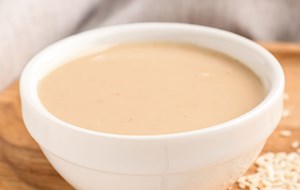
Tahina Nabulsiya

Tahina Nabulsiya is a Palestinian sesame paste produced in Nablus, a city in the northern West Bank, known for its smooth, creamy consistency, pale beige color, rich nutty flavor, and mild natural sweetness. Made from hulled sesame seeds that are carefully roasted and ground into a fine paste, it is one of the city's established food products, closely associated with its sesame-processing and confectionery industries. Unlike tahini made from unhulled or heavily roasted seeds, the Nablus style generally emphasizes a light color, mild flavor, and fluid texture with little bitterness. High-quality examples contain only sesame, without added oils, sugar, or preservatives. Some producers use Ethiopian Humera sesame, valued for its high oil content and mild flavor, although seeds may also come from other regions. The name identifies the place of production rather than a separate sesame variety or legally protected method. Sesame processing has been part of Palestinian food production for centuries, with Nablus developing into an important center for tahini, sesame oil, and halva. The city's commercial importance and established manufacturing businesses supported workshops where sesame was cleaned, roasted, and ground for local markets and neighboring regions. During the late nineteenth and early twentieth centuries, family businesses became particularly important, passing equipment and production knowledge between generations. Among the oldest documented producers is the Ayesh family, which traces its business to 1860. Al-Aloul Foods dates its beginnings to 1918, while Al Karawan was established in 1980, building on earlier family experience in tahini production. Earlier production relied on manual labor and large grinding stones, sometimes turned by animals, while later factories introduced electric mills and mechanical cleaning equipment. Some producers retained stone grinding for its ability to create a fine paste, while others adopted modern milling systems. The industry also changed its supply of raw materials. Sesame was once cultivated more extensively in Palestine, but imported seeds became increasingly important as agricultural conditions and trading practices changed. Ethiopian Humera sesame became popular among Nablus manufacturers because its characteristics suit the production of light-colored, creamy tahini. Preparation begins with cleaning the sesame seeds to remove dust, stones, and other impurities. The seeds are soaked in water to soften their hulls, which are removed through washing or mechanical separation. Some methods use salted water to help separate the hulls from the kernels. The hulled seeds are washed, drained, and dried before being gently roasted. Roasting must be controlled because excessive heat can darken the seeds and produce bitterness, while insufficient roasting may leave the paste with a raw flavor. The prepared sesame is cooled and ground into a smooth paste. In stone mills, heavy grinding surfaces crush the seeds and release their natural oils, gradually producing a thick but pourable liquid. Some factories use several grinding stages to achieve a finer consistency. The finished tahini is allowed to settle before packaging. Because sesame contains substantial natural oil, no additional fat is needed, and some oil separation during storage is normal. The quality of Tahina Nabulsiya depends on sesame freshness, hull removal, roasting, grinding, and storage. A good example should have a clean sesame aroma, smooth texture, pleasant nutty flavor, and restrained bitterness without rancid or burnt notes. Its color generally ranges from ivory to pale beige, although darker varieties also exist. Tahini is naturally rich in unsaturated fats, protein, and minerals, making it both energy-dense and useful in many foods. Nablus tahini production is closely connected with halva manufacturing, since the same sesame paste is used to make halawa tahiniya, a confection prepared with cooked sugar syrup. Local factories often produce both products alongside sesame oil and qizha, a dark paste made from black cumin seeds. Tahina Nabulsiya is most commonly eaten after being mixed with water, lemon juice, salt, and sometimes garlic to make a creamy sauce. The addition of water initially thickens the paste before further mixing produces a smooth dressing. This sauce accompanies falafel, grilled meat, fish, roasted vegetables, and other savory foods. Tahini is also essential to hummus, where it is blended with chickpeas, lemon juice, and garlic, and to mutabbal, a preparation combining roasted eggplant with tahini. In Palestinian cooking, it may be baked with fish, added to vegetable dishes, or mixed with date syrup, grape molasses, or honey for a sweet preparation eaten with bread. It is also used in halva and other sesame confections. Tahina Nabulsiya is sold in markets, grocery shops, factory outlets, and specialty stores throughout Nablus and other Palestinian cities, while established producers also supply restaurants and export markets. It is commonly eaten at breakfast, as part of mezze, or alongside lunch and dinner, particularly with flatbread, hummus, falafel, and grilled foods. Its nutty flavor pairs well with chickpeas, eggplant, tomatoes, cucumbers, parsley, lemon, garlic, and olive oil, while dates, honey, and molasses complement its natural richness. Unsweetened black tea, mint tea, and Arabic coffee are common beverage accompaniments.
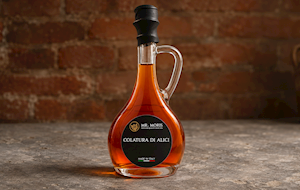
Colatura di alici
Colatura di Alici is a traditional fish sauce made from fermented anchovies. Originating from the Amalfi Coast, particularly from the town of Cetara in the Campania region, this amber-colored liquid is produced by layering anchovies and salt in wooden barrels, where they are left to ferment and mature for several months. As the anchovies ferment, their juices are extracted and collected, resulting in a rich, umami-packed sauce. Colatura di alici is used as a seasoning in various Italian dishes, especially pasta. It is often drizzled over spaghetti with garlic, chili, and parsley, or added to vegetables and salads to enhance their flavor. Its intense, savory taste adds depth and complexity to dishes, much like how soy sauce or fish sauce is used in other cuisines.
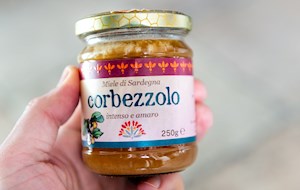
Miele di corbezzolo
Miele di corbezzolo is honey produced from the nectar of strawberry tree flowers, particularly in Sardinia, where it is one of the island's most prized specialty honeys. Unlike most varieties, which are valued primarily for sweetness, miele di corbezzolo is known for its pronounced bitterness, pungent aroma, and lingering, slightly astringent finish. Its flavor includes notes of bitter herbs, roasted coffee, leather, and sometimes dark cocoa, while its color ranges from amber with greenish reflections when liquid to beige or light brown when crystallized. Also known as miele amaro, or bitter honey, it is a monofloral honey produced predominantly from the nectar of an evergreen Mediterranean shrub that flowers during autumn and early winter. Although the plant grows throughout the Mediterranean, significant production is concentrated in Sardinia, with smaller quantities obtained in central Italy, particularly Tuscany's Maremma area. Its reputation is closely connected with beekeeping in Sardinia, where honey was an important sweetener long before refined sugar became widely available. Roman writers were familiar with bitter honey associated with Sardinia, and the poet Horace referred to its bitterness, although these early references cannot conclusively be linked to modern strawberry tree honey. Beekeeping remained important in rural communities, where honey was used in cooking and confectionery. Strawberry tree honey became especially valued because of its unusual flavor and unpredictable harvests. The strawberry tree grows naturally in Mediterranean scrubland, often alongside holm oaks, cork oaks, and heather. Its flowering period generally extends from October into winter, depending on rainfall and temperature. Flowers and ripe red fruits can appear on the same branches because the berries take approximately a year to mature. Unlike spring-flowering plants, the strawberry tree produces nectar when falling temperatures, rain, and wind can restrict honeybee activity. Successful harvests depend on favorable autumn weather, healthy bee colonies, and temperatures warm enough for nectar collection. Some years produce substantial quantities, while others yield very little, contributing to the honey's limited availability and high price. Sardinia's mountainous and wooded areas provide suitable conditions, with production occurring in Ogliastra and the southwestern areas around Arbus and Guspini. Beekeepers position their hives near flowering strawberry trees, sometimes moving colonies seasonally to take advantage of the short nectar flow. Bees collect nectar from the small bell-shaped flowers and carry it to their hives, where enzymes and evaporation transform it into honey. Once matured, the honey is extracted from the combs, usually by centrifugal force, then filtered to remove wax and other impurities. Because production occurs during cool, humid weather, moisture levels may be relatively high, making careful monitoring important to prevent fermentation during storage. Controlled dehumidification may sometimes be necessary, while excessive heating is avoided to preserve the aroma. The honey's bitterness comes naturally from substances present in strawberry tree nectar rather than from roasting or added ingredients. Research has identified homogentisic acid as a characteristic phenolic compound associated with this honey, although its flavor results from several naturally occurring substances. Like other honeys, it consists mainly of fructose and glucose, but its bitter and astringent components make it seem less sweet than its sugar content suggests. Its aroma can be strong, with notes of coffee grounds, bitter herbs, and slightly roasted or smoky elements. Miele di corbezzolo crystallizes relatively quickly, developing fine crystals and a dense, creamy or slightly grainy consistency. This is a natural process and does not indicate deterioration. Liquid honey generally has amber or greenish tones, while crystallized examples become lighter and more opaque. Because of its pronounced flavor, miele di corbezzolo is especially suitable for dishes where bitterness provides a contrast rather than simply replacing milder honey. It is commonly eaten without cooking or added near the end of preparation to preserve its aroma. In Sardinia, it is frequently served with pecorino, particularly aged sheep's milk cheeses, whose saltiness balances the honey's bitterness. It also accompanies fresh ricotta, soft cheeses, and blue cheeses. Another characteristic pairing is with seadas, also called sebadas, a Sardinian dessert of fried pastry filled with fresh cheese and covered with honey. Although milder honeys are frequently used, miele di corbezzolo adds a stronger bitter character that complements the pastry and cheese. It can also be drizzled over yogurt, added to dressings, served with roasted lamb, or paired with walnuts, almonds, and dark chocolate. Its coffee-like aroma makes it suitable for espresso, where a small amount adds sweetness while reinforcing the drink's bitter notes. Miele di corbezzolo is sold by specialist beekeepers, delicatessens, and regional food shops throughout Sardinia and mainland Italy. It is most commonly eaten with cheeses, desserts, and regional dishes rather than used as an everyday sweetener. Espresso, black tea, and selected wines are suitable accompaniments, with Sardinian Vermentino complementing fresh cheeses and fuller-bodied red wines pairing with aged pecorino or roasted meat.
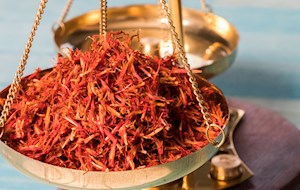
Za'faran-e Super Negin-e Khorasan

Khorasan Super Negin saffron is a premium Iranian spice made from the carefully selected red stigmas of the saffron crocus, cultivated in the Khorasan region of northeastern Iran. It is distinguished by its long, thick, deep-red threads, strong coloring properties, and concentrated aroma, with floral, honey-like, earthy, and slightly hay-like notes. Super Negin is one of the most highly valued commercial grades of Persian saffron, characterized by long, uniform, entirely red stigmas without yellow or white style portions. Unlike Negin, which may contain shorter or less uniform threads, or Sargol, which consists mainly of shorter red stigma portions, Super Negin is selected primarily for the length, thickness, and appearance of its intact filaments. It is not a separate botanical variety, and the designation alone does not guarantee superior flavor or coloring strength. Khorasan is the center of Iranian saffron production, with important growing areas including Qaen, Gonabad, and Torbat-e Heydarieh in Razavi and South Khorasan provinces. The region's dry climate, cold winters, warm summers, and well-drained soils provide favorable conditions for cultivating saffron, a perennial plant that grows from underground corms and flowers during autumn. Saffron has been cultivated in Iran for centuries and has long been used in Persian cooking, medicine, perfumery, and textile coloring. Although the precise beginnings of its cultivation in Khorasan are uncertain, the region developed into an important production center through its agricultural knowledge, irrigation systems, and regional trade connections. During the medieval period, Persian saffron was transported along commercial routes linking Iran with Central Asia and the Middle East. Khorasan's importance increased as cultivation expanded in areas where saffron's relatively low water requirements made it a valuable crop. The Gonabad area is particularly associated with qanats, underground channels that transport groundwater to agricultural fields. The Food and Agriculture Organization recognized Gonabad's qanat-based saffron farming system as a Globally Important Agricultural Heritage System in 2018. Production begins with planting saffron corms in well-prepared soil during their dormant period. Flowering generally occurs between October and November, when each purple flower produces three red stigmas. Harvesting is carried out by hand, often early in the morning before the flowers fully open. Because flowering takes place over a relatively short period, fields must be harvested repeatedly throughout the season. Approximately 150,000–200,000 flowers may be required to produce one kilogram of dried saffron, depending on flower size, stigma weight, and processing conditions. After harvesting, workers carefully separate the red stigmas from the petals and other floral structures. For Super Negin saffron, particular attention is given to preserving long, intact filaments without yellow style portions. The selected stigmas are dried under controlled conditions to remove moisture while preserving their aroma, color, and chemical composition. Excessive heat can damage aromatic compounds, while inadequate drying can encourage deterioration during storage. The finished threads should be dry, relatively straight, uniformly deep red, and free of excessive broken pieces or foreign material. They are often sorted again after drying, with the longest and thickest filaments selected for premium packaging. Although Super Negin is primarily graded by appearance, overall saffron quality also depends on freshness, purity, moisture, and chemical composition. Three important compounds determine much of its culinary character: crocins provide the golden-yellow color, picrocrocin contributes bitterness, and safranal produces much of the characteristic aroma. These properties can be evaluated through laboratory testing under the ISO 3632 standard, which classifies saffron according to measurable quality parameters. Super Negin is a commercial designation rather than an independent ISO category, so quality may vary between producers. High-quality examples may meet ISO Category I requirements, but the designation itself does not guarantee this classification. Because saffron gradually loses aroma and coloring strength when exposed to light, heat, air, and moisture, it is best stored in airtight containers in a cool, dry, dark environment. Whole threads generally retain their quality longer than ground saffron and are easier to inspect for authenticity. In cooking, the threads are commonly crushed or ground into powder, sometimes with a little sugar, before being steeped in warm water to release their color and aroma. Another established Persian method involves adding ice cubes to ground saffron and allowing them to melt slowly, producing a concentrated infusion. This liquid is then incorporated into rice, sauces, desserts, and drinks. Saffron is used sparingly because excessive quantities can introduce an unpleasant bitterness. One of its most important applications is Persian rice cooking, particularly chelow, where saffron-infused rice is combined with plain white rice. It is also used in tahchin, a baked rice dish made with yogurt, eggs, saffron, and often chicken, and in preparations of tahdig, the crisp rice crust formed at the bottom of the cooking pot. Other uses include saffron chicken, stews, sholeh zard, a saffron rice pudding, and bastani sonnati, Persian ice cream commonly flavored with rosewater and pistachios. Saffron also appears in hot infusions, sweetened drinks, and preparations combining it with cardamom or rosewater. Khorasan Super Negin saffron is sold through spice merchants, bazaars, specialty food shops, and international distributors, generally in small quantities because of its high value. In Iran, it is used in home cooking, restaurants, confectioneries, and festive meals, particularly in rice dishes and desserts. Its flavor pairs well with rice, chicken, lamb, fish, yogurt, almonds, pistachios, rosewater, cardamom, honey, and milk-based sweets, while black tea and aromatic herbal infusions are suitable beverage accompaniments. Khorasan Super Negin saffron is distinguished by the combination of its recognized growing region and carefully selected, long, all-red stigmas, making it a highly valued grade of Persian saffron rather than a separate variety of the spice.
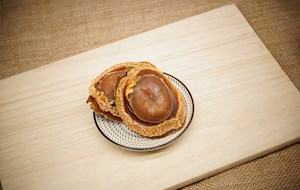
Gan baoyu

Dried abalone is a premium seafood product made by removing abalone from its shell and drying the muscular flesh to concentrate its flavor and preserve it for extended storage. Particularly associated with Chinese cuisine, especially Cantonese cooking in Guangdong and Hong Kong, it is prized for its concentrated umami flavor, golden-brown appearance, and tender yet slightly elastic texture after cooking. Unlike fresh abalone, which has a mild marine flavor and can be prepared relatively quickly, dried abalone develops a more concentrated taste through dehydration, storage, and prolonged cooking. It is produced from several species of marine mollusks belonging to the genus Haliotis, with important commercial sources including China, Japan, Australia, and South Africa. Premium examples are sold whole and graded according to their size, thickness, shape, origin, and processing quality. Some develop a prized soft, slightly gelatinous center known as tang xin. Abalone has been consumed in China for centuries, and drying allowed this valuable seafood to be transported from coastal regions to inland cities and wealthy households. By the Qing dynasty, dried abalone had become an established luxury ingredient served at important banquets, alongside other prized marine products such as sea cucumber and fish maw. Guangdong and Hong Kong became particularly important centers for its trade and preparation, while Japanese producers also gained reputations for high-quality dried abalone. During the nineteenth century, Hong Kong developed into a major dried seafood trading center, with merchants concentrated in areas such as Sheung Wan and Des Voeux Road West. Imported abalone from different countries contributed to a specialized market where geographical origin, species, size, and drying methods influenced commercial value. Production begins with fresh abalone removed from their shells and cleaned of internal organs, sand, mucus, and other impurities. Depending on the producer, the muscular foot may be salted, briefly cooked, or subjected to other preliminary treatments before drying. Some methods combine gentle heating or smoking with sun-drying, while modern producers may use controlled drying equipment. As moisture evaporates, the flesh becomes smaller, denser, and firmer, changing from pale cream or grayish tones to yellow, amber, or brown. Drying concentrates naturally occurring flavor compounds and produces the strong savory character associated with the finished product. Some premium abalone undergo additional maturation under carefully controlled conditions, further developing their appearance, aroma, and texture. Proper drying and storage are essential because excessive heat or retained moisture can damage quality or cause spoilage. One important commercial grading system is based on tou, or head count, indicating how many dried abalones make up a unit of weight, commonly a catty. A two-head abalone is therefore much larger than a ten-head or twenty-head specimen, and larger pieces generally command higher prices. However, size alone does not determine quality, since species, origin, processing, and eventual cooking texture are also important. Particularly prized examples develop tang xin, a soft, slightly translucent, gelatinous center surrounded by firmer flesh. Products displaying this characteristic are often called tang xin gan bao and are especially valued in Hong Kong's premium dried seafood market. Before cooking, dried abalone must be rehydrated by soaking it in clean water under refrigeration, sometimes for several days, with periodic water changes. The softened flesh is then cleaned again and slowly simmered in a rich stock, often prepared from chicken, pork bones, ham, or other savory ingredients. Cooking may continue for several hours, sometimes through repeated heating and resting stages, until the abalone becomes tender while retaining some elasticity. Gentle heat is preferred because rapid boiling can produce uneven cooking and an undesirable texture. Cantonese preparations may include dried scallops, shiitake mushrooms, oyster sauce, and other ingredients that contribute additional umami. The cooking liquid is frequently reduced into a glossy sauce served over the finished abalone. One well-known preparation is braised dried abalone, in which whole pieces are slowly cooked until tender and deeply flavored. Hong Kong chef Yeung Koon-yat, known as the Abalone King, became particularly famous during the late twentieth century for his abalone-braising techniques at Forum Restaurant, helping establish whole braised dried abalone as a celebrated luxury restaurant dish. Premium abalone is commonly served whole to emphasize its size, shape, and texture, while smaller pieces may be sliced for soups, rice dishes, or preparations with mushrooms and vegetables. The finished product has a concentrated savory flavor with subtle marine sweetness and a texture ranging from pleasantly chewy to soft and gelatinous. Dried abalone is especially associated with Cantonese banquets, weddings, Lunar New Year celebrations, and other festive occasions. It is commonly served with shiitake mushrooms, braised vegetables, sea cucumber, or fish maw, while steamed rice absorbs the rich cooking sauce. The dish remains prominent in restaurants and specialist seafood establishments throughout Hong Kong, Guangdong, and Chinese communities overseas. Oolong and pu-erh tea are suitable accompaniments, while dry white wines and mature Chardonnay can complement the seafood and its savory sauce.
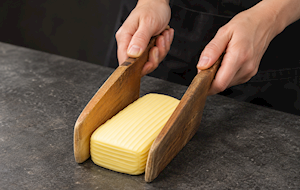
Beurre Bordier

Beurre Bordier, or Bordier butter, is a renowned artisan butter from France, produced by Jean-Yves Bordier since 1985. This butter is famous for its exceptional quality, flavor, and texture. What sets Bordier butter apart from many commercial brands is the attention to detail in its production. The process begins with carefully selected local cream, often sourced from Brittany's small dairy farms. After the cream is cultured and churned, it's hand-kneaded in accordance with the 19th-century method, using traditional wooden paddles to achieve the desired consistency and to work out excess water. This hand-kneading process and the choice of high-quality ingredients impart a unique flavor and texture to Bordier butter, which can be customized with various added flavors such as seaweed, chili, or smoked salt. Bordier butter has become a favorite among chefs and food enthusiasts around the world for its richness and complexity of flavor. It's typically used as a finishing butter, rather than for cooking, to best showcase its unique characteristics. Due to the artisan nature of its production, it's often more expensive and can be more challenging to find outside of specialty or gourmet stores.

Panama geisha

Panama geisha is a rare and highly prized coffee variety grown in the highlands of Panama, known for its exceptional flavor, floral aroma, and complex tasting notes. It is celebrated for its bright acidity, jasmine-like floral fragrance, and delicate hints of tropical fruits, citrus, and tea-like sweetness. Grown primarily in the Boquete and Volcán regions, its unique profile is influenced by volcanic soil, high altitude (1,400–1,800 meters), and ideal climate conditions. Due to its low yield and challenging cultivation, Panama geisha is one of the most exclusive and expensive coffees in the world, with some auction lots selling for over $1,000 per pound and single cups costing $50 or more in specialty cafes. Recognized globally through Best of Panama competitions, this coffee is best enjoyed using pour-over methods such as V60, Chemex, or siphon, which highlight its delicate flavors. It is typically consumed without milk or sugar to fully appreciate its complexity. Available through specialty coffee roasters, exclusive auctions, and online stores, Panama geisha is more than just coffee—it is a luxury experience, sought after by connoisseurs for its unmatched quality and refined taste.
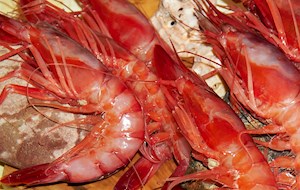
Gamba Roja de Dénia

Gamba roja de Dénia is a premium Spanish red shrimp caught in the deep Mediterranean waters off Dénia, a coastal town in Alicante Province. It is prized for its intense red color, delicate yet firm flesh, natural sweetness, and concentrated marine flavor. The shrimp has a relatively large head, long antennae, and a slender body covered by a thin shell, with much of its rich flavor concentrated in the juices inside the head. It inhabits deep waters, commonly at depths of approximately 500–800 meters, where it lives close to muddy seabeds. Although the same species is caught elsewhere in the Mediterranean, the shrimp landed in Dénia has developed a strong geographical and commercial identity, particularly associated with fishing grounds between Dénia and Ibiza. Dénia has been an important fishing port for centuries, but red shrimp did not always enjoy its current reputation. During the earlier development of the local fishing industry, these deep-water shrimp were sometimes considered relatively low-value catches and used in soups and stocks. Their importance increased during the twentieth century as fishing vessels acquired equipment capable of operating at greater depths and local restaurants began recognizing their culinary qualities. Establishments such as Bar Torres and Casa Pepe helped popularize red shrimp as a tapa, while Vicente Gavilá Quintana introduced them at Bar Negresco after taking over the establishment in 1953. Chef Quique Dacosta later helped establish gamba roja de Dénia in Spanish fine dining, emphasizing preparation methods that preserve its delicate flesh and flavorful head juices. Today, the shrimp is one of Dénia's most recognizable gastronomic products. Fishing remains demanding because of the depths at which the species lives. Local vessels use bottom trawling equipment to reach the fishing grounds, and the catch must be handled carefully because the shrimp are delicate and deteriorate quickly. After sorting by size and quality, they are brought to Dénia's fish auction, known as the lonja. The largest intact specimens command the highest prices, with larger individuals often being females. Smaller shrimp are generally used in rice dishes, stocks, and other preparations. Fresh specimens should have a clean marine aroma, firm flesh, and intact shells. Their characteristic red color comes from naturally occurring pigments, while fishing regulations and seasonal restrictions help manage the deep-water populations. Despite its reputation, gamba roja de Dénia is not a separate species or an officially registered PDO or PGI product. Its identity is based on its geographical association with the local fishing fleet and market. Preparation is usually simple, allowing the shrimp's natural flavor to remain prominent. One characteristic method is gamba roja hervida, in which whole shrimp are briefly cooked in seawater or strongly salted water. A method popularized by Quique Dacosta involves briefly heating the shrimp in seawater before transferring them to an ice-cold saltwater bath to stop cooking and preserve their texture. Another common preparation is gamba roja a la plancha, in which whole shrimp are quickly cooked on a hot griddle with coarse salt and sometimes olive oil. Both methods produce tender, juicy flesh, while the head is particularly valued for its concentrated flavor. The shrimp may also be used in arroz a banda, seafood rice dishes, broths, and sauces, although larger specimens are usually served whole with minimal seasoning. Dénia hosts an annual international cooking competition devoted to red shrimp, reflecting its importance to local gastronomy. Gamba roja de Dénia is most commonly eaten in seafood restaurants and coastal establishments in Dénia and the surrounding Marina Alta region, generally as a starter or main seafood course. It is served with little more than salt, while strong sauces and excessive lemon are avoided to preserve its sweetness. Smaller specimens also accompany rice and Mediterranean vegetables. Dry white wines such as Albariño, Verdejo, and dry Mediterranean Moscatel, along with sparkling wines and crisp beers, pair well with its delicate flesh and rich marine flavor.
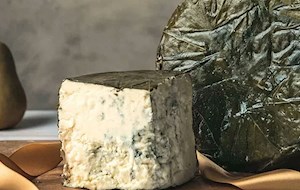
Rogue River Blue

Rogue River Blue is an American blue cheese produced by Rogue Creamery in Central Point, Oregon, made from organic cow's milk and matured for approximately nine to eleven months before being wrapped in Syrah grape leaves soaked in pear spirits. Named after the Rogue River in southern Oregon, it is a seasonal cheese distinguished by its blue-green veining, rich, creamy texture, and complex flavor combining blue cheese sharpness with notes of pear, vanilla, toffee, figs, and earthy mushrooms. Its interior is ivory to pale yellow, with irregular blue veins and occasional crunchy calcium lactate crystals that develop during maturation. The grape-leaf wrapping gives the cheese its distinctive appearance and contributes subtle fruity aromas that complement its salty, savory character. Unlike most American blue cheeses, Rogue River Blue is produced during a limited period in autumn and early winter, when cooler weather and renewed pasture growth influence the milk used for cheesemaking. Its development is connected with Rogue Creamery, which began in 1933 as a dairy cooperative established to support farmers in Oregon's Rogue Valley during the Great Depression. In 1935, cheesemakers Gaetano “Tom” Vella and Celso Viviani acquired the cooperative and expanded its operations. During the early 1950s, Vella traveled to Roquefort, France, to study cheesemaking methods before returning to Oregon, where he developed cave-aging facilities and introduced Oregon Blue in 1953. The company remained associated with the Vella family until 2002, when David Gremmels and Cary Bryant purchased it and renamed it Rogue Creamery. Gremmels developed Rogue River Blue that same year, incorporating Syrah grape leaves and pear spirits associated with southern Oregon's vineyards and fruit production. The cheese gained international recognition in 2003, winning Best Blue Cheese and Reserve Champion at the World Cheese Awards in London. Further awards followed, including Best in Show at the American Cheese Society competition in 2009 and 2011. In 2019, Rogue River Blue became the first American-made cheese to win the overall World Champion title at the World Cheese Awards in Bergamo, Italy, competing against approximately 3,800 cheeses from 42 countries. Production begins with organic cow's milk from the creamery's dairy operation in the Rogue Valley, where Brown Swiss and Holstein cattle graze on pasture and receive supplementary feed. The cheese is made using pasteurized whole milk, starter cultures, Penicillium roqueforti, and microbial enzymes suitable for vegetarian diets. The milk is warmed and inoculated with cultures before enzymes are added to form a curd. This is cut, drained, and placed into molds, where the cheese gradually consolidates into round wheels. Salt is added to develop flavor and control moisture, and the wheels are pierced to introduce oxygen, allowing Penicillium roqueforti to grow and create the characteristic blue-green veins. The cheese is then matured in carefully controlled aging caves, where temperature and humidity support the gradual development of its texture and flavor. During approximately nine to eleven months of aging, the paste becomes creamy and concentrated, while the blue mold contributes sharp, savory, and sometimes peppery flavors. Small calcium lactate crystals may also form, adding a slight crunch to the otherwise smooth interior. Toward the end of maturation, each wheel is wrapped by hand in organic, biodynamically grown Syrah grape leaves soaked in pear spirits. These leaves are harvested locally and preserved for use during the cheesemaking season. The wrapping helps distinguish Rogue River Blue from cheeses finished with natural rinds or protective foil, contributing additional aroma while the principal flavor remains dominated by the matured milk and blue mold. Rogue River Blue is generally released each year around the autumnal equinox, with quantities limited by its seasonal production and lengthy maturation. The finished wheels weigh approximately 2.3 kilograms (5 lb), although individual weights vary. The cheese has a dense, almost fudgy consistency that becomes softer as it approaches room temperature. Its flavor combines the saltiness and pungency expected of blue cheese with sweeter impressions of dried fruit, caramel, vanilla, and pear. Earthy and mushroom-like notes become more apparent as the cheese warms, while its high fat content helps balance the stronger flavors. Rogue River Blue is most commonly served in wedges or small portions, with the grape leaves sometimes left attached for presentation and removed before eating. Allowing it to warm slightly after refrigeration helps release its aroma and soften the paste. Because of its concentrated flavor, it is frequently eaten on its own or as part of a cheese board rather than incorporated into heavily seasoned dishes. Pears, figs, walnuts, hazelnuts, honey, fruit preserves, and crusty bread are particularly suitable accompaniments. It can also be crumbled over salads, served with roasted vegetables, or used sparingly with grilled meat, although prolonged heating can diminish some of its aromatic complexity. Rogue River Blue is sold through specialty cheese shops, restaurants, and selected retailers in the United States and internationally, with availability concentrated around its annual release. Sweet wines such as Sauternes and late-harvest Gewürztraminer balance its saltiness and blue mold intensity, while Syrah and other fuller-bodied wines offer contrasting pairings. Pear brandy echoes the spirits used in the grape-leaf wrapping, while whisky, bourbon, chocolate stout, and hazelnut porter complement its caramel, nutty, and earthy flavors.

Chocolate de Chuao

Chocolate de Chuao is a premium Venezuelan chocolate made from cacao beans grown in Chuao, a small coastal village in Aragua State, where cacao cultivation has been established for centuries. Located in a secluded valley within Henri Pittier National Park, Chuao is one of the world's most highly regarded fine-flavor cacao origins, known for beans that develop aromas of dried fruit, nuts, honey, caramel, and delicate floral notes, often with relatively mild bitterness and astringency. Chocolate made from these beans is generally sold as single-origin dark chocolate, although its cacao percentage, texture, and flavor vary by manufacturer. The name identifies the geographical origin of the cacao rather than a specific chocolate recipe or brand. Chuao cacao belongs to the species Theobroma cacao and includes genetically diverse populations with Criollo ancestry and influences from other cacao groups. Its character reflects local growing conditions, cacao genetics, fermentation, and drying methods. The village lies between the Caribbean Sea and the mountains of the Cordillera de la Costa, where high humidity, rainfall, fertile soils, and natural shade favor cacao cultivation. Chuao's association with cacao developed during the Spanish colonial period, with documented production extending back to the sixteenth century. Indigenous communities had cultivated and used cacao in Venezuela before European colonization, while colonial plantations expanded production for overseas markets. During the seventeenth and eighteenth centuries, cacao became one of Venezuela's major agricultural exports, with Chuao participating in trade connecting the Caribbean with Europe. Much of the labor on colonial plantations was performed by enslaved Africans, whose descendants remain an important part of the local community. The Hacienda Chuao developed into a significant agricultural estate, and cacao production remained central to the village's economy through later changes in landownership. Its relative isolation helped maintain local cultivation and processing practices, while its cacao attracted international chocolate manufacturers. During the twentieth century, Chuao beans became increasingly sought after by European chocolatiers producing chocolates from specific geographical origins. In November 2000, Venezuela recognized Cacao de Chuao as a Denomination of Origin, protecting the geographical identity of cacao and qualifying derived products from the designated area. This recognition does not establish a standardized chocolate recipe. Cacao is cultivated by local growers, including members of the Empresa Campesina de Chuao, an agricultural organization associated with the village's production. Harvesting begins when the cacao pods mature, after which they are cut by hand, opened, and emptied of their seeds surrounded by sweet white pulp. The beans and pulp are placed in wooden boxes for fermentation, generally lasting several days. Naturally occurring yeasts and bacteria break down sugars in the pulp, generating heat and organic acids that initiate changes inside the beans. These reactions reduce bitterness and astringency while developing compounds that contribute to chocolate's aroma. After fermentation, the beans are spread out to dry in the sun, most famously on the plaza in front of Chuao's Church of the Immaculate Conception. Workers turn the beans regularly to encourage even drying and prevent spoilage. This practice remains closely associated with the village's cacao production. Once sufficiently dried, the beans are sorted, packed, and sold to chocolate manufacturers in Venezuela and abroad. Chocolate production begins by roasting the dried beans to develop their aroma and reduce moisture. Roasting conditions vary because excessive heat can obscure delicate fruity and floral characteristics, while insufficient roasting may leave undesirable acidic notes. The beans are then cracked and winnowed to remove their shells, leaving cacao nibs that are ground into cocoa mass. Sugar is added according to the desired cacao percentage, while additional cocoa butter may be incorporated to adjust texture. The mixture is refined and conched to improve smoothness and flavor, then tempered through controlled heating and cooling before being molded into bars. The finished chocolate generally has a smooth texture, clean snap, and concentrated cacao flavor. Some examples emphasize red fruit, raisins, and honey, while others show notes of roasted nuts, caramel, tobacco, or cocoa. These differences reflect natural variation in the beans as well as roasting, refining, and formulation methods. Chuao's limited production area and international demand contribute to the high prices of chocolate made exclusively from its cacao. Italian manufacturers such as Amedei and Domori have helped establish its reputation among premium chocolate consumers, with Domori producing a 75% Chuao dark chocolate. However, chocolate made from Chuao cacao is not necessarily manufactured in Venezuela, since the beans are exported to several countries. Chocolate de Chuao is generally eaten at room temperature, in small pieces that allow its flavor to develop as the cocoa butter melts. It is commonly served on its own during chocolate tastings or used in ganache, truffles, mousses, cakes, and other desserts. Its fruity and nutty notes pair well with almonds, hazelnuts, walnuts, dried figs, raisins, berries, and lightly sweetened cream-based desserts, while a little sea salt can emphasize its sweetness. Espresso, black coffee, and black tea are suitable beverage accompaniments, as are certain dessert wines. Depending on the chocolate's cacao percentage, aged rum, whisky, Madeira, and tawny Port can also complement its fruity, roasted, and caramel-like flavors.

ʿAsal as-Sidr ad-Dawʿanī

Do’ani sidr honey is a premium honey produced in Wadi Do’an, a valley in the Hadramaut Governorate of eastern Yemen, primarily from nectar collected by honeybees from the flowers of the sidr tree, also known as Christ's thorn jujube. Known locally as asal al-sidr al-Do’ani, it is one of Yemen's most highly valued regional honeys, distinguished by its thick, smooth consistency, golden to dark amber color, intense sweetness, and rich aroma with notes of caramel, dried fruit, and flowers. Its flavor varies according to the season, flowering conditions, and handling, but premium examples are especially appreciated for their concentrated taste and lingering finish. Do’ani sidr honey is a geographically specific variety of sidr honey rather than a separate botanical product, and its reputation is closely connected with the sidr trees growing along the valley floor and surrounding hills. Beekeeping has been practiced in Yemen for centuries, with honey production and trade established in pre-Islamic South Arabia. Wadi Do’an became particularly associated with high-quality honey because its dry climate, seasonal rainfall, and natural vegetation provide favorable conditions for sidr trees and other nectar-producing plants. Beekeeping developed as an important rural activity, with knowledge of flowering seasons, hive management, and honey extraction passed between generations. Some beekeepers maintained hives near their homes, while others moved them between valleys according to flowering conditions. Honey from Do’an developed a reputation beyond Hadramaut and became a prized product in Yemeni markets and neighboring Gulf countries. It was frequently purchased as a gift for weddings and family celebrations, and its cultural importance is reflected in Yemeni poetry and music, including the song Ya Asal Do’an, associated with poet Hussein Mehdar and singer Abu Bakr Salem. The sidr tree is well adapted to Yemen's arid environment, tolerating heat and limited rainfall while growing along seasonal watercourses and rocky slopes. Its small flowers provide nectar during a relatively short blooming period, generally associated with autumn in Wadi Do’an. The main sidr honey harvest usually reaches markets around late October and November, although timing varies with rainfall and temperature. Autumn honey may be called kharfi, while honey collected during spring flowering is sometimes distinguished as marba. The limited flowering period, variable weather, and relatively modest yields contribute to the honey's high price. Production begins when bees collect nectar from sidr blossoms and carry it back to their hives, where enzymes and evaporation gradually transform it into honey. Beekeepers use wooden box hives and older log-based designs, sometimes moving colonies seasonally to follow flowering plants. To obtain honey predominantly from sidr nectar, hives are positioned near flowering trees during the main blooming period. Once the honey has matured in the combs, the beekeeper removes them and extracts the honey, often by allowing it to drain naturally before straining out wax and other impurities. Some producers use centrifugal extractors, while others rely on manual methods. Premium Do’ani sidr honey is frequently marketed as raw and unheated, although processing practices vary between suppliers. The finished honey is generally thick and slow-flowing, with pronounced sweetness balanced by floral, fruity, and lightly woody notes. Its color ranges from golden amber to darker shades depending on the harvest and storage conditions. Like other honeys, it contains mainly fructose and glucose, along with water, small quantities of organic acids, minerals, enzymes, and aromatic compounds. Natural crystallization may occur during storage and does not necessarily indicate adulteration or poor quality. Do’ani sidr honey is sometimes marketed as royal sidr honey, but this is a commercial description rather than an officially standardized quality grade. Its high value has made authenticity an important concern, since honey sold under prestigious regional names may be blended with products from other locations or adulterated with sugar syrups. Producer traceability and laboratory testing are more reliable indicators of authenticity than color, thickness, or aroma alone. Do’ani sidr honey has no universally recognized grading system guaranteeing a particular flavor or chemical composition, and its identity depends primarily on genuine production in Wadi Do’an and the predominance of sidr nectar. Production has also been affected by changing rainfall, losses of flowering vegetation, transportation difficulties, and Yemen's prolonged conflict, which have placed additional pressure on local beekeepers. Despite these challenges, it remains an important agricultural product and source of income in Hadramaut. Do’ani sidr honey is generally consumed without extensive preparation, often eaten directly by the spoonful or served with fresh bread, flatbread, cream, or cheese. In Yemeni cuisine, honey accompanies dishes such as bint al-sahn, a layered pastry served with honey, and areeka, a preparation of bread, dates, and fat that may be finished with honey. It is also eaten at breakfast, offered to guests, and presented as a valuable gift during family occasions. Because of its concentrated flavor and high price, premium examples are commonly served in small quantities rather than used as an everyday cooking sweetener. It pairs well with dates, nuts, yogurt, soft cheeses, fresh bread, and mildly sweet pastries, while its sweetness also complements aged cheeses and salty foods. Arabic coffee, black tea, and warm milk are suitable beverage accompaniments, and the honey may be stirred into warm drinks, although excessive heating can diminish its delicate aromas.
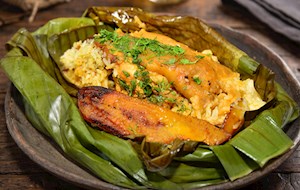
Tonga manabita

Tonga manabita is a banana-leaf-wrapped meal from the coastal province of Manabí in Ecuador, built around rice, free-range chicken or another meat, fried ripe plantain, and a generous peanut sauce. It developed as a practical field lunch for farmers, rubber workers, and other rural laborers who needed food that could be carried for hours without plates or containers. The banana leaf solved that problem neatly: once passed over heat to soften it, the leaf could hold the rice, meat, plantain, and sauce in a compact parcel while also helping keep the food warm and adding a mild vegetal aroma. Over time, the tonga moved from the countryside into markets, roadside eateries, restaurants, and food festivals, but its basic structure remained closely tied to the rural cooking of Manabí. Preparation usually begins with seasoned chicken, often gallina criolla, cooked until tender and flavorful, while white rice is prepared separately and a sauce is made from ground peanuts, onion, garlic, achiote, and other local seasonings. A ripe plantain is fried until soft and caramelized, then everything is assembled on a softened banana leaf: rice first, followed by the chicken, peanut sauce, and plantain. The parcel is folded tightly, and in some versions it is briefly heated again so the flavors settle together inside the leaf. The peanut sauce is one of the clearest markers of the Manabí style, giving the dish a rich, savory character that distinguishes it from many other leaf-wrapped meals in Ecuador. Variations with pork, seafood, or other meats are now common, but chicken remains one of the most representative versions. Tonga manabita is eaten throughout Manabí and is especially associated with rural communities, family gatherings, food fairs, and roadside restaurants, where it is often opened directly on the banana leaf and eaten as a complete meal. It pairs naturally with ají, fresh onion or tomato salad, lime, and cold drinks such as fruit juice, chicha, or beer.

Kanom rung peung

Kanom rung peung is a Thai coconut waffle known for its honeycomb-patterned surface, lightly browned exterior, and soft, chewy center. Its name literally means “honeycomb snack,” referring to the patterned iron or mold used to cook it, and it is widely sold at street stalls, markets, school areas, and small neighborhood snack shops across Thailand. The snack belongs to the broader family of molded griddle cakes found throughout East and Southeast Asia, but the Thai version developed its own character through the use of coconut milk, palm or coconut sugar, rice flour, and shredded coconut, ingredients that give it a richer aroma and more elastic texture than a typical European-style waffle. Its exact development is not well documented, although the use of patterned irons and molded cakes has long circulated through Chinese and Southeast Asian food cultures, and Thai versions became firmly established as an inexpensive everyday snack rather than a formal dessert. The batter usually combines wheat flour with some rice flour, eggs, coconut milk, sugar, and salt, with baking powder or another leavening agent used in many modern recipes to make the interior lighter. Fresh or dried shredded coconut is often mixed directly into the batter, and sweet corn is one of the most common additions, giving the waffle small bursts of sweetness and texture. Other versions may include taro, pandan, young coconut, raisins, or sesame, but these are variations rather than defining ingredients. The batter is poured into a hot honeycomb-patterned iron and cooked until the ridges are golden and slightly crisp while the inside remains moist and tender. Unlike Belgian or American waffles, kanom rung peung is generally thinner, softer, and less dependent on toppings, because the batter itself is already sweet and aromatic. It is usually eaten plain and warm, often folded or held by hand, making it especially suited to street vending and quick snacking. The combination of coconut milk, sugar, and a lightly caramelized surface gives the snack a rich but straightforward flavor, while the rice flour helps produce the characteristic chewiness that separates it from cake-like waffles. Kanom rung peung is commonly eaten in the morning or afternoon and is especially popular as an inexpensive snack for children and commuters, though it also appears at fairs, temple events, and night markets. It pairs naturally with Thai tea, iced coffee, soy milk, hot tea, or black coffee, and sweeter versions can also be served alongside fresh fruit, although in Thailand it is most commonly enjoyed on its own straight from the iron.
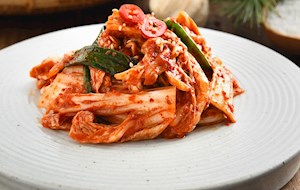
Kimchi

Although many people get a chill through their spine at the very mention of the word pickles, Koreans have found a way to make fermented pickled vegetables interesting, tasty and titillating. A classic starter or a side dish to any Korean meal, these spicy, salty, sweet and sour vegetables known as kimchi start their way sliced, tied in bundles, and marinated in brine with hot chili peppers, salty fish paste, leeks, ginger, sugar, and garlic. Although the popularity of kimchi is still rising in the West, it is an ancient dish, dating about two thousand years back, when it was first mentioned in written documents. It was originally called chimchae, literally translated to soaked vegetables, because kimchi was soaked only in brine or beef stock in the past, but by the 12th century, other ingredients and seasonings began to be added to the pot. Nowadays, kimchi is made both in North and South Korea, the Southern version being more salty and spicy than the Northern one. Seasons also play a role in the flavors of kimchi - refreshing cucumber kimchi is popular in spring and summer, while winter kimchis may contain radish and mustard leaves. Due to its sharp and pungent odor, it is traditionally fermented outdoors, buried in barrels or crock pots. Even though it is served as an appetizer, it usually stays on the table during the whole meal, accompanying classics such as bulgogi, kalbi, and mandu guk (dumpling soup), while cabbage kimchi is often fried into kimchijeon pancakes and incorporated into numerous soups and stews. A staple of any Korean meal, the dish is so beloved that the locals even shout "kimchi!" when their picture is taken, in the same manner that Americans shout "cheese!".

Agua de Sevilla
Agua de Sevilla is a Spanish cocktail that is typically made with a combination of pineapple juice, sparkling wine, triple sec, whiskey, sugar, and sour mix, although there are numerous recipes and ways of preparation. The drink is a staple at numerous nightclubs in Seville, and it is quite often topped with a layer of whipped cream. Agua de Sevilla is traditionally served in large pitchers that are meant to be shared among a few people.
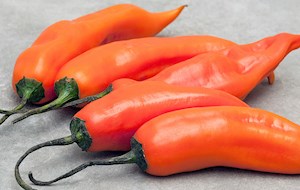
Aji amarillo

Aji amarillo is a staple in Peruvian cuisine, a chile pepper with a bright orange color and thick flesh. Its heat level ranges from medium to hot, and it is commonly used in a variety of soups and sauces. This chile variety is native to South America and has a distinctive, subtle, and full-bodied fruitiness. It can be bought in a few forms: dried, fresh, canned, or in the form of a paste. When incorporated into sauces, it is often thickened with bread, mayonnaise, and dairy products, and it is then spooned over a variety of meat, fish, and vegetable dishes. When used in its dried and ground form, it is especially good for rice dishes, giving them a sweetish flavor and vibrant color.
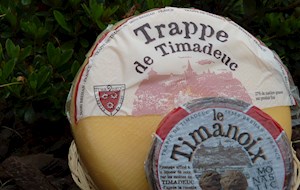
Abbaye de Timadeuc
Abbaye de Timadeuc is a French cheese hailing from Brehan in the region of Brittany, where it's produced by the monks at the Abbaye Cistercienne Notre-Dame de Timadeuc. The cheese is made from pasteurized cow's milk and it's usually left to age from 2 to 3 weeks before consumption. Underneath its washed rind, the texture is slightly soft, springy, and open with a few irregular eyes scattered throughout the paste. The flavors are generally mild and lactic. It's recommended to pair the cheese with a glass of Gamay de Touraine wine.
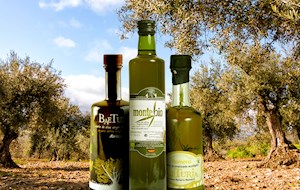
Aceite Monterrubio
Aceite Monterrubio is an extra virgin olive oil made in the in the province of Badajoz, in the Autonomous Community of Extremadura. This olive oil is made using local olive varieties; Ergot, which gives it a fruity, aromatic and nutty flavor, and Picual or Jabata, responsible for the stability of the oil and its slightly spicy flavor. Aceite Monterrubio is made using only mechanical means that don't alter its natural qualities. Traditional cultivation practices combined with modern technology and strict rules regarding all stages of production are essential to protect the quality and ensure the traceability of this exceptional olive oil.
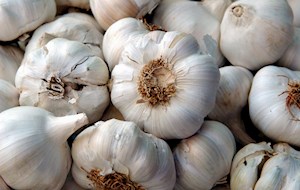
Aglio Bianco Polesano
The cultivation of garlic in the wider Polesine area goes back to the Roman times when garlic was the most widely spread crop. Due to its commercial importance throughout history, and the rise of industrial cultivation in the mid-1900s, Aglio Bianco Polesano has become known as the White Gold of Polesine. It is still grown across the Veneto plains, locally known as 'the Land of the Great Rivers', nestled between Italy's two largest - Po and Adige. The Aglio Bianco Polesano was derived from a local ecotype and apart from its white color, this variety of garlic is distinguished by a unique, fruity aroma, less pungent than other varieties, and a delicate, fresh taste. Another interesting fact: every summer, in the Arquà Polesine Castle, people from around Veneto gather for the feast of Aglio Polesano.
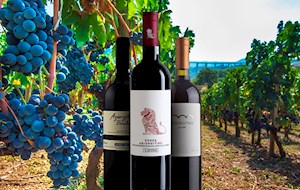
Agiorgitiko

Agiorgitiko is the most widely planted red grape variety in Greece. It is cultivated in several wine regions, but Nemea, where the grape originated, is its most important region. Agiorgitiko is a versatile grape that can be vinified into several styles, and it is often used as a backbone in many Greek blends. It is best known as a full-bodied red, usually coming from Nemea, but it can also be made into young, light red wines, fresh rosés, or dessert styles. Agiorgitiko wines are typically characterized by fruity aromas, which are sometimes accompanied by notes of sweet spices. The wines are soft, and the tannins are present but never aggressive. The acidity is usually low to moderate. Aged and oak-aged styles are more tannic, with more concentrated, complex flavors. Agiorgitiko wines are usually food-friendly and can pair with a variety of dishes. They are a good match with red meat, sausages, stews, lamb, and pasta dishes.

Colorado-Style Pizza
Colorado-style pizza or Colorado mountain pie is a unique version of a pizza originating from Colorado. The pizza has a thick, braided crust and it's made with honey instead of sugar. The braid acts as a barricade which holds the numerous toppings from spilling out on the sides. It was invented at Beau Jo's, where customers can create their own pie by choosing from a combination of over 50 different topping ingredients. At the end of the meal, the customers usually dunk the crust in honey, which is traditionally served on the side. Although Colorado-style pizza is often compared to Chicago deep-dish pizza, those are baked in the oven for more than 40 minutes, while Colorado-style pizza is baked in a gas-powered oven for about 10 minutes. Due to the fact that there are so many toppings on the pizza, it's sold by the pound. At Beau Jo's, the dough is made fresh throughout the day, every 3 to 4 hours, and the ingredients and vegetables are always fresh and cut daily, making it a great value for money.

Chicago-style deep dish pizza
In the late 1800s and the early 1900s, Neapolitan immigrants came to the USA in search of a better life. Shortly after, in 1943, their descendants, Ike Sewell and Ric Riccardo had opened Pizzeria Uno in Chicago, serving a new variety of pizza in a deeper dish, with inverted layers of cheese, meat, and tomatoes, and a crunchy crust. No longer an immigrant tradition, Chicago-style deep dish pizza is now one of Chicago's cultural and culinary icons. The dish is not just popular in Chicago, but all over the world, and its popularity is evident in the fact that there is even a National Deep Dish Pizza Day, celebrated every year on April 5. Thick, hearty and crispy, Chicago-style deep dish is a cheesy and gooey treat for pizza lovers throughout the world.
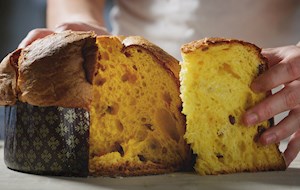
Panettone
This famous Italian sweet bread studded with raisins and candied orange and lemon peels is traditionally enjoyed for Christmas. Often exchanged as a gift among friends and family, panettone represents an act of kindness and a wish for a happy holiday. This delicious treat is typically consumed with hot chocolate, ice cream, or eggnog. Legend has it that panettone was invented by a Milanese noble named Ugheto Atellani as a means of conquering the heart of Adalgisa, the local baker's daughter with whom he fell in love, and the bread was supposedly served at their wedding. At the time - being made with lots of butter, honey, and raisins - it was known as pan de ton, meaning the bread of luxury, hence the name panettone. There are many more stories about the origin of this sweet bread, but regardless of its true origin, panettone remains one of the most popular Italian delicacies as well as one of Italy's most exported products.

California-Style Pizza
Invented at the same time in 1980 by Ed LaDou and the chefs at the famous restaurant Chez Panisse, this type of pizza is characterized by combining New York and Italian thin crust with unique and unusual topping combinations. The crust is light, airy, and tender, while the toppings range from chicken and shrimps to peanut sauce, barbecue sauce, goat cheese, and pineapples. California-style pizza should be paired with beer or white wines, including the sparkling varieties.
Quad City-Style Pizza
This unique pizza style originates from the Quad Cities region of Iowa and Illinois and is characterized by an unusual strip cut and a slightly spicy sauce. The crust has a nutty taste due to a generous amount of malt syrup, and the sauce contains chili and cayenne pepper flakes. The pork sausage used for the topping should be cooked and allowed to rest in its juices for several hours before being spread over the entire pizza. Due to its malt-enriched crust, this dish naturally pairs well with beer.
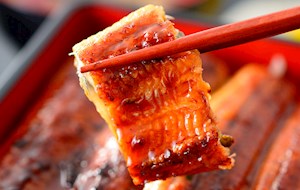
Unajū
Unajū is a Japanese dish of grilled freshwater eel served over steamed white rice in a rectangular lacquered box called a jūbako, with the eel typically prepared as kabayaki and brushed repeatedly with a sweet-savory tare based on soy sauce and mirin. It is closely associated with the eel restaurants of eastern Japan, especially Tokyo and the wider Kantō region, although versions are found throughout the country. Eel became one of the defining foods of Edo during the Edo period, alongside soba, sushi, and tempura, and by the 18th and 19th centuries kabayaki eel was widely sold both by street vendors and specialist restaurants. Contemporary descriptions from the 19th century record eel served over rice in forms closely related to modern unadon and unajū, while the refined lacquer-box presentation became associated with more formal restaurant service. The preparation begins with Japanese eel, usually Anguilla japonica, which is split, deboned, and skewered before grilling. In the Kantō style, the eel is generally split along the back, grilled without sauce as shirayaki, steamed to soften the flesh and remove some excess fat, then returned to the grill and coated several times with tare until the surface becomes glossy and lightly caramelized. In Kansai, the eel is more commonly split from the belly and grilled directly without steaming, giving it a firmer texture and crisper skin. The sauce is central to the finished dish: soy sauce and mirin form the base, sometimes with sugar or sake depending on the restaurant, and many long-established eel houses maintain their tare by continually replenishing the same sauce over many years. The cooked eel is placed over hot rice, often with additional tare spooned onto the rice so that the grains absorb the seasoning without becoming saturated. The defining feature of unajū is the jūbako rather than the cooking method itself; when essentially the same combination is served in a bowl, it is generally called unadon. The box presentation also allows the eel fillets to be arranged neatly across the rice, with higher-priced versions often distinguished by the quantity or size of eel rather than a fundamentally different recipe. Unajū is commonly accompanied by kimosui, a clear soup containing eel liver, together with pickles and powdered sanshō pepper, whose citrusy, gently numbing character cuts through the richness of the eel and tare. The dish has a particularly strong association with summer and doyō no ushi no hi, the midsummer Day of the Ox, when eating eel became fashionable in Edo as a way of sustaining energy during hot weather; the custom is documented from the late 18th century, although stories crediting a single inventor remain unproven. Today unajū is eaten year-round in specialist unagi restaurants across Japan, from long-established Tokyo houses to regional restaurants using locally farmed or wild eel. It is best served immediately after grilling, while the eel is soft and hot and the tare still coats the surface lightly, and it pairs naturally with green tea, beer, or sake, while the usual accompaniments of clear soup, pickles, and sanshō provide enough contrast that the dish generally needs little else.
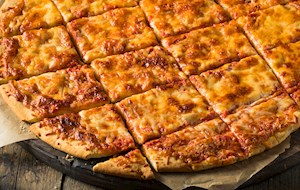
St. Louis-Style Pizza
St. Louis-style pizza is a unique type of pizza originating in the Midwestern American city of St. Louis, Missouri and the surrounding areas. Unlike regular pizzas, the crust is very thin and cut into squares or rectangles instead of wedges, but it can still be layered with many different toppings. The pizza is typically prepared with Provel, a processed cheese made by combining Provolone, Swiss cheese, and white Cheddar. Although there are various recipes for this dish, they all seem to derive from Imo's, a popular pizza chain from St. Louis.
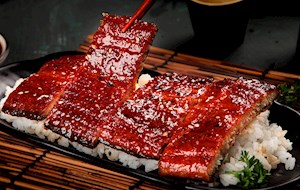
Unagi no seiro-mushi
Unagi no seiro-mushi is an eel-and-rice dish from Yanagawa in Fukuoka Prefecture, made by combining grilled freshwater eel with sauce-seasoned rice and steaming the two together in a seiro, usually with thin strips of egg placed on top. Yanagawa has long been associated with eel because its network of rivers, canals, and nearby waterways provided access to wild eel, and by the Edo period eel cooking had become firmly established in the area. Local tourism authorities date the appearance of Yanagawa-style seiro-mushi to 1681, while Ganso Motoyoshiya, a restaurant founded in that period, is widely credited locally with developing the method as a way of serving freshly grilled eel and hot rice together. The preparation differs significantly from unadon or unajū even though all three combine kabayaki-style eel with rice. For seiro-mushi, freshly cooked rice is first mixed or coated with the restaurant's tare, usually a sweet-savory sauce based on soy sauce and mirin, and is then steamed so that the seasoning penetrates the grains rather than simply sitting on the surface. The eel is prepared separately as kabayaki, grilled and glazed with tare until browned and aromatic, then arranged over the seasoned rice together with kinshi tamago, very thin strips of cooked egg. The assembled dish is returned to the steamer, allowing the eel, rice, sauce, and egg to heat together and their flavors to integrate. Some established Yanagawa restaurants describe the process as a double steaming: the seasoned rice is steamed first, then steamed again after the eel has been added. This final steaming is the defining feature of the dish. Whereas unajū usually emphasizes the contrast between freshly grilled eel and plain hot rice, seiro-mushi produces softer, moister eel and rice that is more deeply flavored with tare, while keeping the entire meal very hot from the first bite to the last. The eel still retains some of the toasted character produced during grilling, but steaming softens its texture and allows its fat and sauce to permeate the rice underneath. The strips of egg provide a mild, slightly sweet counterpoint and have become such a recognizable part of Yanagawa-style seiro-mushi that they are included by many of the city's specialist eel restaurants. The dish remains one of the foods most closely associated with Yanagawa, where numerous long-established eel restaurants prepare their own versions with differences in sauce concentration, grilling, steaming time, and the proportion of eel to rice. It was recognized under Japan's Agency for Cultural Affairs “100-Year Food” program in fiscal 2021 as a regional food with roots extending back to the Edo period. Unagi no seiro-mushi is generally served directly in its steaming container or a lacquered box and eaten as a complete meal, often accompanied by pickles, clear soup or eel-liver soup, and occasionally a small eel side dish. It is eaten year-round in Yanagawa, particularly in specialist unagi restaurants, and pairs naturally with green tea, Japanese lager, or sake; because the rice and eel are already richly seasoned with tare, simple accompaniments such as clear soup and pickles provide the most useful contrast without competing with the dish.

Detroit-Style Pizza
Detroit-style pizza is a square pizza characterized by a thick deep-dish crisp crust and inverted toppings. Cheese is applied directly to the top of the dough, followed by a thick tomato sauce that is seasoned with garlic and spices. The most common topping is pepperoni, put either on top of the sauce or buried underneath the cheese. Detroit-style pizza can be traced back to Buddy's Rendezvous in 1946, and thanks to its popularity, it is now available nationwide. This dish is best paired with beer or wine.
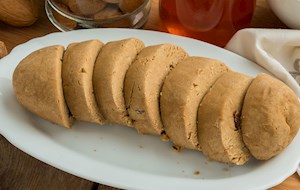
Gofio

Gofio is a Nicaraguan sweet made from toasted ground corn, known as pinol, mixed with unrefined cane sugar syrup and aromatic spices. Particularly associated with León and other parts of western and central Nicaragua, it is characterized by its firm, slightly crumbly texture, brownish color, and rich flavor of roasted corn, caramelized sugar, ginger, cinnamon, and anise. The mixture is commonly shaped into small diamonds or rectangular pieces, making it easy to portion, package, and distribute during celebrations. Gofio has deep connections to Nicaragua's agricultural and culinary heritage, combining the indigenous Mesoamerican practice of roasting and grinding corn with the use of sugarcane products introduced during the colonial period. Corn was a central food crop in the region long before European arrival, and roasted corn flour became an important ingredient in numerous foods and beverages. The combination of pinol with cane sugar syrup and spices gradually developed into a recognizable confection, although its exact date of creation is not documented. By the nineteenth century, gofio was established in Nicaraguan household cooking and became closely associated with religious celebrations, particularly La Purísima, held in honor of the Immaculate Conception of the Virgin Mary. During La Gritería on December 7, families prepare and distribute sweets, fruits, and other small gifts known collectively as la gorra to people who gather to sing and celebrate. Gofio is among the characteristic sweets offered during these festivities, alongside cajeta, ayote en miel, and other local confections. The sweet is especially associated with León, where it is also prepared for Marian celebrations in August. Production begins by roasting dried corn kernels until they become aromatic and lightly browned. The corn is then ground into pinol, a relatively fine flour that retains a noticeable toasted flavor. In some preparations, pinolillo, which may include cocoa, is used instead, producing a darker color and additional chocolate notes. Separately, unrefined cane sugar, known locally as atado de dulce or dulce negro, is dissolved in water and heated with spices such as ginger, cinnamon, anise, and sometimes nutmeg or cloves. The mixture is simmered until it develops into a thick syrup capable of binding the ground corn. Once the syrup reaches the desired consistency, it is removed from the heat and gradually combined with the pinol, producing a dense, pliable mixture. The warm mass is kneaded briefly, spread onto a surface dusted with additional pinol, and flattened into an even layer. After cooling and firming, it is cut into small diamonds, squares, or rectangles, often with extra pinol sprinkled over the surface to prevent sticking. The finished gofio has a compact, slightly grainy consistency, with sweetness from the cane sugar balanced by the roasted corn and warming spices. Recipes vary between households and regions, with some emphasizing ginger and a relatively dry texture, while others incorporate more cinnamon, anise, or cocoa. The sweet keeps reasonably well when stored in a dry place, making it convenient for preparing large quantities ahead of celebrations. Gofio is commonly made in Nicaraguan homes and sold by local confectioners and market vendors, particularly during the December festive season. It is eaten at room temperature as a small sweet or snack, often alongside other Nicaraguan confections. Its roasted corn and caramel flavors complement coffee, milk, hot chocolate, and cocoa-based drinks, while its firm texture makes it particularly suitable for serving in small portions during family gatherings and religious festivities.

Pepperoni Pizza
Pepperoni pizza is topped with tomato sauce, mozzarella, and sliced pepperoni, a cured sausage usually made from pork and beef. The sausage is generally added before baking, so its edges brown and some of its fat melts into the cheese. It gives the pizza a salty, mildly tangy flavor, with garlic, paprika, and varying amounts of chile heat. Low-moisture mozzarella is commonly used, while garlic and oregano often season the tomato sauce. Parmesan or pecorino may be added, but the basic combination needs no other toppings. Pepperoni developed among Italian American sausage makers in the early twentieth century. Its name comes from peperoni, the Italian word for peppers, although the English word refers specifically to the sausage. Made from finely ground meat, pepperoni is seasoned, cured, fermented, and dried; fermentation contributes its slight acidity, and paprika supplies much of its red color. Garlic, fennel, and cayenne appear in different spice mixtures, and some producers smoke the sausage or add smoke flavoring. All-pork versions are also used on pizza. Pepperoni was appearing on pizza menus by the middle of the twentieth century. Historian Colin Caplan identified it on a photographed 1950 menu at The Spot in New Haven, Connecticut. That same year, the Detroit Free Press published a home recipe combining yeast dough, tomatoes, mozzarella, pepperoni, oregano, and garlic salt. Pizza chains subsequently helped spread the topping: pepperoni could be produced in large quantities, transported between suppliers and restaurants, and portioned easily. Its popularity grew alongside companies such as Pizza Hut and Domino’s as they expanded during the following decades. In the familiar pizzeria preparation, tomato sauce is spread over the dough, followed by mozzarella and slices of pepperoni, then everything is baked together. The sauce may be made from crushed tomatoes or a smoother tomato purée, and the cheese can be shredded or sliced. Pepperoni is sold both in whole sticks for slicing at the restaurant and in packages of ready-cut rounds. The slices differ in diameter, thickness, seasoning, and how they behave in the oven. Large, thin slices commonly remain flat against the cheese, while smaller, thicker slices may curl upward as they cook. The curled type is known as “cup-and-char” pepperoni, cupping pepperoni, or “roni cups.” Its raised edges become crisp and deeply browned, with rendered fat collecting in the center. Curling depends on the sausage’s manufacture, slice thickness, and uneven heating during baking. Pepperoni stuffed into natural or collagen casings tends to curl more readily, even if the casing is removed before cooking. Cup-and-char pepperoni has long been used in Buffalo and parts of the Midwest. Prince Street Pizza helped popularize it in New York City after opening in 2012, particularly through its Spicy Spring, a thick square slice heavily topped with cupping pepperoni. Wider distribution also mattered: when Ezzo Sausage Company’s pepperoni became available in New York City in 2016, restaurants including Emily and Emmy Squared began using it, followed by other pizzerias. The crust and arrangement of toppings vary with the pizza style. New York–style pepperoni pizza has a relatively thin, chewy crust and large, foldable slices. Detroit-style versions have a thicker, airy crust baked in a metal pan, with cheese extending to the edges and browning against the sides. Wisconsin brick cheese is commonly used, sometimes blended with mozzarella, and the tomato sauce is spooned over the cheese. Pepperoni may go directly on the dough beneath the cheese, on top, or in both positions. Hot honey—honey infused with chiles—is a more recent addition to pepperoni pizza, supplying sweetness and extra heat. Paulie Gee’s slice shops, for example, serve a pepperoni-and-hot-honey pie called the Hellboy alongside their plain pepperoni pizza. Other additions, such as jalapeños, mushrooms, or extra cheese, are ordered separately or included in named combinations. Pepperoni pizza is sold by the slice, as a whole pie for takeout or delivery, and as a frozen pizza for baking at home.
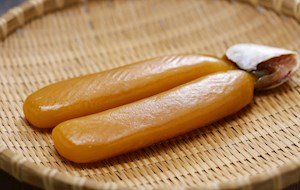
Karasumi
Karasumi is a delicacy made from the salted and dried roe sacs of mullet, particularly the flathead grey mullet, and is most closely associated with Nagasaki Prefecture. It is characterized by its firm yet slightly yielding texture, glossy amber to orange-brown color, and concentrated flavor combining saltiness, rich umami, and a subtle bitterness. Often compared with Mediterranean bottarga, karasumi is valued for its intense seafood flavor and is typically served in thin slices or grated over other foods. The practice of preserving fish roe through salting and drying has existed for centuries in several parts of the world, and similar products were introduced to Japan through maritime trade with continental Asia. Nagasaki, which maintained important commercial connections with China during the Edo period (1603–1868), became the principal center of Japanese karasumi production. Local producers developed methods for curing the mature roe of mullet caught in nearby coastal waters, establishing a product that became highly regarded among wealthy households and the ruling classes. During the Edo period, Nagasaki karasumi was recognized as one of Japan's three great delicacies, or tenka no sanchin, alongside sea urchin roe from Echizen and fermented sea cucumber intestines known as konowata. The name karasumi is commonly explained as a reference to Chinese ink sticks, which resemble the flattened, elongated shape of the dried roe. Production became particularly established around Nagasaki, where mullet with mature roe are caught during autumn and winter. In July 2023, Nagasaki Karasumi received geographical indication protection in Japan, formally recognizing its regional production methods and identity. Production begins by carefully removing the paired roe sacs from freshly caught mullet, keeping their delicate membranes intact. Blood vessels and remaining blood are removed to prevent discoloration and unwanted flavors, after which the roe is salted to draw out moisture and preserve it. The length of salting depends on the size and condition of the roe, and some producers subsequently soak it in water to adjust the salt concentration. The roe sacs are then carefully shaped and dried over a period ranging from several days to several weeks, depending on their size, weather conditions, and the desired texture. Drying may involve exposure to sunlight and circulating air, with the roe regularly turned and gently pressed to maintain an even shape and consistent moisture content. As water evaporates, the roe develops a denser texture, deeper color, and more concentrated flavor. Properly finished karasumi should be firm enough to slice cleanly while retaining some tenderness, rather than becoming excessively hard or brittle. Although some Japanese producers use sake or other ingredients during processing, the protected Nagasaki Karasumi specification permits only salt for curing and drying. The finished product is usually sold as a whole pair of roe sacs, often packaged for gifts or special occasions. Karasumi remains an expensive delicacy because of the limited seasonal availability of mature mullet roe and the labor involved in cleaning, curing, shaping, and drying each piece. It is commonly served as a small appetizer, thinly sliced and eaten on its own or accompanied by fresh daikon radish, whose mild flavor and crisp texture balance the roe's saltiness. Some preparations involve briefly warming or grilling the surface to release additional aromas while keeping the interior tender. Karasumi can also be grated over rice, noodles, pasta, or vegetables, where small quantities provide a concentrated savory flavor. In Nagasaki, it appears in shippoku cuisine, a regional style influenced by Japanese, Chinese, and European cooking, and is frequently served during celebrations and formal meals. It is particularly appreciated as an accompaniment to sake, especially dry varieties, although shochu, crisp white wines, and sparkling wines also pair well with its rich, salty flavor. Other suitable accompaniments include cucumber, steamed rice, tofu, and lightly seasoned seafood, which allow the distinctive taste of the cured roe to remain prominent.
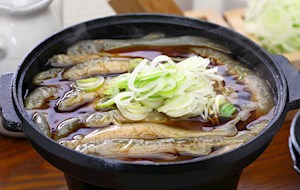
Dojō nabe
Dojō nabe is a Japanese hot pot dish made with freshwater loach, a small, slender fish simmered in a shallow iron pot with a savory broth seasoned with soy sauce, mirin, and sake. Particularly associated with Tokyo, especially the historic neighborhoods of Asakusa and Komagata, it is known for its tender fish, mildly earthy flavor, and rich, slightly sweet cooking liquid, often accompanied by generous amounts of sliced green onions and Japanese pepper. The dish is closely connected to the food culture of Edo, the former name of Tokyo, where loach was an affordable and widely available source of protein. During the Edo period (1603–1868), freshwater fish such as loach, carp, and eel were commonly consumed by ordinary residents, and loach dishes were especially valued during summer, when they were believed to help maintain strength in hot weather. The fish were caught in rivers, streams, irrigation channels, and rice paddies, making them accessible to households and small restaurants. By the nineteenth century, specialized establishments serving loach had become an established feature of Edo's dining culture. One of the most prominent, Komagata Dozeu, was founded in Asakusa in 1801 by Echigoya Sukeshichi and remains closely associated with the dish. Following a major fire in 1806, the restaurant adopted the distinctive spelling dozeu, which is still used by several establishments specializing in loach. Over time, different preparations developed, including marunabe, made with whole loach, and nuki nabe, prepared with fish that have been opened and deboned. A related dish, yanagawa nabe, combines opened loach with thinly shaved burdock root and beaten eggs, producing a softer, more delicate preparation. The classic Edo-style dojō nabe is particularly associated with marunabe, in which small loaches are cooked whole, including their heads and bones. Preparation begins by selecting fresh loach and thoroughly cleaning it to remove mud and impurities. Older methods involve keeping the fish in clean water before treating it with sake and salt to reduce unwanted odors and surface slime. The loaches are then gently simmered, sometimes first in a miso-based liquid, until the flesh and small bones become tender. A separate cooking sauce, known as warishita, is prepared using soy sauce, mirin, sake, sugar, and sometimes dashi. The cooked fish are arranged in a shallow iron pot, covered with the seasoned liquid, and heated until the flavors combine. Large quantities of finely sliced green onions are commonly added just before serving, allowing them to soften in the hot broth while retaining some freshness. Diners may season individual portions with sansho, an aromatic Japanese pepper that contributes citrusy, slightly numbing notes, or shichimi togarashi, a mixture of chili pepper and other spices. The finished dish has a concentrated savory flavor, with the sweetness of mirin and sugar balancing the saltiness of soy sauce and the earthy character of the fish. In the whole-fish version, prolonged simmering softens the bones sufficiently for them to be eaten, while deboned preparations offer a more delicate texture. Dojō nabe is generally served hot in its cooking vessel, often placed over a small tabletop burner to maintain a gentle simmer throughout the meal. Although historically associated with summer, it is now available throughout the year at specialized restaurants in Tokyo. It is commonly eaten with steamed white rice, pickled vegetables, and additional green onions, while tofu and burdock root may accompany certain variations. In Asakusa, the dish remains closely associated with long-established restaurants that specialize in Edo-style freshwater fish preparations. Its rich, sweet-savory broth pairs particularly well with Japanese sake, especially dry or moderately full-bodied varieties, while lager beer, shochu, and green tea are also common accompaniments.