





Wines


Claim your producer profile.
Are you the owner or an official representative of this brand? Claim your profile to activate it, add product information and present your brand to the TasteAtlas community.
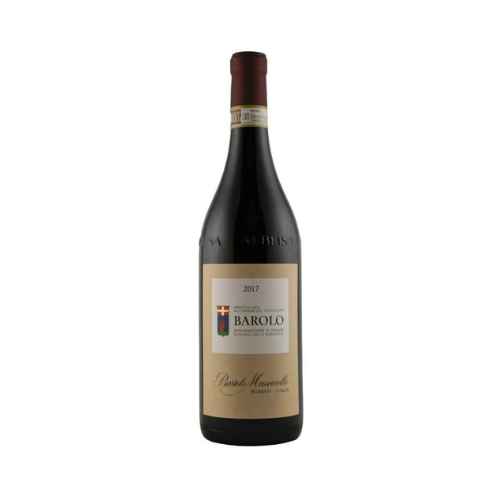
Bartolo Mascarello is widely regarded as one of the most authentic representatives of traditional Barolo, rooted in a family legacy that dates back to the period just after World War I, when Giulio Mascarello established the winery around 1918–1919. The estate gained its defining identity under Bartolo Mascarello, a central figure in the defense of classic winemaking methods during a time of increasing modernization in Piedmont.
His philosophy rejected the use of small French barriques, favoring instead long macerations and aging in large Slavonian oak casks to preserve the integrity of Nebbiolo and its expression of terroir. Unlike many producers who shifted toward single-vineyard bottlings, Mascarello remained committed to blending fruit from several prestigious crus, including Cannubi, San Lorenzo, Rué, and Rocche dell’Annunziata, believing that balance and complexity come from the combination of sites.
The estate itself is relatively small, spanning roughly five hectares, which allows for a high level of manual work and strict quality control in both vineyard and cellar. Bartolo Mascarello also became known for his strong personal convictions, often expressed through hand-painted labels carrying political or cultural messages, which today are considered collectible pieces.
Following his passing in 2005, the winery has been led by his daughter Maria Teresa Mascarello, who continues to uphold the same uncompromising traditional approach without adapting to market trends or modern stylistic shifts. The wines produced are structured, age-worthy Barolos characterized by firm tannins, vibrant acidity, and layered aromas that evolve over decades rather than offering immediate accessibility.
This commitment to authenticity and resistance to homogenization has positioned the winery as a benchmark for classic Barolo, highly respected among collectors and traditional wine enthusiasts.