

shutterstock

3 Traditional Foods
You Have To Try in A Coruña

Last updated on May 22, 2026
01

Pulpo a la gallega

4.2 ·

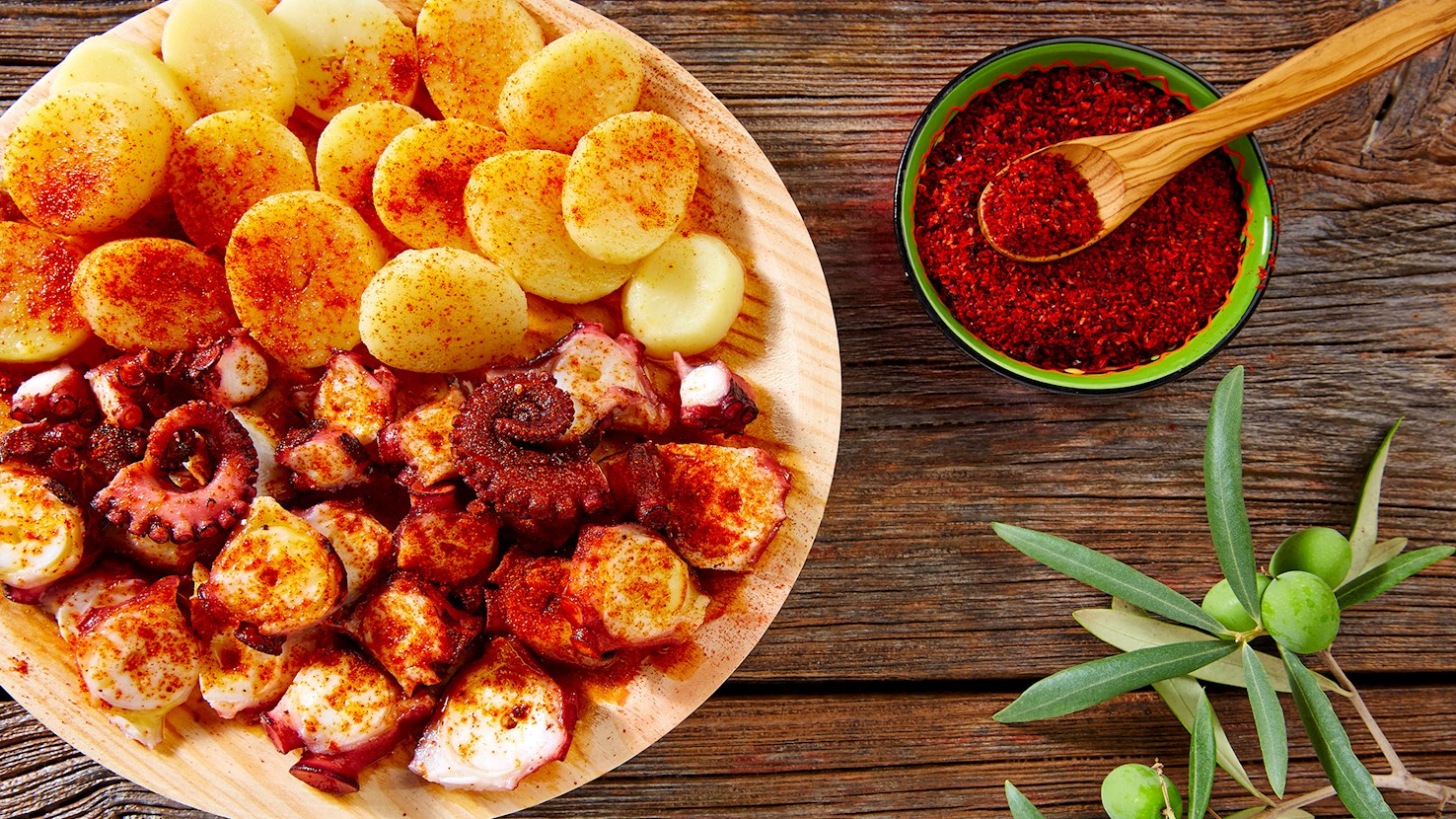
Polbo á feira (a.k.a. pulpo a la gallega) is a traditional Galician dish made by cooking octopus, potatoes, and pimentón in copper cauldrons. The cauldrons impart a unique flavor to the dish, and it is said that it is impossible to obtain that kind of flavor with any other material. In the Sanabria region, it is traditionally served with garlic, while elsewhere, pulpo a la gallega is presented on a wooden board, drizzled with lots of olive oil and sprinkled with coarse salt. It is recommended to pair the dish with a glass of red wine on the side. The dish is also known as pulpo á feira (fair-style octopus), since it is very popular during festivities and celebrations, when the owners of pulpeiras (stands specialized for octopus) prepare the dish throughout the day.

02

Albóndigas en salsa

4.2 ·

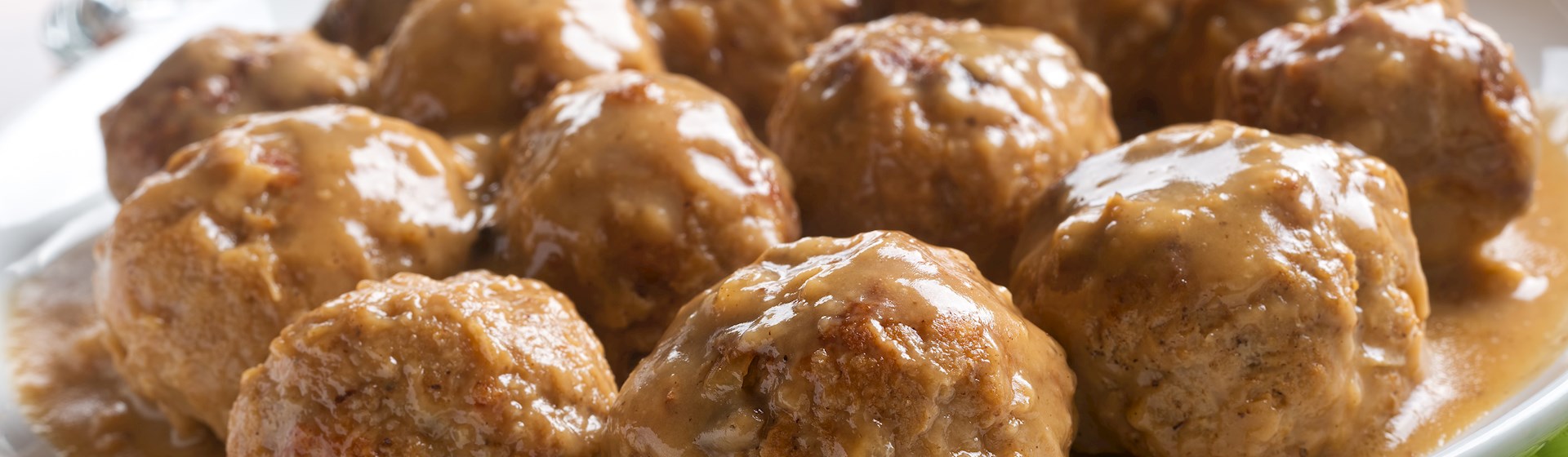
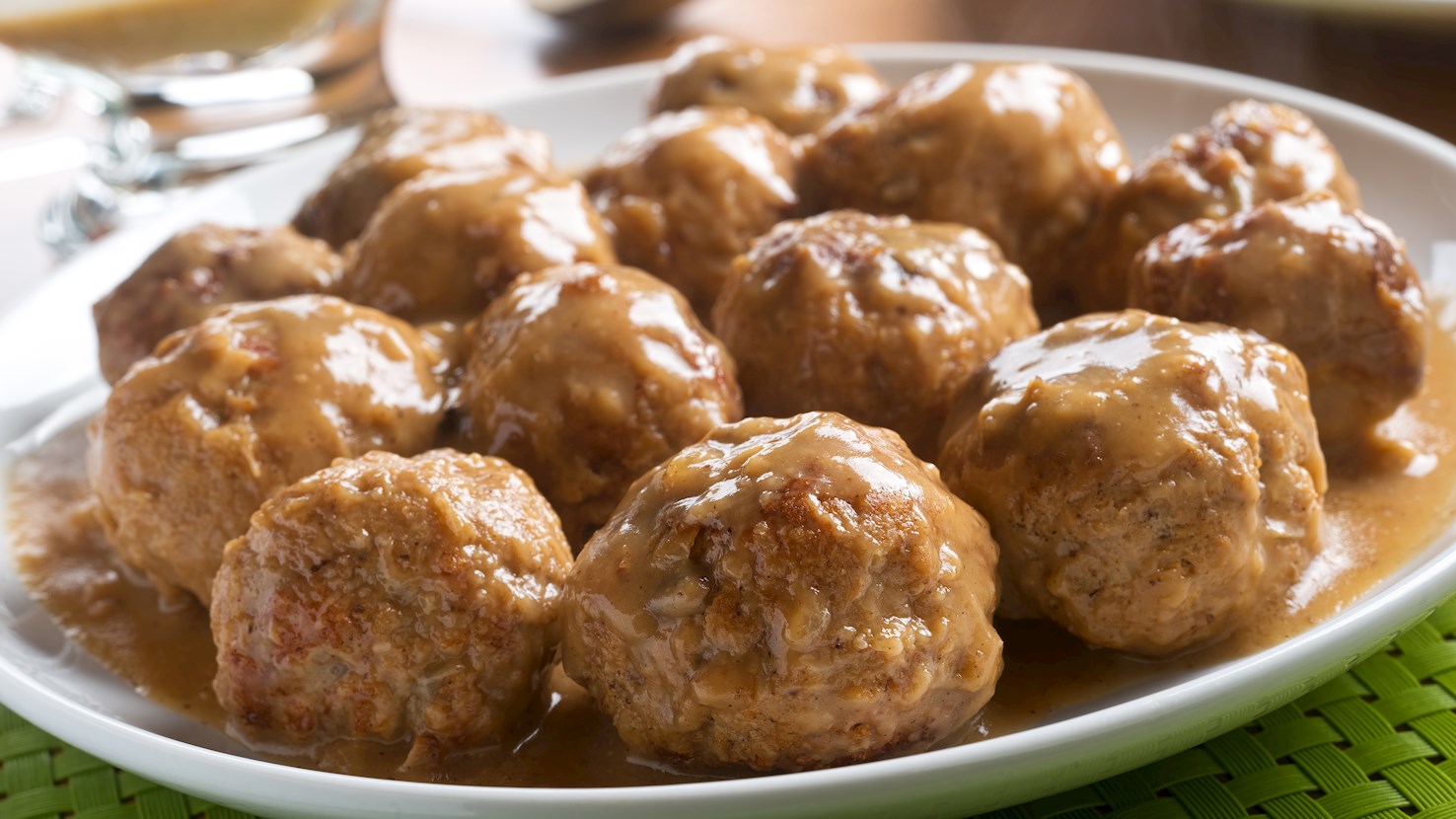
Albóndigas en salsa is a traditional dish that's typically eaten as a tapa. This appetizer consists of meatballs in rich tomato sauce. The small meatballs are often made with a combination of beef, pork, veal (or a combination of the three), breadcrumbs, parsley, eggs, garlic, flour, and seasonings, while the sauce is made with garlic, onions, tomatoes, red wine, olive oil, paprika, salt, and stock. Before cooking them in the sauce, the meatballs are usually lightly browned. When the sauce becomes thick, the dish is served, often with crusty bread and a glass of red wine on the side. It is believed that these meatballs originated as a Berber or Arab dish which was brought over to Spain during the Muslim rule. The name is derived from the Arabic word al-bunduq, meaning hazelnut, referring to the small size of the meatballs.

03

Arroz marinero

4.3 ·

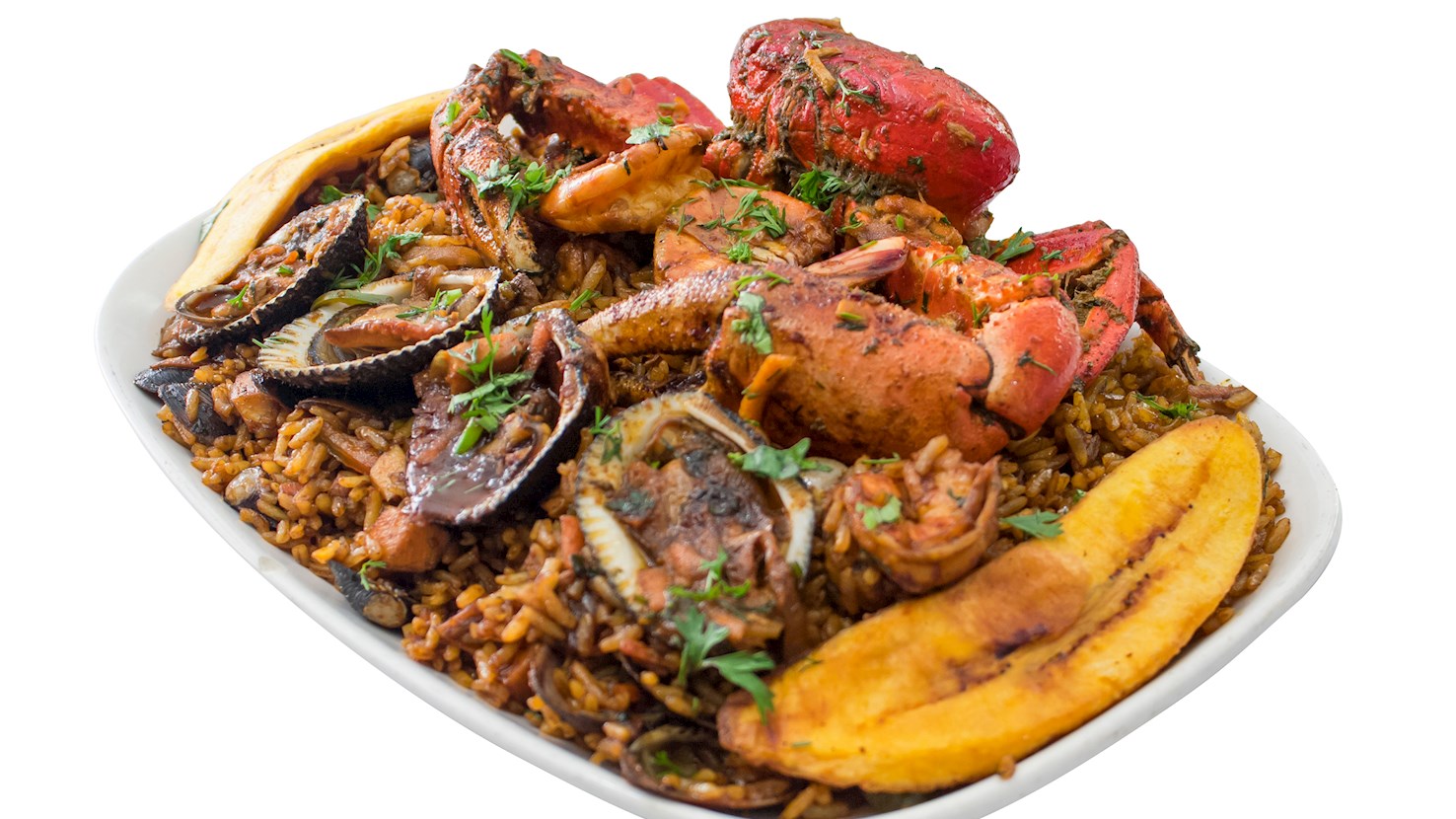
Rice and seafood are the key ingredients to making arroz marinero, a traditional specialty that originates from Spain. The main ingredients are usually combined with sautéed vegetables such as onions, peppers, tomatoes, and garlic, and the combination is typically simmered in water or stock (seafood or fish stock) with the addition of various spices and seasonings. Like many other Spanish dishes, this one has also entered the traditional cuisines of the Spanish colonies with the introduction of rice and is nowadays associated with South American countries such as Peru, Ecuador, and Colombia. The variations on the dish abound throughout Spain and the Latin American countries, with each country having its own version of this rice specialty. In Spain, the dish is usually prepared with short-grain varieties of rice such as bomba or Arborio, while in South America, arroz marinero typically consists of long-grain rice. Another crucial difference between the Spanish and South American versions of the dish is the use of different spices, which are typical of the regions where the dish is being prepared.

Best restaurants
About this ranking

TasteAtlas food rankings are based on the ratings of the TasteAtlas audience, with a series of mechanisms that recognize real users and that ignore bot, nationalist or local patriotic ratings, and give additional value to the ratings of users that the system recognizes as knowledgeable. For the “3 Traditional Foods You Have To Try in A Coruña” list until May 22, 2026, 0 ratings were recorded, of which 0 were recognized by the system as legitimate. TasteAtlas Rankings should not be seen as the final global conclusion about food. Their purpose is to promote excellent local foods, instill pride in traditional dishes, and arouse curiosity about dishes you haven’t tried.

Similar lists