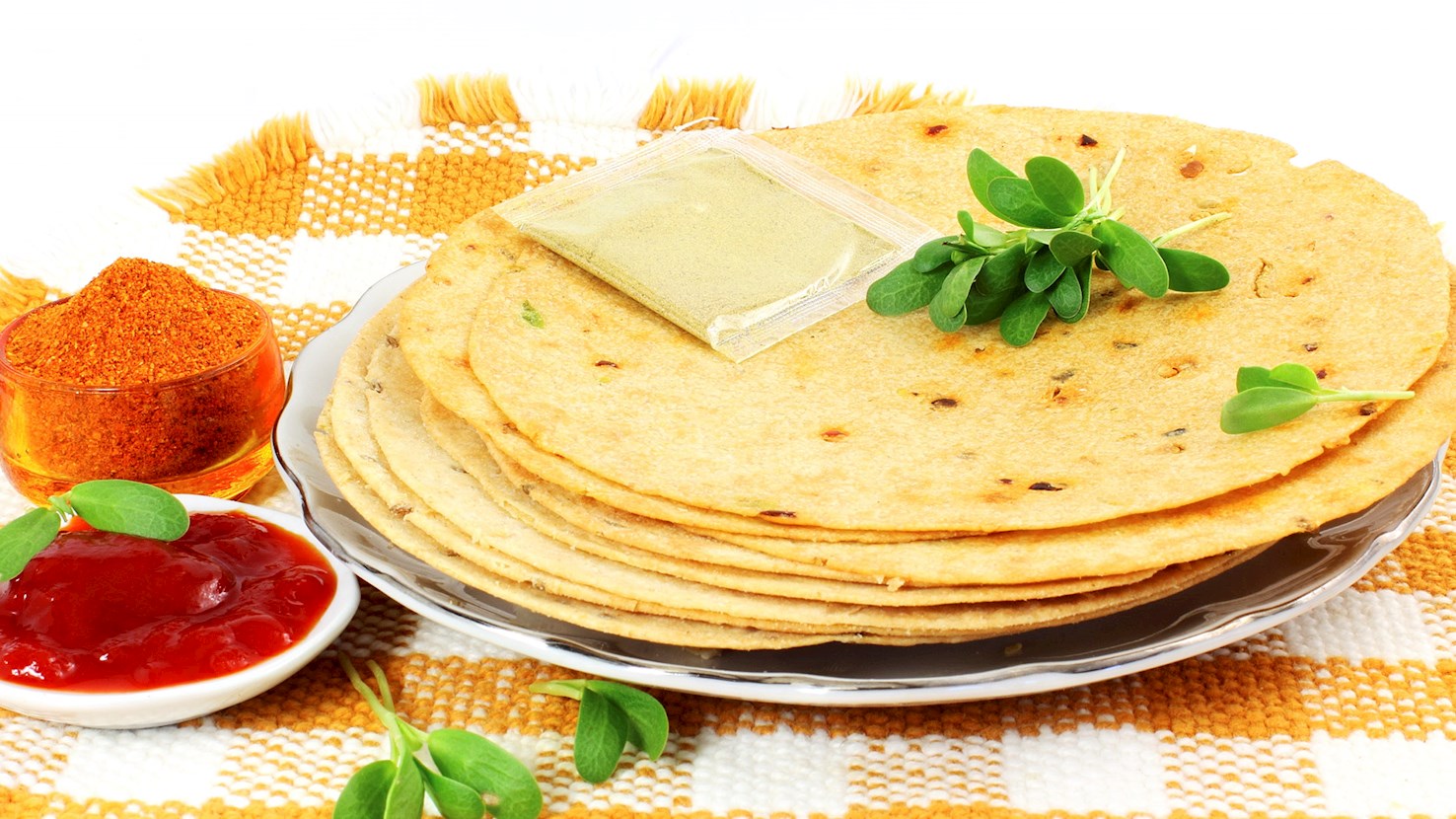
Khakhra is a popular, crispy flatbread originating from the Indian state of Gujarat. Made with wheat flour, moth bean, and oil, the crackers are typically consumed for breakfast, providing a healthy snack that is best enjoyed when accompanied by chutneys or curries. Since khakhra is very similar to chapati, another popular Indian flatbread, it is believed that a cook in Gujarati roasted leftover chapatis on a griddle and served them with tea for breakfast, creating khakhras in the process. Khakhra can also be transformed into a sweet snack by spreading some ghee and sugar on top of it. Today, the snack has moved out of Gujarat and became popular throughout the world, but it is still believed that a true Gujarati home is incomplete without its khakhras.
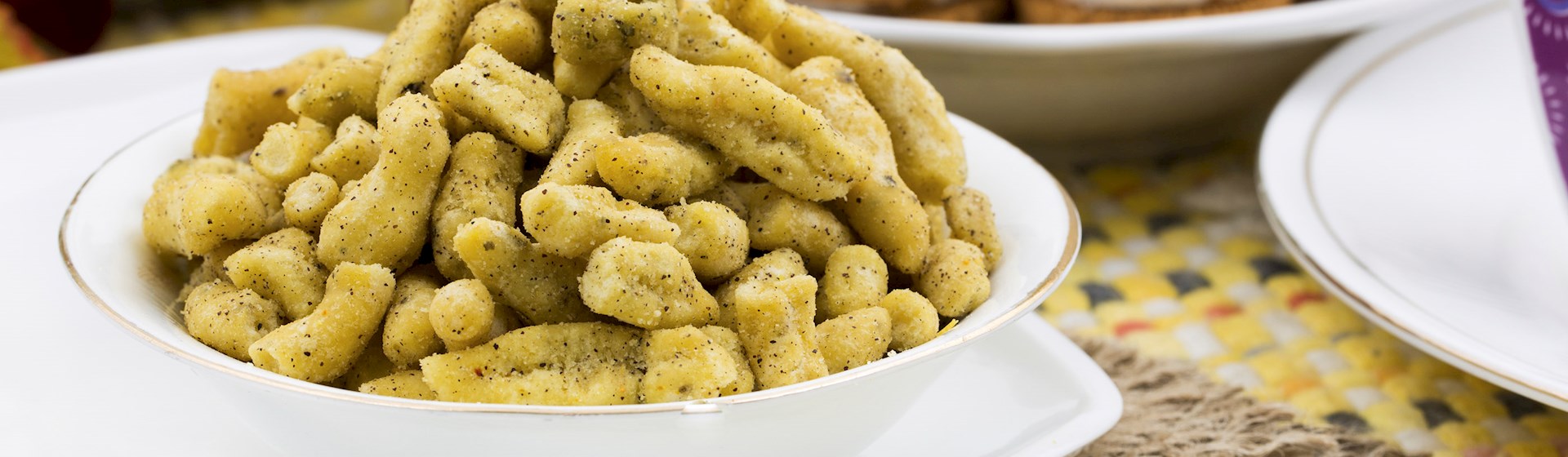
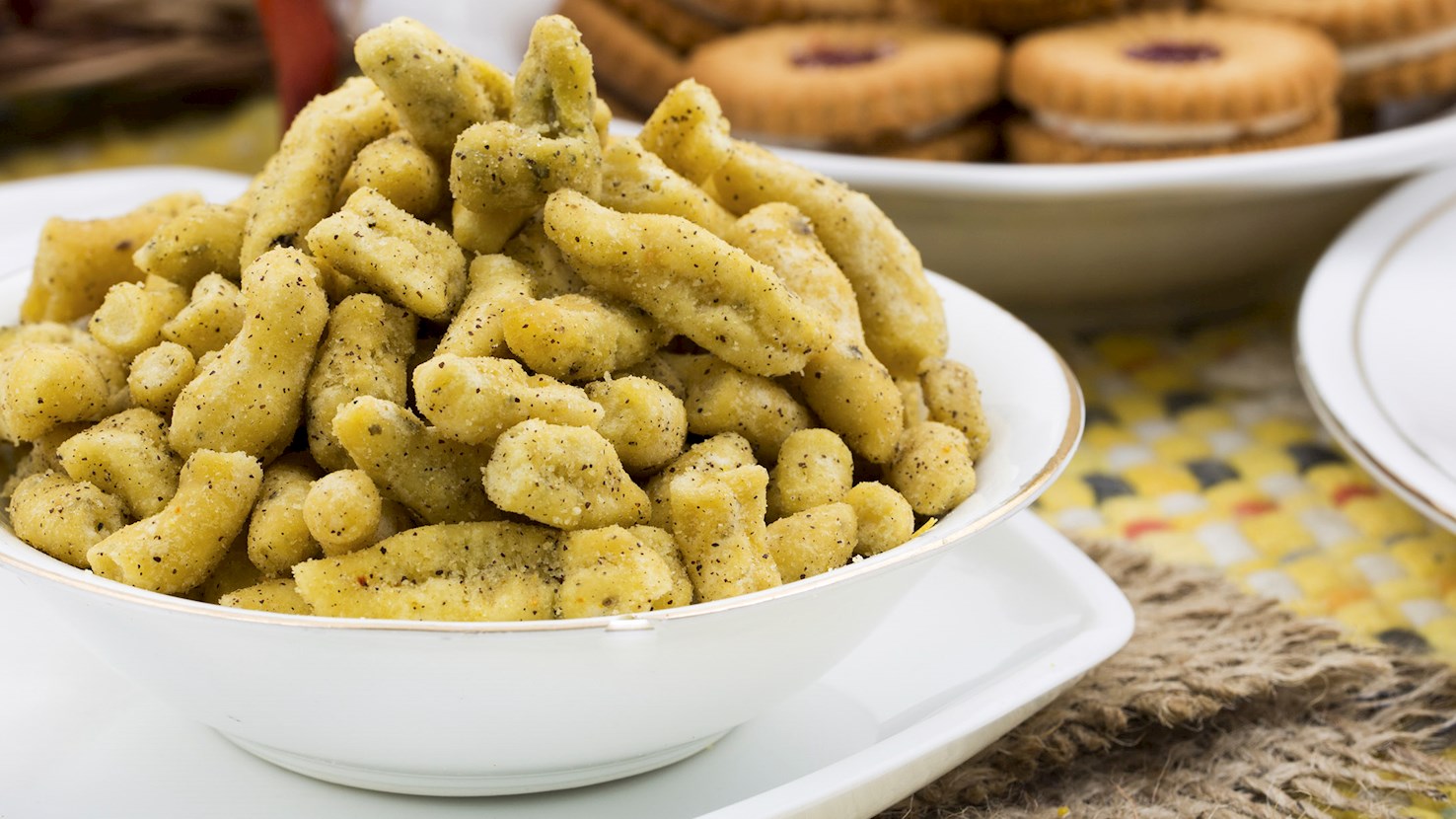
Ganthiya is a popular Indian deep-fried snack made from gram flour. It has origins in the Indian region of Gujarat, where it is commonly served with tea. Unlike most other Indian snacks, ganthiya is not crunchy, but soft and puffy. It can be found throughout Gujarat at numerous street stalls, but the snack is especially popular during Diwali. There is also a sweet version of ganthiya, called mitha ganthiya, while the plain version can be additionally flavored with red chili powder.
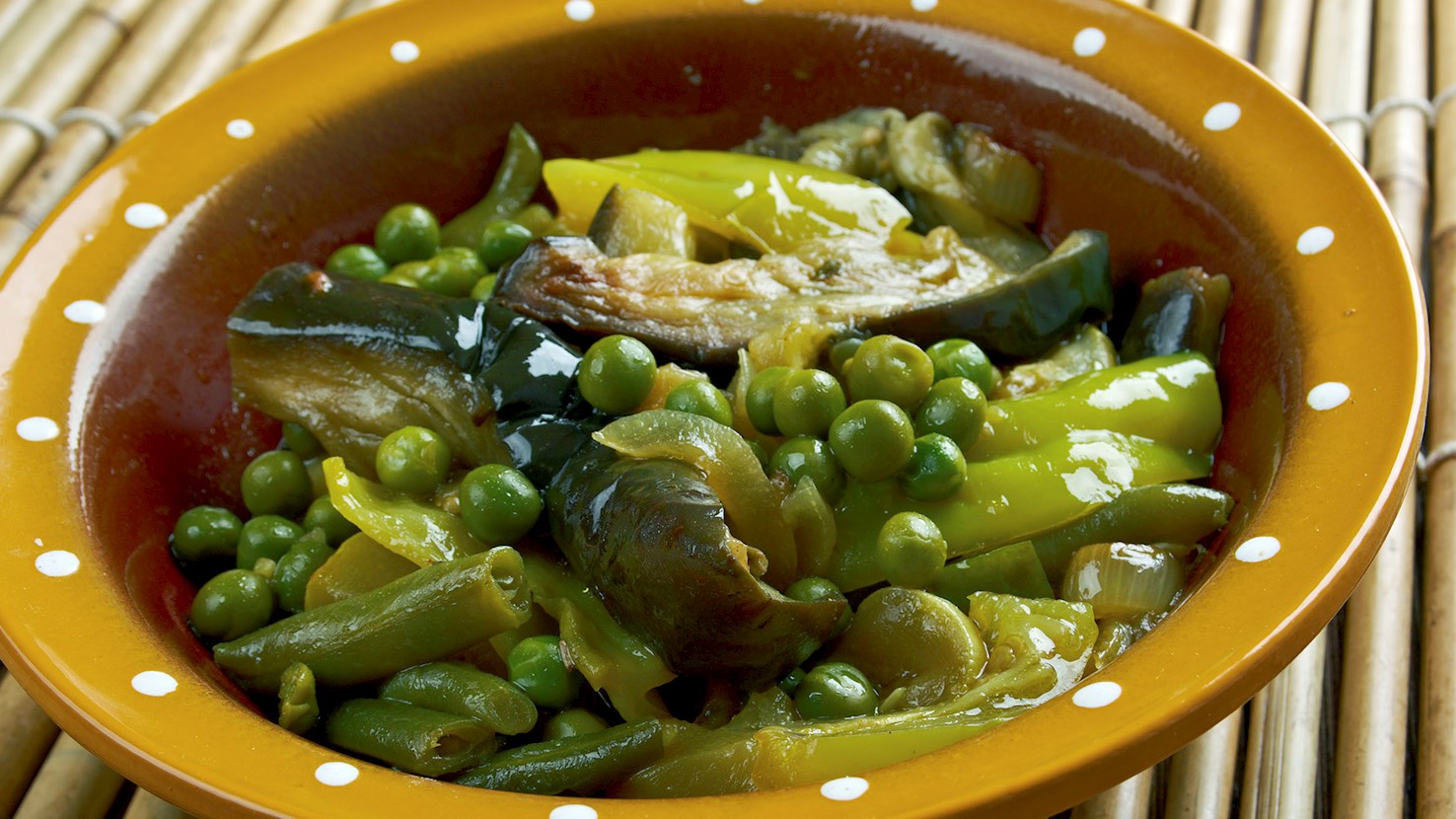
Undhiyu is a specialty dish of the Indian state of Gujarat, typically consisting of numerous vegetables such as purple yam, sweet potatoes, eggplanst, and bananas. All of the ingredients are slowly simmered in a garlic, chili, coriander, and coconut masala. The name of the dish is derived from the word undhu, meaning upside down, referring to the traditional method of underground cooking in pots which are heated from above. The dish is especially popular during winter, when it's accompanied by puri and shrikhand. There is another popular variety of the dish, called surti undhiyu, which is usually reserved for special ocassions such as weddings and festivities, made with red lentils, vegetables, grated coconut, palm sugar, and a garnish of chopped peanuts.
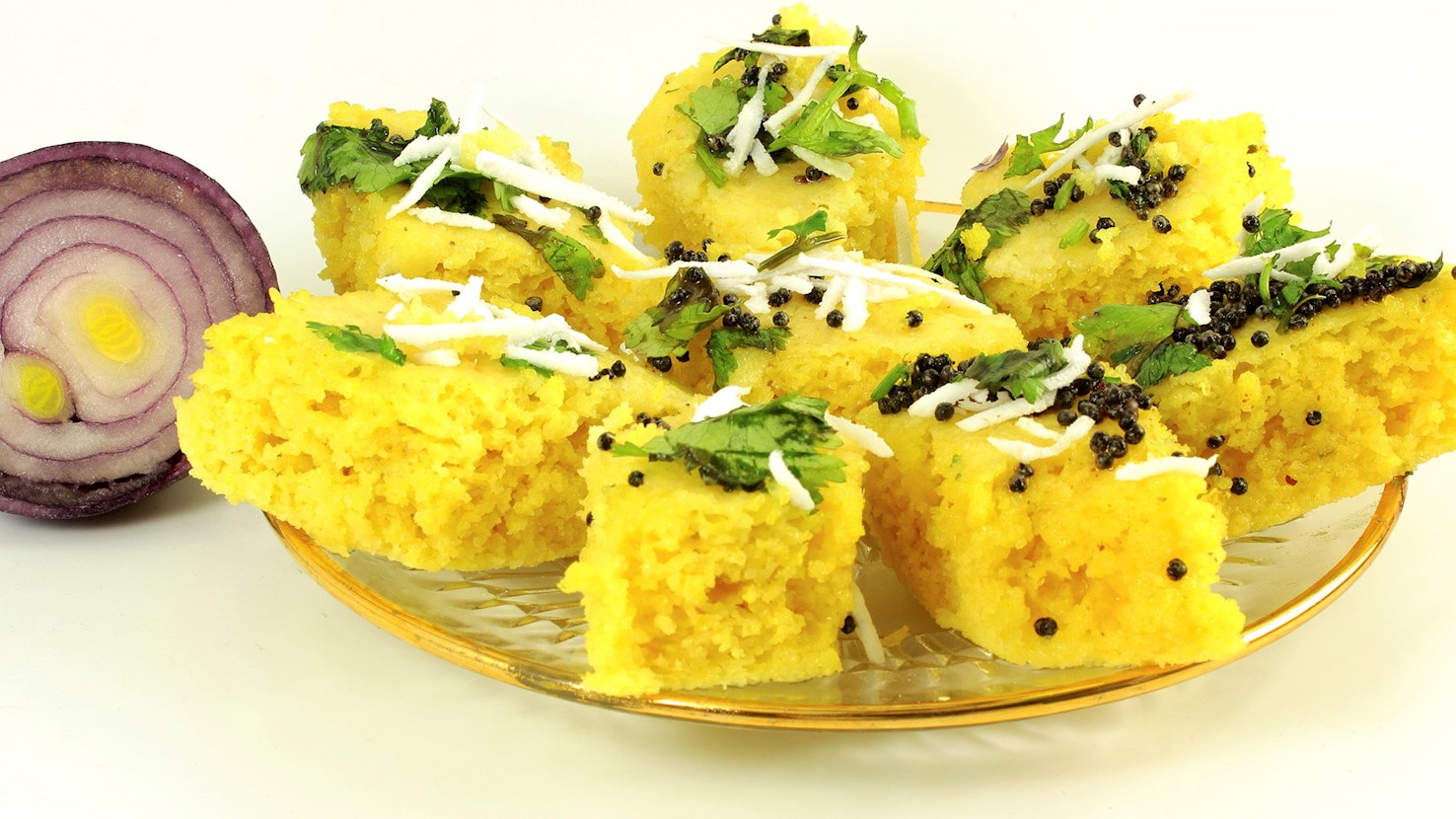
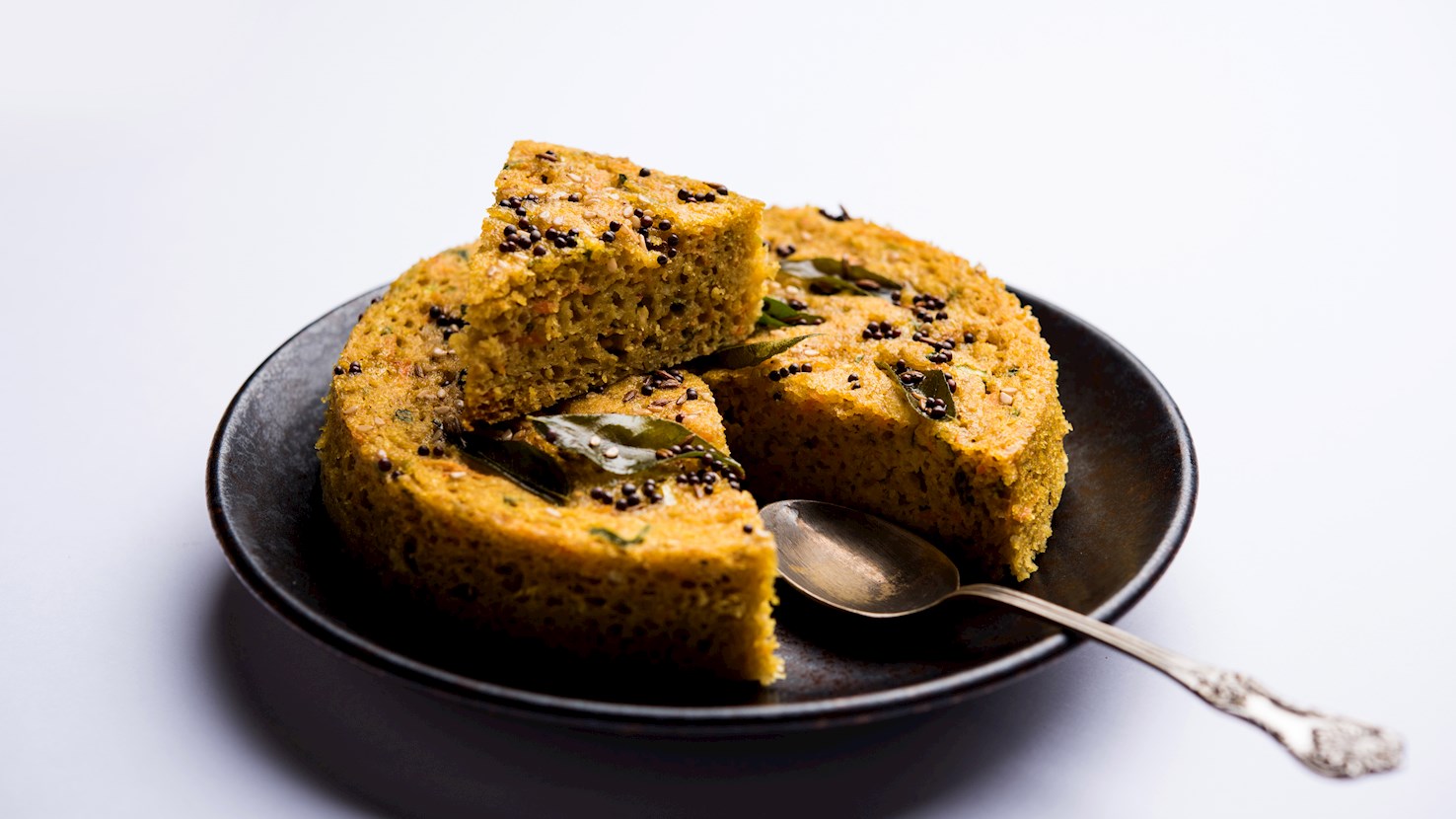
Originating from the Indian state of Gujarat, dhokla is a vegetarian snack consisting of fermented gram flour batter and rice. Spices such as chili and ginger are added to the batter in order to improve the flavor of the dish. When baked, dhokla is often garnished with coriander, coconut, or chopped chilies, and it is typically accompanied by besan chutney. Because it is a popular dish and a favorite vegetarian snack, dhokla has many variations, such as semolina, rice powder, or cheese dhokla. Fluffy, low in calories, and packed with protein, it is unsurprising that dhokla remains a staple food of Gujarat.
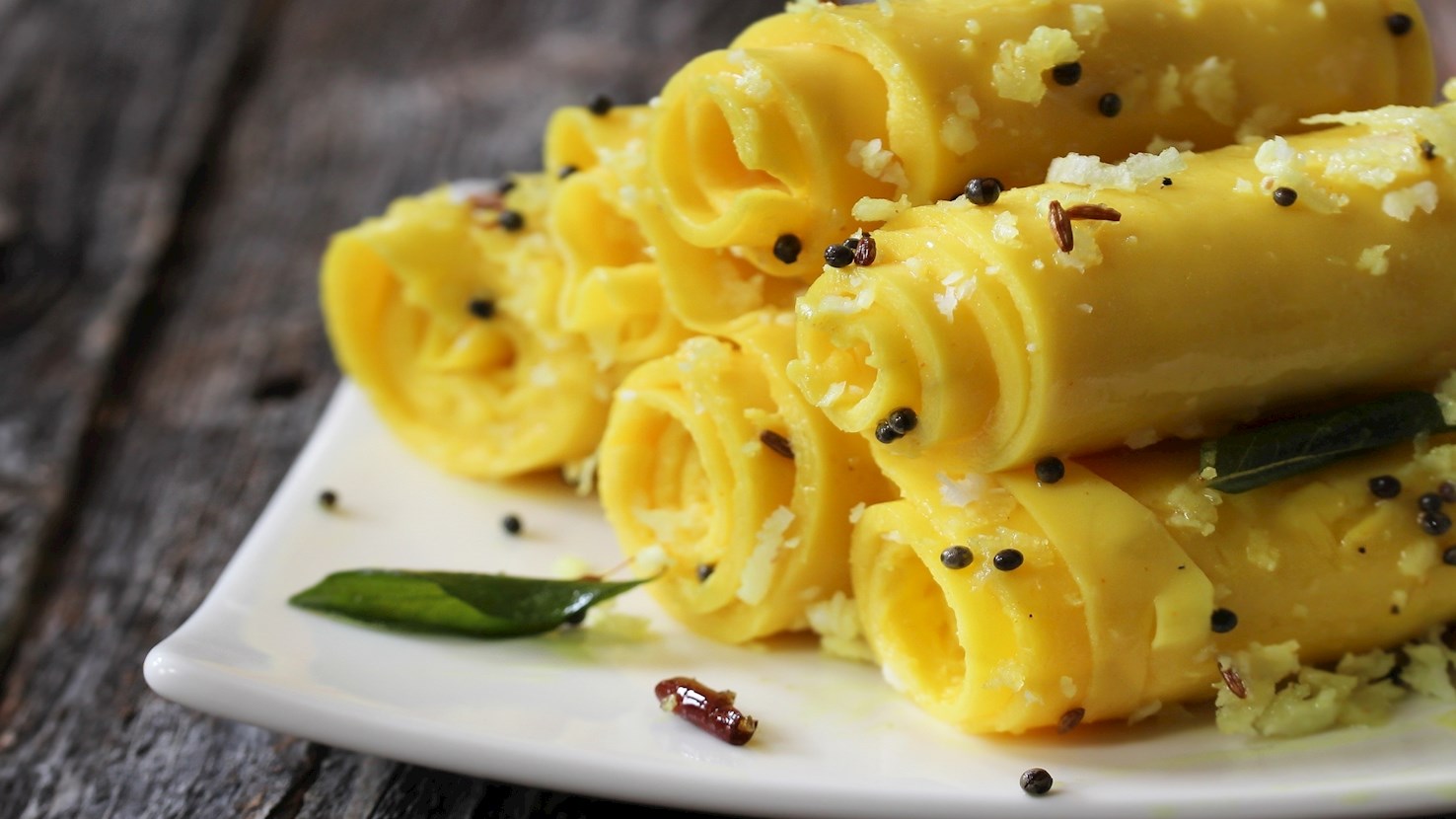
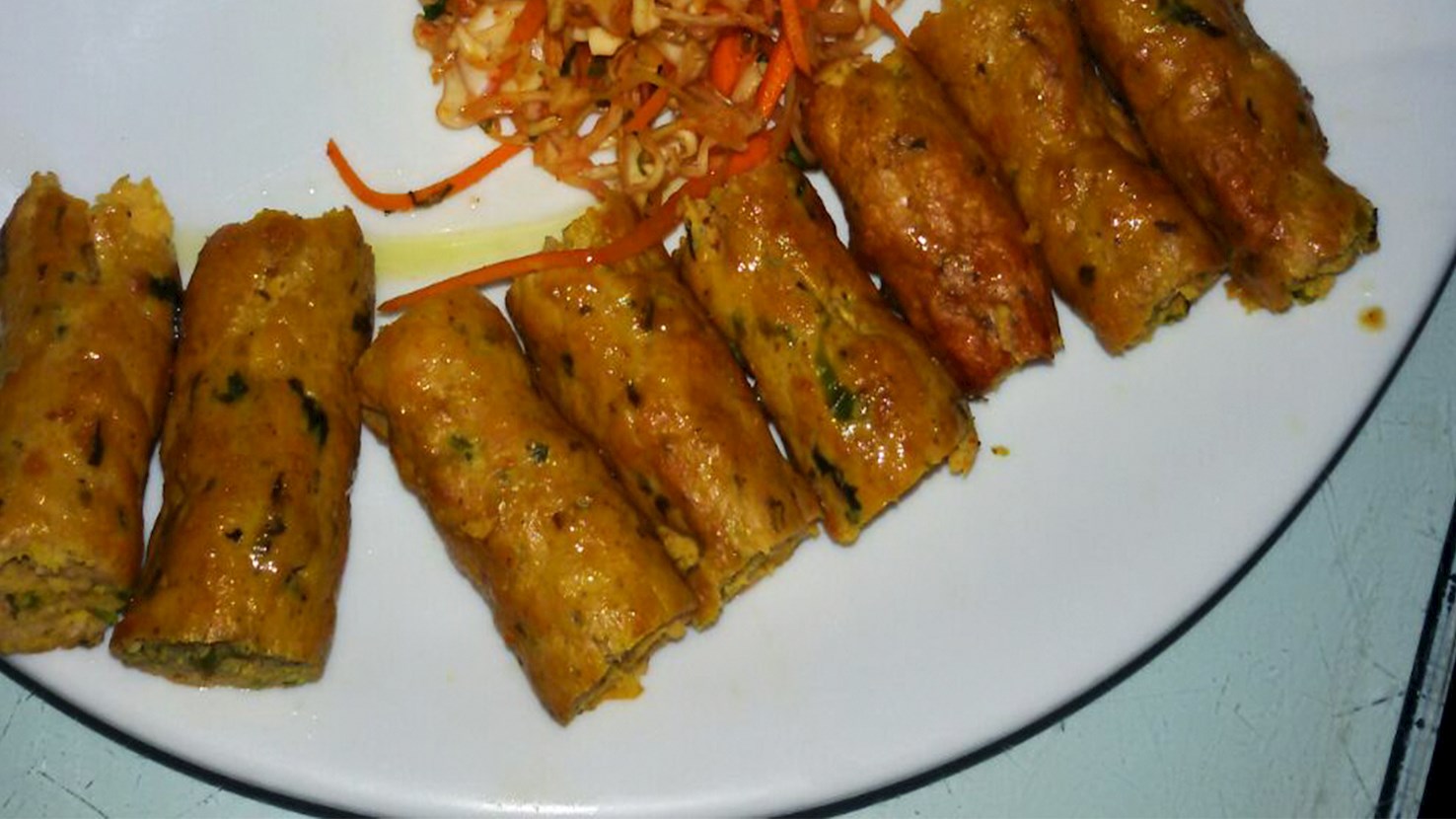
Khandvi is a popular Gujarati snack made from a batter consisting of gram flour, dahi, turmeric, and ginger paste. The batter is cooked and rolled in small, bite-sized pieces. It is usually consumed as a snack or an appetizer, served either hot or cold. These flavorful snacks are often seasoned with other ingredients such as chutneys or grated cheese. It is recommended to garnish khandvi with coriander or coconut.
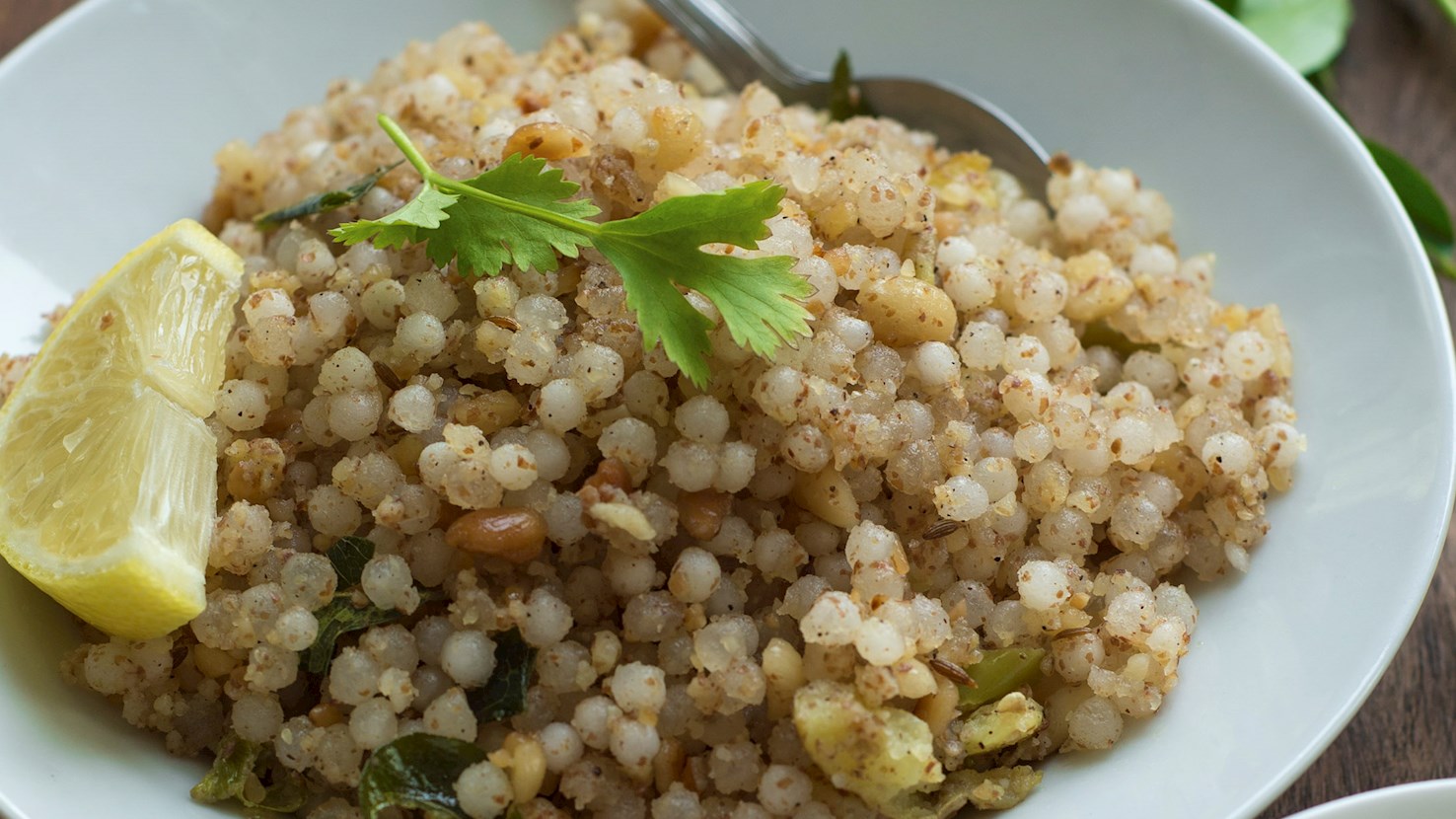
Sabudana khichadi is a fasting dish consisting of soaked, translucent tapioca pearls that are gently stir-fried with crunchy roasted peanuts, tender cubed potatoes, and a fragrant tempering of cumin and green chilies. Originating in the western state of Maharashtra and now beloved across the subcontinent, this dish is intrinsically tied to Hindu religious fasting days, or vrat, such as Navratri, Maha Shivratri, and Ekadashi, when conventional grains, onions, and garlic are strictly forbidden by dietary custom. To sustain devotees during these austere periods, sabudana—which is extracted from the starchy center of tropical cassava roots—provides a crucial, easily digestible source of pure carbohydrate energy. However, the true culinary mastery of sabudana khichadi lies entirely in its notoriously finicky preparation, specifically the delicate art of soaking the pearls. If submerged in too much water, the starches instantly dissolve into a gummy, unappetizing paste; but when rinsed thoroughly to remove excess surface starch and hydrated with just enough moisture over several hours, each pearl gently swells into a distinct, pillowy sphere with a satisfyingly chewy center. Once perfectly bloomed, the cooking process becomes rapid. A tempering of warm ghee or peanut oil is infused with crackling cumin seeds and fiery, finely chopped green chilies, then boiled potatoes are added to provide a comforting textural base. The soaked tapioca pearls are then carefully folded into the pan alongside a generous dusting of coarsely ground, dry-roasted peanuts. This peanut powder is the ingenious culinary secret of the dish, acting as a functional sponge that absorbs any lingering moisture to prevent the pearls from clumping, while simultaneously delivering a rich, nutty crunch and a vital boost of satiating protein. As the pearls turn wonderfully translucent in the gentle heat, indicating they are cooked through, the khichadi is brought to life with a delicate balance of rock salt—traditionally known as sendha namak for fasting purposes—a pinch of sugar to enhance the nuttiness, and a bright, acidic squeeze of fresh lemon juice. Finished with a vibrant scattering of chopped cilantro, the resulting dish can be served with a bowl of chilled plain yogurt and spicy green fasting chutney, alongside a cup of Indian masala chai or a soothing ginger and cardamom tea. Since the dish is popular in many Indian states, there are many variations in the recipes. Gujaratis make their sabudana khichadi in a sweet version with cashews and dried fruits, while Maharashtrians like to add fried peanuts to the dish.
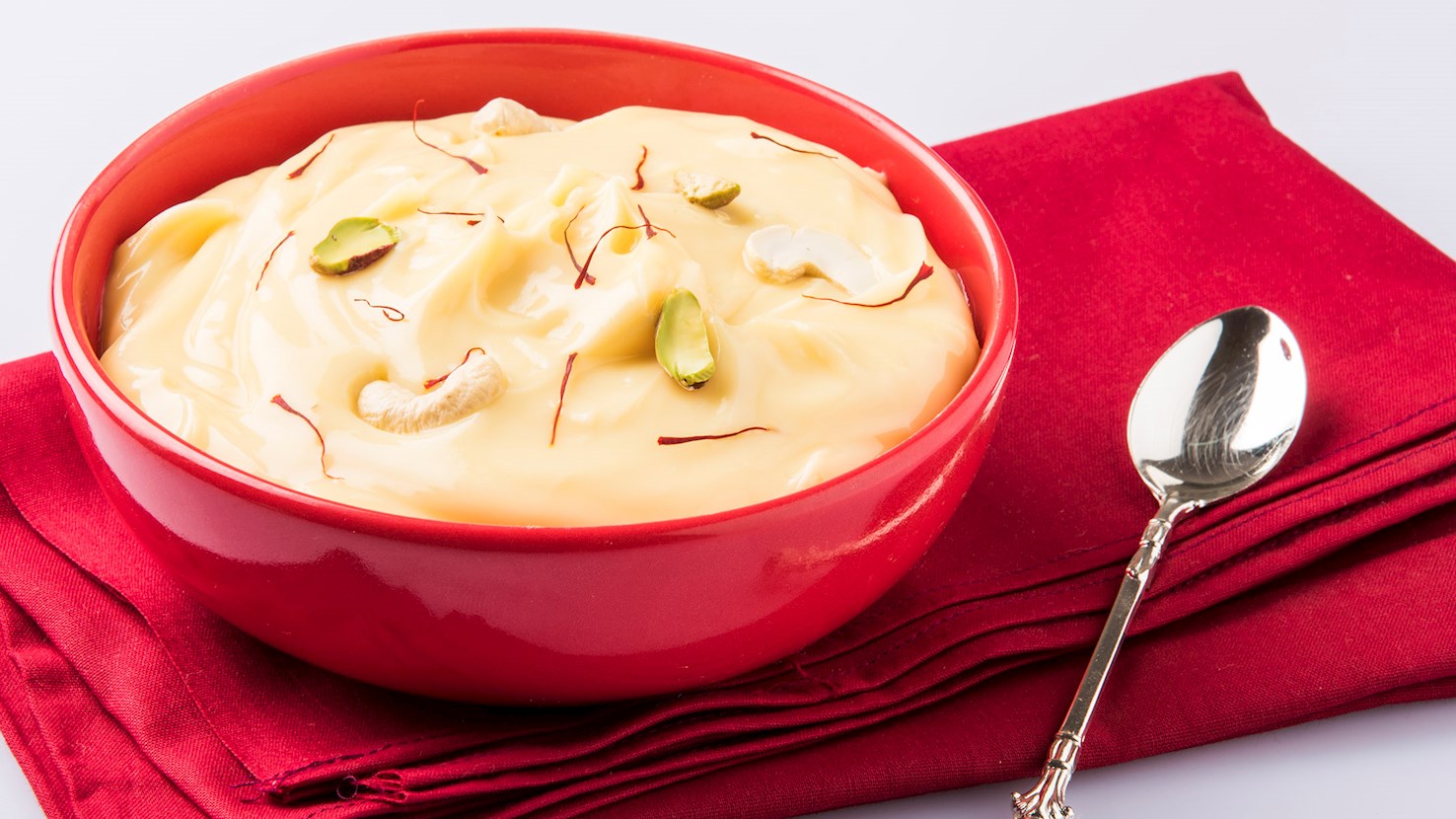
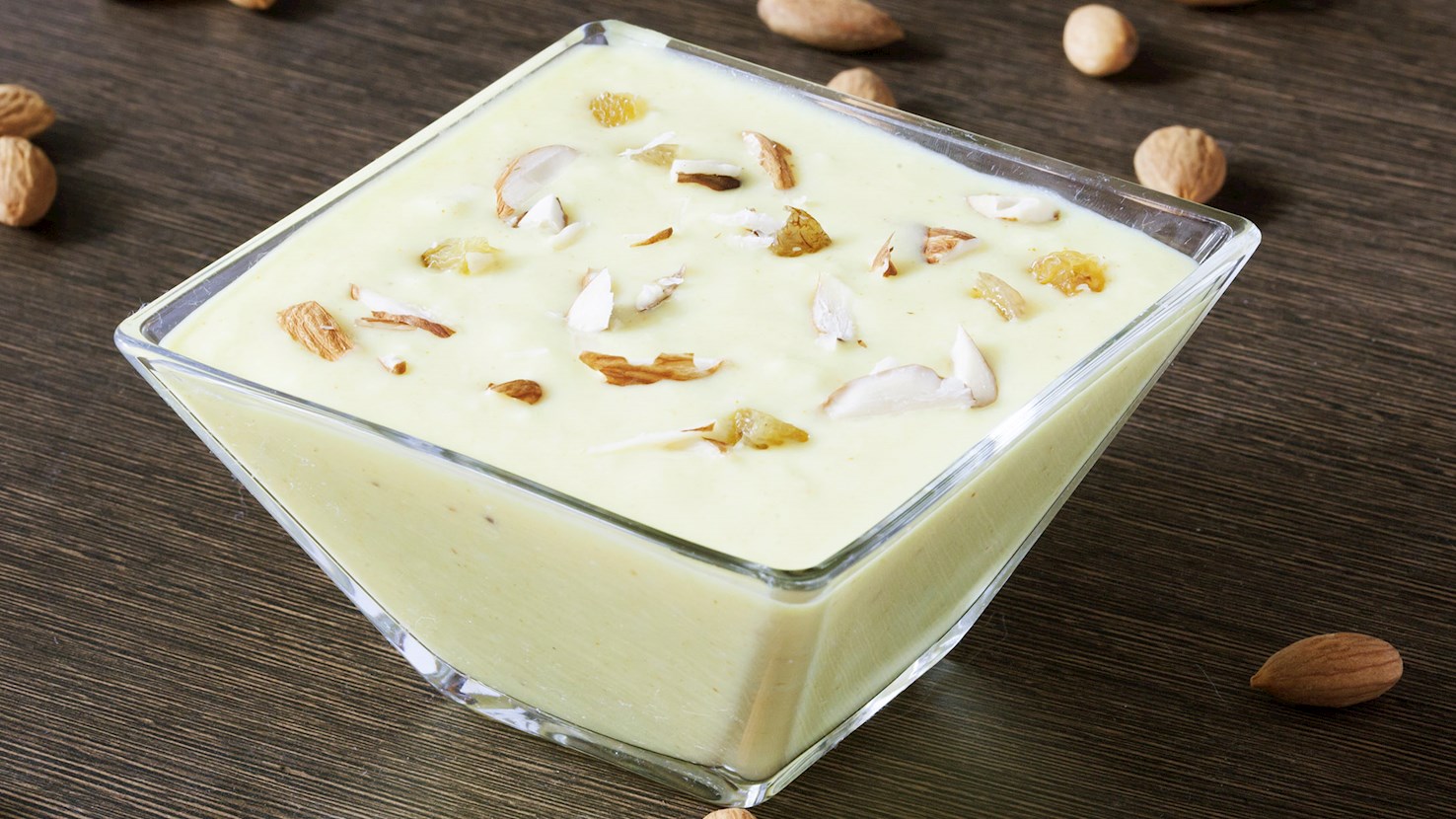
Shrikhand is a popular Indian yogurt-based dessert, combined with sugar and nuts in order to develop a rich, creamy texture and sweet flavor. In North India, it is usually served for breakfast, while in South India, it is commonly served as a dessert after the main dish. Shrikhand is also a festive dish that is made for Janmashtami (the birthday of Lord Krishna) in Maharashtra and Gujarat. There is a popular theory about the origin of shrikhand; it is said that the herdsmen used to hang curd or yogurt overnight so they could carry it more easily while traveling. The next day, they would collect the thick yogurt and combine it with dried fruits, nuts, and sugar to make it more flavorful during their long travels. Nutritious and filling, the dish is also very easy to prepare at home, where it is ofen served for breakfast or as a light dessert after a meal.
Basundi is a popular Indian dessert consisting of sweetened, thickened milk with the addition of chopped nuts such as almonds, cashews, and pistachios. The dessert is usually flavored with cardamom and saffron. It is traditionally prepared during Indian festivals such as Diwali, Bhai Dooj, Raksha Bandhan, and Gudi Padwa. Sweet, flavorful, and creamy, basundi is often consumed at Indian weddings or during the fasting period. It is especially popular in Maharashtra, Gujarat, and Karnataka, and although its origin is not known, it has been consumed as a milk dessert for centuries in India. Basundi is similar to a North Indian dessert known as rabri, the only difference between the two being the texture - while rabri has flaky layers of malai cream, basundi is soft and homogenous.
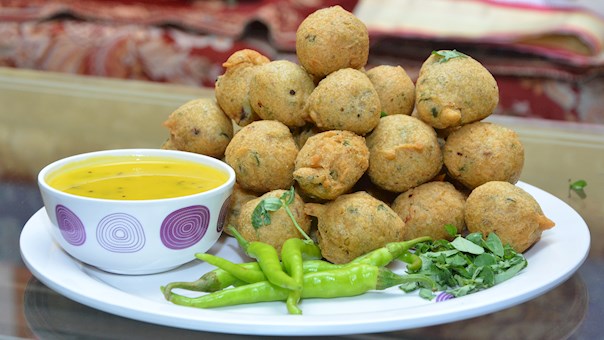
Muthia, also spelled muthiya, are savory dumplings made from flour, vegetables or leafy greens, and spices. They can be steamed or deep-fried and are eaten as a snack, breakfast food, or as part of dishes such as undhiyu. The name comes from the Gujarati word muthi, meaning “fist,” and refers to the traditional way the dough is squeezed or shaped by hand. Depending on the recipe, muthia can be formed into small fist-shaped dumplings, oval pieces, or longer logs that are steamed and sliced. There is no firmly documented account of when muthia were first created. They belong to Gujarat's large family of savory snacks known as farsan and use ingredients common in Gujarati home cooking, particularly grain and pulse flours, leafy vegetables, gourds, herbs, and spices. The flour mixture varies considerably. Chickpea flour, or besan, is especially common and is often combined with whole wheat flour. Coarse wheat flour, millet flour, sorghum flour, or semolina may also be included. Fresh fenugreek leaves produce methi muthia, while grated bottle gourd is used for dudhi na muthia. Spinach, amaranth, purslane, cabbage, and even bitter-gourd peel can also be used. The dough is usually seasoned with ginger, green chili, turmeric, red chili powder, sesame seeds, carom seeds, coriander, cumin, and salt. Gujarati versions often include a little sugar or jaggery along with lemon juice or another sour ingredient, creating the sweet, sour, and spicy balance common in the region's cooking. Oil is worked into the mixture for tenderness. Some recipes also contain yogurt. The amount of water depends on the vegetables being used. Fenugreek and other less watery vegetables generally require some water or yogurt to bring the flour together. The dough should be soft enough to shape but firm enough to hold its form during cooking. For the typical steamed version, the dough is shaped into thick logs or cylinders and steamed until firm and fully cooked. After cooling slightly, the logs are cut into rounds. The slices can be eaten as they are, but they are especially good after being tempered in hot oil with mustard seeds, sesame seeds, curry leaves, and sometimes asafoetida. They are tossed in the pan until the edges become lightly browned while the centers remain soft. Muthia can also be fried. Fried methi muthia are usually shaped into smaller dumplings and placed directly into moderately hot oil without steaming first. They develop a crisp, browned exterior and a softer center. This fried version has an important place in undhiyu, Gujarat's famous winter mixed-vegetable dish. Small fenugreek muthia are cooked with vegetables such as purple yam, potatoes, green beans, eggplant, and unripe banana in a mixture flavored with coconut, coriander, sesame, peanuts, green garlic, and spices. The dumplings absorb some of the seasoning and cooking juices while retaining their shape. The steamed version is usually sliced and tempered before serving as a snack, while the smaller fried version works particularly well when later cooked with vegetables or gravy. Muthia are commonly served warm with green coriander, mint chutney, or sweet-and-sour tamarind chutney. A squeeze of lemon can also be added. They pair well with tea and can be eaten for breakfast, as an afternoon snack, or as part of a larger Gujarati meal.
Handvo is a traditional savory cake or snack originating from Gujarat. It's made with rice, lentils, and vegetables such as carrots, bottle gourd (calabash), and fenugreek. There are many variations on this savory cake, so ingredients such as hot chili peppers, sesame seeds, ginger, and mustard seeds can also be expected. The rice and lentils are usually soaked and ground into a dough that's fermented overnight. Once mixed with all the other ingredients, the batter is poured into a pot or pan and baked until the top becomes browned and crispy. Handvo is typically served with green chutney on the side.
TasteAtlas food rankings are based on the ratings of the TasteAtlas audience, with a series of mechanisms that recognize real users and that ignore bot,
nationalist or local patriotic ratings, and give additional value to the ratings of users that the system recognizes as knowledgeable.
TasteAtlas Rankings should not be seen as the final global conclusion about food. Their purpose is to promote excellent local foods,
instill pride in traditional dishes, and arouse curiosity about dishes you haven’t tried.



What People Say