


shutterstock

5 Traditional Foods
You Have To Try in Angeles

Last updated on May 22, 2026
01

Sisig

4.1 ·

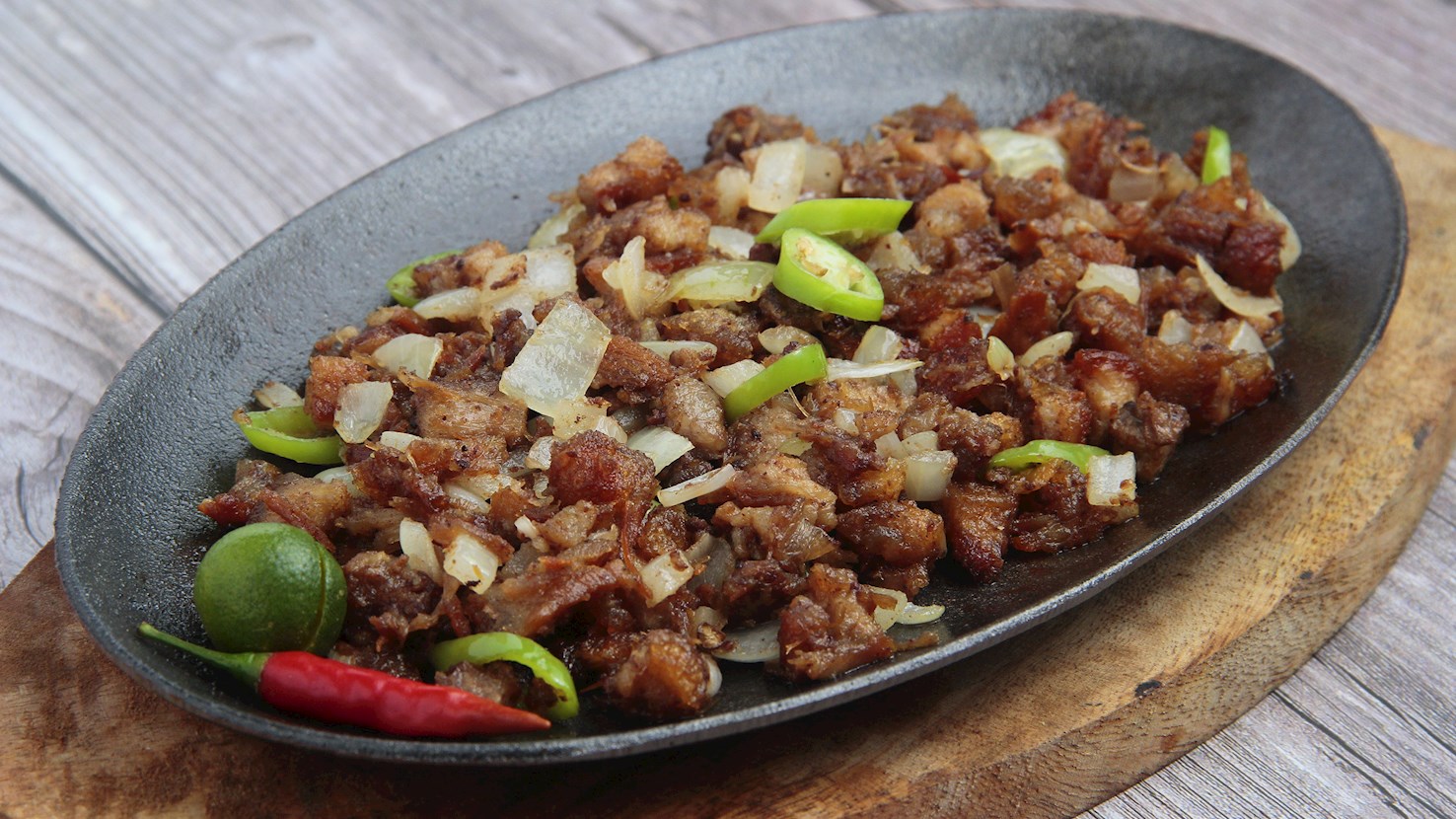
Sisig is a popular Filipino dish made by boiling, chopping, and grilling parts of pig's head such as ears, cheeks, and jowls, which are then seasoned with salt, pepper, and vinegar. The meat is combined with fried onions, sili, and chicken livers, and the whole concoction is traditionally topped with a raw egg. Some cooks like to add mayonnaise or pork cracklings into the dish for extra flavor. Originally, sisig had no meat in it, and was first described in a 1732 Kapampangan dictionary by Fr. Diego Bergano as a salad consisting of guava or green papaya. The name of the dish is believed to derive from the word sisigan, meaning to make sour. It was used as an early remedy for nausea and hangovers, because its sour flavor was considered a vomit suppressant, and that is why today sisig is almost always paired with an ice-cold beer on the side. What started as a simple sour salad has crossed land and sea to become one of the favorite dishes of beer drinkers worldwide.

02

Halo-Halo

3.8 ·

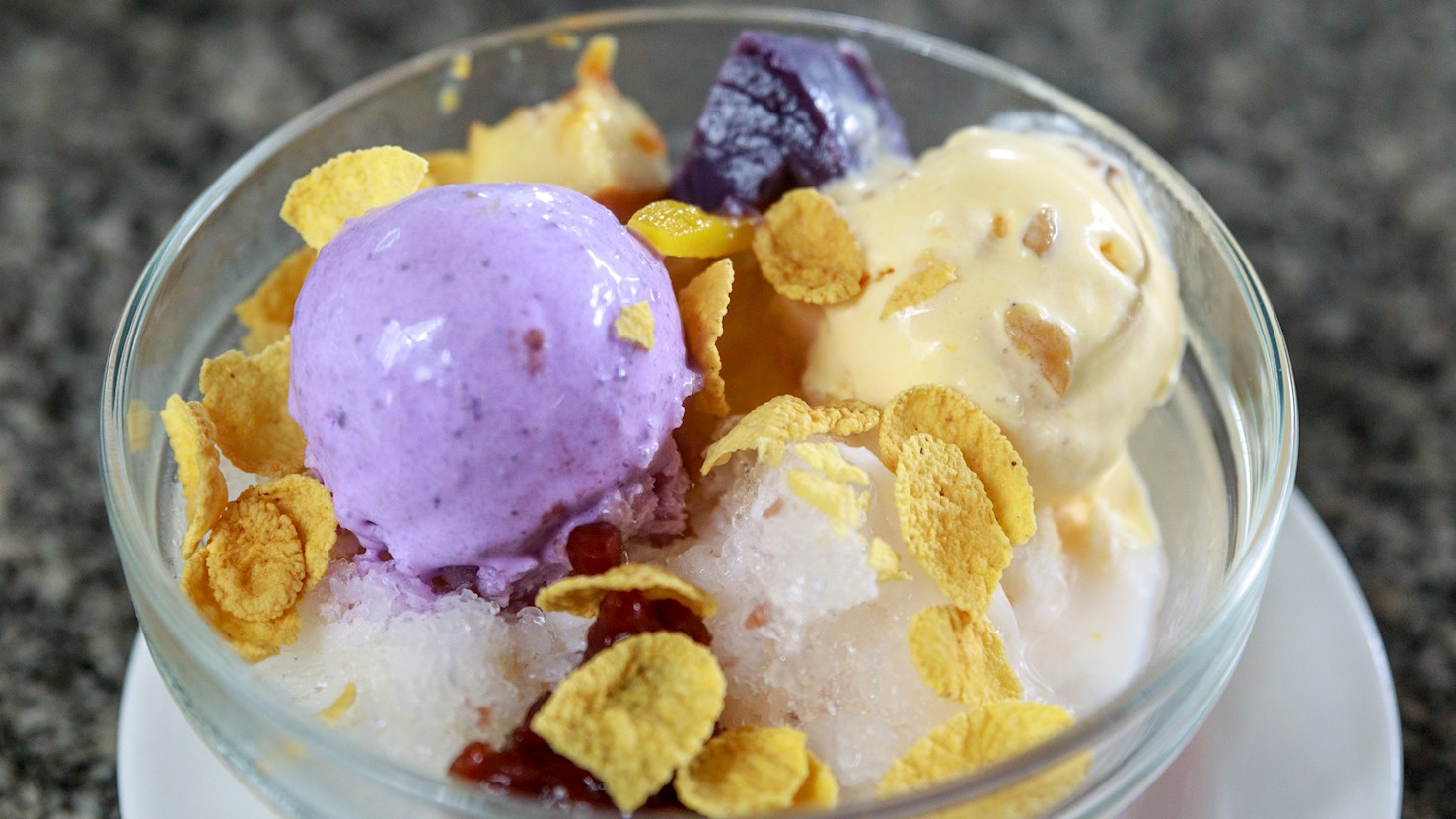
The refreshing halo-halo (lit. mix-mix) is a summer dessert or a snack of mixed fruit and beans, topped with finely crushed ice and either milk or ice cream. Some of the most common halo-halo ingredients include bananas, jackfruit, coconut, sweet potatoes, red mung beans, chickpeas, sugar palm fruit, purple yam jam, leche flan, and - in recent times - even sweet corn or corn crisps. Originally, halo-halo desserts were sold by Japanese vendors in halo-halo parlors or at numerous street stalls before the occupation of the Philippines in the 1940s. In fact, this Filipino specialty is often said to have been inspired by a shaved-ice cooler called anmitsu, another Japanese summer drink.

03

Tocino

4 ·

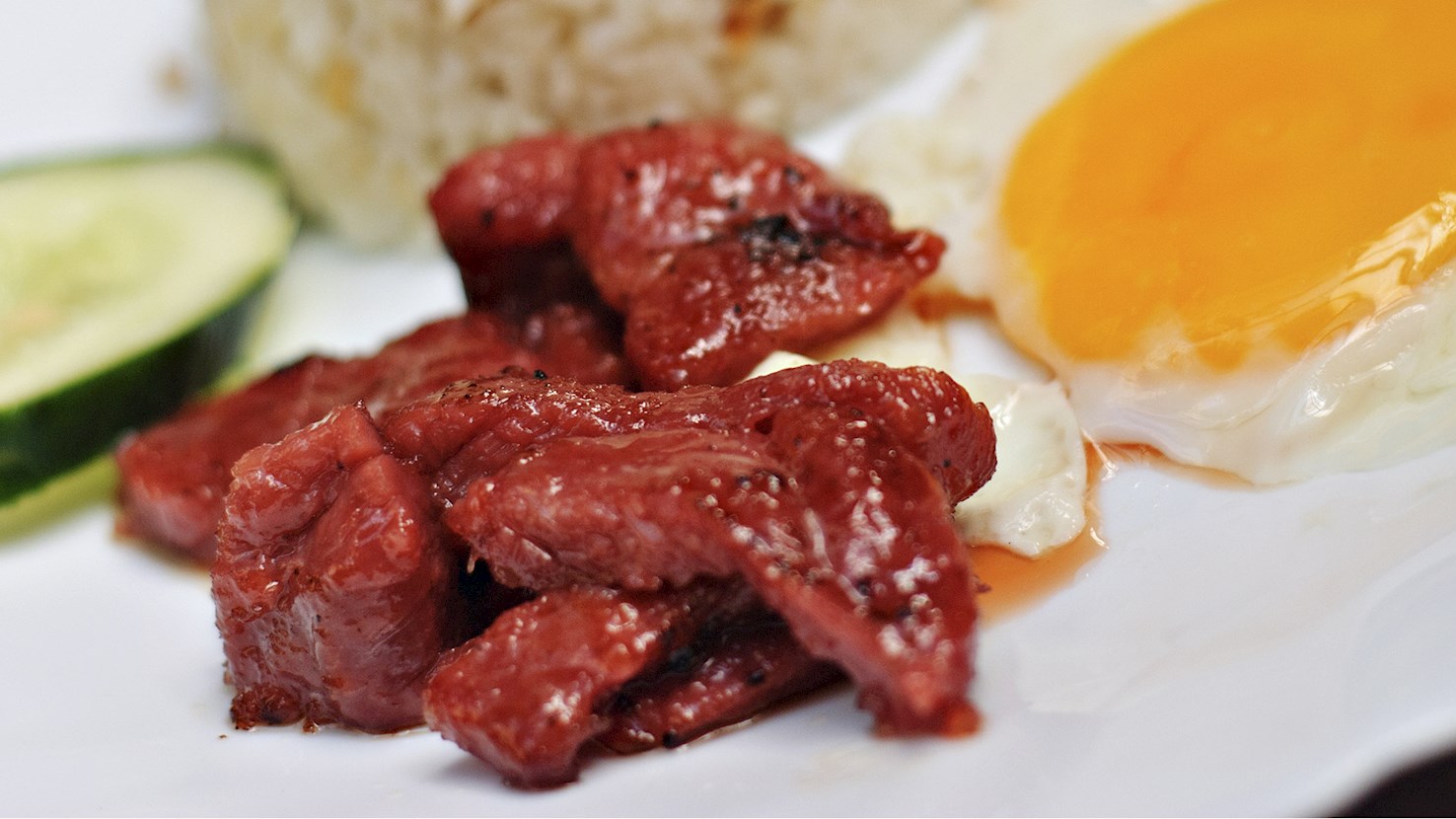
Although the term tocino stems from Spanish, in the Philippines, the word is synonymous with sweet-cured meat, traditionally prepared with pork, and occasionally beef or chicken. Slices of meat are doused in different combination of spices and seasonings which typically include sugar, salt, rice wine vinegar, soy sauce, anise wine, and pineapple or orange juice. Common additions to the curing mixture include saltpeter food preservative and annatto—a food dye derived from the seeds of the achiote tree that imparts color and peppery flavor. Pork tocino, also known as burong babi, is most commonly only lightly pan-fried until it caramelizes and is traditionally sided with garlic fried rice, and either sunny side up or scrambled eggs. This combination is called tosilog, and it is a popular Filipino everyday go-to meal, typically enjoyed for breakfast, but it is also readily available at any other time of the day.

04

Kutsinta

3.5 ·

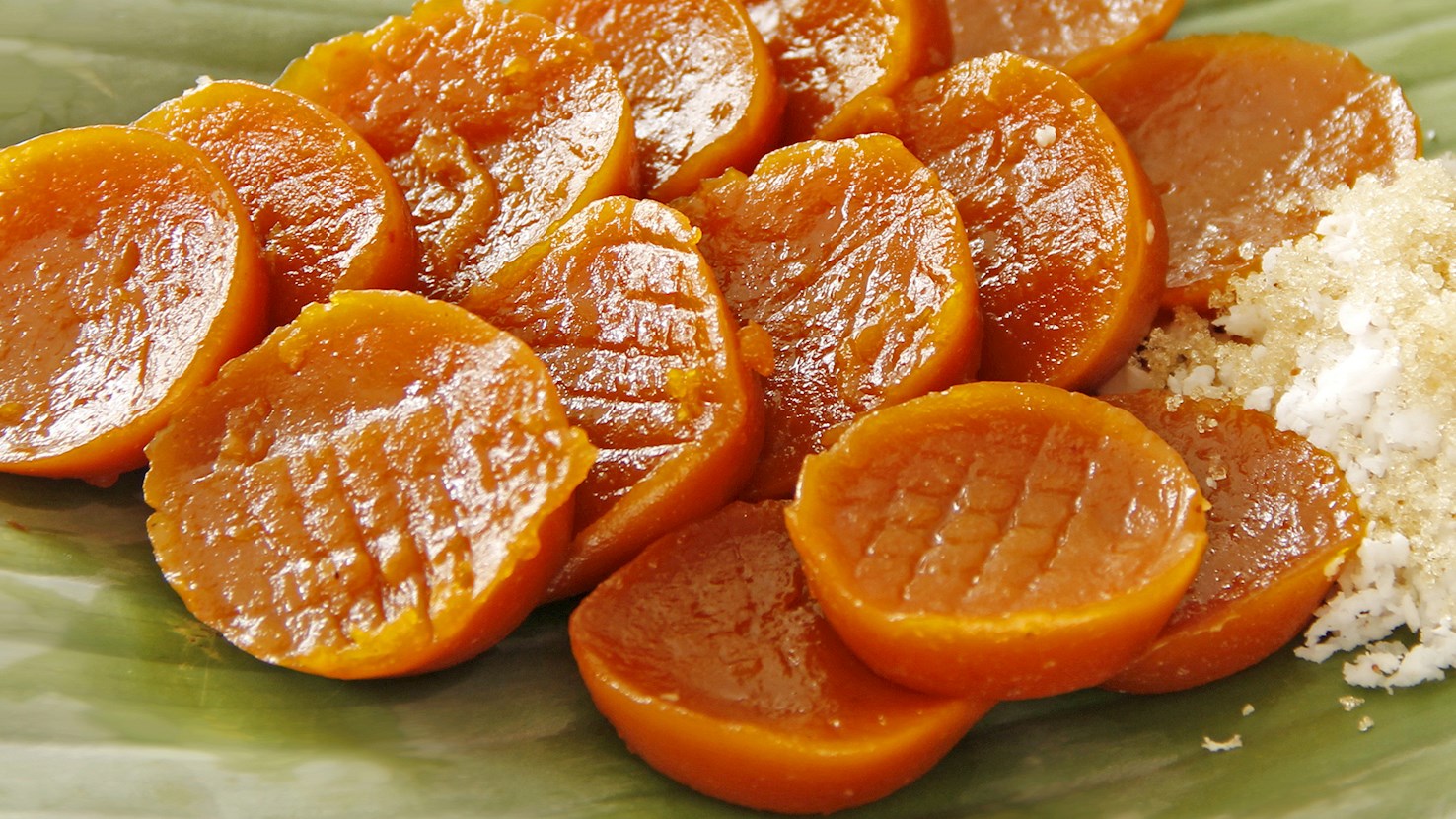
Kutsinta is a sweet Filipino delicacy made with glutinous rice flour, brown sugar, and lye water. The mixture is steamed in small round molds and it is traditionally served topped with coconut flakes. These chewy cakes are usually infused with food coloring or annatto seeds in order to achieve their typical dark brown color. These sweet treats are usually enjoyed as a satisfying dessert or a quick afternoon snack.

05

Sapin-sapin

3.7 ·

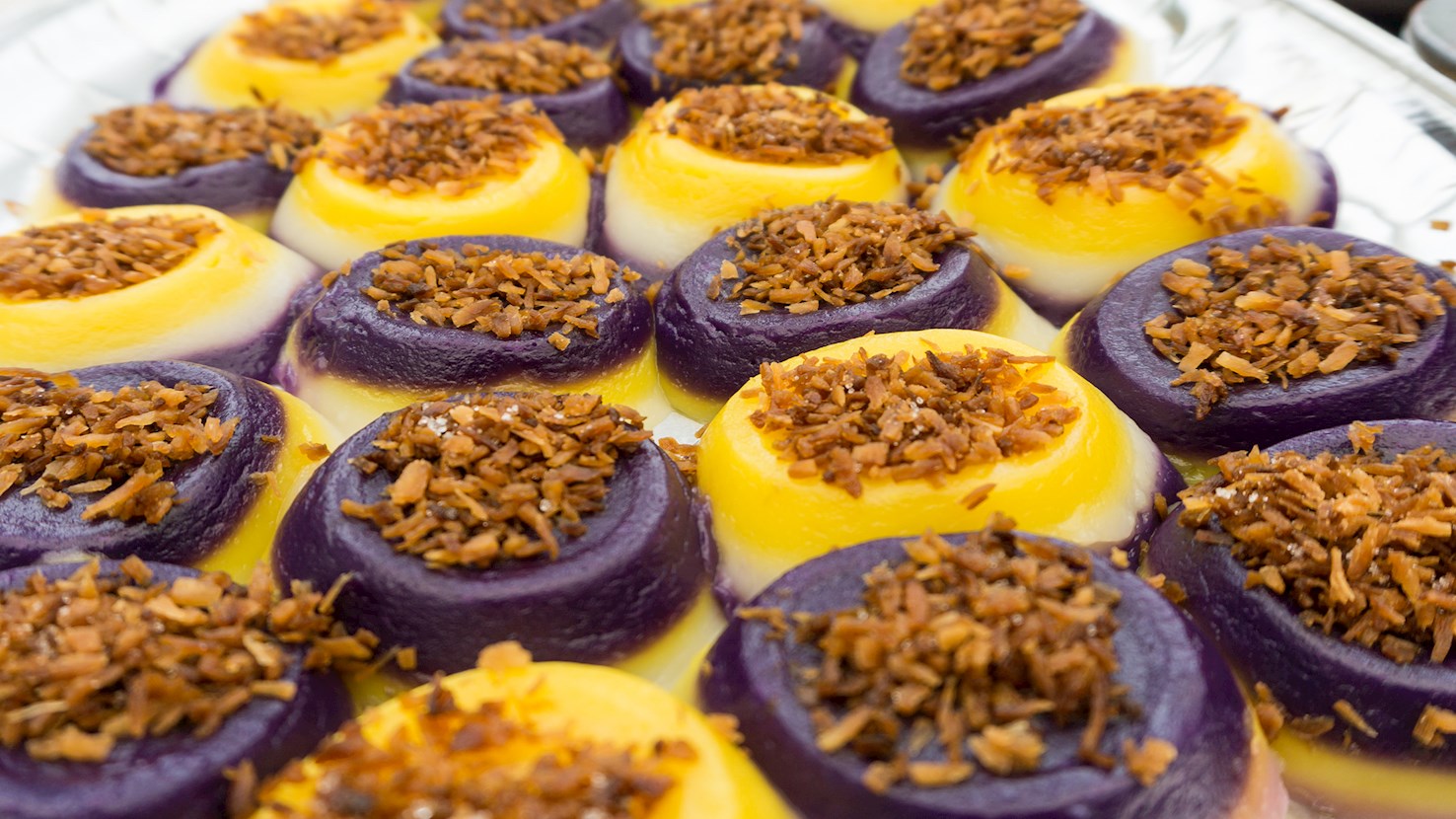
The colorful sapin-sapin is a unique Filipino rice cake. It is made with a simple batter of rice and coconut milk, and usually consists of three separate layers which are tinted and flavored with different colors and aromas. The most popular combination consists of a yellow bottom layer infused with jackfruit, the plain white middle layer, and the vibrant purple top blended with sweet yams. After it is steamed and before serving, the cake is usually garnished with toasted coconut flakes or latik coconut curds.

About this ranking

TasteAtlas food rankings are based on the ratings of the TasteAtlas audience, with a series of mechanisms that recognize real users and that ignore bot, nationalist or local patriotic ratings, and give additional value to the ratings of users that the system recognizes as knowledgeable. For the “5 Traditional Foods You Have To Try in Angeles” list until May 22, 2026, 161 ratings were recorded, of which 108 were recognized by the system as legitimate. TasteAtlas Rankings should not be seen as the final global conclusion about food. Their purpose is to promote excellent local foods, instill pride in traditional dishes, and arouse curiosity about dishes you haven’t tried.

Similar lists