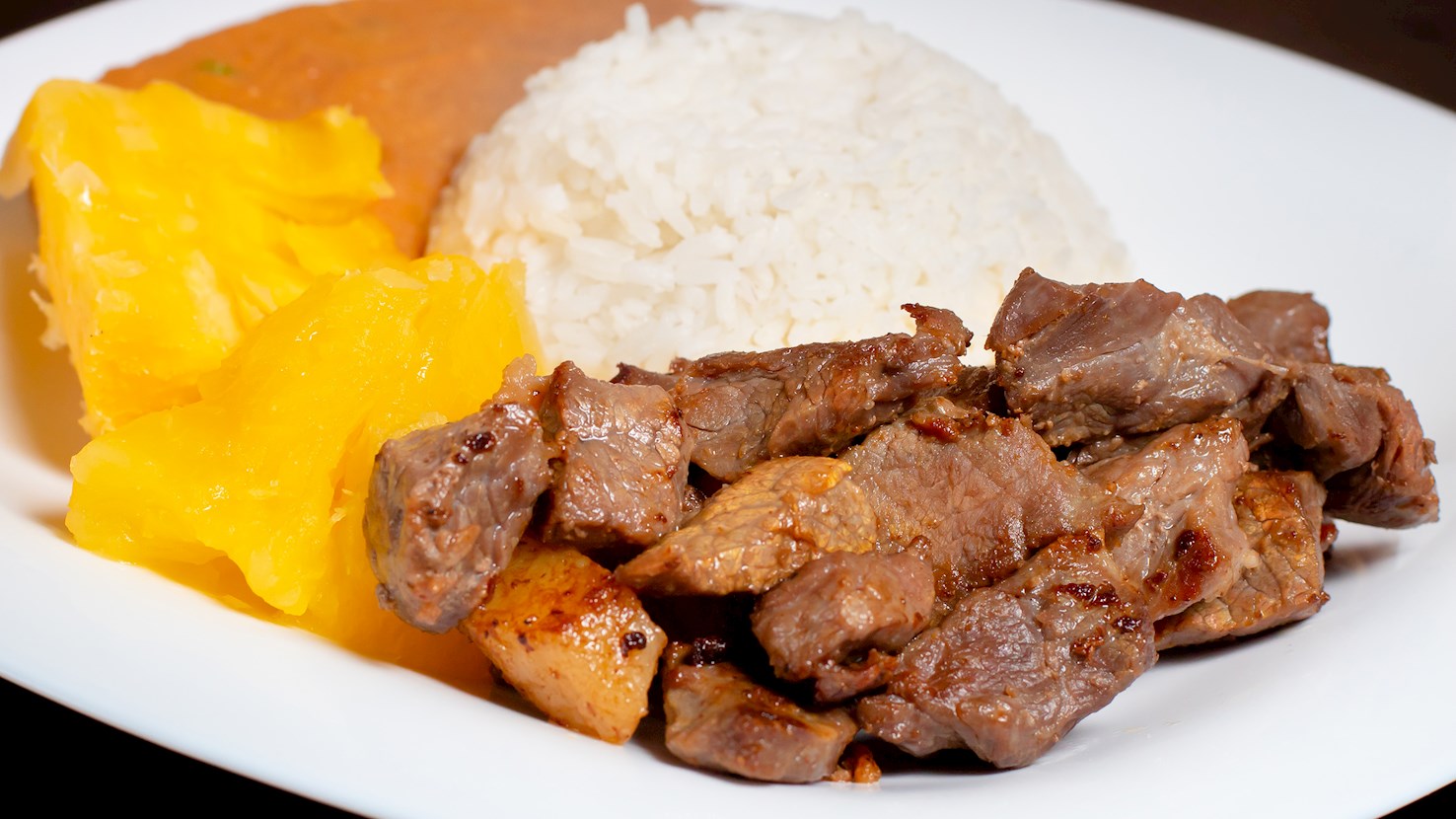
A staple of Northeastern Brazil, carne de sol (lit. meat of the sun) - sometimes also called carne de sereno or simply jabá - refers to heavily salted, sun-dried meat. Carne de sol is traditionally prepared with either beef or goat meat, and the origins of this centuries-old meat preservation method are attributed to the so-called sertanejos, cattle ranchers living in the vast, semi-arid Brazilian hinterlands. Today, carne de sol is a delicacy found all across the country and, if not grilled or cubed and used in various stews, it is typically served with coalho cheese and accompanied by a thick manioc gruel called pirão or boiled cassava.
Pirão is the quintessential Brazilian side dish which resembles a watered-down porridge or polenta. It appears in numerous varieties throughout the country, but it is mainly prepared by stirring manioc flour in various flavorful meat or seafood broths. This simple, yet hearty dish has been a staple of Brazilian cuisine for centuries, and even though its exact origins are unknown, it probably originated among the indigenous Brazilian cultures. It is mainly served as an accompaniment to rice and numerous meat and seafood dishes.
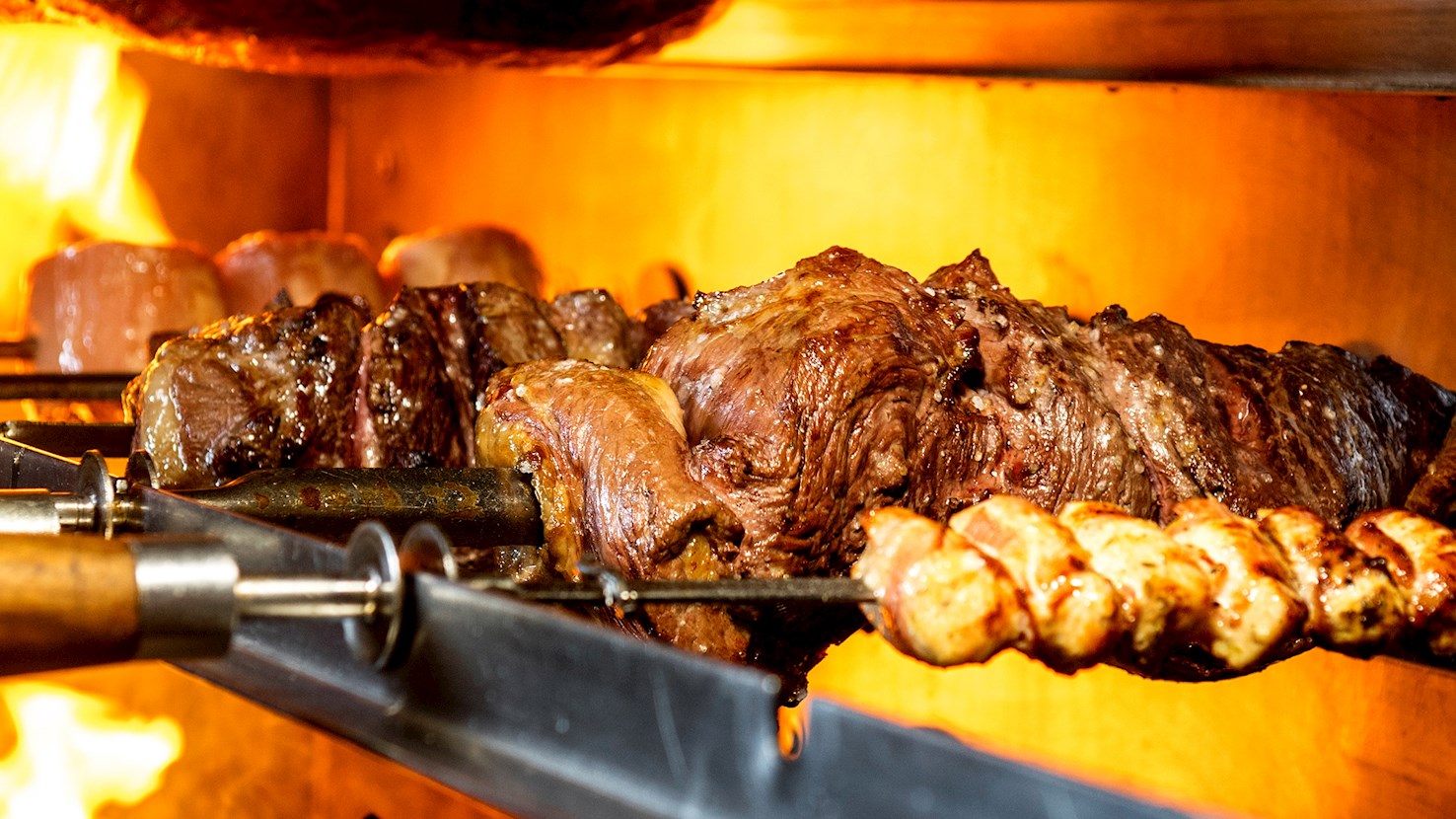
Churrasco is a Brazilian barbecue method where juicy pieces, slices, steaks, and chops of beef, veal, lamb, pork, and chicken are placed on big skewers and grilled over wood fire. It started in the early 1800s when the Gauchos (European immigrants that settled in the Rio Grade do Sul area) would get together and start a fire, adding large portions of meat on skewers and slowly grilling the meat. In the restaurants, known as churrascarias, the skewers are paraded across the restaurant in a flashy manner, and the waiters circulate among the tables in order to show off the succulent meat to hungry diners. After the customers have chosen their preferred type of meat, it is sliced off the skewers to the dining plates. Also known as rodízio, the theme of this barbecue experience is all you can eat, so the customers should know to come with an empty stomach. Beef is the most popular option, although livers and hearts are especially rich and chewy. In Brazil, the meat will often be from the zebu, a succulent, lean breed of cattle with a hump that's especially popular in churrasco as a cut of meat called cupim. Churrasco starts with appetizers and a variety of salads offered from a big buffet, as a preview of things to come. The usual accompaniments for the meat include farofa grains, rice, fried potatoes, potato salad, steamed greens, black beans, onions, fried bananas, and numerous chili-based sauces. After the big meal, it is typical to consume grilled pineapple slices, serving as a palate cleanser as well as a tasty dessert. Churrasco (lit. barbecue) is also popular as a cooking method in countries such as Nicaragua, Puerto Rico, Argentina, Uruguay, Ecuador, Guatemala, and Chile, and each country has their own favorite cuts of meat and accompaniments for this popular barbecue style.
Sequilhos are traditional Brazilian cookies made with a combination of cornstarch, baking powder, butter, sweetened condensed milk, eggs, vanilla, and a pinch of salt. Once the dough becomes stiff, it is rolled into balls which are slightly flattened with a fork, giving them a decorative pattern in the process. After they have been baked, these light cookies can be consumed as they are or paired with fruit, custard, or ice cream.
TasteAtlas food rankings are based on the ratings of the TasteAtlas audience, with a series of mechanisms that recognize real users and that ignore bot,
nationalist or local patriotic ratings, and give additional value to the ratings of users that the system recognizes as knowledgeable.
TasteAtlas Rankings should not be seen as the final global conclusion about food. Their purpose is to promote excellent local foods,
instill pride in traditional dishes, and arouse curiosity about dishes you haven’t tried.




What People Say