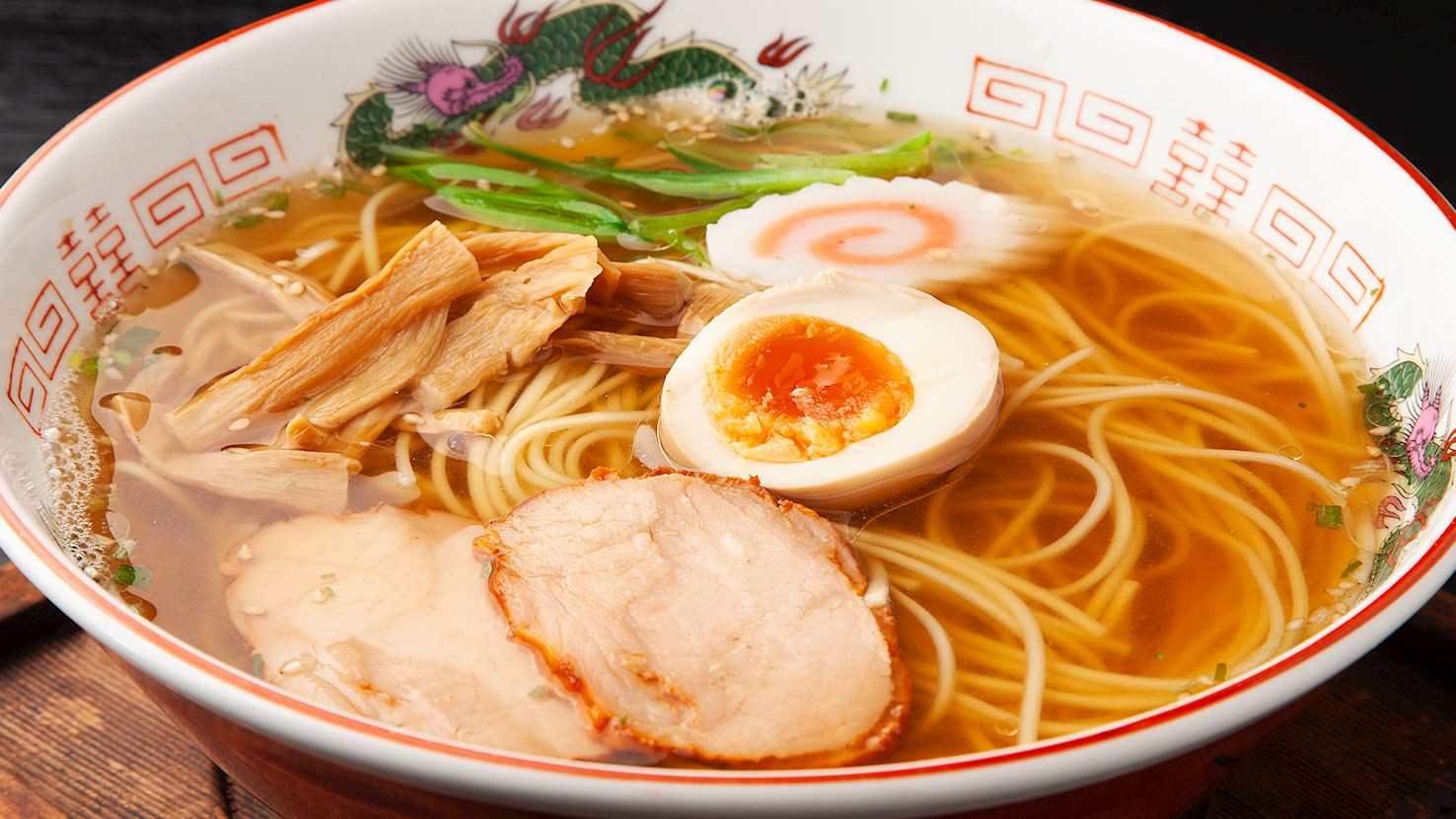
The soy sauce based shoyu ramen is one of the four major groups of ramen - noodle dishes praised for their exquisite flavors. Noodles, broth, and various toppings are the three essential elements in every bowl of ramen. The dark and salty soup is what distinguishes shoyu from other varieties. It usually employs meat or seafood broth, which is mixed with a fragrant combination of kombu stock and soy sauce. Fresh curly wheat noodles are typically used in shoyu ramen. Cooked separately, they are served in a bowl and doused in the rich broth. Standard condiments served on top of ramen are most commonly slices of braised pork, bamboo shoots, fish cakes, onions, and quartered boiled eggs. The beauty of ramen dishes is that they are easily adaptable, and many different toppings can be added according to personal preferences. It is still not clear whether ramen was invented in Japan or China, but due to the usage of wheat noodles and soy sauce, it has certainly been influenced by the Chinese culinary traditions. Shoyu ramen is usually associated with Tokyo, and it is believed that it was one of the first ramen varieties. The best way to consume shoyu ramen is immediately after it has been prepared.
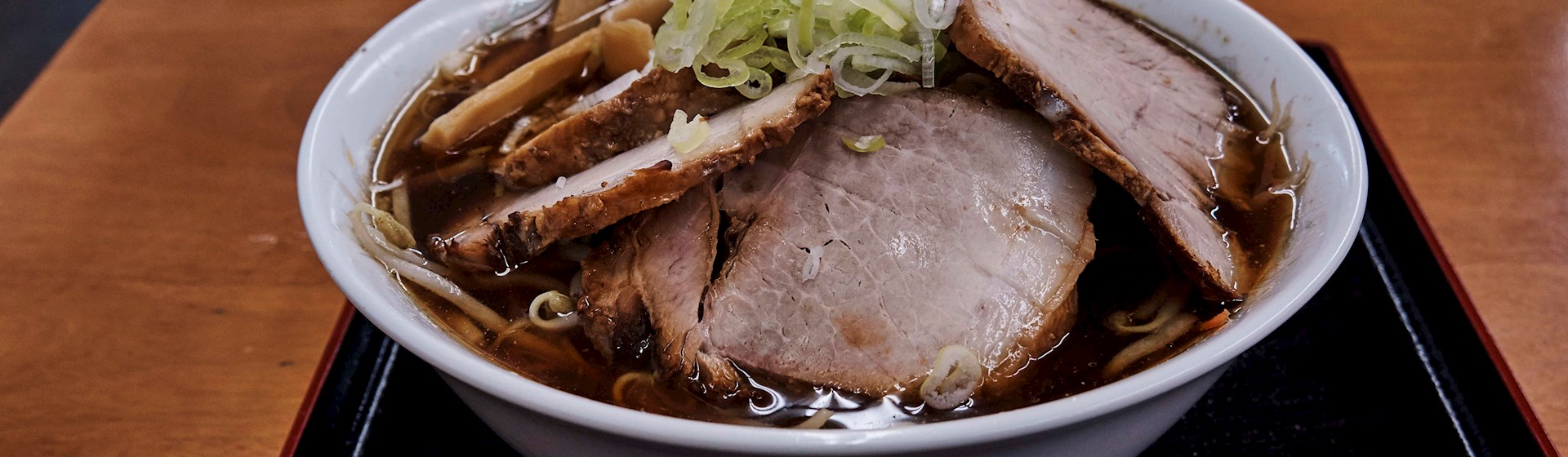
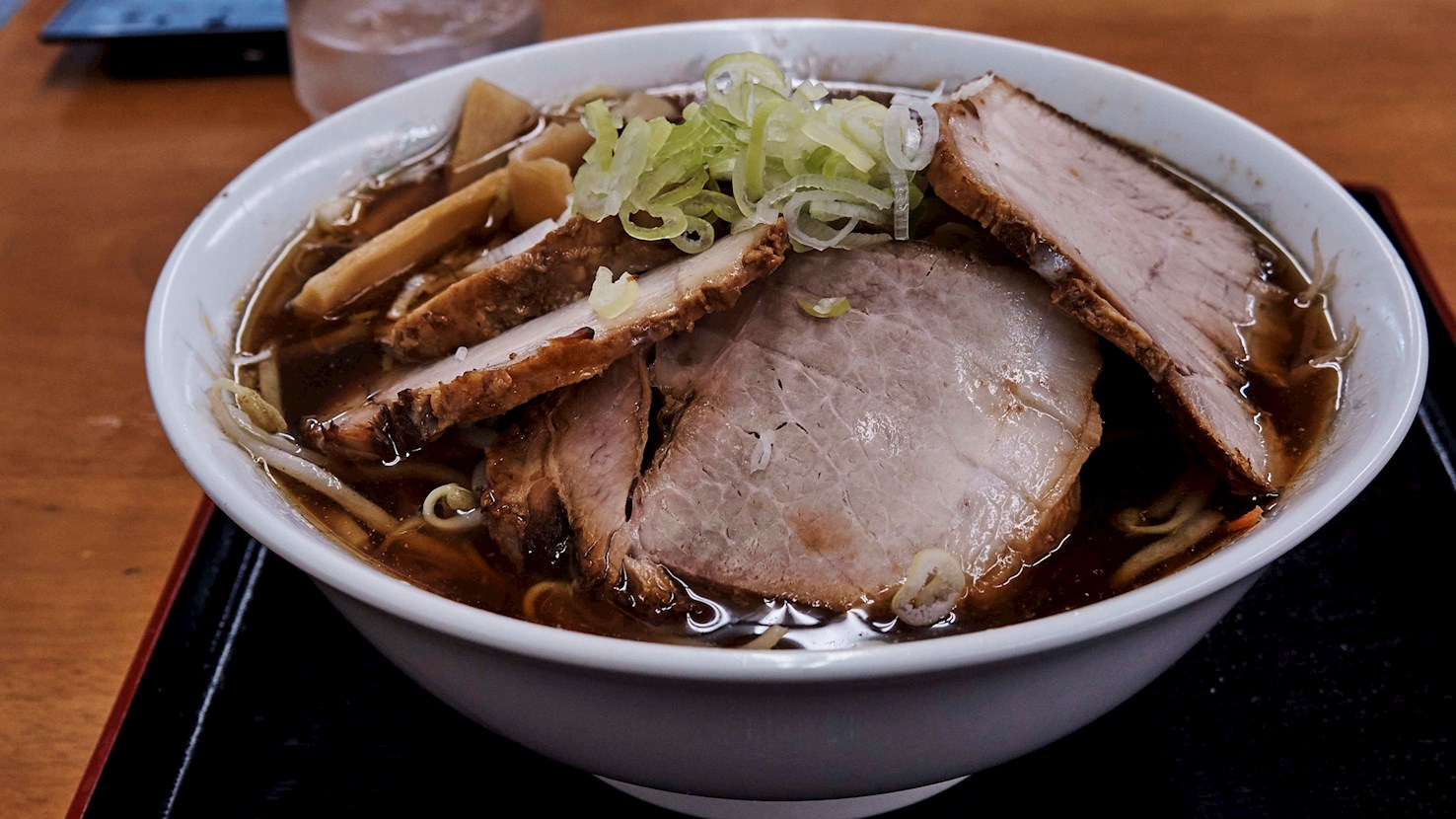
Asahikawa ramen is characterized by its soy sauce-based broth filled with wavy noodles that are slightly firm to the bite. The broth is typically flavored with kelp, anchovies, pork bones, and chicken, and some of the most common toppings for Asahikawa ramen include pork, bamboo shoots, eggs, and spring onions. In order to counter Hokkaido’s cold weather, lard is usually added to create an oily layer which prevents the ramen from cooling down too quickly. Interestingly, on the city’s outskirts, there are 8 famous ramen shops located beside one another, called Asahikawa Ramen Village.
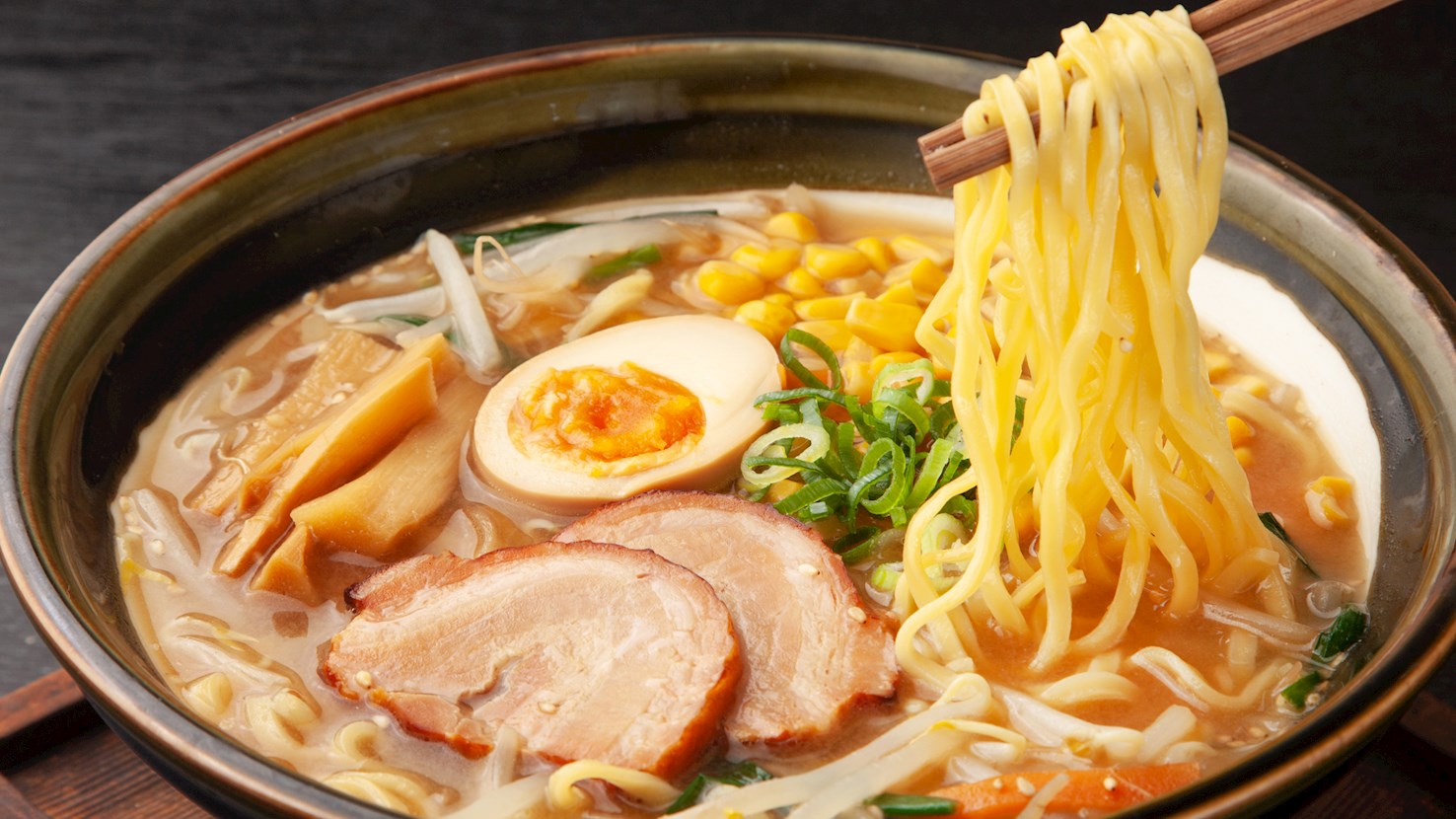
Miso ramen is a flavorful dish made by cooking the miso base, broth, and vegetables in a wok. The concoction is then topped with bean sprouts, chopped pork, garlic, sweet corn, and (sometimes) local seafood such as crabs, scallops, and squids. The dish was invented in 1955 in Sapporo, when a customer in Aji no Sanpei noodle house asked the chef to put noodles in his pork and miso soup. In the 1960s, miso ramen's popularity had skyrocketed, and Sapporo still remains a paradise for ramen lovers, taking pride in its Ramen Alley, with over a dozen ramen shops scattered through the street.
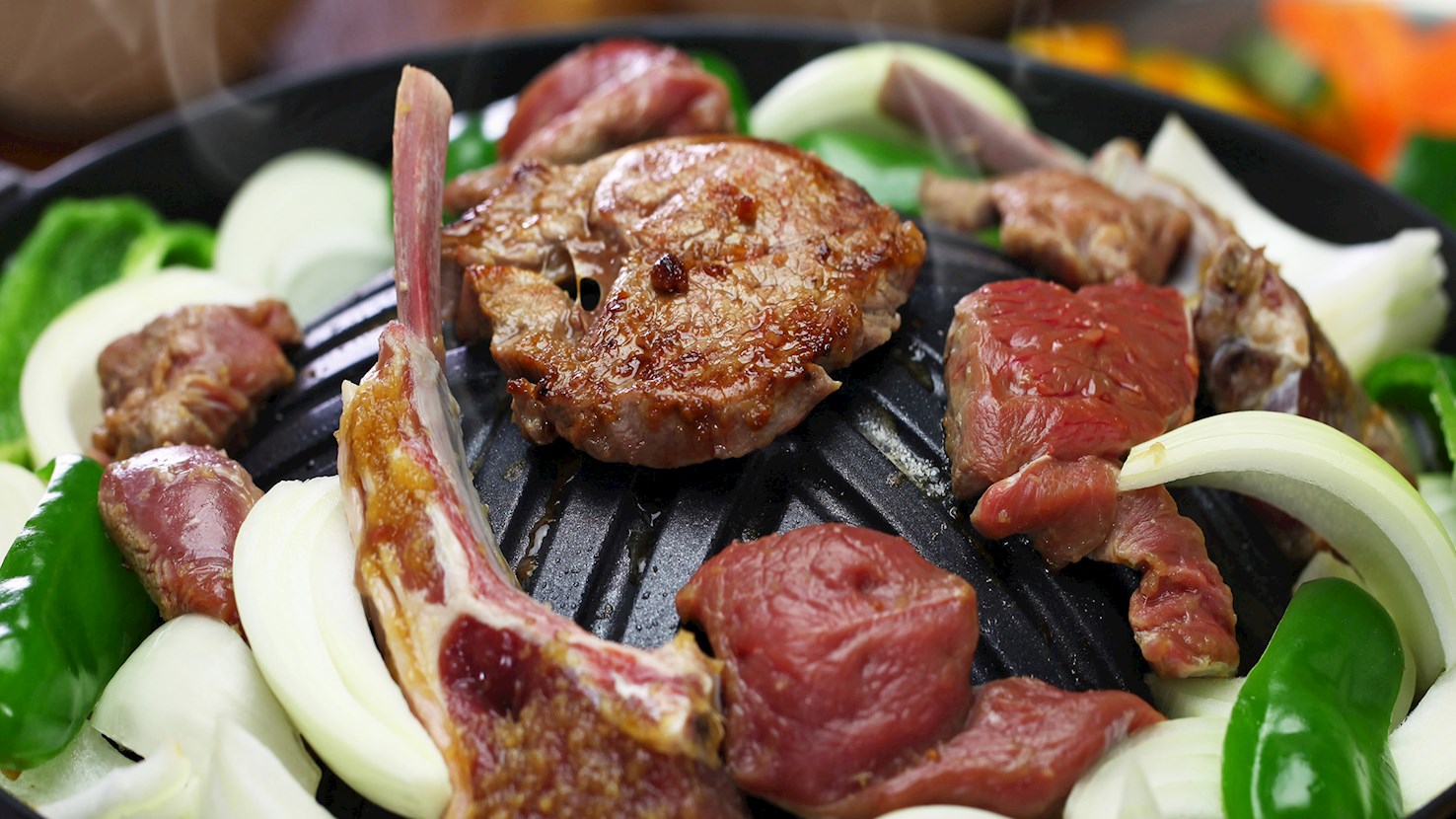
Jingisukan is a Hokkaido-specialty consisting of grilled mutton or lamb. The dish is always prepared tableside on the convex-shaped grills. The guests are served with sliced meat, which can be plain or marinated, and are then encouraged to grill the meat themselves, along with various vegetables such as onions, cabbage, leeks, or peppers. Typical accompaniments include special soy sauce-based condiments, chili sauce or grated garlic. The origins of consuming mutton in Japan date back to 1918 when the government promoted sheep farms, but the practice only remained on Hokkaido, and though restaurants specialized in preparing Jingisukan can be found elsewhere, the dish has remained a favorite on Hokkaido and in its capital Sapporo. It is believed that Jingisukan was named after Genghis Khan—the founder of the Mongol Empire. Although there are many theories about the origin of the name, the most popular say that it was influenced by the convex shape of the grill, which resembles a warrior’s hat, and the fact that the Mongolians were well-known for favoring sheep in their diet. Outside of Japan, the dish can also be found in Taiwan, China, and Thailand.
TasteAtlas food rankings are based on the ratings of the TasteAtlas audience, with a series of mechanisms that recognize real users and that ignore bot,
nationalist or local patriotic ratings, and give additional value to the ratings of users that the system recognizes as knowledgeable.
TasteAtlas Rankings should not be seen as the final global conclusion about food. Their purpose is to promote excellent local foods,
instill pride in traditional dishes, and arouse curiosity about dishes you haven’t tried.



What People Say