

shutterstock

5 Traditional Foods
You Have To Try in Aveiro

Last updated on June 17, 2026
01

Caldeirada

3.8 ·

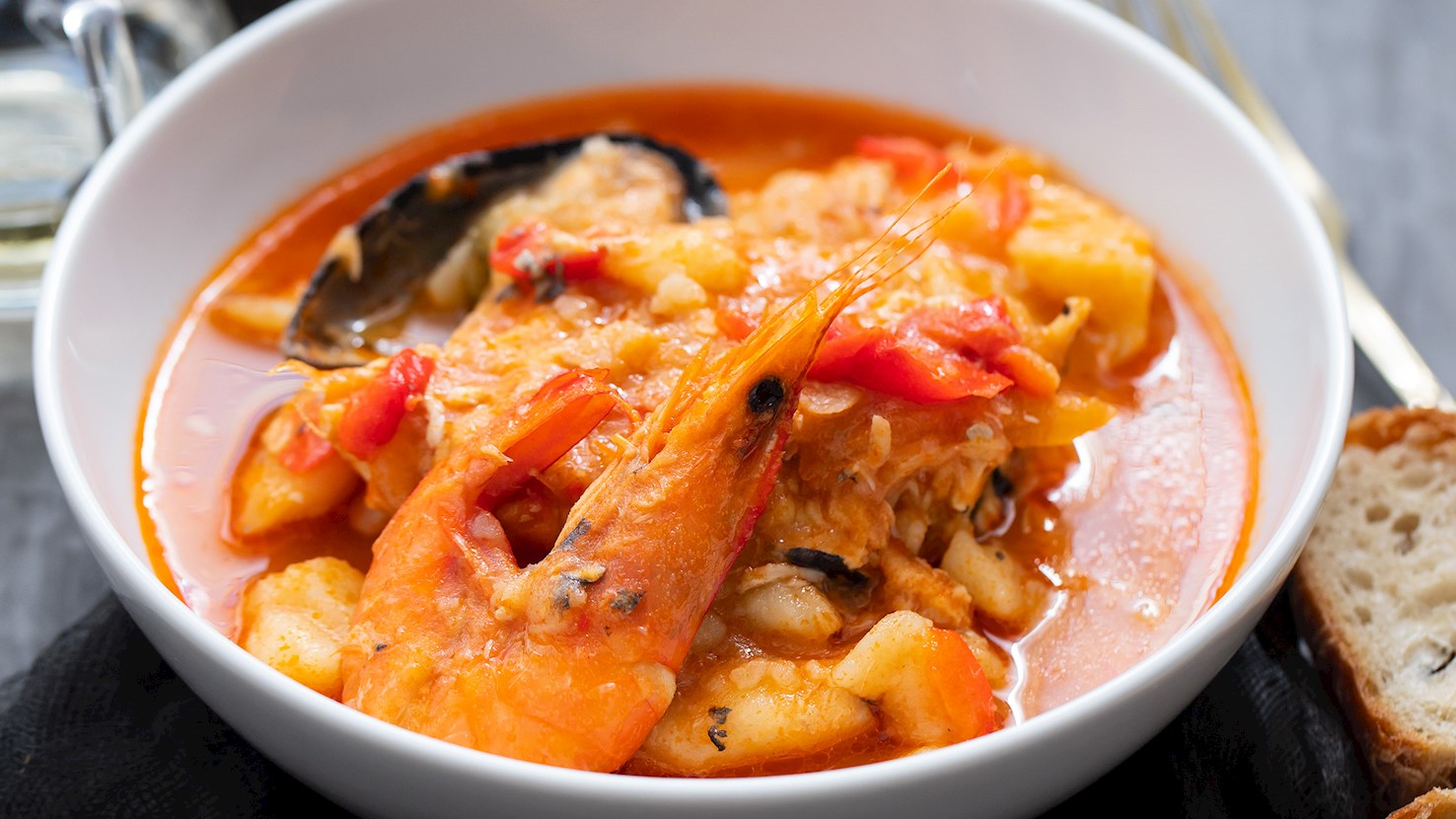
The Portuguese caldeirada is a traditional and versatile seafood stew that originated as a humble fisherman’s dish. It consists of various types of fish (which should always differ in taste and texture), numerous shellfish varieties, and, occasionally, squids and octopus. The ingredients are usually incorporated into a rich base of onions, white wine, olive oil, and tomatoes, and all of the ingredients are then generously seasoned with a variety of fresh herbs and spices such as saffron and nutmeg. Today, the dish is celebrated as a national specialty that is often served complemented with slices of crispy toasted bread.

02

Caldeirada de enguias

3.1 ·

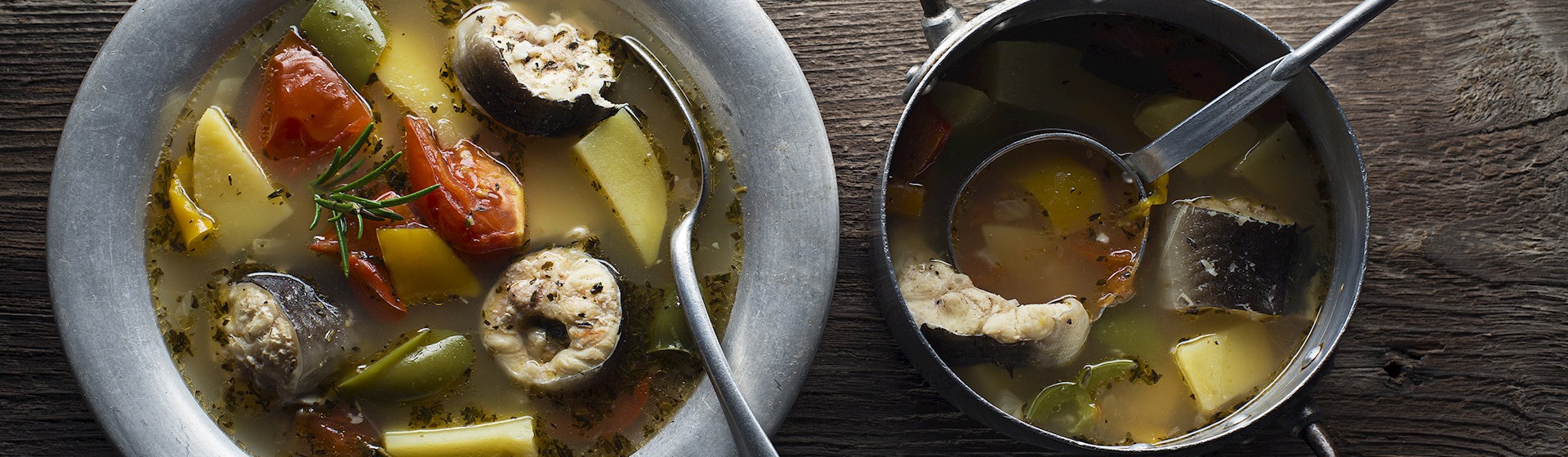
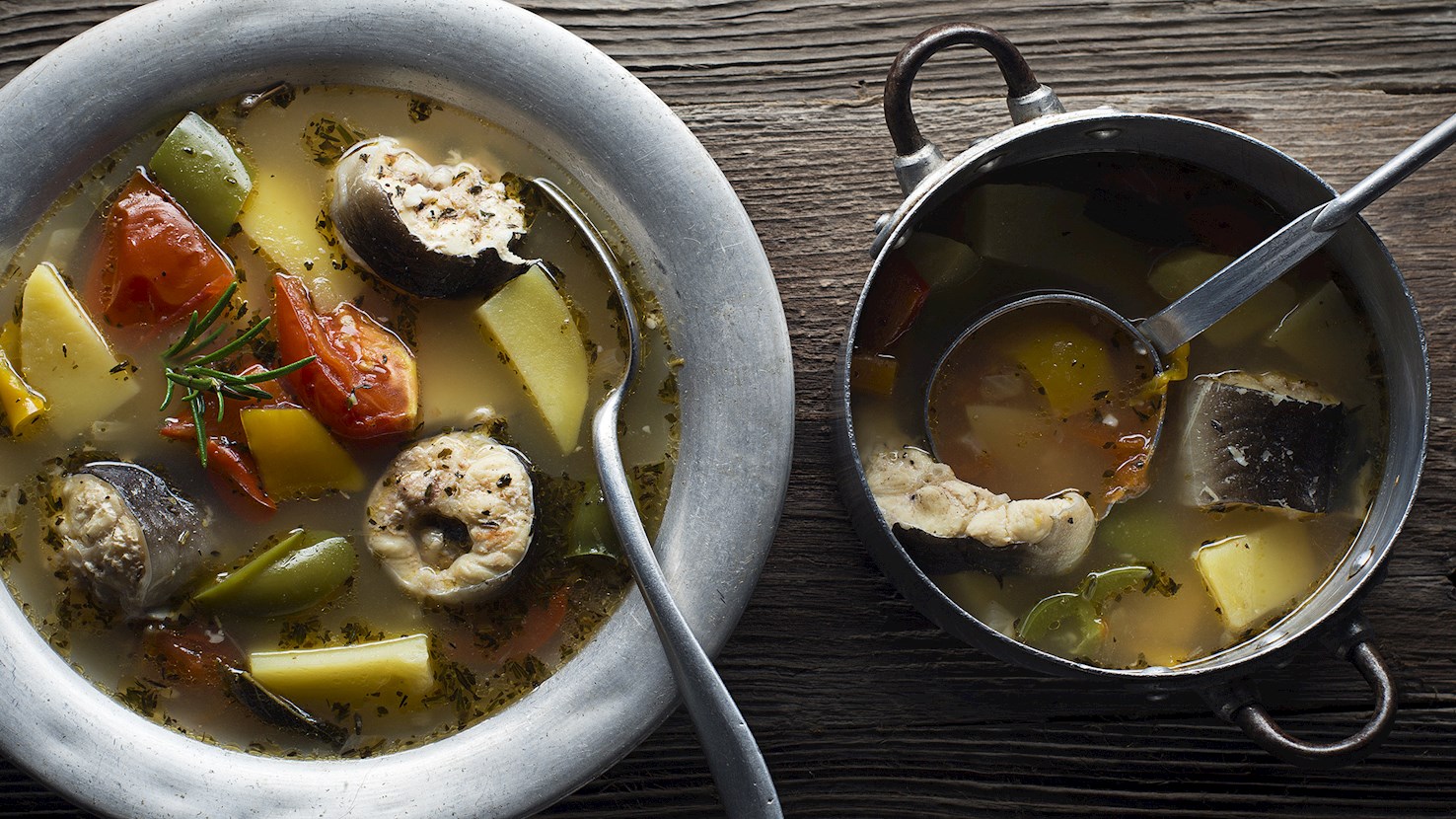
Originating from Aveiro, famous for its eels, caldeirada de enguias is a flavorful Portuguese eel stew that is typically seasoned with saffron and accompanied by onions, potatoes, and bell peppers. The stew should be cooked on medium heat without any stirring until the potatoes are fully cooked. It is recommended to pair caldeirada de enguias with crisp white wines from the Bairrada region.

03

Ovos moles de Aveiro

3.9 ·

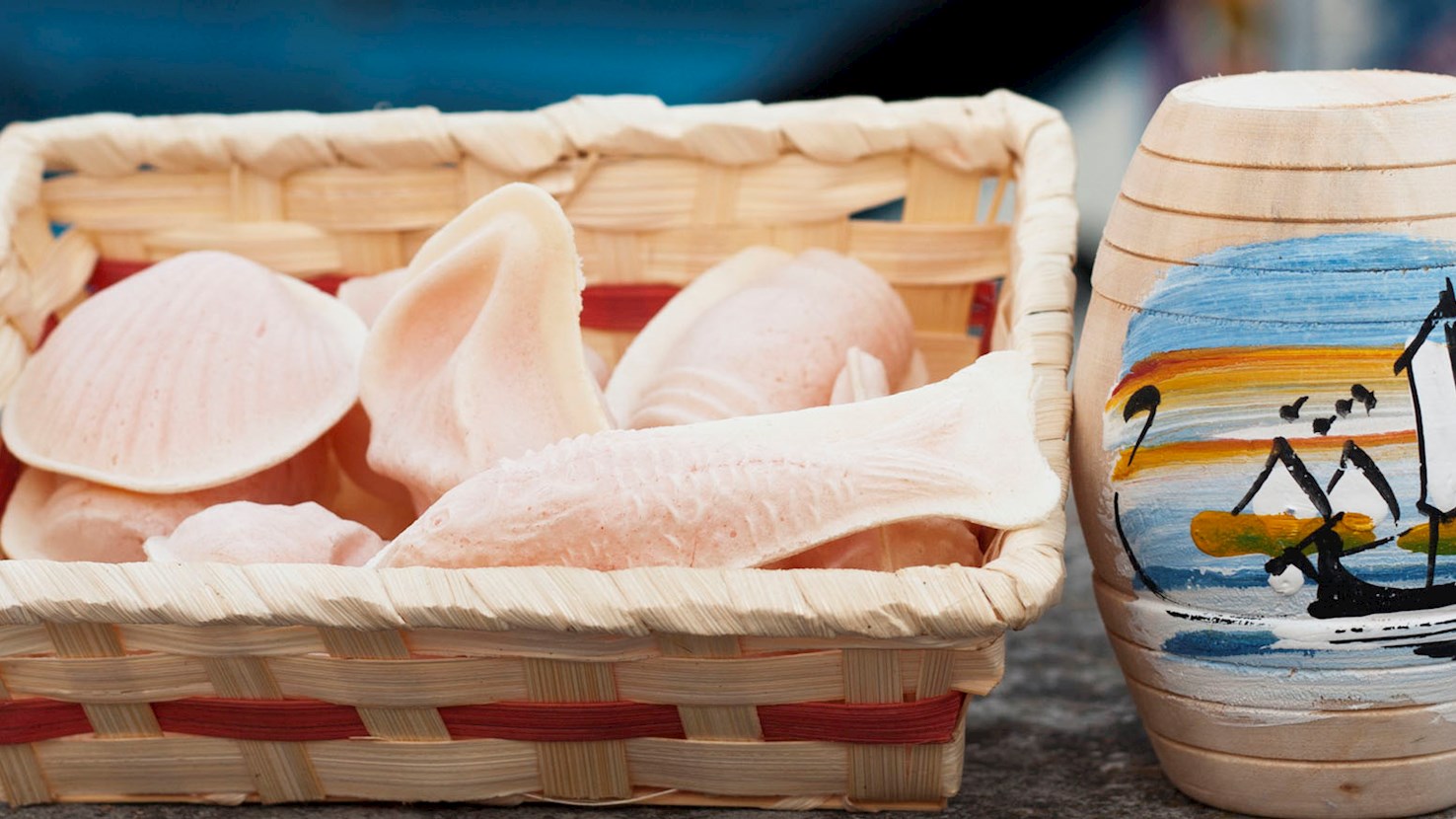
Hailing from Aveiro, these delectable sweets consist of a paper-thin wafer that is filled with a creamy mixture of egg yolks and sugar. Ovos moles, which translates to soft eggs, belong to a wide group of Portuguese desserts that were originally prepared by nuns. This dessert is usually associated with Mosteiro de Jesus in Aveiro. It is believed that when the convents were closed, the recipe stayed with the nuns, and by the mid-19th century, there were already many reputable establishments which sold ovos moles. The wafers are typically shaped into maritime symbols such as shells, fish, or barrels, which are all associated with the picturesque city of Aveiro. Along with being one of the most popular Portuguese edible souvenirs, ovos moles were the first Portuguese convent treat that was granted a protected status by the European Commission.

04

Bacalhau

4 ·

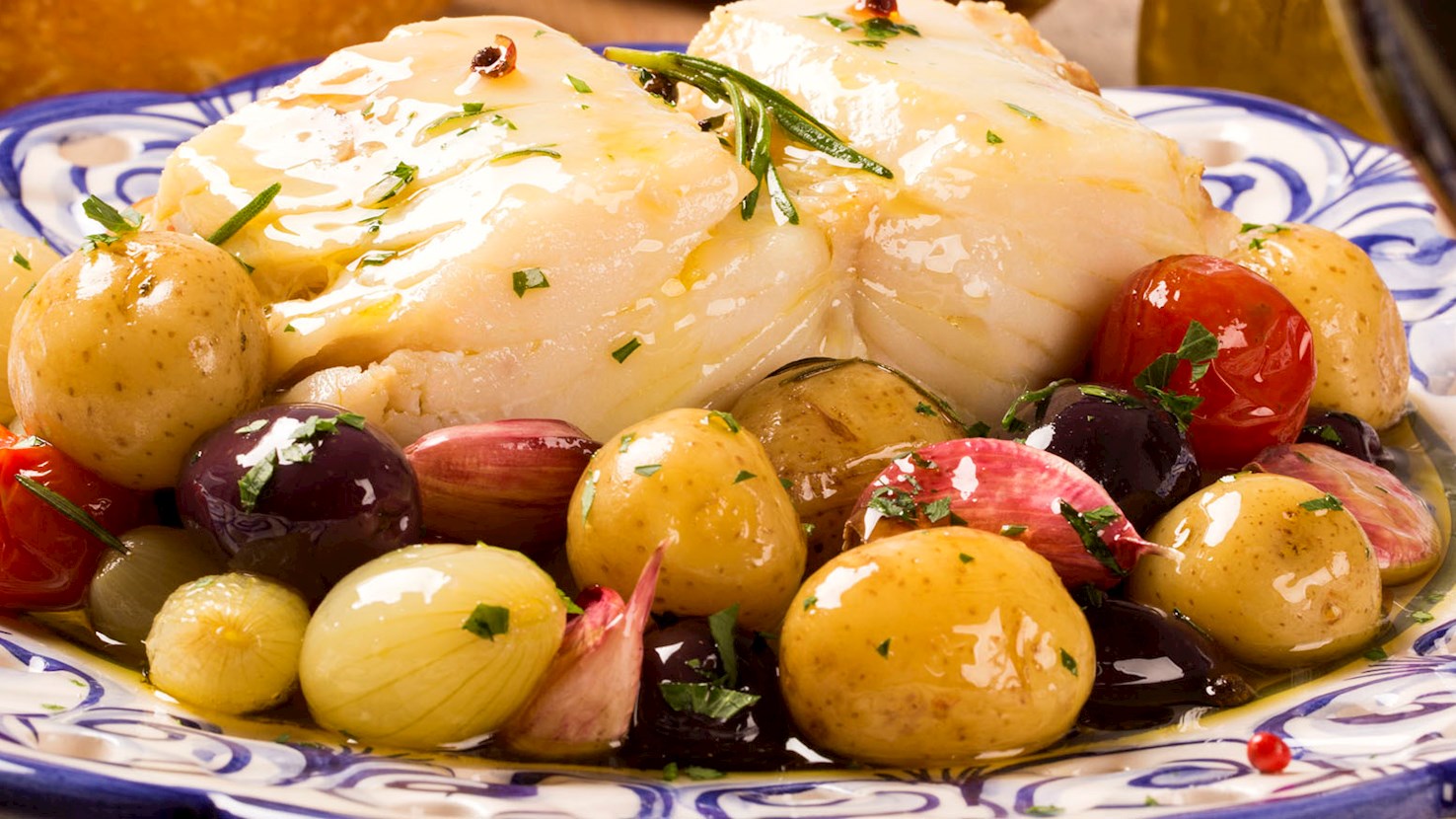
Cod-based dishes are a Portuguese staple, and it is often suggested that there are more than one thousand recipes in which dried and salted cod is the star ingredient. This includes simple, everyday dishes, as well as more elaborate versions that are usually served on special occasions, including Christmas Eve and Good Friday. Interestingly, cod is traditionally not caught off the Portuguese coast, but it became a prominent ingredient in the traditional cuisine during the exploration era because it could be stored for longer periods. Salted cod is primarily soaked in water, and later it can be used in a variety of ways, which include grilling, cooking, frying, or braising. Some of the most popular salt cod dishes in Portugal include crispy bolinhos de bacalhau fritters, creamy bacalhau com natas, Lisbon's favorite bacalhau a bras, and a Christmas Eve staple bacalhau com todos.

Best restaurants
05

Bacalhau com natas

4.1 ·

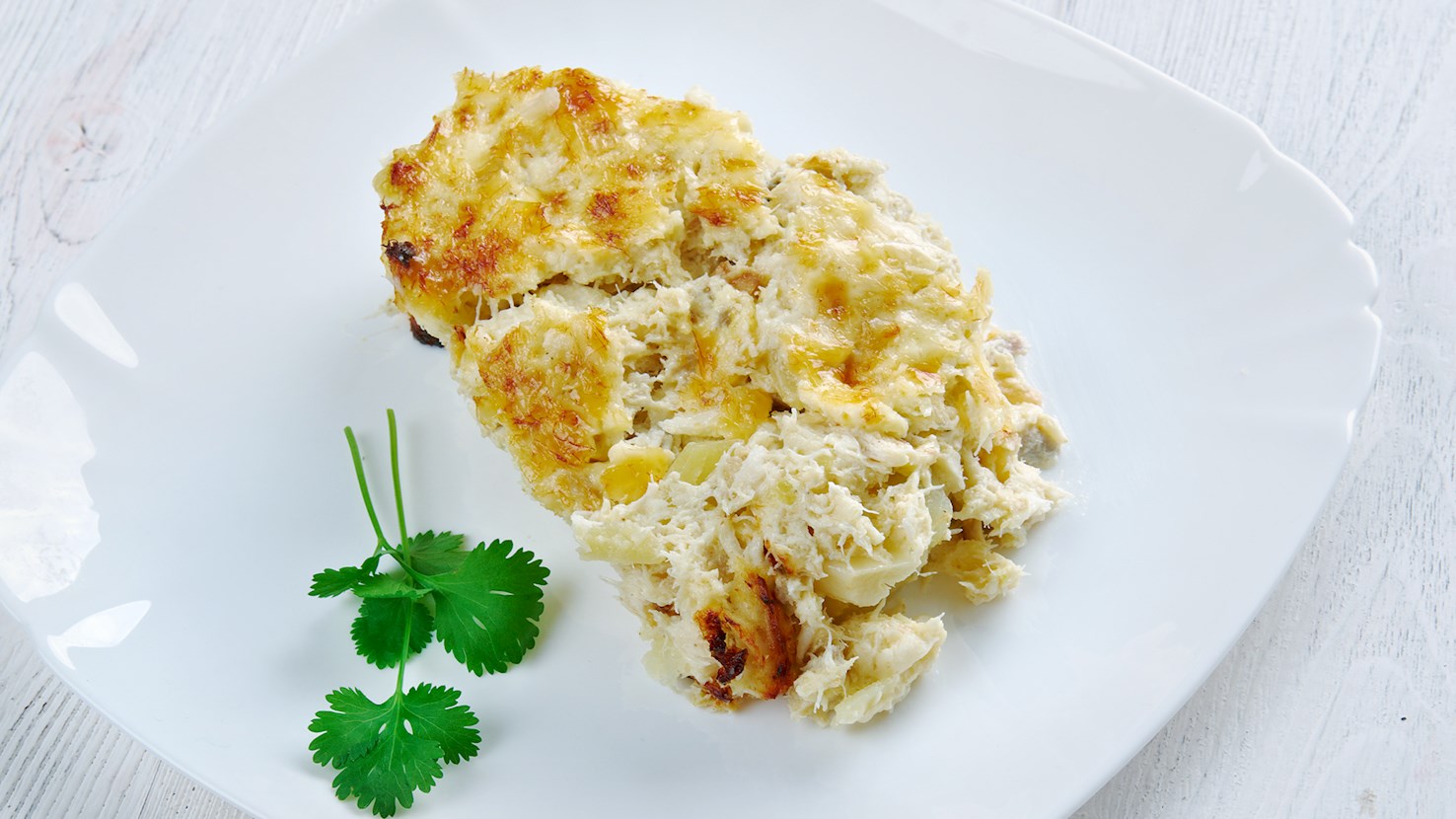
Bacalhau com natas is one of the most famous Portuguese dishes made with salted cod. The dish is a combination of soaked or boiled cod topped with diced fried potatoes, generously doused with cream and baked until golden brown in color. Since it is extremely popular, it appears in numerous versions. The dish often incorporates onions, béchamel sauce instead of cream, cheese, white wine, and a variety of spices. A staple restaurant dish, bacalhau com natas is also an indispensable part of Portuguese Christmas tradition.

Best restaurants
About this ranking

TasteAtlas food rankings are based on the ratings of the TasteAtlas audience, with a series of mechanisms that recognize real users and that ignore bot, nationalist or local patriotic ratings, and give additional value to the ratings of users that the system recognizes as knowledgeable. For the “5 Traditional Foods You Have To Try in Aveiro” list until June 17, 2026, 182 ratings were recorded, of which 134 were recognized by the system as legitimate. TasteAtlas Rankings should not be seen as the final global conclusion about food. Their purpose is to promote excellent local foods, instill pride in traditional dishes, and arouse curiosity about dishes you haven’t tried.

Similar lists