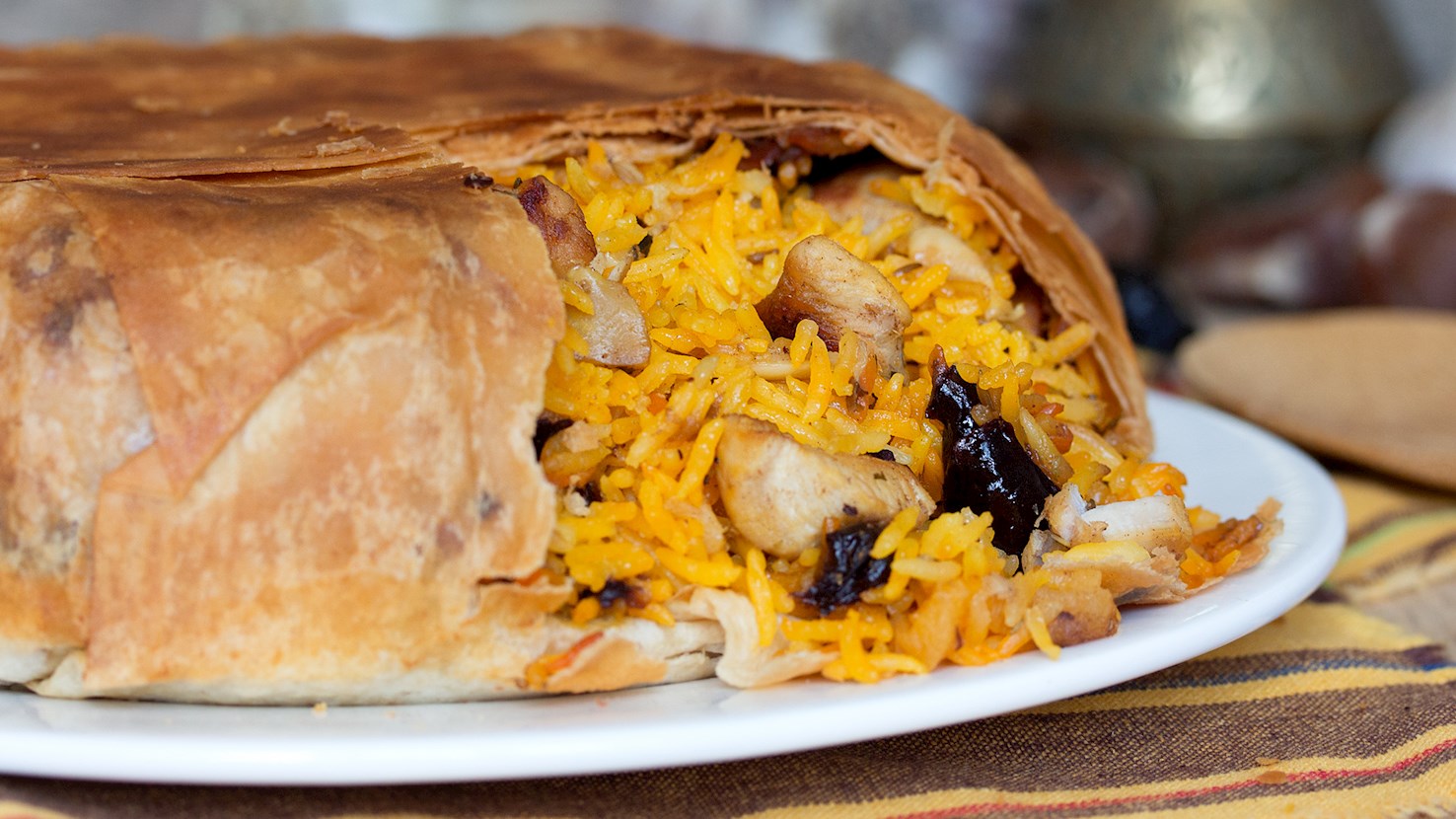
A dish worthy of a king - or perhaps simply the main course of a wedding ceremony - shah pilaf (translated as crown pilaf) is a traditional meal infused with a medley of local aromas. It goes through several stages of preparation before reaching its distinctive final shape. First, basmati rice is cooked, then placed inside a bowl lined with lavash (a thin and soft wheat-based flatbread). Layers of dried apricots, plums, chestnuts, and raisins are added on top of the rice to create a unique blend of textures and flavors. For an even more diverse flavor profile, some variations also include lamb or chicken meat dispersed within the layers. The filling is completed by pouring a small amount of saffron water into the bowl, after which it is covered with lavash and baked until golden-brown. Due to the fact that the dish can remain warm for up to several hours, it is a favorite at weddings, dinner parties, and other special occasions.
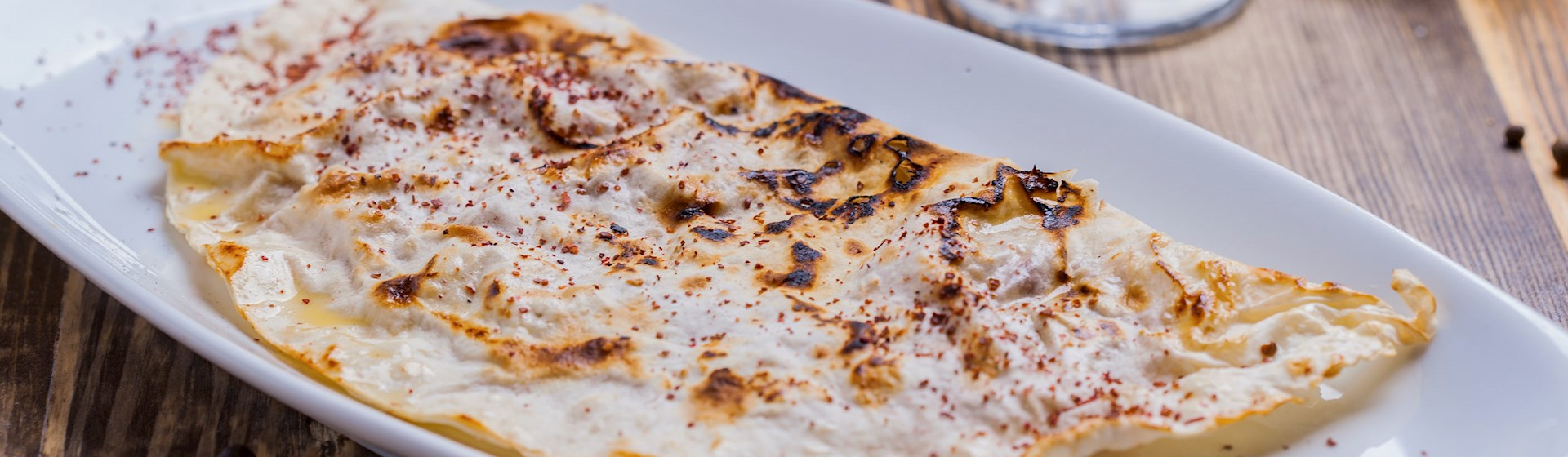
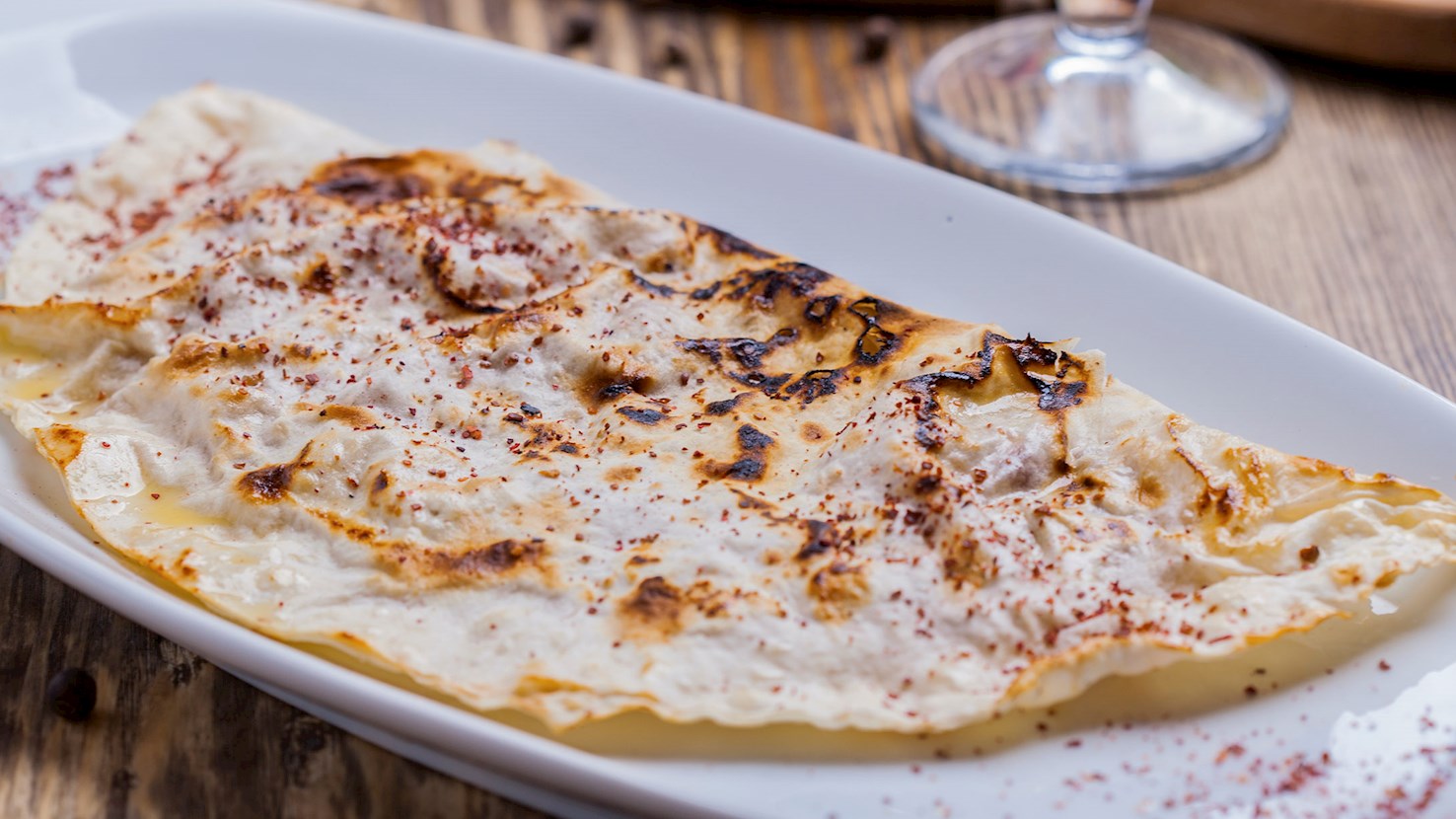
Qutab, known as gutap in Turkmenistan, is a thin filled flatbread found in Azerbaijani and Turkmen cooking. Azerbaijani qutab is usually a very thin half-moon cooked on a hot saj, while Turkmen gutap can also be baked in a tamdyr or oven or fried in oil. Common fillings include meat, fresh greens, pumpkin, and offal. The dish belongs to the wider family of filled breads found across the Turkic-speaking world, but no reliable source identifies a single creator or precise date for its appearance. Azerbaijan and Turkmenistan developed their own recognizable forms, while the closest Turkish counterpart is gözleme, which is generally treated as a separate dish rather than another name for qutab. In Azerbaijan, the dough is usually made from flour, water, and salt, rolled into thin circles, filled on one side, folded into a crescent, and cooked quickly on a saj. The finished qutab is often brushed with butter. Meat versions usually contain finely minced lamb or beef with onion, while göy qutabı is filled with seasonal greens such as spinach, sorrel, cilantro, dill, parsley, mint, and green onion. Pumpkin and sheep offal are also established fillings. Regional variations are especially visible around Lahij, Shamakhi, and the Absheron Peninsula. Corat, near Baku, is known for small meat-filled qutabs and has historically been associated with camel-meat versions. In Lahij, spring forms may contain locally gathered mountain herbs. Turkmen gutap is made in a similar folded shape but is generally more varied in cooking method. Fillings can include pumpkin, spinach, purslane, dill, green onion, meat, or mushrooms. Kädili gutap, filled with pumpkin, is one of the best-known forms. Some versions use dough enriched with egg, and the finished breads may be baked or fried rather than dry-cooked on a saj. Qutab is usually eaten hot as a snack, starter, or light meal. In Azerbaijan, meat versions are commonly served with sumac and qatıq, while greens-filled qutab works well with yogurt and fresh herbs. Pomegranate or sour fruit condiments may accompany richer meat fillings. Turkmen gutap is often served more simply, alongside tea, fresh vegetables, or fermented dairy products. Black tea is the most common beverage pairing in Azerbaijan, while both black and green tea suit Turkmen gutap. Ayran also works well with meat or greens-filled versions.
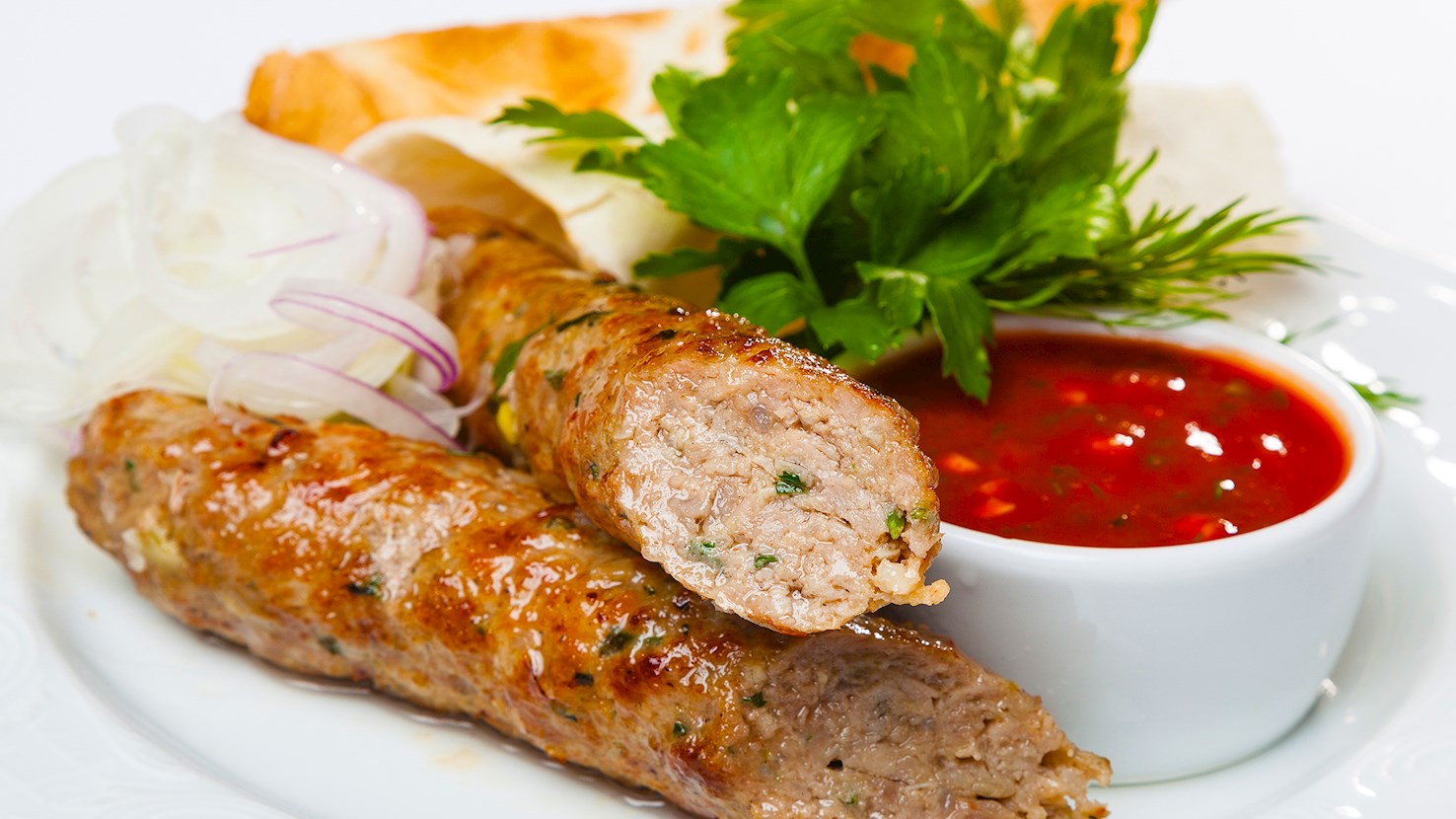
Lyulya kebab is a unique kebab variety popular throughout the Caucasus region. It typically consists of ground lamb combined with finely chopped onions. The mixture is seasoned with salt and black pepper, then skewered and grilled. Other types of meat such as fish and poultry can also be used in the preparation of lyulya. What makes this kebab variety so unique is the process of kneading the meat for a long time so that it becomes denser and does not fall apart. The dish dates back to the 2nd century, and it was even praised by the famous Roman historian Pliny the Elder, as well as the famous Roman scientist Ptolemy. It is recommended to pair lyulya with grilled vegetables, thinly sliced onions, sumac, and lavash.
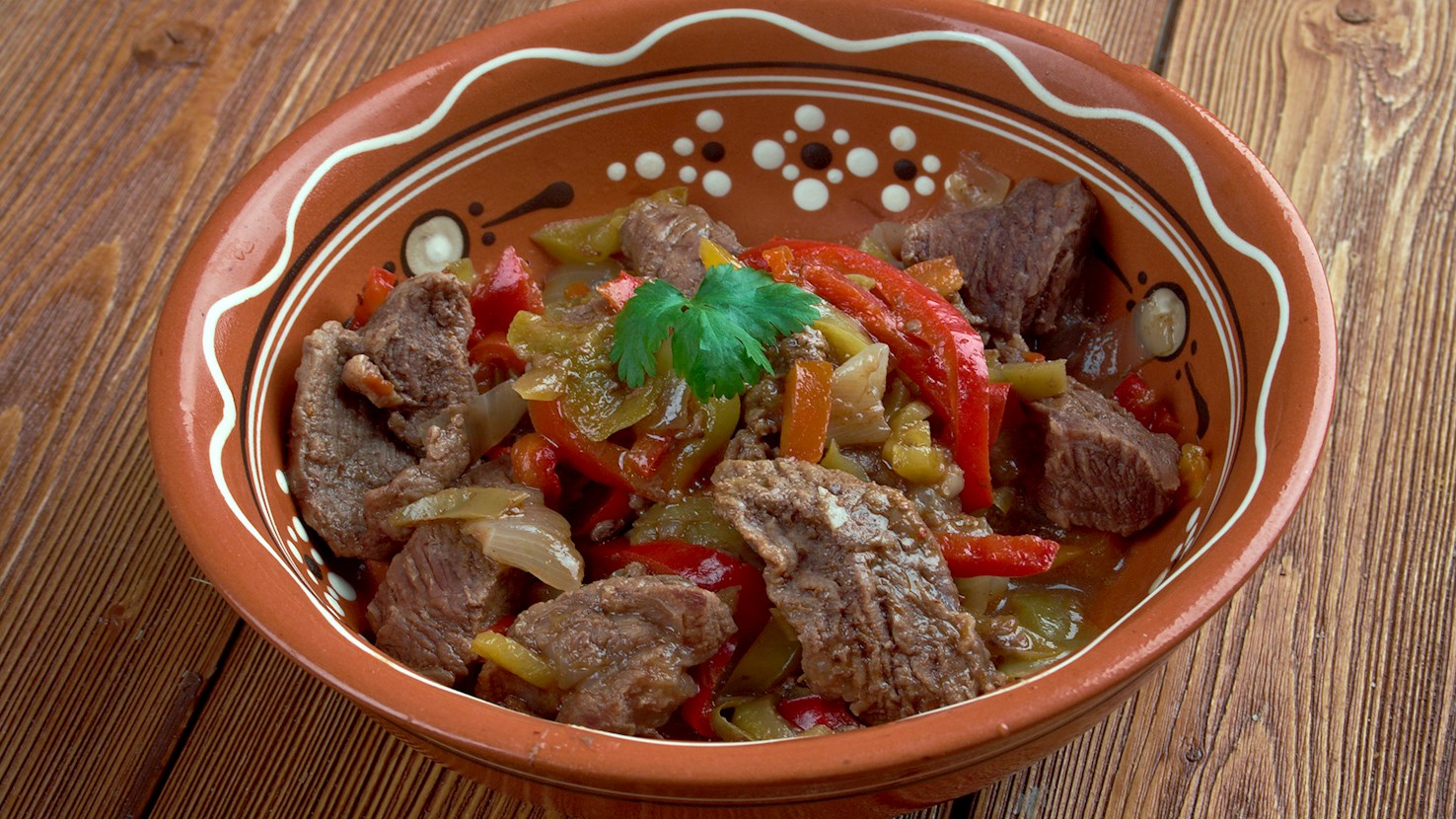
Buglama is a popular Azerbaijani and Georgian dish consisting of lamb pieces that are stewed with onions, tomatoes, peppers, a variety of spices including black pepper and bay leaves, and a small amount of liquid. The name of the dish means steamed, referring to the fact that the lamb is cooked in its own juices. Although lamb is the most common option, it is not unusual to prepare buglama with fish.
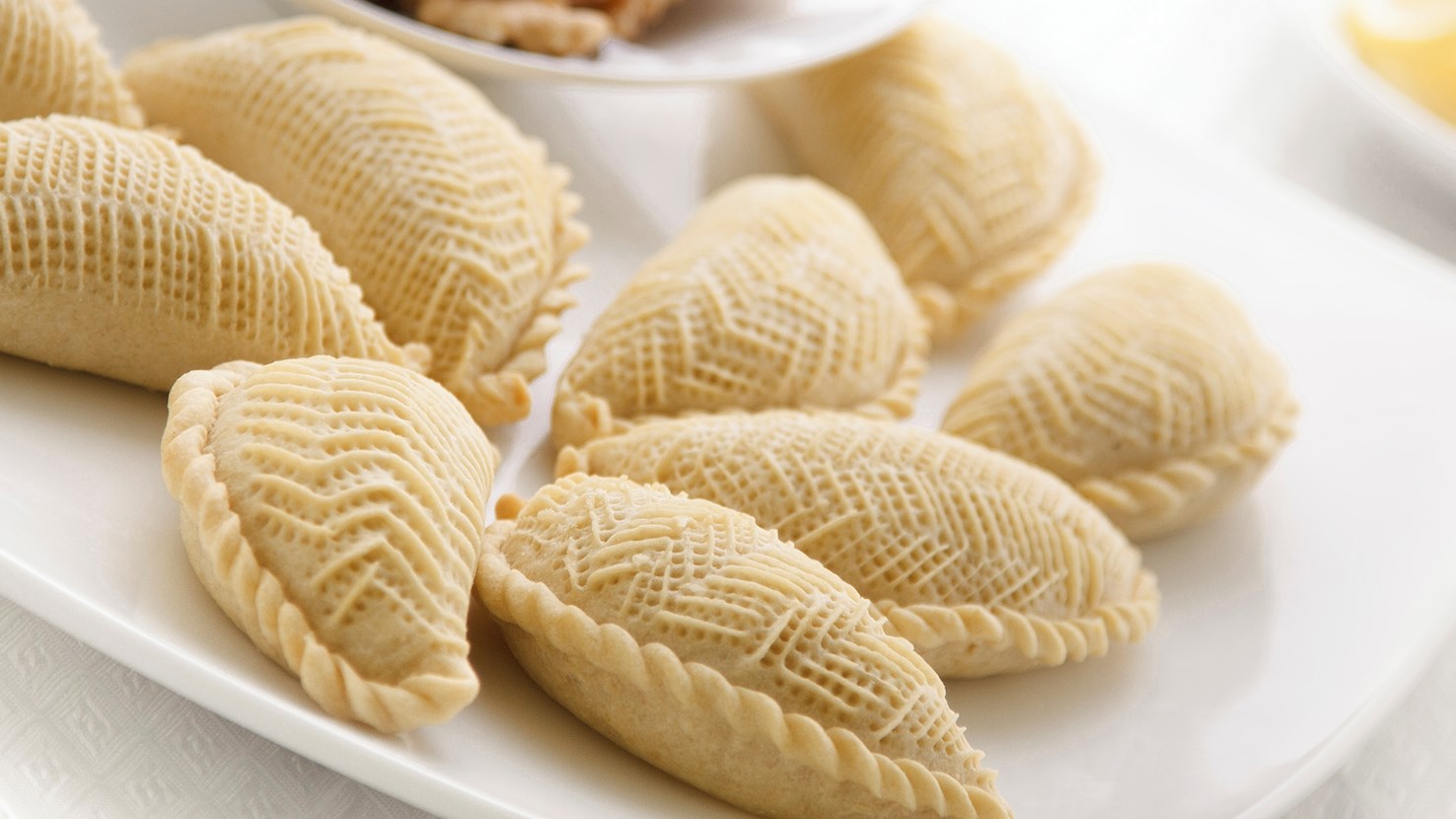
Shekerbura is a simple and delicate sweet pastry, enjoying the status of one of the most famous Azerbaijani desserts. The tender pastry shell is made with a simple butter-based dough, which is then filled with a sweet nut filling. Frequent nut varieties used in shekerbura are ground almonds, hazelnuts, or walnuts. The shell is intricately decorated with different geometrical shapes, transforming this sweet delicacy into a decorative dessert. Shekerbura pastries are always made in a crescent form, strongly resembling the moon, and are traditionally served during Novruz, an annual celebration welcoming spring and the renewal of nature. In cases where the pastry is not elaborately decorated, shekerbura is usually served dusted with powdered sugar. These traditional delicacies can be served freshly baked, warm, or cooled.
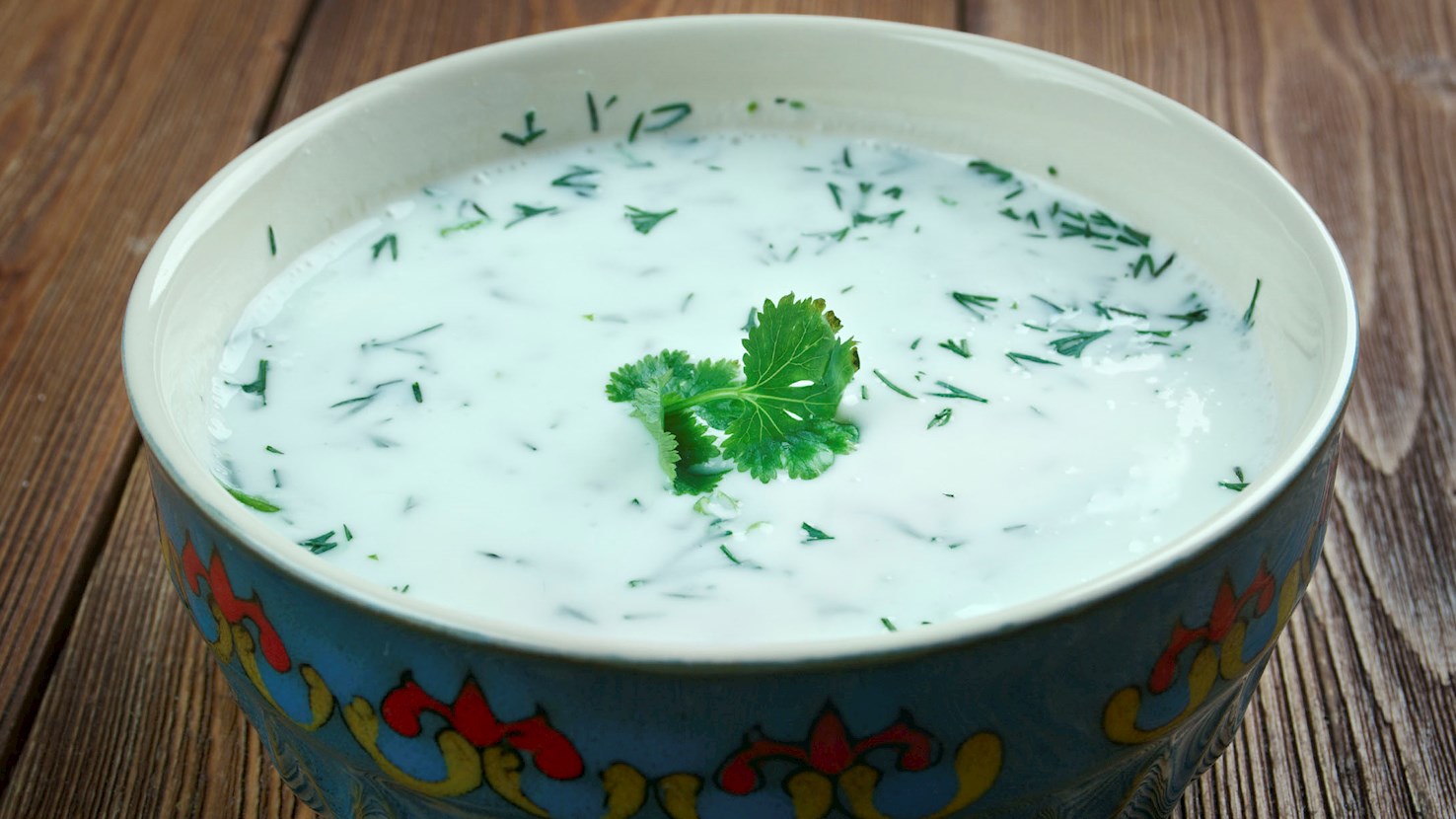
Dovga is a soup made by cooking yogurt with a variety of fresh herbs such as dill, mint, and coriander. It is the national dish of Azerbaijan and can be served either cold in the summer as a refreshment, or warm in the winter. If it's served chilled, it is often ladled into traditional, deep bowls called kasa, placed right next to the serving plates for the main dish. Unlike regular soups, Azerbaijani soups are more concentrated and dense in consistency. Dovga is also traditionally served at the wedding tables, not as a first course but between meat dishes, acting as a digestion booster.
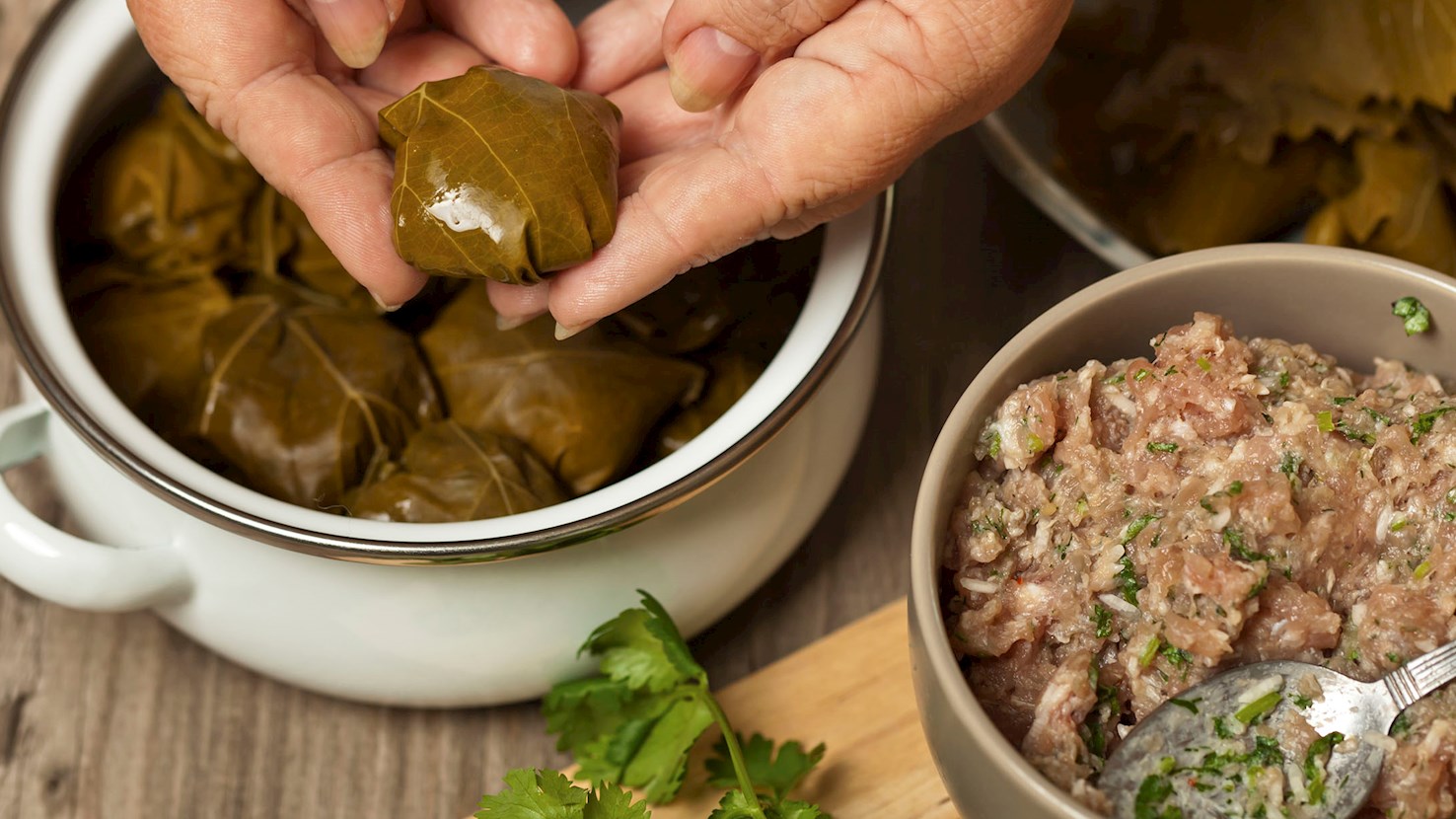
Azerbaijan's national dish is called yarpaq dolmasi, a savory meal consisting of vine leaves stuffed with chopped meat, onions, rice, salt, pepper, butter, and fresh herbs such as coriander, dill and mint. Dolma belongs to a family of stuffed dishes from the cuisines of the former Ottoman Empire and neighbouring regions such as Russia, Middle East, the Caucasus, and Central and South Asia. Locals claim that Azerbaijan has the best dolma in the world, and the reasoning behind it is that the grape vines originated in the mountainous valleys of their country. Yarpaq dolmasi is usually consumed in the afternoon or evening, for late lunch or dinner. It is an everyday dish, popular in equal measure at parties and weddings. Azerbaijani dolma differs from all the others because of its shape - it is small and round, unlike the elongated Turkish version. Enjoyed as a main course once or twice a week, yarpaq dolmasi is usually accompanied by a sauce based on yogurt and garlic, or clotted sour milk.
TasteAtlas food rankings are based on the ratings of the TasteAtlas audience, with a series of mechanisms that recognize real users and that ignore bot,
nationalist or local patriotic ratings, and give additional value to the ratings of users that the system recognizes as knowledgeable.
TasteAtlas Rankings should not be seen as the final global conclusion about food. Their purpose is to promote excellent local foods,
instill pride in traditional dishes, and arouse curiosity about dishes you haven’t tried.


What People Say