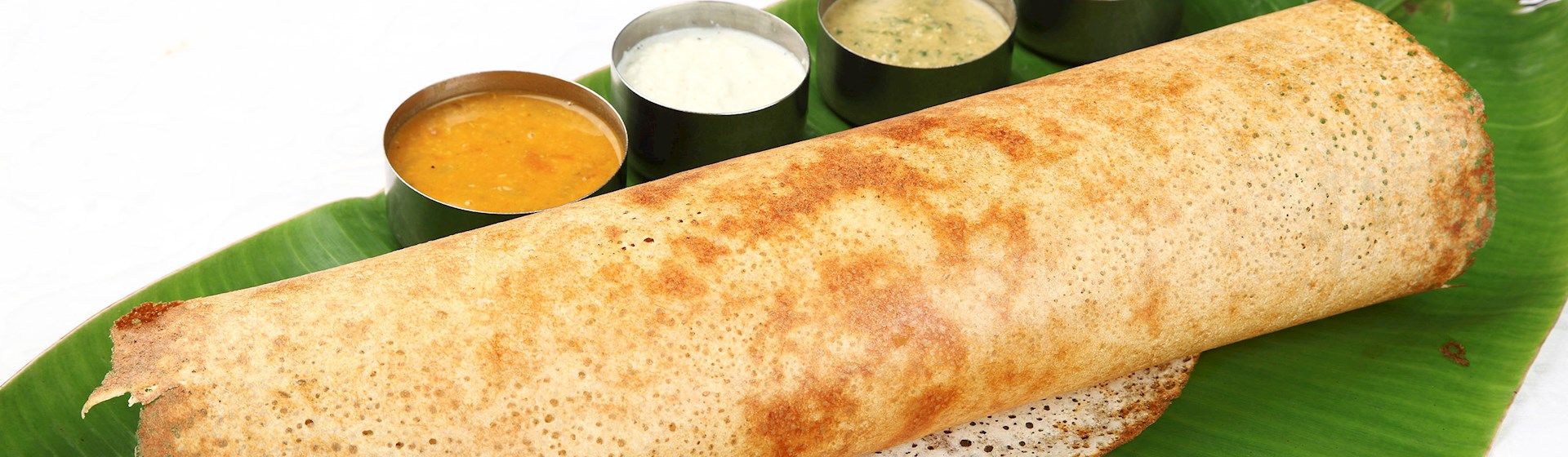
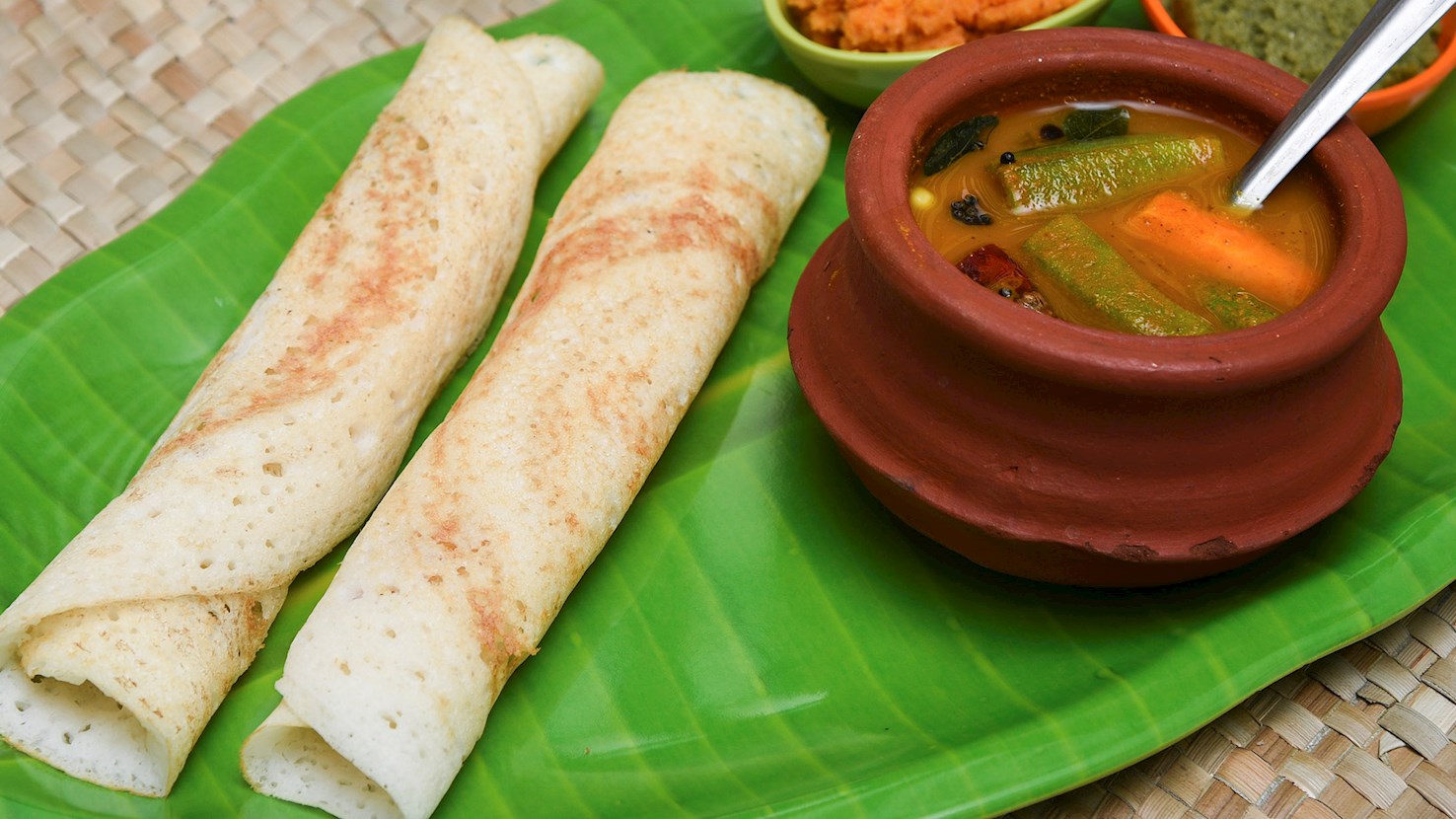
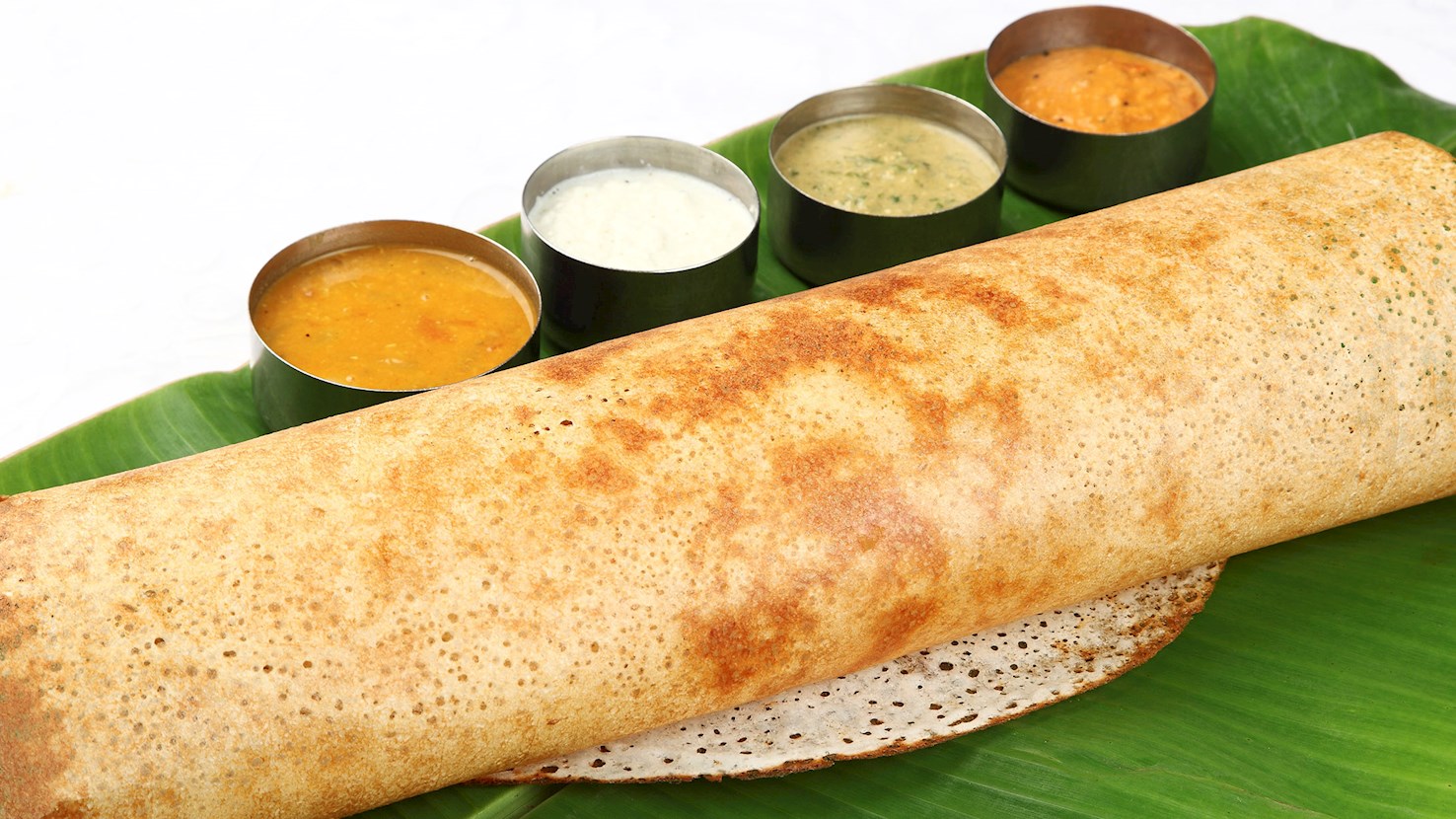
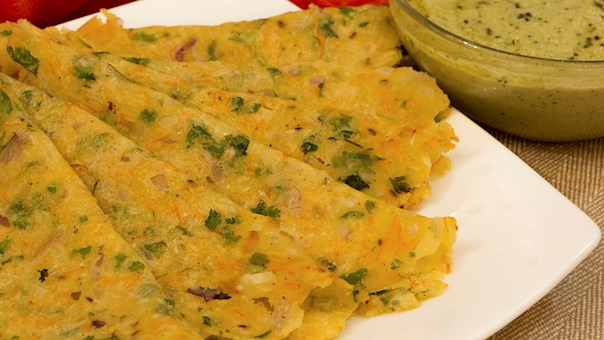
The thin pancake known as dosa is one of the most famous Indian dishes. It is made with soaked rice and black gram beans, which are ground into a paste and mixed to create a thick batter, usually left to ferment overnight. The mixture is enriched with a handful of fenugreek seeds, which give dosa its distinctive golden brown color and a delicious, crispy texture. It is then baked on a hot oiled griddle, pertaining a delicate, thin texture and round shape. Indian dosa is a staple dish in the entire country, but some believe that dosa had originated in the south Indian state of Tamil Nadu. It is an ancient dish, whose origins are traced back to the 1st century AD, when it was first mentioned in Tamil literature. Others claim that it's linked to Udupi (present day Karnataka) due to the association with the Udupi restaurants. Usually, dosa is consumed as a savory dish, commonly eaten for breakfast, dinner, or a quick snack. Since it has a rather neutral taste, dosa is an ideal accompaniment to many luscious Indian dishes, such as meat and vegetable curries or chutneys. It is often filled with ingredients and wrapped, or served on the side as an integral part of a meal, when it is usually used as a utensil to scoop the fragrant side dishes. As other ancient food staples, dosa has been adapted and combined with other ingredients to create numerous distinct varieties. Wheat flour, semolina, rice flour, or soy milk are used in some regions to create milder, diverse, and more interesting dosa varieties. This ancient Indian creation, in its numerous forms, is found everywhere in India - it is sold as a quick snack by street vendors, and it is an irreplaceable item in traditional Indian restaurants.
A traditional southern Indian dish known as masala dosa is popular throughout the country, made from a batter of soaked rice and lentils that is baked into a thin pancake and usually stuffed with potatoes, onions, and mustard seeds. The dish is often garnished with grated coconut and chopped coriander. With its huge popularity, there are also some variations of the dish, such as mysore masala dosa,rava masala dosa, onion masala dosa, and paper masala dosa. It is usually consumed as a quick snack or as a part of any meal of the day. Masala dosa has even made the list of 10 foods to try before you die, complied by the Huffington Post, alongside famous dishes such as Beijing duck, moussaka, and BBQ ribs.
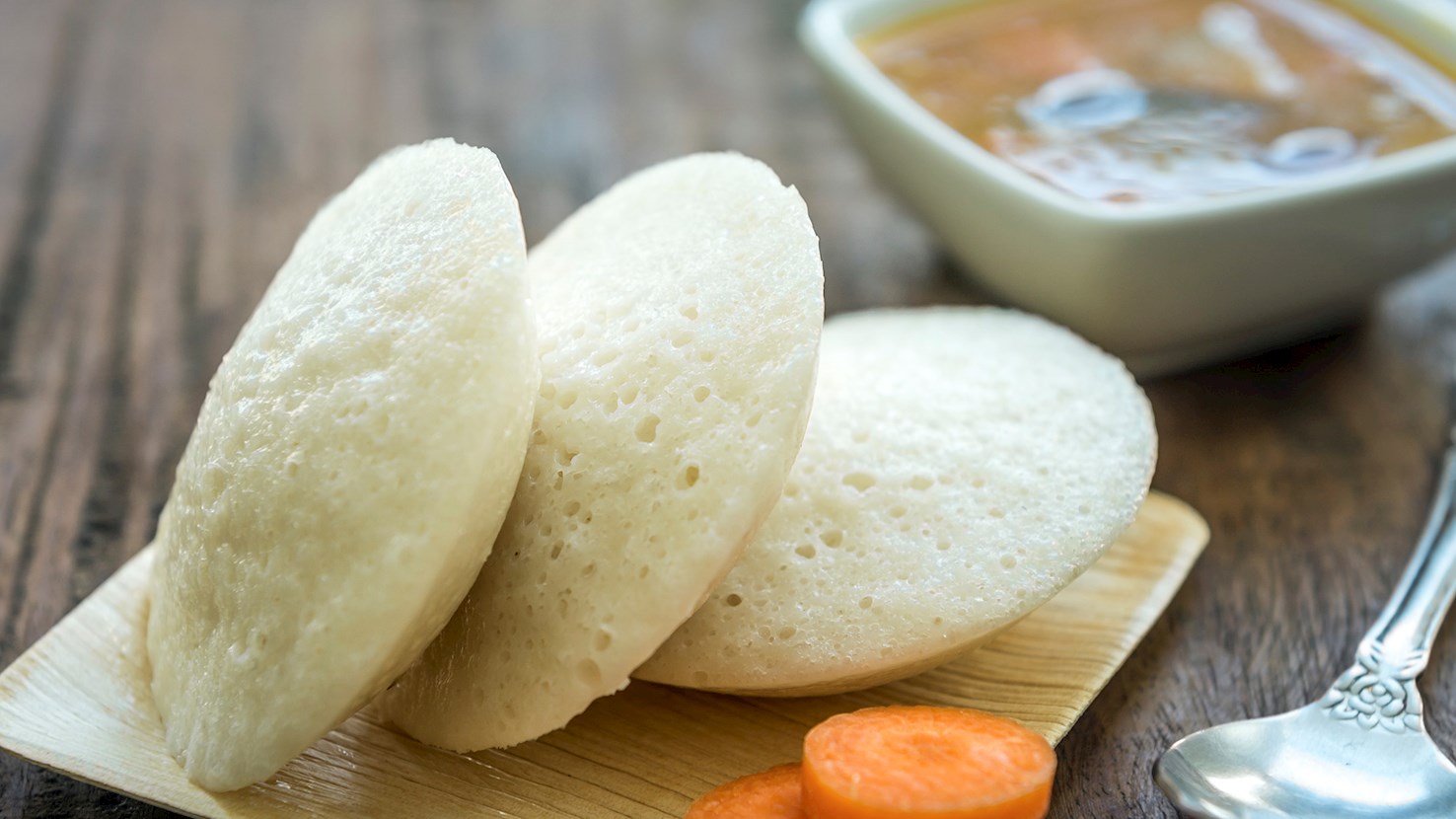
Idli is a traditional, savory Indian cake that is a popular breakfast item in numerous South Indian households, although it can be found throughout the country. It is made with a batter consisting of fermented lentils and rice, which is then steamed. These savory cakes are commonly served hot and consumed on their own, dipped into sambar or chutneys, or seasoned with numerous spices. With its huge popularity in India, there are also many other versions of idli, such as rava idli, which uses semolina instead of rice in the batter, or malli idli, which are idlis fried with curry leaves and coriander. The origin of idli is still a subject of debates, with different sources claiming different origins, so some say it is originally from Gujarat, some say it's from Karnataka, while the others believe it was invented in Indonesia. Regardless of its origin, idli remains a staple breakfast food in numerous Indian kitchens.
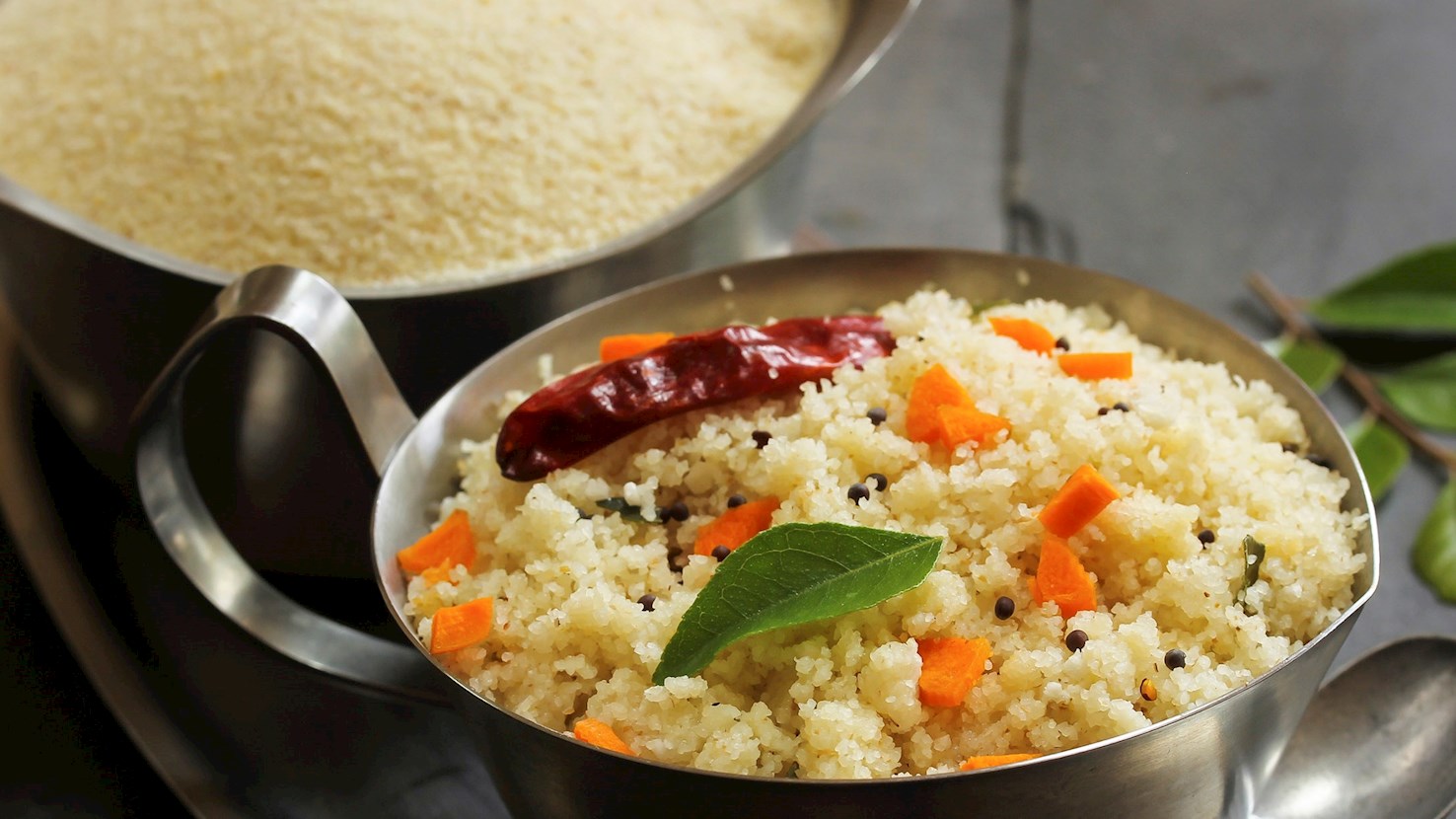
Upma is a wholesome Indian dish made with dry semolina, cooked into a thick porridge. Traditionally served hot for breakfast, its taste is slightly bland, so various nuts, beans, and spices such as turmeric and chiles are commonly added to the dish in order to improve its flavors. Upma originated in South India, but gained popularity over the years, and is now commonly found throughout the country. It is said that no upma is the same, since every South Indian cook will make it differently, and there are numerous variations of the dish, such as upmas prepared with grated coconut instead of onions, or upmas with corn and milk.
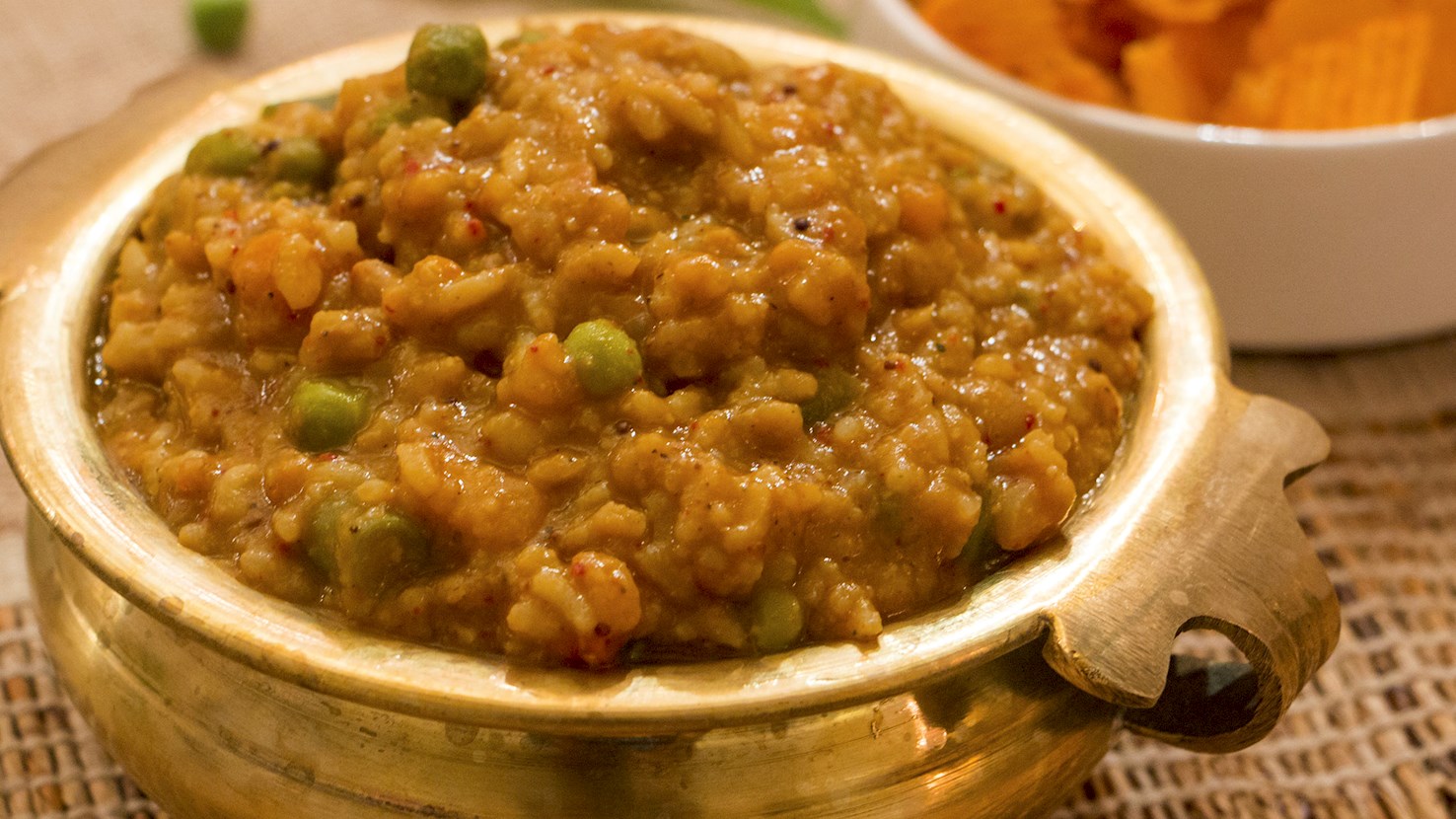
Bisi bele bath, translated to hot lentil rice, is an aromatic and spicy dish originating from the Indian state of Karnataka. Moist rice and lentils are combined with ghee butter, tamarind, curry leaves, nutmeg, and vegetables such as carrots, beans, onions, and green peas. According to K. T. Achaya, a food historian, bisi bele bath is a modern variation of an old dish from the 10th century called kattogara, consisting of rice, ghee, salt, and garlic. However, others disagree and claim that the dish was invented in Mysore Palace, near Bangalore, when it was a typical lunch meal that was additionally flavored with cashews, dried coconut, mustard seeds, and cinnamon. Originally, there were no vegetables in the dish since the royals had access to numerous vegetable-based side dishes. As time went by, bisi bele bath became popular outside of the palace and evolved in a rich farmer's meal that was typically consumed before lunch, after a few hours of hard labor in the fields. Today, the dish is consumed throughout the day, and it is also a popular picnic dish throughout Karnataka.
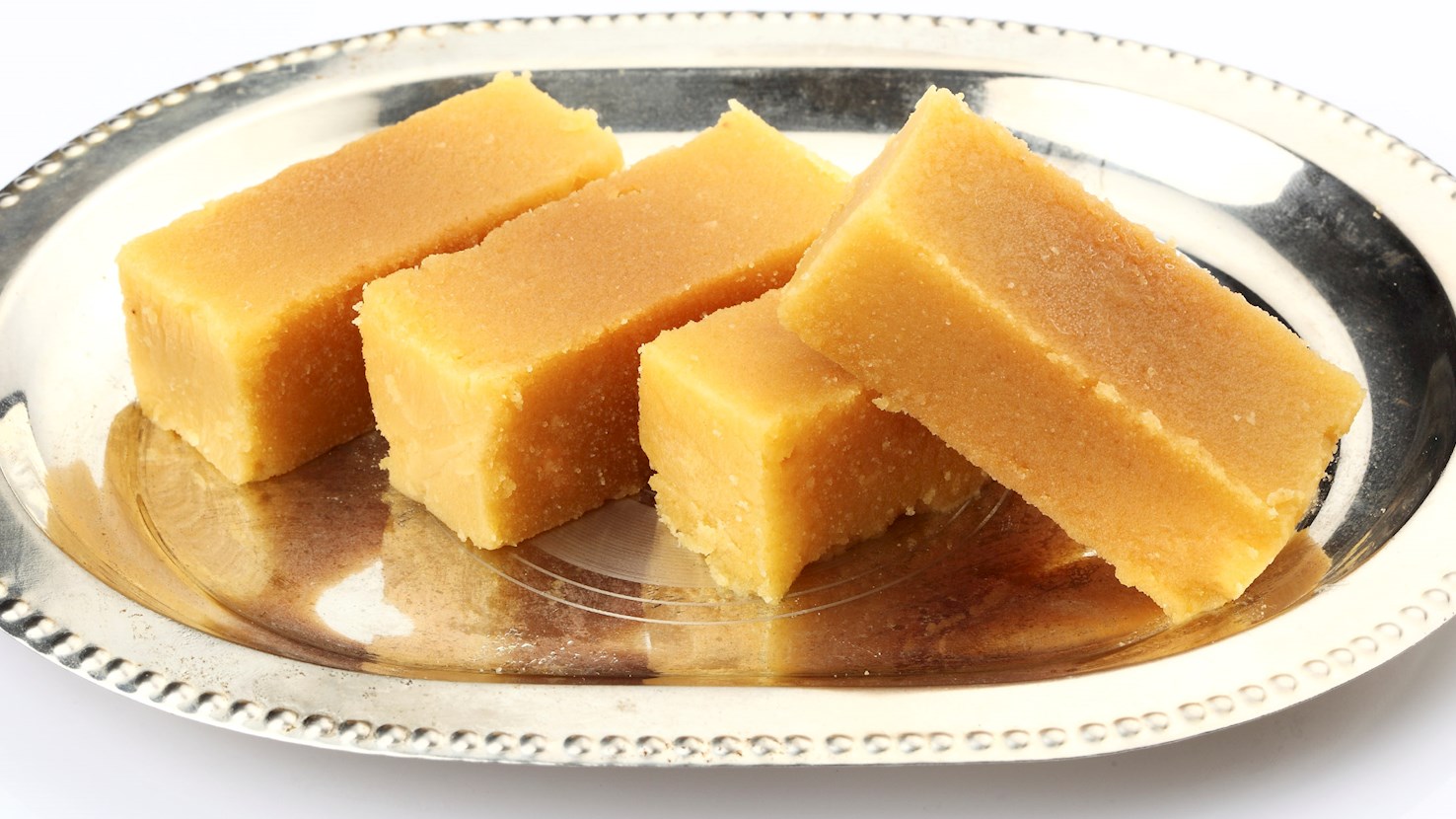
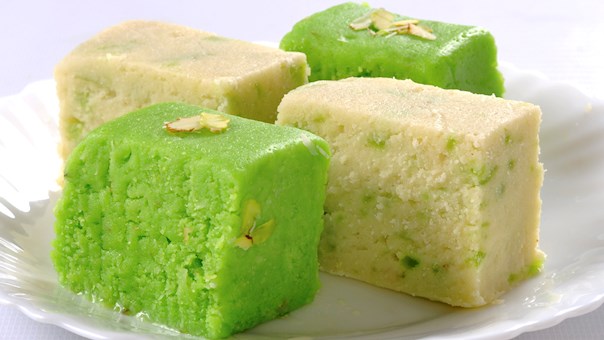
Mysore pak was invented in 1935 at the Mysore Palace by the royal chef Madappa. As the King Krishna Raja Wodeyar was ready to have his lunch, the chef began experimenting with a sweet dish, combining gram flour, ghee butter, and sugar into a syrup. When the King finished his lunch, the sweet cooled down and was served to the King, who loved it. The chef told him it was Mysore paka, the word paka denoting a sweet concoction. Soon, Mysore pak was proclaimed the royal sweet. Today, it is still known as the king of sweets in the South, and it is commonly prepared for numerous Indian festivities and celebrations, although it can also be found throughout India on various street stands.
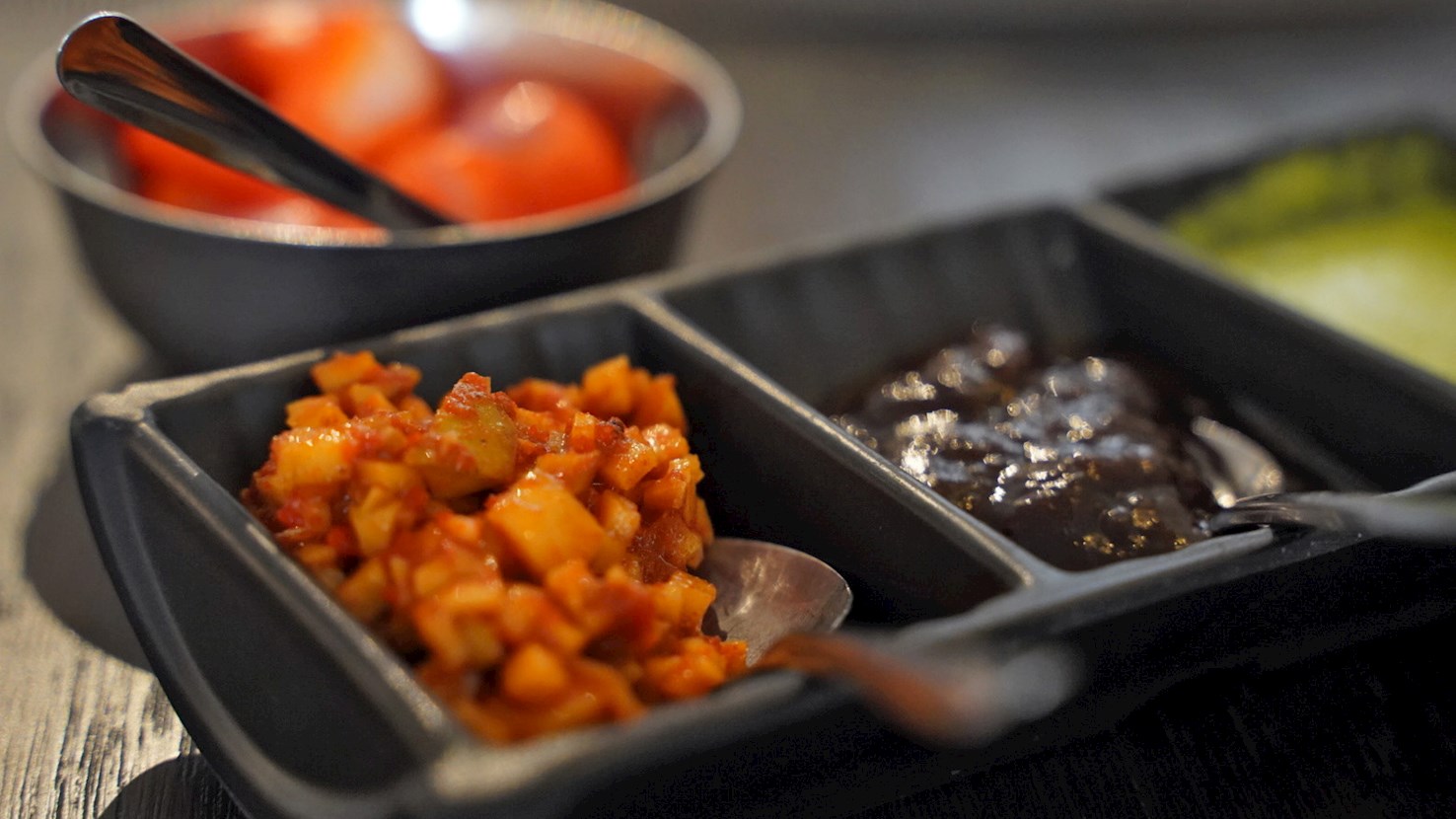
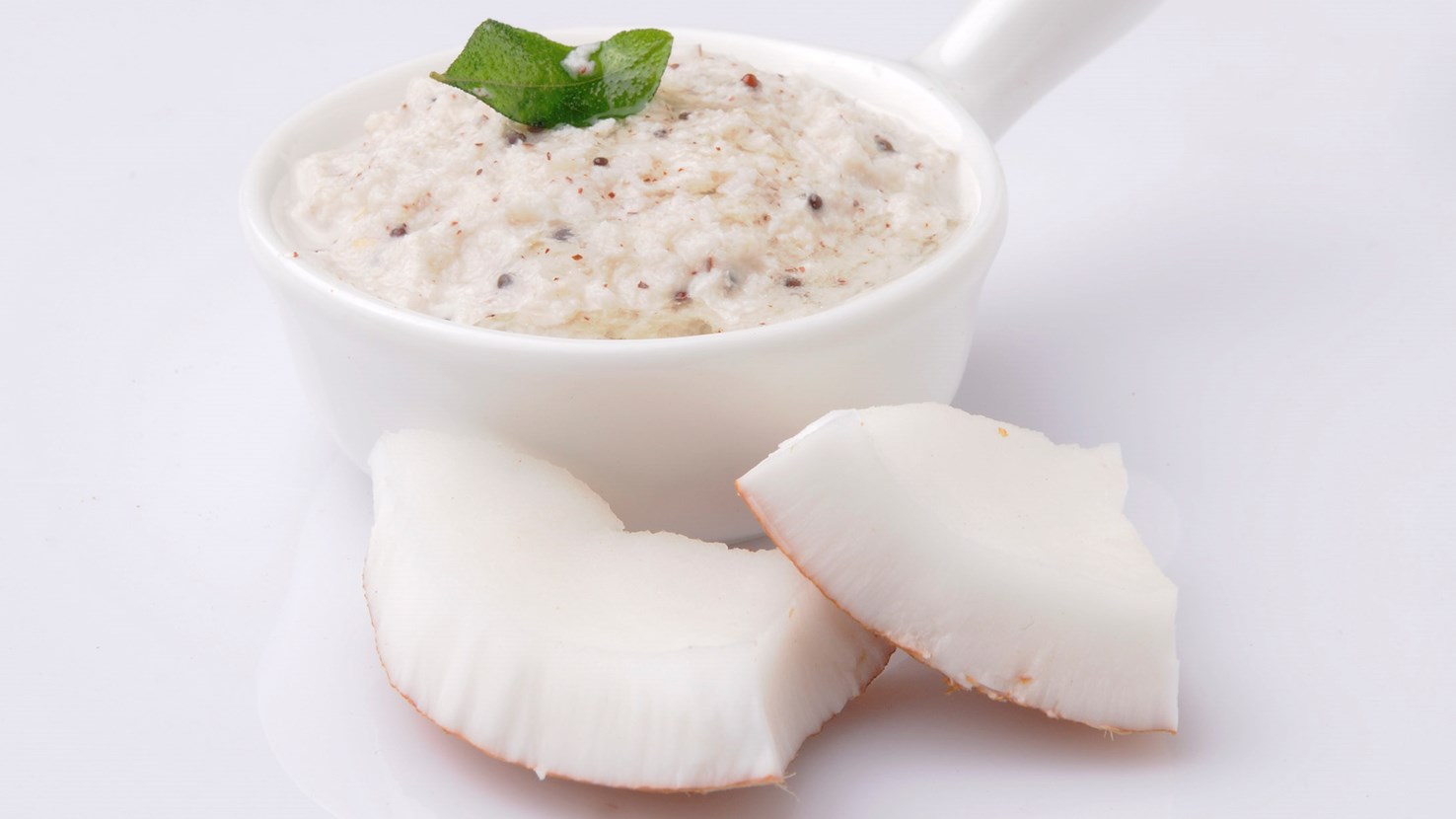
Whether Indians are enjoying tandoori chicken or aloo paratha, no meal is complete without the flavorful chutneys - India's national condiments. These fresh homemade relishes consist of pickled or stewed fruit and vegetables that are cut into small chunks, then delicately seasoned with a variety of spices such as cumin, cardamom, tamarind, ginger, and turmeric. They are typically served in small, round bowls and consumed along with the main dish. Chutney's role is to cool the palate and bring even more flavors and colors to the table. Most families take great pride in their homemade chutneys, their houses decorated with rows upon rows of jars that were left to mature in the sun on windowsills. It is common to serve more than one chutney, so a hostess is often judged by the number and variety of chutneys she serves to her guests. Mint chutney is the most popular variety, traditionally eaten with samosas and consisting of fresh mint leaves, onions, garlic, and lemon juice. Coconut chutney, another favorite, consists of grated coconut, ginger, kari leaves, chiles, and garlic. Other types of chutney can be made with green mangoes, tomatoes, sour cherries, coriander, peanut, and apples, all of them with vivid colors, sweet, spicy, and sour at the same time. Chutney got its name from an Anglicized version of the Sanskrit word chatni, which literally translates to licking good, and it is obvious to anyone who tried it that it lives up to its name.
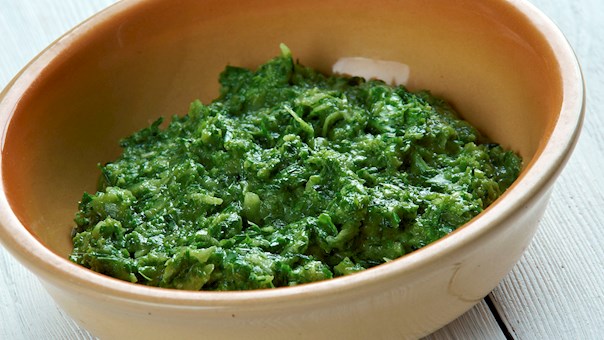
Coconut chutney is a popular South Indian condiment or side dish, consisting of a coconut stew that is combined with shallots, tamarind, ginger, chiles, and curry leaves. It is a specialty of the North Malabar region, where it is prepared in two versions - solid and liquid. The liquid version is usually served with idlis and dosas, while the solid version, also known as uruttu chammanthi, is commonly served with rice, either for lunch or dinner. It is said that the best coconut chutney is made with ammikal, or mortar and pestle, when the chutney is ground by hand, resulting in a far superior flavor than the ones made with a blender or a food processor.
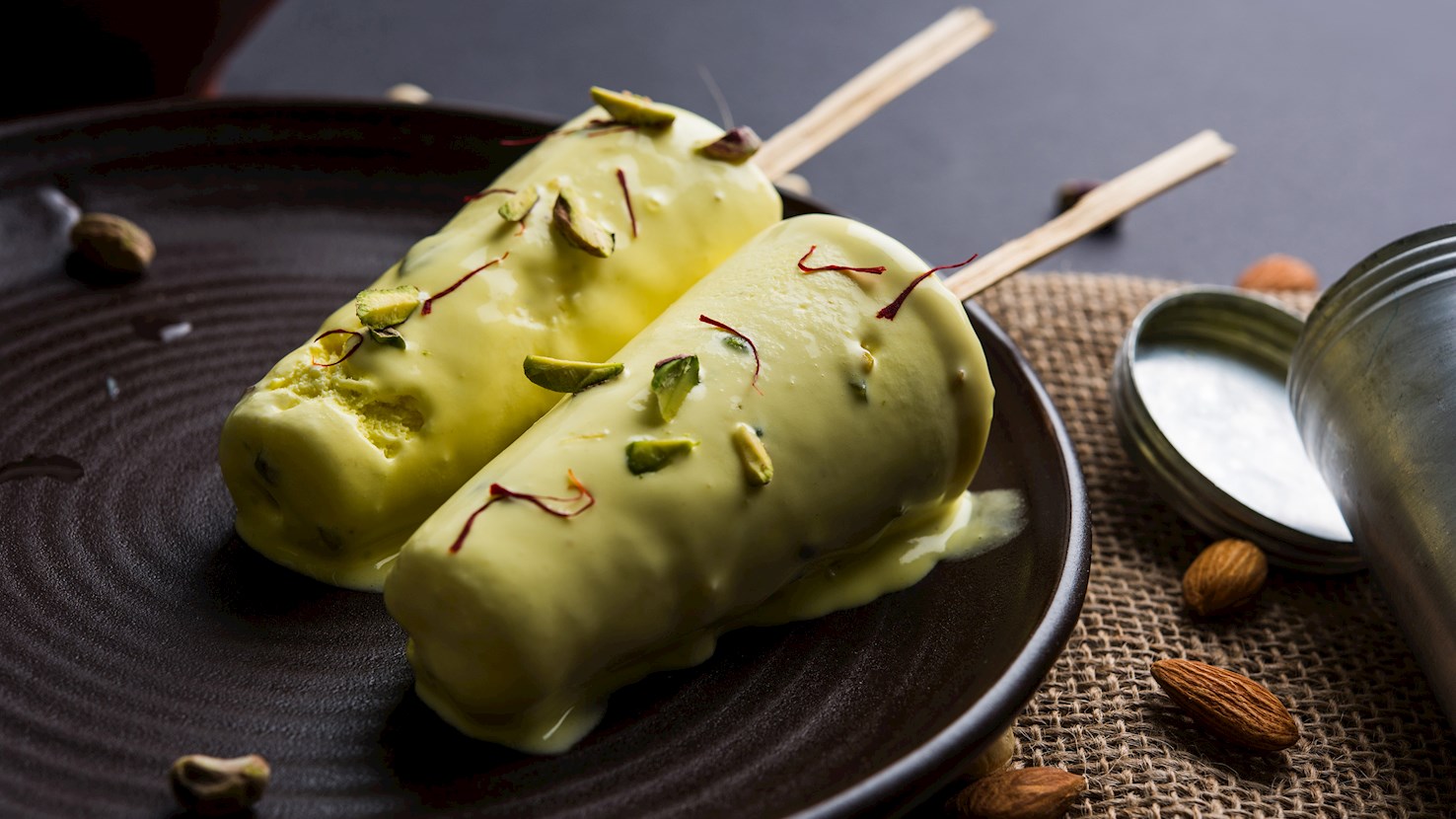
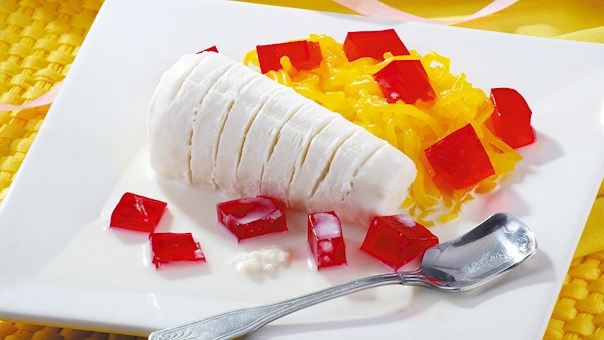
Kulfi is a traditional ice cream made with slowly simmered whole milk. Although the long-simmering process results in a loss of volume, it makes up for it with a delicious, nutty, caramelized flavor. The ice cream is characterized by its unusual, conical shape, a result of using traditional, special molds with tight-fitting lids. Kulfi is usually flavored with traditional Indian ingredients such as pistachio, rose water, and saffron, although some cooks prefer to flavor it with fruits such as berries. It is believed that kulfi was invented by the ancient inhabitants of the Himalayas during the Mughal Empire era. There are some main differences between kulfi and regular ice cream: kulfi has less air and is denser than regular ice cream, because the milk gets more concentrated through the cooking process. Today, kulfi can be made at home or found at street stalls, sold by vendors called kulfiwalas.
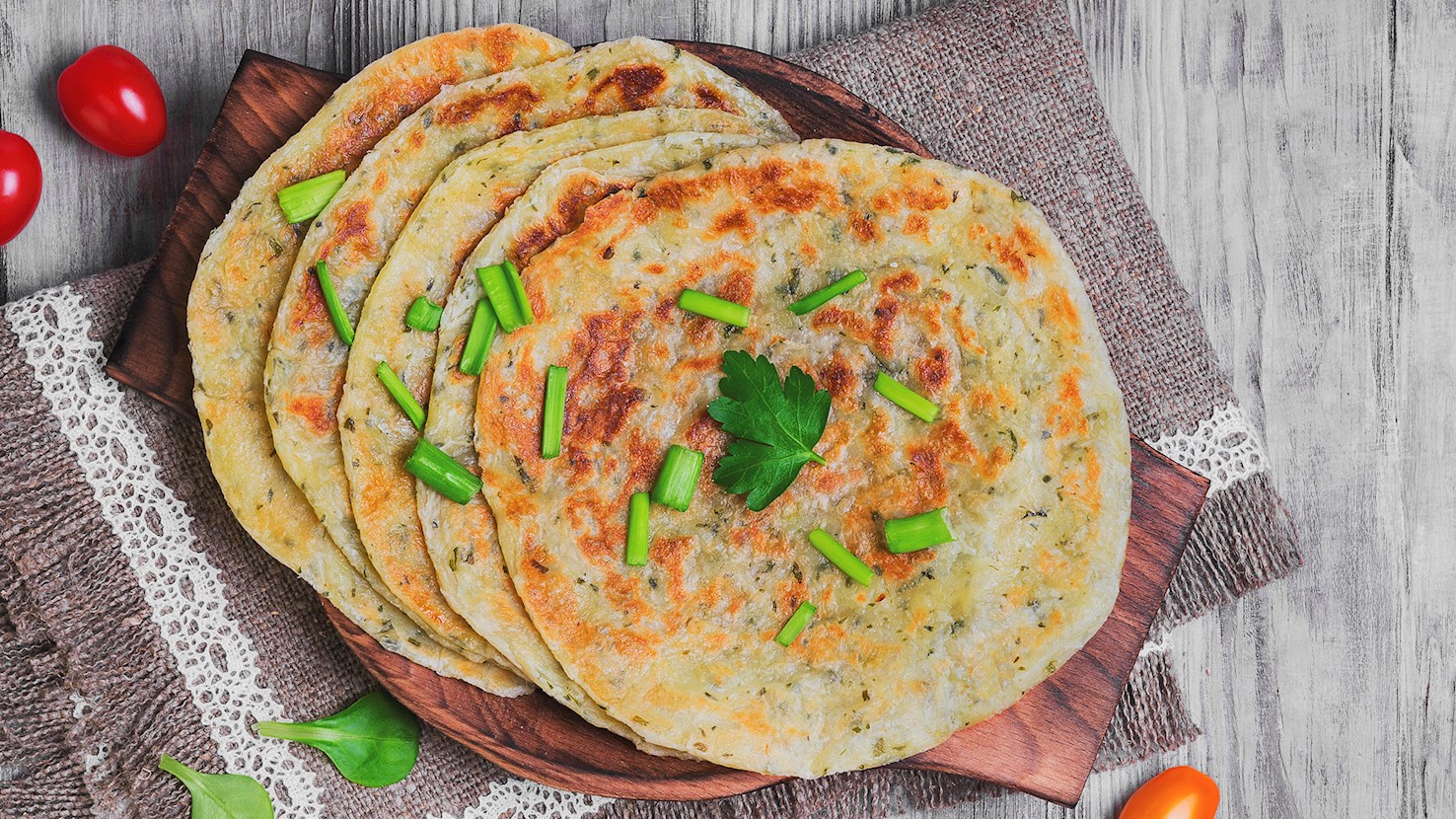
Roti is a flat and unleavened bread made with wholemeal flour. It is traditionally cooked on an iron griddle called tava, an important vessel in the Indian cuisine. In Indian cuisine, roti is as essential as rice. There are several theories regarding its origin. One says that it was invented in Persia, when it was made with maida and was much thicker than today's rotis. Another theory says that it traveled to India from East Africa, where unleavened bread was a staple and the production of wheat was abundant. The Ayurveda dates it back to India's Vedic period. Regardless of the origin, roti is nowadays popular throughout the world, in countries such as Pakistan, Nepal, Sri Lanka, Maldives, South Africa, and South Asia. Its name stems from the Sanskrit word रोटिका, meaning bread. There are many variations of the basic roti, such as chapati, makki di roti, tandoori roti, and roti canai. It is commonly used as an accompaniment to various dishes, including curries, and on the Caribbean, it is commonly used as a sandwich wrap and consumed as street food.
TasteAtlas food rankings are based on the ratings of the TasteAtlas audience, with a series of mechanisms that recognize real users and that ignore bot,
nationalist or local patriotic ratings, and give additional value to the ratings of users that the system recognizes as knowledgeable.
TasteAtlas Rankings should not be seen as the final global conclusion about food. Their purpose is to promote excellent local foods,
instill pride in traditional dishes, and arouse curiosity about dishes you haven’t tried.




What People Say