


shutterstock

29 Traditional Foods
You Have To Try in Bangkok

Last updated on May 22, 2026
01

Thai Curry

4.2 ·

Thai curry is usually a soupy dish consisting of coconut milk or water, meat, and curry paste. Unlike the thicker Indian curries, Thai curries have a more soup-like consistency, and the cooks prefer to use fresh herbs and aromatic leaves instead of spice blends that are prevalent in Indian curries. In many Thai homes, curry is consumed on a daily basis, and the cooks can choose from two varieties of Thai curry: water-based or coconut milk-based curries. The most popular water-based curry is sour curry, or gaeng sohm plah, which is often prepared with fish or seafood, while the sour flavor comes from tamarind. Some of the spiciest Thai curries are water-based since there is no coconut milk in the dish to subdue the heat. Coconut-based curries are more popular in the West, such as red, green, yellow, or panang curry.

02

Pad Thai

4.2 ·

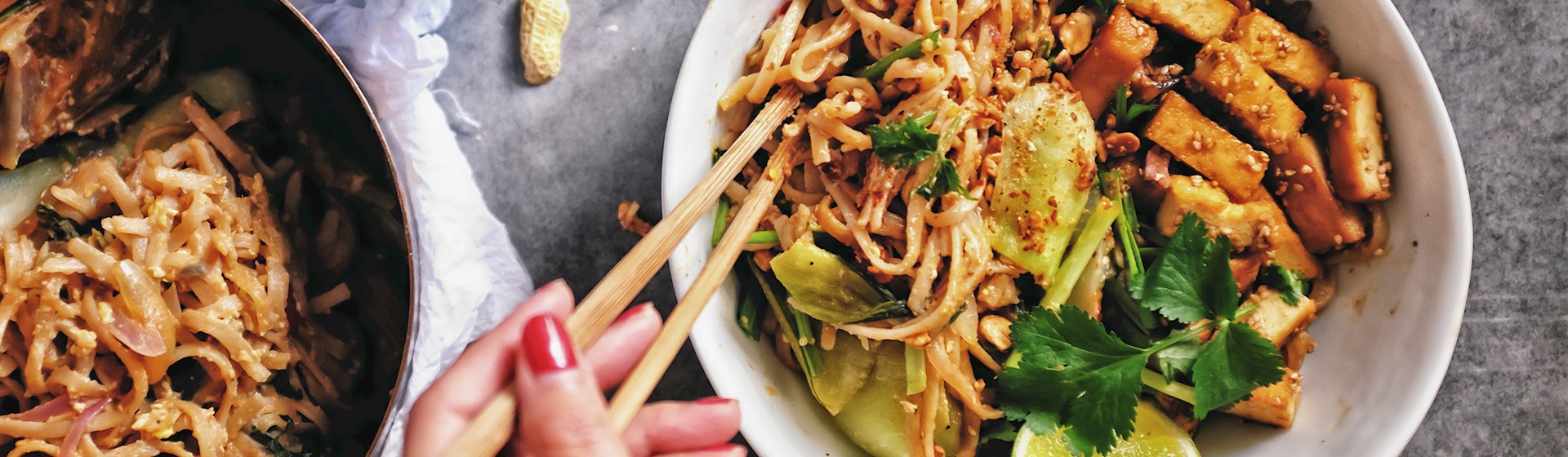
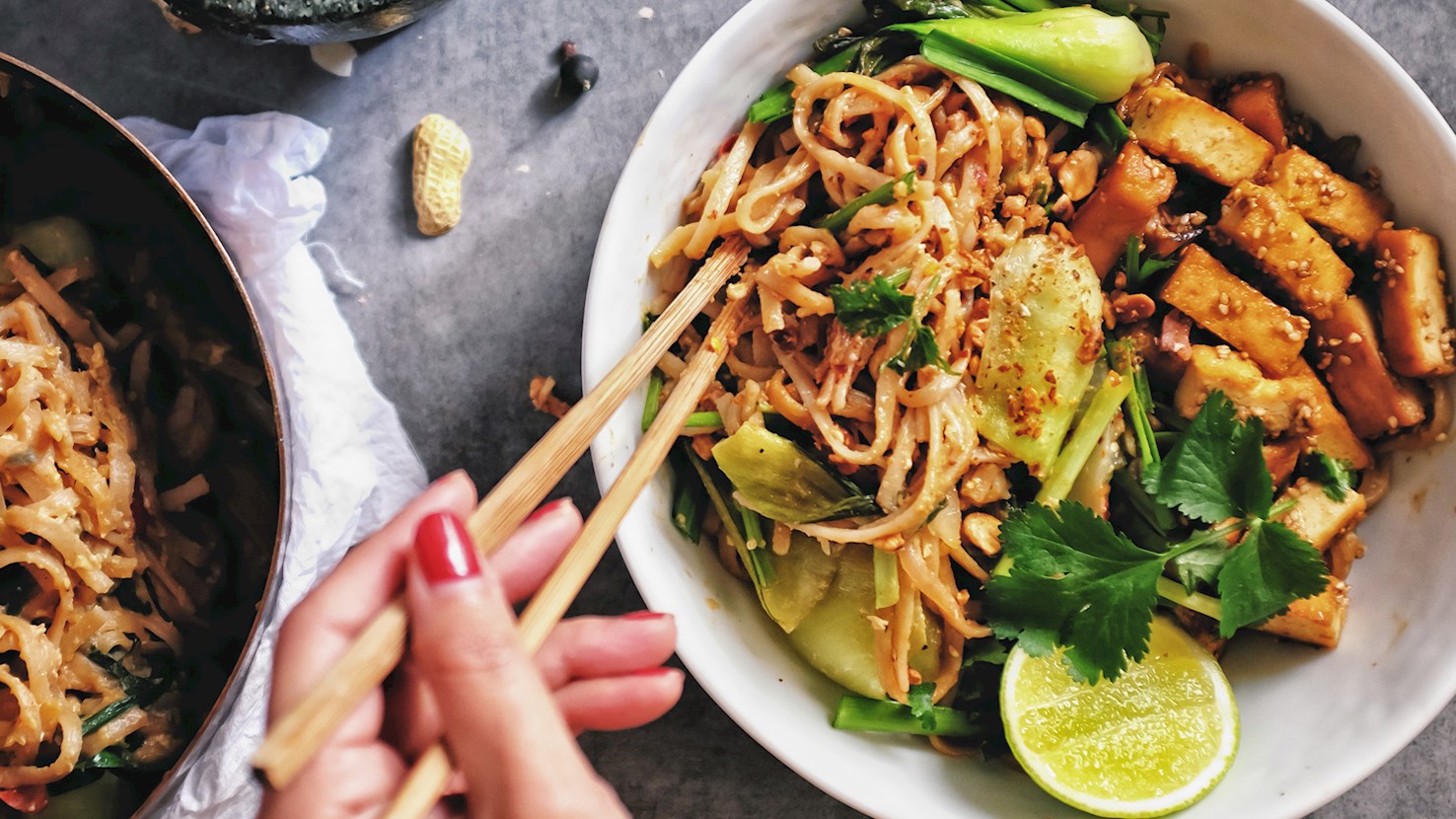
Pad Thai is Thailand's national dish, a flavorful stir-fry (pad in Thai) dish consisting of rice noodles, tofu, dried shrimp, bean sprouts, and eggs. If it's made with meat, chicken and pork are some of the most popular choices. The flavors are an intricate combination of sweet, sour, and salty, with a well-balanced contrast of textures. Pad Thai is probably one of the most popular Thai dishes abroad. Its origins can be traced to a period of nationalism in the country, after the 1932 revolution that ended the absolute monarchy. There was a public contest to find a new national noodle dish, and the winner was a Pad Thai consisting of noodles, radish, sprouts, peanuts, and eggs. Tender rice noodles are additionally flavored with sugar, tamarind, lime juice, vinegar, and fish sauce, and the dish is traditionally served with ground red chilis, white vinegar, sugar, fresh lime wedges, and fish sauce on the side, so each consumer can garnish the meal to their preference.

03

Tom yum

4.2 ·

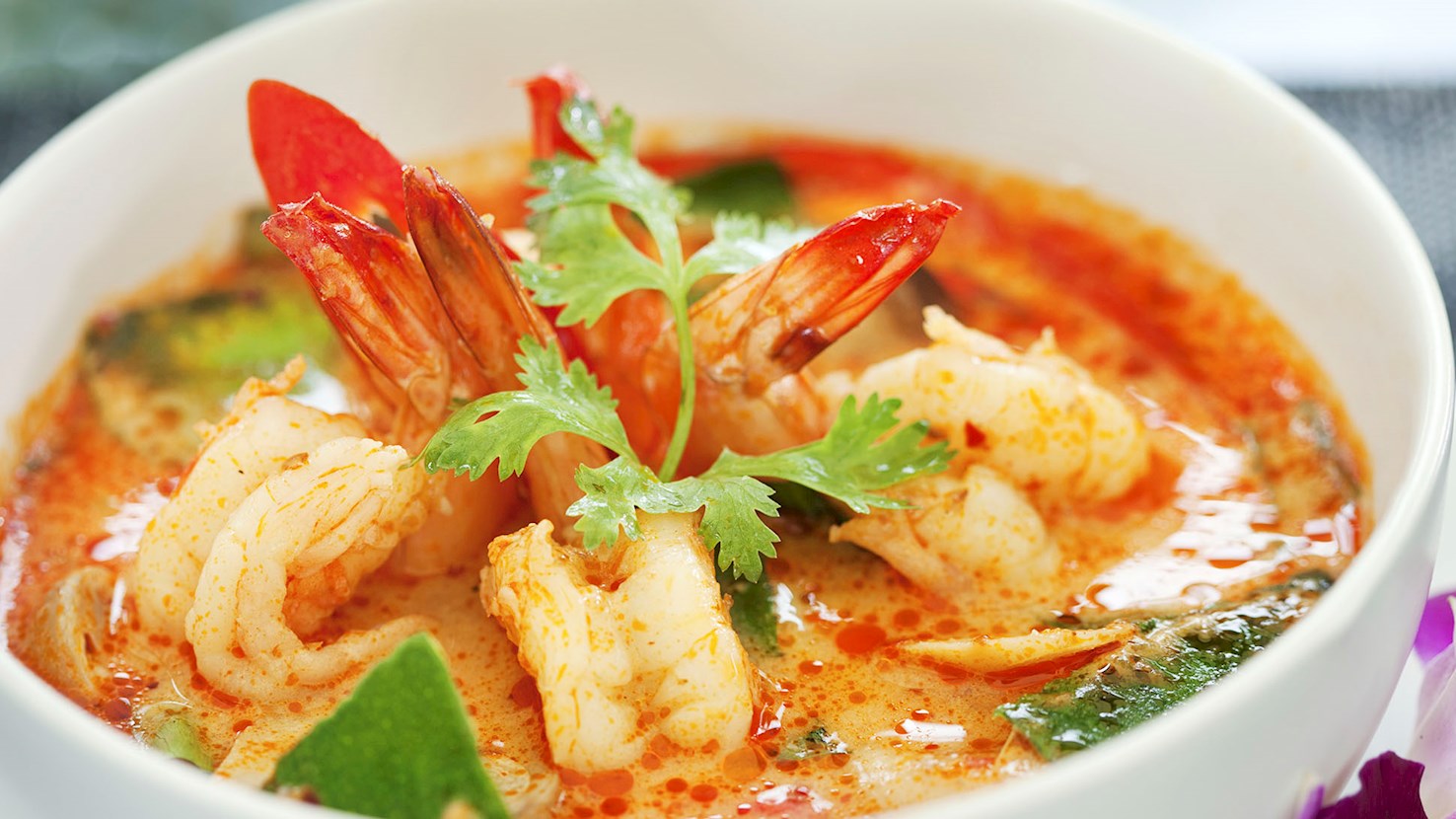
Tom Yum is one of the best known Thai dishes, a spicy, sour, and aromatic soup that is traditionally served with rice. It consists of shallots, lemongrass, fish sauce, minced fresh ginger or galangal, shrimps, mushrooms, kaffir lime leaves, lime juice, and minced Thai chili peppers. Usually served as an appetizer, tom yum is traditionally garnished with coriander leaves on top. Due to its popularity, different versions of the soup started to appear over the years, such as tom yum gai, with added chicken, and tom yum talay, with mixed seafood. There's also a version made with pork. Full of nutrients, flavorful, satiating, and healthy, tom yum is one of the most popular Thai dishes for a reason.

04

Green Curry

4.2 ·

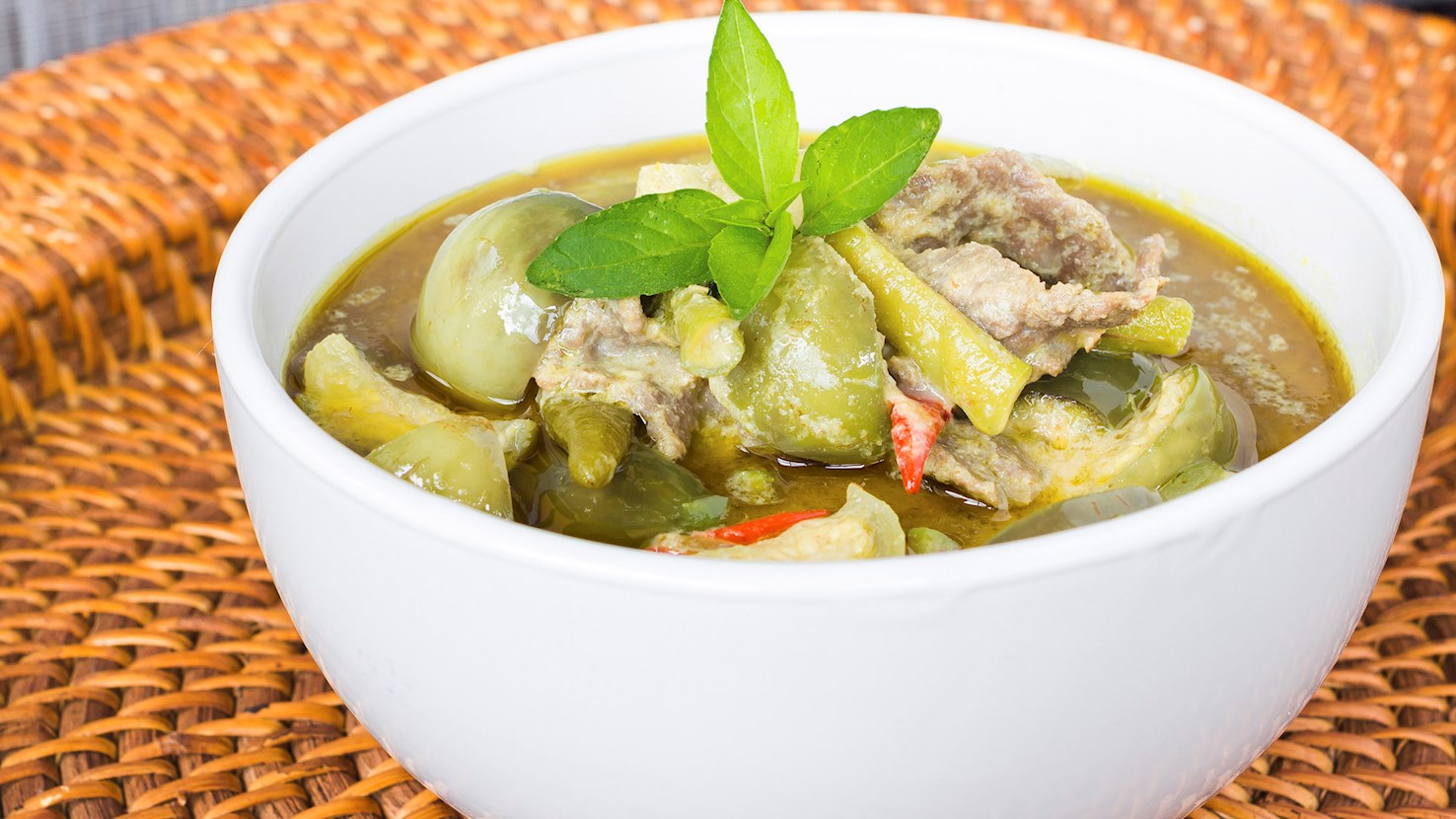
Kaeng khiao wan is a traditional name for the fiery green curry. Although the name translates to sweet green curry, it merely refers to the color, which is known as sweet green. Thai green curry is a dish based on fragrant and spicy green chilis, brought to Thailand by Portuguese missionaries in the 16th century. Fresh chilis are ground into a paste and mixed with ingredients such as galangal, shrimp paste, lemongrass, garlic, turmeric, coriander, kaffir leaves, and whole peppercorns. The paste is the heart of every green curry, a foundation which determines the final flavor of the dish. Another essential ingredient is coconut milk, which perfectly balances the spiciness of green chilis, but it also provides creaminess and a subtle sweetness. Although green paste can be easily found in specialized stores and regular supermarkets, the freshness of ingredients is the key in green curry, so it is always recommended to use fresh spices which should be ground in a mortar. Additional ingredients in the green curry are highly versatile. They usually include a protein, meat or seafood, and a variety of vegetables. When served, the dish is decorated with sliced green chilis and fresh kaffir leaves. Plain steamed rice, fragrant Jasmin rice, traditional rice noodles, and fried vegetables are often served on the side. Green Thai curry is a dish which originated in Central Thailand, but nowadays it is regarded as one of Thailand’s signature dishes. It can be found in high-end restaurants and local eateries across the country.

05

Yellow Curry

4.1 ·

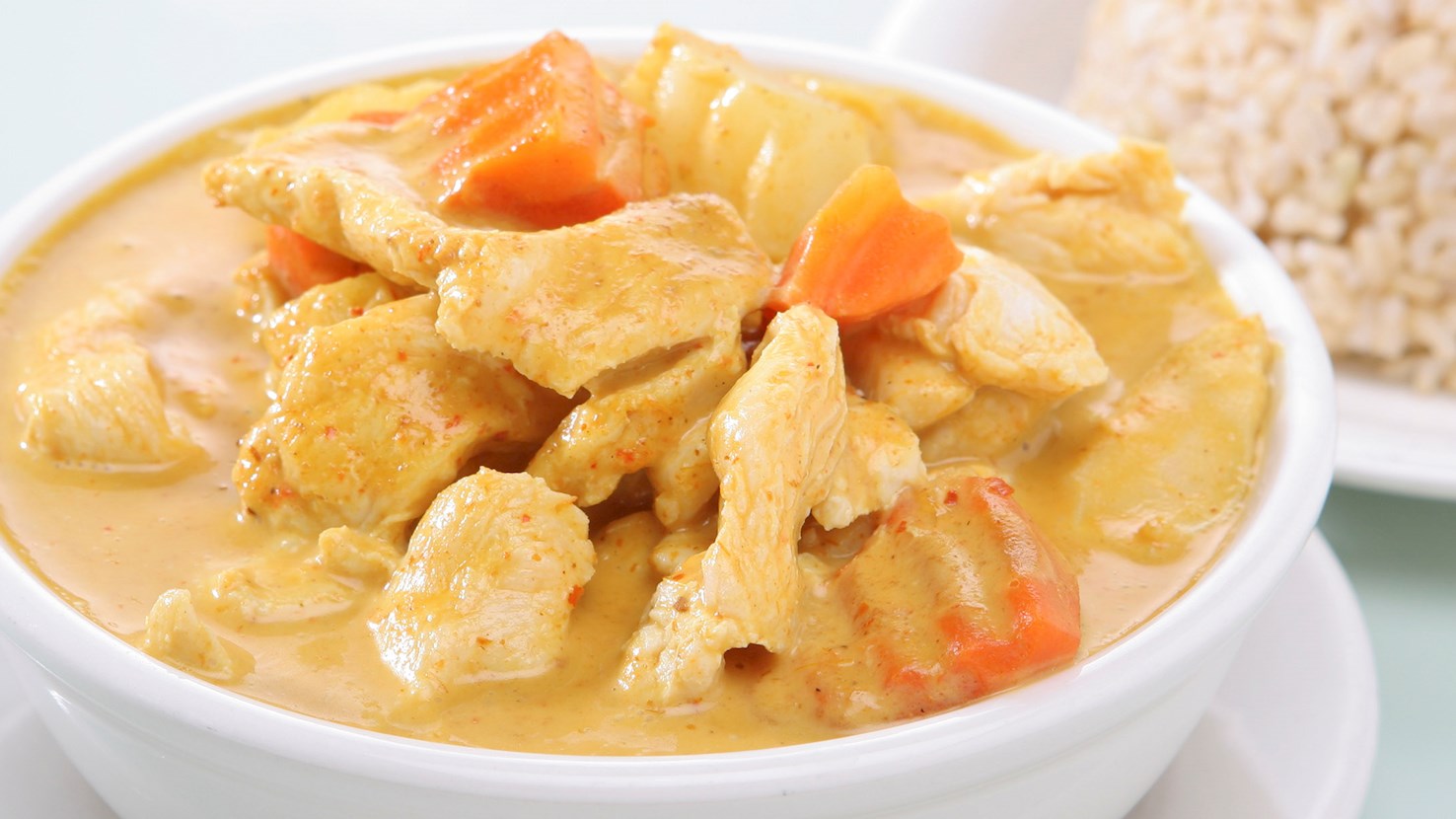
One of three major curry types in Thailand is the famous yellow curry. Similar to its red and green counterparts, yellow curry is also made with spices such as coriander, cumin, lemongrass, kaffir leaves, garlic, galangal, and numerous other aromatic additions. The spices are usually combined with potatoes and onions; all doused in a creamy and slightly sweet sauce made with coconut milk. What differentiates yellow curry from the other types is the addition of yellow curry powder, giving the dish its distinctive color. Yellow curry falls into the category of mild Thai curries since it does not incorporate a lot of spicy chili peppers, but bases the flavors on the fragrant and lightly sweet curry powder. It is usually made with chicken, fish, duck, vegetables, or tofu. Just like other Thai curries, yellow curry has a thin broth that differs from the thick Indian curry varieties. It can be found everywhere in Thailand, and it is one of the favorite Thai dishes eaten outside of the country. Traditionally, yellow curry is accompanied by a cucumber relish known as ajat. In Thailand, yellow curry is referred to as kaeng kari, and it should not be mistaken with sour curry, known as kaeng lueang.

06

Som tam (Papaya salad)

4 ·

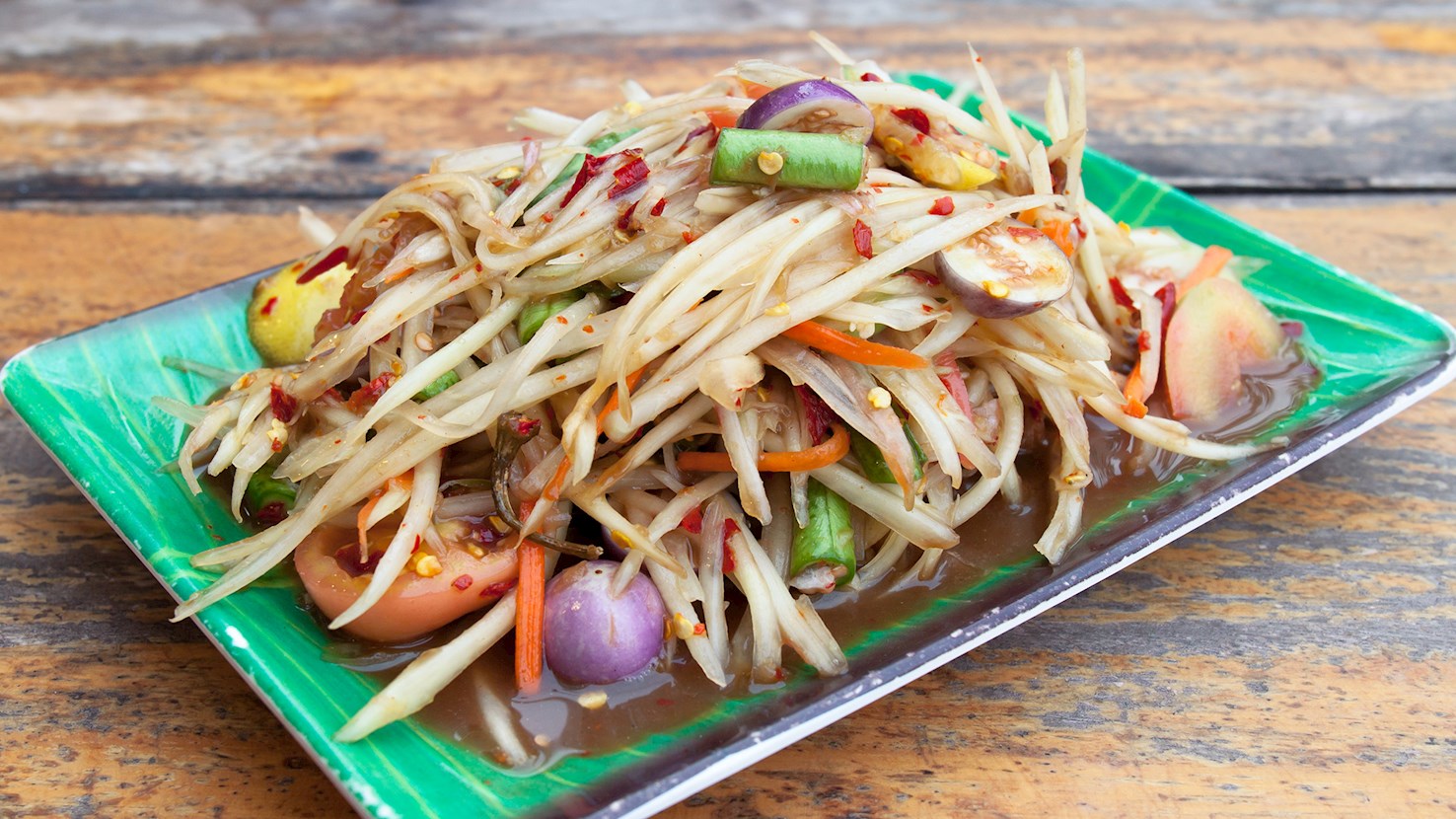
Som tam is a green papaya salad mostly associated with the northeastern part of Thailand (Isaan), though it is often suggested that it first appeared in Laos. Apart from thin strips of green papaya, this salad usually includes roasted peanuts, green beans, tomatoes, and a tangy sauce typically made with garlic, chili peppers, fish sauce, dried shrimps, palm sugar, and lime or tamarind juice. The varieties are plentiful and can include various additions. The sauce can also appear in many other combinations, and can significantly vary in sweetness and spiciness. Numerous restaurants and street stalls allow the customers to choose the variety they prefer and adjust the ingredients to their preference. It is still not clear whether this refreshing dish was invented in the north of Thailand, more precisely the Isaan region, or is it an original Lao creation. Many believe that it was primarily invented to utilize abundant papayas and that its original form did not use palm sugar because it mostly relied on spicy chili flavors. Regardless of its origin, this simple salad has gained global popularity and can be found on the menus of traditional Thai restaurants around the world. It can be enjoyed as the main dish or as a complement to rice, grilled meat, or marinated fish.

07

Khao mok gai

3.5 ·

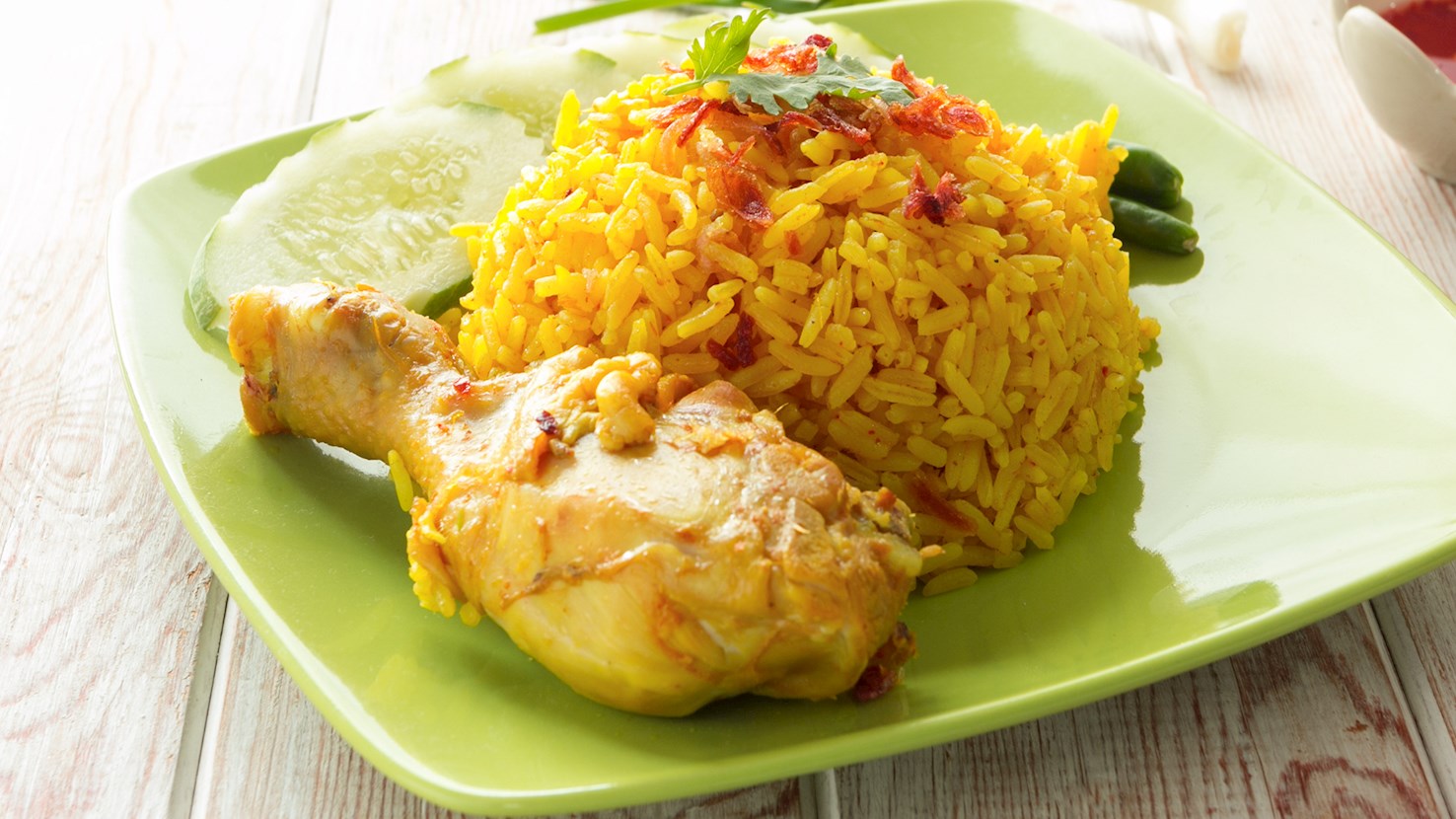
Traditionally prepared and eaten mostly by the Muslim-Thai, khao mok gai (chicken burried in rice) is a Halal dish that was introduced to Thailand by Persian merchants centuries ago. In fact, the dish is the Thai version of chicken biryani and was first mentioned in a Thai literature classic from the 18th century. Just like in the original recipe, both chicken and rice are heavily flavored with the traditional biryani spices like curry powder, coriander, cardamom, turmeric, cumin, and cinnamon. However, in Thailand, the dish is served sided with fresh tomatoes or cucumbers, and the obligatory nam jim dipping sauce consisting of fresh mint and ginger.

08

Khao niao mamuang

4.2 ·

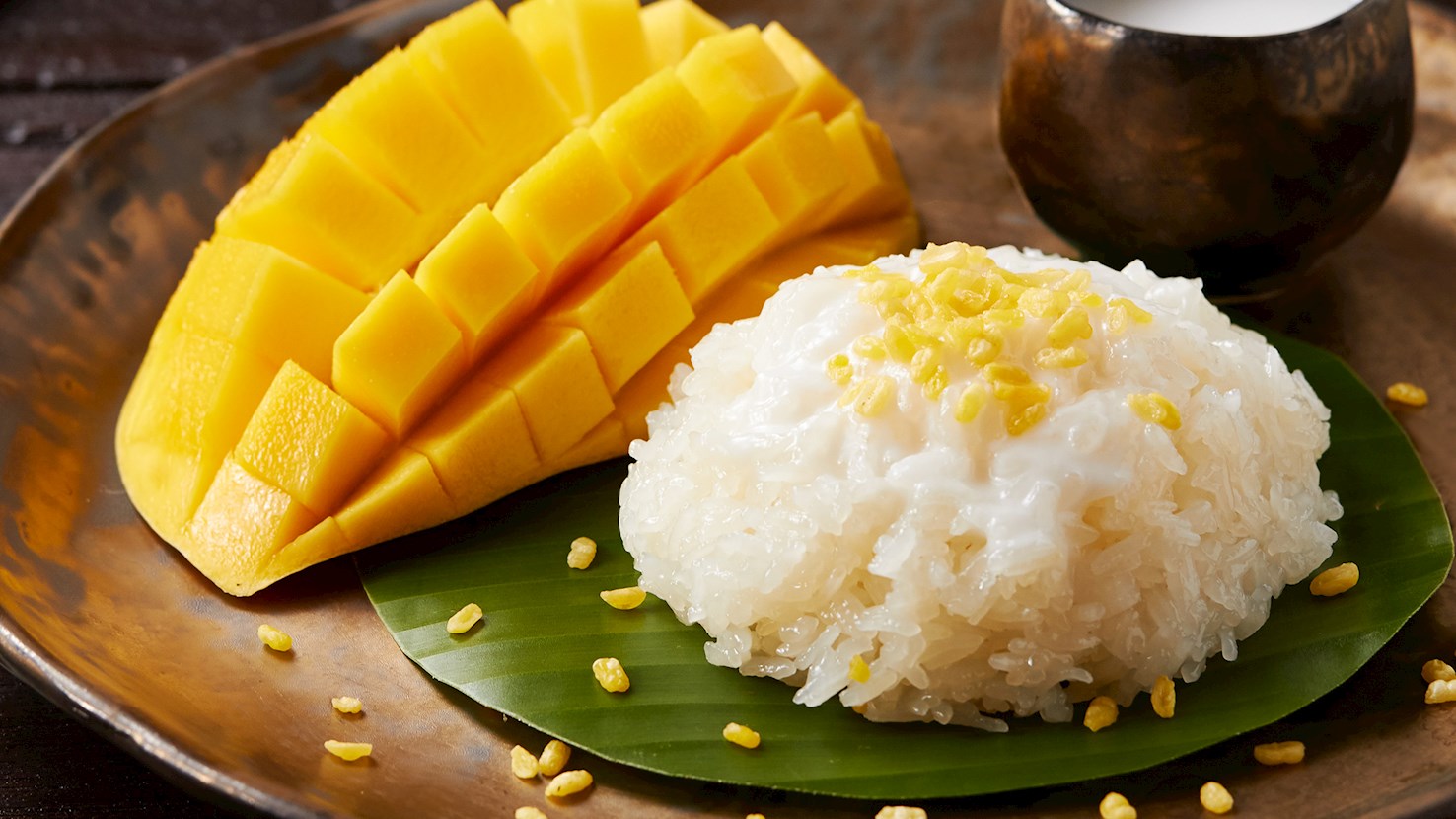
This traditional Thai rice pudding is a favorite way to finish any Thai meal. The dish is prepared with glutinous rice that is first steamed, then doused in sweetened coconut milk. Lastly, the rice is served sided with slices of fresh mango. This simple dessert is incredibly popular, and it can be found at virtually any eatery in Thailand.

09

Suki

3.6 ·

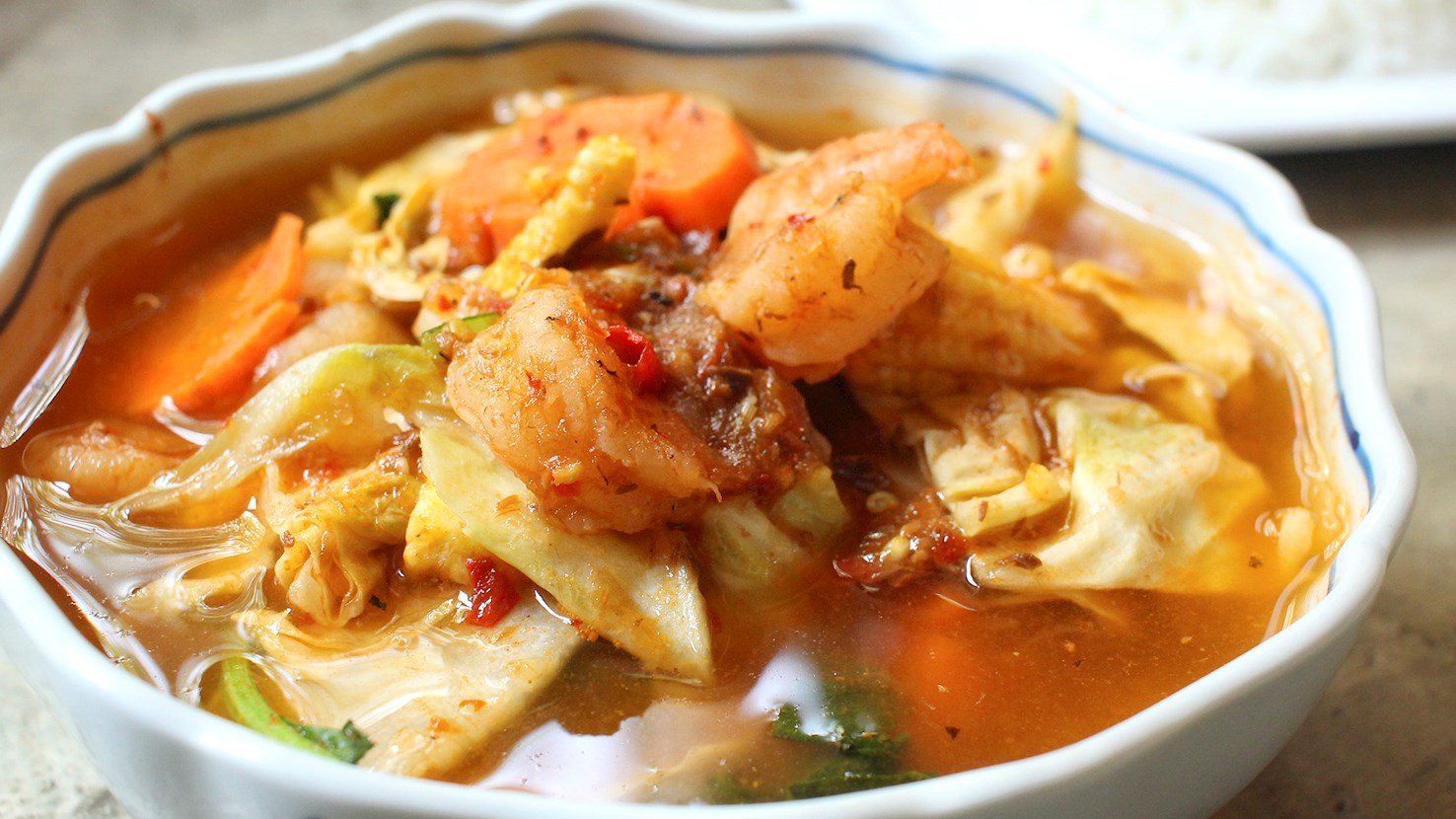
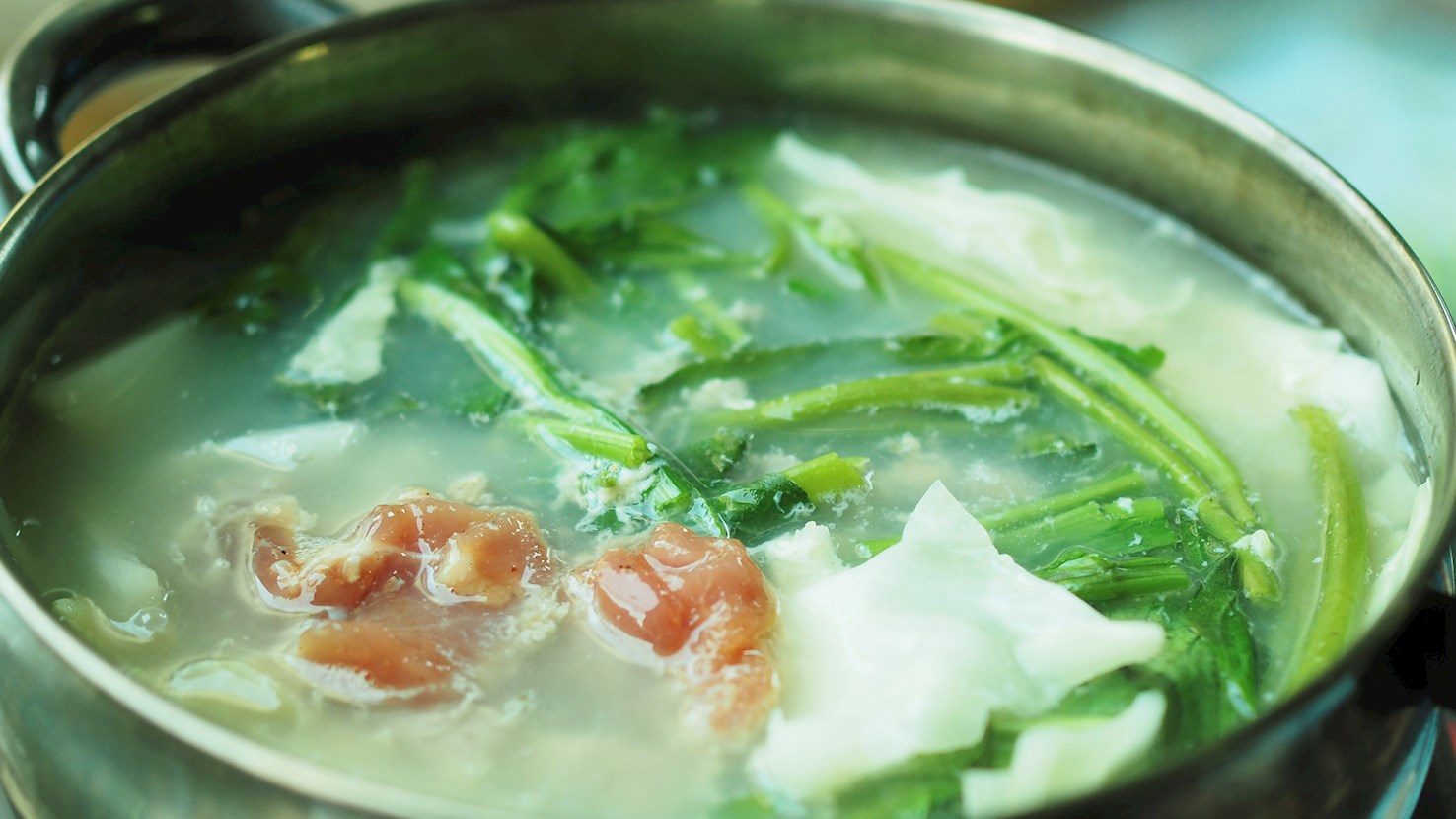
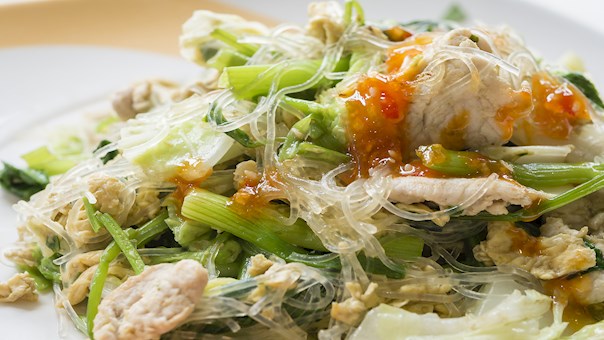
Suki is the Thai version of a communal hot pot dish. It grew out of Chinese and Japanese traditions of preparing and cooking ingredients tableside in a shared bowl. The assembling of the dish starts with a bowl placed in the middle of the table, usually filled with a lemongrass-spiced chicken broth. The rest of ingredients can include meat, pork, and chicken, a wide range of seafood ingredients, glass noodles, and vegetables such as cabbage, shiitake mushrooms, spring onions, carrots, and celery. The unique characteristic of Thai suki is the dipping sauce, created with a substantial amount of chili peppers, coriander, garlic, and lime. Occasionally, a raw egg is added to the broth, which creates unusual egg drippings and slightly thickens the soup. Having suki in a restaurant provides a unique dining experience in which each person can adjust the choice of ingredients and spiciness according to personal preferences. In Thailand, it is usually consumed at specialized suki restaurants.

10

Massaman Curry

4.3 ·

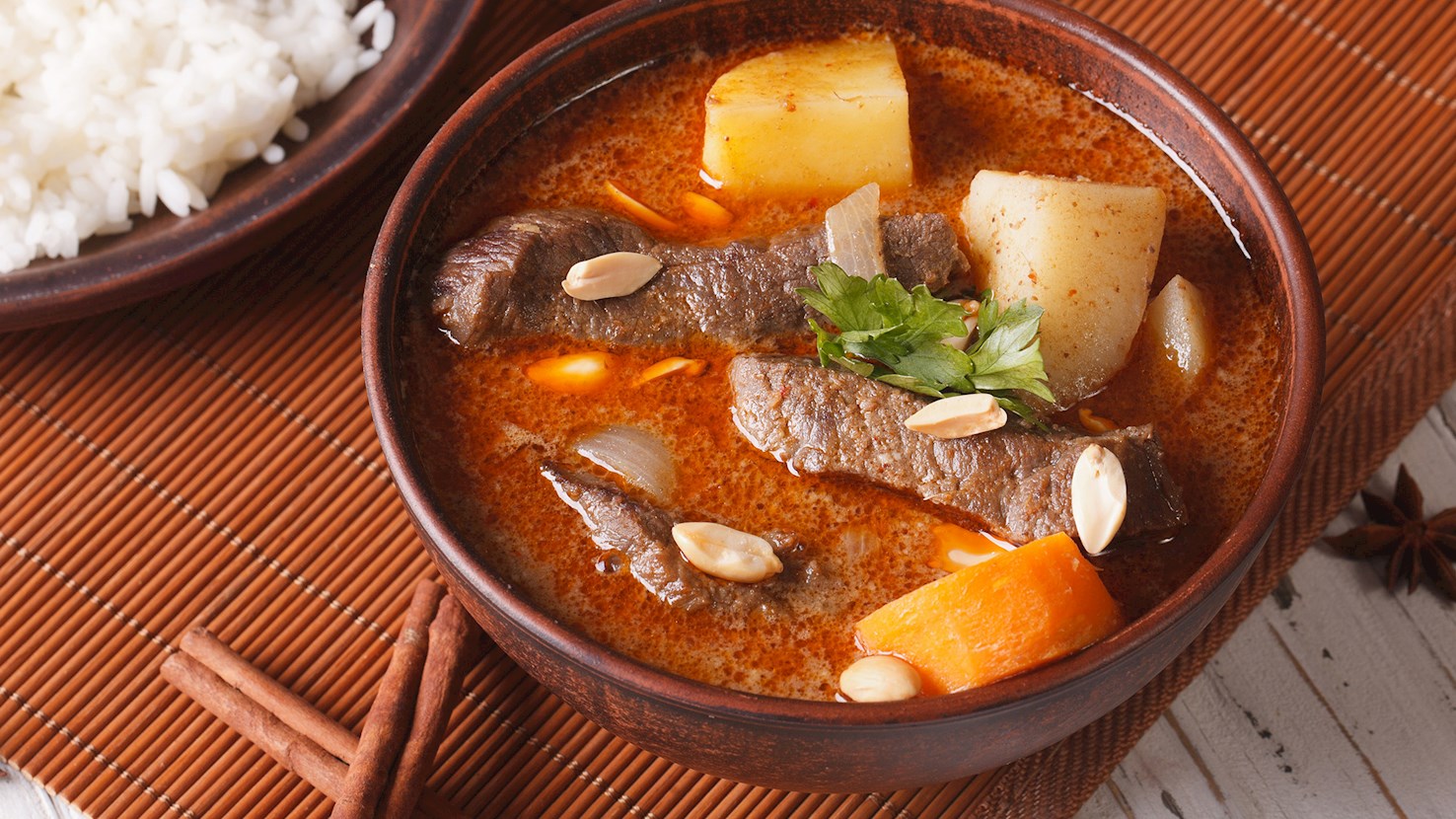
Out of all Thai curry varieties, massaman curry stands out as the mildest, sweetest, and the most unusual type. It is a combination of creamy coconut milk, meat, potatoes, and a curry paste made with roasted spices. Coconut milk is the authentic Thai element of the dish, providing a rich base for the rest of the ingredients. Since it is cooked for a long time, massaman curry usually employs thicker cuts of beef or bone-in chicken, and occasionally lamb or mutton. The list of spices commonly used in massaman is versatile and extensive. It usually employs a combination of dry spices such as cumin, coriander, cloves, cinnamon, and peppercorns, mixed with fresh garlic, chili, galangal, lemongrass, tamarind paste, and palm sugar. The dark red, thick spice paste is simmered with other ingredients and gives the dish an incredibly complex and layered flavor. It is still not clear if massaman curry originated in South or Central Thailand, but it is certain that it owes its name and origin to Muslim traders from the Middle East and the Indian subcontinent. This is the reason why massaman curry employs a variety of fragrant oriental spices that are not common in the region. Massaman curry is usually accompanied by a bowl of steamed rice and ajad, the famous pickled cucumber side dish. Chopped or whole peanuts can also be incorporated into the dish or sprinkled on top right before serving.

About this ranking

TasteAtlas food rankings are based on the ratings of the TasteAtlas audience, with a series of mechanisms that recognize real users and that ignore bot, nationalist or local patriotic ratings, and give additional value to the ratings of users that the system recognizes as knowledgeable. For the “29 Traditional Foods You Have To Try in Bangkok” list until May 22, 2026, 2 ratings were recorded, of which 2 were recognized by the system as legitimate. TasteAtlas Rankings should not be seen as the final global conclusion about food. Their purpose is to promote excellent local foods, instill pride in traditional dishes, and arouse curiosity about dishes you haven’t tried.

Similar lists