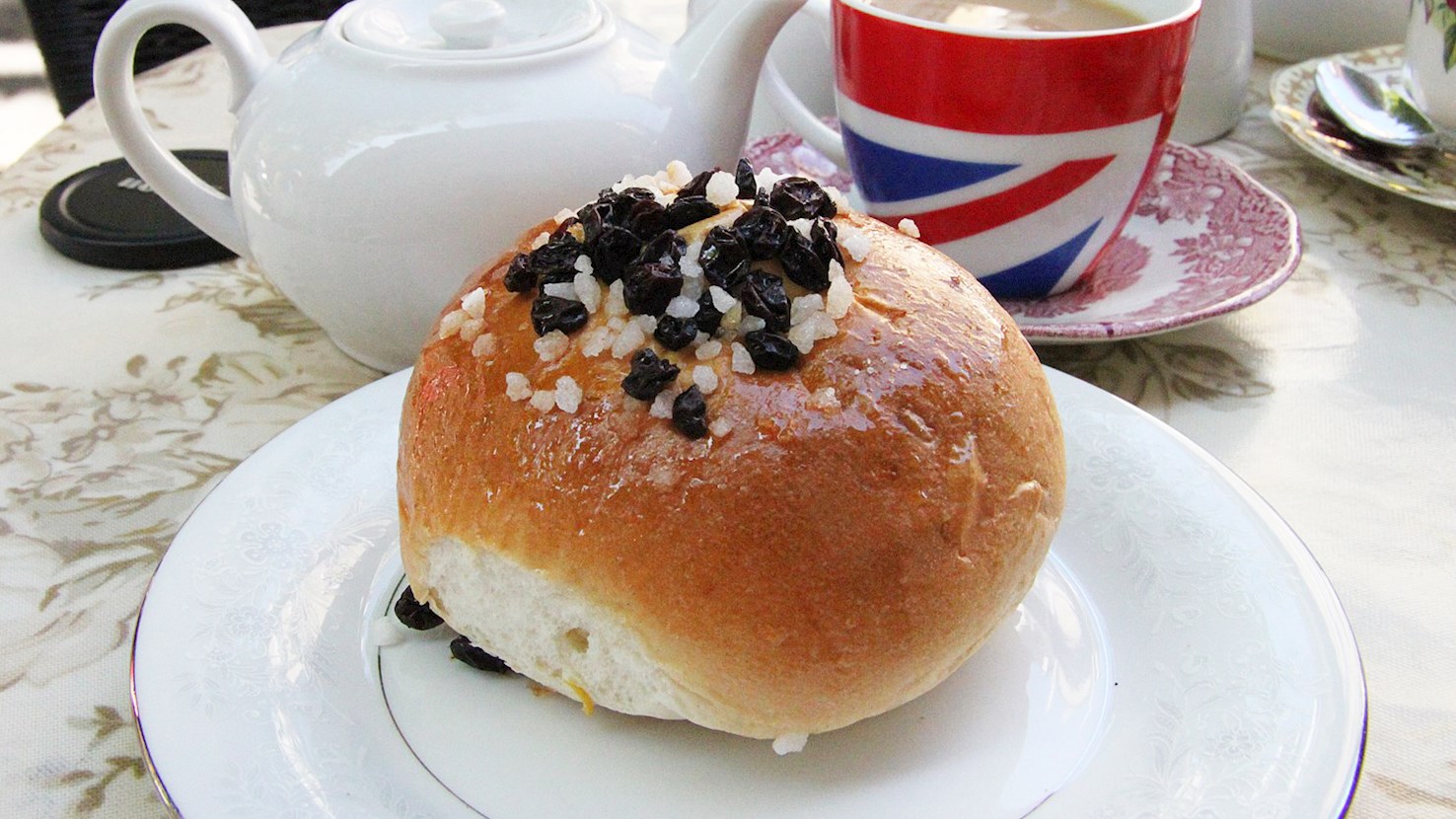
Bath bun is a traditional sweet bread roll originating from Bath. The buns are circular, with nib sugar and caraway seeds on top of their highly glazed exterior. The texture is dense and close, while the flavor is lightly spiced and sweetened, with lump sugar underneath. The milk-based yeasted dough for Bath buns is usually based on plain brioche dough or rich egg and butter dough with caraway seeds. Although there are disputes about the origins of these buns, the ones made from a recipe dating back to 1679 are still available in the town of Bath.
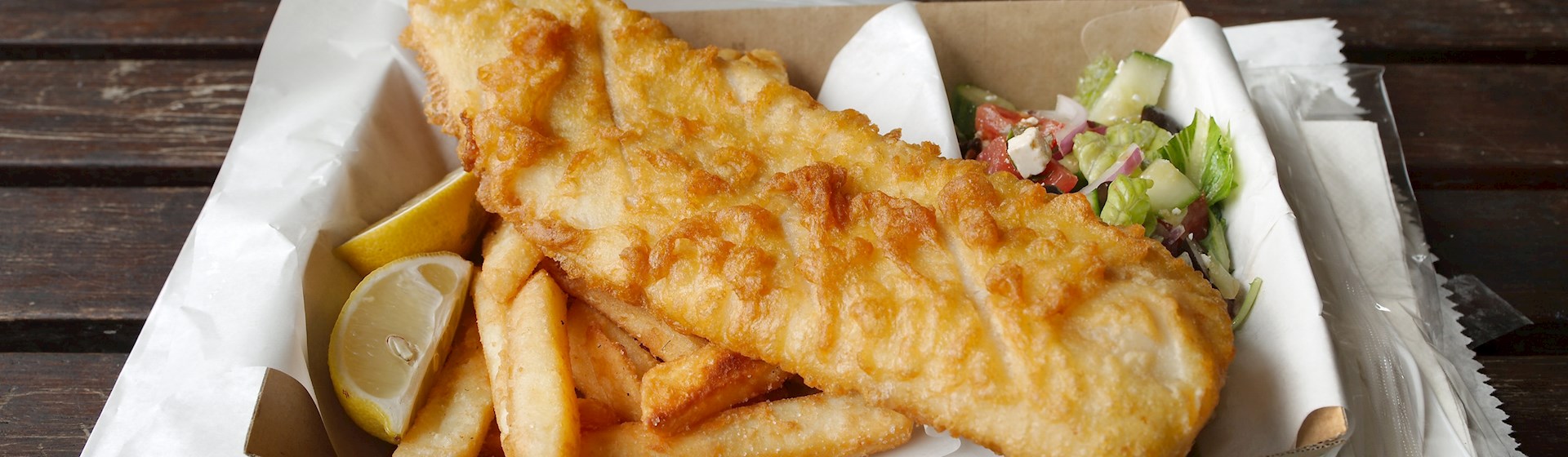
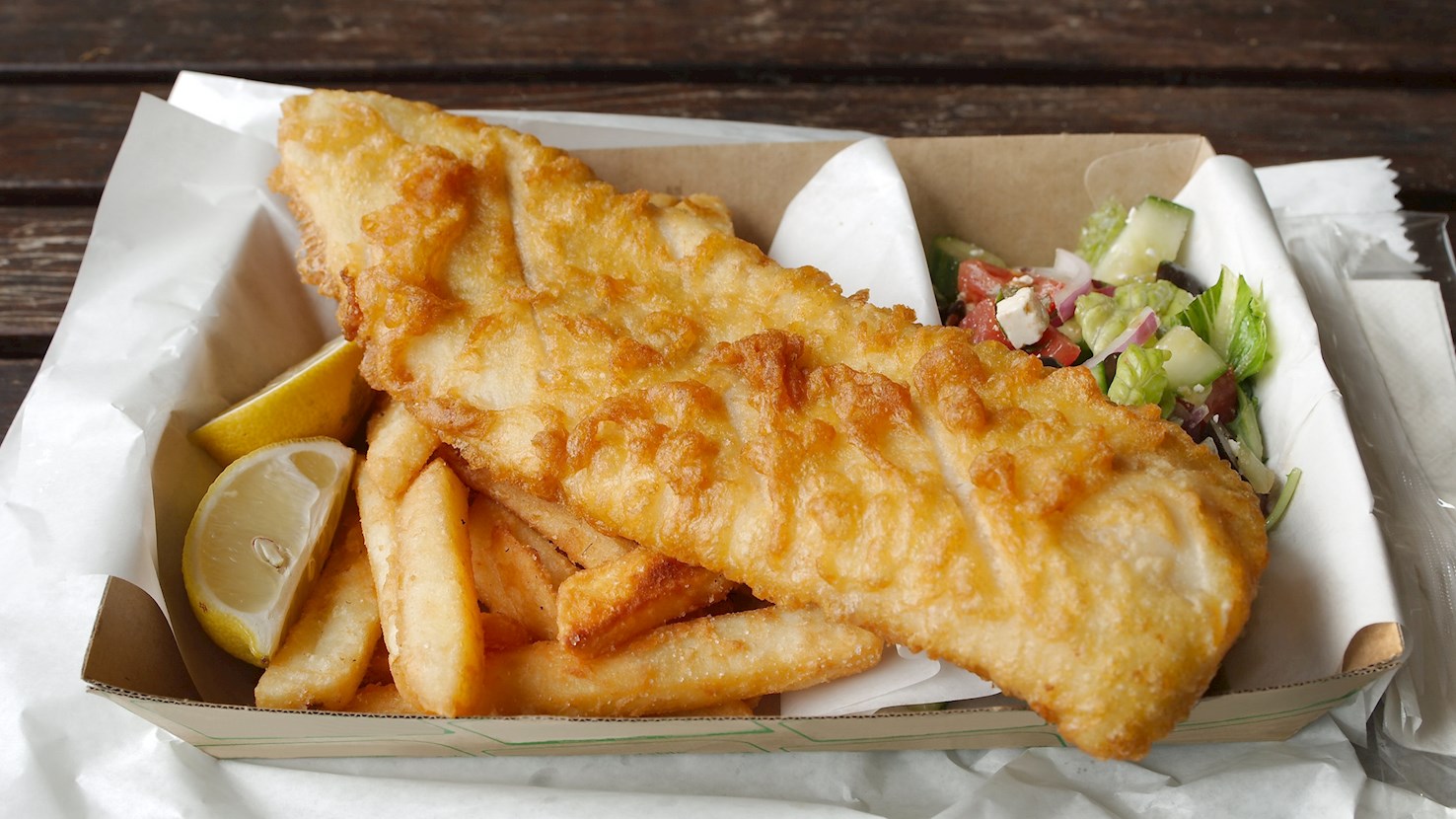
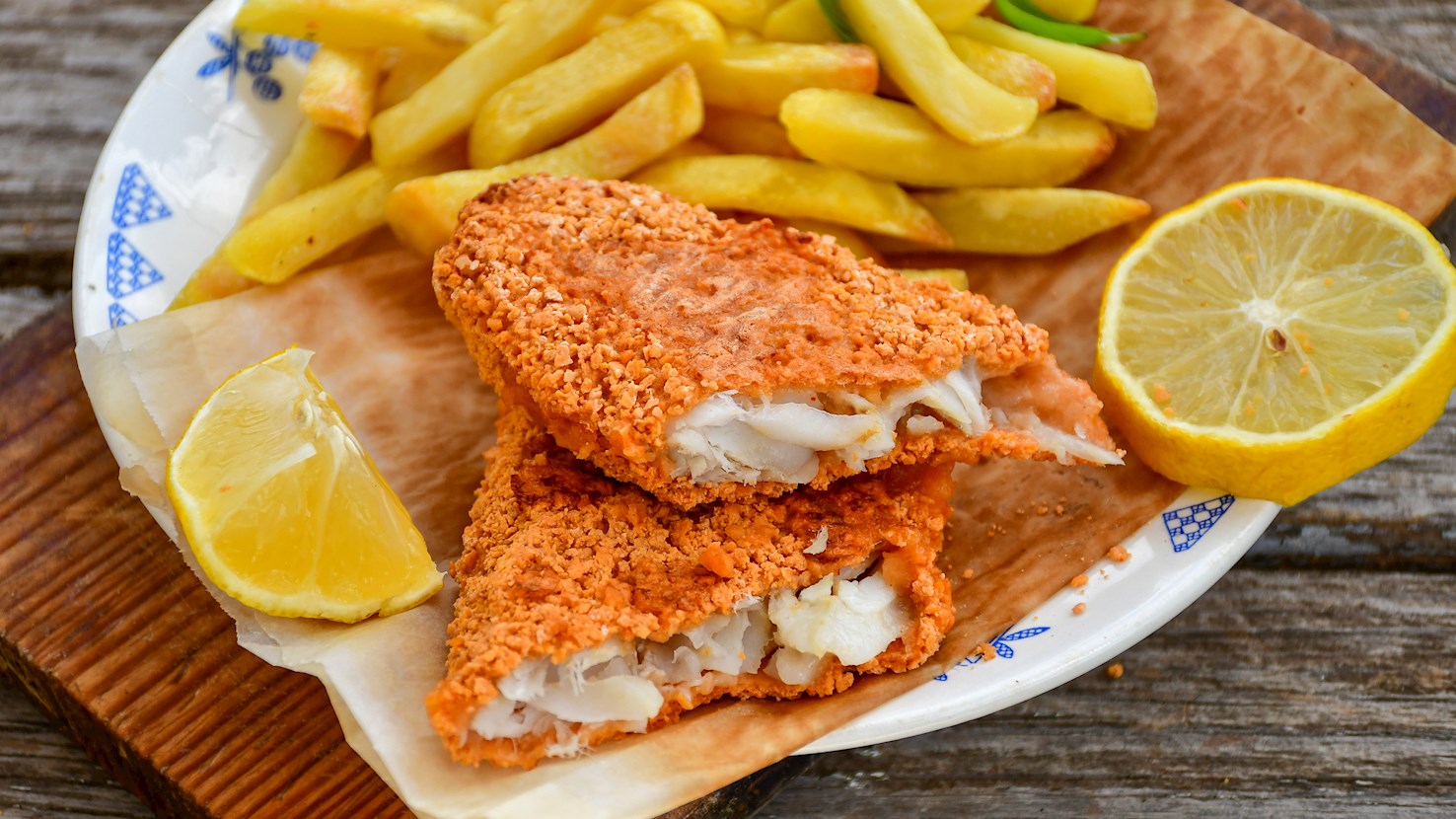
Most Brits would agree that there is nothing more British than fish and chips. This comforting, widely loved national dish consists of a freshly fried, hot, white fish fillet and large, sliced and fried potatoes. Cod, haddock, and flounder are the most common types of fish that is fried for the dish, and the customers can choose which type of fish they want, with cod being the most popular choice. The fillets get dipped in a batter made from eggs, milk, and flour, and are then fried in oil, lard, or beef drippings along with the potatoes. The origins of this dish go back to the 17th century, when potatoes were fried as a substitute for fish in the winter months, while fried fish was introduced into the country by Jewish refugees. Fish and chips are a favorite takeaway dish, with numerous chippies (fish and chips shops) popping up all over the country and offering a few accompaniments and sides, such as salt, vinegar, mushy peas, curry sauce, ketchup, brown sauce, and a cup of sweet, milky tea. Traditionally, the dish is served wrapped in greaseproof paper and a layer of newspaper in order to make eating outside easier, and if you want to do as the Brits do, it is the only acceptable way to eat it. Interestingly, in Yorkshire, a cup of tea is the perfect beverage pairing for fish and chips.
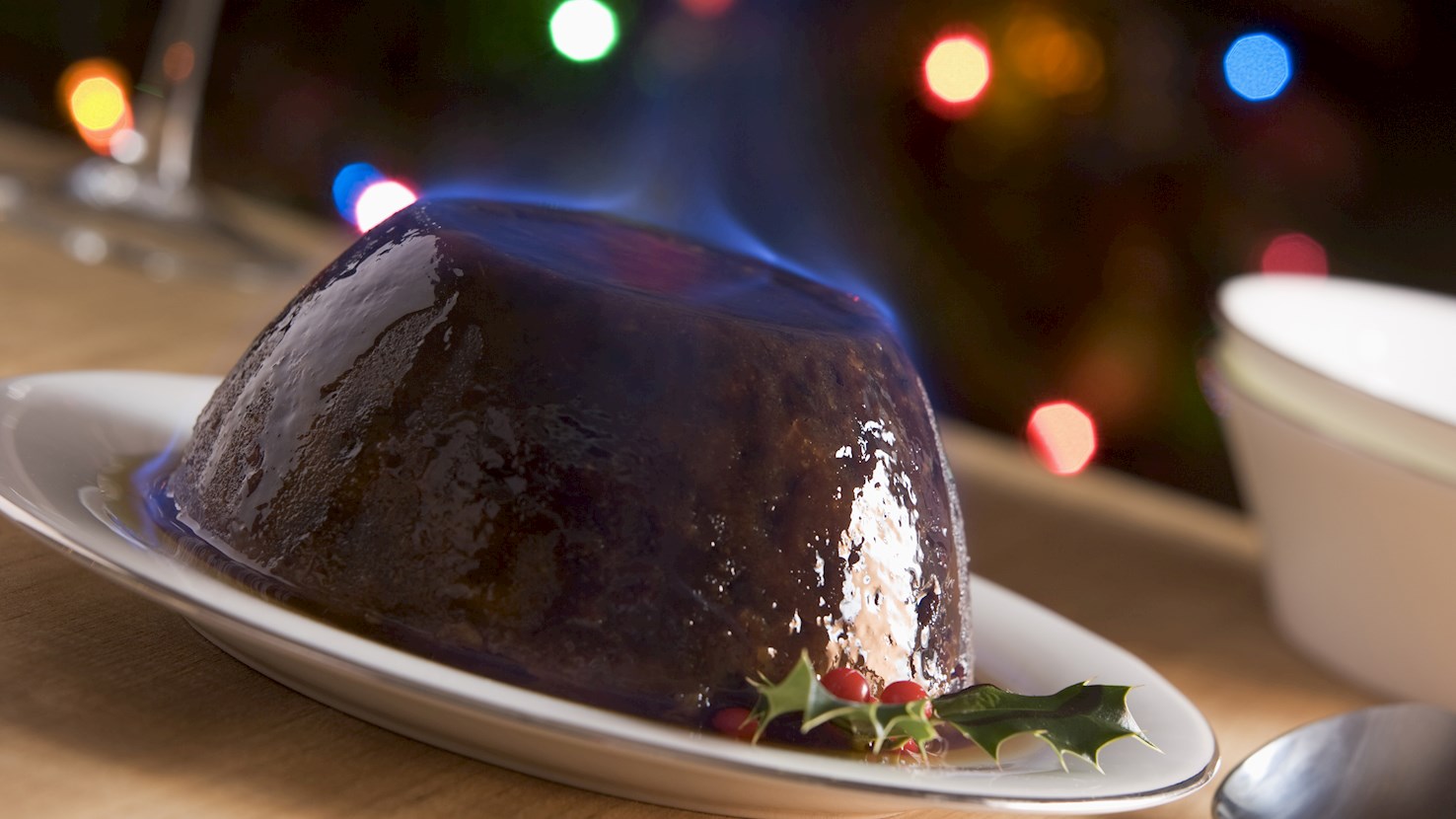
Christmas pudding is a staple dessert at every British Christmas dinner ever since its introduction by Prince Albert. Early versions contained meat such as beef or mutton, along with wine, onions, dried fruits, and warming spices. Today, Christmas pudding does not contain meat, but fruits, eggs, suet, molasses, and spices instead of it, and every family has their own recipe for this steamed treat.
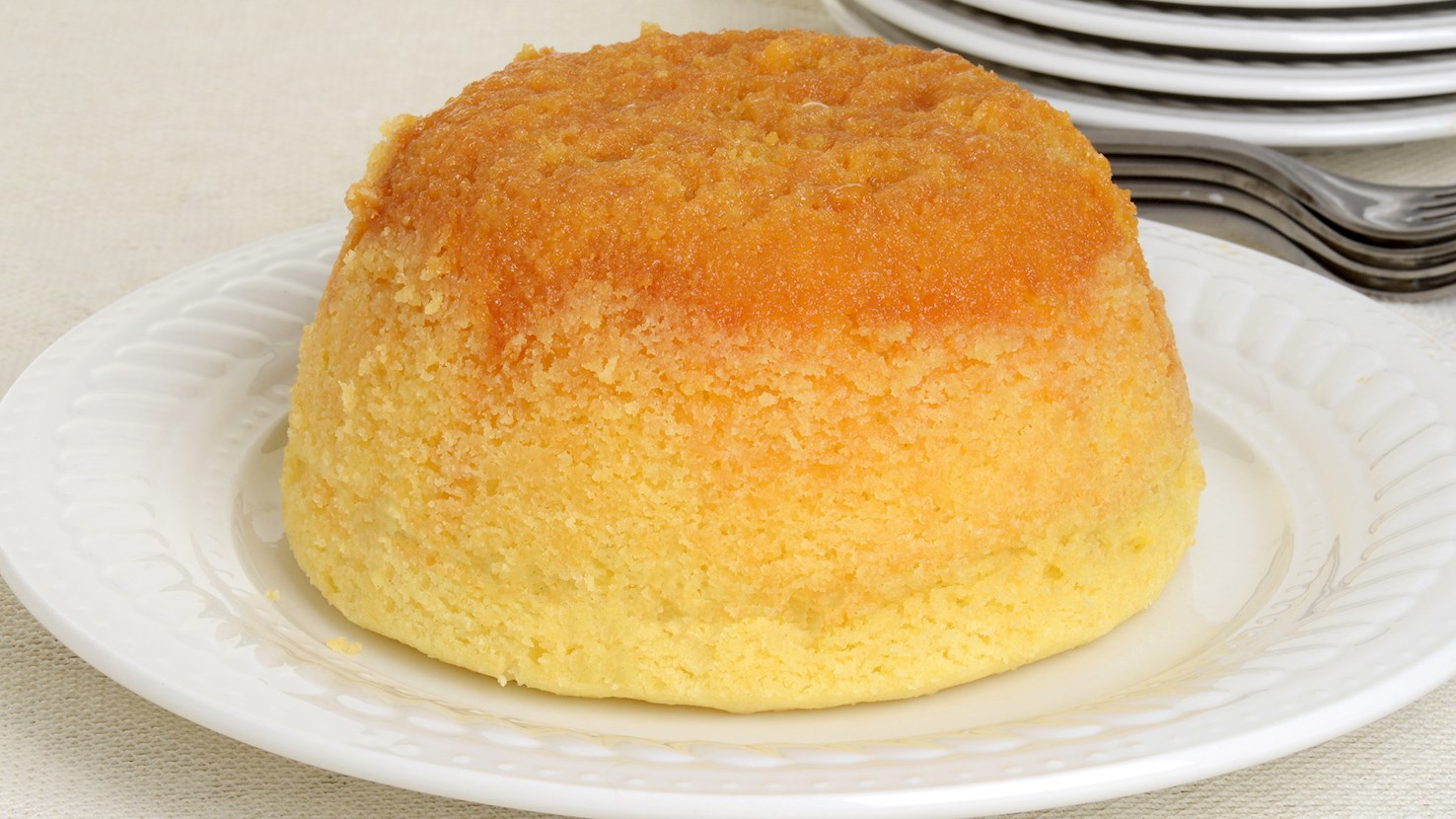
Steamed pudding is a variety of English pudding with a long tradition in the British cuisine, basically consisting of a combination of ingredients that are steamed inside either a special pudding basin or another similar vessel suitable for steaming. This quintessential treat comes in both savory and sweet versions, and it is further divided into two categories, namely suet puddings, and sponge puddings. Christmas puddings belong to the first category, which uses suet as its main ingredient, whereas the latter calls for a mixture of eggs, flour, and butter. In the past, puddings were commonly cooked by boiling enclosed within anything from cloths, pastries, skins, or animal intestines. The initial vessels had eventually given way to specially designed pudding basins and molds, and steaming became the preferred method for cooking puddings as it yielded more refined results. Steamed pudding is best enjoyed warm, and it includes an array of sweet varieties such as spotted dick, roly-poly pudding, and sussex pond, and savory varieties such as pease pudding, minted lamb pudding, and pork and apple pudding, among others.
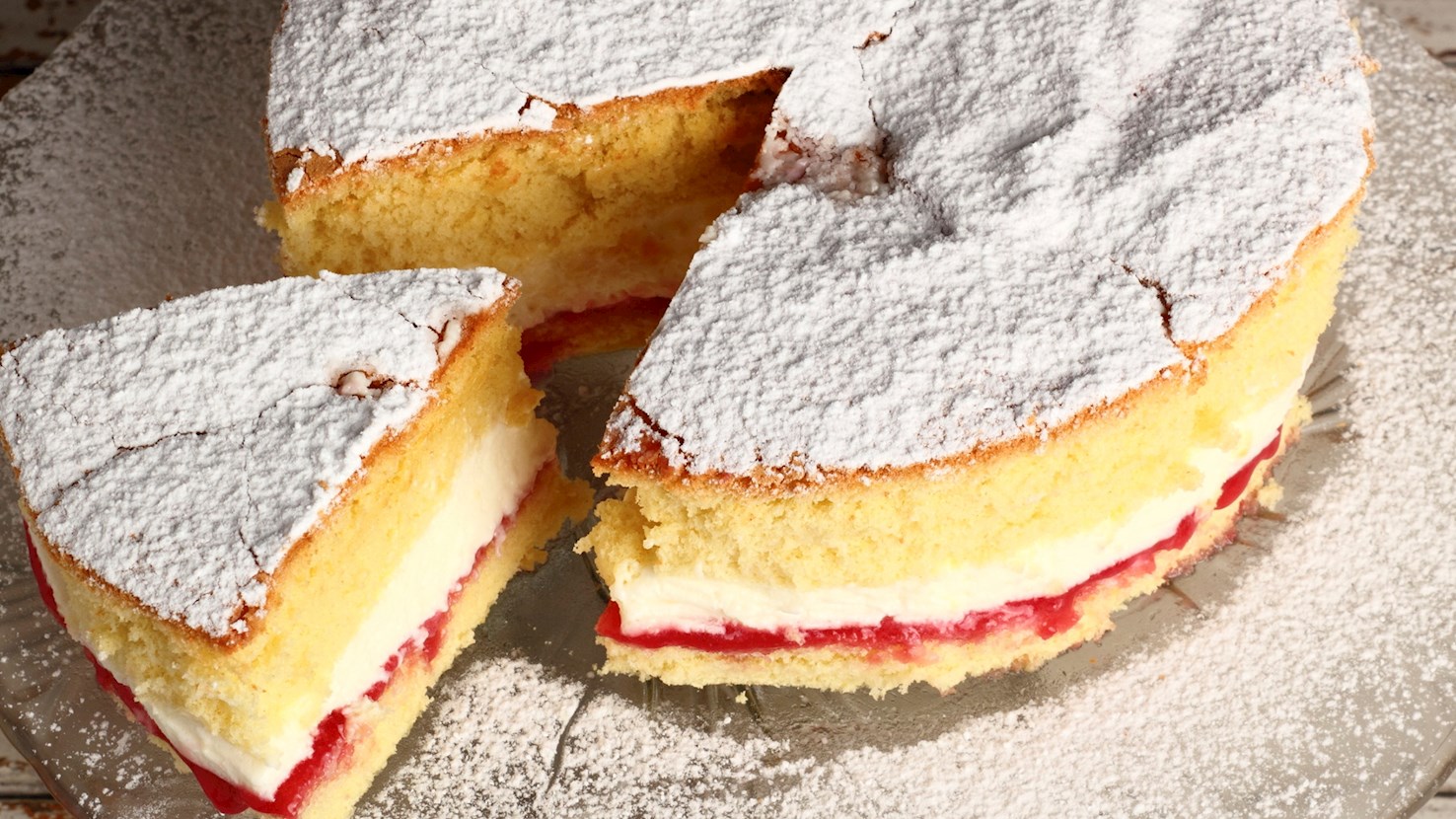
Victoria sponge is an English layer cake filled with fruit jam (and sometimes, whipped cream). It was invented by Queen Victoria's cooks in the 19th century, when it was one of the main stars at the Queen's tea parties, along with sandwiches and scones. The jam used in Victoria sponge is usually raspberry or strawberry jam, although modern variations are sometimes filled with apricot and greengage jam. Whipped cream is a 20th-century addition to the filling, and some purists, such as the official Women's Institute, claim that a true Victoria sponge can only have a jam filling. Today, the cake can be found in most English tearooms, where it is typically dusted with caster sugar and served in slices.
Fish and chips is a traditional dish consisting of freshly fried fish fillets and sliced fried potatoes. The fish is dipped in a batter of eggs, flour, and milk, and it’s then fried in oil, lard, or beef drippings. The most common types of fish used are cod, haddock, skate, and pollock, but cod is the most popular choice, with 60% of all fish and chips meals using it as the preferred fish. Pollock, on the other hand, is often used as an inexpensive, eco-friendly alternative to cod. The flesh is also soft and succulent, just as cod, but the texture is a bit more flaky, while the flavors are slightly sweet. Due to the fact that pollock is a robust fish, it’s easily battered and fried before it’s enjoyed with a heap of chips on the side.
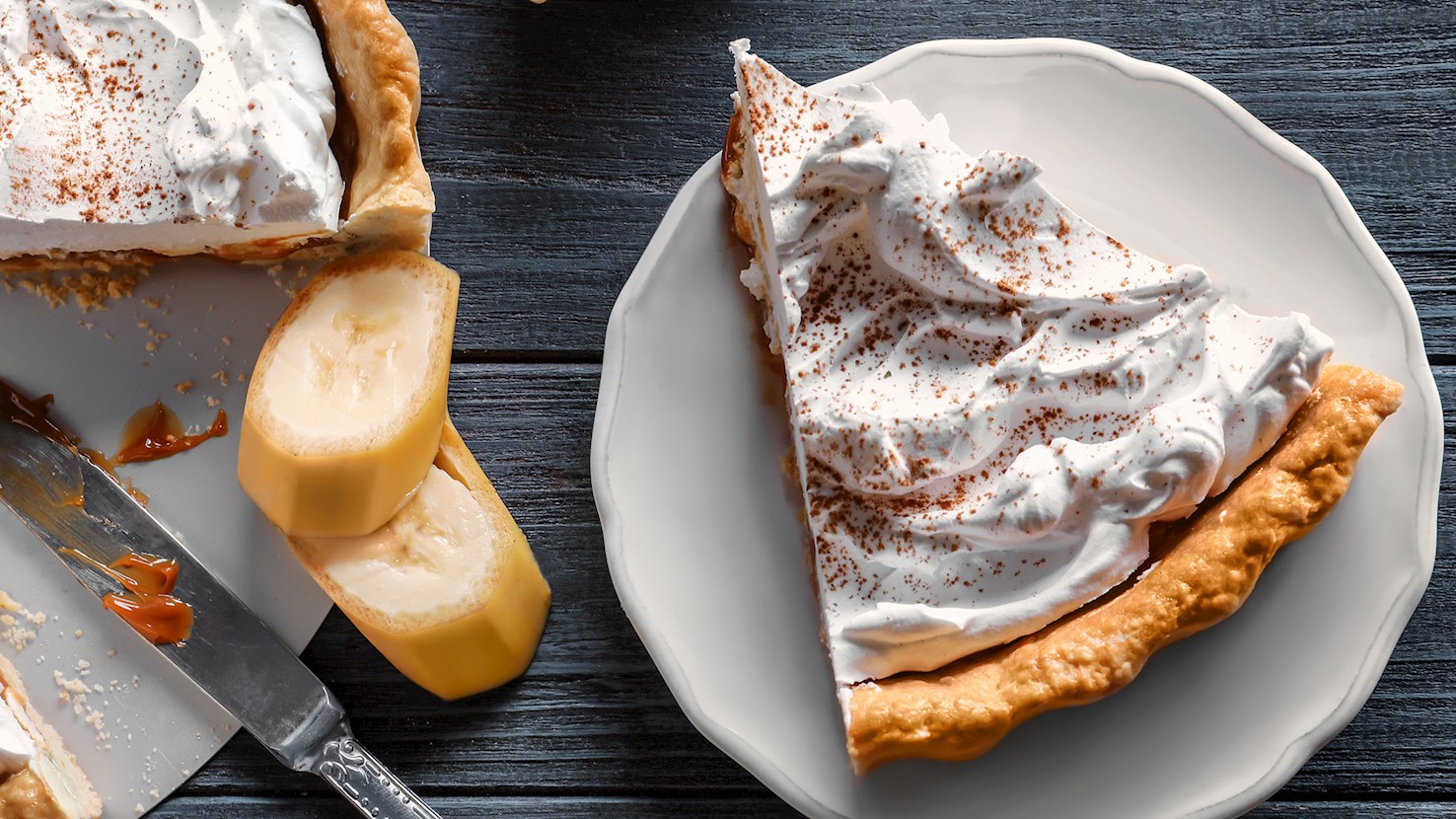
Banoffee pie is a rich, layered dessert pastry made with a crumbled biscuit base, thick toffee, sliced fresh bananas, and a generous mound of whipped cream, often paired with a strong cup of black coffee or unsweetened tea to balance the extreme sugar levels. It was created in 1971 at The Hungry Monk restaurant in East Sussex, England. The owner, Nigel Mackenzie, and his head chef, Ian Dowding, originally sought to modify an obscure recipe relying on coffee and caramel. After several failed attempts utilizing apples and mandarin oranges, Mackenzie suggested incorporating bananas instead. The resulting combination proved incredibly successful, prompting the invention of the word "Banoffee"—a simple portmanteau of banana and toffee—which eventually secured a spot in the Oxford English Dictionary. Assembling the pie begins by crushing digestive biscuits into fine crumbs and mixing them thoroughly with melted butter. This sandy mixture is firmly pressed into the bottom and up the sides of a fluted tart tin, then briefly baked or refrigerated until it forms a rigid shell. The critical toffee component relies on slowly boiling sealed cans of sweetened condensed milk for several hours until the sugars inside caramelize into a dark, thick paste. Once the biscuit shell has cooled completely, a thick blanket of this caramel is spread across the bottom, followed immediately by a dense layer of freshly cut, ripe bananas. Heavy cream is whisked until soft peaks form and spread high over the fruit. The final aesthetic touch is a light dusting of cocoa powder or finely grated dark chocolate over the white cream. Alterations to this baseline formula often replace the standard biscuit crust with crushed graham crackers or chocolate cookies to adjust the foundational flavor. Other variations mix a small splash of dark rum or instant coffee powder directly into the caramel to introduce a bitter contrast, while certain bakeries scatter toasted pecans or walnuts over the fruit layer for added crunch.
TasteAtlas food rankings are based on the ratings of the TasteAtlas audience, with a series of mechanisms that recognize real users and that ignore bot,
nationalist or local patriotic ratings, and give additional value to the ratings of users that the system recognizes as knowledgeable.
TasteAtlas Rankings should not be seen as the final global conclusion about food. Their purpose is to promote excellent local foods,
instill pride in traditional dishes, and arouse curiosity about dishes you haven’t tried.



What People Say