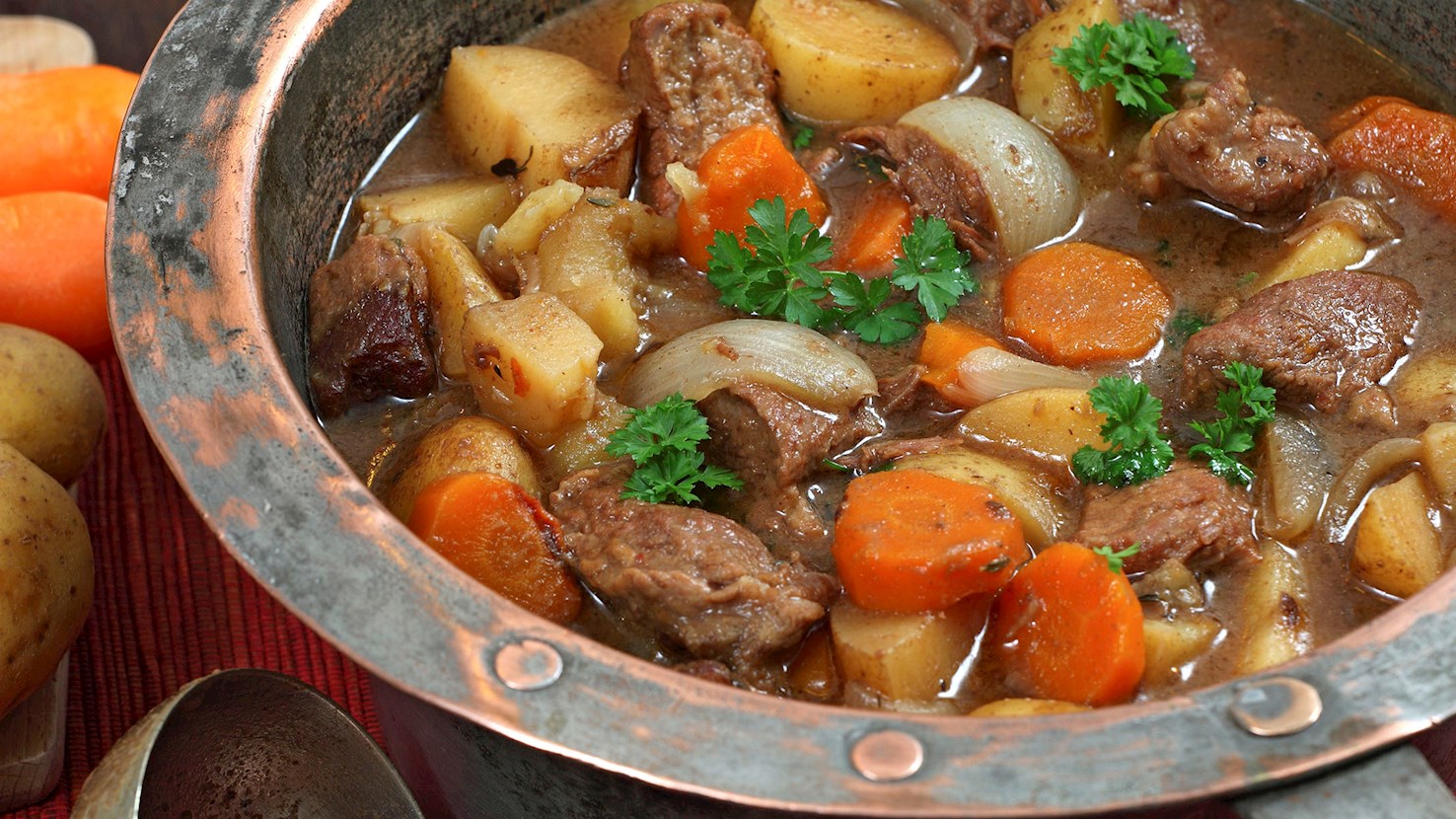
Irish stew is a traditional folk stew that first appeared at the beginning of the 19th century and was developed out of necessity to make a meal out of available, leftover ingredients. Originally, the stew was made only with mutton, onions, potatoes, and sometimes barley, while lamb meat and other root vegetables like carrots, turnips, and parsnips were added later. It is said that goat meat was also used in the past, but besides the previously mentioned mutton and lamb, beef is a common addition in today's recipes. Given that the meat used in the dish is chewy and hard, usually bone-in, the stew is cooked slowly for a couple of hours so that the meat turns tender and releases the fat into the stew, thus enhancing the flavor of the entire dish. A stew made with Guinness stout has gained widespread popularity throughout Ireland as it intensifies the flavors and gives the broth a rich, brown color. Traditionally, the stew is consumed on St. Patrick's Day and for Samhain, an old Gaelic festival, but it can also be found on the menus of most Irish restaurants throughout the year.
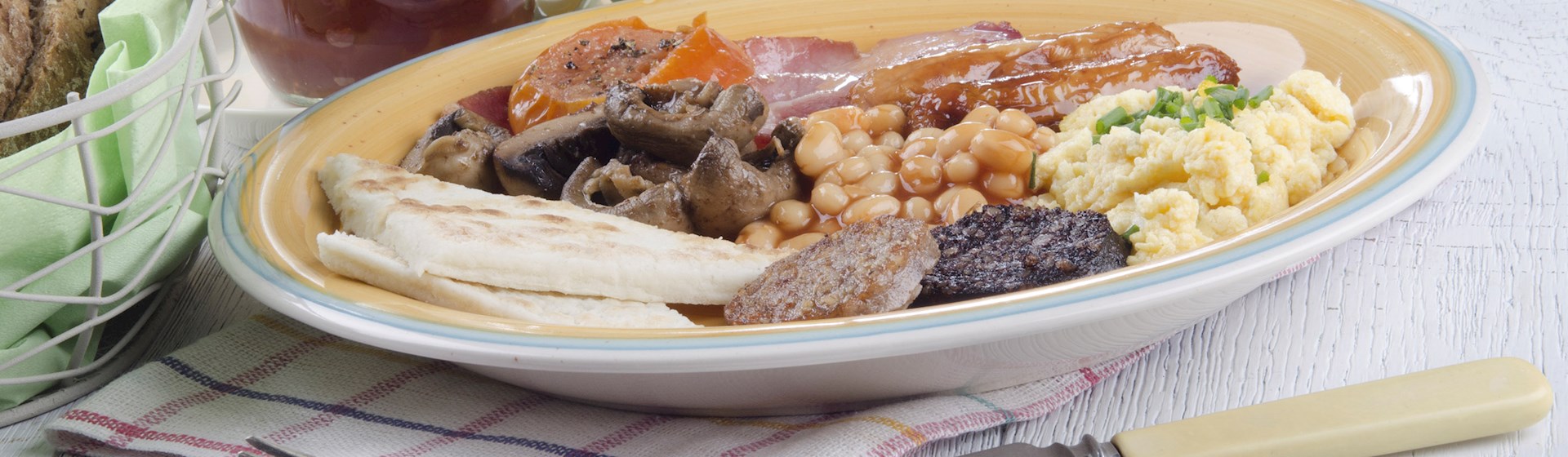
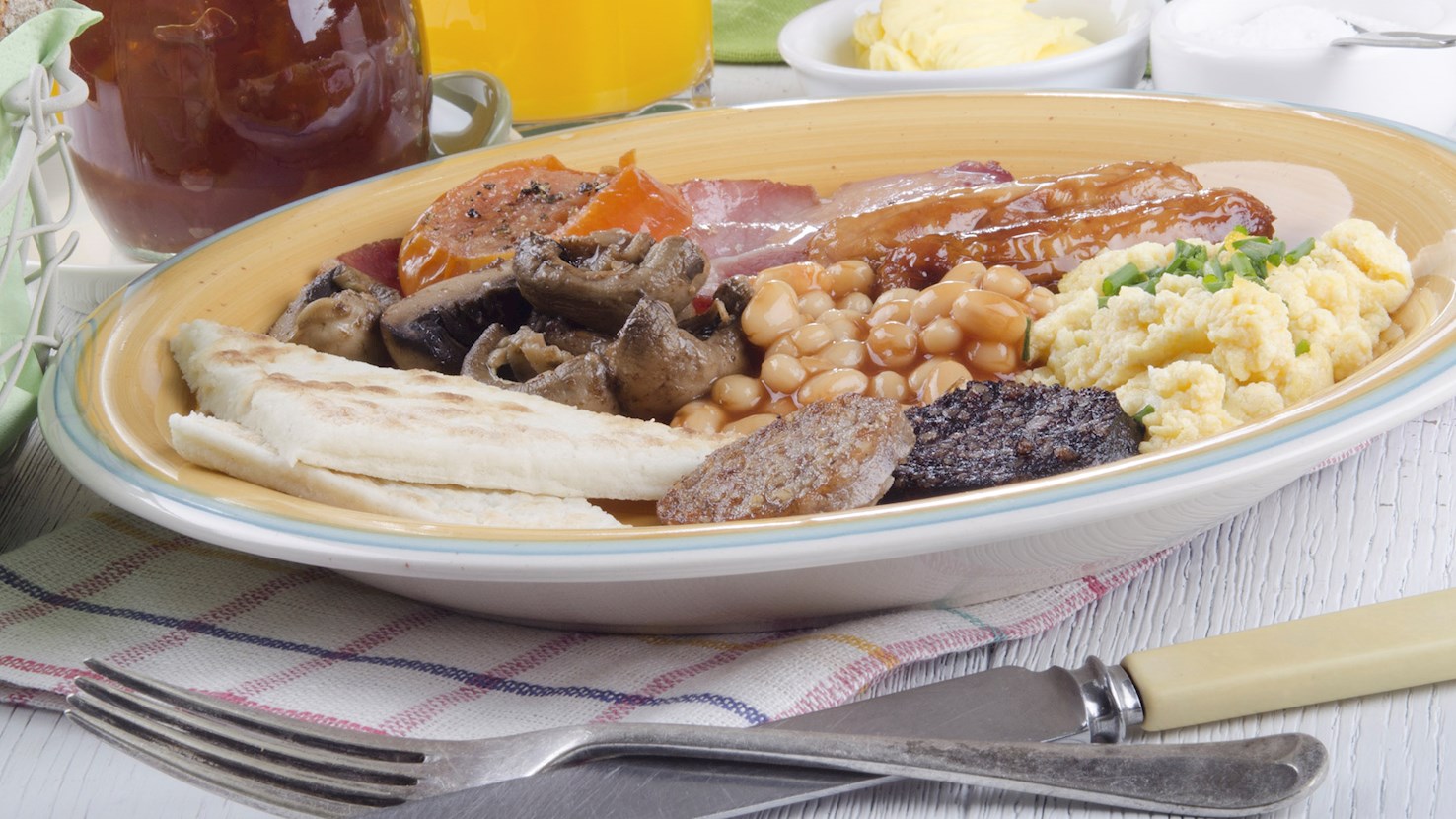
Considered to be the ultimate breakfast food, Ulster fry is Northern Ireland's favorite dish consisting of sausages, streaky bacon, eggs and tomatoes, with the addition of griddle-baked soda farls (quarters) and potato bread, fried until golden crispy on the exterior, and tenderly fluffy on the interior. Although cooked breakfast first became popular in the Victorian period, Ulster fry owes its existence to the tourism 'boom' on the British Isles in the 1960s. Today, it is the single dish that is the most closely associated with Northern Ireland. The Fry must not contain anything that cannot be fried in bacon fat, and there is a heated debate about what can and cannot be included in the dish. Black pudding, mushrooms and chips are all ruled out, but tolerated by traditionalists, while hash browns are considered a heresy if found on an Ulster fry plate. This hearty breakfast is best accompanied by a cup of hot tea or whiskey-spiked Irish coffee.
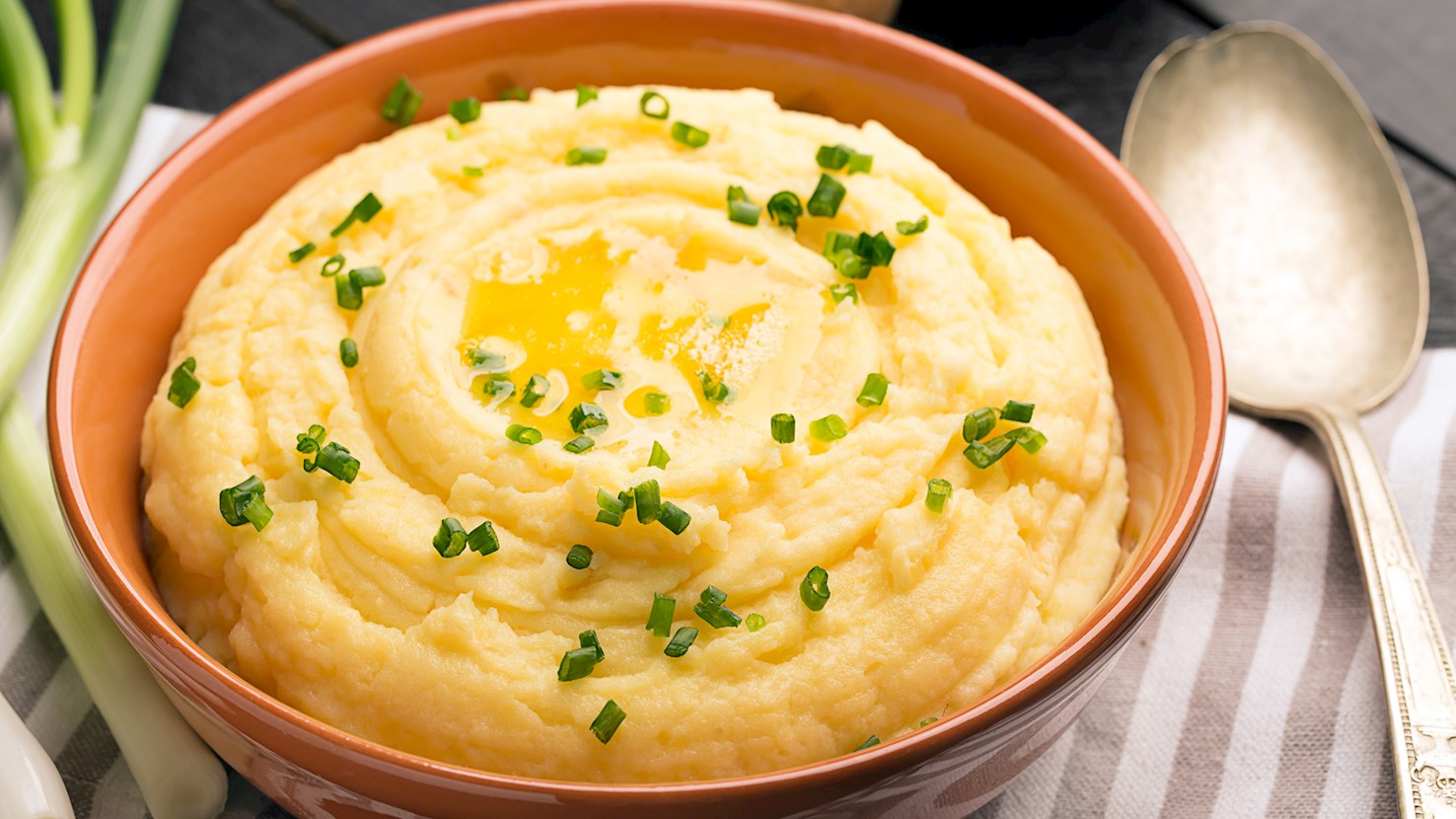
Also known as poundies and brúitín, this Irish comfort dish is made with mashed potatoes, spring onions, and copious amounts of butter and milk. Champ originates from the Ulster countryside where it was previously made with stinging nettle in lieu of onions, though that practice is rarely seen today. However, there are numerous other variations available across the country, like the colcannon potato mash which uses kale or cabbage instead of scallions. The nutritional value of those ingredients had helped stave off starvation and malnutrition during the harsh times of Irish history, and while maintaining such diet is no longer necessary, many people have developed a favorable taste for both champ and other similar inexpensive traditional dishes.
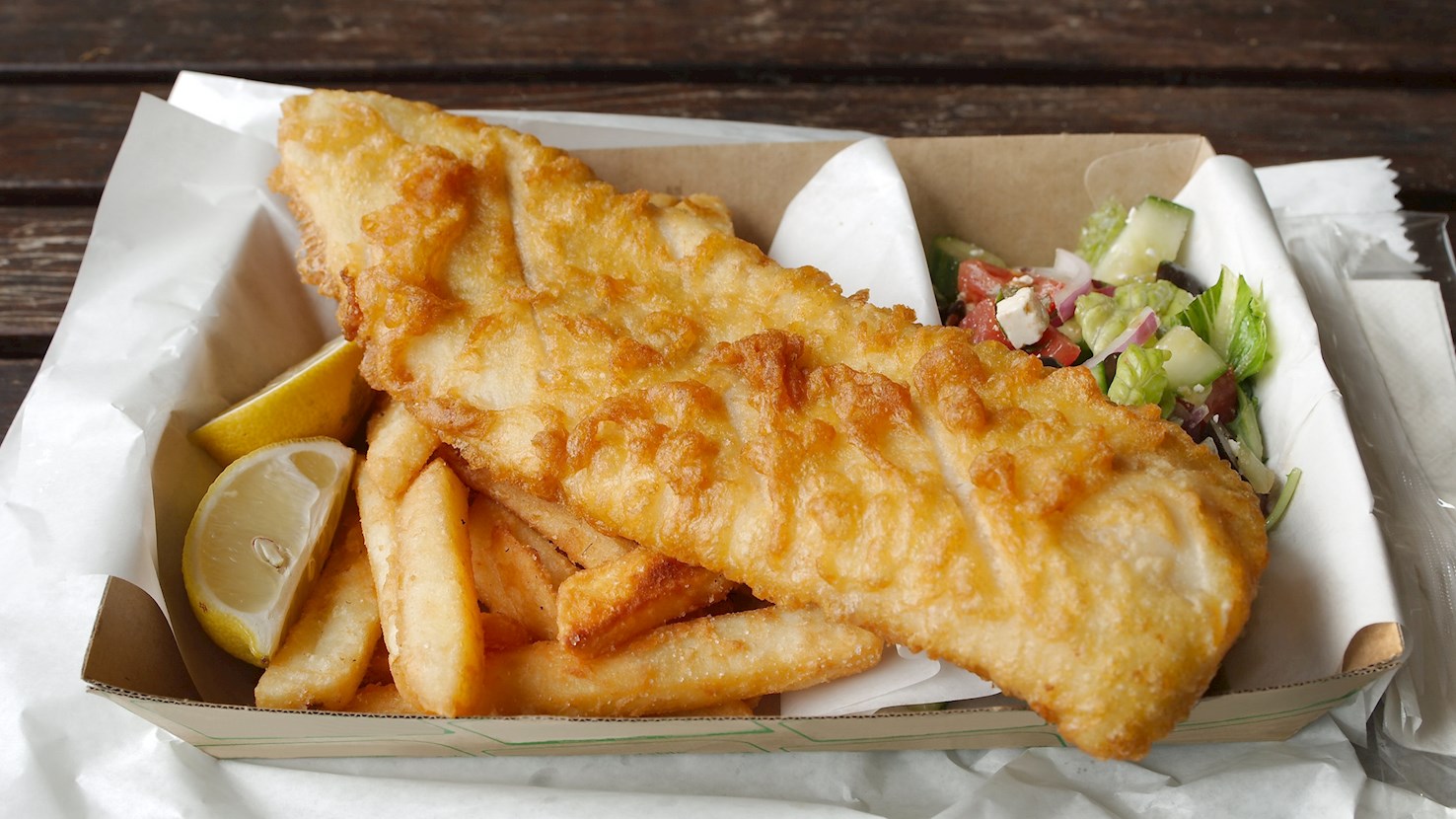
Most Brits would agree that there is nothing more British than fish and chips. This comforting, widely loved national dish consists of a freshly fried, hot, white fish fillet and large, sliced and fried potatoes. Cod, haddock, and flounder are the most common types of fish that is fried for the dish, and the customers can choose which type of fish they want, with cod being the most popular choice. The fillets get dipped in a batter made from eggs, milk, and flour, and are then fried in oil, lard, or beef drippings along with the potatoes. The origins of this dish go back to the 17th century, when potatoes were fried as a substitute for fish in the winter months, while fried fish was introduced into the country by Jewish refugees. Fish and chips are a favorite takeaway dish, with numerous chippies (fish and chips shops) popping up all over the country and offering a few accompaniments and sides, such as salt, vinegar, mushy peas, curry sauce, ketchup, brown sauce, and a cup of sweet, milky tea. Traditionally, the dish is served wrapped in greaseproof paper and a layer of newspaper in order to make eating outside easier, and if you want to do as the Brits do, it is the only acceptable way to eat it. Interestingly, in Yorkshire, a cup of tea is the perfect beverage pairing for fish and chips.
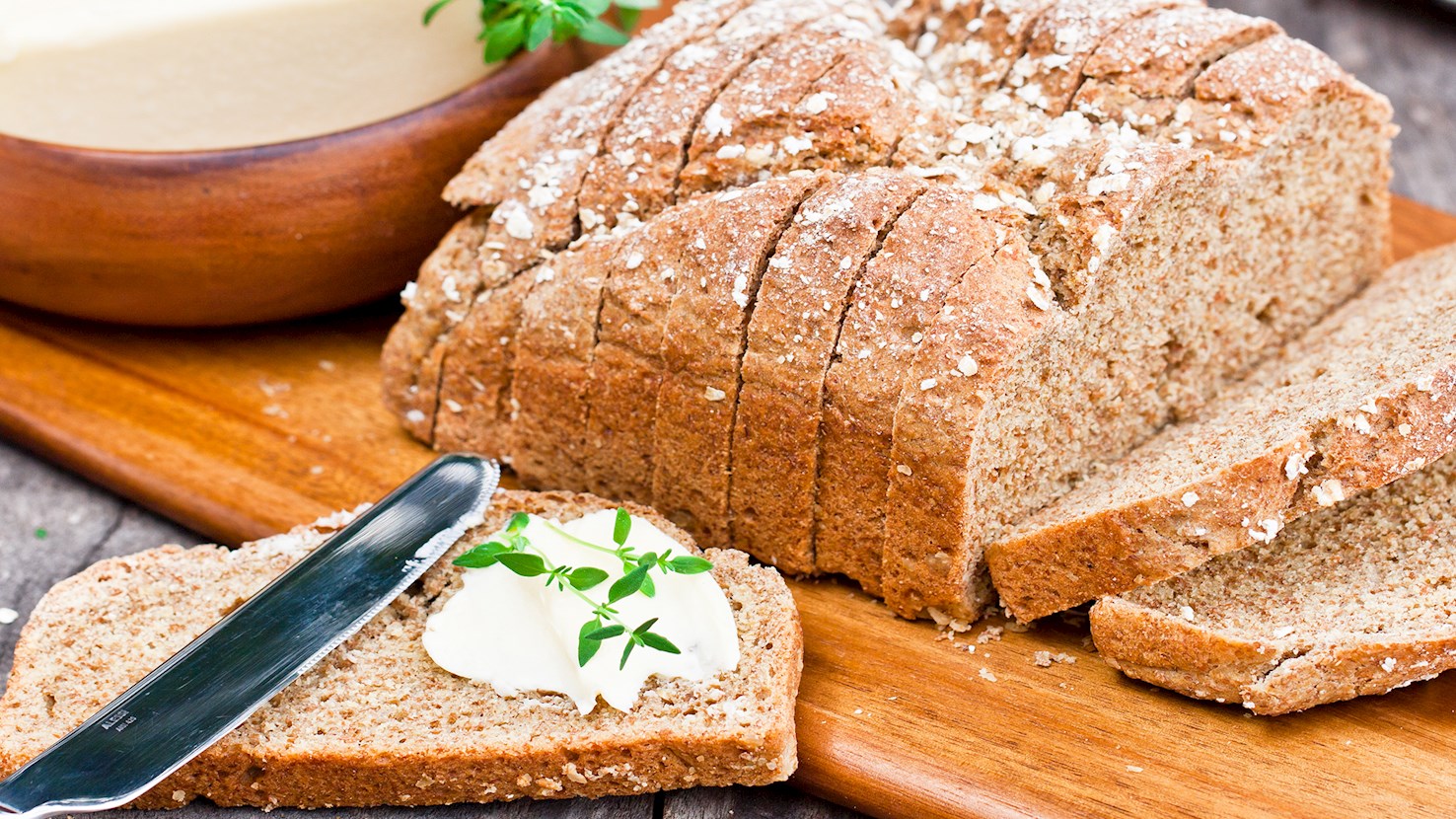
Wheaten bread is the name that Northern Irish people use for brown soda bread. Interestingly, this bread is made without yeast and consists of wholewheat flour, plain flour, salt, soda bicarbonate, butter, sugar, buttermilk, and a bit of rolled oats for sprinkling the top of the bread. When taken out of the oven, it can be smeared with butter and jam, but wheaten bread is also a good accompaniment to soups, cold cuts, or smoked salmon. It is believed that the bread dates back to 1840 when soda bicarbonate was first introduced to the country.
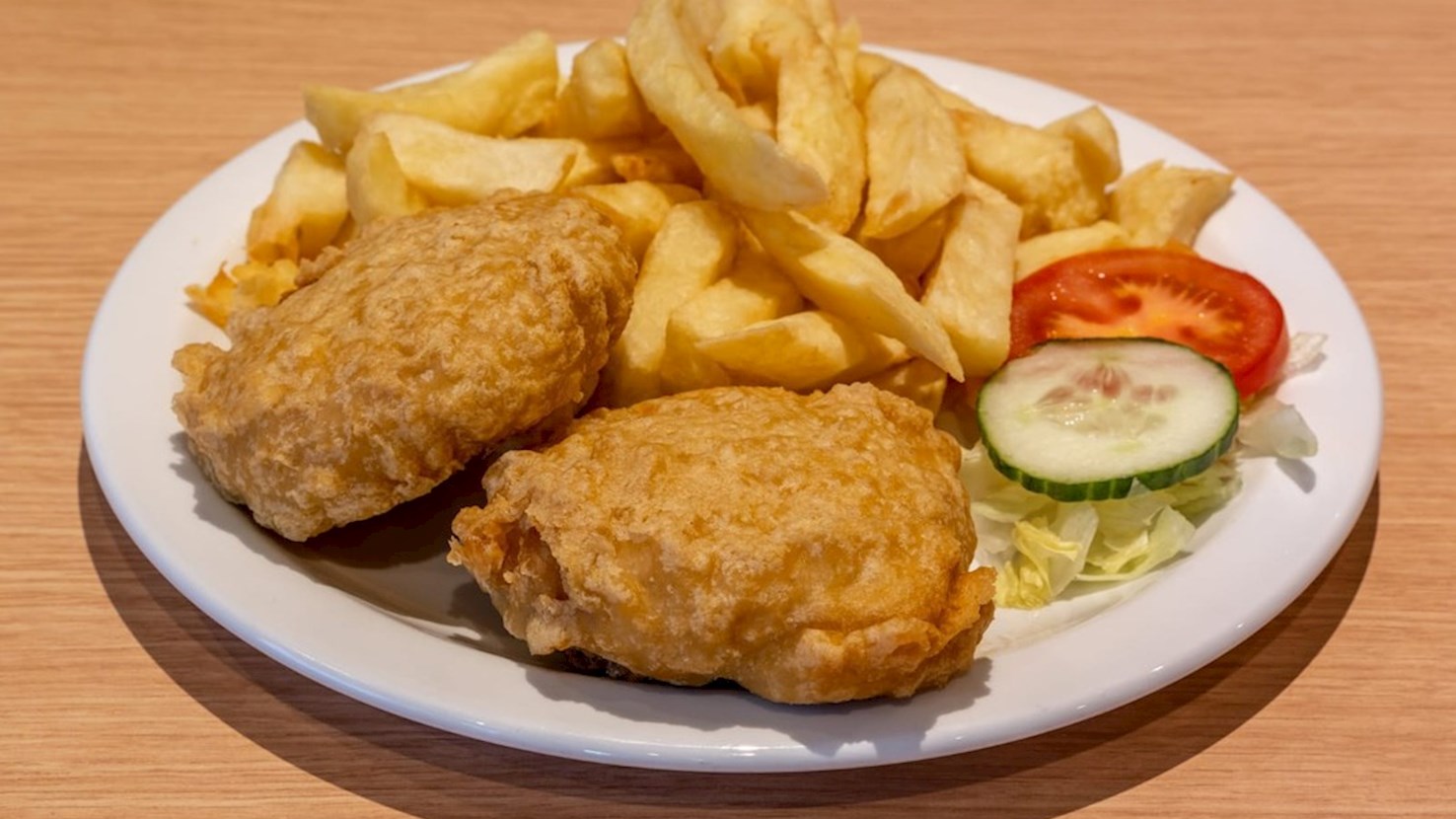
Pastie is a traditional dish that is regularly served at most pubs, usually with crisps (potato chips) or fries and gravy for dipping, when the dish is known as pastie supper (supper means that a dish is served with fries). Pastie is typically made with ground pork or beef, potatoes, onions, and various seasonings. The concoction is then either covered in batter and deep-fried or placed in a pastry shell and baked.
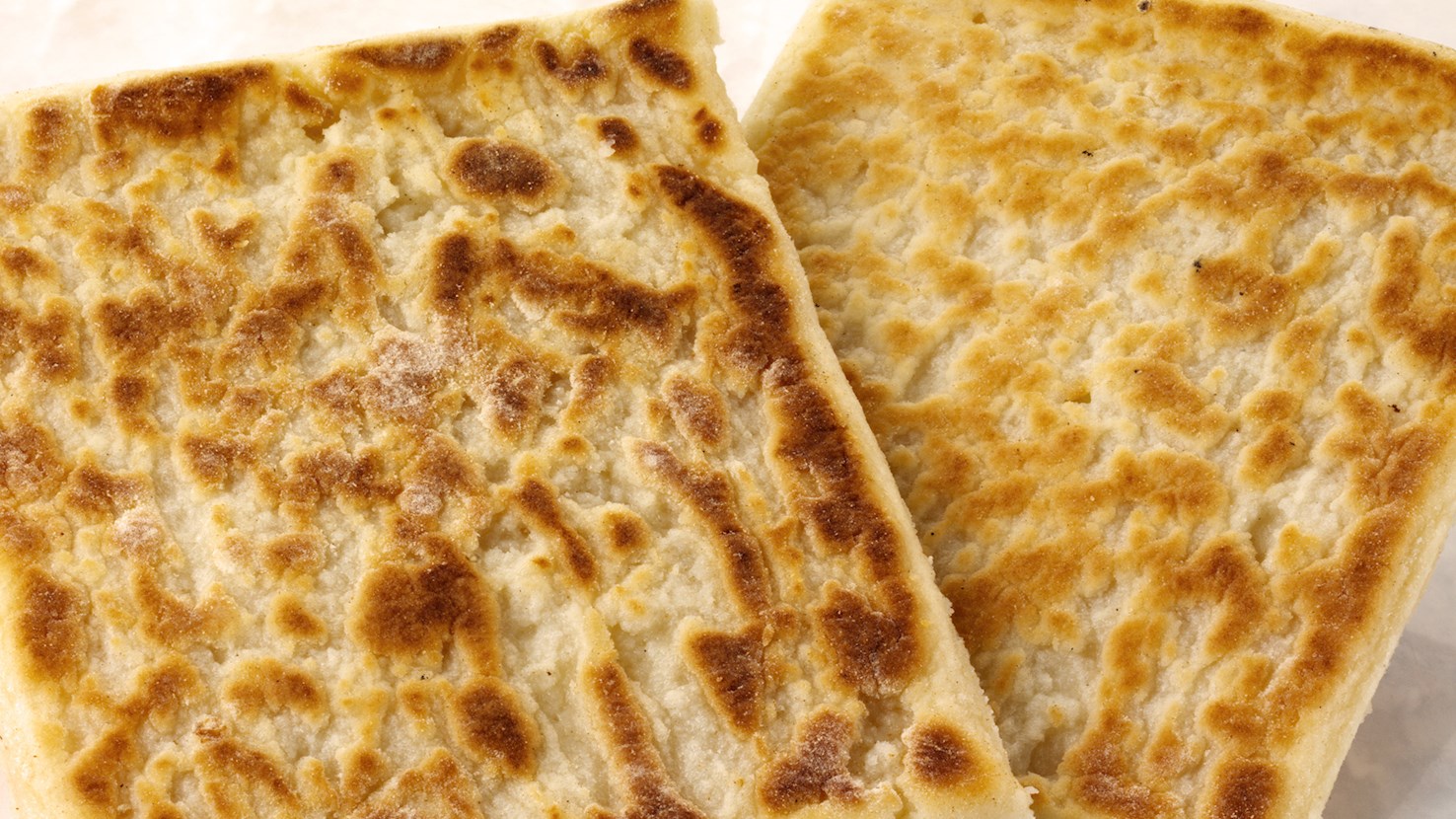
Visually similar to a small potato pancake, potato bread farl or fadge is a tasty Irish hash made with mashed potatoes, butter, flour, and salt. The dough is usually rolled and cut into squares or rounds, then baked on a griddle or a frying pan until golden brown in color. The word farl in its name refers to the way it is cut – usually into triangles. It first appeared at the beginning of the 20th century when people found a way to use leftover mashed potatoes. Today, potato bread farl is a staple of the traditional Irish breakfast known as Ulster Fry.
TasteAtlas food rankings are based on the ratings of the TasteAtlas audience, with a series of mechanisms that recognize real users and that ignore bot,
nationalist or local patriotic ratings, and give additional value to the ratings of users that the system recognizes as knowledgeable.
TasteAtlas Rankings should not be seen as the final global conclusion about food. Their purpose is to promote excellent local foods,
instill pride in traditional dishes, and arouse curiosity about dishes you haven’t tried.


What People Say