


shutterstock

3 Traditional Foods
You Have To Try in Bergamo

Last updated on May 22, 2026
01

Polenta

3.6 ·

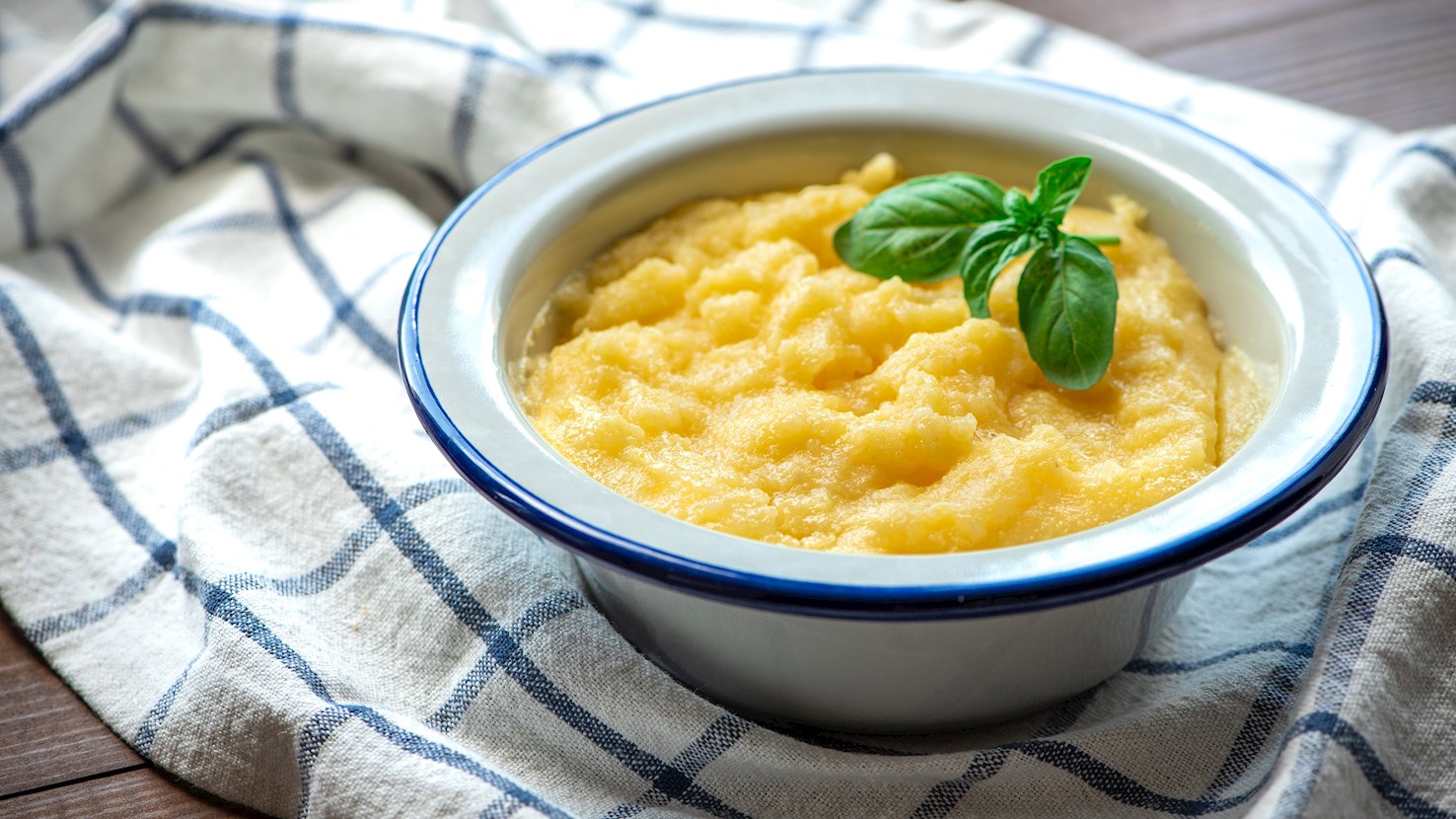
Polenta is an ancient dish of Northern Italian origin, most commonly made from coarse corn flour cooked in water. Although polenta today is characterized by its intense yellow color, before the arrival of corn in Europe in the 16th century, it was made with spelt, rye, and buckwheat, which gave it a much darker color. In Roman times, polenta was called pulmentum, and it was a staple of both peasants and Roman soldiers, who were given portions of grain as field rations. In Italy today, polenta is still made using a copper pot called a paiolo and a long wooden spoon known as a tarello. The boiled polenta is poured onto a flat surface or into a pan and left to cool and harden, and the cooled polenta cake is then traditionally cut into slices with a wooden knife or a cotton thread. Polenta is also characterized by its versatility; it can replace bread or pasta, it can serve as a side to fish or meat, or it can even be grilled and served with tomatoes and mushrooms. Despite its humble beginnings, in recent years, polenta has made a steady move towards gourmet audiences and high-end restaurants.

02

Stracciatella

4.1 ·

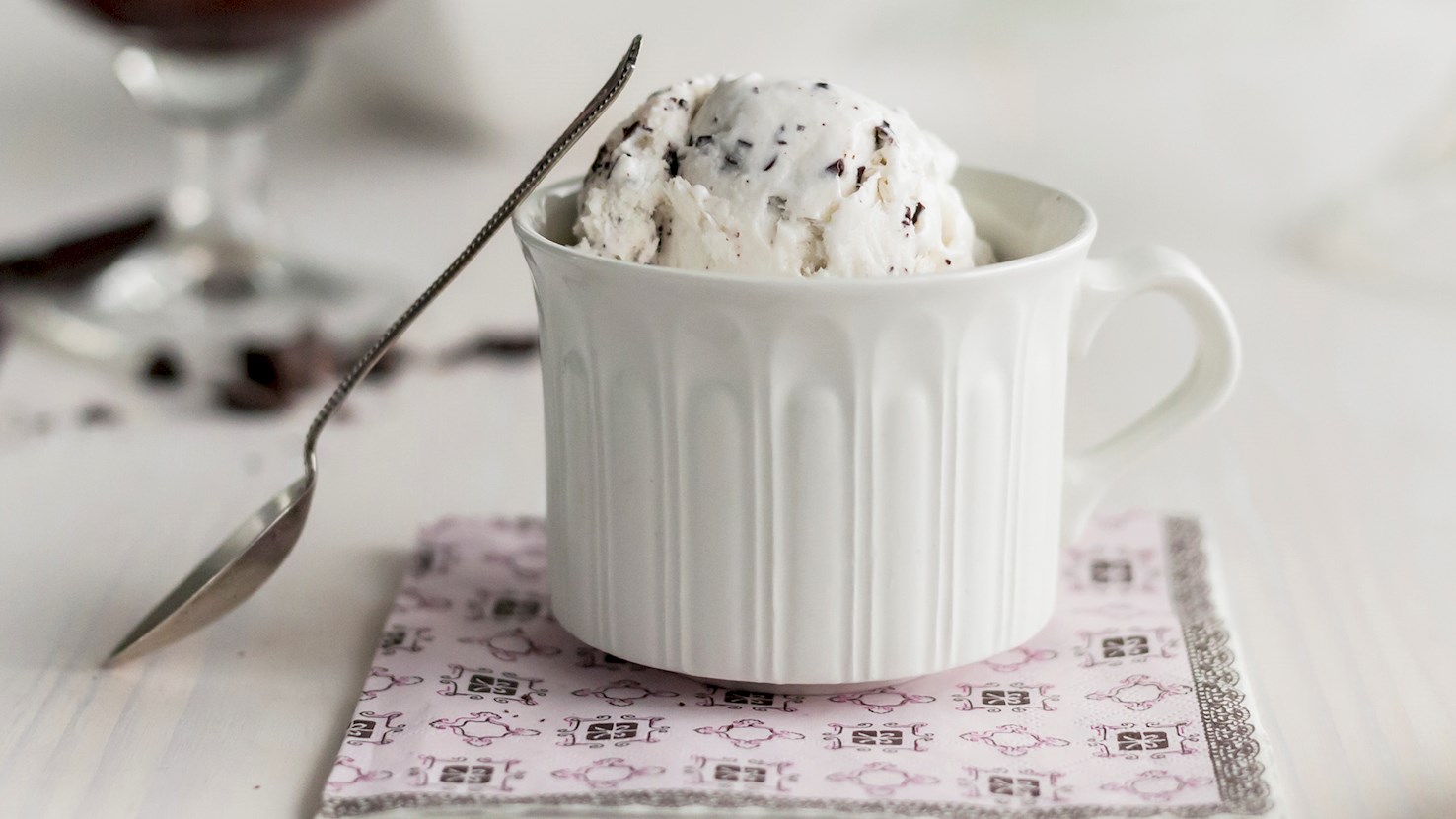
Stracciatella is a variety of Italian gelato (ice cream), consisting of milk, cream, and sugar, with chocolate bits swirled inside the mixture. It was originally invented in 1962 at the Ristorante La Marianna in Bergamo by Enrico Panattoni, who first decided to crack pieces of chocolate into the ice cream. He was supposedly inspired by the soup of the same name, made by cracking eggs into a broth, a process similar to cracking chocolate into gelato. Stracciatella is characterized by its smooth texture with a slight crunch. Its name is derived from the Italian stracciare, meaning to tear or shred into pieces. Today, stracciatella is one of the most popular ice cream varieties in the world.

03

Polenta taragna

3.9 ·

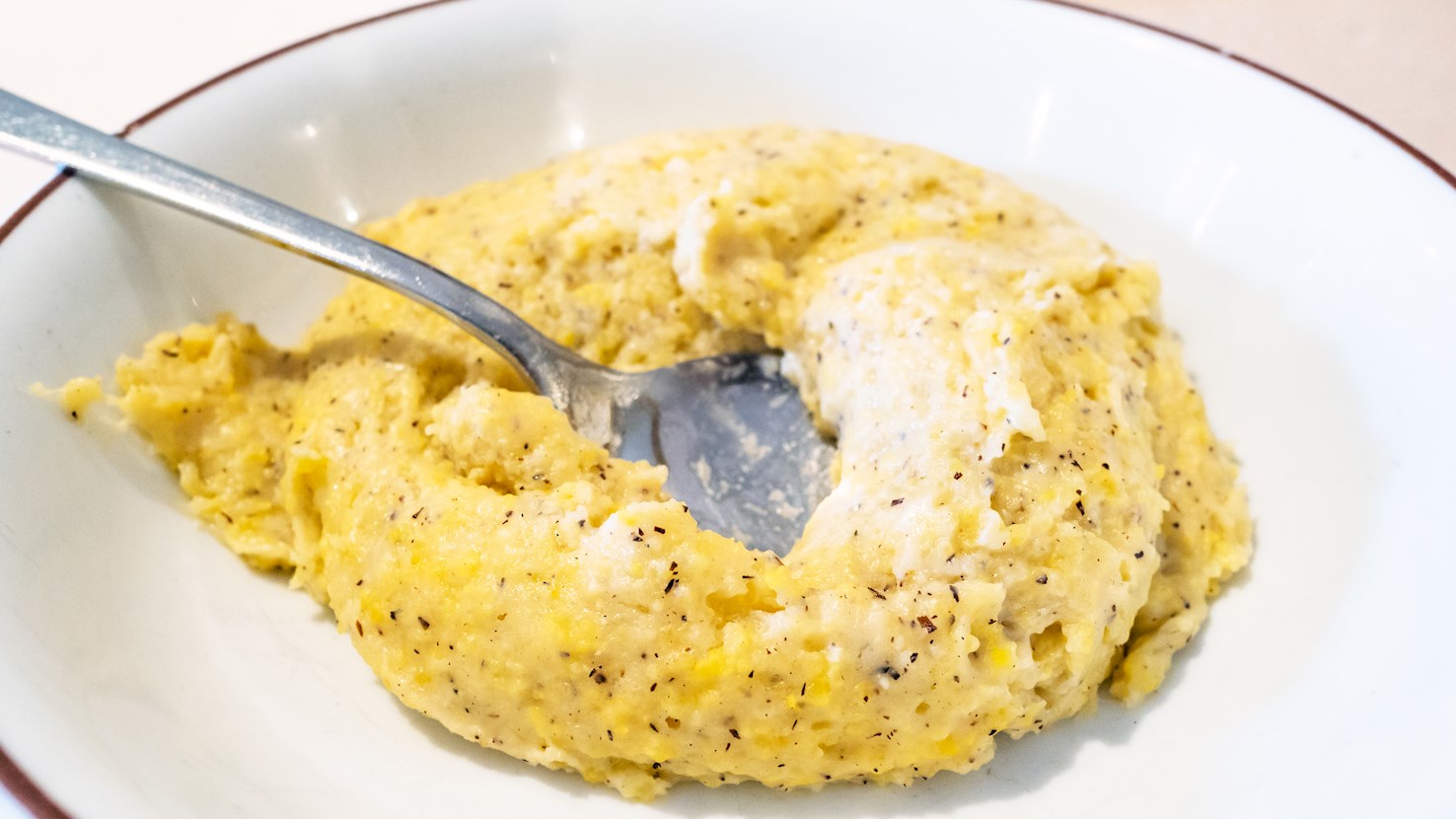
Polenta taragna is an elaborate polenta spin-off made with a mix of yellow cornmeal and buckwheat flour, enriched with butter and cheese that are mixed in right before serving. The name comes from the word tarai or tarel, referring to the wooden tool traditionally used to stir the polenta that's cooked in a copper pot hung inside the fireplace. The main characteristics of polenta taragna are its dark grayish color, due to the use of buckwheat flour, and rich creaminess coming from the cheese. The cheeses used in the dish may vary, but they’re commonly local, semi-fat, medium-ripened cow-milk cheeses such as Valtellina Casera, Bitto, Branzi, or Fontina. Polenta taragna can be enjoyed on its own, as the main course, or served alongside cold cuts and Italian pickles. Buckwheat production in Valtellina dates back to the 1600s, so it is no surprise that it is used in many traditional local dishes such as this one.

About this ranking

TasteAtlas food rankings are based on the ratings of the TasteAtlas audience, with a series of mechanisms that recognize real users and that ignore bot, nationalist or local patriotic ratings, and give additional value to the ratings of users that the system recognizes as knowledgeable. For the “3 Traditional Foods You Have To Try in Bergamo” list until May 22, 2026, 305 ratings were recorded, of which 272 were recognized by the system as legitimate. TasteAtlas Rankings should not be seen as the final global conclusion about food. Their purpose is to promote excellent local foods, instill pride in traditional dishes, and arouse curiosity about dishes you haven’t tried.

Similar lists