No other dish in Germany is as well known as currywurst, a street snack that has become an indispensable part of Germany’s culinary heritage. The dish is made from two essential parts - boiled and subsequently fried sausage, served whole or sliced, and a smooth and rich curry-spiced tomato sauce. With a portion of french fries or a kaiser roll on the side, the dish is usually lightly dusted with yellow curry powder. A wide range of sausages are used for currywurst, but the famous German bratwurst is the most commonly used variety. The real star of this dish is its gravy-like sauce made with puréed tomatoes and infused with the aromatic curry powder. The popularity of currywurst in Germany has generated numerous legends about its origins. Even though Hamburg is sometimes mentioned as its birthplace, Berlin is the city that is most commonly associated with the invention of this delicious dish. The most famous legend tells the story of Herta Heuwer, a Berlin local who is widely credited as the inventor of the tomato and curry concoction. In 1949, amid the aftermath of World War II, many ingredients were hard to come by and life was tough. However, thanks to Herta’s negotiating skills, she was able to get hold of a hard to come by ingredient – British yellow curry powder. She then mixed it with puréed tomatoes and other spices to create the base sauce, which she served with the sliced sausage. The dish became an instant success. Herta patented her creation and never revealed her original recipe. Later, as currywurst grew in popularity, numerous varieties popped up all over Berlin and the rest of Germany. No two are the same, and every local has their own favorite style and a favorite currywurst place. Germans are so fond of this fast food staple that they have even built a museum in its honor. Located in Berlin, the Currywurst Museum offers a glimpse into the history of the legendary currywurst, as well as a detailed overview of the numerous varieties, cooking styles, and serving options of this famous dish.
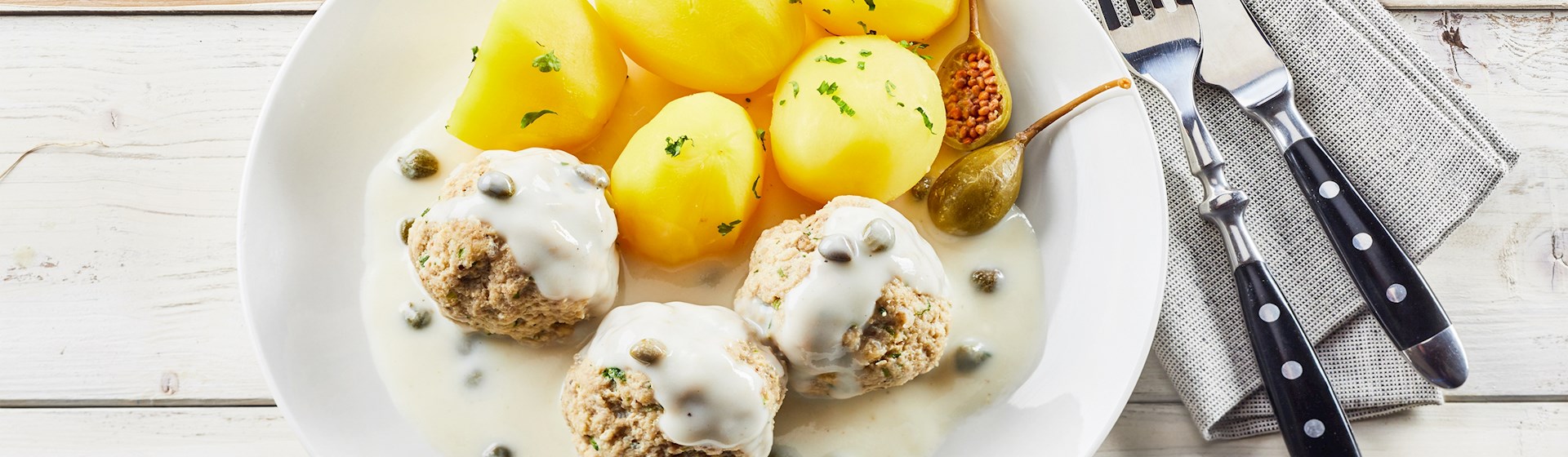
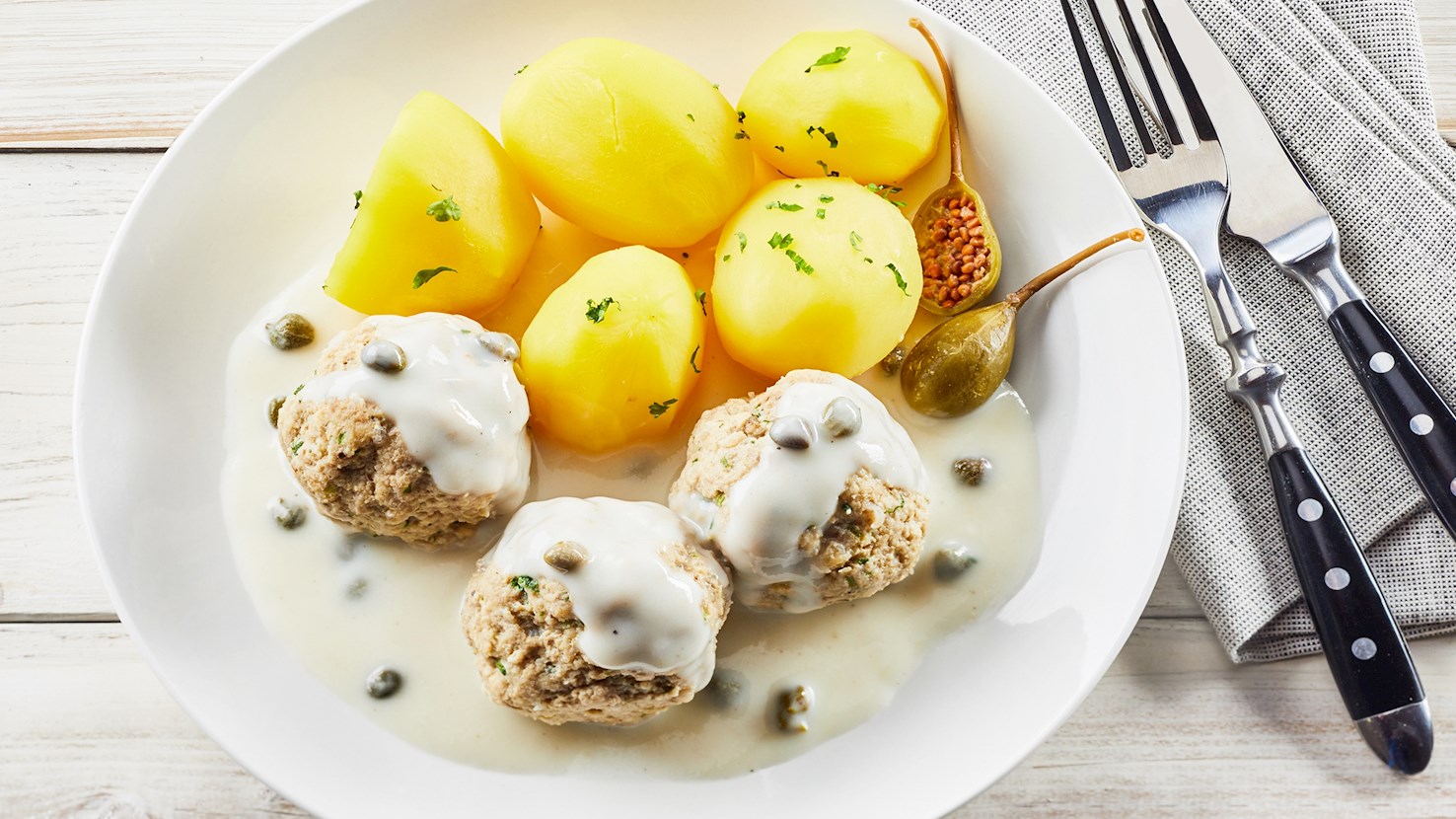
Königsberger Klopse is a savory meal consisting of meatballs in a white sauce served with a side of boiled potatoes and sliced pickled beets. Similar dishes have existed since the Middle Ages, but klopse (lit. meatballs) were invented in Königsberg (now known as Kaliningrad) back in the 18th century. These meatballs are mostly made with minced veal and a small amount of either anchovies, sardines, or herrings, which are nicely contrasted by capers in the white sauce.
German-style cheesecake is a traditional dessert consisting of a thin layer of shortcrust pastry that is topped with a creamy combination of quark cheese, eggs, and (occasionally) various fruits. Even though käsekuchen is often compared to the classic American cheesecake, the use of lightly acidic quark cheese results in a light, scrumptious treat that perfectly combines sweet and sour flavors. Usually served dusted with powdered sugar, käsekuchen is a classic German dessert that is commonly enjoyed as an everyday treat alongside coffee or tea.
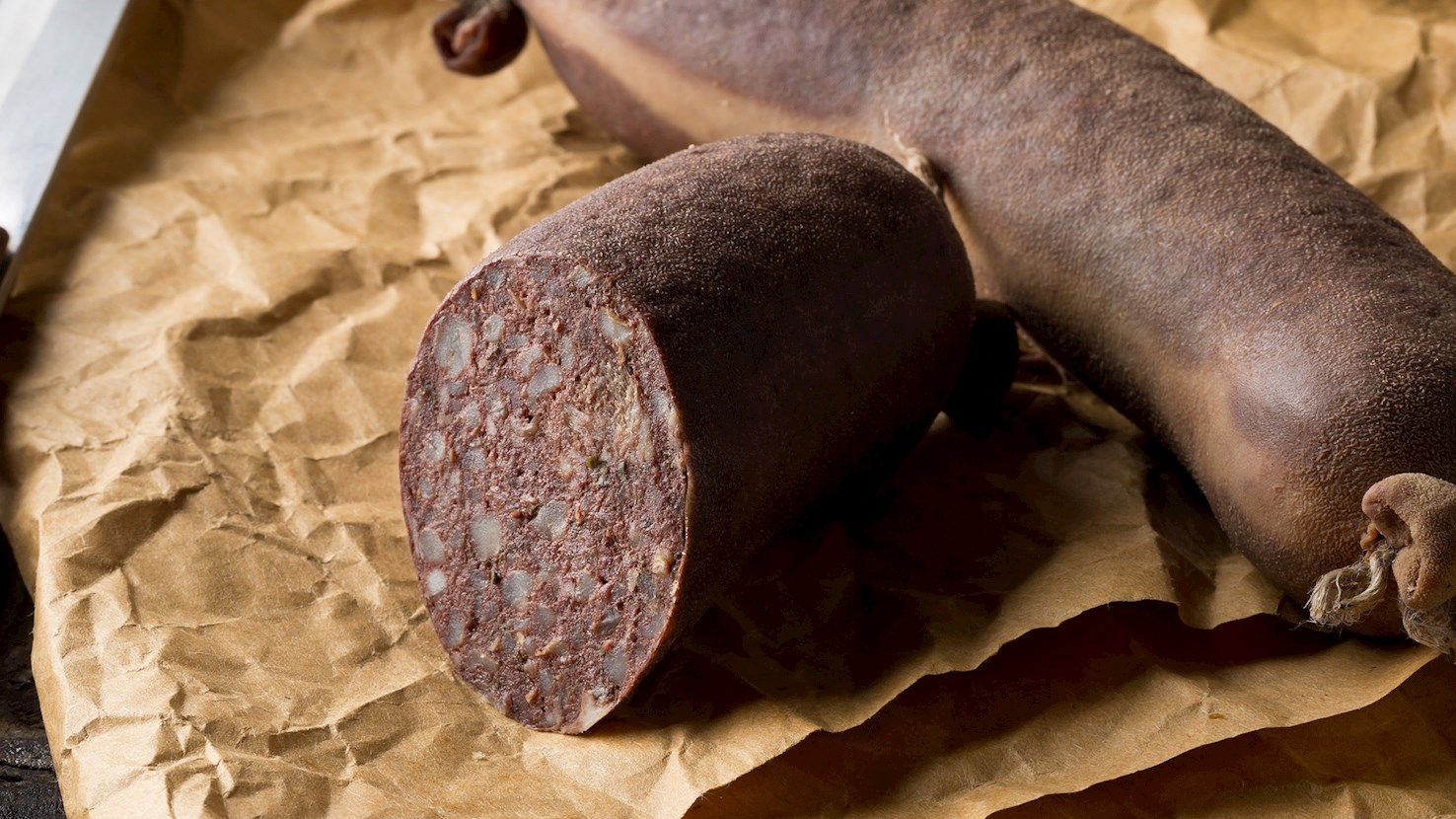
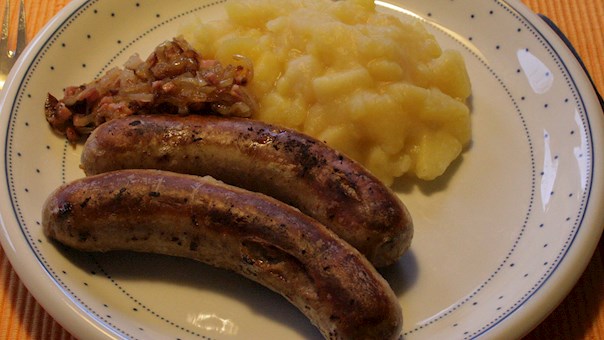
Belonging to the category of cooked sausages, blutwurst is a famous German blood sausage with many regional varieties. It is predominantly made with pork and incorporates animal blood, fat, and meat, next to a wide variety of seasonings such as marjoram, allspice, and thyme. Blutwurst comes in various sizes, and many regional versions include barley, oats, or bread, while some varieties may even consist of diced bacon or innards. Since this blood sausage is typically cooked, it has a firm consistency and is commonly enjoyed as an appetizer alongside other cold cuts. It is usually shortly boiled or fried and served warm, often complemented by mashed potatoes or sauerkraut on the side.
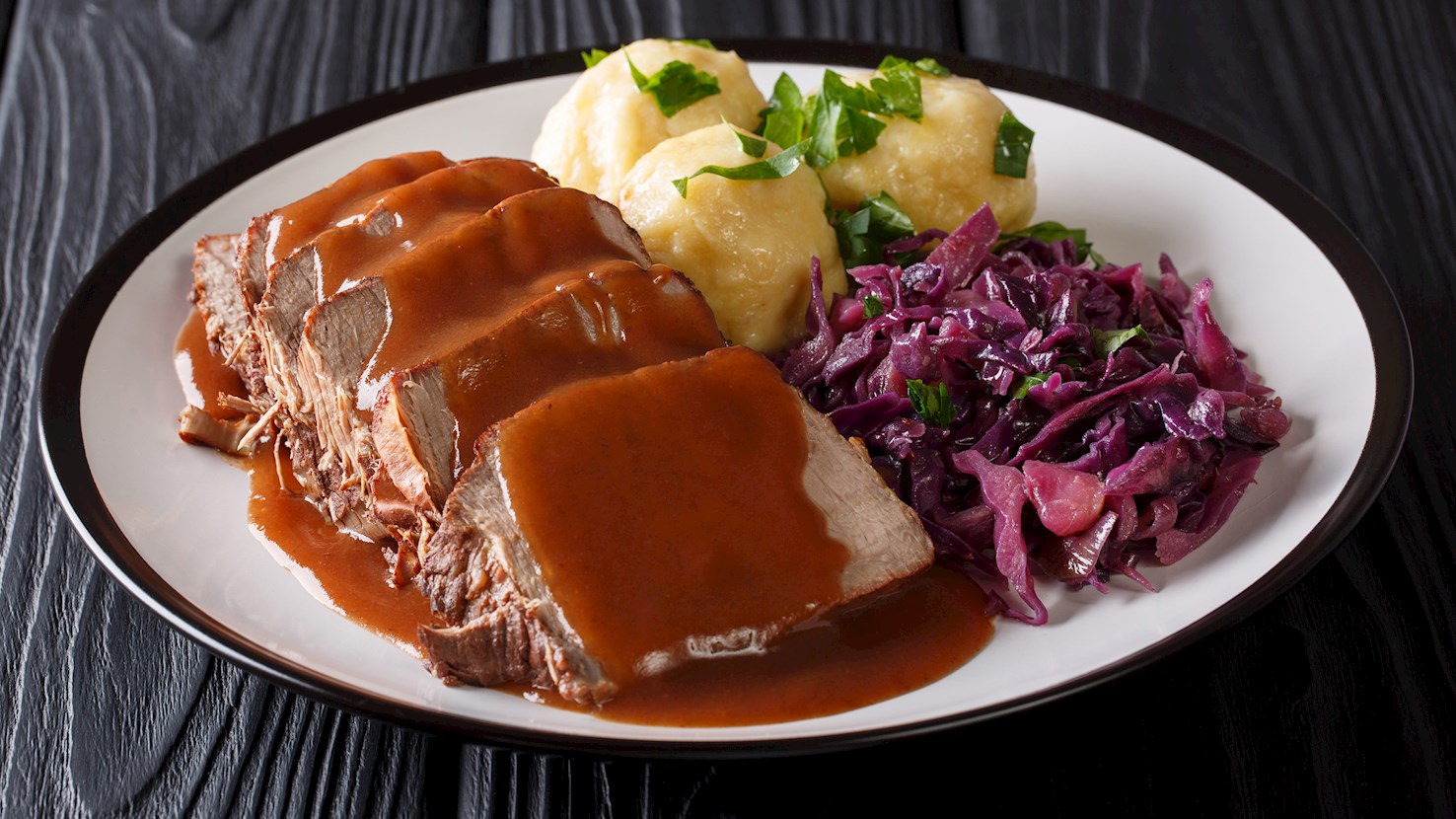
The traditional German pot roast is one of the best ways to transform more tougher cuts of beef into a tender, succulent meal. Chuck and bottom round are most favored cuts for this German classic, while the key to a perfect sauerbraten is in its lengthy marinade of red wine, tart vinegar, and spices, which tenderizes the meat infusing it with sharp, tangy flavors. After long hours of braising, the remaining cooking liquid is whisked into einbrenne (roux), and finally simmered into a thick, brown gravy. Sauerbraten is traditionally served with German favorites such as spätzle egg noodles, bread dumplings, or boiled potatoes and a side of braised or roasted red cabbage.
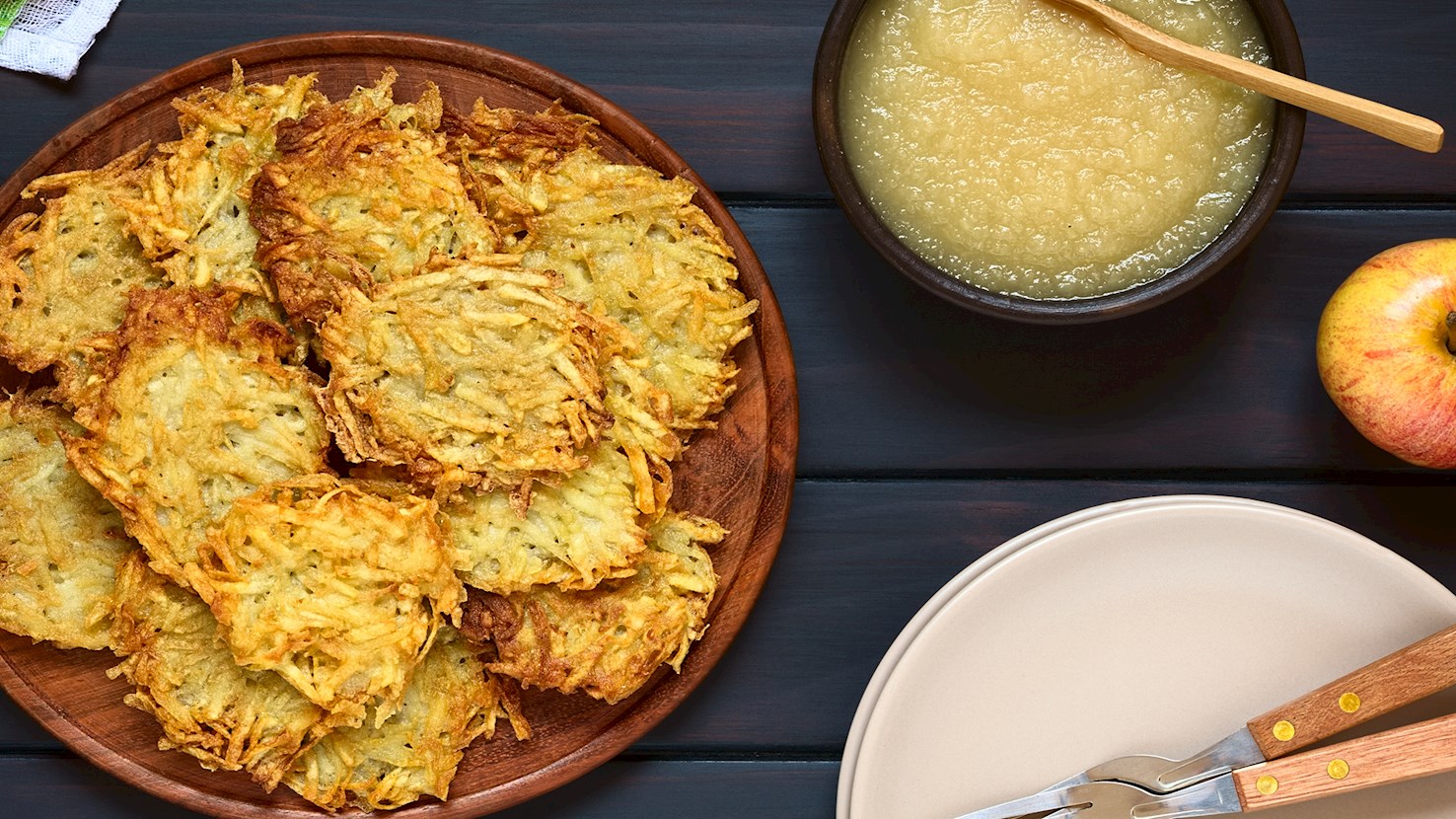
German potato pancakes are a restaurant staple, a homemade classic, and a popular street food snack. They are prepared with a thick batter that employs grated raw potatoes, flour, and eggs, and are usually shaped into flat, round discs that are shortly pan-fried until golden and crispy. Even though they are often served as a complement to stews, grilled meat, and sausages, potato pancakes make an excellent snack or main course. Kartoffelpuffers are traditionally accompanied by creamy apple sauce, fruit preserves, or sour cream.
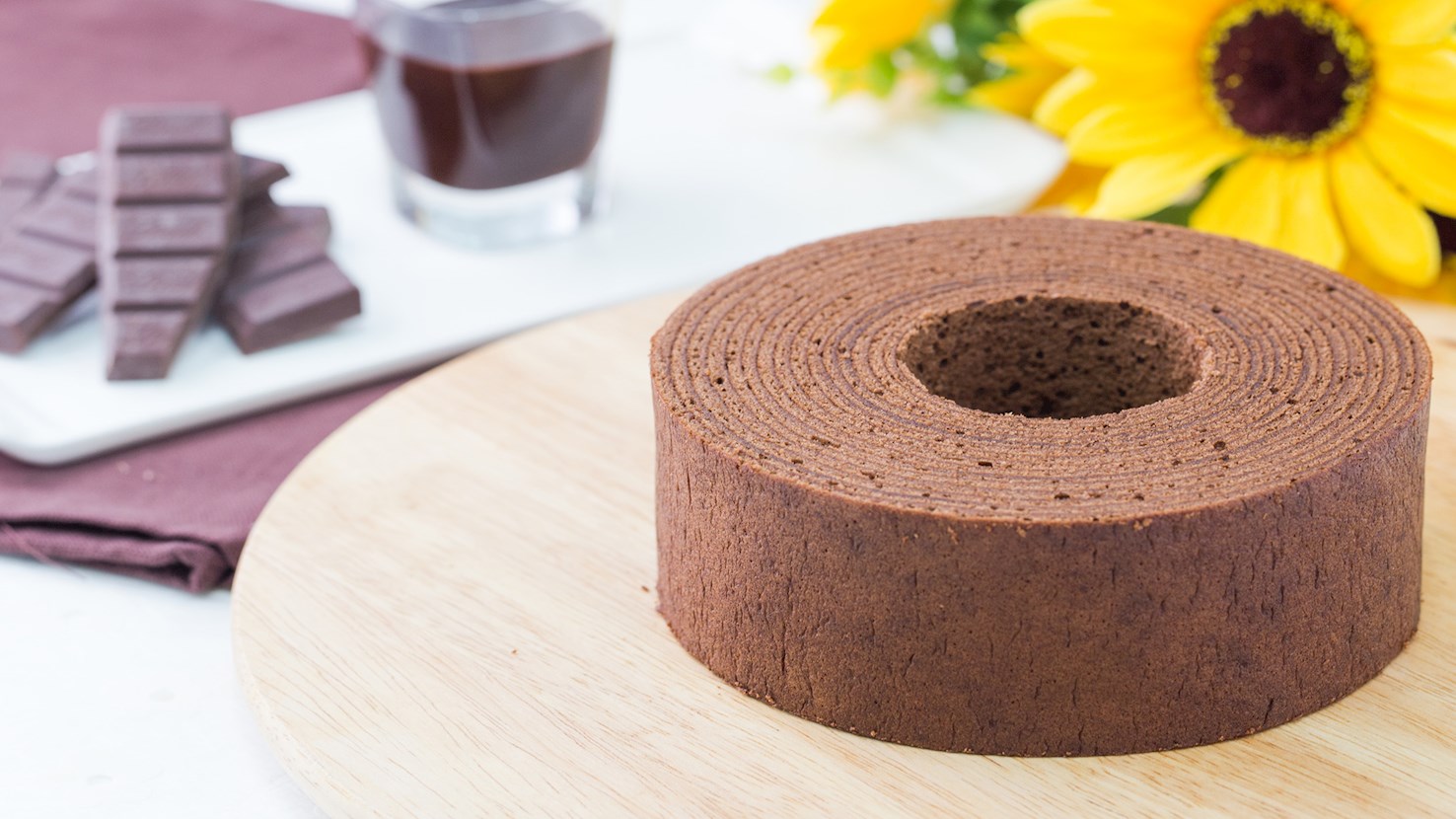
The German version of spit cake, known as baumkuchen, is just one of many similar cakes found throughout Europe. There are various conflicting theories about its origin—one points in the direction of a German town called Salzwedel in the 19th century, while others say it’s a descendant of the Hungarian wedding cake. The batter–typically made from flour, eggs, sugar, vanilla, salt, and butter–is thinly coated on a spit that’s rotating over a heat source. Before each new layer is applied, the previous one must be fully dry. Once sliced, the cake has a lovely texture and appearance which resembles growth rings, hence its name–baumkuchen or tree cake. The basic dough can be enriched by various ingredients such as nuts, honey, and brandy. The cake is often additionally coated with sugar or chocolate glaze. Miniature, cut up slices of this cake - called baumkuchenspitzen or tree cake tips -are usually glazed in chocolate and sold individually.
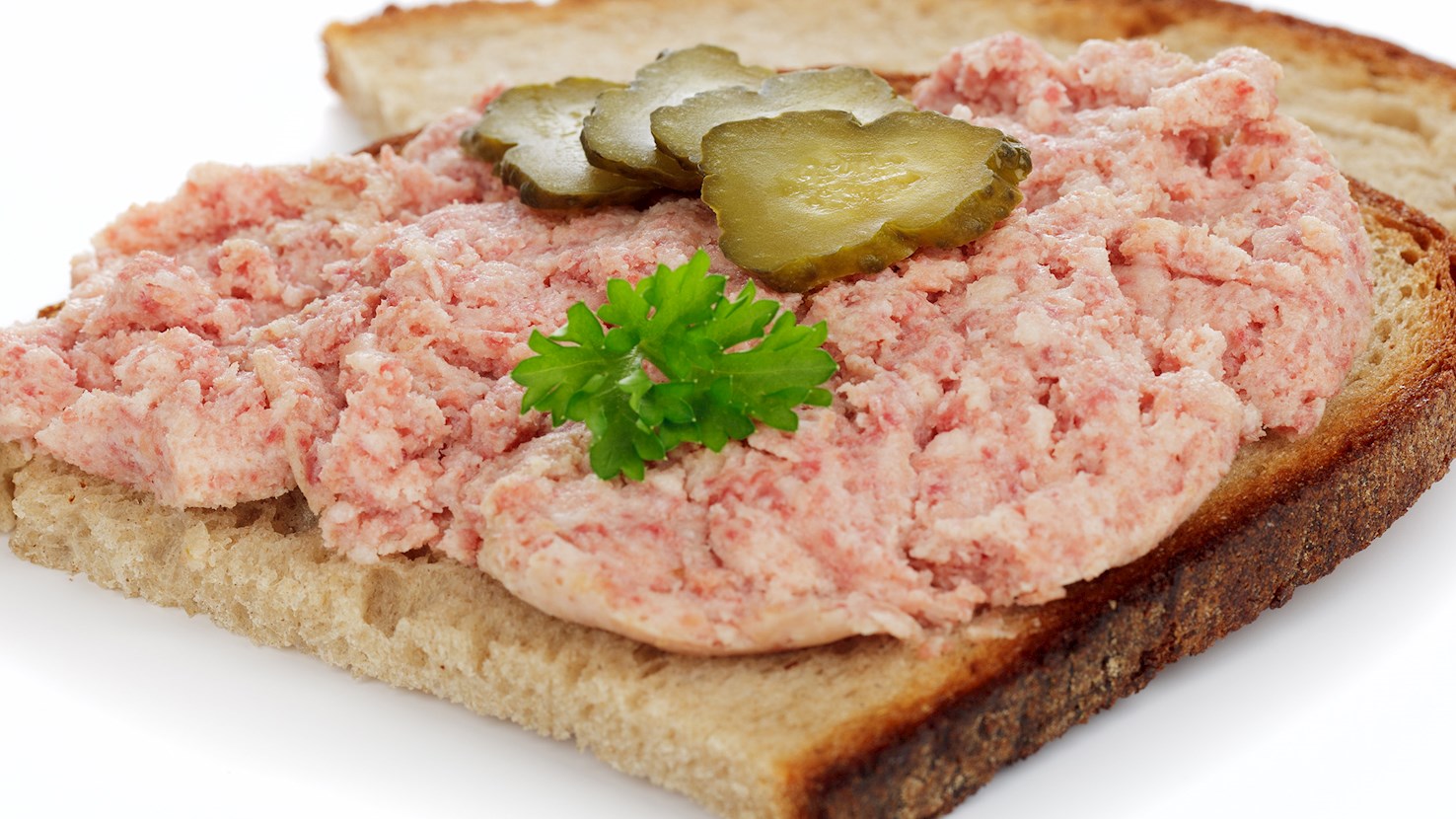
Leberwurst is a spicy German sausage consisting of a combination of ground pork liver, onions, and spices. The sausage is traditionally consumed with sauerkraut, although it can also be used in sandwiches, where leberwurst is sliced and paired with cheese, mustard, pickles, and bread. It might be cooked, but most leberwurst varieties are spreadable and can be consumed uncooked. Apart from Germany and Austria, this sausage is popular in many other countries such as Slovenia, Serbia, and Romania, and today there are many varieties of leberwurst, with additions such as mushrooms and cowberries.
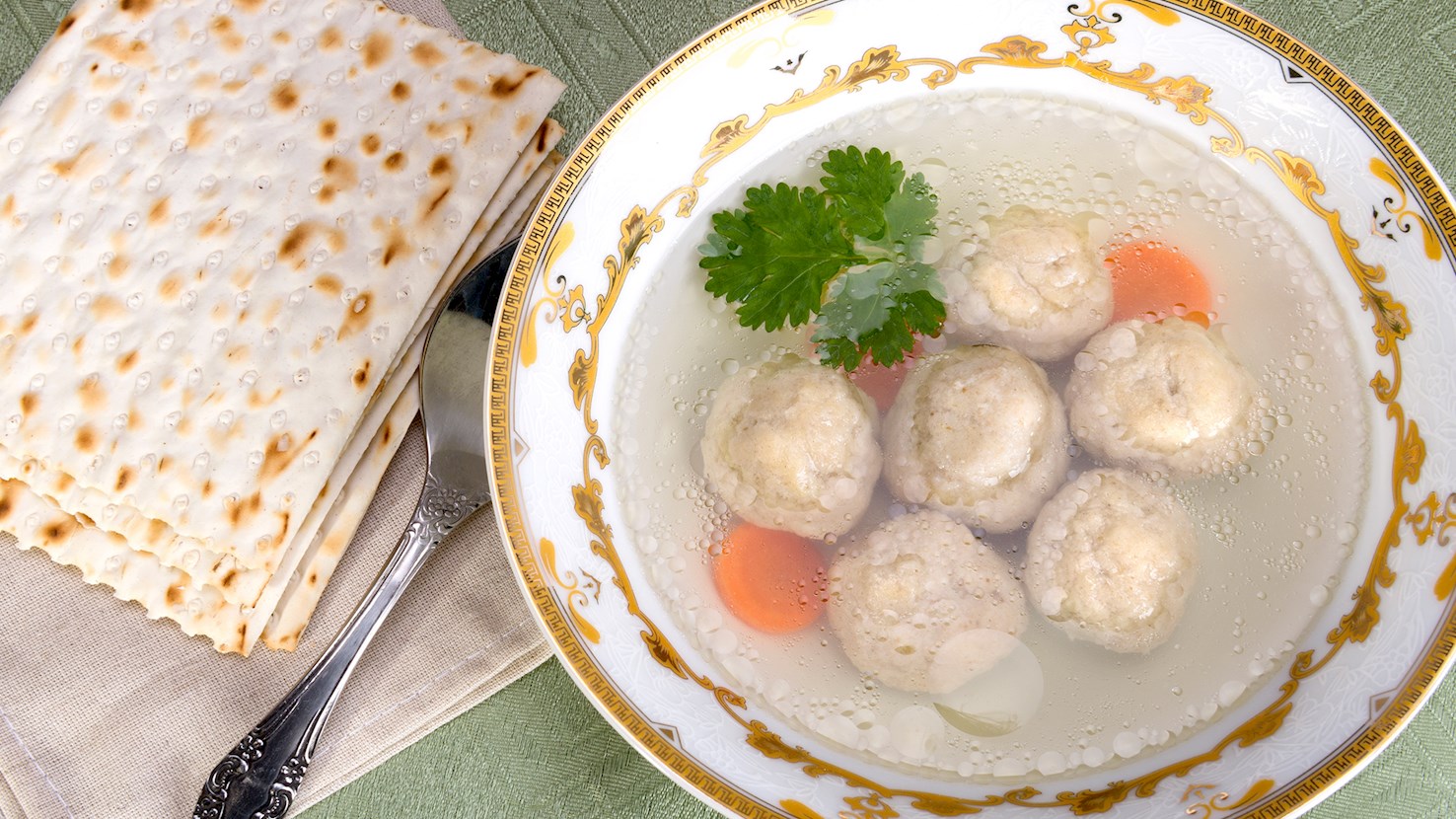
The center of every Jewish Seder—Passover meal—is a bowl of chicken broth with large matzah balls. The dish is deeply rooted in Jewish tradition, and it is believed that it originated among the Ashkenazi Jews who invented it as an adaptation of Central European bread dumplings (knödels). In Jewish tradition, the large balls are often referred to as kneydl, knaidel, kneidel, or knodel and are made with matzo meal—consisting of ground matzo bread—and rendered chicken fat. Nowadays, matzah ball soup is not exclusively associated with Passover and has become a year-round comfort food that is enjoyed in most Jewish communities.
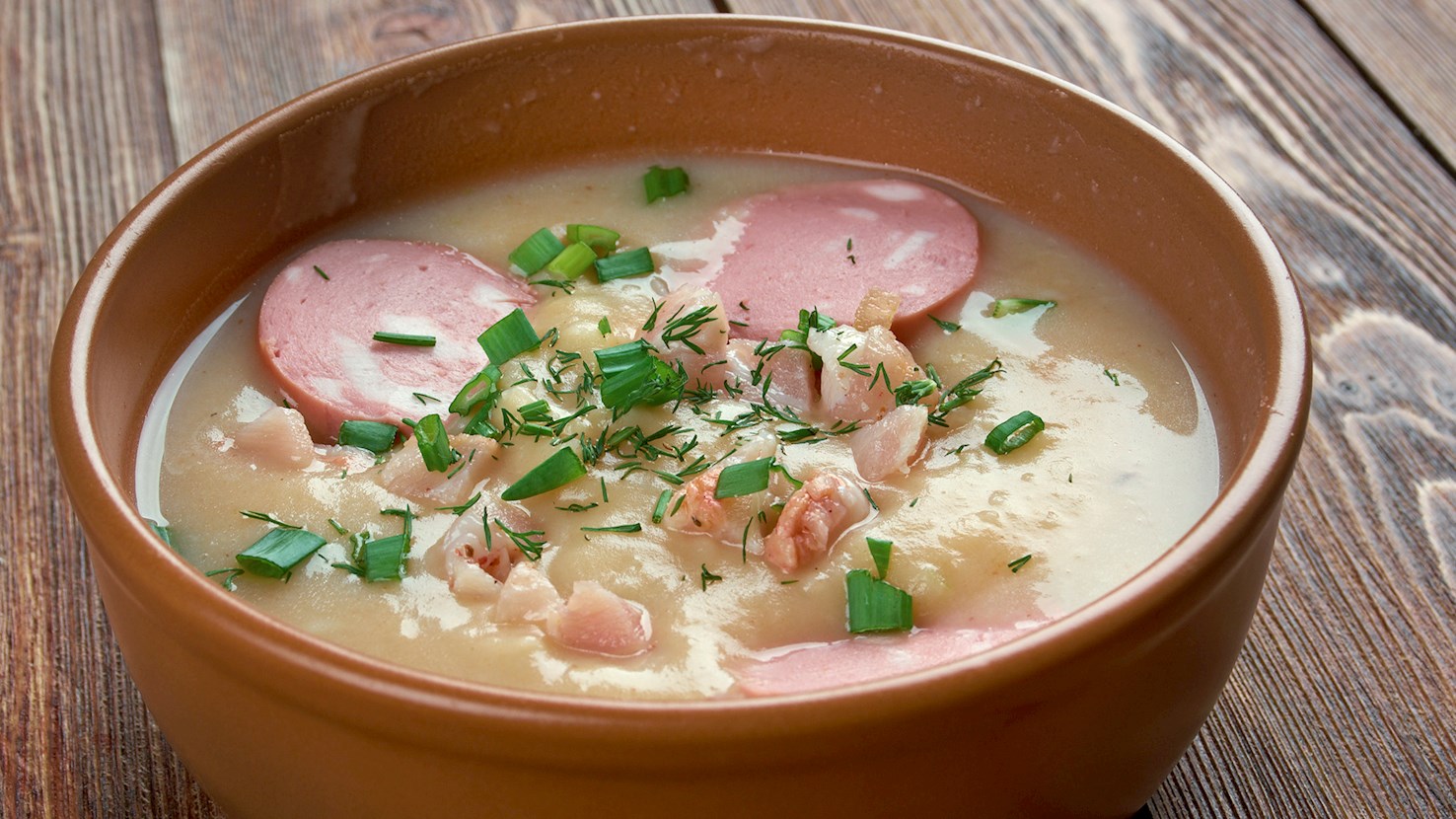
Kartoffelsuppe is a popular German soup made with potatoes as its key ingredient. The soup is usually cooked with the addition of onions, celery, butter, and milk. It is characterized by a very thick consistency. This soup is a specialty of the Baden region, traditionally served at harvest time, when it is often accompanied by plum cake. In other German regions, Kartoffelsuppe is often consumed with steamed dumplings. In some varieties of the soup, such as the Berlin Kartoffelsuppe, it is recommended to garnish the dish with croutons and parsley.
TasteAtlas food rankings are based on the ratings of the TasteAtlas audience, with a series of mechanisms that recognize real users and that ignore bot,
nationalist or local patriotic ratings, and give additional value to the ratings of users that the system recognizes as knowledgeable.
For the “20 Traditional Foods You Have To Try in Berlin” list until August 17, 2026, 1,344 ratings were recorded, of which 1,185 were recognized by the system as legitimate.
TasteAtlas Rankings should not be seen as the final global conclusion about food. Their purpose is to promote excellent local foods,
instill pride in traditional dishes, and arouse curiosity about dishes you haven’t tried.









What People Say