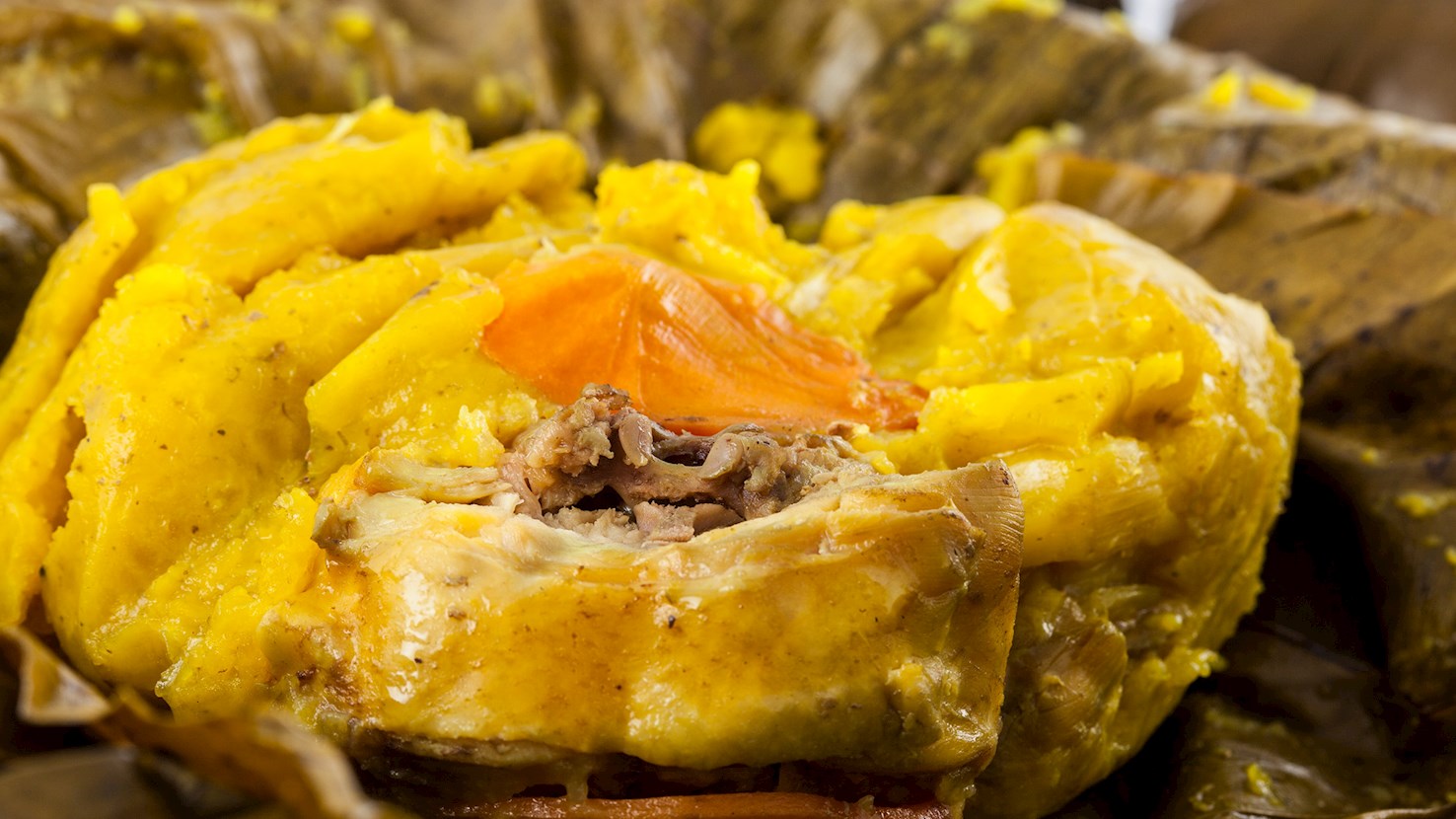
Tamales tolimenses is a Colombian delicacy named after the Tolima region. This tamale variety is made with corn masa, peas, carrots, potatoes, chicken, pork, rice, and selected spices. Everything is neatly wrapped in plantain leaves, and the tamales are then slowly boiled, sometimes even up to four hours. Locals love to eat tamales tolimenses for breakfast, traditionally with a cup of hot chocolate on the side.
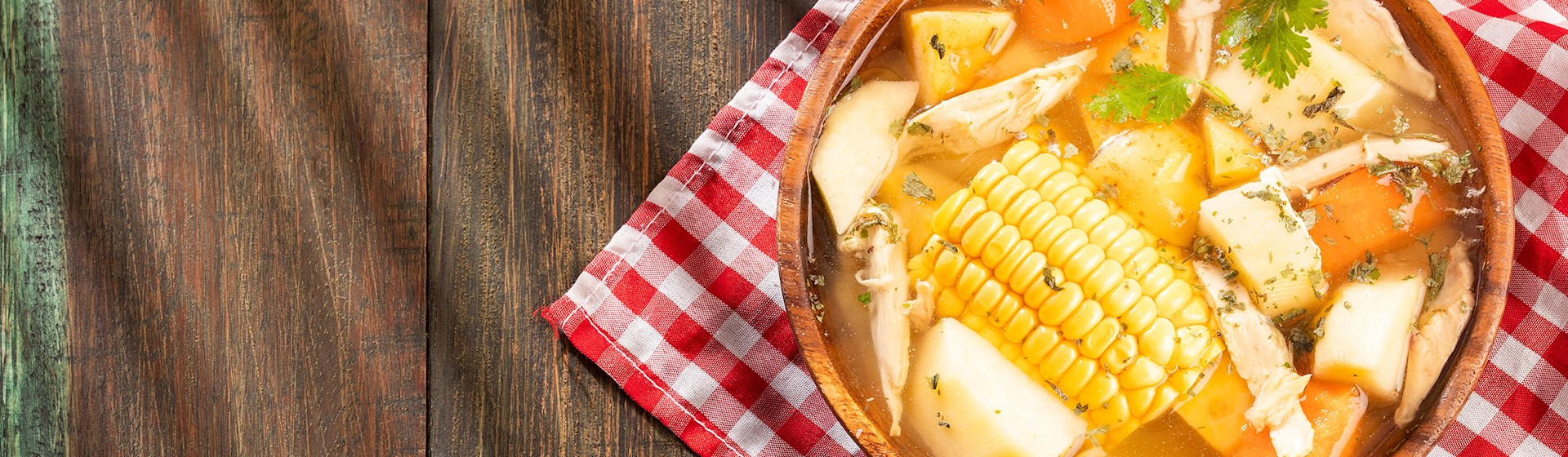
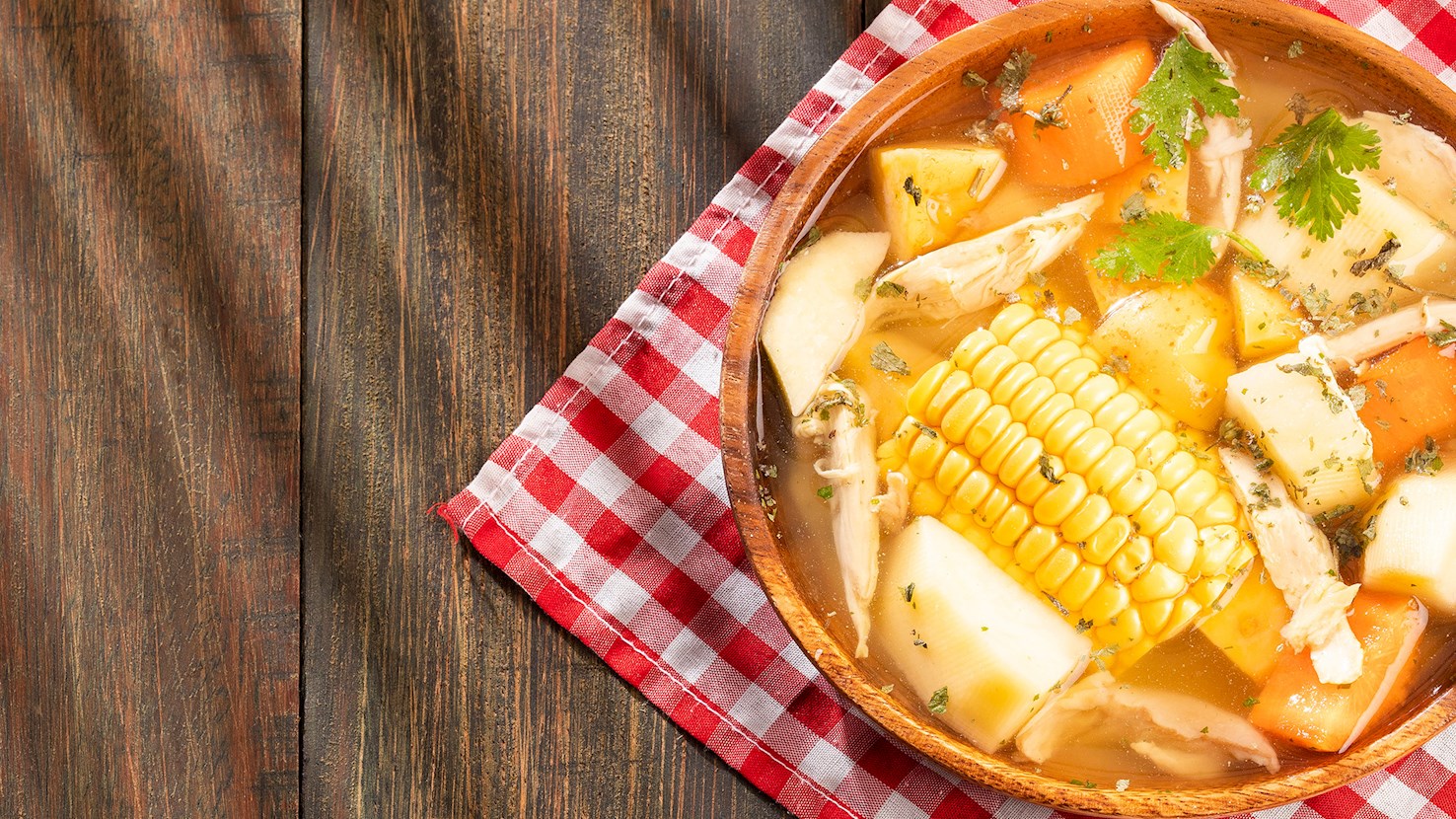
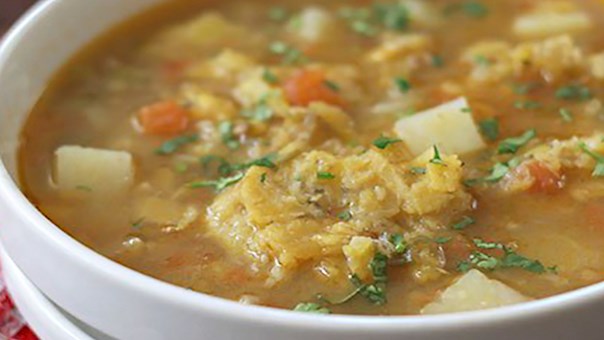
Ajiaco is the national dish of Colombia, a flavorful chicken and potato soup with the addition of herbs and corn. Considered a poor man's dish in the past, ajiaco must include three varieties of potatoes cooked together, abundant and inexpensive in Colombia. It is best to use the local varieties of potatoes: the waxy sabanera, the tiny papas criollas and the soft pastusa. These varieties provide a thick and creamy texture of the final dish. Simmered in chicken or beef broth until they break down, the potatoes also provide a unique combination of flavors. The soup is seasoned with a Colombian herb called guascas that provides an intense, grassy flavor that is of key importance for an authentic ajiaco. There is also a vegetarian version where the shredded chicken meat is omitted, and when ajiaco is done, it is often served with avocado slices, capers, rice, heavy cream, corn, and black pepper. Traditionally, the soup is served in a rounded bowl with a rounded bottom that is placed in a basket in order to ensure stability. Some versions of ajiaco have corn on the cob dipped into the soup as a garnish. Cooked until thick and fragrant, it's best to try this creamy soup in Bogota, where it's especially popular.
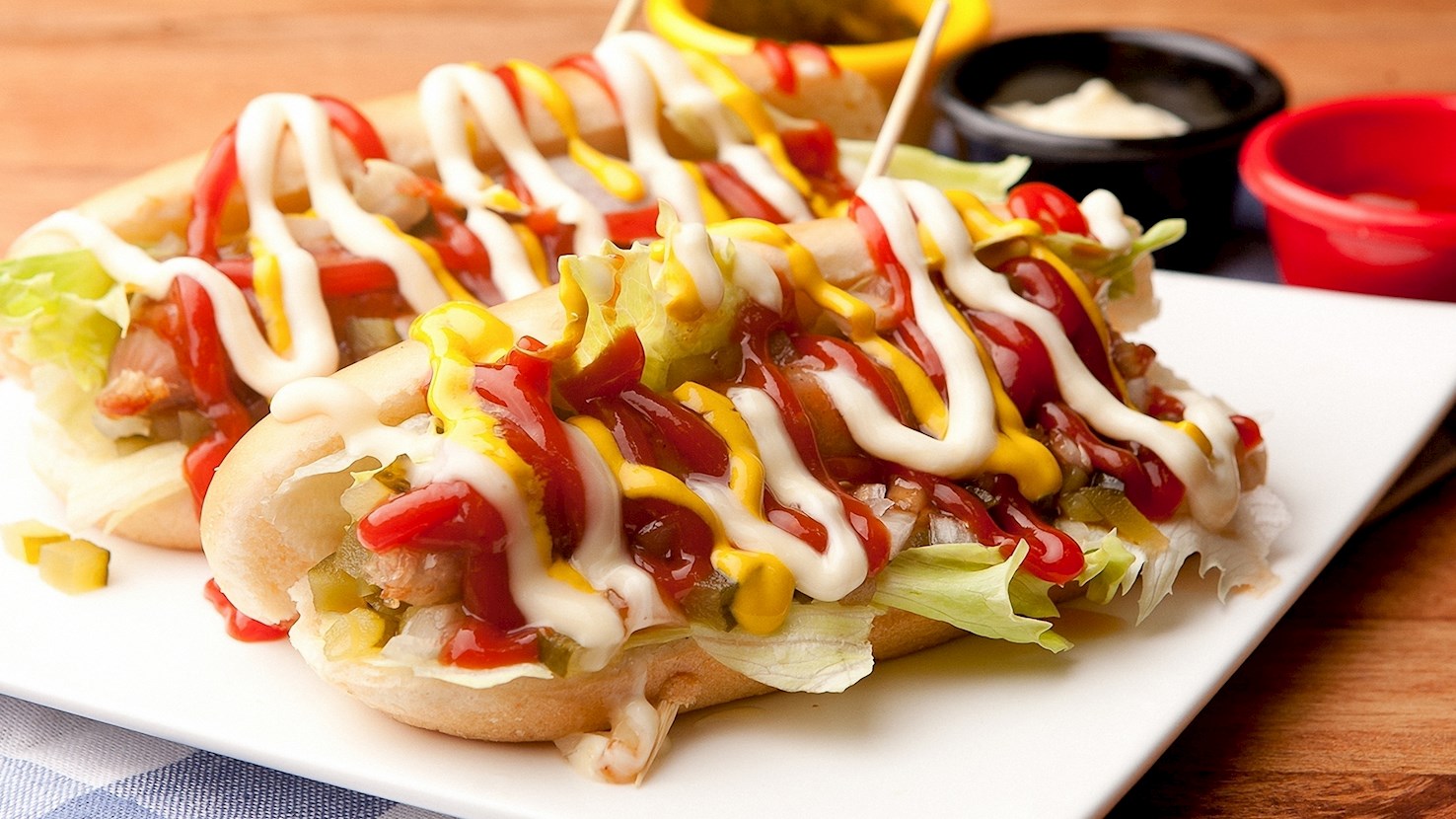
Perro caliente is a Colombian variety of the hot dog, characterized by its large size and unusual toppings. The sausage is steamed or boiled and usually topped with ingredients such as pineapple chunks, mayonnaise, ketchup, mustard, raspberries, bacon, and crushed potato chips. The whole thing is placed in a bread roll which is then wrapped in paper or served in a styrofoam boat. There are a number of regional variations of this popular fast food, so some cooks like to add a bit of lettuce or a quail's egg on top. Perro caliente can be found on numerous street stands in Colombia, but it is also very popular in the United States of America, especially in the Queens area of New York City.
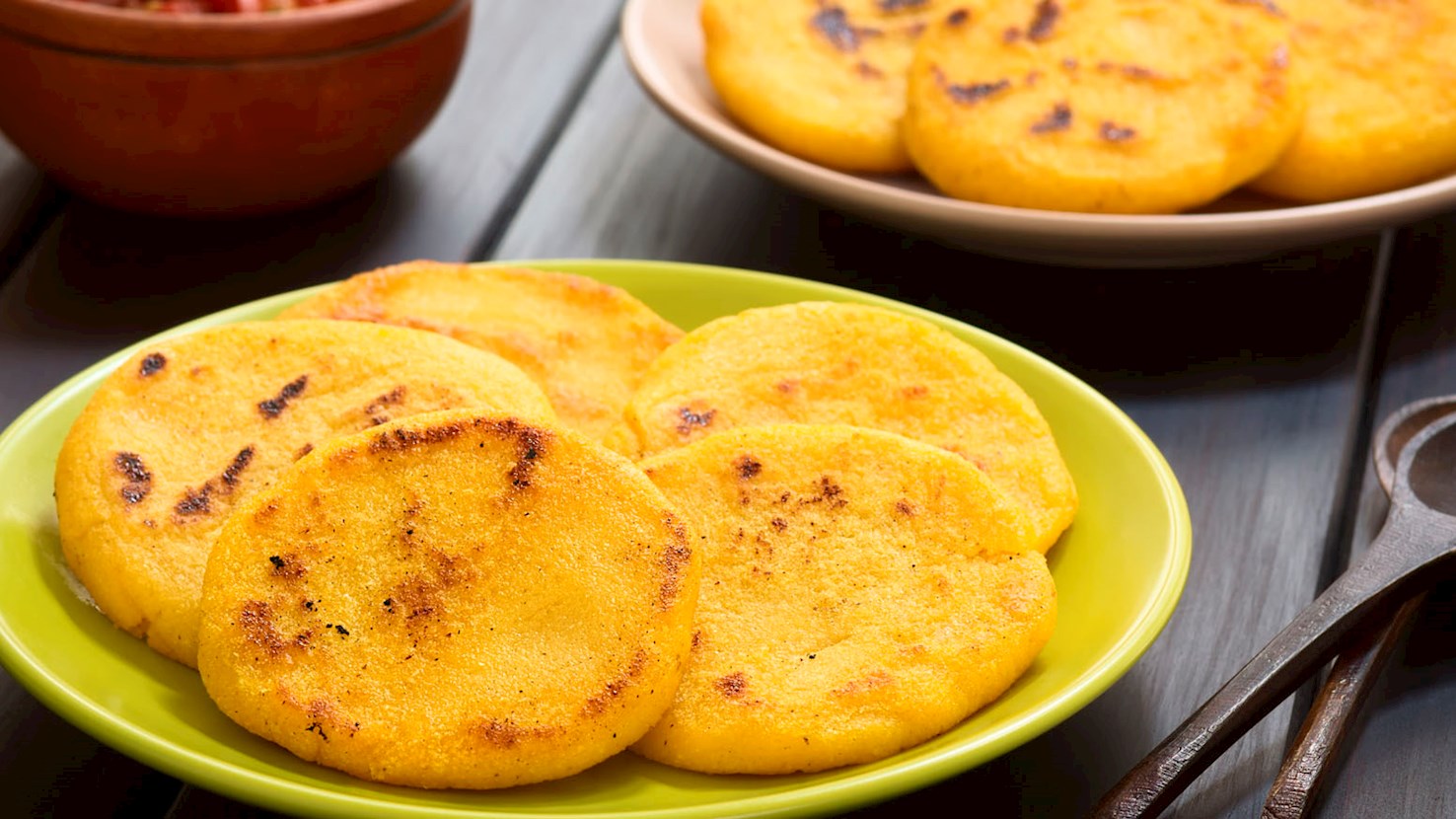
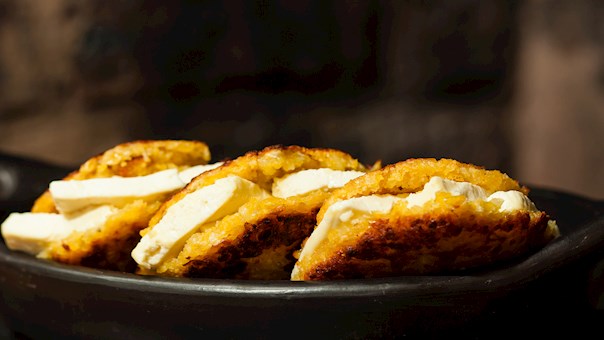
Arepa is a highly versatile cornbread made from ground corn dough or precooked corn flour. It is commonly consumed in Venezuela, Colombia, Panama, Puerto Rico, and the Dominican Republic. In Venezuela, arepa is eaten at any time of the day, throughout the whole country, and across all socio-economic groups. The golden disks with a crispy, browned crust are commonly stuffed with a variety of ingredients, and the combinations are seemingly infinite, from beans, cheese, and avocado to shredded beef and onions. For a Venezuelan breakfast, arepas are traditionally paired with a cup of strong coffee and hot dipping chocolate. Since they are not filled with anything for breakfast, they are commonly referred to as the viuda (widow). The name arepa comes from the word erepa, which is the indigenous word for this corn bread, as its origins are believed to be from the indigenous tribes across Venezuela, such as Timoto-Cuicas, Arawak, Carib, and Karina. Today, arepas are usually served at traditional eateries called areperas.
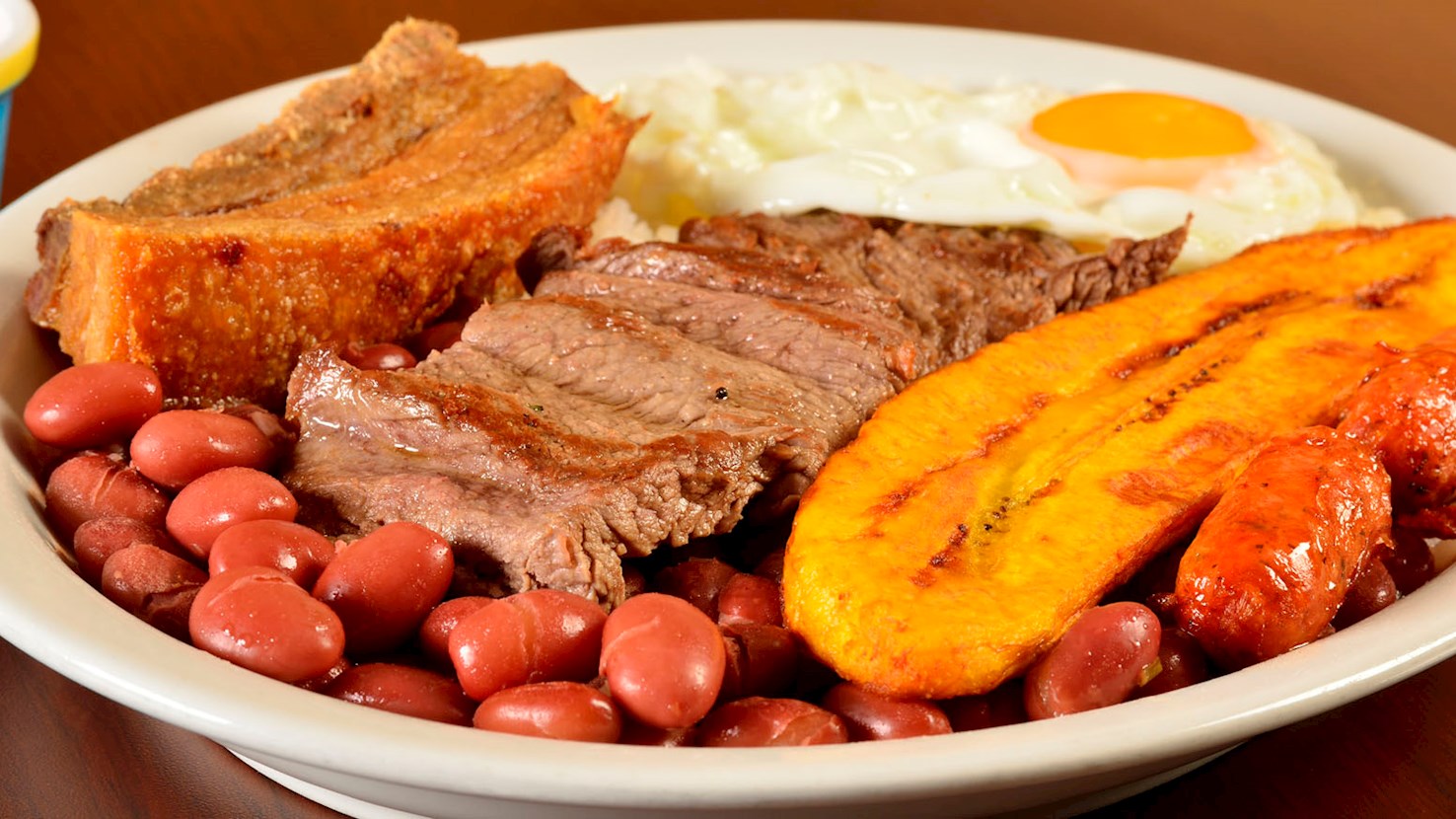
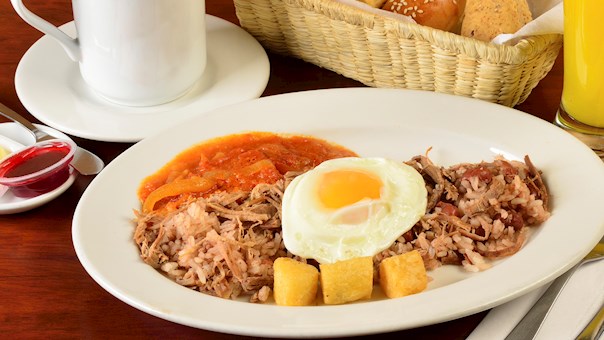
Bandeja paisa, also known as bandeja de arriero, bandeja montanera and bandeja antioquena, is Colombia's national dish since 2005, a heavy, caloric meal traditionally served on a big, oval platter and intended to be eaten for lunch. Originally, the platter provided nutrition and energy to the farmers to keep them going for the whole day and there are a total of 13 ingredients used in the dish, including golden-fried chorizo sausages with lime, hogau sauce, cooked white rice, ground beef, plantain, arepa (a thin, fried corn cake), avocado, stewed red beans, fried pork belly, and a fried egg on top of it all. This behemoth of a dish is traditionally accompanied by a mazamorra – a milk-based drink that is served chilled and features smashed maize. Bandeja paisa is actually one of the highest protein-packed dishes on Earth and is especially popular in the Paisa region departments of Antioquia and a part of Valle del Cauca in Colombia. In 2005, when it became the national dish, it was suggested that the name gets changed to bandeja montanera in order to avoid the exclusion of people that are outside the Paisa region, which led to a huge public outcry. Regardless of the name, it is best to unbuckle your belt before having a go at this gigantic meal.
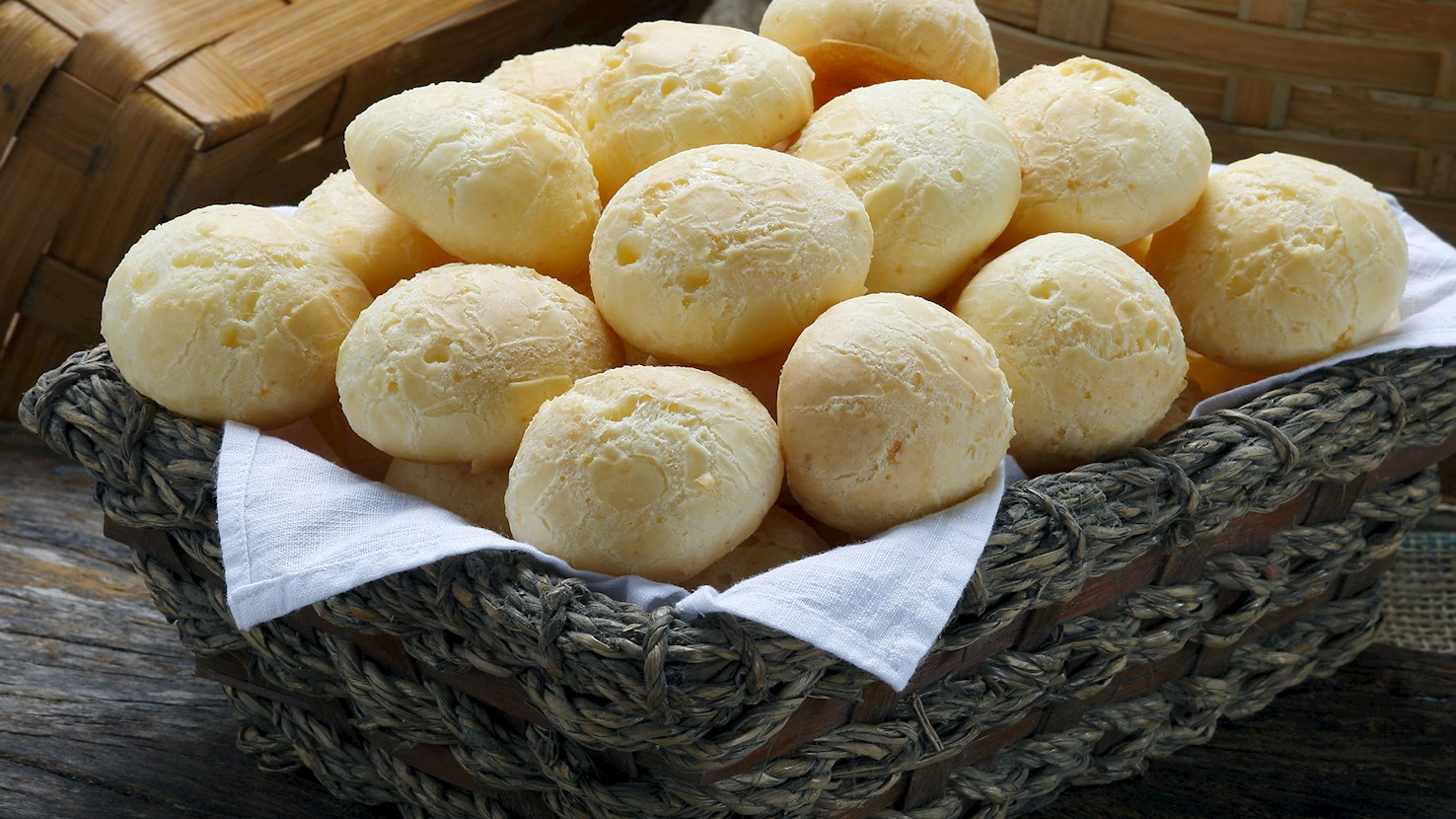
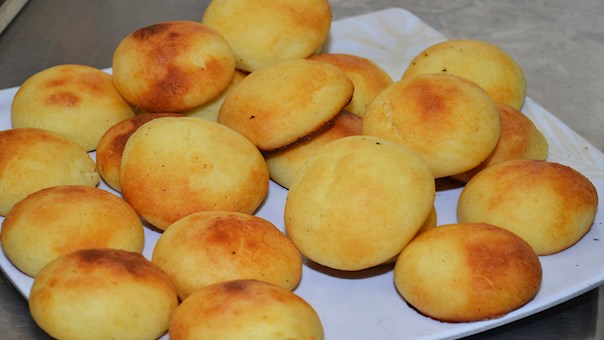
Almojábana is a traditional and Puerto Rican bread (although it is also popular in other countries of Latin America) that is very similar to pandebono. Pandebono is usually made with yuca flour and costeño cheese, while almojábanas are made with cuajada white cheese and cornmeal flour. Almojábanas are baked until they develop a spongy texture and a golden brown color of the exterior. This small, round bread is traditionally served warm.
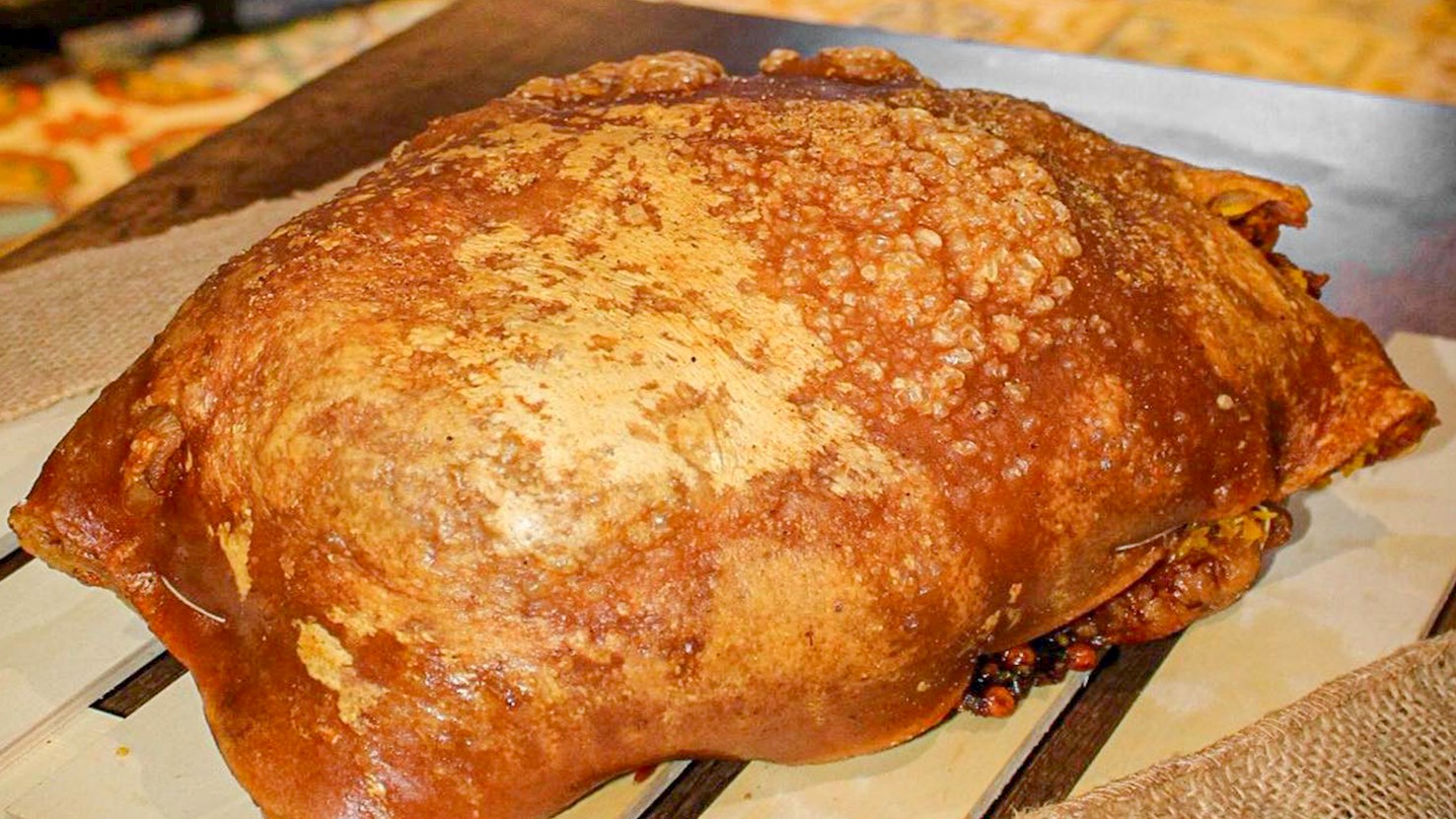
Lechona is a traditional dish consisting of a roasted pig stuffed with onions, peas, fresh herbs, and various spices. The pig is roasted for a long time until the meat is tender and succulent. The dish is usually prepared for celebrations and festivities since one lechona can produce as many as 100 servings. This unique Colombian delicacy can be found in numerous restaurants throughout the country's largest cities.
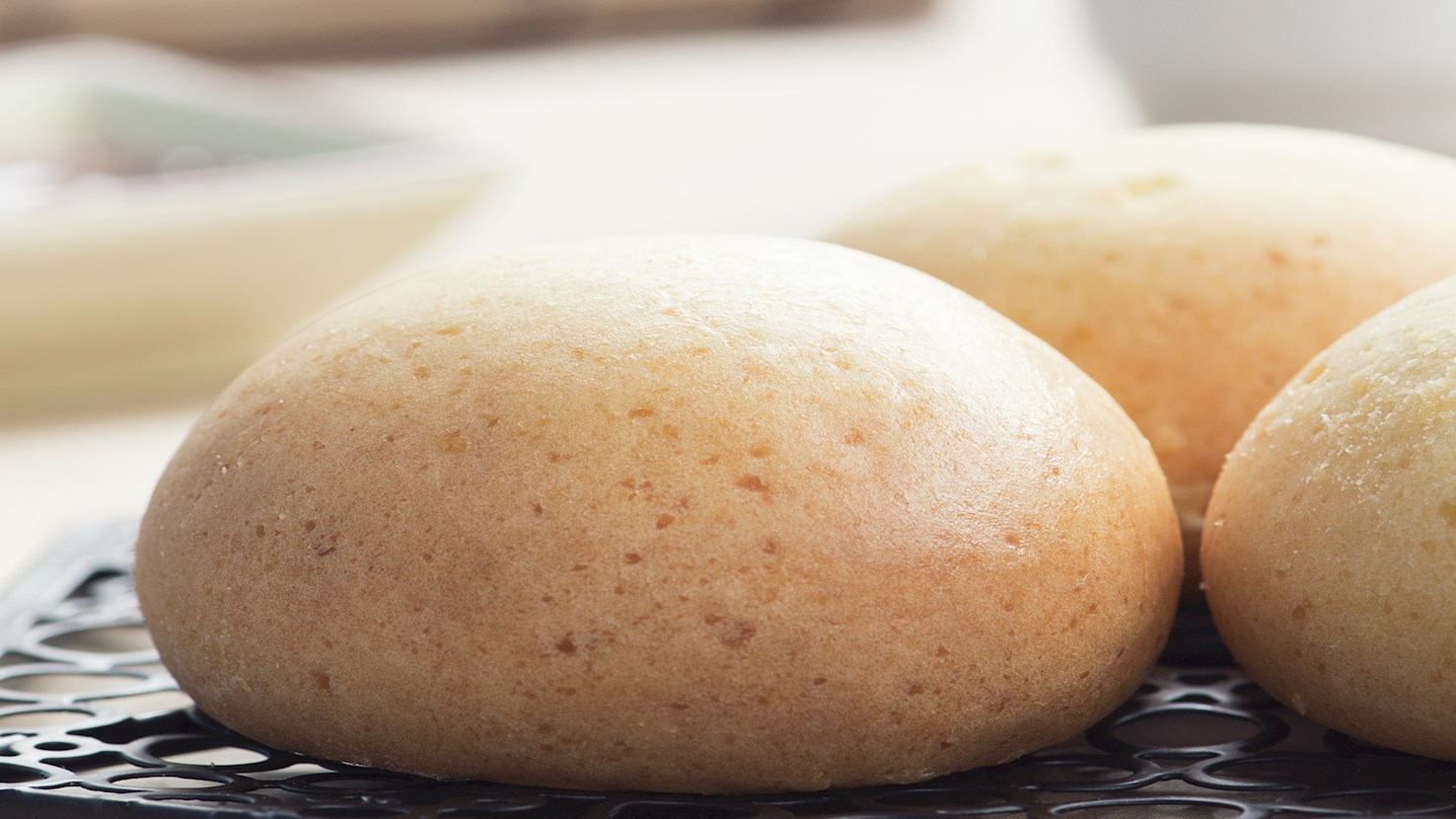
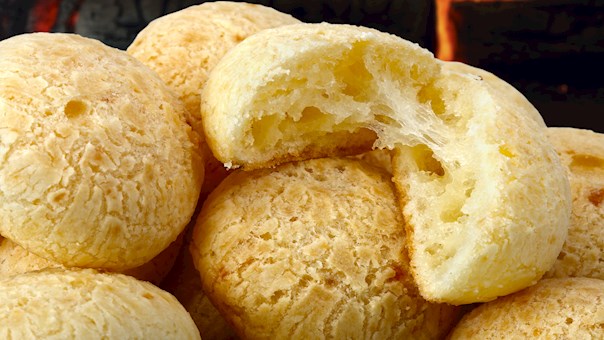
Pan de bono is a traditional bread consisting of cassava starch, cornmeal or corn flour, queso fresco, eggs, and sugar. The bread is shaped into bagels or balls that are slightly larger than golf balls. Pan de bono is similar to other South American cheese breads like pan de queso, difference being added conr flour or cornmeal, and a hint of sweeteness due to the addition of sugar. It is usually served warm with a cup of hot chocolate on the side. Some claim that the name pan de bono was created after an Italian baker in Cali who used to yell pane del buono (good bread), while others say that it is named after a place called Hacienda El Bono, where it was first made.
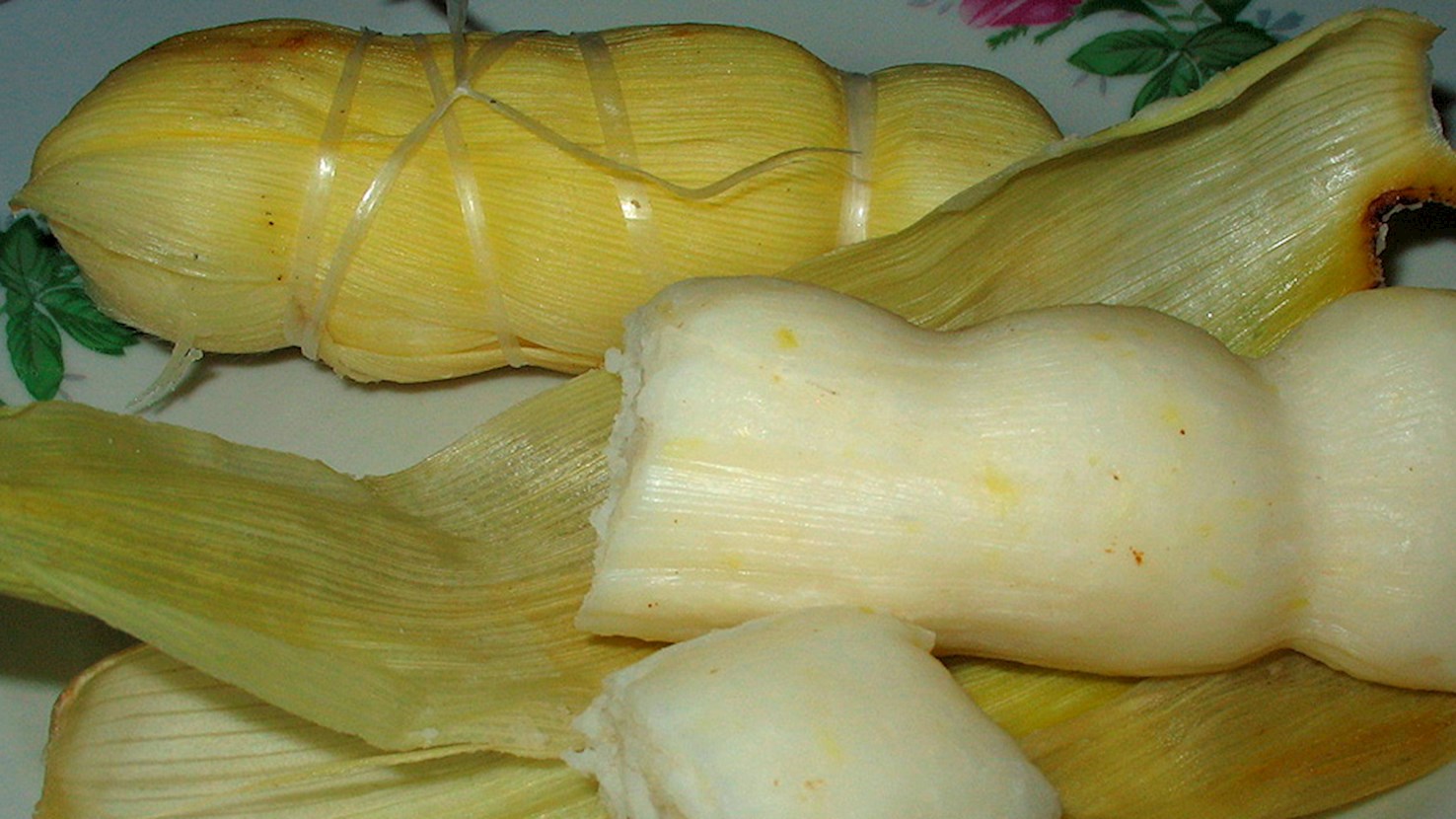
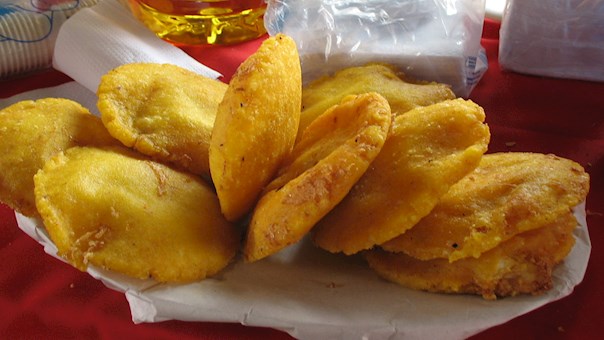
Bollo is a traditional bun that can be made with corn, yuca, or potatoes. The bun is also very popular in Panama in Spain. Typically, it is served for breakfast, when it is accompanied by cheese on the side. All along the Colombian coast, bollo can be bought from numerous street vendors who are selling it freshly prepared from corn leaves in which the buns were wrapped before cooking, although it can also be easily found in various supermarkets.
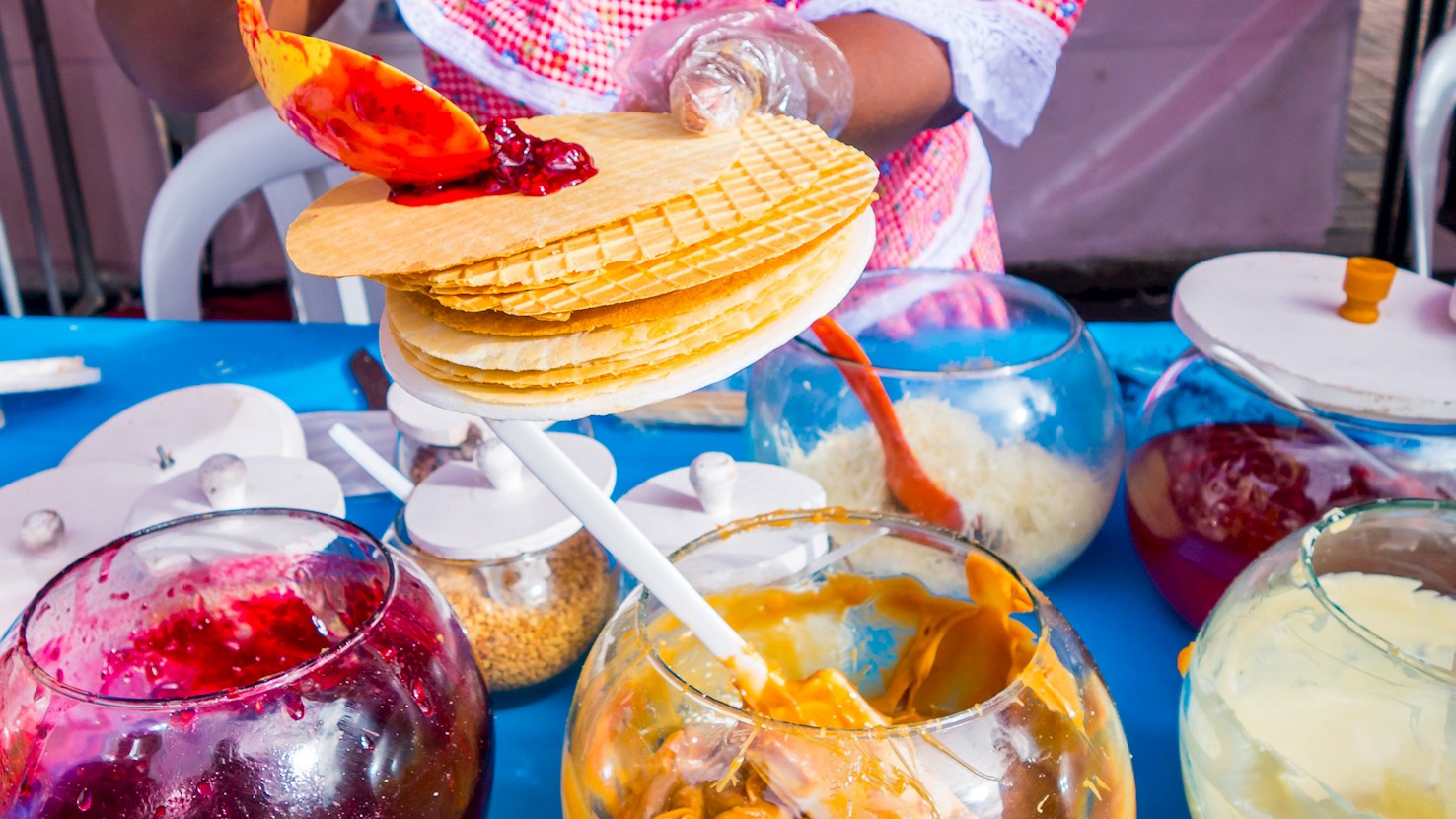
Obleas are thin Colombian wafers characterized by their round shape and a slightly brown color. They’re customarily spread with arequipe caramel and other toppings such as fruit jams, grated cheese, or chocolate sprinkles. The shredded cheese is usually added for texture as it doesn't have an overpowering flavor. Obleas are also popular in Venezuela, El Salvador, and Mexico, among other countries. Some people claim that the first obleas were made around Floridablanca in Santander, where the first oblea factory was set up in the 1940s. Depending on regional preferences, the wafers can be served sandwiched with fillings such as condensed milk or Chantilly cream. They are usually bought at street stands packed with stacks of wafers and numerous jars that hold various toppings.
TasteAtlas food rankings are based on the ratings of the TasteAtlas audience, with a series of mechanisms that recognize real users and that ignore bot,
nationalist or local patriotic ratings, and give additional value to the ratings of users that the system recognizes as knowledgeable.
TasteAtlas Rankings should not be seen as the final global conclusion about food. Their purpose is to promote excellent local foods,
instill pride in traditional dishes, and arouse curiosity about dishes you haven’t tried.




What People Say