Canelé is a little cake with a rich, custardy interior, and a thin, caramelized exterior, invented by an anonymous cook from Bordeaux in France. There is a theory that the dessert originated in the convent of the Annunciation in Bordeaux, specializing in the production of candied nuts and sweet sticks known as canelets. Canelets were traditionally made by the nuns and given to the poor. In 1790, the nuns left their convent, but the recipe was rediscovered and improved by Bordeaux cooks in 1830. Today, canelé is an emblematic symbol of the city of Bordeaux, kept as the city's specialty, but it can also be found in numerous Parisian pâtisseries. Canelé is usually accompanied by cocktails, champagne, tea, and many types of wine.
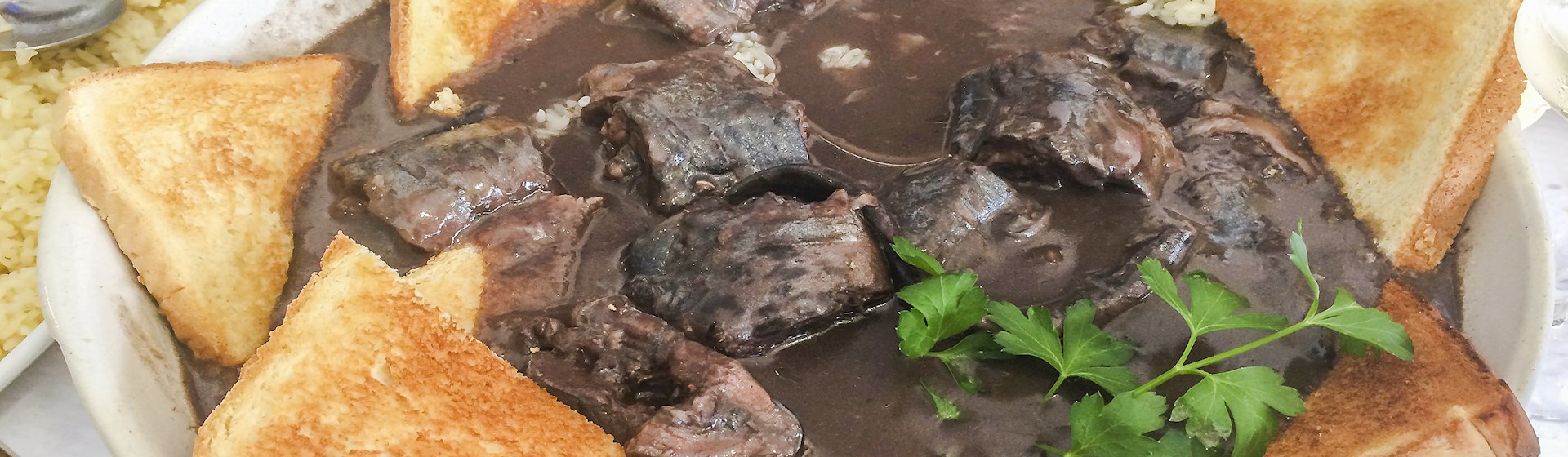
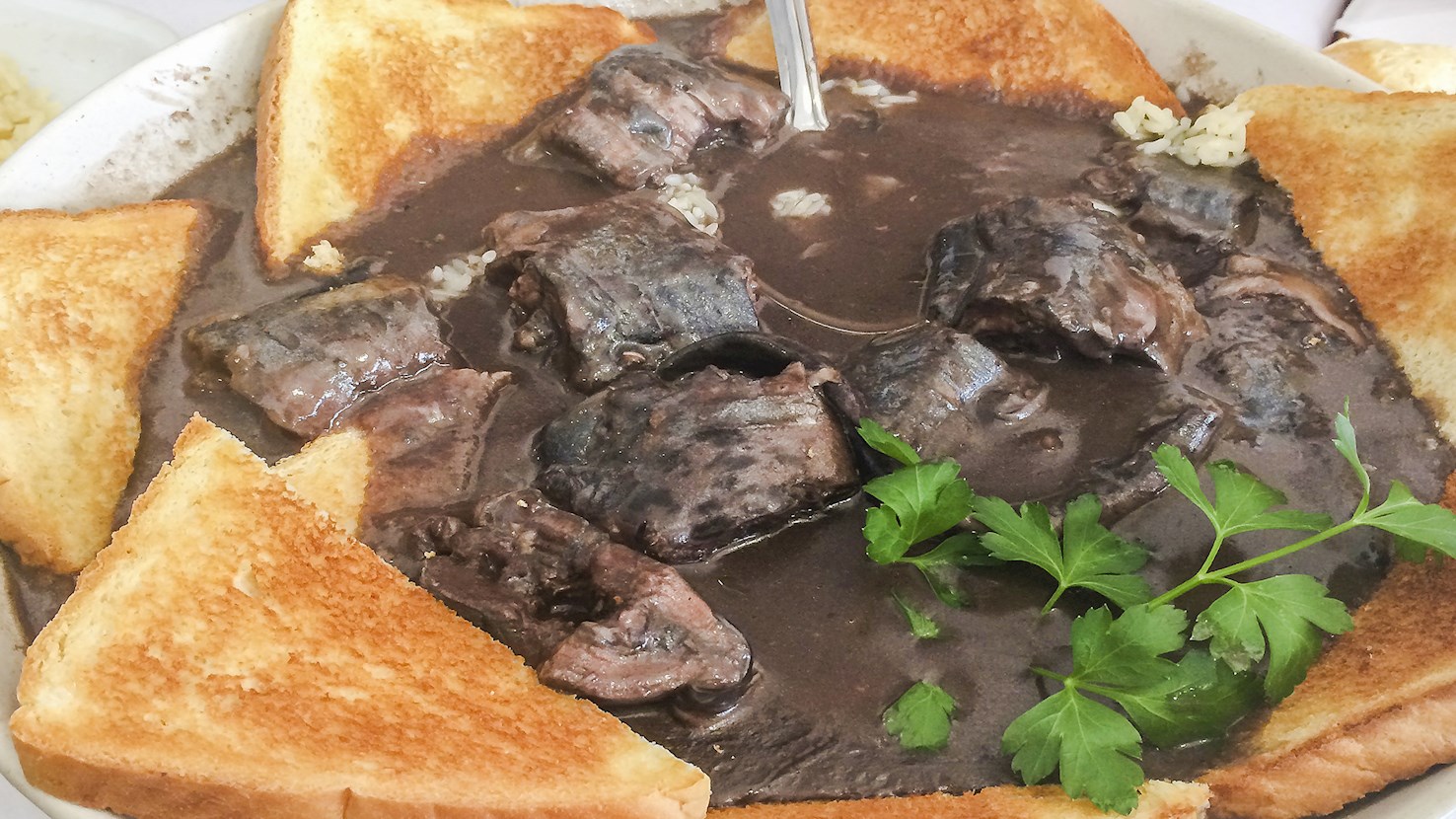
Once reserved only for the wealthy people, today the lamprey is a popular delicacy in the Bordeaux region, caught between December and May in the Dordogne and the Gironde estuary. The dish consists of lamprey stewed with cured ham, red wine, various fresh herbs, and vegetables such as leeks, onions, and garlic. While preparing the dish, one must be careful to first hang the lamprey by the head before cutting its tail, in order to collect the blood. The blood is used in combination with Armagnac and wine sauce, and the lamprey is briefly flambéed in the mixture before being served, usually accompanied with garlic bread croutons and a glass of local red wine. Today, there is even an annual lamprey festival held in Libournais in April, filled with cookery workshops, gourmet dishes, and a variety of other activities.
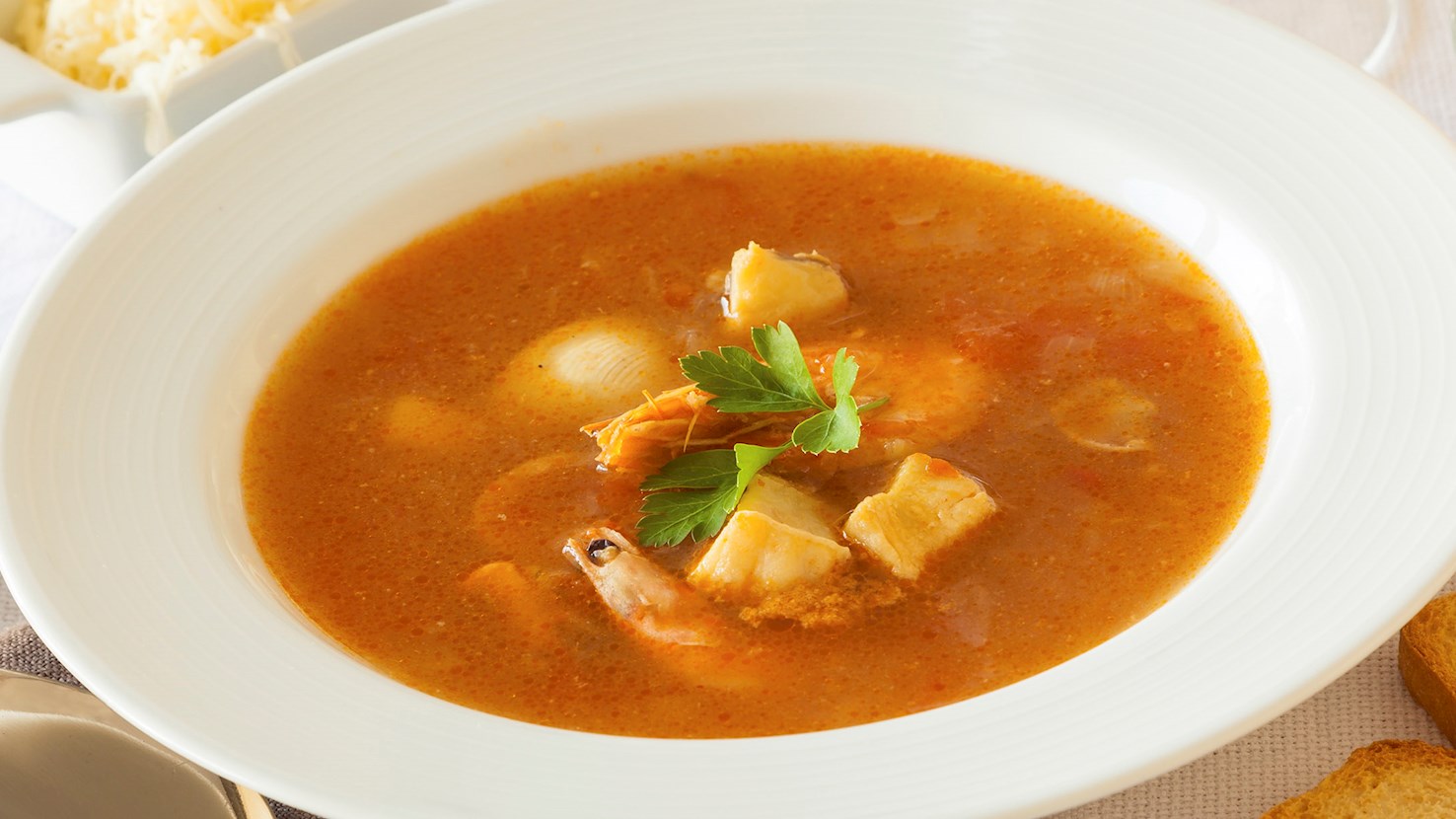
Originally a poor man’s dish, soupe de poisson à la rouille is a classic French soup and a close cousin of the famous bouillabaisse. The soup is usually prepared with white fish that is cooked in a flavorful broth that mostly incorporates tomatoes, olive oil, garlic, saffron, and various herbs. The soup is then strained and served with rouille, a classic Provençal sauce that usually incorporates bread, garlic, spices, egg yolks, and olive oil while some versions can also include monkfish liver, tomatoes, or potatoes. Soupe de poisson originated in the Provençal region, most probably in Marseille, and it can be found all along the French Mediterranean coast. It is often enjoyed as an appetizer, typically served hot and topped with crunchy croutons and Gruyère cheese.
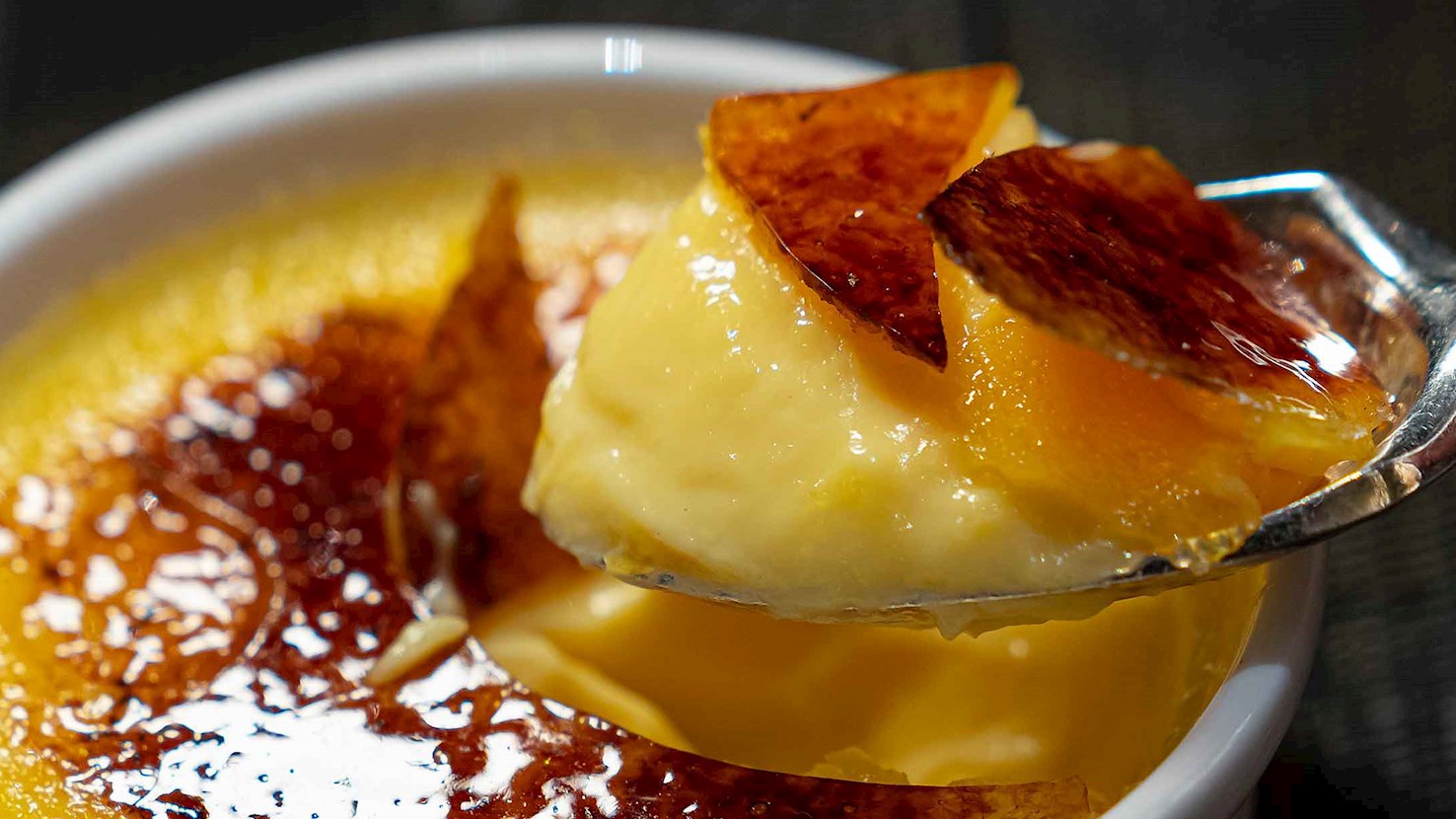
This traditional egg custard dessert consists of egg yolks, cream, sugar, and vanilla, with a hard, burnt, toffee crust. The combination is cooked, transferred into ramekins, poached in a bain-marie, then well chilled. The chilled custard is typically set in wide, flat dishes, and is then topped with brown sugar which is either caramelized under a broiler or with a blowtorch. The origins of the dish are quite unclear, and England, Spain, and France all claim to have invented it. However, most food historians agree that custards were popular as far back as the Middle Ages, and recipes for custards circulated throughout Europe for centuries. The Spanish claim to have invented it in the 18th century under the name crema Catalana, while the English claim it was their invention from the 17th century, when it was known as burnt cream. At the end of the 19th century, the French term crème brûlée became popular, putting the dessert on the map from Paris to New York City. Regardless of its origins, this timeless classic remains a great example of simple, classical cooking – memorable, delicate, and flavorful, yet easy to make.
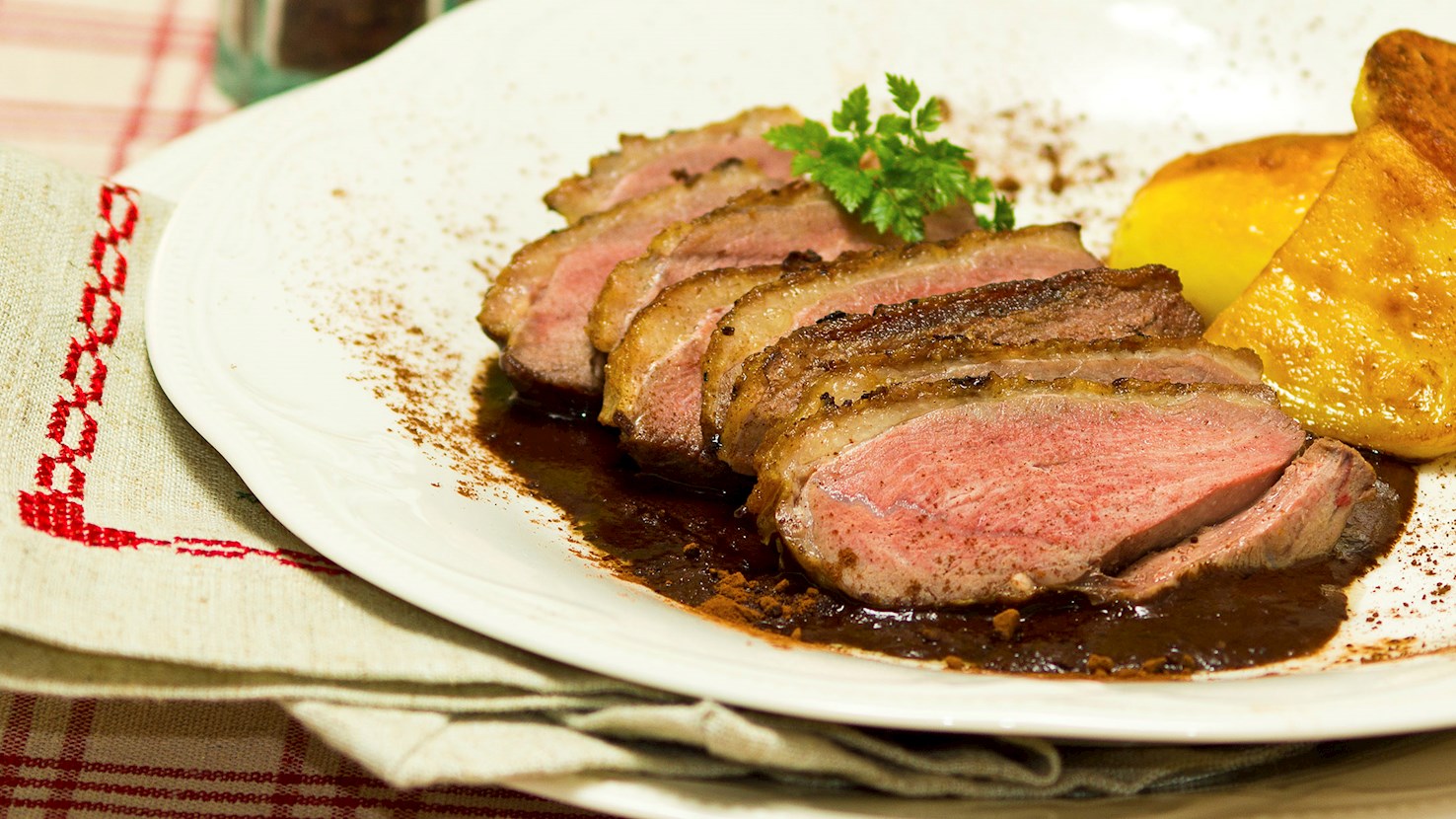
This dish of flash-seared duck breast dates back to the late 1950s, when French chef André Daguin first prepared a magret like a steak and served it medium-rare. The meat is usually served thinly sliced and still slightly pink on the inside. The cut of the breast usually comes from the mulard duck, a cross between the Pekin and the Muscovy duck. This breed is raised for foie gras, so its breast meat is thicker and more flavorful than that of other duck breeds. In the mid-1960s, rare duck breast became extremely popular in the United States thanks to Robert Daley, an American journalist who praised Daguin’s specialty in The New York Times. Today, magret de canard can be found on tables throughout France, both in restaurants and private homes.
TasteAtlas food rankings are based on the ratings of the TasteAtlas audience, with a series of mechanisms that recognize real users and that ignore bot,
nationalist or local patriotic ratings, and give additional value to the ratings of users that the system recognizes as knowledgeable.
TasteAtlas Rankings should not be seen as the final global conclusion about food. Their purpose is to promote excellent local foods,
instill pride in traditional dishes, and arouse curiosity about dishes you haven’t tried.




What People Say