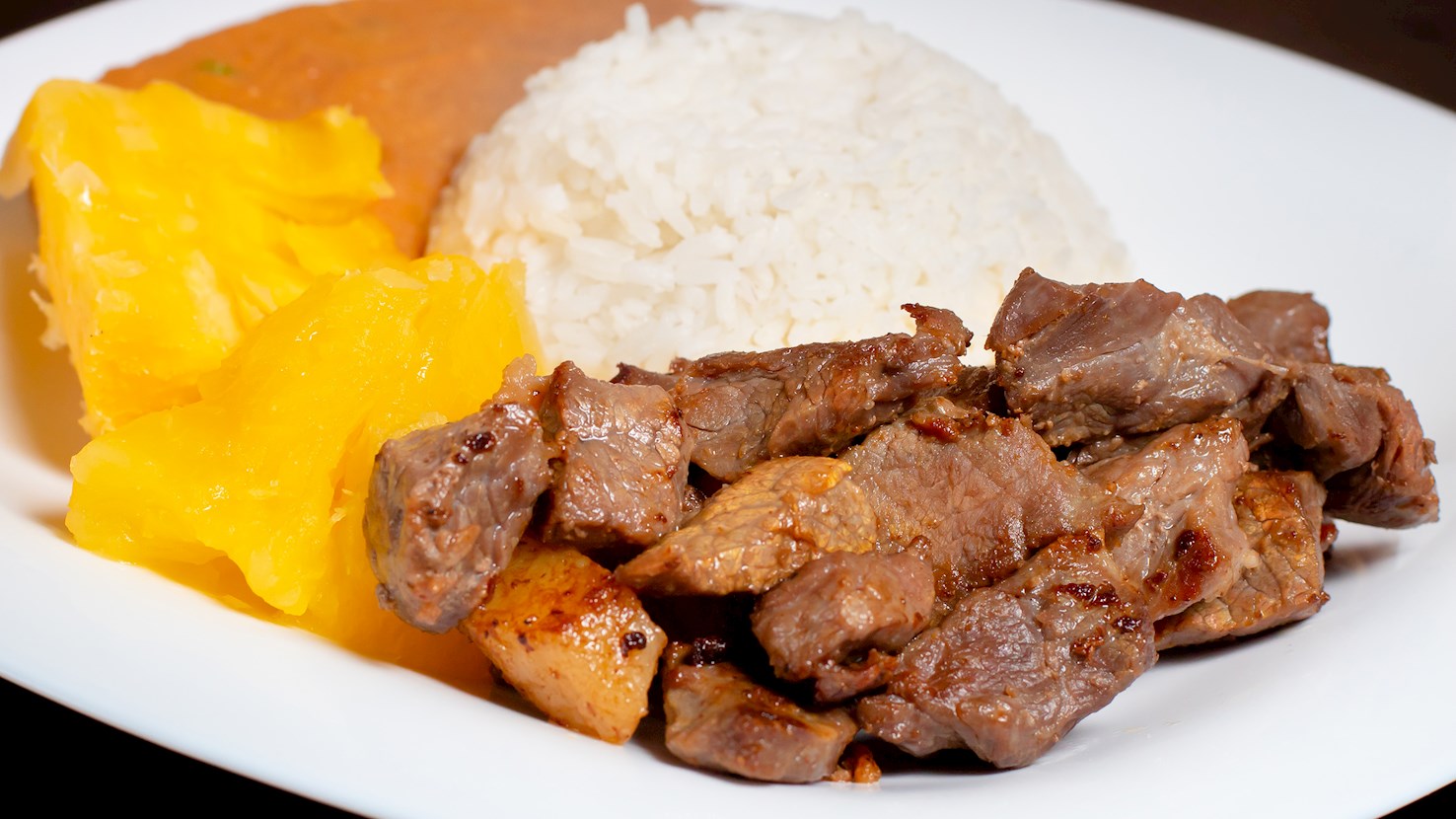
A staple of Northeastern Brazil, carne de sol (lit. meat of the sun) - sometimes also called carne de sereno or simply jabá - refers to heavily salted, sun-dried meat. Carne de sol is traditionally prepared with either beef or goat meat, and the origins of this centuries-old meat preservation method are attributed to the so-called sertanejos, cattle ranchers living in the vast, semi-arid Brazilian hinterlands. Today, carne de sol is a delicacy found all across the country and, if not grilled or cubed and used in various stews, it is typically served with coalho cheese and accompanied by a thick manioc gruel called pirão or boiled cassava.
Cachorro quente is the Brazilian version of a hot dog consisting of a bread roll filled with sausage links, ground beef in a chunky tomato sauce with green peppers and onions, and melted cheese. The dish is traditionally served with a wide variety of accompaniments such as mashed potatoes, corn, grated carrots, fries, peas, or pico de gallo, depending on the customers' preference. The toppings are virtually endless, and each region in Brazil has its own preference.
Rabanada is the Portuguese and Brazilian version of french toast. It's made with round or oval stale bread cut in thick slices that's dipped in milk (or milk, sugar, and vanilla) and beaten eggs, fried in oil, then sprinkled with cinnamon sugar. As a result, rabanada is sweeter and crunchier than the American french toast. The first mention of rabanada dates back to the 15th century, when it was described by Juan del Encina as a dish that's helpful for recovery from childbirth, which is why rabanada is alsko known as fatia parida, meaning slices for the new mom. The first recipe dates back to the 17th century, and by the beginning of the 20th century, the treat was commonly served in the taverns of Madrid, accompanied by jugs of wine. Nowadays, it is particularly popular during Christmas time but can be enjoyed year-round in many parts of Brazil and Portugal.
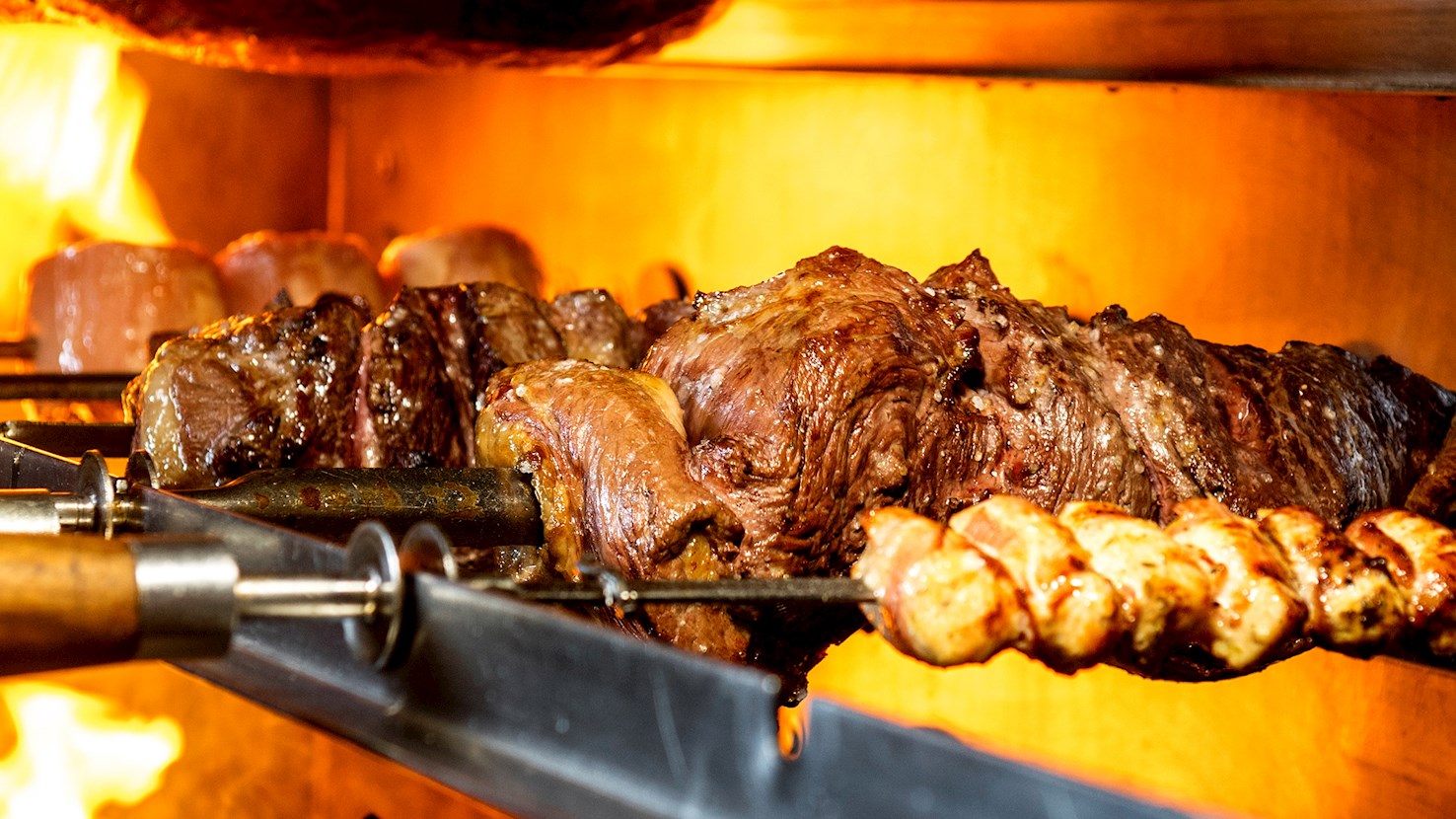
Churrasco is a Brazilian barbecue method where juicy pieces, slices, steaks, and chops of beef, veal, lamb, pork, and chicken are placed on big skewers and grilled over wood fire. It started in the early 1800s when the Gauchos (European immigrants that settled in the Rio Grade do Sul area) would get together and start a fire, adding large portions of meat on skewers and slowly grilling the meat. In the restaurants, known as churrascarias, the skewers are paraded across the restaurant in a flashy manner, and the waiters circulate among the tables in order to show off the succulent meat to hungry diners. After the customers have chosen their preferred type of meat, it is sliced off the skewers to the dining plates. Also known as rodízio, the theme of this barbecue experience is all you can eat, so the customers should know to come with an empty stomach. Beef is the most popular option, although livers and hearts are especially rich and chewy. In Brazil, the meat will often be from the zebu, a succulent, lean breed of cattle with a hump that's especially popular in churrasco as a cut of meat called cupim. Churrasco starts with appetizers and a variety of salads offered from a big buffet, as a preview of things to come. The usual accompaniments for the meat include farofa grains, rice, fried potatoes, potato salad, steamed greens, black beans, onions, fried bananas, and numerous chili-based sauces. After the big meal, it is typical to consume grilled pineapple slices, serving as a palate cleanser as well as a tasty dessert. Churrasco (lit. barbecue) is also popular as a cooking method in countries such as Nicaragua, Puerto Rico, Argentina, Uruguay, Ecuador, Guatemala, and Chile, and each country has their own favorite cuts of meat and accompaniments for this popular barbecue style.
TasteAtlas food rankings are based on the ratings of the TasteAtlas audience, with a series of mechanisms that recognize real users and that ignore bot,
nationalist or local patriotic ratings, and give additional value to the ratings of users that the system recognizes as knowledgeable.
TasteAtlas Rankings should not be seen as the final global conclusion about food. Their purpose is to promote excellent local foods,
instill pride in traditional dishes, and arouse curiosity about dishes you haven’t tried.







What People Say