



shutterstock

12 Traditional Foods
You Have To Try in Brussels

Last updated on June 17, 2026
01

Gaufre

4.2 ·

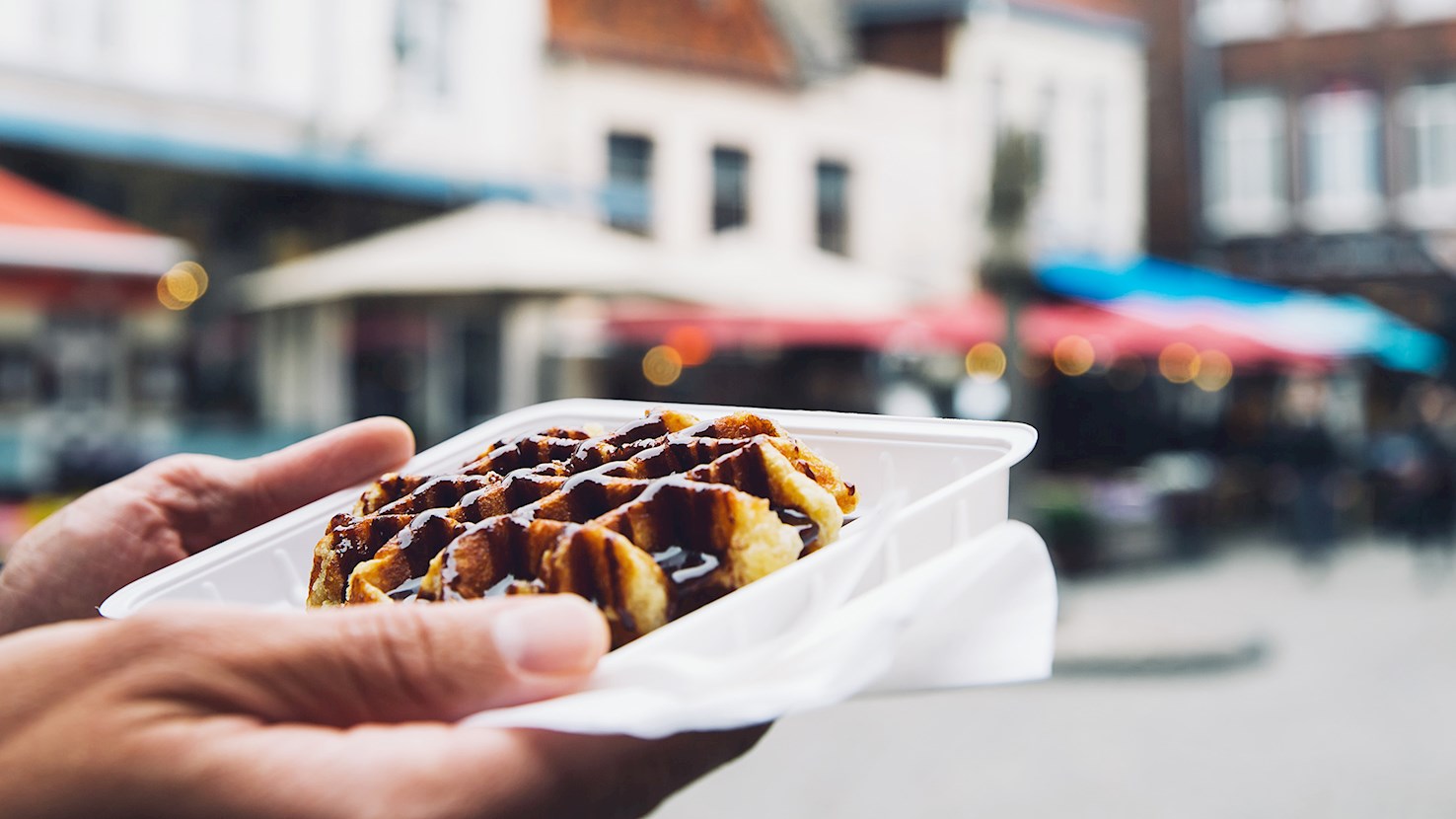
Delicious and fragrant waffles are the most famous Belgian culinary trademark. Made with thick dough or thin batter, the cakes are baked in a specially designed waffle iron which creates an unusual checkered pattern on the top and bottom of each cake. In Belgium, there are two distinct varieties of this national dessert: the light Brussels waffle, and the denser Liege waffle. The key distinction is in the batter: while the Brussels waffle batter is thin and runny, the Liege variety is made with a thick, brioche-like dough which produces a cake with uneven edges and dense texture. However, this distinction is only recognized in Belgium, while everywhere else in the world, this popular dessert is known simply as the Belgian waffle. Even though waffles have been present in Belgian cuisine since the Middle Ages, and were initially made with a mixture of barley and oats, they were made famous at World’s Fair, held in New York in 1964. Maurice Vermersch, the innovator of the modern waffle version, decided to offer the waffles to American citizens, which proved to be a big hit. Since then, waffles have become a common breakfast staple in traditional American diners. However, in Belgium, waffles are regarded as street food - they are almost always eaten by hand, on-the-go. They are usually served plain or dusted with powdered sugar, but modern versions may be topped with anything from whipped cream and chocolate to caramel or sliced fruits.

02

Moules-frites

4.2 ·

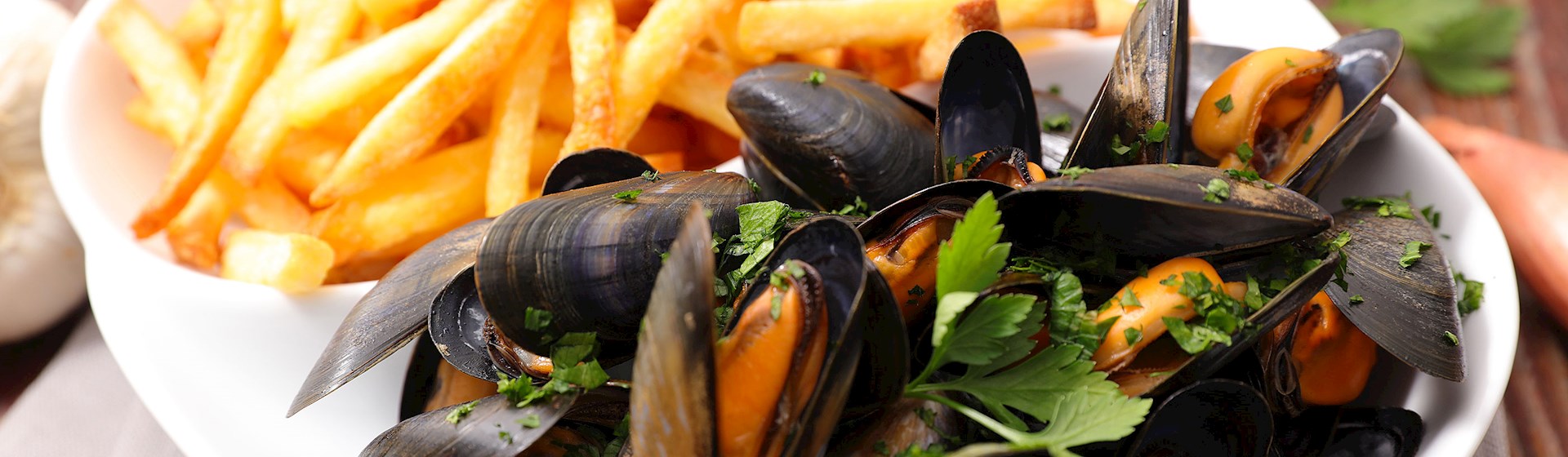
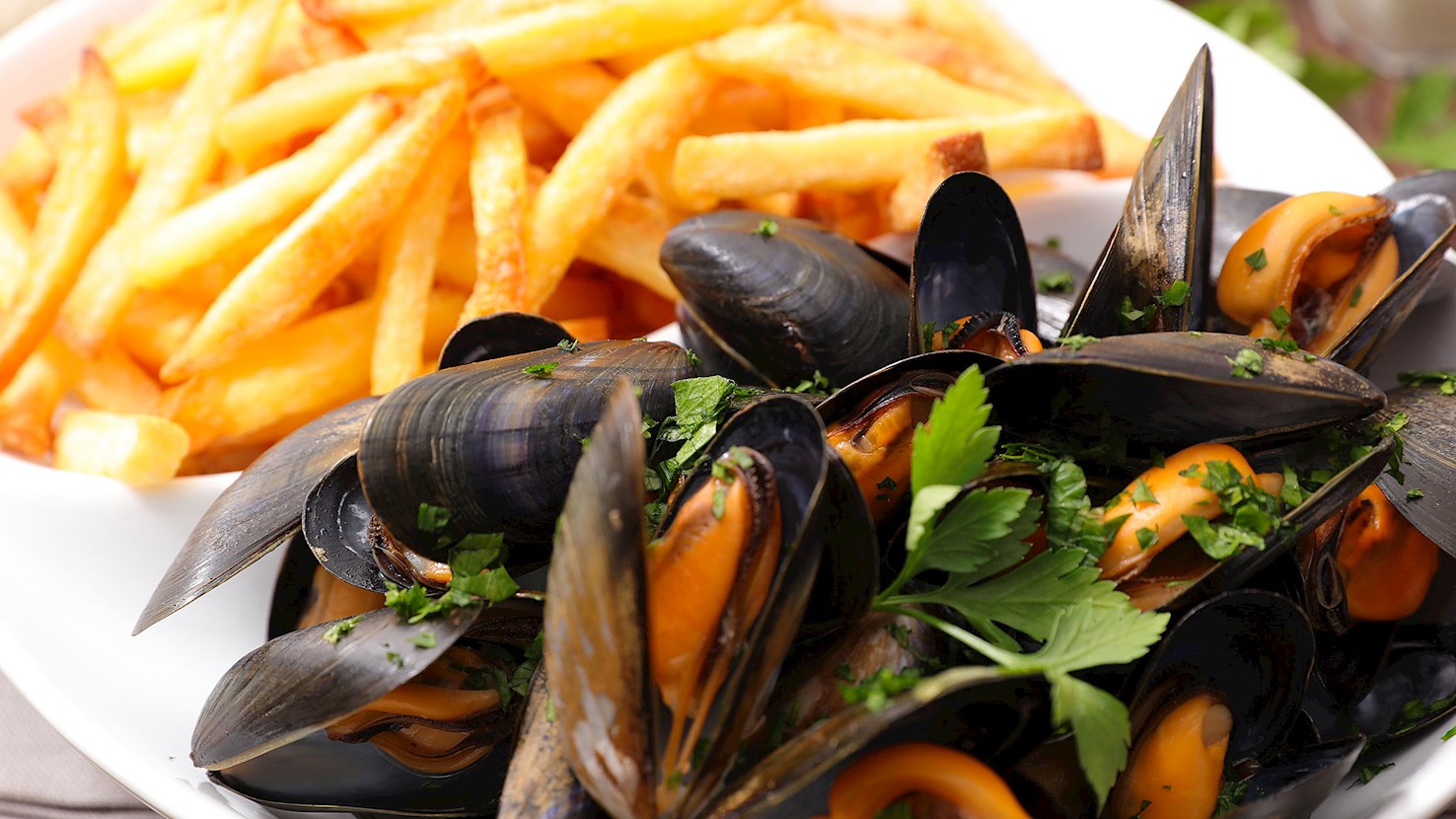
Moules-frites is a traditional comfort food item consisting of mussels paired with Belgian fries on the side. The dish is commonly found in Belgium, the Netherlands, and northern France. The condiment of choice accompanying the dish is mayonnaise, providing an additional note of richness. Mussels are a Belgian staple - cheap and abundant, they were originally considered a poor man's meal, and have been paired with fried potatoes for a long time at the country's famous friteries (fry shops). It is believed that the dish is originally from Belgium, because Belgians were the first to pair the mussels with fries, commonly eaten throughout the country in wintertime, when no fish was available. Today, the dish is found in most restaurants where it is often shared amongst groups of consumers.

03

Brussels Waffles

4.2 ·

Brussels waffle is one of the two Belgian waffle varieties, a delicious cake enjoying the status of Belgium's national dessert. The waffle is made from a thin, yeasted batter that is baked in a specially-designed appliance, giving the waffle an unusual, checkered pattern. The thin, runny batter helps in creating defined edges and a perfectly rectangular shape of the cake. However, the most important addition is the leavening agent, in this case, yeast, providing airiness and lightness. Although the waffle is light on the inside, it is crunchy and crispy on the outside, with an appealing golden-brown color. This traditional Belgian dessert is usually sold at bakeries and numerous food stands across Belgium. It is almost always eaten by hand and is rarely served in restaurants. Traditionally, it is served plain or dusted with powdered sugar. However, modern Brussels waffles are often topped with ingredients such as chocolate, whipped cream, caramel, or sliced fruits.

04

Carbonnade

4.2 ·

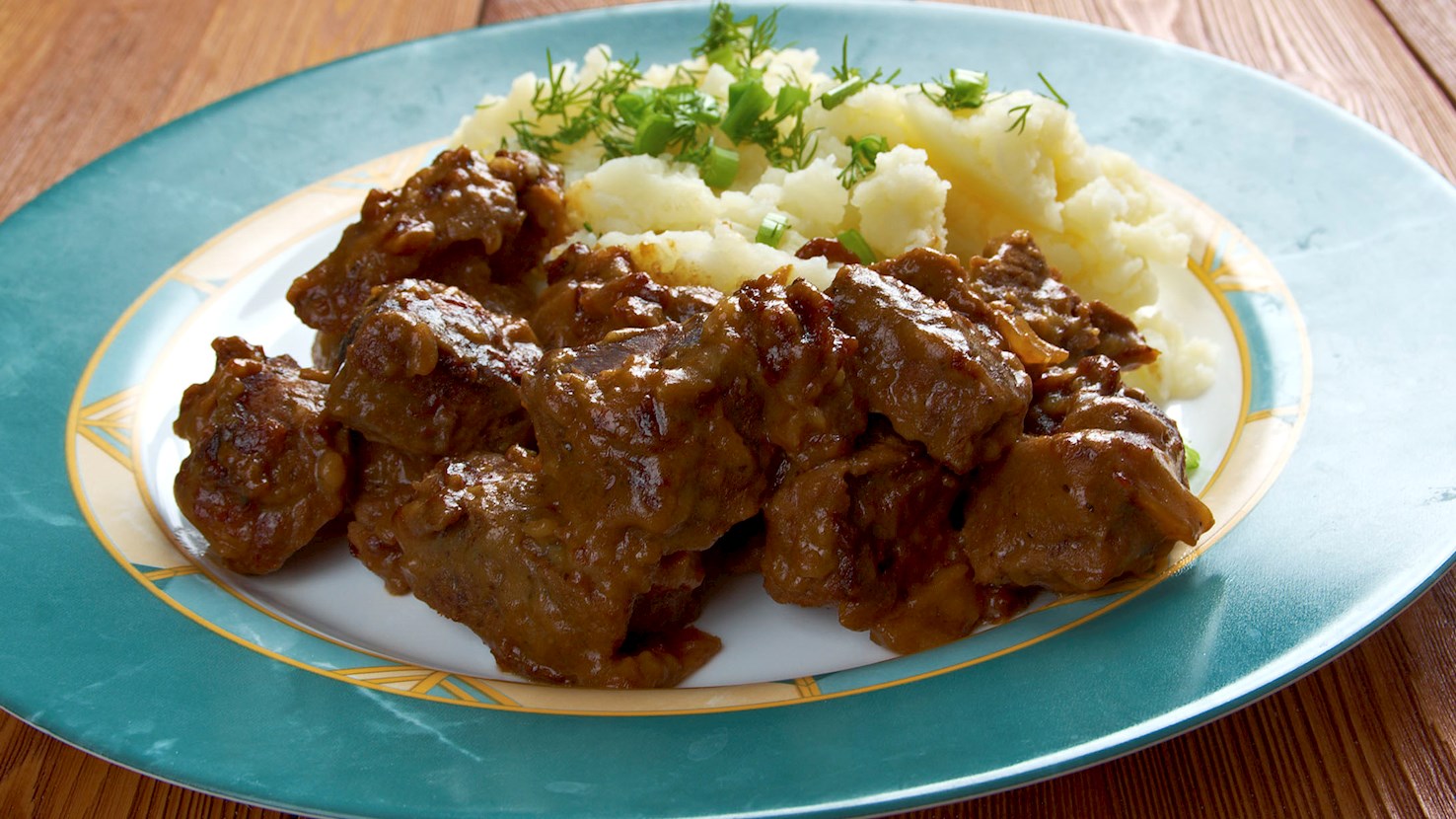
Carbonnade is a traditional stew made with beef and dark beer. Often referred to as carbonade flamande or stoverij, it features simple ingredients, but results in a rich and hearty dish. Although beef is the main ingredient in carbonnade, the crucial element for the dish is traditional Belgian dark beer. It gives the dish certain sour and earthy flavors that perfectly complement the sweet onions and tender beef. Thyme, garlic, and bay leaves are added for extra flavor, while slices of mustard bread are sometimes added in order to thicken the sauce. In Ghent, the dish often contains kidneys and liver. Carbonnade is usually served with mashed potatoes, traditional Belgian fries, bread, or vegetables on the side. It is recommended to pair the dish with a glass of full-bodied Belgian beer.

05

Stoemp

3.6 ·

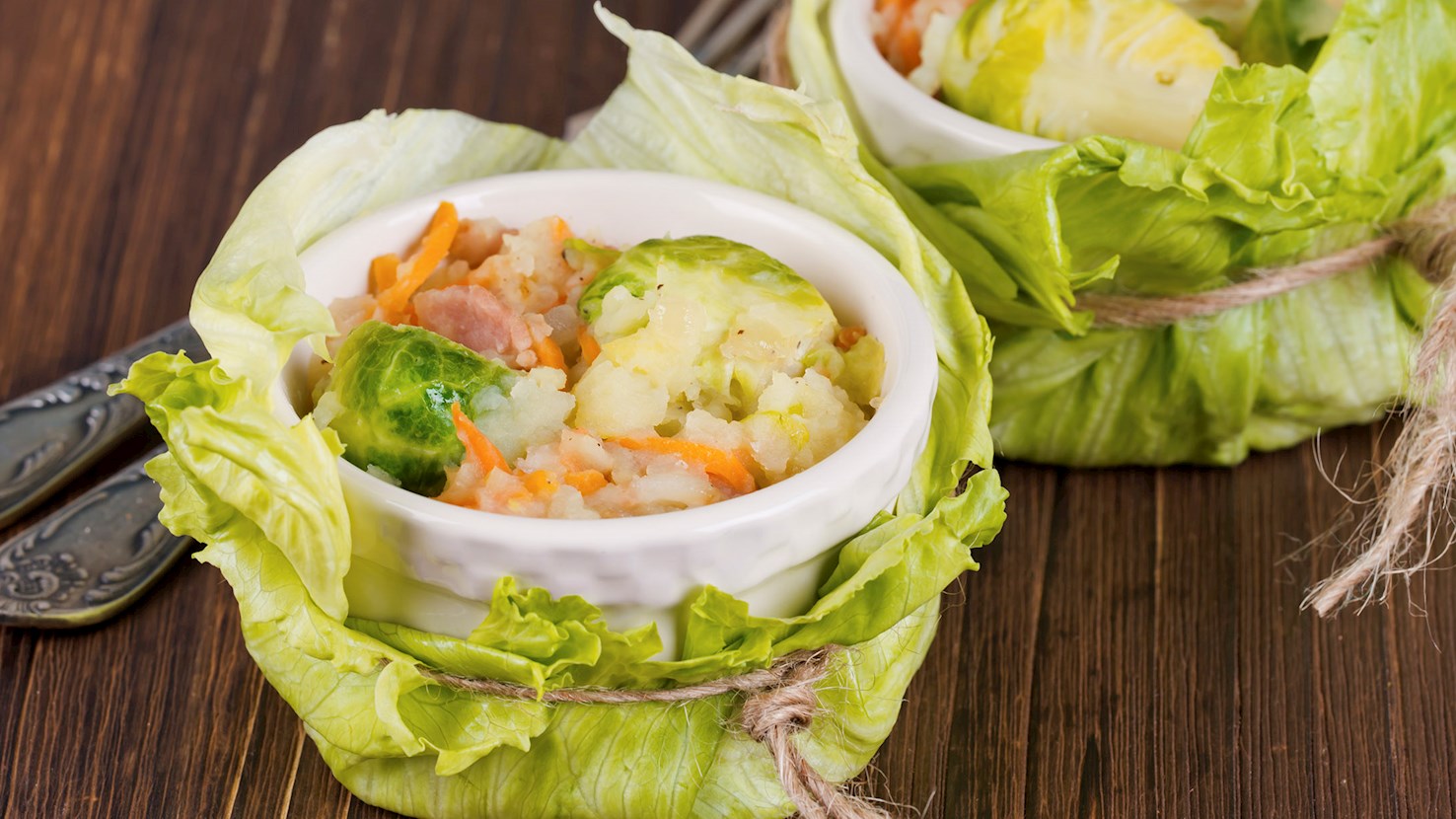
One of the most popular meals in Belgium is a potato-based side dish known as stoemp. It consists of mashed potatoes enhanced by the addition of other vegetables such as carrots and leeks. They are boiled or fried, mixed, and then puréed with mashed potatoes. Optional ingredients include fried onions, shallots, bacon, or various herbs. Stoemp has been present in Belgian cuisine since the 19th century, and it is believed that it was developed during the times of hardship when meat was scarce, and leftover food was used to prepare new, tasty meals. Today, stoemp can be found in numerous Belgian restaurants, but it is also traditionally made at home to complement the main dish. Belgians prefer to eat stoemp alongside sausages, but it is also often served as an accompaniment to chicken, pork, lamb, and even meatballs. It is recommended to pair this hearty side dish with a glass of fine Belgian beer.

06

Liège Waffle

4.3 ·

Liège waffles are one of the two most popular waffle varieties in Belgium. These unevenly shaped, chewy treats are made with a thick, brioche-like dough which is sweetened with pearl sugar and baked in a specially-designed waffle pan. During the baking process, the pearl sugar melts and gives the waffles a unique caramel flavor. Although the origin of Liège waffles is somewhat vague, it is believed they were influenced by French culinary traditions and made famous by the skillful Liège bakers. In Liège, these waffles are usually enjoyed plain, but they can also be topped with powdered sugar, whipped cream, chocolate, or various fruits.

07

Filet Americain

4.0 ·

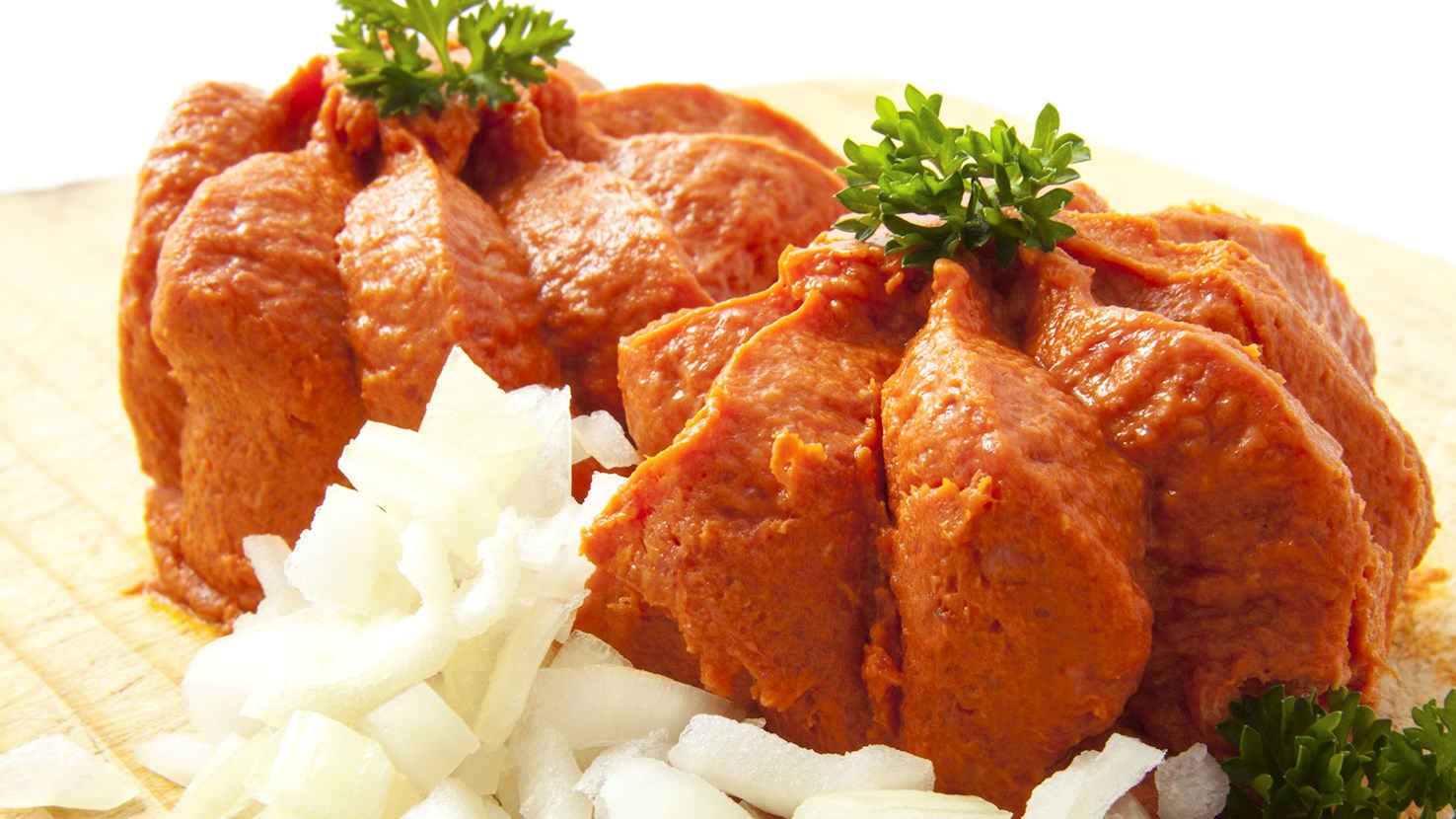
Although it is sometimes confused with a steak due to its unusual name, filet Américain is a spread made with raw beef. This popular dish is a close cousin to the more famous steak tartare, but the difference is that filet Américain uses meat which has been minced in a meat grinder. Only lean and premium beef cuts are used in this Belgian classic, and because the meat is served raw, it should be as fresh as possible. When the meat is ground, it is usually generously seasoned and enriched with onions, capers, mustard, mayonnaise, raw eggs, tabasco, and Worcestershire sauce, which also help in holding the spread together. There are two ways of serving filet Américain in restaurants: fully prepared, or left for the consumers to add the condiments according to individual preferences. It is believed that Joseph Niels invented the dish in 1924 and was the first to serve it in his restaurant in Brussels. Filet Américain is often spread on crackers and served as an appetizer, although it is sometimes served as a main dish with fries and a fresh salad on the side. However, most locals prefer to spread the mixture on a piece of crusty bread and consume it as a sandwich.

08

Mitraillette

3.7 ·

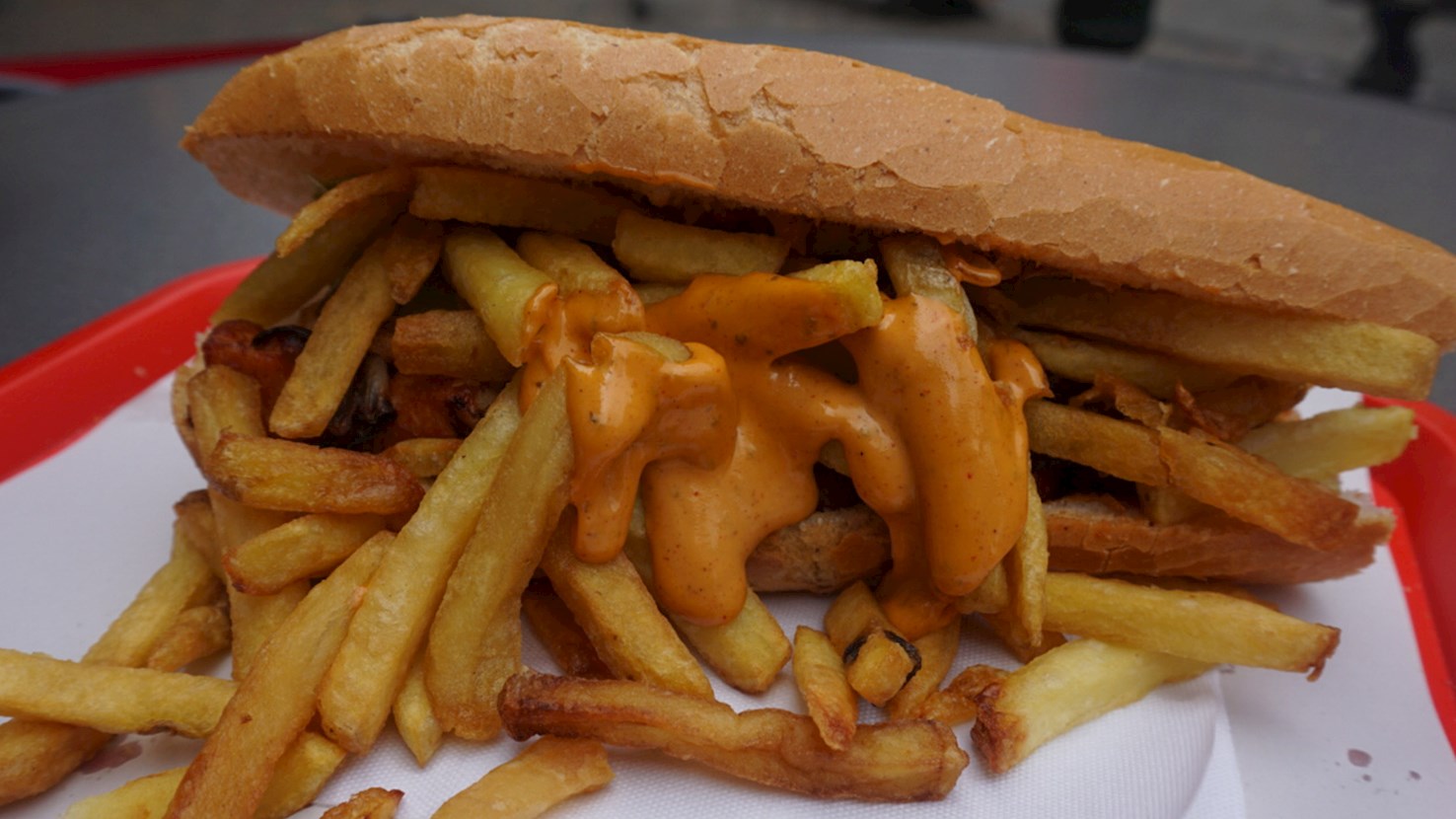
Mitraillette is a Belgian sandwich that's believed to originate from either Brussels or Wallonia, the French-speaking part of the country near the French border. The sandwich consists of a long baguette that's fully loaded with french fries, fried meat, and some kind of sauce. In Belgium, almost every friterie has its own version. The meats vary from meatballs and steaks to hamburger patties and frikandel, while the sauces include mayonnaise, béarnaise, ketchup, and garlic sauce. Some friteries like to add carrots, cabbage, caramelized onions, lettuce, and tomatoes while others serve it in its simple version. Mitraillette is especially popular after a night out, and the name means submachine gun, possibly referring to the baguette as a gun, while the french fries then act as bullets. In northern France, the sandwich is called l'américain, referring to the resemblance between mitraillette and American overstuffed burgers.

09

Speculaas

4.0 ·

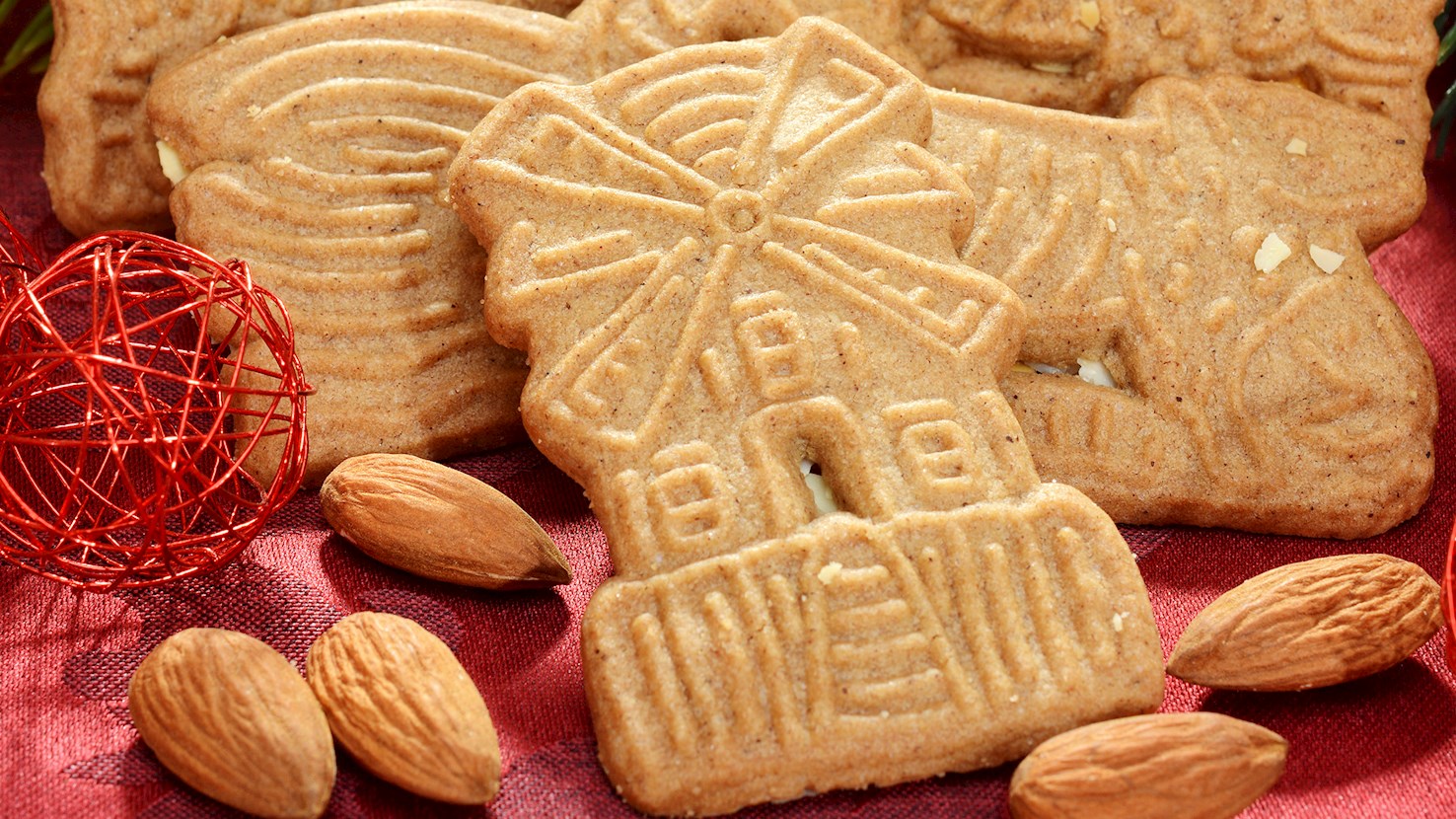
Speculaas are spiced cookies mainly made in Belgium and the Netherlands, although they are also popular in Germany (Rhineland and Westphalia), Luxembourg and northern France. With an intense fragrance of cinnamon, cloves, nutmeg, and ginger, the cookies are traditionally baked on the eve of St Nicholas Day, celebrated on December 5 and December 6. Before going to bed, the children put their shoes by the chimney, and if they behaved well, they are rewarded with speculaas in their shoes. There are a few theories on the origin of its name - one says it derives from the Latin word speculum, meaning a mirror, referring to the mirrored images that the cookies are decorated with. Another popular theory claims the origin of speculaas stems from specerij, the Dutch word for spice. The third theory suggests that it derives from the Latin speculator, referring to a bishop, such as St Nicholas. And how about the issue of speculaas vs. speculoos? Apparently, speculoos is just the Belgian word for these cookies, but without any (or most of) the once-expensive spices, as loos means without in Dutch. Also, the word speculaas doesn't exist in French, so they're always called speculoos in France. Today, the cookies are not reserved only for the St Nicholas Day or for Christmas, but are available the whole year round, ideally paired with a cup of hot tea or coffee.

Best restaurants
10

Waterzooi

3.7 ·

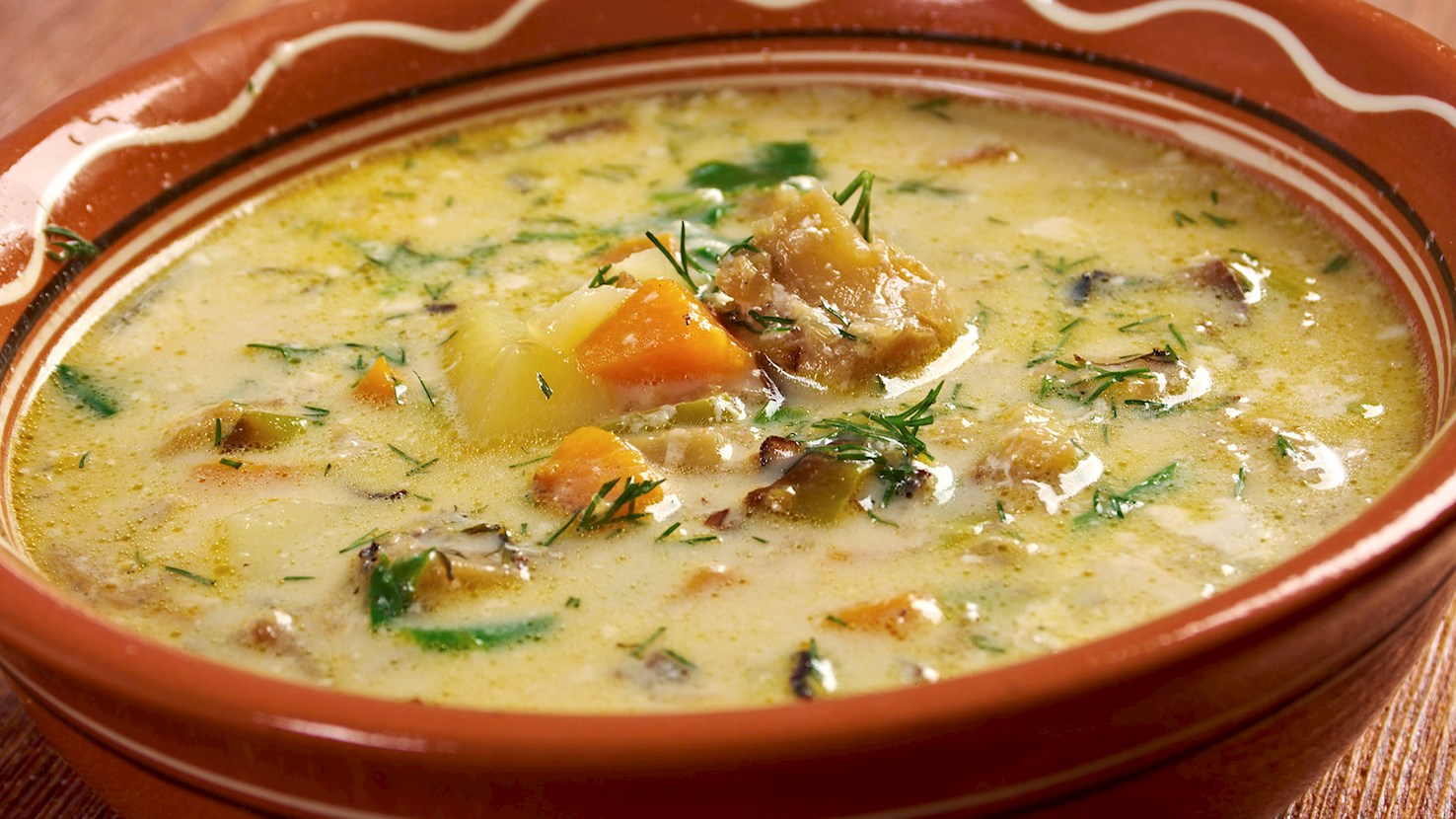
Waterzooi is a traditional seafood stew with a creamy consistency. It incorporates julienne-sliced vegetables, an egg, and a cream-based soup. The dish originated in the city of Ghent, and according to the most popular belief, the rivers around the city were abundant in fish, so the dish was invented as a new way to incorporate fish into traditional Belgian cuisine. However, the decrease in fish population and pollution have caused this dish to be reinvented once again, and today it is commonly prepared with chicken. Although it can be found in other Belgian regions and cities, Ghent has specialized in the preparation of the dish, and there are numerous restaurants across the city which offer waterzooi as their signature dish. It is usually paired with crusty French bread on the side and garnished with chopped parsley or chervil.

About this ranking

TasteAtlas food rankings are based on the ratings of the TasteAtlas audience, with a series of mechanisms that recognize real users and that ignore bot, nationalist or local patriotic ratings, and give additional value to the ratings of users that the system recognizes as knowledgeable. For the “12 Traditional Foods You Have To Try in Brussels” list until June 17, 2026, 522 ratings were recorded, of which 467 were recognized by the system as legitimate. TasteAtlas Rankings should not be seen as the final global conclusion about food. Their purpose is to promote excellent local foods, instill pride in traditional dishes, and arouse curiosity about dishes you haven’t tried.

Similar lists