

shutterstock

11 Traditional Foods
You Have To Try in Bucharest

Last updated on July 17, 2026
01

Mititei

4.0 ·

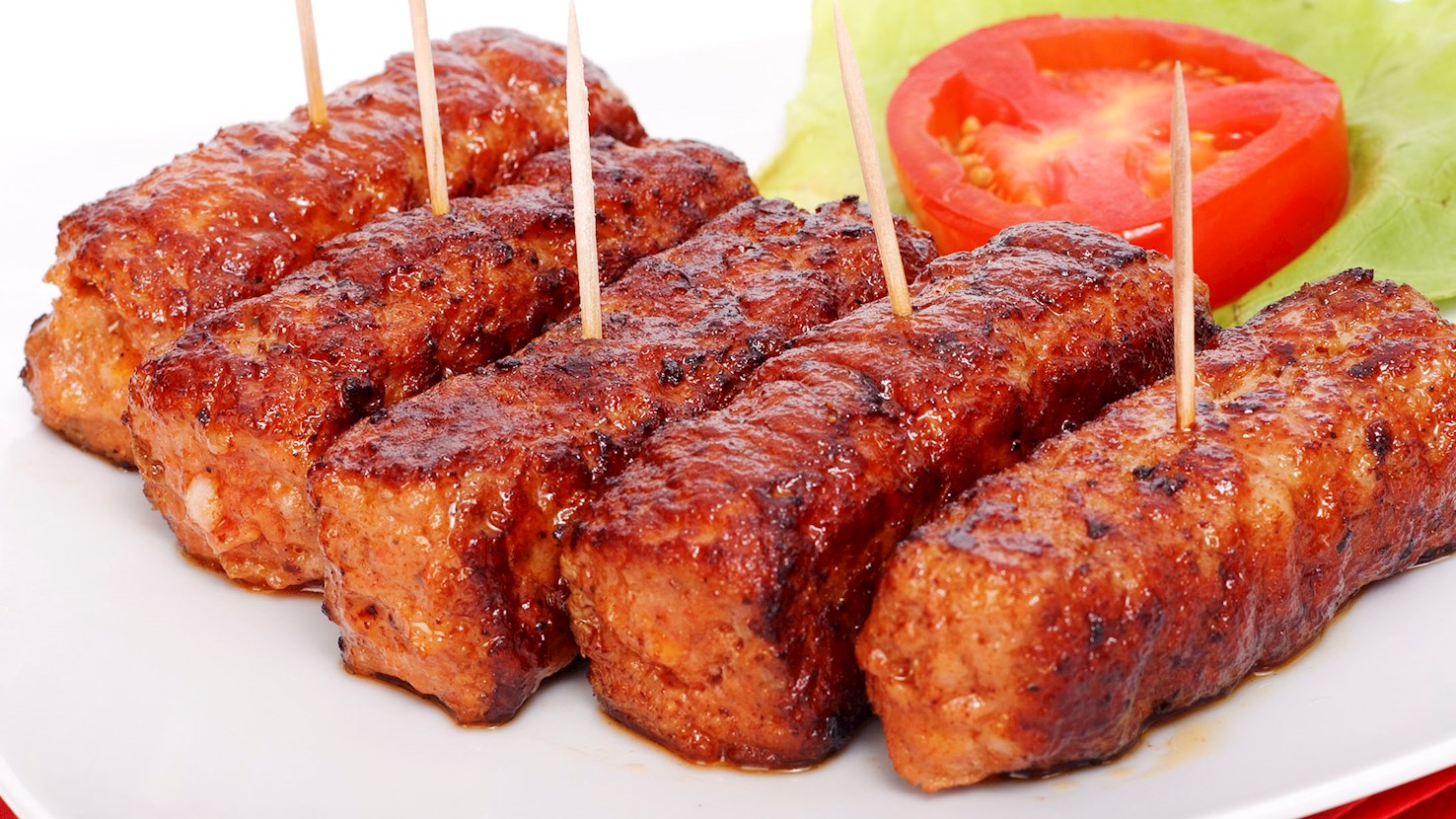
Mititei is the closest thing to Romanian street food – a dish consisting of grilled ground meat rolls made from a combination of lamb, pork, beef, and seasonings such as thyme, anise, black pepper, and garlic. When translated to English, mititei means the small ones, referring to the small size of these skinless sausages. The most authentic way of preparing mititei is barbecuing the meat, so it is not a surprise that the dish is a staple of Romanian outdoor cuisine and roadside restaurants. A popular theory suggests that mititei were created when a well-known Bucharesti restaurant ran out of casings, and the chefs had to create a sausage to feed the hungry customers. Mititei are ideally accompanied by some french fries, a dollop of yellow mustard, and a cold beer on the side.

02

Sarma

4.2 ·

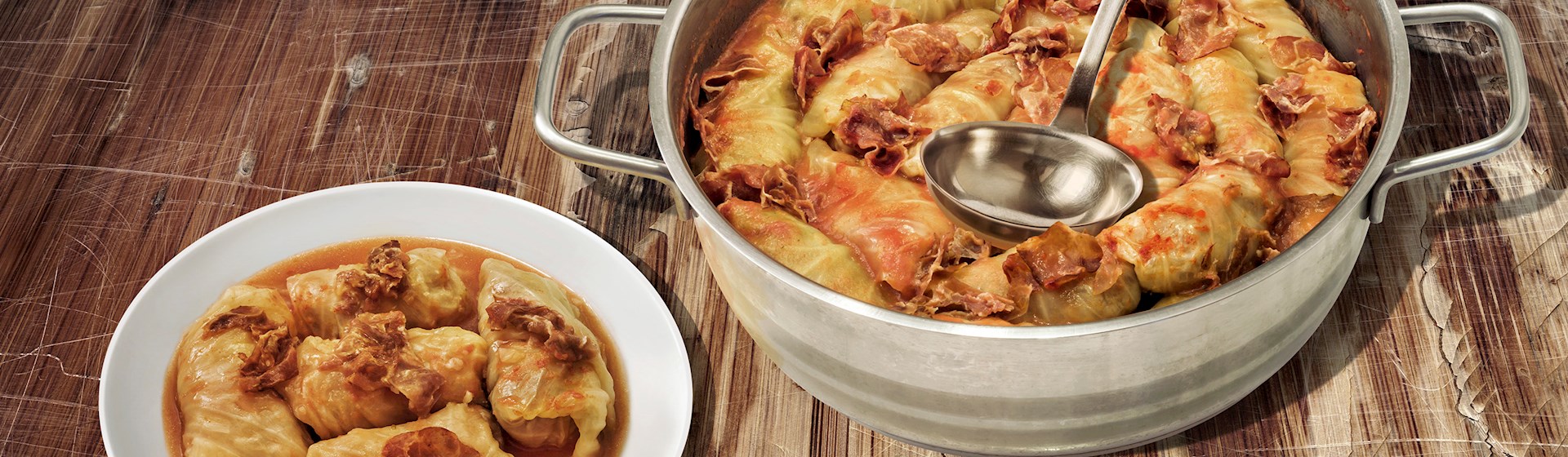
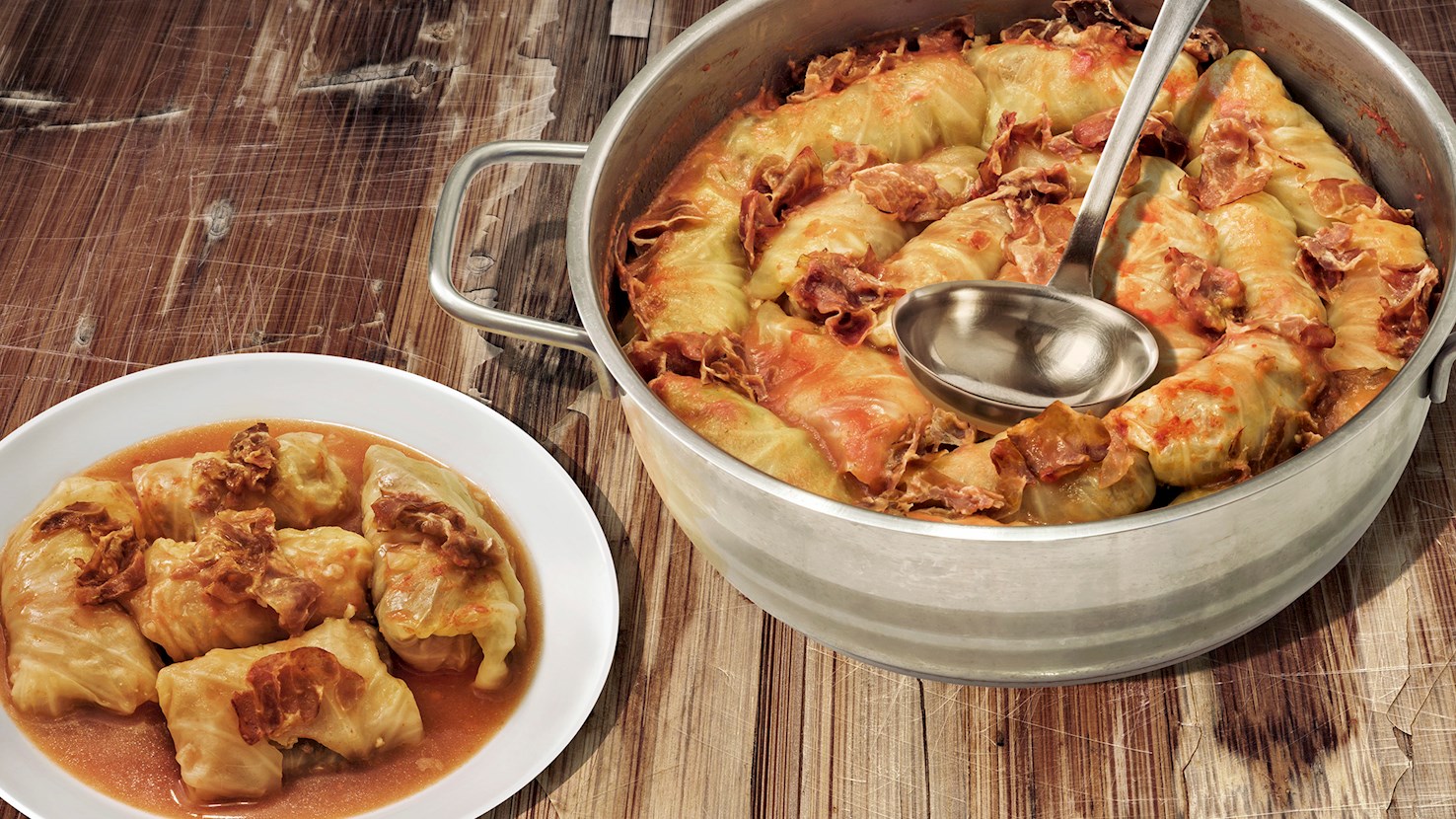
One of the staples of traditional Turkish cuisine, sarma consists of a filling that is snugly surrounded by leaves or leafy vegetables. There are numerous versions of this dish but the mixture typically combines ingredients such as minced meat, rice or bulgur, various herbs, seasonings, red pepper, paprika, ground sumac, or tomato sauce, while the typical wrapping usually includes vine, cabbage, or sauerkraut leaves, or a variety of leafy vegetables such as collard greens and swiss chard. Having its roots in the Ottoman Empire, sarma is also traditionally consumed in the Balkans, the countries of Central Europe, the South Caucasus, and the Middle East. Although it is commonly enjoyed as a filling lunch or dinner (typically during the winter season), sarma is often prepared on special occasions and holidays. The dish is usually accompanied by plain yogurt, mashed potatoes, and crusty bread on the side.

03

Cozonac

3.9 ·

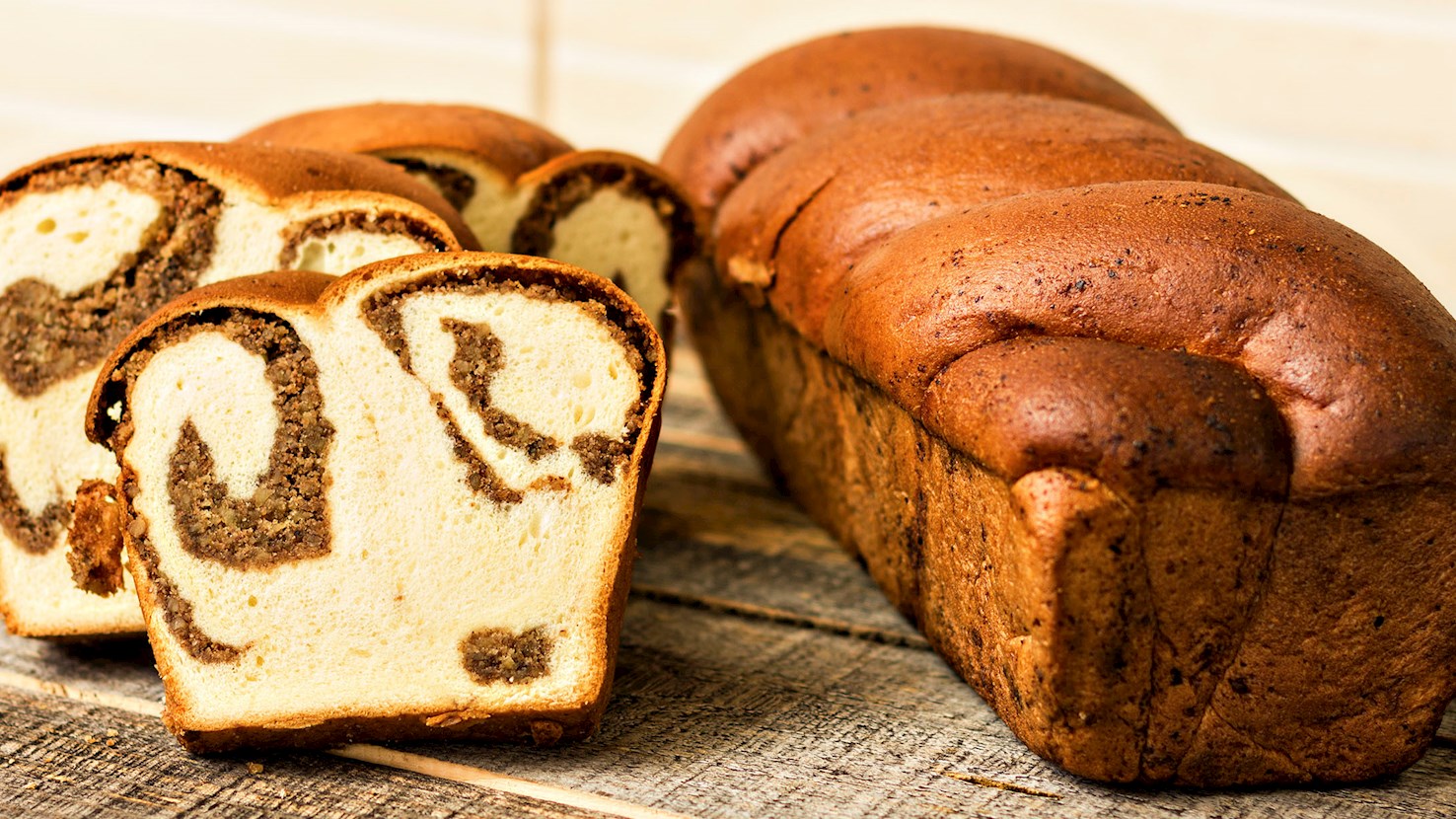
Cozonac is a traditional type of sweet bread that is usually consumed during festive events such as Christmas and Easter. Although it visually looks like a loaf of bread, it is considered a cake, and is usually made with flour, sugar, milk, cocoa, eggs, nuts, and sometimes raisins. In Bulgaria, the dish is commonly known as kozunak and it's only prepared for Easter. Even though it smells heavenly when it is taken out of the oven, the cake is traditionally served only when it's fully cooled. Cozonac is typically accompanied by a cup of warm coffee, tea, or milk.

04

Papanași

4.3 ·

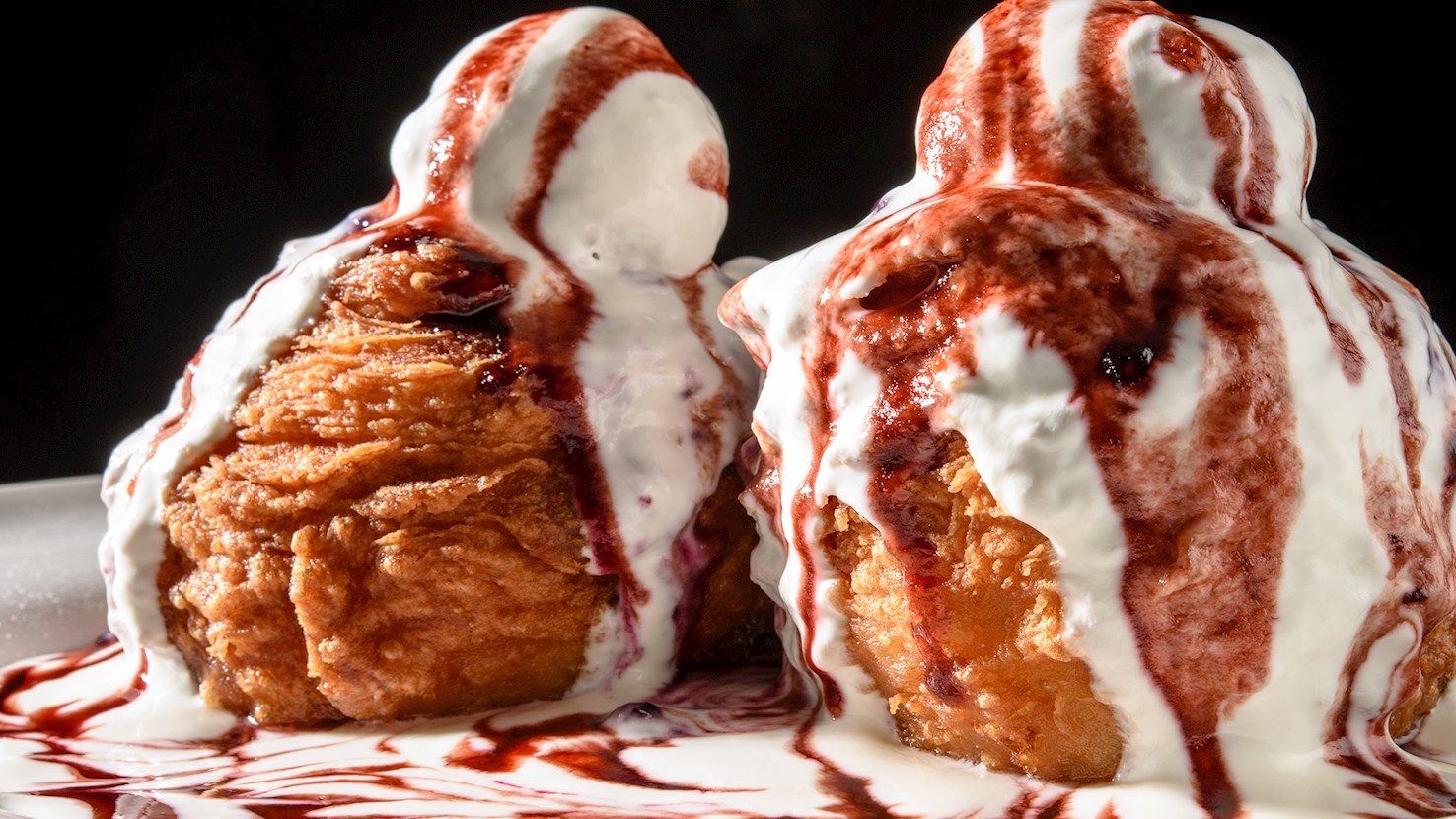
Papanași is a traditional donut-shaped pastry with a small sphere on top. It can be fried or boiled, and it's made by adding unsalted cheese such as brânză de vaci (cow's milk cheese) or urdă to a regular flour and egg dough. The fried papanași are usually donut-shaped and can be served with fruit jams, a dollop of sour cream, or powdered sugar. The boiled ones are smaller, nugget-shaped, and typically coated with a mix of breadcrumbs and sugar. This dessert can be found in most Romanian traditional restaurants or it can be prepared at home.

05

Covrigi

4.1 ·

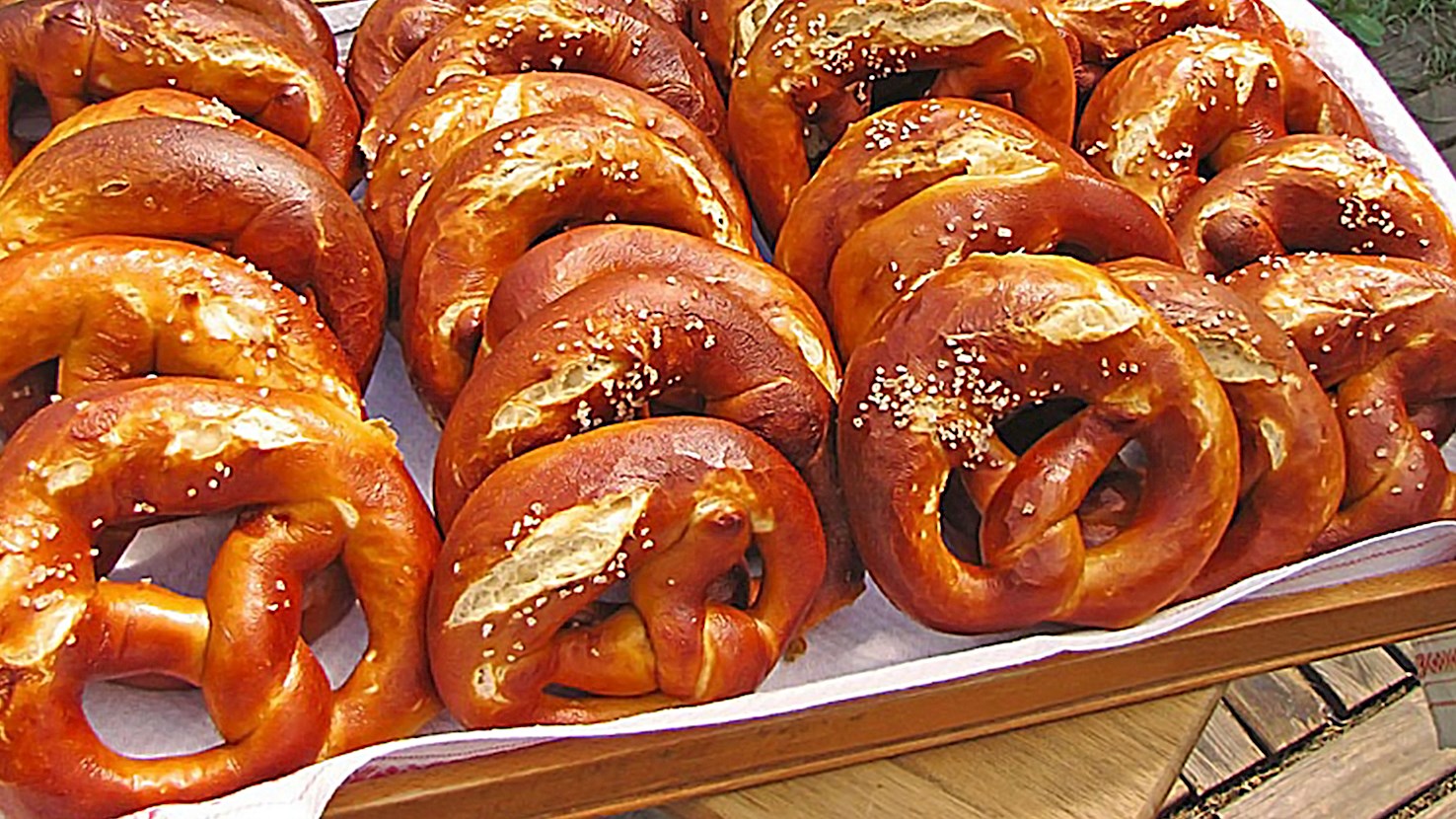
Often dubbed as Romanian pretzels, covrigi are prepared with leavened dough that is twisted into the shape of a pretzel. Before they are baked, covrigi are usually sprinkled with salt, sesame, or poppy seeds, while modern variations also include various fillings such as cheese, jams, fruit, chocolate, or walnuts. In Dobrogea, the local version often incorporates pieces of chopped olives and raisins. Covrigi are usually enjoyed as street food and are mainly sold at street kiosks (covrigarie).

Best restaurants
06

Mămăligă

3.5 ·

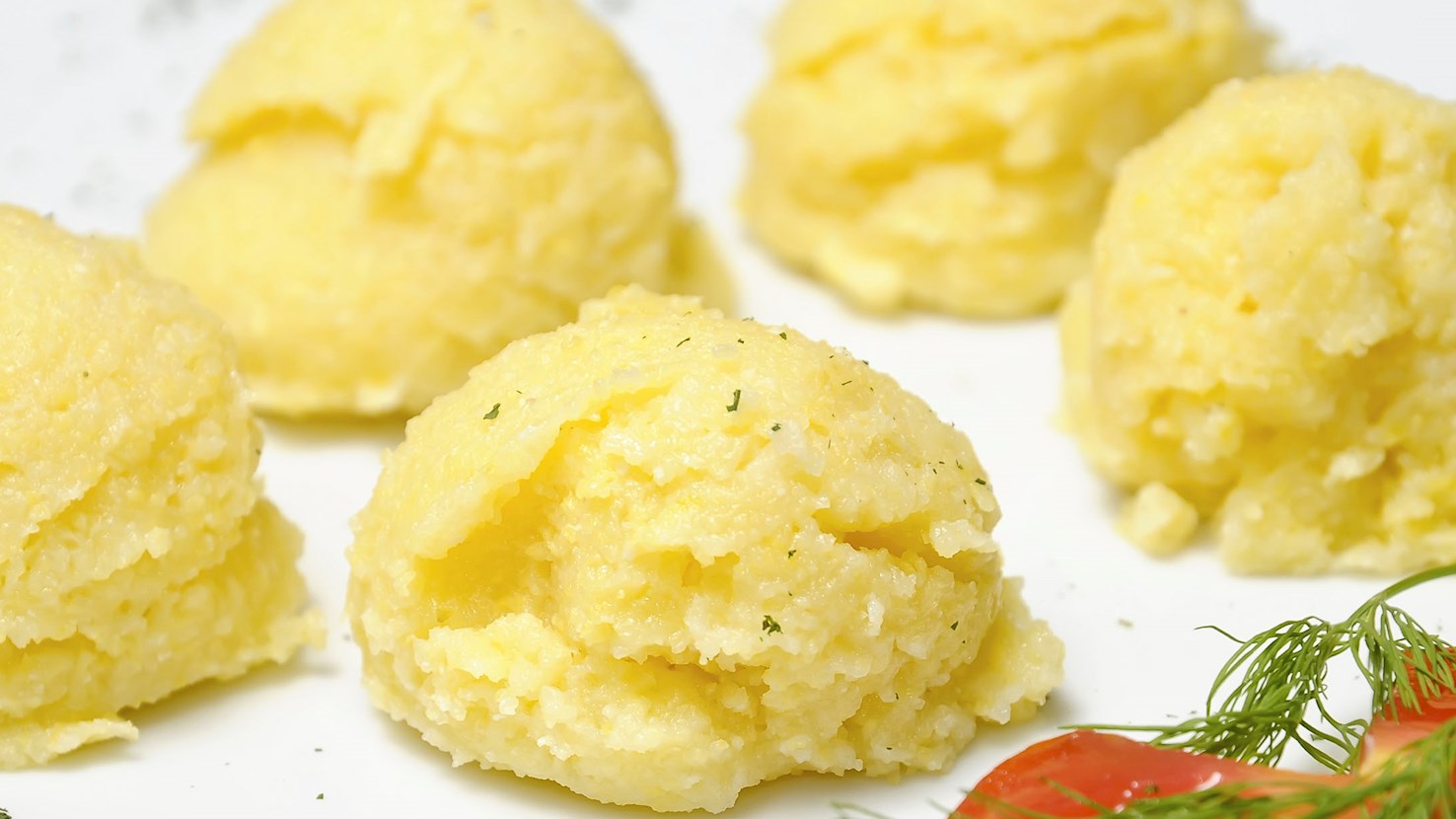
Mămăligă is a traditional porridge and the country's national dish that is often confused with polenta. It is an extremely simple dish of boiled cornmeal that was cooked mostly by peasants in the past, often acting as a substitute for bread. They would prepare it in a round-bottomed kettle known as ceaun, and after it cooled down and hardened, the porridge would get sliced with a piece of string. Mămăligă is often topped with butter, sour cream, or cascaval cheese. Another way of serving the dish includes crushing the porridge in a bowl of hot milk. In the last few decades, this simple and rural meal evolved into something bigger, so today it can also be found in modern, upscale restaurants. The dish is also very popular in Moldova.

07

Fasole batută

4.1 ·

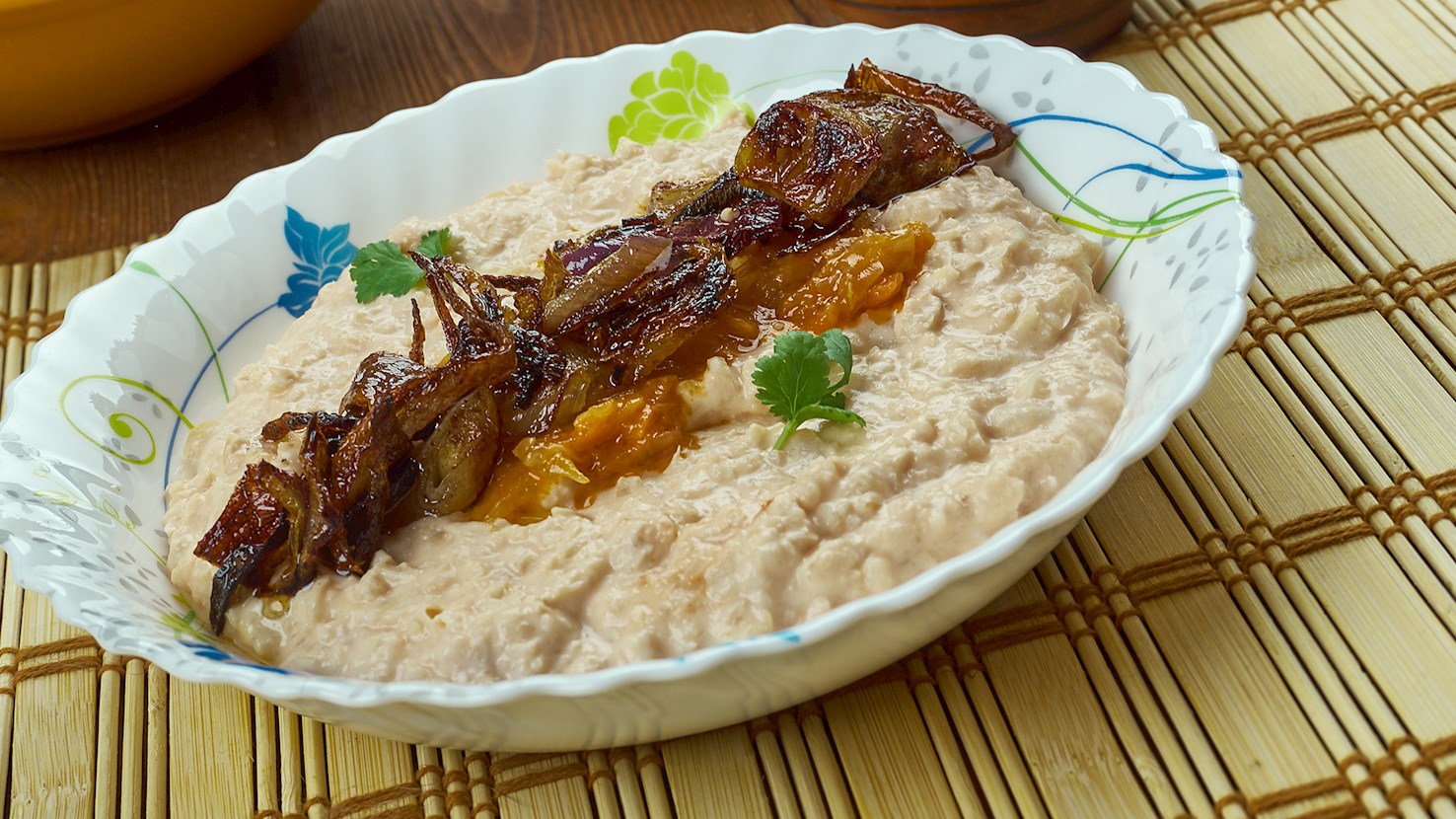
Fasole batută is a traditional bean paste consisting of mashed white beans combined with minced garlic, oil, bean stock, salt, and pepper. It is typically topped with onions which have been cooked with tomato paste, sugar, and paprika powder. Smooth and creamy, this bean paste pairs well with crusty bread, flatbread, olives, and roasted peppers. It can be served as a spread, or as a side dish accompanying meat or fish dishes. In Moldova, this bean paste is called fasole făcăluită and calls for the addition of carrots.

08

Ciorbă de fasole

4.0 ·

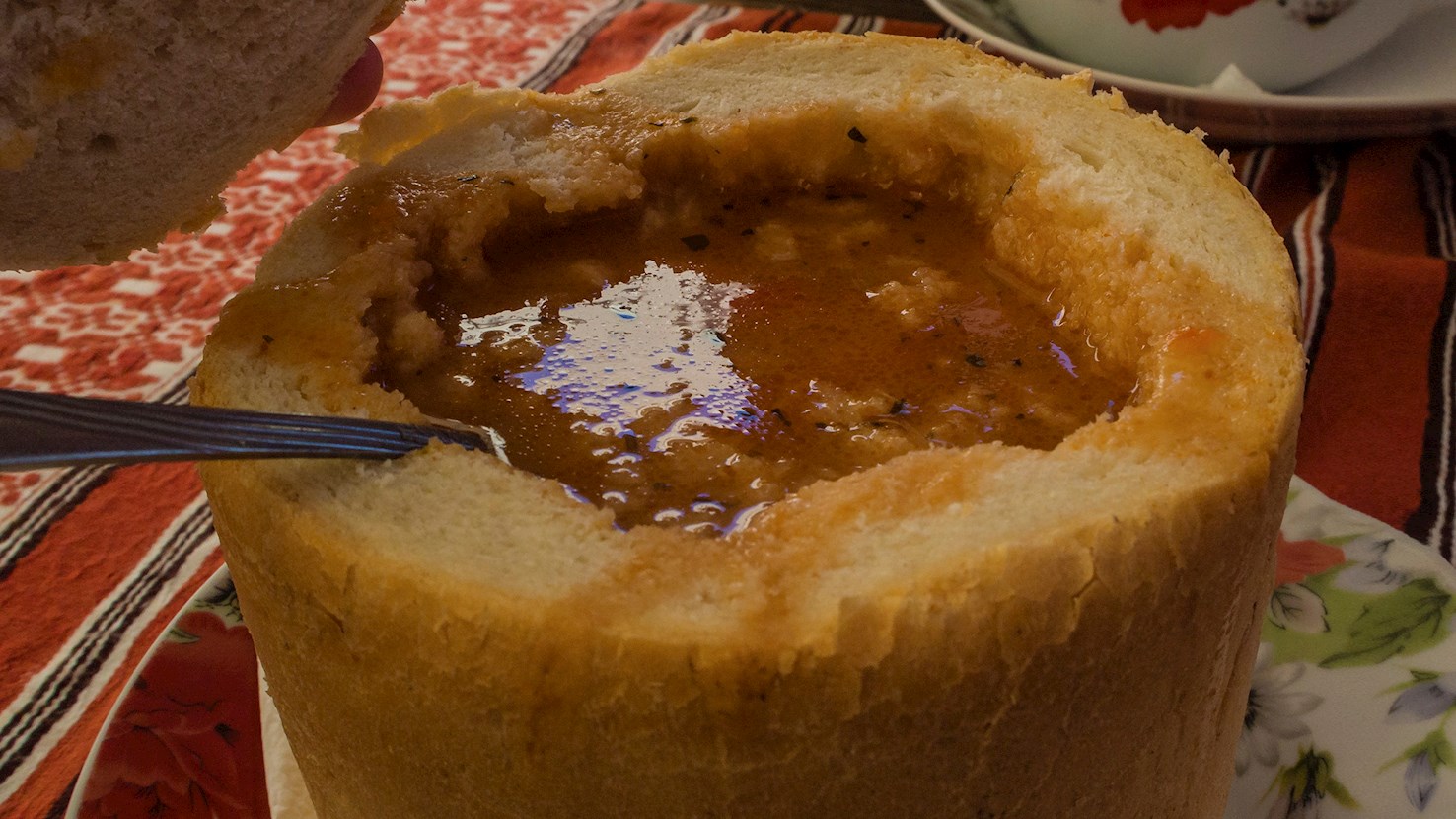
Ciorbă de fasole is a type of traditional Romanian sour soup made with dry beans and vegetables such as onions, red peppers, parsley root, and celery root. The soup is typically seasoned with salt, pepper, lovage, thyme, and borş. Ciorbă de fasole can be served both hot and cold, and it should be enjoyed with scallions, leek, onions, and bread.

Best restaurants
09

Ciorbă de burtă

4.0 ·

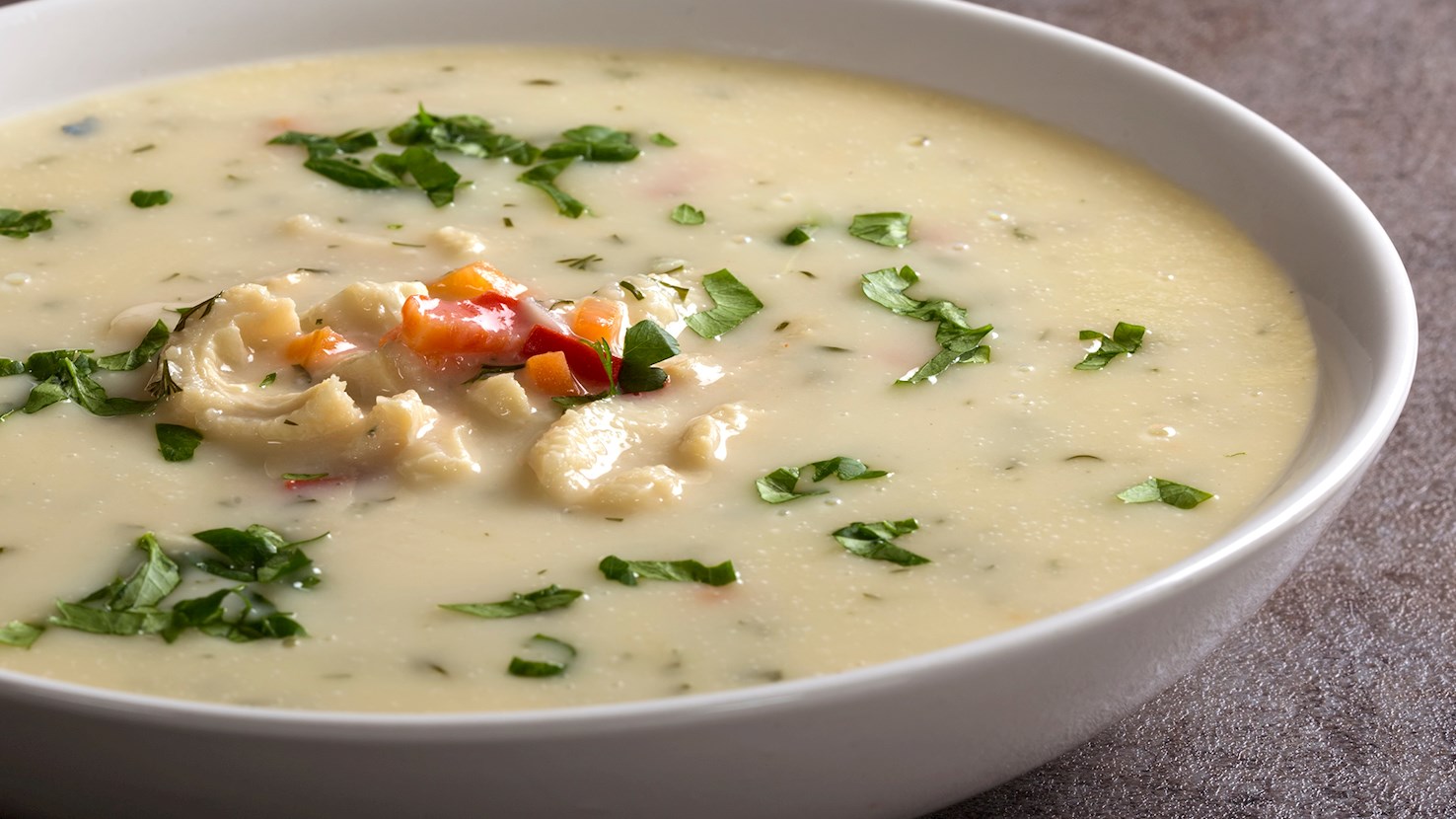
Ciorbă de burtă is a creamy, sour and garlicky, yellow-colored Romanian soup containing strips of beef tripe and slices of red pepper. Although considered a rare delicacy and an acquired taste due to its main ingredient being the lining of a cow’s stomach, ciorbă de burtă is a rather simple dish. It is basically tripe soup seasoned with vinegar, sour cream, and mujdei – a spicy garlic sauce made from crushed garlic cloves, salt, and oil. Various ingredients are used for the broth, including onions, carrots, celery, parsley and parsnip roots, lovage, bay leaves, and peppercorns. Ciorbă de burtă is traditionally served piping hot with spicy green peppers and a dollop or two of sour cream on the side. Just like many other hallmarks of Romanian cuisine, ciorbă de burtă has its origins in the Ottoman Empire.

Best restaurants
10

Ciorbă de Perişoare

4.1 ·

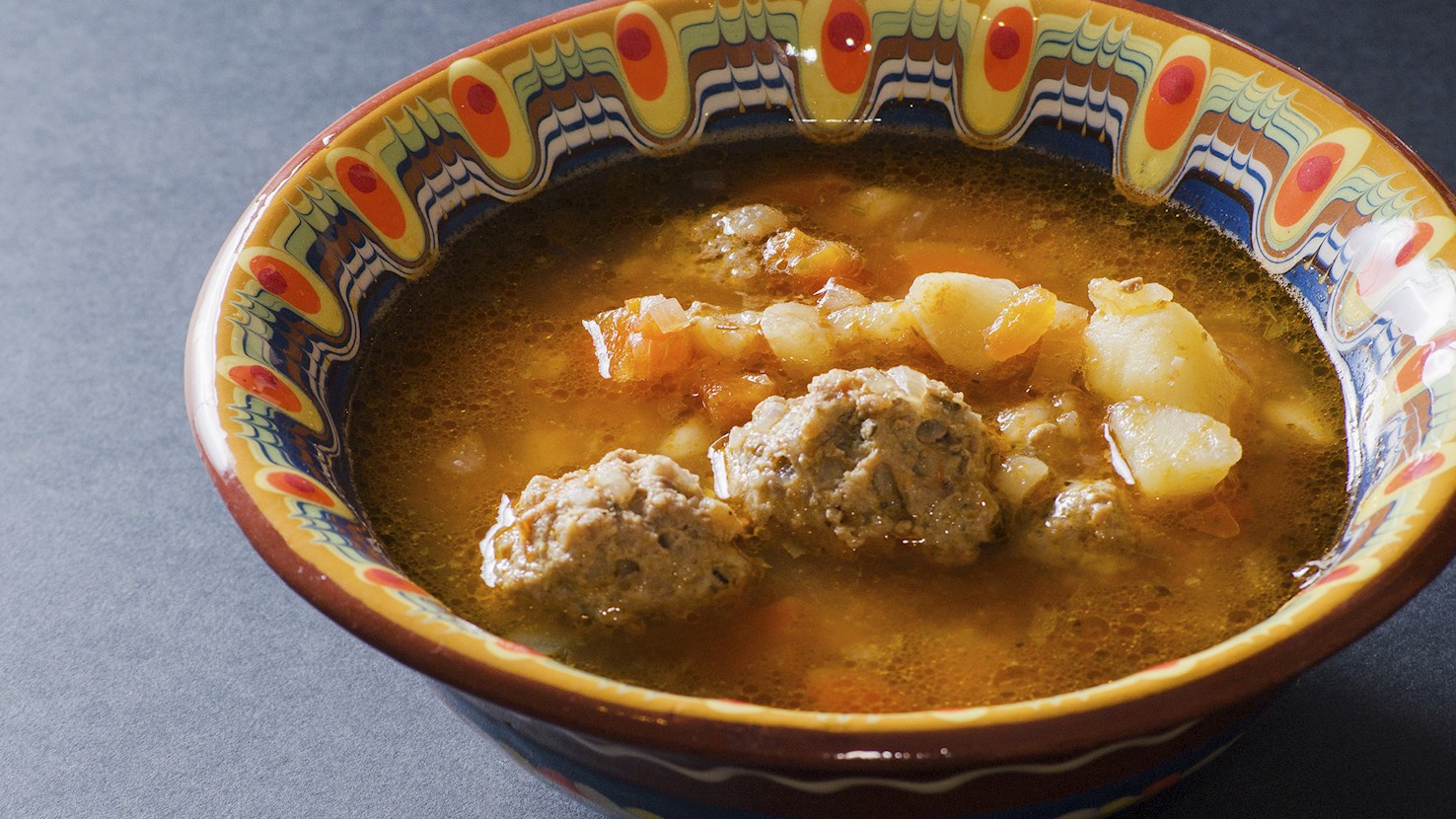
Ciorbă de perişoare is a traditional sour soup with meatballs consisting of pork and rice. The perişoare are boiled alongside onions, carrots, red peppers, and celery root. They are seasoned with parsley, lovage, salt, borş, and sour cream. Ciorbă de perişoare should be served hot, accompanied by hot peppers or scallions and bread.

Best restaurants
11

Salată de vinete

4.1 ·
About this ranking

TasteAtlas food rankings are based on the ratings of the TasteAtlas audience, with a series of mechanisms that recognize real users and that ignore bot, nationalist or local patriotic ratings, and give additional value to the ratings of users that the system recognizes as knowledgeable. For the “11 Traditional Foods You Have To Try in Bucharest” list until July 17, 2026, 32 ratings were recorded, of which 12 were recognized by the system as legitimate. TasteAtlas Rankings should not be seen as the final global conclusion about food. Their purpose is to promote excellent local foods, instill pride in traditional dishes, and arouse curiosity about dishes you haven’t tried.

Similar lists