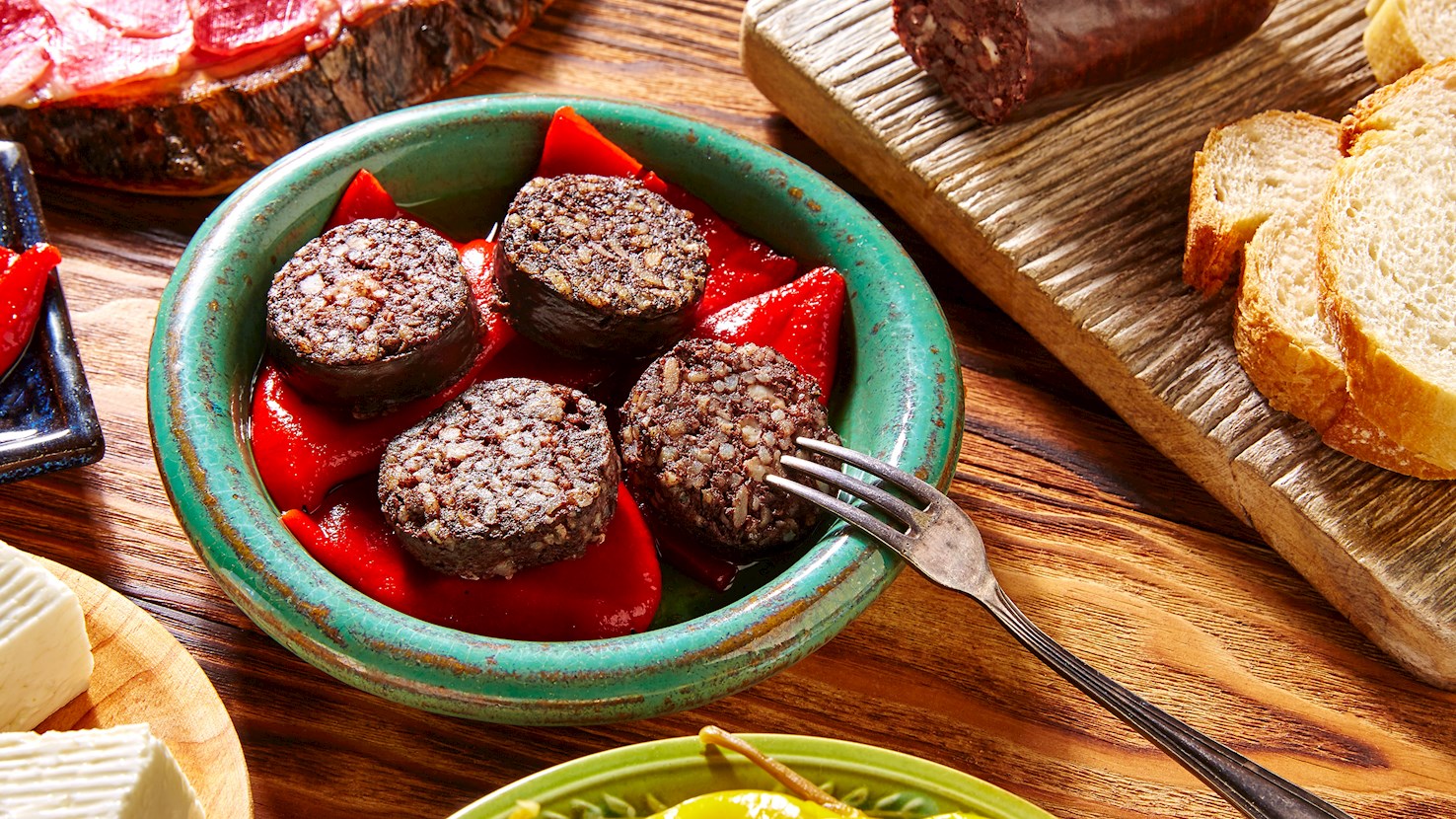
Morcilla de Burgos are blood sausages that are traditionally made in the province of Burgos. This is one of the many varieties of blood sausage, or black pudding, present all around the world. The recipe for this delicacy is fairly simple and uses only a few humble ingredients. An interesting fact about this recipe is that it doesn't actually involve any meat, since morcilla de Burgos is made by chopping and sautéing the onions with butter, then combining them with rice, lard, blood, and spices. The mixture is then used to fill the sausage casings before being cooked. This sausage owes its flavor mostly to the spices used in its preparation, mainly pepper and paprika. It can be eaten as it is, but it's mostly consumed after being fried or sautéed.
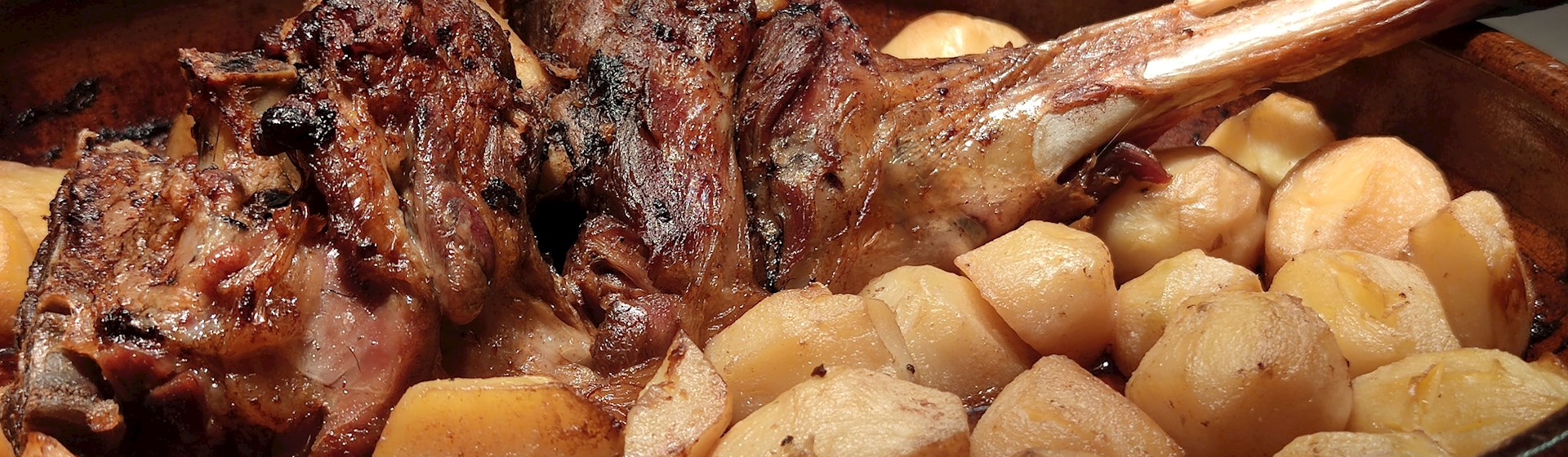
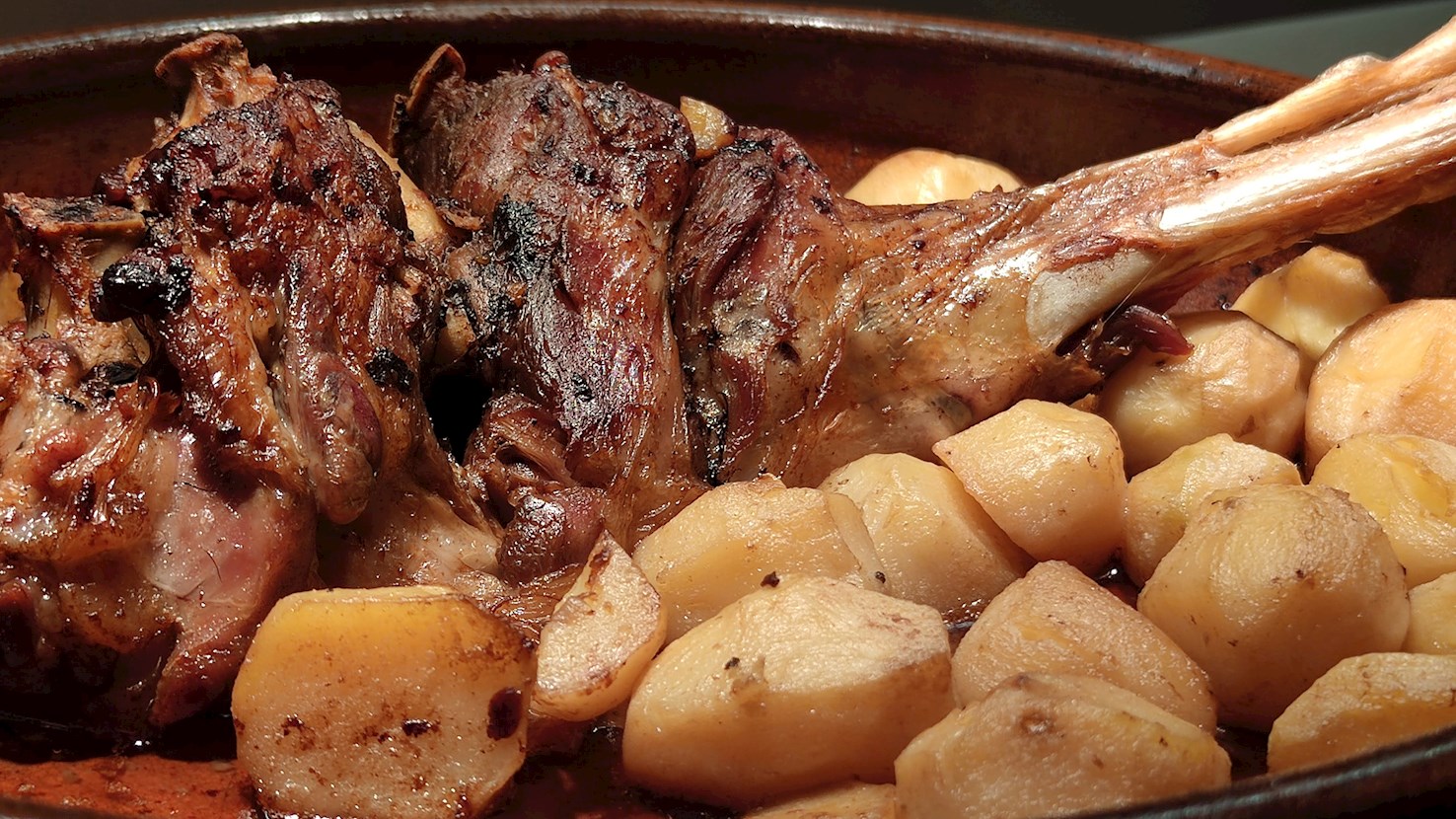
Lechazo is a roasted, unweaned milk-fed lamb prized for its exceptionally tender meat and crackling, brittle skin. The foundation of this meal relies heavily on strict criteria regarding the animal itself; the lamb must be under thirty-five days old, weigh between nine and twelve kilograms, and have consumed absolutely nothing but maternal milk. This diet guarantees a mild flavor and prevents the development of tough muscle fibers. The origins of roasting such young livestock stretch back to the Celtic and Roman eras across the high-altitude plains of the Iberian Peninsula, specifically within the Duero basin. Shepherds navigating the harsh climate relied heavily on massive flocks of sheep, and using dome-shaped clay ovens fueled by local oak branches became the most efficient way to turn young lambs into a robust source of calories. Prepping the meat involves splitting the animal lengthwise down the spine into quarters. These pieces are arranged bone-side down inside wide terracotta earthenware vessels. A small amount of water is poured directly into the bottom of the container to generate continuous steam, keeping the flesh moist, while the exterior skin is vigorously rubbed with coarse salt and occasionally a thin layer of pork lard. The clay pot sits inside a scorching wood-fired oven for a couple of hours. As it roasts, the internal fat renders completely, bathing the meat in its own juices until the outer layer transforms into a golden, blistered crust. While the minimalist approach, using only salt, water, and heat, defines the baseline in Castile and León, regional variations actively alter the flavor profile. Certain recipes add crushed garlic, fresh parsley, and a generous splash of white wine or lemon juice to the roasting pan to baste the meat. Additionally, thick slices of potato are frequently layered beneath the quarters to absorb the rendered fat as the lamb bakes. When pulled from the flames, the hot terracotta vessel is carried straight to the dining table. Because the meat achieves an incredibly soft texture, it separates from the bone effortlessly, requiring no specialized carving knives to dismantle. Slices of crusty bread and a simple side salad of crisp lettuce and white onions, dressed lightly with oil and vinegar, almost always accompany the warm meat, providing a sharp, acidic contrast to the rich, heavy fat.
Rosquillas are traditional Spanish deep-fried donuts, characterized by their fluffy texture and a hole in the middle. They are typically prepared during the Holy Week festivities. Although there are many varieties of rosquillas, the classic ones are prepared with a combination of eggs, sugar, milk, oil, lemon zest, flour, baking powder, and anisette, which imparts a unique flavor to these tasty donuts. Another classic variety of rosquillas is made with sweet muscat wine (moscatel), and those donuts are known as rosquillas de vino. After they have been deep-fried, rosquillas are typically served as a sweet snack, topped with cinnamon sugar. Interestingly, in Honduras, the rosquillas are made with corn masa and curd cheese, and they are not deep-fried but baked in the oven.
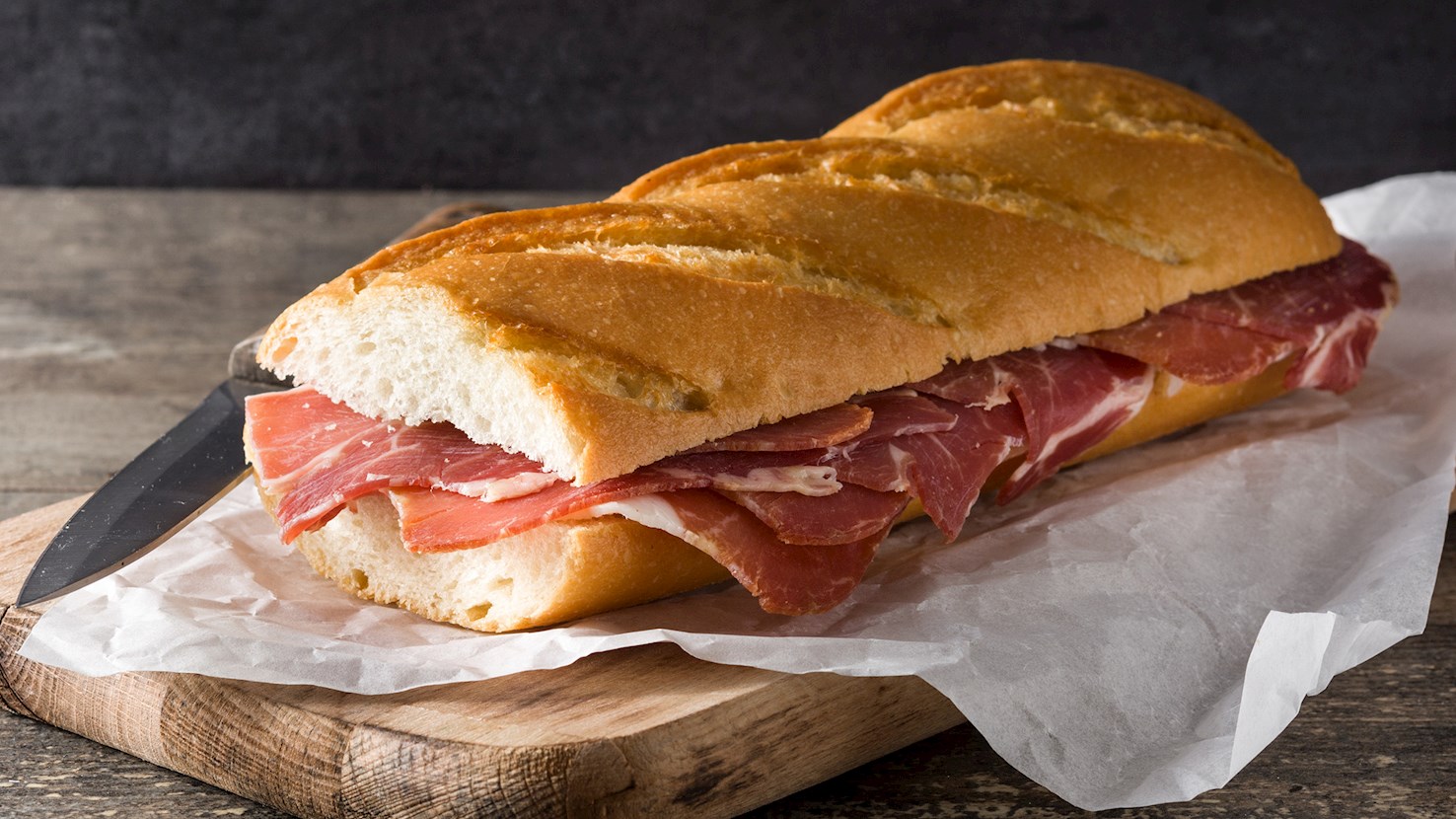
Bocadillos or bocatas are Spanish sandwiches made with Spanish-style baguettes known as barra de pan, unlike regular sandwiches which are made with modern white bread, known as pan de molde in Spain. The most common fillings for bocadillos include meat, cheese, tuna, omelets, jamón, or chorizo sausages. The Spanish typically don't add onions, mayonnaise, pickles, or lettuce to bocadillos, but the bread is sometimes rubbed with halved tomatoes or olive oil. Due to the popularity of these sandwiches, the fillings vary from one region to another – omelet bocadillos are usually eaten for breakfast or as an afternoon snack and include eggs, cheese, beans, peppers, and potatoes; meat-based bocadillos are often made with chicken, beef, pork, horse, or goat; and fish bocadillos often include cuttlefish, sardines, and squid. These sandwiches can be found everywhere from bars and taverns to roadside eateries, but you probably won't find one on a restaurant menu.
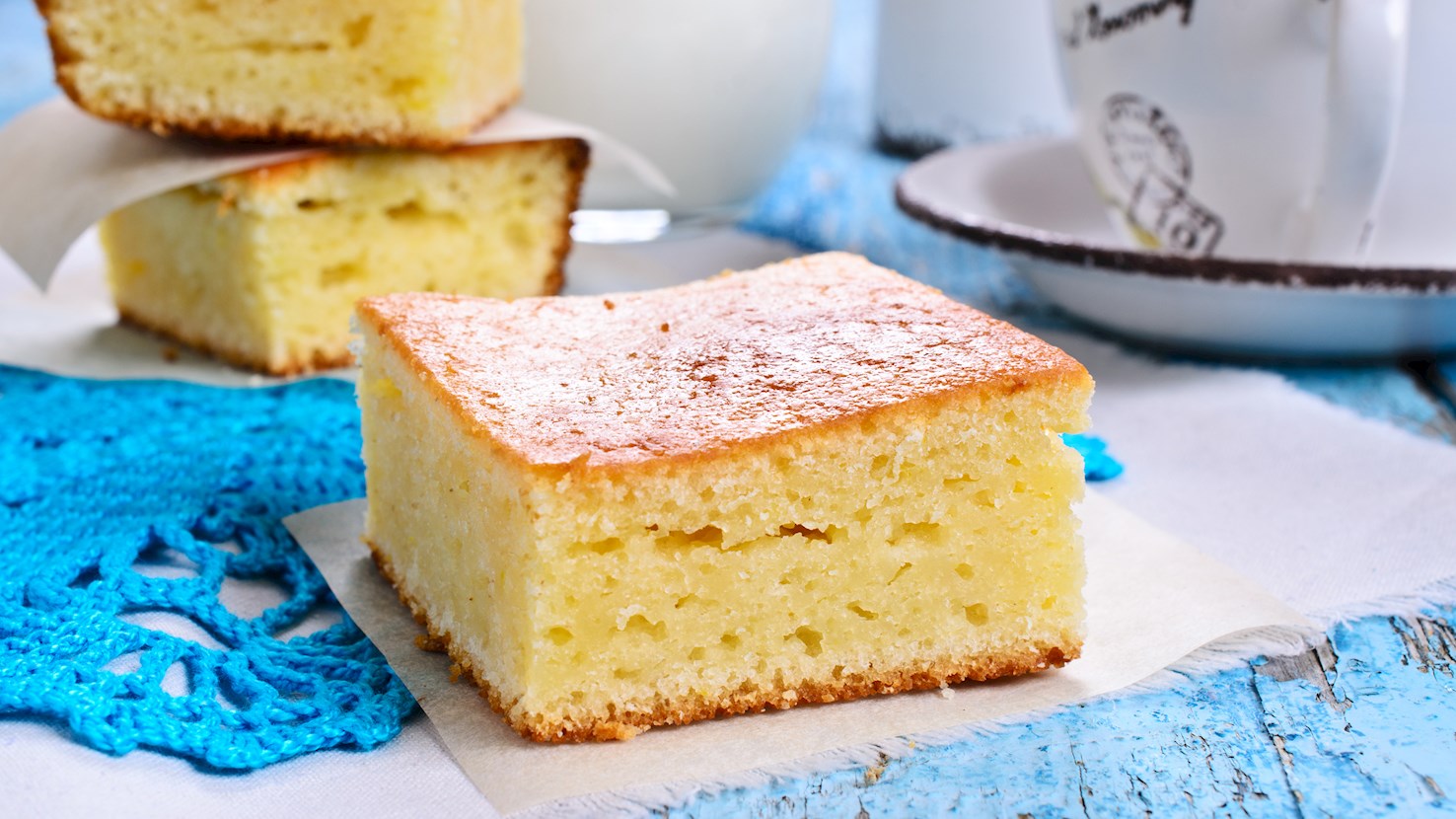
Bizcocho de aceite is a traditional sponge cake. It's made with a combination of eggs, milk, sugar, flour, olive oil, and baking powder. The cake batter is typically enriched with lemon zest, then poured into a shallow tray and baked until golden brown. This olive oil-flavored sponge cake is cut into smaller pieces and dusted with icing sugar before it's served.
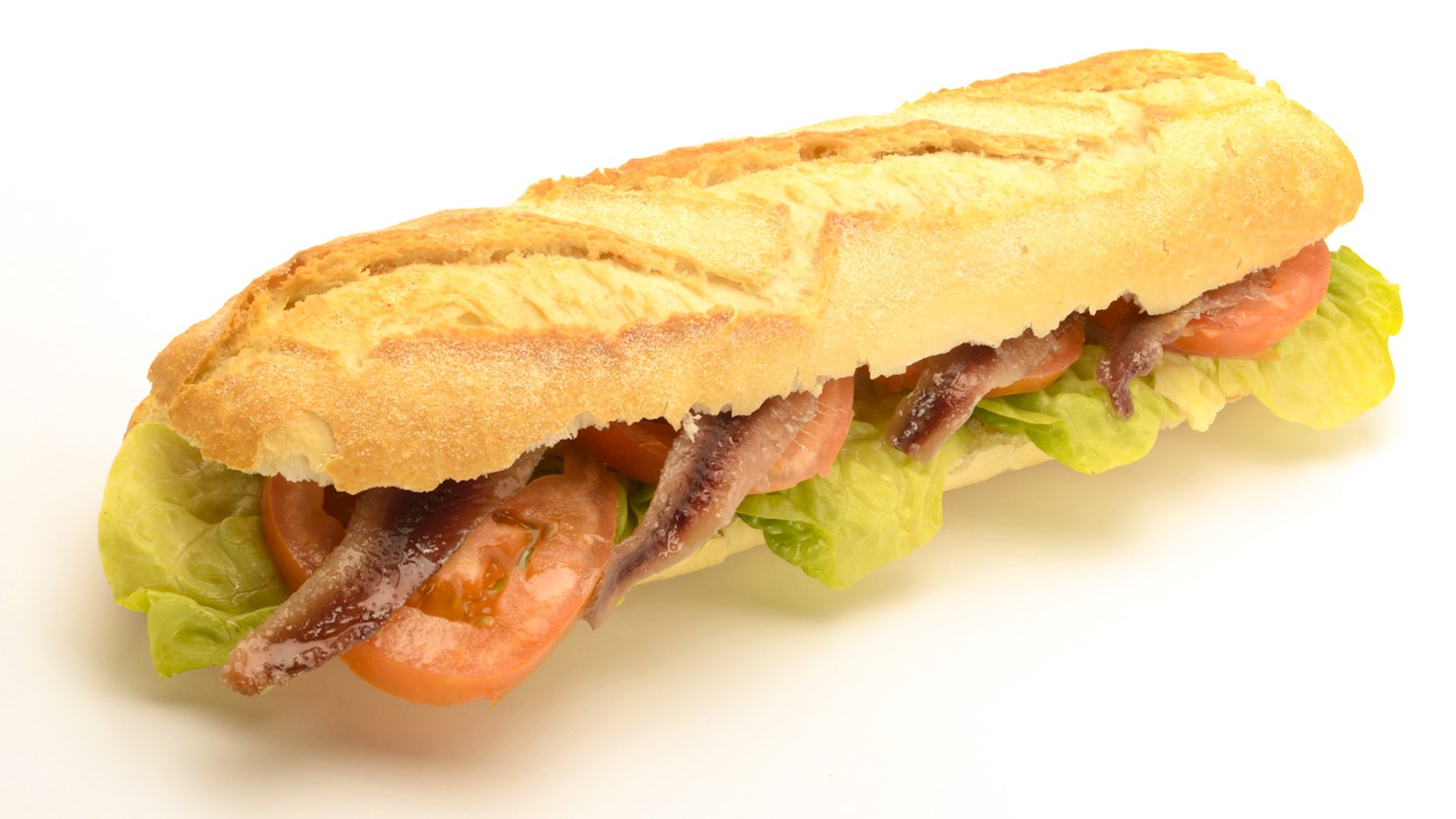
At its simplest, bocadillo de anchoas typically consists of a Spanish-style baguette (barra de pan) that’s been sliced along the middle and filled with anchovies. The cut side of the bread is often rubbed with ripe tomato halves, olive oil, and garlic to make the sandwich juicier and imbue it with additional flavor. Apart from the canned anchovies, other typical ingredients used in the filling include slices of goat cheese (queso de cabra) or Manchego cheese, tomatoes, onions, marmelada de pimientos (pepper marmalade), roasted red peppers (piquillo peppers), and olives. This Spanish bocadillo variety is usually eaten as an afternoon snack (merienda) or for lunch.
TasteAtlas food rankings are based on the ratings of the TasteAtlas audience, with a series of mechanisms that recognize real users and that ignore bot,
nationalist or local patriotic ratings, and give additional value to the ratings of users that the system recognizes as knowledgeable.
TasteAtlas Rankings should not be seen as the final global conclusion about food. Their purpose is to promote excellent local foods,
instill pride in traditional dishes, and arouse curiosity about dishes you haven’t tried.




What People Say