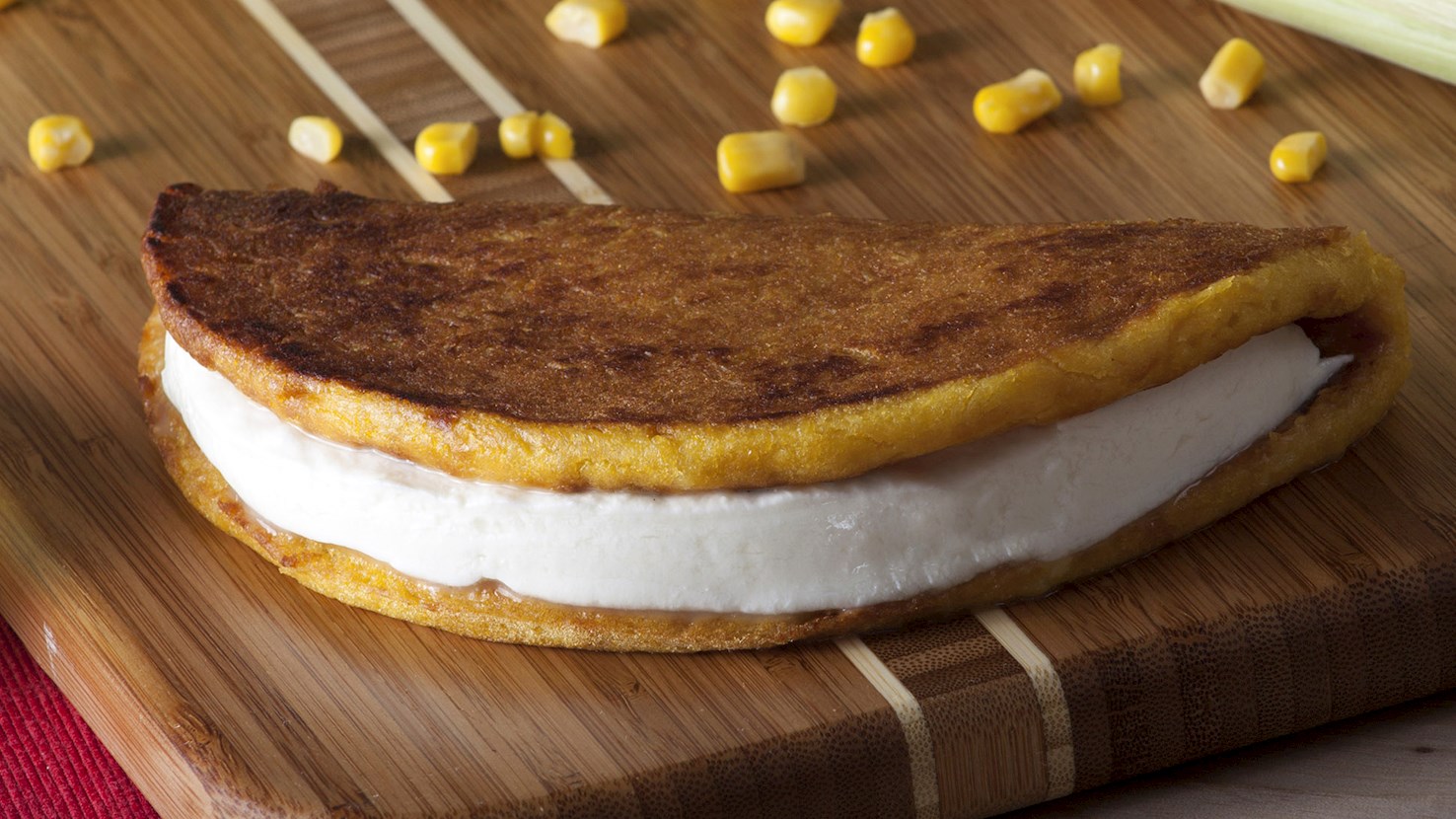
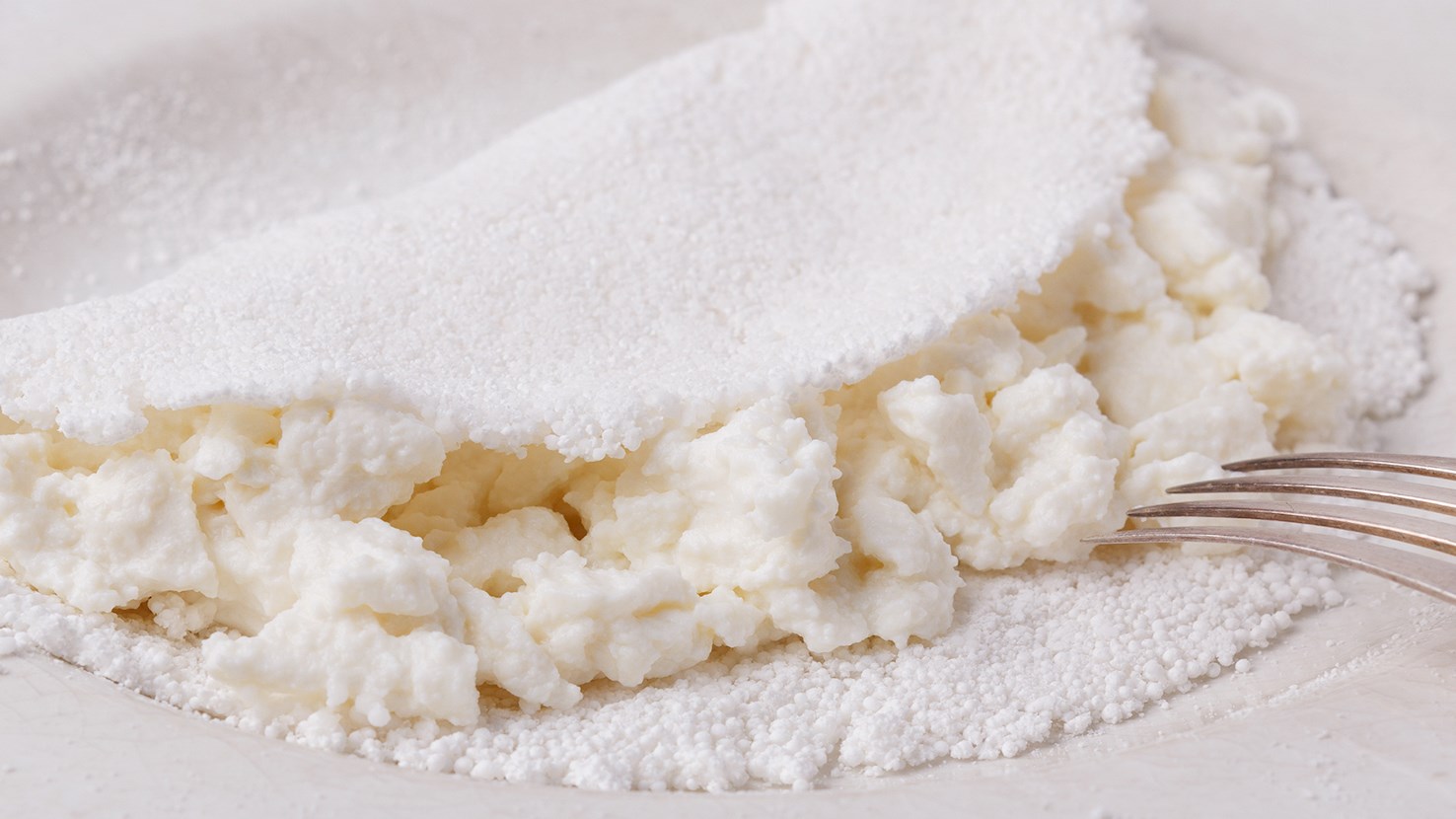
Cachapa, chorreada, arepa de choclo, güirila, toquera, tortilla de choclo, and tortilla changa, are all names that describe a Latin American corn dish that can be categorized as either a pancake, tortilla, or flatbread, depending on the country. It can be made only of corn or have additional ingredients like sugar, water, milk, salt, butter, cheese, and oil. They are typically prepared by street vendors and are either fried or griddled (in Nicaragua, they’re cooked between two banana leaves!) and characterized by a sweet-savory flavor. They can be eaten plain with a beverage, wrapped around a filling, or topped like an open-faced sandwich with things like cheese, shredded pork, sour cream, and eggs. They can be eaten any time of day, but typically they're eaten for breakfast, as a snack, or a quick dinner.
Golfeados is the Venezuelan take on famous cinnamon rolls. This cheesy, sticky pastry typically consists of milk, yeast, sugar, flour, eggs, butter, and grated cheese. It is flavored with cinnamon, vanilla, and star anise. Halfway through the baking, golfeados are glazed with melado – a simple syrup based on panela. As a result, these pastries are slightly crunchy on the exterior, while the interior remains soft, cheesy, and buttery. It is recommended to serve golfeados with a cup of robust coffee.
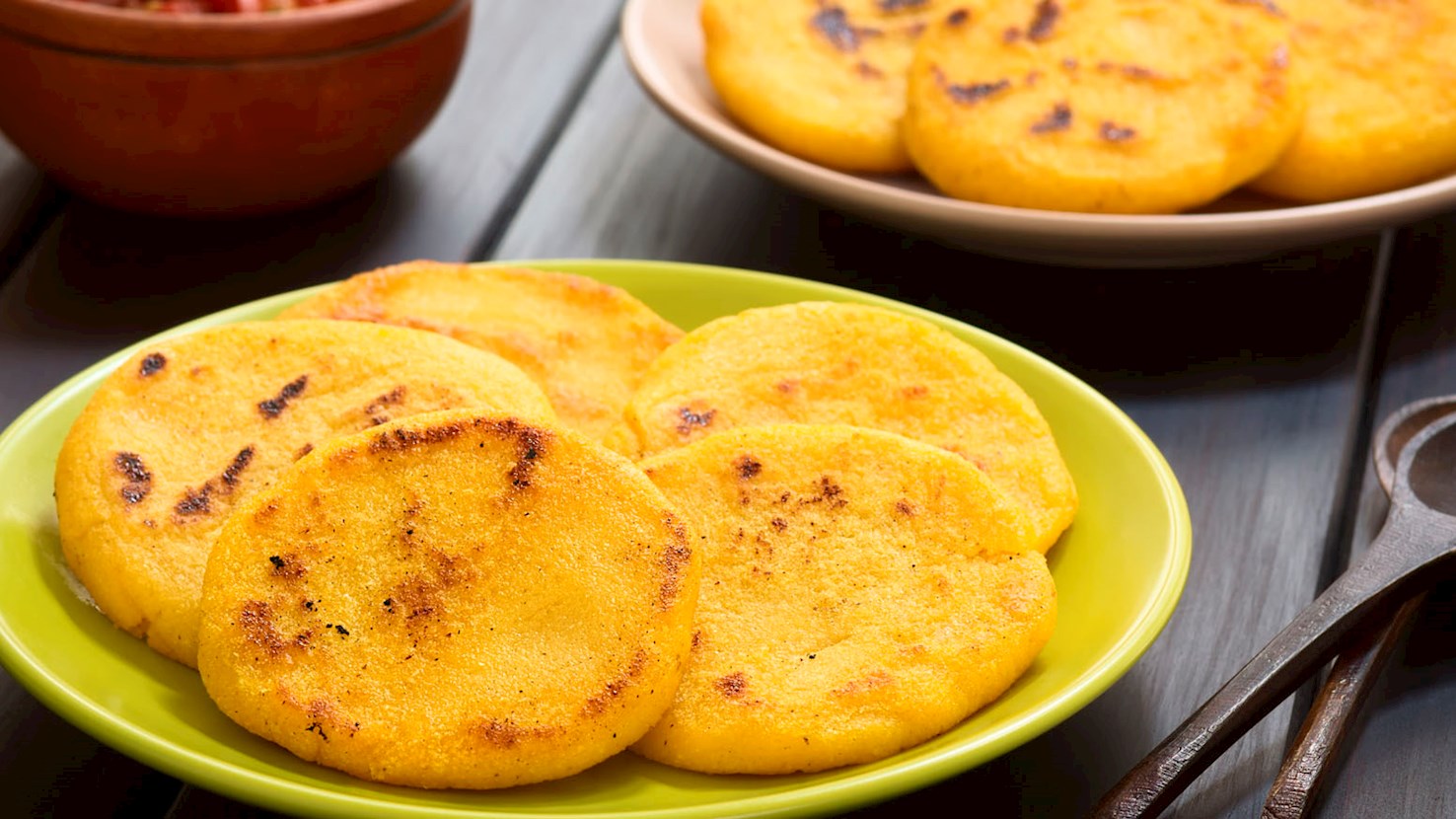
Arepa is a highly versatile cornbread made from ground corn dough or precooked corn flour. It is commonly consumed in Venezuela, Colombia, Panama, Puerto Rico, and the Dominican Republic. In Venezuela, arepa is eaten at any time of the day, throughout the whole country, and across all socio-economic groups. The golden disks with a crispy, browned crust are commonly stuffed with a variety of ingredients, and the combinations are seemingly infinite, from beans, cheese, and avocado to shredded beef and onions. For a Venezuelan breakfast, arepas are traditionally paired with a cup of strong coffee and hot dipping chocolate. Since they are not filled with anything for breakfast, they are commonly referred to as the viuda (widow). The name arepa comes from the word erepa, which is the indigenous word for this corn bread, as its origins are believed to be from the indigenous tribes across Venezuela, such as Timoto-Cuicas, Arawak, Carib, and Karina. Today, arepas are usually served at traditional eateries called areperas.
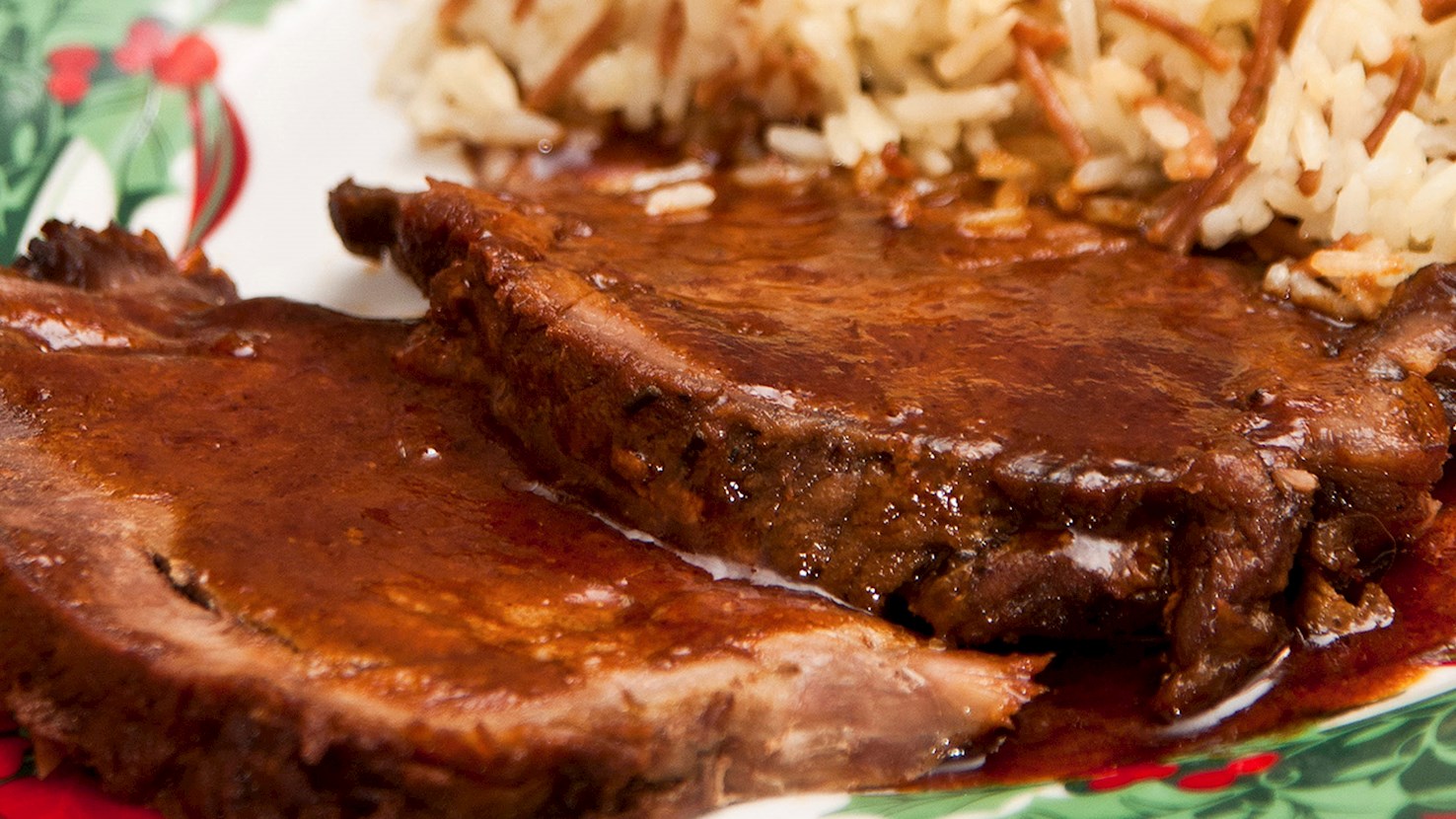
Asado negro is an eye-of-round beef roast, known locally as muchacho redondo, slowly braised for hours in a dark, sweet, and savory sauce until tender. Supposedly, the recipe developed accidentally when a cook burned a piece of beef and tried to fix the mistake by boiling it in wine and spices. Today, the cooking starts by searing the beef in hot oil mixed with papelón, a solid block of raw, unrefined cane sugar. The sugar melts and caramelizes around the meat, creating a dark, sticky crust before any braising liquid goes into the pot. Once the beef develops this dark exterior, cooks pour in red wine along with aromatics such as onions, garlic, and ají dulce, a small, sweet pepper. The roast simmers in this mixture for several hours until the liquid reduces into a thick, almost black gravy. Families adapt the sauce recipe based on their own preferences. Sometimes tomatoes, olives, bay leaves, black pepper, oregano, or Worcestershire sauce are also added to adjust the flavor. People in Caracas eat asado negro for Sunday family dinners, weddings, and holiday meals, served with plain white rice and sweet fried plantains, called tajadas, which absorb the dark gravy. Mashed or baked potatoes are another common side. The next day, people slice the cold leftover meat thin or shred it to eat inside arepas with salty white cheese.
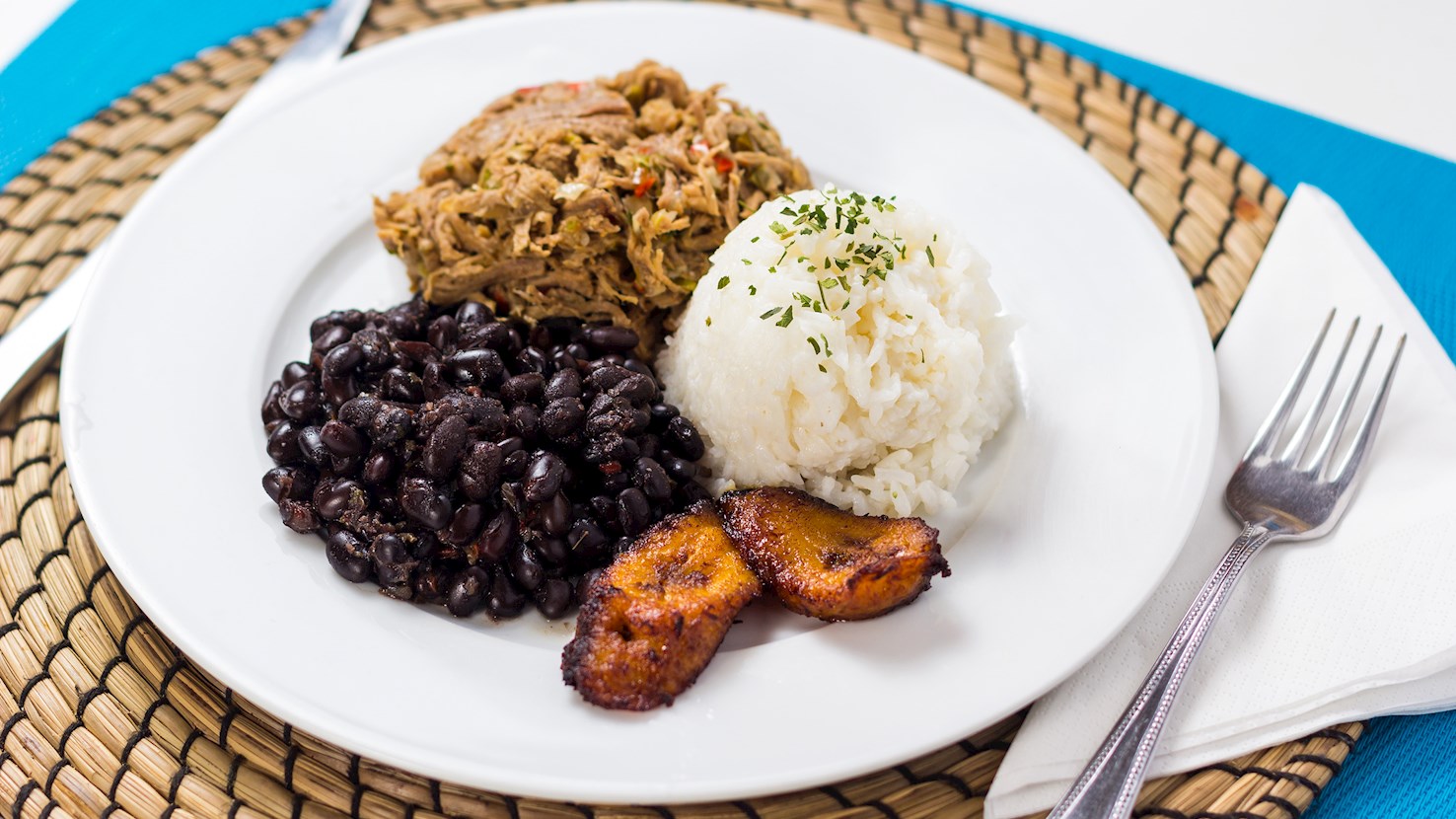
Pabellon criollo is a traditional dish consisting of black beans, white rice, and slices of steak cooked with tomatoes. The word pabellon means flag, referring to the colors of individual components, which are arranged to resemble the national flag. The dish is sometimes also served with fried plantains, known as tajadas, along with arepas and white cheese. The plantains keep the food from slipping over the plate, and in that case, the dish is known as pabellon con baranda, where baranda means guard rail. If the dish is served with a fried egg on top, it is known as pabellon a caballo. Pabellon criollo is especially popular with Venezuelan cowboys, known as llanos.
Casabe is a traditional thin flatbread. It is made with flour gained from cassava, an ancient plant native to northern parts of South America. No leavening agent or fat is used in the preparation, and as a result, the bread has an unusually crispy texture. This traditional delicacy has a distinctive taste, it is rarely eaten on its own and usually, like other bread varieties, it is eaten as an accompaniment to other dishes, most commonly stews and soups. Plain casabe is highly versatile and can be improved by either sweet or savory additions. Similar to tortillas, it can be soaked and filled with different ingredients or cut into smaller pieces and served with a variety of dips. This simple bread is praised because of its health benefits, it is rich in fiber and minerals, and because of this, it is slowly starting to gain popularity outside South America. Casabe is commonly sold in numerous international shops and food markets.
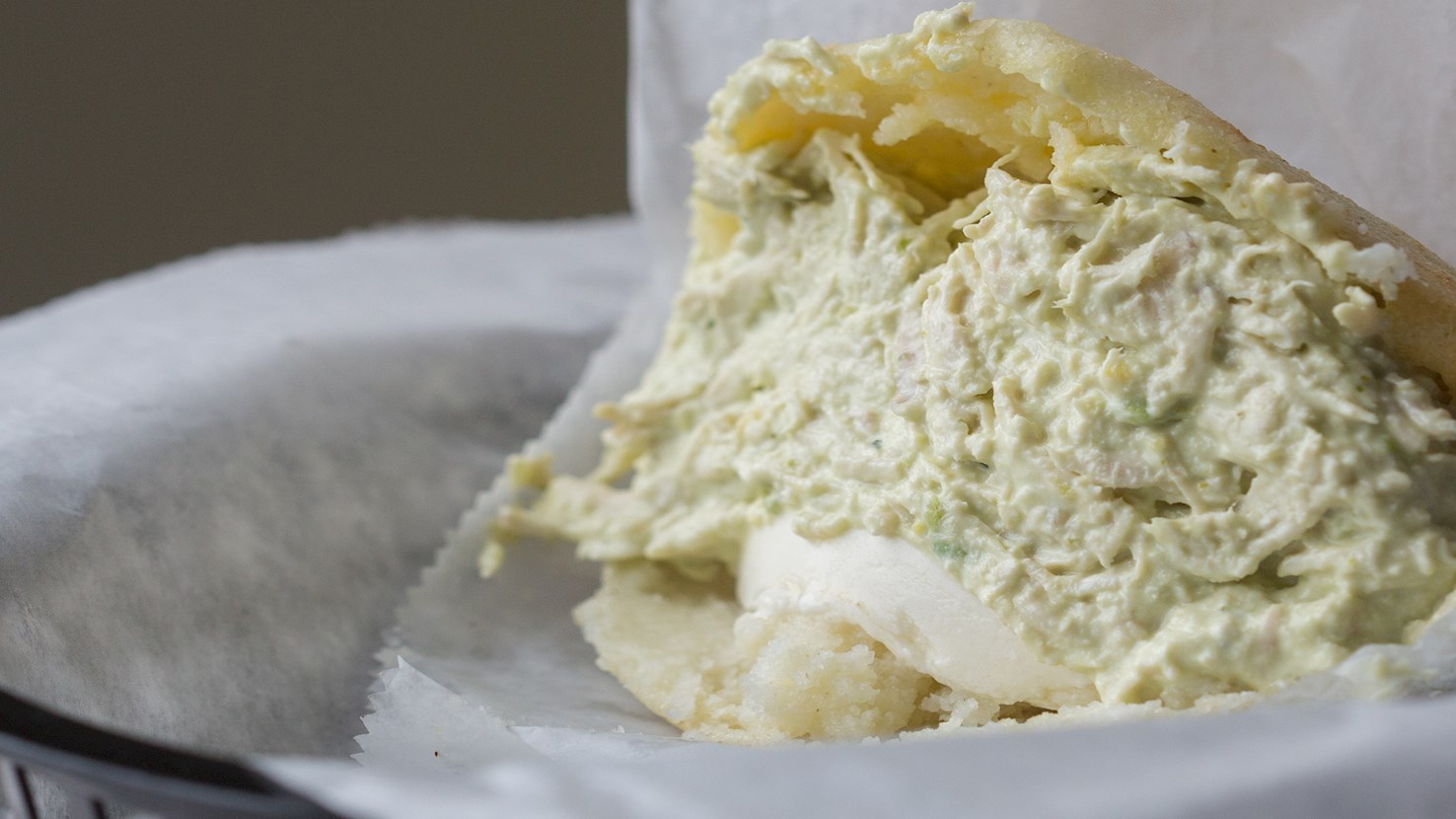
Arepa reina pepiada is one of the most famous arepa varieties in Venezuela. This type of arepa is stacked and filled with a combination of avocado, shredded chicken pieces, lime, coriander, mayonnaise, and optional peas. The dish was invented by Heriberto Alvarez, an empanada kiosk owner. The name is concocted in honor of Susana Duijm, the first Venezuelan representative to win the Miss World crown. In those days, curvy women like Susana were called pepiada, so reina pepiada (curvy queen) is a logical choice for the name of this flavorful arepa variety.
TasteAtlas food rankings are based on the ratings of the TasteAtlas audience, with a series of mechanisms that recognize real users and that ignore bot,
nationalist or local patriotic ratings, and give additional value to the ratings of users that the system recognizes as knowledgeable.
TasteAtlas Rankings should not be seen as the final global conclusion about food. Their purpose is to promote excellent local foods,
instill pride in traditional dishes, and arouse curiosity about dishes you haven’t tried.




What People Say